Posted on 3 Comments

Ginger for Your Lungs: 5 Benefits and Practical Uses

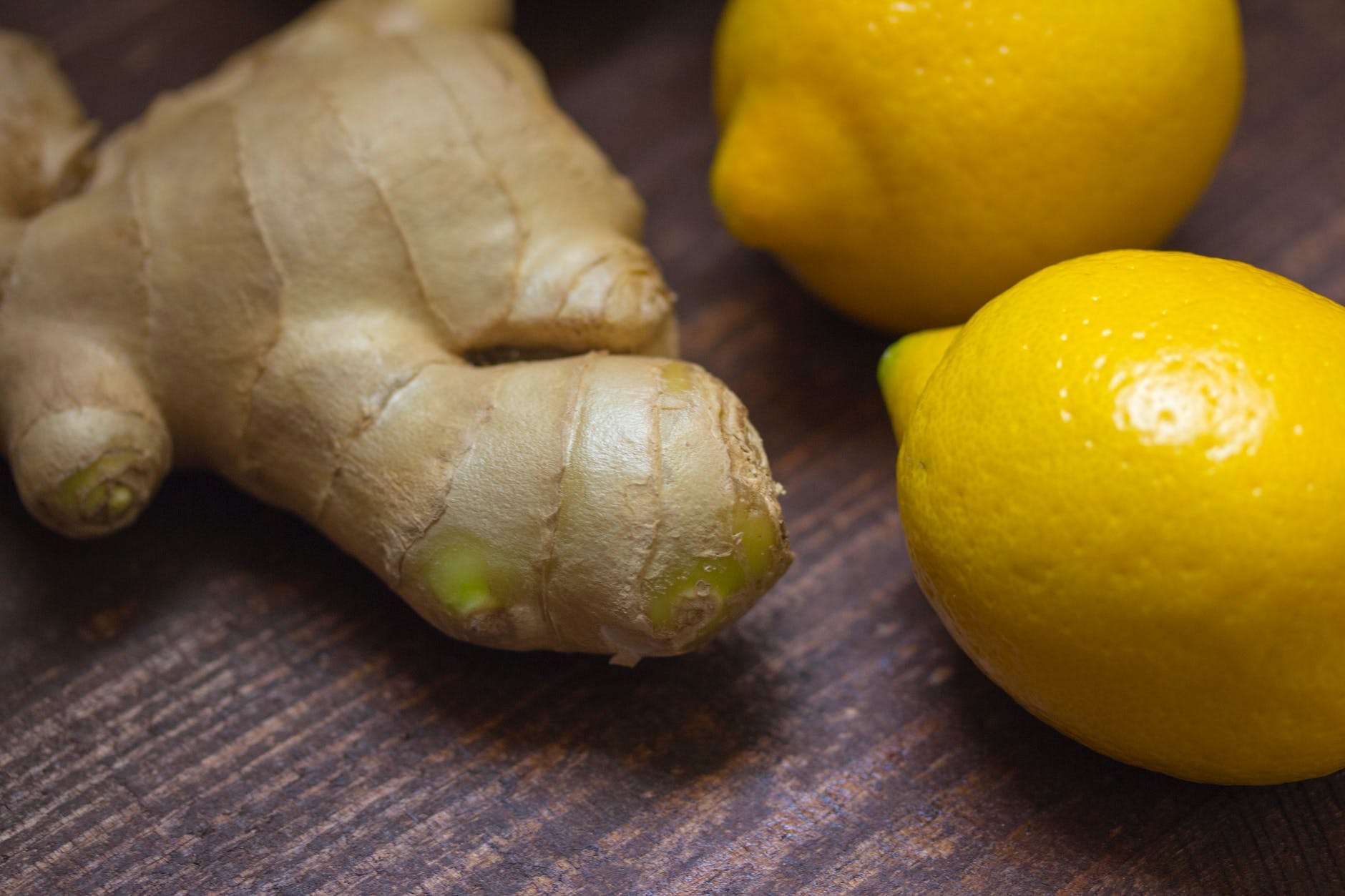
pexels-photo-128403.jpeg

Ginger, a common spice found in many kitchens, is not just a flavor enhancer. It’s a powerhouse of health benefits, particularly for the lungs. From eliminating air pollutants to improving circulation, ginger is a natural remedy that can help maintain lung health and alleviate symptoms of various respiratory conditions. Let’s dive into the details!

Ginger and Lung Health: The Connection 🌬️

Ginger is known for its anti-inflammatory properties, which can help soothe inflamed airways and improve breathing. It’s especially beneficial for those suffering from chronic lung diseases like bronchitis and asthma. Ginger works by eliminating air pollutants, tobacco smoke, and perfumes out of the air passages before they have time to irritate the lungs. It also relieves congestion and improves circulation to the lungs, thus reducing the severity of many chronic lung diseases.

Ginger and Asthma: A Natural Relief 🍃

Asthma, a condition that inflames and narrows the airways, can cause wheezing, shortness of breath, chest tightness, and coughing. Ginger, with its anti-inflammatory properties, can help alleviate these symptoms. It can also improve circulation to the lungs, making it easier for asthma patients to breathe.

Ginger and Bronchitis: Soothing the Airways 🌬️

Bronchitis, an inflammation of the lining of the bronchial tubes, can cause coughing, production of mucus, fatigue, shortness of breath, and minor chest pain. Ginger can help relieve these symptoms by improving circulation and reducing inflammation in the airways.

Ginger and Lung Infections: A Natural Antidote 🌿

Ginger’s anti-inflammatory and antioxidant properties can also help fight lung infections. It can help soothe the inflamed airways, making it easier for the body to expel the mucus and fight off the infection.

Ginger and Respiratory Health: A Daily Dose 🍵

Including ginger in your daily diet can help maintain your respiratory health. You can add it to your meals, brew it into a tea, or even consume it raw. However, it’s important to remember that while ginger can help alleviate symptoms of respiratory conditions, it should not replace any prescribed medications or treatments.

FAQs 🙋‍♀️

  1. Is ginger good for shortness of breath? Yes, ginger can help alleviate shortness of breath by improving circulation and reducing inflammation in the airways. 🌬️
  2. Does ginger help with chest congestion? Yes, ginger can help relieve chest congestion by improving circulation and helping to expel mucus from the lungs. 🌬️
  3. Is ginger good for lung infection? Ginger’s anti-inflammatory and antioxidant properties can help fight lung infections and soothe inflamed airways. 🌿
  4. Can I use ginger essential oil for respiratory health? Yes, ginger essential oil can be used for respiratory health. However, it should be used with caution and under the guidance of a healthcare professional. 🍶
  5. Is ginger tea good for your lungs? Yes, ginger tea can be beneficial for your lungs. It can help soothe inflamed airways, improve circulation, and help alleviate symptoms of respiratory conditions. 🍵
  6. Can ginger help with cough and phlegm? Yes, ginger can help alleviate cough and expel phlegm from the lungs due to its anti-inflammatory properties and its ability to stimulate mucus secretion. 🍵
  7. Is ginger good for respiratory infections? Yes, ginger can help fight respiratory infections due to its anti-inflammatory, antibacterial, and antiviral properties. 🌿
  8. Can I use ginger for lung detoxification? Yes, ginger can help detoxify the lungs. It helps to break down and expel mucus, allowing your body to clear out any toxins trapped in the respiratory tract. 🌬️

Remember, while ginger is a powerful natural remedy, it should not replace any prescribed medications or treatments. Always consult with a healthcare professional before starting any new health regimen.

Stay healthy and breathe easy with the power of ginger! 🌿🍋🍵

Sources: Healthfully, Johns Hopkins Medicine, Cleveland Clinic, WebMD

Disclaimer: This blog post is for informational purposes only and should not be used as a replacement for professional medical advice.

Posted on 1 Comment

Natural Remedy for Acne and Dark Spots: Exploring Lemons and their Role in Skin Health

photo of woman touching her face

Acne and dark spots can be a real confidence killer. But don’t worry, nature has a solution for you – Lemons! This citrus fruit is not just a kitchen staple but also a beauty powerhouse. Packed with vitamin C and citric acid, lemons can work wonders on your skin. But how exactly do you use lemon on your face for acne and dark spots? Let’s dive in! 🌊

Lemon for Acne: A Natural Antiseptic 🍋💥

Acne is primarily caused by excess oil and bacteria. Lemon, with its natural antiseptic properties, can help combat these acne-causing culprits. The citric acid in lemon works as an astringent, reducing oil secretions and eliminating pimple-causing bacteria.

Here’s a simple acne spot treatment you can try:

  • 1/2 spoon of Multani Mitti (Fuller’s Earth)
  • 1/4 spoon of Turmeric
  • 1/2 spoon of Honey
  • A pinch of Cinnamon (optional)
  • A drop of Lemon juice

Mix these ingredients to make a thick paste. Apply it on your acne spots and rinse off after 15-20 minutes. This treatment can help reduce acne and prevent future breakouts. However, make sure to do a patch test before applying it to your face, as some people might be allergic to these ingredients.

Lemon for Dark Spots: A Natural Brightener 🍋✨

Dark spots are often caused by hyperpigmentation, a condition where patches of your skin become darker than the surrounding skin. This can be due to various factors like sun exposure, hormonal changes, or acne scars.

Lemon juice, being rich in vitamin C, can help lighten these dark spots. Vitamin C is a potent antioxidant that neutralizes the harmful free radicals causing hyperpigmentation. It also boosts collagen production, promoting skin regeneration and reducing the appearance of dark spots.

Here’s how you can use lemon for dark spots:

  • 1 tablespoon of Lemon juice
  • 1 tablespoon of Honey

Mix these ingredients and apply the mixture to your dark spots. Leave it on for 15-20 minutes and then rinse off. Repeat this process 2-3 times a week for best results.

Precautions When Using Lemon on Face 🚫🍋

While lemon can be a potent natural remedy for acne and dark spots, it’s important to use it correctly to avoid any adverse effects. Here are some precautions you should take:

  1. Always Dilute Lemon Juice: Pure lemon juice can be too acidic and harsh for your skin. Always dilute it with water or other ingredients like honey or aloe vera before applying it to your face.
  2. Do a Patch Test: Before applying lemon juice to your face, do a patch test on your arm to see if you have any allergic reactions.
  3. Avoid Sun Exposure: Lemon juice can make your skin more sensitive to the sun. If you’re using lemon juice on your face, make sure to apply sunscreen before going out.
  4. Don’t Overuse: Using lemon juice too often can dry out your skin and disrupt your skin’s pH balance. It’s recommended to use lemon juice treatments 2-3 times a week at most.

Frequently Asked Questions 🙋‍♀️🍋

Q1: Can lemon remove pimples and dark spots? 🍋💥

Absolutely! Lemon is a natural powerhouse of citric acid that acts as an astringent, reducing oil secretions and eliminating bacteria that cause pimples. Additionally, its high vitamin C content can lighten dark spots by neutralizing harmful free radicals and promoting collagen production.

Q2: How can I use lemon for pimples? 🍋💥

To use lemon for pimples, you can create a simple spot treatment. Combine 1/2 spoon of Multani Mitti, 1/4 spoon of Turmeric, 1/2 spoon of Honey, a pinch of Cinnamon, and a drop of Lemon juice. Apply this concoction on your acne spots and rinse off after 15-20 minutes.

Q3: What are the benefits of applying lemon on the face? 🍋✨

Lemon offers a plethora of benefits when applied to the face. It can help combat acne, lighten dark spots, reduce oiliness, and brighten the skin. However, it’s crucial to use it correctly and take necessary precautions to avoid any adverse effects.

Q4: How can I use lemon juice for dark spots? 🍋✨

To use lemon juice for dark spots, mix 1 tablespoon of Lemon juice with 1 tablespoon of Honey. Apply this mixture to your dark spots, leave it on for 15-20 minutes, and then rinse off. Repeat this process 2-3 times a week for optimal results.

Q5: Does lemon juice help get rid of acne? 🍋💥

Yes, lemon juice can be a potent weapon against acne. Its natural antiseptic properties can eliminate acne-causing bacteria, while its astringent properties can reduce oil secretions. However, it’s important to always dilute lemon juice before applying it to your face to avoid any skin irritation.

Q6: Can I use lemon juice on my face every day? 🚫🍋

While lemon juice has numerous skin benefits, it’s not advisable to use it on your face daily. Using lemon juice too frequently can dry out your skin and disrupt your skin’s pH balance. It’s recommended to use lemon juice treatments 2-3 times a week at most.

Q7: Does a lemon and sugar scrub remove dark spots? 🍋✨

Lemon and sugar can create a natural scrub that may help lighten dark spots. The citric acid in lemon can lighten the skin, while the sugar granules can exfoliate the skin, removing dead skin cells and promoting skin regeneration. However, this treatment should be used with caution as it can be too abrasive for some skin types.

Q8: How long should I leave lemon juice on my face? 🕒🍋

When using lemon juice on your face, it’s recommended to leave it on for about 15-20 minutes. This duration allows the lemon juice to work effectively on your skin without causing any irritation. Always rinse off the lemon juice thoroughly with lukewarm water after the treatment.

Q9: Can lemon reduce dark spots? 🍋✨

Yes, lemon can indeed reduce dark spots. Its rich vitamin C content can lighten dark spots by neutralizing harmful free radicals and boosting collagen production. However, it’s important to use lemon treatments consistently and patiently, as it may take several weeks to see noticeable results.

Q10: What will happen if I apply lemon on my face? 🍋💫

Applying lemon on your face can help combat acne, lighten dark spots, and brighten your skin. However, it can also make your skin more sensitive to the sun, so it’s important to apply sunscreen before going out. Some people might experience a slight tingling sensation or redness after applying lemon juice, which is normal. But if you experience any severe discomfort or allergic reactions, rinse off immediately and discontinue use.

Conclusion 🌟

Lemon is a versatile fruit that can do wonders for your skin. Whether you’re dealing with acne or dark spots, this citrus fruit can offer a natural and effective solution. However, remember to use it wisely and always take the necessary precautions. With the right usage, you can harness the power of lemon to achieve clear, radiant skin. 🍋💛

Tags: Lemon for Acne, Lemon for Dark Spots, Natural Remedies, Skincare, Beauty Tips, DIY Treatments, Lemon Benefits, Acne Treatment, Dark Spot Removal, Lemon Juice, Vitamin C, Citric Acid, Antioxidant, Collagen, Hyperpigmentation, Skin Regeneration, Skin Care Precautions.

Posted on Leave a comment

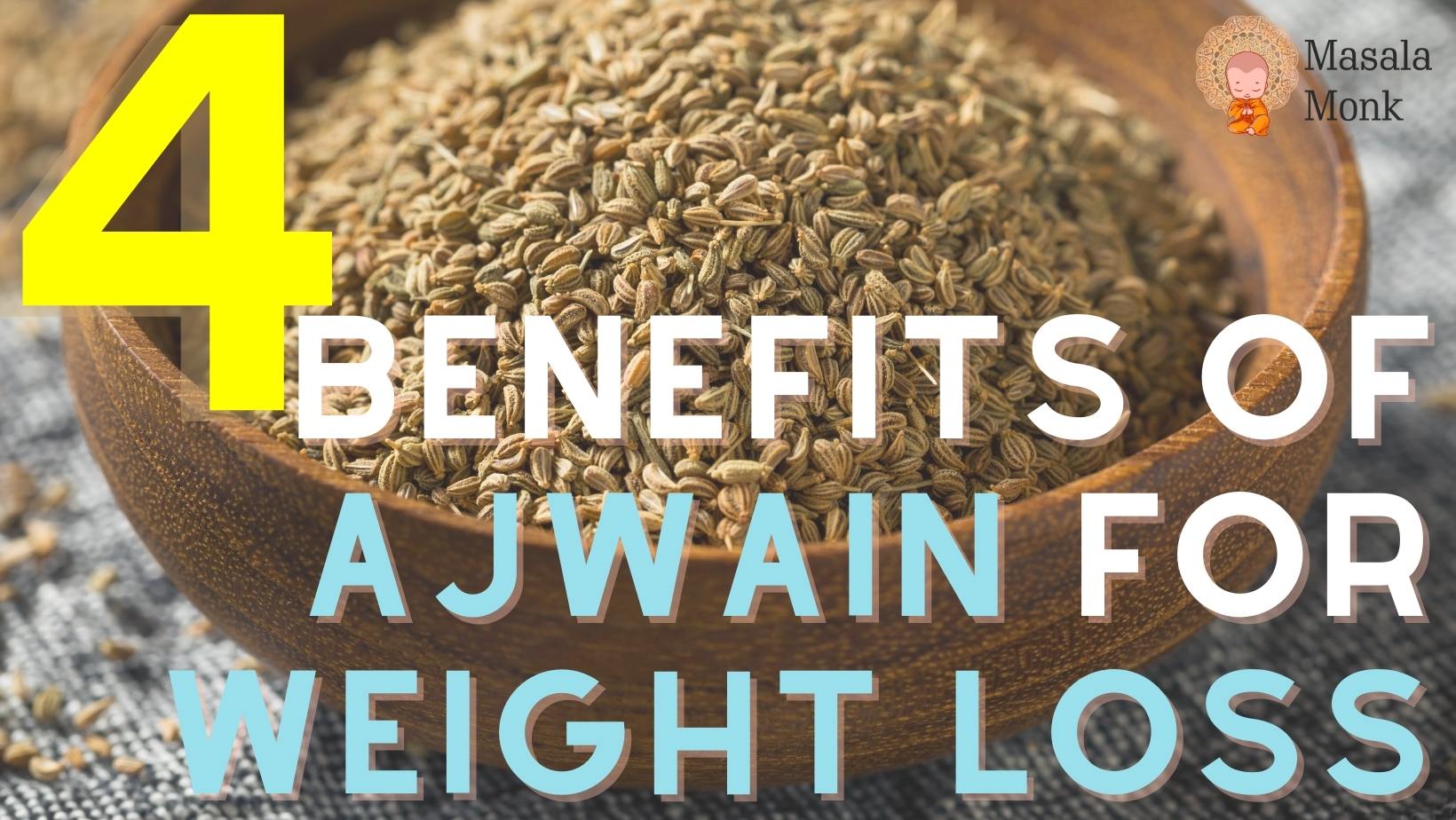
4 Benefits of Ajwain for Weight Loss

Greetings, health enthusiasts! 🙌 Today, we’re diving deep into the world of ajwain, also known as carom seeds. This humble seed, a cornerstone of Indian cuisine, is a treasure trove of health benefits, particularly when it comes to weight loss. So, let’s embark on this enlightening journey and unravel the magic of ajwain! 🚀

Ajwain Unveiled: A Mighty Seed with a Myriad of Benefits 🌱

Ajwain, or carom seeds, are tiny, oval-shaped seeds that are a staple in Indian cooking. They boast a unique flavor profile that’s a blend of bitter, pungent, and spicy notes. But ajwain isn’t just a flavor enhancer; it’s a potent health booster, especially when it comes to weight loss. 🏋️‍♀️

Ajwain seeds are brimming with nutrients like fiber, antioxidants, and essential oils. They also contain a wealth of bioactive compounds, including thymol, γ-terpinene, p-cymene, and β-pinene, which are renowned for their medicinal properties. These compounds contribute to ajwain’s health benefits, including its potential to aid weight loss.

The Science Behind Ajwain and Weight Loss: A Closer Look at the Research 🔬

Ajwain seeds are a rich source of dietary fiber, which aids in maintaining satiety, thus curbing the tendency to overeat. They also contain an enzyme called thymol, which enhances digestion and can prevent bloating and indigestion, common issues that can impede your weight loss journey.

But the benefits of ajwain extend beyond this. Modern research has shown that ajwain seeds can help lower cholesterol and blood lipid levels, further supporting weight loss. They also possess anti-inflammatory and antioxidant properties, which can help combat chronic diseases like heart disease and diabetes. 🍽️

A study published in the Journal of Dietary Supplements found that ajwain extract significantly reduced body weight and body fat percentage in overweight rats. While more research is needed in humans, these findings suggest that ajwain could be a promising natural remedy for weight loss.

Ajwain in Ayurveda: Harnessing Ancient Wisdom for Modern Health 🕉️

In the ancient Indian medical system of Ayurveda, ajwain is revered as a potent digestive aid. It’s believed to stimulate the digestive fire (known as Agni), which is essential for the proper breakdown and assimilation of food. This can help prevent the accumulation of ama (toxins), which is often linked to weight gain and other health issues.

Moreover, ajwain is classified as a “Ushna” herb in Ayurveda, which means it has a heating effect on the body. This can help increase metabolic rate and burn fat more efficiently.

Practical Ways to Incorporate Ajwain into Your Weight Loss Regimen 🥣

There are several practical ways to incorporate ajwain into your daily diet:

  1. Ajwain Water: Soak a teaspoon of ajwain seeds in a glass of water overnight. Strain the water in the morning and drink it on an empty stomach. This simple routine can help kickstart your metabolism for the day. 💦
  2. Ajwain Tea: Boil a teaspoon of ajwain seeds in a cup of water until it reduces to half. Strain and drink it warm. You can add a dash of honey for taste. This ajwain tea can be a comforting evening drink. 🍵
  3. Ajwain Powder: You can dry roast ajwain seeds, grind them into a powder, and add it to your meals. This is a great way to add a health boost to your everyday dishes. 🍲

A 15-Day Ajwain Plan for Weight Loss: Your Step-by-Step Guide 🗓️

If you’re looking for a more structured plan, here’s a simple 15-day regimen to follow:

  1. Day 1-5: Start your day with a glass of ajwain water every morning.
  2. Day 6-10: Continue with the ajwain water and add ajwain tea to your evening routine.
  3. Day 11-15: Keep up with the ajwain water and tea, and start adding ajwain powder to one meal a day.

Remember, consistency is key! 🗝️

Combining Ajwain with Other Spices for Enhanced Weight Loss 🌶️

Ajwain can be combined with other spices like cinnamon and fennel seeds to enhance its weight loss benefits. For instance, you can make a detox tea with ajwain, cinnamon, and fennel seeds. Simply boil all three ingredients in water, strain, and enjoy a warm, flavorful cup of weight loss goodness. 🍵

The Side Effects of Ajwain: What You Need to Know ⚠️

While ajwain is generally safe for most people, it’s always important to listen to your body. If you notice any adverse reactions like skin irritation, nausea, or dizziness, it’s best to stop consumption and consult a healthcare professional. Remember, moderation is key. 🏥

Ajwain: A Seed with Benefits Beyond Weight Loss 🌈

Ajwain isn’t just for weight loss. It’s also known for its Ayurvedic benefits, like improving digestion, relieving cold and cough, and even promoting hair health. So, incorporating ajwain into your diet can bring a host of health benefits. 🌟

Wrapping Up 🎁

Ajwain is a simple, natural, and effective way to support your weight loss journey. But remember, it’s not a magic bullet. A balanced diet, regular exercise, and a healthy lifestyle are equally important. So, why not give ajwain a try and see the benefits for yourself? Happy health journey! 🎉

Remember, this guide is for informational purposes only. Always consult a healthcare professional before starting any new diet or regimen. Stay healthy, stay happy! 😊

Blog Tags: Ajwain, Weight Loss, Ayurveda, Healthy Lifestyle, Natural Remedies, Digestive Health, Dietary Fiber, Thymol, Metabolism Boost, Detox Tea, Ajwain Water, Ajwain Tea, Ajwain Powder, Cholesterol, Blood Lipids, Anti-Inflammatory, Antioxidant, Side Effects, Consistency, Balanced Diet, Exercise, Health Journey, Modern Research, Ayurvedic Benefits, Ushna Herb, Agni, Ama, Toxins, Overeating, Bloating, Indigestion, Heart Disease, Diabetes, Body Fat Percentage, Rat Study, Journal of Dietary Supplements, Overweight Rats, Skin Irritation, Nausea, Dizziness, Healthcare Professional, Moderation, Cold and Cough, Hair Health.

Posted on Leave a comment

5 Benefits of Turmeric for Weight Loss

Recent studies suggest Turmeric can help with Weight Loss!

Greetings, health aficionados! 👋 Today, we’re journeying into the vibrant world of turmeric, also known as the golden spice. Loved for its distinct taste and color, turmeric is a staple in many kitchens worldwide. But, it’s not just a culinary superstar; it offers a bounty of health benefits, and recent research suggests it could be a helpful companion on your weight loss journey. Buckle up; we’re about to dive deep into the science behind this intriguing spice. 🌈


Unmasking the Magic of Turmeric 🎭

Turmeric, a member of the ginger family, traces its roots back to South Asia. For centuries, it has been the heart and soul of various dishes, primarily Indian curries. Yet, its contribution isn’t limited to the culinary realm. Turmeric holds a respected place in traditional medicine, particularly Ayurveda. The magic lies in its active compound, curcumin, which is responsible for its bright hue and numerous health benefits. ⚡


Turmeric’s Weight Loss Potential: The Science Behind it 🧪

You might be wondering, “Can turmeric really support weight loss?” The answer lies in the active compound, curcumin.

Anti-inflammatory and Antioxidant Properties 🌿

Curcumin, the star component of turmeric, has potent anti-inflammatory properties. Inflammation is closely linked to obesity and weight gain. Chronic inflammation can lead to an imbalance in the cells, leading to resistance to leptin – the hormone that tells our brain we’ve had enough to eat. By curbing inflammation, turmeric can potentially help address this imbalance. ⚖️

Additionally, curcumin is a powerful antioxidant, which means it can neutralize harmful free radicals in our bodies. This process not only aids in maintaining overall health but also supports metabolic processes essential for weight loss. 🏃‍♂️

Fat Cell Regulation 🏋️‍♀️

Research suggests that curcumin can influence fat cell division and fat storage, making it an ally in your weight loss journey. It appears to suppress the growth of fat cells and promote fat burning. 🔥


How to Incorporally Turmeric into Your Weight Loss Regime 🥘

Although these scientific findings might tempt you to load your dishes with turmeric or down a cup of turmeric tea right away, it’s essential to remember that turmeric isn’t a magical weight loss solution. Instead, it should be considered a tool to enhance a balanced diet and regular exercise. Here’s how you can incorporate it into your regime:

Cooking with Turmeric 🍲

Turmeric can easily be added to various dishes, from soups and stews to stir-fries and smoothies. Adding it to your food not only offers a flavor boost but also aids digestion – an essential factor in weight loss.

Turmeric Tea 🍵

Turmeric tea is a popular choice for those trying to lose weight. It’s simple to make – just add a teaspoon of turmeric to boiling water, let it simmer for about 10 minutes, strain it into a cup, and enjoy!

Golden Milk 🥛

Golden milk, also known as turmeric milk, is a soothing blend of milk (or plant-based milk alternatives), turmeric, and other warming spices like cinnamon and ginger. It makes for a comforting bedtime drink.

Turmeric Supplements 💊

For those who don’t enjoy the taste of turmeric or want a more concentrated form, turmeric supplements are an option. However, it’s crucial to consult with a healthcare provider before starting any supplement routine.


The Quality Question: Choosing Your Turmeric Wisely 🌿

Like any dietary supplement or food, the quality of your turmeric matters. When selecting, opt for organic, high-quality turmeric. If you’re leaning towards supplements, ensure it contains piperine (black pepper extract), which significantly enhances curcumin absorption in the body.


Beyond Weight Loss: The Health Benefits of Turmeric 🌈

While weight loss potential might be the main topic here, turmeric’s benefits go far beyond that. Here’s a quick look:

  1. Anti-Inflammatory Powerhouse: Curcumin can combat inflammation at a molecular level, matching the effectiveness of some anti-inflammatory drugs.
  2. Antioxidant Boon: Curcumin is a potent antioxidant that can neutralize free radicals and stimulate the body’s own antioxidant enzymes.
  3. Brain Health: Curcumin boosts brain-derived neurotrophic factor (BDNF), a type of growth hormone that promotes brain health.
  4. Heart Health: Curcumin can help reverse heart disease by improving the function of the endothelium – the lining of your blood vessels.
  5. Cancer Fighter: Research indicates that curcumin can reduce angiogenesis (growth of new blood vessels in tumors), metastasis (spread of cancer), and contribute to the death of cancer cells.
  6. Depression and Anxiety Relief: Several studies suggest that curcumin could help alleviate symptoms of depression and anxiety.

Caution: Precautions and Potential Side Effects ⚠️

Although turmeric is generally safe for most people, high doses or long-term use could cause gastrointestinal issues. Turmeric may also interact with certain medications, such as blood thinners, and could exacerbate gallbladder problems. Always consult with a healthcare provider before beginning any supplement regimen.


Frequently Asked Questions (FAQs) – Turmeric and Weight Loss

Lets answer some of the commonly asked questions about Turmeric and Weight Loss.

What is turmeric and what does it do?

Turmeric is a golden-colored spice commonly used in Indian and Southeast Asian cuisine. It’s known for its unique flavor, color, and health benefits, thanks to its active compound, curcumin. This compound gives turmeric its potent antioxidant and anti-inflammatory properties, making it beneficial for various health conditions, including aiding weight loss.


How does turmeric help in weight loss?

Curcumin, the active compound in turmeric, can potentially aid weight loss in several ways:

  1. Anti-inflammatory Properties: Chronic inflammation is closely linked with obesity. Curcumin’s anti-inflammatory properties can help curb this inflammation, thus aiding weight loss.
  2. Antioxidant Abilities: Curcumin also has potent antioxidant properties that can neutralize harmful free radicals, supporting metabolic processes necessary for weight loss.
  3. Fat Cell Regulation: Some research suggests curcumin can influence fat cell division and fat storage, promoting fat burning.

How can I incorporate turmeric into my diet for weight loss?

There are various ways to incorporate turmeric into your diet:

  1. Cooking with Turmeric: You can add turmeric to various dishes such as soups, stews, stir-fries, and even smoothies.
  2. Turmeric Tea: Turmeric tea is a popular choice among those looking for weight loss. It’s simple to make and can be consumed daily.
  3. Golden Milk: Also known as turmeric milk, this comforting blend is a great way to consume turmeric regularly.
  4. Turmeric Supplements: If you don’t enjoy the taste of turmeric, supplements are an option. However, do consult with a healthcare provider before starting any supplement regimen.

How do I choose good-quality turmeric?

Opt for organic, high-quality turmeric. If you’re choosing supplements, ensure it contains piperine (black pepper extract) as it enhances the absorption of curcumin in the body.


Are there any side effects to consuming turmeric?

While turmeric is generally safe for most people, high doses or long-term use can cause gastrointestinal issues. Turmeric may also interact with certain medications like blood thinners and could exacerbate gallbladder problems. It’s always best to consult with a healthcare provider before beginning any supplement regimen.


What other health benefits does turmeric have?

Apart from potential weight loss benefits, turmeric:

  1. Fights inflammation at a molecular level.
  2. Acts as a potent antioxidant.
  3. Boosts brain health.
  4. Contributes to heart health.
  5. May have anti-cancer properties.
  6. Could help alleviate symptoms of depression and anxiety.

Remember, the information provided is for informational purposes only and is not a substitute for professional medical advice. Always consult your healthcare provider with any questions you have regarding a medical condition.


The Bottom Line ⏳

Turmeric, the golden spice, is more than just a flavorful addition to your meals. With its active compound curcumin, it offers potential weight loss benefits, along with a host of other health boons. But remember, there’s no magic pill or spice for weight loss. Healthy eating, regular exercise, and a balanced lifestyle remain your best friends on the weight loss journey.


Thanks for reading! I hope you found this post helpful. Have any health or nutrition topics you’d like me to cover? Leave a comment below! 👇💬

Disclaimer: This blog post is for informational purposes only. It is not a substitute for professional medical advice or treatment for specific medical conditions. Always seek the advice of your physician or other qualified health care providers with any questions you may have regarding a medical condition


—————————————- Also Check Out ————————————-

To know how Turmeric can be used and to see some examples of food products that are made using it,
Click here


For videos related to Health and Wellness, Subscribe to our YouTube Channel:
Masala Monk – The Gourmet Store

Posted on Leave a comment

Artificial Intelligence (AI) for Health and Wellness

monitor screen with openai logo on black background

Greetings, friends of MasalaMonk! As your devoted health ally, we’re excited to take you on a journey through the intersection of artificial intelligence and wellness. Our star of the day? OpenAI’s ChatGPT. This powerful language model is making waves in numerous sectors, including health and wellness. Let’s discover how you can utilize ChatGPT to augment your wellness journey.

  • ChatGPT for Meal Planning 🍽️🗓️

Planning meals for the week can feel like a steep mountain to climb. What if an AI could simplify this task, taking into account your dietary preferences, health goals, and allergies? Intriguing, right? In our blog post, we unveil how ChatGPT can generate a diverse and nutritionally balanced meal plan for you every week, eliminating the guesswork from your diet.

  • ChatGPT for Food Planning 🥘📝

Food planning and meal planning go hand-in-hand, with the former focused on strategizing your grocery shopping list and finding healthier alternatives to your favorite foods. In this MasalaMonk post, we detail how ChatGPT can guide you in crafting a comprehensive food plan, promoting conscious food choices and healthy eating habits.

  • ChatGPT for Weight Management 🏋️‍♀️📊

Managing your weight effectively requires informed decisions about meal portions, exercise, and overall lifestyle. As we outlined in our blog post, ChatGPT can be your digital partner in weight management, providing practical tips and motivation, helping you conquer challenges and remain steadfast on your health journey.

  • ChatGPT as a Virtual Dietician 🥦📚

Understanding nutrition information can be overwhelming. Thankfully, ChatGPT can serve as your personal dietician. Our article illustrates how you can leverage ChatGPT to interpret food labels, obtain diet advice tailored to your needs, and get answers to your diet-related queries.

  • ChatGPT for Mental Wellness 🛋️💡

Mental health is an integral part of overall wellness. In an illuminating blog post, Shashank Aggarwal presents how ChatGPT can act as a therapist, offering techniques rooted in cognitive behavioral therapy, mindfulness exercises, and providing a platform for self-expression.

  • AI Therapy: The Future is Here 🧠⚡

AI therapy is poised to reshape mental health support. In another profound article, Aggarwal explores how AI tools like ChatGPT can provide 24/7 mental health assistance, supporting individuals in managing stress, anxiety, and other mental health issues.

In conclusion, the potential applications of ChatGPT in the realm of health and wellness are promising and expansive. It can act as a guide, companion, and mentor on your journey towards a healthier lifestyle. As we at MasalaMonk continue to support your wellness aspirations, we hope that you will consider incorporating AI tools like ChatGPT into your routines. Here’s to a future where technology and wellness walk hand in hand!

Blog Tags: AI in Health, ChatGPT, OpenAI, Wellness Technologies, Meal Planning, Food Planning, Weight Management, Nutrition Guidance, AI Therapy, Mental Health Support, Digital Health Transformation, Holistic Living, Tech-Assisted Wellness.