Posted on Leave a comment

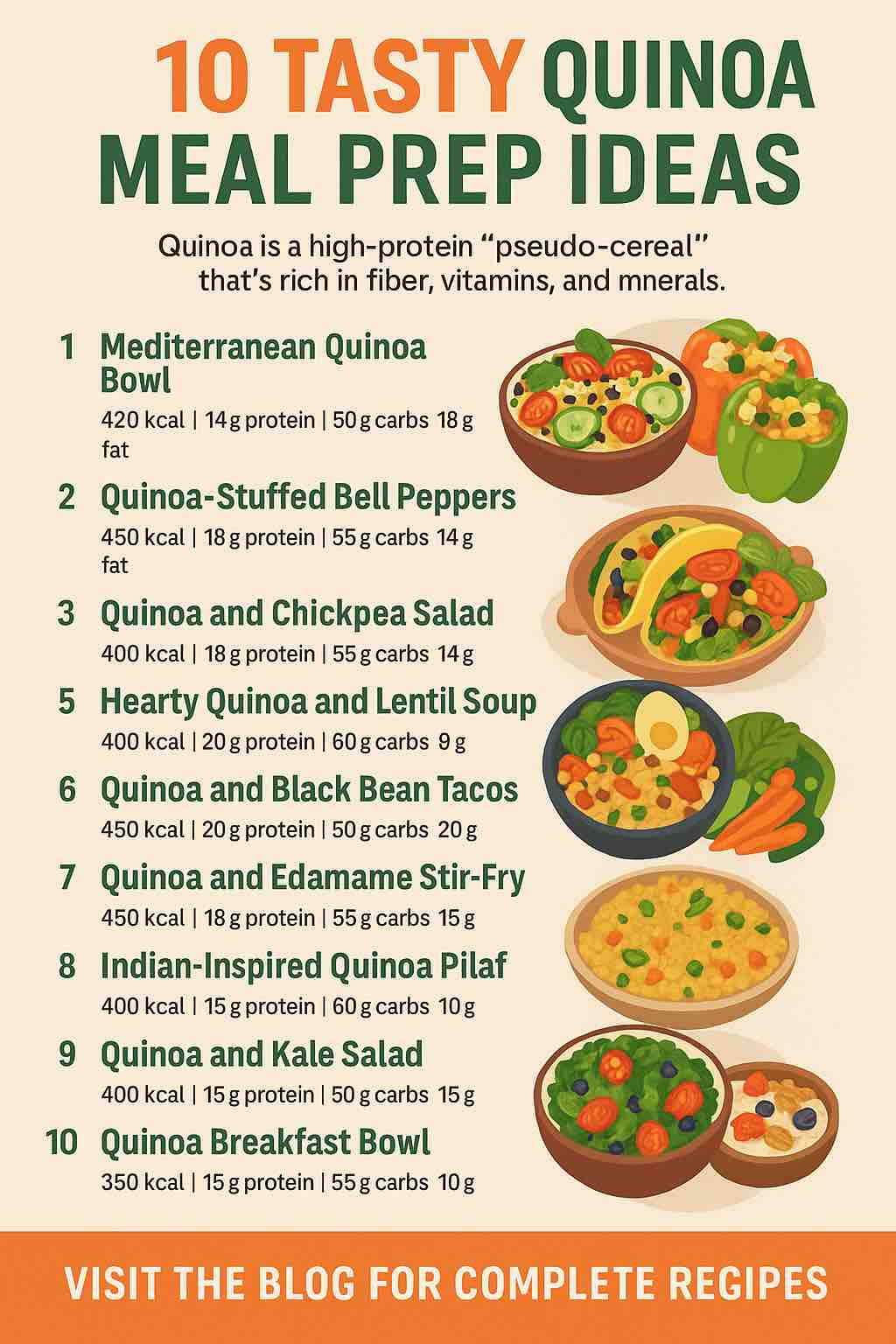
Indulging in Clove-Infused Culinary Delights: Enhancing Intimacy Through Sensory Gastronomy

Indulging in Clove-Infused Culinary Delights Enhancing Intimacy Through Sensory Gastronomy

In an age where the dinner table often doubles as a desk and meals are hurried rituals between meetings, the art of eating has become disconnected from the sensory symphony it once was. But imagine a meal that goes beyond mere nourishment—a dining experience so thoughtfully crafted that it awakens every sense, evokes memory, teases desire, and deepens emotional connection. Welcome to the realm of sensory gastronomy, and at its aromatic heart lies a spice that has seduced palates for centuries: clove.

The Intimate Allure of Clove: A Spice of Desire and Depth

Cloaked in mystery, sharp yet sweet, clove carries with it a scent that lingers like a whispered secret. It is the dried flower bud of the Syzygium aromaticum tree, native to Indonesia, and its name derives from the Latin clavus, meaning “nail”—an apt description of its physical form. But beneath its humble appearance lies a history rich in sensuality, ritual, and healing.

In both Ayurvedic and Chinese medicine, clove has long been hailed as a stimulant for circulation and energy—both vital to enhancing physical intimacy. In ancient Arab cultures, it was ground into aphrodisiac potions. And in medieval Europe, clove was one of the rare spices that nobles treasured for its warmth, scent, and ability to mask undesirable odors—making it both a culinary and cosmetic luxury.

The clove’s active compound, eugenol, is not just responsible for its pungent scent and numbing effect—it also stimulates the senses, opens the sinuses, and sparks a warm sensation on the palate. In this way, clove doesn’t just season your dish; it primes your body for pleasure.

The Power of Sensory Gastronomy in Romantic Connection

True intimacy is multi-sensory. Touch, scent, taste, sound, sight—they all play a role in attraction and connection. Sensory gastronomy is a culinary philosophy that acknowledges this, creating meals that are not just eaten but experienced.

Shared dining, when stripped of distraction and infused with intention, becomes a kind of edible foreplay. It is conversation without words, trust through texture, and desire expressed through flavor. And clove, with its intoxicating scent and ability to enhance both sweet and savory, becomes a conduit for this exchange.

Science supports this. The olfactory bulb, responsible for processing smell, is directly linked to the brain’s limbic system—the seat of emotion and memory. That means a whiff of clove can trigger not only nostalgia or comfort, but also desire, if woven into a memorable intimate experience.

Crafting a Clove-Infused Dining Experience

So, how does one create an evening where food and intimacy intertwine? It starts with intention. Choose ingredients that complement clove’s profile—deep reds, earthy browns, golden honeys, citrus zests—and build a menu that tells a sensory story.

Here is a curated, clove-centric culinary journey, designed for emotional resonance and romantic indulgence.


1. Prelude: Scent & Sip

Clove and Orange Mulled Wine

Let the evening begin with a warm, spiced aroma filling the room. Simmer red wine with whole cloves, cinnamon, orange zest, and a splash of brandy. Serve in warm mugs with a sliver of orange peel.

🟤 Why it works: Heat amplifies clove’s aroma, inviting the guest into the experience gently but seductively.


2. First Course: Touch & Taste

Seared Scallops with Clove-Infused Brown Butter

Delicate scallops seared to golden perfection, served with a drizzle of brown butter infused with toasted cloves and a whisper of lemon. Plate over silky parsnip purée.

🟤 Why it works: The smooth texture of scallops against the nutty, aromatic richness of clove butter engages both palate and mouthfeel, sparking sensual anticipation.


3. Main Course: Depth & Desire

Spiced Duck Breast with Clove-Port Reduction

Succulent duck breast, slow-cooked and served with a port wine reduction that’s simmered with cloves, star anise, and blackberries. Pair with roasted root vegetables glazed with clove-infused honey.

🟤 Why it works: Duck’s richness stands up to clove’s intensity, while the port and berry reduction adds luxurious sweetness. This is a dish of complexity, patience, and payoff—like intimacy itself.


4. Interlude: Cleanse & Contrast

Clove-Lemongrass Sorbet

A light palate cleanser that balances the spice of clove with the bright freshness of lemongrass and a touch of mint.

🟤 Why it works: Keeps the sensory experience dynamic—preventing palate fatigue and refreshing anticipation for the finale.


5. Dessert: Sweetness & Seduction

Clove and Orange Crème Brûlée

A silky custard infused with orange zest and crushed cloves, topped with caramelized sugar for a shattering, sensual crunch.

🟤 Why it works: This dessert balances warmth and brightness, softness and crackle—mirroring the balance of intimacy: comfort and thrill.


6. Finale: Shared Scent Memory

Warm Towels Steamed with Clove Oil

End the meal with a ritual: warm towels lightly scented with clove and rosewater, offered for the hands. A small gesture of tactile care.

🟤 Why it works: This completes the sensory cycle, grounding the experience in scent and touch.


Sensuality Is a Shared Practice

The beauty of clove is that it refuses to be background noise. It demands presence. And when integrated into a meal with care and purpose, it becomes an aromatic catalyst for deeper connection.

Sensory gastronomy is not just about ingredients—it’s about intention. It’s about tuning into each other and into the meal as a mutual, immersive act. Clove becomes the thread that ties sensation to emotion, plate to palate, and heart to heart.

So next time you cook, don’t just ask “Does it taste good?”—ask “What does it feel like?”, “What does it awaken?”, “What memory does it stir?”

You may find that with a single spice, a table transforms into a sanctuary of shared indulgence and deepening intimacy.


FAQs

1. Why is clove considered an aphrodisiac?
Clove contains eugenol, which improves blood circulation and creates a warming sensation that can enhance physical sensitivity. Its potent aroma is also emotionally stimulating, often associated with comfort, warmth, and sensuality across various cultures.

2. Can clove be used in both sweet and savory dishes?
Absolutely. Clove’s spicy-sweet complexity works beautifully in savory dishes like duck, lamb, and stews, as well as in sweet treats like crème brûlée, mulled wine, and baked fruits.

3. What’s the best way to infuse clove flavor without overpowering a dish?
Use whole cloves when infusing sauces or liquids and remove them before serving. For subtler flavor, steep in warm liquids or oils for a short time, or use ground clove sparingly in spice blends.

4. How can I create a romantic dining atmosphere at home using clove?
Use clove-scented candles, simmer whole cloves in water on the stove before your meal, or add clove oil to warm towels or napkins. Pair the aroma with dim lighting and soft music to enhance the multisensory experience.

5. Are there any dietary considerations or allergies with clove use?
While rare, clove can cause allergic reactions in sensitive individuals. It’s also quite strong, so people with gastrointestinal issues or on blood thinners should use it cautiously or consult a doctor.

6. Can I substitute cloves with another spice?
Clove has a very unique profile, but for certain applications, you might substitute with allspice, cinnamon, or nutmeg—though none provide the exact same aromatic warmth or intensity.

7. How do I pair wine or cocktails with clove-infused dishes?
Rich red wines (like Syrah or Zinfandel) complement clove’s depth. For cocktails, opt for spiced old fashioneds, mulled wine, or dark rum-based drinks with orange and vanilla notes.

8. What’s the shelf life of whole cloves, and how should they be stored?
Whole cloves can last up to 2–3 years when stored in an airtight container in a cool, dark place. Ground cloves lose potency more quickly and should be used within 6–12 months.

9. How can I use clove for a non-culinary sensory element during a dinner?
Steam hand towels with clove oil for post-meal refreshment, use clove oil in an essential oil diffuser, or create a simple simmer pot with clove, orange peel, and cinnamon to scent the room.

10. What makes sensory gastronomy different from regular dining?
Sensory gastronomy involves intentionally engaging all five senses—taste, smell, touch, sight, and sound—to create a richer emotional and physical experience during meals. It’s about transforming food into an immersive ritual that fosters connection and intimacy.

Posted on 5 Comments

Plant-Based High-Protein Meal Prep Ideas: Using Lentils Instead of Chicken

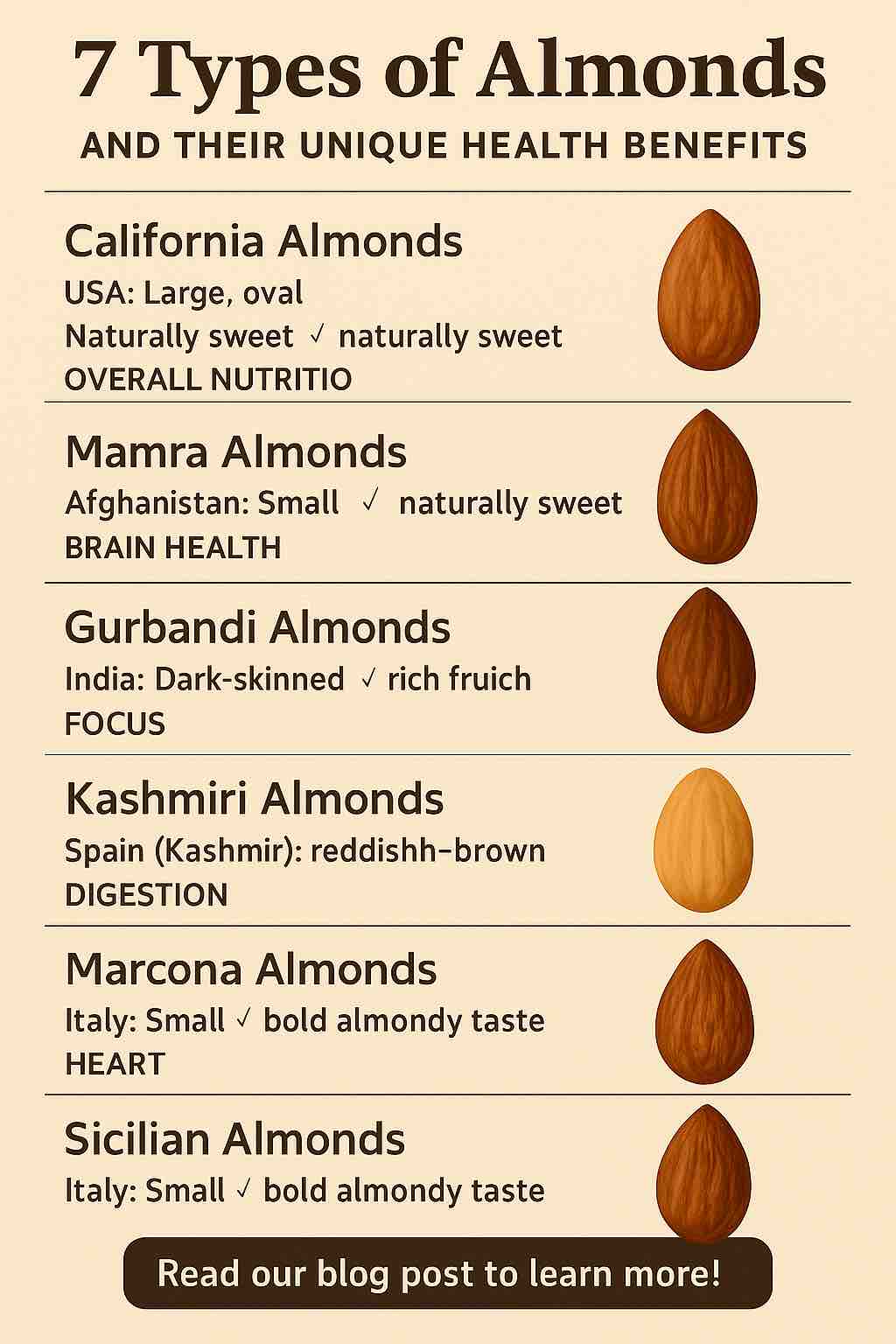
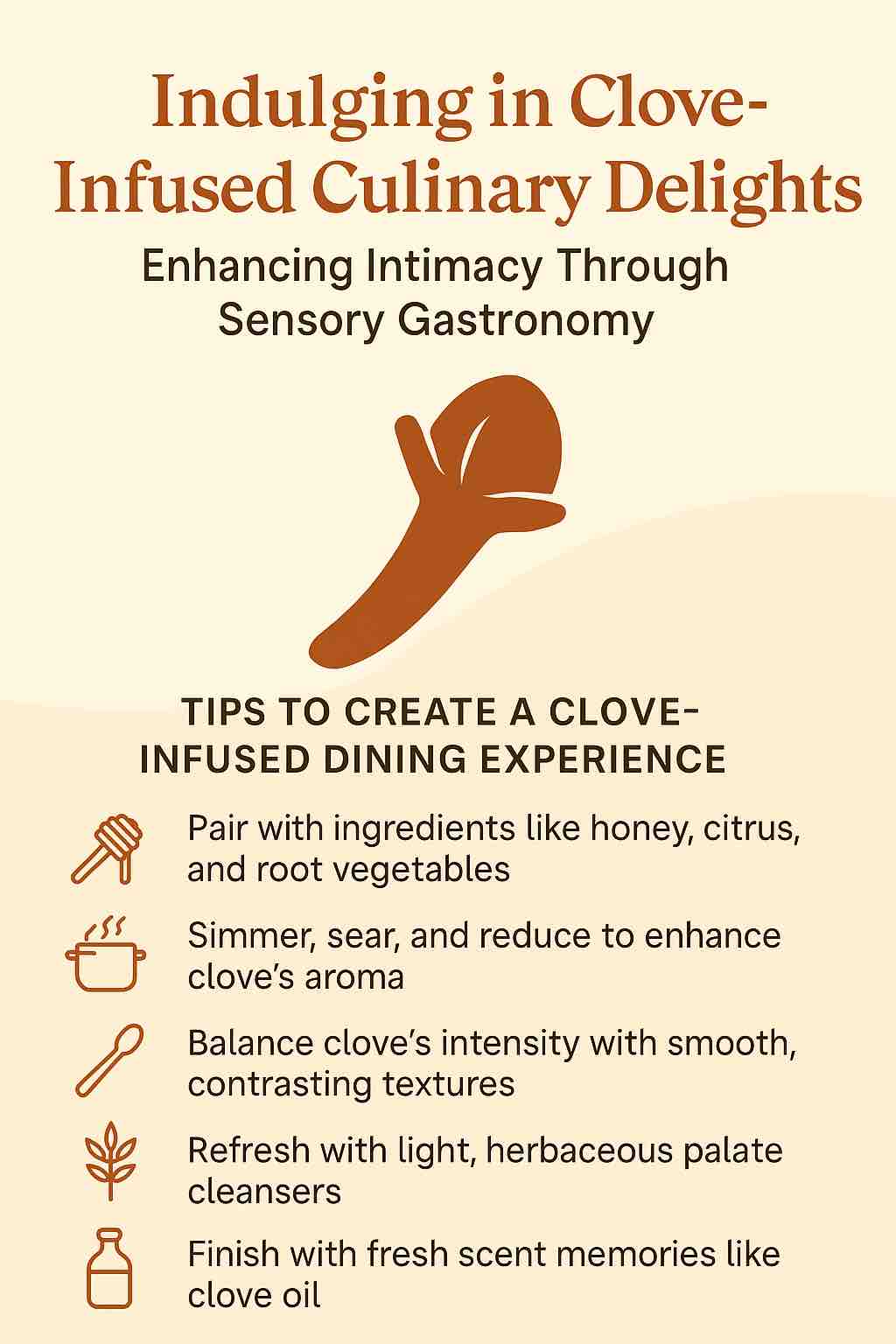
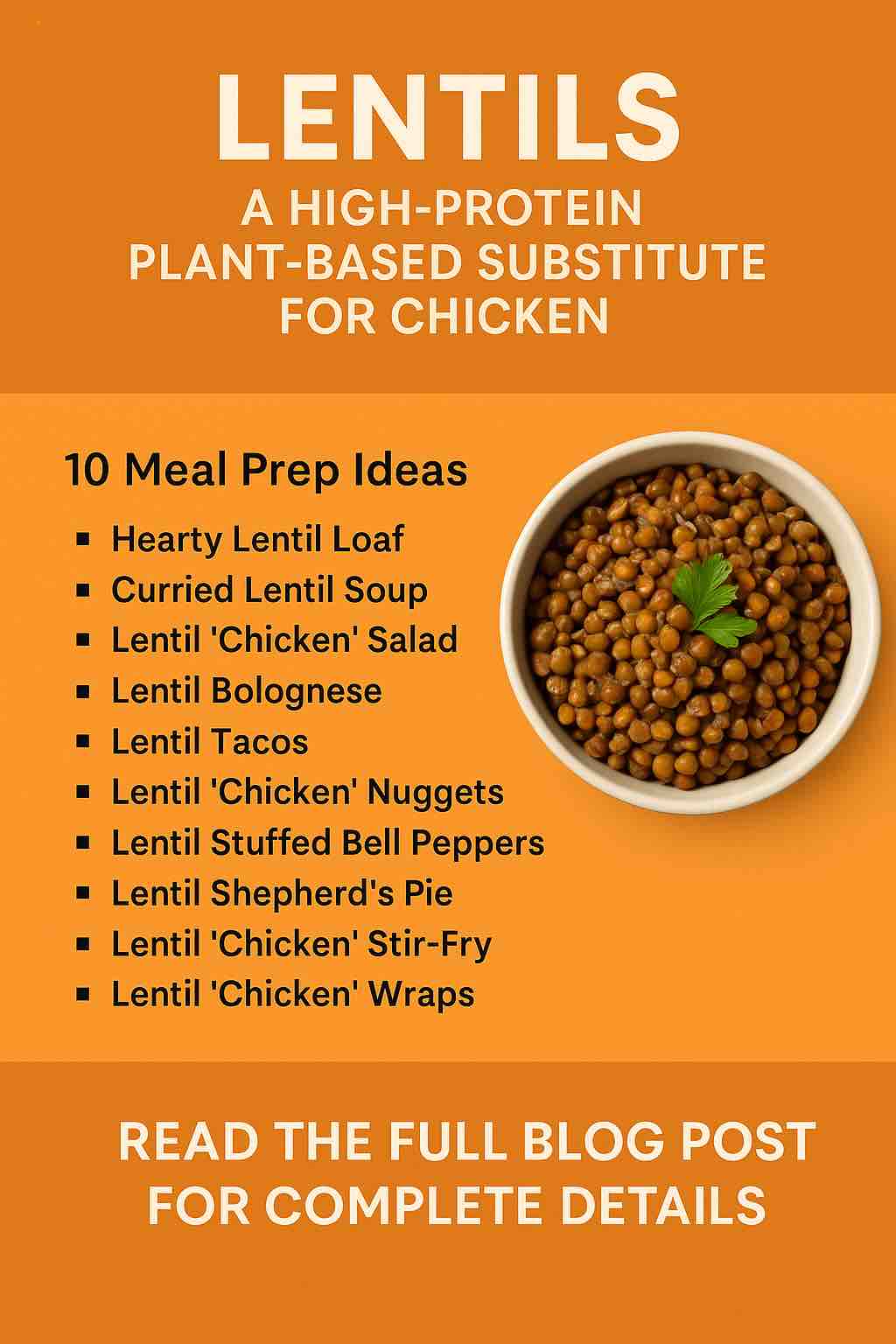
LENTILS A HIGH-PROTEIN PLANT-BASED SUBSTITUTE FOR CHICKEN

Lentils, with their rich nutrient profile, versatility, and hearty texture, have long been celebrated in plant-based cooking. These tiny legumes are packed with protein, fiber, vitamins, and minerals, making them an ideal replacement for meat in a variety of dishes. Whether you’re looking to add more plant-based protein to your diet or simply seeking a healthier alternative to chicken, lentils offer a robust and satisfying solution. Their ability to absorb spices and flavors means they work beautifully in any recipe, from soups to salads to hearty entrées.

Let’s explore how you can incorporate lentils into your meal prep with 10 high-protein ideas that are perfect for replacing chicken in your favorite dishes. These recipes are not only delicious but also packed with nutrients to keep you fueled throughout the day.


1. Hearty Lentil Loaf

This plant-based twist on the classic meatloaf is just as hearty and satisfying as the original. Made with lentils, vegetables, and spices, it’s the perfect comfort food that’s both healthy and filling.

  • Serving Size: 200g
  • Macros (per serving): 280 calories, 18g protein, 30g carbs, 7g fat
  • Preparation time: 1 hour 10 minutes

Cooking Instructions:

  1. Sauté onions, garlic, and carrots until softened.
  2. Combine cooked lentils, sautéed vegetables, breadcrumbs, and your favorite spices in a food processor. Process until the mixture is well combined but still slightly chunky.
  3. Press the mixture into a loaf pan and bake at 375°F (190°C) until firm and golden, about 45 minutes.

Best Time to Eat: Lunch or dinner
Storage: Keep in an airtight container in the fridge for up to 4 days. Reheat before serving for best texture.


2. Curried Lentil Soup

This nourishing soup is the epitome of comfort food, with warming spices, lentils, and vegetables coming together to create a flavorful, protein-packed meal.

  • Serving Size: 300g
  • Macros (per serving): 220 calories, 13g protein, 36g carbs, 3g fat
  • Preparation time: 45 minutes

Cooking Instructions:

  1. Sauté onions, garlic, and ginger until fragrant. Add curry powder and turmeric and cook for another minute.
  2. Stir in chopped tomatoes, lentils, and vegetable broth. Simmer until the lentils are tender.
  3. For a creamy texture, blend the soup with an immersion blender or in a countertop blender.
  4. Add a squeeze of lemon juice to brighten the flavors.

Best Time to Eat: Lunch or dinner
Storage: Store in an airtight container in the refrigerator for up to 4 days. Reheat on the stovetop or microwave.


3. Lentil ‘Chicken’ Salad

This creamy, satisfying salad is a perfect plant-based substitute for chicken salad. The lentils provide a meaty texture, and with the addition of vegan mayo and fresh veggies, it’s a wholesome and flavorful dish.

  • Serving Size: 200g
  • Macros (per serving): 230 calories, 10g protein, 26g carbs, 10g fat
  • Preparation time: 25 minutes

Cooking Instructions:

  1. Mix cooked lentils with diced celery, red onion, vegan mayo, Dijon mustard, apple cider vinegar, and your favorite spices. Stir until fully combined.
  2. Serve it on its own, with crackers, or as a sandwich filling.

Best Time to Eat: Lunch or dinner
Storage: Keep in an airtight container in the fridge for up to 3 days. Best served chilled.


4. Lentil Bolognese

A protein-rich and satisfying twist on the classic Italian bolognese, this dish uses lentils as a meat replacement to soak up a rich, tomato-based sauce.

  • Serving Size: 250g
  • Macros (per serving): 280 calories, 15g protein, 45g carbs, 5g fat
  • Preparation time: 1 hour

Cooking Instructions:

  1. Sauté onions, garlic, and carrots in olive oil until soft.
  2. Add cooked lentils, tomatoes, and vegetable broth. Let it simmer for 25–30 minutes until the sauce thickens and the lentils are tender.
  3. Serve over whole wheat spaghetti and top with fresh basil or vegan parmesan.

Best Time to Eat: Lunch or dinner
Storage: Store in an airtight container in the fridge for up to 4 days. Reheat before serving.


5. Lentil Tacos

These flavor-packed tacos are a fantastic way to enjoy lentils in a casual, fun meal. Loaded with protein and topped with your favorite fixings, they’re an easy and satisfying option.

  • Serving Size: 3 tacos (approx. 200g)
  • Macros (per serving): 320 calories, 18g protein, 46g carbs, 6g fat
  • Preparation time: 30 minutes

Cooking Instructions:

  1. Sauté onions and garlic until fragrant, then add cooked lentils, vegetable broth, and taco seasoning. Simmer until the liquid is absorbed and the lentils are well coated.
  2. Serve the lentil mixture in tortillas and top with fresh toppings such as lettuce, tomato, avocado, and vegan cheese.

Best Time to Eat: Lunch or dinner
Storage: Store the lentil mixture in an airtight container in the fridge for up to 4 days. Assemble tacos just before serving.


6. Lentil ‘Chicken’ Nuggets

These crispy, golden lentil nuggets are a protein-packed snack or meal that’s perfect for a quick and satisfying bite.

  • Serving Size: 200g (approx. 6 nuggets)
  • Macros (per serving): 300 calories, 19g protein, 40g carbs, 8g fat
  • Preparation time: 45 minutes

Cooking Instructions:

  1. Combine cooked lentils, breadcrumbs, and spices in a food processor until the mixture is thick and sticky.
  2. Shape the mixture into nuggets and bake at 375°F (190°C) for 25–30 minutes until golden and crispy.

Best Time to Eat: Lunch, dinner, or as a snack
Storage: Keep in an airtight container in the fridge for up to 3 days. Reheat in the oven for best texture.


7. Lentil Stuffed Bell Peppers

These vibrant bell peppers are filled with a delicious mix of lentils, rice, and spices. They’re visually appealing, protein-packed, and perfect for a satisfying meal.

  • Serving Size: 2 stuffed halves (approx. 300g)
  • Macros (per serving): 310 calories, 14g protein, 58g carbs, 3g fat
  • Preparation time: 1 hour

Cooking Instructions:

  1. Cut bell peppers in half and remove seeds.
  2. Prepare a filling with cooked lentils, cooked rice, sautéed onions, garlic, diced tomatoes, and your favorite spices.
  3. Stuff the bell pepper halves with the lentil mixture and bake at 375°F (190°C) for 25–30 minutes until the peppers are tender.

Best Time to Eat: Lunch or dinner
Storage: Store in an airtight container in the fridge for up to 4 days. Reheat before serving.


8. Lentil Shepherd’s Pie

This comforting classic is transformed with lentils, making it a hearty, plant-based dish that’s just as satisfying as the original.

  • Serving Size: 250g
  • Macros (per serving): 350 calories, 18g protein, 45g carbs, 12g fat
  • Preparation time: 1 hour 30 minutes

Cooking Instructions:

  1. Sauté onions, carrots, and celery until soft.
  2. Stir in cooked lentils, vegetable broth, and your choice of herbs and spices. Let the mixture simmer until thickened.
  3. Top with mashed potatoes and bake at 375°F (190°C) for 20–25 minutes until the top is golden and bubbly.

Best Time to Eat: Dinner
Storage: Store in an airtight container in the fridge for up to 4 days. Reheat before serving.


9. Lentil ‘Chicken’ Stir-fry

A quick and easy stir-fry loaded with veggies and lentils, this dish is perfect for a busy weeknight meal.

  • Serving Size: 300g
  • Macros (per serving): 280 calories, 15g protein, 35g carbs, 9g fat
  • Preparation time: 30 minutes

Cooking Instructions:

  1. Stir-fry your favorite vegetables in a hot pan with a little oil.
  2. Add cooked lentils and your choice of stir-fry sauce, cooking until the vegetables are tender and everything is well coated.

Best Time to Eat: Lunch or dinner
Storage: Store in an airtight container in the fridge for up to 3 days. Reheat before serving.


10. Lentil ‘Chicken’ Wraps

These wraps are fresh, satisfying, and packed with protein. The perfect meal for lunch or a light dinner!

  • Serving Size: 1 wrap (approx. 200g)
  • Macros (per serving): 290 calories, 15g protein, 40g carbs, 8g fat
  • Preparation time: 20 minutes

Cooking Instructions:

  1. Sauté onions and garlic until fragrant. Add cooked lentils and spices, then simmer until well combined.
  2. Fill a wrap with the lentil mixture, lettuce, tomatoes, cucumber, and a dollop of vegan yogurt or your favorite dressing.

Best Time to Eat: Lunch
Storage: Prepare the lentil mixture in advance and store in the fridge for up to 3 days. Assemble wraps just before serving.


Wrap-Up:

These 10 high-protein lentil-based meals are perfect for meal prepping, offering variety, flavor, and nutrition without compromising on taste. From comforting soups to fresh wraps, lentils can easily replace chicken in many of your favorite dishes. Experiment with these recipes and make them your own by adding your preferred spices, veggies, and seasonings.

As always, we’d love to hear how you enjoy these dishes and any creative twists you add! Stay tuned for our next series where we’ll explore even more plant-based protein options. 🌱

FAQs for Plant-Based High-Protein Meal Prep Ideas Using Lentils

1. Can lentils really replace chicken in recipes?
Yes! Lentils are an excellent substitute for chicken in many recipes due to their high protein content, hearty texture, and ability to absorb flavors. They are especially great in dishes like soups, salads, tacos, and even nuggets.

2. How much protein do lentils contain?
Lentils are a great source of plant-based protein, offering approximately 18g of protein per cooked cup (about 200g). This makes them a perfect alternative for chicken in protein-packed meals.

3. Are lentils difficult to cook?
Not at all! Lentils are easy to cook and don’t require soaking like other beans. They can be cooked in 20-30 minutes, depending on the type of lentil. Red lentils cook faster, while green and brown lentils take a little longer.

4. How do I store lentil-based meal prep dishes?
Most lentil-based meals can be stored in an airtight container in the refrigerator for up to 4 days. If you want to keep meals for longer, consider freezing them for up to 3 months. Be sure to reheat thoroughly before eating.

5. Can I use canned lentils instead of dried lentils?
Yes, you can! Canned lentils are a convenient option, and they can be used as a substitute for cooked lentils in most recipes. Just be sure to drain and rinse them well to remove excess sodium.

6. Are lentils suitable for all dietary restrictions?
Lentils are naturally gluten-free and plant-based, making them suitable for vegan, vegetarian, and gluten-free diets. However, always check for any added ingredients in pre-packaged lentils (like canned lentils or pre-cooked lentil meals) to ensure they align with your dietary needs.

7. Can I add lentils to my existing chicken recipes?
Absolutely! Lentils can be easily swapped for chicken in many recipes. For example, you can add cooked lentils to a chicken salad, or use them instead of chicken in stir-fries, wraps, or tacos. Adjust the seasoning to fit the flavor profile of your dish.

8. How can I make lentil dishes more flavorful?
Lentils absorb flavors beautifully, so be sure to season them well with herbs, spices, and aromatics like garlic, onions, and ginger. Adding ingredients like lemon juice, tamari, coconut milk, or tomato paste can elevate their taste and make them even more delicious.

9. Are lentil-based meals high in fiber?
Yes! Lentils are a fantastic source of dietary fiber, which helps with digestion and can contribute to a feeling of fullness. On average, one cup of cooked lentils provides around 15-16g of fiber.

10. Can I freeze lentil-based dishes for later?
Yes, lentil dishes freeze very well. Make sure to cool them completely before placing them in an airtight container or freezer-safe bag. When ready to eat, simply thaw in the refrigerator overnight and reheat on the stove or in the microwave.

Posted on 2 Comments

Exploring Probiotic-rich Sandwiches: Gut-Healthy Delights

Probiotic-rich Sandwiches: Gut-Healthy Delights

Sandwiches are one of the most universally loved meals—quick, customizable, and endlessly satisfying. But what if your go-to lunch could also improve your digestion, support your immune system, and boost your energy levels?

Enter: probiotic-rich sandwiches.

These aren’t your average deli staples. By incorporating fermented, live-culture foods into your sandwich stack—think kimchi, sauerkraut, yogurt-based spreads, or pickled veggies—you’re not just enjoying a delicious meal, you’re feeding the good bacteria in your gut.

Let’s dive into how these humble handhelds can become powerful allies in your gut health journey, plus a few creative recipes to try today.


What Are Probiotics, and Why Do They Matter?

Probiotics are live microorganisms (mostly beneficial bacteria) that help maintain the natural balance of organisms in the intestines. When consumed in adequate amounts, they contribute to:

  • Improved digestion
  • Enhanced nutrient absorption
  • Strengthened immune response
  • Better mental health through the gut-brain axis
  • Reduced inflammation and bloating

You’ll find these beneficial microbes in fermented foods such as yogurt, kefir, kimchi, sauerkraut, miso, and tempeh—all of which can be easily incorporated into your favorite sandwich combinations.


The Power Combo: Probiotics + Prebiotics

To truly support your gut, it’s not just about consuming probiotics—you also need prebiotics. These are non-digestible fibers that “feed” the good bacteria, helping them thrive.

Prebiotic-rich sandwich additions include:

  • Onions (especially raw)
  • Garlic
  • Asparagus
  • Leeks
  • Bananas (in sweet spreads)
  • Whole grain or sourdough bread

Think of it as building a balanced microbiome meal between two slices of bread.


Best Probiotic-Rich Ingredients for Sandwiches

Here’s a list of gut-friendly ingredients that can bring life (literally) to your sandwiches:

🥬 Kimchi or Fermented Vegetables

Add spice and crunch with Korean kimchi, pickled radishes, or fermented carrots. Perfect in wraps and grilled sandwiches.

🥒 Sauerkraut

Classic and versatile, sauerkraut pairs well with meats, cheeses, or vegan spreads for a satisfying tang.

🥛 Yogurt-Based Spreads

Swap mayonnaise for Greek yogurt mixed with herbs or garlic—it’s creamy, probiotic-rich, and lower in fat.

🧀 Tempeh or Miso-Based Fillings

Tempeh adds texture and protein to vegan sandwiches. Miso, a fermented soybean paste, can be added to sauces and dressings.

🥬 Fermented Pickles (Not Vinegar-Based)

Look for naturally fermented, refrigerated pickles with “live cultures” on the label.


3 Creative Probiotic-Rich Sandwich Recipes to Try

🥪 1. Kimchi & Avocado Sourdough Toastie

Ingredients:

  • 2 slices of sourdough bread
  • ½ ripe avocado
  • 2 tbsp kimchi
  • Baby spinach
  • Optional: fried egg or tofu slices

Instructions:
Toast bread. Mash avocado on one side, layer kimchi and spinach, and top with egg or tofu. Press and grill for extra crispiness.


🥪 2. Sauerkraut Grilled Cheese with Greek Yogurt Spread

Ingredients:

  • Whole grain bread
  • Shredded cheddar or vegan cheese
  • 2 tbsp sauerkraut
  • 1 tbsp Greek yogurt spread (mixed with garlic and lemon)

Instructions:
Spread yogurt on bread, layer cheese and sauerkraut, grill until golden and gooey.


🥪 3. Tempeh Reuben with Miso-Dijon Dressing

Ingredients:

  • Rye bread
  • Cooked tempeh slices
  • Sauerkraut
  • Swiss cheese (or vegan cheese)
  • Dressing: mix 1 tsp miso paste, 1 tsp Dijon mustard, and 2 tbsp Greek yogurt

Instructions:
Layer tempeh, cheese, sauerkraut, and dressing. Pan-grill and serve warm.


Tips for Building Probiotic-Friendly Sandwiches

  1. Use fermented foods raw when possible – Heat can kill probiotics. Add kimchi or sauerkraut after cooking if possible.
  2. Pair with prebiotics – Add raw onions, garlic, or asparagus for maximum gut support.
  3. Watch the labels – Not all pickles or yogurts contain live cultures. Look for terms like “raw,” “unpasteurized,” or “live active cultures.”
  4. Don’t overdo it – Fermented foods are potent. Start with small amounts to allow your gut to adjust.
  5. Make it a habit – One probiotic-rich sandwich a few times a week can support long-term digestive health.

The Bigger Picture: Sandwiches as a Gateway to Gut Wellness

Eating for gut health doesn’t have to mean giving up your favorite foods or following a rigid plan. With thoughtful ingredients and creative combinations, you can turn a simple sandwich into a functional, health-boosting meal.

From the zesty kick of kimchi to the creamy tang of yogurt-based spreads, probiotic-rich sandwiches are an easy and enjoyable way to care for your gut—one bite at a time.

Frequently Asked Questions (FAQs)

1. What makes a sandwich probiotic-rich?
A sandwich becomes probiotic-rich when it includes fermented ingredients that contain live, beneficial bacteria—such as kimchi, sauerkraut, yogurt-based spreads, or fermented pickles.

2. Are probiotics destroyed when heated in a sandwich?
Yes, excessive heat can kill live probiotic cultures. To retain their benefits, it’s best to add probiotic ingredients after cooking or use them in cold sandwiches.

3. What are the health benefits of probiotic-rich sandwiches?
These sandwiches can help improve digestion, enhance immunity, reduce bloating, and support a balanced gut microbiome.

4. Can I make a vegan probiotic-rich sandwich?
Absolutely. Vegan probiotic options include tempeh, kimchi, sauerkraut, miso-based dressings, and fermented vegetables.

5. Is sourdough bread a good probiotic source?
Sourdough bread is made using fermentation, but most of its probiotics don’t survive the baking process. However, it still offers prebiotic benefits and is gentler on digestion than regular bread.

6. What’s the difference between probiotic and prebiotic ingredients in a sandwich?
Probiotics are live bacteria found in fermented foods; prebiotics are fibers that feed those bacteria. Including both in a sandwich (like yogurt + raw onion) makes it more gut-friendly.

7. How often should I eat probiotic-rich sandwiches for gut health?
There’s no set rule, but including probiotic foods a few times a week can be beneficial. Listen to your body and adjust as needed.

8. Are all pickles probiotic-rich?
No. Only naturally fermented pickles with live cultures (usually found in the refrigerated section) contain probiotics. Pickles preserved in vinegar do not offer probiotic benefits.

9. Can I meal prep probiotic sandwiches in advance?
Yes, but store the fermented ingredients separately and add them just before eating to preserve the live cultures and prevent sogginess.

10. Can kids eat probiotic-rich sandwiches?
Yes, in moderation. Just ensure the fermented ingredients aren’t too spicy or sour, and introduce them gradually to support young digestive systems.

Posted on 10 Comments

10 Plant-Based Meal Prep Ideas: Using Quinoa as a Protein Source

10 Innovative Quinoa Meal Prep Recipes Each recipe below is designed for meal prepping, ensuring you have nutritious meals ready throughout the week

Quinoa, often termed a “pseudo-cereal,” is renowned for its exceptional nutritional profile. It’s one of the few plant-based foods that offer a complete protein, containing all nine essential amino acids. Beyond protein, quinoa is rich in:

  • Fiber: Aids in digestion and helps maintain a healthy weight.
  • Vitamins: B vitamins like B1 (thiamine), B2 (riboflavin), B6, and folate, crucial for energy metabolism and brain health.
  • Minerals: Magnesium, phosphorus, manganese, and iron, supporting various bodily functions.
  • Antioxidants: Compounds like quercetin and kaempferol that combat oxidative stress.

Recent studies highlight quinoa’s potential in:

  • Cardiovascular Health: Regular consumption may reduce LDL cholesterol and improve heart health .
  • Blood Sugar Regulation: Its low glycemic index helps in managing blood sugar levels .
  • Anti-inflammatory Effects: Bioactive compounds in quinoa exhibit anti-inflammatory properties .

🍽️ 10 Innovative Quinoa Meal Prep Recipes

Each recipe below is designed for meal prepping, ensuring you have nutritious meals ready throughout the week. Serving sizes, macronutrient breakdowns, cooking times, and storage instructions are provided for your convenience.


1. Mediterranean Quinoa Bowl

Description: A vibrant bowl combining quinoa with cherry tomatoes, cucumbers, Kalamata olives, red onions, and a lemon-tahini dressing.

  • Serving Size: 350g
  • Macros: 420 kcal | 14g protein | 50g carbs | 18g fat
  • Cooking Time: 30 minutes
  • Best Time to Eat: Lunch or dinner
  • Storage: Refrigerate in an airtight container for up to 4 days. Best served cold.

2. Quinoa-Stuffed Bell Peppers

Description: Bell peppers filled with a savory mix of quinoa, black beans, corn, and Mexican spices, topped with vegan cheese.

  • Serving Size: 400g (2 halves)
  • Macros: 460 kcal | 20g protein | 55g carbs | 16g fat
  • Cooking Time: 45 minutes
  • Best Time to Eat: Lunch or dinner
  • Storage: Refrigerate in an airtight container for up to 4 days. Reheat before serving.

3. Quinoa and Chickpea Salad

Description: A refreshing salad with quinoa, chickpeas, diced cucumbers, cherry tomatoes, red onions, and a lemon-tahini dressing.

  • Serving Size: 300g
  • Macros: 400 kcal | 18g protein | 55g carbs | 14g fat
  • Cooking Time: 30 minutes
  • Best Time to Eat: Lunch or dinner
  • Storage: Refrigerate in an airtight container for up to 4 days. Best served cold.

4. Hearty Quinoa and Lentil Soup

Description: A comforting soup featuring quinoa, lentils, carrots, celery, and aromatic herbs.

  • Serving Size: 350g
  • Macros: 400 kcal | 20g protein | 60g carbs | 8g fat
  • Cooking Time: 50 minutes
  • Best Time to Eat: Lunch or dinner
  • Storage: Refrigerate in an airtight container for up to 4 days. Reheat before serving.

5. Quinoa and Black Bean Tacos

Description: Tacos filled with a flavorful mix of quinoa, black beans, spices, and topped with fresh veggies and guacamole.

  • Serving Size: 3 tacos (approx. 300g)
  • Macros: 450 kcal | 20g protein | 50g carbs | 20g fat
  • Cooking Time: 30 minutes
  • Best Time to Eat: Lunch or dinner
  • Storage: Store the filling separately in the refrigerator for up to 4 days. Assemble tacos fresh to maintain texture.

6. Quinoa Buddha Bowl

Description: A nourishing bowl with quinoa, roasted vegetables, avocado, and a drizzle of tahini dressing.

  • Serving Size: 350g
  • Macros: 500 kcal | 18g protein | 70g carbs | 20g fat
  • Cooking Time: 35 minutes
  • Best Time to Eat: Lunch or dinner
  • Storage: Refrigerate in an airtight container for up to 4 days. Best served cold or at room temperature.

7. Quinoa and Edamame Stir-Fry

Description: A quick stir-fry combining quinoa, edamame, bell peppers, and a savory sauce.

  • Serving Size: 350g
  • Macros: 450 kcal | 20g protein | 55g carbs | 15g fat
  • Cooking Time: 30 minutes
  • Best Time to Eat: Lunch or dinner
  • Storage: Refrigerate in an airtight container for up to 4 days. Reheat before serving.

8. Indian-Inspired Quinoa Pilaf

Description: Quinoa cooked with a blend of Indian spices, mixed vegetables, and garnished with fresh cilantro.

  • Serving Size: 300g
  • Macros: 400 kcal | 15g protein | 60g carbs | 10g fat
  • Cooking Time: 40 minutes
  • Best Time to Eat: Lunch or dinner
  • Storage: Refrigerate in an airtight container for up to 4 days. Reheat before serving.

9. Quinoa and Kale Salad

Description: A nutrient-dense salad with quinoa, massaged kale, cherry tomatoes, avocado, and a lemon vinaigrette.

  • Serving Size: 300g
  • Macros: 400 kcal | 15g protein | 50g carbs | 15g fat
  • Cooking Time: 25 minutes
  • Best Time to Eat: Lunch or dinner
  • Storage: Refrigerate in an airtight container for up to 3 days. Best served cold.

10. Quinoa Breakfast Bowl

Description: A wholesome breakfast bowl with quinoa cooked in almond milk, topped with fresh fruits, nuts, and a drizzle of maple syrup.

  • Serving Size: 300g
  • Macros: 350 kcal | 15g protein | 55g carbs | 10g fat
  • Cooking Time: 20 minutes
  • Best Time to Eat: Breakfast
  • Storage: Refrigerate in an airtight container for up to 3 days. Reheat before serving.

📝 Meal Prep Tips

  • Batch Cooking: Prepare a large quantity of quinoa at the start of the week. Store in the refrigerator for up to 5 days or freeze in portions for longer storage.
  • Versatility: Use cooked quinoa as a base for salads, bowls, or as a side dish.
  • Flavor Enhancement: Cook quinoa in vegetable broth instead of water for added flavor.
  • Storage: Allow cooked quinoa to cool completely before storing to prevent sogginess.

📚 Additional Resources

  • Cooking Techniques: Learn how to cook fluffy quinoa every time with this guide .
  • Recipe Inspiration: Explore a variety of quinoa recipes, from salads to main dishes, to keep your meals exciting .

By incorporating these quinoa-based meals into your routine, you’re embracing a nutritious, versatile, and delicious approach to meal prep. Whether you’re new to quinoa or a seasoned enthusiast, these recipes and tips are designed to support your health and culinary journey.

FAQs

  1. What makes quinoa a complete protein?
    Quinoa contains all nine essential amino acids that the body cannot produce on its own, making it a rare complete protein source among plant-based foods.
  2. Is quinoa gluten-free?
    Yes, quinoa is naturally gluten-free and is safe for people with celiac disease or gluten sensitivity.
  3. How long does cooked quinoa last in the refrigerator?
    Cooked quinoa can be stored in an airtight container in the fridge for up to 5 days.
  4. Can quinoa dishes be frozen for later use?
    Yes, most quinoa-based dishes freeze well, especially soups, stir-fries, and stuffed vegetables. Just cool them completely before freezing in airtight containers.
  5. What is the best way to cook quinoa to keep it fluffy?
    Rinse the quinoa thoroughly, then cook it in a 2:1 ratio of water to quinoa. Simmer, covered, for 15-20 minutes, then let it rest with the lid on for 5 minutes before fluffing with a fork.
  6. Can I substitute quinoa for rice or couscous in recipes?
    Absolutely. Quinoa is a great substitute for rice, couscous, and other grains, offering more protein and fiber per serving.
  7. Are these quinoa recipes suitable for weight loss?
    Yes, many of the meals are high in protein and fiber, which promote satiety and can help with weight management when paired with an overall healthy diet.
  8. Can I prepare quinoa in bulk for weekly meal prep?
    Yes. You can cook a large batch of quinoa at the start of the week and use it across different meals to save time.
  9. Are the recipes kid-friendly?
    Many are! Dishes like the breakfast bowl or quinoa tacos can be easily customized to suit kids’ preferences by adjusting spices or toppings.
  10. Do I need to soak quinoa before cooking?
    No, soaking isn’t necessary, but rinsing it before cooking is important to remove its natural coating (saponin), which can cause a bitter taste.

Posted on 2 Comments

7 Types of Almonds & How They Boosts Your Health

7 Types of Almonds AND THEIR UNIQUE HEALTH BENEFITS

Almonds are often celebrated as one of the healthiest snacks on the planet. But did you know there isn’t just one kind of almond? In fact, almonds come in several varieties — each with its own distinct taste, appearance, origin, and health benefits.

Whether you’re grabbing a handful for brain power, blending them into smoothies, or using them in gourmet cooking, knowing which almond type to choose can make a big difference.

In this post, we’ll dive into 7 major types of almonds available both globally and in India, and explore the unique roles they play in enhancing your nutrition and well-being.


🌍 1. California Almonds: The Everyday All-Rounder

  • Origin: USA (Mostly from California’s Central Valley)
  • Looks & Taste: Large, oval, smooth-skinned, and mildly sweet
  • Best For: Daily snacking, almond butter, almond milk, and cooking
  • Nutritional Highlights:
    • Rich in vitamin E, fiber, and healthy monounsaturated fats
    • Supportive of heart health, skin radiance, and weight management

California almonds are the most widely available and consumed variety worldwide, thanks to the U.S. being the largest almond producer. They’re versatile, affordable, and perfect for daily use.


🇮🇳 2. Mamra Almonds: The Premium Powerhouse

  • Origin: Primarily grown in Iran, Afghanistan, and Kashmir
  • Looks & Taste: Small, wrinkled, oil-rich, and naturally sweet
  • Best For: Brain health, vitality, premium nutrition
  • Nutritional Highlights:
    • Exceptionally high in natural oils, good fats, and energy
    • Often used in Ayurveda for boosting memory and immunity

Mamra almonds are considered a luxury variety and are usually priced higher due to their limited production and rich nutrient density. They’re ideal for those looking for a concentrated health boost.


🧠 3. Gurbandi Almonds: The Small Nut with a Big Punch

  • Origin: Afghanistan and parts of Northern India
  • Looks & Taste: Small, dark-skinned, thick, and rich in flavor
  • Best For: Enhancing focus, mental stamina, and immune support
  • Nutritional Highlights:
    • Loaded with antioxidants, omega-6 fatty acids, and vitamins
    • More oil content than California almonds

Though smaller in size, Gurbandi almonds pack a serious nutritional punch. Their rich flavor also makes them great for adding depth to dishes and desserts.


❄️ 4. Kashmiri Almonds: The Local Treasure

  • Origin: Kashmir Valley, India
  • Looks & Taste: Medium-small size, reddish-brown skin, slightly bitter
  • Best For: Traditional recipes, milk-based drinks, digestion
  • Nutritional Highlights:
    • Rich in fiber, iron, and essential minerals
    • Helps improve skin texture and internal detoxification

These almonds are often consumed soaked and peeled to reduce bitterness and enhance absorption. They’re commonly used in Indian sweets and the famed Kashmiri Kahwa.


🇪🇸 5. Marcona Almonds: The Gourmet Delight

  • Origin: Spain
  • Looks & Taste: Short, round, buttery, and sweet
  • Best For: Snacking, tapas, cheese boards, and fine dining
  • Nutritional Highlights:
    • High in oleic acid (heart-healthy fat)
    • Great for cholesterol regulation and indulgent recipes

Marcona almonds are often referred to as the “queen of almonds.” Soft in texture and rich in flavor, they are usually roasted in olive oil and lightly salted.


🇮🇹 6. Sicilian Almonds: The Baker’s Favorite

  • Origin: Italy (especially Sicily and Apulia)
  • Looks & Taste: Small, with a rich, intense almond taste
  • Best For: Baking, pastries, almond flour
  • Nutritional Highlights:
    • Contains powerful polyphenols and healthy fats
    • Used in premium confectionery and desserts

Known for their strong flavor and natural oil richness, Sicilian almonds are perfect when you want that distinct almond essence in your cakes or cookies.


🌱 7. Wild Almonds (Bitter Almonds): For Extracts, Not Snacking

  • Origin: Various wild almond trees (not for direct consumption)
  • Best For: Making almond oil, almond essence (after detoxification)
  • Nutritional Caveat:
    • Contain amygdalin, which can be toxic if consumed raw
    • Must be processed to remove harmful compounds

Though not a snacking almond, bitter almonds are often used in medicinal extracts, oils, and cosmetic products after detoxification.


Quick Comparison Table

Almond TypeOil ContentTaste ProfileKey BenefitCommon Use
CaliforniaModerateMild, smoothBalanced nutritionSnacking, milk, flour
MamraHighNaturally sweetBrain health, energyAyurveda, fasting, raw snacking
GurbandiHighIntense, nuttyFocus, immunityTraditional recipes, raw use
KashmiriMediumSlightly bitterSkin & digestionSoaked use, milk drinks
MarconaHighButtery, softHeart & indulgenceGourmet snacks, tapas
SicilianMediumBold almondyBaking & dessertsConfectionery, flour
Wild (Bitter)Very highInedible rawExtracts & cosmeticsProcessed oil/essence only

🌟 Final Thoughts: Which Almond Should You Choose?

All almonds are nutritious, but choosing the right variety depends on your personal goals:

  • ✅ Want to boost your brain? Go for Mamra or Gurbandi.
  • ✅ On a budget but still want benefits? Pick California.
  • ✅ Cooking up a gourmet treat? Try Marcona or Sicilian.
  • ✅ Looking for traditional authenticity? Kashmiri almonds deliver.

Each type brings its own personality to your plate — and your health.

Frequently Asked Questions (FAQs)

1. How many types of almonds are there?
There are several almond varieties, but the most recognized ones include California, Mamra, Gurbandi, Kashmiri, Marcona, Sicilian, and Wild (bitter) almonds. Each has unique characteristics and nutritional profiles.

2. Which type of almond is best for brain health?
Mamra almonds are often recommended for brain health due to their high natural oil content and rich nutrient density, particularly in traditional Indian and Ayurvedic contexts.

3. Are all types of almonds safe to eat raw?
Most types like California, Mamra, and Gurbandi almonds are safe to eat raw. However, wild (bitter) almonds should never be consumed raw as they contain toxic compounds unless properly processed.

4. What’s the difference between Mamra and California almonds?
Mamra almonds are smaller, wrinkled, and oil-rich with a naturally sweet taste. California almonds are smoother, larger, and milder in flavor. Mamras are considered more nutrient-dense and costlier.

5. Why are Mamra almonds more expensive?
Mamra almonds are grown in limited regions like Iran and Kashmir, are harvested in smaller quantities, and have a higher oil and nutrient content, making them more premium and rare.

6. Can I use all types of almonds for almond milk?
Yes, but California almonds are the most commonly used for almond milk due to their mild taste and availability. Mamra or Marcona almonds would make richer milk but are costlier.

7. Are Gurbandi almonds good for daily consumption?
Yes, Gurbandi almonds are nutrient-dense and rich in antioxidants. Their strong flavor and smaller size make them ideal for daily snacking, especially if soaked overnight.

8. How do Kashmiri almonds differ in taste?
Kashmiri almonds have a slightly bitter edge and reddish skin. They’re often used in traditional Indian dishes and drinks like kahwa after soaking or peeling.

9. What are Marcona almonds used for?
Marcona almonds are a gourmet variety known for their buttery texture. They’re popular in Spain and often used in tapas, desserts, or roasted with sea salt and olive oil.

10. Can different almond types be mixed in a diet?
Absolutely. Mixing different varieties can offer a wider range of flavors, textures, and nutritional benefits — just be mindful of portion sizes due to their calorie density.