As Paxlovid becomes a common treatment for COVID-19, many people wonder about its side effects. If you’re asking questions like “Does Paxlovid cause diarrhea?”, “Can Paxlovid cause nausea?”, or want to know the worst side effects of Paxlovid, you’re not alone. This comprehensive guide breaks down everything you need to know about Paxlovid’s side effects — from common symptoms like diarrhea and nausea to rarer but serious issues.
What is Paxlovid?
Before diving into side effects, it helps to understand what Paxlovid is. Paxlovid is an antiviral medication prescribed to reduce the severity of COVID-19 in high-risk patients. It contains two drugs — nirmatrelvir and ritonavir — that work together to stop the virus from replicating. The treatment typically lasts five days.
Common Side Effects of Paxlovid
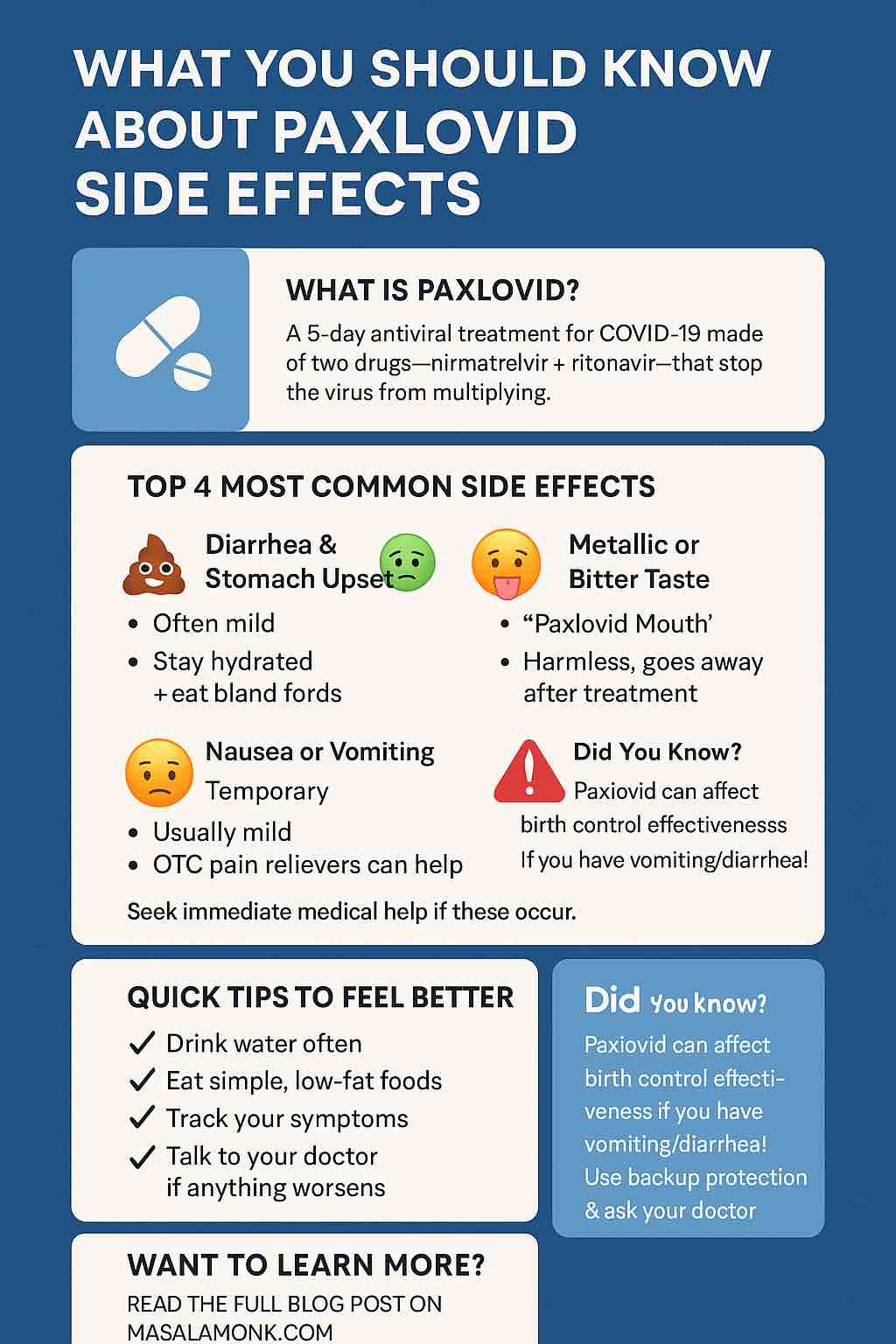
Like all medications, Paxlovid can cause side effects, but most are mild and temporary. Here are the most frequently reported:
1. Diarrhea and Stomach Issues
Diarrhea is one of the top side effects users report. You might also experience stomach pain, cramps, or an upset stomach. This happens because Paxlovid can irritate your gastrointestinal (GI) tract temporarily. Usually, diarrhea resolves on its own after treatment ends.
Quick Tip: Stay hydrated and eat bland foods like bananas or rice to ease symptoms.
2. Nausea and Vomiting
Feeling nauseous or actually vomiting is another common complaint. This can be unsettling but usually doesn’t last long. If nausea is severe, speak with your healthcare provider about possible remedies or if you should continue treatment.
3. Headaches
Many people experience headaches while taking Paxlovid. This is generally mild and can be managed with over-the-counter pain relievers, but consult your doctor if headaches worsen or don’t go away.
4. Altered or Metallic Taste
A weird metallic or bitter taste in the mouth, often called “Paxlovid mouth,” is very common. This strange taste sensation is harmless and typically fades soon after completing the treatment.
What Are the Worst Side Effects of Paxlovid?
While most side effects are manageable, some rare but serious side effects need urgent attention:
Liver problems: Symptoms include yellowing skin or eyes, dark urine, severe abdominal pain, or itchy skin.
Allergic reactions: Look out for rash, swelling of the face or throat, difficulty breathing, or hives.
Bradycardia: An uncommon slow heart rate, though very rare.
Severe electrolyte imbalances: Such as low sodium levels (hyponatremia).
If you experience any of these, seek emergency medical help immediately.
Does Paxlovid Cause Diarrhea and Nausea?
Short answer: Yes, it can.
Both diarrhea and nausea are among the most commonly reported side effects in clinical trials and real-world use. They are generally mild and temporary. Understanding these symptoms helps you prepare and manage them better, reducing the risk of dehydration or treatment interruption.
Can Paxlovid Cause Headaches?
Yes. Headaches are another relatively common side effect but are usually mild and short-lived. If your headache is severe or persistent, it’s important to discuss this with your healthcare provider.
How to Manage Paxlovid Side Effects
Here are practical tips to make your Paxlovid treatment more comfortable:
Stay hydrated: Drink plenty of fluids, especially if you experience diarrhea or vomiting.
Eat light meals: Bland foods like toast, bananas, or rice can reduce nausea and stomach upset.
Use over-the-counter meds: For headaches, acetaminophen or ibuprofen (if not contraindicated) can help.
Monitor symptoms: Keep track of side effects and talk to your doctor if they worsen or last beyond the treatment period.
Important Considerations: Drug Interactions & Contraceptives
Paxlovid can interact with certain medications due to ritonavir’s effect on liver enzymes. Always inform your doctor about all medicines and supplements you take.
For women using oral contraceptives, severe vomiting or diarrhea during Paxlovid treatment may reduce contraceptive effectiveness. Use backup contraception or consult your healthcare provider for advice.
When to Contact Your Doctor About Paxlovid Side Effects
Seek medical advice if you experience:
Persistent or severe diarrhea, nausea, or vomiting.
Signs of liver trouble: yellowing skin/eyes, dark urine.
Paxlovid is a powerful tool against COVID-19 and is generally safe with mostly mild side effects. Knowing what to expect — from diarrhea and nausea to headaches and a strange taste — can ease anxiety and help you manage symptoms effectively. If in doubt, always consult your healthcare provider.
Have you experienced Paxlovid side effects? Share your story or ask questions in the comments below!
FAQs About Paxlovid Side Effects
1. Does Paxlovid cause diarrhea? Yes, diarrhea is a common side effect of Paxlovid. It usually resolves shortly after completing the treatment.
2. Can Paxlovid cause nausea or vomiting? Yes, many patients report nausea and sometimes vomiting during treatment. These symptoms are typically mild and temporary.
3. What are the most common side effects of Paxlovid? Common side effects include diarrhea, nausea, headache, altered taste, vomiting, and stomach pain.
4. Are there any serious side effects of Paxlovid? Rarely, Paxlovid can cause serious side effects such as liver problems, allergic reactions, slow heart rate, or severe low sodium levels.
5. How long do Paxlovid side effects last? Most side effects last only during the 5-day treatment period and improve soon after.
6. Can Paxlovid cause headaches? Yes, headaches are a reported side effect but are usually mild and manageable.
7. What should I do if I experience severe side effects? Contact your healthcare provider immediately if you have symptoms like jaundice, rash, swelling, difficulty breathing, or severe abdominal pain.
8. Will Paxlovid affect my other medications? Paxlovid can interact with some medications, especially due to ritonavir. Always inform your doctor about all medications you’re taking.
9. Can Paxlovid reduce the effectiveness of birth control pills? Severe vomiting or diarrhea during treatment may reduce contraceptive effectiveness. Use backup contraception and consult your doctor.
10. Is it safe to take Paxlovid if I have pre-existing liver or kidney problems? Patients with liver or kidney issues should discuss with their healthcare provider before starting Paxlovid, as dose adjustments may be needed.
Avocados are celebrated worldwide for their creamy texture and heart-healthy fats. But while most of us enjoy the green flesh, there’s a part of the avocado often discarded without a second thought — the seed, also known as the pit or stone. Could this overlooked part of the avocado hold untapped health and practical benefits? Recent research suggests the answer might be yes.
In this post, we dive deep into the nutritional profile, health benefits, practical uses, and safety considerations of avocado seeds. Whether you’re a health enthusiast, DIY beauty fan, or curious about sustainable living, you’ll discover why avocado seeds deserve a place in your kitchen and lifestyle.
Blend until smooth and enjoy a nutrient-packed start to your day!
What Exactly Is an Avocado Seed?
The avocado seed is the large, hard stone at the center of the fruit. It typically makes up about 13-18% of the avocado's weight. While the fleshy part is rich in monounsaturated fats, the seed contains different nutrients, including fiber, antioxidants, and bioactive compounds that researchers are beginning to study more intensively.
Nutritional Breakdown: What’s Inside an Avocado Seed?
Though we often associate the avocado with healthy fats, the seed is more fiber and antioxidant-rich than fatty. Key nutrients include:
Dietary Fiber: Soluble fiber that aids digestion and supports gut health.
Polyphenols: Powerful antioxidants such as catechins and procyanidins known for anti-inflammatory and antimicrobial effects.
Carbohydrates: Primarily in the form of fiber and complex carbs.
Trace Minerals: Including potassium, magnesium, and calcium.
Healthy Fats: In smaller amounts compared to the flesh, with beneficial fatty acids.
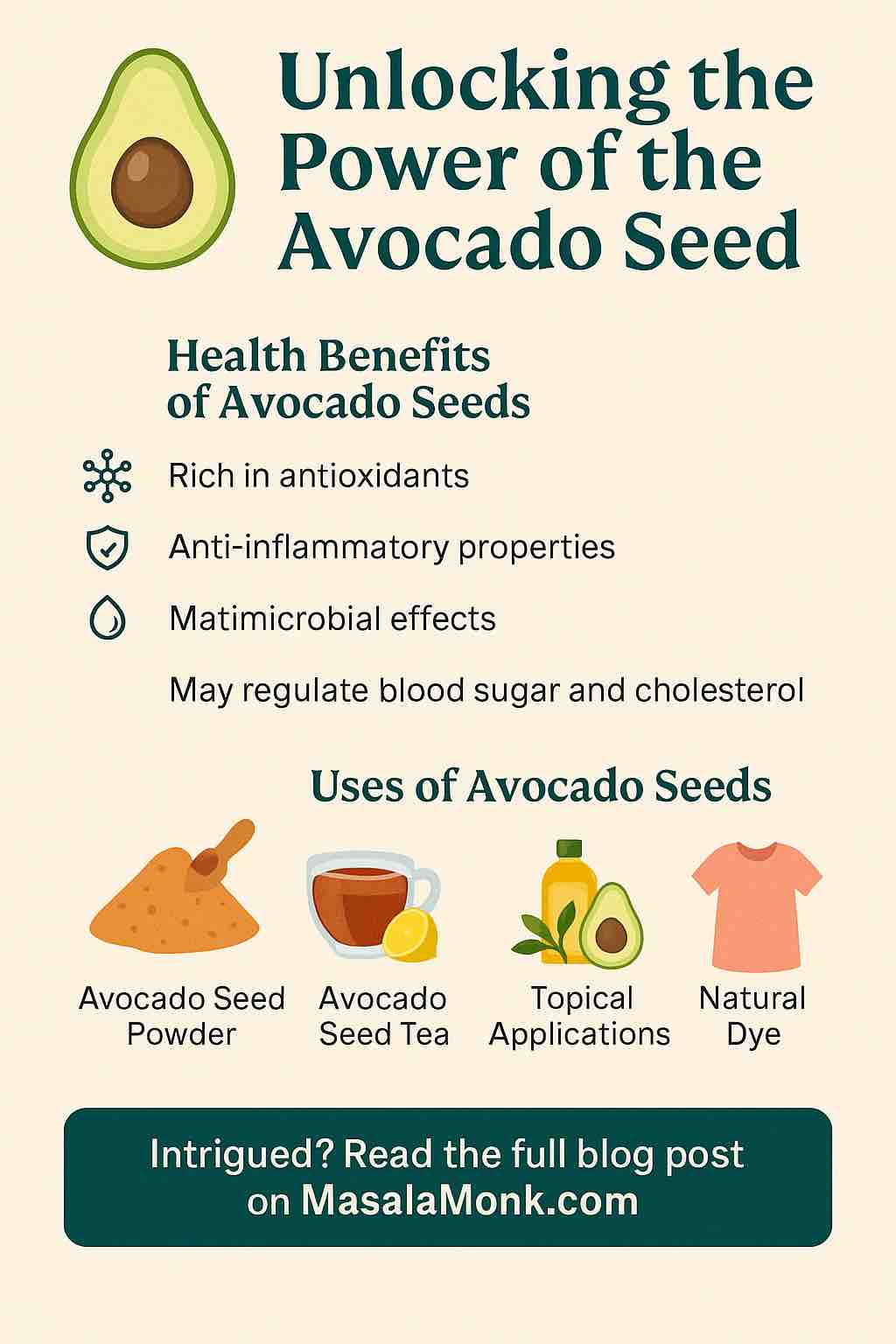
These components combine to make the avocado seed a potent antioxidant and anti-inflammatory agent, according to preliminary studies.
Health Benefits of Avocado Seeds: What Science Says
Though clinical human studies are limited, lab and animal research show promising health effects:
1. Antioxidant Powerhouse
Oxidative stress is a root cause of aging and many chronic diseases. The polyphenols in avocado seeds help neutralize free radicals, potentially lowering oxidative damage.
2. Anti-Inflammatory Properties
Chronic inflammation contributes to heart disease, diabetes, and arthritis. Extracts from avocado seeds have shown anti-inflammatory effects in experimental models.
3. Antimicrobial Activity
Some studies suggest avocado seed compounds can inhibit the growth of harmful bacteria and fungi, supporting immune health.
4. Blood Sugar and Cholesterol Regulation
Animal studies indicate that avocado seed extracts might help lower blood glucose and cholesterol levels, signaling possible benefits for diabetes and cardiovascular health.
5. Digestive Health
The high soluble fiber content promotes gut motility and may help reduce constipation while supporting a healthy gut microbiome.
How to Use Avocado Seeds: Practical Tips & Recipes
Turning avocado seeds from waste to wellness isn’t complicated. Here are some simple ways to incorporate them into your routine:
Avocado Seed Powder: A Versatile Supplement
How to prepare:
Clean the seed thoroughly and let it dry.
Bake or dehydrate the seed at a low temperature (around 120°C / 250°F) for 1-2 hours.
Once fully dried, break into smaller pieces.
Grind using a spice grinder or high-powered blender until fine.
Uses:
Add a teaspoon to smoothies or juices for an antioxidant boost.
Stir into soups or sauces.
Incorporate into baked goods like muffins or bread for added fiber.
Avocado Seed Tea: A Soothing Brew
Preparation:
Slice dried seed pieces thinly.
Boil 2-3 cups of water, then simmer seed pieces for 10-15 minutes.
Strain and enjoy hot or cold, with optional lemon, ginger, or honey for taste.
This tea is popular for its potential anti-inflammatory and digestive benefits.
Topical Applications: Beauty From the Inside Out
Avocado Seed Oil: Extracted oil is rich in fatty acids and vitamins A and E.
Use in homemade skincare recipes such as scrubs, masks, or moisturizers to nourish and hydrate skin.
Some users report benefits for hair strength and shine.
Natural Dyeing Agent
The reddish-pink pigment in avocado seeds makes an excellent natural dye for fabrics. Simmer chopped seeds in water to extract the color, then soak textiles for an eco-friendly alternative to synthetic dyes.
Safety Considerations: What You Need to Know
Despite its benefits, avocado seeds contain antinutrients like tannins and trypsin inhibitors, which in large amounts could interfere with nutrient absorption or cause digestive issues.
Recommendations:
Do not consume raw avocado seeds in large quantities. Processing (drying, powdering) helps reduce harmful compounds.
Use avocado seed products in moderation.
Consult a healthcare professional before adding avocado seed supplements if you are pregnant, nursing, or have underlying health conditions.
Avoid using non-food-grade avocado seed oils on skin if purity is uncertain.
The Sustainability Angle: Waste Not, Want Not
Using avocado seeds aligns with sustainable living by reducing food waste and repurposing a natural resource that otherwise ends up in the trash. Incorporating seeds into your diet or DIY projects not only benefits you but also the environment.
Final Thoughts: Should You Try Avocado Seeds?
Avocado seeds hold exciting potential as a nutrient-dense, antioxidant-rich superfood with multiple uses beyond the kitchen. However, the science is still emerging, and caution is warranted.
If you’re curious, start small by trying avocado seed powder in smoothies or making seed tea. Remember to prepare the seeds properly and listen to your body’s response.
With mindful use, avocado seeds could become a surprising new addition to your health and wellness toolkit.
Want to Give It a Try? Here’s a Quick Recipe to Get You Started:
Avocado Seed Smoothie Booster
1 cup spinach
1 small banana
1 teaspoon avocado seed powder
1 cup almond milk
1 tablespoon chia seeds
Honey or maple syrup to taste
Blend until smooth and enjoy a nutrient-packed start to your day!
FAQs About Avocado Seeds
1. Are avocado seeds safe to eat? Avocado seeds are generally safe to consume in small amounts when properly prepared (dried and powdered). Raw seeds contain antinutrients that may interfere with digestion or nutrient absorption, so processing is important.
2. What are the main health benefits of avocado seeds? They are rich in antioxidants, fiber, and anti-inflammatory compounds. Potential benefits include improved digestion, reduced inflammation, antimicrobial effects, and support for heart and blood sugar health.
3. How do I prepare avocado seeds for consumption? Clean the seed, dry it thoroughly (using an oven or dehydrator), then grind it into a fine powder. This powder can be added to smoothies, teas, or recipes.
4. Can I drink avocado seed tea every day? Moderation is key. Drinking avocado seed tea occasionally can provide antioxidants and fiber, but daily consumption in large quantities is not recommended due to possible antinutrients.
5. Does avocado seed powder have any side effects? Some people might experience digestive discomfort if consumed excessively. Always start with small amounts and consult a healthcare provider if you have medical conditions.
6. Can avocado seed oil be used on skin? Yes, avocado seed oil contains nourishing fatty acids and vitamins beneficial for moisturizing and skin repair. Use pure, food-grade or cosmetic-grade oil for safety.
7. How much avocado seed powder should I consume daily? There’s no official guideline yet. A common safe starting point is about 1 teaspoon per day. Adjust based on tolerance and consult a health professional.
8. Can I grow an avocado tree from the seed? Yes, avocado seeds can be sprouted and grown into trees, though it takes time and patience. This is a popular DIY gardening project.
9. Are there any allergies related to avocado seeds? Avocado allergies typically relate to the fruit’s flesh, but some individuals may have sensitivities to the seed or its compounds. Watch for any allergic reactions.
10. How do avocado seeds contribute to sustainability? Using avocado seeds reduces food waste by repurposing parts usually discarded. It promotes eco-friendly practices in cooking, beauty, and crafting.
Discover over 30 foods rich in Vitamin C (ascorbic acid), including fruits, vegetables, and fortified options. Learn how they benefit immunity, skin, and energy—plus tips for easy daily intake.
🧬 Why Your Body Loves Vitamin C
Vitamin C, also known as ascorbic acid, is a water-soluble vitamin that’s essential for numerous physiological processes:
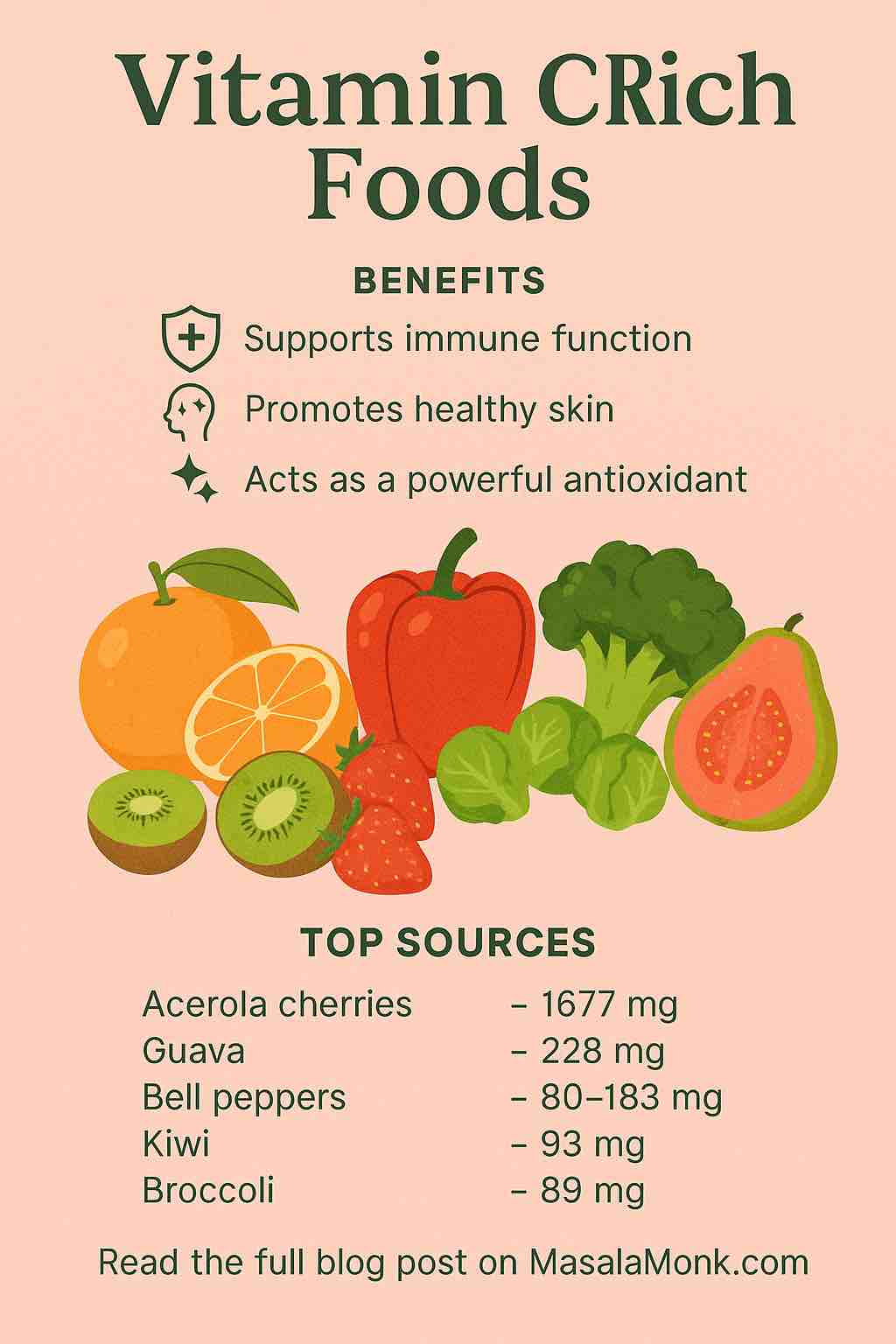
Supports immune function by stimulating white blood cells
Promotes collagen production for healthy skin, joints, and blood vessels
Aids iron absorption from plant-based foods, helping to prevent anemia
Acts as a powerful antioxidant, neutralizing harmful free radicals
Helps regenerate other antioxidants, like Vitamin E
What makes Vitamin C unique? Your body can’t produce it on its own—and since it’s water-soluble, excess amounts aren’t stored. That means you need to replenish it every single day.
🥇 Top 15 Vitamin C Rich Foods (per 100g)
Food
Vitamin C (mg)
Key Benefits
Acerola Cherries
1677
Extreme C concentration, supports immune health
Camu Camu
~2800 (fresh)
Amazonian fruit, powerful antioxidant
Guava
228
Excellent daily source, supports skin
Blackcurrants
181
Boosts immunity, rich in anthocyanins
Red Bell Peppers
127
High in C, versatile and low-calorie
Kiwi
93
Skin health, digestion support
Strawberries
59
Skin-friendly, anti-inflammatory
Oranges
53
Classic C source, easy to consume
Papaya
61
Skin glow, digestion aid
Pineapple
48
Combats inflammation (bromelain)
Mango
36
Tasty and nutrient-dense
Brussels Sprouts
85
Great for detox, rich in fiber
Broccoli
89
Cruciferous, great cooked or raw
Kale (raw)
120
Dense greens for iron + C combo
Yellow Bell Peppers
183
Highest among peppers, immunity hero
🥬 Vegetables High in Vitamin C: Not Just Citrus!
While most people think of fruits when they hear “Vitamin C,” many vegetables are equally powerful.
🌿 Cruciferous Vegetables
These are anti-inflammatory, cancer-fighting, and rich in ascorbic acid:
Kale – 120 mg
Broccoli – 89 mg
Cauliflower – 48 mg
Brussels Sprouts – 85 mg
Cabbage – 36 mg
🫑 Bell Peppers
Bright, crunchy, and sweet—bell peppers are incredibly Vitamin C-rich:
Yellow Bell Peppers – 183 mg
Red Bell Peppers – 127 mg
Green Bell Peppers – 80 mg
🥗 Leafy Greens & Others
Spinach (raw) – 28 mg
Mustard Greens – 70 mg
Swiss Chard – 30 mg
Turnip Greens – 60 mg
✅ Tip: Raw or lightly steamed veggies retain more Vitamin C than boiling or overcooking.
🍊 Fruits Rich in Vitamin C
From tropical fruits to everyday options, here are some of the top Vitamin C sources in the fruit family:
Acerola Cherry
Camu Camu
Guava
Kiwi
Strawberries
Oranges
Lemons & Limes
Papaya
Pineapple
Mango
Cantaloupe
Raspberries
Blackcurrants
Grapefruit
These fruits are not just sweet and refreshing—they’re also powerful allies in your wellness routine.
🍇 Fruits Rich in Vitamin C and Zinc
Vitamin C and zinc together are a dynamic immune-supporting duo. Here are some fruits that naturally offer both or help enhance zinc absorption:
Guava – Top for C and contains trace zinc
Blackberries – Offers zinc, Vitamin C, and antioxidants
Pomegranate – Packed with polyphenols and C
Avocado – Contains zinc, Vitamin E, and some Vitamin C
Kiwi – Enhances zinc absorption and supports collagen
💡 Zinc requires Vitamin C for better absorption and synergy in immune defense.
🧾 Complete Vitamin C Foods List
Here’s a handy categorized list of foods rich in Vitamin C:
🍉 Fruits:
Guava
Papaya
Kiwi
Oranges
Strawberries
Blackcurrants
Cantaloupe
Pineapple
Mango
Lychee
Camu Camu
Acerola Cherry
🥦 Vegetables:
Red, Yellow, and Green Bell Peppers
Broccoli
Brussels Sprouts
Cauliflower
Kale
Spinach
Swiss Chard
Mustard Greens
Tomatoes
Cabbage
🧂 Herbs & Others:
Parsley (fresh)
Thyme (fresh)
Chili Peppers
Rose Hips (dried, in tea)
Sea Buckthorn Berries
🥗 Creative Ways to Add Vitamin C to Your Meals
Getting more Vitamin C doesn’t mean popping supplements—it can be both fun and flavorful.
🍹 Morning
Green Smoothie: Spinach, kiwi, orange juice, mango
Fruit Bowl: Strawberries, pineapple, papaya
Infused Water: Lemon, mint, cucumber slices
🥗 Lunch
Salad with Bell Peppers & Citrus Dressing
Broccoli stir-fry with garlic and sesame
🍽️ Dinner
Grilled chicken with roasted Brussels sprouts
Stuffed bell peppers with quinoa and tomatoes
🥤 Snacks
Guava slices
Red pepper strips with hummus
Fresh fruit smoothies
🌟 Remember: Fresh and raw beats processed when it comes to Vitamin C retention.
🛒 Fortified & Enriched Vitamin C Foods
Not all Vitamin C comes from whole produce. Many packaged or enriched foods can provide an added boost:
Fortified breakfast cereals
Vitamin C-enriched fruit juices
Plant-based milks (almond, oat, soy)
Multivitamin gummies
Vitamin C water or electrolyte drinks
While whole foods are ideal, fortified options can help bridge nutritional gaps—especially for picky eaters, seniors, or those with dietary restrictions.
🧠 Final Thoughts: Build Immunity from the Inside Out
In a world full of supplements and health gimmicks, Vitamin C remains one of the most trusted, science-backed nutrients you can add to your day. From strengthening your immune system to keeping your skin youthful, the benefits are undeniable.
Whether you’re sipping a smoothie, crunching on a red pepper, or juicing oranges, remember: small daily choices lead to long-term health gains.
Eating a rainbow of Vitamin C rich foods ensures you’re not only covering your basic needs—but actively thriving.
❓ Frequently Asked Questions About Vitamin C Rich Foods
1. What is the best natural source of Vitamin C? The best natural source of Vitamin C is acerola cherries, which contain up to 1677 mg per 100g—over 20 times more than oranges.
2. Can I get enough Vitamin C from food alone? Yes, most people can get sufficient Vitamin C through a varied diet rich in fruits and vegetables. Guava, kiwi, bell peppers, and strawberries are excellent daily options.
3. How much Vitamin C do I need daily? The recommended daily intake is:
90 mg for adult men
75 mg for adult women Higher needs may apply during illness, pregnancy, or smoking.
4. What are signs of Vitamin C deficiency? Common symptoms include:
Fatigue
Weak immune response
Slow wound healing
Bleeding gums
Dry, rough skin In severe cases, it can lead to scurvy.
5. Does cooking reduce Vitamin C content in foods? Yes, Vitamin C is heat-sensitive. Boiling or overcooking can reduce content significantly. To preserve it, use steaming, stir-frying, or eating raw.
6. What’s the difference between Vitamin C and ascorbic acid? They are essentially the same. Ascorbic acid is the chemical name for Vitamin C, whether it’s found in natural foods or synthetic supplements.
7. Can you take too much Vitamin C? While it’s water-soluble and excess is usually excreted, very high doses (above 2000 mg/day) may cause:
Stomach cramps
Diarrhea
Nausea
8. Are supplements as effective as food sources of Vitamin C? Supplements can help, but whole foods also provide fiber, enzymes, and phytonutrients that aid absorption and overall health.
9. Which fruits contain both Vitamin C and Zinc? Fruits like guava, kiwi, blackberries, and pomegranate offer Vitamin C and trace amounts of zinc, supporting immune and skin health.
10. Is it safe to take Vitamin C daily? Yes, daily intake from food is safe and recommended. Consistency matters more than quantity—regular small doses are more effective than occasional megadoses.
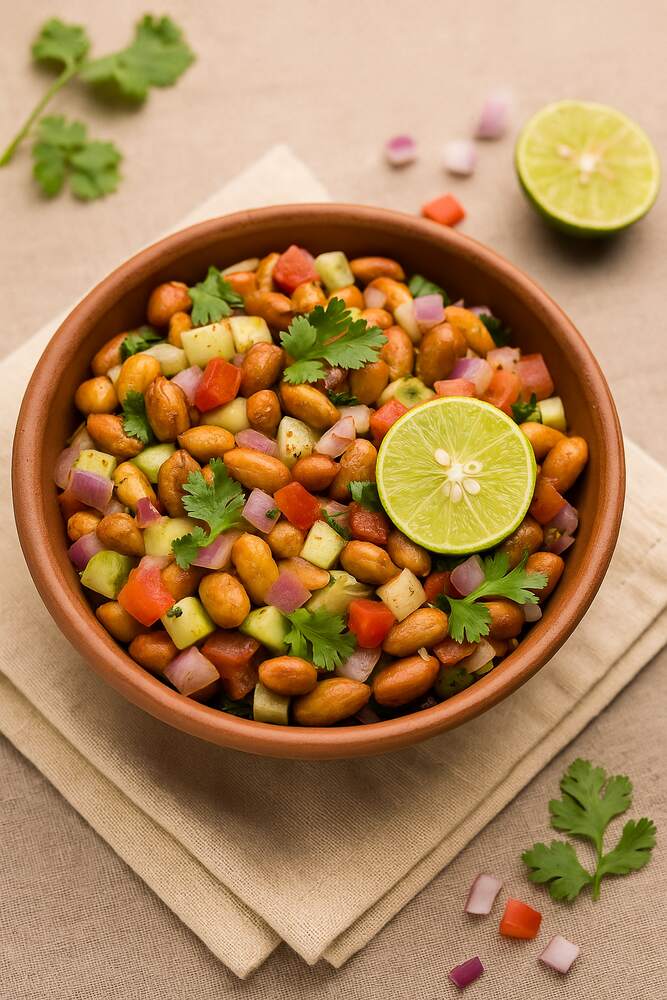
If you’re looking for a healthy yet lip-smacking Indian salad, this Peanut Salad is just the dish for you. It’s not just nutritious (packed with protein, fiber, and healthy fats) but also extremely flavorful. A go-to snack during tea time, fasting days, or as a side to your main meals this salad is quick, fuss-free, and 100% vegetarian.
🥗 Peanut Salad Recipe Widget
Select your mode, check off ingredients, and follow step-by-step instructions!
Use the checklist below while gathering ingredients or cooking. Ticking off items helps you stay organized and avoid missing steps!
📋 Instructions
Dry roast the raw peanuts in a pan until golden and crunchy. Cool and remove skins.
Chop onion, tomato (deseeded), cucumber, and green chili.
Combine all ingredients, add spices, lemon juice, and optional oil. Mix and serve fresh.
💡 Tips & Variations
For Fasting (Vrat): Use sendha namak and skip onion.
Creamier Version: Add a spoon of thick curd or yogurt.
Add Crunch: Sprinkle sev or pomegranate seeds.
Kid-Friendly: Skip green chili and add a dash of honey.
Tried this recipe? Share your creation with us! 📸 Tag us:@masala.monk or use hashtag #MasalaMonkRecipe
Ingredients:
1 cup raw peanuts
1 medium onion, finely chopped
1 medium tomato, finely chopped (deseeded)
1 small cucumber, finely chopped
1 green chili, finely chopped (optional)
1 tbsp chopped coriander (dhaniya) leaves
1 tsp lemon juice (or to taste)
½ tsp roasted cumin powder (jeera powder)
Black salt or regular salt to taste
A pinch of chaat masala (optional)
1 tsp mustard oil or any neutral oil (optional, for extra flavor)
Instructions:
Dry roast the raw peanuts in a pan over medium flame until golden and crunchy. Let them cool, then remove the skins by rubbing them between your palms. You can also use boiled peanuts if you prefer a softer salad texture.
Finely chop onions, tomatoes, cucumber, and green chilies. Make sure the tomatoes are deseeded to prevent the salad from getting soggy.
In a mixing bowl, add the roasted (or boiled) peanuts, chopped veggies, coriander, and green chili. Add lemon juice, salt, roasted cumin powder, chaat masala (if using), and a dash of mustard oil. Give it a good mix. Peanut salad tastes best when served fresh so the peanuts remain crunchy.
Tips & Variations
For Fasting (Vrat): Use sendha namak instead of regular salt and skip onions.
For a Creamier Version: Add a spoon of thick curd or yogurt.
Add Crunch: Top with sev or pomegranate seeds before serving.
Kid-Friendly Tip: Skip the green chili and add a dash of honey for sweetness.
Do give this recipe a shot. If you try this recipe, do give us a shout out. Just click a picture and tag us on @masala.monk or use the hashtag #MasalaMonkRecipe and share on Instagram and Facebook. We would love to hear from you!
Cheese lovers who are following a ketogenic diet, you’re in for a treat! Cheese, with its rich flavors and varied textures, can be a delicious and satisfying part of your low-carb lifestyle. However, it’s essential to remember that not all cheeses are created equal, especially when it comes to their carbohydrate content. This detailed guide will delve into the carb counts of various types of cheese, their roles in a keto diet, and how to incorporate them into your meals.
is Cheese Keto and other Low Carb Diet friendly?
Cheese, with its high-fat, moderate-protein, and low-carb nutritional profile, is often a staple in ketogenic (keto) and other low-carb diets. The goal of these diets is to shift your body into a state of ketosis, where it burns fat for fuel instead of carbohydrates.
However, not all cheeses are created equal when it comes to carb content. Some cheeses, like Swiss and cheddar, have less than 1 gram of carbs per ounce, making them an excellent choice for those following a keto or low-carb diet. Others, like cottage cheese and Velveeta, have slightly higher carb counts and should be eaten in moderation.
For those following other types of low-carb diets, such as the Atkins or South Beach diets, cheese can also be a beneficial addition. These diets also limit carb intake, especially in the initial phases, and emphasize protein and fat intake. As such, the high protein and fat content of cheese can help to keep you feeling full and satisfied.
However, as with any food, it’s important to consume cheese in moderation. While it’s a nutritious food that can fit into various dietary patterns, it’s also high in calories and saturated fat, which can contribute to weight gain and other health issues if eaten in excess.
Carb Counts of Popular Cheeses
Cheese is a versatile food that can be incorporated into a variety of meals, from salads and sandwiches to gourmet dishes. It’s a rich source of protein and calcium, and many types of cheese also contain beneficial probiotics that support gut health. However, the carb content can vary significantly between different types of cheese, making some more suitable for certain diets than others.
The ketogenic, or keto, diet is a high-fat, moderate-protein, low-carb diet designed to put your body into a state of ketosis. In this metabolic state, your body burns fat for fuel instead of carbohydrates. Cheese, with its high fat and protein content and generally low carb count, is a natural fit for this diet. However, the carb content can vary between different types of cheese, so it’s crucial to choose wisely to stay within your daily carb limit.
But what about other diets? Whether you’re following a Mediterranean diet, a vegetarian diet, or simply trying to eat healthier, cheese can still have a place in your meal plan. Let’s take a closer look at the carb content in one ounce (28 grams) of some popular cheeses and explore some creative ways to incorporate them into various diets.
Cream Cheese
Cream cheese is a versatile option with only 1.6 grams of carbs per ounce. Its smooth texture and mild flavor make it a popular spread for bagels and a key ingredient in cheesecakes. For those on a keto diet, cream cheese can be used as a base for various dips and sauces, or added to a low-carb wrap for a creamy twist. For vegetarians, cream cheese can be spread on whole grain crackers and topped with fresh fruits or vegetables for a balanced snack.
Cottage Cheese
Cottage cheese contains about 3.4 grams of carbs per ounce, making it a higher-carb option compared to other cheeses. However, it’s a great source of protein, making it a popular choice for vegetarians and those following a Mediterranean diet. Consider pairing it with some fresh berries for a delicious and satisfying breakfast or snack. For those on a keto diet, remember to eat cottage cheese in moderation due to its higher carb content.
Feta Cheese
Feta cheese, known for its tangy flavor, contains 1.2 grams of carbs per ounce. It’s a staple in Greek cuisine and a great addition to salads and Mediterranean-inspired dishes. Try it with cucumber, olives, and a drizzle of olive oil for a quick and easy Greek salad. For those on a keto diet, the low carb content of feta cheese makes it a great choice.
Cheddar Cheese
Cheddar cheese, a classic choice, contains 0.4 grams of carbs per ounce, making it a great choice for snacking or topping off dishes. It’s a good source of calcium and protein, and its robust flavor makes it a favorite in many dishes. For those on a keto diet, cheddar cheese can be used in a variety of dishes, from omelets to keto-friendly grilled cheese sandwiches.
Mozzarella Cheese
Mozzarella cheese, with 0.6 grams of carbs per ounce, is a fantastic low-carb option. It’s a key ingredient in Italian cuisine, especially in dishes like pizza and caprese salad. For those on a keto diet, mozzarella is the perfect cheese for a keto-friendly pizza night. For vegetarians, fresh mozzarella can be paired with tomatoes and basil for a simple and delicious caprese salad.
American Cheese
American cheese contains about 2 grams of carbs per ounce. While it’s not the lowest carb option, it can still fit into a keto diet when used sparingly. It’s a classic choice for burgers or melted into an omelet. For those following a traditional American diet, this cheese can be used in a variety of dishes, from sandwiches to mac and cheese.
Parmesan Cheese
Parmesan cheese is very low in carbs, with only 0.9 grams per ounce. It’s a hard, aged cheese that’s packed with flavor, making it a great addition to a variety of dishes. For those on a keto diet, try it grated over zucchini noodles for a low-carb pasta alternative. For those following a Mediterranean diet, Parmesan can be used to add a burst of flavor to pasta dishes, salads, and soups.
Swiss Cheese
Swiss cheese contains 1.5 grams of carbs per ounce, making it a good option for sandwiches or as a snack. Its nutty flavor pairs well with fruits and whole grain bread, making it a good option for those following a balanced diet. For those on a keto diet, Swiss cheese can be enjoyed with cold cuts for a quick roll-up snack.
Ricotta Cheese
Ricotta cheese has about 2 grams of carbs per ounce. It’s a soft cheese that’s often used in Italian desserts and pasta dishes. For those on a keto diet, it can be used in moderation in dessert recipes, providing a creamy base for cheesecakes or as a filling for low-carb crepes. For vegetarians, ricotta can be used in a variety of dishes, from lasagna to stuffed shells.
Velveeta Cheese
Velveeta cheese contains about 3 grams of carbs per ounce. It’s a processed cheese product that’s known for its smooth melting properties, making it a popular choice for cheese sauces and dips. For those on a keto diet, it can be used sparingly due to its higher carb content. For those following a traditional American diet, Velveeta can be used in a variety of comfort food dishes, from mac and cheese to cheesy broccoli casserole.
Goat Cheese
Goat cheese contains about 0.2 grams of carbs per ounce, making it one of the lowest carb cheeses available. Its tangy flavor and creamy texture make it a great addition to salads and roasted vegetables. For those on a keto diet, goat cheese can be enjoyed as a snack with low-carb vegetables or added to salads for a burst of flavor. For vegetarians, goat cheese can be spread on whole grain crackers for a satisfying snack.
Queso
Queso, or cheese dip, can range from 1 to 3 grams of carbs per ounce, depending on the recipe. It’s a popular choice for a dip with tortilla chips or drizzled over Mexican dishes. For those on a keto diet, be sure to check the nutrition facts and choose a low-carb version. You can enjoy it as a dip with low-carb vegetables or drizzled over a plate of nachos made with low-carb tortilla chips.
Provolone Cheese
Provolone cheese contains about 0.6 grams of carbs per ounce, making it a good low-carb option. It’s a semi-hard cheese that’s often used in sandwiches and Italian dishes. For those on a keto diet, it can be used in sandwiches made with low-carb bread or melted over chicken for a satisfying dinner. For those following a Mediterranean diet, provolone can be used in a variety of dishes, from pasta bakes to stuffed peppers.
Pimento Cheese
Pimento cheese varies greatly depending on the recipe, but it typically contains about 2 grams of carbs per ounce. It’s a flavorful spread made with cheddar cheese, mayonnaise, and pimentos. For those on a keto diet, it can be used as a spread for celery sticks or cucumber slices. For those following a traditional Southern diet, pimento cheese can be enjoyed as a spread on crackers or in a sandwich.
American Cheese Slice
One slice of American cheese contains about 2 grams of carbs. It’s a convenient option for a quick snack or to melt over a burger. For those on a keto diet, it can be used to add a creamy element to burgers or omelets. For those following a traditional American diet, a slice of American cheese can be used in a variety of sandwiches or melted into a grilled cheese sandwich.
Here’s a more extensive breakdown of popular cheeses and their carbohydrate content per 1-ounce (28-gram) serving:
Cheese Type
Carbs (grams)
Cheddar
0.4
Mozzarella
1
Parmesan
0.9
Swiss
1.5
Brie
0.1
Gouda
0.6
Blue Cheese
0.7
Feta
1.2
Cream Cheese
1.2
Ricotta
3
Cottage Cheese
3.4
Camembert
0.1
Halloumi
0.5
Provolone
1
Neufchâtel
1.1
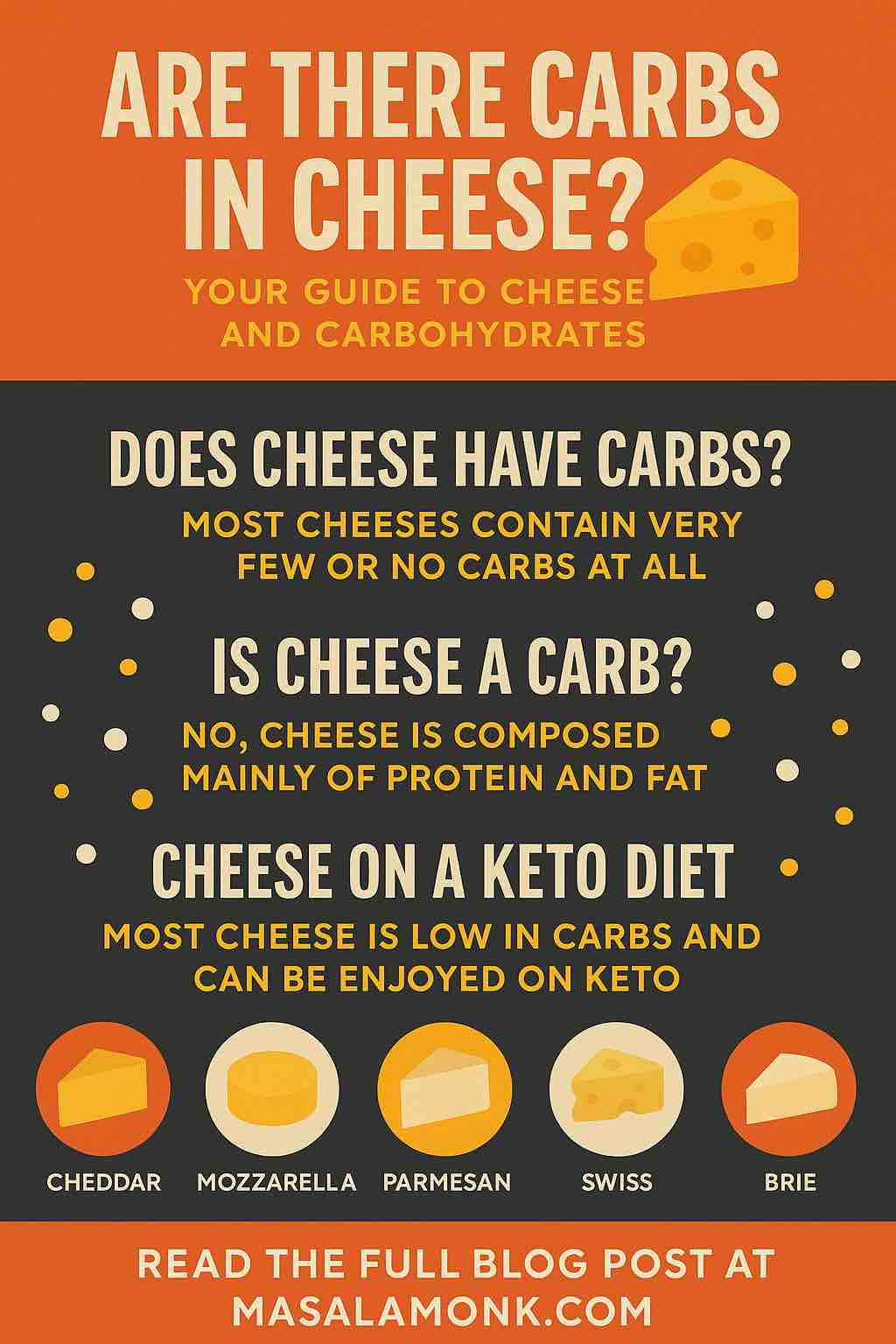
Is Cheese a Carb?
No! Cheese is not a carbohydrate. It’s mostly composed of protein and fat. The tiny amount of carbohydrates in cheese mainly comes from residual lactose.
This is why cheese fits so well into low-carb and ketogenic diets — you’re getting energy mainly from fats and proteins without many carbs.
Is Cheese High in Carbs?
No. Cheese is considered a low-carb food. Even the soft cheeses that have more carbs are still quite low compared to bread, pasta, or sugary snacks.
For people on a ketogenic diet, where carb intake is typically limited to 20–50 grams per day, cheese is an ideal food to enjoy.
Cheese on a Low-Carb or Keto Diet
If you’re asking “is cheese keto?”, the answer is overwhelmingly yes.
Because most cheese has minimal carbohydrates, it’s a keto diet staple. Cheese provides:
Healthy fats
Moderate protein
Essential vitamins and minerals (calcium, vitamin A, B12)
Popular Keto-Friendly Cheeses
Cheddar
Mozzarella
Parmesan
Swiss
Brie
Gouda
Blue Cheese
Camembert
Halloumi
These cheeses tend to have very low carbs and are rich in fats, making them perfect for maintaining ketosis.
What About Velveeta Cheese?
Velveeta and other processed cheeses have slightly more carbs than natural cheeses due to added ingredients. It’s still relatively low-carb, but you’ll want to check the nutrition label to confirm if it fits your daily carb limits.
How Much Cheese Can You Eat on Keto?
While cheese is keto-friendly, it’s important to practice moderation. Cheese is calorie-dense and high in saturated fats, so:
Aim for 1–2 ounces (28-56 grams) of cheese per serving.
Keep track of total carbs to avoid exceeding your daily limits.
Combine cheese with non-starchy vegetables and proteins for balanced meals.
Are There Any Downsides to Eating Cheese?
While cheese is nutritious, here are a few considerations:
Sodium content: Some cheeses are high in salt, which can be a concern for blood pressure.
Lactose intolerance: If you’re lactose intolerant, you may want to avoid fresh cheeses and stick to aged varieties.
Calories: Cheese is calorie-rich, so portion control is key if weight loss is your goal.
Frequently Asked Questions about Carbs in Cheese
1. Is cheese keto-friendly?
Yes, most cheeses are keto-friendly due to their high-fat, moderate-protein, and low-carb content. However, some cheeses have slightly higher carb counts, so it’s important to check the nutritional information.
2. How many carbs are in cream cheese?
Cream cheese contains about 1.6 grams of carbs per ounce, making it a keto-friendly option.
3. Can I eat cottage cheese on a keto diet?
Cottage cheese contains about 3.4 grams of carbs per ounce. While it’s higher in carbs than some other cheeses, it can still be included in a keto diet when eaten in moderation.
4. What is the carb count in cheddar cheese?
Cheddar cheese contains about 0.4 grams of carbs per ounce, making it a great low-carb option.
5. Is mozzarella cheese low in carbs?
Yes, mozzarella cheese contains about 0.6 grams of carbs per ounce, making it a good choice for a low-carb diet.
6. How many carbs are in a slice of American cheese?
One slice of American cheese contains about 2 grams of carbs.
7. Can I eat parmesan cheese on a low-carb diet?
Yes, parmesan cheese is very low in carbs, with only 0.9 grams per ounce, making it a good choice for a low-carb diet.
8. Is Swiss cheese suitable for a keto diet?
Yes, Swiss cheese contains 1.5 grams of carbs per ounce, making it a good option for a keto diet.
9. How many carbs are in ricotta cheese?
Ricotta cheese contains about 2 grams of carbs per ounce. It’s slightly higher in carbs than some other cheeses, so it should be eaten in moderation on a keto diet.
10. Can I eat Velveeta cheese on a keto diet?
Velveeta cheese contains about 3 grams of carbs per ounce. While it’s not the lowest carb option, it can still fit into a keto diet when used sparingly.
11. Is goat cheese low in carbs?
Yes, goat cheese is one of the lowest carb cheeses available, with about 0.2 grams of carbs per ounce.
12. How many carbs are in provolone cheese?
Provolone cheese contains about 0.6 grams of carbs per ounce, making it a good low-carb option.
13. Can I include cheese in my diet if I’m trying to lose weight?
While cheese is high in protein and can be included in a balanced diet, it’s also high in calories and saturated fat. It’s important to consume cheese in moderation and as part of a balanced diet. Always consult with a healthcare provider or a registered dietitian before making any major changes to your diet.
Conclusion
Cheese can be a delicious and satisfying part of a ketogenic diet. However, it’s essential to be aware of the carb content in different types of cheese to ensure you stay within your daily carb limit. As always, moderation is key, and it’s important to balance your cheese intake with a variety of other nutrient-dense, low-carb foods. With this guide, you can navigate the cheese aisle with confidence and continue to enjoy the rich, creamy goodness of cheese while sticking to your keto goals.
Remember, this blog post is for informational purposes only and should not replace professional medical advice. Always consult with a healthcare provider before making changes to your diet or supplement regimen.