Posted on Leave a comment

10 Health Benefits of Apple Cider Vinegar

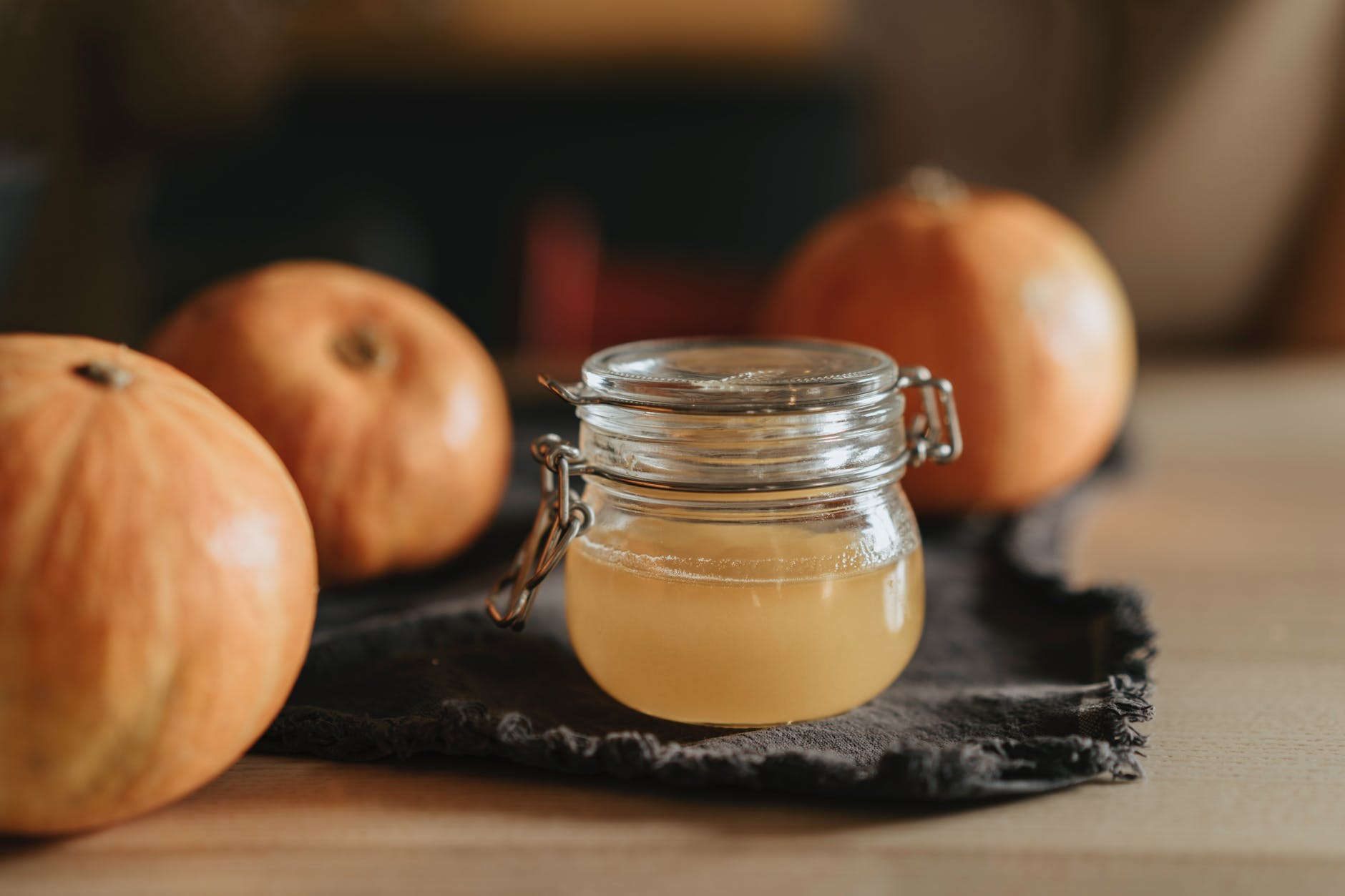
apple cider vinegar in a clear glass jar

Apple cider vinegar (ACV) is a versatile home remedy that has been used for centuries. Made from fermented apple juice, ACV is rich in acetic acid and beneficial enzymes. Its potential health benefits are vast, ranging from aiding digestion to boosting immunity and improving skin health. In this comprehensive guide, we’ll delve into the various ways ACV can be used to address a wide array of health concerns, from sore throats to diabetes.

🍏 Apple Cider Vinegar for Sore Throat

A sore throat can be a sign of a cold, flu, or other viral infection. ACV’s antibacterial properties can help fight off the infection, while its acidity can help break down mucus and alleviate pain. Here’s how you can use ACV for a sore throat:

  1. Gargling Solution: Mix one tablespoon of ACV with one cup of warm water. Gargle with this solution every hour to soothe your throat and kill bacteria.
  2. ACV Tea: Add one tablespoon of ACV, a teaspoon of honey, and a squeeze of lemon to a cup of warm water. Drink this concoction twice a day for relief.

Remember, if your sore throat persists for more than a week, seek medical attention.

💔 Apple Cider Vinegar for Heartburn and Acid Reflux

Heartburn and acid reflux occur when stomach acid backs up into the esophagus, causing discomfort and a burning sensation. ACV can help by neutralizing stomach acid and improving digestion. Here’s how to use ACV for heartburn and acid reflux:

  1. Pre-Meal Drink: Mix one to two tablespoons of ACV with a glass of water and drink it 30 minutes before your meal. This can help prevent heartburn and acid reflux by improving digestion and balancing your stomach’s pH.
  2. ACV Salad Dressing: Incorporate ACV into your meals by using it as a salad dressing. This can help you consume ACV regularly and keep heartburn at bay.

☀️ Apple Cider Vinegar for Sunburn

Sunburn can be painful and damaging to the skin. ACV’s anti-inflammatory properties can help soothe sunburned skin and promote healing. Here’s how to use ACV for sunburn:

  1. ACV Spray: Mix equal parts of ACV and water in a spray bottle. Spray this mixture on the sunburned area for instant relief. Remember to moisturize your skin after using this spray as ACV can be drying.
  2. ACV Bath: Add a cup of ACV to your bath water and soak in it for about 10 minutes. This can help soothe your entire body if you have widespread sunburn.

🦠 Apple Cider Vinegar for UTI

Urinary tract infections (UTIs) are often caused by bacteria. ACV’s antibacterial properties can help fight off these infections. Here’s how to use ACV for UTIs:

  1. ACV Drink: Mix two tablespoons of ACV in a glass of water and drink twice a day. This can help kill the bacteria causing the UTI and prevent it from spreading.
  2. ACV Bath: Add two cups of ACV to your bath water and soak for 15 minutes. This can help soothe UTI symptoms.

Remember, severe or recurring UTIs require medical attention. While ACV can help manage symptoms, it should not replace antibiotics or other prescribed treatments.

🎈 Apple Cider Vinegar for Bloating

Bloating can be uncomfortable and sometimes painful. It can be caused by various factors, including overeating, eating too quickly, or consuming certain foods. ACV can help alleviate bloating by stimulating digestion and reducing gas. Here’s how to use ACV for bloating:

  1. ACV Drink: Mix one to two tablespoons of ACV in a glass of water and drink before meals. This can help stimulate digestion and prevent bloating.
  2. ACV Salad Dressing: Using ACV as a salad dressing can also help prevent bloating by improving digestion.

🌿 Apple Cider Vinegar for Eczema

Eczema is a skin condition characterized by itchy, red, and dry skin. ACV’s antibacterial and antifungal properties can help fight off the skin infections often associated with eczema. Here’s how to use ACV for eczema:

  1. ACV Spray: Mix equal parts of ACV and water in a spray bottle. Spray this mixture on the affected area to balance the skin’s pH and promote healing.
  2. ACV Bath: Add two cups of ACV to your bath water and soak for 15 minutes. This can help soothe your entire body if you have widespread eczema.

Remember, always do a patch test before applying ACV to your skin as it can cause irritation in some people.

🦶 Apple Cider Vinegar for Gout, Toenail Fungus, and Ringworm

Gout, toenail fungus, and ringworm are all conditions that can benefit from ACV’s antifungal and anti-inflammatory properties. Here’s how to use ACV for these conditions:

  1. ACV Soak: For gout, soak the affected joint in a solution of warm water and ACV for about 20 minutes daily. For toenail fungus, soak the affected foot in a basin of warm water and half a cup of ACV for 30 minutes daily.
  2. ACV Application: For ringworm, apply a mixture of equal parts ACV and water to the affected area using a cotton ball. Repeat this several times a day until the infection clears.

🦠 Apple Cider Vinegar for Gut Health

ACV is a prebiotic, which means it feeds the good bacteria in your gut. This can help improve digestion, boost immunity, and promote overall gut health. Here’s how to use ACV for gut health:

  1. ACV Drink: Mix one to two tablespoons of ACV in a glass of water and drink before meals. This can help stimulate digestion and feed the good bacteria in your gut.
  2. ACV Salad Dressing: Incorporate ACV into your meals by using it as a salad dressing. This can help you consume ACV regularly and promote gut health.

🍔 Apple Cider Vinegar for Fatty Liver

Fatty liver disease is often associated with obesity and unhealthy eating habits. ACV can help promote weight loss and improve liver function, which can help combat this condition. Here’s how to use ACV for fatty liver:

  1. ACV Drink: Mix one to two tablespoons of ACV in a glass of water and drink before meals. This can help stimulate digestion, promote weight loss, and improve liver function.
  2. ACV Salad Dressing: Incorporate ACV into your meals by using it as a salad dressing. This can help you consume ACV regularly and promote liver health.

🩸 Apple Cider Vinegar for Diabetes

ACV can help lower blood sugar levels, which can be beneficial for people with diabetes. Here’s how to use ACV for diabetes:

  1. ACV Drink: Mix one to two tablespoons of ACV in a glass of water and drink before meals. This can help improve insulin sensitivity and reduce post-meal blood sugar spikes.
  2. ACV Salad Dressing: Incorporate ACV into your meals by using it as a salad dressing. This can help you consume ACV regularly and manage your blood sugar levels.

🎯 Conclusion

Apple cider vinegar is a versatile and natural remedy for various health issues. Its unique properties can help fight off infections, improve digestion, soothe skin conditions, and even help manage chronic diseases like diabetes. However, it’s important to remember that while ACV can aid in managing these conditions, it should not replace medical treatment. Always consult with a healthcare professional before starting any new health regimen.

❓ FAQs

Q: Can I consume apple cider vinegar straight? A: It’s not recommended to consume ACV straight as its acidity can harm your teeth and throat. Always dilute it with water before consuming.

Q: How much apple cider vinegar should I consume daily? A: It’s generally recommended to consume 1-2 tablespoons of ACV per day, diluted in water.

Q: Can apple cider vinegar interact with medications? A: Yes, ACV can interact with certain medications, including insulin and diuretics. Always consult with a healthcare professional before starting any new health regimen.

Q: Can apple cider vinegar cause side effects? A: Yes, consuming too much ACV can lead to side effects like tooth enamel erosion, throat burns, and digestive issues. Always consume it in moderation and diluted in water.

Posted on Leave a comment

Mango and High Blood Pressure: Unlocking the Potential for a Healthier Heart!

Welcome to our comprehensive guide on mangoes and blood pressure! Mangoes, known as the ‘king of fruits’, are loved worldwide for their delicious taste. But did you know they also pack a nutritional punch? They’re rich in vitamins, minerals, and antioxidants, making them a great addition to a healthy diet. 🍽️ However, many people wonder about the effects of mangoes on blood pressure. Can they cause it to rise? Or could they potentially help to lower it? Let’s dive in and find out! 🏊‍♀️

📌 Can Ripe Mango Cause High Blood Pressure? 🥭➕🩺

Ripe mangoes are sweet and delicious, but can they cause high blood pressure? The answer is not straightforward. Mangoes contain natural sugars, which, if consumed in excess, could contribute to weight gain and higher blood pressure. However, mangoes also have a high water content and are rich in dietary fiber, which can aid in digestion and help maintain a healthy weight. Moreover, they contain potassium, a mineral known to help control blood pressure levels. So, while overindulging in mangoes (like any other food) isn’t advisable, eating them in moderation as part of a balanced diet shouldn’t cause high blood pressure. 🍽️🥭👍

📌 Is Mango Good for High Blood Pressure Patients? 🥭➕❤️

If you’re living with high blood pressure, you might be wondering if mangoes are a safe choice for you. The good news is that mangoes can be part of a heart-healthy diet. They’re rich in potassium, a mineral that helps balance the effects of sodium and maintain healthy blood pressure. Additionally, mangoes are a good source of dietary fiber, which can help lower blood pressure and improve overall heart health. However, it’s important to remember that managing high blood pressure requires a comprehensive approach, including a balanced diet, regular exercise, and medical treatment if necessary. 🏋️‍♀️🥭💊

📌 Can Mango Increase Blood Pressure? 🥭➕⬆️

The question of whether mangoes can lead to an increase in blood pressure is a common one. As we’ve discussed, mangoes contain natural sugars. Consuming too much sugar, even from natural sources, can lead to weight gain, which is a risk factor for high blood pressure. However, the fiber, water content, and nutrients in mangoes, like potassium, generally make them a good choice for heart health. The key is to enjoy them as part of a balanced diet and not in excess. 🥭⚖️

📌 Can I Eat Mango If I Have High Blood Pressure? 🥭➕🤔

Are you a mango lover who’s been diagnosed with high blood pressure? If so, you’re probably asking this question. The answer is yes, you can enjoy mangoes even if you have high blood pressure. As we’ve mentioned, mangoes contain heart-healthy nutrients like potassium and fiber. However, it’s important to consume them in moderation as part of a balanced diet. Also, remember to manage other lifestyle factors that affect blood pressure, such as physical activity levels, salt intake, and stress. 🥭🚴‍♀️🧂🧘‍♀️

📌 Mango Shake for High Blood Pressure 🥭➕🥤

Fancy a mango shake? If you have high blood pressure, you’ll want to make sure it’s a healthy choice. Here’s a simple and nutritious recipe:

  1. One ripe mango, peeled and diced 🥭
  2. One cup of low-fat yogurt or almond milk 🥛
  3. A handful of ice cubes ❄️
  4. Optional: a teaspoon of honey for added sweetness 🍯

Blend all the ingredients until smooth, and enjoy! This shake combines the benefits of mango with the protein of yogurt or the heart-healthy fats of almond milk. Just remember to keep an eye on portion sizes to avoid consuming too much sugar. 🥭🥤👌

📌 Does Mango Increase Blood Pressure? 🥭➕❓

This question seems to be on everyone’s mind. As we’ve discussed, the natural sugars in mangoes could potentially contribute to high blood pressure if consumed in excess. However, the fiber and nutrients in mangoes, particularly potassium, can help maintain healthy blood pressure levels. The key is to enjoy mangoes in moderation as part of a balanced diet. 🥭🍽️

📌 Is Mango Good for Hypertension? 🥭➕👍

Hypertension, or high blood pressure, affects millions worldwide. Can enjoying a juicy mango help? As we’ve discussed, mangoes are rich in potassium, a mineral that helps regulate blood pressure. They also contain fiber and antioxidants, which are beneficial for heart health. So, while mangoes alone can’t treat hypertension, they can certainly be part of a heart-healthy diet. 🥭❤️

📌 Can Mangoes Lower Blood Pressure? 🥭➕⬇️

The potential of mangoes to lower blood pressure is an exciting prospect. While more research is needed, some studies suggest that the nutrients in mangoes, particularly potassium, can help maintain or even lower blood pressure. However, it’s important to remember that managing blood pressure involves more than just diet. Regular exercise, maintaining a healthy weight, limiting alcohol and sodium intake, and taking prescribed medications are all crucial. 🥭🏋️‍♀️🍷🧂💊

📌 Mango and Heart Health 🥭➕❤️

Beyond blood pressure, what’s the overall impact of mangoes on heart health? Mangoes are rich in antioxidants, which can protect against heart disease by reducing oxidative stress in the body. They’re also a good source of fiber, which can lower cholesterol levels and improve heart health. So, while more research is needed, it’s clear that mangoes have plenty to offer when it comes to heart health. 🥭❤️

📌 Raw Mango and Blood Pressure: A Tangy Twist 🥭➕🩺

Raw mangoes, also known as green mangoes, are a popular ingredient in many cuisines around the world. They’re tangy, versatile, and packed with nutrients. But what’s their impact on blood pressure? Let’s find out! 🕵️‍♀️

📌 Can Raw Mango Cause High Blood Pressure? 🥭➕⬆️

Just like ripe mangoes, raw mangoes contain a good amount of potassium, which is beneficial for maintaining healthy blood pressure levels. They’re also low in sodium, which is a plus for blood pressure management. However, how you consume raw mango can make a difference. For instance, pickles or chutneys made from raw mangoes often contain a lot of salt, which can raise blood pressure. So, while raw mango itself doesn’t cause high blood pressure, it’s important to be mindful of how you’re consuming it. 🥭🧂

📌 Is Raw Mango Good for High Blood Pressure? 🥭➕👍

Raw mangoes can be a healthy choice for people with high blood pressure, thanks to their potassium content and low sodium levels. They also contain vitamin C and fiber, which are beneficial for heart health. However, as with ripe mangoes, it’s important to consume them as part of a balanced diet and not in excess. And remember, if you’re using raw mango in a recipe, be mindful of the other ingredients, especially salt. 🥭🍽️

📌 Raw Mango and Hypertension 🥭➕🩺

Hypertension, or high blood pressure, is a serious health condition that requires a comprehensive management approach. Can raw mangoes play a role? As we’ve discussed, the potassium in raw mangoes can help regulate blood pressure, and their low sodium content is a plus. However, they’re just one piece of the puzzle. Regular exercise, a balanced diet, maintaining a healthy weight, and taking prescribed medications are all crucial for managing hypertension. 🥭🏋️‍♀️🍽️💊

📌 Conclusion: Mangoes and Blood Pressure – The Sweet and Tangy Verdict 🎯🥭

Mangoes, both ripe and raw, can be a heart-healthy choice. They’re packed with nutrients like potassium that can help manage blood pressure. But remember, balance is key! 🥭🍽️🧂

Whether you’re dealing with hypertension or aiming for a healthier lifestyle, pair your mango intake with regular exercise, a balanced diet, and any advice from your healthcare professional. 🏋️‍♀️👩‍⚕️💊

In the world of nutrition, mangoes are just one delicious piece of the puzzle. So, enjoy their sweet and tangy goodness, but do so mindfully. Stay healthy, stay happy, and keep savoring the fruity delights! 🥭🎉👍

Posted on Leave a comment

Unveiling the Health Benefits of Cardamom for Men’s Well-being

person holding a stress ball

Cardamom, famously known as “elaichi” in Hindi, is a cherished spice, revered for its rich aroma and an array of health benefits. This tiny green pod, native to the Indian subcontinent and Indonesia, offers a world of goodness, especially for men. This blog aims to take you through the multitude of health benefits of cardamom for men and showcases why it’s widely acclaimed as the “Queen of Spices”.

Cardamom: A Brief Overview and Its Potential Health Powerhouse 🍃

Cardamom, available in both green and black variants, is no ordinary spice. It’s a vital part of Ayurvedic medicine and has played an essential role in traditional Chinese medicine. Its rich antioxidant content and potent bioactive compounds lend it numerous health benefits, ranging from improving digestive health to offering respiratory relief, and from bolstering oral health to promoting cardiovascular well-being. This blog, however, will focus on the specific advantages that cardamom presents for men.

Cardamom and Its Remarkable Benefits for Men 🚹

Cardamom’s health benefits for men are extensive, making it a worthwhile addition to the daily diet:

  1. Potential Testosterone Booster: Preliminary research suggests that cardamom may help increase testosterone levels, although definitive scientific evidence is still under exploration. The high antioxidant content in cardamom could help reduce oxidative stress, a key factor impacting testosterone production. Therefore, the potential of cardamom to boost testosterone levels indirectly points to its overall positive impact on men’s health.
  2. Aphrodisiac Properties: Cardamom has long been used in traditional medicines as an aphrodisiac. The warming nature of this spice is believed to ignite passion and help in combating sexual dysfunctions like premature ejaculation and impotence.
  3. Digestive Health Ally: Cardamom is known to enhance digestive health by stimulating the digestive system and increasing the production of bile acid in the stomach. Its diuretic and anti-inflammatory properties can also help in treating ulcers, inflammation, and other gastrointestinal disorders.
  4. A Champion for Cardiovascular Health: The fiber content in cardamom can help in managing cholesterol levels, thereby promoting heart health. Additionally, its antioxidant properties play a vital role in protecting the heart from oxidative damage.
  5. Natural Oral Hygiene Promoter: Chewing a cardamom pod is a traditional and effective way to combat bad breath. Cardamom has antimicrobial properties that can kill oral bacteria and promote oral health.
  6. Respiratory Health Enhancer: Cardamom is also known for its effects on respiratory health. Its warm nature can help in clearing congestion, improve circulation within the lungs and enhance breathing patterns.

Does Cardamom (Elaichi) Increase Testosterone? 🌿💪

Based on the research papers, there’s some evidence suggesting that cardamom (Elaichi) might have an impact on testosterone levels. 📈

A study mentioned in the paper “Is Drinking of Coffee and Using Of Cardamom in the Kitchen Beneficial for our Health” found that rats that were given a mixture of coffee and cardamom and exposed to γ-irradiation had higher levels of some hormones, including testosterone, compared to rats that were exposed to γ-irradiation but did not receive the coffee and cardamom mixture. 🐀☕🌿

This suggests that the mixture of coffee and cardamom may have beneficial effects on liver function, lipid, and lipoprotein metabolism, the antioxidant system, and some hormones, including testosterone. 💪🧪

However, it’s important to note that this study was conducted on rats, and the same effects may not necessarily apply to humans. 🧑‍🔬

Moreover, both coffee and cardamom are known to have antioxidant properties. Cardamom, in particular, is considered to ameliorate the side effects of coffee, such as its cholesterol-raising effect. Cardamom is also noted to increase levels of antioxidant enzymes and has antihypertensive, gastroprotective, anticancer, and antidiabetic properties. 🌿💊

So, while there’s some evidence suggesting that cardamom could potentially increase testosterone levels, more research, particularly in humans, is needed to confirm this. 🧐

You can read the full text of the paper here for more details. 📖

Cardamom Tea: A Health-Boosting Beverage for Men ☕️

Cardamom tea, a combination of cardamom and tea leaves, offers numerous health benefits while delighting the palate with its aromatic and flavorful profile. Regular consumption of cardamom tea can help in detoxification, aid in digestion, boost mood, and potentially contribute to overall men’s health.

A Word of Caution ⚠️

While cardamom is generally safe for consumption, it’s important to consider that excessive consumption may lead to certain side effects, such as allergic reactions or drug interactions. Therefore, it’s crucial to consume it in moderation and consult a healthcare professional before making any significant dietary changes.

In Conclusion: Embracing Cardamom in Men’s Health Regimen

The “Queen of Spices,” cardamom, truly deserves this title. Its plethora of health benefits, especially for men, is a testament to its therapeutic power. From potentially boosting testosterone levels to aiding in digestion, from enhancing cardiovascular health to promoting oral health, cardamom can be a man’s loyal health ally. So, men, it’s time to spice up your life with a dash of cardamom!

Tags:

Cardamom Benefits, Men’s Health, Cardamom Tea, Digestive Health, Cardiovascular Health, Oral Health, Aphrodisiac, Respiratory Health, Natural Health Remedies, Dietary Spices, Testosterone Booster.

Posted on Leave a comment

Unleashing the Power of Mushrooms: Boost Memory, Focus, and Cognitive Function

sliced tomato and mushroom on sandwiches

Mushrooms have been a staple in our diets for centuries, but it’s only recently that we’ve begun to truly understand their potential benefits for brain health. From enhancing cognitive function to protecting against neurodegenerative diseases, these humble fungi have a lot to offer. But how exactly do they work? And why are they so beneficial for our brains? Let’s explore.

How Do Mushrooms Boost Brain Function? 🍄⚡

Mushrooms contain a variety of compounds that can support brain health in different ways. Here’s a closer look at how they work:

Antioxidants 🛡️

Mushrooms are rich in antioxidants, which are substances that can protect your cells against free radicals. Free radicals are compounds that can cause damage when their levels become too high in your body. They are linked to multiple illnesses, including heart disease, cancer, and Alzheimer’s disease.

Anti-inflammatory Compounds 🌿

Inflammation is a natural response of your body to injury or illness. However, chronic inflammation can contribute to diseases like heart disease, cancer, and Alzheimer’s. Mushrooms contain anti-inflammatory compounds that can help reduce this chronic inflammation, potentially protecting against these diseases.

Nerve Growth Factors 🧬

Certain types of mushrooms, like Lion’s Mane, contain compounds that can stimulate the growth of new neurons – a process known as neurogenesis. This can potentially improve cognitive function and protect against neurodegenerative diseases.

Why Are Mushrooms Beneficial for Brain Health? 🍄🧠

The compounds in mushrooms that support brain health can have several beneficial effects:

Improved Cognitive Function 🧠⚡

By stimulating neurogenesis and protecting neurons from damage, mushrooms can help maintain and improve cognitive function. This includes memory, attention, and problem-solving skills.

Protection Against Neurodegenerative Diseases 🛡️🧠

The antioxidants and anti-inflammatory compounds in mushrooms can help protect against neurodegenerative diseases like Alzheimer’s and Parkinson’s. These diseases are characterized by progressive damage to neurons, which can lead to symptoms like memory loss, tremors, and difficulty with movement.

Mood and Stress Regulation 😌

Some mushrooms, like Reishi, are considered adaptogens. These are substances that help your body adapt to stress and promote a sense of well-being. They can potentially help regulate mood and reduce symptoms of anxiety and depression.

What Mushrooms Help with Brain Function? 🍄➕🧠

When it comes to brain-boosting power, not all mushrooms are created equal. Some varieties stand out for their unique compounds that can enhance cognitive function and protect against neurodegenerative diseases. Let’s take a closer look at these brain-friendly fungi:

Lion’s Mane 🦁

Lion’s Mane is often the first mushroom that comes to mind when we talk about brain health. This is because it contains two unique compounds, hericenones and erinacines, which can stimulate the growth of brain cells. This makes Lion’s Mane a potential ally in the fight against neurodegenerative diseases like Alzheimer’s and Parkinson’s.

Cordyceps 🐛

Cordyceps is another mushroom known for its brain-boosting properties. It’s been used in traditional Chinese medicine for centuries to improve memory and cognitive function. Recent research suggests that it may help fight inflammation and oxidative stress in the brain, which can protect against cognitive decline.

Reishi 🍄

Reishi, also known as the “mushroom of immortality,” is revered for its potential to promote longevity and overall health. It contains compounds that can help regulate the immune system and reduce inflammation, which may be beneficial for brain health.

Turkey Tail 🦃

Turkey Tail is a common mushroom known for its immune-boosting properties. But it may also have benefits for brain health. It’s rich in antioxidants that can protect against oxidative stress, a key factor in neurodegenerative diseases.

Cremini 🍄

Don’t overlook the common Cremini mushroom! While it may not have the unique compounds found in Lion’s Mane or Cordyceps, it’s still a nutritional powerhouse. Cremini mushrooms are packed with vitamins, minerals, protein, and fiber, all of which contribute to overall health and, by extension, brain health.

Remember, while these mushrooms can be a great addition to a healthy diet, they’re not a magic bullet for brain health. It’s always important to maintain a balanced diet, get regular exercise, and consult with a healthcare professional for personalized advice. 🍽️🍄💪🧠

Conclusion 🎯

Mushrooms are more than just a tasty addition to your meals. They’re a powerhouse of nutrients and potential health benefits, particularly when it comes to brain health. So, whether you’re looking to boost your memory, enhance cognitive function, or simply add some nutrient-rich variety to your diet, mushrooms could be just what you’re looking for! 🍄💪🧠

Remember, while mushrooms can be a great addition to a healthy diet, they’re not a cure-all. Always consult with a healthcare professional before starting any new health regimen.

So, are you ready to add some brain-boosting mushrooms to your diet? 🍽️🍄

Posted on 1 Comment

What is Seabuckthorn? All Your Questions Answered

orange berries on tree branches

Seabuckthorn, a plant that has been cherished for centuries for its incredible health benefits, is making a comeback in the wellness world. From its nourishing oil to its nutrient-dense pulp, every part of the Seabuckthorn plant is a treasure trove of healing properties. In this comprehensive guide, we’ll explore the myriad benefits of Seabuckthorn, answering all your queries about this wonder plant. So, let’s dive in! 🏊‍♀️

What is Seabuckthorn? 🌳

Seabuckthorn is a plant that grows in the mountainous regions of Asia and Europe. The plant produces bright orange berries, which are known for their high nutritional content. The berries, seeds, and leaves of the Seabuckthorn plant are used to produce various health products, including oils, powders, and teas.

Seabuckthorn for Skin: The Ultimate Skin Savior 🌿

Seabuckthorn has been hailed as a miracle worker for skin health. Here’s why:

  1. Nourishing: Seabuckthorn oil is rich in vitamins A, C, and E, which are essential for skin health. These vitamins nourish the skin, improve elasticity, and promote cell regeneration.
  2. Healing: The oil has anti-inflammatory and healing properties. It can help soothe irritated skin, heal burns, cuts, and wounds, and reduce acne and blemishes.
  3. Anti-Aging: The antioxidants in Seabuckthorn fight against free radicals that cause skin aging. Regular use of the oil can help reduce wrinkles and fine lines, giving your skin a youthful glow.

The Magic of Seabuckthorn Pulp 🍊

Seabuckthorn pulp is derived from the fruit of the plant and is a powerhouse of nutrients.

  1. Nutrient-Dense: The pulp is packed with vitamins, minerals, antioxidants, and essential fatty acids. It’s a great addition to smoothies, juices, and other recipes.
  2. Digestive Health: Consuming Seabuckthorn pulp can aid digestion and help maintain a healthy gut. It’s known to soothe gastrointestinal issues like ulcers.

Seabuckthorn Seed Oil vs Fruit Oil: What’s the Difference? 🌰🍒

Seabuckthorn seed oil and fruit oil are derived from different parts of the plant and have slightly different nutrient profiles.

  1. Seed Oil: Seabuckthorn seed oil is extracted from the small dark seeds of the fruit. It’s rich in omega-3 and omega-6 fatty acids, and vitamin E. It’s known for its skin healing properties and is often used in skincare products.
  2. Fruit Oil: Seabuckthorn fruit oil, on the other hand, is extracted from the fleshy part of the fruit. It’s rich in omega-7 fatty acids and carotenoids, which give it a deep orange color. This oil is known for its nourishing and protective properties for skin and mucous membranes.

Seabuckthorn Tea: A Nutrient-Rich Beverage 🍵

Seabuckthorn tea is a delicious and healthy beverage made from the leaves and berries of the Seabuckthorn plant. It’s packed with antioxidants and vitamins, making it a great choice for boosting your immune system and overall health. Plus, its tangy and refreshing taste is a delight for the taste buds!

Seabuckthorn Powder: A Versatile Superfood 🥣

Seabuckthorn powder is made from dried and ground Seabuckthorn berries. It’s a versatile superfood that can be added to smoothies, oatmeal, yogurt, and even skincare products. It’s a convenient way to enjoy the health benefits of Seabuckthorn, especially if fresh berries are hard to come by.

Seabuckthorn Extract: Concentrated Goodness 💧

Seabuckthorn extract is a concentrated form of all the goodness found in the plant. It’s often used in dietary supplements and skincare products. The extract is rich in antioxidants, vitamins, and essential fatty acids, offering a range of health and beauty benefits.

Seabuckthorn Oil for Face: The Secret to Glowing Skin 🌟

Seabuckthorn oil is a popular ingredient in many face care products due to its nourishing and healing properties. It can help:

  1. Moisturize: The oil deeply hydrates the skin, leaving it soft and supple.
  2. Brighten: Regular use of Seabuckthorn oil can help lighten dark spots and pigmentation, giving your face a bright, even tone.
  3. Protect: The antioxidants in the oil protect your skin from environmental damage and harmful UV rays.

Seabuckthorn Berries: A Nutritional Powerhouse 🍓

Seabuckthorn berries are small but mighty. They are packed with:

  1. Vitamins: The berries are rich in vitamins C and E, which are known for their antioxidant properties.
  2. Minerals: They contain essential minerals like potassium, iron, and calcium.
  3. Fatty Acids: Seabuckthorn berries are one of the few plant sources that contain omega-7 fatty acids, which are beneficial for skin and heart health.

Seabuckthorn Seed: A Hidden Gem 💎

Seabuckthorn seeds, though tiny, are packed with nutrients. They are a good source of protein and fiber and contain omega-3 and omega-6 fatty acids. The seeds can be ground into a powder and added to your diet for an extra nutritional boost.

Health Benefits of Seabuckthorn: More Than Just Skin Deep 💪

While Seabuckthorn is often associated with skin health, its benefits extend far beyond. It’s known to:

  1. Boost Immunity: The high vitamin C content in Seabuckthorn helps boost your immune system and fight off infections.
  2. Support Heart Health: The omega fatty acids in Seabuckthorn help maintain healthy cholesterol levels and support heart health.
  3. Aid Digestion: Seabuckthorn is known to soothe digestive issues and support gut health.

What is Sea Buckthorn Called in India? 🌳

Sea buckthorn is known by various names in different parts of India. In Hindi, it’s commonly referred to as “Daru” or “Chharma.” In the Ladakh region, where it grows abundantly, it’s known as “Tsetal.”

What is the Use of Sea Buckthorn Patanjali? 🍊

Patanjali, a renowned brand in India, offers a range of products made from sea buckthorn. These products are primarily used for their health and wellness benefits. For instance, Patanjali’s sea buckthorn juice is consumed for its high nutritional content and immune-boosting properties. Their sea buckthorn oil is used for skincare due to its nourishing and healing properties.

Is it Safe to Take Sea Buckthorn Everyday? 🥣

Generally, sea buckthorn is considered safe for most people when consumed in moderation as part of a balanced diet. However, the safety of long-term use is not well studied. It’s always best to consult a healthcare professional before starting any new supplement regimen.

What are the Side Effects of Seabuckthorn? 💊

While sea buckthorn is generally well-tolerated, some people may experience side effects such as diarrhea or skin rashes, especially with excessive consumption. If you experience any adverse effects, it’s recommended to stop using the product and consult a healthcare professional.

Who Should Not Take Sea Buckthorn? 🚫

People with certain medical conditions should exercise caution with sea buckthorn. For instance, those with bleeding disorders or those about to undergo surgery should avoid sea buckthorn as it may slow blood clotting. Pregnant and breastfeeding women should also consult a healthcare professional before using sea buckthorn.

Is Seabuckthorn Good for Fatty Liver? 🍏

Preliminary research suggests that sea buckthorn may have potential benefits for liver health, including fatty liver disease. Its high antioxidant content may help protect the liver from damage. However, more research is needed in this area.

Is Sea Buckthorn Good for Hair? 💇‍♀️

Yes, sea buckthorn oil is often used in hair care products due to its nourishing properties. It’s rich in vitamins and essential fatty acids that can help strengthen hair, promote growth, and improve scalp health.

Is Sea Buckthorn Anti-Aging? 🕰️

Sea buckthorn is rich in antioxidants and vitamins that are known for their anti-aging properties. Regular use of sea buckthorn oil can help reduce wrinkles and fine lines, giving your skin a youthful glow.

Does Sea Buckthorn Brighten Skin? 🌟

Yes, sea buckthorn oil can help brighten the skin. It’s rich in vitamins A and C, which are known for their skin-brightening properties. Regular use can help lighten dark spots and pigmentation, giving your skin a bright, even tone.

Is Sea Buckthorn Good for Face? 🌸

Absolutely! Sea buckthorn oil is a popular ingredient in many face care products due to its nourishing and healing properties. It can help moisturize, brighten, and protect your skin, making it a great addition to your skincare routine.

Does Sea Buckthorn Increase Estrogen? 💊

There’s limited research on the effect of sea buckthorn on estrogen levels. Some studies suggest that it may have phytoestrogenic properties, but more research is needed to confirm these findings. If you have a condition that could be worsened by increased estrogen, it’s best to consult a healthcare professional before using sea buckthorn.

What is the Best Form of Sea Buckthorn? 🏆

The “best” form of sea buckthorn really depends on your individual needs and preferences. Sea buckthorn oil is great for skin care, while sea buckthorn juice or tea can be a nutritious addition to your diet. Sea buckthorn supplements, such as capsules or powders, can be a convenient way to enjoy its health benefits.

Conclusion: Embrace the Power of Sea Buckthorn 🌼💕

Sea buckthorn is truly a gift from nature. Its myriad benefits make it a must-have in your wellness routine. Whether you’re looking to enhance your skin health, boost your nutrient intake, or soothe your digestive system, sea buckthorn has got you covered. So, why wait? Embrace the power of sea buckthorn today!

Remember, it’s always best to consult a healthcare professional before starting any new supplement regimen. Stay tuned for more health and wellness tips!