Posted on 1 Comment

Amla for Hair

Amla and Hair Health: A Comprehensive Guide


Amla, also known as Indian gooseberry, has been a staple in Ayurvedic medicine for centuries. Revered for its numerous health benefits, amla is particularly known for its positive effects on hair health. This guide delves deep into the various ways amla is used for hair care, from combating grey hair to promoting hair growth.


1. Amla Juice for Grey Hair

  • Overview: Amla juice, when applied topically, is believed to rejuvenate the hair, making it darker and more vibrant. Its high vitamin C content and antioxidants help combat premature greying.
  • Usage: To use amla juice for grey hair, massage the juice directly onto the scalp and hair. Leave it on for about 30 minutes before rinsing with lukewarm water. For best results, repeat this process 2-3 times a week.

2. Amla Extract for Grey Hair

  • Overview: Amla extract is a concentrated form of the fruit, often available in oil or powder form. It retains the essential nutrients and is used to treat grey hair.
  • Application: Mix amla extract with a carrier oil like coconut or almond oil and apply it to the scalp and hair. This not only combats greying but also nourishes the hair.

3. Amla Oil for Hair Growth: Before and After

  • Overview: Amla oil is renowned for promoting hair growth. It strengthens hair follicles, reduces hair fall, and encourages the growth of new hair.
  • Evidence: Many users report thicker, longer, and healthier hair after consistent use of amla oil. Before-and-after photos often showcase significant improvements in hair density and length.

4. Using Amla Powder for Hair Growth

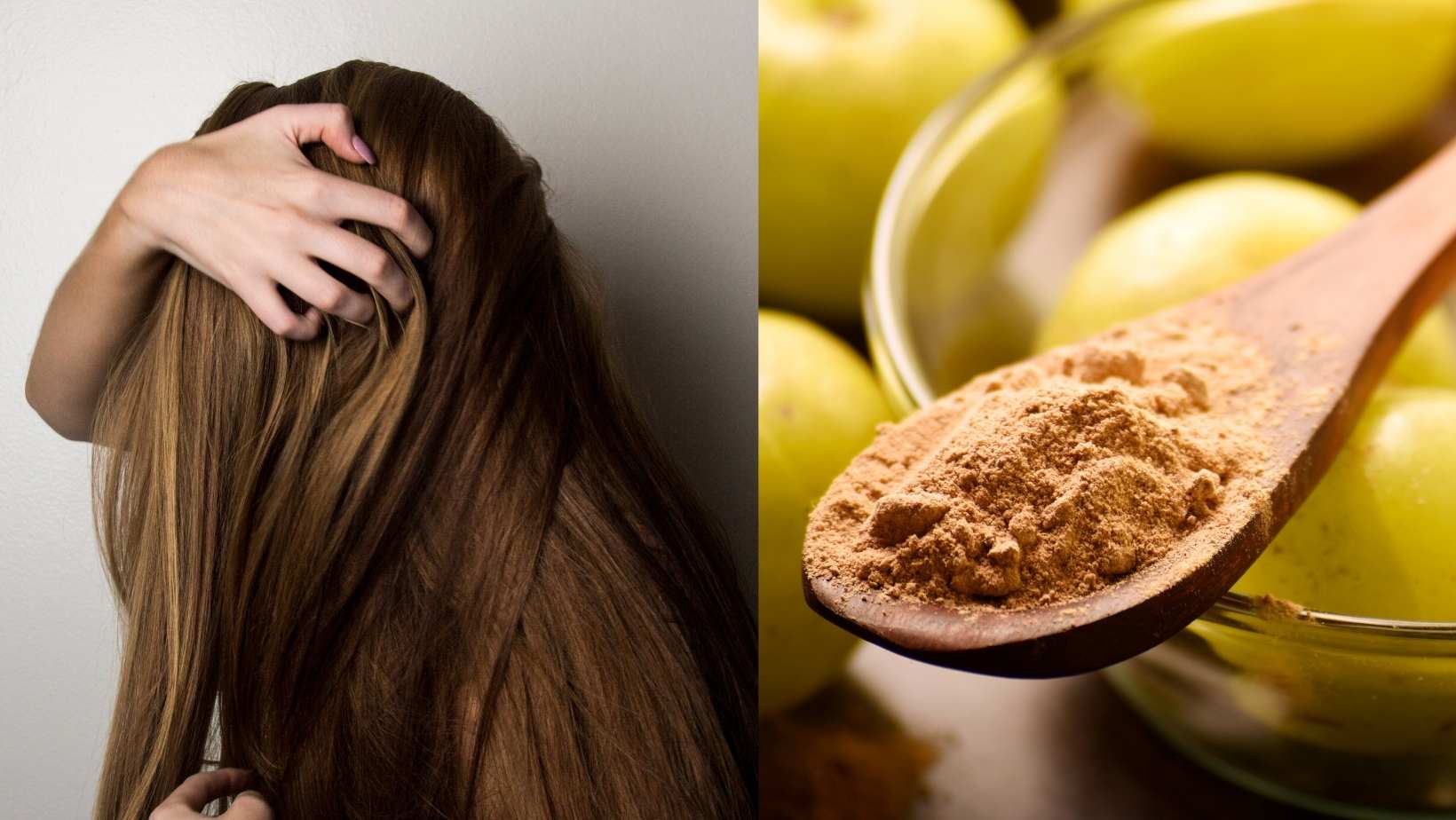
  • Overview: Amla powder can be mixed with water to form a paste, which can be applied to the hair and scalp. It acts as a natural conditioner, giving hair a smoother and shinier appearance.
  • Application: Mix amla powder with water until a smooth paste forms. Apply to the scalp and hair, leave on for 20-30 minutes, then rinse.

5. Amla Powder for Grey Hair

  • Overview: Just as with amla juice and extract, amla powder can be used to combat premature greying. The nutrients in the powder help restore the hair’s natural color and shine.
  • Usage: Amla powder can be mixed with henna or other natural dyes to enhance the color-restoring properties.

6. Indian Gooseberry for Hair

  • Overview: Indian gooseberry, another name for amla, is packed with nutrients beneficial for hair health. It’s not just the fruit; even its leaves have been used traditionally for hair care.
  • Benefits: Apart from treating grey hair and promoting growth, Indian gooseberry also helps combat dandruff, scalp infections, and hair fall.

7. Amla Powder for Hair

  • Overview: Amla powder is a versatile product that can be used in various hair treatments, from hair masks to shampoos.
  • Benefits: Regular use can lead to shinier hair, reduced hair fall, and a healthier scalp.

8. Applying Amla Juice on Hair

  • Overview: Amla juice can be used as a natural hair tonic. It strengthens the hair shafts, making them less prone to breakage.
  • Application: After shampooing, rinse your hair with amla juice. This acts as a natural conditioner, leaving hair smooth and shiny.

9. Amla Oil

  • Overview: Amla oil is a popular product in many hair care routines. It’s often used as a base in various hair oils due to its nourishing properties.
  • Benefits: Regular scalp massages with amla oil can lead to increased blood circulation, promoting hair growth and reducing hair fall.

10. Using Amla Powder for White Hair

  • Overview: Amla powder, when combined with natural dyes like henna, can help restore the hair’s natural color.
  • Usage: Create a mixture of amla powder, henna, and water. Apply this to the hair and leave on for a couple of hours before rinsing.

Conclusion:
Amla, in its various forms, offers a natural solution to many hair-related concerns. Its rich nutrient profile makes it an invaluable asset in hair care routines. Whether you’re battling premature greying, looking to boost hair growth, or simply want healthier locks, amla might just be the answer.


Tags:
Amla, Indian Gooseberry, Hair Care, Natural Remedies, Grey Hair, Hair Growth, Amla Benefits.
Posted on Leave a comment

is Desi Ghee Bad for your Heart?

Ghee and Its Impact on Cardiovascular Health: An In-depth Look


Ghee, often referred to as “liquid gold” in culinary circles, is a type of clarified butter that has been used in Indian cooking and traditional medicine for thousands of years. Its unique preparation process and resulting nutritional profile have made it a subject of interest, especially concerning heart health. Here, we’ll explore the multifaceted relationship between ghee and cardiovascular wellness.


1. Understanding Ghee:

Ghee is derived from butter but undergoes a clarification process where milk solids and water are removed, leaving behind a clear, golden liquid rich in fats.

2. Nutritional Breakdown:

  • Saturated Fats: Ghee is predominantly made up of saturated fats. While these fats were once vilified for potentially raising cholesterol, recent research suggests that they might not be as harmful as once thought.
  • Vitamins and Minerals: Ghee is rich in vitamins A, E, and K, all of which are fat-soluble and essential for various bodily functions.
  • Fatty Acids: One of the key components of ghee is butyric acid, a short-chain fatty acid that can promote gut health and has anti-inflammatory properties.

3. The Cholesterol Controversy:

  • Traditional Views: Earlier dietary guidelines cautioned against foods high in saturated fats, like ghee, due to concerns about raising LDL (bad) cholesterol levels.
  • Contemporary Research: Newer studies indicate that while ghee might raise LDL cholesterol, it also raises HDL (good) cholesterol, potentially offsetting the risks.

4. Ghee’s Role in Heart Health:

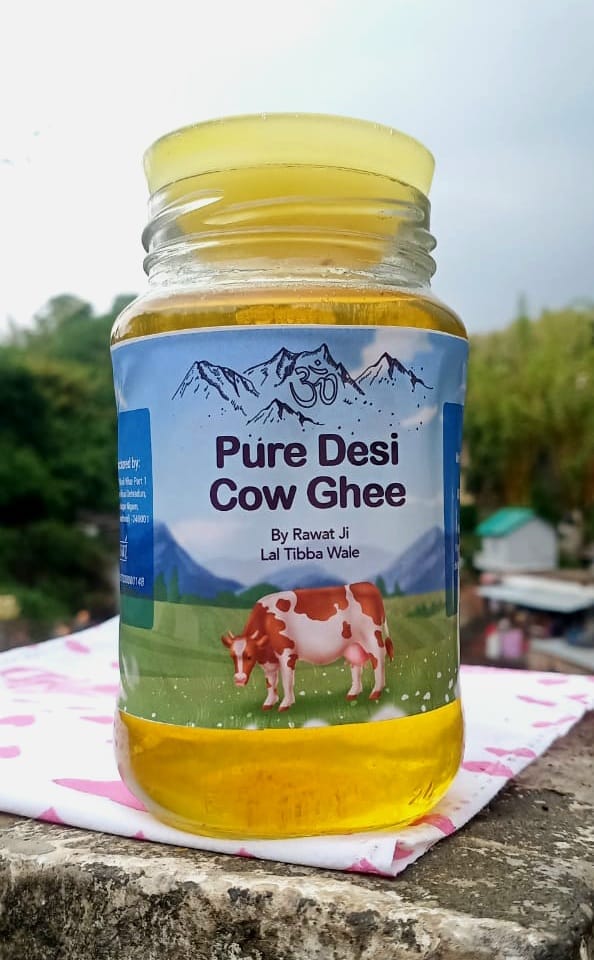
  • Desi Ghee: This traditional form of ghee, made from the milk of grass-fed cows, is believed to have therapeutic properties. Some proponents argue that it can be beneficial for heart patients, but concrete scientific evidence is still emerging.
  • Moderation is Crucial: Like any fat, ghee is calorie-dense. Overconsumption can lead to weight gain, a risk factor for heart disease.

5. Ghee in Comparison:

  • Butter: While both come from the same source, ghee’s clarification process gives it a higher smoke point, making it more suitable for frying and sautéing.
  • Plant-based Oils: Oils such as olive or avocado oil have a different fatty acid composition and are often recommended for heart health due to their higher unsaturated fat content.

6. Cultural Significance:

  • Ayurvedic Medicine: Ghee holds a special place in Ayurveda, where it’s believed to nourish the body, aid digestion, and promote longevity.
  • Global Popularity: With the rise of diets like Paleo and Keto, ghee has found a place in kitchens worldwide.

7. Potential Side Effects and Considerations:

While many enjoy the benefits of ghee, it’s essential to be aware of potential drawbacks:

  • Caloric Intake: Ghee is calorie-dense, and excessive consumption can lead to weight-related issues.
  • Individual Variability: People metabolize fats differently. For some, ghee might elevate cholesterol levels, while others might not see any adverse effects.

8. The Bottom Line:

Ghee can be a nutritious addition to a balanced diet when consumed mindfully. Its potential benefits and risks largely depend on individual health profiles and overall dietary patterns. As always, it’s best to consult with a healthcare professional when making significant dietary changes.


Tags:
Ghee, Cardiovascular Health, Nutrition, Ayurveda, Saturated Fats, Cholesterol, Dietary Fats.

Posted on Leave a comment

Calories in Mango: Discovering the Nutritional Value of this Tropical Delight!

Mangoes: A Comprehensive Guide to the Nutritional Profile of the Tropical Delight


Mangoes, often hailed as the “king of fruits,” are a tropical treasure that has been savored across various cultures and regions. Their unique blend of sweetness with a hint of tartness makes them a favorite for many. But beyond their delightful taste, mangoes offer a wealth of nutritional benefits. Let’s embark on a detailed journey to understand the caloric and nutritional essence of mangoes.


1. Introduction to Mangoes:

Originating in South Asia, mangoes have been cultivated for over 4,000 years. Today, they are grown in tropical and subtropical regions worldwide. Their vibrant color, ranging from green to golden yellow, is a testament to the rich nutrients they house within.

2. Caloric Content: Size and Proportion Matter

  • Whole Mango: A standard whole mango, on average, provides about 150 calories, making it a substantial snack or addition to meals.
  • 150 grams of Mango: This specific portion, which is slightly less than a whole mango, contains approximately 92 calories.
  • Medium-sized Mango: This is the most commonly consumed size and offers around 150 calories.

3. Nutritional Breakdown: More Than Just Calories

Mangoes are a powerhouse of nutrients:

  • Vitamins: They are particularly rich in vitamin A, which is essential for eye health. They also provide ample amounts of vitamin C, vital for immune function, and vitamin E, known for its antioxidant properties.
  • Minerals: Mangoes are a good source of essential minerals like potassium, which helps regulate blood pressure, and magnesium, which supports muscle and nerve function.
  • Dietary Fiber: With about 3 grams of fiber in a medium-sized mango, it aids in digestion and can help in maintaining a healthy cholesterol level.

4. Different Varieties, Different Nutritional Profiles

There are numerous mango varieties, each with its unique taste and texture:

  • Desi Mango: This variety is often more flavorful and might have a slightly higher caloric content due to its intense sweetness.
  • Popular Varieties: Alphonso, Haden, and Ataulfo are among the favorites. Their caloric content is generally consistent with the average mango, but subtle differences in taste and texture exist.

5. Incorporating Mangoes into Diverse Diets:

  • Weight Management: Mangoes, when consumed in moderation, can be a part of a weight loss diet due to their satiating nature.
  • Athletic Diets: The quick energy provided by the natural sugars in mangoes makes them an excellent choice for a post-exercise snack.

6. Processed Mango Products: A Word of Caution

While mangoes in their natural form are nutritious, processed products like mango juice or dried mango might have added sugars, preservatives, and a higher calorie count.

7. Mangoes and Health: Beyond Nutrition

Mangoes have been associated with several health benefits:

  • Digestive Health: The enzymes in mangoes, such as amylase, aid in breaking down and assimilating food.
  • Skin Health: Applying mango pulp to the skin can offer hydration and rejuvenation, thanks to its vitamins and minerals.

In Conclusion:

Mangoes, with their myriad of health benefits and unmatched flavor, are more than just a seasonal fruit. They are a symphony of taste and nutrition, deserving of their royal title as the “king of fruits.”


Tags:
Mango Nutrition, Tropical Fruits, Health Benefits, Dietary Guide, Mango Varieties.

Posted on 1 Comment

Banana: The Sweet Treat for Your Skin – Benefits, Myths, and 5 Nourishing Recipes for a Beautiful Glow

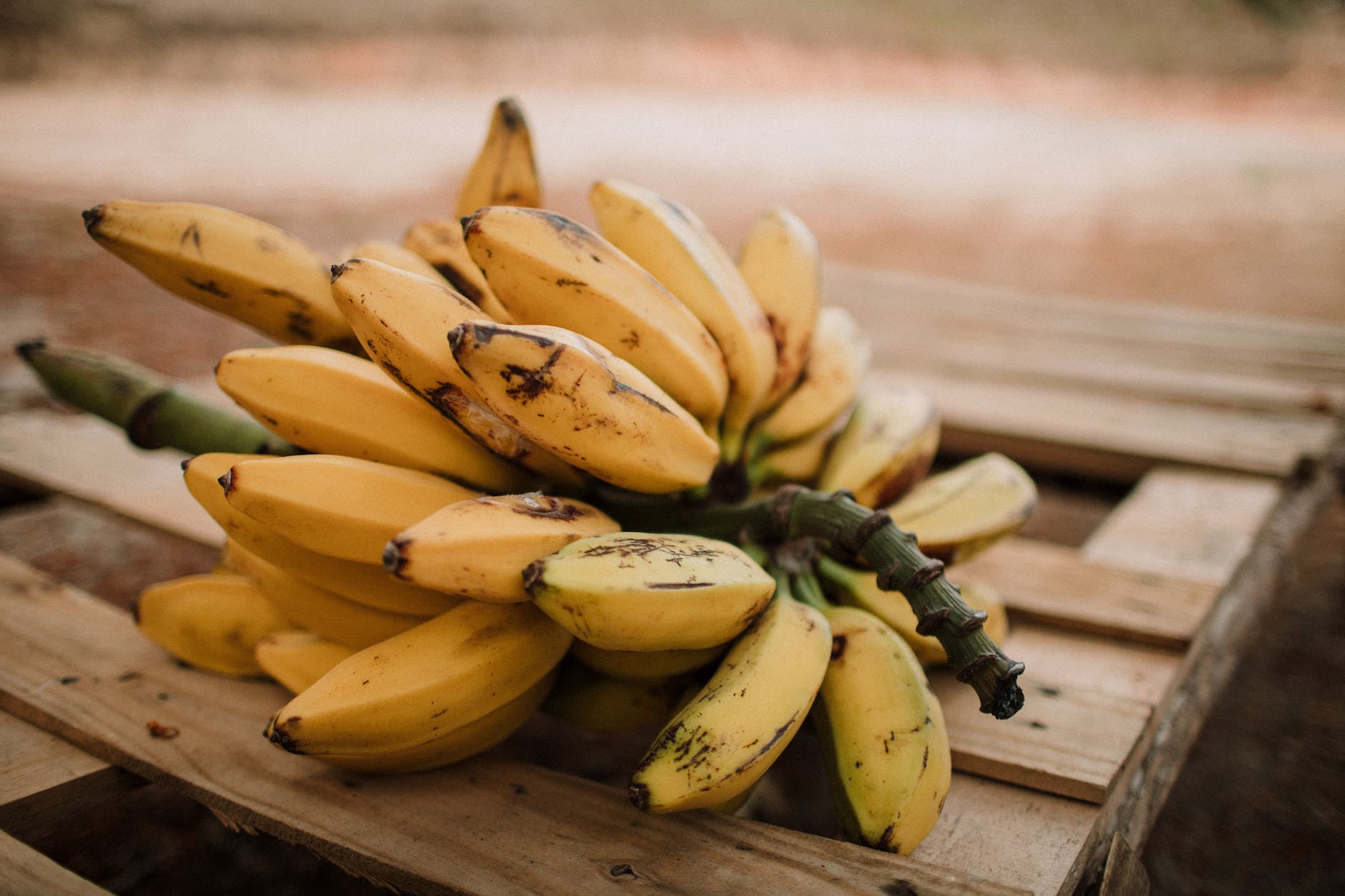
banana fruit on wood crate

Bananas in Skincare: The Natural Elixir for Radiant Skin


Bananas, often hailed as nature’s energy bar, are packed with nutrients that go beyond just satiating our hunger. This tropical fruit, with its rich creamy texture and sweet taste, has been a favorite for ages. But did you know that bananas are also a hidden gem in the world of skincare? Let’s embark on a journey to uncover the beauty secrets of bananas.


1. The Nutritional Profile of Bananas: A Treasure Trove for the Skin

Bananas are a powerhouse of:

  • Vitamins: They are particularly rich in vitamin C, which aids in collagen production, and vitamin B6, vital for maintaining skin elasticity.
  • Minerals: Potassium stands out, acting as a natural hydrator, ensuring the skin remains moisturized and luminous.
  • Antioxidants: These combat oxidative stress, warding off free radicals that can lead to premature aging.

2. The Topical Magic: How Bananas Benefit the Skin

  • Deep Hydration: Bananas replenish moisture, addressing dry and parched skin.
  • Acne Alleviation: Their antimicrobial properties can deter acne-causing bacteria, reducing breakouts.
  • Wrinkle Reduction: The nutrients in bananas help in diminishing the appearance of fine lines.
  • Skin Brightening: Regular application can lead to a reduction in dark spots and a more even skin tone.

3. The Overripe Banana Phenomenon

Those bananas with brown spots that you’re about to throw away? Think again. These spots signify a heightened concentration of antioxidants, making the fruit even more beneficial for skin rejuvenation.

4. Don’t Toss That Peel: The Underestimated Power of Banana Skins

Banana peels have been traditionally leveraged to:

  • Combat Warts: The peel’s natural properties can aid in wart removal.
  • Soothe Skin Conditions: Such as eczema or psoriasis, providing relief from inflammation.
  • Tackle Acne: By reducing inflammation and the size of acne.

5. DIY Banana Face Masks: Tailored to Your Skin’s Needs

  • For Deep Moisturization: Blend banana with honey and a splash of milk.
  • For Acne-Prone Skin: Mix banana, lemon juice, and a pinch of turmeric.
  • For Exfoliation: Combine mashed banana with yogurt and oatmeal for a gentle scrub.

6. Debunking Myths: The Banana-Acne Connection

There’s a common misconception that consuming bananas can lead to acne due to their sugar content. However, scientific studies have yet to confirm this. In contrast, topical application of bananas may actually benefit acne-prone skin.

7. The Rise of Banana-Infused Skincare Products

Recognizing the myriad benefits of bananas, many skincare brands are now integrating banana extracts into their offerings, from serums to creams.

8. Tips for Incorporating Bananas into Your Skincare Routine

  • Opt for organic bananas to ensure no pesticide residue.
  • Always conduct a patch test before trying out a new DIY mask.
  • Store leftover banana mask mixtures in the refrigerator for up to two days.

Wrapping Up:

Bananas, with their multifaceted benefits, are a boon for skincare enthusiasts. Whether you’re whipping up a homemade mask or opting for store-bought products, incorporating bananas can pave the way for radiant, youthful skin.


Blog Tags:
Natural Skincare, Bananas in Beauty, DIY Masks, Skin Nutrition, Holistic Beauty, Tropical Skincare Secrets.

Posted on Leave a comment

Chickpeas and Keto: Can You Include Them in Your Low-Carb Journey?

Chickpeas and the Keto Diet: A Comprehensive Guide


Chickpeas, commonly known as garbanzo beans, have long been celebrated as a nutritional powerhouse in various global cuisines. Their unique nutty flavor, combined with a versatile grainy texture, makes them a favorite in numerous dishes, from hummus to salads. Rich in vitamins, minerals, and fiber, chickpeas are associated with numerous health benefits. However, their place in the keto diet is a topic of much debate. Let’s delve deeper into the relationship between chickpeas and the ketogenic diet.


Understanding Chickpeas: Nutritional Breakdown

Chickpeas belong to the legume family, which means they are naturally high in carbohydrates. They are also a good source of plant-based protein and contain essential vitamins and minerals, including iron, magnesium, and B vitamins. The fiber in chickpeas is particularly beneficial for digestive health.

The Keto Diet and Carbohydrates: A Brief Overview

The ketogenic, or keto, diet is a low-carb, high-fat dietary regimen. The primary goal is to reduce carbohydrate intake drastically, prompting the body to enter a metabolic state known as ketosis. In this state, the body burns fat for energy instead of carbohydrates. Given the carb content in chickpeas, they aren’t typically included in a standard keto diet.

Chickpeas vs. Garbanzo Beans: Clearing the Confusion

There’s no difference between chickpeas and garbanzo beans in terms of nutritional content. They are two names for the same legume, and both terms can be used interchangeably. Regardless of the name, their carb content remains a concern for those on strict keto diets.

Navigating the Chickpea Challenge on Keto

While chickpeas might not fit into a strict keto diet, there are ways to enjoy their flavor and texture without compromising your ketosis:

  1. Limit Portion Sizes: If you’re keen on including chickpeas, ensure you’re consuming them in very limited quantities.
  2. Opt for Roasted Chickpeas: Roasting can reduce the water content, potentially altering the carb content per serving.
  3. Explore Chickpea Alternatives: Consider foods that can mimic the texture or flavor of chickpeas. Roasted nuts or seeds might offer a similar crunch, for instance.

The Carb Dilemma: How Many Carbs are in Chickpeas?

A standard serving of chickpeas can have a significant carb count. If you’re on a keto diet, it’s crucial to be aware of this and plan your meals accordingly. Always measure your portions and track your daily carb intake.


In-Depth FAQs:

  1. Why are chickpeas considered high-carb?
  • As legumes, chickpeas store energy primarily as carbohydrates. They contain both simple and complex carbs, providing sustained energy and promoting fullness.
  1. Can chickpeas fit into a modified keto or low-carb diet?
  • While traditional keto might restrict chickpeas, more lenient low-carb diets can accommodate them in moderation. It’s all about balance and understanding your carb limits.
  1. Are there keto-friendly chickpea recipes?
  • There are innovative recipes that use minimal chickpeas or chickpea alternatives to align with a keto framework. For instance, blending chickpeas with cauliflower can reduce the overall carb content of a dish.
  1. What about chickpea flour on keto?
  • Chickpea flour, often referred to as besan, is made by grinding dried chickpeas. It retains the carb content of chickpeas and is typically not keto-friendly.
  1. Beyond carbs, what are the health benefits of chickpeas?
  • Chickpeas support heart health, aid in digestion, and can help stabilize blood sugar levels. Their protein content makes them a staple in many vegetarian and vegan diets.

Blog Tags:
Chickpeas and Keto, Garbanzo Beans, Keto Diet Insights, Chickpea Nutrition, Legumes on Keto, Keto-friendly Alternatives, Chickpea Recipes, Besan and Keto, Health Benefits of Chickpeas, Low-Carb Diet Tips.