Posted on 1 Comment

Using Tempeh Instead of Beef: 10 Plant-Based High Protein Meal Prep Ideas

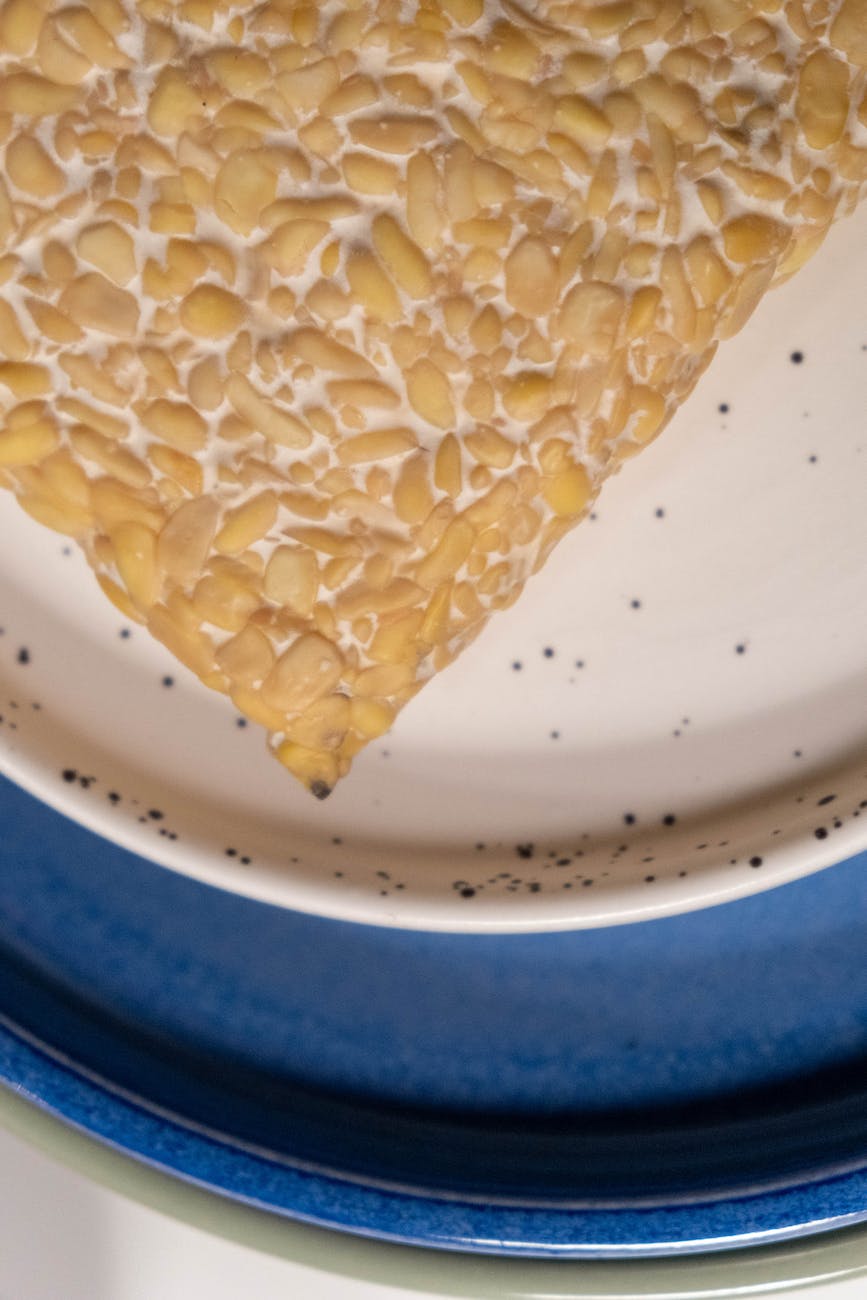
traditional asian soy product in ceramic plate

Beef is a protein-rich staple in many diets, but for those following a plant-based lifestyle or simply trying to reduce their meat intake, finding an equally satisfying and nutritious substitute can be challenging. That’s where tempeh comes in.

Hailing from Indonesia, tempeh is a fermented soy product that’s packed with protein, fiber, and a variety of essential nutrients. It has a firm, meaty texture that holds up well in a range of dishes, making it a perfect substitute for beef.

If you’re new to cooking with tempeh, here are some tips to help you get started:

  • Steaming or simmering tempeh for about 10 minutes before using it in a recipe can help to remove its slightly bitter taste.
  • Tempeh absorbs marinades and sauces well, so don’t be afraid to get creative with flavors.
  • Because it’s fermented, tempeh is more easily digestible than other soy products, making it a great choice for those with sensitive digestion.

Now, let’s move onto the delicious high-protein meal prep ideas!

1. Tempeh ‘Beef’ Stir-Fry

Tempeh soaks up flavors remarkably well, making it an excellent choice for a saucy, veggie-packed stir-fry.

  • Serving Size: 400g
  • Macros (per serving): 450 calories, 28g protein, 40g carbs, 20g fat
  • Preparation time: 35 minutes
  • Cooking instructions: Start by steaming your tempeh for about 10 minutes to remove any bitterness. Then, cube the tempeh and toss it in soy sauce, sesame oil, and a dash of rice vinegar. Heat some oil in a large pan or wok, then add the tempeh, along with a mix of your favorite stir-fry veggies — bell peppers, broccoli, and snow peas are all great choices. Stir-fry until the veggies are tender and the tempeh is well-coated in sauce. Serve hot over rice or noodles.
  • Best time to eat: Lunch or dinner
  • Storage instructions: Store in an airtight container in the fridge for up to 4 days. Reheat in the microwave or on the stovetop before serving.

2. ‘Beefy’ Tempeh Tacos

Who doesn’t love a good taco night? These tempeh ‘beef’ tacos are sure to satisfy your craving for something savory and spicy.

  • Serving Size: 3 tacos (approx. 300g)
  • Macros (per serving): 380 calories, 24g protein, 30g carbs, 20g fat
  • Preparation time: 30 minutes
  • Cooking instructions: Begin by crumbling your tempeh into a hot pan with a little oil. Once it starts to brown, add a mix of traditional taco seasonings like cumin, chili powder, and garlic powder. You can also stir in a bit of salsa for extra flavor. Cook until the tempeh is crispy and well-seasoned, then spoon it onto warm corn tortillas. Top with lettuce, diced tomatoes, avocado slices, and a squeeze of fresh lime.
  • Best time to eat: Lunch or dinner
  • Storage instructions: Store the cooked tempeh and prepped veggies separately in the fridge for up to 3 days. Assemble the tacos just before serving.

3. Tempeh ‘Beef’ and Broccoli

A plant-based take on a classic Chinese dish, this tempeh ‘beef’ and broccoli delivers plenty of protein and heartwarming comfort.

  • Serving Size: 350g
  • Macros (per serving): 400 calories, 26g protein, 40g carbs, 16g fat
  • Preparation time: 35 minutes
  • Cooking instructions: First, steam your tempeh and cut it into thin strips. Sauté these in a hot pan with some oil until they’re brown and crispy. Set these aside and, in the same pan, stir-fry your broccoli florets until they’re vibrant and just tender. For the sauce, mix soy sauce, a touch of brown sugar, and a slurry of cornstarch and water. Pour this over the broccoli, add the tempeh back in, and toss everything together until it’s well-coated and the sauce has thickened. Serve hot over a bed of steamed rice.
  • Best time to eat: Lunch or dinner
  • Storage instructions: Store in an airtight container in the fridge for up to 3 days. Reheat in the microwave or on the stovetop before serving.

4. BBQ Tempeh ‘Beef’ Sandwiches

Perfect for picnics or a casual lunch, these BBQ tempeh ‘beef’ sandwiches are bursting with smoky-sweet flavor.

  • Serving Size: 1 sandwich (approx. 200g)
  • Macros (per serving): 320 calories, 20g protein, 40g carbs, 10g fat
  • Preparation time: 30 minutes
  • Cooking instructions: Slice your tempeh and marinate it in your favorite BBQ sauce for at least 30 minutes (the longer, the better!). In a pan, cook the tempeh slices until they’re caramelized and sticky. Build your sandwiches with a hearty bread, adding layers of the BBQ tempeh, crisp lettuce, juicy tomato slices, and perhaps some tangy pickles. For an added crunch, serve with a side of sweet potato chips or a simple slaw.
  • Best time to eat: Lunch
  • Storage instructions: Store the cooked tempeh separately from the bread and veggies in the fridge for up to 3 days. Assemble the sandwiches just before serving.

5. Tempeh ‘Beef’ Skewers

With a firm texture and ability to hold onto marinades, tempeh makes excellent skewers, perfect for grilling season.

  • Serving Size: 2 skewers (approx. 250g)
  • Macros (per serving): 360 calories, 22g protein, 30g carbs, 18g fat
  • Preparation time: 40 minutes (plus marinating time)
  • Cooking instructions: Cube your tempeh and marinate it in a flavorful blend of soy sauce, garlic, ginger, and a touch of maple syrup. After at least an hour (or overnight, if you have time), thread the tempeh cubes onto skewers, alternating with pieces of bell pepper, onion, and cherry tomatoes. Grill these until the veggies are charred and the tempeh is heated through. These skewers are perfectly served over a bed of fluffy quinoa or alongside a fresh garden salad.
  • Best time to eat: Lunch or dinner
  • Storage instructions: Store the cooked skewers in an airtight container in the fridge for up to 3 days. Reheat on the grill or in the oven before serving.

6. Tempeh ‘Beef’ Stroganoff

A creamy, comforting dish perfect for colder days, this plant-based stroganoff swaps traditional beef for protein-packed tempeh.

  • Serving Size: 350g
  • Macros (per serving): 420 calories, 24g protein, 45g carbs, 18g fat
  • Preparation time: 40 minutes
  • Cooking instructions: Begin by steaming and cubing your tempeh. Sauté it in a pan with oil until browned, then remove it from the pan. In the same pan, cook sliced onions and mushrooms until softened. Add a sprinkle of flour and pour in vegetable broth, stirring to create a creamy sauce. Add the tempeh back in and let it simmer for a few minutes to absorb the flavors. Stir in a dollop of vegan sour cream and serve over egg-free egg noodles or mashed potatoes.
  • Best time to eat: Lunch or dinner
  • Storage instructions: Store in an airtight container in the fridge for up to 3 days. Reheat in the microwave or on the stovetop before serving.

7. Smoky Tempeh ‘Beef’ Chili

A bowl of chili is always a hearty, comforting meal. This version uses tempeh for a protein-packed, plant-based twist.

  • Serving Size: 400g
  • Macros (per serving): 450 calories, 30g protein, 50g carbs, 15g fat
  • Preparation time: 45 minutes
  • Cooking instructions: Crumble your tempeh into a hot pot and sauté until it starts to brown. Add diced onions, bell peppers, and garlic, cooking until they’re softened. Stir in a mix of spices like cumin, chili powder, and smoked paprika. Pour in canned diced tomatoes and kidney beans, bringing the pot to a simmer. Let it cook for about 30 minutes until the flavors have melded together. Serve with a sprinkle of green onions and a side of cornbread for a complete meal.
  • Best time to eat: Lunch or dinner
  • Storage instructions: Store in an airtight container in the fridge for up to 4 days. Reheat in the microwave or on the stovetop before serving.

8. Tempeh ‘Beef’ Lettuce Wraps

For a lighter, low-carb option, try these tempeh ‘beef’ lettuce wraps. They’re fresh, crunchy, and full of flavor.

  • Serving Size: 4 lettuce wraps (approx. 200g)
  • Macros (per serving): 300 calories, 20g protein, 15g carbs, 18g fat
  • Preparation time: 30 minutes
  • Cooking instructions: Crumble and sauté your tempeh until it’s browned. Mix in diced onions, bell peppers, and a sauce of soy sauce, rice vinegar, and a touch of sweetener. Cook until everything is well-coated and the veggies are tender. Spoon this mixture into crisp lettuce leaves (like romaine or butter lettuce) and garnish with fresh herbs or a sprinkle of sesame seeds.
  • Best time to eat: Lunch or dinner
  • Storage instructions: Store the tempeh filling separately from the lettuce in the fridge for up to 3 days. Assemble the wraps just before serving.

9. Tempeh ‘Beef’ and Peppers

A simple, quick meal that’s perfect for weeknight dinners, this tempeh ‘beef’ and peppers dish is a protein-packed alternative to the traditional beef version.

  • Serving Size: 300g
  • Macros (per serving): 350 calories, 22g protein, 40g carbs, 14g fat
  • Preparation time: 30 minutes
  • Cooking instructions: Slice your tempeh and sauté it in a hot pan until it’s browned and crispy. Remove the tempeh and add sliced bell peppers and onions to the same pan, cooking until they’re tender and slightly charred. Mix up a sauce of soy sauce, vinegar, and a touch of sweetener, and pour this over the veggies. Add the tempeh back in, tossing everything together until it’s well-coated. Serve over a bed of brown rice or quinoa.
  • Best time to eat: Lunch or dinner
  • Storage instructions: Store in an airtight container in the fridge for up to 3 days. Reheat in the microwave or on the stovetop before serving.

10. Tempeh ‘Beef’ Tacos

Celebrate Taco Tuesday with these high-protein, plant-based tacos filled with flavorful tempeh ‘beef’.

  • Serving Size: 2 tacos (approx. 200g)
  • Macros (per serving): 360 calories, 20g protein, 45g carbs, 12g fat
  • Preparation time: 30 minutes
  • Cooking instructions: Crumble your tempeh and sauté it in a pan with taco seasoning until it’s browned and fragrant. Warm your tortillas and fill them with the tempeh, then top with your favorite taco fillings – think diced tomatoes, shredded lettuce, avocado slices, and a drizzle of vegan sour cream or guacamole. You could also add some black beans or corn for extra fiber.
  • Best time to eat: Lunch or dinner
  • Storage instructions: Store the cooked tempeh separately from the tortillas and toppings in the fridge for up to 3 days. Assemble the tacos just before serving.

This concludes our exploration of tempeh as a high-protein beef substitute in 10 diverse, delectable meal prep ideas. We hope this post has inspired you to try out tempeh in your next meal prep! As always, feel free to share your experiences and variations in the comments below, and don’t hesitate to share this post with your friends who might find it useful. Stay tuned for the next post in our series, where we’ll be venturing into another exciting plant-based protein source. Happy cooking!
Posted on Leave a comment

Using Tofu Instead of Pork: 10 Plant-Based High Protein Meal Prep Ideas

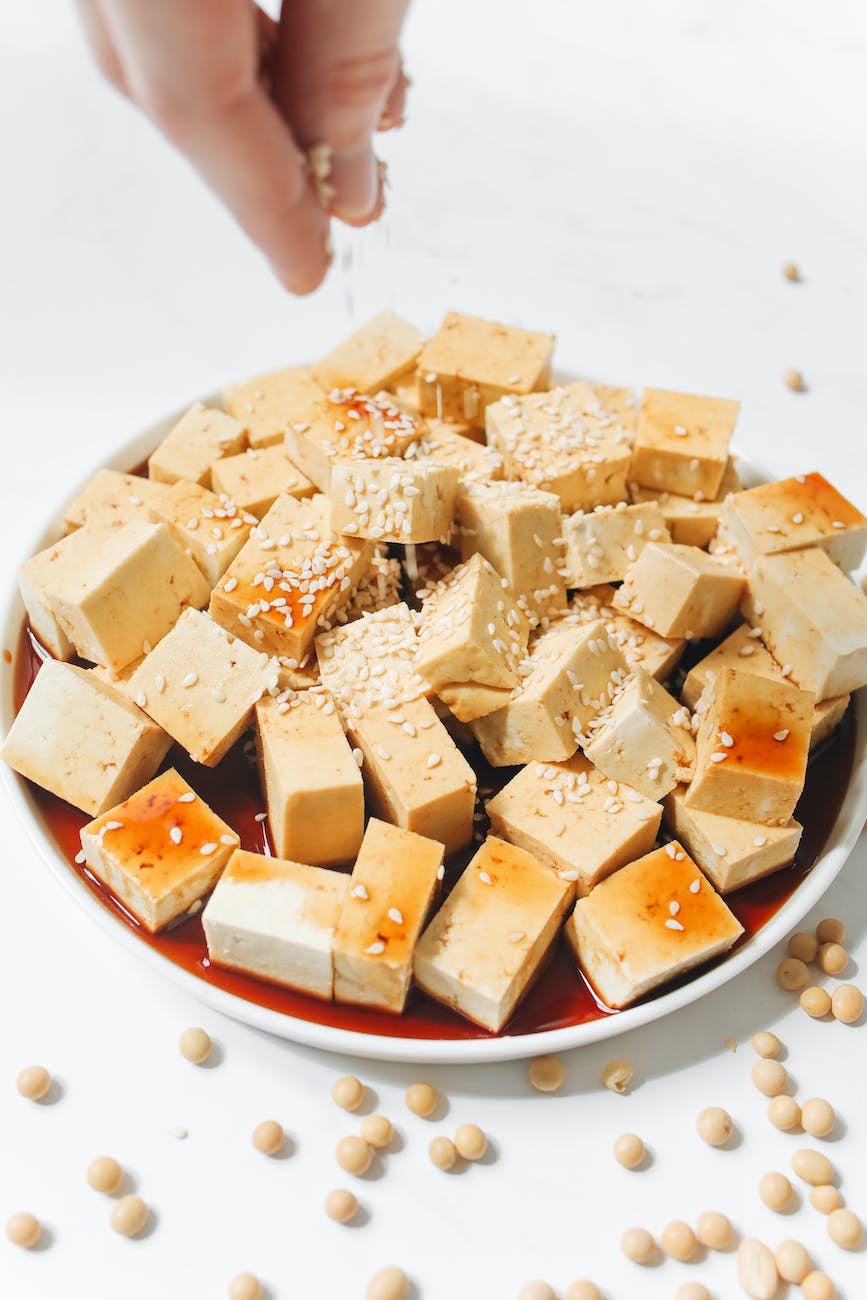
photo of tofu with soy sauce and sesame seeds

Replacing traditional sources of animal protein with plant-based alternatives has become increasingly popular, and tofu stands as a powerful contender in this arena. Made from condensed soy milk that is pressed into solid white blocks, tofu boasts a robust protein content that rivals its meat counterparts.

The malleability of tofu is another appealing attribute; it absorbs flavors readily, making it a versatile ingredient in a range of dishes. When it comes to replacing pork in your meals, tofu can be the perfect stand-in. Here are 10 inspiring meal prep ideas that use tofu as a pork substitute.

1. Crispy Tofu Stir-Fry

Swap out the pork for tofu in this colorful stir-fry, bursting with fresh vegetables and a tangy sauce.

  • Serving Size: 300g
  • Macros (per serving): 260 calories, 20g protein, 25g carbs, 8g fat
  • Preparation time: 30 minutes
  • Cooking instructions: Start by pressing your tofu to remove excess water, then cut it into cubes. Sauté the tofu in a non-stick pan until golden brown. Remove and set aside. In the same pan, add your preferred vegetables like bell peppers, broccoli, and snap peas, stir-frying until just tender. Return the tofu to the pan, add your favorite stir-fry sauce, and toss until everything is well-coated and heated through.
  • Best time to eat: Lunch or dinner
  • Storage instructions: Store in an airtight container in the refrigerator for up to 3 days. Reheat before serving.

2. Tofu ‘Pork’ Tacos

A fun and delicious meal, these tofu ‘pork’ tacos are a fantastic way to switch up your Taco Tuesday routine.

  • Serving Size: 3 tacos (approx. 200g)
  • Macros (per serving): 310 calories, 21g protein, 35g carbs, 10g fat
  • Preparation time: 30 minutes
  • Cooking instructions: Crumble your pressed tofu into a non-stick pan and cook until slightly crispy. Add a mixture of chili powder, cumin, and smoked paprika to mimic traditional pork taco seasoning. Serve the tofu mixture in tortillas and top with your favorite taco toppings like lettuce, tomato, avocado, and a sprinkle of vegan cheese.
  • Best time to eat: Lunch or dinner
  • Storage instructions: Store the tofu mixture in an airtight container in the refrigerator for up to 4 days. Assemble tacos just before serving.

3. Tofu ‘Pork’ Fried Rice

This dish is a hearty, protein-packed, one-pan wonder, perfect for a quick weeknight dinner.

  • Serving Size: 300g
  • Macros (per serving): 350 calories, 24g protein, 40g carbs, 9g fat
  • Preparation time: 40 minutes
  • Cooking instructions: Scramble tofu in a hot non-stick pan until it resembles the consistency of ground pork. Set aside. In the same pan, stir-fry a mix of your favorite vegetables, like peas, carrots, and bell peppers. Add day-old rice, and stir until well combined. Return the scrambled tofu to the pan, and add soy sauce and green onions. Stir until heated through.
  • Best time to eat: Lunch or dinner
  • Storage instructions: Store in an airtight container in the refrigerator for up to 4 days. Reheat before serving.

4. BBQ Tofu ‘Pork’ Sandwich

Satisfy your barbecue cravings with this flavorful tofu ‘pork’ sandwich. Smoky, tangy, and loaded with protein, it’s sure to be a hit.

  • Serving Size: 1 sandwich (approx. 200g)
  • Macros (per serving): 330 calories, 20g protein, 35g carbs, 12g fat
  • Preparation time: 1 hour
  • Cooking instructions: Press and slice your tofu, then marinate it in your favorite barbecue sauce for at least 30 minutes. Sear the marinated tofu slices in a hot pan until caramelized on both sides. Serve the barbecue tofu on a whole grain bun with a side of coleslaw for the full experience.
  • Best time to eat: Lunch or dinner
  • Storage instructions: Store the cooked tofu in an airtight container in the refrigerator for up to 3 days. Assemble sandwiches just before serving.

5. Tofu ‘Pork’ and Vegetable Skewers

These skewers are fun, flavorful, and perfect for a summertime grill-out.

  • Serving Size: 2 skewers (approx. 150g)
  • Macros (per serving): 200 calories, 15g protein, 15g carbs, 8g fat
  • Preparation time: 40 minutes (plus marinating time)
  • Cooking instructions: Cut tofu into cubes and marinate in a mixture of soy sauce, garlic, and ginger. Skewer the marinated tofu cubes alternating with your favorite grilling vegetables like bell peppers, onions, and cherry tomatoes. Grill the skewers until the tofu is charred and the vegetables are tender.
  • Best time to eat: Lunch or dinner
  • Storage instructions: Store the uncooked, marinated tofu and prepped vegetables separately in the refrigerator for up to 2 days. Skewer and grill just before serving.

6. Tofu ‘Pork’ Ramen

An Asian-inspired treat, this ramen bowls burst with flavor and provides ample plant-based protein.

  • Serving Size: 500g
  • Macros (per serving): 420 calories, 28g protein, 50g carbs, 12g fat
  • Preparation time: 50 minutes
  • Cooking instructions: Begin by sautéing your cubed tofu until golden, then set aside. In a large pot, sauté your favorite soup veggies, like onions, carrots, and mushrooms. Add vegetable broth, soy sauce, and a bit of miso paste. Simmer for a while to combine the flavors. Lastly, add in cooked ramen noodles and your sautéed tofu. Serve piping hot, garnished with green onions and a boiled egg, if desired.
  • Best time to eat: Lunch or dinner
  • Storage instructions: Store the broth, noodles, and tofu separately in the refrigerator for up to 3 days. Reheat and combine just before serving.

7. Tofu ‘Pork’ Lettuce Wraps

These are light, refreshing, and bursting with flavor. Tofu ‘pork’ lettuce wraps make a fantastic lunch or light dinner.

  • Serving Size: 4 lettuce wraps (approx. 250g)
  • Macros (per serving): 280 calories, 20g protein, 15g carbs, 15g fat
  • Preparation time: 30 minutes
  • Cooking instructions: Start by sautéing crumbled tofu in a hot pan until it turns slightly crispy. Add a savory sauce made of soy sauce, sesame oil, and rice vinegar, then stir until the tofu is well coated. Let the mixture cool before spooning it onto crisp lettuce leaves. Top with shredded carrots, chopped peanuts, and fresh cilantro for extra crunch and flavor.
  • Best time to eat: Lunch or dinner
  • Storage instructions: Store the tofu mixture separately in the refrigerator for up to 4 days. Assemble the lettuce wraps just before serving.

8. Sweet and Sour Tofu

An ideal alternative to sweet and sour pork, this dish delivers the same tangy and sweet flavor profile, using tofu as the main protein source.

  • Serving Size: 300g
  • Macros (per serving): 350 calories, 22g protein, 50g carbs, 10g fat
  • Preparation time: 40 minutes
  • Cooking instructions: First, press your tofu and cut into cubes. Coat each cube in cornstarch and pan-fry until golden. In a separate saucepan, combine ingredients for your sweet and sour sauce: pineapple juice, vinegar, ketchup, soy sauce, and a sweetener like brown sugar or maple syrup. Cook until the sauce thickens, then toss in the crispy tofu. Serve over rice with a side of stir-fried veggies.
  • Best time to eat: Lunch or dinner
  • Storage instructions: Store the sweet and sour tofu separately from the rice in the refrigerator for up to 3 days. Reheat before serving.

9. Tofu ‘Pork’ and Beans

A comfort food classic, this tofu version of pork and beans provides all the flavor with none of the meat.

  • Serving Size: 350g
  • Macros (per serving): 420 calories, 28g protein, 60g carbs, 10g fat
  • Preparation time: 1 hour
  • Cooking instructions: Start by sautéing crumbled tofu in a pan until crispy. Add a homemade sauce made from tomato paste, apple cider vinegar, molasses, and a touch of brown sugar. Stir in canned beans, and let the whole thing simmer until the flavors meld together. This is a fantastic dish for slow cookers as well.
  • Best time to eat: Lunch or dinner
  • Storage instructions: Store in an airtight container in the refrigerator for up to 4 days. Reheat before serving.

10. Tofu ‘Pork’ Stuffed Peppers

These peppers are stuffed with a flavorful tofu ‘pork’ and quinoa mixture, making them a nutrient-dense, high-protein option that’s equally delicious.

  • Serving Size: 2 stuffed peppers (approx. 300g)
  • Macros (per serving): 320 calories, 20g protein, 40g carbs, 10g fat
  • Preparation time: 1 hour
  • Cooking instructions: Start by pre-cooking your quinoa according to the package instructions. In a pan, crumble and sauté your tofu until it starts to brown. Mix in diced onions, tomatoes, and a blend of Italian seasonings. Combine this mixture with your cooked quinoa, and then spoon it into hollowed-out bell peppers. Bake until the peppers are tender and the filling is hot.
  • Best time to eat: Lunch or dinner
  • Storage instructions: Store in an airtight container in the refrigerator for up to 4 days. Reheat in the oven or microwave before serving.

We hope this post has given you some fresh inspiration to make tofu the star of your meal prep! Stay tuned as we continue to explore more creative plant-based meal prep ideas in the next part of this series. We’ll be delving into the power of tempeh as a protein-packed meat substitute.

Remember, we love to hear about your culinary adventures, so please share your thoughts, suggestions, and personal twists on these recipes in the comments below. We appreciate your participation in this community and look forward to your continued involvement. Happy cooking!

Posted on Leave a comment

10 Plant-Based High Protein Meal Prep Ideas – Using Lentils Instead of Chicken

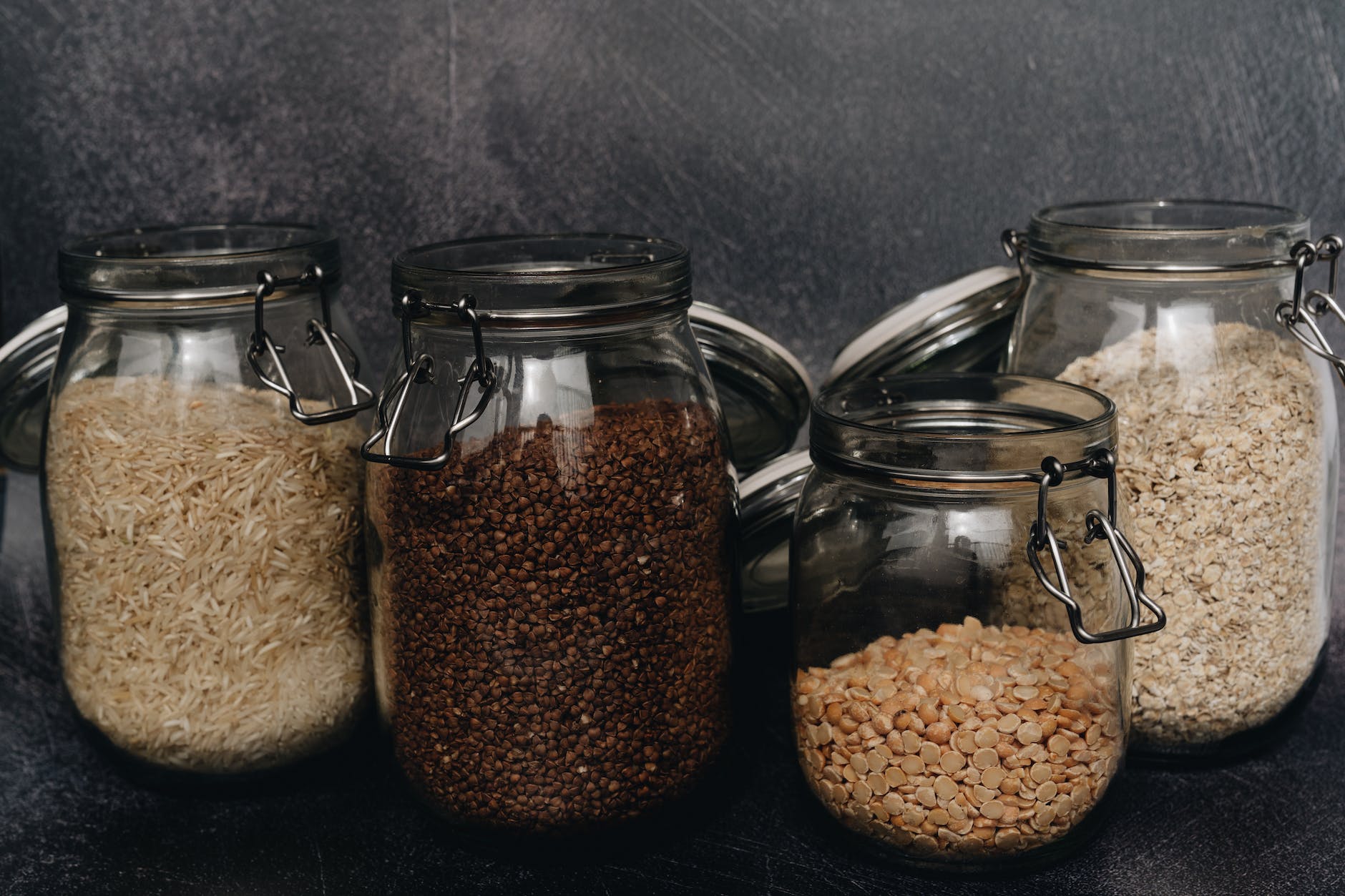
large jars of grains

The world of food is no longer just about taste and satiety. It’s a world that also delves into health, environment, and ethics, where food not only satiates our hunger but also nourishes our body, mind, and soul. A rising trend that reflects this evolved outlook is plant-based eating. Central to this narrative is the practice of meal prep and the diligent management of protein intake, particularly for vegans. A star player in this scene is an unassuming yet versatile ingredient – the humble lentil. Come, let’s embark on this gourmet journey to learn more.

The Art of Meal Prep in a Plant-Based Paradigm

Preparing meals ahead of time, or ‘meal prep,’ is an art and a science. It’s about organizing, planning, and creating meals in advance to save time, money, and effort, while ensuring that you stay committed to your dietary goals. With the busy lifestyles that many of us lead, it’s no wonder that meal prep has become such a popular trend.

In the context of a plant-based diet, meal prep takes on an even more important role. It serves as a vehicle to achieve the balance and variety that are crucial to meet nutritional needs. A well-planned meal prep routine can ensure that your fridge and pantry are always stocked with ready-to-go plant-based meals and snacks, saving you from last-minute unhealthy choices.

Meal prep begins with planning. You need to know what you’ll eat for the week, the ingredients you’ll need, and when you’ll cook. It can be as simple as pre-chopping veggies, cooking grains and legumes in bulk, or as elaborate as preparing full meals that are ready to heat and eat.

Plant-based meal prep also involves a certain level of creativity. You’re working with a cornucopia of fruits, vegetables, grains, nuts, and legumes, each with its own flavor profile and texture. You might have a grain bowl with quinoa, roasted chickpeas, and a rainbow of veggies one day, and a hearty lentil stew the next. The possibilities are endless.

The Protein Predicament and Plant-Based Eating

One of the most common concerns about plant-based diets is meeting protein requirements. Protein is an essential macronutrient that plays a critical role in virtually all biological processes, including cell repair and immune function.

For those following a vegan or vegetarian diet, getting enough protein requires a bit more planning. While it’s a myth that plant-based diets can’t provide enough protein, it is true that plant-based proteins are often incomplete, meaning they lack one or more essential amino acids.

However, by eating a variety of plant-based protein sources, it’s entirely possible to get all the essential amino acids your body needs. This is where the concept of protein complementarity comes in, which involves combining different plant-based proteins to create a complete protein profile.

For example, grains are low in the amino acid lysine, while legumes are rich in it. By consuming both, you can ensure that you’re getting all the essential amino acids. A classic example of this is the traditional dish of rice and beans.

The Gourmet Guide to Lentils: Types, Origins, and Uses

Enter lentils, a type of legume that is a protein powerhouse and a vegan’s best friend. They are also rich in fiber, iron, and folate, making them an excellent addition to a balanced diet. But lentils aren’t just nutritious, they’re also incredibly versatile and have a gourmet potential that is often overlooked.

Lentils come in various colors and sizes, each with its own unique flavor and texture. Here are a few:

  1. Green Lentils: These have a slightly peppery flavor and maintain a firm texture even after cooking, making them perfect for salads and side dishes. Originating in Europe, they’re often used in French cuisine.
  2. Brown Lentils: The most common type, brown lentils have a mild, earthy flavor and soft texture. They’re great for soups and stews and originate from the Near East, the birthplace of many legumes.
  3. Red and Yellow Lentils: These lentils are sweet and nutty, and they cook quickly, turning creamy when cooked. They’re the stars of Indian and Middle Eastern cuisines, often used in dals and curries.
  4. Black Beluga Lentils: Named for their resemblance to beluga caviar, these lentils have a deep, earthy flavor and hold their shape well. They’re native to North America and are ideal for gourmet dishes.
  5. Puy Lentils: These are a type of green lentils that hail from the Puy region in France. They have a slightly more pronounced flavor and are often more expensive due to their AOC (Appellation d’Origine Contrôlée) status.

Lentils are a testament to the versatility and nutritional prowess of plant-based foods. They can be cooked into comforting soups, used in hearty salads, blended into flavorful spreads, or served as a protein-rich base for a variety of dishes.

Here are 10 delectable high-protein meal prep ideas that use lentils as a flavorful and nutritious alternative to chicken. For each recipe, we’ve included detailed cooking instructions, estimated macros, alternate ingredients, cooking time, the best time to eat, storage instructions, and other helpful tips.

1. Lentil Bolognese

To prepare this dish, start by sautéing onions, garlic, celery, and carrots in olive oil until they soften. Add cooked green lentils, canned tomatoes, and your preferred herbs like basil and oregano. Let it simmer until the flavors meld together. Serve this hearty sauce over your choice of pasta, and sprinkle with nutritional yeast or vegan Parmesan for a cheesy flavor without the dairy.

  • Macros (per serving): 18g protein, 55g carbs, 8g fat
  • Alternate ingredient: Use whole-grain pasta or spaghetti squash for added fiber
  • Cooking time: 45 minutes
  • Best time to eat: Lunch or dinner
  • Storage instructions: Refrigerate for up to 5 days or freeze for up to 3 months

2. Lentil Stuffed Peppers

Begin by halving and deseeding bell peppers. Prepare a filling of cooked brown lentils, onions, garlic, diced tomatoes, and your choice of spices. Fill each pepper half with the lentil mixture, then bake until the peppers are tender.

  • Macros (per serving): 15g protein, 45g carbs, 6g fat
  • Alternate ingredient: Substitute bell peppers with hollowed-out zucchini or eggplant
  • Cooking time: 50 minutes
  • Best time to eat: Lunch or dinner
  • Storage instructions: Store in an airtight container in the fridge for up to 4 days

3. Lentil Loaf

Mix cooked green lentils with onions, carrots, celery, breadcrumbs, and your choice of herbs and spices. Press the mixture into a loaf pan and bake until firm and golden brown. You can even top it with a tangy tomato glaze for extra flavor.

  • Macros (per serving): 20g protein, 35g carbs, 5g fat
  • Alternate ingredient: Substitute breadcrumbs with oatmeal for a gluten-free option
  • Cooking time: 1 hour
  • Best time to eat: Dinner
  • Storage instructions: Refrigerate for up to 5 days or freeze individual slices for up to 3 months

4. Lentil and Vegetable Stir-Fry

Sauté cooked green lentils with your favorite stir-fry veggies in a wok or large pan. Add a savory sauce made from soy sauce, rice vinegar, and a touch of maple syrup, then serve over brown rice or quinoa.

  • Macros (per serving): 18g protein, 60g carbs, 10g fat
  • Alternate ingredient: Use tamari instead of soy sauce for a gluten-free version
  • Cooking time: 30 minutes
  • Best time to eat: Lunch or dinner
  • Storage instructions: Store in an airtight container in the fridge for up to 3 days

5. Lentil Curry

Sauté onions, garlic, and ginger in coconut oil, then add curry powder and other spices to taste. Stir in red lentils and coconut

milk, then simmer until the lentils are tender and the flavors have combined.

  • Macros (per serving): 18g protein, 40g carbs, 15g fat
  • Alternate ingredient: Add diced sweet potatoes or spinach for extra nutrients
  • Cooking time: 40 minutes
  • Best time to eat: Dinner
  • Storage instructions: Refrigerate for up to 5 days or freeze for up to 3 months

6. Lentil Tacos

Cook brown lentils with onions, garlic, and a blend of Mexican spices until tender. Spoon the mixture into corn tortillas and top with salsa, avocado, and shredded lettuce.

  • Macros (per serving): 16g protein, 40g carbs, 6g fat
  • Alternate ingredient: Use lettuce wraps for a lower-carb option
  • Cooking time: 30 minutes
  • Best time to eat: Lunch or dinner
  • Storage instructions: Store the lentil filling in an airtight container in the fridge for up to 5 days. Assemble tacos just before eating.

7. Mediterranean Lentil Salad

Mix cooked green lentils with chopped cucumbers, tomatoes, red onions, and parsley. Toss in a dressing made from olive oil, lemon juice, garlic, and your choice of Mediterranean spices.

  • Macros (per serving): 17g protein, 45g carbs, 10g fat
  • Alternate ingredient: Add kalamata olives or vegan feta cheese for extra flavor
  • Cooking time: 20 minutes (excluding lentil cooking time)
  • Best time to eat: Lunch
  • Storage instructions: Store in an airtight container in the fridge for up to 5 days.

8. Lentil Soup

Sauté onions, carrots, and celery in olive oil, then add vegetable broth, green lentils, and your choice of herbs. Simmer until the lentils are tender, then blend half the soup for a creamier texture.

  • Macros (per serving): 15g protein, 40g carbs, 5g fat
  • Alternate ingredient: Add diced tomatoes or spinach for extra nutrients
  • Cooking time: 45 minutes
  • Best time to eat: Lunch or dinner
  • Storage instructions: Refrigerate for up to 5 days or freeze for up to 3 months

9. Lentil Burgers

Blend cooked brown lentils with onions, garlic, breadcrumbs, and your preferred spices, then shape into patties and bake or pan-fry. Serve in a whole grain bun with your favorite burger toppings.

  • Macros (per serving): 18g protein, 45g carbs, 6g fat
  • Alternate ingredient: Substitute breadcrumbs with oatmeal for a gluten-free option
  • Cooking time: 30 minutes
  • Best time to eat: Lunch or dinner
  • Storage instructions: Refrigerate patties for up to 5 days or freeze for up to 3 months

10. Lentil and Vegetable Stir-Fry

Sauté cooked green lentils with your favorite stir-fry veggies in a wok or large pan. Add a savory sauce made from soy sauce, rice vinegar, and a touch of maple syrup, then serve over brown rice or quinoa.

  • Macros (per serving): 18g protein, 60g carbs, 10g fat
  • Alternate ingredient: Use tamari instead of soy sauce for a gluten-free version
  • Cooking time: 30 minutes
  • Best Time to Eat: Lunch or dinner
  • Storage instructions: Store in an airtight container in the fridge for up to 3 days

Please note that these macronutrient estimates can vary depending on the exact ingredients used and portion sizes. Always adjust according to your specific dietary needs and preferences.

Adopting a Plant-Based Diet doesn’t mean you have to Compromise on Flavor

In conclusion, adopting a plant-based diet doesn’t mean you have to compromise on flavor, variety, or nutritional balance. Each of these lentil-based recipes showcases the versatility of this humble legume, turning it into a star ingredient in dishes that are not only packed with protein, but also rich in fiber, iron, and other essential nutrients.

The beauty of these recipes lies not only in their nutritional profile but also in their flexibility. Whether you’re a seasoned vegan, someone trying to incorporate more plant-based meals into your diet, or even a non-vegetarian looking for exciting new ways to enjoy lentils, these recipes offer something for everyone. The alternate ingredients suggested for each recipe further allow you to tweak and adjust according to your dietary preferences and nutritional needs.

What’s more, all these recipes are designed with meal prep in mind, ensuring that you can enjoy a week’s worth of nutritious and delicious meals with minimal daily cooking. The storage instructions provided for each recipe also make it easy for you to plan your meals and manage your time effectively.

Now, it’s your turn to bring these recipes to life in your kitchen. Remember, the best way to become comfortable with meal prepping is to just start. Begin with one or two recipes, then gradually expand your repertoire. Over time, you’ll find that meal prepping can save you time, reduce food waste, and help you stay on track with your nutritional goals.

As you embark on your plant-based meal prep journey, we encourage you to share your experiences. Did you try out any of these recipes? Do you have any tips or tricks for meal-prepping with lentils? How have these recipes helped you in achieving your dietary goals? Sharing your thoughts not only helps you reflect on your own experiences but also inspires others in their journey.

Lastly, if you found this guide helpful, we encourage you to share it with your friends and family. Whether they’re vegans, vegetarians, flexitarians, or just food enthusiasts, they’re sure to appreciate these flavorful and nutritious recipes. Remember, good food becomes even better when shared with loved ones.

Thank you for joining us in exploring the delicious world of lentils. We hope this guide has inspired you to see this humble legume in a new light and has equipped you with the knowledge and confidence to incorporate more plant-based meals into your diet. Here’s to a future filled with delicious, nutritious, and sustainable eating!

Posted on 2 Comments

Mastering Meal Prep: A Beginner’s Guide to Prepping, Portioning, and Not Losing Your Mind

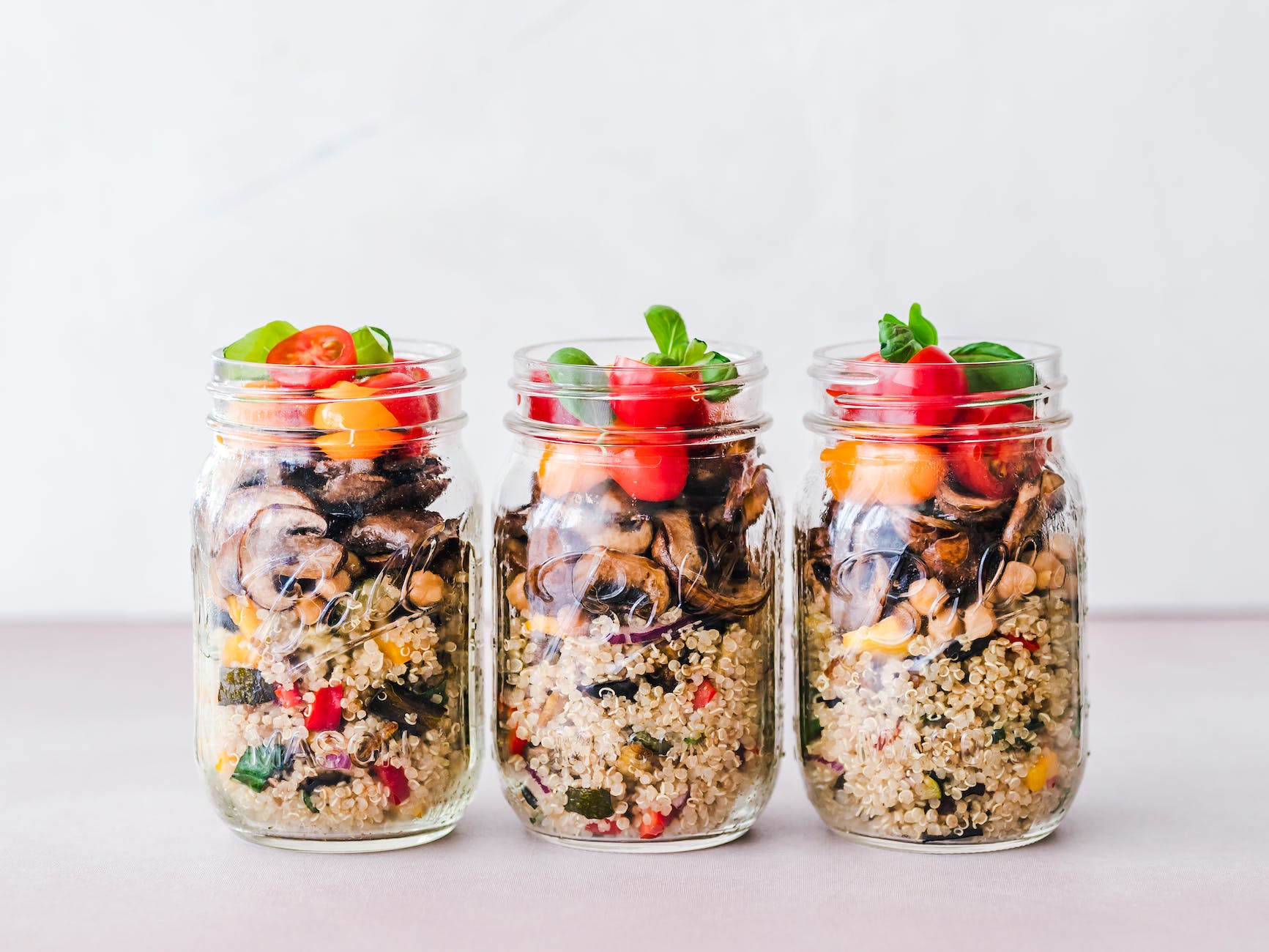
three clear glass jars on gray surface

Ever found yourself standing in front of an open fridge at the end of a long day, only to realize your dinner options extend as far as ordering a pizza or eating cheese straight from the packet? We’ve all been there. But what if I told you there’s a way to avoid these culinary crises? Enter the world of meal prep, the secret weapon of savvy folks who like their meals like they like their future – well-planned and under control.

Understanding Meal Prep

Meal prep, or as I like to call it, “Cooking for the Chronically Disorganized”, is all about planning and preparing your meals ahead of time. It’s the art of turning a mountain of random ingredients into a week’s worth of delicious, healthy meals. And the best part? You can wave goodbye to those panic-induced pizza orders.

Now, if you’re imagining a kitchen filled with identical Tupperware containers housing plain chicken, rice, and broccoli, think again. Today’s meal prep can fit any dietary preference. Vegan? Gluten-free? Obsessed with protein? There’s a meal prep plan out there with your name on it. And the benefits are as plentiful as the leftovers you’ll be enjoying: save time, reduce stress, cut down on food waste, and perhaps even resist the siren call of impulse take-out orders.

How to Start with Meal Prep

Okay, let’s get down to business. Starting with meal prep might seem about as appealing as organizing your sock drawer, but stick with me. Here’s your fool-proof guide to becoming a meal prep master:

  1. Plan Your Meals: This is where your inner control freak can shine. Plan out your meals for the week, breakfast, lunch, dinner, and snacks. Got a busy Wednesday? Plan a meal that’s quicker to reheat than it is to decide what to watch on Netflix.
  2. Make a Shopping List: Once you’ve got your plan, you’ll need supplies. Make a list of everything you need. Be specific with quantities, because “a bunch of carrots” might seem clear at the time, but trust me, under the harsh fluorescent lights of the supermarket, all certainty goes out the window.
  3. Set Aside Time to Prep: Choose a day when you have a few spare hours. For most people, this is Sunday, but if Tuesday is your jam, then you do you. Remember, you’re not ‘losing’ a couple of hours here; you’re investing them in the future you (who, let me tell you, really appreciates not having to cook after a long day).

Choosing the Right Ingredients

Now we’re onto the fun part, the shopping. Or as I like to call it, “The Supermarket Sweep: Meal Prep Edition”. And the star of our show? Fresh and local produce.

In the age of international shipping and year-round strawberries, it’s easy to forget that fruits and veggies have seasons. But embracing the cycle of nature isn’t just for the birds and the bees; it can be for busy meal-preppers too. Local produce is often fresher, and tastier, and it supports your local economy (and let’s be honest, Mr. McGregor’s farm could use a little love).

So how do you pick the best produce? Well, forget everything you’ve heard about thumping melons and sniffing pineapples. The secret to choosing fresh produce is to buy what’s in season. And no, pumpkin spice lattes don’t count as a seasonal vegetable.

Portion Control in Meal Prep

We’ve all been there. Eyes bigger than our stomachs, loading up a plate with more food than we could possibly eat. But here in meal prep land, we’ve got a solution for that too: portion control.

Imagine this: You’re at a buffet. But instead of a chaotic free-for-all of mystery meats and questionable casseroles, it’s a buffet filled with all your favorite healthy foods. And the best part? You get to decide how much goes on your plate. That’s portion control in a nutshell. It’s about balancing your meals so that you’re getting just the right amount of nutrients without overdoing it.

Still not sure how to get it right? Think of your meal as a piece of art. Half of your canvas should be filled with vibrant colors from fruits and veggies. A quarter is for high-quality proteins that flex their muscles and keep you feeling full. The remaining quarter is for whole grains or starchy veggies, providing the energy you need to power through the day. And there you have it, a masterpiece of balanced nutrition, ready to be replicated in your meal prep containers.

In our next section, we’ll dive into the world of superfoods and proteins, where we’ll learn how to turn everyday meals into nutritional powerhouses.

Incorporating Superfoods and Proteins

Next on our meal prep adventure, we’re going on a safari through the land of superfoods and proteins. Buckle up!

Superfoods might sound like something out of a comic book, but they’re actually real, and they’re spectacular. These are foods that are jam-packed with nutrients, like avocados, blueberries, quinoa, and spinach (sorry, spinach – being a superfood still doesn’t make you taste like ice cream).

But how do you incorporate these nutritional powerhouses into your meal prep? Simple. Start by sprinkling them into your meals like you’re adding glitter to a kindergarten art project. Blueberries in your morning oatmeal, spinach in your lunchtime salad, quinoa in your evening stir-fry. Boom! You’re now dining with the superheroes of the food world.

And let’s not forget about protein. This macronutrient is like the building block of your body – it helps repair tissues, build muscles and make enzymes and hormones. Whether you’re an avid gym-goer or a couch potato, protein is crucial. And lucky for you, there’s a plethora of protein options to choose from. Chicken, fish, eggs, tofu, lentils… the list goes on.

Vegan Meal Prep

If you thought meal prepping was a challenge, try doing it while avoiding all animal products. But fear not, my plant-loving friends, vegan meal prep is not only doable, it’s downright delicious.

Veganism is more than a diet; it’s a lifestyle choice that prioritizes compassion for all living beings. And before you ask, yes, it’s absolutely possible to get enough protein on a vegan diet. Lentils, chickpeas, quinoa, tofu, and tempeh are all protein-packed vegan options. And they’re just waiting to be featured in your next meal prep session.

From hearty lentil stews to vibrant tofu stir-fries, the world of vegan meal prep is ripe with possibilities. And remember, every vegan meal is a step towards a more compassionate world.

In our next section, we’ll wrap up our meal prep journey, and I promise, there will be no pop quiz at the end.

Conclusion

If you’ve made it this far, congratulations! You’re now equipped with the knowledge to tackle meal prep like a pro. Sure, it might seem a bit overwhelming at first, but remember, even the greatest chefs started by burning toast. With practice and patience, you’ll soon be creating meals that not only satisfy your taste buds but also align with your health goals.

So, the next time you find yourself staring into the fridge abyss, remember that future you would really appreciate a prepped meal ready to go. And hey, every time you choose to meal prep, somewhere a pizza delivery guy gets a well-deserved break.

Call to Action

Did you find this guide helpful? Or did it at least make you chuckle? If so, share the love (and the laughs) by sharing this post with your friends, family, or anyone you know who might need a little nudge toward healthier eating habits.

Got any meal prep tips or recipe favorites? Don’t be shy, share them in the comments section below. We’re all in this meal prep journey together, after all.

And remember, in the wise words of Julia Child, “The only real stumbling block is fear of failure. In cooking, you’ve got to have a what-the-hell attitude.”

Posted on Leave a comment

5 Vegan Meal Prep Ideas for Omega-3 Fatty Acids

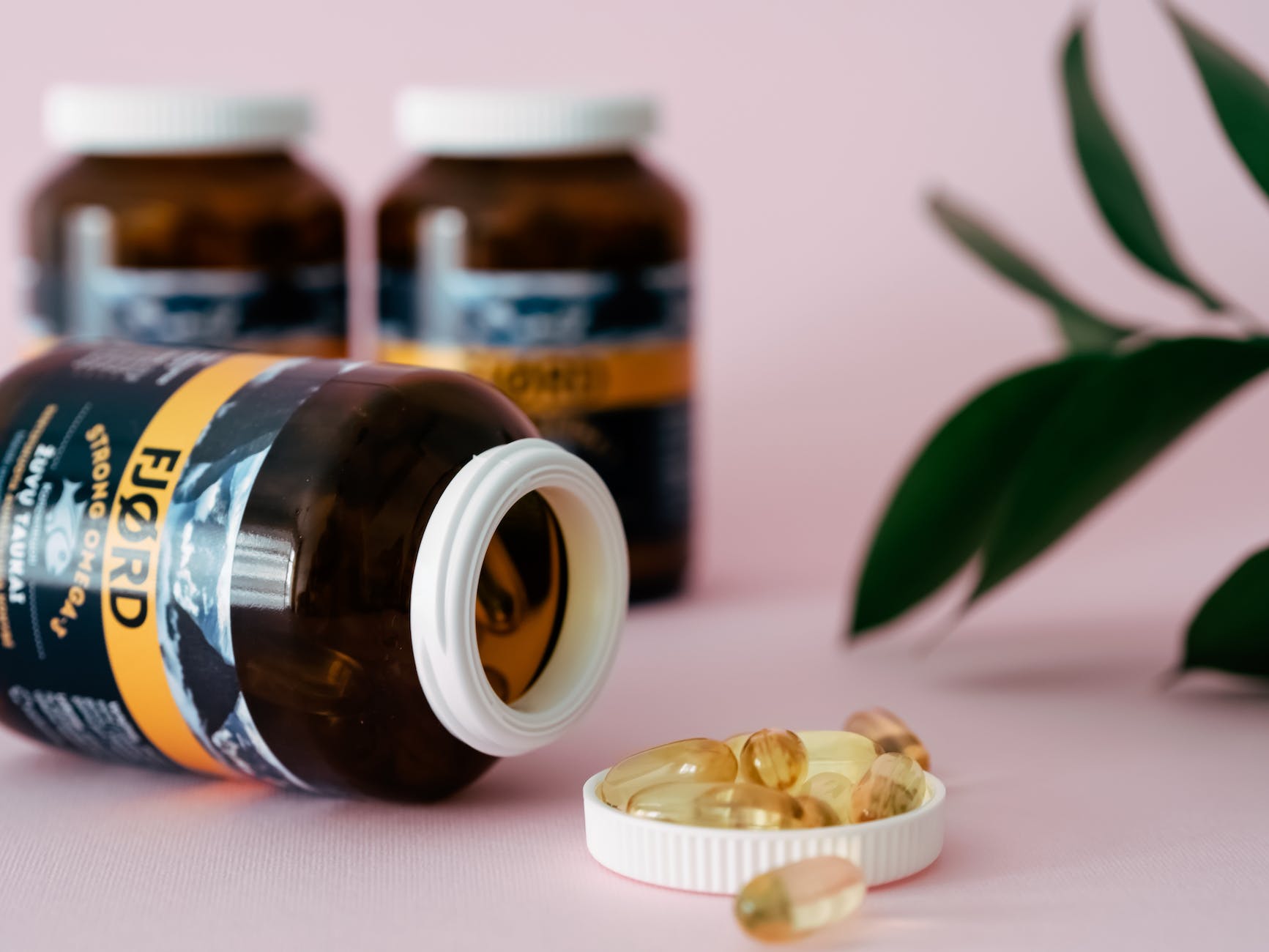
bottles with dietary supplements

In today’s fast-paced world, meal prep has become an essential part of modern life. With busy schedules and limited time, preparing meals in advance has numerous benefits, including saving time, reducing food waste, and making it easier to eat healthy. Moreover, well-planned meal prep can ensure that individuals get enough nutrients, including essential fatty acids like omega-3s.

Omega-3 fatty acids are crucial for maintaining good health, and they play a vital role in brain function, heart health, and reducing inflammation. They are commonly found in fish and seafood, making it difficult for vegans and vegetarians to obtain enough omega-3s in their diets. However, there are several plant-based sources of omega-3s that can be incorporated into vegan meal prep.

Some vegan sources of omega-3s include chia seeds, flaxseeds, hemp seeds, walnuts, and algae-based supplements. Incorporating these ingredients into meal prep can help vegans and vegetarians meet their omega-3 needs. For instance, chia seeds can be used to make chia seed pudding or added to smoothies, while flaxseeds can be used to make crackers or added to oatmeal.

Furthermore, meal prep can help ensure that individuals consume a well-balanced diet that includes a variety of omega-3 sources. For example, a quinoa salad with walnuts and avocado can be a delicious and nutritious way to obtain omega-3s, while also incorporating other essential nutrients such as protein, fiber, and vitamins.

Meal prep plays a crucial role in modern life, and it can help individuals meet their nutritional needs, including omega-3s. While it can be challenging for vegans and vegetarians to obtain enough omega-3s, incorporating plant-based sources into meal prep can help meet this need. By planning ahead and including a variety of omega-3 sources, individuals can enjoy the many health benefits of this essential nutrient.

  1. Chia Seed Pudding: Chia seeds are a great source of omega-3s, with one ounce containing about 4.9 grams. To make chia seed pudding, mix 1/4 cup chia seeds with 1 cup of non-dairy milk, and let it sit in the refrigerator overnight. The chia seeds will absorb the liquid and create a pudding-like texture. You can sweeten it with maple syrup or honey, and add fresh fruit or nuts for additional nutrients and flavor. This is a great breakfast or snack option that is quick and easy to prepare.
  2. Roasted Almonds: Almonds are another great source of omega-3s, with one ounce containing about 1.1 grams. To roast almonds, toss them in a bit of olive oil and your favorite seasonings, and spread them out on a baking sheet. Roast in the oven at 350°F for about 10-15 minutes, or until they are golden brown and fragrant. Roasted almonds can be enjoyed as a snack or added to salads for extra crunch and nutrients.
  3. Flaxseed Crackers: Flaxseeds are a great source of omega-3s, with one tablespoon containing about 1.8 grams. To make flaxseed crackers, mix 1 cup of ground flaxseeds with 1/2 cup of water and your favorite seasonings, and spread the mixture out on a baking sheet. Bake at 350°F for about 15-20 minutes, or until crispy. Flaxseed crackers are a great snack option that can be served with hummus or other dips.
  4. Quinoa Salad with Walnuts and Avocado: Quinoa is a great source of plant-based protein and fiber, and also contains some omega-3s. To cook quinoa, rinse it well and then simmer it in water or broth for about 15-20 minutes, or until it is tender. For the salad, mix cooked quinoa with diced avocado, chopped walnuts, and a dressing of your choice. This salad can be enjoyed as a main meal or side dish, and is perfect for meal prep as it can be stored in the refrigerator for several days.
  5. Vegan Sushi with Algae: Algae is a great source of omega-3s, with some varieties containing up to 2 grams per tablespoon. To make vegan sushi, fill sushi rolls with your favorite veggies, such as avocado, cucumber, and carrots, and wrap them with sheets of algae instead of seaweed. You can also add tofu or tempeh for extra protein. Vegan sushi is a great option for a light lunch or snack and can be prepared ahead of time for a quick and easy meal.
  6. Lentil Soup with Flaxseed Oil: Lentils are a great source of plant-based protein and fiber, and also contain some omega-3s. To make lentil soup, cook lentils with veggies and seasoning of your choice, and add some flaxseed oil before serving. Flaxseed oil is a great source of omega-3s, with one tablespoon containing about 7 grams. This soup can be enjoyed as a main meal or side dish, and is perfect for meal prep as it can be stored in the refrigerator or freezer.
  7. Roasted Brussels Sprouts with Pecans: Brussels sprouts are a great source of fiber and vitamins, and also contain some omega-3s. To roast Brussels sprouts, toss them with olive oil and garlic, and roast in the oven at 400°F for about 20-25 minutes, or until they are crispy and tender. Top with chopped pecans for extra flavor and nutrients. This dish is a great side dish that can be enjoyed with a main meal, or as a snack or appetizer. It can also be stored in the refrigerator for several days and reheated when needed.

When it comes to macros, these vegan meal prep ideas are generally high in healthy fats, protein, and fiber. Chia seed pudding, flaxseed crackers, and lentil soup are higher in fats, while the other options are a bit lower. Quinoa salad and vegan sushi are higher in protein, while the other options are lower in protein. All of these options are high in fiber, which is great for digestion and satiety.

In terms of cooking time, some of these options are quick and easy to prepare, such as chia seed pudding and roasted almonds, while others require a bit more time and effort, such as lentil soup and vegan sushi. However, most of these options can be prepared ahead of time and stored in the refrigerator for several days, making them great for meal prep.

Meal/RecipeMacronutrient BreakdownCooking TimeOccasions
Chia Seed PuddingFat: 12g, Protein: 6g, Carbs: 25g, Calories: 2425 minutesBreakfast, Snacks
Vegan SushiFat: 8g, Protein: 7g, Carbs: 48g, Calories: 29645 minutesLunch, Dinner, On-the-Go
Flaxseed CrackersFat: 18g, Protein: 6g, Carbs: 12g, Calories: 21845 minutesSnacks, Appetizers
Lentil SoupFat: 8g, Protein: 16g, Carbs: 37g, Calories: 2961 hourLunch, Dinner, Meal Prep
Roasted AlmondsFat: 16g, Protein: 6g, Carbs: 6g, Calories: 20015 minutesBreakfast, Snacks
Quinoa SaladFat: 6g, Protein: 10g, Carbs: 44g, Calories: 26630 minutesLunch, Dinner, Meal Prep
Sweet Potato MashFat: 7g, Protein: 2g, Carbs: 38g, Calories: 21445 minutesDinner, Meal Prep, Side Dish
detailed macronutrient breakdown including fat, protein, carbohydrates, and calories

It’s important to note that the macronutrient breakdown may vary depending on the specific ingredients used in each recipe and the serving size. However, this table should give a more detailed breakdown of the nutrient content of each meal and how they can be incorporated into different occasions.

These vegan meal prep ideas can be enjoyed on a variety of occasions, such as breakfast, lunch, dinner, or snack time. They are also great for on-the-go meals or packed lunches. When it comes to when to eat them, it really depends on your individual needs and preferences. For example, chia seed pudding and roasted almonds are great for breakfast or snacks, while lentil soup and quinoa salad are better for lunch or dinner.

These vegan meal prep ideas are a great way to incorporate more omega-3s into your diet while also enjoying delicious and nutritious meals. However, it’s important to remember that while these foods are high in omega-3s, they should be consumed as part of a well-balanced diet that includes a variety of other nutrients as well.