Posted on 1 Comment

7 Medical Health Benefits of Turmeric

Introduction

Golden and earthy, turmeric isn’t just a staple in your spice rack – it’s a powerhouse of health benefits. Let’s uncover the seven surprising ways turmeric can boost your health.

1. A Warrior Against Inflammation

Turmeric’s active ingredient, curcumin, is a natural anti-inflammatory. It’s a game-changer for managing conditions like arthritis and ulcerative colitis, keeping inflammation in check.

2. Memory Booster

Forget the forgetfulness! Studies suggest that turmeric improves memory in adults and might even ward off Alzheimer’s. Who knew a spice could sharpen your brain?

3. Natural Pain Reliever

Bid farewell to aches and pains. Turmeric has been used for centuries in traditional medicine to soothe osteoarthritis pain. Science backs its pain-relieving prowess.

4. Antioxidant Powerhouse

Turmeric neutralizes harmful free radicals, thanks to its antioxidant properties. It’s like an internal detox for your cells.

5. Heart Health Hero

Lower your risk of heart disease with a sprinkle of turmeric. It helps reverse heart disease processes and may reduce the risk of heart attacks, especially post-surgery.

6. Mood Enhancer

Feeling blue? Turmeric could be your natural antidepressant. It boosts brain chemicals like serotonin and dopamine, lifting your mood.

7. Cancer Fighter

Emerging research suggests that turmeric can slow down cancer cell growth, especially in colorectal cancer. It’s a spice with a potentially life-saving twist.

Conclusion

Turmeric is more than just a culinary delight; it’s a treasure trove of health benefits. From soothing pain to protecting your heart, this golden spice is a natural wonder. Time to spice up your health game with turmeric!

Join the Conversation

Have you experienced turmeric’s health benefits firsthand? Share your stories in the comments below!

Frequently Asked Questions About Turmeric

Here are some commonly asked questions about turmeric and its benefits:

1. Can turmeric help with inflammation and pain?

Turmeric is known for its potent anti-inflammatory properties, thanks to its active ingredient, curcumin. It can help reduce inflammation in the body, providing relief from conditions like arthritis and inflammatory bowel disease. Some studies have even shown that curcumin can be as effective as some anti-inflammatory drugs, without the side effects.

2. How does turmeric benefit brain health?

Curcumin, the active ingredient in turmeric, may boost levels of the brain hormone BDNF, which can stimulate the growth of new neurons and fight various degenerative processes in the brain. This makes turmeric a potential ally in preventing and treating neurodegenerative conditions, including Alzheimer’s disease and depression.

3. Can turmeric improve heart health?

Yes, curcumin has been shown to benefit heart health in several ways. It can improve the function of the endothelium (the lining of the blood vessels), which is crucial for heart health. It also has anti-inflammatory and antioxidant benefits, which can protect the heart from disease.

4. Is turmeric beneficial for skin health?

Turmeric isn’t just beneficial when consumed. It can also be used topically to improve skin health. Thanks to its anti-inflammatory and antibacterial properties, it can help soothe skin irritation, reduce acne, and even out skin tone.

5. Can turmeric help with anxiety?

Curcumin’s impact on brain health extends to its potential to reduce symptoms of anxiety. Studies suggest that it may help reduce anxiety by boosting DHA in the brain and lowering inflammation and oxidative stress.

6. Can turmeric prevent or treat cancer?

While more research is needed, some studies suggest that curcumin may help prevent and even treat cancer. It can reduce angiogenesis (growth of new blood vessels in tumors), metastasis (spread of cancer), and contribute to the death of cancerous cells.

7. Is it safe to take turmeric supplements?

While turmeric is generally safe for most people, it’s always a good idea to talk to your healthcare provider before starting any new supplement regimen, especially if you have a pre-existing condition or are taking other medications. Some studies suggest that more curcumin is not necessarily better, and too much can be risky.

8. Can turmeric be used in cooking?

Absolutely! Turmeric is a common ingredient in many dishes, especially in Indian cuisine. It adds a distinctive flavor and color to dishes. Plus, when you cook with turmeric, you get to enjoy all its health benefits.

9. Are there any side effects of consuming turmeric?

Turmeric is generally safe for most people when consumed in moderation. However, high doses or long-term use of turmeric may cause gastrointestinal problems. It’s always a good idea to talk to your healthcare provider before starting any new supplement regimen.

10. Can turmeric interact with medications?

Turmeric can interact with certain medications, such as blood thinners and diabetes drugs. If you’re taking any medication, it’s important to discuss with your healthcare provider before starting any supplement regimen with turmeric.

Conclusion

Turmeric, with its active ingredient curcumin, offers a range of health benefits, from reducing inflammation to potentially preventing cancer. Incorporating this golden spice into your diet or skincare routine could be a step towards better health.

Remember, while turmeric is generally safe for most people, it’s always a good idea to talk to your healthcare provider before starting any new supplement regimen, especially if you have a pre-existing condition or are taking other medications.

Blog Tags: Turmeric, Curcumin, Health Benefits, Anti-Inflammatory, Antioxidant, Brain Health, Heart Health, Cancer Prevention, Skin Health, Anxiety.


For 8 Benefits of Black Pepper for Weight Loss, click here

Read 7 Benefits of Mustard Oil, click here

7 Secrets Benefits of Eating Cardamom, click here


For videos related to Health and Wellness, Subscribe to our YouTube Channel:
Masala Monk – The Gourmet Store


Also, please do have a look at our collection products prepared using Turmeric:

Galgal-Gur Pickle (Khatte ka achaar)
Rhododendron Chutney (Buransh)

Gur Mirch Pickle-Sweetness for the Bravehearts
Aam Gunde ka Achar/Marwari Kairi Lehsua Pickle
StreetStyle Lemon Pickle – Neembu ka Khatta Achar

Teet/Kair Pickle
Athana Mirchi Pickle
Lesua or Gunda Pickle Marwari Style Homemade Gum Berry pickle
Khajur Or Dates Pickle – Sweet & Sour

Amla Pickle-Homemade Indian Gooseberry Pickle
Idli Podi/ Milagai Podi – Homemade Spices and Sesame Podi
Adrak ka Achar
Pachranga Pickle
Hardback Mango Pickle

Street
style Bareback Mango Pickle
Himalayan Garlic Pickle

Amla ki Khatti Meethi Launji
Chicken Pickle – 100% Himalayan
Kadaknath Pickle (Wild Black Chicken Pickle)
Chicken Pickle – Bone Variant

Posted on Leave a comment

Effects of Sugar on the Body

Sugar, a common ingredient in many diets, has significant impacts on health. Understanding these effects is key to managing its consumption for better health outcomes.

Types of Sugar

  1. Natural Sugars: Found in fruits (fructose) and dairy products (lactose).
  2. Added Sugars: Included in processed and prepared foods, such as soft drinks, cakes, and candies.

Health Impacts of Sugar

  • Weight Gain: Excessive sugar consumption can lead to weight gain and obesity due to its high calorie content.
  • Blood Sugar Levels: High sugar intake can cause spikes in blood sugar levels, which is particularly concerning for individuals with diabetes.
  • Heart Health: Studies link high sugar intake to an increased risk of heart disease, even in people who aren’t overweight.
  • Dental Health: Sugar is a leading cause of cavities and dental decay.
  • Mental Health: Some research suggests a connection between high sugar diets and an increased risk of depression and anxiety.

Recommended Sugar Intake

The World Health Organization (WHO) recommends that added sugars should make up less than 10% of total energy intake, with a further reduction to below 5% for additional health benefits.

Strategies for Reducing Sugar Intake

  1. Read Food Labels: Be aware of added sugars in products.
  2. Reduce Sugary Beverages: Opt for water or unsweetened drinks.
  3. Choose Natural Sugars: Prefer fruits over sugary snacks.
  4. Cook at Home: Homemade meals allow better control over sugar content.
  5. Mindful Eating: Being aware of your eating habits can help in reducing sugar cravings.

Understanding Hidden Sugars

Many processed foods contain hidden sugars, often listed under different names like corn syrup, dextrose, fructose, or maltose.

For more detailed information on nutrition and to participate in a holistic health challenge, check out the BackOnTrack WeightLoss Challenge.

The effects of sugar on the body are wide-ranging and significant. By understanding these impacts and taking steps to manage sugar intake, you can improve your health and reduce the risk of various health issues.


10 FAQs for “Effects of Sugar on the Body: A Comprehensive Understanding”

  1. How does sugar consumption contribute to weight gain? Sugar is high in calories and can lead to increased energy intake, promoting weight gain and obesity when consumed in excess.
  2. Can sugar impact heart health? Excessive sugar intake is linked to an increased risk of heart disease, regardless of one’s weight status.
  3. What is the recommended daily sugar intake? The WHO recommends that added sugars make up less than 10% of total energy intake, ideally reducing to below 5% for additional benefits.
  4. How does sugar affect dental health? Sugar is a major contributor to dental cavities and decay, as it feeds harmful bacteria in the mouth.
  5. Is there a connection between sugar and diabetes? High sugar intake can lead to spikes in blood sugar levels and may increase the risk of developing type 2 diabetes.
  6. What are some common hidden sugars to watch out for? Hidden sugars can be found in many processed foods and are often listed as corn syrup, dextrose, fructose, or maltose.
  7. Can sugar affect mental health? Some studies suggest a diet high in sugar may increase the risk of depression and anxiety.
  8. What are the differences between natural and added sugars? Natural sugars are found in fruits and dairy, while added sugars are put into foods during processing or preparation.
  9. How can I effectively reduce my sugar intake? Reducing sugary beverages, reading food labels, choosing natural sugars, and cooking at home are effective strategies.
  10. Does sugar have addictive properties? Sugar can trigger reward and craving responses similar to addictive substances, making it challenging to reduce intake.

Blog Tags for the Post

sugar consumption, weight gain, heart health, dental health, mental health, diabetes, hidden sugars, natural sugars, added sugars, healthy eating

Posted on Leave a comment

Healthy Fats vs. Unhealthy Fats

In the quest for a healthier diet, understanding the difference between healthy and unhealthy fats is crucial. This comprehensive guide will help you distinguish between these fats and make informed dietary choices.

Types of Fats

  1. Unsaturated Fats:
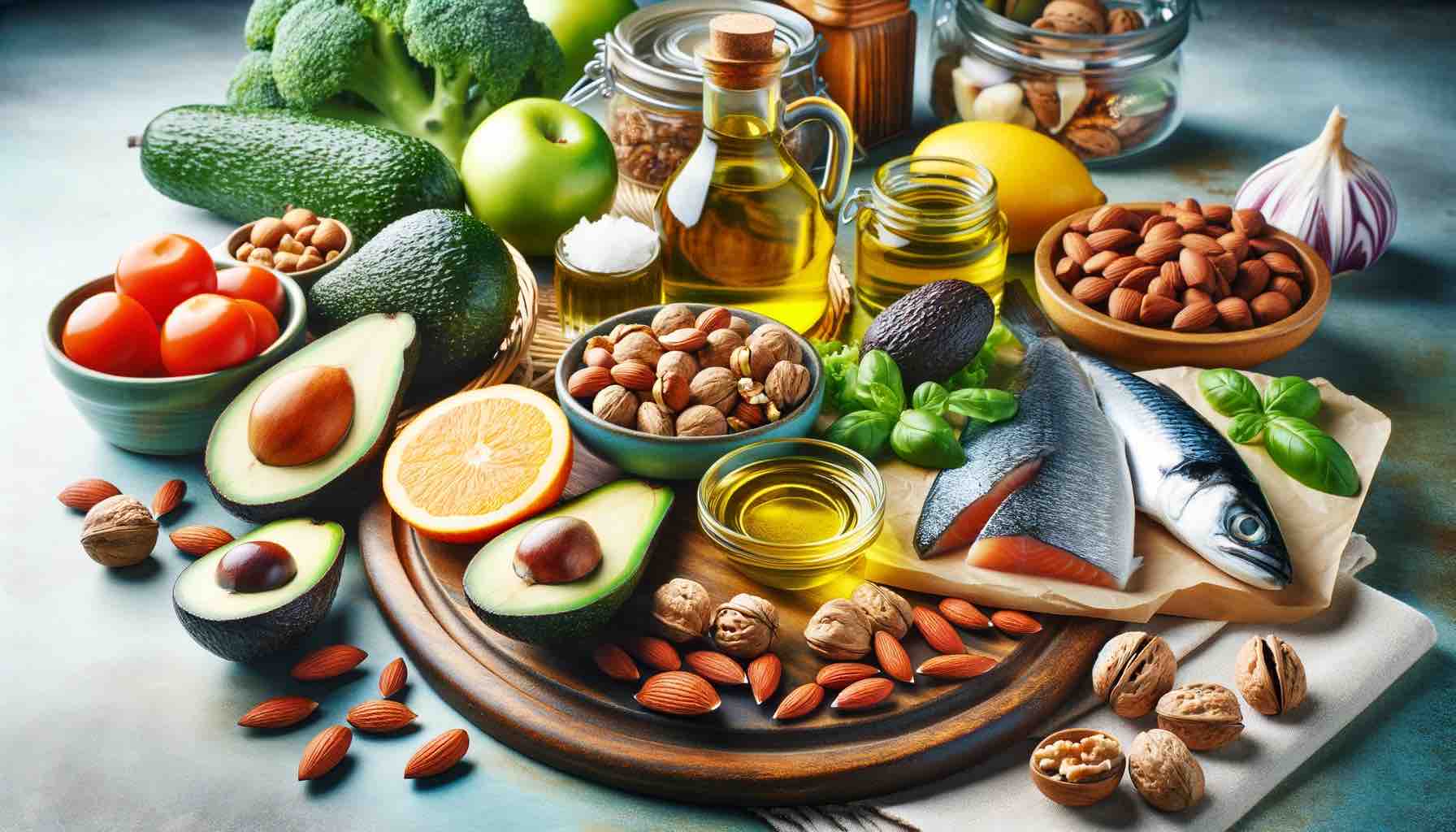
  • Monounsaturated Fats: Found in olive oil, avocados, and nuts, these fats are known to improve heart health.
  • Polyunsaturated Fats: Includes omega-3 and omega-6 fatty acids, found in fish, flaxseeds, and walnuts, crucial for brain health and reducing inflammation.
  1. Saturated Fats:
  • Predominantly found in animal products and some plant oils, saturated fats can raise bad cholesterol levels, increasing the risk of heart disease.
  1. Trans Fats:
  • Often found in processed foods, trans fats are the most harmful, significantly increasing the risk of heart disease and stroke.

Impact on Health

  • Healthy Fats: Essential for brain function, hormone production, and nutrient absorption. They also play a role in reducing the risk of heart disease.
  • Unhealthy Fats: This can lead to increased LDL (bad) cholesterol, clogged arteries, and a higher risk of heart disease.

Incorporating Healthy Fats into Your Diet

  • Opt for oils like olive and canola for cooking.
  • Include nuts, seeds, and avocados in your meals.
  • Choose fatty fish like salmon for omega-3 fatty acids.

Limiting Unhealthy Fats

  • Reduce intake of red meats and high-fat dairy products.
  • Avoid processed and fried foods high in trans fats.
  • Read labels to identify hidden trans fats.

Balancing Fat Intake

  • Aim for fats to constitute a moderate portion of your daily caloric intake, focusing mainly on unsaturated fats.

For a more in-depth understanding of nutrition and to join a comprehensive health challenge, consider exploring the BackOnTrack WeightLoss Challenge.

Understanding the types of fats and their effects on health is key to a balanced diet. By choosing healthy fats and limiting unhealthy ones, you can significantly improve your overall well-being.

10 FAQs for “Healthy Fats vs. Unhealthy Fats: Navigating Your Dietary Choices”

  1. What makes a fat ‘healthy’ or ‘unhealthy’? Healthy fats, like unsaturated fats, support heart health and reduce inflammation. Unhealthy fats, such as trans fats, increase bad cholesterol and heart disease risk.
  2. Can I include healthy fats in a weight loss diet? Yes, incorporating healthy fats in moderation can be part of a balanced weight loss diet.
  3. What are some examples of healthy fats? Olive oil, avocados, nuts, and fatty fish like salmon are great sources of healthy fats.
  4. Why are trans fats harmful? Trans fats raise bad cholesterol levels and lower good cholesterol, increasing the risk of heart disease and stroke.
  5. How can I reduce my intake of unhealthy fats? Limit consumption of processed and fried foods, and opt for lean meats and low-fat dairy products.
  6. Is saturated fat always bad? While saturated fat can raise cholesterol levels, it’s okay in moderation, especially when coming from whole food sources.
  7. What role do fats play in our overall diet? Fats are essential for nutrient absorption, hormone production, and providing energy.
  8. How much fat should I consume daily? Fats should make up a moderate portion of your total calorie intake, focusing on healthy fats.
  9. Can eliminating all fats from my diet be harmful? Completely avoiding fats can lead to deficiencies in essential fatty acids and fat-soluble vitamins.
  10. How can I identify unhealthy fats on food labels? Look for terms like “partially hydrogenated oils,” a common indicator of trans fats.

Blog Tags for the Post

healthy fats, unhealthy fats, nutrition, diet choices, saturated fats, trans fats, heart health, weight management, food labels, balanced diet

Posted on 5 Comments

Significance of Fiber in Diet: Understanding Its Health Benefits

Understanding the importance of dietary fiber is crucial for overall health and well-being. This comprehensive guide explores the role of fiber in your diet, its health benefits, and how to effectively incorporate it into your daily routine.

What is Dietary Fiber?

Dietary fiber, found in plant-based foods, is a type of carbohydrate that the body can’t digest. It’s categorized into two types:

  1. Soluble Fiber: Dissolves in water, forming a gel-like substance. It’s known for lowering blood glucose levels and cholesterol.
  2. Insoluble Fiber: Does not dissolve in water. It helps in promoting regular bowel movements and preventing constipation.

Health Benefits of Fiber

  • Digestive Health: Fiber aids in maintaining bowel health and regularity.
  • Weight Management: High-fiber foods are more filling, which can help in reducing calorie intake.
  • Blood Sugar Control: Fiber, especially soluble fiber, can slow the absorption of sugar and help improve blood sugar levels.
  • Cholesterol Management: Certain fibers can reduce the risk of developing heart diseases by lowering bad cholesterol levels.
  • Overall Well-being: Adequate fiber intake is associated with a lower risk of developing certain chronic diseases.

Sources of Fiber

Foods rich in fiber include:

  • Fruits like apples, bananas, and oranges
  • Vegetables such as broccoli, carrots, and Brussels sprouts
  • Legumes like beans, lentils, and chickpeas
  • Whole grains such as oats, barley, and whole wheat

Incorporating Fiber into Your Diet

  1. Increase Intake Gradually: Rapidly increasing fiber can lead to digestive discomfort.
  2. Stay Hydrated: Fiber works best when it absorbs water.
  3. Diverse Diet: Include a variety of fiber-rich foods.
  4. Read Food Labels: Look for whole grain and high-fiber products.

Recommended Daily Intake

The recommended daily intake of fiber is about 25 grams for women and 38 grams for men, according to dietary guidelines.

For more detailed insights on nutrition and to participate in a comprehensive health challenge, explore the BackOnTrack WeightLoss Challenge.

Integrating fiber into your diet is a key step toward a healthier lifestyle. By understanding its benefits and sources, you can make informed decisions that contribute to your overall health and wellness.

10 FAQs for “Significance of Fiber in Diet: A Deep Dive into Its Health Benefits”

  1. What is the primary role of dietary fiber in our body? Dietary fiber aids in digestion, promotes regular bowel movements, and helps in maintaining overall gut health.
  2. How does fiber contribute to weight management? Fiber-rich foods are more satiating, helping to reduce overall calorie intake and manage hunger, aiding in weight control.
  3. Can increasing fiber intake improve blood sugar levels? Yes, particularly soluble fiber can slow down the absorption of sugar, aiding in better blood sugar control.
  4. What are some rich sources of dietary fiber? Fruits, vegetables, legumes, and whole grains are excellent sources of dietary fiber.
  5. How does fiber affect heart health? Certain types of fiber can reduce bad cholesterol levels, thereby lowering the risk of heart disease.
  6. Is there a difference between soluble and insoluble fiber? Soluble fiber dissolves in water and helps lower glucose and cholesterol levels, while insoluble fiber aids in digestion and regularity.
  7. How much fiber should one consume daily? The recommended daily intake is about 25 grams for women and 38 grams for men.
  8. What are the signs of inadequate fiber intake? Constipation, irregular bowel movements, and high blood sugar levels can indicate low fiber intake.
  9. Can you consume too much fiber? Excess fiber can lead to digestive discomfort, so it’s important to increase intake gradually and maintain a balanced diet.
  10. How can I easily incorporate more fiber into my diet? Include a variety of fiber-rich foods in your meals, opt for whole grains, and increase your intake of fruits and vegetables.

Blog Tags for the Post

dietary fiber, digestive health, weight management, blood sugar control, heart health, soluble and insoluble fiber, nutrition, healthy eating, gut health, wellness lifestyle

Posted on 1 Comment

What is the Mediterranean Diet? Free PDF Meal Plan Inside


Introduction:

Are you looking to transform your eating habits and embrace a lifestyle that’s not only healthy but also delicious and satisfying? Look no further than the Mediterranean Diet – a time-tested eating pattern celebrated for its numerous health benefits and culinary delights. In this post, we dive into the heart of the Mediterranean Diet and offer you a comprehensive Beginner’s Guide to the Mediterranean Diet, complete with a Printable Meal Plan, available for free download!


Discovering the Mediterranean Diet: A World of Flavor and Health

The Mediterranean Diet is more than just a list of foods; it’s a journey into a world where food is about freshness, flavor, balance, and enjoyment. Rooted in the eating habits of countries bordering the Mediterranean Sea, this diet is renowned for its ability to improve overall health, boost longevity, and provide a diverse palette of tasty options.

Key Highlights of the Mediterranean Diet:

  • Rich in Nutrients: Emphasizes fruits, vegetables, whole grains, and healthy fats, particularly olive oil.
  • Heart-Healthy: Linked to reduced risks of heart disease, high blood pressure, and unhealthy cholesterol levels.
  • Weight Management: Promotes a balanced approach to eating that naturally aligns with weight management goals.
  • Diverse and Delicious: Offers a variety of flavors and ingredients, making meals enjoyable and satisfying.

Your Guide to Starting the Mediterranean Diet – Free PDF Download

We understand that beginning a new diet can be daunting, which is why we’ve created the Beginner’s Guide to the Mediterranean Diet. This guide is your roadmap to understanding and implementing the diet, featuring:

  • A Detailed 7-Day Meal Plan: Enjoy a week of delicious and easy-to-prepare meals.
  • Tasty and Simple Recipes: Discover new favorites with our collection of Mediterranean recipes.
  • Shopping List: Make grocery shopping a breeze with our organized shopping list.
  • Practical Meal Prep Tips: Save time and maintain the freshness of your meals throughout the week.

Download the Free Mediterranean Diet Meal Plan PDF


Embracing the Mediterranean Lifestyle

Adopting the Mediterranean Diet goes beyond what you eat. It’s about embracing a lifestyle that prioritizes health, enjoyment, and balance. Here are some tips to fully embrace this lifestyle:

  1. Enjoy Meals with Others: Make mealtime a social activity – eat with family or friends to enhance the experience.
  2. Cook and Experiment: Have fun in the kitchen experimenting with new ingredients and recipes.
  3. Stay Active: Combine the diet with regular physical activity for maximum health benefits.
  4. Listen to Your Body: Pay attention to hunger cues and enjoy foods in moderation.

Conclusion: A Journey to Better Health

Embarking on the Mediterranean Diet is a journey to better health and more enjoyable meals. It’s about discovering a world of foods that are as good for your body as they are for your taste buds. With our free downloadable PDF, you’re well on your way to embracing a lifestyle that is both nourishing and delightful.

Don’t forget to download your Free Mediterranean Diet Meal Plan and start your journey today! And if you find this guide helpful, please feel free to share it with friends and family.

Get Your Free Mediterranean Diet Meal Plan Here

10 FAQs on the Mediterranean Diet

  1. What Makes the Mediterranean Diet Different from Other Diets? The Mediterranean Diet stands out for its focus on whole foods, healthy fats, and balanced meals, emphasizing enjoyment of a variety of flavors and social dining experiences. Unlike restrictive diets, it encourages a sustainable and pleasurable approach to eating.
  2. Can the Mediterranean Diet Help with Weight Loss? Yes, the Mediterranean Diet can support weight loss. It’s rich in fiber and healthy fats, which can help you feel full and satisfied, reducing the likelihood of overeating.
  3. Is the Mediterranean Diet Suitable for Vegetarians? Absolutely! The diet is naturally plant-forward, making it easily adaptable for vegetarians. It includes a variety of plant-based proteins, like legumes and nuts, that can replace meat.
  4. How Does the Mediterranean Diet Impact Heart Health? The diet’s emphasis on heart-healthy fats, like olive oil and fatty fish, along with its low intake of processed foods and red meat, contributes to improved heart health, lower cholesterol, and reduced risk of heart disease.
  5. Are Dairy Products Included in the Mediterranean Diet? Dairy is included, but typically in moderate amounts. Options like Greek yogurt and cheese are common, focusing on quality rather than quantity.
  6. What Are Some Essential Foods in the Mediterranean Diet? Key foods include olive oil, fresh fruits and vegetables, whole grains, seafood, nuts, and legumes. Herbs and spices for flavoring are also essential, reducing the need for salt.
  7. Can the Mediterranean Diet be Adopted on a Budget? Yes, it can be budget-friendly. Focus on seasonal produce, buy grains in bulk, and choose local products. Incorporating more plant-based proteins can also be cost-effective compared to meat.
  8. How Does the Mediterranean Diet Benefit Long-Term Health? Long-term benefits include a lower risk of chronic diseases like type 2 diabetes, Alzheimer’s, and certain cancers. It also promotes overall well-being and longevity.
  9. What Kind of Fats Are Emphasized in the Mediterranean Diet? The diet emphasizes unsaturated fats, particularly monounsaturated fats from olive oil, nuts, and seeds, as well as omega-3 fatty acids from fish.
  10. Is Wine Allowed in the Mediterranean Diet? Moderate consumption of wine, particularly red wine, is part of the diet. However, it’s not mandatory and should be consumed responsibly, considering individual health conditions.

Blog Tags for the Post:

mediterranean diet, healthy eating, heart health, weight loss, plant-based nutrition, olive oil benefits, seafood recipes, whole grains, dietary fiber, balanced diet, sustainable eating, social dining, long-term health, unsaturated fats, red wine, culinary diversity, vegetarian-friendly, budget-friendly meals, chronic disease prevention, lifestyle choices