Posted on Leave a comment

Early Pregnancy Food Cravings: First Trimester Hunger Talks

Introduction:

Ah, the first trimester of pregnancy – a time of wonder, excitement, and… an insatiable craving for pickles at 2 AM? Welcome to the whimsical world of early pregnancy food cravings, a period where your taste buds might surprise you more than the pregnancy test did!

As you embark on this incredible journey of bringing new life into the world, your body becomes a hub of hormonal activity. These changes can turn your appetite on its head, leading to those infamous, sometimes bewildering cravings. Why do certain foods suddenly become the object of your desire? Why do you find yourself daydreaming about dishes you never cared for before?

In “Early Pregnancy Food Cravings: First Trimester Hunger Talks,” we’re not just talking about the odd hankering for ice cream or pickles. We’re exploring a phenomenon that intertwines biology, psychology, and perhaps even a bit of ancestral wisdom. You see, these cravings are more than just fleeting whims; they might be your body’s way of telling you what it needs – or they might simply be a quirky side effect of the hormonal roller coaster you’re riding.

But it’s not all about what you’re eating; it’s also about what you’re feeling. Those cravings can be a source of joy, a small adventure in the midst of morning sickness and fatigue, or sometimes, a cause for confusion and concern. Are they normal? Are they healthy? And most importantly, should you give in to them or resist?

As we peel back the layers of this flavorful mystery, we’ll delve into the tales of other moms-to-be, who’ve navigated this path with both delight and dilemma. We’ll share insights from experts, tips for balancing cravings with nutrition, and maybe even a few recipes to satisfy those midnight munchies.

So, whether you’re currently cradling a bump or reminiscing about your pregnancy journey, join us on this exploration of first trimester food cravings. It’s a story of taste, tradition, and the unique experiences of pregnancy – served with a side of empathy, understanding, and a sprinkle of humor. Let’s savor this journey together!

Section 1: The Whirlwind of First Trimester Cravings

As the early weeks of pregnancy unfold, many women find themselves in a whirlwind of unexpected food cravings. It’s like a culinary rollercoaster, where one minute you might be repelled by the very thought of coffee, and the next, you’re dreaming of tangy citrus fruits or craving the crunch of a salty snack. But what’s really happening behind the scenes in this first trimester tale of fluctuating appetites?

Unraveling the Hormonal Influence

The first trimester marks a period of intense hormonal changes. The surge of hormones like hCG (human chorionic gonadotropin) and progesterone plays a pivotal role in this saga of cravings. These hormonal shifts can amplify your sense of smell and alter your taste preferences, turning previously beloved flavors into foes and vice versa. It’s like your body is recalibrating its sensory inputs, and in this process, some foods emerge as stars while others fall out of favor.

Cravings as a Nutritional Morse Code?

There’s a theory, quite a fascinating one, that these cravings could be your body’s way of signaling nutritional needs. Are you suddenly drawn to juicy oranges or cantaloupe? Maybe it’s your body asking for a boost of Vitamin C. Craving red meat more than usual could be a sign of needing more iron, a crucial element for your growing baby. While this theory is intriguing, it’s a complex dance of needs and desires, and not all cravings can be neatly explained as nutritional signals.

Comfort Food and Emotional Connections

Cravings in pregnancy can also be deeply emotional. For some, comfort foods from childhood make a grand comeback, offering a sense of nostalgia and security in a time of change. Others might find solace in the ritual of preparing and savoring a favorite snack. These cravings are not just about eating; they’re about feeling, remembering, and sometimes, simply coping with the rollercoaster of pregnancy emotions.

A Diverse Palette of Cravings

The spectrum of first-trimester cravings is as diverse as it is intriguing. From pickles to ice cream, spicy tacos to sweet pastries, the range is limitless. Some cravings might seem quirky or unusual, like the infamous pickle-and-ice-cream combo, but they’re all part of the unique pregnancy journey. It’s a time when the usual rules of appetite and preference may not apply, and new culinary adventures await at every turn.

As we navigate through these early weeks of pregnancy cravings, it’s important to approach them with a blend of curiosity and caution. While it’s often safe and even healthy to give in to your cravings, it’s also crucial to maintain a balanced diet. In our next section, we’ll delve into some of the most common cravings experienced during the first trimester and explore what they might mean for you and your baby.

Section 2: Decoding Common First Trimester Cravings

In the mysterious world of first trimester pregnancy cravings, certain foods tend to take center stage. This section dives into some of the most commonly craved foods during early pregnancy, exploring what they might represent and how they fit into the nutritional puzzle of these crucial months.

The Sweet Tooth Phenomenon

  • Sugary Treats and Fruits: It’s not uncommon for pregnant women to develop a newfound love for sweets. Whether it’s chocolate, ice cream, or fruits like mangoes and grapes, this craving can be linked to several factors. One theory suggests that the body craves quick energy sources, and sugars provide that instant boost. Additionally, the mood-enhancing effects of sweet foods can be a comforting response to the mood swings and fatigue common in early pregnancy.

Salty and Savory Cravings

  • Pickles and Chips: A craving for salty foods like pickles and chips is another hallmark of early pregnancy. This could be attributed to increased blood volume and the body’s need for more sodium to maintain fluid balance. Additionally, the crunch and texture of these foods can be appealing, especially if you’re experiencing nausea or a heightened sense of taste and smell.

The Lure of Citrus and Sour Foods

  • Lemons, Oranges, and Sour Candies: Cravings for citrus fruits and sour foods are also common. The refreshing and tangy flavors can be particularly appealing if you’re dealing with morning sickness. Moreover, the natural craving for vitamin C-rich foods like oranges and lemons might be the body’s way of ensuring adequate intake of this essential nutrient.

Protein-Packed Cravings

  • Meats and Dairy: Some women find themselves craving more protein-rich foods, such as chicken, beef, or dairy products like cheese and yogurt. This could be the body’s intuitive way of meeting the increased protein requirements essential for fetal development.

The Comfort of Carbohydrates

  • Breads, Pasta, and Rice: Cravings for carbohydrates are quite common, too. These cravings might stem from the body’s need for a steady supply of energy. Carbs are also often sought for their comforting and satiating qualities, especially when dealing with pregnancy fatigue.

The Balance of Indulgence and Nutrition

While indulging in cravings can be perfectly healthy, it’s important to strike a balance. Overindulging in sugary or salty foods can lead to excessive weight gain and other health issues. Incorporating these cravings into a balanced diet is key. For example, pairing a sweet fruit with a protein source or choosing whole grain versions of starchy foods can provide a more balanced nutritional profile.

In our next section, we’ll explore practical tips and strategies for managing these cravings, ensuring that you satisfy your taste buds while keeping your health and your baby’s development in focus. We’ll look at how to indulge responsibly, make healthier choices, and maintain a well-rounded diet during these early weeks of pregnancy.

Section 3: Navigating Cravings with Health in Mind

As you journey through the first trimester, navigating your food cravings with a health-conscious approach is key. This section offers practical tips and strategies for managing those intense urges to munch, ensuring you and your growing baby get the necessary nutrients while still indulging in your favorite flavors.

Crafting a Balanced Diet

  • Moderation Over Deprivation: Completely denying your cravings can lead to frustration and stress. Instead, aim for a balanced approach. If you’re craving something sweet, balance it with healthy proteins or fiber-rich foods. For instance, pair a small piece of chocolate with almonds or have a fruit salad topped with Greek yogurt.
  • Healthy Alternatives and Substitutions: Whenever possible, opt for healthier versions of your craved foods. Love salty chips? Try baked sweet potato fries seasoned with herbs. Craving ice cream? A smoothie made with frozen bananas, a dash of cocoa, and almond milk can be a nutritious alternative.

Understanding Portion Control

  • Mindful Eating: It’s easy to overindulge when cravings hit. Practice mindful eating by paying attention to portion sizes. Instead of eating straight from a bag or container, serve a small portion on a plate. This can help you enjoy your favorite foods without going overboard.
  • Hydration is Key: Sometimes, cravings can be a sign of dehydration. Ensure you’re drinking plenty of water throughout the day. Staying hydrated can sometimes help in managing hunger and cravings.

Incorporating Nutrient-Dense Foods

  • Fruits and Vegetables: Incorporate a variety of fruits and vegetables into your diet. They’re not only nutritious but can also help satisfy your cravings for sweets or something crunchy.
  • Whole Grains and Lean Proteins: Whole grains and lean proteins provide sustained energy and can help keep you full, reducing the urge to indulge in less healthy cravings. Include foods like quinoa, brown rice, chicken, and fish in your meals.

Planning and Preparing

  • Meal Planning: Planning your meals can help you maintain a balanced diet. Prepare a weekly menu that includes a variety of nutrients. This also makes grocery shopping more efficient and can reduce the temptation to buy unhealthy snacks.
  • Healthy Snacks at Hand: Keep healthy snacks readily available. This can be cut-up veggies in the fridge, a fruit bowl on the counter, or pre-portioned nuts and seeds. Having these at hand can make it easier to choose healthier options when cravings strike.

Listening to Your Body

  • Understanding Cravings: Cravings can sometimes be a signal from your body. If you’re constantly craving a certain type of food, it could be worth discussing with your healthcare provider, especially if it’s non-food items or extremely unusual cravings.
  • Adjusting As Needed: Pregnancy is a time of constant change, and your dietary needs and preferences may evolve. Listen to your body and adjust your diet as needed. If a certain food or smell becomes off-putting, don’t force it. Instead, find alternative sources of those nutrients.
  • Seeking Professional Guidance: If you have dietary concerns or specific nutritional needs, don’t hesitate to consult with a healthcare professional like a dietitian. They can provide personalized advice to ensure you and your baby are getting the right balance of nutrients.

Embracing the Journey

  • Enjoy the Experience: While it’s important to focus on nutrition, don’t forget to enjoy this unique time in your life. Pregnancy cravings are a part of the incredible journey of bringing new life into the world. Share your cravings and experiences with friends, family, or online communities. You’ll likely find a world of support and perhaps even some laughter along the way.
  • Creating Memories: Some cravings may seem odd now, but they can become cherished memories in the future. Documenting these cravings in a journal or sharing them with your partner can be a fun way to capture the moments of your pregnancy journey.

In the next section, we’ll discuss how to differentiate between normal cravings and those that might indicate a nutritional deficiency or a health concern. We’ll also provide insights into when and how to seek help if your cravings seem out of the ordinary. Remember, every pregnancy is unique, and what matters most is finding a path that works best for you and your baby.

Section 4: Differentiating Between Normal and Concerning Cravings

As you navigate the seas of early pregnancy cravings, it’s crucial to differentiate between what’s normal and what may be a sign of an underlying issue. While most cravings are harmless and simply part of the pregnancy experience, some can indicate nutritional deficiencies or other health concerns.

Understanding Nutritional Deficiencies

  • Cravings as Signals: Sometimes, cravings can be your body’s way of signaling a lack of certain nutrients. For instance, an intense craving for ice, a condition known as pica, can sometimes indicate an iron deficiency. Similarly, an overwhelming desire for citrus fruits might hint at a need for more vitamin C.
  • Recognizing Unusual Cravings: While cravings for foods like pickles, ice cream, or citrus fruits are common, craving non-food items such as dirt, chalk, or laundry starch is a condition known as pica and requires immediate medical attention. Pica can be harmful to both you and your baby and often points to a significant nutritional deficiency.

When to Seek Help

  • Consulting Healthcare Providers: If you experience cravings that seem unusual or have concerns about your dietary intake, it’s essential to consult your healthcare provider. They can help determine if your cravings are within the normal range or if they require further investigation and intervention.
  • Regular Check-ups and Blood Tests: Regular prenatal check-ups often include blood tests that can identify nutritional deficiencies. Discussing your cravings during these visits can provide valuable insights into your overall health and dietary needs.

Balancing Cravings with a Nutritious Diet

  • Healthy Eating Strategies: Even with unusual cravings, it’s possible to maintain a nutritious diet. Focus on incorporating a variety of foods from different food groups to ensure a balanced intake of nutrients. If you’re craving sweets, try natural sugar sources like fruits instead of processed sugary snacks.
  • Adapting Your Diet: If certain food aversions make it difficult to consume particular nutrients, find alternative sources. For example, if you’re averse to meat but need more protein, consider plant-based sources like lentils, beans, or tofu.

Emotional and Psychological Aspects

  • Understanding Emotional Cravings: Pregnancy is a time of emotional upheaval, and sometimes cravings can be more emotional than physical. Acknowledging this aspect and finding healthy ways to cope, like talking to a friend, practicing relaxation techniques, or engaging in light exercise, can be beneficial.
  • Addressing Stress and Anxiety: If you find that your cravings are tied to stress or anxiety, addressing these underlying issues is important. Mindfulness practices, prenatal yoga, or counseling can be effective ways to manage stress during pregnancy.

In our next section, we’ll look at practical and delicious ways to satisfy common pregnancy cravings while ensuring you’re

Section 5: Satisfying Cravings Healthily and Deliciously

When it comes to managing pregnancy cravings, the key is finding a balance between satisfying those urges and maintaining a healthy diet for you and your baby. This section provides practical and enjoyable ways to fulfill common cravings while ensuring nutritional balance.

Creative Twists on Common Cravings

  • Sweet Cravings: If you have a sweet tooth, try satisfying it with healthier alternatives. Blend frozen fruits like bananas or berries to make a natural ice cream or sorbet. You can also indulge in dark chocolate, which contains antioxidants, in moderation.
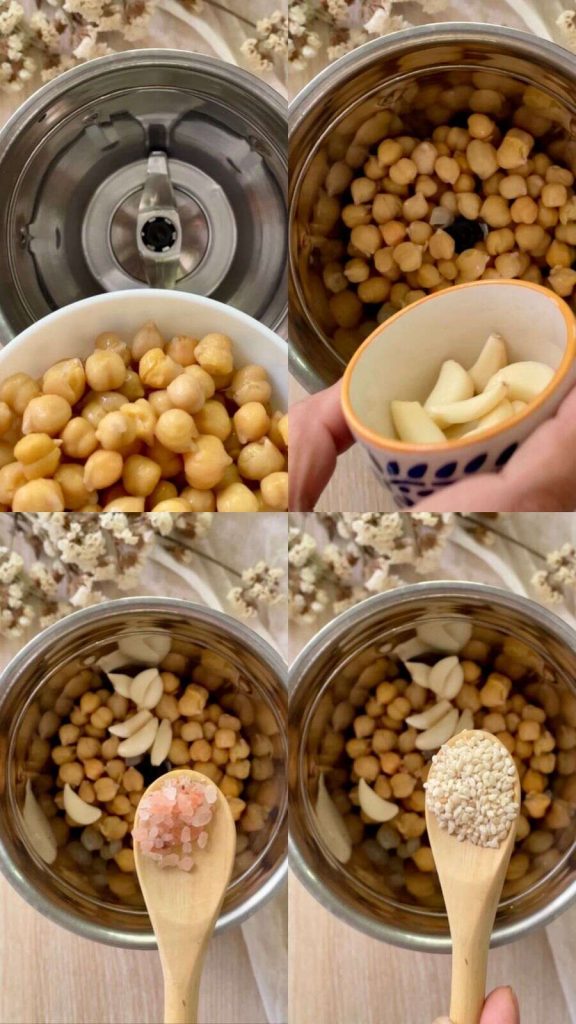
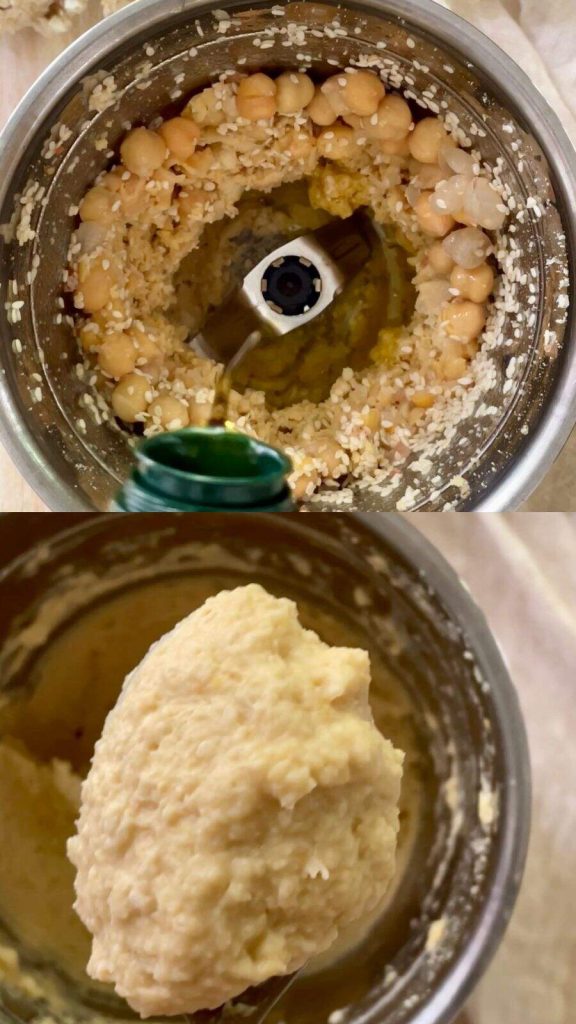
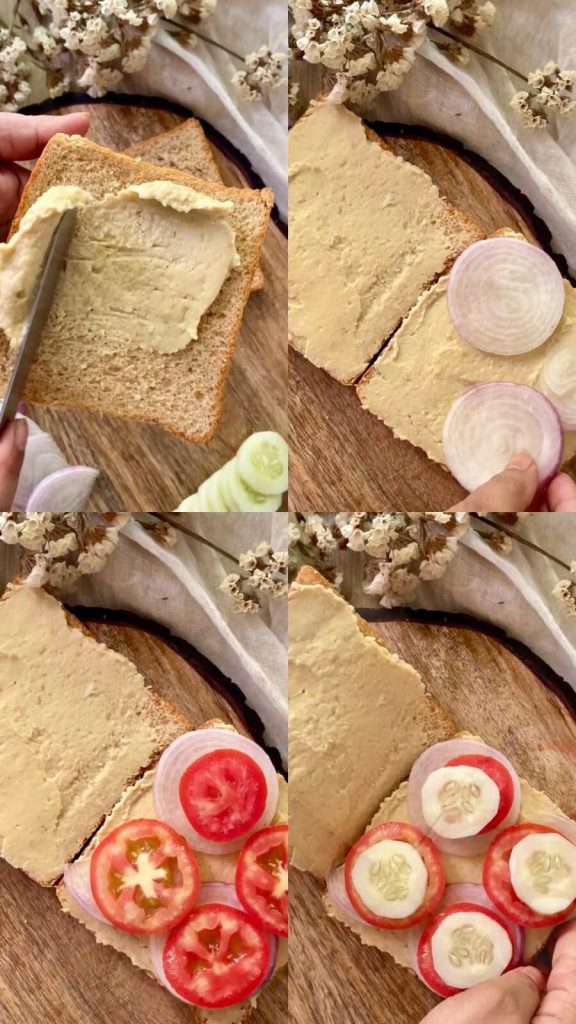
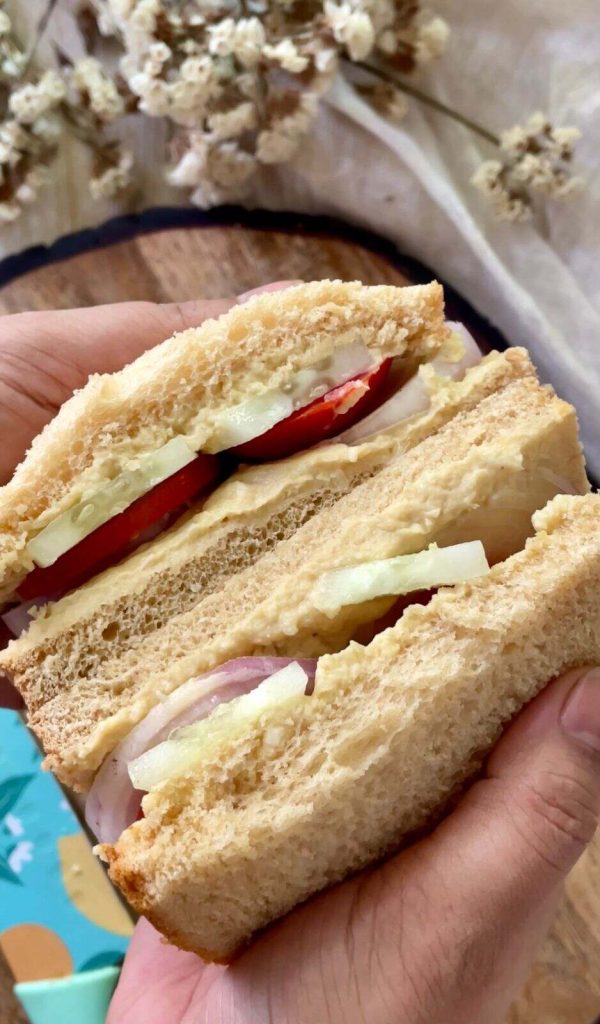
  • Savory and Salty Desires: For those salty cravings, opt for lightly salted nuts or homemade popcorn, which offer both the saltiness you crave and nutritional benefits. Whole grain crackers with hummus or avocado can also be a great alternative to high-sodium snacks.
  • Meat and Protein Cravings: If you’re craving meat, go for lean cuts and try grilling or baking instead of frying. Plant-based proteins like lentils, beans, and tofu are also excellent ways to satisfy protein cravings and provide additional nutrients.

Incorporating Nutrients into Cravings

  • Boosting Nutritional Value: No matter what you’re craving, there’s always a way to increase its nutritional value. Add a handful of spinach to a smoothie, sprinkle nuts on your yogurt, or add some sliced fruit to your cereal.
  • Variety is Key: Try to incorporate a variety of foods into your diet to ensure you’re getting a wide range of nutrients. This approach not only satisfies cravings but also contributes to the overall health of you and your baby.

Cooking and Preparing at Home

  • Home-Cooked Meals: Preparing meals at home gives you control over ingredients and portion sizes. Experiment with recipes that substitute unhealthy ingredients with healthier options. For instance, use Greek yogurt instead of mayonnaise in dressings or dips.
  • Meal Planning: Plan your meals and snacks ahead of time to avoid impulsive eating. Preparing and storing healthy snacks can make it easier to reach for something nutritious when cravings strike.

Staying Hydrated

  • Hydration with a Twist: Often, our bodies can mistake thirst for hunger. Keep yourself well-hydrated by drinking plenty of water throughout the day. Flavoring your water with slices of fruits or herbs can make it more appealing and help you drink more.

Enjoying the Process

  • Mindful Eating: Take time to enjoy your food. Eating mindfully can help you recognize when you’re full and allow you to enjoy the flavors and textures of what you’re eating, leading to greater satisfaction.

In the following section, we will wrap up our discussion with final thoughts and tips for managing pregnancy cravings, focusing on overall well-being and the joy of embracing this unique phase of life.

Section 6: Embracing Pregnancy Cravings with Confidence and Joy

As we near the end of our exploration of first-trimester food cravings, it’s essential to wrap up with some final thoughts and tips. Managing cravings during pregnancy is not just about nutritional balance; it’s also about embracing this unique experience with confidence and joy. Let’s delve into some concluding strategies to help you navigate this journey with ease.

Celebrating Your Pregnancy Journey

  • Embracing the Experience: Pregnancy is a special time, and cravings are a part of this unique journey. Embrace them as one of the many fascinating aspects of pregnancy. Share your experiences with friends or in pregnancy groups. You’ll find that you’re not alone, and sharing can be both reassuring and fun.
  • Creating Memories: Documenting your cravings and how you satisfy them can become cherished memories in the future. Consider keeping a pregnancy journal or taking photos of your creative dishes. These will be wonderful to look back on and share with your child someday.

Staying Informed and Proactive

  • Educating Yourself: While indulging in cravings, stay informed about the nutritional needs of your pregnancy. Knowledge is power, and understanding the impact of your food choices on both you and your baby will help you make better decisions.
  • Proactive Health Management: Regular check-ups are crucial during pregnancy. Discuss your diet and cravings with your healthcare provider to ensure you’re on the right track. They can provide valuable advice tailored to your specific health needs.

Mindful Indulgence and Self-Care

  • Mindful Eating: Practice mindful eating by savoring each bite and recognizing when you’re full. This approach can enhance your eating experience and prevent overindulgence.
  • Self-Care Practices: Incorporate self-care routines into your daily life. Whether it’s a short walk, prenatal yoga, or just some quiet time for yourself, self-care activities can positively impact your overall well-being and help manage cravings.

Community and Support

  • Seeking Support: Don’t hesitate to seek support when needed. Connecting with other expecting mothers, either in person or online, can provide a sense of community and shared understanding.
  • Partner and Family Involvement: Involve your partner and family in your pregnancy journey. Sharing your cravings and meal planning with them can make the experience more enjoyable and less overwhelming.

Final Thoughts

As we conclude, remember that every pregnancy is unique. What works for one person might not work for another. The most important thing is to listen to your body, consult with healthcare providers, and find what works best for you and your baby.

Embrace your pregnancy cravings with a blend of joy, mindfulness, and informed choices. This journey is one of the most beautiful and transformative experiences of life. Cherish these moments, and remember, you’re nourishing not just your body but a new life as well.

Thank you for joining us on this flavorful adventure through early pregnancy cravings. May your journey be filled with health, happiness, and delightful culinary discoveries!

10 FAQs for “Early Pregnancy Food Cravings: First Trimester Hunger Talks”

  1. When do food cravings usually start in pregnancy?
    • Food cravings can start as early as the first trimester, often intensifying in the second trimester. Every woman’s experience is different, and some may not have cravings at all.
  2. Are certain types of cravings common in early pregnancy?
    • Yes, common cravings include sweets, salty foods, citrus fruits, and sometimes unusual combinations like pickles with ice cream.
  3. Can cravings indicate a nutritional deficiency?
    • Sometimes. For example, a craving for ice might indicate an iron deficiency. However, not all cravings have a nutritional basis.
  4. Is it okay to indulge in my cravings?
    • Yes, in moderation. It’s important to balance cravings with a healthy and nutritious diet.
  5. What are some healthy alternatives to common cravings?
    • For sweets, try fruits or yogurt. For salty cravings, opt for nuts or homemade popcorn. These options satisfy cravings while providing nutritional benefits.
  6. How can I manage unhealthy cravings?
    • Try to find healthier substitutes that satisfy your cravings. Also, eating smaller, more frequent meals can help manage these urges.
  7. Can pregnancy cravings predict the baby’s gender?
    • No, there’s no scientific evidence to support this. It’s a fun myth but not based on fact.
  8. What should I do if I crave non-food items?
    • Craving non-food items, a condition known as pica, requires medical attention. Consult your healthcare provider immediately.
  9. Can cravings affect my pregnancy weight?
    • Excessive indulgence in high-calorie cravings can contribute to excessive weight gain. It’s important to find a balance.
  10. Should I be concerned if I don’t have any cravings?
    • Not having cravings is also normal. Each pregnancy experience is unique, and some women may not experience significant cravings.

Blog Tags for the Post:

Pregnancy, First Trimester, Food Cravings, Nutrition, Healthy Eating, Maternal Health, Prenatal Care, Pregnancy Diet, Managing Cravings, Pregnancy Wellness

Posted on Leave a comment

Vegetarian Diet and Anemia Prevention in Pregnancy

Introduction

Welcome to a crucial topic for expectant mothers embracing a vegetarian lifestyle! During pregnancy, your body undergoes remarkable changes, and your nutritional needs increase significantly. One common concern is anemia, a condition characterized by a lack of enough healthy red blood cells to carry adequate oxygen to your body’s tissues. But fear not! This post is dedicated to guiding you on how to meet your iron needs through a vegetarian diet while ensuring a healthy pregnancy.

Understanding Anemia in Pregnancy

Anemia during pregnancy can cause fatigue and increase the risk of complications, making it vital to prevent. The iron demands of your body rise significantly during these nine months to support the growth and development of your baby and placenta, as well as the increase in your blood volume.

Iron in a Vegetarian Diet

While animal-based foods offer heme iron that the body absorbs more easily, a well-planned vegetarian diet is not short of iron-rich options. Plant-based foods provide non-heme iron. Key sources include:

  • Lentils and beans
  • Dark leafy greens like spinach and kale
  • Fortified cereals and whole grains
  • Seeds and nuts, especially pumpkin seeds and almonds

Incorporating a variety of these foods into your daily meals can effectively increase your iron intake.

Enhancing Iron Absorption

Here’s a golden tip: combining iron-rich foods with those high in vitamin C can significantly boost iron absorption. Think of adding strawberries to your iron-fortified breakfast cereal or squeezing lemon juice over your spinach salad.

Conversely, certain substances can inhibit iron absorption. For instance, excessive intake of caffeine or calcium-rich foods around mealtime can reduce the amount of iron your body takes in. It’s all about balance!

The Role of Supplements

Sometimes, diet alone might not meet the increased iron requirements. This is where supplements come in. It’s essential to consult your healthcare provider before starting any supplements, as they can help you choose the right type and dosage.

Additional Nutritional Considerations

Other nutrients crucial for a healthy vegetarian pregnancy include vitamin B12, omega-3 fatty acids, and calcium. Foods like fortified plant milks, chia seeds, and nuts are excellent sources. In some cases, supplements might be recommended.

Sample Meal Plans and Recipes

Let’s make this practical with some meal ideas:

  • Breakfast: Iron-fortified oatmeal with sliced strawberries and almond milk.
  • Lunch: Quinoa salad with black beans, avocado, and bell peppers, dressed with lemon vinaigrette.
  • Dinner: Stir-fry with tofu, broccoli, and cashews, served over brown rice.

Consulting Healthcare Providers

Regular check-ups are essential. Your doctor can monitor your iron levels and overall health, adjusting your diet and supplement plan as needed.

Conclusion

A vegetarian diet can absolutely support a healthy pregnancy. By focusing on iron-rich foods, understanding the factors that affect iron absorption, and staying in tune with your body’s needs with the guidance of healthcare professionals, you can thrive during this special time.


FAQs

  1. Can I get enough iron from a vegetarian diet during pregnancy? Yes, a vegetarian diet can provide sufficient iron. Focus on iron-rich foods like legumes, whole grains, nuts, seeds, and dark leafy greens. Combining these with vitamin C-rich foods enhances iron absorption.
  2. What are the best vegetarian sources of iron? Excellent vegetarian sources include lentils, chickpeas, fortified cereals, pumpkin seeds, quinoa, and dark leafy greens like spinach and kale.
  3. How can I improve iron absorption from plant-based foods? Pair iron-rich foods with those high in vitamin C, like bell peppers, citrus fruits, and berries. Also, try to limit the intake of caffeine and calcium-rich foods around meals, as they can inhibit iron absorption.
  4. Will I need an iron supplement during pregnancy? It depends on your individual iron levels and dietary intake. Consult your healthcare provider for personalized advice and blood tests to determine if supplements are necessary.
  5. Are there any risks of too much iron from supplements? Yes, excessive iron can be harmful. It’s important to only take supplements under the guidance of a healthcare provider to ensure the correct dosage.
  6. What other nutrients should I focus on in a vegetarian pregnancy diet? Apart from iron, ensure adequate intake of vitamin B12, omega-3 fatty acids, calcium, and protein. These are crucial for the health of both mother and baby.
  7. Can you suggest some easy vegetarian meals high in iron? Try iron-fortified cereal with fruits for breakfast, a lentil salad for lunch, and a tofu stir-fry with leafy greens for dinner.
  8. How often should I check my iron levels during pregnancy? Your healthcare provider will guide you on this, but typically iron levels are checked during initial prenatal visits and then as needed.
  9. Can a vegetarian diet meet the increased protein needs during pregnancy? Yes, by including a variety of protein-rich plant foods like beans, lentils, tofu, nuts, and seeds, you can meet your protein needs.
  10. Is it safe to continue a vegetarian diet throughout pregnancy and breastfeeding? Absolutely, as long as it’s well-planned to include all necessary nutrients. Consulting a dietitian or nutritionist can be helpful to ensure a balanced diet.

Blog Tags for the Post: Vegetarian Pregnancy, Iron-rich Diet, Anemia Prevention, Healthy Eating, Pregnancy Nutrition, Plant-based Diet, Prenatal Care, Nutritional Supplements, Vegetarian Recipes, Pregnancy Health

Posted on Leave a comment

Sweet, Salty, Sour, Spicy: Spectrum of Pregnancy Cravings

Introduction: The journey of pregnancy is often punctuated by an intriguing mix of cravings, from sweet and salty to sour and spicy. These cravings, while sometimes whimsical, are deeply rooted in the physiological and emotional changes that accompany pregnancy. This comprehensive guide aims to unravel the complex world of pregnancy cravings, offering expectant mothers not just a deeper understanding but also practical advice on how to navigate these cravings for optimal health and well-being.

Understanding Pregnancy Cravings:

  • Hormonal Influences and Nutritional Signals: Hormones like estrogen and progesterone, which fluctuate during pregnancy, can significantly alter taste preferences and even create new ones. Additionally, cravings might signal the body’s attempt to fulfill certain nutritional needs.
  • Cravings as Emotional Responses: Beyond nutritional needs, cravings can also be linked to emotional states, offering comfort or stress relief during the rollercoaster of pregnancy emotions.

Sweet Cravings: Embracing Natural Sweetness

  • Behind the Sweetness: Sweet cravings are often attributed to increased energy needs. They can also be a source of emotional comfort during times of stress.
  • Healthy Sweet Alternatives: Satisfy sweet cravings with fruits, yogurt parfaits, smoothie bowls, or oatmeal with fruit toppings. These options provide essential nutrients while satisfying sugar desires.
  • Example Foods: Berries, apples, natural fruit jams, dark chocolate, homemade fruit popsicles.

Salty Cravings: Striking a Healthy Balance

  • Sodium’s Role in Pregnancy: The body’s demand for sodium can increase due to higher blood volume. However, moderation is key to avoid health issues.
  • Smart Salty Snacks: Opt for snacks like edamame, lightly salted nuts, or whole-grain pretzels. These provide the desired salty taste and are rich in nutrients.
  • Example Foods: Roasted nuts, homemade kale chips, cheese with whole-grain crackers.

Sour Cravings: The Zesty Path to Wellness

  • Sour for Nausea Relief: Sour foods can alleviate morning sickness and promote a varied diet, providing essential nutrients like vitamin C.
  • Sour yet Nutritious: Include foods such as citrus fruits, yogurt, and fermented foods in your diet. These not only satisfy the craving but also contribute to gut health.
  • Example Foods: Lemon-infused water, grapefruits, yogurt with honey, sauerkraut.

Spicy Cravings: The Fiery Flavor of Pregnancy

  • Spices for Cooling and Digestion: Contrary to intuition, spicy foods can cool the body by inducing sweating. They also aid in digestion.
  • Enjoying Spices Wisely: Incorporate mild spices into meals, and opt for ginger tea or turmeric-infused dishes, which offer additional health benefits.
  • Example Foods: Mild curry dishes, ginger soup, turmeric milk.

Crafting a Balanced Diet Amidst Cravings:

  • The Art of Balancing: Listen to your body’s cravings but maintain a balanced diet. This involves choosing nutrient-dense foods that satisfy cravings and provide essential nutrients.
  • Incorporating Variety: Ensure your diet includes a variety of foods from all food groups – fruits, vegetables, proteins, whole grains, and dairy or dairy alternatives.
  • Seeking Professional Advice: If you’re concerned about your cravings or diet, consult with a healthcare provider or a nutritionist for personalized guidance.

Cravings Across Different Pregnancy Stages:

  • First Trimester Challenges: Address morning sickness with bland or sour foods, and ensure you’re getting enough hydration and essential nutrients.
  • Second Trimester Adjustments: As energy requirements increase, focus on complex carbohydrates and fiber-rich foods to satisfy carb cravings.
  • Third Trimester Considerations: As you near the end of pregnancy, heartburn may become more common. Opt for smaller, more frequent meals and avoid overly spicy or acidic foods.

Conclusion: Pregnancy cravings, with their unique flavors and challenges, are an integral part of the pregnancy journey. Understanding these cravings and learning how to satisfy them healthily is key to enjoying a nutritious and joyful pregnancy. Remember, each craving is an opportunity to nourish both your body and the growing life within.

Call to Action: We invite you to enrich this discussion with your personal experiences. How did you manage your pregnancy cravings? What creative, healthy alternatives did you discover? Share your stories and tips in the comments section to support and inspire other expectant mothers on their pregnancy journey.

10 FAQs for “Sweet, Salty, Sour, Spicy: Navigating the Flavor Spectrum of Pregnancy Cravings”

  1. Why do I have specific cravings during pregnancy?
    • Pregnancy cravings can be due to hormonal changes affecting taste and smell, emotional needs, or your body signaling specific nutritional requirements.
  2. Are sweet cravings a sign of gestational diabetes?
    • Not necessarily. Sweet cravings are common in pregnancy due to increased energy needs. However, if you have concerns about gestational diabetes, it’s important to consult with your healthcare provider.
  3. Can cravings indicate a nutritional deficiency?
    • Sometimes. For example, a craving for red meat might indicate a need for more iron. It’s always a good idea to discuss any unusual or persistent cravings with your healthcare provider.
  4. Is it okay to indulge in my salty cravings during pregnancy?
    • Yes, in moderation. Salty cravings can be due to increased blood volume needing more sodium. Opt for healthier salty snacks and be mindful of your overall salt intake.
  5. How can I manage sweet cravings healthily?
    • Try satisfying sweet cravings with natural sugars found in fruits, or opt for snacks like yogurt with honey. These provide sweetness along with beneficial nutrients.
  6. Why am I craving sour foods like lemons or pickles?
    • Sour cravings can be related to the body’s need for a varied diet or a way to alleviate morning sickness. Sour foods are often rich in Vitamin C, which is beneficial during pregnancy.
  7. Are spicy foods safe during pregnancy?
    • Generally, yes. Spicy foods are safe for most pregnant women in moderation. If you experience discomfort or heartburn, it’s best to limit spicy foods.
  8. Can cravings change during different trimesters?
    • Absolutely. Cravings can vary throughout pregnancy due to changing hormonal levels and nutritional needs.
  9. Should I worry if I don’t have any pregnancy cravings?
    • Not at all. Every pregnancy experience is different. Some women have strong cravings, while others may not have any.
  10. How can I balance my diet if I’m only craving unhealthy foods?
    • Try to find healthier alternatives that satisfy your cravings. For instance, if you’re craving chips, try homemade kale chips or lightly salted nuts. It’s also helpful to incorporate a variety of foods from all food groups into your diet.

Blog Tags

Pregnancy, Pregnancy Cravings, Nutritional Health, Gestational Diabetes, Healthy Eating, Maternal Wellness, Prenatal Care, Diet and Pregnancy, Hormonal Changes, Food and Mood

Posted on Leave a comment

Pregnancy Cravings and Pica

Introduction:
Imagine this: you’re a few months into your pregnancy, and suddenly, you find yourself eyeing a piece of chalk or a handful of soil with an inexplicable craving. This phenomenon, known as pica, can be both bewildering and concerning for expectant mothers. But fear not – you’re not alone, and there’s much to understand about this peculiar condition. In this comprehensive guide, we’ll explore what pica is, delve into its causes, examine the risks, and provide practical advice on how to manage it safely during your pregnancy journey.

Section 1: What is Pica?
Pica is a psychological disorder characterized by persistent cravings for non-food substances. The term ‘pica’ comes from the Latin word for magpie, a bird known for eating almost anything. In the context of pregnancy, these cravings can range from mildly unusual (like ice or paper) to potentially harmful substances (such as clay, dirt, or even laundry starch). While pica is most commonly observed in children, it’s also prevalent among pregnant women. The prevalence of pica in pregnancy varies widely across different studies, but some suggest it could affect up to 30% of pregnant women.

Section 2: Causes of Pica During Pregnancy
Understanding the causes of pica is crucial, as it’s often a sign of an underlying issue. Here are some potential causes:

  • Nutritional Deficiencies: A leading theory suggests that pica may be the body’s response to nutritional deficiencies, particularly iron and zinc. This is supported by studies showing that iron supplementation can reduce pica symptoms in some individuals.
  • Psychological Factors: Emotional stress, anxiety, and depression during pregnancy can trigger pica as a coping mechanism. The act of consuming non-food items may provide temporary relief or distraction from emotional distress.
  • Cultural Influences and Traditions: In some cultures, consuming certain non-food items during pregnancy is a traditional practice, passed down through generations. This cultural aspect can play a significant role in the development of pica.
  • Biological Changes: Pregnancy brings a whirlwind of hormonal changes, which can affect taste and smell sensitivities, possibly leading to unusual cravings.

Section 3: Potential Risks and Complications
The potential risks associated with pica depend largely on the substance being consumed:

  • Digestive Issues: Non-food items can cause blockages or injuries in the digestive tract, leading to severe complications.
  • Toxicity and Poisoning: Substances like lead in paint chips or toxins in certain clays can lead to poisoning, with serious implications for both the mother and the fetus.
  • Nutrient Deficiencies and Interference: Consuming non-nutritive substances can interfere with the absorption of essential nutrients, exacerbating existing deficiencies or creating new ones.
  • Infection Risk: Items like soil or feces can contain harmful bacteria or parasites, posing a risk of infection.

Section 4: Managing Pica in Pregnancy
Managing pica effectively involves a combination of medical intervention, nutritional management, and psychological support:

  1. Medical Evaluation: If you’re experiencing pica cravings, the first step is to consult your healthcare provider. They can perform tests to identify any nutritional deficiencies or underlying health conditions.
  2. Nutritional Guidance: Based on medical evaluations, you may be prescribed supplements. Additionally, a dietitian can help you plan meals that are rich in the nutrients you might be lacking.
  3. Psychological Support: If emotional stress or anxiety is a contributing factor, counseling or therapy can be beneficial. Techniques like Cognitive Behavioral Therapy (CBT) have been effective in treating pica.
  4. Safe Alternatives and Distractions: Finding safe and satisfying alternatives for your cravings is crucial. For instance, if you crave the texture of a particular non-food item, identifying a food with a similar texture can be helpful. Engaging in activities that distract or relax you can also reduce the urge to consume non-nutritive items.

Section 5: Personal Stories and Experiences
Hearing from women who have experienced pica during pregnancy can be both enlightening and reassuring. For instance, consider the story of Maria, a mother who developed a craving for chalk during her second trimester. Initially embarrassed, she eventually sought help and learned that her cravings were linked to iron deficiency. Or take the case of Aisha, who craved laundry detergent. Aisha’s healthcare provider helped her understand that her cravings were partly due to emotional stress and provided appropriate counseling. These stories highlight not only the diversity of pica experiences but also the importance of seeking support and understanding the underlying causes.

Section 6: When to Seek Help
Knowing when to seek help is crucial in managing pica effectively. Here are some guidelines:

  • If You Start Craving Non-Food Items: This is the most obvious sign. Even if the cravings seem harmless, it’s important to discuss them with your healthcare provider.
  • If You Give in to the Cravings: Consuming non-food items can be harmful, so it’s vital to get medical advice as soon as possible.
  • Changes in Physical Health: If you experience symptoms like stomach pain, constipation, or diarrhea after consuming non-food items, seek medical attention immediately.
  • Emotional Distress: If your cravings are causing anxiety, guilt, or distress, or if you suspect they might be linked to emotional issues, professional counseling can be beneficial.

Section 7: Prevention and Awareness
While it’s not always possible to prevent pica, being aware of its potential and maintaining a healthy lifestyle can reduce the risk. Prenatal care should include regular check-ups to monitor nutritional status. Eating a balanced diet rich in iron, zinc, and other essential nutrients can help fulfill the body’s needs. Additionally, staying informed and educated about pregnancy-related changes can empower women to make better health decisions.

Section 8: Supporting Loved Ones with Pica
If someone you love is experiencing pica during pregnancy, your support can make a significant difference. Here are some ways to help:

  • Show Empathy: Understand that pica is a real and challenging condition. Listen to their concerns without judgment.
  • Encourage Professional Help: Gently encourage them to seek medical advice and offer to accompany them to appointments.
  • Help with Nutrition: Assist in preparing nutrient-rich meals or remind them to take prescribed supplements.
  • Provide Emotional Support: Be there for them emotionally. Sometimes, just knowing they are not alone in this journey can be a huge relief.

Conclusion:
Pica during pregnancy, with its unusual cravings for non-food items, can be a perplexing and sometimes distressing condition. However, with the right knowledge, support, and medical care, it can be managed effectively. Remember, every pregnancy is unique, and it’s always best to consult with healthcare professionals for guidance tailored to your specific needs.

Call to Action:
We hope this guide has been informative and reassuring. If you have experiences or tips related to managing pica during pregnancy, please share them in the comments below. Your insights could be invaluable to other readers. And if you found this post helpful, consider subscribing for more content on pregnancy and maternal health.


FAQs:

  1. What is Pica in Pregnancy? Pica is a condition where pregnant women have cravings for non-food items, like clay, dirt, or ice. It’s not uncommon and often linked to nutritional deficiencies.
  2. Is Pica Harmful During Pregnancy? It can be. Eating non-food items can lead to health issues like poisoning or blockages in the digestive system. It’s important to talk to a healthcare provider if you experience these cravings.
  3. What Causes Pica in Pregnant Women? Causes can range from nutritional deficiencies (like iron or zinc) to psychological factors such as stress. Sometimes, it’s influenced by cultural practices.
  4. How Do I Know If I Have Pica? If you find yourself craving and consuming non-food items, it’s likely pica. Consult a healthcare provider for a proper diagnosis.
  5. Can Pica Affect My Baby? Depending on the substance consumed, pica can pose risks to the baby, including potential exposure to toxins. It’s crucial to seek medical advice.
  6. What Should I Do If I Crave Non-Food Items? First, avoid giving in to these cravings. Then, speak with your healthcare provider for advice and possible nutritional supplements.
  7. Can Pica Go Away on Its Own? Sometimes, especially if it’s related to a temporary nutritional deficiency. However, medical advice and intervention are often necessary.
  8. Are There Treatments for Pica? Treatment usually involves addressing the underlying cause, like supplementing for deficiencies or counseling for psychological factors.
  9. Can Changing My Diet Help with Pica? Yes, a balanced diet rich in essential nutrients can help prevent or alleviate pica symptoms.
  10. Should I Be Embarrassed About Having Pica? Absolutely not. Pica is a medical condition and not a reflection of your character or choices. Seeking help is important for your and your baby’s health.

Blog Tags:

Pregnancy, Pica, Maternal Health, Nutrition, Mental Health, Women’s Wellness, Pregnancy Cravings, Prenatal Care, Psychological Wellbeing, Healthy Eating

Posted on Leave a comment

Exploring the Paleo Diet During Pregnancy – A Quick Guide

Navigating the Myths and Realities

In the world of ever-evolving dietary trends, the Paleo diet stands out for its unique approach, harking back to our ancestral eating habits. This diet, emphasizing whole foods like lean meats, fruits, vegetables, nuts, and seeds, while shunning grains, legumes, dairy, and processed foods, has garnered significant attention. But when it comes to pregnancy, a period marked by heightened nutritional needs and concerns, does the archaic wisdom of the Paleo diet hold up?

Pregnancy is a journey that transforms the body and mind, necessitating a careful balance of nutrients to support both the mother and the growing life within. The thought of adopting a diet based on our Paleolithic ancestors during this critical time might seem alluring – a natural, unprocessed way of eating that promises to cater to our most primal nutritional needs. But is this the whole truth?

This guide delves deep into the Paleo diet’s compatibility with pregnancy. We navigate through the complex labyrinth of nutritional science, debunking myths and uncovering facts. With expert insights and scientific research, we’ll explore the potential benefits and the often-overlooked risks of adhering to a Paleo diet during these crucial nine months.

The Paleo Promise: A Return to Origins

At first glance, the Paleo diet’s emphasis on natural, unprocessed foods appears to be a perfect match for pregnancy nutrition. The diet’s advocates tout its benefits – from high-quality protein sources for fetal development to an abundance of fruits and vegetables rich in essential vitamins and minerals. The absence of refined sugars and processed foods is another point in its favor, potentially reducing the risk of gestational diabetes and promoting overall health.

The Other Side of the Coin: A Closer Look at Risks

However, pregnancy is a time when nutritional needs are not just about quality but also about diversity and balance. The Paleo diet’s exclusion of whole food groups – namely grains, legumes, and dairy – raises important questions. Can a diet that omits these sources provide the necessary nutrients like calcium, iron, B-vitamins, and folate in adequate amounts? Is it possible to maintain a balanced macronutrient profile crucial for both the mother and the developing fetus?

In this comprehensive guide, we weigh the pros and cons, sifting through scientific evidence and expert opinions. We aim to provide expecting mothers with a clear, unbiased view of what a Paleo diet can and cannot offer during pregnancy. Whether you’re considering adopting this diet or simply curious about its implications, this journey through the Paleo landscape during pregnancy is designed to inform, enlighten, and guide.

Join us as we embark on this exploration, unraveling the complexities of the Paleo diet in the context of one of life’s most beautiful and challenging stages – pregnancy.

Understanding the Paleo Diet: A Deep Dive into Its Core Principles

Before delving into the Paleo diet’s implications during pregnancy, it’s crucial to fully grasp what this diet entails and why it has become a popular choice for many. The Paleo diet, often dubbed the ‘Caveman Diet’, is more than just a list of foods; it’s a philosophy harking back to the Paleolithic era, a time before agriculture and processed foods.

The Essence of Paleo: Back to the Basics

The Paleo diet is grounded in the idea of consuming foods that our ancestors presumably ate. This includes:

  • Natural, Unprocessed Foods: Think vegetables, fruits, nuts, seeds, lean meats, and fish. These foods form the cornerstone of the Paleo diet, celebrated for their high nutrient density and absence of modern additives.
  • Exclusion of Grains and Dairy: Grains and dairy, staples of the modern diet, are conspicuously absent in the Paleo paradigm. The rationale lies in the belief that our bodies are not optimally adapted to these food groups, which were introduced much later in human history.
  • Focus on Quality Protein and Healthy Fats: The diet emphasizes high-quality protein sources like grass-fed meat and omega-3 rich fish. Healthy fats, such as those found in avocados and nuts, are also a key component.

The Paleo Debate: A Nutritional Perspective

The Paleo diet has its share of advocates and critics. Proponents argue that this diet, rich in whole foods and devoid of processed items, aligns closely with our genetic makeup, promoting better health and weight management. Critics, however, point out the potential nutritional gaps, especially concerning the exclusion of whole grains, legumes, and dairy.

The Paleo Diet in the Context of Pregnancy

Pregnancy is a time when nutritional adequacy becomes more critical than ever. The body’s requirements for certain vitamins and minerals increase significantly to support fetal development and maternal health.

Potential Benefits: Nutrient-Rich Choices for Mother and Baby

  • Whole Foods for Holistic Nutrition: The emphasis on unprocessed foods means a high intake of vitamins, minerals, and antioxidants, which are beneficial for both the mother and the developing fetus.
  • Protein and Healthy Fats: These are essential for the baby’s growth, particularly brain development. The Paleo diet’s focus on quality protein sources can be advantageous here.
  • Low Sugar and Processed Foods: This aspect of the Paleo diet might help in managing or preventing gestational diabetes, a condition marked by high blood sugar during pregnancy.

Addressing the Concerns: The Flip Side of Paleo During Pregnancy

  • Calcium and Vitamin D Deficiency: With dairy off the table, obtaining enough calcium and vitamin D, crucial for fetal bone development, becomes a concern.
  • Iron and Folate Shortfalls: The absence of legumes and certain fortified grains could lead to deficiencies in iron and folate, essential nutrients for preventing anemia and supporting fetal growth.
  • The Fiber Question: Whole grains, a primary source of dietary fiber, are excluded in the Paleo diet. Fiber is vital for digestive health, especially in managing the common issue of constipation during pregnancy.

Navigating the Paleo Path: Modifications for Pregnancy

Given these considerations, it’s clear that if one opts for a Paleo diet during pregnancy, certain modifications and careful planning are necessary. Here’s how to navigate it:

  • Incorporating Essential Nutrients: This could mean adding non-Paleo items like dairy or fortified grains to ensure adequate intake of calcium, vitamin D, iron, and folate.
  • Balanced Approach to Macronutrients: While protein is vital, ensuring a balanced intake of carbohydrates and fats is also crucial for the energy needs of pregnancy.
  • Supplementation: Depending on individual nutritional needs, supplements like prenatal vitamins, calcium, or DHA might be necessary.

The Paleo diet during pregnancy presents a mixed bag of potential benefits and notable risks. It’s a diet that can offer a bounty of whole, unprocessed foods, rich in essential nutrients. However, its strict rules around grains, dairy, and legumes might lead to nutritional gaps, particularly concerning for pregnant women. The key lies in adapting and balancing this diet to meet the unique nutritional demands of pregnancy, always guided by healthcare professionals’ advice.

In the next section, we’ll explore practical meal ideas and tips for those considering or already following a Paleo diet during pregnancy, ensuring a healthy and balanced approach for both mother and baby.

Adapting the Paleo Diet for a Healthy Pregnancy: Practical Tips and Meal Ideas

While the Paleo diet has potential benefits, adapting it for pregnancy requires careful consideration to ensure both mother and baby receive all the necessary nutrients. Here, we explore practical ways to modify the Paleo diet and provide meal ideas that cater to the unique needs of pregnancy.

Incorporating Essential Nutrients

  1. Calcium and Vitamin D: Since dairy is excluded in the Paleo diet, alternative sources of calcium and vitamin D are necessary. Consider adding foods like dark leafy greens, fortified non-dairy milks (like almond or coconut milk), and fish with edible bones (like sardines).
  2. Iron and Folate: To compensate for the lack of legumes and certain fortified grains, focus on Paleo-friendly sources of iron and folate, such as spinach, beef, and liver. A prenatal vitamin supplement can also be beneficial.
  3. Fiber Intake: Include plenty of vegetables and fruits in your diet to maintain healthy fiber levels, crucial for digestive health during pregnancy.

Balanced Macronutrient Approach

  1. Proteins: Opt for a variety of lean meats, poultry, fish, and eggs to ensure a good protein intake.
  2. Carbohydrates: Incorporate starchy vegetables like sweet potatoes and butternut squash, as well as fruits, for a balanced carbohydrate intake.
  3. Fats: Avocados, nuts, and seeds are excellent sources of healthy fats.

Meal Planning and Recipes

  1. Breakfast Ideas: Start your day with a vegetable omelet, adding spinach and mushrooms for iron and folate. A smoothie with almond milk, berries, and a scoop of protein powder can also be a nutritious option.
  2. Lunch Options: Try a large salad with mixed greens, grilled chicken, avocado, and a variety of vegetables. For a heartier meal, a beef stir-fry with a medley of vegetables over cauliflower rice can be both satisfying and nutritious.
  3. Dinner Suggestions: Grilled salmon with a side of roasted sweet potatoes and steamed broccoli makes for a balanced meal. Another option is a slow-cooked stew with lean beef or lamb, carrots, and sweet potatoes.

Snacks and Cravings

  1. Healthy Snacks: For snacks, consider nuts and seeds, fresh fruit, or vegetable sticks with a Paleo-friendly dip like guacamole.
  2. Managing Cravings: If you’re craving something sweet, opt for a piece of fruit or a small serving of dark chocolate. For savory cravings, try kale chips or a small portion of homemade sweet potato fries.

Staying Hydrated

  • Water Intake: Drinking plenty of water is essential during pregnancy. Aim for at least 8-10 glasses a day.

Listening to Your Body

  • Individual Needs: Every pregnancy is unique. Pay attention to your body’s signals and cravings, as they can be indicative of your nutritional needs. If you find yourself consistently craving non-Paleo foods, it may be a sign to reassess your diet.

Consulting Healthcare Professionals

  • Always consult with a healthcare provider before making any significant dietary changes during pregnancy. They can provide personalized advice and ensure that your diet meets all your nutritional needs.

Adopting a Paleo diet during pregnancy can be beneficial, but it requires careful planning and modification to meet the increased nutritional demands. By focusing on nutrient-rich foods, ensuring a balanced intake of macronutrients, and being open to dietary adjustments, you can maintain a healthy and enjoyable diet throughout your pregnancy. In the next section, we’ll discuss the importance of regular check-ups and how to monitor your health and your baby’s development while

Monitoring Health and Development During a Paleo Pregnancy

Importance of Regular Check-Ups

  • Consistent Monitoring: Regular prenatal check-ups are crucial for monitoring both your health and your baby’s development. These appointments provide an opportunity to discuss your diet and make adjustments as needed based on medical advice.
  • Tracking Nutritional Status: Blood tests can help track key nutritional indicators like iron, calcium, and vitamin D levels, ensuring you are meeting your pregnancy requirements.

Adjusting the Diet Based on Health Feedback

  1. Responding to Deficiencies: If blood tests indicate any nutritional deficiencies, you may need to adjust your diet accordingly. This might include incorporating more specific foods or considering supplements.
  2. Balancing Macros Based on Energy Levels: Listen to your body. If you feel fatigued, you might need to increase your intake of healthy carbohydrates or adjust your protein and fat ratios.

Understanding the Baby’s Development

  • Fetal Growth Monitoring: Regular ultrasounds and check-ups will monitor the baby’s growth and development. Discuss with your healthcare provider how your diet might be impacting this aspect of your pregnancy.

Maintaining a Healthy Lifestyle

  1. Physical Activity: Along with a balanced diet, moderate physical activity is beneficial during pregnancy, unless otherwise advised by your healthcare provider.
  2. Mental Well-being: Pregnancy can be a stressful time. Practices like meditation, prenatal yoga, or simply taking time for relaxation can be beneficial for your mental health.

Preparing for Post-Pregnancy

  • Postpartum Nutrition: Start planning for your post-pregnancy nutrition and how you might need to adjust your diet, especially if you plan to breastfeed.

Conclusion

A Paleo diet during pregnancy can be a healthy choice if carefully planned and monitored. Regular consultations with healthcare professionals, attentive monitoring of your nutritional status, and adjusting your diet based on the health of you and your baby are key to a successful Paleo pregnancy. Remember, each pregnancy is unique, and what works for one person may not work for another. The priority should always be the health and well-being of both the mother and the baby.


10 FAQs on Paleo Diet During Pregnancy

  1. Is it safe to follow a Paleo diet while pregnant?
    • While a Paleo diet can be rich in fruits, vegetables, and lean protein, it may lack essential nutrients like calcium, iron, and folate due to the exclusion of dairy, grains, and legumes. It’s important to consult with a healthcare provider and possibly make modifications to ensure a balanced diet during pregnancy.
  2. Can the Paleo diet provide enough calcium during pregnancy?
    • The Paleo diet excludes dairy, a major source of calcium. However, you can obtain calcium from other sources like leafy greens, fortified non-dairy milks, and fish with edible bones. Supplementation may also be recommended.
  3. How can I ensure I’m getting enough iron on a Paleo diet during pregnancy?
    • Focus on iron-rich Paleo foods like red meat, spinach, and liver. Since the Paleo diet excludes fortified cereals and legumes, a common source of iron, supplementation might be necessary.
  4. Is the Paleo diet beneficial for managing gestational diabetes?
    • The Paleo diet’s low sugar and processed food content might help in managing gestational diabetes. However, it’s important to consult a healthcare provider for a personalized diet plan.
  5. Can I get enough fiber on a Paleo diet during pregnancy?
    • Although the Paleo diet excludes grains, you can still get fiber from vegetables, fruits, nuts, and seeds. It’s important to include a variety of these foods to meet your fiber needs.
  6. Are there any risks to my baby if I follow a Paleo diet while pregnant?
    • The main risk is nutritional deficiencies due to the exclusion of certain food groups. These deficiencies can potentially impact fetal development. Regular check-ups and consultations with a healthcare provider are essential.
  7. How can I deal with food cravings while on a Paleo diet during pregnancy?
    • For sweet cravings, opt for fruits or small portions of dark chocolate. For savory cravings, try Paleo-friendly snacks like nuts or homemade vegetable chips. Listen to your body and make modifications if needed.
  8. What are some Paleo-friendly sources of folic acid?
    • While the Paleo diet excludes fortified grains, a common source of folic acid, you can find folate in foods like spinach, asparagus, and liver. A prenatal vitamin may also be necessary.
  9. Can following a Paleo diet postpartum affect breastfeeding?
    • A well-balanced Paleo diet can support breastfeeding, but it’s crucial to ensure you’re getting enough calories and nutrients. Supplements and dietary adjustments might be needed.
  10. How can I modify the Paleo diet for a more balanced approach during pregnancy?
    • Consider reintroducing some non-Paleo foods like dairy or grains to ensure a more balanced intake of essential nutrients. Consult a healthcare provider or a dietitian for personalized advice.

Blog Tags for the Post

Paleo Diet, Pregnancy Nutrition, Healthy Eating, Maternal Health, Gestational Diabetes, Prenatal Vitamins, Breastfeeding, Postpartum Diet, Balanced Diet, Pregnancy Wellness