

Posted on Leave a comment

20 Foods that help with Inflammation

woman having a dental check up

Welcome to the enriching journey of diving deep into the world of anti-inflammatory foods that not only tantalize your taste buds but also embark on a mission to combat inflammation. Living with conditions such as rheumatoid arthritis, inflammatory bowel disease, and ulcerative colitis often means dealing with constant inflammation and pain. Modifying your diet to be rich in foods that reduce inflammation naturally provides a pathway to managing these conditions, aiming for a life full of vitality and well-being.

Did you know your diet can be a powerful tool in reducing inflammation, promoting gut health, and even supporting weight loss? Whether you’re seeking anti-inflammatory meals for your family, focusing on an anti-inflammatory diet for arthritis, or looking for foods that contribute to gut health and wellness, you’re in the right place. We’ll navigate through nature’s pharmacy, discovering foods that serve as natural remedies to fight inflammation and its associated ailments.


Top 20 Anti-Inflammatory Foods and Their Unique Benefits

Unlock the power of your diet to fight inflammation and manage various health conditions such as rheumatoid arthritis, inflammatory bowel disease (IBD), and ulcerative colitis. Our top 20 anti-inflammatory foods list can be a cornerstone for a diet that helps combat inflammation and enhance gut health, playing a vital role in managing inflammation-related disorders and contributing to weight loss and overall well-being.

1. Berries (Blueberries, Strawberries, Raspberries)

  • Bursting with antioxidants, berries are essential foods that reduce inflammation and may aid in managing conditions like rheumatoid arthritis and IBD.

2. Fatty Fish (Salmon, Mackerel, Sardines)

  • Embrace a low inflammation diet by including fatty fish rich in omega-3 fatty acids, excellent for reducing joint inflammation and pain.

3. Turmeric

  • A powerful spice, often found in anti-inflammatory diet supplements, known to lower inflammation levels and may benefit conditions like ulcerative colitis.

4. Olive Oil

  • Incorporate this heart-healthy fat in your anti-inflammatory diet menu to combat inflammation and promote gut health.

5. Nuts and Seeds (Almonds, Walnuts, Chia Seeds)

  • A perfect snack or addition to meals, contributing to an anti-inflammatory and high-protein diet.

6. Green Leafy Vegetables (Spinach, Kale)

  • Essential in diets to reduce inflammation, these vegetables are rich in antioxidants and can aid in managing symptoms in conditions like Crohn’s disease.

7. Avocados

  • A superfood that’s a staple in anti-inflammatory meals, supporting weight loss and overall health.

8. Green Tea

  • A soothing beverage, rich in polyphenols, an integral part of a natural anti-inflammatory diet.

9. Peppers

  • Adding a burst of flavor and essential nutrients, making them crucial foods to combat inflammation.

10. Ginger and Garlic

  • Powerful roots that are integral in an anti-inflammatory diet for pain and various inflammatory conditions.

11. Whole Grains

  • Excellent for an anti-inflammatory breakfast, contributing to a diet that helps fight chronic inflammation.

12. Tomatoes

  • A versatile ingredient, rich in lycopene, and beneficial in managing inflammation in arthritis and IBD.

13. Beets

  • A colorful addition to your anti-inflammatory meals, supporting a diet for gut health.

14. Cherries

  • A sweet choice in the inflammation diet, helping manage arthritis and promote better sleep.

15. Dark Chocolate

  • In moderation, it can be part of an anti-inflammatory dessert, supporting heart health.

16. Mushrooms

  • A must-have in an anti-inflammatory diet, supporting immune health and reducing inflammation in various conditions.

17. Pineapple

  • Rich in bromelain, making it a beneficial part of diets aimed at reducing inflammation and promoting digestion.

18. Broccoli

  • A cruciferous vegetable, essential in an anti-inflammatory diet for cancer patients and overall immune support.

19. Grapes

  • Embrace a diet rich in resveratrol by including grapes, supporting heart health and reducing inflammation.

20. Spices (Cinnamon, Rosemary)

  • Spice up your meals with these additions, enhancing the flavor and the anti-inflammatory benefits of your diet.

Tailoring Your Anti-Inflammatory Diet for Specific Conditions

Navigating through the realms of rheumatoid arthritis, ulcerative colitis, IBD, and various inflammation-linked conditions requires a diet that’s custom-tailored to manage and alleviate specific symptoms and promote gut health. The intersection of diet and inflammation offers a pathway, allowing for the management of symptoms, promoting overall well-being, and even aiming for weight loss as part of a holistic approach.

Customizing the inclusion of anti-inflammatory foods based on individual conditions, preferences, and dietary needs allows for a personal touch in managing inflammation. From exploring an anti-inflammatory vegan diet, considering a gluten-free approach, to focusing on foods that specifically support conditions like ulcerative colitis or rheumatoid arthritis, the versatility of anti-inflammatory foods caters to various dietary paths.


Practical Tips and the How-To of Incorporating Anti-Inflammatory Foods

Embarking on the anti-inflammatory diet journey doesn’t have to be a daunting task. Simple, practical, and delightful ways await to integrate these powerful foods into your daily meals and snacks, enriching your diet with their healing properties.

  • Smoothie Sensations: Blend berries, cherries, and even a hint of turmeric or ginger into your smoothies, creating a delicious concoction rich in anti-inflammatory benefits.
  • Savory Soups and Stews: Infuse your soups and stews with ingredients like garlic, onions, and a variety of colorful vegetables, embracing warmth and nutrition in every spoonful.
  • Snack Smart: Reach for nuts, seeds, and dark chocolate when snack time calls, ensuring that every bite counts in supporting your anti-inflammatory diet goals.
  • Meal Prep Magic: Plan and prepare meals that highlight anti-inflammatory ingredients, making it easier to enjoy these benefits throughout the week.

As we wrap up our exploration of the top 20 anti-inflammatory foods, remember that this journey is about embracing a symphony of flavors, nutrients, and benefits that these foods bring into our lives, aiming for a diet that sings the tunes of wellness, vitality, and health.


Note: Ensure that your journey with anti-inflammatory foods is complemented by guidance from healthcare professionals, tailoring the approach to meet individual health needs and goals.

FAQs

  1. What are the benefits of incorporating anti-inflammatory foods into my diet?
    Including anti-inflammatory foods in your diet could be transformative for your overall well-being. These foods can potentially help manage the symptoms of various conditions such as rheumatoid arthritis and ulcerative colitis by reducing inflammation, improving gut health, and even aiding in weight loss.
  2. How can anti-inflammatory foods aid in managing rheumatoid arthritis?
    Anti-inflammatory foods such as berries, fatty fish, and green leafy vegetables are rich in antioxidants and omega-3 fatty acids. Including these foods in your diet could help in managing the inflammation associated with rheumatoid arthritis, thus potentially alleviating some symptoms.
  3. Which anti-inflammatory foods are best suited for ulcerative colitis?
    Tailoring your diet with foods like turmeric, ginger, and a variety of fruits and vegetables could be beneficial for managing ulcerative colitis. However, it’s essential to personalize dietary choices based on individual health needs and tolerances, always considering professional healthcare advice.
  4. How can an anti-inflammatory diet support weight loss goals?
    An anti-inflammatory diet promotes a balance of foods rich in antioxidants, fibers, and healthy fats. Such a diet not only targets inflammation but could also support your weight loss journey by promoting a healthy metabolism and encouraging the consumption of nutrient-dense, satisfying foods.
  5. Are there vegetarian or vegan options in the anti-inflammatory diet?
    Absolutely! A multitude of vegetarian and vegan options abound in the anti-inflammatory diet. From a colorful array of vegetables and fruits to a variety of nuts, seeds, and whole grains, there are plentiful plant-based options to explore and enjoy.
  6. How can I practically include anti-inflammatory foods in my daily meals?
    Integrating anti-inflammatory foods into your daily meals can be a delightful culinary adventure. From enriching your smoothies with berries and spices to creating nourishing soups and salads with a diversity of vegetables, there are versatile and practical ways to make these foods a central part of your diet.

Blog Tags:

anti-inflammatory diet, rheumatoid arthritis, ulcerative colitis, gut health, weight loss, anti-inflammatory foods, inflammation reduction, diet for inflammation, holistic nutrition, wellness and diet, omega-3 fatty acids, antioxidant-rich foods, managing inflammation with diet, practical diet tips, customized inflammation diet, dietary wellness journey

Posted on Leave a comment

The Truth About Supplements: What You Need to Know

In today’s health-conscious world, supplements have become a staple in many people’s daily routines. From multivitamins to specialized nutrients, the market is flooded with options. But how do we discern which supplements are genuinely beneficial and which ones might just be draining our wallets without providing any real health advantages? Dr. Steven Gundry, a renowned expert in the field, sheds light on this topic, debunking common myths and guiding us towards informed choices.

Introduction: The Supplement Spectrum

Supplements, often seen as a quick fix to various health concerns, range from general multivitamins to specific nutrients targeting particular health issues. But with a myriad of options available, it’s crucial to understand which ones are truly effective and which ones might be redundant.

Dr. Steven Gundry from DrGundry.com dives deep into the world of supplements, highlighting the ones that might not be as beneficial as they seem.

Debunking the Multivitamin Myth

Multivitamins, a common go-to for many, were developed based on a small study from the 1920s. While they were initially designed to prevent diseases like berry berry and pellagra, modern research suggests that their benefits might be limited, especially when not tailored to individual needs.

Vitamin C: Essential but Often Misunderstood

While vitamin C is undeniably essential, as our bodies don’t produce it, the source and dosage matter. Continuous exposure to vitamin C benefits is crucial, implying that a single daily pill might not suffice. The video also delves into the evolutionary reasons behind humans’ inability to produce vitamin C, linking it to our ancestors’ diets rich in this vitamin.

The Calcium Conundrum

Contrary to popular belief, calcium supplements might not be the golden ticket to strong bones. In fact, they could have potential negative effects. Natural food sources, especially vegetables and small fish like sardines and anchovies, offer a more holistic approach to calcium intake.

Vitamin D and E: More Than Meets the Eye

While vitamin D is vital for various bodily functions, the recommended daily intake might not align with the amounts needed for optimal health. Similarly, the most commonly purchased form of vitamin E might not be the most beneficial one.

Iron: A Double-Edged Sword

Iron, while essential, can be detrimental in excess. Regular blood donation can help regulate iron levels, potentially increasing lifespan. However, iron supplements should be approached with caution, ensuring they address genuine deficiencies.

Probiotics: Choosing the Right Ones

The gut health trend has catapulted probiotics into the limelight. However, not all probiotics are created equal. It’s essential to opt for spore-forming or enteric-coded probiotics that can survive the stomach’s acidic environment and effectively reach the gut.

Conclusion: Making Informed Choices

The world of supplements is vast, but with the right knowledge, we can navigate it effectively. By understanding the science behind these supplements and being discerning in our choices, we can ensure that we’re genuinely benefiting our health without unnecessary expenditure.

Engage with Us: Have you had experiences with any of these supplements? What are your thoughts on their effectiveness? Share your insights, experiences, and questions in the comments below. Let’s foster a community dedicated to informed health choices.

Spread the Knowledge: If you found this guide insightful, consider sharing it with your network. Together, we can champion a culture of informed health and well-being.


This detailed guide is inspired by the video “Stop Wasting Your Money on These 7 USELESS Supplements!” by Dr. Steven Gundry. All credits to the creator and the channel. For a visual breakdown and more in-depth discussions, watch the video above.


Blog Tags: Supplements, Dr. Steven Gundry, multivitamins, vitamin C, calcium supplements, vitamin D, vitamin E, iron supplements, probiotics, gut health, nutrition myths, health and wellness, informed choices, DrGundry.com.

Posted on Leave a comment

AG1 (Athletic Greens): Beyond the Hype and Into the Facts

In the bustling world of health and fitness, supplements often take center stage, promising quick fixes and miracle results. One such product that has been making waves recently is AG1 by Athletic Greens. With influencers and podcasters singing its praises, the question arises: Is AG1 truly worth the hype?

Insightful review by James Smith Academy

The Allure of Athletic Greens

Athletic Greens, particularly its AG1 product, has been touted as a comprehensive and convenient nutritional regimen. It claims to combine vitamins, minerals, whole food sourced ingredients, probiotics, and adaptogens into one potent mix. But with its rising popularity, it’s essential to separate fact from fiction.

The Good, The Bad, and The Pricey

Pros:

  • Comprehensive Blend: AG1 offers a mix of essential nutrients, making it a convenient choice for those on the go.
  • Promotes Gut Health: With the inclusion of prebiotics and probiotics, AG1 aims to foster a healthy gut environment.

Cons:

  • Cost: One of the significant drawbacks highlighted is the product’s price. For many, the cost might seem steep, especially when compared to other supplements or whole foods.
  • Size Discrepancies: Some users have expressed disappointment with the size of the product, especially given its price point.
  • Ingredient Transparency: The proprietary blend may not reveal all the ingredients in the product, leaving users in the dark about what they’re consuming.

The Power of Marketing

One intriguing aspect discussed in the video is the power of marketing and influencer partnerships. With potential commissions rumored to be up to $50 per purchase, it raises questions about the authenticity of some reviews. Are users genuinely benefiting from the product, or is the allure of commissions driving positive reviews?

A Holistic Approach to Nutrition

While supplements like AG1 can offer convenience, it’s essential to remember the irreplaceable benefits of whole foods. Fresh fruits and vegetables provide a diverse range of nutrients and fiber, essential for overall health. Moreover, they often come at a fraction of the cost of high-end supplements.

In Conclusion

AG1 by Athletic Greens has its merits and drawbacks. As with any supplement, it’s crucial to do thorough research, consult with health professionals, and consider personal nutritional needs before making a decision.

Engage with Us: Have you tried AG1 or any other Athletic Greens product? Share your experiences below. Let’s create a community where we can learn from each other’s experiences.

Spread the Knowledge: Found this review insightful? Share it with your peers and help them make informed choices about their health supplements.


This comprehensive review is based on insights from the video “Is AG1 (Athletic Greens) Worth The Hype?!” by James Smith Academy. All credits to the creator and the channel. For a detailed visual breakdown and personal experiences, watch the video above.


Blog Tags: Athletic Greens, AG1 review, health supplements, nutritional regimen, probiotics, adaptogens, influencer marketing, whole foods vs. supplements, gut health, Athletic Greens cost, supplement transparency.

Posted on 1 Comment

Fruits and Diverticulitis: What You Can and Can’t Eat

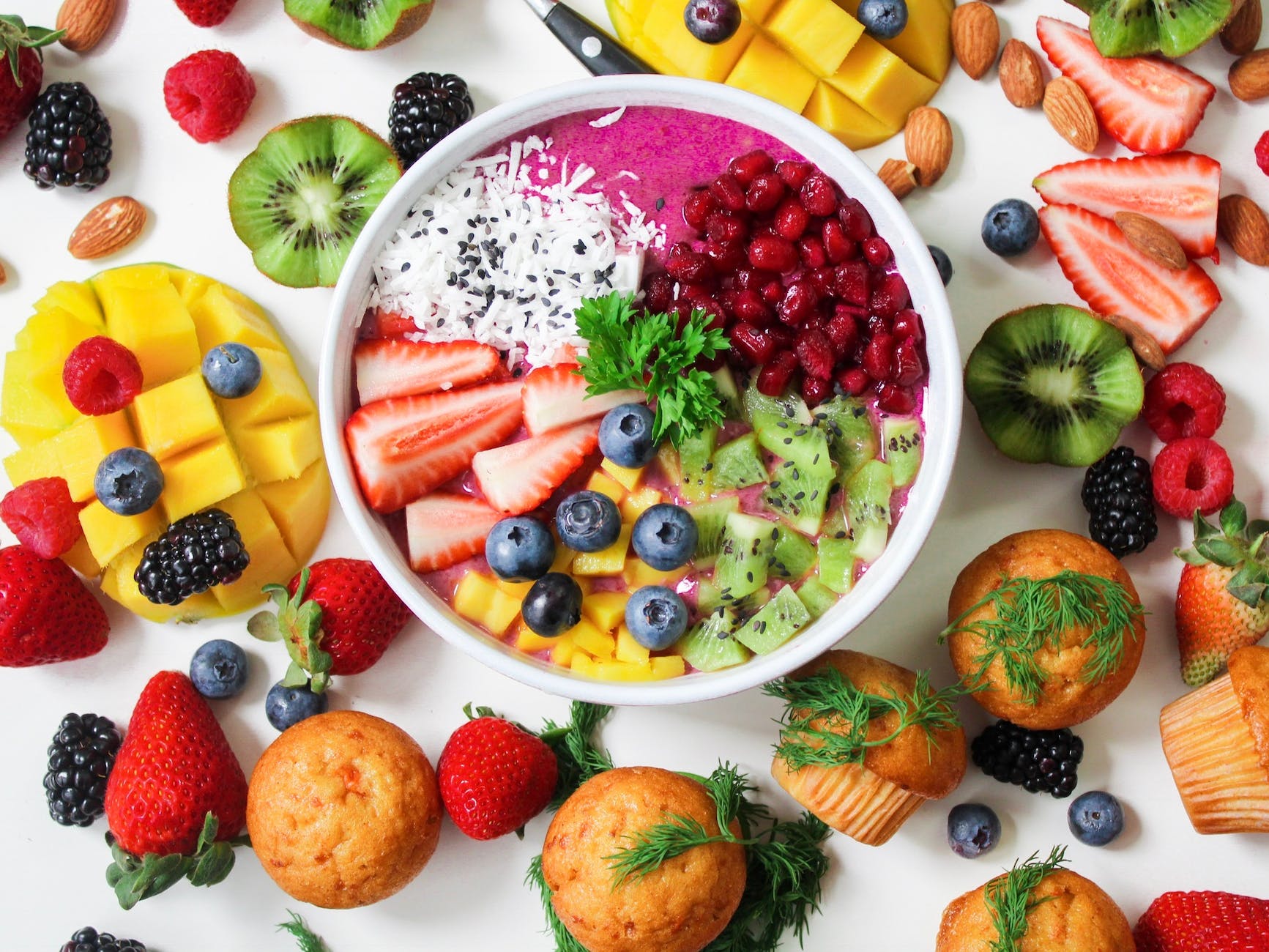
assorted sliced fruits in white ceramic bowl

Diverticulitis is a common digestive condition where small pouches, called diverticula, form in the walls of the intestines and become inflamed or infected. The symptoms can range from mild discomfort to severe abdominal pain, bloating, and changes in bowel habits. One of the primary ways to manage diverticulitis and prevent flare-ups is through dietary modifications. This guide delves deep into the relationship between fruits and diverticulitis, helping you make informed dietary choices.


Introduction to Diverticulitis and Diet

Diverticulitis is often associated with the Western diet, which is low in fiber and high in processed foods. A diet rich in fiber, especially from fruits and vegetables, can help prevent the formation of diverticula and reduce the risk of inflammation. However, not all fruits are created equal, especially when it comes to diverticulitis. Let’s explore the role of fruits in this condition and which ones are beneficial.


The Role of Fruits in Diverticulitis

Fruits are a vital component of a balanced diet, offering a rich source of vitamins, minerals, and dietary fiber. The fiber in fruits aids in bowel regularity, potentially reducing the risk of diverticula formation. However, certain fruits, especially those with seeds or tough skins, have been a topic of debate among healthcare professionals and patients alike.


Safe Fruits to Consume:

  • Avocado: Beyond being a source of healthy fats, avocados are soft and gentle on the digestive system. They also contain soluble fiber, which can help soften stools and promote regular bowel movements.
  • Bananas: Known for their easy digestibility, bananas are rich in potassium and vitamin B6. They act as a natural antacid, providing relief from acid reflux and heartburn.
  • Papaya: This tropical fruit contains an enzyme called papain, which aids digestion and reduces inflammation in the digestive tract.
  • Watermelon: A hydrating fruit that’s mostly water. If opting for seeded varieties, consider removing the seeds to be extra cautious.
  • Blueberries: Packed with antioxidants and vitamin C, blueberries are small and soft, making them easy to digest. They also have anti-inflammatory properties.
  • Pineapple: Contains bromelain, an enzyme known for its anti-inflammatory effects and ability to improve digestion.

Fruits to Approach with Caution:

  • Oranges: The flesh is packed with vitamin C and fiber, but it’s advisable to avoid the seeds and consume them in moderation.
  • Grapes: While grapes are a good source of antioxidants, it’s best to stick to seedless varieties to avoid potential digestive discomfort.
  • Strawberries: These are rich in vitamin C, manganese, and antioxidants. While they have tiny seeds, most people can digest them without issues. However, monitor your body’s response.
  • Raisins: Dried grapes that are energy-dense and can be a quick source of energy. Ensure they’re well chewed to aid digestion.
  • Apples: Rich in dietary fiber and vitamin C. If the skin causes discomfort, consider peeling them before consumption.
  • Cherries: These are packed with antioxidants but ensure they’re pitted to avoid any potential digestive issues.
  • Raspberries: While they’re a good source of dietary fiber and vitamins, their tiny seeds might be a concern for some. It’s always best to consult with a healthcare professional.

Conclusion and Dietary Recommendations

Managing diverticulitis through diet is a proactive approach to health. While many fruits are not only safe but beneficial, it’s essential to be aware of potential triggers and understand individual reactions. Always prioritize whole, unprocessed fruits and ensure they’re well-washed and prepared. And most importantly, always consult with a healthcare professional before making significant changes to your diet. Remember, everyone’s body is different, and what works for one person might not work for another.

FAQs for “The Ultimate Guide to Fruits and Diverticulitis: What You Can and Can’t Eat”

  1. What is diverticulitis and how is it related to diet?
    Diverticulitis is a digestive condition where small pouches in the intestines become inflamed. Diet plays a crucial role in managing and preventing flare-ups, with certain foods, especially fruits, being beneficial or potentially harmful.
  2. Why are fruits essential in a diet for diverticulitis?
    Fruits are rich in vitamins, minerals, and dietary fiber. The fiber in fruits aids in bowel regularity, potentially reducing the risk of diverticula formation and inflammation.
  3. Are all fruits safe for someone with diverticulitis?
    While many fruits are beneficial, some, especially those with seeds or tough skins, might cause discomfort. It’s essential to be aware of individual reactions and consult with a healthcare professional.
  4. How does avocado benefit those with diverticulitis?
    Avocados are a source of healthy fats and soluble fiber, which can soften stools and promote regular bowel movements. They’re also gentle on the digestive system.
  5. Why are strawberries a topic of debate for diverticulitis patients?
    Strawberries are rich in nutrients but have tiny seeds. While most people can digest them without issues, it’s essential to monitor your body’s response and consult with a healthcare professional if unsure.
  6. Can I consume dried fruits like raisins if I have diverticulitis?
    Dried fruits like raisins are energy-dense and can be a quick source of energy. However, ensure they’re well chewed to aid digestion and always be cautious of any added seeds or ingredients.
  7. What precautions should I take when consuming fruits with diverticulitis?
    Prioritize whole, unprocessed fruits, ensure they’re well washed and prepared, and consider removing seeds or peeling them if they cause discomfort. Always listen to your body and consult with a healthcare professional.
  8. Are there any fruits that are universally recommended for diverticulitis?
    While many fruits are beneficial, individual reactions can vary. Soft fruits like bananas, papaya, and avocados are often recommended due to their easy digestibility and health benefits.

Blog Tags for the Post:
Diverticulitis, Dietary Management, Fruits and Digestion, Inflammation and Diet, Digestive Health, Nutritional Guide, Dietary Fiber, Diverticula Prevention, Gut Health, Diverticulitis-friendly Fruits.

Posted on Leave a comment

Psychobiotics Foods for Anxiety, Depression, etc.

a pink flower and a woman

The Ultimate Guide to Psychobiotics: Unlocking the Gut-Brain Connection


1. Introduction

The human body is a marvel, a complex interplay of systems that work in harmony. But did you know that your gut and brain communicate in a language of their own? Welcome to the world of psychobiotics, where the mysteries of the gut-brain connection unfold.

Key Takeaways:

  • The gut is often referred to as the “second brain.”
  • Psychobiotics play a pivotal role in mental well-being.
  • Understanding this connection can revolutionize mental health treatments.

2. What Are Psychobiotics?

In the vast realm of probiotics, there’s a subcategory that’s been making waves in the scientific community: psychobiotics. But what exactly are they?

2.1 Definition and Classification

At its core, the term “psychobiotics” refers to live organisms that, when ingested in adequate amounts, produce a health benefit in patients suffering from psychiatric illness. They are not just any probiotics; they are the ones with proven mental health benefits.

Types of Psychobiotics:

  • Probiotics: Live bacteria that confer health benefits to the host.
  • Prebiotics: Non-digestible food ingredients that promote the growth of beneficial microorganisms in the intestines.
  • Postbiotics: Bioactive compounds produced by food-grade microorganisms during fermentation.
2.2 Distinctive Features

What sets psychobiotics apart from conventional probiotics? It’s their unique ability to influence the brain.

  • Neurotransmitter Production: Some psychobiotics can produce neurotransmitters, like serotonin and dopamine, which play a crucial role in mood regulation.
  • Anti-inflammatory Properties: Chronic inflammation is linked to depression. Psychobiotics can reduce inflammatory markers, potentially alleviating depressive symptoms.
  • Stress Reduction: Certain strains can reduce levels of the stress hormone cortisol, promoting a sense of calm.

Did You Know? The gut produces about 90% of the body’s serotonin, a neurotransmitter that regulates mood, appetite, and sleep.


3. The Science Behind Psychobiotics

The gut-brain connection might sound like science fiction, but it’s very real. This bi-directional communication system is vital for maintaining both gut and brain health.

3.1 The Role of Neurotransmitters

Neurotransmitters are chemical messengers that transmit signals in the brain. Psychobiotics can influence their production and balance.

  • Serotonin: Often called the “feel-good” neurotransmitter. A deficiency can lead to depression.
  • Dopamine: Associated with pleasure and reward. It motivates us to take action towards goals.
  • GABA: An inhibitory neurotransmitter that calms the nervous system. It counteracts the effects of stress.
3.2 The Gut-Brain Axis

The gut-brain axis is a complex system of communication between the gut and the brain. It involves neural, endocrine, and immune pathways.

Key Components:

  • Vagus Nerve: The primary neural pathway between the gut and the brain.
  • Short-chain Fatty Acids (SCFAs): Produced by gut bacteria during fermentation. They have anti-inflammatory properties and can influence brain function.
  • Enteroendocrine Cells: These cells in the gut lining produce neurotransmitters and communicate with the brain.

Impact on Mental Health: Disruptions in the gut-brain axis can lead to various mental health issues, including anxiety, depression, and even neurodegenerative diseases.

3.3 Recent Discoveries

Recent research has unveiled some groundbreaking findings:

  • Gut Microbiome Diversity: A diverse gut microbiome is linked to better mental health. Reduced diversity is often seen in depression and anxiety patients.
  • Probiotic Interventions: Clinical trials have shown that specific probiotic strains can reduce symptoms of depression and anxiety.

The science of psychobiotics is still in its infancy, but the discoveries so far are promising. As we delve deeper, we’re bound to uncover more about this fascinating gut-brain connection.


4. Benefits of Psychobiotics

The world of psychobiotics is not just about understanding the gut-brain connection; it’s about harnessing this knowledge for tangible health benefits. Let’s delve into the myriad ways psychobiotics can enhance our well-being.

4.1 Mental Health Benefits

The mind-gut relationship has profound implications for mental health. Here’s how psychobiotics can make a difference:

  • Combating Depression: Studies have shown that certain psychobiotics can elevate mood by increasing serotonin levels, the body’s natural mood stabilizer.
  • Alleviating Anxiety: By reducing inflammation and regulating neurotransmitters, psychobiotics can help manage anxiety symptoms.
  • Stress Reduction: Psychobiotics can decrease cortisol levels, the body’s primary stress hormone, promoting relaxation and resilience.
  • Improved Cognitive Function: There’s emerging evidence that a healthy gut can enhance cognitive abilities, including memory and concentration.

Highlight: A study found that individuals taking a combination of Lactobacillus and Bifidobacterium strains experienced reduced depressive symptoms and overall better quality of life.

4.2 Physical Health Benefits

While the mental health benefits are profound, the physical advantages are equally compelling:

  • Enhanced Digestion: A balanced gut microbiome aids in the efficient breakdown of food, absorption of nutrients, and elimination of waste.
  • Reduced Inflammation: Chronic inflammation is a root cause of many diseases. Psychobiotics can help mitigate this by producing anti-inflammatory compounds.
  • Boosted Immunity: A healthy gut is pivotal for a robust immune response. Psychobiotics can enhance the body’s defense mechanisms against pathogens.
  • Weight Management: Some psychobiotics can influence appetite-regulating hormones, potentially aiding in weight management.

Did You Know? The gut microbiome plays a role in nutrient absorption. An imbalance can lead to deficiencies, even if you’re eating a balanced diet.


5. Top Psychobiotics for Mental Health

With a plethora of probiotics on the market, which ones hold the title of “psychobiotics”? Here’s a curated list:

  • Lactobacillus rhamnosus: Research suggests this strain can reduce anxiety and depression symptoms, especially when combined with other beneficial strains.
  • Bifidobacterium longum: Known for its anti-anxiety effects, this strain can also enhance the gut barrier, reducing inflammation.
  • Lactobacillus helveticus: Studies have shown its potential in reducing cortisol levels, making it a valuable ally against stress.
  • Bifidobacterium bifidum: This strain can positively influence mood by regulating the levels of serotonin in the brain.

Recommendation: When choosing a psychobiotic supplement, opt for one with multiple strains. The synergistic effect can enhance the overall benefit.


6. Incorporating Psychobiotics into Your Diet

Harnessing the power of psychobiotics doesn’t necessarily mean popping a pill. Here’s how you can integrate them into your daily diet:

6.1 Natural Food Sources
  • Yogurt: A popular source of Lactobacillus and Bifidobacterium strains. Opt for plain, unsweetened varieties.
  • Fermented Foods: Kimchi, sauerkraut, and kefir are rich in beneficial bacteria.
  • Whole Grains: Foods like oats and barley act as prebiotics, feeding the beneficial bacteria in your gut.
6.2 Supplements and Products

If natural sources aren’t enough, supplements can be a viable option:

  • Quality Matters: Choose reputable brands that guarantee the potency of their products.
  • Diversity: Opt for products that offer a mix of strains for a comprehensive approach.

Tip: Always consult with a healthcare professional before starting any supplement regimen.


7. Potential Side Effects and Precautions

While psychobiotics offer numerous benefits, it’s essential to be aware of potential side effects and take necessary precautions:

8.1 Common Side Effects
  • Digestive Discomfort: Some individuals might experience bloating, gas, or diarrhea initially. These symptoms usually subside as the body adjusts.
  • Headaches: Rare but possible, especially if consuming high amounts of histamine-producing strains.
8.2 Precautions
  • Start Slow: If you’re new to psychobiotics, begin with a lower dose and gradually increase.
  • Monitor Reactions: Everyone’s body is different. Pay attention to any adverse reactions and adjust accordingly.
  • Consultation: Always consult with a healthcare professional before starting or changing any supplement regimen.

Note: Most people tolerate psychobiotics well, but it’s essential to listen to your body and make informed decisions.


8. Conclusion

The exploration of psychobiotics and the gut-brain connection is a testament to the intricate and wondrous nature of the human body. As research continues to unveil the profound impact of our gut on our mental well-being, one thing becomes clear: taking care of our gut is synonymous with taking care of our mind. Whether through diet, supplements, or a combination of both, psychobiotics offer a promising avenue for holistic health and well-being.


9. Call to Action (CTA)

Empower your mental health journey with the power of psychobiotics. Share this guide with friends and family, and let’s spread the word about this groundbreaking discovery. Have a personal experience with psychobiotics? Leave a comment below and join the conversation!


FAQs

  1. What are psychobiotics?
    Psychobiotics are a specialized category of probiotics that have demonstrated potential benefits for mental health. They can influence the brain through various mechanisms, including the production of neurotransmitters, reducing inflammation, and interacting with the gut-brain axis.
  2. How do psychobiotics differ from regular probiotics?
    While all psychobiotics are probiotics, not all probiotics are psychobiotics. The distinction lies in the proven mental health benefits of psychobiotics, stemming from their ability to influence brain function and mood.
  3. Can I get psychobiotics from food?
    Absolutely! Foods like yogurt, kefir, sauerkraut, and kimchi are rich in beneficial bacteria. Consuming a diet rich in fermented foods can help you harness the benefits of psychobiotics naturally.
  4. Are there any side effects to consider?
    Most people tolerate psychobiotics well. However, some might experience digestive discomfort, such as bloating or gas, initially. It’s essential to start with a lower dose, monitor your body’s reactions, and consult with a healthcare professional if needed.
  5. How long does it take to see benefits from psychobiotics?
    The time frame can vary from person to person. Some individuals might notice improvements in mood and digestion within a few weeks, while others might need a couple of months. Consistency and patience are key.
  6. Can psychobiotics replace antidepressants or other medications?
    While psychobiotics offer promising benefits, they shouldn’t be viewed as a direct replacement for prescribed medications. It’s crucial to consult with a healthcare professional before making any changes to your medication regimen.
  7. How do I choose the right psychobiotic supplement?
    Opt for reputable brands that guarantee the potency of their products. Look for supplements that offer a mix of strains for a comprehensive approach. Reading reviews and seeking recommendations can also be helpful.

Blog Tags:
Psychobiotics, Gut-Brain Connection, Mental Health, Probiotics, Fermented Foods, Neurotransmitters, Gut Health, Depression, Anxiety, Stress Reduction, Nutritional Psychiatry, Microbiome, Inflammation, Holistic Health, Wellness, Dietary Supplements, Natural Remedies.








