Posted on 1 Comment

Refresh and Recharge: DIY Non-Caffeinated Energy Drinks for Productive Afternoons

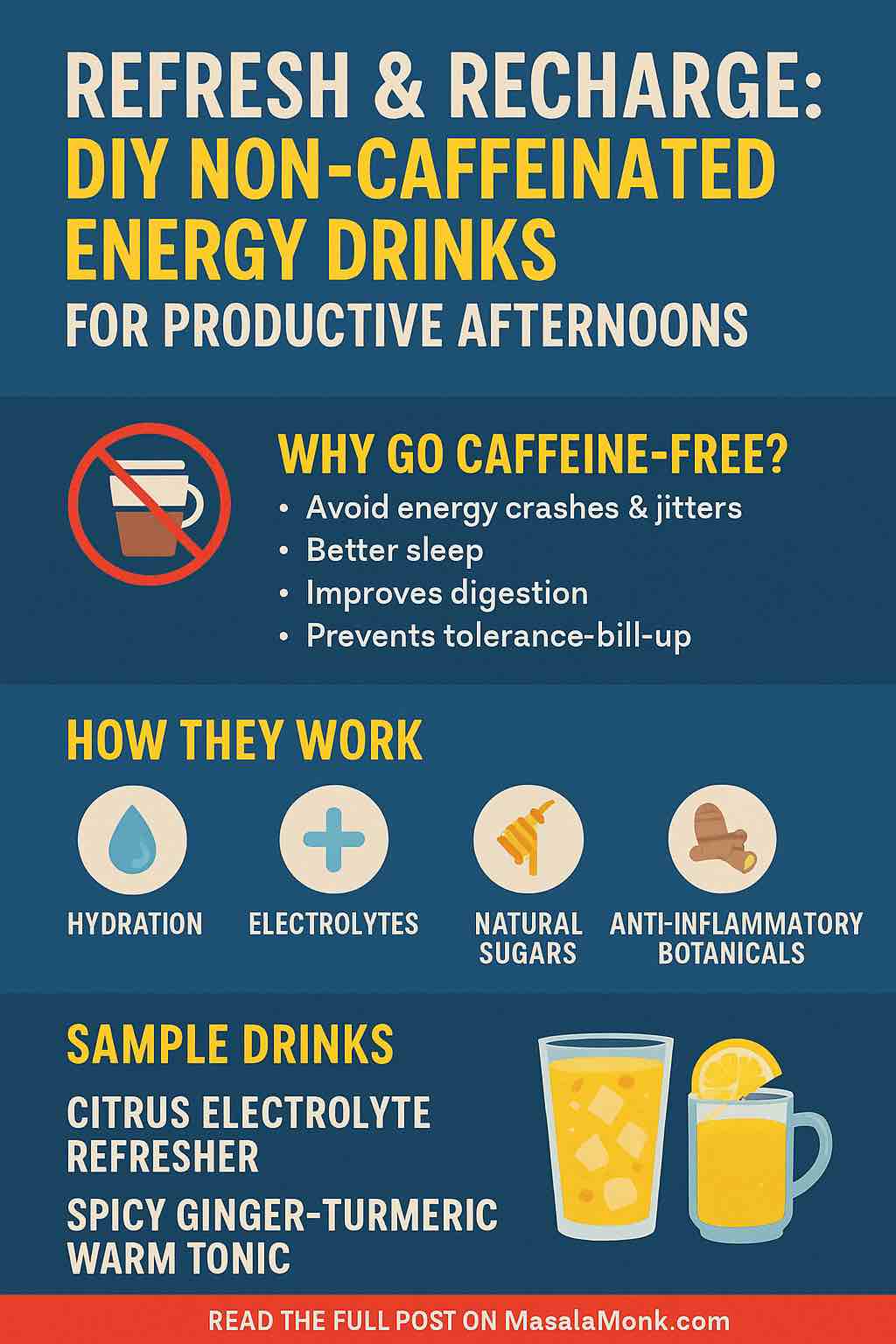
NON-CAFFEINATED ENERGY DRINKS

We’ve all hit that dreaded afternoon slump. It’s 2:37 PM. Your eyes blur, your focus drifts, and your energy seems to vanish. The go-to fix? For many, it’s a shot of espresso or another iced coffee. But what if there’s a smarter, gentler, and more nourishing way to recharge without caffeine?

Welcome to the world of DIY non-caffeinated energy drinks—hydrating, plant-powered, and surprisingly effective. This guide will not only give you easy-to-make recipes but also help you understand why they work, when to use them, and how to adapt them for your specific needs.


🌿 Why Go Caffeine-Free in the Afternoon?

While caffeine is a powerful stimulant, it has its drawbacks:

  • Disrupted sleep if consumed after 2–3 PM.
  • Energy crashes due to cortisol-spiking effects.
  • Tolerance buildup, requiring more to get the same effect.
  • Digestive strain (especially from acidic or dairy-laden drinks).

Instead of relying on that 3rd cup of coffee, you can support your body’s natural rhythm by turning to drinks that:

  • Hydrate
  • Replenish electrolytes
  • Offer natural glucose
  • Reduce inflammation
  • Support sustained energy

🧪 The Science of Energy Without Stimulants

Energy is more than a buzz—it’s about cellular efficiency. To maintain steady energy through your afternoon, your body needs:

NeedWhy It MattersWhat Solves It
HydrationPrevents fatigue, brain fogWater, electrolytes
GlucoseFuels brain + musclesHoney, fruit sugars, chia
ElectrolytesMaintain cellular hydration and nerve signalsSea salt, coconut water, citrus
Anti-inflammationReduces sluggishnessGinger, turmeric, cayenne
Adaptogenic balanceSupports cortisol regulationLemon balm, tulsi, ashwagandha

🥤 5 Proven DIY Non-Caffeinated Energy Drinks

Each of these recipes is designed to be:
Easy to make
Low-cost
Nutritionally effective
Flexible & customizable


1. Citrus Electrolyte Refresher

A light, crisp hydration drink that mimics natural sports drinks—minus the synthetic stuff.

Ingredients:

  • 1 liter cold water
  • Juice of 1 lemon
  • Juice of 1 lime
  • ¼ tsp sea salt (unrefined if possible)
  • 1 tbsp raw honey (or maple syrup)
  • Optional: ½ cup coconut water for potassium

Instructions:
Mix everything and shake well. Keep chilled. Sip slowly during afternoon work sessions or after walks.

Why It Works:
Combines hydration with sodium, potassium, and glucose. Keeps your cells happy and your brain alert.


2. Spicy Ginger-Turmeric Warm Tonic

For cooler days or post-lunch digestion aid. Think of this as a gentle fire to rekindle your inner energy.

Ingredients:

  • 2 cups hot water
  • 1 tsp freshly grated ginger
  • ¼ tsp turmeric powder (or 1 tsp fresh turmeric)
  • 1 tbsp lemon juice
  • 1 tsp honey
  • Pinch of cayenne pepper
  • Pinch of black pepper (enhances turmeric absorption)

Instructions:
Simmer ginger and turmeric for 5–10 minutes, then strain. Add lemon, honey, and spices. Sip warm.

Why It Works:
Boosts circulation, curbs inflammation, aids digestion, and lifts mood.


3. Chia Lemon Energy Gel Drink

A fiber-rich energy bomb for long working stretches.

Ingredients:

  • 1 cup water or coconut water
  • Juice of ½ lemon
  • 1 tbsp chia seeds
  • Optional: ½ tsp maple syrup or raw honey

Instructions:
Stir everything and let sit 10–15 minutes until chia swells. Shake before drinking.

Why It Works:
Chia offers protein, fiber, omega-3s, and stabilizes glucose for sustained energy release.


4. The Cocoa Calm Booster

Great for when you’re feeling mentally tired but overstimulated.

Ingredients:

  • 1 cup hot water or oat milk
  • 1 tbsp raw cacao powder (not Dutch-processed)
  • 1 tsp honey or date syrup
  • Optional: pinch cinnamon or maca powder

Instructions:
Whisk all ingredients until smooth. Drink slowly as a warm, calming ritual.

Why It Works:
Cacao contains theobromine, a gentler cousin of caffeine, which stimulates without jitters. It also supports dopamine production and mood.


5. Fruit & Herb Infused Water (Low-Glycemic Option)

Ideal for those watching sugar but still want a refreshing pick-me-up.

Ingredients:

  • 1 liter cold water
  • Slices of cucumber, orange, or strawberries
  • A few sprigs of mint, basil, or lemon balm
  • Optional: splash of apple cider vinegar

Instructions:
Let the ingredients infuse in the fridge for at least 2 hours. Drink as needed.

Why It Works:
Hydrating, refreshing, and rich in antioxidants. Mint and lemon balm promote mental clarity and calm.


🧠 When to Drink for Maximum Benefit

TimeIdeal DrinkWhy
1–2 PMCitrus electrolyte refresherReplaces post-lunch fluid loss
3–4 PMChia lemon or cocoa drinkBoosts energy without crash
Before workoutGinger-turmeric or citrusPreps muscles & focus
Post-work slumpFruit-herb infusionLight and uplifting

🔄 Customize Your Drink Like a Pro

  • Need more fuel? Add a teaspoon of nut butter to cacao drinks.
  • Keto-friendly? Skip honey/maple and use monk fruit or stevia.
  • Stressful afternoon ahead? Add a few drops of lemon balm or tulsi tincture.
  • Post-workout hydration? Prioritize coconut water and salt-based drinks.

⚠️ A Few Cautions

  • Sea salt dosage: Don’t exceed 1 tsp daily unless exercising heavily.
  • Allergies: Ginger and citrus can irritate some guts—adjust accordingly.
  • Blood sugar: Monitor effects if diabetic—use lower glycemic sweeteners.
  • Adaptogens/herbs: Check for interactions if on medication.

✅ Your Afternoon Energy Routine (5-Minute Prep)

  1. Morning: Mix your chosen tonic and store it in a glass bottle.
  2. Post-lunch: Sip slowly to prevent post-meal dip.
  3. 3:30 PM: Reach for chia or cacao blend to finish the day strong.
  4. Evening: Skip caffeine entirely—your sleep will thank you.

🌟 Final Thought

Reclaiming your energy doesn’t have to involve another coffee or sugary soda. With these simple, powerful DIY drinks, you can nourish your body, sharpen your mind, and sail through your afternoon with clarity and calm.

So next time you feel the slump coming on, ask yourself:
“Do I need a stimulant… or do I just need to hydrate, balance, and breathe?”

🔍 Frequently Asked Questions (FAQs)

1. Can non-caffeinated energy drinks really help fight afternoon fatigue?

Yes. Fatigue is often caused by dehydration, low blood sugar, or inflammation—not just lack of caffeine. The DIY drinks in this post target those root causes with water, electrolytes, and nutrient-dense ingredients to support natural energy.


2. What’s the best time to drink these energy tonics?

Typically between 1 PM and 4 PM, when natural energy dips occur. You can also have them before a workout, post-lunch, or whenever you’re tempted to reach for coffee.


3. Can I prep these drinks in advance?

Absolutely. Most recipes can be prepped in the morning or the night before. Store in a sealed glass bottle or mason jar in the fridge and give a quick shake before drinking.


4. Are these drinks safe for kids or teens?

Yes—especially options like the fruit-infused water, chia lemon drink, or citrus electrolyte blend. Just be mindful of added spices (like cayenne) and adjust for their palate.


5. Will these drinks spike my blood sugar?

Not significantly. They’re lightly sweetened with natural sugars (like honey or fruit) and balanced by fiber (chia), fat (if using nut milk), or protein. You can always adjust the sweetener or opt for low-glycemic options like stevia or monk fruit.


6. Can I substitute ingredients if I’m allergic or don’t have them on hand?

Yes. These recipes are flexible:

  • Lemon → lime or orange
  • Honey → maple syrup or agave
  • Coconut water → filtered water + extra pinch of salt
  • Ginger → omit or try mint for refreshment

7. What if I’m on a low-sodium diet?

Use less salt or omit entirely and focus on potassium-rich additions like coconut water, cucumber, or banana smoothies. Always consult with your doctor if you’re managing a medical condition.


8. How long will the drinks last in the fridge?

Most will stay fresh for 24–48 hours if sealed properly. Avoid letting chia-based drinks sit too long (beyond 2 days), as the texture can get overly gelatinous.


9. Can I use these drinks to replace my afternoon snack?

They’re great as a light, low-calorie alternative, but if you’re truly hungry, pair them with a small whole food snack like nuts, boiled eggs, or yogurt to stay satisfied and energized.


10. Do these drinks help with focus or just physical energy?

They support both. Ingredients like ginger, lemon, mint, and cacao enhance mental clarity and blood flow to the brain, while hydration and glucose help you maintain steady concentration.
Posted on 4 Comments

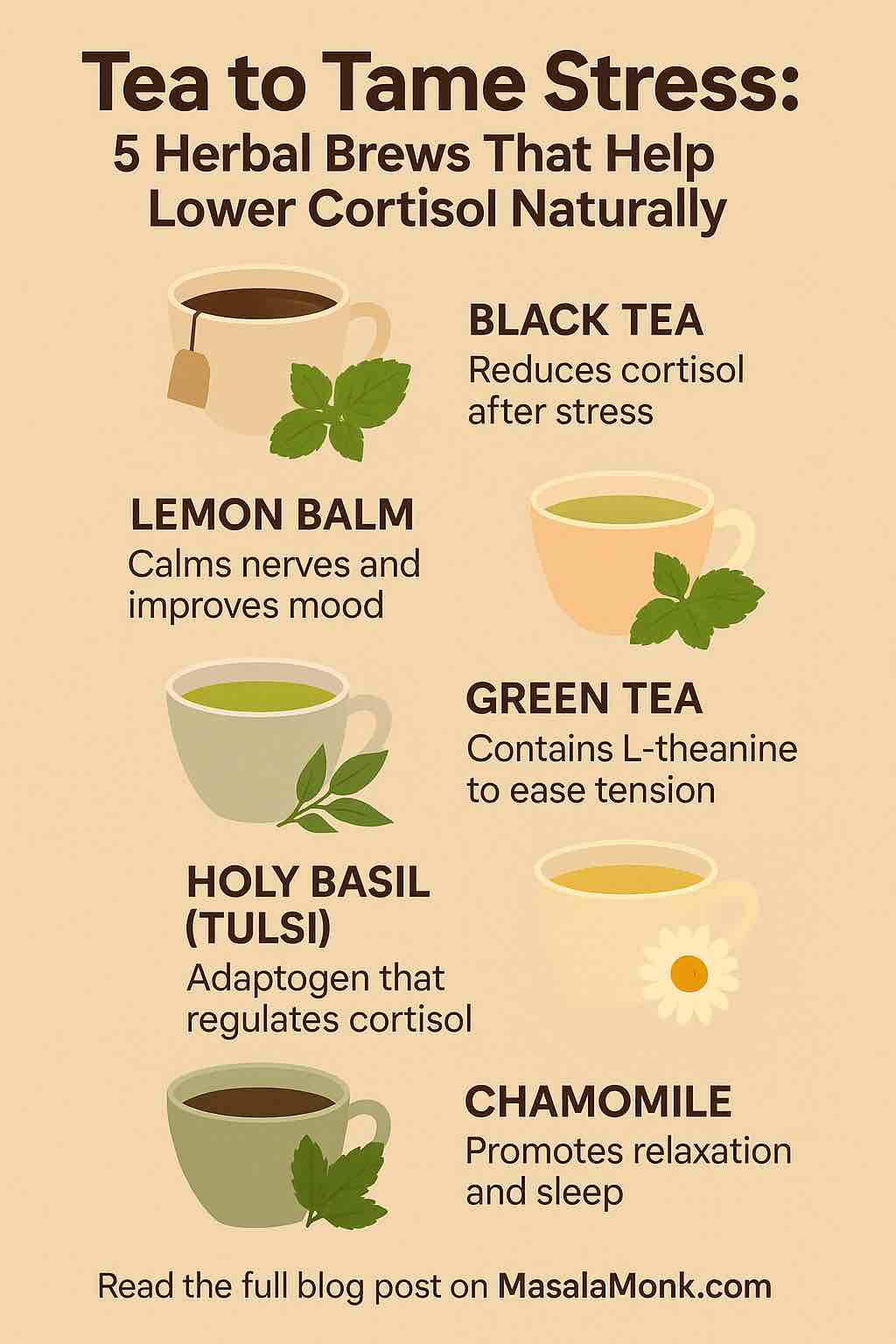
5 Herbal Teas & Brews That Help Lower Cortisol Naturally

Herbal Brews That Help Lower Cortisol

Feeling wired but tired? Struggling with anxiety, poor sleep, or stubborn belly fat?
Your cortisol levels might be out of balance—and the simplest remedy might already be in your kitchen: a warm, calming cup of herbal tea.

Modern life pushes our stress hormones into overdrive. But before reaching for supplements or prescriptions, it’s worth exploring one of the oldest (and most soothing) remedies: tea. Specifically, herbal and functional teas that help lower cortisol—the body’s primary stress hormone.

In this post, we’ll dive into the science-backed brews that help your body unwind, regulate hormones, and restore calm—plus how to make tea part of your daily stress-reducing ritual.


🧠 Why Cortisol Matters

Cortisol is your body’s built-in alarm system. It helps you respond to stress, balance energy, and regulate inflammation. But when cortisol stays chronically high—due to poor sleep, anxiety, blood sugar dips, or lifestyle stress—it can lead to:

  • Belly fat that won’t budge
  • Mood swings and irritability
  • Poor sleep quality
  • Cravings and fatigue
  • Hormonal imbalances

If that sounds familiar, it’s time to support your body’s natural cortisol rhythm. Herbal teas can play a powerful role—calming your nervous system, supporting adrenal function, and creating rituals that signal safety to your brain.

📝 Already struggling with cortisol symptoms? Start here:
👉 10 Symptoms of High Cortisol Levels in Females
👉 5 Foods That Naturally Decrease Cortisol


🍵 The 5 Best Teas to Lower Cortisol Naturally

1. Black Tea – The Everyday Stress Soother

You might think only herbal teas help, but research shows black tea reduces cortisol significantly after acute stress. A landmark study found black tea drinkers had up to 47% lower cortisol levels post-stress compared to non-tea drinkers.

Why it works:

  • Contains L-theanine – a natural compound that promotes alpha brainwaves (relaxation)
  • Moderate caffeine (~40 mg) boosts energy gently, without spiking cortisol like coffee does

☕ Related: Coffee and Cortisol — How Your Brew Affects Stress, Weight and Well-Being

Best time to drink: Morning or early afternoon
Pair with: Protein-rich breakfast or a calming morning ritual


2. Lemon Balm (Melissa officinalis) – The Gentle Nervine

This mild, lemony herb is clinically shown to reduce anxiety and improve mood, even in single doses. It works by supporting GABA activity—a neurotransmitter that calms the brain.

Why it works:

  • Contains rosmarinic acid and other compounds that reduce cortisol-like stress signals
  • Improves sleep, digestion, and nervous system tone

Best time to drink: Late afternoon or evening
Try this blend: Lemon balm + chamomile for deep relaxation


3. Green Tea / Matcha – Calm Focus in a Cup

Unlike coffee, green tea gives you alertness without the jitters. That’s thanks to L-theanine, which moderates the stimulating effects of caffeine and helps lower cortisol.

Why it works:

  • Supports alpha brainwave production
  • Lowers stress-related cortisol and alpha-amylase
  • Enhances calm clarity — ideal for work or study

🍵 Want a more alert alternative to coffee?
👉 Tea and Cortisol: How Your Favorite Brew Can Help Manage Stress

Best time to drink: Mid-morning or early afternoon
Pro tip: Try matcha with oat milk and cinnamon for a cortisol-friendly latte.


4. Holy Basil (Tulsi) – The Adrenal Adaptogen

Tulsi is a revered herb in Ayurvedic medicine known for its ability to balance cortisol, support mood, and improve resilience to stress. Modern studies confirm its adaptogenic benefits.

Why it works:

  • Regulates the HPA axis (your stress-response system)
  • Helps reduce inflammation, balance blood sugar, and improve sleep

🍽️ Related: Diet Strategies to Lower Cortisol Levels

Best time to drink: Morning or after lunch
Flavor profile: Earthy, slightly spicy — delicious with ginger or cardamom


5. Chamomile – The Bedtime Favorite

Chamomile is one of the most well-known herbs for relaxation and better sleep. Its compound apigenin binds to GABA receptors and helps calm the nervous system—gently supporting nighttime cortisol reduction.

Why it works:

  • Reduces symptoms of anxiety
  • Helps regulate sleep-wake rhythms
  • Supports digestion and menstrual comfort

💤 Want to create a sleep-supporting routine?
👉 5 Soothing Drinks to Help Lower Cortisol and Calm Your Mind

Best time to drink: One hour before bed
Pair with: Magnesium-rich snack (like pumpkin seeds or banana)


🔄 Tea & Ritual: Why It Works Beyond the Herbs

Beyond the plants themselves, the act of making tea is powerful. Boiling water, steeping leaves, inhaling the aroma—it slows you down and sends a “safe” signal to your body.

Daily rituals like tea drinking are part of a broader strategy for managing stress and hormonal balance. They pair beautifully with:

  • Balanced meals that don’t spike blood sugar
  • Mindful morning routines (like journaling or walking)
  • Adaptogen support when needed

🧘‍♀️ Struggling with cortisol rhythms in the morning?
👉 Morning Anxiety? Your Cortisol Might Be to Blame — Here’s How to Fix It Naturally


✅ Practical Tea Routines to Lower Cortisol

Time of DayTeaPurpose
🌞 MorningBlack tea or TulsiGentle alertness + stress protection
☕ MiddayGreen tea or MatchaCalm focus without the crash
🌇 EveningLemon balm + ChamomileWind-down blend to lower cortisol before bed
💤 BedtimeChamomile or RooibosDeep sleep and cortisol reset

💬 Final Thoughts: Steep Your Way to Stress Relief

Cortisol balance isn’t about doing one big thing—it’s about small, repeated choices that calm your system every day.

Herbal tea is simple, nourishing, and time-tested. Start with one blend you love. Make it a ritual. Sip slowly. Breathe.

You’ll be amazed what happens when your body gets the message:

“You are safe. You can rest now.”


🔗 Related Reads from Masala Monk

🙋‍♀️ FAQs: Herbal Teas for Cortisol & Stress Relief

1. Can drinking tea really lower cortisol levels?

Yes. Several studies show that certain teas—especially black tea, green tea, lemon balm, chamomile, and tulsi—can help reduce cortisol levels or promote a calmer stress response by supporting the nervous system and hormonal regulation.


2. What is the best tea for high cortisol?

There’s no one-size-fits-all, but black tea has been shown to reduce cortisol after stress, while chamomile, tulsi, and lemon balm offer gentle, natural stress relief that supports cortisol balance over time.


3. When is the best time to drink cortisol-lowering tea?

It depends on the tea:

  • Morning: Black tea, green tea, tulsi (for energy + calm)
  • Evening: Chamomile, lemon balm, rooibos (for relaxation + sleep support)

4. Does green tea reduce cortisol like chamomile or lemon balm?

Green tea contains L-theanine, which promotes calm alertness and has been shown to reduce stress-related cortisol and anxiety. It’s ideal for mid-morning or early afternoon.


5. Is tulsi (holy basil) good for adrenal fatigue?

Yes. Tulsi is an adaptogenic herb that supports the adrenal glands, helps regulate cortisol, and builds stress resilience over time.


6. Can I drink more than one type of tea in a day?

Absolutely. Many people benefit from rotating teas based on time of day—for example, green tea in the morning, lemon balm in the afternoon, and chamomile at night.


7. Will herbal teas help with anxiety as well as cortisol?

Yes. Teas like chamomile, lemon balm, and tulsi not only support cortisol regulation but also reduce anxiety by calming the nervous system and supporting GABA activity in the brain.


8. How long does it take to see results from herbal teas?

Some teas (like lemon balm) can reduce stress within an hour. Others (like tulsi) may need a few weeks of consistent use to see full cortisol-balancing benefits.


9. Are there any side effects or risks with these teas?

Most are safe when consumed in moderate amounts. However, pregnant or breastfeeding women and those on medications should consult a healthcare provider before using herbs like tulsi or high-dose chamomile regularly.


10. What other lifestyle tips help lower cortisol naturally?

In addition to tea, focus on:

  • Balanced meals
  • Gentle movement
  • Good sleep
  • Limiting caffeine and sugar
  • Mindfulness or breathwork

For more, read: Diet Strategies to Lower Cortisol Levels

Posted on 3 Comments

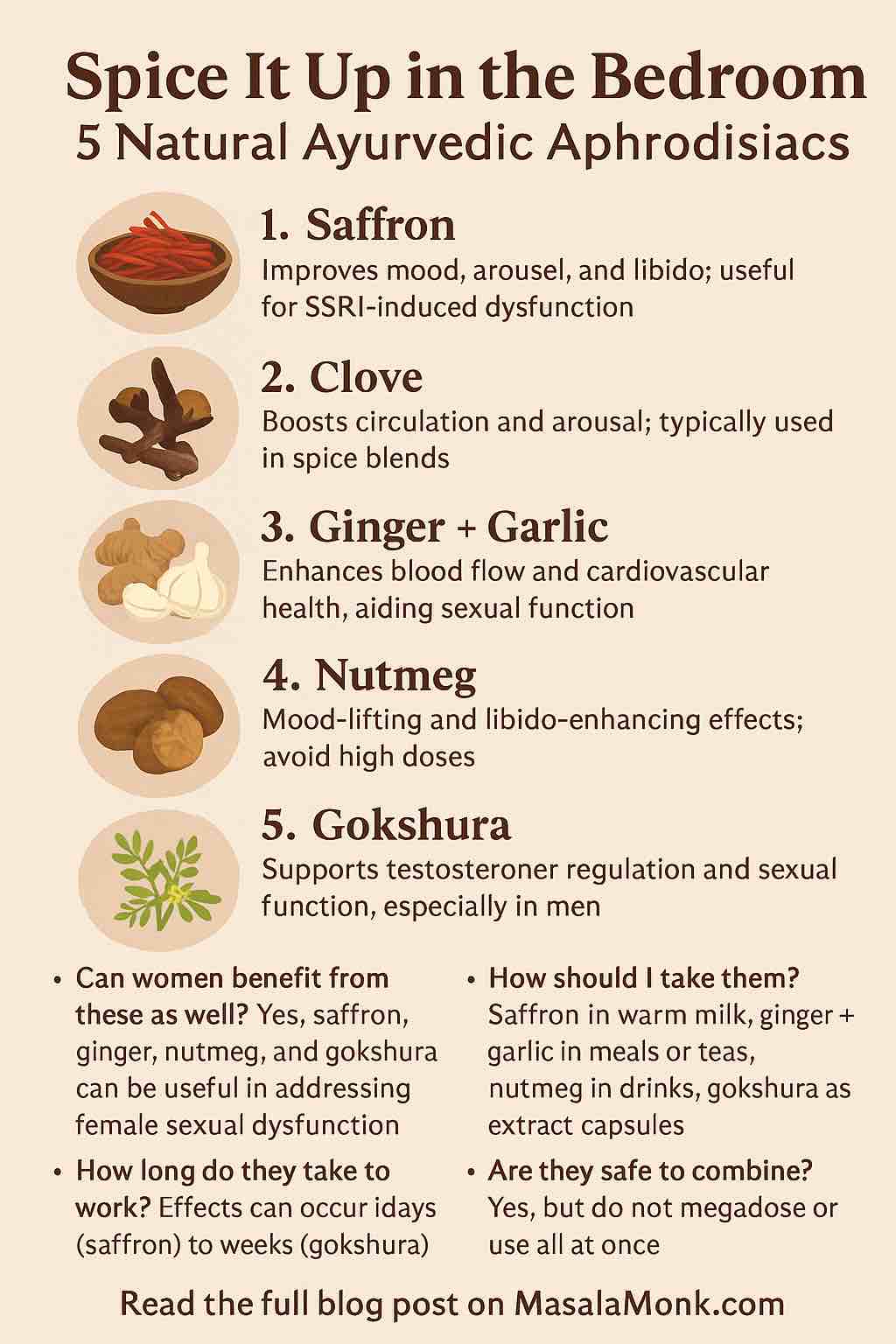
Spice It Up in Bedroom – 5 Natural Spices that work as Aphrodisiacs as per Ayurveda

Natural Ayurvedic Aphrodisiacs

When it comes to intimacy and desire, nature has had your back long before pharmaceutical solutions entered the picture. For centuries, Ayurveda—India’s traditional system of medicine—has offered powerful natural remedies to enhance vitality, increase libido, and restore balance in body and mind.

And what’s exciting is that many of these remedies are hiding right in your kitchen.

In this post, we’re diving into 5 natural spices from Ayurveda that are believed to act as aphrodisiacs—and we’ll explore not just the tradition, but also the modern science behind each. You’ll also find ways to use them, safety tips, and how to build your own “bedroom spice ritual” naturally.

Let’s spice things up. Literally.


🔥 1. Saffron – The Sensual Spice

In Ayurveda: Saffron (Kumkuma) is considered a tridoshic spice, meaning it balances all three doshas—Vata, Pitta, and Kapha. It’s used to lift mood, improve fertility, and increase “ojas” — the essence of vital life energy.

What Science Says:

  • A 2025 study found that saffron improved libido and arousal in both men and women, especially in those with antidepressant-related sexual dysfunction.
  • Women taking 30 mg/day saw improvements in desire, lubrication, and satisfaction scores within 6 weeks.
  • In men, saffron has been linked to improved erectile function and overall sexual satisfaction.

How to Use:

  • Soak 3–5 saffron threads in warm milk or ghee overnight and drink before bed.
  • Add to teas, rice, or bedtime lattes with nutmeg and cardamom.

Bonus: It smells and tastes divine—sensuality starts with the senses.

Also Read : Saffron as an Aphrodisiac: Unveiling the Sensual Secrets of the Red Gold


🌿 2. Clove – Circulation and Heat

In Ayurveda: Known as Lavanga, clove is used to warm the body, improve blood flow, and tone reproductive organs. It’s often added to aphrodisiac oils and formulas.

Science Snapshot:

  • Clove contains eugenol, which increases blood circulation and may aid arousal.
  • Animal studies suggest clove extracts improve mating behavior—but no human clinical trials yet.

How to Use:

  • Brew 1–2 cloves with ginger and cardamom into a spice tea.
  • Use clove-infused oil in sensual massage (diluted with a carrier oil like almond or sesame).

Also Read : Clove-Infused Tea for Erectile Dysfunction: Harnessing the Power of Aromatic Brews


🧄 3. Garlic + Ginger – The Power Couple

In Ayurveda: Garlic (Lahsun) and ginger (Adrak) are digestive, warming, and invigorating. They’re used to stoke “Agni”—the digestive fire—believed to fuel sexual vigor too.

What Research Says:

  • Ginger supports nitric oxide production, crucial for erections and blood flow.
  • Garlic may help with arterial elasticity and blood circulation, boosting cardiovascular health (key for sexual vitality).

How to Use:

  • Try “Garlic Ginger Milk”: simmer 1 crushed garlic clove and a few ginger slices in milk with saffron before bedtime.
  • Use garlic-ginger paste in your evening meals to warm the body before intimacy.

🌰 4. Nutmeg – The Mood-Lifting Spice

In Ayurveda: Called Jaiphal, nutmeg is used in very small doses to calm the mind, enhance desire, and promote restful sleep.

Science Says:

  • Animal research shows nutmeg can increase sexual behavior, possibly due to its calming, mood-enhancing effects.
  • It contains myristicin, a compound that may support dopamine balance and create mild euphoria when used correctly.

How to Use:

  • Stir ¼ tsp of freshly grated nutmeg into warm milk or a spiced bedtime drink.
  • Combine with cinnamon and cardamom for a romantic dessert or chai.

Caution: Too much nutmeg can cause nausea or hallucinations. Use no more than ½ tsp daily.

Also Read : Embracing Nutmeg for Restful Sleep: 5 Ideas to Use Nutmeg for sleep support


🌾 5. Gokshura (Tribulus Terrestris) – The Ayurvedic Stamina Booster

In Ayurveda: Gokshura is classified as a Vajikarana herb, which enhances male fertility, strength, and sexual potency. It’s often used in Ayurvedic formulations for erectile dysfunction and low libido.

Modern Research:

  • A 2024 RCT found that Gokshura combined with ginseng and L-arginine improved erectile function significantly.
  • May support testosterone regulation and sperm quality—especially in men with borderline hormone levels.

How to Use:

  • Best taken as a capsule or standardized extract (400–750 mg/day).
  • Often combined with Ashwagandha or Shilajit for stronger effect.

🛠️ How to Build Your Own Bedroom Spice Ritual

  1. Morning: Start with warm ginger tea to activate circulation.
  2. Evening meal: Add garlic, ginger, and clove to curries or soups.
  3. Before bed: Drink saffron milk with nutmeg and cardamom.
  4. Supplement: If using Gokshura, take it with breakfast for hormonal support.
  5. Mood setting: Use clove oil or saffron-infused oil in diffuser or massage oils.

⚠️ Safety First: Use With Awareness

SpiceDaily Safe AmountNotes
Saffron30 mg or 5–7 threadsAvoid in pregnancy in high doses
Clove1–2 cloves/dayExcess can cause GI irritation
Garlic/Ginger1 clove + 1-inch ginger rootAvoid raw garlic if on blood thinners
NutmegMax ½ tsp/dayHigh doses can be toxic
Gokshura400–750 mg/day (extract)Avoid if on hormone therapy; check quality source

🧘 Final Thoughts: Tradition Meets Intimacy

Spices in Ayurveda are more than just flavor enhancers—they’re healing tools. When combined with intentional practices, mindful eating, and loving presence, they can transform the way you experience intimacy.

You don’t need to chase complicated formulas or synthetic boosters. Just look to your kitchen—and your roots.

🔍 FAQs: Spice It Up in the Bedroom – 5 Natural Ayurvedic Aphrodisiacs


1. Can spices really act as aphrodisiacs?
Yes, in Ayurveda, several spices are considered vajikarana—agents that support sexual vitality, mood, and stamina. Some also have modern clinical support (e.g., saffron, gokshura) for enhancing libido and improving sexual function.


2. How does saffron work as an aphrodisiac?
Saffron improves mood, circulation, and arousal. Studies show it helps with SSRI-induced sexual dysfunction in women and improves erectile function in men. It may work by balancing neurotransmitters and reducing stress.


3. Is it safe to take saffron every day?
Yes, moderate daily intake (up to 30 mg or 5–7 threads) is safe for most people. High doses (>1.5 g) may be toxic and should be avoided, especially during pregnancy.


4. What is the best way to consume these aphrodisiac spices?

  • Saffron: Steeped in warm milk
  • Clove/Ginger/Garlic: In meals or teas
  • Nutmeg: As a pinch in bedtime drinks
  • Gokshura: As a standardized extract capsule (400–750 mg)

5. Can women benefit from these spices too?
Absolutely. Saffron, nutmeg, and ginger are especially useful for women to enhance mood, desire, and hormone balance. Gokshura has also shown some benefit in managing female sexual dysfunction.


6. Are these spices safe to combine together?
Yes, in culinary or low-dose therapeutic forms. Many Ayurvedic formulas combine these in precise ratios. Just avoid megadosing or using all at once without guidance.


7. How long do these spices take to show results?
Some (like saffron and ginger) may show subtle effects in a few days. Others, like gokshura, may require consistent use for 2–4 weeks for noticeable results.


8. Can I use clove or nutmeg topically?
Yes, diluted clove or nutmeg oil can be used in sensual massage oils. Always blend with a carrier oil like sesame or almond and test for skin sensitivity.


9. Who should avoid using these spices as aphrodisiacs?

  • Pregnant/breastfeeding individuals (especially saffron and nutmeg)
  • Those on blood thinners (garlic)
  • People with hormone-sensitive conditions (gokshura)
  • Individuals prone to allergies or digestive issues from spices

10. Are there any side effects of taking these spices for libido?
When used in moderation, side effects are rare. Overuse can cause:

  • Nutmeg: hallucinations, nausea
  • Garlic: digestive upset, bleeding risk
  • Clove: mucous membrane irritation
  • Gokshura: hormonal imbalances if overdosed
    Always follow dosage recommendations and consult a professional if unsure.

Posted on 6 Comments

Clove-Infused Tea for Erectile Dysfunction: Harnessing the Power of Aromatic Brews

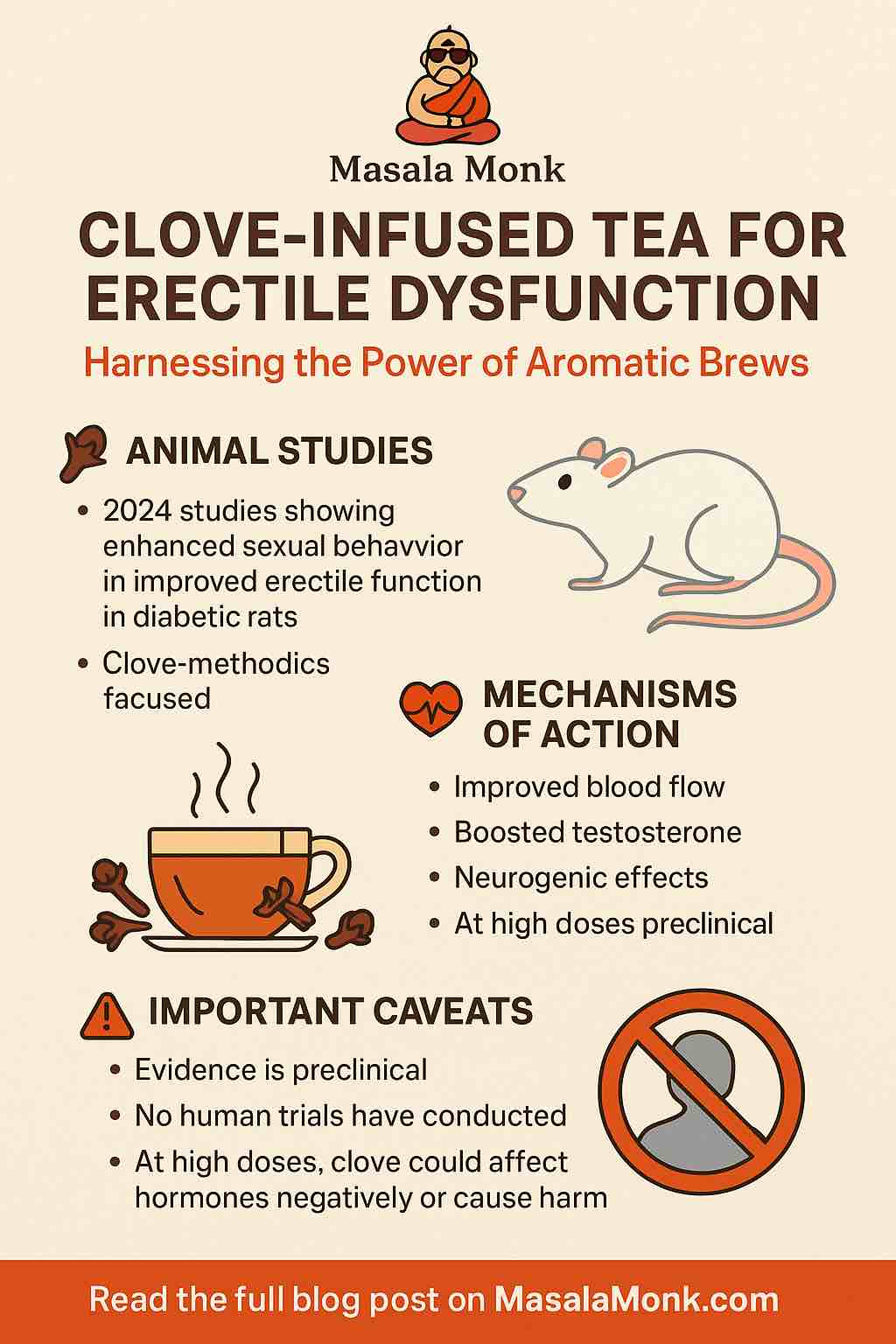
CLOVE-INFUSED TEA FOR ERECTILE DYSFUNCTION

In the pursuit of holistic health and natural wellness, many men are turning to herbal remedies to support vitality and reproductive health. Among the myriad of spices celebrated in traditional medicine, clove (Syzygium aromaticum) stands out not just for its rich aroma and warming flavor, but also for its potential benefits in enhancing sexual performance. This post dives deep into the science, tradition, and practicality of using clove-infused tea as a potential aid for erectile dysfunction (ED).


Understanding Erectile Dysfunction (ED)

Erectile dysfunction, defined as the persistent inability to achieve or maintain an erection sufficient for satisfactory sexual performance, affects millions of men worldwide. While pharmaceutical treatments like sildenafil (Viagra) offer reliable outcomes, they are not without side effects. As a result, there is growing interest in natural alternatives that offer gentler, long-term benefits.


Why Clove?

Clove is a spice derived from the flower buds of the Syzygium aromaticum tree. Traditionally used in Ayurvedic and Chinese medicine, clove has been valued for its:

  • Antioxidant and anti-inflammatory properties
  • Ability to enhance digestion and circulation
  • Local anesthetic effects (thanks to its main compound, eugenol)

But can clove influence sexual performance? Let’s explore.


The Science Behind Clove and Sexual Health

Recent animal studies provide promising evidence for clove’s aphrodisiac properties:

  • Increased Sexual Behavior in Rats (2024 Study): An ethanol extract of clove leaves and its active fractions (n-hexane and ethyl acetate) showed significant improvement in sexual behavior in male Wistar rats. These included reduced mounting latency and increased mounting frequency, suggesting improved libido and arousal.
  • Eugenol’s Role in Penile Blood Flow: Eugenol, the primary compound in clove, was shown to restore erectile function in diabetic rats by improving blood flow in the corpus cavernosum.
  • Neurohormonal and Circulatory Effects: Other studies suggest clove may slightly boost testosterone levels at low doses while enhancing blood vessel dilation and nerve sensitivity involved in arousal.

While these findings are encouraging, it is essential to note that all studies so far have been conducted on animals. No robust human clinical trials have been published to confirm clove’s effectiveness in treating ED.


Clove Tea: A Practical and Gentle Introduction

For those curious to explore clove’s potential benefits, clove-infused tea provides a safe and enjoyable entry point. It’s a traditional preparation that can easily be incorporated into your daily routine.

Ingredients:

  • 3 to 5 whole cloves
  • 1.5 cups of filtered water
  • Optional: cinnamon stick, grated ginger, or honey for flavor

Preparation:

  1. Boil the water in a small pot.
  2. Add the cloves (and optional spices), and reduce to a simmer.
  3. Let it steep for 5–10 minutes, covered.
  4. Strain and enjoy warm, preferably after meals.

Recommended Usage:

Start with one cup daily, 4–5 times per week. Monitor how your body responds, particularly in terms of digestion, energy, and overall well-being.


Safety and Considerations

Although clove is generally safe in culinary doses, there are some precautions to be aware of:

  • High doses may reduce testosterone levels and adversely affect sperm quality (seen in some rodent studies).
  • Essential oil of clove can cause irritation or toxicity if overused or applied undiluted.
  • Individuals with liver disorders, bleeding conditions, or on anticoagulants should consult a healthcare provider before consuming clove regularly.

Always start with small amounts and avoid concentrated clove oil or extracts unless supervised by a professional.


The Bottom Line

Clove-infused tea is a warming, aromatic brew with centuries of traditional use and emerging scientific support. While not a substitute for medical treatment, it may offer complementary benefits for men seeking to improve sexual health naturally. Its gentle effect on circulation, antioxidant support, and potential neurohormonal effects make it a worthy herbal ally in the broader strategy of managing erectile dysfunction.

As always, approach herbal remedies with patience, mindfulness, and consistency. And stay tuned: as science continues to explore clove’s full potential, this humble spice may yet earn a confirmed place in men’s sexual wellness.


Disclaimer: This blog post is for informational purposes only. It does not substitute professional medical advice, diagnosis, or treatment. Always consult with a healthcare provider before beginning any herbal or alternative remedy, especially if you have underlying conditions or are on medication.

Frequently Asked Questions (FAQs)

  1. Can clove tea really help with erectile dysfunction?
    While animal studies suggest that clove extract may enhance sexual behavior and blood flow, there is currently no clinical evidence in humans. Clove tea may offer mild supportive benefits but should not be seen as a cure for ED.
  2. How often should I drink clove tea for potential benefits?
    Start with one cup daily, 4–5 times per week. This allows your body to gradually adjust and gives time to observe any subtle changes in energy, mood, or libido.
  3. Can I combine clove tea with other herbs for ED?
    Yes, some men combine clove with ginger, cinnamon, or ginseng for synergistic effects. However, avoid combining multiple strong herbs without understanding potential interactions.
  4. Is it safe to use clove tea long-term?
    In moderate amounts, clove tea is generally safe for most people. Long-term, high-dose use (especially in extract or essential oil form) should be avoided unless guided by a healthcare professional.
  5. Are there any side effects of drinking clove tea?
    Possible side effects include stomach upset, oral irritation, or increased bleeding risk if consumed in excess or in sensitive individuals. Discontinue if any discomfort arises.
  6. Can women drink clove tea too?
    Absolutely. Clove tea supports digestion, blood circulation, and immunity, making it beneficial for all genders. However, the sexual health benefits discussed here are specific to male physiology.
  7. What’s the difference between using whole cloves and clove oil?
    Whole cloves are milder and safer for regular use. Clove oil is far more concentrated and can cause side effects if misused. For ED, start with tea from whole cloves, not essential oils.
  8. Can clove tea interact with medications?
    Yes. Clove may interact with anticoagulants, diabetes medications, and drugs processed by the liver. Always consult a healthcare provider if you are on medications.
  9. How long does it take to notice any effects?
    Herbal remedies like clove typically work slowly. If benefits are to appear, it may take 2–4 weeks of consistent use, and effects may be subtle rather than dramatic.
  10. Should I stop taking ED medication if I start clove tea?
    No. Clove tea is not a replacement for prescribed ED treatments. It may be used as a complementary approach but always under medical guidance.
Posted on Leave a comment

Spice Up Your Culinary Adventures: Exploring Unique Uses of Saffron in Cooking!

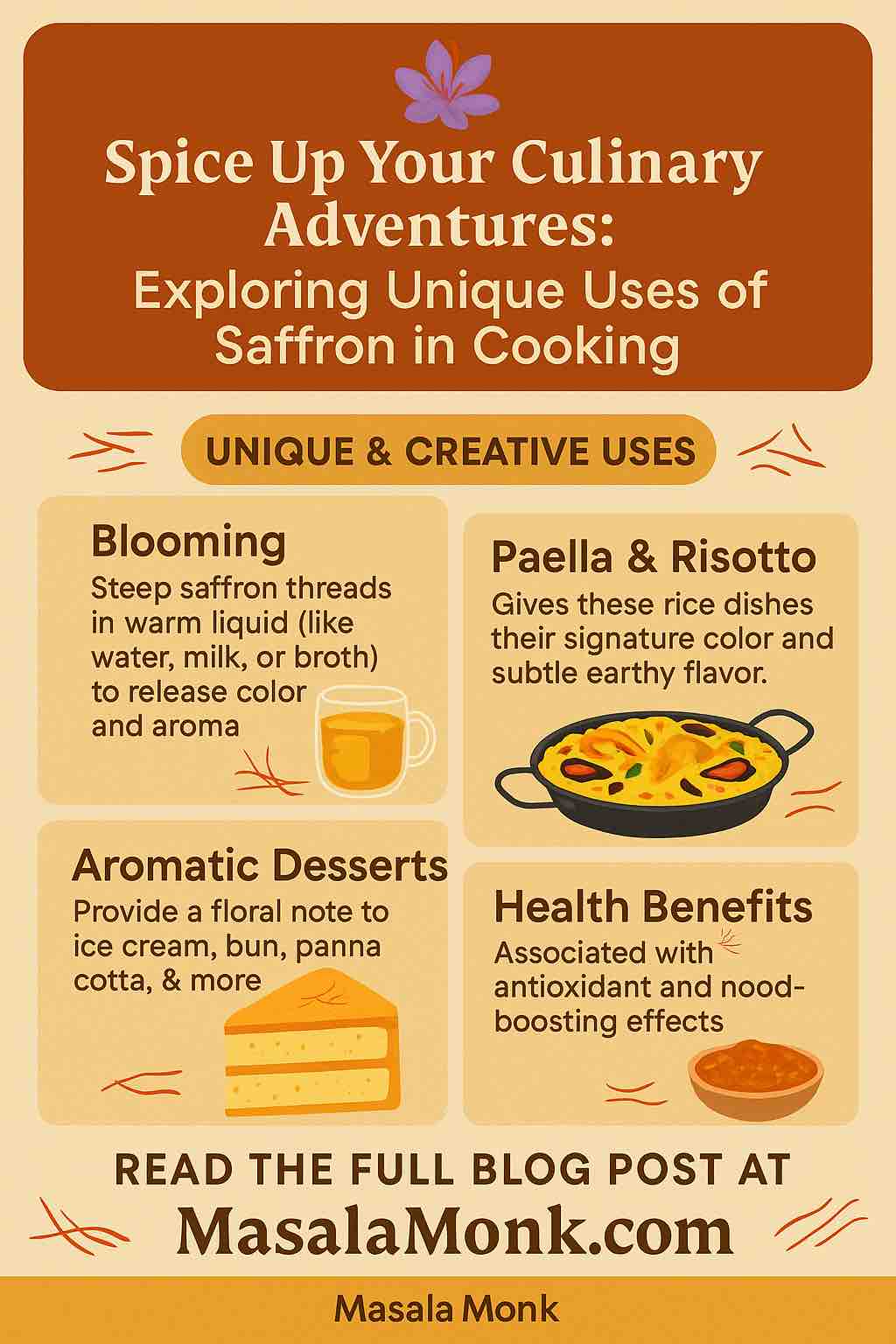
Saffron in Cooking

Saffron, often dubbed “red gold,” is one of the most precious and celebrated spices in the culinary world. Derived from the stigmas of the Crocus sativus flower, it brings a distinctive aroma, brilliant golden hue, and subtle earthy flavor to countless dishes. But saffron is more than a luxurious seasoning for risottos and paellas—it’s a versatile ingredient with global influence and contemporary flair.

In this post, we dive deep into saffron’s culinary magic, exploring traditional and innovative uses, practical cooking techniques, and fresh ideas to make your dishes unforgettable.


1. The Essence of Saffron: What Makes It Special?

Saffron is prized for its:

  • Color: The golden-yellow tint it imparts to food
  • Aroma: Sweet, floral, and hay-like
  • Flavor: Complex and earthy, slightly bitter, subtly metallic

These qualities come from the compounds crocin (color), picrocrocin (flavor), and safranal (aroma). The highest quality saffron, often labeled as Super Negin, contains the most concentrated levels of these.


2. How to Use Saffron Properly: Practical Techniques

Saffron is powerful but delicate. To get the most out of it:

  • Bloom it: Steep threads in a few tablespoons of warm water, milk, or stock for 10-20 minutes before adding to recipes.
  • Grind it: For better distribution, grind the threads with a pinch of sugar or salt using a mortar and pestle.
  • Measure with care: A few strands go a long way—use about 2-3 threads per serving to avoid overpowering other flavors.

Storage Tip: Keep saffron in an airtight container away from light and moisture to preserve its potency.


3. Saffron Across the Globe: Traditional Inspirations

Saffron’s cultural reach spans continents. Some classic uses include:

  • Iranian/Persian Cuisine: Essential in tahdig, tahchin, and saffron rice, often paired with rosewater and pistachios.
  • Indian Cuisine: A key ingredient in biryani, kheer, and saffron milk (kesar doodh).
  • Spanish Cuisine: The soul of paella, giving it its signature color and aroma.
  • Italian Cuisine: Infuses Risotto alla Milanese with deep color and flavor.
  • Swedish Cuisine: Featured in Lussekatter (saffron buns) during St. Lucia’s Day.

4. Unique & Modern Uses of Saffron

Break away from tradition with these creative saffron applications:

• Saffron-Infused Pasta

Make fresh pasta dough using saffron-steeped water for vibrant, golden noodles that pair wonderfully with seafood or creamy sauces.

• Saffron Syrup

Create a simple syrup with sugar, water, and bloomed saffron. Drizzle it over pancakes, yogurt, or fruit salads. Also great in cocktails and mocktails.

• Saffron Butter

Blend bloomed saffron into softened butter with garlic or citrus zest. Use it to top grilled fish, roasted vegetables, or warm bread.

• Saffron Salt

Mix ground saffron with flaky sea salt to finish dishes like roast chicken, potatoes, or avocado toast.

• Saffron Desserts

Infuse custards, panna cottas, or ice cream bases with saffron for a luxurious twist. Pairs well with cardamom, pistachios, and honey.


5. Pairing Saffron with Other Ingredients

Saffron shines when paired thoughtfully. Consider combining it with:

  • Herbs & Spices: Cardamom, cinnamon, cumin, rose, turmeric
  • Proteins: Chicken, seafood, lamb, eggs
  • Grains: Basmati rice, arborio rice, couscous, bulgur
  • Dairy: Cream, yogurt, paneer, butter
  • Floral & Sweet: Rosewater, orange blossom, honey, citrus

6. Health Benefits Worth Noting

Saffron isn’t just delicious—it’s also linked to several health benefits:

  • Mood support: May reduce symptoms of anxiety and depression
  • Antioxidant properties: Rich in crocin and safranal
  • Anti-inflammatory: Supports immune and cardiovascular health
  • Digestive aid: Traditionally used to ease bloating and cramps

7. Buyer’s Guide: Choosing Quality Saffron

To avoid fakes and low-grade products:

  • Look for deep red threads with orange tips
  • Avoid powdered saffron (easier to adulterate)
  • Buy from reputable sources with transparency about origin (Iran, Spain, Kashmir)
  • If it’s cheap, it’s likely not real saffron

8. Quick Recipes to Try

Saffron Tea
Steep 3-5 threads in hot water with honey and lemon for a soothing drink.

Saffron Rice Pilaf
Sauté onion and garlic in butter, stir in rice and bloomed saffron, add stock, cook until fluffy. Garnish with almonds and parsley.

Saffron Yogurt Dip
Mix Greek yogurt with bloomed saffron, lemon juice, and garlic. Serve with flatbread or grilled veggies.


Final Thoughts

Saffron is more than a spice—it’s an experience. Whether you’re cooking an old family recipe or experimenting with new flavors, a few strands can transform a dish from simple to spectacular. So go ahead, embrace saffron in your kitchen, and let your culinary adventures shine bright gold.


Got a favorite saffron dish? Or want personalized ideas based on your favorite cuisines? Drop a comment or reach out—let’s keep the saffron inspiration flowing!

📚 Frequently Asked Questions (FAQs)

1. How much saffron should I use in a dish?
A little goes a long way. Use about 2–3 threads per serving, or roughly 15–20 threads for a dish serving 4–6 people. Overuse can lead to bitterness.


2. What’s the best way to extract flavor and color from saffron?
Bloom it in warm water, broth, or milk for 10–20 minutes. This releases crocin (color) and safranal (aroma), giving you the most depth of flavor and vibrant color.


3. Can I grind saffron instead of blooming it?
Yes. Grinding saffron (often with a pinch of sugar or salt) using a mortar and pestle is great for even distribution—ideal in dry rubs or baked goods.


4. How do I know if saffron is real or fake?
Real saffron has deep red threads with orange/yellow tips, a sweet hay-like smell, and turns water golden yellow (not red). Avoid powdered saffron unless it’s from a trusted source.


5. Is there a difference between Iranian, Spanish, and Kashmiri saffron?
Yes.

  • Iranian saffron is bold, intense, and widely available.
  • Spanish saffron (like Mancha) is milder and often used in paella.
  • Kashmiri saffron is highly aromatic, deep red, and prized for desserts.

6. What types of dishes can I add saffron to besides rice?
Beyond rice, use it in pasta, breads, seafood stews, sauces, desserts, syrups, teas, marinades, and compound butters. It pairs well with both savory and sweet elements.


7. Can I store bloomed saffron water for later use?
Yes, but for best potency, use it within 24–48 hours. Store in the fridge in an airtight container.


8. Is saffron safe to consume every day?
In culinary amounts, yes. It’s also used in supplements, but excessive intake (several grams daily) may cause side effects. Stick to moderate, food-level usage.


9. Is saffron gluten-free and vegan?
Absolutely. Pure saffron is naturally gluten-free, vegan, and non-GMO, making it suitable for nearly all dietary lifestyles.


10. Where can I buy authentic saffron online?
Look for certified suppliers from Iran, Spain, or Kashmir. Reputable retailers include specialty spice shops, Middle Eastern grocery stores, or websites like Saffron Store, Rumi Spice, or Saffron Ice. Ensure the origin and grading (e.g., Super Negin) are clearly listed.