Posted on 2 Comments

Carbs in Cheese: Keto Diet Perspective

ARE THERE CARBS IN CHEESE? YOUR GUIDE TO CHEESE AND CARBOHYDRATES

Cheese lovers who are following a ketogenic diet, you’re in for a treat! Cheese, with its rich flavors and varied textures, can be a delicious and satisfying part of your low-carb lifestyle. However, it’s essential to remember that not all cheeses are created equal, especially when it comes to their carbohydrate content. This detailed guide will delve into the carb counts of various types of cheese, their roles in a keto diet, and how to incorporate them into your meals.

is Cheese Keto and other Low Carb Diet friendly?

Cheese, with its high-fat, moderate-protein, and low-carb nutritional profile, is often a staple in ketogenic (keto) and other low-carb diets. The goal of these diets is to shift your body into a state of ketosis, where it burns fat for fuel instead of carbohydrates.

However, not all cheeses are created equal when it comes to carb content. Some cheeses, like Swiss and cheddar, have less than 1 gram of carbs per ounce, making them an excellent choice for those following a keto or low-carb diet. Others, like cottage cheese and Velveeta, have slightly higher carb counts and should be eaten in moderation.

For those following other types of low-carb diets, such as the Atkins or South Beach diets, cheese can also be a beneficial addition. These diets also limit carb intake, especially in the initial phases, and emphasize protein and fat intake. As such, the high protein and fat content of cheese can help to keep you feeling full and satisfied.

However, as with any food, it’s important to consume cheese in moderation. While it’s a nutritious food that can fit into various dietary patterns, it’s also high in calories and saturated fat, which can contribute to weight gain and other health issues if eaten in excess.

Carb Counts of Popular Cheeses

Cheese is a versatile food that can be incorporated into a variety of meals, from salads and sandwiches to gourmet dishes. It’s a rich source of protein and calcium, and many types of cheese also contain beneficial probiotics that support gut health. However, the carb content can vary significantly between different types of cheese, making some more suitable for certain diets than others.

The ketogenic, or keto, diet is a high-fat, moderate-protein, low-carb diet designed to put your body into a state of ketosis. In this metabolic state, your body burns fat for fuel instead of carbohydrates. Cheese, with its high fat and protein content and generally low carb count, is a natural fit for this diet. However, the carb content can vary between different types of cheese, so it’s crucial to choose wisely to stay within your daily carb limit.

But what about other diets? Whether you’re following a Mediterranean diet, a vegetarian diet, or simply trying to eat healthier, cheese can still have a place in your meal plan. Let’s take a closer look at the carb content in one ounce (28 grams) of some popular cheeses and explore some creative ways to incorporate them into various diets.

Cream Cheese

Cream cheese is a versatile option with only 1.6 grams of carbs per ounce. Its smooth texture and mild flavor make it a popular spread for bagels and a key ingredient in cheesecakes. For those on a keto diet, cream cheese can be used as a base for various dips and sauces, or added to a low-carb wrap for a creamy twist. For vegetarians, cream cheese can be spread on whole grain crackers and topped with fresh fruits or vegetables for a balanced snack.

Cottage Cheese

Cottage cheese contains about 3.4 grams of carbs per ounce, making it a higher-carb option compared to other cheeses. However, it’s a great source of protein, making it a popular choice for vegetarians and those following a Mediterranean diet. Consider pairing it with some fresh berries for a delicious and satisfying breakfast or snack. For those on a keto diet, remember to eat cottage cheese in moderation due to its higher carb content.

Feta Cheese

Feta cheese, known for its tangy flavor, contains 1.2 grams of carbs per ounce. It’s a staple in Greek cuisine and a great addition to salads and Mediterranean-inspired dishes. Try it with cucumber, olives, and a drizzle of olive oil for a quick and easy Greek salad. For those on a keto diet, the low carb content of feta cheese makes it a great choice.

Cheddar Cheese

Cheddar cheese, a classic choice, contains 0.4 grams of carbs per ounce, making it a great choice for snacking or topping off dishes. It’s a good source of calcium and protein, and its robust flavor makes it a favorite in many dishes. For those on a keto diet, cheddar cheese can be used in a variety of dishes, from omelets to keto-friendly grilled cheese sandwiches.

Mozzarella Cheese

Mozzarella cheese, with 0.6 grams of carbs per ounce, is a fantastic low-carb option. It’s a key ingredient in Italian cuisine, especially in dishes like pizza and caprese salad. For those on a keto diet, mozzarella is the perfect cheese for a keto-friendly pizza night. For vegetarians, fresh mozzarella can be paired with tomatoes and basil for a simple and delicious caprese salad.

American Cheese

American cheese contains about 2 grams of carbs per ounce. While it’s not the lowest carb option, it can still fit into a keto diet when used sparingly. It’s a classic choice for burgers or melted into an omelet. For those following a traditional American diet, this cheese can be used in a variety of dishes, from sandwiches to mac and cheese.

Parmesan Cheese

Parmesan cheese is very low in carbs, with only 0.9 grams per ounce. It’s a hard, aged cheese that’s packed with flavor, making it a great addition to a variety of dishes. For those on a keto diet, try it grated over zucchini noodles for a low-carb pasta alternative. For those following a Mediterranean diet, Parmesan can be used to add a burst of flavor to pasta dishes, salads, and soups.

Swiss Cheese

Swiss cheese contains 1.5 grams of carbs per ounce, making it a good option for sandwiches or as a snack. Its nutty flavor pairs well with fruits and whole grain bread, making it a good option for those following a balanced diet. For those on a keto diet, Swiss cheese can be enjoyed with cold cuts for a quick roll-up snack.

Ricotta Cheese

Ricotta cheese has about 2 grams of carbs per ounce. It’s a soft cheese that’s often used in Italian desserts and pasta dishes. For those on a keto diet, it can be used in moderation in dessert recipes, providing a creamy base for cheesecakes or as a filling for low-carb crepes. For vegetarians, ricotta can be used in a variety of dishes, from lasagna to stuffed shells.

Velveeta Cheese

Velveeta cheese contains about 3 grams of carbs per ounce. It’s a processed cheese product that’s known for its smooth melting properties, making it a popular choice for cheese sauces and dips. For those on a keto diet, it can be used sparingly due to its higher carb content. For those following a traditional American diet, Velveeta can be used in a variety of comfort food dishes, from mac and cheese to cheesy broccoli casserole.

Goat Cheese

Goat cheese contains about 0.2 grams of carbs per ounce, making it one of the lowest carb cheeses available. Its tangy flavor and creamy texture make it a great addition to salads and roasted vegetables. For those on a keto diet, goat cheese can be enjoyed as a snack with low-carb vegetables or added to salads for a burst of flavor. For vegetarians, goat cheese can be spread on whole grain crackers for a satisfying snack.

Queso

Queso, or cheese dip, can range from 1 to 3 grams of carbs per ounce, depending on the recipe. It’s a popular choice for a dip with tortilla chips or drizzled over Mexican dishes. For those on a keto diet, be sure to check the nutrition facts and choose a low-carb version. You can enjoy it as a dip with low-carb vegetables or drizzled over a plate of nachos made with low-carb tortilla chips.

Provolone Cheese

Provolone cheese contains about 0.6 grams of carbs per ounce, making it a good low-carb option. It’s a semi-hard cheese that’s often used in sandwiches and Italian dishes. For those on a keto diet, it can be used in sandwiches made with low-carb bread or melted over chicken for a satisfying dinner. For those following a Mediterranean diet, provolone can be used in a variety of dishes, from pasta bakes to stuffed peppers.

Pimento Cheese

Pimento cheese varies greatly depending on the recipe, but it typically contains about 2 grams of carbs per ounce. It’s a flavorful spread made with cheddar cheese, mayonnaise, and pimentos. For those on a keto diet, it can be used as a spread for celery sticks or cucumber slices. For those following a traditional Southern diet, pimento cheese can be enjoyed as a spread on crackers or in a sandwich.

American Cheese Slice

One slice of American cheese contains about 2 grams of carbs. It’s a convenient option for a quick snack or to melt over a burger. For those on a keto diet, it can be used to add a creamy element to burgers or omelets. For those following a traditional American diet, a slice of American cheese can be used in a variety of sandwiches or melted into a grilled cheese sandwich.

Here’s a more extensive breakdown of popular cheeses and their carbohydrate content per 1-ounce (28-gram) serving:

Cheese TypeCarbs (grams)
Cheddar0.4
Mozzarella1
Parmesan0.9
Swiss1.5
Brie0.1
Gouda0.6
Blue Cheese0.7
Feta1.2
Cream Cheese1.2
Ricotta3
Cottage Cheese3.4
Camembert0.1
Halloumi0.5
Provolone1
Neufchâtel1.1

Is Cheese a Carb?

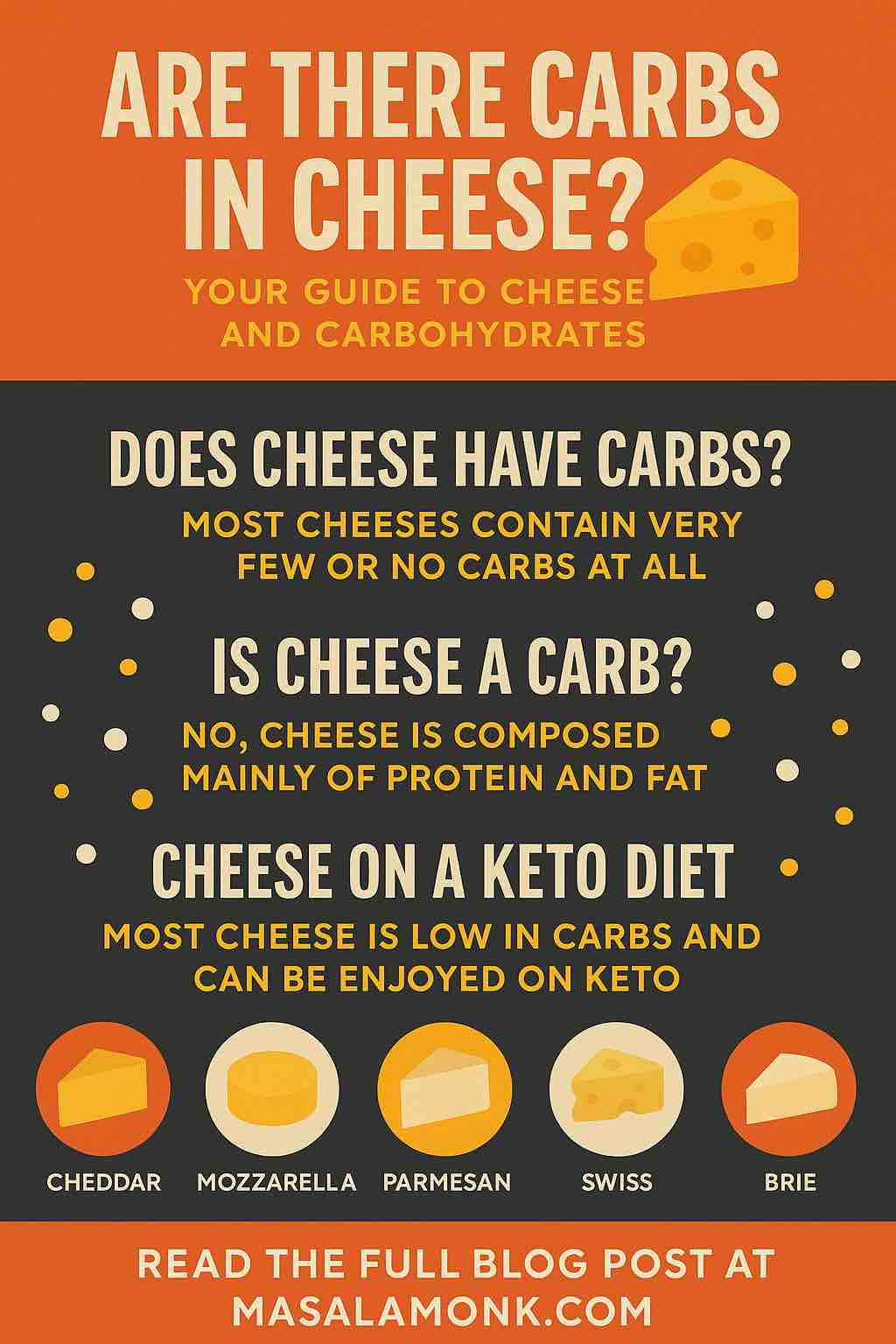
No! Cheese is not a carbohydrate. It’s mostly composed of protein and fat. The tiny amount of carbohydrates in cheese mainly comes from residual lactose.

This is why cheese fits so well into low-carb and ketogenic diets — you’re getting energy mainly from fats and proteins without many carbs.


Is Cheese High in Carbs?

No. Cheese is considered a low-carb food. Even the soft cheeses that have more carbs are still quite low compared to bread, pasta, or sugary snacks.

For people on a ketogenic diet, where carb intake is typically limited to 20–50 grams per day, cheese is an ideal food to enjoy.


Cheese on a Low-Carb or Keto Diet

If you’re asking “is cheese keto?”, the answer is overwhelmingly yes.

Because most cheese has minimal carbohydrates, it’s a keto diet staple. Cheese provides:

  • Healthy fats
  • Moderate protein
  • Essential vitamins and minerals (calcium, vitamin A, B12)

Popular Keto-Friendly Cheeses

  • Cheddar
  • Mozzarella
  • Parmesan
  • Swiss
  • Brie
  • Gouda
  • Blue Cheese
  • Camembert
  • Halloumi

These cheeses tend to have very low carbs and are rich in fats, making them perfect for maintaining ketosis.

What About Velveeta Cheese?

Velveeta and other processed cheeses have slightly more carbs than natural cheeses due to added ingredients. It’s still relatively low-carb, but you’ll want to check the nutrition label to confirm if it fits your daily carb limits.


How Much Cheese Can You Eat on Keto?

While cheese is keto-friendly, it’s important to practice moderation. Cheese is calorie-dense and high in saturated fats, so:

  • Aim for 1–2 ounces (28-56 grams) of cheese per serving.
  • Keep track of total carbs to avoid exceeding your daily limits.
  • Combine cheese with non-starchy vegetables and proteins for balanced meals.

Are There Any Downsides to Eating Cheese?

While cheese is nutritious, here are a few considerations:

  • Sodium content: Some cheeses are high in salt, which can be a concern for blood pressure.
  • Lactose intolerance: If you’re lactose intolerant, you may want to avoid fresh cheeses and stick to aged varieties.
  • Calories: Cheese is calorie-rich, so portion control is key if weight loss is your goal.

Frequently Asked Questions about Carbs in Cheese

1. Is cheese keto-friendly?

Yes, most cheeses are keto-friendly due to their high-fat, moderate-protein, and low-carb content. However, some cheeses have slightly higher carb counts, so it’s important to check the nutritional information.

2. How many carbs are in cream cheese?

Cream cheese contains about 1.6 grams of carbs per ounce, making it a keto-friendly option.

3. Can I eat cottage cheese on a keto diet?

Cottage cheese contains about 3.4 grams of carbs per ounce. While it’s higher in carbs than some other cheeses, it can still be included in a keto diet when eaten in moderation.

4. What is the carb count in cheddar cheese?

Cheddar cheese contains about 0.4 grams of carbs per ounce, making it a great low-carb option.

5. Is mozzarella cheese low in carbs?

Yes, mozzarella cheese contains about 0.6 grams of carbs per ounce, making it a good choice for a low-carb diet.

6. How many carbs are in a slice of American cheese?

One slice of American cheese contains about 2 grams of carbs.

7. Can I eat parmesan cheese on a low-carb diet?

Yes, parmesan cheese is very low in carbs, with only 0.9 grams per ounce, making it a good choice for a low-carb diet.

8. Is Swiss cheese suitable for a keto diet?

Yes, Swiss cheese contains 1.5 grams of carbs per ounce, making it a good option for a keto diet.

9. How many carbs are in ricotta cheese?

Ricotta cheese contains about 2 grams of carbs per ounce. It’s slightly higher in carbs than some other cheeses, so it should be eaten in moderation on a keto diet.

10. Can I eat Velveeta cheese on a keto diet?

Velveeta cheese contains about 3 grams of carbs per ounce. While it’s not the lowest carb option, it can still fit into a keto diet when used sparingly.

11. Is goat cheese low in carbs?

Yes, goat cheese is one of the lowest carb cheeses available, with about 0.2 grams of carbs per ounce.

12. How many carbs are in provolone cheese?

Provolone cheese contains about 0.6 grams of carbs per ounce, making it a good low-carb option.

13. Can I include cheese in my diet if I’m trying to lose weight?

While cheese is high in protein and can be included in a balanced diet, it’s also high in calories and saturated fat. It’s important to consume cheese in moderation and as part of a balanced diet. Always consult with a healthcare provider or a registered dietitian before making any major changes to your diet.


Conclusion

Cheese can be a delicious and satisfying part of a ketogenic diet. However, it’s essential to be aware of the carb content in different types of cheese to ensure you stay within your daily carb limit. As always, moderation is key, and it’s important to balance your cheese intake with a variety of other nutrient-dense, low-carb foods. With this guide, you can navigate the cheese aisle with confidence and continue to enjoy the rich, creamy goodness of cheese while sticking to your keto goals.


Remember, this blog post is for informational purposes only and should not replace professional medical advice. Always consult with a healthcare provider before making changes to your diet or supplement regimen.
Posted on Leave a comment

10 Ashwagandha Side Effects You Should Know

Ashwagandha Side Effects What You Need to Know

Ashwagandha, also known as Withania somnifera, has surged in popularity over recent years as a powerful adaptogen—herbs that help the body resist stress and promote overall balance. From boosting energy and reducing anxiety to enhancing cognitive function, this ancient Ayurvedic herb has been embraced worldwide. But with the rise in use, questions about its safety and side effects, especially concerning heart health and mental well-being, have come into sharper focus.

In this deep dive, we explore the latest scientific research from 2024 and beyond to give you a clear, evidence-based understanding of ashwagandha’s potential benefits and risks—particularly for your heart and mind.


What Is Ashwagandha?

Before diving into side effects, it helps to understand what makes ashwagandha special. Traditionally used in Ayurvedic medicine for thousands of years, ashwagandha is revered for its ability to:

  • Lower stress hormones like cortisol
  • Support immune function
  • Improve energy and stamina
  • Enhance memory and cognition

Modern research validates many of these claims, showing that ashwagandha’s bioactive compounds—like withanolides—have anti-inflammatory, antioxidant, and neuroprotective effects.


The Heart of the Matter: Ashwagandha and Cardiovascular Health

Can Ashwagandha Cause Bradycardia or Palpitations?

One of the most frequently searched concerns around ashwagandha is its impact on heart rhythm and rate—terms like bradycardia (abnormally slow heart rate) and palpitations (irregular or rapid heartbeat) often come up. Here’s what the latest evidence says:

  • Bradycardia:
    While ashwagandha can promote relaxation by calming the nervous system, clinically significant bradycardia is rarely reported. Some animal studies show that ashwagandha mildly lowers heart rate by enhancing parasympathetic (rest-and-digest) activity, but this does not translate to dangerous slowing in most healthy adults.
  • Palpitations:
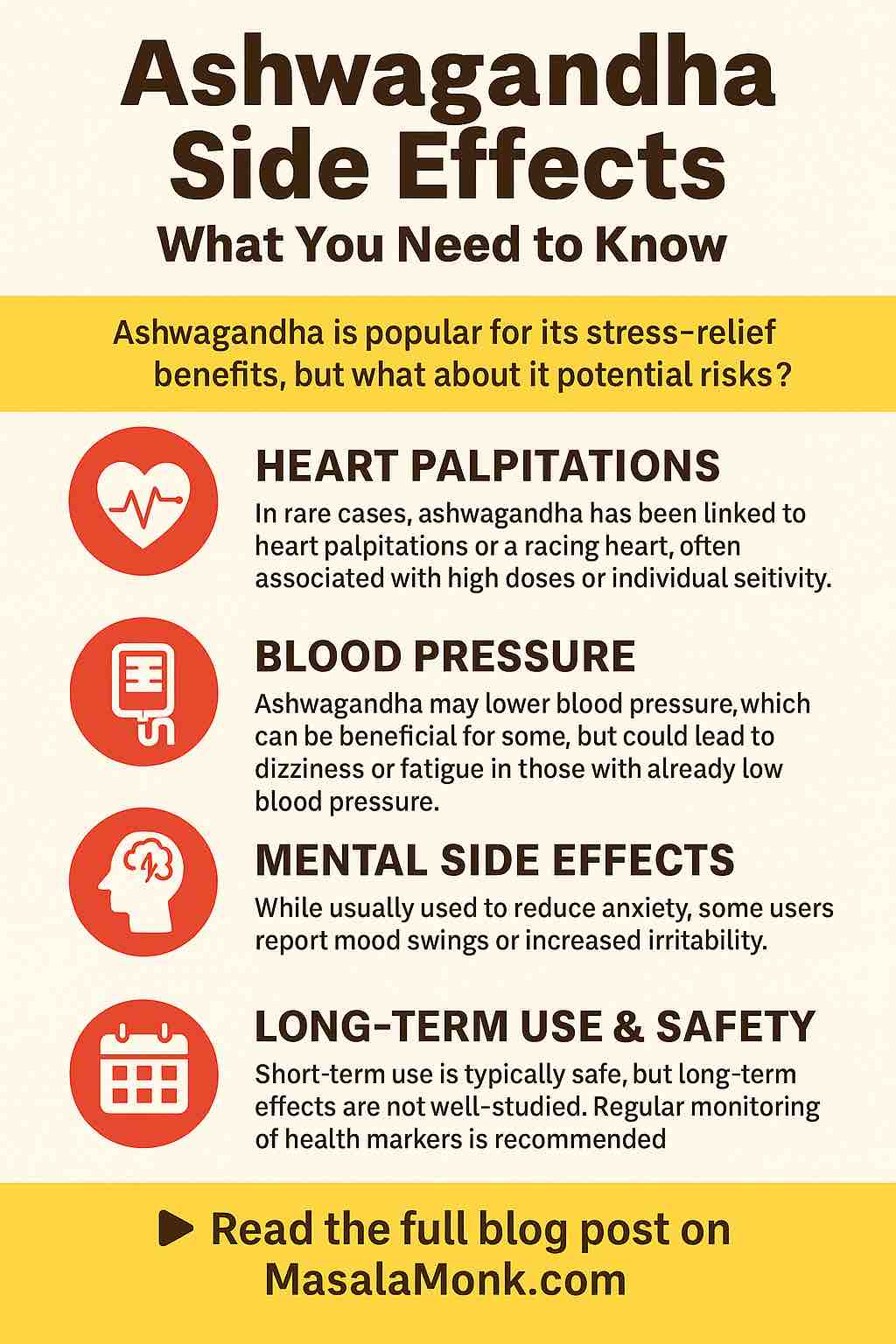
    Occasional reports of heart palpitations exist but are very rare. They tend to be anecdotal and often linked to either high doses or sensitivity in certain individuals. It’s possible that some commercial products might contain impurities or stimulants causing these symptoms rather than the herb itself.

What About Blood Pressure?

Ashwagandha is often praised for its blood pressure–lowering effects:

  • Multiple clinical studies have shown that ashwagandha can reduce both systolic and diastolic blood pressure, especially in people with elevated baseline values or stress-induced hypertension.
  • However, this hypotensive effect means that people already taking blood pressure medication or those with naturally low blood pressure should exercise caution. Combining ashwagandha with other blood pressure–lowering agents may cause excessive drops in pressure, leading to dizziness or fainting.

Should You Be Concerned About Ashwagandha and Heart Health?

For most people, ashwagandha is heart-safe when used at recommended doses. However, those with underlying heart conditions, arrhythmias, or on cardiac medications should consult their healthcare provider before starting ashwagandha supplements.


Mental Side Effects: More Than Just Calm

Ashwagandha is widely used for its anxiety-reducing and mood-stabilizing properties, but what about negative mental side effects?

Anxiety and Stress Reduction

A comprehensive meta-analysis published in 2024 reviewed nine clinical trials involving over 500 participants and found that ashwagandha significantly lowered perceived stress and serum cortisol levels. Most people experience a calmer, more relaxed state without sedation.

Mood Swings and Irritability

Despite these benefits, a small number of users report mood swings or irritability after taking ashwagandha. These effects are generally:

  • Mild and transient
  • More likely with higher doses
  • Possibly related to individual brain chemistry or interactions with other medications, such as antidepressants or thyroid drugs

Cognitive Function

Emerging studies hint that ashwagandha might support memory and cognitive function, but the evidence is still preliminary. More robust clinical trials are needed to confirm these cognitive benefits and rule out potential side effects such as brain fog or sedation.


Common Side Effects: What to Expect

Most ashwagandha users tolerate the herb well, but some mild side effects can occur:

  • Gastrointestinal upset (nausea, diarrhea, stomach discomfort)
  • Drowsiness or sedation
  • Allergic reactions (rare)
  • Headache or dizziness (rare)

Rare but Serious: Liver and Thyroid Effects

Though uncommon, there are isolated case reports of:

  • Liver injury: Some individuals, especially with preexisting liver conditions, have experienced elevated liver enzymes after taking ashwagandha. Monitoring liver function during long-term use is prudent.
  • Thyroid hormone alterations: Ashwagandha may increase thyroid hormone levels, which could be problematic for those with thyroid disorders. Always check with your healthcare provider if you have thyroid disease before starting.

🧪 Summary of Findings

ConcernSummary
BradycardiaRare reports; limited specific studies.
Heart PalpitationsInfrequent; often related to high doses or individual sensitivity.
Blood PressureMay lower blood pressure; caution with antihypertensive medications.
Anxiety & MoodPotentially reduces anxiety; some report mood swings or irritability.
Cognitive FunctionLimited evidence of enhancement; further research needed.
GastrointestinalCommon mild side effects; typically transient.
Liver FunctionRare liver injury cases; monitoring recommended during prolonged use.
Thyroid FunctionMay affect thyroid hormones; consult healthcare provider if thyroid issues exist.
Pregnancy/BreastfeedingNot recommended due to potential risks.
Ashwagandha Side Effects You Should Know

Safety in Special Populations

  • Pregnancy and Breastfeeding:
    Not recommended due to potential risks to the fetus or infant. There isn’t enough safety data to support use during these periods.
  • Medication Interactions:
    Ashwagandha can interact with sedatives, immunosuppressants, thyroid medications, and blood pressure drugs. Inform your healthcare provider if you are taking any medications.

Practical Tips for Safe Ashwagandha Use

  1. Start Low, Go Slow: Begin with the lowest effective dose and monitor your body’s response.
  2. Choose Quality Products: Opt for supplements tested for purity to avoid contaminants that could cause side effects.
  3. Consult a Professional: Especially important if you have heart issues, thyroid conditions, or take medications.
  4. Monitor Symptoms: Keep track of any unusual sensations like palpitations, dizziness, mood changes, or digestive discomfort.
  5. Avoid During Pregnancy: Until more is known, steer clear if pregnant or breastfeeding.

Final Thoughts: Is Ashwagandha Right for You?

Ashwagandha remains a promising natural remedy with a good safety profile for most individuals. The latest research in 2024 reinforces its benefits in stress reduction, blood pressure management, and potential cognitive support. However, the possibility of side effects—especially concerning heart rate and mental health—means it’s essential to use it thoughtfully.

By staying informed, choosing reputable products, and consulting healthcare professionals, you can harness the benefits of this ancient herb while minimizing risks.


Have you tried ashwagandha? Share your experiences or questions in the comments below—we’d love to hear how it’s worked for you!

🧠 Frequently Asked Questions (FAQs)

1. Can ashwagandha cause heart palpitations or a racing heart?

In rare cases, users have reported heart palpitations or a racing heartbeat, typically linked to higher doses or individual sensitivity. Clinical evidence does not suggest this is a common effect, but those with existing heart conditions should consult a doctor before use.


2. Does ashwagandha lower or raise blood pressure?

Ashwagandha may lower blood pressure by reducing stress and improving circulation. While beneficial for those with high blood pressure, it can cause dizziness or fatigue in individuals with already low blood pressure or those on antihypertensive medications.


3. Is ashwagandha safe for people with heart conditions?

Generally, yes—when used under medical supervision. However, people with arrhythmias, bradycardia, or those on cardiovascular medications should seek professional guidance to avoid potential interactions.


4. Can ashwagandha cause anxiety or mood swings?

While it’s typically used to reduce anxiety and promote calm, a small subset of users have reported increased irritability or mood swings. These effects are usually mild and may result from individual responses or drug interactions.


5. Does ashwagandha affect thyroid function?

Yes. Ashwagandha can increase thyroid hormone levels, which may benefit hypothyroid individuals but can cause complications for those with hyperthyroidism or who take thyroid medication. Always check thyroid function regularly if using long-term.


6. Is ashwagandha safe for long-term use?

Short-term use (up to 8–12 weeks) is generally well tolerated. For long-term use, monitor liver and thyroid function, and consider taking breaks (cycling) under the supervision of a healthcare provider.


7. Can I take ashwagandha with prescription medications?

Ashwagandha can interact with sedatives, thyroid meds, blood pressure medications, immunosuppressants, and SSRIs. Always disclose supplement use to your doctor before combining with prescriptions.


8. Is it safe to take ashwagandha daily?

Yes, most clinical studies use daily doses ranging from 250–600 mg of a root extract standardized to withanolides. Still, individual tolerance and health status must be considered. Start low and monitor.


9. What are the most common side effects of ashwagandha?

Common side effects include digestive discomfort, drowsiness, and mild headaches. These usually resolve with dosage adjustment or discontinuation. Serious side effects like liver injury are extremely rare.


10. Should I avoid ashwagandha during pregnancy or breastfeeding?

Yes. Due to limited safety data and potential effects on hormones and fetal development, ashwagandha is not recommended during pregnancy or breastfeeding.

Posted on 7 Comments

Iced Coffee Simplified: Cold Brew vs Iced Latte vs Frappe and more! ☕️❄️

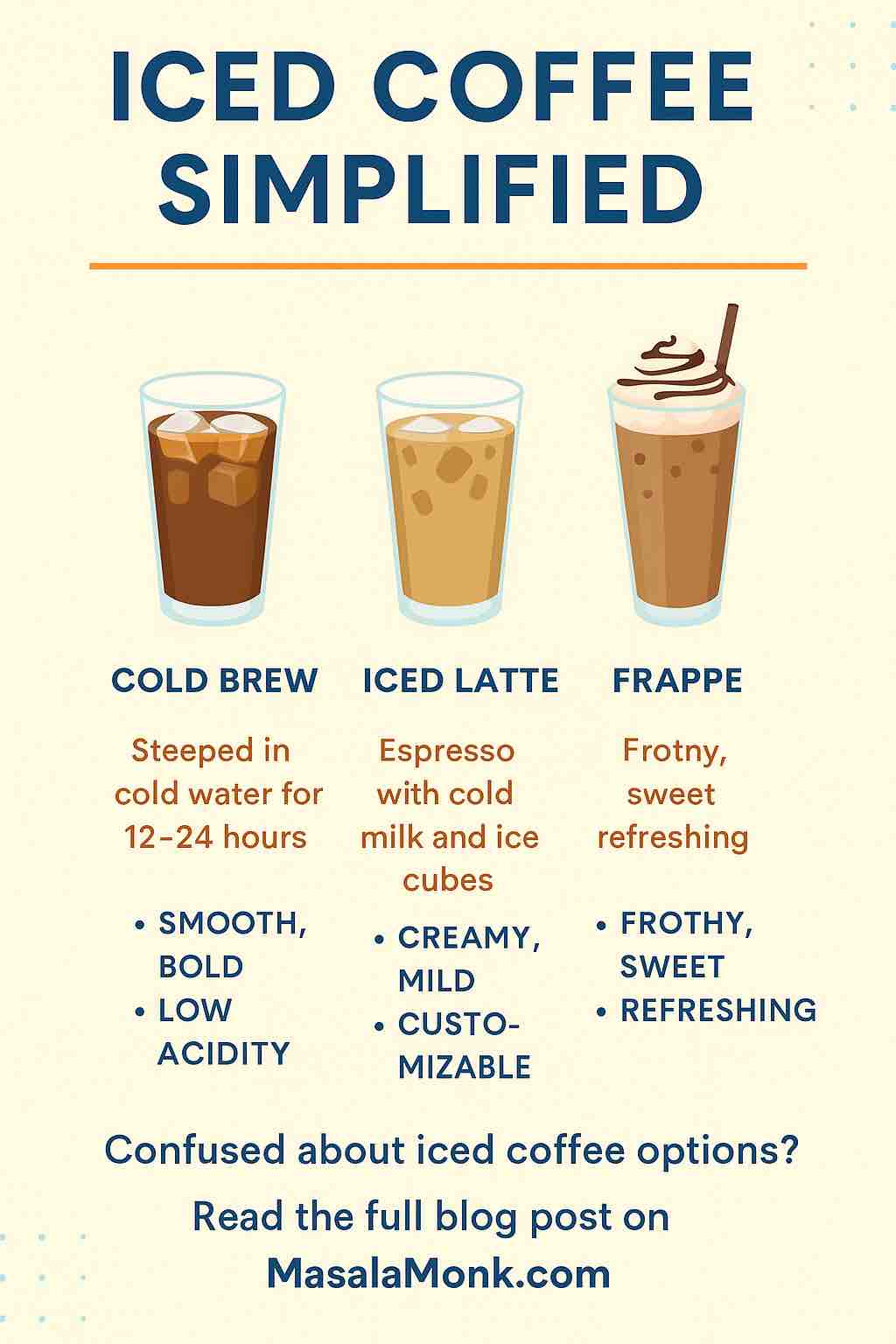
Iced Coffee Simplified: Cold Brew vs Iced Latte vs Frappe and more!

If you love coffee but find yourself confused by the many iced coffee options, you’re not alone. Cold brew, iced latte, frappe — these drinks are all delicious, but they’re quite different. Understanding these differences can elevate your coffee game and help you order exactly what you want, every time. Let’s dive deep into the world of iced coffee and clear up the confusion once and for all.


Cold Brew: The Smooth Classic

Cold brew is the king of smooth, strong iced coffee. It’s made by steeping coarse coffee grounds in cold water for 12 to 24 hours. This slow brewing process produces a coffee concentrate that’s bold but with remarkably low acidity and bitterness.

Why Cold Brew Stands Out

Cold brew’s flavor is rich and smooth with chocolatey, nutty undertones. Because it’s steeped cold, it avoids the harsh bitterness of hot coffee brewed and cooled later. It’s perfect for people who want a clean, crisp coffee flavor that packs a punch but is gentle on the stomach.

You can enjoy cold brew black or add milk and sweetener to taste. It’s extremely versatile and refreshing, especially on a hot day.

Cold brew coffee is made by steeping coarse coffee grounds in cold water for 12-24 hours. The result? A smooth, rich coffee concentrate with low acidity.

  • Flavor profile: Bold, smooth, less bitter
  • How it’s served: Usually diluted with water or milk, poured over ice
  • Popular for: Those who want a strong, refreshing coffee without the bitterness of hot brewed coffee

Why Is Cold Brew So Popular?

Cold brew’s smooth taste and less acidic nature make it easy on the stomach and perfect for summer days. Plus, its convenience in ready-to-drink bottles is driving growth in cafes and retail.


Iced Latte: Creamy and Balanced

An iced latte starts with a shot (or two) of espresso poured over cold milk and ice cubes. The espresso gives it a deep coffee flavor, but the large amount of milk keeps it smooth and creamy, without overpowering bitterness.

What Makes Iced Latte Different?

Unlike cold brew, an iced latte’s coffee base is hot espresso — a concentrated, strong coffee shot — which is then cooled down with milk and ice. This makes it richer and creamier compared to cold brew. You can easily customize iced lattes with flavored syrups like vanilla, caramel, or hazelnut, which makes them a popular choice for those who want a bit of sweetness and flavor complexity.

An iced latte is a classic espresso-based drink that combines:

  • Freshly brewed espresso
  • Cold milk (dairy or plant-based)
  • Ice cubes

It’s creamy and smooth, with a balanced coffee flavor that isn’t overpowering.

  • Flavor profile: Mild, creamy, customizable with syrups (vanilla, caramel, mocha)
  • Ideal for: Those who want a milky coffee with a gentle caffeine kick

Frappe: Frothy, Sweet, and Refreshing

The frappe originated in Greece and is a blended or shaken iced coffee made with instant coffee, water or milk, sugar, and ice cubes. The hallmark of a frappe is its thick, frothy top created by shaking or blending.

What Sets Frappe Apart?

Unlike cold brew or iced lattes, frappes have a bubbly, foamy texture and are generally sweeter by default. The instant coffee base means it’s quicker to make and has a distinct flavor profile — often more robust but less complex than espresso-based drinks.

Frappes are loved by those who want a refreshing, sweet coffee experience with a playful texture.

Originating from Greece, the frappe is a frothy, cold coffee drink traditionally made with instant coffee, water, sugar, and ice — shaken or blended until foamy.

  • Flavor profile: Sweet, frothy, refreshing
  • Difference from frappuccino: Less creamy, usually not blended with ice cream or whipped cream
  • Best for: People who love a sweet, bubbly, and energizing iced coffee

Breaking Down the Differences: Cold Brew vs Iced Latte vs Frappe

  • Coffee Base: Cold brew uses slow-steeped coarse grounds, iced latte uses hot espresso shots, frappe uses instant coffee or sometimes espresso.
  • Milk: Cold brew usually has no milk unless added; iced latte is milk-heavy; frappe can have water or milk.
  • Sweetness: Cold brew is naturally unsweetened; iced latte sweetness depends on added syrups; frappe is often sweetened by default.
  • Texture: Cold brew is smooth and clean, iced latte is creamy and rich, frappe is frothy and bubbly.
  • Preparation Time: Cold brew takes hours to steep, iced latte takes minutes, frappe is the quickest to shake or blend.

Cold Brew vs Iced Latte vs Frappe: Side-by-Side Comparison

FeatureCold BrewIced LatteFrappe
Coffee BaseCoarse grounds steeped in cold waterEspresso shotsInstant coffee or espresso
Milk ContentUsually none or added separatelyHigh (cold milk)Varies (water or milk)
Sweetness LevelTypically unsweetenedMild, customizable with syrupsSweet by default
TextureSmooth, lightCreamy, milkyFrothy, bubbly
Preparation Time12-24 hours steepingMinutesMinutes
Typical ServingOver ice, black or with milkOver iceShaken/blended with ice
Cold Brew vs Iced Latte vs Frappe

What About Iced Coffee and Frappuccino?

  • Iced Coffee: Typically hot brewed coffee cooled over ice. It can be lighter and more acidic than cold brew.
  • Frappuccino: Starbucks’ trademarked blended coffee drink that’s creamier and often richer than a frappe, sometimes with whipped cream and ice cream-like texture.

How to Choose the Right Drink for You

  1. Craving strong, smooth coffee without bitterness? Go for cold brew.
  2. Want a creamy, milky coffee that’s customizable? Iced latte is your best bet.
  3. Looking for a sweet, frothy, refreshing drink? Choose a frappe.
  4. In a hurry? Frappe can be made fast; cold brew requires planning ahead.
  5. Want variety? Try adding flavored syrups or milk alternatives to any of these.

Why Are These Drinks Trending in 2025?

  • Cold brew is booming due to its smooth flavor and convenience.
  • Iced lattes remain popular thanks to endless flavor customizations and social media appeal.
  • Frappes continue their global appeal, especially in Mediterranean regions and among those who enjoy sweet, frothy drinks.
  • Ready-to-drink options for all three are expanding, giving consumers more choices than ever.

Pro Tips for Ordering Your Perfect Iced Coffee

  1. Know your coffee base: Espresso for lattes, instant or espresso for frappes, and steeped grounds for cold brew.
  2. Adjust sweetness: Ask for syrups or sugar to control sweetness.
  3. Choose your milk: Dairy or plant-based options make a big difference in flavor and texture.
  4. Consider texture: Creamy and smooth (latte), frothy and bubbly (frappe), or crisp and bold (cold brew).
  5. Try seasonal flavors: Pistachio lattes and nutty frappes are rising trends.

Final Thoughts

Understanding the nuances of cold brew, iced latte, and frappe helps you enjoy your iced coffee exactly how you want it. Whether you prefer smooth and bold, creamy and rich, or sweet and frothy, there’s an iced coffee style that’s perfect for your taste buds.

Next time you’re at a café, you can order confidently and maybe even impress friends with your coffee knowledge.

FAQs

1. What is the main difference between a cold brew and an iced latte?
Cold brew is coffee steeped slowly in cold water for 12-24 hours, resulting in a smooth, bold, and less acidic flavor. An iced latte is made with espresso poured over cold milk and ice, making it creamier and milder in taste.

2. How is a frappe different from an iced latte?
A frappe is typically made with instant coffee, water or milk, sugar, and ice, shaken or blended until frothy and sweet. An iced latte uses espresso and cold milk over ice and tends to be creamier with a stronger coffee flavor.

3. Can I add milk or sweeteners to cold brew?
Yes! Cold brew is often served black but can be customized with milk, cream, or sweeteners based on your preference.

4. Is a frappe sweeter than an iced coffee?
Generally, yes. Frappes usually contain added sugar or syrups and have a frothy texture, making them sweeter and more indulgent compared to iced coffee.

5. What makes frappuccino different from a frappe?
Frappuccino is a branded, often creamier blended coffee drink from Starbucks, usually containing milk, ice cream, and whipped cream, whereas frappe is traditionally a simpler iced coffee drink made by shaking instant coffee with ice.

6. Which iced coffee drink has the most caffeine?
Cold brew often has the highest caffeine content because of the high coffee-to-water ratio used during steeping. However, caffeine levels can vary based on preparation and serving size.

7. Are frappes made with espresso or instant coffee?
Traditionally, frappes are made with instant coffee, but some modern variations use espresso shots instead.

8. How long does it take to prepare cold brew coffee?
Cold brew requires a long steeping time, usually between 12 and 24 hours, making it important to prepare ahead of time.

9. Can I customize iced lattes with different milk options?
Absolutely! Iced lattes can be made with dairy milk or plant-based alternatives like oat, almond, soy, or coconut milk, depending on dietary preferences.

10. Which iced coffee is best for someone who prefers a low-sugar option?
Cold brew and iced latte without added syrups are excellent low-sugar choices. Frappes typically contain more sugar by default.

Posted on 1 Comment

Side Effects of Repatha

Side Effects of REPATHA

When it comes to managing high cholesterol, Repatha (evolocumab) is a name that often surfaces in both doctor’s offices and online forums. As a PCSK9 inhibitor, Repatha is designed to significantly lower LDL cholesterol levels—especially in patients who haven’t had success with statins or other therapies. But like any powerful medication, it doesn’t come without concerns. A recurring theme in both clinical literature and patient communities is: What are the real side effects of Repatha?

In this deep dive, we’ll explore not only what the official data says but also what patients are actually experiencing day-to-day. Whether you’re considering Repatha or are already on it and curious about certain symptoms, this article aims to give you a complete picture—backed by science and lived experiences.


The Basics: What Repatha Does

Repatha works by inhibiting a protein called PCSK9, which in turn helps your liver remove more LDL (“bad”) cholesterol from your bloodstream. Approved by the FDA in 2015, it has become a go-to treatment for individuals with familial hypercholesterolemia or clinical atherosclerotic cardiovascular disease.

Commonly Reported Side Effects (Clinical Trials & FDA Data)

Let’s start with what the official documentation reveals. According to clinical trials and the FDA label:

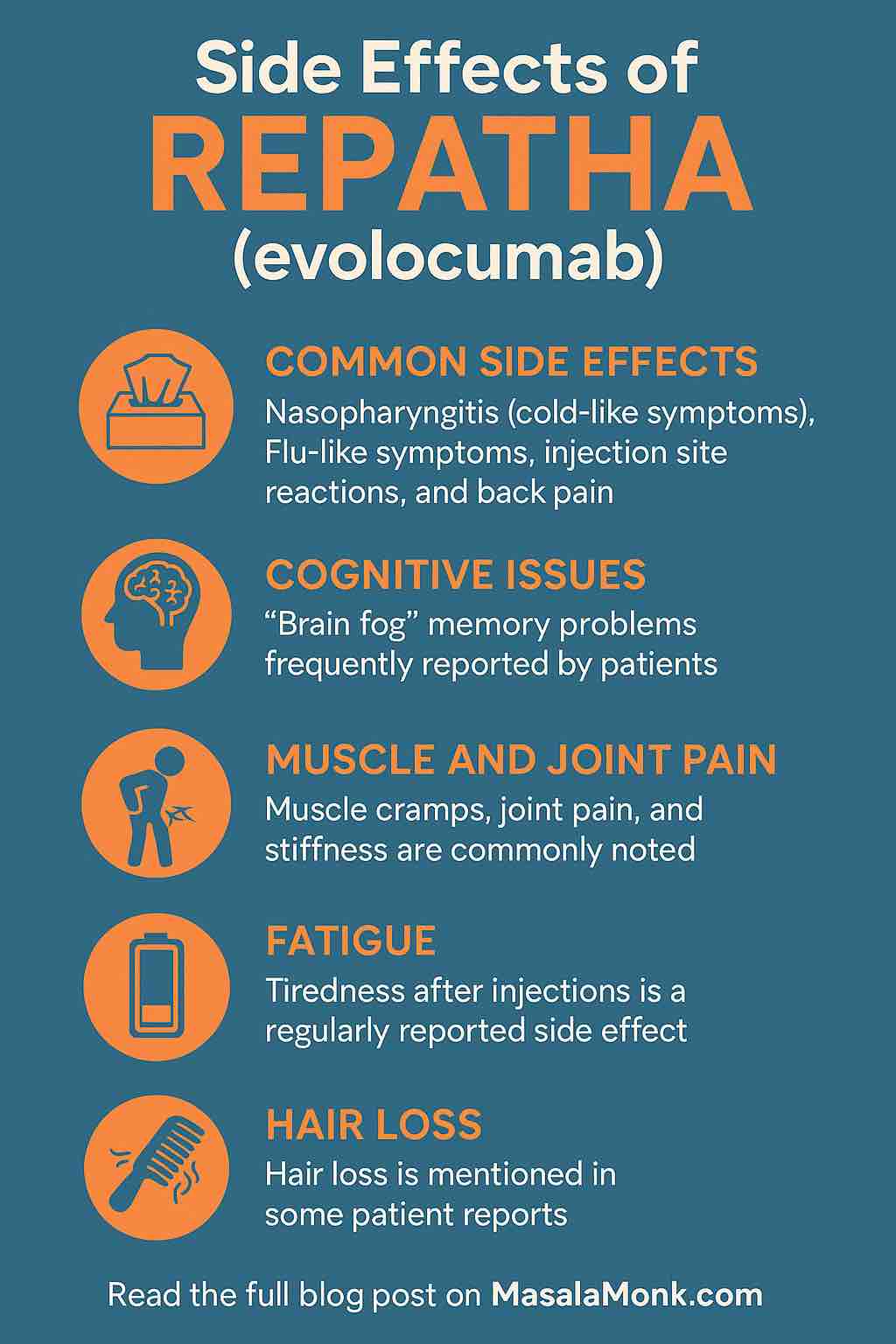
  • Nasopharyngitis (cold symptoms): Most common
  • Upper respiratory tract infections
  • Flu-like symptoms
  • Injection site reactions (redness, pain, bruising)
  • Back pain
  • High blood sugar and a small increase in diabetes risk

These side effects were typically mild to moderate in intensity and often resolved on their own.

Less Common But Clinically Noted

  • Muscle and joint pain
  • Fatigue
  • Dizziness
  • Headaches
  • Gastrointestinal issues such as nausea and diarrhea

While these are less frequently reported in trials, they do appear in post-marketing surveillance, especially among long-term users.


Real Talk: What Patients Are Actually Experiencing

You can learn a lot by listening to real patients. Here’s what we uncovered from Reddit threads, Mayo Clinic forums, Drugs.com, and WebMD reviews:

Cognitive and Neurological Complaints

Some users report experiencing a mental fog, memory lapses, and difficulty concentrating. While these aren’t always captured in trials, enough anecdotal reports suggest a potential link.

Muscle and Joint Pains

Muscle tightness, cramps, and joint stiffness are among the most frequently mentioned issues in online communities. Some users found these symptoms tolerable; others discontinued the drug because of them.

Fatigue and Energy Levels

Many users mentioned an overwhelming sense of tiredness, sometimes emerging days after the injection. This fatigue can be persistent, affecting daily functioning.

Gastrointestinal Discomfort

Though not officially a major side effect, numerous patients report nausea, bloating, or stomach cramps. Diarrhea and constipation have also been discussed.

Emotional and Psychological Effects

Some users reported heightened anxiety, mood swings, or depressive symptoms. These are harder to pin directly on Repatha but are worth discussing with a healthcare provider if experienced.

Injection Site Reactions

While common, reactions range from mild bruising to more significant swelling or prolonged soreness.


Is There a Pattern?

Interestingly, many side effects tend to appear within 24 to 72 hours after injection, though others like fatigue and cognitive issues may have a delayed onset. Some users also noticed a cumulative effect, with side effects worsening after multiple doses.

Are the Side Effects Permanent?

For most users, symptoms subside once the medication is stopped. However, some individuals have reported lingering joint or cognitive symptoms, though these are rare.


Risk vs. Reward: Is Repatha Worth It?

The decision to continue or start Repatha should be made with your physician, weighing the cardiovascular benefits against quality-of-life changes. For many, the dramatic drop in LDL cholesterol is life-saving. For others, side effects may outweigh the benefits.

Final Thoughts

Repatha is a groundbreaking medication, but it’s not without its caveats. By understanding both clinical evidence and real-world experiences, you can make a more informed decision.

If you’re using Repatha and experiencing unusual symptoms, don’t hesitate to bring them up with your doctor. It might not always be a deal-breaker, but your comfort and health matter.


Have you taken Repatha? Share your experience in the comments below to help others make an informed choice.

FAQs

  1. What is Repatha used for?
    Repatha (evolocumab) is prescribed to lower LDL cholesterol levels in patients with conditions like familial hypercholesterolemia or clinical atherosclerotic cardiovascular disease, especially when statins are not effective or tolerated.
  2. What are the most common side effects of Repatha?
    The most commonly reported side effects include nasopharyngitis (cold-like symptoms), upper respiratory infections, flu-like symptoms, injection site reactions, and back pain.
  3. Does Repatha cause muscle pain or joint stiffness?
    Yes, many users report muscle cramps, joint pain, and stiffness. These can vary in intensity and are often more noticeable after multiple doses.
  4. Can Repatha cause fatigue or tiredness?
    Fatigue is a frequently discussed side effect in user forums. It may occur a few days after injection and, in some cases, persist for several days.
  5. Are cognitive issues like memory loss linked to Repatha?
    While not commonly listed in clinical trials, many patients report “brain fog,” memory issues, and difficulty concentrating, suggesting a potential side effect in real-world usage.
  6. Is hair loss a side effect of Repatha?
    Hair loss is not a widely recognized side effect in clinical literature, but isolated user reports exist. It’s best to consult a healthcare provider for evaluation if this occurs.
  7. How long do side effects from Repatha last?
    Most side effects are short-lived and resolve within a few days. However, some users experience persistent or cumulative symptoms, especially with long-term use.
  8. Does Repatha affect liver or kidney function?
    There is limited evidence of liver or kidney impairment from Repatha, but some users have reported elevated liver enzymes. Regular monitoring with blood tests is advised.
  9. Can I stop Repatha if I have side effects?
    Yes, but only under medical supervision. Discontinuing Repatha suddenly can lead to a rebound in cholesterol levels. Always consult your doctor before stopping the medication.
  10. What should I do if I experience severe or unexpected side effects?
    Report them immediately to your healthcare provider. You may also report side effects to the FDA MedWatch program for post-marketing surveillance.
Posted on Leave a comment

Apple Cider Vinegar for Yeast Infections

APPLE CIDER VINEGAR FOR YEAST INFECTIONS: WHAT YOU NEED TO KNOW

Yeast infections are a common health concern, affecting millions of individuals globally, particularly women. With recurring infections and increasing antibiotic resistance, many people turn to natural remedies like apple cider vinegar (ACV) as an alternative treatment. But how effective is ACV in combating yeast infections? Is it backed by science or simply another wellness myth? In this post, we take a deep dive into the latest research, user experiences, and medical opinions to separate fact from fiction.

What Causes Yeast Infections? Yeast infections, most commonly caused by the Candida species (especially Candida albicans), occur when there is an imbalance in the body’s natural flora. This can result from various factors such as antibiotic use, high sugar intake, hormonal changes, or a weakened immune system. Symptoms include itching, burning, irritation, and abnormal discharge.

Why Apple Cider Vinegar? Apple cider vinegar, made through the fermentation of apple juice, contains acetic acid, enzymes, and beneficial bacteria. It’s touted for its antimicrobial properties and ability to restore pH balance. For this reason, it has gained popularity as a home remedy for infections, including those caused by fungi like Candida.

Scientific Insights: What the Research Says Several in vitro studies have shown that ACV possesses antifungal properties. A 2024 study published in the Journal of Pharmaceutical and Biomedical Sciences demonstrated that ACV effectively inhibited the growth of Candida albicans in a laboratory setting. Another comparative study from ISNRA Journal found ACV to be more effective against fungal isolates than bacterial strains, pointing to its potential as an antifungal agent.

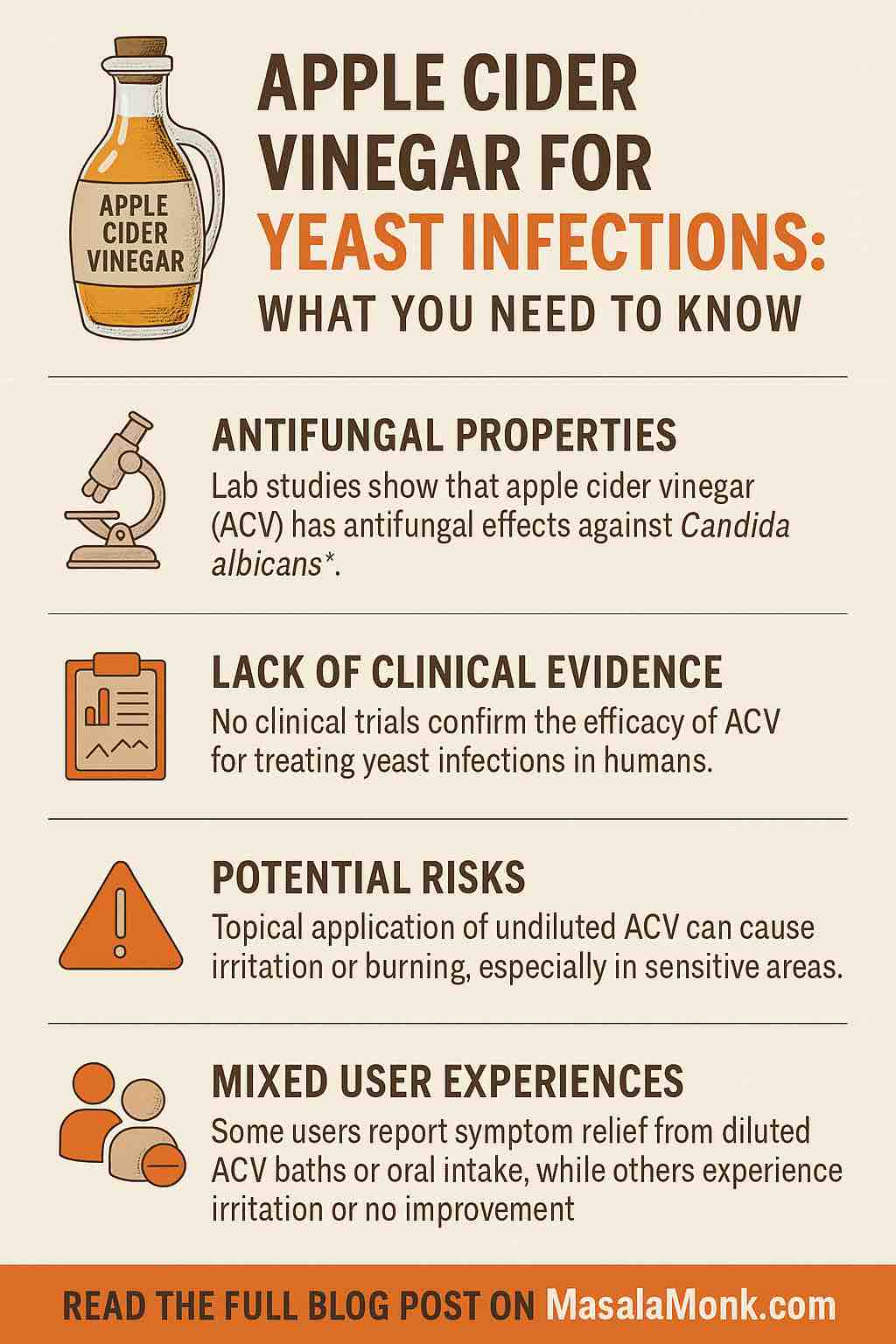
However, it is crucial to understand that these findings are based on laboratory conditions. Clinical trials involving human subjects are lacking, meaning we do not yet have concrete evidence to support ACV’s use as a primary treatment for yeast infections in real-life scenarios.

The User Experience: A Mixed Bag Across forums like Reddit and health blogs, user experiences with ACV for yeast infections are highly variable:

  • Positive Reports: Some users claim that diluted ACV baths helped relieve symptoms when conventional treatments fell short. Others report success with oral consumption of diluted ACV to maintain internal balance and prevent recurrence.
  • Negative Reactions: Equally, many users have experienced irritation, burning, or worsening of symptoms, particularly when applying ACV directly to sensitive areas without adequate dilution.
  • Neutral Outcomes: Some reported no significant improvement, suggesting that ACV might not be universally effective.

Medical Community’s Perspective Health professionals generally urge caution. While ACV’s antifungal activity in lab studies is promising, doctors warn against applying it directly to the vaginal area, especially undiluted. This can lead to irritation, disrupt the natural pH, and possibly worsen the infection. Instead, they advocate for evidence-based treatments and stress the importance of proper diagnosis.

How to Use Apple Cider Vinegar Safely (If You Choose To) If you still wish to explore ACV as a supplementary remedy, consider the following precautions:

  1. Diluted Baths: Add 1-2 cups of ACV to a warm bath and soak for 15-20 minutes.
  2. External Use Only: Never apply undiluted ACV directly to the vaginal canal. A diluted solution (1 part ACV to 4 parts water) may be used externally.
  3. Oral Intake: Mix 1 tablespoon of ACV in a large glass of water and drink once daily. Monitor your body for any adverse reactions.
  4. Consult a Professional: Always speak with a healthcare provider before trying any alternative treatment, especially for recurrent infections.

Conclusion: Myth, Miracle, or Maybe? Apple cider vinegar shows promise as a supplementary approach to managing yeast infections, thanks to its antifungal properties. However, the lack of clinical evidence and potential for irritation means it should be used cautiously and not as a substitute for medical treatment. For now, ACV remains a “maybe” rather than a miracle. As with any health decision, informed choices and professional guidance are key.

Call to Action Have you tried apple cider vinegar for a yeast infection? Share your experiences in the comments below! And don’t forget to subscribe for more evidence-based health insights and natural remedy breakdowns.

Frequently Asked Questions (FAQs)

  1. Can apple cider vinegar cure a yeast infection?
    ACV may help relieve symptoms due to its antifungal properties, but it is not a medically proven cure. Clinical trials are lacking, so it should not replace prescribed treatments.
  2. Is it safe to apply apple cider vinegar directly to the vaginal area?
    No, applying undiluted ACV directly to the vaginal area can cause irritation or burning. Always dilute it properly or use it externally only.
  3. How should I use apple cider vinegar for a yeast infection?
    Consider a diluted ACV bath (1–2 cups in warm water) or oral intake (1 tablespoon in a large glass of water). Avoid internal application unless under medical supervision.
  4. Can I drink apple cider vinegar to prevent yeast infections?
    Some users report benefits from daily oral consumption. However, its effectiveness is anecdotal, and excessive intake can harm teeth or upset the stomach.
  5. How long does it take for ACV to relieve symptoms?
    Results vary. Some users report relief within a few days, while others notice no improvement. It’s not guaranteed to work and should not delay proper treatment.
  6. What type of apple cider vinegar is best?
    Organic, raw, unfiltered ACV with “the mother” is often recommended due to its higher content of beneficial compounds.
  7. Can ACV worsen a yeast infection?
    Yes, especially if used undiluted or internally. It can disrupt the natural flora and worsen symptoms for some individuals.
  8. Are there other natural remedies for yeast infections?
    Yes. Yogurt (with live cultures), probiotics, tea tree oil (diluted), and garlic are also popular natural remedies, though evidence is limited.
  9. Should I stop using prescription antifungals if I start using ACV?
    No. ACV should not replace prescribed medication. Consult your doctor before making any changes to your treatment plan.
  10. When should I see a doctor for a yeast infection?
    If it’s your first infection, if symptoms persist or worsen, or if you experience frequent recurrences, always consult a healthcare professional.