Posted on Leave a comment

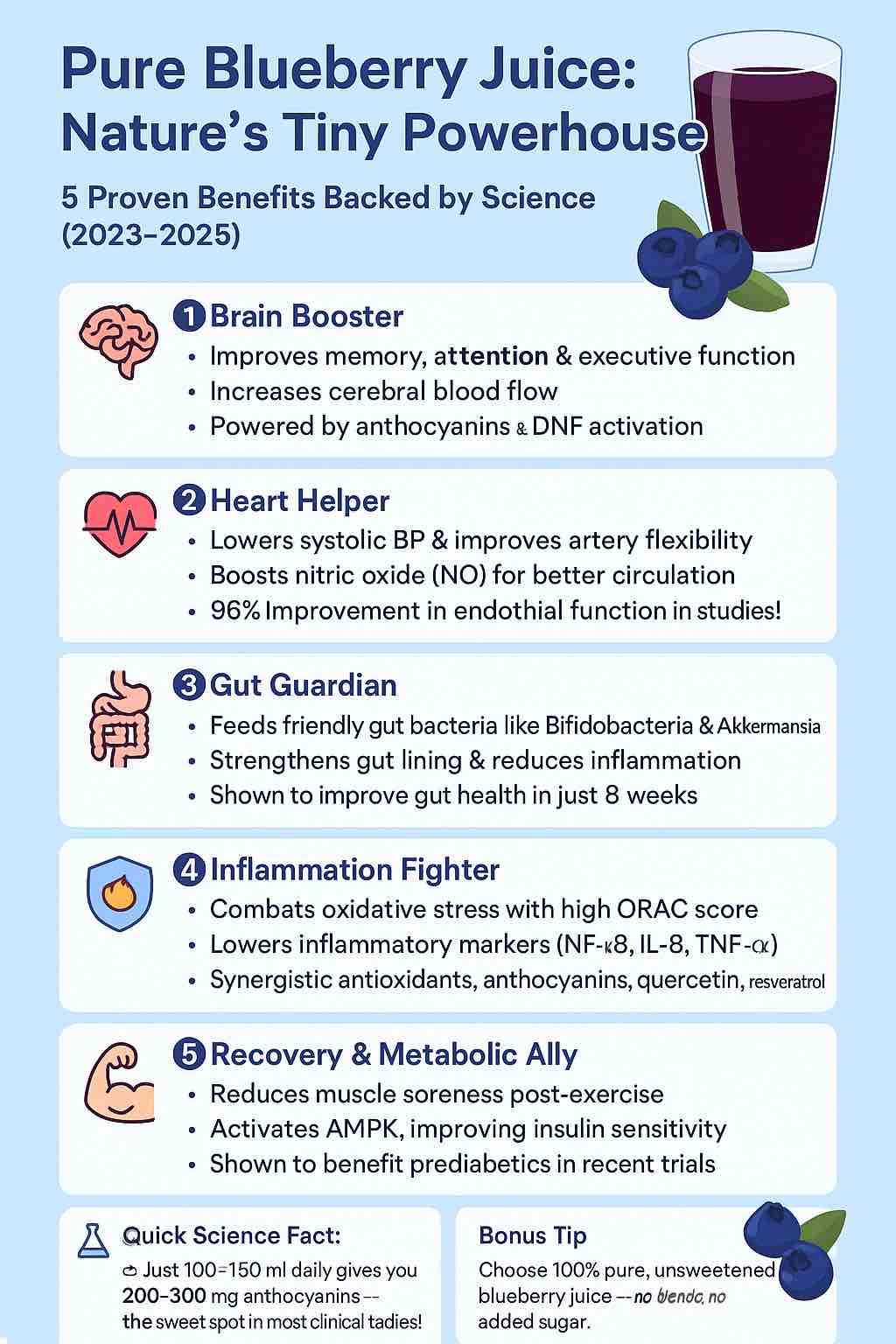
Pure Blueberry Juice: 5 Ways It Boosts Your Well-Being

Pure Blueberry Juice: 5 Ways It Boosts Your Well-Being

If you’re looking for a simple, delicious, and scientifically backed way to elevate your health, look no further than pure blueberry juice. Packed with potent antioxidants, anti-inflammatory compounds, and micronutrients, blueberry juice isn’t just another trendy superfood — it’s one of the most heavily studied natural health boosters out there.

In this deep dive, we’ll explore five powerful ways pure blueberry juice supports your well-being, backed by cutting-edge research from 2023–2025. Along the way, you’ll also get actionable tips on how to incorporate it into your routine for maximum benefit.


1️⃣ Brain Health & Cognitive Function: Nourish Your Mind

We all want to stay sharp as we age — and blueberries may be one of nature’s most effective brain foods.

🔬 The Science:

  • Anthocyanins, the pigments that give blueberries their vibrant color, are able to cross the blood-brain barrier.
  • They stimulate the production of BDNF (Brain-Derived Neurotrophic Factor) — essentially “fertilizer” for your neurons.
  • Blueberry compounds reduce brain inflammation by calming overactive microglial cells.
  • They also improve neurovascular coupling, enhancing blood flow to key brain areas involved in memory and decision-making.

🧪 Recent Studies:

  • The BluFlow Trial (2023, UK) showed that 12 weeks of daily blueberry supplementation improved memory and executive function in older adults while increasing cerebral blood flow.
  • A 2025 meta-analysis of 30 randomized trials confirmed significant improvements in cognitive performance, particularly in short-term memory, attention, and processing speed.

💡 Practical Takeaway:

  • For cognitive benefits, aim for ~200-300 mg of anthocyanins daily — about 100-150 ml of pure blueberry juice.
  • Consistency is key: daily use over several weeks yields the most noticeable brain-boosting effects.

2️⃣ Cardiovascular Health: Love Your Heart

Heart disease remains a leading cause of death globally, but nature may offer us a delicious ally.

🔬 The Science:

  • Blueberries improve endothelial function, allowing blood vessels to relax and dilate more effectively.
  • They enhance nitric oxide (NO) production, improving arterial flexibility.
  • Blueberry polyphenols help lower oxidative stress and prevent LDL oxidation — two major drivers of atherosclerosis.

🧪 Recent Studies:

  • The BEACTIVE Trial (2023) found that daily blueberry consumption reduced systolic blood pressure and improved cholesterol profiles.
  • A 2024 meta-analysis of 16 RCTs confirmed significant improvements in flow-mediated dilation (FMD), a strong marker of vascular health.

💡 Practical Takeaway:

  • Even 50 ml of pure blueberry juice consumed before light exercise can produce acute improvements in arterial stiffness.
  • For long-term cardiovascular support, aim for 100-200 ml of pure, unsweetened juice daily.

3️⃣ Gut Microbiome Health: Feed Your Inner Garden

The trillions of bacteria in your gut influence everything from mood to immunity. Blueberry juice can help nourish these tiny allies.

🔬 The Science:

  • Polyphenols in blueberries serve as prebiotics — food for beneficial gut microbes.
  • They increase populations of Bifidobacteria and Akkermansia muciniphila, both linked to healthier metabolism and reduced inflammation.
  • Blueberry metabolites help strengthen the gut lining, improving intestinal barrier integrity.

🧪 Recent Studies:

  • A 2024 study in Nature Reviews Gastroenterology found blueberry consumption significantly enhanced gut microbial diversity and reduced markers of leaky gut.
  • The King’s College London (2024) study observed substantial microbiome shifts within just 8 weeks of daily blueberry intake.

💡 Practical Takeaway:

  • Drinking 100 ml of pure blueberry juice daily can help support a healthier, more diverse gut microbiome.
  • Consuming juice alongside meals rich in fiber may amplify its gut-health benefits.

4️⃣ Antioxidant & Anti-Inflammatory Power: Quench the Fire

Chronic inflammation underlies many modern diseases. Blueberry juice delivers a potent cocktail of antioxidants that help calm systemic inflammation.

🔬 The Science:

  • Anthocyanins, quercetin, resveratrol, and vitamin C work together to neutralize free radicals.
  • Blueberries suppress inflammatory markers like NF-ÎşB, IL-6, and TNF-Îą.
  • They boost the body’s natural antioxidant enzymes, such as superoxide dismutase (SOD) and catalase.

🧪 Recent Studies:

  • A 2023 study in Journal of Agricultural Food Chemistry showed blueberry juice possesses one of the highest antioxidant capacities among fruits.
  • A 2024 clinical trial in Cell Metabolism demonstrated that polyphenol-rich diets (including blueberries) significantly reduced systemic inflammation in overweight individuals.

💡 Practical Takeaway:

  • Antioxidant effects occur even with moderate doses: 75-150 ml of pure blueberry juice daily can significantly lower oxidative stress.
  • Pairing blueberries with healthy fats (like nuts or yogurt) may improve absorption of fat-soluble antioxidants.

5️⃣ Exercise Recovery & Metabolic Health: Recover Faster, Perform Better

Whether you’re a casual gym-goer or a serious athlete, blueberry juice can help reduce post-exercise soreness and support metabolic function.

🔬 The Science:

  • Blueberry antioxidants minimize oxidative muscle damage and speed up tissue repair.
  • They activate AMPK, a metabolic master switch that improves insulin sensitivity.
  • Blueberry consumption is linked to improved glucose regulation and lower risk of type 2 diabetes.

🧪 Recent Studies:

  • A 2024 sports nutrition trial found that blueberry supplementation reduced muscle soreness and strength loss after eccentric exercise.
  • A 2025 study in Diabetes Care reported that regular blueberry consumption improved insulin resistance markers (HOMA-IR) in prediabetic adults.

💡 Practical Takeaway:

  • To support exercise recovery, consume 100-200 ml of pure blueberry juice within 1 hour after physical activity.
  • Regular intake may also help improve long-term metabolic health markers.

⚠️ A Quick Word on Quality

👉 Not all blueberry juices are created equal.
For maximum benefits:

  • ✅ Choose 100% pure, unsweetened blueberry juice.
  • ✅ Avoid juice blends with added sugars or fillers.
  • ✅ Wild (lowbush) blueberries may offer even higher antioxidant content.

If cost is a factor, frozen blueberries blended into smoothies are an excellent, budget-friendly alternative.


🧮 Suggested Daily Blueprint

GoalAmount of Pure Blueberry Juice
General wellness75–150 ml
Brain & heart health100–200 ml
Exercise recovery150–200 ml post-workout
Gut health100 ml with meals

🔑 Final Thoughts

Pure blueberry juice is one of the rare superfoods where the science matches the hype. Whether you want to boost brain power, protect your heart, nourish your gut, tame inflammation, or speed up recovery — this small berry delivers outsized benefits.

👉 Start small, be consistent, and give your body a few weeks to fully experience the effects.

Your future brain, heart, and muscles will thank you.


Disclaimer: Always consult your healthcare provider before making significant changes to your diet, especially if you have pre-existing conditions or take medications.

🔎 10 FAQs for Readers

1️⃣ How much pure blueberry juice should I drink daily?

For general wellness, 75–150 ml daily is sufficient. For targeted benefits (brain, cardiovascular, exercise recovery), 100–200 ml daily provides optimal anthocyanin levels supported by studies.

2️⃣ Can I substitute fresh or frozen blueberries instead of juice?

Absolutely! 100 grams of fresh or frozen blueberries roughly equal 50–75 ml of pure juice. Whole berries also offer fiber, which adds gut health benefits.

3️⃣ Is store-bought blueberry juice effective?

Yes, if it’s 100% pure, unsweetened blueberry juice. Avoid products labeled “blueberry cocktail,” “juice blend,” or those with added sugars and fillers.

4️⃣ Are there differences between wild and cultivated blueberries?

Wild (lowbush) blueberries tend to have 2–3x higher anthocyanin content than cultivated (highbush) varieties. Either type is beneficial, but wild varieties offer more concentrated antioxidants per serving.

5️⃣ Can blueberry juice help with high blood pressure?

Studies show that regular consumption can modestly lower systolic blood pressure and improve arterial flexibility. It works best when combined with a healthy diet and lifestyle.

6️⃣ Does blueberry juice help with cognitive decline or dementia?

Emerging research suggests long-term consumption supports memory, executive function, and cerebral blood flow, which may help slow age-related cognitive decline. However, it is not a cure or treatment for dementia.

7️⃣ Is blueberry juice safe for people with diabetes?

Yes — when consumed in moderation (100–150 ml), it may even improve insulin sensitivity. However, monitor your blood sugar and consult your healthcare provider if you have diabetes.

8️⃣ When is the best time to drink blueberry juice?

Morning or post-workout are ideal for antioxidant support and recovery. Pre-exercise intake may also enhance vascular and cognitive function.

9️⃣ Can children and pregnant women drink blueberry juice?

Generally yes, in moderate amounts. It’s a nutrient-rich option, but always consult your healthcare provider during pregnancy for personalized advice.

🔟 Does heating or pasteurization reduce blueberry juice benefits?

Some loss of anthocyanins occurs with heat processing, but many commercial pure juices retain significant bioactivity. Flash-pasteurized or cold-pressed options are ideal.
Posted on Leave a comment

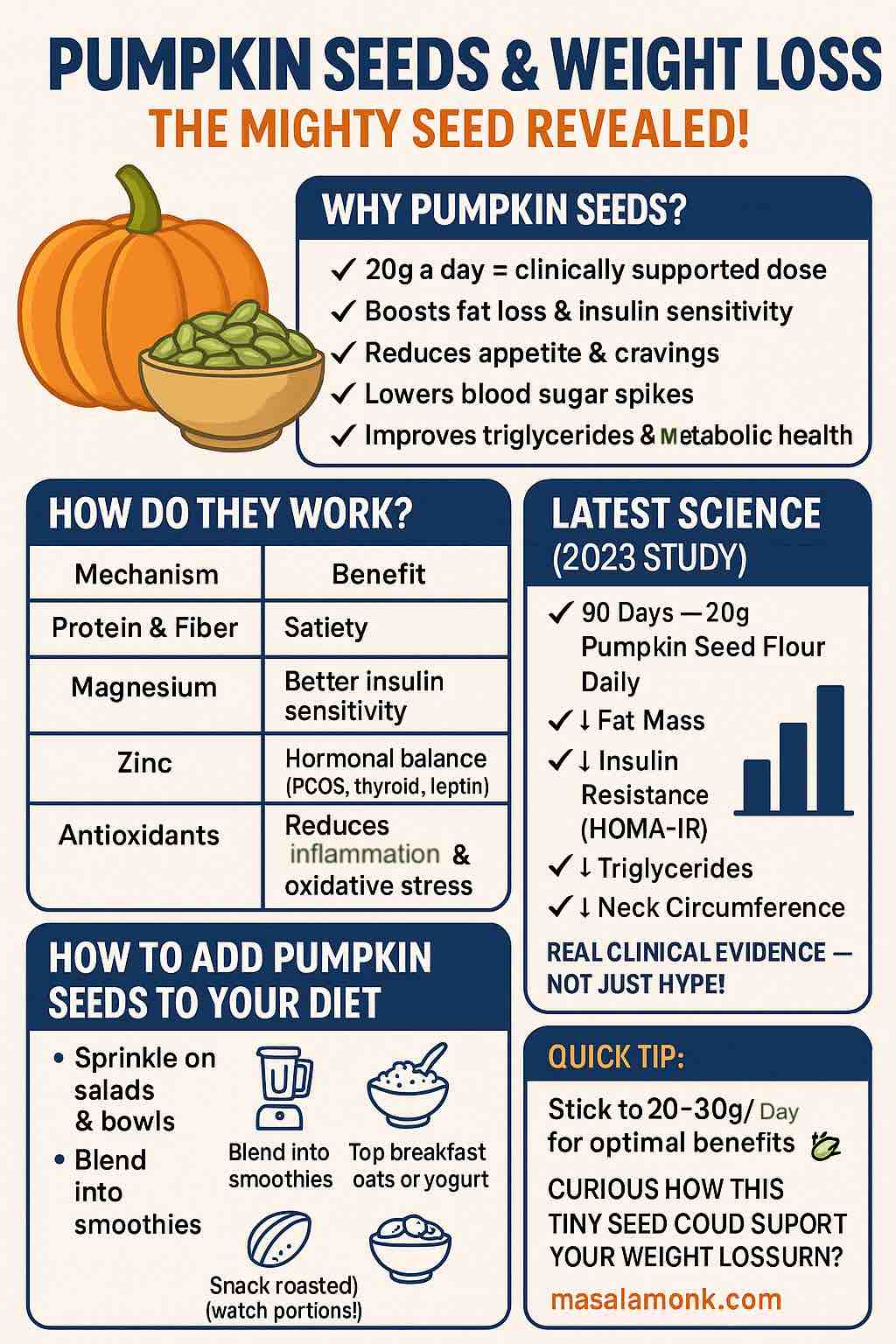
Pumpkin Seeds and Weight Loss: Unleashing the Power of the Mighty Seed

PUMPKIN SEEDS & WEIGHT LOSS

In a world flooded with superfoods and weight-loss hacks, some of the most powerful tools for sustainable fat loss remain simple, natural, and often overlooked. Enter: Pumpkin Seeds — tiny green nutritional powerhouses packed with protein, healthy fats, essential minerals, and bioactive compounds that may offer surprising support in your weight-loss journey.

Recent scientific evidence — including a landmark 2023 clinical trial — is starting to validate what many health enthusiasts have suspected: pumpkin seeds don’t just taste great, they also work synergistically with your metabolism, appetite, and hormones to help optimize fat loss.

In this post, we’ll explore:

  • The complete nutritional profile of pumpkin seeds
  • How they promote weight loss (mechanisms)
  • Recent research breakthroughs
  • Practical tips for incorporating them into your daily routine

Let’s dive deep.


The Nutritional Power of Pumpkin Seeds

Pumpkin seeds, also known as pepitas, are harvested from pumpkins (Cucurbita pepo and Cucurbita maxima) and are naturally rich in an impressive array of nutrients.

NutrientPer 28g (~1 oz or small handful)Health Role
Calories151 kcalEnergy
Protein7gSatiety, muscle maintenance
Fat13g (mainly unsaturated)Healthy fats, hormonal balance
Carbohydrates5gLow-carb friendly
Fiber1.7gGut health, appetite control
Magnesium~150mg (37% RDA)Glucose control, insulin sensitivity
Zinc~2mg (14% RDA)Thyroid & hormone regulation
Iron~4mgEnergy metabolism
Potassium~230mgElectrolyte balance
AntioxidantsVitamin E, phenolic acidsAnti-inflammatory

How Pumpkin Seeds May Support Weight Loss: The Science-Backed Mechanisms

The weight-loss potential of pumpkin seeds isn’t about “burning fat” directly — instead, they work indirectly through multiple synergistic mechanisms:

1️⃣ Satiety: Keeping Hunger at Bay

  • High Protein Content: With 7g of protein per ounce, pumpkin seeds help you feel full for longer, curbing snacking and overeating.
  • Healthy Fats & Fiber: The unsaturated fats and fiber further slow digestion, regulate appetite hormones like PYY and GLP-1, and stabilize blood sugar.
  • Studies consistently show that high-protein, high-fiber snacks improve satiety and reduce total daily calorie intake.

2️⃣ Blood Sugar & Insulin Control

  • Pumpkin seeds are naturally rich in magnesium, a critical mineral for insulin function.
  • Magnesium enhances insulin receptor sensitivity, improving glucose uptake and reducing insulin resistance — key for fat mobilization.
  • A 2018 study showed that adding 65g of pumpkin seeds to a carb-heavy meal reduced post-meal blood sugar by 35%.

3️⃣ Reducing Inflammation

  • Chronic low-grade inflammation is tightly linked to obesity and metabolic dysfunction.
  • The antioxidants in pumpkin seeds — such as vitamin E, phenolic acids, and phytosterols — may help neutralize oxidative stress and improve lipid profiles.

4️⃣ Hormonal Balance (Especially for Women)

  • Zinc is essential for thyroid function, leptin sensitivity, and reproductive hormones.
  • This may be particularly helpful for women struggling with weight issues tied to PCOS or hormonal imbalances.

5️⃣ Lipid Regulation

  • Pumpkin seed oil and flour have demonstrated triglyceride-lowering effects in both animal models and human studies.
  • Better lipid profiles reduce cardiovascular risk and may improve metabolic flexibility — making weight loss more sustainable.

The Breakthrough 2023 Clinical Trial: Hard Evidence Emerges

Until recently, much of pumpkin seeds’ weight-loss reputation was built on indirect evidence. But a 2023 Brazilian clinical trial has added real-world credibility:

  • ✅ 100 obese women (BMI > 30 kg/m²)
  • ✅ Randomized, double-blind, placebo-controlled
  • ✅ 90 days of a calorie-restricted diet + 20g/day pumpkin seed flour
  • ✅ Compared to placebo

Key Results:

Health MarkerImprovement (PSF group)
Fat MassDecreased
Neck CircumferenceDecreased
TriglyceridesDecreased
Fasting InsulinDecreased
HOMA-IR (Insulin Resistance)Decreased

In short: Pumpkin seed flour made calorie restriction even more effective, improving both fat loss and metabolic health.


Practical Ways to Use Pumpkin Seeds for Weight Loss

Here’s where research meets real life. How do you actually eat pumpkin seeds to take advantage of these benefits?

🥄 Recommended Daily Intake

  • Whole seeds: ~20–30g/day (about 1–2 tablespoons)
  • Pumpkin seed flour (as in the trial): 20g/day (~1–1.5 tablespoons)

Caution: They are calorie-dense (~150 kcal/oz), so portion control is important!

🍽 Easy & Tasty Ways to Incorporate Pumpkin Seeds

MealUsage Idea
BreakfastSprinkle on oatmeal, yogurt, or smoothie bowls
SnacksEat as a roasted snack (unsalted preferably)
LunchAdd to salads, soups, or Buddha bowls
BakingReplace 10–20% of flour with pumpkin seed flour in breads, muffins, or pancakes
SmoothiesBlend pumpkin seed flour into protein shakes

The Power of Synergy: Combine Pumpkin Seeds With…

Pumpkin seeds work even better when combined with other healthy foods that support blood sugar control and appetite regulation:

  • 🥣 Chia or flaxseeds: for extra fiber and omega-3s.
  • 🍇 Berries: for antioxidants and gut-friendly polyphenols.
  • 🥬 Leafy greens: for additional magnesium, potassium, and fiber.
  • 🍳 Lean proteins: to amplify satiety.
  • 🍠 Complex carbs: when timed post-workout, for metabolic flexibility.

Possible Cautions (and How to Avoid Them)

While generally safe, pumpkin seeds aren’t magical or entirely free of downsides:

  • Calorie Density: Overeating can offset any weight-loss benefit. Measure portions.
  • Mild Allergies: Rare but possible.
  • Phytates: May reduce mineral absorption if consumed in extremely high quantities (rare with normal intake).
  • Digestive Issues: Start slow if you’re not used to higher fiber.

The Bottom Line: Are Pumpkin Seeds a Weight Loss Miracle?

No — pumpkin seeds aren’t a magic bullet.

But based on the latest clinical trial and strong mechanistic science, we can confidently say:

Pumpkin seeds — particularly in flour form — are a powerful, science-backed addition to a sustainable weight-loss program. They work by improving satiety, blood sugar control, insulin sensitivity, and lipid metabolism — all while providing your body with essential micronutrients that many dieters miss.

20 grams of pumpkin seed flour a day — combined with a calorie-controlled, nutrient-dense diet — can yield meaningful fat loss and metabolic improvements.


Quick Summary Table

BenefitMechanismEvidence
SatietyProtein, fat, fiber✓ Human studies
Glycemic ControlMagnesium, fiber, fat✓ Acute human trials
Insulin SensitivityMagnesium, zinc✓ 2023 RCT
Lipid ImprovementPhytosterols, antioxidants✓ 2023 RCT, animal models
Anti-InflammatoryAntioxidants✓ Mechanistic & animal data
Hormonal BalanceZinc, magnesium✓ Observational & mechanistic

Final Thought

The pumpkin seed isn’t just a garnish for your salad — it’s a functional food whose full potential we’re only beginning to unlock. If you’re serious about crafting a long-term, effective, and sustainable weight-loss strategy, this mighty seed deserves a permanent place in your pantry.

FAQs

1️⃣ How much pumpkin seed should I eat daily for weight loss?

The most evidence-backed amount is 20 grams of pumpkin seed flour daily, based on recent clinical studies. This equals about 1.5 tablespoons of flour or roughly 1 ounce (28 grams) of whole seeds. Always adjust portions based on your total calorie intake.


2️⃣ Is it better to consume whole pumpkin seeds or pumpkin seed flour?

Both forms are beneficial. However, the strongest clinical evidence supports pumpkin seed flour (20 g/day), which was shown to improve fat loss, insulin sensitivity, and triglyceride levels in obese women. Whole seeds still provide fiber, healthy fats, and micronutrients but can be easier to overeat.


3️⃣ Can pumpkin seeds help lower blood sugar?

Yes. Studies show that consuming pumpkin seeds with meals can lower post-meal blood sugar spikes by up to 35%. This effect comes from their fiber, protein, fat, and magnesium content, which slows carbohydrate digestion and improves insulin sensitivity.


4️⃣ Do pumpkin seeds support hormonal balance?

Yes, especially for women. Zinc in pumpkin seeds helps regulate thyroid hormones, supports reproductive hormones, and improves leptin sensitivity — important factors for weight management, especially in cases like PCOS.


5️⃣ Are there any side effects of eating pumpkin seeds?

Pumpkin seeds are generally safe. However:

  • Overeating can lead to excessive calorie intake.
  • Rare allergies exist.
  • High amounts may cause mild digestive upset due to fiber.
  • The phytic acid content may reduce mineral absorption if consumed in extremely large quantities.

6️⃣ Can men benefit from pumpkin seeds for weight loss?

Absolutely. While one study was on obese women, the metabolic benefits — improved insulin sensitivity, better lipid profile, reduced inflammation — are highly relevant to both men and women.


7️⃣ Do roasted pumpkin seeds have the same benefits as raw?

Roasted seeds still provide key nutrients, but high-heat roasting may slightly reduce some heat-sensitive antioxidants. Lightly roasted or raw pumpkin seeds are ideal for maximizing nutrient retention.


8️⃣ Can I lose weight just by adding pumpkin seeds without dieting?

Pumpkin seeds are not a magic fix. They work best as part of an overall calorie-controlled, nutrient-rich diet. Their main role is to support satiety, blood sugar control, and metabolic health — making it easier to stick to your weight loss plan.


9️⃣ What’s the best time of day to eat pumpkin seeds for weight loss?

Anytime works. Some people add them:

  • At breakfast for satiety
  • In snacks to curb afternoon cravings
  • With carbohydrate meals to reduce post-meal glucose spikes

Consistency is more important than timing.


🔟 Are pumpkin seeds keto or low-carb friendly?

Yes. Pumpkin seeds are naturally low in net carbs and high in healthy fats, protein, and fiber — making them a keto-friendly, low-carb snack when consumed in moderation.


Posted on Leave a comment

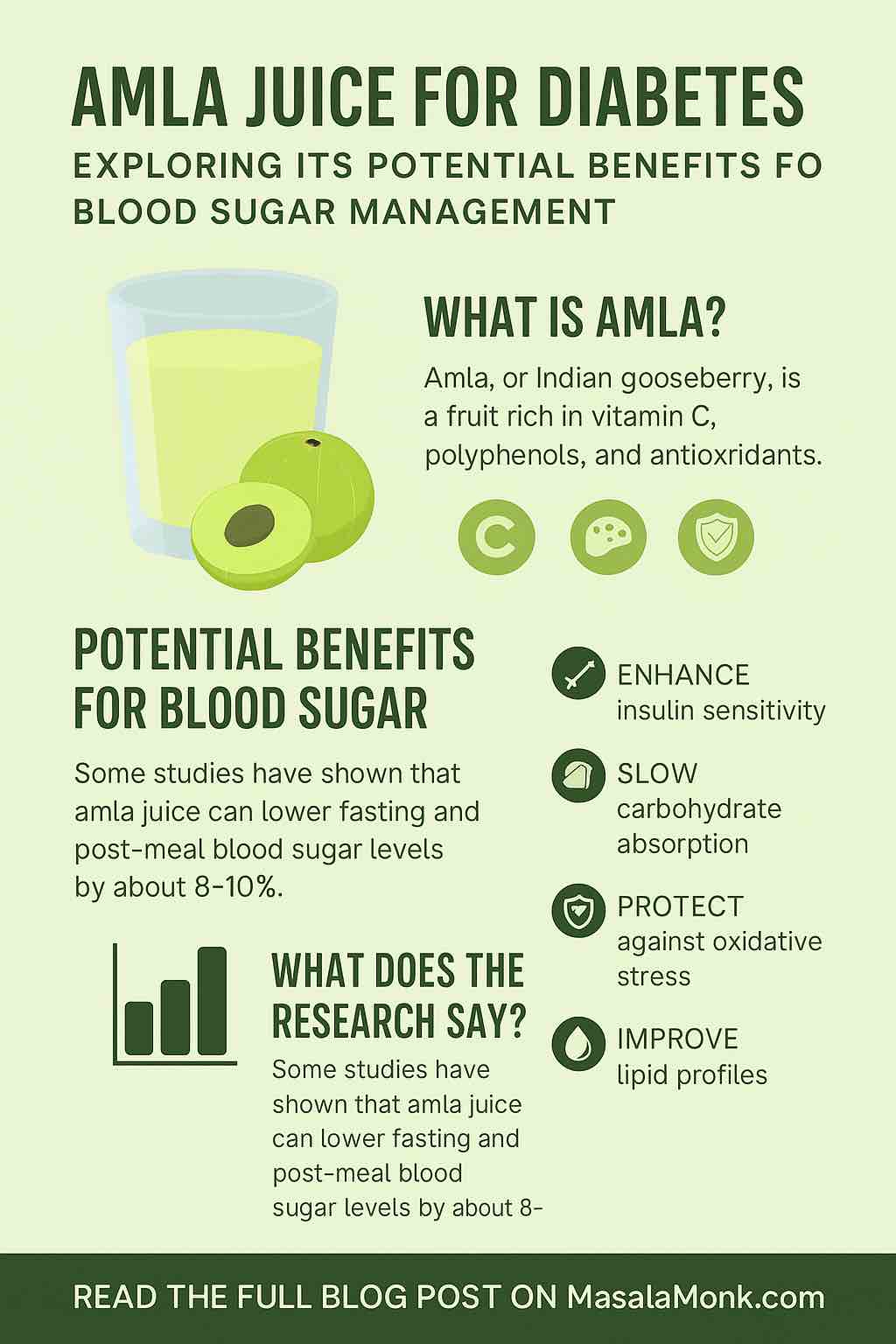
Amla Juice for Diabetes: Exploring Its Potential Benefits for Blood Sugar Management

AMLA JUICE FOR DIABETES

Introduction: The Diabetes Epidemic and Natural Interventions

Diabetes is no longer a condition limited to the elderly or genetically predisposed; it’s a global epidemic affecting millions worldwide across age groups. According to the International Diabetes Federation, over 537 million adults worldwide are living with diabetes, and this number is growing rapidly. Managing blood sugar levels effectively has become a daily challenge for many — and while medications are essential for many patients, growing interest surrounds natural dietary interventions that may offer complementary benefits.

One such promising natural remedy is Amla (Emblica officinalis), also known as Indian gooseberry. Long revered in Ayurveda as a powerful rejuvenating fruit, recent scientific research suggests that amla might play a meaningful role in blood sugar management.

In this comprehensive article, we’ll explore:

  • The science behind amla’s potential anti-diabetic properties
  • Practical recommendations for consuming amla juice
  • Dosages, safety considerations, and real-world tips
  • The latest human studies validating amla’s potential

What is Amla?

Amla (Emblica officinalis), a small, greenish-yellow fruit, has been a cornerstone of Indian traditional medicine for thousands of years. It is rich in:

  • Vitamin C (among the highest natural sources)
  • Polyphenols (gallic acid, ellagic acid, emblicanin A and B)
  • Tannins
  • Chromium
  • Fiber and antioxidants

Amla is traditionally used for enhancing immunity, improving digestion, balancing metabolism, and promoting longevity. But it’s the emerging research on its blood sugar regulating properties that has made it particularly intriguing in the modern diabetes context.


How Amla May Help with Diabetes: The Science Explained

Several biological mechanisms may explain how amla can help manage blood sugar levels:

1️⃣ Enhancing Insulin Sensitivity

  • Studies suggest that amla can improve insulin sensitivity by protecting pancreatic beta-cells, enhancing insulin secretion, and supporting glucose uptake by tissues.
  • The chromium present in amla may also enhance insulin’s action at the cellular level.

2️⃣ Slowing Carbohydrate Absorption

  • Amla is rich in soluble fiber, which can slow down the absorption of sugar from the intestines into the bloodstream, thereby preventing sharp spikes in post-meal blood sugar.

3️⃣ Antioxidant Protection

  • Hyperglycemia leads to oxidative stress, damaging cells and organs. Amla’s high antioxidant content — especially emblicanins, gallic acid, and ellagic acid — helps neutralize free radicals and reduce systemic inflammation.

4️⃣ Anti-inflammatory Benefits

  • Chronic inflammation worsens insulin resistance. Amla has been shown to have potent anti-inflammatory effects, which may indirectly support improved glucose metabolism.

5️⃣ Lipid Regulation

  • Amla may also address one of diabetes’ common complications: dyslipidemia (high cholesterol and triglycerides). Studies show significant improvements in lipid profiles, reducing cardiovascular risks often associated with diabetes.

What Does the Research Say? (Scientific Evidence)

Let’s review some of the most significant studies that back up amla’s anti-diabetic claims:

✅ 1. 2011 Clinical Study (Amla Powder vs Diabetes)

  • In a landmark 21-day study, patients with type 2 diabetes received 1g, 2g, and 3g amla powder daily.
  • All doses led to significant reductions in fasting and postprandial blood glucose levels, as well as improvements in lipid profiles (lower cholesterol, triglycerides, and LDL; higher HDL).
  • The glucose-lowering effect was dose-dependent, with 3g showing the most profound impact.

✅ 2. Amla Extract vs Metformin (2020 Study)

  • A 90-day study compared amla extract (1g & 2g daily) with metformin (500mg daily) in diabetic patients.
  • Both groups showed significant reductions in fasting blood sugar, postprandial sugar, and HbA1c.
  • Notably, the 2g amla group performed comparably — and even better — than metformin for some markers.

✅ 3. Amla Juice (Fresh Juice Studies)

  • Several smaller studies have demonstrated that drinking 30–50 ml of fresh amla juice daily significantly reduced post-meal blood sugar levels by about 8–10% after 2–3 months.
  • The effects were even more pronounced when combined with dietary fiber-rich juices (e.g., okra juice).

✅ 4. Amla + Olive Extract Combination

  • A large real-world Belgian study used 1g amla fruit with 50mg olive leaf extract daily in prediabetics and T2DM patients.
  • After 2 months, fasting glucose decreased significantly while also improving cholesterol without side effects.

How to Incorporate Amla Juice for Diabetes Management

While research supports multiple forms of amla (powder, capsules, extract), amla juice remains one of the most popular and practical options for daily use.

✅ Recommended Dosage

FormDaily DoseNotes
Fresh Amla Juice30–50 mlBest taken on empty stomach
Powdered Amla1–3 gramsMix with warm water or honey
Standardized Extract500 mg – 2 gramsConsult healthcare provider for higher doses

Pro Tip: If you’re just starting out, begin with 30 ml juice daily and gradually increase based on tolerance and response.

✅ When to Take It

  • Morning empty stomach is ideal.
  • Avoid consuming close to high-carb meals to allow for better metabolic response.
  • Stay consistent for at least 8-12 weeks to observe measurable benefits.

✅ Choosing High-Quality Amla Juice

  • Ensure it’s 100% pure amla juice without added sugar or preservatives.
  • Organic and cold-pressed options retain more bioactive compounds.
  • Avoid diluted supermarket versions with minimal amla content.

Potential Side Effects and Safety Precautions

While amla is generally very safe, it’s important to be aware of a few considerations:

Possible IssueNotes
HypoglycemiaMay enhance effect of diabetes medications. Monitor blood sugar closely.
GI UpsetHigh doses may cause acidity, diarrhea, or mild stomach discomfort.
Bleeding RiskAmla has mild blood-thinning properties; caution if on anticoagulants.
Allergic ReactionsRare but possible itching, swelling, or rashes in sensitive individuals.

👉 Always consult your doctor before introducing amla into your diabetes care routine, especially if you’re on medications or have other chronic conditions.


Real-World Testimonials

Many people with type 2 diabetes who integrate amla juice into their diet report:

  • Lower fasting and post-meal blood sugar levels
  • Reduced sugar cravings
  • Improved energy and digestion
  • Better lipid profiles after 3–6 months

While individual results vary, many find that amla serves as a powerful adjunct — not a replacement — to their existing treatment plan.


Can Amla Replace Medication?

👉 The short answer is: No, not entirely — at least not without careful medical supervision.

While studies have shown amla’s potential to rival medications like metformin at certain doses, it’s not a stand-alone replacement. Rather, think of amla as a supportive tool that can:

  • Help stabilize daily glucose swings
  • Potentially allow for lower medication dosages
  • Protect against long-term diabetes complications

With proper monitoring and professional guidance, amla may become a valuable part of a broader, holistic diabetes management strategy.


Final Thoughts: Is Amla Juice Worth Trying for Diabetes?

✅ Backed by both ancient wisdom and modern science, amla juice shows real promise for blood sugar regulation.
✅ It’s safe for most people, affordable, and easy to incorporate into daily routines.
✅ While not a miracle cure, consistent, mindful use may help improve glucose control, lipid profiles, and overall metabolic health.

In the battle against diabetes, nature often provides remarkable allies — and amla might be one of the most overlooked. If you’re looking for a natural adjunct to support your diabetes management, amla juice may be worth a closer look — always with your healthcare provider’s supervision.


References (Key Studies)

  • Akhtar MS et al., (2011). “Hypoglycaemic activity of Emblica officinalis fruit in normal and diabetic human volunteers.” Pakistan Journal of Pharmaceutical Sciences.
  • Antony B et al., (2020). “Efficacy of Amla Extract Compared to Metformin in Type 2 Diabetes Mellitus.” Journal of Dietary Supplements.
  • De Smet J et al., (2023). “Effect of Amla and Olive Extract on Fasting Glucose and Lipids: Real-World Evidence.” Journal of Integrative Medicine.
  • Indian Journal of Clinical Biochemistry (2011), 26(4): 419-425.

🔎 10 Frequently Asked Questions (FAQs) About Amla Juice for Diabetes


1️⃣ Can amla juice really lower blood sugar?

Yes, several human studies show that amla juice, powder, and extract can lower both fasting and post-meal blood sugar levels. In some trials, regular consumption led to reductions of 8-10% in blood glucose levels, and in some cases, performed comparably to standard medications like metformin. However, it should be used as a complementary strategy, not as a sole treatment.


2️⃣ How much amla juice should I take daily for diabetes?

A common recommended starting dose is 30–50 ml of fresh amla juice per day, preferably on an empty stomach in the morning. You can adjust the dosage under medical supervision depending on your body’s response.


3️⃣ Is amla juice better than amla powder or extract for diabetes?

Both forms have benefits:

  • Powder and standardized extracts have more consistent dosing and higher concentration of active compounds.
  • Juice provides antioxidants and fiber but can vary in potency.
    Many clinical studies used powder or extracts, but fresh juice is practical and effective for daily use.

4️⃣ How soon will I see results after starting amla juice?

Some people notice improvements in blood sugar within 3–4 weeks, while full benefits on blood sugar, lipids, and energy levels may take 8–12 weeks. Consistency is key.


5️⃣ Can I take amla juice while on diabetes medication?

Yes, but with caution. Amla may enhance the effects of diabetes drugs, which could lead to hypoglycemia. Always consult your doctor, monitor your blood sugar regularly, and adjust medications as needed.


6️⃣ Does amla juice have any side effects?

For most people, amla is very safe. However, high doses may cause:

  • Mild stomach upset or acidity
  • Diarrhea
  • Rare allergic reactions
  • Increased bleeding risk if combined with anticoagulant medication

7️⃣ Can prediabetics benefit from taking amla juice?

Absolutely. Studies show amla can help improve insulin sensitivity, reduce post-meal glucose spikes, and improve lipid profiles — all beneficial for prediabetes management and prevention of progression to full diabetes.


8️⃣ Should I take amla juice with food or on an empty stomach?

Taking amla juice on an empty stomach in the morning allows for better absorption and effectiveness. Avoid taking it with heavy meals or sugary foods.


9️⃣ Can I make amla juice at home?

Yes. You can blend fresh amla fruits with a little water, strain, and consume 30-50 ml daily. Freshly prepared juice retains more nutrients. You may add a few drops of lemon or a pinch of turmeric for taste and additional benefits.


🔟 Is store-bought amla juice effective?

It depends. Look for:

  • 100% pure amla juice
  • No added sugar or preservatives
  • Organic, cold-pressed if possible
    Avoid diluted or flavored commercial products with minimal amla content.
Posted on 1 Comment

The Art of Fermented Fruit Juices: 5 DIY Recipes to Try at Home

fermented fruit juices, home fermentation, probiotic drinks, lactic acid bacteria, water kefir, tepache, kanji, fruit kvass, gut health, DIY fermentation, fermented beverages, kombucha alternatives, natural probiotics, food preservation, fermentation recipes

Fermenting fruit juices is both an ancient craft and a modern wellness trend. By harnessing the natural power of beneficial microbes, you can create flavorful, probiotic-rich beverages right in your kitchen. These fermented drinks are not only delicious but also offer numerous health benefits — from improved digestion to a stronger immune system. In this guide, we’ll explore the science behind fermentation and share 5 detailed, practical recipes you can start today.


🧬 The Science of Fermentation — Simplified

At its core, fermentation is a natural process where microorganisms such as bacteria and yeast consume sugars and convert them into acids, gases, and sometimes alcohol.

  • Lactic Acid Bacteria (LAB) – produce lactic acid, enhancing the sour taste and providing probiotics.
  • Yeasts – produce alcohol and carbonation, adding complexity to the flavor.
  • Wild Microbes – naturally present on fruits and in the environment, contribute unique flavors and textures.

Key benefits of fermented fruit juices:

  • Increased bioavailability of nutrients
  • Enhanced antioxidant levels
  • Gut-friendly probiotics
  • Natural preservation
  • Unique and complex flavors

⚠️ Basic Safety Rules for Home Fermentation

Before we dive into recipes, remember these crucial safety tips:

  • Sanitize all jars, utensils, and surfaces.
  • Use clean, fresh produce — preferably organic.
  • Always use non-chlorinated, filtered water.
  • Ferment at room temperature (68–75°F / 20–24°C).
  • Monitor for off-smells or visible mold; discard if found.
  • If in doubt, trust your senses — fermented juices should smell pleasantly sour or fruity, never rotten or foul.

🧪 5 DIY Fermented Fruit Juice Recipes to Try at Home


1️⃣ Water Kefir with Fruit Juice — Dairy-Free Probiotic Delight

Why this works:
Water kefir grains (Tibicos) contain a symbiotic culture of bacteria and yeast that ferment sugars into a lightly fizzy, probiotic-rich beverage.

You’ll need:

  • Âź cup water kefir grains
  • Âź cup organic sugar (cane or raw sugar works best)
  • 1 quart filtered water
  • 1–2 cups fruit juice (apple, grape, pomegranate, or orange)

Instructions:

First Ferment:

  1. Dissolve sugar in filtered water.
  2. Add water kefir grains to the sugar water.
  3. Cover with a breathable cloth and ferment for 24–48 hours at room temperature.

Second Ferment (Flavoring Stage):
4. Strain out kefir grains (reuse for next batch).
5. Add your choice of fruit juice to the strained liquid.
6. Pour into bottles with tight-fitting lids.
7. Ferment an additional 24 hours at room temperature for carbonation.
8. Refrigerate and enjoy chilled.

Tip:
Always open bottles carefully — pressure can build up!


2️⃣ Pineapple Tepache — Wild Ferment with Tropical Vibes

Why this works:
Pineapple skin naturally hosts wild yeasts and LAB, making tepache one of the easiest ferments for beginners.

You’ll need:

  • 1 ripe pineapple (peels and core)
  • ž to 1 cup brown sugar or piloncillo
  • 6–8 cups filtered water
  • Optional: 1 cinnamon stick, 3–4 cloves

Instructions:

  1. Rinse pineapple gently to remove dirt but keep natural microbes intact.
  2. Slice off skin and core, place in large glass jar.
  3. Dissolve sugar in water, pour over pineapple.
  4. Add spices if desired.
  5. Cover jar with cloth or coffee filter secured with rubber band.
  6. Ferment for 2–5 days at room temperature.
  7. Taste daily: when tangy with light fizz, strain and refrigerate.

Tip:
The longer you ferment, the tangier and slightly more alcoholic (~1-2% ABV) it becomes.


3️⃣ Indian Beetroot Kanji — Fermented Root Juice

Why this works:
Beets and carrots naturally ferment with salt and mustard seeds, producing a vibrant probiotic drink loaded with antioxidants.

You’ll need:

  • 3 medium beets, peeled and chopped
  • 2 carrots, peeled and chopped
  • 1 tbsp black mustard seeds
  • 1½ tbsp sea salt
  • 8 cups filtered water

Instructions:

  1. Combine all ingredients in a large glass jar.
  2. Stir until salt dissolves.
  3. Cover with cloth, ferment at room temperature for 5–7 days.
  4. Stir daily and taste; once pleasantly tangy, strain and refrigerate.

Tip:
Serve chilled with meals to aid digestion.


4️⃣ Fruit Kvass — Quick Lactic Acid Ferment

Why this works:
Using whey or probiotic capsules introduces LAB directly into the juice, speeding up fermentation.

You’ll need:

  • 2 cups chopped fruit (berries, apples, mango, etc.)
  • 2 tbsp sugar (optional)
  • 1 quart filtered water
  • 2 tbsp whey (from yogurt) or 1 probiotic capsule (Lactobacillus strains)

Instructions:

  1. Place fruit in a sanitized jar.
  2. Add sugar and water, stir to dissolve.
  3. Add whey or probiotic powder.
  4. Cover loosely with lid or cloth.
  5. Ferment 2–4 days at room temp.
  6. Taste daily; once tart and slightly fizzy, refrigerate.

Tip:
Kvass is very forgiving and can be flavored endlessly.


5️⃣ Instant Probiotic Fruit Juice — No Fermentation Needed

Why this works:
Scientific studies show that adding probiotic powder to fresh juice can deliver immediate benefits without waiting for fermentation.

You’ll need:

  • 1 cup fresh fruit juice (orange, pomegranate, or berry mix)
  • 1 probiotic capsule (10+ billion CFUs, Lactobacillus and Bifidobacteria)
  • Optional: 1 tsp inulin or fiber powder

Instructions:

  1. Mix juice, probiotic powder, and fiber thoroughly.
  2. Consume immediately or refrigerate for up to 24 hours.

Tip:
Perfect for those new to fermentation who want quick probiotic benefits.


🏅 Health Benefits Backed by Science

  • Digestive support: Probiotics balance gut flora.
  • Antioxidant boost: Fermentation enhances bioactive compounds.
  • Immune modulation: LAB strains can support immune function.
  • Mood improvement: Emerging studies link gut health to better mood and sleep.

Studies from 2024 confirm that fermented juices deliver live probiotic counts above 10⁡ CFU/mL and increase antioxidant activity dramatically.


🧭 Troubleshooting Common Fermentation Issues

ProblemCauseSolution
MoldContaminationSanitize equipment; discard batch
Rotten smellUndesirable bacteriaUse fresher produce, better sanitation
No bubblesToo cold, no sugarMove to warmer area, add more sugar
Too sourOverfermentedShorten fermentation time

🧰 Basic Fermentation Gear for Home

  • Glass jars (32 oz or larger)
  • Plastic or wooden stirring spoons
  • Coffee filters or cloth for covers
  • Rubber bands
  • Fine mesh strainer
  • pH strips (optional for safety)

🌎 Why Ferment at Home?

Home fermentation is empowering. You:

  • Control ingredients (no preservatives or additives)
  • Customize flavors
  • Save money compared to store-bought probiotics
  • Connect to ancient culinary traditions

🎯 In Conclusion

Fermenting fruit juices at home is accessible, rewarding, and deeply rooted in both tradition and modern science. Whether you prefer wild ferments like tepache, controlled probiotic kvass, or the instant convenience of probiotic powders, you’re unlocking a world of flavor and wellness with every batch.

🔎 FAQs: The Art of Fermented Fruit Juices


1️⃣ Is it safe to ferment fruit juices at home?

Yes, if you follow proper sanitation and use clean equipment, fresh ingredients, and non-chlorinated water. Monitor your ferment daily, and if you see mold, smell rot, or notice unusual colors (besides the natural changes), discard the batch.


2️⃣ Can fermented fruit juices turn alcoholic?

Mild fermentation (2–5 days) produces very low alcohol (typically <0.5–2% ABV). Longer ferments or wild ferments (like tepache) may develop slightly higher alcohol but are still far below traditional wine or cider levels.


3️⃣ How long do fermented fruit juices last in the fridge?

Properly fermented and refrigerated juices last about 2–3 weeks. Always smell and taste before drinking. Over time, flavors may become more sour or fizzy.


4️⃣ Do I need special equipment to start?

No. Basic home fermentation needs only sanitized glass jars, clean utensils, breathable covers (cloth or coffee filters), and sometimes bottles for second fermentation. Optional: pH strips for extra safety.


5️⃣ Which fruits are best for fermentation?

Fruits with moderate sugar content work best: apples, grapes, berries, mangoes, pineapples, and pomegranates. Avoid citrus as the acidity can inhibit some microbes unless using specialized cultures.


6️⃣ What starter cultures can I use?

  • Water kefir grains (for kefir-style ferment)
  • SCOBY (for kombucha-style ferment)
  • Whey or probiotic capsules (for kvass-style ferment)
  • Wild fermentation (no starter needed for tepache, kanji)

7️⃣ Can I use store-bought juice?

Yes, but choose 100% pure juice without preservatives like potassium sorbate or sodium benzoate, as these inhibit fermentation. Fresh-pressed juice is ideal.


8️⃣ How do I know if fermentation is working?

You’ll see small bubbles, light fizz, or slight cloudiness as microbial activity increases. The taste becomes tangy or lightly sour, and the aroma is pleasantly fruity or yeasty.


9️⃣ Can children drink fermented fruit juices?

Yes, most short ferments (2–3 days) are suitable for kids as alcohol levels remain very low. However, monitor batches carefully and consult a healthcare professional if in doubt, especially for very young children.


🔟 Can I flavor fermented juices after fermentation?

Absolutely. After primary fermentation, you can infuse with herbs, spices, or extra fruit during a second ferment for added complexity and carbonation.

Posted on Leave a comment

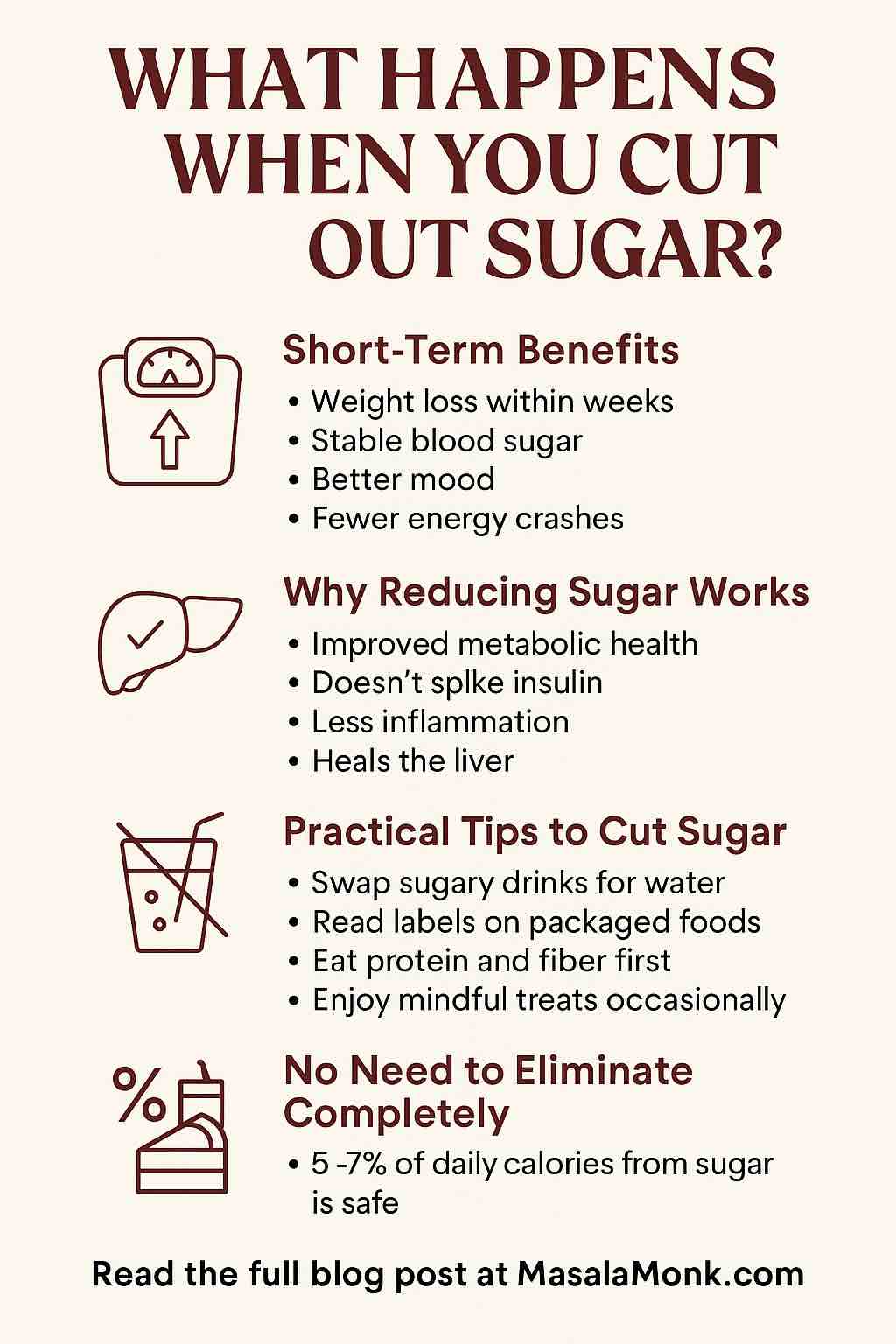
Understanding the Impact of Sugar on Your Weight: What Happens When You Cut It Out?

WHAT HAPPENS WHEN YOU CUT OUT SUGAR?

“Sugar is the new smoking.”
We’ve all heard variations of this phrase thrown around. But is it sensationalism or science? And what really happens to your body, your mind, and your daily life when you reduce or eliminate added sugar? Today, let’s take a full journey—science-backed, but deeply practical—on what to expect when you cut out sugar, how to do it sustainably, and how to actually enjoy the process.


🍭 Why Is Sugar Such a Problem?

Added sugar—especially the refined kind found in packaged foods, desserts, sugary drinks, and processed snacks—doesn’t just add empty calories. It hijacks your metabolism, gut health, hormones, skin, brain chemistry, and more.

Some hard-hitting facts:

  • Even one sugary drink a day increases your risk of type 2 diabetes by 25–30%.
  • Liquid sugars (soda, juices, sugary teas) are absorbed rapidly, causing insulin spikes, weight gain, and visceral fat accumulation.
  • Sugar contributes to fatty liver disease, heart disease, metabolic syndrome, premature aging, and cognitive issues.
  • The more sugar you eat, the more your brain craves it due to dopamine reward cycles.

🚩 Short-Term Benefits of Cutting Out Sugar

The changes happen surprisingly fast. Here’s a rough timeline of what your body experiences after you stop eating added sugar:

Time FrameWhat Happens
Day 1-3Cravings peak. You may feel irritable, tired, even “foggy.” Your body is adjusting.
Day 4-7Energy levels start stabilizing. Less bloating. Blood sugar becomes more stable.
Week 2Cravings subside. Skin starts clearing. Mood improves. Brain fog lifts.
Week 3-4Noticeable fat loss, especially around the belly. Energy is consistent throughout the day. Sleep may improve.
Month 2+Blood pressure improves, triglycerides lower, and inflammation decreases. Long-term metabolic benefits kick in.

🧪 The Science: Why Sugar Reduction Works

  • Weight loss: Without added sugar, you naturally cut down on hundreds of empty calories daily. Studies show that replacing sugary drinks with water can lead to 2–5 kg weight loss over several months—even without formal dieting.
  • Metabolic reset: Blood glucose stabilizes, insulin sensitivity improves, and your pancreas gets a break.
  • Reduced inflammation: Sugar increases inflammatory markers like CRP; reducing it lowers your chronic inflammation load.
  • Liver healing: Cutting sugar helps reduce liver fat—a major driver of metabolic dysfunction.
  • Skin and aging: Lower sugar means fewer advanced glycation end-products (AGEs), resulting in better skin elasticity and slower aging.

🧠 What About Your Brain and Mood?

Many worry about the mental effects of reducing sugar, and it’s true: initially, your mood may take a hit as your brain resets dopamine receptors that have been overstimulated by sugar.

However, after the adjustment phase:

  • You experience fewer energy crashes.
  • Mood becomes more stable.
  • Mental clarity improves.
  • Emotional resilience increases.

🛠 Practical, Real-Life Strategies for Cutting Sugar

Let’s get beyond theory. Here’s how you can practically cut sugar without losing your sanity (or social life):

1️⃣ Don’t go cold turkey — start gradual

  • Halve the sugar in your coffee or tea first.
  • If you’re used to two spoons, reduce to one for a week, then to half.
  • Allow your taste buds to adapt.

2️⃣ Target your biggest sugar bombs first

  • Sweetened beverages (soda, packaged fruit juices, sugary lattes, sweetened yogurts).
  • Packaged snacks (breakfast cereals, protein bars, sauces, ketchup).

Pro tip: Simply cutting out sugary drinks can eliminate 30–50% of your added sugar intake.

3️⃣ Swap with smart alternatives

  • Use spices like cinnamon, cardamom, and nutmeg to enhance sweetness naturally.
  • Replace sugary drinks with infused water (mint, lemon, cucumber).
  • Snack on nuts, seeds, or Greek yogurt with a drizzle of honey (sparingly).

4️⃣ Read labels carefully

  • “No sugar added” doesn’t mean sugar-free.
  • Watch for hidden sugars: glucose, fructose, dextrose, maltose, corn syrup, agave.
  • If sugar is one of the first three ingredients, avoid it.

5️⃣ Use sweeteners strategically (but sparingly)

  • Stevia, monk fruit, erythritol can help during transition.
  • Avoid overconsumption of artificial sweeteners like aspartame, which may affect gut health long-term.

6️⃣ Stabilize blood sugar with meal order hacks

  • Eat fiber-rich veggies and protein before carbs.
  • This slows digestion and reduces glucose spikes.

7️⃣ Harness traditional tools (especially for Indian households)

  • Methi (fenugreek) water: helps stabilize fasting blood sugar.
  • Jamun seed powder: supports insulin function.
  • Gymnema sylvestre (gurmar): can suppress sweet cravings.

8️⃣ Stay socially flexible

  • If you’re at a family function or festival, enjoy small portions mindfully.
  • Eating a sweet along with a meal is metabolically better than having it alone on an empty stomach.

🧩 The Middle Path: You Don’t Need to Eliminate Sugar Completely

Recent studies suggest that consuming 5–7% of your daily calories from sugar may actually strike a safe balance for most people.

  • For a 2000 calorie diet, that’s about 25–35g of added sugar daily.
  • This allows for occasional treats while still getting most of the metabolic benefits.

The key: avoid habitual, mindless sugar consumption.


🚀 A 30-Day Sugar Reduction Challenge

WeekFocusKey Actions
Week 1AwarenessTrack sugar sources; cut beverage sugars; halve tea/coffee sugar
Week 2Liquid DetoxFully eliminate sugary drinks; start infused waters
Week 3Processed FoodsRead labels; eliminate packaged snacks
Week 4MaintenanceBuild sustainable habits; add fiber/protein; allow occasional mindful treats

📊 Track Your Progress

  • Monitor weight, waist circumference, and how your clothes fit.
  • Keep a cravings journal.
  • Reflect weekly on mood, sleep, energy, skin changes.
  • If possible, check HbA1c or fasting glucose every 3 months.

🌟 What You Gain is Far Bigger Than What You Give Up

By cutting back added sugar, you’re not just preventing disease—you’re improving:

  • Energy
  • Skin
  • Mood
  • Focus
  • Sleep
  • Immunity
  • Longevity

And yes — you will enjoy your food even more.


🔑 Closing Thought

You don’t need to fear sugar — you need to respect it.

A balanced, mindful approach—grounded in science and real-life practicality—gives you all the benefits without feeling restricted. Start with small changes, be patient, and watch your body transform itself.

Frequently Asked Questions (FAQs)

1️⃣ How much sugar is safe to consume daily?

For most adults, limiting added sugar to 25–35 grams per day (5–7.5% of daily calories) is both safe and sustainable. The World Health Organization recommends keeping it under 10% of daily calories, ideally aiming for 5% for maximum health benefits.


2️⃣ What are hidden sources of sugar I should watch out for?

Watch out for sugar in:

  • Sauces (ketchup, salad dressings)
  • Flavored yogurt
  • Breakfast cereals
  • Packaged snacks and energy bars
  • Fruit juices and smoothies
  • Breads and bakery items
    Always read ingredient labels carefully.

3️⃣ Is jaggery or honey healthier than white sugar?

While jaggery and honey contain trace minerals and have a slightly lower glycemic load, they are still forms of added sugar. Use them sparingly and don’t assume they’re automatically healthy when overconsumed.


4️⃣ Can I completely eliminate sugar from my diet?

Technically yes, but it’s not necessary. Moderate, mindful consumption of natural sugars, occasional treats, and fruits is perfectly fine for most people. Extreme elimination may be unsustainable long-term.


5️⃣ What happens if I suddenly stop eating sugar?

You may experience withdrawal symptoms for 3–7 days: headaches, irritability, fatigue, and cravings. After this period, most people report better energy, clearer thinking, and reduced cravings.


6️⃣ Are artificial sweeteners safe?

Low-calorie sweeteners like stevia and monk fruit are generally safe in moderation. However, artificial sweeteners like aspartame or sucralose may have mixed effects on gut health and long-term metabolic markers. Use them as transitional tools, not lifelong crutches.


7️⃣ Does eating fruit count as sugar intake?

No, whole fruits are not part of added sugar limits. Fruits contain fiber, vitamins, and antioxidants that slow sugar absorption. Fruit juice, however, is more concentrated and should be limited.


8️⃣ How long does it take to see weight loss after cutting sugar?

Many people notice initial weight loss within 2–4 weeks, especially if liquid sugars are eliminated. Sustained fat loss continues as your insulin sensitivity improves and cravings decrease.


9️⃣ Is sugar the only thing I need to cut for better metabolic health?

No. Reducing sugar is one powerful step, but overall metabolic health also depends on:

  • Eating whole foods
  • Balancing protein, fiber, and healthy fats
  • Regular physical activity
  • Managing stress and sleep

🔟 Can I enjoy sweets at festivals or social gatherings?

Yes — but be mindful. Enjoy small portions, preferably after a meal (not on an empty stomach). Occasional indulgence is sustainable and helps avoid binge-restrict cycles.