
Posted on Leave a comment

20 Foods that help with Inflammation

woman having a dental check up

Welcome to the enriching journey of diving deep into the world of anti-inflammatory foods that not only tantalize your taste buds but also embark on a mission to combat inflammation. Living with conditions such as rheumatoid arthritis, inflammatory bowel disease, and ulcerative colitis often means dealing with constant inflammation and pain. Modifying your diet to be rich in foods that reduce inflammation naturally provides a pathway to managing these conditions, aiming for a life full of vitality and well-being.

Did you know your diet can be a powerful tool in reducing inflammation, promoting gut health, and even supporting weight loss? Whether you’re seeking anti-inflammatory meals for your family, focusing on an anti-inflammatory diet for arthritis, or looking for foods that contribute to gut health and wellness, you’re in the right place. We’ll navigate through nature’s pharmacy, discovering foods that serve as natural remedies to fight inflammation and its associated ailments.


Top 20 Anti-Inflammatory Foods and Their Unique Benefits

Unlock the power of your diet to fight inflammation and manage various health conditions such as rheumatoid arthritis, inflammatory bowel disease (IBD), and ulcerative colitis. Our top 20 anti-inflammatory foods list can be a cornerstone for a diet that helps combat inflammation and enhance gut health, playing a vital role in managing inflammation-related disorders and contributing to weight loss and overall well-being.

1. Berries (Blueberries, Strawberries, Raspberries)

  • Bursting with antioxidants, berries are essential foods that reduce inflammation and may aid in managing conditions like rheumatoid arthritis and IBD.

2. Fatty Fish (Salmon, Mackerel, Sardines)

  • Embrace a low inflammation diet by including fatty fish rich in omega-3 fatty acids, excellent for reducing joint inflammation and pain.

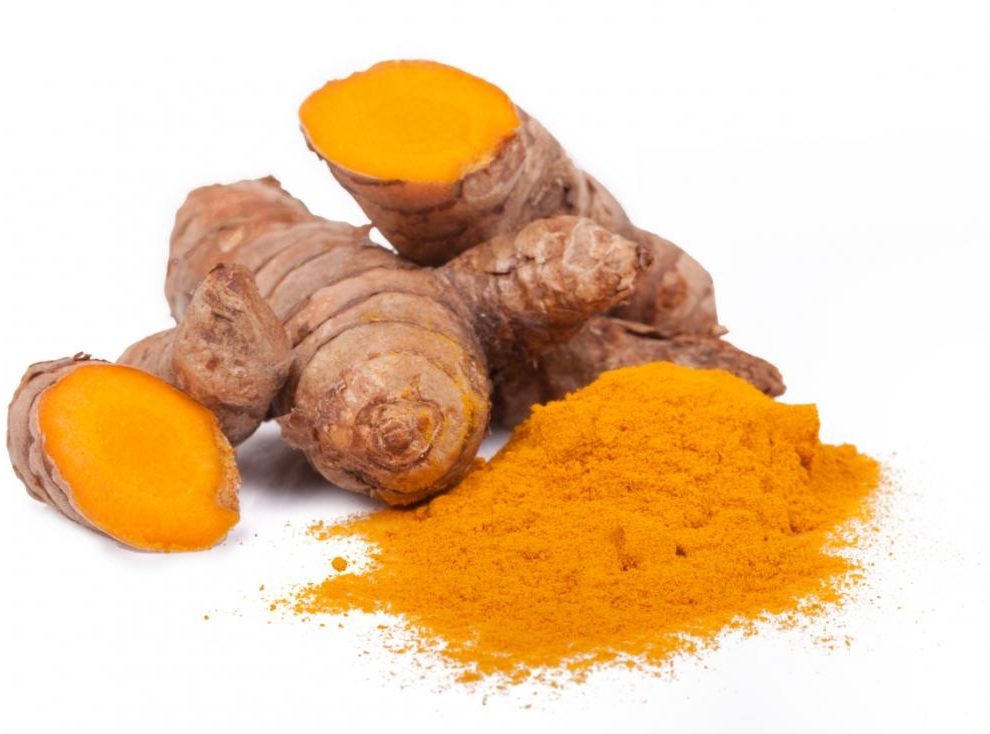
3. Turmeric

  • A powerful spice, often found in anti-inflammatory diet supplements, known to lower inflammation levels and may benefit conditions like ulcerative colitis.

4. Olive Oil

  • Incorporate this heart-healthy fat in your anti-inflammatory diet menu to combat inflammation and promote gut health.

5. Nuts and Seeds (Almonds, Walnuts, Chia Seeds)

  • A perfect snack or addition to meals, contributing to an anti-inflammatory and high-protein diet.

6. Green Leafy Vegetables (Spinach, Kale)

  • Essential in diets to reduce inflammation, these vegetables are rich in antioxidants and can aid in managing symptoms in conditions like Crohn’s disease.

7. Avocados

  • A superfood that’s a staple in anti-inflammatory meals, supporting weight loss and overall health.

8. Green Tea

  • A soothing beverage, rich in polyphenols, an integral part of a natural anti-inflammatory diet.

9. Peppers

  • Adding a burst of flavor and essential nutrients, making them crucial foods to combat inflammation.

10. Ginger and Garlic

  • Powerful roots that are integral in an anti-inflammatory diet for pain and various inflammatory conditions.

11. Whole Grains

  • Excellent for an anti-inflammatory breakfast, contributing to a diet that helps fight chronic inflammation.

12. Tomatoes

  • A versatile ingredient, rich in lycopene, and beneficial in managing inflammation in arthritis and IBD.

13. Beets

  • A colorful addition to your anti-inflammatory meals, supporting a diet for gut health.

14. Cherries

  • A sweet choice in the inflammation diet, helping manage arthritis and promote better sleep.

15. Dark Chocolate

  • In moderation, it can be part of an anti-inflammatory dessert, supporting heart health.

16. Mushrooms

  • A must-have in an anti-inflammatory diet, supporting immune health and reducing inflammation in various conditions.

17. Pineapple

  • Rich in bromelain, making it a beneficial part of diets aimed at reducing inflammation and promoting digestion.

18. Broccoli

  • A cruciferous vegetable, essential in an anti-inflammatory diet for cancer patients and overall immune support.

19. Grapes

  • Embrace a diet rich in resveratrol by including grapes, supporting heart health and reducing inflammation.

20. Spices (Cinnamon, Rosemary)

  • Spice up your meals with these additions, enhancing the flavor and the anti-inflammatory benefits of your diet.

Tailoring Your Anti-Inflammatory Diet for Specific Conditions

Navigating through the realms of rheumatoid arthritis, ulcerative colitis, IBD, and various inflammation-linked conditions requires a diet that’s custom-tailored to manage and alleviate specific symptoms and promote gut health. The intersection of diet and inflammation offers a pathway, allowing for the management of symptoms, promoting overall well-being, and even aiming for weight loss as part of a holistic approach.

Customizing the inclusion of anti-inflammatory foods based on individual conditions, preferences, and dietary needs allows for a personal touch in managing inflammation. From exploring an anti-inflammatory vegan diet, considering a gluten-free approach, to focusing on foods that specifically support conditions like ulcerative colitis or rheumatoid arthritis, the versatility of anti-inflammatory foods caters to various dietary paths.


Practical Tips and the How-To of Incorporating Anti-Inflammatory Foods

Embarking on the anti-inflammatory diet journey doesn’t have to be a daunting task. Simple, practical, and delightful ways await to integrate these powerful foods into your daily meals and snacks, enriching your diet with their healing properties.

  • Smoothie Sensations: Blend berries, cherries, and even a hint of turmeric or ginger into your smoothies, creating a delicious concoction rich in anti-inflammatory benefits.
  • Savory Soups and Stews: Infuse your soups and stews with ingredients like garlic, onions, and a variety of colorful vegetables, embracing warmth and nutrition in every spoonful.
  • Snack Smart: Reach for nuts, seeds, and dark chocolate when snack time calls, ensuring that every bite counts in supporting your anti-inflammatory diet goals.
  • Meal Prep Magic: Plan and prepare meals that highlight anti-inflammatory ingredients, making it easier to enjoy these benefits throughout the week.

As we wrap up our exploration of the top 20 anti-inflammatory foods, remember that this journey is about embracing a symphony of flavors, nutrients, and benefits that these foods bring into our lives, aiming for a diet that sings the tunes of wellness, vitality, and health.


Note: Ensure that your journey with anti-inflammatory foods is complemented by guidance from healthcare professionals, tailoring the approach to meet individual health needs and goals.

FAQs

  1. What are the benefits of incorporating anti-inflammatory foods into my diet?
    Including anti-inflammatory foods in your diet could be transformative for your overall well-being. These foods can potentially help manage the symptoms of various conditions such as rheumatoid arthritis and ulcerative colitis by reducing inflammation, improving gut health, and even aiding in weight loss.
  2. How can anti-inflammatory foods aid in managing rheumatoid arthritis?
    Anti-inflammatory foods such as berries, fatty fish, and green leafy vegetables are rich in antioxidants and omega-3 fatty acids. Including these foods in your diet could help in managing the inflammation associated with rheumatoid arthritis, thus potentially alleviating some symptoms.
  3. Which anti-inflammatory foods are best suited for ulcerative colitis?
    Tailoring your diet with foods like turmeric, ginger, and a variety of fruits and vegetables could be beneficial for managing ulcerative colitis. However, it’s essential to personalize dietary choices based on individual health needs and tolerances, always considering professional healthcare advice.
  4. How can an anti-inflammatory diet support weight loss goals?
    An anti-inflammatory diet promotes a balance of foods rich in antioxidants, fibers, and healthy fats. Such a diet not only targets inflammation but could also support your weight loss journey by promoting a healthy metabolism and encouraging the consumption of nutrient-dense, satisfying foods.
  5. Are there vegetarian or vegan options in the anti-inflammatory diet?
    Absolutely! A multitude of vegetarian and vegan options abound in the anti-inflammatory diet. From a colorful array of vegetables and fruits to a variety of nuts, seeds, and whole grains, there are plentiful plant-based options to explore and enjoy.
  6. How can I practically include anti-inflammatory foods in my daily meals?
    Integrating anti-inflammatory foods into your daily meals can be a delightful culinary adventure. From enriching your smoothies with berries and spices to creating nourishing soups and salads with a diversity of vegetables, there are versatile and practical ways to make these foods a central part of your diet.

Blog Tags:

anti-inflammatory diet, rheumatoid arthritis, ulcerative colitis, gut health, weight loss, anti-inflammatory foods, inflammation reduction, diet for inflammation, holistic nutrition, wellness and diet, omega-3 fatty acids, antioxidant-rich foods, managing inflammation with diet, practical diet tips, customized inflammation diet, dietary wellness journey

Posted on Leave a comment

Benefits of Turmeric Milk for Liver Health

Golden Turmeric Milk Mix

Introduction

In the heart of traditional wellness practices lies a golden concoction – turmeric milk, or as it’s fondly called in India, ‘Haldi Doodh’. This warm, comforting brew marries the creamy richness of milk with the earthy, peppery zest of turmeric, creating not just a soothing beverage but a potential elixir for liver health. The liver, our body’s diligent detoxifier, can sometimes use a helping hand to combat the daily onslaught of toxins and oxidative stress. And this is where the ancient wisdom encased in a cup of turmeric milk steps in.

The Legacy of Turmeric

Turmeric, a humble spice, carries a legacy of wellness that spans centuries. Its active compound, curcumin, is often celebrated for its potent anti-inflammatory and antioxidant properties. From the lanes of traditional medicine to the corridors of modern research, turmeric continues to be explored for its potential health benefits, including its supportive role for liver health.

Benefits of Turmeric Milk

The synergy of turmeric and milk brings forth a beverage that is more than the sum of its parts. Let’s delve into how this golden milk could be a boon for liver health.

  • Combatting Oxidative Stress: The liver is a battlefield against oxidative stress, and turmeric milk might just be the reinforcement it needs. Curcumin’s antioxidant prowess can aid in neutralizing harmful free radicals, thus potentially alleviating oxidative stress on the liver.
  • Supporting Detoxification: Our liver is a detox powerhouse, and the anti-inflammatory properties of curcumin may support this detoxification process, promoting a healthier liver function.
  • Enhancing Bile Production: Turmeric has been traditionally used to promote bile production, a crucial aspect of fat digestion and liver health.

Brewing the Golden Milk: A Step-by-Step Guide

Crafting a cup of turmeric milk is a simple yet enriching experience. Here’s a step-by-step guide to brewing your own golden milk.

  1. Choose Your Ingredients:
  • Milk: Opt for organic cow’s milk or plant-based alternatives like almond or coconut milk.
  • Turmeric: Use organic turmeric powder or fresh turmeric root for a more potent brew.
  • Optional Add-ins: Black pepper to enhance curcumin absorption, sweeteners like honey or maple syrup, and other spices like cinnamon or ginger for added flavor and benefits.
  1. The Brewing Process:
  • Warm your chosen milk on the stove on medium heat.
  • Stir in 1-2 teaspoons of turmeric powder or grated fresh turmeric.
  • Add a pinch of black pepper and any additional spices.
  • Allow the mixture to simmer for about 10 minutes.
  • Sweeten to taste, strain if necessary, pour into a mug, and savor the warmth.

Recipes and Usage

Beyond the classic turmeric milk, there’s a realm of variations to explore. Here are a few recipes:

  • Turmeric Honey Milk: A sweet blend of turmeric milk with the goodness of raw honey.
  • Turmeric Ginger Milk: A spicy kick with ginger to enhance the liver-supporting benefits.

And don’t forget, incorporating raw turmeric can provide a fresher, more potent dose of curcumin.

Daily Incorporation: A Routine of Wellness

Making turmeric milk a part of your daily routine can be a comforting ritual. Enjoy it in the morning to kickstart your day or in the evening as a soothing bedtime drink.

Conclusion

Turmeric milk, with its warm embrace and potential liver-supporting benefits, offers a blend of tradition and wellness. As you sip on this golden goodness, you’re not just nourishing your body but also connecting with ancient wisdom that has stood the test of time. So, the next time you find yourself seeking a moment of calm or a gentle liver detox, you know what to brew!


FAQs


  1. What are the key ingredients in turmeric milk for liver health?
  • The primary ingredients in turmeric milk for liver health are turmeric, which contains the active compound curcumin known for its antioxidant and anti-inflammatory properties, and milk. Adding a pinch of black pepper can enhance the absorption of curcumin, making the concoction potentially more beneficial for liver health.
  1. How does turmeric milk support liver function?
  • Turmeric milk may support liver function by potentially reducing oxidative stress, supporting detoxification processes, and promoting bile production. The active ingredient, curcumin, is explored for its antioxidant and anti-inflammatory properties which may contribute to these benefits.
  1. How often should I consume turmeric milk for liver benefits?
  • The frequency of consumption can vary based on individual health conditions and preferences. It’s advisable to consult with a healthcare professional to tailor a regimen that suits your personal health needs.
  1. Can I use plant-based milk for making turmeric milk?
  • Absolutely! You can use plant-based milk like almond, coconut, or soy milk to make turmeric milk. The choice of milk can be based on your dietary preferences and nutritional requirements.
  1. What are some other natural ways to support liver health?
  • Apart from consuming turmeric milk, maintaining a balanced diet, exercising regularly, avoiding excessive alcohol consumption, and staying hydrated are some of the natural ways to support liver health.
  1. Can I add other spices to my turmeric milk?
  • Certainly! Spices like cinnamon, ginger, and cardamom can be great additions to your turmeric milk, not only enhancing the flavor but potentially adding to the health benefits.
  1. Is turmeric milk safe for everyone?
  • While turmeric milk is a natural beverage, individuals with certain health conditions or those on specific medications should consult with a healthcare professional before incorporating it into their routine to ensure it’s a safe choice for them.

Blog Tags

Turmeric Milk, Liver Health, Turmeric and Liver, Milk and Liver Health, Turmeric Milk Recipes, Curcumin Benefits, Liver Detox, Turmeric and Milk Combination, Natural Liver Support, Golden Milk, Curcumin and Liver Health, Traditional Wellness, Brewing Turmeric Milk

Posted on Leave a comment

Turmeric Supplements and Liver Damage:

Turmeric, often referred to as the ‘golden spice’, has transcended beyond the realms of culinary delights, marking a robust presence in the wellness world. With a history steeped in traditional medicine, this vibrantly hued spice has found a modern-day companion in the form of supplements, promising to deliver concentrated benefits right at your doorstep.

The Rise of Turmeric Supplements

In recent years, turmeric supplements have soared in popularity, riding the wave of wellness trends and the global embrace of natural health solutions. These supplements are championed for their potential benefits, ranging from anti-inflammatory properties to boosting antioxidant levels. Among the touted benefits, liver health stands as a notable focus, driven by both age-old wisdom and emerging scientific investigations.

The core of turmeric’s benefits is often attributed to curcumin, its active compound, which is believed to harbor potent anti-inflammatory and antioxidant properties. However, with the spotlight comes scrutiny, and as the market for turmeric supplements burgeons, the imperative for a balanced understanding of their impact, especially on liver health, escalates.

Turmeric and Liver Health: A Glimpse into the Promise

The liver, a tireless sentinel, is pivotal for numerous physiological processes including detoxification, metabolism, and the synthesis of crucial proteins. Given its central role, maintaining liver health is not just a goal, but a necessity.

Turmeric supplements, with their alleged liver-supporting properties, have caught the eye of both wellness enthusiasts and health professionals alike. The potential of turmeric to modulate inflammatory responses and combat oxidative stress sets a hopeful premise for liver health support.

However, like any narrative, there are two sides to the story. As the clamor around turmeric supplements amplifies, concerns regarding their safety, especially in relation to liver health, have surfaced. It’s this dichotomy of promise and caution that beckons a deeper exploration, setting the stage for an informed discourse on turmeric supplements and liver damage.

In the ensuing sections, we will delve into the concerns surrounding liver damage associated with turmeric supplements, especially when combined with black pepper (piperine), and discuss the importance of adhering to recommended dosages and seeking professional guidance. As we navigate through the promises and perils, the goal is to foster an informed and balanced understanding of turmeric supplements and their impact on liver health.

Concerns about Liver Damage

Turmeric supplements have become a go-to for many health enthusiasts, but like with anything, too much can tip the scale the wrong way. There have been murmurs in the wellness community about the potential liver damage associated with these golden capsules, especially when they are paired with black pepper extract, known as piperine, to boost absorption.

Instances of Liver Damage: A Reality Check

It’s true. There have been instances where individuals have faced liver issues after taking turmeric supplements. Some people have experienced elevated liver enzymes, a sign of strain on the liver, after starting on a regimen of turmeric supplements. It’s a stark reminder that even natural supplements can have side effects, and it’s crucial to approach them with a well-informed mind.

The Piperine Factor: A Double-Edged Sword

Now, let’s talk about piperine, the compound found in black pepper that’s often added to turmeric supplements to enhance the absorption of curcumin, the active ingredient in turmeric. While piperine does a fantastic job of boosting curcumin’s bioavailability, there’s a flip side to this. The enhanced absorption might mean that the liver has to work harder to process these compounds, which could potentially lead to liver strain or damage in some individuals.

Scientists are diving deeper into this aspect, trying to unravel the full picture of how turmeric and piperine interact with our liver. The findings so far underline the importance of moderation and adhering to recommended dosages.


Dosage and Safety Precautions: Treading the Turmeric Trail Safely

Navigating the wellness journey can sometimes feel like walking a tightrope, especially when it comes to supplements. The dosage makes the difference between reaping benefits and facing potential risks. Turmeric supplements, with their liver health promises, are no exception to this rule.

Sticking to the Script: The Importance of Dosage

As the old saying goes, “Too much of a good thing can be bad.” This rings true for turmeric supplements as well. While they harbor potential liver benefits, going overboard with the dosage can swing the pendulum the other way. Research suggests sticking to the recommended dosages to ensure that the journey towards better liver health doesn’t take an unintended detour.

Consulting the Experts: Your Liver’s Best Friend

Before embarking on the turmeric supplement trail, consulting with a healthcare professional is a step that’s worth its weight in gold. Especially for individuals with pre-existing liver conditions or a history of alcoholic liver disease, professional guidance is indispensable.

Your healthcare provider can offer personalized advice based on your current health status and medications. They can help tailor a safe and effective turmeric supplementation plan, ensuring that the golden route to liver health is well-paved and free from unforeseen bumps.

Alcoholic Liver Disease: A Special Mention

For those battling alcoholic liver disease, the turmeric trail requires extra caution. While the anti-inflammatory properties of turmeric can seem appealing, the interaction of turmeric supplements with existing liver conditions is a terrain that needs careful navigation under professional guidance.


Conclusion: The Balanced Path to Liver Wellness

Turmeric supplements, with their ancient roots and modern appeal, continue to enthrall the wellness community. The potential for supporting liver health adds a golden feather to its cap. However, the concerns surrounding liver damage and the importance of a balanced approach underscore the mantra of moderation.

As we step into the realm of natural supplementation for liver health, being well-informed, adhering to recommended dosages, and seeking professional guidance are the golden rules to follow. It’s about embracing the potential benefits of turmeric supplements while treading cautiously to ensure our liver continues to thrive in good health.

With a balanced perspective and a thirst for knowledge, the path to exploring the benefits of turmeric for liver health can be both enlightening and rewarding.

Call to Action (CTA)


Embrace the journey of understanding your body and the potential allies in the form of natural supplements like turmeric. As you navigate the path of wellness, knowing is half the battle won. So, delve deeper, ask questions, and never stop learning.

  • Subscribe Now: Stay updated with the latest insights on turmeric supplements and liver health by subscribing to our newsletter.
  • Consult a Healthcare Professional: Before making any changes to your supplement regimen, ensure to consult with a healthcare professional. Book a consultation today.
  • Read More: Explore our other blog posts on natural supplements and their impact on liver health.
  • Share the Knowledge: Found this post informative? Share it with your loved ones and spread the awareness.

Your liver is a vital organ with a hefty workload. Treat it with care and respect, and it will surely return the favor.


FAQs


  1. What are the potential benefits of turmeric supplements for liver health?
  • Turmeric supplements are believed to harbor anti-inflammatory and antioxidant properties which may be beneficial in supporting liver health by reducing inflammation and combating oxidative stress.
  1. Why is piperine often added to turmeric supplements?
  • Piperine, found in black pepper, is often added to turmeric supplements to enhance the bioavailability of curcumin, the active ingredient in turmeric, thus making it more effective.
  1. What are the concerns regarding liver damage with turmeric supplements?
  • There have been instances of liver damage associated with the use of turmeric supplements, especially when combined with piperine. It’s crucial to adhere to recommended dosages and consult with a healthcare professional before incorporating turmeric supplements, particularly for individuals with pre-existing liver conditions.
  1. How can I safely incorporate turmeric supplements for liver health?
  • It’s recommended to consult with a healthcare professional to understand the safe dosage and to determine if turmeric supplements are a good fit for you, especially if you have pre-existing liver conditions or are on certain medications.
  1. Can turmeric supplements replace conventional liver treatments?
  • Turmeric supplements should not be considered a replacement for conventional liver treatments. It’s crucial to consult with a healthcare professional to understand the comprehensive treatment plan for liver conditions.

Blog Tags

Turmeric, Turmeric Supplements, Liver Health, Liver Damage, Piperine, Curcumin, Dosage and Safety, Natural Supplements, Alcoholic Liver Disease, Turmeric and Piperine, Liver Enzymes, Wellness, Health Supplements

Posted on Leave a comment

Mounjaro: Benefits, Side Effects, and User Experiences

crop doctor with stethoscope preparing for surgery in hospital

Introduction

Discover the burgeoning realm of diabetes management with Mounjaro, a novel medication making waves in the medical community. As a beacon of hope for individuals grappling with Type 2 Diabetes, Mounjaro has carved a niche for itself, promising not only better blood sugar control but also a pathway to significant weight loss. As you delve deeper into this article, you’ll unearth real user experiences, scientific insights, and a thorough comparison with other diabetes medications. So, if you are intrigued by the potential of Mounjaro, or are on a quest to find the perfect ally in your battle against diabetes and excessive weight, stay with us through this comprehensive exploration.

What is Mounjaro?

Mounjaro, scientifically known as Tirzepatide, heralds a new era in the management of Type 2 Diabetes. This medication, administered as a once-weekly injection, is designed to control blood sugar levels effectively, particularly in adults battling this pervasive ailment. Mounjaro operates as a dual GIP and GLP-1 receptor agonist, orchestrating a symphony of hormonal responses that aim to regulate not only glucose levels but also body weight.

Although the primary battlefront of Mounjaro is Type 2 Diabetes, its prowess doesn’t end there. The medication has shown a promising potential in aiding weight loss, a benefit that resonates well with many patients struggling with obesity alongside diabetes. The journey of Mounjaro from the laboratory to the pharmaceutical shelves underscores a meticulous process of medical scrutiny and clinical trials. And while its venture into the weight loss domain is not yet FDA-endorsed, the results from various studies and user testimonials are painting a hopeful picture.

The availability of Mounjaro has seen some fluctuations, with instances of shortages reported. However, the drive to meet the surging demand continues, as healthcare professionals and patients alike await broader accessibility. The anticipation surrounding Mounjaro’s availability is not without merit; the medication stands as a potential game-changer in diabetes management, offering a dual benefit of blood sugar control and weight loss.

Effectiveness of Mounjaro

The effectiveness of Mounjaro is a tapestry of clinical validations and real-world success stories. At the core of its efficacy is the significant reduction in A1C levels, a crucial marker for long-term blood sugar control. The journey towards optimal A1C levels is often fraught with challenges, but Mounjaro emerges as a formidable ally, assisting in the meticulous management of blood glucose levels.

But the narrative of Mounjaro’s effectiveness extends beyond the realms of blood sugar control. The tales of weight loss accompanying Mounjaro use are not just anecdotal but are backed by a body of scientific evidence. Clinical trials have showcased a remarkable trend – individuals on Mounjaro reporting a substantial shedding of weight, some up to 20% of their total body weight or around 25 pounds on average after a year of treatment.

The intertwining benefits of blood sugar control and weight loss make Mounjaro a compelling option for many. The ripple effects of weight loss are manifold, extending from enhanced self-esteem to a reduced burden on the cardiovascular system. As Mounjaro continues to be a subject of medical discourse and user experiences, its footprint on the landscape of diabetes management and weight loss is becoming increasingly profound.


Side Effects of Mounjaro

With every potent medication comes a spectrum of side effects, and Mounjaro is no exception. While the benefits are promising, understanding the possible adverse reactions is crucial for a well-informed approach to managing diabetes and obesity. Common side effects associated with Mounjaro include gastrointestinal issues such as nausea, diarrhea, and constipation. These gastrointestinal effects are often the body’s initial reactions to the medication, which may subside as the body acclimates over time.

Moreover, some users have reported experiencing tiredness, headaches, and redness or irritation at the injection site. While these side effects are generally considered to be mild to moderate, they can impact the daily lives of individuals, especially when initiating treatment. Altered taste, leading to a metallic or unpleasant taste in the mouth, has also been noted by a few users.

To mitigate these side effects, some individuals have turned to supplementary medications or probiotics, particularly for managing constipation. It’s always advisable to consult with a healthcare professional when experiencing persistent or severe side effects. The dialogue surrounding the side effects of Mounjaro is essential as it provides a realistic picture of what to expect and how to prepare for and manage these adverse reactions.

Cost and Insurance Coverage

The cost of managing chronic conditions can be a significant burden, and the cost of Mounjaro is a critical consideration for many. Mounjaro, being a relatively new entrant in the market, carries a price tag that is considered “super expensive” by some individuals. The high cost may pose a barrier to access for many patients, making insurance coverage a crucial factor in its affordability.

Insurance coverage for Mounjaro can significantly alleviate the financial strain associated with this medication. However, the extent of coverage may vary depending on the insurance provider and the specific healthcare plan. It’s imperative for individuals considering Mounjaro as a treatment option to engage with their insurance providers to understand the extent of coverage and any out-of-pocket costs they may incur.

The discussion surrounding the cost and insurance coverage of Mounjaro is not just about numbers but about accessibility to a potentially life-changing medication. As conversations continue in various platforms and among healthcare stakeholders, the hope for more affordable access to Mounjaro is a prevailing theme.

Mounjaro User Experiences

The narrative of Mounjaro is enriched by the plethora of user experiences shared on various platforms. From online forums dedicated to diabetes management to drug review platforms, the voices of individuals who have used Mounjaro provide a unique insight into its efficacy and tolerability.

On Drugs.com, Mounjaro boasts an average rating of 8.1 out of 10 from over 500 reviews, painting a generally positive picture. Users have lauded the medication for its appetite-suppressing effects, which in turn aid in weight loss, along with its ability to effectively manage blood sugar levels. However, the journey is not without its bumps, as side effects are a common thread in many user narratives.

Individual testimonials reflect a spectrum of experiences, from significant weight loss milestones to improved A1C levels, showcasing the potential of Mounjaro in real-world scenarios. These testimonials form a tapestry of hope, challenges, and triumphs that provide a holistic view of what Mounjaro brings to the table in the management of Type 2 Diabetes and weight loss.

Mounjaro Compared

Navigating through the myriad of diabetes medications can be a daunting task. Among the prominent names are Ozempic and Wegovy, which often find themselves being compared to Mounjaro. Let’s delve into a comparative analysis to see how Mounjaro fares against these medications.

  • Efficacy: Both Ozempic and Wegovy have shown effectiveness in managing blood sugar levels and aiding weight loss. However, Mounjaro’s dual GIP and GLP-1 receptor agonist action sets it apart, potentially offering superior control over blood sugar levels and a significant reduction in body weight.
  • Side Effects: The trio shares common side effects like gastrointestinal issues, but the intensity and frequency might vary. Each medication has its own set of side effects which might influence the choice of treatment for individuals.
  • User Satisfaction: User testimonials and reviews indicate a favorable response to Mounjaro, especially regarding its appetite-suppressing effects which in turn aid in weight loss, alongside effective blood sugar management.

Dosage and Administration Guidelines for Mounjaro

The efficacy of Mounjaro, particularly its 5mg and 7.5mg dosages, is hinged upon correct administration. It’s typically recommended as a once-weekly subcutaneous injection. The dosing may commence with a lower dose to gauge the individual’s tolerance and response and may be escalated to Mounjaro 7.5mg under the healthcare provider’s guidance. It’s crucial to adhere to the prescribed regimen to optimize the benefits and minimize the risk of adverse reactions. Should a dose be missed, it’s advisable to consult with the healthcare provider to realign the dosing schedule.

Availability and Accessibility of Mounjaro 7.5mg

The anticipation surrounding the availability of Mounjaro 7.5mg underscores its potential benefits in managing blood sugar levels and aiding in weight loss. However, availability may vary based on geographic location, and it’s advisable to check with local healthcare providers or pharmacies. Online platforms could also be explored to ascertain the availability of Mounjaro 7.5mg, ensuring a continuity in the treatment regimen.

Mounjaro’s Impact on Cholesterol Levels

Given its propensity to aid in weight loss, Mounjaro could potentially have a favorable impact on cholesterol levels. Weight loss is often associated with improved cholesterol profiles, which is a significant benefit for individuals grappling with both diabetes and high cholesterol. A consultation with a healthcare provider can provide personalized insights into how Mounjaro might influence cholesterol levels.

Blood Pressure Regulation with Mounjaro

Blood pressure management is a cornerstone of comprehensive diabetes care. Mounjaro, through its weight loss mechanism, may contribute to better blood pressure control. Regular monitoring of blood pressure is imperative to ensure that it remains within the desired range and to allow for any necessary adjustments in the treatment plan.

Exploring Psychological Effects: Mounjaro and Anxiety

The journey with Mounjaro may traverse into the psychological realm, with some individuals reporting mood swings or anxiety. It’s essential to maintain an open dialogue with healthcare providers to navigate through any psychological challenges that may arise during the course of treatment with Mounjaro.

Unveiling the Long-term Safety Profile of Mounjaro

The long-term safety and efficacy of Mounjaro remain areas of active investigation. Regular follow-ups and monitoring are crucial to understand the long-term implications of Mounjaro treatment. Staying abreast of ongoing research and discussing any concerns with healthcare providers can provide reassurance and guidance as individuals continue their treatment journey with Mounjaro.

Delving into Weight Loss: Mounjaro 7.5mg

The Mounjaro 7.5mg dosage beckons with the promise of enhanced weight loss benefits. By potentially offering a more pronounced effect on appetite suppression and metabolic regulation, Mounjaro 7.5mg stands as a beacon of hope for significant weight loss over time, thus contributing to better glycemic control and overall improved health outcomes.

Frequently Asked Questions (FAQs)

  • Does Mounjaro cause significant weight loss? Yes, many users have reported significant weight loss, and clinical trials have shown promising results in this regard.
  • How does Mounjaro compare to other diabetes medications like Ozempic? Mounjaro’s unique mechanism of action potentially offers better blood sugar control and weight loss benefits compared to Ozempic. However, individual responses may vary.
  • What are the common side effects associated with Mounjaro? Common side effects include gastrointestinal issues such as nausea, diarrhea, and constipation, among others.
  • Is Mounjaro covered by insurance? The extent of insurance coverage for Mounjaro may vary depending on the insurance provider and the specific healthcare plan. It’s advisable to consult with your insurance provider for detailed information.

Resources and Further Reading

For those keen on diving deeper into the realm of Mounjaro, there are several resources available. Here are some suggestions:

  • Official Guidelines: Seek out the official prescribing information and guidelines for Mounjaro to understand the medical standpoint on its usage, benefits, and risks.
  • Medical Studies: Explore clinical trials and studies discussing the efficacy and safety of Mounjaro for a more in-depth understanding.
  • Community Forums: Engage in forums like Diabetes.co.uk, where individuals share their experiences and advice regarding Mounjaro, offering a real-world perspective.
Posted on 1 Comment

The Watermelon – Nutrition, Benefits, and 5 Practical Ways for Weight Loss

hand holding a slice of watermelon with blue swimming pool water in the background

Watermelon, the quintessential summer fruit, is not only refreshingly sweet but also packed with nutrients that can boost your health in numerous ways. Its juicy goodness provides a hydrating respite on hot days, making it a popular choice for picnics and outdoor gatherings. But did you know that the benefits of watermelon extend beyond its thirst-quenching ability? In this blog post, we’ll delve into the nutritional value of watermelon, explore its myriad health benefits, and unravel how it can be a part of your weight loss journey.

Section 1: Nutritional Value of Watermelon

Watermelon is a nutritional powerhouse disguised as a fruit. Its vibrant red flesh is a testament to its rich nutritional content. Here’s a breakdown of the nutritional elements that make watermelon a healthy choice:

  • Vitamins and Minerals: Watermelon is an excellent source of essential vitamins and minerals. It provides about 15% of your daily vitamin C needs, which is crucial for immune system function and skin health. Besides, it’s also a good source of Vitamin A, promoting good vision and supporting immune and inflammatory functions​1​.
  • Calorie Content: Despite its sweet taste, watermelon is low in calories. This is largely due to its high water content, which makes up about 92% of the fruit. The low calorie content makes it a guilt-free snack for those looking to shed some pounds.
  • Antioxidants: Watermelon is rich in antioxidants such as lycopene and vitamin C. Lycopene is known for its potential to reduce the risk of chronic diseases and protect against free-radical damage.
  • Hydration: Due to its high water content, watermelon is exceptionally hydrating. It can be a good option to ensure you stay hydrated, especially during the summer months​2​.

Section 2: Health Benefits of Watermelon

Watermelon is more than just a tasty fruit; it’s a health-promoting powerhouse. Here are some of the health benefits that you can enjoy when you include watermelon in your diet:

  • Hydration: The high water content in watermelon helps keep you hydrated, which is essential for nearly every bodily function. Hydration also supports overall health and well-being, aiding in digestion, circulation, and temperature regulation​2​.
  • Post-Workout Recovery: Watermelon can be an excellent choice for post-workout recovery. Its natural sugars can help replenish glycogen stores, while the water content helps rehydrate after a sweaty session. Additionally, watermelon contains a compound called L-citrulline, which may help reduce muscle soreness and enhance exercise recovery​3​.
  • Skin and Vision Health: The vitamins A and C in watermelon contribute to healthy skin by promoting collagen production and protecting against UV damage. Furthermore, Vitamin A is essential for good vision, especially in low-light conditions.
  • Heart Health: Some studies suggest that the lycopene in watermelon may have a favorable impact on heart health by improving cholesterol levels and lowering blood pressure.

The juicy and sweet nature of watermelon makes it not only a delightful treat but also a nutritious addition to your diet. Its plethora of health benefits, coupled with its low-calorie content, makes it a favorable choice for those looking to stay healthy, hydrate, and even lose weight. As we delve deeper into the realms of weight loss and watermelon in the next sections, you’ll discover how this succulent fruit can support your weight loss goals while providing essential nutrients and health benefits. Stay tuned as we explore the watermelon diet, its pros, cons, and how to effectively incorporate this juicy fruit into your daily regimen to reap the maximum benefits.

Section 3: Watermelon and Weight Loss

Watermelon, owing to its low-calorie content and high water composition, can be a useful fruit for those looking to shed extra pounds. Here’s how:

  • Low-Calorie Content: With only about 46 calories per cup, watermelon is a low-energy-dense food. This means you can eat a good amount of it without consuming too many calories, making it a satiating snack that can help control your appetite and reduce overall calorie intake.
  • High Water Content: The high water content of watermelon can help you feel full, reducing the likelihood of overeating. Furthermore, staying hydrated is essential for your metabolism, and can aid in weight loss​1​.
  • Natural Sugars: While watermelon does contain sugar, it’s natural sugar which, when eaten in moderation as part of a balanced diet, can provide the sweet satisfaction you crave without the added calories of sugary snacks and desserts.

Section 4: The Watermelon Diet

The watermelon diet, which emphasizes consuming watermelon for a specified period to shed weight, has garnered attention. However, it’s not a long-term solution.

  • Short-term Weight Loss: The watermelon diet promises quick weight loss due to its low-calorie content and diuretic properties. However, the weight lost is often water weight and may return once you resume a regular diet​2​.
  • Nutrient Deficiency Risks: This diet can be restrictive and may lead to nutrient deficiencies if followed for an extended period. It’s crucial to ensure a balanced diet to maintain health and sustain weight loss.

Section 5: How to Incorporate Watermelon in Your Diet

Adding watermelon to your diet can be both delicious and beneficial. Here are some ideas:

  • Smoothies: Blend watermelon with other fruits and vegetables for a nutritious smoothie.
  • Salads: Add chunks of watermelon to your salads for a refreshing twist.
  • Snacks: Enjoy watermelon slices or cubes as a hydrating snack, especially post-workout.

Section 6: Precautions and Considerations

While watermelon has many benefits, certain considerations should be kept in mind:

  • Sugar Content: Watermelon has a high Glycemic Index (GI) due to its sugar content, which may impact blood sugar levels. It’s advisable for individuals with diabetes or insulin resistance to consume watermelon in moderation.
  • Allergies: Some people may have allergic reactions to watermelon. If you experience itching, rashes, or swelling after eating watermelon, it’s advisable to seek medical attention.

Conclusion

Watermelon, with its tantalizing taste and health benefits, can be a delightful addition to your diet. Its role in promoting hydration, supporting heart health, and potentially aiding in weight loss makes it a fruit worth considering in your dietary regimen. While the watermelon diet may offer short-term weight loss benefits, incorporating watermelon as part of a balanced diet is a more sustainable and healthful approach to enjoying this juicy fruit’s benefits.

Call to Action:

Now that you’re well-versed with the wonders of watermelon, why not give it a space on your dining table? Share this post with your friends and family to spread the watermelon love, and let us know in the comments how watermelon has spiced up your health journey. Don’t forget to subscribe to our blog for more insightful posts on health and nutrition!

FAQs:

  1. What are the main nutritional benefits of watermelon?
    Watermelon is a nutritional delight offering a variety of vitamins and minerals including Vitamin C, Vitamin A, and antioxidants like lycopene. Its high water content also makes it a hydrating fruit ideal for hot summer days.
  2. How does watermelon contribute to weight loss?
    The low-calorie content and high water composition of watermelon can aid in weight loss. Watermelon can provide a feeling of fullness which may help in reducing overall calorie intake. Furthermore, its natural sugars can satisfy sweet cravings in a healthier manner compared to sugary snacks and desserts.
  3. What is the watermelon diet and is it effective for long-term weight loss?
    The watermelon diet involves consuming mainly watermelon for a specified period to shed weight quickly. However, it’s not a viable long-term weight loss solution as it can lead to nutrient deficiencies and the weight lost is often water weight, which may return once you resume a regular diet.
  4. How can I incorporate watermelon into my daily diet?
    Watermelon can be enjoyed in many ways – as a refreshing snack, in salads, or blended into smoothies. Its sweet, hydrating nature makes it a versatile fruit that can be easily incorporated into various meals and snacks.
  5. Are there any precautions to consider while consuming watermelon?
    Individuals with diabetes or insulin resistance should consume watermelon in moderation due to its sugar content. Additionally, although rare, some people might experience allergic reactions to watermelon. It’s advisable to consult with a healthcare professional if you have any concerns regarding watermelon consumption.
  6. How does watermelon benefit post-workout recovery?
    Watermelon can be a great post-workout snack due to its hydration properties and the presence of a compound called L-citrulline, which may help reduce muscle soreness and enhance exercise recovery.
  7. Can watermelon improve skin and vision health?
    Yes, the vitamins A and C in watermelon contribute to healthy skin by promoting collagen production and protecting against UV damage. Furthermore, Vitamin A is essential for good vision, especially in low-light conditions.

Blog Tags:

Watermelon, Nutritional Benefits, Weight Loss, Watermelon Diet, Hydration, Post-Workout Recovery, Healthy Snacking, Heart Health, Skin and Vision Health, Dietary Tips