Posted on Leave a comment

Power of Minerals in Food


Introduction

Welcome to our comprehensive guide on minerals in food – a key series that will change the way you think about your daily diet. Have you ever wondered how these tiny elements in your food impact your overall health and well-being? Whether you’re a health enthusiast, someone curious about nutrition, or simply looking to improve your dietary habits, this series is for you.

Understanding Minerals: The Building Blocks of Health

When we hear “minerals,” we often think of the earth, rocks, or natural resources. But how often do we consider their indispensable role in our health? Minerals are more than just elements on the periodic table; they are essential components of our body’s daily functioning.

What Are Minerals?

Minerals are inorganic substances found in nature. Unlike vitamins and other nutrients, they are not produced by living organisms. Instead, they originate in the earth and water and are absorbed by plants or eaten by animals, making their way into our diet. Here are some key points about minerals:

  • Natural Occurrence: They are found in nature, not made by humans.
  • Never Alive: Unlike plants or animals, minerals have never been living organisms.
  • Solid Form: Minerals are solid at room temperature and have a definite crystalline structure.
  • Chemical Composition: Each mineral has a specific chemical composition and structure, making them unique in their properties and functions​​.

Major vs. Trace Minerals

Minerals in our diet can be categorized into two main groups: major minerals and trace minerals. The primary difference between these groups is the quantity required by our body.

  • Major Minerals: These are needed in larger quantities (more than 100 mg/day). They include calcium, chloride, magnesium, phosphorus, potassium, and sodium. Each plays a significant role in maintaining our health, from building strong bones to regulating fluid balance​​.
  • Trace Minerals: Required in smaller quantities (less than 100 mg/day), trace minerals are equally vital. This group includes elements like iron, zinc, copper, selenium, and iodine, each contributing to vital functions like oxygen transport, immune response, and thyroid health​​.

In the following sections, we will delve into the importance of these minerals, their specific roles in our health, and how we can ensure we’re getting enough of them through our diet. Stay tuned for a journey that will take you through the essentials of dietary minerals and how they contribute to a healthier you.

The Essential Role of Minerals in Our Health and Well-being

Why Minerals Matter in Your Diet

Minerals, though required in varying amounts, are pivotal for sustaining life. They are involved in almost every aspect of our body’s functioning, from building and maintaining strong bones to ensuring the proper functioning of the nervous and cardiovascular systems.

Minerals as Enablers of Bodily Functions

  • Bones and Teeth: Minerals like calcium and phosphorus are not just building blocks for bones and teeth; they are also crucial for maintaining bone density and structural integrity as we age.
  • Metabolic Processes: Minerals such as magnesium play a key role in energy production and enzyme activation. They are vital in converting food into energy, making them essential for all metabolic processes.
  • Nervous System Function: Minerals like sodium, potassium, and calcium are key in transmitting nerve signals. Without them, our ability to move, think, and feel would be severely hampered.
  • Muscle Function: Muscle contractions, a vital function for movement and heart health, rely heavily on minerals like magnesium and calcium.
  • Balance of Fluids: Sodium and potassium work together to maintain the body’s fluid balance, which is critical for regulating blood pressure and overall cellular function​​.

The Impact of Mineral Deficiencies

A diet lacking in essential minerals can lead to various health problems, with some groups being more at risk, including the elderly, those with certain medical conditions, and pregnant women.

  • Calcium Deficiency: A shortage can lead to weakened bones, heightening the risk of fractures and osteoporosis, especially in older adults.
  • Iron Deficiency: This leads to anemia, characterized by fatigue, weakness, and impaired cognitive function, particularly common in women of reproductive age.
  • Magnesium Deficiency: Symptoms include muscle cramps, mental disorders, irregular heartbeat, and increased susceptibility to chronic diseases such as type 2 diabetes and heart disease​​.

Major Minerals: The Pillars of Our Physical Health

In this section, we delve deeper into the major minerals, highlighting their unique roles and significance in maintaining our health.

Calcium: The Cornerstone of Bone Health

  • Roles and Functions: Beyond bones, calcium is crucial for vascular contraction, muscle function, nerve transmission, and hormonal secretion.
  • Dietary Sources: While dairy products are well-known calcium sources, leafy green vegetables, almonds, and fortified plant-based milks offer excellent non-dairy options.

Magnesium: The Multi-Tasking Mineral

  • Roles and Functions: It aids in muscle and nerve function, regulates blood sugar levels, and supports the immune system and bone health.
  • Dietary Sources: Rich sources include nuts, seeds, whole grains, leafy green vegetables, and legumes.

Potassium: Regulator of Cellular and Bodily Functions

  • Roles and Functions: It is critical for maintaining fluid balance, transmitting nerve signals, and ensuring muscle contractions, including the heartbeat.
  • Dietary Sources: Fruits like bananas, oranges, and apricots, vegetables like spinach and potatoes, and lean meats are great sources.

Sodium: More Than Just Salt

  • Roles and Functions: Essential for fluid balance, nerve transmission, and muscle function. It’s vital to consume it in moderation.
  • Dietary Sources: While it is abundant in table salt, it’s also present in vegetables, dairy products, and bread.

Chloride: Partner in Balancing Fluids

  • Roles and Functions: It helps maintain fluid balance and is crucial for the production of digestive acids.
  • Dietary Sources: Mostly consumed as table salt (sodium chloride), it’s also found in seaweed, rye, tomatoes, lettuce, and celery.

Phosphorus: The Energy Enabler

  • Roles and Functions: Plays a key role in forming bones and teeth, and is essential for converting food into energy.
  • Dietary Sources: Found in a wide range of foods, including dairy products, meat, fish, poultry, and whole grains.

In subsequent sections, we will further explore each of these minerals, including their specific health benefits, recommended intake levels, and how to incorporate them effectively into your diet for optimal health.

Trace Minerals: Small Quantities, Big Impact on Health

Trace minerals, required in smaller amounts than major minerals, are no less critical for our health. Their roles, though more specialized, are essential for various bodily functions.

Iron: Essential for Oxygen Transport and Energy

  • Roles and Functions: Iron is a key component of hemoglobin, which transports oxygen in the blood. It’s also vital for energy production and immune function.
  • Dietary Sources: There are two types of iron in foods – heme iron (found in animal foods like red meat, poultry, and fish) and non-heme iron (found in plant-based foods like lentils, beans, and fortified cereals).

Zinc: A Keystone for Immune Health and Wound Healing

  • Roles and Functions: Zinc plays a crucial role in immune function, cell growth, and wound healing. It’s also important for taste and smell.
  • Dietary Sources: Meat, shellfish, legumes, seeds, nuts, and dairy are good sources of zinc.

Selenium: Powerful Antioxidant for Thyroid and Overall Health

  • Roles and Functions: Selenium is important for thyroid hormone metabolism, reproduction, DNA synthesis, and protecting the body from oxidative damage and infection.
  • Dietary Sources: Brazil nuts, seafood, and organ meats are rich in selenium. Grains and other nuts also provide selenium, depending on the soil where they are grown.

Iodine: Critical for Thyroid Function and Development

  • Roles and Functions: Iodine is essential for the production of thyroid hormones, which regulate metabolism. It’s particularly crucial for brain development during pregnancy and infancy.
  • Dietary Sources: Iodine is commonly found in seaweed, fish, dairy products, and iodized salt.

Copper, Manganese, and Chromium: Supporting Metabolic Processes

  • Roles and Functions: These trace minerals are involved in various metabolic processes. Copper aids in iron metabolism and energy production, manganese is important for bone formation and nutrient metabolism, and chromium helps regulate blood sugar levels.
  • Dietary Sources: Nuts, seeds, whole grains, shellfish, and certain fruits and vegetables are good sources.

Balancing Your Mineral Intake: Practical Dietary Tips

Ensuring a balanced intake of both major and trace minerals is crucial for optimal health. Here are some practical tips to achieve this balance:

1. Diversify Your Diet

  • Wide Range of Foods: Incorporate a variety of fruits, vegetables, whole grains, lean meats, dairy, and legumes into your diet. This ensures a broad spectrum of minerals.
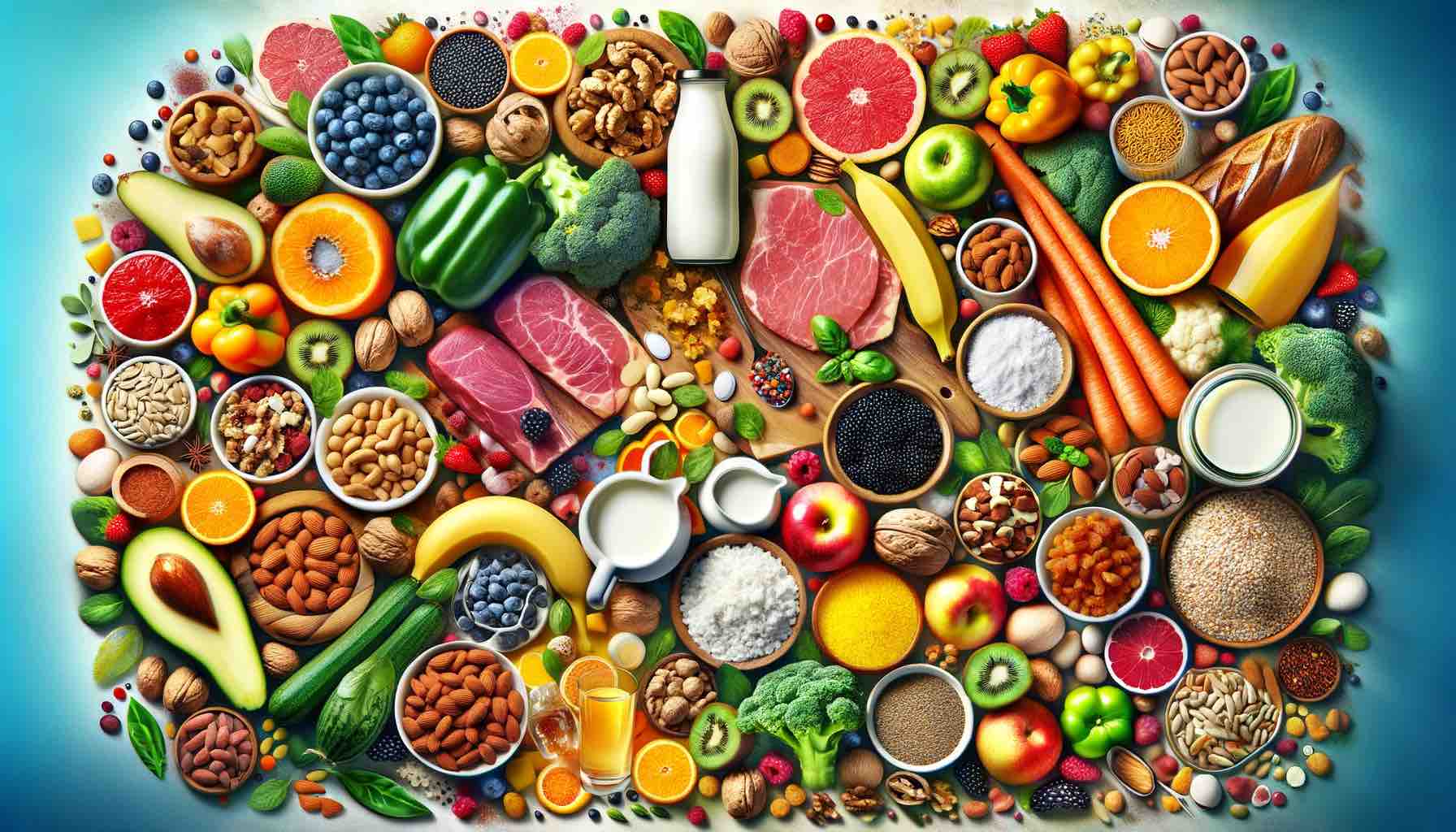
  • Colorful Plates: Eating different colored foods can also be a simple guide to getting a range of nutrients.

2. Consider Your Specific Needs

  • Age, Gender, and Health Conditions: Your mineral needs can vary based on age, gender, and health conditions. For example, women may need more iron, while older adults might need more calcium and vitamin D.
  • Consult a Dietitian: If unsure about your dietary needs, consulting a dietitian can be beneficial.

3. Beware of Over-Supplementation

  • Supplements as a Secondary Option: Supplements can help when dietary intake is insufficient, but they shouldn’t replace a balanced diet. Excess intake of certain minerals can lead to health issues.
  • Doctor’s Advice: Always seek a healthcare professional’s advice before starting any supplements, especially if you have health conditions or are on medication.

4. Cooking and Food Preparation

  • Preserve Nutrients: Cooking methods like steaming and roasting can help preserve the mineral content of foods. Avoid overcooking vegetables to prevent nutrient loss.
  • Whole Foods Over Processed: Opt for whole, minimally processed foods as processing can strip away valuable nutrients.

Recognizing Signs of Mineral Deficiencies

A balanced diet typically provides all the minerals your body needs. However, certain lifestyle factors and health conditions can lead to mineral deficiencies, which can have significant health impacts.

Key Signs of Deficiency

  • Calcium Deficiency: Symptoms include muscle spasms, dry skin, brittle nails, and, in severe cases, osteoporosis.
  • Iron Deficiency: Look for signs like fatigue, weakness, pale skin, and in severe cases, anemia.
  • Magnesium Deficiency: Common indicators include muscle cramps, mental disorders, migraines, and increased risk of heart disease.
  • Zinc Deficiency: Symptoms include weakened immune response, hair loss, and delayed wound healing.
  • Iodine Deficiency: Can lead to goiter (enlarged thyroid gland), weight gain, and in pregnant women, developmental issues in babies​​.

Factors Contributing to Deficiencies

  • Dietary Choices: A diet low in vegetables, fruits, whole grains, and lean proteins can lack essential minerals.
  • Health Conditions: Certain conditions like digestive disorders can impair nutrient absorption.
  • Lifestyle Factors: High stress, excessive alcohol consumption, and certain medications can also impact mineral levels.

The Risks of Excess Mineral Intake

While mineral deficiencies are a concern, excessive intake, especially from supplements, can be harmful.

Potential Health Risks

  • Excess Iron: Can lead to liver damage, diabetes, and heart problems.
  • Excessive Calcium: May result in kidney stones and impaired kidney function.
  • High Sodium Intake: Linked to high blood pressure and heart disease​​.

Safe Supplementation

  • Consult Healthcare Providers: Before starting any mineral supplements, especially if you have health conditions or are taking medications.
  • Follow Recommended Dosages: Adhere to the recommended daily allowances and upper limits.

Conclusion: Empowering Your Health with Minerals

This series aims to empower you with knowledge about the critical role minerals play in your health. By understanding the importance, sources, and right balance of minerals, you can make informed dietary choices for a healthier life.

Call-to-Action: Join Our Mineral Nutrition Journey

Stay tuned for our upcoming posts, where we’ll explore each mineral in detail. We invite you to join us on this journey to better health. Subscribe to our series, share your thoughts in the comments, and let us know what specific topics you’d like us to cover in future posts.

Remember, your diet is a powerful tool in maintaining your health and well-being. Embrace the power of minerals and transform your health starting today!

FAQs

  1. What are the most important minerals for human health?
    • The most important minerals include major minerals like calcium, magnesium, potassium, and trace minerals like iron, zinc, and selenium. Each plays a unique role in bodily functions, from building bones to supporting the immune system.
  2. Can you get all the necessary minerals from a vegetarian diet?
    • Yes, a vegetarian diet can provide all necessary minerals. Plant-based sources like leafy greens, nuts, seeds, and legumes are rich in minerals like iron, magnesium, and calcium. However, careful planning may be needed to ensure adequate intake.
  3. How does mineral deficiency affect the body?
    • Mineral deficiencies can lead to various health problems. For instance, calcium deficiency can weaken bones, iron deficiency can cause anemia, and zinc deficiency can impair immune function.
  4. Are mineral supplements necessary if I eat a balanced diet?
    • If your diet is well-balanced and diverse, you may not need supplements. However, some people with specific health conditions or dietary restrictions might benefit from supplementation, as advised by a healthcare provider.
  5. What are the risks of consuming too much of a mineral?
    • Excessive intake of minerals, usually through supplements, can lead to health issues. For example, too much iron can cause liver problems, and excess calcium can lead to kidney stones.
  6. How can I tell if I’m getting enough minerals in my diet?
    • Observing your overall health and well-being is a good start. Symptoms like fatigue, weak bones, or frequent illness can indicate a deficiency. For precise assessment, consulting a healthcare professional and getting blood tests can be helpful.
  7. Which foods are the best sources of minerals?
    • Dairy products, leafy greens, nuts, seeds, whole grains, lean meats, and seafood are excellent sources. A varied diet usually covers the spectrum of necessary minerals.
  8. Can children and adults have different mineral requirements?
    • Yes, children and adults have different mineral requirements. Children need more of certain minerals for growth and development, while adults may need more to maintain health and prevent chronic diseases.
  9. What is the role of minerals in managing chronic diseases?
    • Minerals play a vital role in managing chronic diseases. For example, magnesium can help regulate blood pressure, and calcium is essential for bone health, especially in conditions like osteoporosis.
  10. How does mineral intake affect athletic performance?
    • Adequate mineral intake is crucial for athletes. Minerals like potassium and sodium are essential for fluid balance and muscle function, while iron is vital for oxygen transport during physical activity.

Blog Tags for the Post:

nutrition, minerals in diet, health and wellness, balanced diet, dietary supplements, mineral deficiency, healthy eating, vegetarian sources of minerals, chronic disease management, athletic performance nutrition
Posted on Leave a comment

Are Lentils Keto-Friendly?


Introduction: The Keto Diet and Legumes

In the intricate world of the ketogenic diet, where every carb counts, understanding the role of various foods is crucial. Among the many queries that keto dieters have, one stands out: “Are lentils keto-friendly?” Lentils, a nutrient-dense legume, are a common feature in many diets but present a dilemma for those adhering to keto principles. This comprehensive guide examines their nutritional profile, their impact on ketosis, and how (or if) they can fit into a ketogenic lifestyle.


The Essence of the Ketogenic Diet

To fully grasp the context, let’s first understand the ketogenic diet:

  • Fundamentals: A ketogenic diet is characterized by its high fat, moderate protein, and very low carbohydrate composition.
  • Objective: The primary goal is to enter a metabolic state called ketosis, where the body efficiently burns fat for energy instead of relying on carbohydrates.
  • Carbohydrate Restriction: The diet typically limits daily carbohydrate intake to around 20-50 grams to maintain ketosis.

Lentils: A Nutritional Powerhouse

Lentils are celebrated for their health benefits:

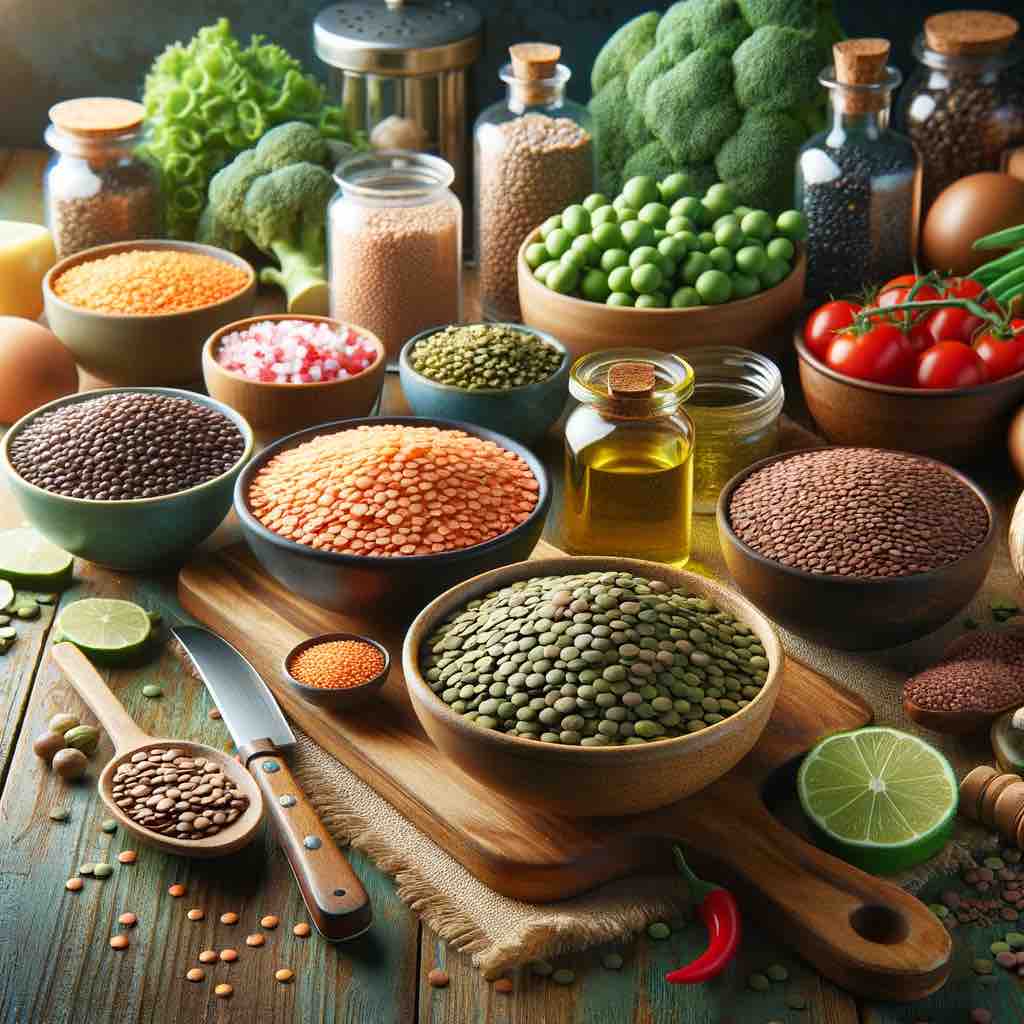
  • Protein-Rich: They are an excellent source of plant-based protein, making them a favorite among vegetarians and vegans.
  • Fiber Content: High in dietary fiber, lentils aid in digestion and help in maintaining blood sugar levels.
  • Rich in Nutrients: Packed with vital nutrients, lentils offer iron, folate, magnesium, potassium, and various B vitamins.

However, the keto compatibility of lentils largely hinges on their carbohydrate content. On average, a cup of cooked lentils contains about 40 grams of carbs, 15 grams of which are dietary fiber, resulting in 25 grams of net carbs.


The Keto Dilemma: Lentils and Carbohydrates

The compatibility of lentils with a ketogenic diet is a complex issue:

  • Net Carbs: The 25 grams of net carbs in a cup of lentils can significantly impinge on the strict carb limits of a keto diet.
  • Ketosis at Risk: Such a high carb count could potentially disrupt the state of ketosis, the cornerstone of the ketogenic diet’s effectiveness.

Moderation: The Possible Middle Ground

Incorporating lentils into a keto diet requires careful planning:

  • Small Servings: A tablespoon or two of lentils might be integrated into a keto diet, provided the rest of the day’s meals are extremely low in carbs.
  • Balanced Diet Planning: It’s essential to meticulously plan your entire day’s diet to accommodate the carbs from lentils while staying within ketogenic boundaries.

Viable Alternatives to Lentils for Keto Followers

For those strictly adhering to keto, consider these low-carb options:

Vegetable Alternatives:

  • Vegetables like spinach, kale, broccoli, cauliflower, and zucchini are nutrient-rich and have minimal carbs.

Protein Alternatives:

  • Opt for lean meats, fatty fish (like salmon), eggs, and full-fat dairy products for protein requirements without the carb load.

Flexible Keto: Incorporating Lentils Smartly

For a less stringent keto approach, lentils can be included cautiously:

  • Limit the Quantity: Use lentils as a flavor enhancer or side dish rather than the main component of a meal.
  • Smart Pairing: Combine a small portion of lentils with predominantly low-carb foods to keep the overall carbohydrate intake in check.

Cooking with Lentils on a Keto Diet

Here are some tips for including lentils in your keto cooking:

  • Sprouted Lentils: Sprouting lentils can reduce their carb content slightly.
  • Lentil Soups: Use lentils sparingly in soups, combined with keto-friendly vegetables and broth.
  • Salad Toppings: A sprinkle of cooked lentils can add texture and flavor to salads without adding too many carbs.

Conclusion: Lentils in a Keto Context

Lentils, with their rich nutritional profile, present a conundrum in a ketogenic diet due to their high net carb content. While they can be part of a flexible keto diet in minimal amounts, strict keto followers might need to avoid them or opt for lower-carb alternatives. As with any diet, individual preferences and nutritional requirements should guide food choices, and consulting with a nutritionist or healthcare provider is always advisable for personalized dietary advice.


We Want to Hear From You

How have you navigated including lentils in your keto journey? Do you have any favorite keto recipes that use lentils? Share your experiences and insights in the comments below!

FAQs

  1. What makes lentils a concern for those on a ketogenic diet?
    • Lentils are a concern for keto dieters primarily because of their high net carbohydrate content. While they are rich in protein and fiber, a cup of cooked lentils contains about 25 grams of net carbs, which can significantly consume a substantial portion of the 20-50 grams daily carb limit typical in a ketogenic diet.
  2. Can small portions of lentils be included in a keto diet without disrupting ketosis?
    • Yes, in very small portions, lentils can be included in a keto diet. For instance, using a tablespoon or two in salads or as a side dish can add nutritional value without significantly exceeding the carb limits. However, this requires meticulous carb counting and balancing with other daily meals.
  3. What are the nutritional benefits of lentils, and do they outweigh their carb content for keto dieters?
    • Lentils are rich in proteins, dietary fiber, vitamins like folate, and minerals such as iron and magnesium. While these nutrients are beneficial, for strict keto dieters, the high carb content often outweighs these benefits. Those on a flexible keto diet may find ways to include small amounts of lentils without compromising their carb limits.
  4. Are there any specific types of lentils that are more keto-friendly than others?
    • The carb content across different types of lentils (green, red, brown) is relatively similar. Therefore, no specific type of lentil is significantly more keto-friendly than others. The key is portion control, regardless of the lentil type.
  5. What are some keto-friendly alternatives to lentils for those missing them in their diet?
    • Keto-friendly alternatives to lentils include low-carb vegetables like spinach, kale, and broccoli, which provide similar nutritional benefits. For protein, lean meats, fish, eggs, and cheese are good alternatives.
  6. How does the preparation of lentils affect their suitability for a keto diet?
    • Preparation methods like sprouting or fermenting may slightly reduce the carb content of lentils. However, these methods don’t significantly lower the carbs to make them a staple in a standard keto diet. The impact on the carb content is marginal, so portion control remains crucial.
  7. What role can lentils play in a more flexible or cyclical ketogenic diet?
    • In a more flexible or cyclical ketogenic diet, where carb limits are less stringent or vary from day to day, lentils can be included in small quantities. They can be part of a meal during higher carb intake days, providing a source of protein and fiber.
  8. Are there any creative ways to incorporate lentils into a keto diet without exceeding carb limits?
    • One way to incorporate lentils into a keto diet is by using them as a minor ingredient in dishes like soups, salads, or stews. Another option is to mix a small amount of lentils with other low-carb ingredients to make a balanced meal.
  9. How can someone following a keto diet effectively track and balance the carb content from lentils?
    • Tracking and balancing the carb content from lentils in a keto diet can be done by using nutritional apps or carb counters. It involves measuring the exact amount of lentils consumed and ensuring the rest of the day’s meals are very low in carbs.
  10. What advice do nutritionists give about including lentils in a ketogenic lifestyle?
    • Nutritionists often advise that if lentils are to be included in a ketogenic lifestyle, they should be consumed in very small quantities. It’s recommended to balance their intake with other low-carb foods and to be vigilant about overall daily carb consumption. Some nutritionists may suggest alternative legumes that are lower in carbs for those who wish to maintain a plant-based keto diet.

Blog Tags for the Post

ketogenic diet, lentils, low-carb legumes, keto-friendly foods, nutritional planning, carb counting, protein sources, dietary fiber, meal planning, net carbs, plant-based protein

Posted on Leave a comment

Is Hummus Keto-Friendly?

Introduction: Navigating the Keto Diet’s Complexities

Welcome to the ever-evolving world of dietary trends, where health-conscious eaters and keto dieters often find themselves at a crossroads. Among the numerous food debates in the keto community, one question frequently arises: “Is hummus keto-friendly?” This popular Middle Eastern dip, known for its rich flavor and health benefits, sparks curiosity among those following a strict low-carb, high-fat diet. In this comprehensive guide, we’ll explore the intricate relationship between hummus and the ketogenic lifestyle.


Section 1: What is Hummus? A Culinary Staple

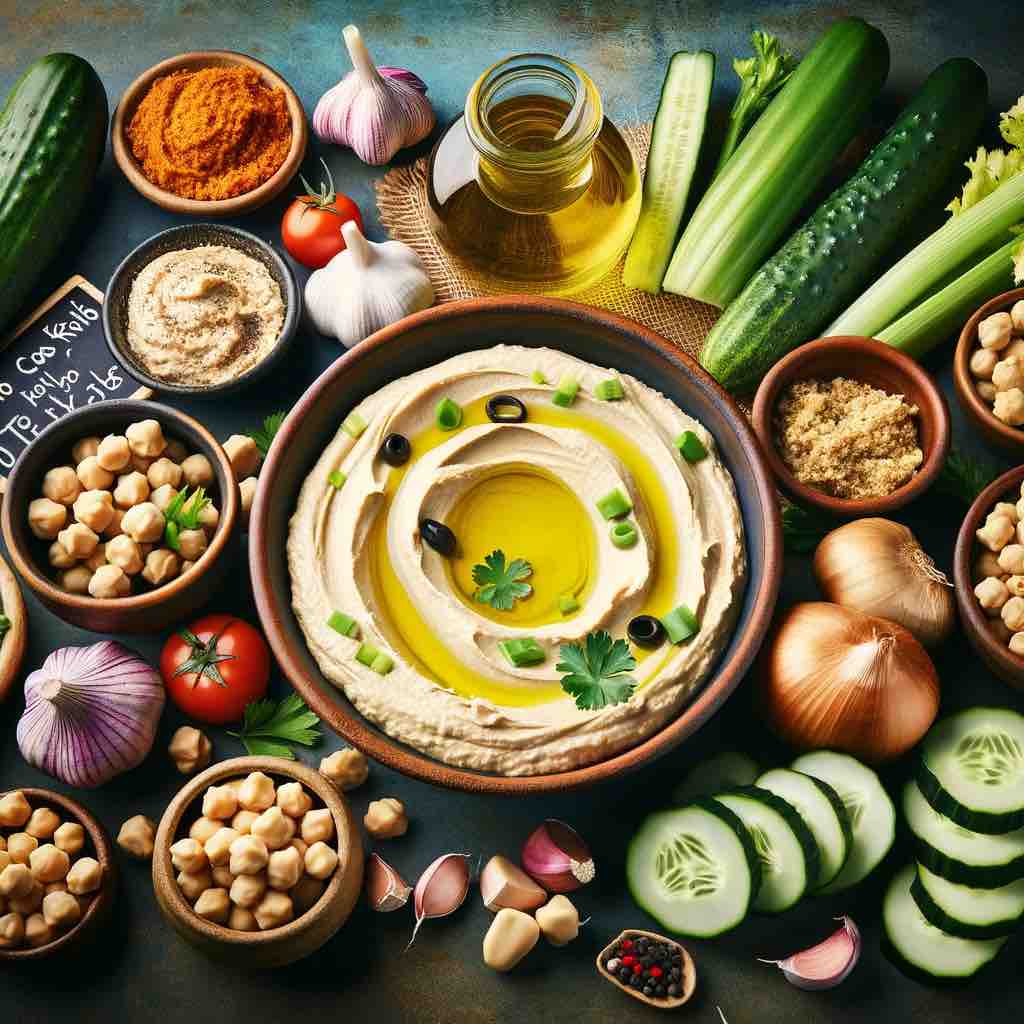
Hummus, a staple in Middle Eastern and Mediterranean cuisines, is more than just a dip. At its core, hummus consists of a few simple yet wholesome ingredients: chickpeas (garbanzo beans), olive oil, tahini (sesame seed paste), lemon juice, and often garlic. Each component brings its unique nutritional value, contributing to hummus’s reputation as a healthy, versatile food choice. But how does this blend of ingredients fit into the stringent carb restrictions of a ketogenic diet?


Section 2: Nutritional Breakdown of Hummus

Understanding hummus’s nutritional profile is crucial in assessing its keto compatibility. A standard serving of hummus, typically around two tablespoons, contains:

  • 70-80 calories
  • 5 grams of fat
  • 6 grams of total carbs
  • 2 grams of fiber
  • 4 grams of net carbs
  • 2 grams of protein In addition to these macronutrients, hummus provides essential micronutrients like copper, manganese, magnesium, folate, phosphorus, zinc, thiamin, and iron​​.

Section 3: Hummus and the Keto Diet – The Carb Dilemma

The primary concern with hummus in a keto diet revolves around its carb content. While keto adherents typically limit their daily net carb intake to between 20 and 50 grams, the carbohydrate density of chickpeas – the main ingredient in hummus – presents a challenge. A golfball-sized serving of hummus contains about 4 grams of net carbs. This means that hummus, in moderation, can fit into a keto diet, especially when paired with low-carb vegetables like cucumbers or celery​​.


Section 4: Portion Control and Hummus

Portion control is paramount when incorporating hummus into a keto diet. To maintain ketosis, it’s advisable to limit hummus intake to small amounts. Instead of indulging in hummus as a primary dip, consider using it sparingly as a condiment. A recommended daily maximum is 3-4 tablespoons, which equates to approximately 6-8 grams of net carbs. This approach allows you to enjoy the taste and nutritional benefits of hummus without derailing your keto goals​​.

Section 5: Low-Carb Alternatives to Traditional Hummus

For those who are strict with their carb count or have already reached their daily limit, there are several low-carb alternatives to traditional hummus. These include:

Baba Ganoush

  • Made from eggplants instead of chickpeas, this Lebanese dip shares a similar texture with hummus and is typically lower in carbs, containing about 2 grams of net carbs per two tablespoons.

Black Soybean Hummus

  • Black soybeans can substitute chickpeas to create a creamy, hummus-like dip. This alternative contains only about 1.5 grams of net carbs per two tablespoons.

Lupini Bean Hummus

  • Lupini beans are high in fiber and low in total carbs, making them a popular choice in the keto world. This hummus variant offers zero net carbs per serving and comes in various flavors​​.

Section 6: Making Keto-Friendly Hummus at Home

Crafting your homemade hummus allows you to control the ingredients and carb count. One popular method is to reduce or substitute the chickpeas:

Roasted Cauliflower Hummus

  • By using roasted cauliflower instead of chickpeas, you can create a hummus with a similar creamy texture but fewer carbs. Experiment with additional flavors like roasted garlic or red pepper to enhance the taste​​.

Section 7: Conclusion

In summary, while traditional hummus contains a moderate amount of carbs due to its chickpea base, it can still be a part of a ketogenic diet when consumed in controlled portions. By opting for low-carb alternatives or making your keto-friendly hummus at home, you can enjoy this beloved dip without compromising your dietary goals. Remember, individual responses to different foods can vary, so it’s important to listen to your body and adjust your diet accordingly.


Your Thoughts and Experiences

We’d love to hear from you! Have you tried incorporating hummus into your keto diet? Do you have any favorite low-carb hummus recipes or alternatives? Share your experiences and tips in the comments below to help fellow keto enthusiasts navigate their dietary journey.

10 FAQs for the Blog Post on “Is Hummus Keto-Friendly?”

  1. How does hummus fit into the carb limits of a keto diet?
    • While traditional hummus is made with chickpeas, which are high in carbs, a small serving size can fit into the keto diet’s carb limits. A typical serving of 2 tablespoons of hummus contains about 4 grams of net carbs, aligning with the daily keto allowance of 20-50 net carbs if consumed in moderation​​.
  2. What nutritional benefits does hummus provide?
    • Hummus is rich in healthy fats from olive oil and tahini, and it offers protein and fiber from chickpeas. It also contains essential nutrients like copper, manganese, magnesium, and iron, making it a nutritious choice for those on a keto diet, within portion limits​​.
  3. Can you enjoy hummus on a strict keto diet?
    • Yes, but portion control is crucial. Limiting intake to 3-4 tablespoons per day can help maintain ketosis. It’s recommended to use hummus as a condiment rather than a main dip to control the carb intake​​.
  4. What are some keto-friendly alternatives to traditional hummus?
    • Low-carb alternatives include baba ganoush, made from eggplant, and hummus made from black soybeans or lupini beans. These alternatives typically have fewer net carbs than traditional hummus​​.
  5. How can you make hummus more keto-friendly at home?
    • By reducing or substituting the chickpeas with lower-carb ingredients like roasted cauliflower, you can make hummus more suitable for a keto diet. This adaptation maintains the creamy texture while lowering the carb content​​.
  6. Is store-bought hummus suitable for a keto diet?
    • Store-bought hummus can be suitable in small quantities. However, it’s important to read the label for added sugars or unnecessary carbs. Homemade hummus allows for better control over the ingredients and carb content.
  7. What are the best ways to include hummus in a keto meal plan?
    • Include hummus in small amounts as a side or condiment. Pair it with low-carb vegetables like cucumber and celery sticks for a balanced keto snack or meal component.
  8. Are all types of hummus equally keto-friendly?
    • Not all hummus varieties are equal in terms of carb content. Flavored versions or those with added ingredients might have higher carbs. It’s best to opt for plain hummus and monitor portion sizes.
  9. How does the fiber in hummus affect its net carb count?
    • The fiber in hummus reduces the net carb count, making it more favorable for a keto diet. For instance, if a serving has 6 grams of total carbs and 2 grams of fiber, the net carbs would be 4 grams, which is calculated by subtracting the fiber from the total carbs​​.
  10. Can hummus be part of a balanced keto meal?
    • Yes, when included in controlled portions, hummus can be part of a balanced keto meal. Its combination of fats, proteins, and fibers can complement other low-carb foods, contributing to a well-rounded keto diet.

Blog Tags for the Post

keto diet, hummus, low-carb alternatives, homemade recipes, nutritional guide, dietary planning, Mediterranean cuisine, healthy snacking, carbohydrate management, portion control, keto-friendly dips

Posted on Leave a comment

Is a KitchenAid Mixer Worth It? Let’s Find Out!

yellow kitchenaid stand mixer

Hello, baking enthusiasts! 🥧🍪🍰

Today, we’re diving into a topic that’s been on the minds of many home bakers and professionals alike – is investing in a KitchenAid mixer really worth it? To help answer this question, we’re turning to Natalia Lima, the founder and owner of Curious Cat Bakery, an all-vegan bakery based out of Florida. Natalia has shared her insights in a detailed video on her YouTube channel, which you can watch here.

The Investment 💰

KitchenAid mixers are a significant investment, with prices ranging from around $300 for refurbished models to up to $800-$900 for the commercial series. However, for this discussion, we’ll focus on the more affordable end of the spectrum, which is likely where most amateur bakers are looking.

The Uses of a KitchenAid Mixer

A KitchenAid mixer is a versatile tool that can handle a variety of baking tasks. From kneading bread dough to whipping up a batch of cookies, this appliance can do it all. It’s especially useful for tasks that require a lot of arm work, like kneading bread dough. With a KitchenAid mixer, you can simply turn it on and let it do its thing, freeing up your time and energy for other tasks.

The Comparison: Artisan vs. Professional Series 🥊

Natalia compares two models of KitchenAid mixers that she has used and loved for years – the Artisan series and the Professional series.

The Artisan series, which Natalia started with, is a great beginner model. It has a tilt-head design that allows you to easily add ingredients. This model is perfect for lighter tasks and smaller batches.

On the other hand, the Professional series is more robust and can handle denser doughs and larger batches. It has a bowl-lift design, which means the bowl moves up and down instead of the head tilting back and forth. This model is ideal for those who bake frequently or in large quantities.

The Verdict 🏆

So, is a KitchenAid mixer worth it? According to Natalia, it depends on how much you use it. If you’re an avid baker who bakes every other day or so, then yes, it’s definitely worth the investment. However, if you only bake occasionally, then it might not be the best choice for you.

Remember, a KitchenAid mixer is a machine, and like any machine, it can get tired. If you’re doing several batches one after the other, you’ll need to give it a break to cool down.

In conclusion, a KitchenAid mixer can be a game-changer for those who bake frequently. It can make the baking process more enjoyable and efficient, and the final product more reliably predictable. But, as with any investment, it’s important to consider your individual needs and circumstances before making a decision.

For more insights from Natalia and to get a sneak peek behind the scenes of running a bakery, make sure to subscribe to her YouTube channel and join our Facebook community where we share our love for all things baking!

Posted on Leave a comment

Fatty Liver Disease and Healing Strategies

Introduction:

In a world where fatty liver disease is becoming increasingly common, understanding the root causes and embracing healing strategies is more important than ever. Dr. Mark Hyman’s insights provide a roadmap for those seeking to reverse this condition. Building upon our previous discussions on liver cirrhosis and reversing fatty liver disease naturally, this post delves deeper into the dietary culprits that contribute to fatty liver disease and the healing foods and supplements that can aid in recovery.

Caption: Uncover the dietary changes necessary to reverse fatty liver disease with Dr. Mark Hyman.

Credits: Video by Dr. Mark Hyman, MD, YouTube Channel: Mark Hyman, MD

Dietary Culprits Behind Fatty Liver Disease

Dr. Hyman emphasizes that the modern diet, laden with sugars and processed foods, is the primary driver of fatty liver disease. He points out that not all sugars are created equal, with fructose being particularly harmful when consumed in excess. Unlike glucose, fructose is processed in the liver, converting directly into fat, leading to fatty liver and insulin resistance.

High Fructose Corn Syrup (HFCS): A pervasive ingredient in sodas, sweets, and even savory processed foods, HFCS is a major contributor to fatty liver. Dr. Hyman advocates for the complete elimination of HFCS from our diets as a critical step towards liver health.

Refined Carbohydrates: White bread, pasta, rice, and other processed grains rapidly convert to glucose in the body, spiking insulin levels and promoting fat storage in the liver.

Alcohol: Regular consumption of alcohol can exacerbate liver inflammation and fat accumulation, even in moderate amounts.

Healing Foods and Supplements

Turning the tide on fatty liver disease involves more than just cutting out harmful foods; it requires a proactive approach to include liver-supporting nutrients in our diet.

Detoxifying Foods:

  • Brassica Family Vegetables: Broccoli, Brussels sprouts, kale, and cauliflower contain compounds that enhance the liver’s detoxification enzymes.
  • Sulfur-Rich Foods: Garlic and onions support the liver’s detox pathways and help flush out toxins.

Supplements for Liver Health:

  • N-acetylcysteine (NAC): This antioxidant helps replenish glutathione, the body’s master detoxifier.
  • Alpha-Lipoic Acid: It has a unique ability to regenerate other antioxidants and support liver detoxification.
  • Milk Thistle: Silymarin, the active compound in milk thistle, has been shown to protect liver cells and promote regeneration.

Lifestyle Changes for Liver Recovery

Dr. Hyman also underscores the importance of lifestyle changes in conjunction with dietary adjustments.

Exercise: Regular physical activity helps burn triglycerides for fuel and can reduce liver fat.

Stress Management: Chronic stress can lead to behaviors that contribute to fatty liver. Practices like meditation, yoga, and deep breathing can help manage stress.

Sleep: Adequate sleep is essential for liver health. Poor sleep patterns can disrupt metabolism and worsen liver health.

Conclusion:

Dr. Hyman’s approach to reversing fatty liver disease is a holistic one, addressing the issue through diet, supplements, and lifestyle changes. By understanding the impact of our food choices and incorporating liver-supporting nutrients, we can take proactive steps towards liver health. For more insights into liver health, revisit our discussions on recognizing liver cirrhosis and a proactive approach to reversing fatty liver disease.

FAQs

  1. What exactly does fructose do to the liver, and how is it different from other sugars? Fructose is uniquely metabolized by the liver, leading to fat production and storage, which differs from glucose that is used by the entire body for energy.
  2. Can making dietary changes improve liver health even in severe cases of fatty liver disease? Dietary changes can have a profound impact on liver health, potentially improving or even reversing fatty liver disease when implemented consistently and combined with other healthy lifestyle practices.
  3. What are some hidden sources of high fructose corn syrup I should be aware of? High fructose corn syrup can be found in unexpected items like bread, yogurt, salad dressings, and granola bars, making it important to read labels carefully.
  4. How do Brassica vegetables aid in liver detoxification? Brassica vegetables contain glucosinolates that help in activating detoxification enzymes and supporting the liver’s natural detox processes.
  5. Are there any specific types of exercise that are most beneficial for reducing liver fat? A combination of aerobic exercises, like walking or cycling, and resistance training can be particularly effective in reducing liver fat by improving insulin sensitivity and increasing muscle mass.
  6. How does stress contribute to fatty liver, and what can I do about it? Stress can lead to poor dietary choices and increased fat storage due to hormonal imbalances; managing stress through mindfulness, exercise, and adequate sleep is key.
  7. What role does sleep play in liver health, and how much do I need? Quality sleep helps regulate metabolism and hormonal balance, which are crucial for liver health; adults typically need 7-9 hours per night.
  8. Are there any particular supplements that are contraindicated for fatty liver? While many supplements can support liver health, it’s essential to consult with a healthcare provider as some, like iron or vitamin A, can be harmful in excess.
  9. What are the long-term risks if fatty liver disease is not addressed? Unaddressed fatty liver disease can progress to more serious conditions like steatohepatitis, cirrhosis, and even liver cancer.
  10. How can I track the progress of my liver health after making these lifestyle changes? Regular check-ups with liver function tests, imaging studies, and monitoring of associated health markers like cholesterol and blood sugar levels can help track progress.

Blog Tags for the Post: fatty liver disease, dietary culprits, liver detoxification, healing foods, liver health supplements, sugar and liver damage, exercise for liver, stress and liver health, sleep and metabolism, liver disease prevention, holistic liver recovery, NAFLD diet, liver function improvement, liver detox tips, managing fatty liver