Posted on Leave a comment

Over 60? Bad Diet? Eat Chocolate

Are you over 60 and keen on giving your diet a healthful twist? Welcome to the delightful world of cocoa flavanols! Imagine discovering that your path to enhanced well-being could be paved with something as enjoyable as cocoa. We’re not just talking about indulging in a chocolate bar – this journey is about exploring the diverse and healthful world of cocoa in all its forms, from dark chocolate to cocoa powder and even cocoa extract supplements.

Recent research has shed a promising light on cocoa flavanols, particularly for those in their golden years. These powerful compounds, found abundantly in cocoa beans, are celebrated for their antioxidant and anti-inflammatory properties. But what does this mean for you, especially if you’re over 60? It’s an opportunity to reimagine your relationship with cocoa products, understanding that they can be more than just a treat – they can be a key component of a health-conscious lifestyle.

In this deep dive into the world of cocoa flavanols, we’ll unravel the science, debunk the myths, and explore creative, delicious ways to incorporate these wonder compounds into your daily routine. Whether you’re a chocolate enthusiast or curious about healthier dietary choices, this journey is for you. So, let’s embark on this flavorful exploration and discover how cocoa can not only tantalize your taste buds but also contribute significantly to your health and vitality.

Ready to turn every cocoa encounter into a step towards better health? Let’s start our flavorful adventure!

[ez-toc]

Section 1: Unlocking the Secrets of Cocoa Flavanols

The Hidden Power in Cocoa Beans: Let’s delve into what makes cocoa so special. At the heart of cocoa’s health benefits are flavanols – these are natural compounds that pack a powerful punch in promoting health. They are not just antioxidants; they are also known for their anti-inflammatory properties. This is particularly important as we age, as inflammation is a key factor in many chronic diseases.

Flavanols – The Brain’s Best Friend?: Recent studies have brought to light an exciting aspect of cocoa flavanols – their potential to support cognitive function in older adults. One key study is the COSMOS trial, which highlighted the cognitive benefits of daily intake of cocoa flavanols for individuals over 60. What’s remarkable here is the suggestion that these compounds might help keep our minds sharp and agile as we age.

Beyond Cognition: But the power of flavanols extends beyond brain health. Research has linked these compounds to improved cardiovascular health, suggesting that they can help maintain flexible blood vessels and healthy blood flow. This is crucial for overall wellness, especially in the later stages of life.

The Science of Absorption: It’s not just about consuming flavanols; it’s about how our bodies absorb them. Cocoa flavanols are most effective when consumed in their most natural form, as processing can reduce their potency. This is where choosing the right type of cocoa product becomes crucial.


Section 2: Deciphering Cocoa Products – More Than Just Chocolate Bars

Exploring the Cocoa Spectrum: When we think of cocoa, chocolate bars often come to mind first. However, cocoa’s versatility is vast, encompassing a range of products each boasting its unique benefits. From unsweetened cocoa powder and rich dark chocolate to cocoa nibs and even cocoa supplements, the world of cocoa offers numerous ways to enjoy its health benefits.

Dark Chocolate – A Flavanol Powerhouse: Dark chocolate is celebrated for its high cocoa content and, consequently, its rich flavanol profile. But not all dark chocolates are created equal. Look for options with a cocoa content of 70% or higher to ensure a higher flavanol intake. Remember, the darker, the better – and the less room for added sugars and fats.

Cocoa Powder – The Understated Superfood: Unsweetened cocoa powder is a low-calorie, versatile option for getting your flavanol fix. Its concentrated form means you can enjoy the benefits without the added sugars of chocolate bars. Mix it into smoothies, sprinkle it over fruit, or use it in healthy baking recipes to add a chocolaty flavor along with a health kick.

Cocoa Nibs – The Crunchy Delight: For those who enjoy texture in their food, cocoa nibs are a great choice. These are essentially crushed cocoa beans, retaining all the natural goodness with a crunchy twist. Sprinkle them over yogurt, oatmeal, or even salads for a nutrient-dense addition to your meals.

Cocoa Supplements – Convenience in a Capsule: If you’re looking for a straightforward way to incorporate flavanols into your diet, cocoa extract supplements can be an efficient choice. They provide a concentrated dose of flavanols without the extra calories. However, it’s crucial to choose high-quality supplements from reputable brands.


Section 3: Creative Cocoa Incorporation – Delicious and Nutritious

Redefining Cocoa Consumption: Cocoa flavanols can be a part of your diet in exciting and delicious ways. Here are a few ideas:

  • Morning Kickstart: Add a teaspoon of natural cocoa powder to your coffee or morning smoothie. It adds flavor and a health kick to start your day.
  • Healthy Snacking: Cocoa nibs are perfect for snacking or as a topping on yogurt or oatmeal. They add a crunch and nutritional punch without the extra sugar.
  • Baking with a Twist: Swap some flour with cocoa powder in your baking recipes. It’s a simple way to boost flavanol content while enjoying your favorite treats.

Recipe Spotlight: Try a ‘Cocoa Flavanol-Rich Smoothie’ – blend a banana, a handful of spinach, almond milk, a tablespoon of cocoa powder, and a touch of honey. It’s a perfect blend of health and taste.


Section 4: The Broader Spectrum of Cocoa Benefits

Cocoa Flavanols – Not Just for the Brain: While we’ve highlighted the cognitive benefits of cocoa flavanols, especially for those over 60, their advantages extend further. Let’s explore some additional health perks:

  • Heart Health Hero: Cocoa flavanols can be instrumental in maintaining cardiovascular health. They aid in improving blood circulation and reducing the risk of heart-related issues by maintaining the elasticity of blood vessels.
  • Mood Booster: There’s a reason why chocolate makes us feel good! Cocoa can have mood-enhancing effects, thanks to its flavanol content and other mood-lifting compounds found in it.
  • Skin Health: Believe it or not, the antioxidants in cocoa can contribute to healthier skin. They help in protecting the skin from oxidative stress, potentially reducing signs of aging.

Balanced Approach for Maximum Benefits: While cocoa and its flavanols offer numerous health benefits, it’s essential to remember balance. Integrating cocoa into a diet rich in fruits, vegetables, whole grains, and lean proteins ensures a comprehensive approach to health and well-being.

Did You Know?: Regular intake of cocoa flavanols has been linked to reduced risk factors for diabetes, thanks to their role in regulating blood sugar levels.

Section 5: Smart Cocoa Consumption – Moderation is Key

Enjoying Cocoa with a Health-Conscious Mindset: Embracing cocoa for its health benefits doesn’t mean unlimited consumption. Here’s how to enjoy it smartly:

  • Portion Control: With cocoa products, especially chocolate, keep an eye on portions. A small square of dark chocolate or a teaspoon of cocoa powder is often enough to reap the benefits.
  • Quality Over Quantity: Choose high-quality cocoa products. The focus should be on the quality and cocoa content, rather than consuming large quantities.
  • Diverse Diet Integration: Incorporate cocoa into a diverse and balanced diet. It should complement, not replace, other vital nutrients.

Savvy Tip: Use cocoa as an opportunity to explore new recipes and flavors. Experiment with adding it to dishes you already enjoy, and you might discover some delightful new favorites!

Conclusion: Embracing Cocoa Flavanols in Your Golden Years

A Sweet Ending to Our Cocoa Journey: As we wrap up our exploration of cocoa flavanols, it’s clear that this delightful ingredient offers much more than just flavor. For those over 60, integrating cocoa into your diet can be a delicious way to support cognitive function, heart health, and overall well-being.

The Joy of Cocoa – A Healthful Indulgence: We’ve seen how cocoa, in its various forms, can be a versatile and beneficial addition to your diet. From a morning cocoa-infused smoothie to a small square of dark chocolate as an afternoon treat, there are numerous ways to enjoy the health benefits of cocoa.

Your Next Steps to a Cocoa-Rich Lifestyle:

  • Experiment and Explore: Don’t be afraid to try new ways of incorporating cocoa into your diet. Whether it’s through baking, smoothies, or simply enjoying a piece of high-quality dark chocolate, each experience can be both healthful and enjoyable.
  • Consult and Consider: As with any dietary change, especially for those with health considerations, it’s wise to consult with a healthcare professional. They can provide guidance tailored to your specific health needs and dietary restrictions.

Parting Thought: Let cocoa flavanols be a reminder that sometimes, the best health strategies come in the most delightful packages. As you continue on your journey of health and wellness, remember that cocoa can be more than just a treat – it’s a small yet potent tool in your arsenal for a vibrant and healthy life after 60.


10 FAQs for “Over 60? Time for Chocolate Therapy”

  1. What makes cocoa flavanols beneficial for those over 60? Cocoa flavanols are powerful antioxidants that improve blood flow, cognitive function, and heart health, which can be particularly beneficial as we age.
  2. How can I incorporate cocoa into my diet without eating too much chocolate? Consider using unsweetened cocoa powder in smoothies or oatmeal, nibbling on cocoa nibs as a snack, or selecting high-flavanol cocoa supplements.
  3. Is there a specific type of chocolate that’s healthiest? Dark chocolate with at least 70% cocoa content is best for maximizing flavanol intake while minimizing added sugars and fats.
  4. Can cocoa flavanols help with heart health? Yes, cocoa flavanols can improve blood circulation and vessel flexibility, contributing to better heart health.
  5. Are there any cognitive benefits to consuming cocoa flavanols? Studies suggest that regular intake of cocoa flavanols can enhance cognitive function, especially in older adults, by improving brain blood flow.
  6. What’s the difference between cocoa powder and cocoa nibs? Cocoa powder is made from crushed cocoa beans and is a versatile ingredient for cooking and baking, while cocoa nibs are raw pieces of cocoa beans and make for a crunchy, nutritious snack.
  7. How much dark chocolate should I eat to get health benefits? Moderation is key. A small square of dark chocolate or a teaspoon of cocoa powder a day can provide benefits without excessive calorie intake.
  8. Can eating chocolate improve my mood? Yes, the compounds in cocoa, including flavanols, have mood-enhancing effects, making chocolate a feel-good food.
  9. Are cocoa flavanols good for skin health? The antioxidants in cocoa can protect the skin from oxidative stress, potentially reducing signs of aging and promoting skin health.
  10. Is it okay to consume cocoa products daily for health benefits? Yes, as long as it’s in moderation and part of a balanced diet. It’s important to consider the overall quality and quantity of your cocoa consumption.

Blog Tags for the Post

cocoa flavanols, senior health, cognitive benefits, heart health, dark chocolate, healthy aging, antioxidant foods, brain health, mood enhancement, skin care


Posted on Leave a comment

Benefits of Drinking Turmeric Water

Introduction

In a world increasingly turning towards natural health solutions, turmeric water emerges as a shining beacon. This golden drink, steeped in tradition and bursting with health benefits, has captured the imagination of wellness enthusiasts worldwide. Turmeric, or ‘haldi’, as it’s known in some cultures, has long been celebrated for its medicinal properties. In this post, we explore the numerous benefits of incorporating turmeric water into your daily routine, focusing particularly on its role in weight management and overall health enhancement.

[ez-toc]

Section 1: What is Turmeric Water?

At its core, turmeric water is a simple yet potent infusion made from water and turmeric, a vibrant spice revered in culinary and medicinal circles. This drink has roots in ancient Ayurvedic practices and is known for its distinctive golden hue, attributable to curcumin, the active compound in turmeric. Curcumin is not just responsible for the color; it’s also the powerhouse behind most of the health benefits associated with turmeric.

Section 2: Turmeric Water for Weight Loss

The journey towards weight loss is often fraught with challenges. Integrating natural aids such as turmeric water can provide a supportive and effective boost to these efforts. Here’s why turmeric water is a great addition to any weight loss plan:

  • Boosts Fat Metabolism: Curcumin has been shown to positively influence fat burning and reduce fat storage, aiding weight management.
  • Reduces Inflammation: Often, chronic inflammation is an unseen factor in weight gain. Turmeric’s anti-inflammatory properties can help address this, making weight loss efforts more effective.
  • Enhances Insulin Sensitivity: Maintaining stable blood sugar levels is key in weight management. Turmeric aids in this by improving insulin sensitivity, preventing the spikes and drops that can lead to weight gain.

Section 3: The Healing Powers of Turmeric Water

Beyond aiding in weight loss, turmeric water is a holistic remedy with a spectrum of health benefits:

  • Fights Inflammation: Regular consumption can significantly reduce inflammation markers, providing relief from various conditions and improving overall health.
  • Antioxidant Properties: Curcumin is a powerful antioxidant, neutralizing free radicals that can cause cellular damage and lead to chronic diseases.
  • Digestive Health: By stimulating bile production, turmeric water supports healthy digestion and can help alleviate common digestive issues.

Section 4: Turmeric Water as a Detoxifying Agent

Turmeric water is celebrated for its detoxifying properties. Consuming it, especially on an empty stomach, can enhance liver function and aid in the efficient removal of toxins from the body. This detoxifying effect is particularly potent when the drink is consumed first thing in the morning or last thing at night, promoting internal cleansing and rejuvenation.


Section 5: Enhancing Digestive Health with Turmeric Water

Digestive health is a cornerstone of overall well-being, and turmeric water plays a significant role in promoting a healthy digestive system. The properties of turmeric stimulate the gallbladder to produce bile, an essential component for the breakdown and absorption of fats. Regular consumption of turmeric water can lead to improved digestion, reduced bloating, and a more efficient digestive process. This is especially beneficial for those looking to maintain a healthy weight, as a well-functioning digestive system is crucial in metabolizing food effectively.

Section 6: Additional Health Benefits of Turmeric Water

Turmeric water is a veritable treasure trove of health benefits. In addition to aiding weight loss and improving digestion, it offers a range of other health advantages:

  • Skin Health: Turmeric is known for its anti-inflammatory and antioxidant properties, which contribute to healthier, more radiant skin.
  • Blood Sugar Regulation: By improving insulin sensitivity, turmeric helps in regulating blood sugar levels, making it beneficial for those managing diabetes.
  • Cholesterol Management: Studies suggest that turmeric can help in reducing LDL (bad) cholesterol levels, thereby improving heart health.
  • Cancer Prevention: The antioxidants in turmeric may play a role in reducing the risk of certain types of cancer.
  • Arthritis Relief: The anti-inflammatory properties of turmeric can provide relief from the symptoms of arthritis and other inflammatory conditions.

Section 7: Making and Consuming Turmeric Water

Incorporating turmeric water into your daily regimen is straightforward. Here’s a simple way to prepare it:

  • Ingredients: 1-2 teaspoons of turmeric powder, 4 cups of water, a pinch of black pepper (to enhance curcumin absorption), and optional lemon or honey for flavor.
  • Method: Boil the water and add turmeric and black pepper. Simmer for 10 minutes, strain, and add lemon or honey if desired. Consume warm or at room temperature.

For optimal benefits, drink turmeric water in the morning on an empty stomach or at night before bed.

Section 8: Precautions and Considerations

While turmeric water is generally safe, it’s important to be mindful of a few precautions:

  • Medication Interactions: Consult your doctor if you’re taking blood thinners or other medications, as turmeric can interact with certain drugs.
  • Pregnancy and Breastfeeding: If you are pregnant or breastfeeding, check with your healthcare provider before consuming turmeric water.
  • Gallbladder Issues: Those with gallbladder problems should avoid turmeric, as it stimulates bile production.
  • Dosage: Start with a lower amount of turmeric and gradually increase to avoid potential digestive discomfort.

Section 9: Conclusion

In summary, turmeric water is much more than a trend in the wellness world; it’s a time-tested, natural elixir brimming with health benefits. From aiding in weight loss to improving digestion, enhancing skin health, and offering potential protection against various diseases, turmeric water stands out as a simple yet powerful addition to a healthy lifestyle. Its roots in ancient Ayurvedic practices are a testament to its enduring health benefits, now backed by modern science.

As we embrace more natural and holistic approaches to health and well-being, incorporating beverages like turmeric water into our daily routines can be a small but impactful step. It represents a fusion of tradition and science, offering a natural way to support our body’s health and wellness needs.

FAQs

Q: How often should I drink turmeric water?
A: For best results, it’s recommended to drink turmeric water daily. Start with a small amount and gradually increase to suit your taste and tolerance.

Q: Can children consume turmeric water?
A: Turmeric water is generally safe for children in small quantities. However, it’s best to consult a pediatrician before introducing it into a child’s diet.

Q: Are there any side effects of drinking turmeric water?
A: While turmeric water is safe for most people, some may experience mild digestive discomfort. It’s important to start with a lower dose and consult a healthcare professional if you have any concerns.

Q: Can I drink turmeric water if I have acid reflux or ulcers?
A: If you have a history of acid reflux or ulcers, consult with your healthcare provider before consuming turmeric water, as it may aggravate these conditions in some individuals.


We hope this guide has provided you with valuable insights into the benefits of drinking turmeric water. Whether you’re looking for a natural way to support weight loss, improve digestion, or simply boost your overall health, turmeric water can be a delightful and beneficial addition to your daily regimen. Here’s to your health and the simple, natural ways we can nurture it!

Posted on 1 Comment

Turmeric Water: A Refreshing and Hydrating Drink for Weight Loss, Wellness, and Beyond

crop hands adding turmeric in glass of hot water in morning

How to Make Turmeric Water for Weight Loss

Welcome to the vibrant world of turmeric water, a simple yet potent drink that’s been making waves in the health and wellness community for its potential to aid in weight loss and overall well-being. At the heart of this golden elixir is turmeric, a spice revered for centuries in various cultures for its medicinal properties. In this post, we’ll dive deep into the art of making turmeric water, unravel its connection to weight loss, and explore the myriad of health benefits it offers.

[ez-toc]

Section 1: What is Turmeric Water?

Turmeric water is a concoction as simple as its name suggests – water infused with turmeric. But don’t let its simplicity fool you; this drink packs a punch. Originating from the ancient traditions of Ayurveda, turmeric water has transcended its cultural roots to become a global phenomenon.

Turmeric, the main ingredient, is a bright yellow spice known for its strong flavor and a plethora of health benefits. It’s a staple in South Asian cuisine and has been used in Ayurvedic medicine for thousands of years. The secret to its power lies in curcumin, the compound that gives turmeric its vibrant color and potent health properties.

Section 2: The Science Behind Turmeric and Weight Loss

Curcumin, the star component of turmeric, is not just a pretty face. It’s a bioactive compound with strong anti-inflammatory and antioxidant properties. But how does this relate to weight loss? Inflammation is often linked to obesity and metabolic diseases. By reducing inflammation, turmeric can play a role in weight management and overall health improvement.

Several studies have shown that curcumin can influence weight loss by regulating lipid metabolism, suppressing fat tissue growth, and reducing inflammation. However, it’s important to note that while promising, research is ongoing, and turmeric water should be seen as a supplement to a balanced diet and regular exercise, not a standalone solution.

Section 3: Benefits of Turmeric Water Beyond Weight Loss

The benefits of turmeric water extend far beyond weight loss. It’s a drink that truly caters to a holistic approach to health:

  • Anti-inflammatory Powerhouse: Chronic inflammation is a root cause of many health issues. Turmeric’s anti-inflammatory properties can help combat this, providing relief from conditions like arthritis and potentially reducing the risk of heart disease.
  • Antioxidant Rich: Curcumin is also a powerful antioxidant. Antioxidants neutralize harmful free radicals in the body, which can damage cells and lead to chronic diseases.
  • Digestive Aid: Turmeric stimulates the gallbladder to produce bile, which can improve digestion and reduce bloating and gas.
  • Brain Health: There’s growing evidence that curcumin can cross the blood-brain barrier and may help in improving neurodegenerative conditions like Alzheimer’s disease by reducing brain inflammation and plaque buildup.

Section 4: How to Make Turmeric Water – Step-by-Step Guide

Making turmeric water is easy and requires only a few simple ingredients. Here’s how you can prepare this healthful drink at home:

Ingredients:

  • 4 cups of water
  • 1-2 teaspoons of turmeric powder
  • 1/4 teaspoon of black pepper (to enhance curcumin absorption)
  • Optional: Honey or lemon for taste

Instructions:

  1. Boil the Water: Start by bringing the water to a boil in a pot.
  2. Add Turmeric and Black Pepper: Once boiling, reduce the heat and add the turmeric powder and black pepper. Stir well to ensure the spices are fully dissolved.
  3. Simmer: Allow the mixture to simmer for about 10-15 minutes. This process will infuse the water with turmeric and allow the curcumin to become more bioavailable.
  4. Strain and Serve: After simmering, remove the pot from the heat. Strain the turmeric water through a fine mesh strainer to remove any particles. Serve the turmeric water warm, or let it cool and store it in the refrigerator for a cold beverage. Add honey or lemon as per your taste preference.

Section 5: Customizing Your Turmeric Water

Turmeric water can be personalized to fit your taste and health needs. Here are some variations:

  • Ginger Turmeric Water: Add a slice of fresh ginger for an extra zing and digestive benefits.
  • Cinnamon Turmeric Water: Stir in a stick of cinnamon for added flavor and potential blood sugar regulation benefits.
  • Turmeric Tea: Replace water with green or herbal tea for an extra antioxidant boost.

Section 6: Best Practices for Consumption

Drinking turmeric water effectively is as important as making it correctly. Here are some best practices to enhance its benefits:

  • Timing Matters: The best time to drink turmeric water is in the morning on an empty stomach. This practice kick-starts your metabolism and aids in digestion throughout the day. However, if it doesn’t suit your stomach, try drinking it after meals.
  • Consistency is Key: For best results, make turmeric water a regular part of your daily routine. Consistent consumption maximizes the cumulative health benefits.
  • Mind the Dosage: Start with a lower quantity of turmeric (about 1/2 teaspoon) and gradually increase it to suit your palate and digestive tolerance.

Section 7: Potential Side Effects and Precautions

While turmeric water is generally safe for most people, there are a few potential side effects and precautions to be aware of:

  • Staining: Turmeric can stain teeth and clothes. Drink it with a straw or rinse your mouth afterward to avoid teeth discoloration.
  • Medication Interactions: Turmeric may interfere with certain medications, including blood thinners and diabetes medications. Consult your doctor if you’re on any prescription drugs.
  • Digestive Discomfort: In some cases, turmeric can cause digestive issues like acid reflux or an upset stomach, especially when consumed on an empty stomach.
  • Pregnancy and Breastfeeding: If you’re pregnant or breastfeeding, consult your healthcare provider before adding turmeric water to your diet.

Section 8: Conclusion

Turmeric water, with its delightful blend of flavor and health benefits, is more than just a weight loss drink. It’s a testament to the power of nature in supporting our well-being. By incorporating this simple yet powerful beverage into your daily routine, you’re not just working towards weight loss but also nurturing your body with a host of other health benefits.

Remember, while turmeric water is a wonderful supplement, it should accompany a balanced diet, adequate hydration, and regular exercise for optimal health and weight loss results.

FAQs

Q: Can turmeric water be consumed cold?
A: Absolutely! You can enjoy turmeric water either warm or cold, depending on your preference.

Q: How long can I store turmeric water?
A: You can store it in the refrigerator for up to 3-4 days. Ensure it’s in a sealed container to maintain freshness.

Q: Is there anyone who should avoid turmeric water?
A: Individuals with gallbladder problems, those on blood-thinning medications, or those who have a turmeric allergy should avoid turmeric water. When in doubt, consult a healthcare professional.

Q: Can I drink turmeric water before bed?
A: Yes, drinking turmeric water before bed can be beneficial. It may aid in digestion and provide anti-inflammatory benefits during sleep.


We hope this comprehensive guide helps you harness the benefits of turmeric water for weight loss and overall health. Cheers to your health journey!

Posted on 5 Comments

Power of Beetroot and Beet Juice

Beetroot, known for its vibrant hue and earthy flavor, has been a staple in various cultures for its medicinal properties. With the rise in health-conscious diets, beetroot and its juice have gained immense popularity. This guide dives deep into the myriad health benefits of beetroot, providing answers to common queries and concerns.

Beetroot: A Nutritional Powerhouse

Beetroot is a treasure trove of essential vitamins and minerals. Rich in folate, potassium, vitamin C, and iron, it also boasts beneficial compounds like nitrates and antioxidants.

Key Health Benefits of Beetroot and Beet Juice

1. Cardiovascular Health:

  • Blood Pressure Regulation: Beetroot’s high nitrate content can help lower blood pressure. These nitrates transform into nitric oxide in the body, dilating blood vessels and improving circulation.
  • Cholesterol Management: Beetroot contains soluble fiber, which can help reduce bad cholesterol levels, promoting heart health.

2. Liver Health:

  • Detoxification: Betalains in beetroot support liver detoxification.
  • Protection Against Fatty Liver: Antioxidants in beetroot can help reduce fatty deposits in the liver.

3. Blood Sugar and Diabetes:

  • Beetroot has a moderate glycemic index, ensuring a slow release of sugar into the bloodstream. This property can be beneficial for diabetics when consumed in moderation.
  • Carrot and Beetroot Juice: Combining beetroot with carrot juice can offer a nutrient-rich drink that’s beneficial for blood sugar regulation.

4. Kidney Health:

  • Protection Against Kidney Stones: The antioxidants and anti-inflammatory properties of beetroot can help reduce the risk of kidney stones.
  • Supporting Kidney Function: Regular consumption of beetroot can support overall kidney health.

Read more about Beetroot and Kidney Health.

5. Weight Management:

  • Beetroot is low in calories and high in fiber, promoting satiety and aiding in weight loss.

6. Blood Health:

  • Anemia and Iron Deficiency: Beetroot is a good source of iron and can help in the management of anemia.
  • Blood Circulation: The natural nitrates in beetroot support enhanced blood flow, ensuring that vital organs receive adequate oxygen.

7. Pregnancy:

  • Beetroot Juice During Pregnancy: Rich in folic acid, beetroot juice can support fetal development and reduce the risk of neural tube defects.

8. Bone and Joint Health:

  • Arthritis: The anti-inflammatory properties of beetroot can help reduce symptoms of arthritis.

Beetroot and Glycemic Impact

Beetroot is a nutrient-rich vegetable that’s often considered for its impact on blood sugar levels, an important consideration for individuals with conditions like diabetes. Understanding the glycemic index (GI) and glycemic load (GL) of beetroot and its juice is essential in dietary planning.

Glycemic Index of Beetroot

Beetroot has a moderate GI, typically around the mid-60s. This means it has a medium-level impact on blood sugar compared to high-GI foods. However, its overall effect on blood sugar levels is moderated by its fiber content, which slows sugar absorption.

Glycemic Load for a Balanced Perspective

The GL of beetroot is low due to its high fiber content and the nature of its carbohydrates, most of which are indigestible dietary fiber. This low GL indicates that in typical serving sizes, beetroot doesn’t significantly impact blood sugar levels.

Beetroot Juice and Blood Sugar

Beetroot juice typically has a higher GI compared to whole beetroot because the juicing process removes fiber, which helps to slow down sugar absorption. This can lead to a quicker spike in blood sugar levels. However, the actual GI can vary depending on how the juice is prepared and consumed.

Beetroot in Diabetic Diets

Incorporating beetroot into a diabetic diet requires balancing its moderate GI against its low GL and high nutrient content. While beetroot can fit into a well-managed diet, portion control and mindful preparation are key to avoiding significant impacts on blood sugar levels.

Incorporating Beetroot into Your Diet

From raw salads to refreshing juices, beetroot can be consumed in various ways:

  • Beet-Ginger-Turmeric Juice: A potent blend that combines the benefits of beetroot with the anti-inflammatory properties of ginger and turmeric.
  • ABC Juice: A mix of apple, beetroot, and carrot, this juice is known for its liver-cleansing properties.

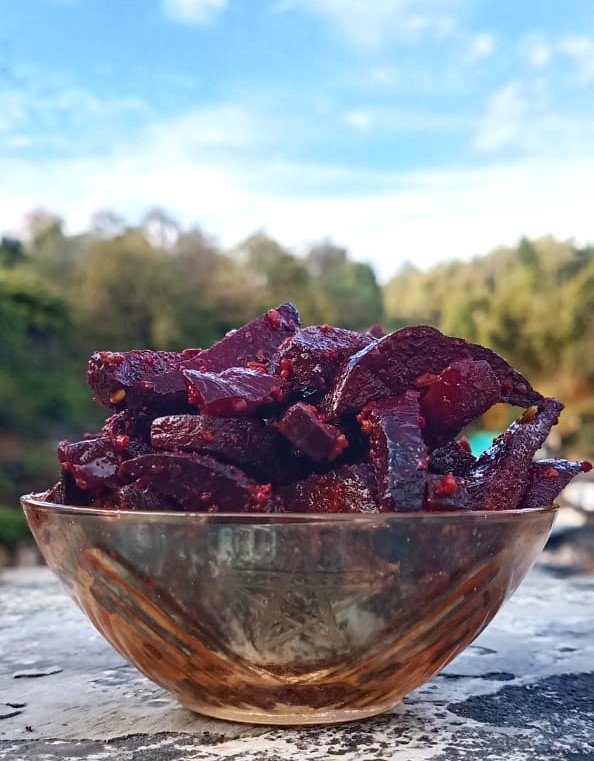
You can also consider this delightful fusion of beetroot’s earthy taste with the tang of pickling, Himalayan Beetroot Pickle by Masala Monk is a gourmet treat. Made with the finest beetroots from the Himalayan region, this pickle is a blend of health and taste.

Conclusion

Beetroot and beet juice offer a plethora of health benefits. From cardiovascular health to aiding in detoxification, beetroot is a versatile and potent vegetable that can be a valuable addition to any diet.


FAQs

  1. Is beetroot juice beneficial for high blood pressure? Yes, the nitrates in beetroot juice can help lower blood pressure by improving blood vessel dilation.
  2. How does beetroot support liver health? Beetroot contains compounds like betalains that aid in liver detoxification. Additionally, its antioxidant properties can help protect the liver from oxidative stress.
  3. Can beetroot juice help with weight loss? While beetroot juice alone won’t lead to weight loss, its low-calorie and high-fiber content can promote feelings of fullness, aiding in weight management when combined with a balanced diet.
  4. Is beetroot safe for diabetic patients? Beetroot has a moderate glycemic index, which means it releases sugar slowly into the bloodstream. However, it’s essential for diabetic individuals to consume it in moderation and monitor blood sugar levels.
  5. Are there any side effects to excessive beetroot consumption? Excessive beetroot or beet juice intake can lead to beeturia, where urine and stool might turn pink or red. It’s also essential to be aware of its impact on blood sugar levels, especially for diabetics.

Blog Tags: Beetroot, Beet Juice, Cardiovascular Health, Liver Health, Blood Sugar, Kidney Health, Weight Loss, Blood Health, Pregnancy, Bone Health, Dietary Tips.

Posted on Leave a comment

Disadvantages of Eating Pumpkin Seeds – A Quick Guide

Introduction

Pumpkin seeds, known for their crunchy texture and nutty flavor, are often celebrated for their health benefits. But, as with all good things, there’s another side to the story. While they pack a nutritional punch, they also come with some caveats. Here’s a quick, punchy guide to the lesser-known disadvantages of munching on these popular seeds.

1. Digestive Discomfort: Too Much of a Good Thing

  • Fiber Overload: Pumpkin seeds are fiber-rich, which is great, but overindulgence can lead to uncomfortable bloating and gas.
  • The Balancing Act: Moderate your intake to avoid stomach discomfort and enjoy their benefits without the tummy troubles.

2. Beware of Extra Calories and Salt

  • Calorie Dense: A handful of pumpkin seeds can add up in calories quickly – a fact often overlooked by avid snackers.
  • Sodium Alert: Watch out for store-bought varieties that can be high in salt, posing a risk for those monitoring sodium intake.

3. Gastrointestinal Twists: Constipation and Diarrhea

  • Fiber’s Double-Edged Sword: Too much fiber can cause constipation, while a sudden increase in fiber intake might lead to diarrhea.
  • Listen to Your Gut: Keep an eye on how your body reacts and adjust your consumption accordingly.

4. Throat and Dental Hazards: Crunch with Care

  • Hard on the Throat: The crunchy seeds, if not chewed properly, can irritate or even harm your throat.
  • Dental Caution: For those with sensitive teeth or dental work, be mindful, as the seeds can be tough to crunch.

5. Unexpected Drowsiness: Tryptophan’s Effect

  • Sleep Inducer: Thanks to tryptophan, pumpkin seeds might make you feel sleepy, not ideal if you need to stay alert.
  • Time It Right: Enjoy them in the evening when you’re winding down.

Conclusion

Pumpkin seeds are a snack lover’s delight but remember, moderation is key. Be mindful of these potential disadvantages to enjoy pumpkin seeds in a way that’s both healthy and satisfying. So, the next time you reach for that bag of pumpkin seeds, think portion control, chew well, and maybe save them for your evening snack ritual!


10 FAQs on Disadvantages of Eating Pumpkin Seeds

  1. How can eating too many pumpkin seeds affect digestion?
    Eating an excess of pumpkin seeds can lead to digestive issues like bloating, gas, and discomfort due to their high fiber content. Moderation is key to avoid these gastrointestinal upsets.
  2. Can pumpkin seeds cause weight gain?
    Yes, due to their high-calorie content, overconsumption of pumpkin seeds can contribute to weight gain. A quarter-cup of dried pumpkin seeds contains about 180 calories, so it’s important to monitor portion sizes.
  3. Is it possible for pumpkin seeds to cause allergic reactions?
    While uncommon, some individuals may experience allergic reactions to pumpkin seeds. Symptoms can range from mild to severe and may include skin rashes, itching, or more serious reactions like difficulty breathing.
  4. Can consuming pumpkin seeds lead to bowel movement issues?
    Yes, the high fiber content in pumpkin seeds can cause bowel irregularities. While they can aid in digestion when eaten in moderation, excessive consumption might lead to constipation or diarrhea.
  5. Are pumpkin seeds harmful to consume if I have a throat condition?
    The hard, crunchy texture of pumpkin seeds can aggravate the throat, especially if not chewed properly. People with throat conditions or swallowing difficulties should exercise caution.
  6. Do pumpkin seeds affect blood pressure?
    Pumpkin seeds are generally good for blood pressure management due to their magnesium content. However, salted varieties can increase sodium intake, which may impact blood pressure.
  7. Can eating pumpkin seeds disrupt sleep patterns?
    Pumpkin seeds contain tryptophan, an amino acid that promotes sleep. Consuming them in large quantities before activities requiring alertness might not be ideal.
  8. Are pumpkin seeds safe for individuals with dental issues?
    The hardness of pumpkin seeds can pose a risk to teeth, especially for those with dental sensitivities or dental work like crowns or braces.
  9. How do pumpkin seeds impact blood sugar levels?
    Pumpkin seeds have a low glycemic index, so they don’t significantly affect blood sugar levels. However, diabetic individuals should still consider the carbohydrate content in portion control.
  10. Is it okay to eat pumpkin seeds daily?
    Consuming pumpkin seeds daily is generally safe in moderate amounts. However, it’s important to consider the overall diet and individual health conditions, such as allergies or digestive issues.

Blog Tags

Pumpkin Seeds, Nutrition, Health Disadvantages, Digestive Health, Weight Management, Allergies, Throat Health, Dental Care, Sleep Quality, Blood Sugar Control, Daily Diet