Posted on Leave a comment

5 Essential Foods for Fetal Brain Development: Boost Your Baby’s Cognitive Health

Introduction:

Pregnancy is a miraculous journey and a crucial time to think about nutrition. Every meal is an opportunity to nourish both you and your growing baby. The focus of this post is on fetal brain development – a complex and wondrous process that requires specific nutrients. Understanding which foods can foster this development is key to giving your child the best start in life.

1. Omega-3 Fatty Acids: Building a Healthy Brain

Deep Dive into Importance: The brain is about 60% fat, and Omega-3 fatty acids, especially DHA, are its major building blocks. DHA is essential for the growth and functional development of the baby’s brain in the womb and continues to be vital in the first few years of life.

Top Food Sources: Cold-water fatty fish like salmon, mackerel, and sardines are rich in Omega-3s. Vegetarian options include flaxseeds, chia seeds, and walnuts. Algae-based supplements can also be considered.

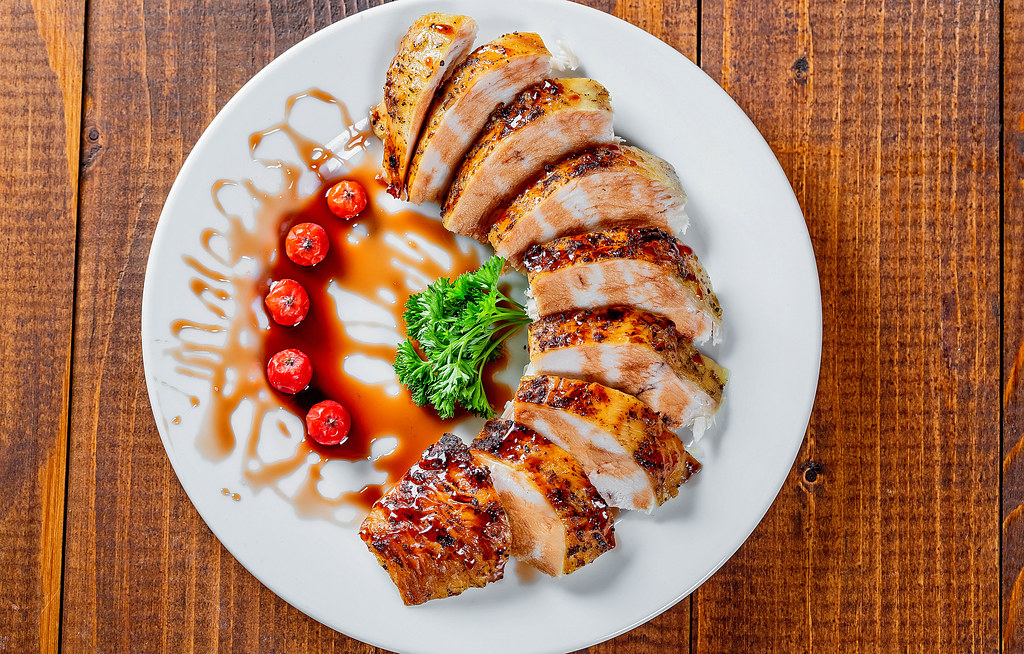
Recipe Suggestion: Try baking a salmon fillet with a sprinkle of herbs for a delicious, omega-3-packed meal.

2. Iron: Supporting Brain Development and Beyond

In-Depth Look at Benefits: Iron is a crucial component of hemoglobin, which carries oxygen to the fetus, including the developing brain. Adequate iron intake prevents anemia in pregnant women and supports the rapid brain development of the fetus.

Top Food Sources: Lean beef, chicken, tofu, lentils, and fortified cereals are rich in iron. Combining these with vitamin C-rich foods enhances iron absorption.

Recipe Suggestion: Consider a lentil soup with tomatoes – a perfect blend for maximizing iron uptake.

3. Folate: The Essential B Vitamin for Neural Health

Detailed Exploration of Role: Folate is vital for the formation of the neural tube and preventing major birth defects of the baby’s brain and spine. It’s also crucial for DNA synthesis and repair, making it a key player in all-round fetal development.

Top Food Sources: Dark leafy greens, asparagus, broccoli, citrus fruits, and fortified grains are great sources of folate. Folic acid supplements are often recommended during pregnancy.

Recipe Suggestion: A spinach and orange salad is not only refreshing but packed with folate.

4. Choline: A Key Nutrient for Brain Connectivity

Comprehensive Overview: Choline is essential for brain development, particularly for the formation of neurotransmitters that govern memory, mood, muscle control, and other brain and nervous system functions.

Top Food Sources: Eggs are a well-known source, but choline can also be found in lean meats, poultry, fish, dairy products, and cruciferous vegetables like Brussels sprouts and broccoli.

Recipe Suggestion: A morning scramble with eggs and chopped broccoli offers a choline-rich start to your day.

5. Antioxidants: Protecting the Developing Brain

In-Depth Insight: Antioxidants play a vital role in protecting fetal brain tissue from oxidative stress and damage. This is crucial for healthy brain development and has long-term implications for cognitive health.

Top Food Sources: Berries, nuts, whole grains, green leafy vegetables, and beans are excellent sources of antioxidants.

Recipe Suggestion: A mixed berry smoothie with a handful of spinach provides a delicious antioxidant boost.

Incorporating These Foods into Your Daily Diet:

Balance and variety are key. Here are some tips:

  • Plan your meals around these food groups.
  • Try new recipes to keep things interesting.
  • Listen to your body’s cravings and aversions, they are often telling.

Conclusion:

Your dietary choices during pregnancy are your baby’s first environment. The right balance of nutrients can set the stage for a lifetime of health and cognitive well-being. Remember, taking care of yourself is taking care of your baby.

Consult Your Doctor: It’s crucial to consult with your healthcare provider before making significant changes to your diet or taking supplements.

FAQs

  1. Q: Can I get enough Omega-3 from a vegetarian diet? A: Yes, flaxseeds, chia seeds, walnuts, and algae-based supplements are great vegetarian sources of Omega-3.
  2. Q: Is it safe to eat fish during pregnancy due to mercury content? A: Yes, but choose low-mercury fish like salmon and sardines, and limit intake to 2-3 servings per week.
  3. Q: How can I increase iron absorption from plant-based foods? A: Pair plant-based iron sources like spinach or lentils with vitamin C-rich foods like oranges or bell peppers to enhance absorption.
  4. Q: Are prenatal vitamins enough for getting all necessary nutrients? A: Prenatal vitamins are important, but they work best in conjunction with a balanced diet rich in the essential nutrients.
  5. Q: Can I take a DHA supplement instead of eating fish? A: Yes, DHA supplements can be a good alternative if you don’t consume fish. Consult with your healthcare provider for recommended types and dosages.
  6. Q: How much folate should I consume during pregnancy? A: The recommended daily intake of folate during pregnancy is 600 micrograms. This can be achieved through diet and supplementation.
  7. Q: Are there any risks of consuming too much Vitamin A while pregnant? A: Yes, excessive Vitamin A intake can be harmful. Stick to recommended amounts and focus on Vitamin A from plant sources like carrots and sweet potatoes.
  8. Q: What are some easy ways to include choline in my diet? A: Eggs are a great source. You can also include lean meats, poultry, and cruciferous vegetables like broccoli in your meals.
  9. Q: Can a lack of antioxidants affect fetal brain development? A: Antioxidants play a role in protecting the fetal brain from damage, so a balanced diet including berries, nuts, and whole grains is beneficial.
  10. Q: Is it normal to have food aversions and how do I manage my diet then? A: Food aversions are common in pregnancy. Focus on the nutrients rather than specific foods and find alternatives that you can tolerate.
Posted on Leave a comment

10-Minute Love Handles and Lower Belly Fat Workout

In this comprehensive blog post, we dive into a targeted fitness approach to address two common trouble areas: love handles and lower belly fat. The insights are based on Fit With Sally’s YouTube video “10 MIN LOVE HANDLES AND LOWER BELLY FAT WORKOUT Standing Only | No Equipment!”

The Focus of the Workout
Fit With Sally emphasizes a workout specifically designed to target the obliques, lower belly, glutes, outer thighs, and integrate cardio. This standing-only workout is crafted to effectively address love handles and lower belly fat.

Key Takeaways from the Video:

  • Target Areas: The workout focuses on the ‘muffin top’ area (love handles) and the lower belly.
  • Duration and Structure: The 10-minute workout consists of 40-second exercises with no breaks, offering a quick yet intense session.
  • Recommended Frequency: Doing this workout daily for 14 days promises significant results.
  • Accessibility: No equipment is needed, making it convenient for anyone, including those who are pregnant or postpartum.

Description of the Workout:

  1. Intro and Motivation (0:00 – 0:31): Sally starts by encouraging viewers to stay motivated and committed to the routine.
  2. Side Crunch: Targets the obliques and helps in reducing love handles.
  3. Squat Side Bend: Works on the lower belly and enhances core strength.
  4. Push-Away: Aims at the obliques and adds an element of cardio.
  5. Side Leg Raise: Focuses on the outer thighs and glutes.
  6. Skiers + Floor Touch: Integrates cardio while working on the lower belly.
  7. Side Punch: Targets the obliques and involves dynamic movement.
  8. Curtsy Lunge To Crunch: Strengthens the lower belly and enhances balance.
  9. Squat To Toe Touch: Works on the entire core, especially the lower belly.
  10. Reach Over: A stretching exercise to cool down and relax the muscles.
  11. Squat To Side Crunch: A concluding exercise focusing on the love handles and core.

Conclusion:
This workout is a practical and effective approach for those looking to reduce love handles and lower belly fat. The standing-only exercises make it accessible to a wide range of fitness levels and conditions. By following this routine consistently for two weeks, participants can expect noticeable improvements in these target areas.

For a detailed demonstration of each exercise and additional fitness tips, watch Fit With Sally’s video here.

10 MIN LOVE HANDLES AND LOWER BELLY FAT WORKOUT Standing Only | No Equipment!

This blog post offers a detailed and engaging guide on how to effectively tackle love handles and lower belly fat with a 10-minute daily workout, inspired by Fit With Sally’s YouTube video. It provides viewers with a clear path to achieve their fitness goals in a short time frame.

FAQs

  1. What is the best way to target love handles and lower belly fat? A combination of exercises that train the obliques, lower belly, glutes, outer thighs, along with cardio, is most effective.
  2. How long should I exercise to see results? A 10-minute daily workout for at least 14 days is recommended for noticeable results.
  3. Are these exercises suitable for postpartum women? Yes, this standing-only workout is great during pregnancy and postpartum, but always consult with your doctor first.
  4. Can I do this workout without any equipment? Absolutely, this workout requires no equipment and can be done anywhere.
  5. What are some effective exercises included in this routine? Exercises like side crunches, squat side bends, push-aways, side leg raises, and skiers with floor touch are part of this workout.
  6. How often should I do this workout? Daily practice of this 10-minute workout is ideal for maximum effectiveness.
  7. Is this workout suitable for beginners? Yes, it’s designed to be accessible for all fitness levels, including beginners.
  8. Can this workout help with post-pregnancy belly fat? Yes, it’s beneficial for reducing belly fat, including post-pregnancy, but individual results may vary.
  9. Do I need to follow a specific diet along with this workout? Combining the workout with a balanced, healthy diet will enhance the results.
  10. What if I find the exercises too challenging? Start with fewer repetitions and gradually increase as you build strength and endurance.

Blog Tags for the Post: Love Handles Workout, Lower Belly Fat Reduction, No-Equipment Workout, Postpartum Fitness, Oblique Training, Cardio Exercises, Home Workout, Pregnancy Safe Exercises, Quick Fitness Routine, Belly Fat Loss

Posted on Leave a comment

Post-Pregnancy Belly: Effective Exercises and Expert Tips

In this comprehensive blog post, we delve into the world of post-pregnancy fitness, focusing on how to address and heal the stubborn “mommy tummy” often associated with diastasis recti. Our insights are derived from Joanna Soh’s YouTube video, “How to Lose Belly Fat After Pregnancy | 5 Effective Exercises | HER Network,” featuring holistic coach and yoga instructor, Nika Karan.

Understanding Mommy Tummy and Diastasis Recti
Post-pregnancy, many women struggle with a protruding belly often caused by diastasis recti, a condition where the abdominal muscles separate due to pregnancy. Nika Karan, a mother of two, shares her expertise in dealing with this common issue.

Key Points from the Video:

  • Diastasis Recti Explained: This condition occurs when the growing baby causes the abdominal muscles to separate, leading to a bulging belly post-pregnancy.
  • Ineffective Traditional Exercises: Crunches and planks can exacerbate diastasis recti and should be avoided initially.
  • Importance of a Proper Check: A simple self-test can determine the presence and extent of abdominal muscle separation.

Effective Exercises for Diastasis Recti:

  1. Inner Thigh Squeeze: Using a ball, squeeze the inner thighs while lying on your back. This engages the core and pelvic floor.
  2. Bridge Pose with Squeeze: Incorporate lifting hips off the ground while squeezing a ball between your knees.
  3. Alternating Heel Drops: Drop one heel at a time from a knees-up position, focusing on core engagement.
  4. Forearm Plank Knee Lifts: In a forearm plank, alternate lifting each knee, ensuring core engagement.
  5. Squats: Perform squats to strengthen the legs and core, aiding in overall core healing.

Additional Tips and Recommendations:

  • Daily Walking: Walking for 30 minutes to an hour daily can significantly aid in muscle strengthening and gap closing.
  • Long-Term Effectiveness: These exercises are beneficial even years after childbirth.
  • Progressive Program: Starting with these basic exercises, one can gradually progress to more advanced routines.

Conclusion:
Dealing with diastasis recti and the resulting “mommy tummy” requires a specialized approach, focusing on strengthening the core and pelvic floor muscles before progressing to more traditional abdominal exercises. Nika Karan’s expert advice and Joanna Soh’s platform provide valuable resources for mothers at any postpartum stage.

For detailed demonstrations of the exercises and further insights, watch Joanna Soh’s video here.

How to Lose Belly Fat After Pregnancy | 5 Effective Exercises

This blog post offers a detailed exploration of post-pregnancy belly healing, with practical exercises and expert advice from Nika Karan and Joanna Soh’s YouTube video. It’s a comprehensive guide for mothers seeking to regain their core strength and confidence post-childbirth.

10 FAQs for Post-Pregnancy Belly Healing:

  1. What is diastasis recti? Diastasis recti is the separation of abdominal muscles commonly experienced by women post-pregnancy.
  2. Can diastasis recti be healed without surgery? Yes, many cases can be improved with specific exercises focused on strengthening the core and pelvic floor.
  3. How do I check for diastasis recti? A simple self-test involves lying on your back, lifting your head, and checking for a gap above and below the belly button.
  4. What exercises are effective for healing diastasis recti? Exercises like inner thigh squeezes, bridge poses, alternating heel drops, forearm plank knee lifts, and squats are beneficial.
  5. How often should I do these exercises? Daily exercise, as part of a consistent routine, is recommended for the best results.
  6. Are these exercises suitable long after childbirth? Yes, these exercises can be effective even years after giving birth.
  7. Can walking aid in healing diastasis recti? Yes, daily walking is a simple and effective way to strengthen core muscles and aid recovery.
  8. What should I avoid during recovery? Avoid strenuous abdominal exercises like traditional crunches and planks initially, as they can worsen the condition.
  9. How long does it take to see improvements? Recovery time varies, but consistent exercise over several weeks to months can show significant improvements.
  10. Is it normal for the skin to remain stretched post-recovery? Yes, it’s common to have stretched skin post-pregnancy, which may not return to its pre-pregnancy state.

Blog Tags for the Post: Post-Pregnancy Fitness, Diastasis Recti Healing, Core Strengthening, Pelvic Floor Exercises, Maternal Wellness, Recovery After Childbirth, Holistic Health, Fitness for Mothers, Abdominal Recovery, Postpartum Exercise

Posted on Leave a comment

7-Day Diastasis Recti Exercise Challenge for Mommy Tummy

In this detailed blog post, we explore effective exercises for combating “mommy tummy” caused by diastasis recti, as presented by Linda Poirier in her Bodies After Babies YouTube video, “Get Rid Of Mommy Tummy with 3 Simple Diastasis Recti Exercises | 7 Day Challenge.”

Understanding Diastasis Recti and Mommy Tummy
Diastasis recti is a condition where the abdominal muscles separate during pregnancy. This separation can lead to a bulging belly postpartum, often referred to as “mommy tummy.” This condition is common but manageable through specific exercises.

Linda Poirier’s Approach
Linda introduces a straightforward, seven-day exercise challenge focused on strengthening the core and reducing diastasis recti. The key is consistency and gradual progress. The challenge includes three simple exercises:

  1. Leg Bolts:
  • Lie on your back with feet flat on the floor.
  • Slowly move your right leg down and back up, then your left leg.
  • Do this five times per side.
  • Focus on engaging your pelvic floor and lower abs.
  1. Toe Taps:
  • Remain on your back, raising legs to a 90-degree angle.
  • Alternate tapping each foot on the floor.
  • If your back arches, don’t tap the floor; instead, go as low as you can without arching.
  1. Bridges:
  • Still lying on your back, feet flat on the floor.
  • Slowly lift into a bridge position, focusing on controlled movements.
  • Lift your butt, lower back, then upper back, and reverse down.
  • Perform a set of ten.

Tips for Success:

  • If you find the exercises challenging, adjust the reps to a comfortable number.
  • Ensure you engage the right muscles and maintain control.
  • Consistency is vital; complete the exercises daily for seven days.

Encouragement and Community:
Linda encourages participants to share their experiences and challenges in the comments of her video. This communal aspect can provide support and motivation.

Conclusion:
The seven-day challenge offers a practical and achievable way for new moms to start addressing their diastasis recti. While the journey to recovery can vary for each individual, these exercises provide a foundation for strengthening and healing.

For detailed demonstrations of these exercises and more insights, watch Linda Poirier’s video here.

Get Rid Of Mommy Tummy with 3 Simple Diastasis Recti Exercises | 7 Day Challenge.

This post provides an in-depth look at simple yet effective exercises to address diastasis recti, inspired by Linda Poirier’s YouTube video. It is designed to help new mothers start their journey towards regaining core strength and reducing the mommy tummy.

10 FAQs and answers for the post:

  1. What is diastasis recti? Diastasis recti is a condition where the abdominal muscles separate, often occurring during pregnancy.
  2. Can diastasis recti be fixed without surgery? Yes, many cases of diastasis recti can be improved with specific exercises.
  3. What are the best exercises for diastasis recti? Leg bolts, toe taps, and bridges are effective exercises for strengthening the core and improving diastasis recti.
  4. How often should I do these exercises? Perform these exercises daily as part of a 7-day challenge for the best results.
  5. What if I find the exercises too challenging? Start with as many reps as comfortable and gradually increase as your strength improves.
  6. How do these exercises help with diastasis recti? They focus on strengthening the core and pelvic floor, which helps in bringing the separated abdominal muscles closer.
  7. Can I do these exercises postpartum? Yes, but it’s recommended to consult with your doctor before starting any postpartum exercise regimen.
  8. How long does it take to see results? Results vary, but many see improvements within the 7-day challenge period.
  9. Are these exercises safe for everyone? While generally safe, if you experience pain or discomfort, it’s best to consult a healthcare professional.
  10. Can I continue these exercises after the 7-day challenge? Absolutely, continuing these exercises can lead to further improvements.

Blog Tags for the Post: Diastasis Recti, Postpartum Recovery, Core Strengthening, Mommy Tummy, Fitness Challenge, Abdominal Exercises, Postnatal Fitness, Pelvic Floor Strengthening, Home Workouts, Women’s Health

Posted on Leave a comment

Healing Power of Hanging – A Guide to Full-Body Mobility

In this insightful blog post, we delve into the therapeutic benefits of hanging, as discussed in the Strength Side’s YouTube video “How Hanging Heals the Body.” The video, hosted by Josh and Trevor, explores how this simple activity can significantly impact our body’s mobility, spine health, shoulder mechanics, and overall posture.

Understanding the Benefits of Hanging
Hanging, a fundamental movement, plays a crucial role in reshaping posture, healing shoulders, and even potentially increasing height. Dr. John M. Kirsch highlights that 90% of his patients recommended for shoulder surgery avoided it through regular hanging exercises. The benefits include:

  • Decompressing the spine, creating space in compressed areas.
  • Opening up muscles around the shoulder, improving mobility.
  • Increasing grip strength, which is linked to longevity.
  • Strengthening shoulders and core, enhancing overall strength and athleticism.

Key Points for Effective Hanging

  • Keep shoulders relaxed and up towards the ears.
  • Maintain slight tension in the core with ribs pulled down.
  • Ensure steady breathing and steady grip.
  • Progress slowly to avoid injury and ensure effectiveness.

Building Up to One-Arm Hanging
The video emphasizes the evolution of our shoulders for brachiating (swinging from branch to branch), making hanging and climbing natural movements for us. Progressing from two-arm to one-arm hanging is crucial for replicating these ancestral movements. The one-arm hang not only challenges the body more but also replicates the dynamic movement of brachiating.

Personal Journey and Program Suggestions
Trevor shares his personal journey of overcoming shoulder dislocations through hanging and non-traditional rehab methods. For those looking to start their hanging journey, the video suggests a basic one-arm hanging program, which can be adjusted according to individual levels.

Conclusion:
Hanging is a simple yet powerful tool for improving physical health, particularly for those with a modern lifestyle that involves a lot of sitting or physical strain. It’s not just a workout routine; it’s a return to our natural movement patterns that can lead to significant health benefits.

To watch the full video and get more detailed insights and exercises, check out Strength Side’s video here.

How Hanging Heals the Body

This post provides a comprehensive overview of the benefits of hanging, drawing from the Strength Side’s video, and offers practical advice on incorporating this exercise into your routine.

FAQs

  1. What are the benefits of hanging exercises? Hanging can decompress the spine, open up shoulder muscles, increase grip strength, and improve overall strength and athleticism.
  2. How does hanging reshape posture? By using gravity, hanging pulls the hips away from the shoulders, creating space and alleviating compression caused by modern lifestyles.
  3. Can hanging heal shoulder issues? Yes, many individuals have found relief from shoulder pain and avoided surgery through consistent hanging exercises.
  4. Is hanging beneficial for spine health? Absolutely. Hanging helps in decompressing the spine, which is beneficial for overall spine health.
  5. How long should I hang for maximum benefit? Start with what’s comfortable, gradually building up to 60 seconds or more.
  6. Can beginners do hanging exercises? Yes, beginners can start with assisted hangs, gradually progressing as strength increases.
  7. What’s the difference between passive and active hanging? Passive hanging involves relaxed shoulders, letting gravity do the work, while active hanging involves pulling the shoulders down actively.
  8. Should I only hang from two arms? Starting with two arms is recommended, but progressing to one-arm hangs can offer greater benefits and mimic natural movements.
  9. How often should I practice hanging exercises? Daily hanging for a few minutes can be beneficial, but ensure not to overdo it and maintain a light, comfortable routine.
  10. What if I experience pain during hanging? Discontinue if you feel pain and consult a medical professional. Hanging should feel like a stretch, not painful.

Blog Tags for the Post: Hanging Exercises, Posture Improvement, Shoulder Health, Spine Decompression, Grip Strength, Fitness Techniques, Mobility Enhancement, Rehabilitation, Natural Movement, Core Strengthening