Posted on Leave a comment

Walnut Wonderland: 5 Wholesome Keto Meal Replacement Shakes Packed with Walnut Goodness

three walnuts on left palm

When it comes to the ketogenic diet, not all nuts are created equal. Some are high in carbs, which can throw you out of ketosis, while others are low in carbs and high in healthy fats, making them a perfect fit for a keto lifestyle. One such nut that fits the latter category is the walnut. But what makes walnuts so keto-friendly? Let’s dive in and explore! 🕵️‍♀️

Nutritional Profile of Walnuts

Walnuts are a nutritional powerhouse. An average 1-oz serving, which is about 14 walnut halves, has only 1.9 g of net carbs. The same serving also has a generous 18.5 g fat and 4.3 g protein. In other words, their macros ratio is keto-compliant.

Not only are walnuts low in carbs, but they are also high in healthy fats, specifically polyunsaturated fats and monounsaturated fats. These types of fats are heart-healthy and can help lower bad cholesterol levels.

Health Benefits of Walnuts

Walnuts are not just keto-friendly; they are also packed with numerous health benefits. Here are some reasons why you should include walnuts in your keto diet:

  1. High in Antioxidants: Did you know that walnuts have more antioxidants than any other nut? Walnuts are rich in vitamin E, a powerful antioxidant that can help protect your cells from damage.
  2. Rich in Omega-3 Fatty Acids: Walnuts are an excellent source of alpha-linolenic acid (ALA), a type of plant-based omega-3 fatty acid. Omega-3 fatty acids are essential for brain health.
  3. Supports Weight Loss: While walnuts are high in calories, they are also quite filling, which can help reduce your overall calorie intake.
  4. Promotes Gut Health: Some studies suggest that eating walnuts may support the health of your gut by increasing the diversity and amount of good bacteria.
  5. Supports Brain Health: The high levels of DHA, a type of Omega-3 fatty acid in walnuts, have been linked to improved cognitive performance in adults and brain health in newborns.

Step into a walnut wonderland as we explore the versatile and nutritious world of walnuts in your keto meal replacement shakes. Walnuts are not only a delicious snack but also a powerhouse of nutrients, making them an excellent addition to your keto diet. In this post, we’ll share five wholesome keto meal replacement shake recipes that showcase the goodness of walnuts. Get ready to embark on a journey of nutty delight! 🥤✨

Why Walnuts for Keto Meal Replacement Shakes?

Walnuts offer a wide range of health benefits, making them a fantastic choice for your keto meal replacement shakes. Here’s why walnuts should be your go-to nut:

  1. Healthy Fats: Walnuts are rich in heart-healthy monounsaturated fats, including omega-3 fatty acids. These fats support brain health, reduce inflammation, and help maintain a healthy weight on the keto diet.
  2. Fiber-Rich: Walnuts are a good source of dietary fiber, which aids digestion, promotes satiety, and helps stabilize blood sugar levels. Incorporating walnuts into your meal replacement shakes adds a dose of fiber for optimal gut health.
  3. Antioxidant Power: Walnuts are packed with antioxidants, such as polyphenols and vitamin E, which combat oxidative stress and protect against chronic diseases. Including walnuts in your shakes provides a natural boost of antioxidants for overall well-being.
  4. Nutrient-Dense: Walnuts contain essential nutrients like magnesium, copper, and manganese. These micronutrients contribute to energy production, bone health, and immune function, supporting your overall health while on a keto diet.

5 Wholesome Keto Meal Replacement Shakes with Walnut Goodness

  1. Classic Walnut-Banana: Blend walnuts, unsweetened almond milk, a ripe banana, a scoop of vanilla protein powder, and a sprinkle of cinnamon. This classic combination offers a creamy and comforting shake with a hint of natural sweetness.
  2. Chocolate Walnut Dream: Combine walnuts, unsweetened coconut milk, cocoa powder, a scoop of chocolate protein powder, a tablespoon of almond butter, and a touch of your preferred keto-friendly sweetener. Indulge in the rich and chocolatey goodness while reaping the benefits of walnuts.
  3. Walnut-Coffee Delight: Blend walnuts, unsweetened almond milk, a scoop of vanilla protein powder, a shot of espresso or strong brewed coffee, and a drizzle of sugar-free sweetener. This energizing shake combines the robust flavors of coffee and walnuts for a delightful pick-me-up.
  4. Maple Pecan-Walnut Twist: Combine walnuts, unsweetened coconut milk, a scoop of vanilla protein powder, a teaspoon of sugar-free maple syrup, a sprinkle of pecans, and a dash of cinnamon. This shake replicates the flavors of a comforting maple pecan treat while keeping you in ketosis.
  5. Berry Walnut Blast: Blend walnuts, unsweetened almond milk, a handful of mixed berries, a scoop of vanilla protein powder, and a squeeze of lemon juice. This refreshing shake offers a burst of fruity flavors combined with the crunch of walnuts for a delightful texture.

Enjoying Your Walnut Wonderland Keto Meal Replacement Shakes

  1. Customize to Your Macros: Adjust the ingredients and quantities of the shakes to fit your specific macronutrient needs and taste preferences. Increase or decrease the amount of walnuts or protein powder to align with your keto goals.
  2. Boost with Superfoods: Enhance the nutritional profile of your shakes by adding a sprinkle of chia seeds, a teaspoon of flaxseed meal, or a handful of spinach. These superfood additions provide extra fiber, omega-3 fatty acids, and antioxidants.
  3. Experiment with Spices: Add a pinch of nutmeg, a dash of vanilla extract, or a hint of ginger to your walnut shakes for an extra flavor dimension. Spices can elevate the taste and provide additional health benefits.
  4. Savor the Texture: Embrace the natural crunch of walnuts by reserving a few to sprinkle on top of your shakes. The added texture enhances the overall enjoyment and brings out the true walnut experience.

Immerse yourself in the walnut wonderland and relish the goodness these nutritious nuts offer. Let your taste buds dance with joy as you indulge in these wholesome keto meal replacement shakes!

Conclusion 🎯

Incorporating walnuts into your keto diet can provide you with essential nutrients while keeping your carb intake low. They are versatile and can be added to various dishes, from salads to desserts. So, go ahead and enjoy the nutty goodness of walnuts on your keto journey!

FAQs 🙋‍♀️

Q: Are walnuts keto-friendly? A: Yes, walnuts are keto-friendly due to their low carb and high fat content.

Q: Can I use walnuts in my keto recipes? A: Absolutely! Walnuts can be used in a variety of keto recipes, including salads, desserts, and meal replacement shakes.

Q: Can walnuts help with weight loss? A: Yes, the high fiber content in walnuts can keep you feeling full for longer, thereby aiding in weight loss.

Q: Can I eat walnuts as a snack on a keto diet? A: Yes, you can enjoy a handful of walnuts as a snack on a keto diet.

Q: What nutrients do walnuts provide? A: Walnuts are rich in antioxidants, omega-3 fats, protein, vitamins, minerals, and fiber.

Share your favorite walnut-inspired keto meal replacement shake or any tips for incorporating walnuts into your meals in the comments below. Let’s inspire each other on this keto journey! 🌰🥤

Tags: Keto Diet, Walnuts, Keto Recipes, Meal Replacement Shakes, Weight Loss, Nutrition, Healthy Fats, Low Carb Diet, Keto-Friendly Foods, Walnut Recipes, Keto Snacks, Keto Desserts, Keto Salads, Keto Shakes.

Posted on 1 Comment

5 Benefits of Garlic for Weight Loss

Garlic is a Proven Weight Loss Accelerator.

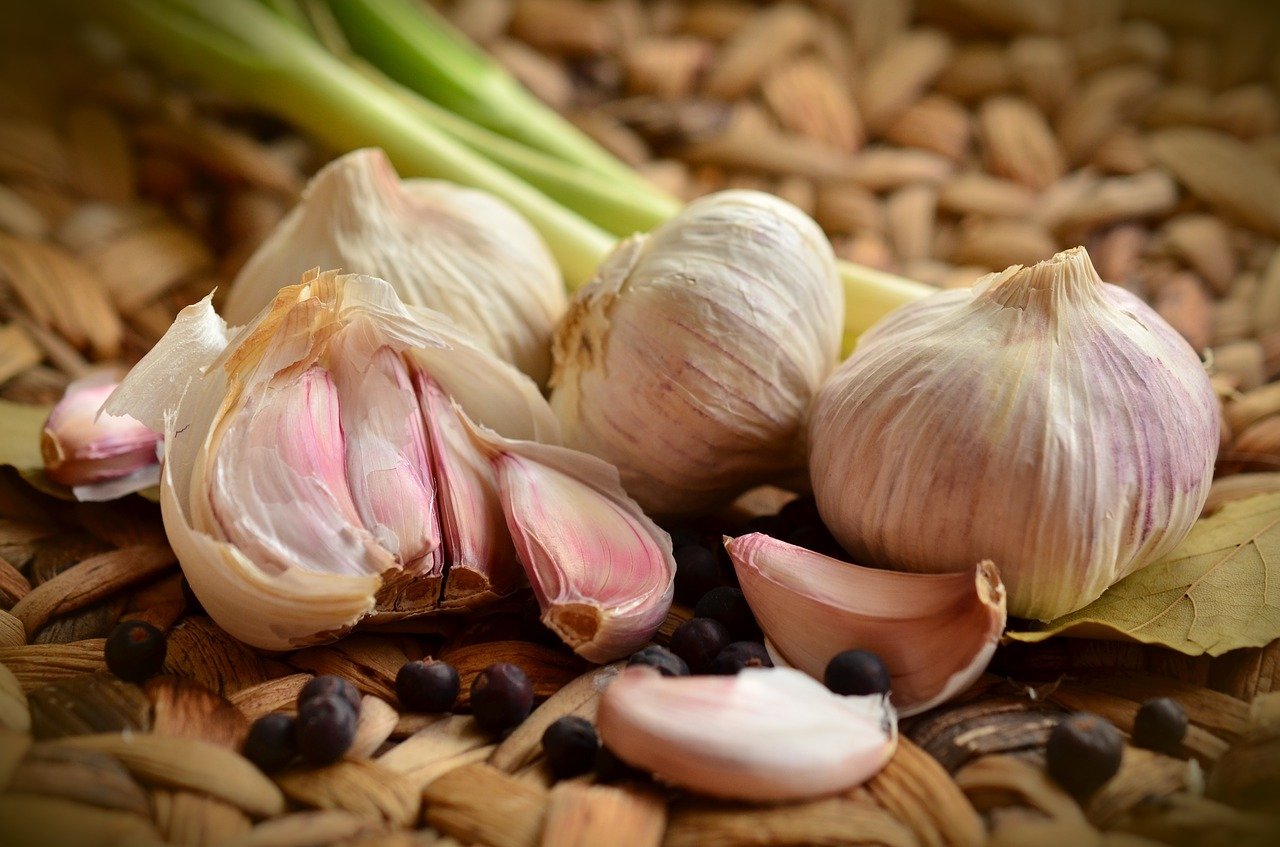
Garlic, a common ingredient found in almost every kitchen, is often recognized for its health benefits. But did you know that this pungent-smelling herb could also aid in weight loss? Let’s delve into the world of garlic and its potential role in weight management.

Garlic and Weight Loss: The Connection 🤔

Garlic has been used for centuries in various cultures to treat numerous health ailments. Its medicinal properties are even mentioned in ancient texts like the Bible, Talmud, Chinese and Egyptian Medicine, and Ayurveda. But the question remains, how does garlic contribute to weight loss?

Research suggests that garlic, specifically aged garlic extract, may lead to weight loss, particularly in postmenopausal women. A 2012 study published in Nutrition Research and Practice found that postmenopausal women who took aged garlic extract daily for three months lost more weight (measured in body fat percentage and BMI) than those who did not1.

The secret behind garlic’s weight loss properties lies in an organic sulfur compound called allicin. This compound is responsible for garlic’s pungent smell and is believed to contribute to its health-boosting properties2.

How to Use Garlic for Weight Loss 🍽️

One of the most common ways to use garlic for weight loss is to consume it raw with water first thing in the morning. You can also add lemon juice and garlic to warm water and drink the concoction3. Here’s a simple recipe to kickstart your day:

  1. Take 2-3 cloves of raw garlic and crush them.
  2. Add the crushed garlic to a glass of warm water.
  3. Squeeze the juice of half a lemon into the water.
  4. Mix well and drink it on an empty stomach.

Remember, consistency is key when it comes to seeing results. Make this a part of your daily routine and you might just start noticing a difference.

Garlic and Honey: A Powerful Combo? 🍯

There’s been some buzz around the combination of garlic and honey for weight loss. While both garlic and honey are packed with health-promoting compounds, there’s little evidence to show they help people lose weight4. However, incorporating them into a balanced diet can certainly contribute to overall health.

The Bottom Line 🎯

While garlic can potentially aid in weight loss, it’s not a magic bullet. Weight loss involves a combination of a balanced diet, regular exercise, and a healthy lifestyle. Garlic can be a part of this balanced diet, contributing not just to weight loss, but also offering other health benefits.

So, the next time you’re cooking, don’t forget to add a clove or two of garlic. Not only will it enhance the flavor of your dish, but it might also help you in your weight loss journey.

FAQs âť“

Q: Can garlic help you lose weight?
A: Research suggests that garlic, specifically aged garlic extract, may aid in weight loss. However, it’s not a standalone solution and should be part of a balanced diet and healthy lifestyle.

Q: How to use garlic for weight loss?
A: One common way is to consume raw garlic with water first thing in the morning. You can also add lemon juice and garlic to warm water and drink it.

Q: Is the combination of garlic and honey good for weight loss?
A: While both garlic and honey have health-promoting compounds, there’s little evidence to show they directly contribute to weight loss.

Q: Is garlic good for your health?
A: Yes, garlic offers multiple health benefits. It’s known for its antibacterial, antiviral, and antifungal properties. It’s also rich in vitamins C and B6, manganese, selenium, and fiber.

Q: What is allicin?
A: Allicin is an organic sulfur compound found in garlic. It’s responsible for garlic’s pungent smell and is believed to contribute to its health-boosting properties.

Q: Can I consume garlic at night for weight loss?
A: Yes, consuming garlic at night can also aid in weight loss. However, it’s best to consult with a healthcare professional or a dietitian to understand the best time to consume garlic for your specific needs.

Q: Can I eat garlic on an empty stomach for weight loss?
A: Yes, consuming garlic on an empty stomach can potentially enhance its weight loss benefits. However, if you have a sensitive stomach, it’s best to consume it with other foods or consult with a healthcare professional.

Blog Tags

Garlic, Weight Loss, Healthy Diet, Nutrition, Allicin, Garlic and Weight Loss, Garlic Benefits, Health, Wellness, Diet, Weight Management, Garlic and Honey, Aged Garlic Extract, Natural Remedies, Health Tips

Footnotes

  1. Verywell Fit ↩
  2. Cleveland Clinic ↩
  3. NDTV ↩
  4. Healthline ↩

—————————————- Also Check Out ————————————-

To know how Garlic can be used and to see some examples of food products that are made using it, Click here


For videos related to Health and Wellness, Subscribe to our YouTube Channel:
Masala Monk – The Gourmet Store

Posted on Leave a comment

Pistachio Perfection: 5 Keto Dinner Meal Replacement Shakes for a Nutty Twist

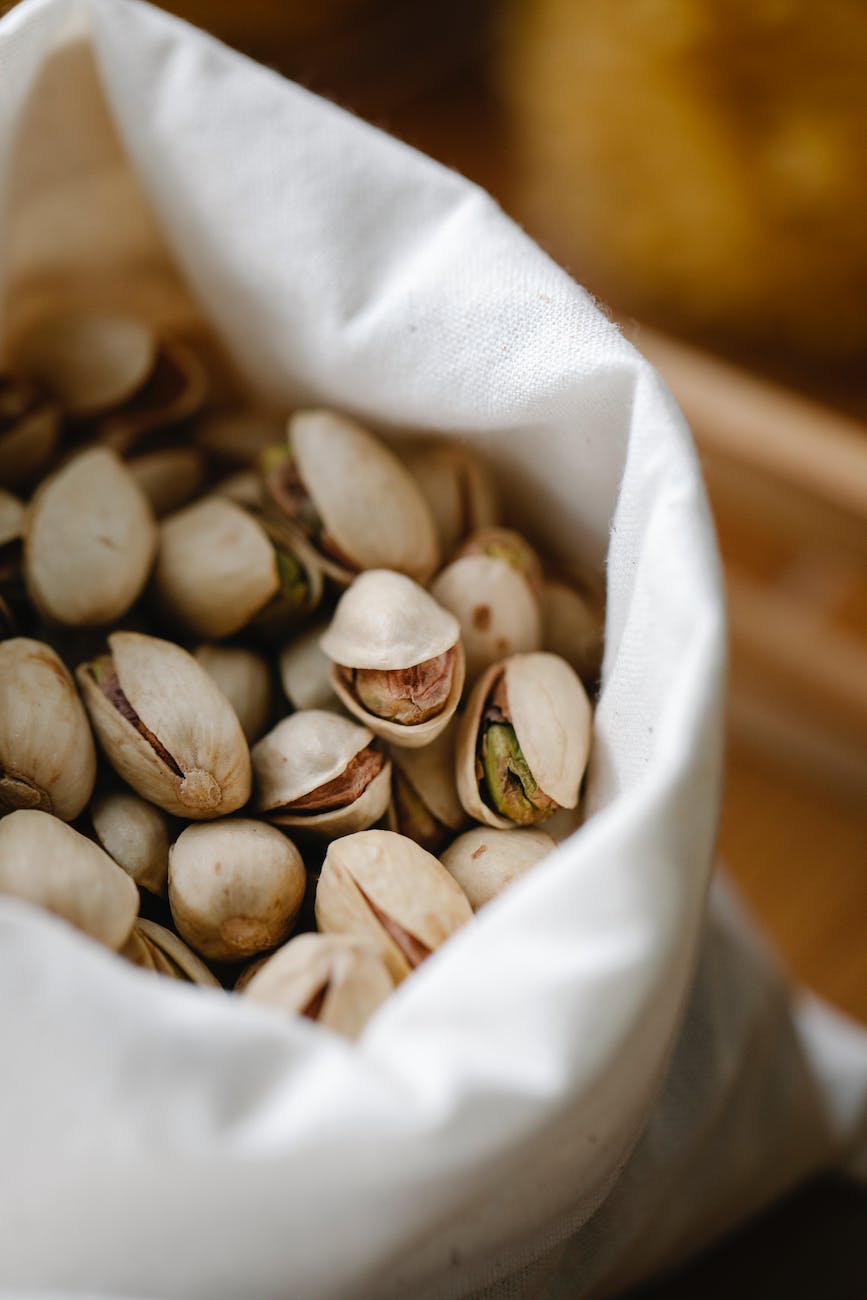
heap of pistachios in bag

The ketogenic diet, or keto for short, has taken the world by storm. This low-carb, high-fat diet is known for its ability to help people lose weight and improve their health. But, as with any diet, it’s essential to know what foods you can and cannot eat. One food that often comes up in the keto conversation is pistachios. Are they keto-friendly? Can they be included in a keto diet? Let’s dive in and find out! 🏊‍♀️

Are Pistachios Keto-Friendly? 🤔

Pistachios, like other nuts, are packed with healthy fats and protein, making them a great snack option. But when it comes to the keto diet, it’s not just about the fats and protein; it’s about the carbs. And this is where things can get a bit tricky with pistachios.

According to Wholesome Yum, an ounce of pistachios has a net carb count of 4.7 grams. While this might seem low, it can quickly add up if you’re aiming for an average of 20 net carbs per day on a keto diet. So, while pistachios aren’t exactly keto-unfriendly, they’re not the lowest carb nut out there.

However, Keto Pots suggests that appearances can be deceiving. A significant portion of the carbs in pistachios comes from dietary fiber, which reduces the total net carbs. So, if you’re a fan of pistachios and want to include them in your keto diet, moderation is key.

Pistachios and Keto Meal Replacement Shakes 🥤

Now, let’s talk about keto meal replacement shakes. These shakes are an excellent tool for anyone following a low-carb diet but doesn’t always have time to prepare high-fat, low-carb meals from scratch. They provide all the nutrients you need per meal in one convenient package.

But can you add pistachios to your keto meal replacement shakes? Absolutely! Adding a handful of pistachios to your shake can not only enhance the flavor but also provide a healthy dose of fats and protein. Just remember to keep an eye on the carb count.

5 Meal Replacement Shake Ideas with Pistachios 🥤

Pistachios, with their rich, slightly sweet flavor, are not just a tasty snack. They’re also packed with nutrients and can be a fantastic addition to your ketogenic diet. They provide a good source of healthy fats, are low in carbs, and offer a decent amount of protein, making them a great choice for keto dieters.

Now, let’s dive into some delicious and nutritious shake ideas that incorporate pistachios. These meal replacement shakes are designed to be keto-friendly, providing you with the nutrients you need while helping you stay within your daily carb limit.

1. Classic Pistachio Shake 🥤

For a simple yet tasty shake, the Classic Pistachio Shake is your go-to. Here’s what you need:

  • A handful of pistachios
  • Unsweetened almond milk
  • A scoop of keto-friendly protein powder
  • A tablespoon of MCT oil
  • A few ice cubes

Blend all these ingredients together, and you’ve got a delicious, keto-friendly shake that’s packed with protein and healthy fats.

2. Pistachio and Spinach Shake 🥬

If you’re looking to incorporate more greens into your diet, the Pistachio and Spinach Shake is a fantastic choice. Here’s how to make it:

  • A handful of pistachios
  • A handful of fresh spinach
  • Unsweetened almond milk
  • A scoop of vanilla protein powder
  • A tablespoon of flaxseeds

This shake is packed with vitamins and minerals from the spinach and flaxseeds, making it a nutrient-dense choice that’s still low in carbs.

3. Pistachio and Berry Delight 🍓

For a fruity shake that’s high in antioxidants, try the Pistachio and Berry Delight. Here’s what you need:

  • A handful of pistachios
  • A mix of low-carb berries like raspberries and blueberries
  • Unsweetened almond milk
  • A scoop of protein powder
  • A tablespoon of chia seeds

This shake is a delightful mix of fruity flavors and the rich taste of pistachios, all while being keto-friendly.

4. Chocolate Pistachio Shake 🍫

If you have a sweet tooth, the Chocolate Pistachio Shake is a delicious treat that won’t derail your diet. Here’s how to make it:

  • A handful of pistachios
  • Unsweetened almond milk
  • A scoop of chocolate protein powder
  • A tablespoon of cocoa powder
  • A dash of stevia

This shake is like a dessert in a glass, satisfying your sweet cravings while keeping you on track with your keto diet.

5. Pistachio and Avocado Shake 🥑

For a creamy and satisfying shake, try the Pistachio and Avocado Shake. Here’s what you need:

  • A handful of pistachios
  • Half an avocado
  • Unsweetened almond milk
  • A scoop of vanilla protein powder
  • A few ice cubes

This shake is incredibly satisfying, thanks to the creaminess of the avocado. Plus, you’ll get all the added benefits of the healthy fats from the avocado.

Remember, while these shakes are designed to be keto-friendly, it’s essential to keep an eye on the carb count, especially when adding fruits. Enjoy these shakes as part of your balanced keto diet and reap the benefits of the mighty pistachio! 🎉🥑🍓🍫🌱

Frequently Asked Questions (FAQs) 🤔

1. Are pistachios keto-friendly?

Yes, pistachios are keto-friendly. They are low in carbs and high in healthy fats, making them a great choice for those following a ketogenic diet.

2. Can I use pistachios in my meal replacement shakes?

Absolutely! Pistachios can add a delicious flavor and a boost of nutrients to your meal replacement shakes. They’re a great source of protein, healthy fats, and fiber.

3. What are some keto-friendly meal replacement shake ideas with pistachios?

There are many ways to incorporate pistachios into your meal replacement shakes. Some ideas include a Classic Pistachio Shake, a Pistachio and Spinach Shake, a Pistachio and Berry Delight, a Chocolate Pistachio Shake, and a Pistachio and Avocado Shake.

4. Can I have a Chocolate Pistachio Shake on a keto diet?

Yes, you can have a Chocolate Pistachio Shake on a keto diet. Just make sure to use unsweetened cocoa powder and a keto-friendly sweetener like stevia to keep it low in carbs.

5. Is the Pistachio and Avocado Shake good for a keto diet?

Yes, the Pistachio and Avocado Shake is excellent for a keto diet. Avocados are high in healthy fats and fiber, making them a great choice for those following a ketogenic diet. Plus, they add a creamy texture to your shake.

6. Can I add fruits to my keto-friendly pistachio shake?

Yes, you can add fruits to your keto-friendly pistachio shake, but you should choose low-carb fruits like berries. Remember to keep an eye on the carb count to stay within your daily limit.

7. Can I use other nuts instead of pistachios in my keto shake?

Yes, you can use other nuts like almonds or walnuts in your keto shake. However, each type of nut has a different nutrient profile and carb count, so make sure to adjust your portions accordingly.

The Verdict: Pistachios and the Keto Diet 🏛️

So, are pistachios keto-friendly? The answer is yes, but with a caveat. While pistachios are not the lowest carb nut out there, they can still be included in a keto diet in moderation. They’re packed with healthy fats and protein, and their net carb count is lower than it first appears thanks to their high fiber content.

As for keto meal replacement shakes, pistachios can be a great addition. They can enhance the flavor of your shake and provide a healthy dose of fats and protein. Just remember to keep an eye on the carb count.

In conclusion, while pistachios may not be the first food that comes to mind when you think of keto, they can certainly find a place in a well-planned keto diet. So go ahead and enjoy that handful of pistachios — your keto diet can handle it! 🎉

Blog Tags: Keto Diet, Pistachios, Low-Carb Diet, High-Fat Diet, Keto Meal Replacement Shakes, Healthy Snacks, Dietary Fiber, Net Carbs.

Posted on Leave a comment

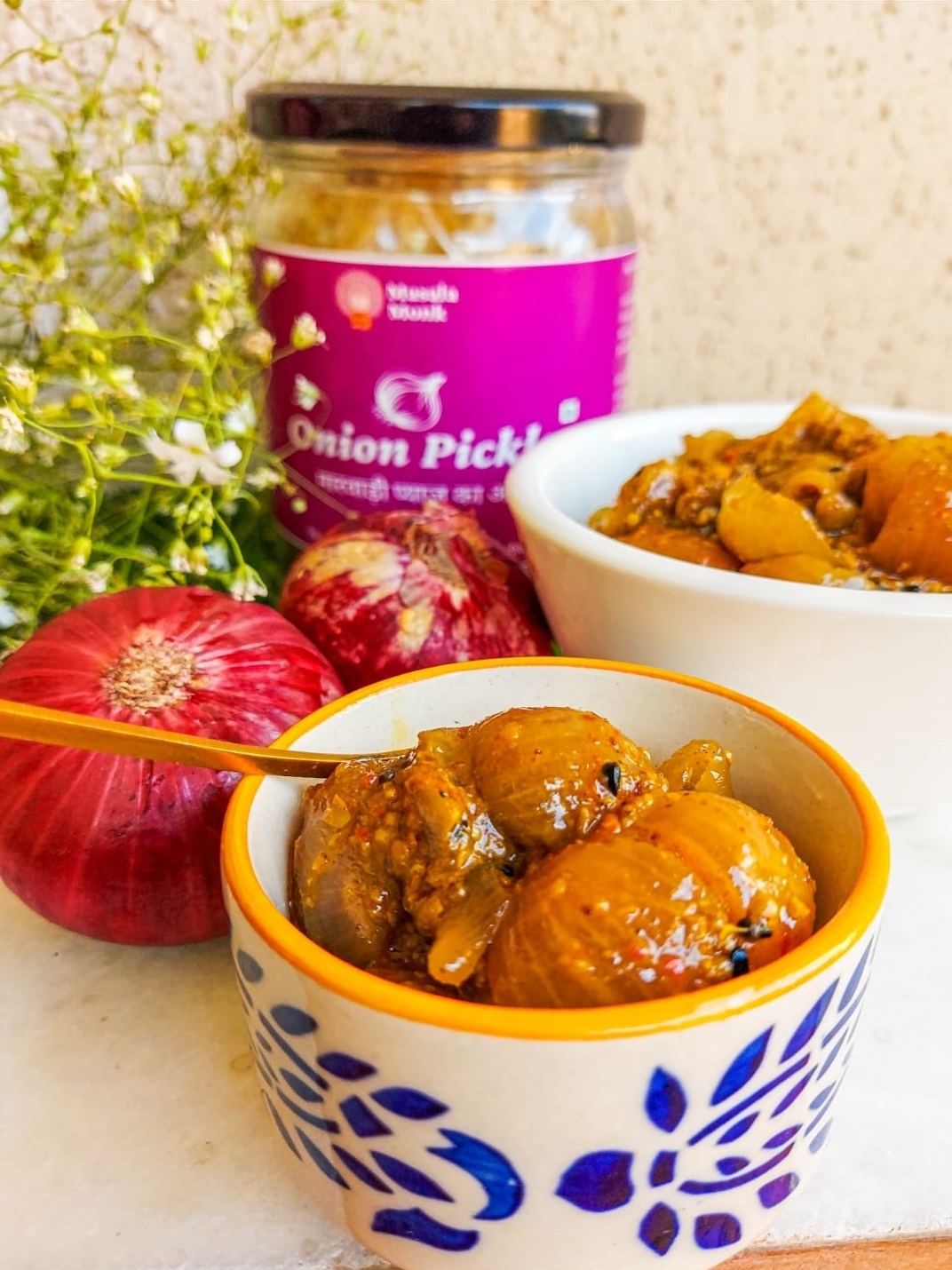
The Onion Nutrition Benefits and 5 practical ways for Weight Loss

Onions, a staple in kitchens worldwide, are more than just a flavorful addition to your meals. They are packed with nutritional benefits and can even aid in weight loss. Let’s delve into the world of onions and discover how this humble vegetable can contribute to your health and fitness goals.

Onions and Weight Loss: A Perfect Pair

Onions, with their unique combination of flavors and health benefits, are an excellent addition to a weight-loss diet. They are low in calories and high in fiber, making them a perfect choice for those trying to shed some pounds. But what makes onions truly special in the context of weight loss is their Glycemic Index (GI).

Onions have a low GI, which means they cause a slower, more steady rise in blood sugar levels rather than a quick spike. This can help control your appetite and delay hunger cues, which is beneficial when trying to lose weight.

A medium-sized onion contains only about 44 calories, according to the USDA. This means you can enjoy onions without worrying about exceeding your daily calorie limit. Moreover, onions are rich in fiber, which aids in weight loss by keeping you feeling full and satisfied. This can help curb overeating and snacking between meals, which are common pitfalls in weight loss efforts.

Here are some ways how onions contribute to weight loss:

  1. Low in Calories: Onions have a low-calorie count, which can help you maintain your calorie deficit and lose weight.
  2. High in Fiber: Onions are rich in dietary fiber. Fiber aids in weight loss by providing a feeling of fullness, which can help control overeating.
  3. Low Glycemic Index: The low GI of onions helps in controlling blood sugar levels, which is crucial in managing weight.
  4. Boosts Metabolism: Certain compounds in onions, such as quercetin, have been found to increase metabolic rate, which can aid in weight loss.
  5. Natural Detoxifier: Onions contain sulfur-containing amino acids that help detoxify the body. A well-detoxified body tends to burn fats and calories more efficiently.

Remember, while onions are beneficial, they are just one part of a balanced diet. Regular physical activity and a healthy lifestyle are also crucial for successful weight loss. So, enjoy your onions, but make sure they are part of a well-rounded, nutritious diet.

The Nutritional Powerhouse: What’s in an Onion?

Onions are nutrient-dense, meaning they’re low in calories but high in vitamins and minerals. They are a good source of vitamin C, vitamin B6, potassium, folate, and manganese.

In addition, onions contain a significant amount of fiber. A medium yellow onion contains 2.7 g of fiber, which is almost 10% of the daily value. Red onions are even richer in fiber, containing 2.2 g per 100g.

Here’s a detailed breakdown of the nutritional content of a medium-sized onion:

  • Calories: 44
  • Protein: 1.1 grams
  • Fat: 0.1 grams
  • Carbohydrates: 10.2 grams
  • Fiber: 1.6 grams
  • Vitamin C: 8.1 milligrams
  • Vitamin B6: 0.1 milligrams
  • Folate: 19.4 micrograms
  • Potassium: 146 milligrams
  • Manganese: 0.1 milligrams

The Benefits of Onion Soup for Weight Loss

Onion soup is a popular dish among weight loss enthusiasts, and for good reason. It combines the nutritional benefits of onions with the satiating quality of a warm, comforting soup.

Onion soup is low in calories and high in fiber, making it a weight loss-friendly dish. It’s also versatile – you can add other healthy vegetables or lean proteins to increase its nutritional value and make it more filling.

Here are some reasons why onion soup is beneficial for weight loss:

  1. Low in Calories: A bowl of onion soup is typically low in calories, making it a diet-friendly choice.
  2. High in Fiber: Onion soup is rich in dietary fiber, which can help you feel full and satisfied, reducing the likelihood of overeating.
  3. Hydrating: Soup is a hydrating food, which is essential for maintaining a healthy metabolism and aiding in weight loss.
  4. Versatile: You can add other healthy ingredients to your onion soup, such as other vegetables or lean proteins, to enhance its nutritional profile and make it more filling.

The Weight of an Onion: Portion Control is Key

While onions are low in calories, portion control is still important. The weight of an onion can vary, and so can the number of calories it provides. A medium-sized onion weighing around 110g provides 44 calories. So, keep this in mind when adding onions to your meals.

Purple Onion Nutrition: A Colorful Boost

Purple onions, also known as red onions, are not only a colorful addition to your dishes but also a nutritional boost. They contain more antioxidants than white or yellow onions. Plus, they have a higher fiber content, making them an excellent choice for weight loss.

Frequently Asked Questions

Q1: Can eating onions help with weight loss?

Yes, onions can aid in weight loss. They are low in calories and high in fiber, which can help you feel full and satisfied, reducing the likelihood of overeating.

Q2: What are the nutritional benefits of onions?

Onions are a good source of vitamin C, vitamin B6, potassium, folate, and manganese. They also contain a significant amount of fiber, which aids in digestion and keeps you feeling full.

Q3: Is onion soup good for weight loss?

Yes, onion soup is a popular dish among weight loss enthusiasts. It is low in calories and high in fiber, making it a weight loss-friendly dish. You can also add other healthy vegetables or lean proteins to increase its nutritional value and make it more filling.

Q4: How many calories does an onion have?

A medium-sized onion contains about 44 calories, according to the USDA.

Q5: Are purple onions good for weight loss?

Yes, purple onions, also known as red onions, are not only a colorful addition to your dishes but also a nutritional boost. They contain more antioxidants than white or yellow onions and have a higher fiber content, making them an excellent choice for weight loss.

Q6: Can I eat onions at night for weight loss?

Yes, you can eat onions at any time of the day. However, it’s important to remember that overall calorie intake and a balanced diet play a crucial role in weight loss.

Q7: What is the weight of an onion?

The weight of an onion can vary. A medium-sized onion typically weighs around 110g.

Q8: Can I eat raw onions for weight loss?

Yes, you can eat raw onions for weight loss. They can be a crunchy, low-calorie addition to salads and other dishes. However, some people may find raw onions a bit strong or irritating to their stomach, in which case, cooked onions are also a great option.

Conclusion: Embrace the Onion for Weight Loss and Nutrition

In conclusion, onions are a valuable ally in your weight loss journey. They’re low in calories, high in fiber, and packed with essential nutrients. Whether you enjoy them raw in salads, cooked in meals, or as a warm onion soup, they can help you achieve your weight loss goals while boosting your overall health.

So, next time you’re in the kitchen, don’t underestimate the power of the humble onion. Embrace it, enjoy it, and let it contribute to your health and wellness journey!


Blog Tags: Onion, Weight Loss, Nutrition, Onion Soup, Purple Onion, Dietary Fiber, Healthy Eating, Wellness, Fitness, Diet

Posted on Leave a comment

The Apricot – Nutrition, Benefits, and 5 Practical Ways for Weight Loss

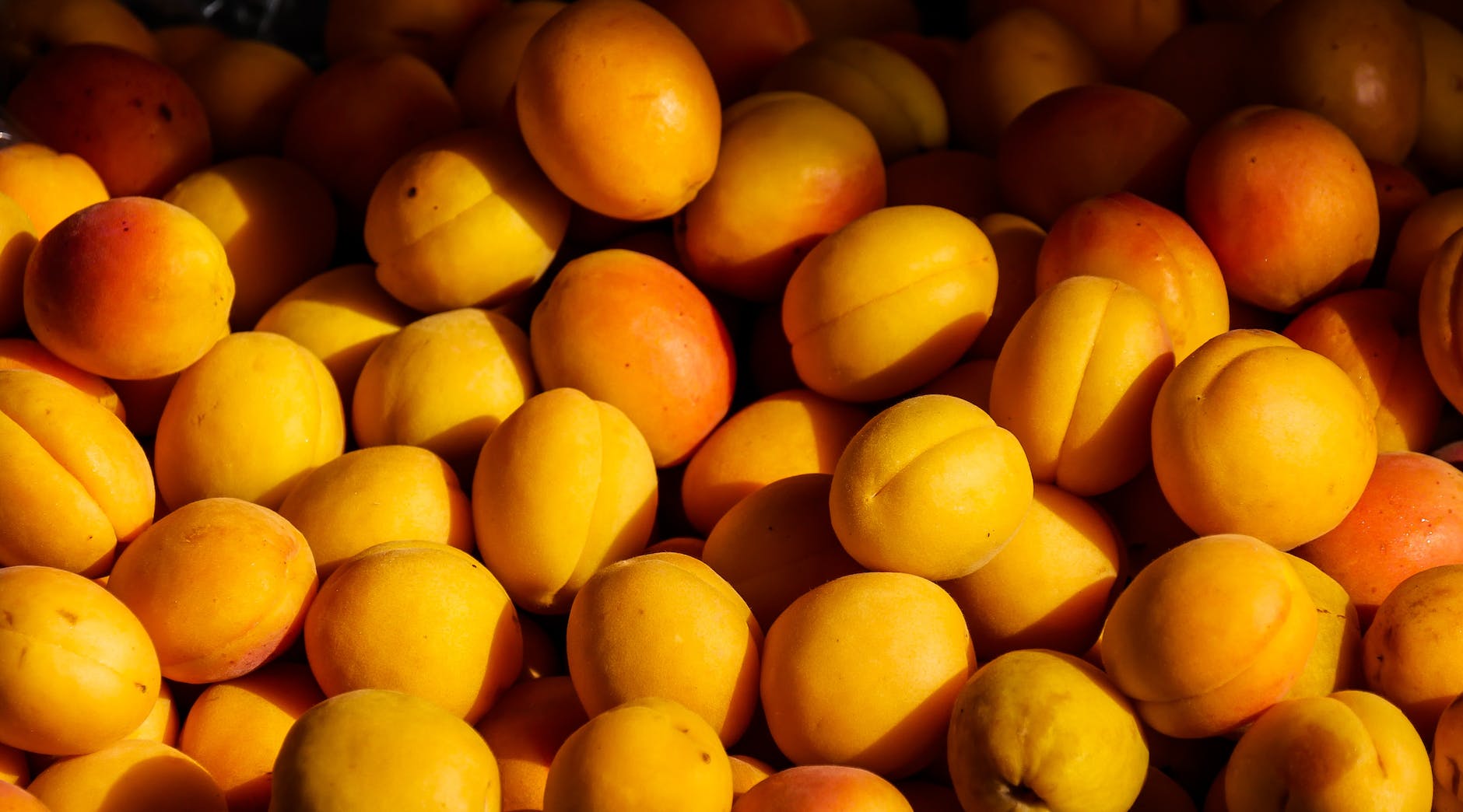
agriculture apricot color confection

Apricots, known for their sweet taste and vibrant orange color, are not just a treat for the taste buds but also a powerhouse of health benefits. This blog post will delve into the nutritional value of apricots, their role in weight loss, the different types of apricots, and how to incorporate them into your diet. We’ll also touch on some precautions to keep in mind when consuming apricots. So, let’s get started!


Benefits of Apricots 🍑

Apricots are more than just a sweet, tart fruit. They are packed with a variety of health benefits that can contribute to your overall well-being. Here are some of the key benefits of incorporating apricots into your diet:

  1. Rich in Nutrients: Apricots are a good source of many essential vitamins and minerals. They are particularly high in Vitamin A, Vitamin C, Vitamin E, and potassium. These nutrients are vital for maintaining good health and can contribute to everything from improved vision to a stronger immune system.
  2. Aids in Digestion: The high fiber content in apricots can help promote healthy digestion. Dietary fiber adds bulk to the diet, helping to prevent constipation and promoting regular bowel movements.
  3. Supports Eye Health: Apricots are rich in beta carotene and lutein, nutrients that are beneficial for eye health. Beta carotene converts into Vitamin A in the body, which is essential for good vision. Lutein protects the eyes against oxidative stress and the harmful blue light.
  4. Promotes Skin Health: The vitamins and antioxidants in apricots can help improve the health of your skin. Vitamin A, for instance, helps to maintain smooth skin, and Vitamin C is a powerful antioxidant that can help protect the skin from damage.
  5. Good for Heart Health: The potassium in apricots can help maintain electrolyte balance, regulate blood pressure, and keep your heart functioning properly. The fiber in apricots also contributes to good heart health by helping to lower the levels of LDL (bad) cholesterol in the body.
  6. Boosts Immune System: The high amount of antioxidants and Vitamin C in apricots can boost your immune system. These nutrients help stimulate the production of white blood cells, the body’s first line of defense against illness and disease.
  7. Aids in Weight Loss: Apricots are low in calories and high in fiber, making them a great choice for those trying to lose weight. The fiber can help you feel full longer, reducing the likelihood of overeating.

Nutritional Value of Apricots 📊

Apricots are a low-calorie fruit packed with vitamins, minerals, and antioxidants. Just two fresh apricots (70 grams) provide approximately 34 calories and 8 grams of carbohydrates. They are a good source of dietary fiber, with one raw apricot (35g) providing 0.7g of dietary fiber. This makes them an excellent choice for those looking to maintain a healthy diet or lose weight.

Apricots are also rich in essential vitamins and minerals. They are a good source of Vitamin A, Vitamin C, and potassium. Vitamin A is crucial for good vision and a strong immune system, while Vitamin C is a powerful antioxidant that can boost your immunity and skin health. Potassium, on the other hand, helps regulate fluid balance, muscle contractions, and nerve signals.

Types of Apricots 🌳

There are several types of apricots available, each with its unique taste and nutritional profile. Some of the popular types include:

  1. Moorpark Apricots: Known for their sweet and juicy flavor, these are considered one of the best apricots for fresh eating.
  2. Goldcot Apricots: These are a hardy variety suitable for colder climates. They are excellent for canning and drying.
  3. Blenheim Apricots: These apricots are sweet and aromatic, making them perfect for preserves and apricot jam.

Apricots and Weight Loss ⚖️

When it comes to weight loss, apricots can be a beneficial addition to your diet. Here’s why:

  1. Low in Calories: Apricots are low in calories, which makes them an excellent snack for people trying to lose weight. You can eat them raw, add them to your salads, or even blend them into your smoothies without significantly increasing your calorie intake.
  2. High in Fiber: Apricots are a good source of dietary fiber. High-fiber foods can help control your appetite by making you feel full for longer periods, reducing the likelihood of overeating and snacking between meals.
  3. Rich in Hydrating Fluids: Apricots have a high water content. Foods with high water content can help you stay hydrated, which is essential for maintaining a high metabolic rate and burning calories.
  4. Contains Metabolism-Boosting Nutrients: Apricots are rich in B vitamins, which are known to boost metabolism. A faster metabolism can help your body burn more calories at rest, aiding in weight loss.
  5. Low in Fats: Apricots have virtually no fat, making them a great choice for low-fat diets.
  6. Natural Sweetness: The natural sweetness of apricots can satisfy your sweet tooth and help you avoid high-calorie desserts and snacks.

Remember, while apricots can aid in weight loss, they should be part of a balanced diet combined with regular physical activity. It’s also important to consume them in moderation, as too much of anything, even healthy foods, can lead to weight gain. Always consult with a healthcare provider or a nutritionist for personalized advice on weight loss.

How to Eat Apricots for Weight Loss 🍽️

Incorporating apricots into your diet can be easy and delicious. Here are a few ways to enjoy apricots:

  1. Fresh Apricots: Enjoy fresh apricots as a snack between meals. They are sweet, juicy, and satisfying.
  2. Apricot Smoothie: Blend fresh apricots with Greek yogurt and a dash of honey for a refreshing and nutritious smoothie.
  3. Apricot Salad: Add sliced apricots to your salads for a sweet and tangy twist.
  4. Apricot Granola Bars: Make homemade granola bars with dried apricots, oats, nuts, and seeds for a healthy on-the-go snack.

Remember, while apricots are healthy, they should be part of a balanced diet combined with regular exercise for effective weight loss.

Side Effects and Precautions ⚠️

While apricots are generally safe to consume, there are a few precautions to keep in mind. Apricot kernels, found inside the pit, contain a chemical called amygdalin, which can convert into cyanide in the body. Consuming too many apricot kernels can lead to cyanide poisoning, so it’s best to avoid them.

In conclusion, apricots are a delicious and nutritious fruit that can offer a host of health benefits, including aiding weight loss. So, why not add some to your shopping list today? Enjoy!

Frequently Asked Questions (FAQs) 🙋‍♀️

1. What are the health benefits of apricots?

Apricots are packed with numerous health benefits. They are low in calories and high in fiber, making them a great choice for weight loss. They are also rich in essential vitamins and minerals like Vitamin A, Vitamin C, and potassium, which contribute to good vision, a strong immune system, and balanced fluid levels in the body.

2. How do apricots aid in weight loss?

Apricots are low in calories and high in fiber, which can help you feel full and satisfied for longer periods, reducing the likelihood of overeating. They also have a low glycemic index, meaning they won’t cause a rapid spike in your blood sugar levels.

3. How can I incorporate apricots into my diet?

You can enjoy fresh apricots as a snack, blend them into a smoothie, add them to salads for a sweet and tangy twist, or use them in homemade granola bars. Remember to consume them as part of a balanced diet.

4. Are there different types of apricots?

Yes, there are several types of apricots, including Moorpark Apricots, Goldcot Apricots, and Blenheim Apricots. Each type has its unique taste and nutritional profile.

5. Are there any side effects of consuming apricots?

While apricots are generally safe to consume, the kernels found inside the pit contain a chemical called amygdalin, which can convert into cyanide in the body. Consuming too many apricot kernels can lead to cyanide poisoning, so it’s best to avoid them.

6. Are apricots good for the skin?

Yes, apricots are good for the skin. They are rich in Vitamin A and Vitamin C, both of which are known for their skin-enhancing properties. Vitamin A helps maintain smooth skin, and Vitamin C is a powerful antioxidant that can help protect the skin from damage.

7. Can I eat apricots during pregnancy?

Yes, apricots are safe to eat during pregnancy. However, it’s always best to consult with your healthcare provider before making any significant changes to your diet during pregnancy.

Blog Tags: Apricot, Health Benefits, Weight Loss, Nutrition, Diet, Healthy Eating, Fruit, Wellness, Lifestyle, Food, Fitness.