Posted on Leave a comment

5 Reasons to eat Turmeric for PCOS

Polycystic Ovary Syndrome (PCOS) affects a significant number of women globally, leading to various symptoms and increasing the risk of several health issues. Nature provides a golden remedy in the form of turmeric. This post delves into the reasons why incorporating turmeric into your diet can be a boon for managing PCOS.

5 Golden Reasons to Embrace Turmeric for PCOS

  1. Combatting Inflammation: At the core of PCOS is chronic inflammation, and turmeric shines as a potent anti-inflammatory agent. Curcumin, its active compound, fights inflammation at a molecular level, addressing the root cause of PCOS symptoms and reducing them significantly.
  2. Reducing Oxidative Stress: Women with PCOS often face high levels of oxidative stress. Turmeric, being a rich source of antioxidants, not only combats this stress but also enhances the body’s natural antioxidative defenses, promoting overall cellular health.
  3. Aiding Liver Function: A healthy liver is crucial in PCOS for detoxification and hormone balance. Turmeric boosts bile production, aiding in the removal of toxins and excess hormones, thereby supporting liver health.
  4. Lowering Insulin Resistance: A large proportion of women with PCOS struggle with insulin resistance. Turmeric has been shown to improve cell response to insulin, thus aiding in managing this aspect of PCOS and reducing associated symptoms like weight gain.
  5. Elevating Moods: Hormonal imbalances in PCOS often lead to mood swings and depression. Curcumin helps in elevating mood by increasing the levels of brain-derived neurotrophic factor (BDNF) and boosting the production of ‘happy hormones’ like dopamine and serotonin.

Incorporating Turmeric in Your PCOS Diet

  • Turmeric Tea or Milk: Enjoy the goodness of turmeric in the form of warm, comforting tea or milk. Known as ‘Haldi Doodh,’ turmeric milk is not just soothing but also aids in weight management.
  • Cooking with Turmeric: Add turmeric to your curries, soups, and stews. Its distinct flavor and color can enhance any dish while providing health benefits.
  • Turmeric Supplements: For a more concentrated dose, consider turmeric supplements. However, consult with a healthcare provider for the appropriate dosage and potential interactions with medications.

Final Thoughts

Turmeric for PCOS goes beyond just symptom management; it works towards creating a healthier, more balanced body system. With its multitude of benefits, it’s a spice that deserves a place in your wellness journey against PCOS. As with any supplement or dietary change, especially for health conditions like PCOS, consultation with a healthcare provider is crucial.

10 FAQs About Turmeric for PCOS

  1. How does turmeric help in managing PCOS? Turmeric contains curcumin, which has anti-inflammatory and antioxidant properties, helping to reduce inflammation and oxidative stress associated with PCOS.
  2. Can turmeric cure PCOS completely? While turmeric cannot cure PCOS, it can significantly alleviate symptoms and improve overall health in individuals with PCOS.
  3. How much turmeric should I consume daily for PCOS? About 1 gram of turmeric per day is suggested, but it’s essential to consult with a healthcare provider for personalized advice.
  4. Is it safe to take turmeric supplements for PCOS? Turmeric supplements can be beneficial, but you should consult with a healthcare provider for proper dosage and to avoid potential side effects.
  5. Can turmeric help with weight management in PCOS? Yes, turmeric can aid in weight management by improving insulin sensitivity and reducing inflammation, which are often concerns in PCOS.
  6. Will turmeric help with menstrual irregularities in PCOS? Turmeric may help regulate hormonal imbalances, potentially aiding in menstrual regularity in PCOS patients.
  7. Can turmeric alleviate mood swings associated with PCOS? Yes, curcumin in turmeric can elevate mood by increasing BDNF levels and boosting dopamine and serotonin production.
  8. Are there any side effects of using turmeric for PCOS? In moderate amounts, turmeric is generally safe. However, high doses can cause indigestion, nausea, or diarrhea.
  9. How can I include turmeric in my diet for PCOS? Turmeric can be added to teas, smoothies, and culinary dishes. Turmeric milk, also known as ‘Haldi Doodh’, is another popular option.
  10. Does turmeric interact with any PCOS medications? Turmeric may interact with certain medications. It’s important to consult a healthcare provider before adding it to your regimen.

Blog Tags

turmeric, PCOS, women’s health, natural remedies, anti-inflammatory, antioxidant, hormonal balance, menstrual health, dietary management, curcumin


Posted on Leave a comment

5 Benefits of Fennel Seed for Weight Loss

Introduction: Unveiling the Magic of Fennel Seeds

Welcome to the definitive guide on fennel seeds, an ancient spice that’s making a revolutionary comeback in the world of health and fitness. Not just a culinary delight, these small seeds are a powerhouse of nutrients and health benefits, particularly effective in aiding weight loss. Let’s embark on a journey to discover how this humble spice can be a game-changer in your health regimen.


Nutritional Profile: A Treasure Trove in a Tiny Seed

Fennel seeds are a marvel of nature, densely packed with nutrients yet low in calories. Each seed is a mini-nutrient factory:

  • Fiber: Essential for digestive health, fiber in fennel seeds helps keep you full, reducing the urge to snack.
  • Vitamins: Rich in Vitamin C, essential for immunity and skin health, and a range of B-vitamins.
  • Minerals: Abundant in minerals like calcium, essential for bone health; iron, crucial for blood health; and magnesium, necessary for nerve and muscle function.

Digestive Health: The Cornerstone of Effective Weight Loss

Digestive health is crucial for weight loss, and fennel seeds excel in this aspect. They have been traditionally used to:

  • Alleviate Digestive Issues: Their carminative properties reduce bloating and gas, making your weight loss journey more comfortable.
  • Enhance Nutrient Absorption: Improved digestion means more efficient nutrient uptake, crucial for maintaining energy levels while losing weight.

Boosting Metabolism and Appetite Control

Fennel seeds are not just about aiding digestion; they are also potent metabolism boosters:

  • Metabolic Enhancement: The essential oils in fennel seeds, particularly anethole, are known to stimulate the metabolism, aiding in faster calorie burn.
  • Natural Appetite Suppression: The high fiber content in fennel seeds contributes to a feeling of fullness, helping you control portion sizes and reduce calorie intake.

Incorporating Fennel Seeds in Your Diet: A Culinary Adventure

Fennel seeds are versatile and can be included in your diet in various creative ways:

  1. In Breakfasts: Sprinkle toasted fennel seeds over oatmeal or mix them into your morning smoothie.
  2. In Main Courses: Add a flavorful twist to your dishes by incorporating fennel seeds into stews, soups, and curries.
  3. As a Refreshing Beverage: Fennel tea is a great way to digest and relax after meals. Boil water with a teaspoon of fennel seeds, steep, strain, and enjoy.

Cautions and Considerations

While fennel seeds are generally safe, there are some considerations:

  • Pregnancy and Hormonal Conditions: Due to their phytoestrogen content, pregnant women and those with hormone-sensitive conditions should consult their healthcare provider.
  • Allergies: If you have allergies to carrots or celery, exercise caution as fennel seeds belong to the same family.

Conclusion: Fennel Seeds – A Simple Step to a Healthier You

Fennel seeds offer a simple yet effective way to enhance your weight loss efforts. By incorporating these seeds into your daily diet, you can enjoy their flavor and reap their numerous health benefits. Remember, the key to successful weight loss is a balanced approach that includes a healthy diet, regular exercise, and the addition of beneficial spices like fennel seeds.

Embark on your journey to wellness with fennel seeds today and feel the difference! 🌿✨💪


FAQs

  1. What are the primary health benefits of fennel seeds?
    • Fennel seeds aid in digestion, boost metabolism, and help suppress appetite. They are also rich in fiber, vitamins, and minerals which contribute to overall health.
  2. Can fennel seeds help in weight loss?
    • Yes, their high fiber content and metabolism-boosting properties can assist in weight management by promoting satiety and increasing calorie burn.
  3. How can I incorporate fennel seeds into my diet?
    • Fennel seeds can be added to salads, soups, and baked goods. They can also be brewed as tea or used in smoothies.
  4. Are there any side effects of consuming fennel seeds?
    • Generally, fennel seeds are safe, but excessive consumption may lead to allergic reactions or interact with certain medications.
  5. Is it safe for pregnant women to consume fennel seeds?
    • Pregnant women should consult their healthcare provider before consuming fennel seeds, as they can have estrogen-like effects.
  6. How much fennel seed should I consume daily for health benefits?
    • About 1 tablespoon per day is generally considered safe, but individual needs may vary.
  7. Can fennel seeds be consumed raw?
    • Yes, fennel seeds can be consumed raw or toasted, depending on your preference.
  8. Do fennel seeds have anti-inflammatory properties?
    • Yes, fennel seeds have anti-inflammatory properties, making them beneficial for reducing inflammation-related discomfort.
  9. Are fennel seeds suitable for people with diabetes?
    • Yes, the fiber in fennel seeds can help regulate blood sugar, but it’s advisable to consult a healthcare professional for individual advice.
  10. Can fennel seeds improve digestion?
    • Yes, they are known to aid in digestion and can help alleviate bloating and gas.

Blog Tags for the Post: fennel seeds, weight loss, health benefits, natural remedies, wellness, healthy eating, nutrition, digestive health, metabolism booster, dietary fiber

Posted on Leave a comment

8 Benefits of Saunf or Fennel Seeds

Welcome to the world of Saunf (fennel seeds), a tiny powerhouse that’s more than just a kitchen staple. Let’s dive into the myriad of benefits these little seeds offer, all while keeping it engaging and informative.

1. Digestive Dynamo: Saunf isn’t just a post-meal mouth freshener. Its fiber content and soothing properties are a boon for your digestive system, easing everything from bloating to heartburn.

2. Heart’s Best Friend: Full of potassium and fiber, fennel seeds aren’t just tasty; they’re a heart-healthy choice that helps manage blood pressure and cholesterol levels.

3. The Weight Loss Ally: Struggling with cravings? A dash of Saunf might be your new best friend. Its fiber-rich profile aids in reducing appetite, making it a go-to for weight watchers.

4. Skin Savior: Radiant skin begins with what you eat, and Saunf is a natural choice for that glow-from-within look, thanks to its antioxidants and vitamins.

5. Cancer Combatant: Fennel seeds have compounds that may help in the fight against certain types of cancer, making them a super spice in your wellness arsenal.

6. Lactation Booster: For new moms, Saunf can be a gentle aid in enhancing milk production, thanks to its natural galactogenic properties.

7. Memory Enhancer: Keep your cognitive gears in top shape with regular consumption of Saunf, which has shown potential in boosting mental acuity.

8. Menopausal Relief: Navigating the tides of menopause? Saunf might just be the natural remedy you need for alleviating some of its symptoms.

9. Bone Builder: With its array of minerals, Saunf supports strong bones, making it an essential addition to your diet for long-term bone health.

10. Caution is Key: While Saunf is a wonder seed, moderation is crucial. Be mindful of potential side effects, especially if you have certain health conditions.

Incorporating Saunf into your diet is simple. From a refreshing Variyali Sharbat to a soothing Fennel Tea, the options are endless. So, next time you see these tiny seeds, remember, they’re not just for flavor – they’re a pocket-sized treasure trove of health benefits!

Remember, a healthy lifestyle is about balance and variety. Saunf is one such ingredient that can bring both to your plate and life. Embrace it and watch the magic unfold! 🌿✨

Top 10 FAQs About Saunf (Fennel Seeds)

  1. What are the main health benefits of saunf? Saunf is known for aiding digestion, improving heart health, aiding in weight loss, enhancing skin health, fighting cancer, boosting lactation, enhancing memory, relieving menopausal symptoms, and supporting bone health.
  2. Can saunf help in weight loss? Yes, saunf can aid in weight loss due to its fiber content, which helps in reducing appetite and increasing satiety.
  3. Is saunf good for heart health? Absolutely. Saunf is rich in potassium and fiber, which help in regulating blood pressure and cholesterol levels.
  4. How does saunf improve digestive health? Saunf aids digestion by reducing bloating, easing constipation, and soothing the digestive tract due to its anti-inflammatory properties.
  5. Can saunf be consumed daily? Yes, saunf can be consumed daily in moderate amounts. However, excessive consumption should be avoided.
  6. Are there any side effects of consuming saunf? Saunf is generally safe, but excessive consumption can lead to certain health issues. It’s advised to consume it in moderation.
  7. Can saunf improve skin health? Yes, the antioxidants and vitamins in saunf contribute to healthier skin by fighting off free radicals and reducing inflammation.
  8. Is saunf beneficial during pregnancy and breastfeeding? While saunf can boost lactation, it’s advised to consult a healthcare professional before consuming it during pregnancy and breastfeeding.
  9. How can saunf be incorporated into the diet? Saunf can be added to teas, used as a spice in cooking, or consumed as a mouth freshener after meals.
  10. Does saunf have any benefits for bone health? Yes, saunf is rich in calcium, magnesium, and vitamins that are essential for maintaining strong bones.

Blog Tags

fennel seeds, digestive health, heart health, weight loss, skin care, cancer prevention, lactation, memory booster, menopausal relief, bone health, natural remedies, healthy eating

Posted on Leave a comment

How does Gulkand help in Pregnancy?

Pregnancy, a journey of profound transformation and growth, not only nurtures a new life but also brings about significant changes in a woman’s body. Amidst the whirlwind of these changes, managing health and well-being becomes paramount. Enter Gulkand, an age-old, delightful Ayurvedic preparation made from rose petals, a hidden gem in the realm of maternal health.

Unraveling the Sweet Secrets of Gulkand: More Than Just a Delightful Treat At its core, Gulkand isn’t just a confectionery delight; it’s a powerhouse of health benefits, especially during pregnancy. Let’s dive into what makes Gulkand a must-have for expectant mothers:

  1. Nutrient-Rich Booster: Gulkand is a treasure trove of essential nutrients. It’s packed with vitamins such as C and E, minerals like calcium and iron – all crucial for the proper growth and development of the baby.
  2. Digestive Comfort: Pregnancy often brings digestive discomforts like constipation and acidity. Gulkand, with its mild laxative properties and cooling effect, offers soothing relief, ensuring digestive wellness.
  3. Immunity’s Ally: With its rich vitamin C content, Gulkand is a natural immunity booster. During pregnancy, when the immune system requires extra support, Gulkand stands as a reliable ally.
  4. Combatting Morning Sickness: Nausea and vomiting can mar the joys of early pregnancy. Gulkand, known for its soothing fragrance and taste, is a natural remedy to alleviate morning sickness.
  5. Skin and Emotional Care: Hormonal fluctuations during pregnancy can lead to skin issues and emotional ups and downs. Gulkand’s anti-inflammatory properties aid in reducing skin blemishes, while its calming effect helps in stress reduction.

Savoring Gulkand: The Hows and Whys of Consumption

  1. Moderation Is Key: Like any good thing, Gulkand should be enjoyed in moderation. Its high sugar content calls for mindful consumption, especially for women with gestational diabetes.
  2. Diverse Ways to Enjoy: From a teaspoonful on its own to mixing it in milk, water, or smoothies, Gulkand can be savored in various ways. It’s also a great addition to desserts, offering a nutritional punch to your sweet cravings.
  3. Quality Matters: Ensure the Gulkand you consume is of high quality. Opt for organic and naturally prepared versions to avoid preservatives and chemicals.

Navigating the Concerns: What to Watch Out For

While Gulkand is generally safe, it’s important to be aware of potential allergies, especially if you’re sensitive to roses. Also, given its cooling properties, balancing it with your body’s needs is crucial. Always consult your healthcare provider before making it a part of your diet.

Gulkand in Pregnancy: A Tradition Reimagined

In conclusion, Gulkand isn’t just a treat for your taste buds; it’s a companion for your pregnancy journey, offering a blend of taste and health. Its traditional roots, combined with modern nutritional understanding, make it a unique addition to the prenatal diet. As you embark on this beautiful journey of motherhood, let Gulkand be a sweet, supportive presence, nurturing you and your baby with nature’s goodness.

Remember, every pregnancy is unique, so embrace Gulkand in a way that aligns with your health, taste, and lifestyle. Here’s to a healthier, happier, and sweeter journey to motherhood!

FAQs

  1. What is Gulkand? Gulkand is a sweet preserve made from rose petals, known for its cooling properties and health benefits.
  2. How does Gulkand benefit during pregnancy? It helps in boosting immunity, alleviating morning sickness, aiding digestion, reducing stress, and improving skin health.
  3. Can Gulkand be consumed in any trimester of pregnancy? Yes, Gulkand is generally safe throughout pregnancy, but consult your healthcare provider for personalized advice.
  4. What is the recommended dosage of Gulkand for pregnant women? About one teaspoon per day, but this can vary based on individual health conditions and dietary needs.
  5. Can Gulkand cause any side effects during pregnancy? If consumed in excess, it might lead to high sugar intake or digestive issues. It’s always best to consume in moderation.
  6. Is Gulkand helpful for morning sickness? Yes, its soothing effect can alleviate nausea and vomiting associated with morning sickness.
  7. How can Gulkand be incorporated into the diet? It can be consumed on its own, mixed with water or milk, or added to smoothies, desserts, and other dishes.
  8. Are there any risks for women with gestational diabetes? Due to its high sugar content, women with gestational diabetes should consult their doctor before consuming Gulkand.
  9. Can Gulkand help with constipation during pregnancy? Yes, its mild laxative properties can help prevent and relieve constipation.
  10. Where can I buy high-quality Gulkand? It’s available at Indian grocery stores, online, and in some health food stores. Opt for organic versions to avoid preservatives.

Blog Tags: Pregnancy Wellness, Gulkand Benefits, Maternal Health, Natural Remedies, Ayurvedic Nutrition, Healthy Pregnancy, Digestive Aid, Immunity Booster, Skin Care in Pregnancy, Stress Relief During Pregnancy

Posted on Leave a comment

Phalsa or Falsa: Nutrition, Benefits, & Uses.

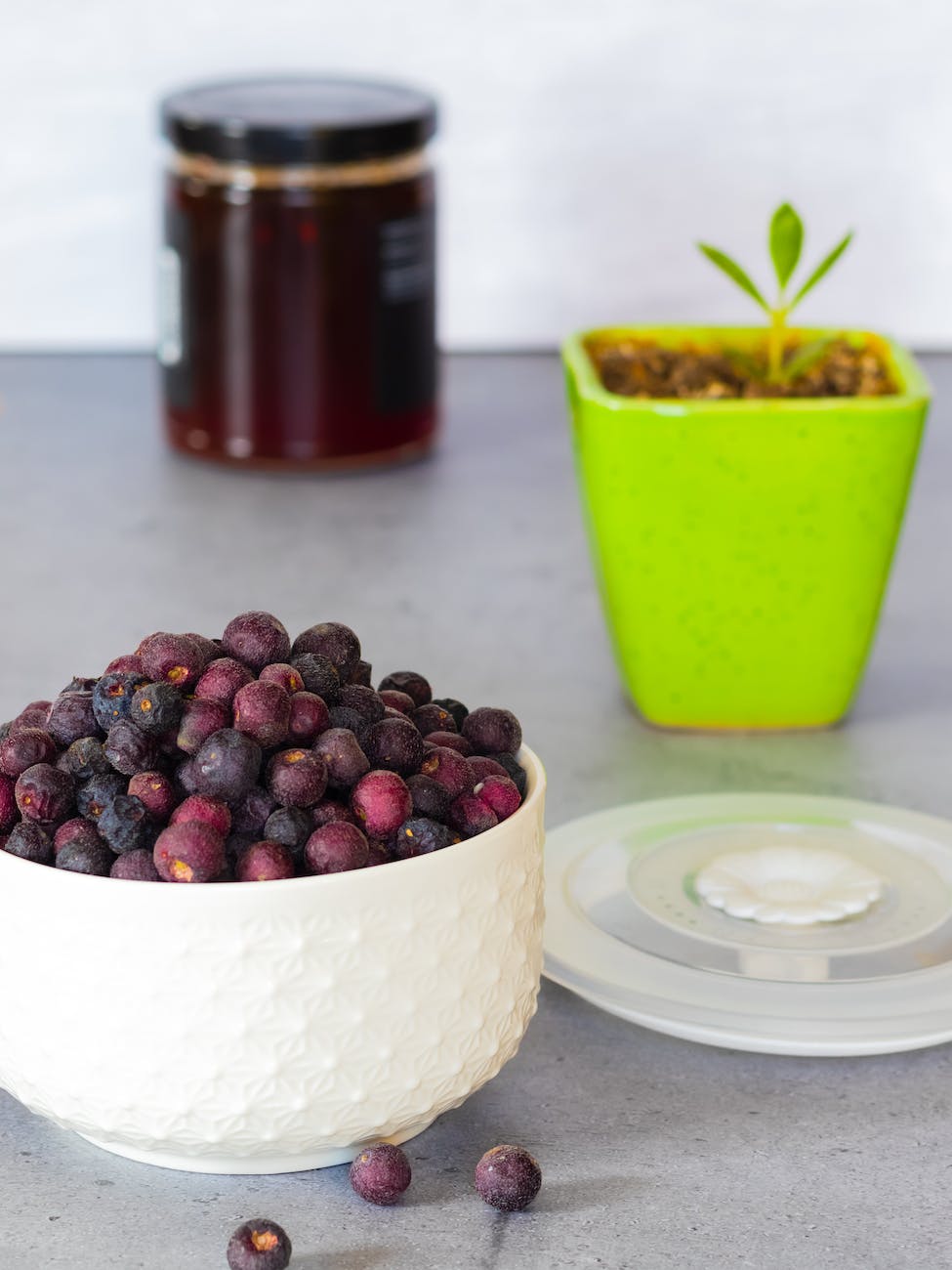
berries on white ceramic bowl

Dive into the world of Phalsa (Grewia asiatica), a small, tangy, and nutritious fruit that thrives in the Indian subcontinent, Southeast Asia, and parts of Africa. Available during the hot summer months from May to July, Phalsa is not just a fruit, it’s a health booster packed into a tiny, juicy package.

Phalsa’s Secret Powers:

  1. Nutrition Powerhouse: Rich in Vitamin C and antioxidants, Phalsa is your immune system’s best friend. It fights off infections and wards off diseases by battling free radicals. The added fiber aids digestion and promotes healthy bowel movements. Who knew a small fruit could do so much?
  2. Medicinal Marvel: Beyond its refreshing taste, Phalsa’s leaves and bark are traditional remedies for ailments like diarrhea, dysentery, fever, respiratory issues, and even heatstroke. Its cooling properties make it a summer essential.
  3. Culinary Versatility: Sip on the popular Phalsa Sharbat to beat the heat or spread some homemade Phalsa jam on your toast. With its unique tangy flavor, Phalsa is a versatile ingredient in drinks, desserts, jams, jellies, and even savory chutneys!

Five Fabulous Benefits of Phalsa:

  1. Antioxidant Abundance: Loaded with anthocyanins and flavonoids, Phalsa protects cells and reduces inflammation.
  2. Immunity Injection: Thanks to its high Vitamin C content, it strengthens your immune defense.
  3. Digestive Delight: High fiber content means happy digestion and a healthy heart.
  4. Skin Savior: Vitamin C and antioxidants keep your skin glowing and youthful.
  5. Sugar Stabilizer: Great for diabetics, it helps regulate blood sugar levels.

How to Enjoy Phalsa:

Whether it’s the rejuvenating Phalsa juice, traditional sherbet, spicy chutney, sweet jam, or just raw, Phalsa is a refreshing and healthy choice for any summer day. Embrace the tangy taste and myriad health benefits of this incredible fruit.

Looking to explore Phalsa in all its glory? Let me know if you’re interested in the links to delicious products and more!

10 FAQs About Phalsa (Grewia asiatica)

  1. What is Phalsa? Phalsa, also known as Grewia asiatica, is a small, tangy fruit native to the Indian subcontinent, Southeast Asia, and parts of Africa.
  2. When is Phalsa available? It’s a seasonal fruit, typically available during the summer months from May to July.
  3. What are the health benefits of Phalsa? Phalsa is rich in Vitamin C, antioxidants, and fiber. It boosts immunity, aids digestion, promotes healthy skin, and helps regulate blood sugar levels.
  4. Can Phalsa be used medicinally? Yes, the leaves and bark of the Phalsa tree are used in traditional medicine for treating diarrhea, dysentery, fever, and respiratory issues.
  5. How is Phalsa typically consumed? It can be enjoyed raw, as a juice or sherbet, in jams and jellies, or as a chutney.
  6. Is Phalsa good for diabetics? Yes, its compounds help regulate blood sugar levels, making it beneficial for people with diabetes.
  7. Can Phalsa be eaten raw? Absolutely! Just wash the fruit and enjoy its tangy taste.
  8. How do you make Phalsa juice? Extract the pulp, mix it with water, sugar, and salt, strain to remove seeds, and serve chilled.
  9. What does Phalsa taste like? It has a unique tangy and slightly acidic taste.
  10. Is Phalsa available worldwide? It’s mainly found in the Indian subcontinent, Southeast Asia, and parts of Africa, but it’s gaining popularity and may be found in international markets.

Blog Tags: Phalsa, Grewia asiatica, Summer Fruit, Nutritional Benefits, Medicinal Uses, Healthy Recipes, Antioxidants, Vitamin C, Digestive Health, Diabetic Friendly, Indian Cuisine, Refreshing Drinks, Natural Remedies, Seasonal Produce