Posted on Leave a comment

Nutrition Mistakes Pregnant Women Make in the First Trimester

Embarking on the journey of pregnancy, particularly through the critical first trimester, is both exhilarating and challenging. This period lays the foundation for your baby’s development, making nutrition a paramount concern. However, with the abundance of advice and the onset of early pregnancy symptoms, it’s easy to fall prey to certain nutritional missteps. Understanding and circumventing these common dietary errors is essential for the health of both the expectant mother and the developing fetus. Let’s delve into each of these mistakes with a detailed analysis and provide practical solutions for a healthier pregnancy.

1. Folic Acid: The Cornerstone of Pregnancy Nutrition

  • In-Depth Understanding: Folic acid is a vital nutrient in pregnancy, essential for the proper development of the baby’s brain and spine. Lack of adequate folic acid can lead to neural tube defects, which occur very early in pregnancy.
  • Practical Approach: To ensure sufficient intake, include folate-rich foods like spinach, asparagus, oranges, legumes, and fortified cereals in your daily diet. Additionally, a prenatal vitamin with at least 400 mcg of folic acid is recommended to cover any dietary gaps.

2. The Importance of a Balanced and Varied Diet

  • Comprehensive View: A diet that leans too heavily on one type of food or lacks variety can lead to nutritional imbalances, potentially depriving the fetus of essential nutrients.
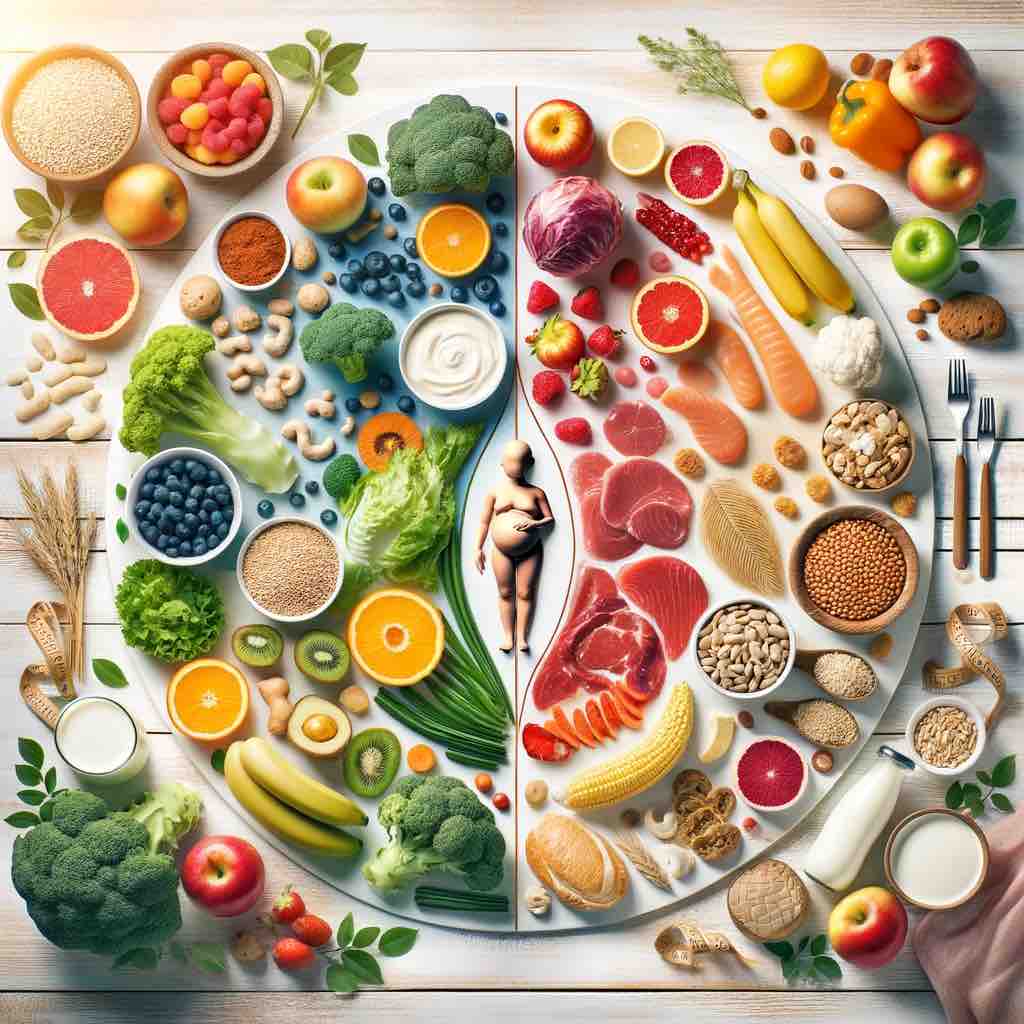
  • Strategic Eating: Strive for a diet that encompasses a range of food groups. Include colorful fruits and vegetables, whole grains, lean proteins, and healthy fats. Experimenting with different cuisines and recipes can add variety and make meals more enjoyable.

3. Managing Cravings with a Healthy Perspective

  • Rationalizing Cravings: While it’s normal to experience cravings, excessive indulgence, especially in junk food, can lead to unhealthy weight gain and increase the risk of gestational diabetes.
  • Balanced Indulgence: Find healthier alternatives to satisfy your cravings. For instance, if you crave sweets, opt for fruit-based desserts or dark chocolate. Understand and respect your body’s cravings, but maintain a balance with nutritious choices.

4. Maintaining Consistent Nutrient Intake

  • Understanding the Risks: Skipping meals or not consuming enough calories can lead to nutritional deficiencies, affecting both the mother’s and baby’s health.
  • Conscious Eating Habits: Focus on small, frequent meals if regular meals are challenging. Nutrient-dense snacks like cheese, nuts, or fruit can help maintain consistent nutrient and energy levels.

5. Hydration: The Essence of Pregnancy Wellness

  • Recognizing the Significance: Proper hydration is crucial for increasing blood volume and supporting the amniotic fluid. Lack of hydration can lead to serious health issues.
  • Hydration Strategies: Drink at least eight glasses of water daily. Include water-rich foods and consider herbal teas or flavored water for variety.

6. Navigating Seafood Consumption

  • Analyzing Risks and Benefits: Seafood is an excellent source of essential nutrients like omega-3 fatty acids and protein. However, certain types of seafood can be high in mercury, which is harmful during pregnancy.
  • Informed Seafood Choices: Opt for low-mercury fish such as salmon, trout, anchovies, or sardines. Limit seafood consumption to 2-3 servings per week and avoid raw or undercooked seafood.

7. Ensuring Adequate Iron Intake

  • Highlighting the Importance: Iron is crucial for supporting increased blood volume and preventing anemia, which can affect the baby’s growth and development.
  • Iron-Rich Diet: Incorporate iron-rich foods like red meat, poultry, fish, beans, and fortified cereals. Consuming vitamin C-rich foods alongside can enhance iron absorption.

8. Prioritizing Food Safety

  • Addressing the Risks: Pregnant women are more susceptible to foodborne illnesses, which can pose significant risks to the fetus.
  • Safe Food Practices: Ensure proper food handling, avoid unpasteurized dairy products and soft cheeses, and thoroughly wash all produce. Cook meats to safe temperatures to avoid any risk of infection.

9. Supplements: Complements, Not Substitutes

  • Clarifying Misconceptions: While prenatal vitamins are critical during pregnancy, they are not a substitute for a nutritious diet.
  • Supplemental Approach: Use prenatal vitamins to complement a well-rounded diet. Ensure that your diet remains the primary source of vitamins, minerals, and other nutrients. Prenatal vitamins should fill in the nutritional gaps, not replace whole foods.

10. Seeking Professional Dietary Guidance

  • Importance of Expert Advice: Personalizing your diet to your specific pregnancy needs is crucial. Self-managing your diet without professional input can lead to unintentional nutritional deficiencies or excesses.
  • Engaging with Healthcare Providers: Regularly consult with healthcare providers, nutritionists, or dietitians. They can provide tailored advice, monitor your nutritional status, and adjust dietary recommendations based on your health and pregnancy progression.

11. Understanding Caloric Needs

  • Caloric Misconceptions: There’s a common myth that during pregnancy, you need to eat for two. This can lead to excessive calorie intake.
  • Caloric Requirements: The caloric needs during the first trimester don’t significantly increase. Focus on nutrient-dense foods rather than increasing quantity. As pregnancy progresses, caloric needs will increase modestly.

12. Incorporating a Variety of Proteins

  • Protein Diversity: Relying solely on one type of protein can lead to a lack of essential amino acids and nutrients.
  • Varied Protein Sources: Include different protein sources like poultry, fish, dairy, legumes, and nuts. This ensures a comprehensive intake of all essential amino acids and varied nutrients.

13. Managing Portion Sizes

  • Overeating Issues: It’s easy to overestimate portion sizes, leading to excessive intake of calories and certain nutrients.
  • Portion Control: Use visual cues for portion sizes and be mindful of your body’s hunger and fullness signals. Eating slowly and savoring your food can help in managing portion sizes effectively.

14. Dealing with Food Aversions and Nausea

  • Coping with Aversions: Food aversions and nausea can make it difficult to maintain a balanced diet.
  • Adapting Your Diet: Find alternative sources of nutrients if you develop aversions to certain foods. Ginger, small frequent meals, and avoiding strong odors can help manage nausea.

Conclusion

The first trimester is a critical period for setting the nutritional foundation for your pregnancy. By being aware of and avoiding these common dietary mistakes, you can ensure that you’re providing the best possible nutrition for your baby’s development and your own health. Embrace this journey with knowledge, mindfulness, and the support of healthcare professionals, and enjoy this special time as you prepare for the arrival of your little one.


10 FAQs for “Nutrition Mistakes Pregnant Women Make in the First Trimester”

  1. How much folic acid should I take in the first trimester?
    • The recommended daily intake of folic acid in the first trimester is at least 400 mcg. Consult with your healthcare provider for personalized advice.
  2. Can I satisfy my pregnancy cravings without compromising nutrition?
    • Yes, you can indulge in cravings occasionally but try to find healthier alternatives and maintain a balanced diet.
  3. What are some easy ways to include more iron in my diet?
    • Incorporate iron-rich foods like red meat, poultry, beans, and fortified cereals. Pair them with vitamin C-rich foods to enhance iron absorption.
  4. Is it safe to eat seafood during the first trimester?
    • Yes, but choose low-mercury fish like salmon and trout, and avoid high-mercury fish like shark and swordfish. Limit your intake to 2-3 servings per week.
  5. How can I ensure I’m getting enough nutrients if I have morning sickness?
    • Try eating small, frequent meals and include nutrient-dense snacks. Ginger and peppermint can help alleviate nausea.
  6. What should I do if I’m not drinking enough water?
    • Aim to drink at least eight glasses of water a day. You can also include hydrating foods like cucumbers and watermelon in your diet.
  7. Are there any foods I should avoid completely during the first trimester?
    • Avoid raw or undercooked meats, unpasteurized dairy products, and high-mercury fish. Also, limit caffeine intake.
  8. Can I rely solely on prenatal vitamins for my nutrition?
    • Prenatal vitamins are important, but they should complement a balanced diet, not replace it.
  9. Is it normal to gain a lot of weight during the first trimester?
    • It’s normal to gain some weight, but excessive weight gain can lead to complications. Focus on a balanced diet and consult your healthcare provider.
  10. Should I be on a special diet during the first trimester?
  • There’s no one-size-fits-all diet for pregnancy, but focus on a balanced intake of fruits, vegetables, proteins, and whole grains. Consult with a healthcare provider for personalized dietary advice.

Blog Tags: Pregnancy Nutrition, First Trimester, Folic Acid, Balanced Diet, Pregnancy Cravings, Meal Planning, Hydration, Safe Seafood, Iron Intake, Food Safety, Prenatal Supplements, Dietitian Consultation, Healthy Pregnancy.
Posted on Leave a comment

Embracing a Balanced Diet Post-Pregnancy: A Comprehensive Guide

Journeying Beyond Postpartum

As you move beyond the immediate postpartum phase, your focus gradually shifts back to establishing a regular, balanced diet that supports your long-term health and well-being. This transition is an opportunity to reassess and realign your dietary habits to suit your evolving lifestyle as a new parent. Let’s delve into detailed strategies for a seamless transition to a regular diet, ensuring optimal health and vitality in your life as a new mother.

Tailoring Your Nutritional Profile Post-Pregnancy

  • Caloric Needs Reassessment: Evaluate your daily caloric requirements considering your current activity level, lifestyle changes, and whether you are still breastfeeding.
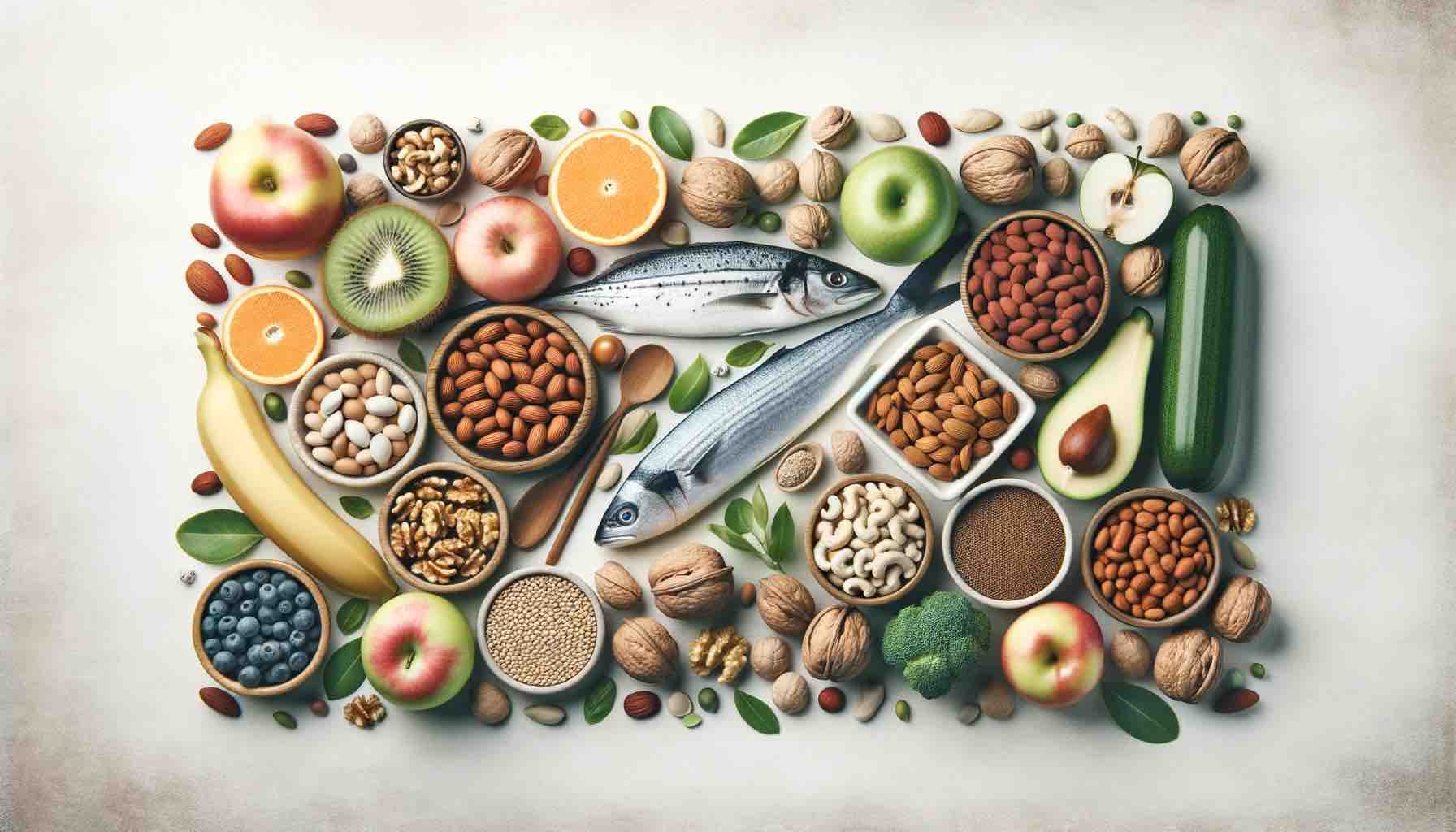
  • Macro and Micronutrient Balance: Aim for a diverse intake of nutrients. Incorporate a wide range of fruits, vegetables, whole grains, lean proteins, and healthy fats. Pay special attention to iron, calcium, magnesium, and B-vitamins, which are crucial in the postpartum phase.
  • Sustained Hydration: Maintain a focus on hydration. Water aids in postpartum recovery, supports lactation (if continuing), and helps maintain energy levels.

Managing Post-Pregnancy Weight

  • Gradual Weight Loss Approach: If weight loss is a goal, adopt a gradual and sustainable approach. Rapid weight loss can be detrimental, particularly during the recovery period.
  • Incorporating Mindful Eating Practices: Embrace mindful eating to enhance your relationship with food and to better recognize hunger and fullness signals. This approach can lead to more satisfying and healthful eating experiences.

Diet Diversity and Enjoyment

  • Food Reintroduction: Gradually reintroduce foods you might have avoided during pregnancy or breastfeeding, like certain fish, caffeine, or spicier foods. Monitor how your body responds to these reintroductions.
  • Culinary Exploration: Experiment with new recipes and flavors to keep your diet interesting and enjoyable. Cooking can be a creative outlet and a way to ensure a healthy diet.
  • Catering to Changed Palates: Acknowledge that your taste preferences might have changed post-pregnancy. Explore different cuisines and ingredients that align with your current palate.

Fostering Digestive Wellness

  • Fiber Focus: High-fiber foods like fruits, vegetables, legumes, and whole grains are essential for maintaining digestive health and preventing issues like postpartum constipation.
  • Gut Health with Probiotics: Incorporate probiotic-rich foods such as yogurt, kefir, sauerkraut, and kimchi to support gut health and overall well-being.

Mental and Emotional Well-being through Diet

  • Nutrition’s Role in Mental Health: Recognize the impact of diet on mood and energy levels. Foods rich in omega-3 fatty acids, magnesium, and antioxidants can have a positive effect on mental health.
  • Body Image and Self-Care: Embrace a positive body image and practice self-care through balanced nutrition. Celebrate the incredible journey your body has been through and nourish it with respect and care.

Practical Meal Planning for Busy Parents

  • Efficiency in the Kitchen: Embrace meal planning and prepping strategies to manage time effectively. Consider simple, nutritious recipes that can be prepared in bulk and stored for convenience.
  • Snacking Smart: Keep healthy snacks within easy reach to maintain energy levels throughout the day. Options like cut-up vegetables, nuts, fruit, and whole-grain crackers are excellent choices.

Addressing Special Dietary Needs

  • Individualized Diet Considerations: If following specific dietary preferences or restrictions, ensure that your diet is well-rounded and nutritionally complete. Consulting with a dietitian can provide personalized guidance.

Cultivating Healthy Eating Habits for the Family

  • Inclusive Family Meals: As your child grows, plan meals that are nutritious and enjoyable for the whole family, fostering healthy eating habits from an early age.
  • Continuous Learning and Adaptability: Stay informed about nutritional best practices and be open to modifying your diet as your family’s needs evolve.

Ongoing Health Monitoring

  • Regular Health Check-ups: Continue to consult with healthcare professionals to monitor your health and receive guidance on any nutritional concerns or changes in your dietary needs.

Forward Focus: Lifelong Nutritional Wellness

As we conclude our series, remember that your journey towards maintaining lifelong nutritional health is an evolving process. Stay engaged with current nutritional insights and practices, ensuring you and your family thrive in health and happiness. The journey of motherhood is enriched with continuous learning and self-care, with nutrition being a key pillar of your overall well-being.

FAQs for Post-Pregnancy Nutrition

  1. How many extra calories do I need post-pregnancy?
    • If you’re breastfeeding, you might need about 500 extra calories per day. If not, your caloric needs will gradually align with a normal, balanced diet based on your activity level.
  2. What nutrients should I focus on post-pregnancy?
    • Prioritize protein, iron, calcium, vitamin D, and fiber. These support tissue repair, bone health, and overall recovery.
  3. Is it safe to diet for weight loss immediately after giving birth?
    • It’s recommended to focus on a balanced, nutrient-rich diet rather than a restrictive diet, especially if breastfeeding. Gradual weight loss is healthier and more sustainable.
  4. How can I manage post-pregnancy constipation?
    • Increase your fiber intake with foods like whole grains, fruits, and vegetables, and ensure you’re drinking plenty of water. Physical activity also helps.
  5. What foods should I eat to boost my energy levels?
    • Focus on a balanced diet with complex carbohydrates (like whole grains), lean proteins, and healthy fats. Small, frequent meals can also help maintain energy levels.
  6. Can I still take prenatal vitamins after childbirth?
    • Yes, continuing prenatal vitamins, especially if breastfeeding, can help ensure you’re getting essential nutrients like iron and calcium.
  7. How soon can I start exercising post-pregnancy?
    • This depends on your delivery and overall health. Generally, gentle exercises like walking can be started relatively soon, but always consult with your healthcare provider.
  8. Are there specific foods that can help with postpartum recovery?
    • Foods rich in vitamins C and E, zinc, and protein can aid in healing. Include citrus fruits, nuts, seeds, lean meats, and leafy greens.
  9. What dietary changes can help with postpartum mood swings or depression?
    • A balanced diet rich in omega-3 fatty acids, whole grains, fresh fruits, and vegetables can support mental health. Avoid excessive caffeine and processed foods.
  10. How can I ensure a balanced diet as a busy new mom?
    • Plan and prepare meals in advance, opt for healthy snacks like fruits and nuts, and consider simple, quick recipes. Don’t hesitate to seek help with meal prep if needed.

Blog Tags for the Post

postpartum nutrition, breastfeeding diet, weight management, healthy eating, dietary fiber, meal planning, vitamin supplements, post-pregnancy exercise, mental health, family meals, new mom wellness, balanced diet, hydration, recovery foods, motherhood health

Posted on Leave a comment

Introduction to a Balanced Diet: The Key to Optimal Health

A balanced diet is fundamental to maintaining health and well-being. It involves consuming a variety of foods in the right proportions to provide the body with essential nutrients. Understanding and implementing a balanced diet can have profound impacts on your overall health.

Components of a Balanced Diet

  1. Carbohydrates: They are the body’s primary energy source, found in foods like grains, fruits, and vegetables.
  2. Proteins: Essential for growth and repair, proteins are found in meat, fish, dairy, and plant-based sources like beans and lentils.
  3. Fats: Necessary for energy and supporting cell growth, healthy fats are found in nuts, seeds, avocados, and oily fish.
  4. Vitamins and Minerals: These micronutrients are crucial for various bodily functions, including immune response and bone health.
  5. Water: Essential for hydration, metabolism, and overall bodily functions.

Read more about:

Basics of Macronutrients: Diet’s Building Blocks
Micronutrients: Vitamins and Minerals in Your Diet
Hydration and Health: Role of Water in Wellness

Benefits of a Balanced Diet

  • Weight Management: Helps maintain a healthy weight.
  • Improved Mental Health: Linked to better mood and cognitive function.
  • Disease Prevention: Reduces the risk of chronic diseases.
  • Enhanced Energy Levels: Provides consistent energy throughout the day.
  • Better Digestive Health: Aids in digestion and prevents gastrointestinal issues.

Creating a Balanced Diet

  1. Diversity in Food Choices: Include a variety of foods from all food groups.
  2. Portion Control: Understand and implement appropriate serving sizes.
  3. Limit Processed Foods: Opt for whole, unprocessed foods.
  4. Regular Meals: Maintain a regular eating schedule.
  5. Stay Hydrated: Drink plenty of water.

Special Dietary Needs

Individual nutritional requirements can vary based on factors like age, gender, health conditions, and activity levels. Consulting with a healthcare provider or a nutritionist can provide personalized dietary advice.

Overcoming Barriers to a Balanced Diet

  • Time Constraints: Plan and prepare meals in advance.
  • Budget Concerns: Opt for seasonal and bulk foods.
  • Lack of Knowledge: Educate yourself about nutrition basics.

For a more comprehensive guide on nutrition and to join a supportive health community, consider participating in the BackOnTrack WeightLoss Challenge. This challenge offers extensive resources and encourages a holistic approach to health and wellness.

A balanced diet is more than just a tool for weight management; it is a cornerstone of a healthy lifestyle. By understanding and implementing the principles of a balanced diet, you can significantly improve your health and quality of life.


10 FAQs for “Introduction to a Balanced Diet: The Key to Optimal Health”

  1. What constitutes a balanced diet? A balanced diet includes a variety of foods from different groups like carbohydrates, proteins, fats, vitamins, and minerals in the right proportions.
  2. How does a balanced diet benefit overall health? It helps in weight management, improves mental health, reduces the risk of chronic diseases, boosts energy levels, and supports digestive health.
  3. Can a balanced diet change based on individual needs? Yes, individual dietary requirements can vary based on age, gender, activity level, and health conditions.
  4. How can I ensure my diet is balanced? Focus on diverse food choices, control portion sizes, limit processed foods, maintain regular meal times, and stay hydrated.
  5. Are all fats unhealthy in a balanced diet? No, healthy fats like those found in avocados, nuts, and oily fish are an important part of a balanced diet.
  6. What role do micronutrients play in a balanced diet? Micronutrients, such as vitamins and minerals, are crucial for various bodily functions including immune response and bone health.
  7. How can I manage a balanced diet with a busy lifestyle? Planning and preparing meals in advance and opting for quick, healthy options can help maintain a balanced diet despite a busy schedule.
  8. Is a balanced diet the same as a diet for weight loss? While a balanced diet aids in weight management, it encompasses broader aspects of health beyond just weight loss.
  9. How can I educate myself about a balanced diet? Reading credible nutritional information, consulting with healthcare providers, and participating in educational programs like the BackOnTrack WeightLoss Challenge can increase your knowledge.
  10. Can a balanced diet help prevent diseases? Yes, a balanced diet can significantly reduce the risk of developing chronic diseases like heart disease, diabetes, and certain cancers.

Blog Tags for the Post

balanced diet, nutritional health, healthy eating, diet planning, weight management, disease prevention, micronutrients, meal planning, dietary diversity, wellness lifestyle

Posted on Leave a comment

Are Lentils Keto-Friendly?


Introduction: The Keto Diet and Legumes

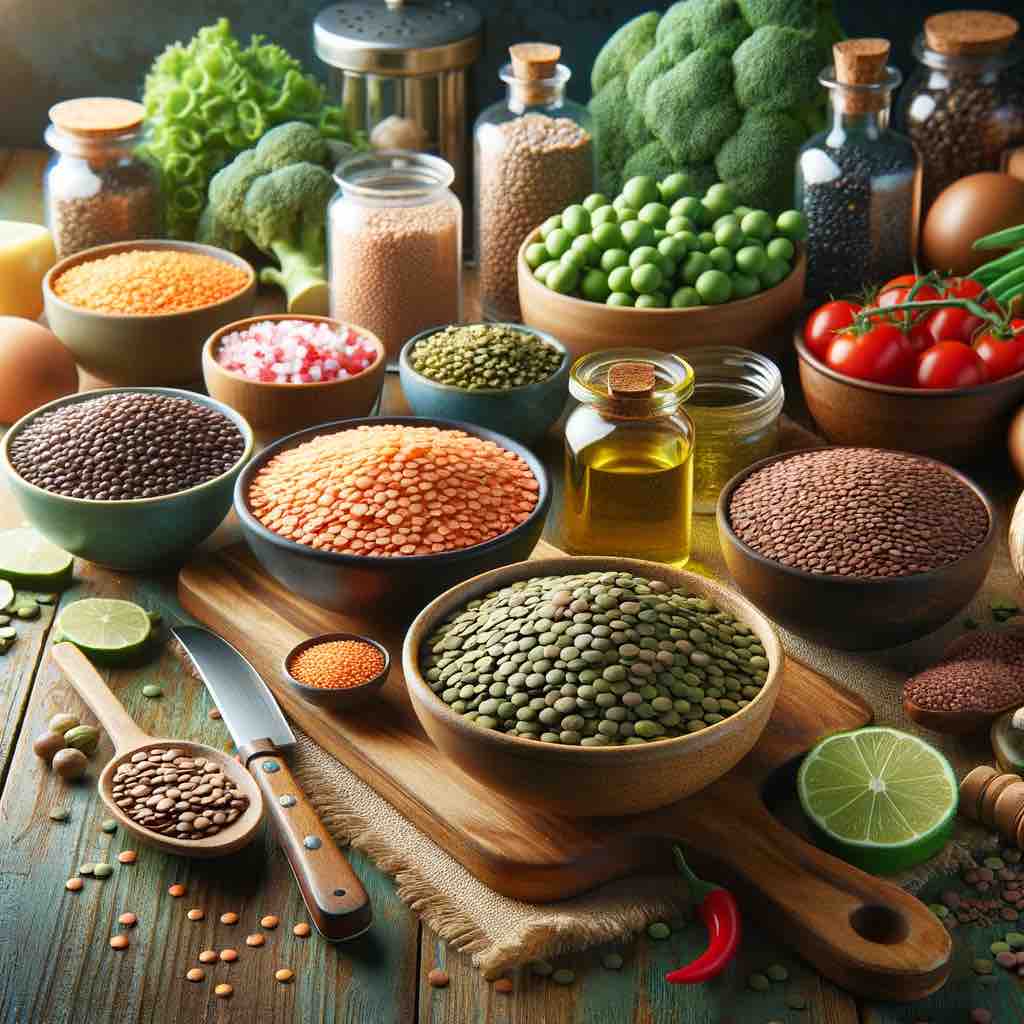
In the intricate world of the ketogenic diet, where every carb counts, understanding the role of various foods is crucial. Among the many queries that keto dieters have, one stands out: “Are lentils keto-friendly?” Lentils, a nutrient-dense legume, are a common feature in many diets but present a dilemma for those adhering to keto principles. This comprehensive guide examines their nutritional profile, their impact on ketosis, and how (or if) they can fit into a ketogenic lifestyle.


The Essence of the Ketogenic Diet

To fully grasp the context, let’s first understand the ketogenic diet:

  • Fundamentals: A ketogenic diet is characterized by its high fat, moderate protein, and very low carbohydrate composition.
  • Objective: The primary goal is to enter a metabolic state called ketosis, where the body efficiently burns fat for energy instead of relying on carbohydrates.
  • Carbohydrate Restriction: The diet typically limits daily carbohydrate intake to around 20-50 grams to maintain ketosis.

Lentils: A Nutritional Powerhouse

Lentils are celebrated for their health benefits:

  • Protein-Rich: They are an excellent source of plant-based protein, making them a favorite among vegetarians and vegans.
  • Fiber Content: High in dietary fiber, lentils aid in digestion and help in maintaining blood sugar levels.
  • Rich in Nutrients: Packed with vital nutrients, lentils offer iron, folate, magnesium, potassium, and various B vitamins.

However, the keto compatibility of lentils largely hinges on their carbohydrate content. On average, a cup of cooked lentils contains about 40 grams of carbs, 15 grams of which are dietary fiber, resulting in 25 grams of net carbs.


The Keto Dilemma: Lentils and Carbohydrates

The compatibility of lentils with a ketogenic diet is a complex issue:

  • Net Carbs: The 25 grams of net carbs in a cup of lentils can significantly impinge on the strict carb limits of a keto diet.
  • Ketosis at Risk: Such a high carb count could potentially disrupt the state of ketosis, the cornerstone of the ketogenic diet’s effectiveness.

Moderation: The Possible Middle Ground

Incorporating lentils into a keto diet requires careful planning:

  • Small Servings: A tablespoon or two of lentils might be integrated into a keto diet, provided the rest of the day’s meals are extremely low in carbs.
  • Balanced Diet Planning: It’s essential to meticulously plan your entire day’s diet to accommodate the carbs from lentils while staying within ketogenic boundaries.

Viable Alternatives to Lentils for Keto Followers

For those strictly adhering to keto, consider these low-carb options:

Vegetable Alternatives:

  • Vegetables like spinach, kale, broccoli, cauliflower, and zucchini are nutrient-rich and have minimal carbs.

Protein Alternatives:

  • Opt for lean meats, fatty fish (like salmon), eggs, and full-fat dairy products for protein requirements without the carb load.

Flexible Keto: Incorporating Lentils Smartly

For a less stringent keto approach, lentils can be included cautiously:

  • Limit the Quantity: Use lentils as a flavor enhancer or side dish rather than the main component of a meal.
  • Smart Pairing: Combine a small portion of lentils with predominantly low-carb foods to keep the overall carbohydrate intake in check.

Cooking with Lentils on a Keto Diet

Here are some tips for including lentils in your keto cooking:

  • Sprouted Lentils: Sprouting lentils can reduce their carb content slightly.
  • Lentil Soups: Use lentils sparingly in soups, combined with keto-friendly vegetables and broth.
  • Salad Toppings: A sprinkle of cooked lentils can add texture and flavor to salads without adding too many carbs.

Conclusion: Lentils in a Keto Context

Lentils, with their rich nutritional profile, present a conundrum in a ketogenic diet due to their high net carb content. While they can be part of a flexible keto diet in minimal amounts, strict keto followers might need to avoid them or opt for lower-carb alternatives. As with any diet, individual preferences and nutritional requirements should guide food choices, and consulting with a nutritionist or healthcare provider is always advisable for personalized dietary advice.


We Want to Hear From You

How have you navigated including lentils in your keto journey? Do you have any favorite keto recipes that use lentils? Share your experiences and insights in the comments below!

FAQs

  1. What makes lentils a concern for those on a ketogenic diet?
    • Lentils are a concern for keto dieters primarily because of their high net carbohydrate content. While they are rich in protein and fiber, a cup of cooked lentils contains about 25 grams of net carbs, which can significantly consume a substantial portion of the 20-50 grams daily carb limit typical in a ketogenic diet.
  2. Can small portions of lentils be included in a keto diet without disrupting ketosis?
    • Yes, in very small portions, lentils can be included in a keto diet. For instance, using a tablespoon or two in salads or as a side dish can add nutritional value without significantly exceeding the carb limits. However, this requires meticulous carb counting and balancing with other daily meals.
  3. What are the nutritional benefits of lentils, and do they outweigh their carb content for keto dieters?
    • Lentils are rich in proteins, dietary fiber, vitamins like folate, and minerals such as iron and magnesium. While these nutrients are beneficial, for strict keto dieters, the high carb content often outweighs these benefits. Those on a flexible keto diet may find ways to include small amounts of lentils without compromising their carb limits.
  4. Are there any specific types of lentils that are more keto-friendly than others?
    • The carb content across different types of lentils (green, red, brown) is relatively similar. Therefore, no specific type of lentil is significantly more keto-friendly than others. The key is portion control, regardless of the lentil type.
  5. What are some keto-friendly alternatives to lentils for those missing them in their diet?
    • Keto-friendly alternatives to lentils include low-carb vegetables like spinach, kale, and broccoli, which provide similar nutritional benefits. For protein, lean meats, fish, eggs, and cheese are good alternatives.
  6. How does the preparation of lentils affect their suitability for a keto diet?
    • Preparation methods like sprouting or fermenting may slightly reduce the carb content of lentils. However, these methods don’t significantly lower the carbs to make them a staple in a standard keto diet. The impact on the carb content is marginal, so portion control remains crucial.
  7. What role can lentils play in a more flexible or cyclical ketogenic diet?
    • In a more flexible or cyclical ketogenic diet, where carb limits are less stringent or vary from day to day, lentils can be included in small quantities. They can be part of a meal during higher carb intake days, providing a source of protein and fiber.
  8. Are there any creative ways to incorporate lentils into a keto diet without exceeding carb limits?
    • One way to incorporate lentils into a keto diet is by using them as a minor ingredient in dishes like soups, salads, or stews. Another option is to mix a small amount of lentils with other low-carb ingredients to make a balanced meal.
  9. How can someone following a keto diet effectively track and balance the carb content from lentils?
    • Tracking and balancing the carb content from lentils in a keto diet can be done by using nutritional apps or carb counters. It involves measuring the exact amount of lentils consumed and ensuring the rest of the day’s meals are very low in carbs.
  10. What advice do nutritionists give about including lentils in a ketogenic lifestyle?
    • Nutritionists often advise that if lentils are to be included in a ketogenic lifestyle, they should be consumed in very small quantities. It’s recommended to balance their intake with other low-carb foods and to be vigilant about overall daily carb consumption. Some nutritionists may suggest alternative legumes that are lower in carbs for those who wish to maintain a plant-based keto diet.

Blog Tags for the Post

ketogenic diet, lentils, low-carb legumes, keto-friendly foods, nutritional planning, carb counting, protein sources, dietary fiber, meal planning, net carbs, plant-based protein

Posted on Leave a comment

Calories in Mango: Discovering the Nutritional Value of this Tropical Delight!

Mangoes: A Comprehensive Guide to the Nutritional Profile of the Tropical Delight


Mangoes, often hailed as the “king of fruits,” are a tropical treasure that has been savored across various cultures and regions. Their unique blend of sweetness with a hint of tartness makes them a favorite for many. But beyond their delightful taste, mangoes offer a wealth of nutritional benefits. Let’s embark on a detailed journey to understand the caloric and nutritional essence of mangoes.


1. Introduction to Mangoes:

Originating in South Asia, mangoes have been cultivated for over 4,000 years. Today, they are grown in tropical and subtropical regions worldwide. Their vibrant color, ranging from green to golden yellow, is a testament to the rich nutrients they house within.

2. Caloric Content: Size and Proportion Matter

  • Whole Mango: A standard whole mango, on average, provides about 150 calories, making it a substantial snack or addition to meals.
  • 150 grams of Mango: This specific portion, which is slightly less than a whole mango, contains approximately 92 calories.
  • Medium-sized Mango: This is the most commonly consumed size and offers around 150 calories.

3. Nutritional Breakdown: More Than Just Calories

Mangoes are a powerhouse of nutrients:

  • Vitamins: They are particularly rich in vitamin A, which is essential for eye health. They also provide ample amounts of vitamin C, vital for immune function, and vitamin E, known for its antioxidant properties.
  • Minerals: Mangoes are a good source of essential minerals like potassium, which helps regulate blood pressure, and magnesium, which supports muscle and nerve function.
  • Dietary Fiber: With about 3 grams of fiber in a medium-sized mango, it aids in digestion and can help in maintaining a healthy cholesterol level.

4. Different Varieties, Different Nutritional Profiles

There are numerous mango varieties, each with its unique taste and texture:

  • Desi Mango: This variety is often more flavorful and might have a slightly higher caloric content due to its intense sweetness.
  • Popular Varieties: Alphonso, Haden, and Ataulfo are among the favorites. Their caloric content is generally consistent with the average mango, but subtle differences in taste and texture exist.

5. Incorporating Mangoes into Diverse Diets:

  • Weight Management: Mangoes, when consumed in moderation, can be a part of a weight loss diet due to their satiating nature.
  • Athletic Diets: The quick energy provided by the natural sugars in mangoes makes them an excellent choice for a post-exercise snack.

6. Processed Mango Products: A Word of Caution

While mangoes in their natural form are nutritious, processed products like mango juice or dried mango might have added sugars, preservatives, and a higher calorie count.

7. Mangoes and Health: Beyond Nutrition

Mangoes have been associated with several health benefits:

  • Digestive Health: The enzymes in mangoes, such as amylase, aid in breaking down and assimilating food.
  • Skin Health: Applying mango pulp to the skin can offer hydration and rejuvenation, thanks to its vitamins and minerals.

In Conclusion:

Mangoes, with their myriad of health benefits and unmatched flavor, are more than just a seasonal fruit. They are a symphony of taste and nutrition, deserving of their royal title as the “king of fruits.”


Tags:
Mango Nutrition, Tropical Fruits, Health Benefits, Dietary Guide, Mango Varieties.