Posted on 2 Comments

Eggs Benedict: Desi Twist Challenge


Welcome to a Flavorful Fusion!

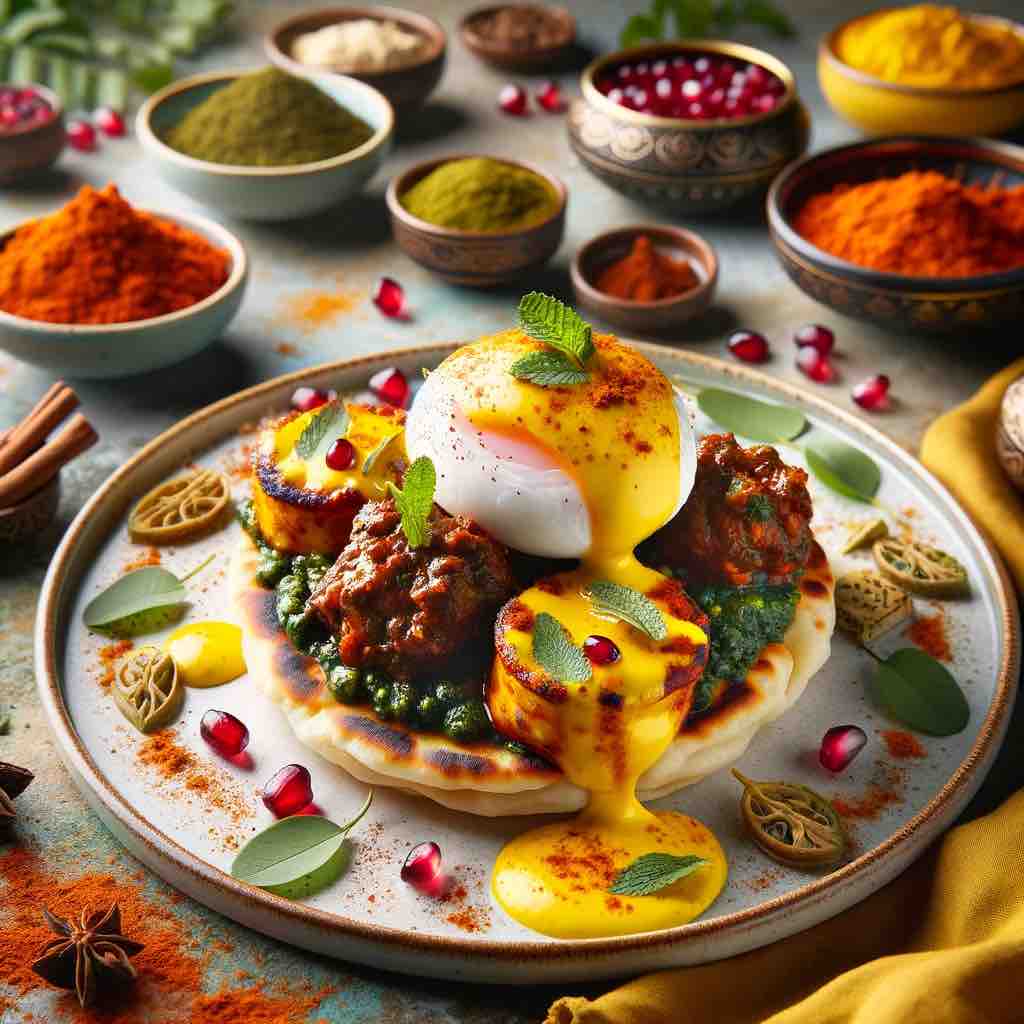
Imagine a dish that combines the elegance of Western brunches with the vibrant zest of Indian cuisine. That’s what we’re diving into today! Welcome to our exploration of Eggs Benedict, a classic that has graced breakfast tables around the world, now ready to be infused with a delightful Indian twist.

Why Eggs Benedict?

Eggs Benedict, traditionally a symphony of English muffins, poached eggs, Canadian bacon, and Hollandaise sauce, has always been a symbol of indulgent mornings and leisurely brunches. But what if we add a dash of desi magic to it?

What’s in Store for You

In this post, we’re not just revisiting the classic recipe; we’re reinventing it! We’ll explore the top five Eggs Benedict recipes from renowned culinary sites and then, hold onto your taste buds, we’re going to Indianize them! Think tandoori chicken replacing Canadian bacon, naan instead of English muffins, and a Hollandaise sauce with a spicy twist. And then there is the contest, for those who enjoy cooking and sharing, read till the end!

Join the Culinary Adventure

So, whether you’re a seasoned chef or a curious foodie, this post is your ticket to creating a brunch that’s truly unforgettable. Let’s embark on this delicious journey together, blending the best of both worlds, one poached egg at a time!


Exploring the Classics: A Deep Dive into the Top 5 Eggs Benedict Recipes


1. The Quintessential Classic: Allrecipes’ Traditional Eggs Benedict

  • The Original Blueprint: Allrecipes’ traditional Eggs Benedict recipe is a homage to the classic version of this beloved brunch dish. It’s a comprehensive guide for those who value authenticity and want to recreate the timeless taste of Eggs Benedict.
  • What You’ll Learn: This recipe meticulously details each step, from toasting the English muffins to perfection, poaching eggs to just the right degree of runniness, layering the Canadian bacon, and finally, draping everything in a velvety Hollandaise sauce.
  • Why It’s a Must-Try: Perfect for culinary enthusiasts who appreciate the elegance of traditional cooking and are looking to master the foundational recipe of Eggs Benedict.

2. The Art of Precision: Simply Recipes’ Eggs Benedict

  • Culinary Choreography: The Simply Recipes version of Eggs Benedict focuses on the delicate balance and timing required to bring this dish to life. It’s a testament to the art of cooking, where every component must come together in perfect harmony.
  • Key Highlights: The recipe guides you through achieving crispy, yet not overdone bacon, butter-laden English muffins with just the right amount of crunch, eggs poached to a delicate tenderness, and a Hollandaise sauce that’s creamy and rich without being overpowering.
  • Ideal For: This recipe is a fantastic choice for those who love the intricacies of cooking and enjoy the challenge of juggling multiple elements to create a harmonious dish.

3. Mastering the Poached Egg: Allrecipes’ Detailed Guide

  • The Centerpiece of the Dish: The poached egg is arguably the star of Eggs Benedict, and the Allrecipes guide offers an in-depth tutorial on mastering this technique. It’s a deep dive into achieving that elusive perfect consistency.
  • What’s Inside: The guide covers everything from the right water temperature to the gentle swirling technique that ensures your eggs are beautifully encased in a delicate white cocoon, with yolks that are runny and rich.
  • For Whom: This guide is an invaluable resource for anyone who has struggled with poaching eggs or is keen to perfect this essential skill in their culinary repertoire.

4. The Homemade Touch: Tastes Better From Scratch’s Eggs Benedict

  • Bringing Brunch Home: Tastes Better From Scratch offers a recipe that brings the sophistication of a brunch restaurant into the comfort of your home. It’s about creating something extraordinary from everyday ingredients.
  • Recipe Highlights: The focus is on a homemade Hollandaise sauce that’s surprisingly simple yet incredibly flavorful, coupled with the classic components of Eggs Benedict, all prepared with a personal touch.
  • Why It’s Special: Ideal for home cooks who want to impress family and guests with a dish that looks as stunning as it tastes, this recipe is a testament to the joy of homemade culinary creations.

5. The Restaurant-Style Experience: NatashasKitchen’s Elegant Eggs Benedict

  • Elevating Breakfast to Fine Dining: NatashasKitchen’s Eggs Benedict recipe is all about recreating the finesse of a high-end brunch spot in your own kitchen. This recipe is a blend of visual appeal and exquisite taste.
  • What to Expect: The recipe walks you through creating a visually stunning and palate-pleasing dish, with tips on presentation and flavor enhancement that elevate the ordinary Eggs Benedict to something truly extraordinary.
  • Perfect For: Those who love to bring a touch of gourmet flair to their cooking, this recipe is a gateway to transforming a simple breakfast into a luxurious dining experience.

In this section, we’ve explored the top five Eggs Benedict recipes, each offering unique insights and techniques. These recipes provide a solid foundation for anyone looking to master this classic dish, setting the stage for creative adaptations and personal touches.

Eggs Benedict: A Diverse Indian Culinary Odyssey


Revolutionary Base Options:

  • Dhokla or Idli: Start with a light, airy dhokla or a soft, steamed idli. These traditional snacks offer a unique, spongy texture, perfect for soaking up flavors.
  • Ragi Dosa or Jowar Roti: For a healthier twist, consider a ragi (finger millet) dosa or a jowar (sorghum) roti. These grains are not only nutritious but also bring a nutty flavor to the base.
  • Bhatura or Puri: For a richer option, try a fluffy bhatura or a crispy puri. These deep-fried breads add a delightful crunch and indulgence to the dish.

also read 10 Examples of Egg Dishes, with 2 Eggs

Protein Variants Beyond the Ordinary:

  • Chettinad Chicken or Goan Prawn Balchão: Spice up the protein layer with a fiery Chettinad chicken or a tangy Goan prawn Balchão, both bursting with regional Indian flavors.
  • Masala Vada or Paneer Tikka: For vegetarians, a crunchy masala vada or a smoky paneer tikka can replace the traditional meat, adding a delightful texture and rich taste.
  • Amritsari Fish or Lamb Galouti Kebab: Experiment with Amritsari fish, known for its spicy batter, or a melt-in-the-mouth lamb Galouti kebab for a luxurious touch.

Eggs with an Indian Infusion:

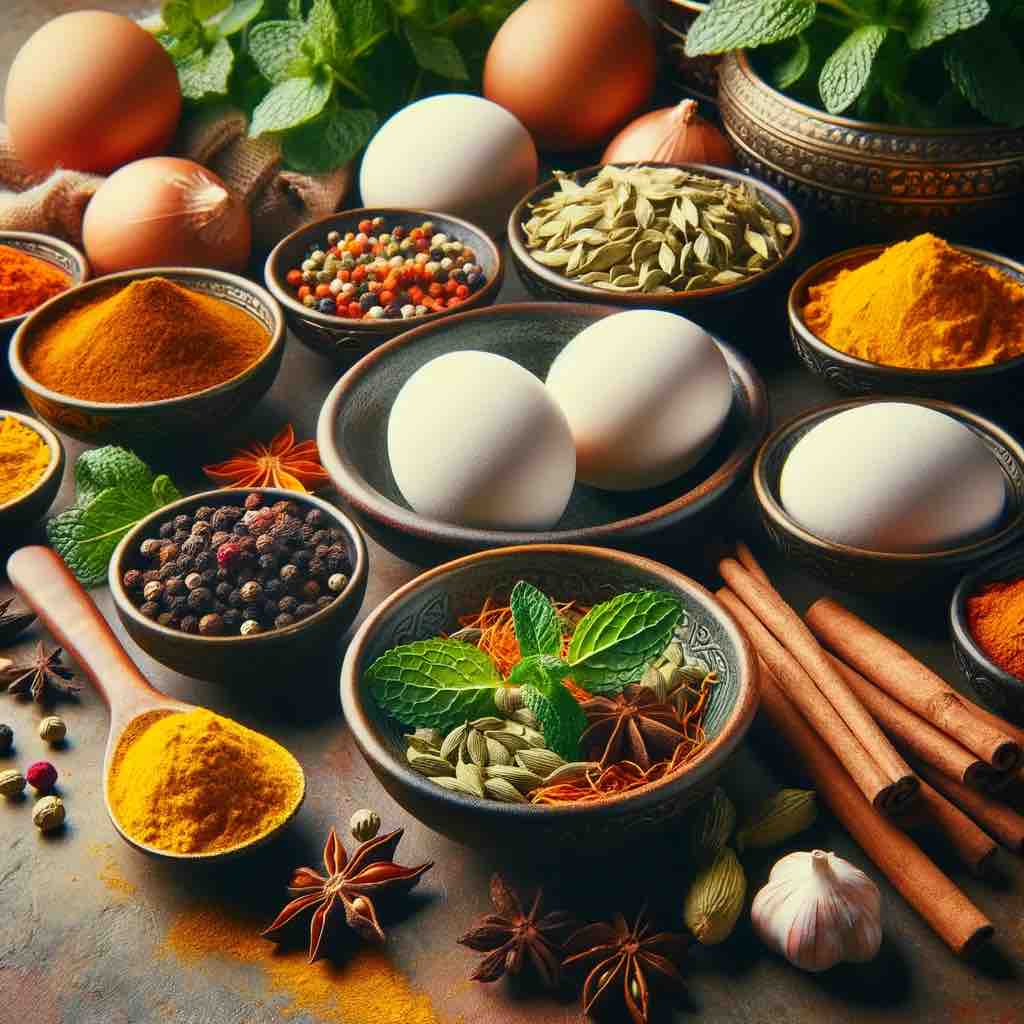
  • Masala Poached Egg: Infuse the poaching liquid with a bouquet of Indian spices like star anise, cinnamon, and bay leaves for a subtly spiced egg.
  • Tandoori Egg: Marinate a soft-boiled egg in a tandoori masala and give it a quick char for a smoky, spiced exterior.
  • Egg Bhurji: Replace the poached egg with a spicy, scrambled egg bhurji, rich with onions, tomatoes, and a mix of Indian spices for a heartier option.

Innovative Sauces:

  • Mint-Coriander Hollandaise: Blend the classic Hollandaise with mint and coriander for a refreshing, herby twist.
  • Coconut-Tamarind Hollandaise: Combine coconut milk and tamarind paste for a sweet and sour version, adding a South Indian flair.
  • Tomato and Fenugreek Hollandaise: A tomato-based Hollandaise infused with dried fenugreek leaves can offer a tangy and aromatic alternative.

Also read Coconut Milk Nutrition Facts & Glycemic Index Impact

Garnishes with a Creative Edge:

  • Fried Curry Leaves and Sliced Almonds: Add a crunch with fried curry leaves and a nutty flavor with sliced almonds.
  • Pomegranate Seeds and Sev: Sprinkle pomegranate seeds for a burst of sweetness and sev (crispy chickpea flour noodles) for an extra crunch.
  • Pickled Vegetables and Microgreens: Top with tangy pickled vegetables and fresh microgreens for a burst of freshness and a contrast in textures.

This reimagined Eggs Benedict is a journey through the vast and varied landscape of Indian cuisine. Each component offers a chance to explore different regional flavors and textures, encouraging culinary experimentation and creativity. It’s a dish that not only tantalizes the taste buds but also tells a story of India’s rich and diverse culinary heritage.


Join the Culinary Adventure: Share Your Creations with #MasalaMonk


We’ve embarked on a flavorful journey, reimagining the classic Eggs Benedict with a vibrant Indian twist. Now, it’s your turn to bring these ideas to life in your kitchen. We encourage you to experiment, mix and match, and create your own unique versions of this iconic dish. Whether you stick to the traditional roots or venture into uncharted culinary territories, we want to see your creativity shine!

Here’s How You Can Participate:

  1. Create and Experiment: Use the ideas shared as a starting point and add your personal touch. Whether it’s a new base, a twist on the protein, an innovative sauce, or an unexpected garnish, let your culinary instincts lead the way.
  2. Capture and Share: Once you’ve created your masterpiece, take a beautiful photo and share it on Instagram. Use the hashtag #MasalaMonk so we can find your creations easily. Don’t forget to tag us in your post!
  3. Engage with the Community: After sharing your creation on Instagram, come back to this post and leave a comment. Share your experience, the recipe, or any tips you have for fellow food enthusiasts. This is a great way to connect with others who share your passion for cooking and Indian cuisine.

Exciting Rewards Await!

  • Get Featured: We’ll be keeping an eye out for the most interesting, innovative, and mouth-watering recipes. The best creations will be featured on our platform, showcasing your culinary talent to a wider audience.
  • Win MasalaMonk Goodies: As a token of appreciation, selected entries will receive special goodies worth Rs. 2100, from MasalaMonk.com. It’s our way of celebrating your culinary skills and encouraging you to keep experimenting.

This is more than just a cooking challenge; it’s a celebration of flavors, creativity, and community. So, put on your chef’s hat, get those spices ready, and start cooking! We can’t wait to see what amazing dishes you come up with. Happy cooking, and may the best Eggs Benedict win!


Further Reading: Exploring the Nutritional World of Eggs


For those of you who are as fascinated by the versatility and nutritional benefits of eggs as we are, we’ve compiled a list of insightful articles. These reads will not only deepen your understanding of the nutritional aspects of eggs but also inspire you with delicious egg-based recipes. Dive into these resources for a comprehensive look at eggs from various culinary and health perspectives:

  1. Protein Powerhouse: Discover the impressive protein content in boiled eggs and explore their comprehensive nutritional profile, including calories, fats, vitamins, and minerals. Read more about the protein in two boiled eggs.
  2. Yolk Wonders: Uncover the rich nutrient content of egg yolks, including proteins, vitamins, minerals, and fatty acids. This article is a must-read for understanding the health benefits and culinary uses of egg yolks. Explore the nutritional protein profile of egg yolks.
  3. Egg Whites Unveiled: Learn about the low-calorie and high-protein profile of egg whites, their role in various diets, and their versatility in cooking. This piece is particularly useful for those interested in weight management and muscle building. Delve into the calories and nutrition in egg whites.
  4. Scrambled Egg Nutrition: Gain insights into the protein-rich nature of scrambled eggs, including their caloric and fat content, along with tips for healthier preparation. Read about the protein in 3 scrambled eggs.
  5. Creative Egg Dishes: Get inspired by ten delightful egg dishes prepared with just two eggs. This article offers a creative culinary perspective, expanding your options for incorporating eggs into your meals. Explore 10 examples of egg dishes with 2 eggs.

These articles collectively offer a well-rounded perspective on eggs, catering to fitness enthusiasts, health-conscious individuals, and culinary aficionados alike. Whether you’re exploring the protein-packed world of boiled eggs, delving into the nutrient-rich yolk, opting for the lean protein of egg whites, or enjoying the wholesome goodness of scrambled eggs, these posts provide valuable information to enhance your dietary choices and cooking repertoire.


FAQs for “Indian Fusion Eggs Benedict: A Culinary Adventure”

  1. What makes Indian Fusion Eggs Benedict different from the traditional version?
  • Indian Fusion Eggs Benedict transforms the classic dish with bold Indian flavors. It incorporates elements like spiced kulcha or idli as the base, richly flavored proteins like lamb keema or paneer tikka, and innovative sauces such as mint-coriander hollandaise, offering a unique and vibrant culinary experience.
  1. Can I make a vegetarian version of Indian Fusion Eggs Benedict?
  • Absolutely! A vegetarian version can include paneer bhurji or masala vada as the protein. You can also experiment with various vegetarian toppings like spiced tofu or vegetable kebabs to add your personal touch.
  1. What are some healthy alternatives for the base in Indian Fusion Eggs Benedict?
  • For a healthier base, consider using ragi dosa, jowar roti, or a lightly toasted multigrain bread. These options provide a nutritious twist while maintaining the dish’s integrity and flavor.
  1. How can I infuse Indian flavors into the Hollandaise sauce?
  • Infuse the Hollandaise sauce with Indian herbs and spices like mint, coriander, or a hint of garam masala. You can also experiment with coconut milk or tamarind for a unique South Indian twist.
  1. What are some creative egg options for this dish?
  • Instead of the traditional poached egg, try a masala poached egg, a tandoori spiced soft-boiled egg, or even an egg bhurji for a heartier option. Each style adds a different texture and flavor to the dish.
  1. Can I prepare Indian Fusion Eggs Benedict for a large group?
  • Yes, this dish can be scaled up for larger groups. Prepare components like the base and protein in advance, and assemble with freshly poached eggs and sauce when ready to serve.
  1. Are there any quick and easy versions of this recipe?
  • For a quicker version, use pre-made components like store-bought naan or roti as the base, and simplify the toppings with readily available ingredients like pre-cooked meats or paneer.
  1. What are some garnishing ideas to enhance the dish?
  • Garnish with crispy fried onions, fresh herbs like cilantro, and pomegranate seeds for a sweet crunch, or a sprinkle of chaat masala for an extra zing.
  1. How can I make this dish vegan-friendly?
  • To make a vegan version, use a vegan bread base, tofu scramble or spiced chickpea mixture as the protein, and a cashew-based vegan hollandaise sauce. Replace the egg with a tomato or avocado slice for added freshness.
  1. Where can I share my version of Indian Fusion Eggs Benedict?
    • Share your creation on Instagram using the hashtag #MasalaMonk. Don’t forget to come back and comment on our post with your experience and recipe. The most interesting recipes might get featured and win goodies from MasalaMonk.com!

Blog Tags for the Post

Indian cuisine, fusion recipes, Eggs Benedict, vegetarian options, healthy cooking, Indian spices, culinary creativity, home cooking, food experimentation, brunch ideas, gourmet dishes, international cuisine, cooking tips, recipe sharing, food photography, Masala Monk, culinary adventure, Indian flavors, innovative cooking, food blogging

Posted on 1 Comment

Introduction to Asafoetida (Hing) through Commonly Asked Questions

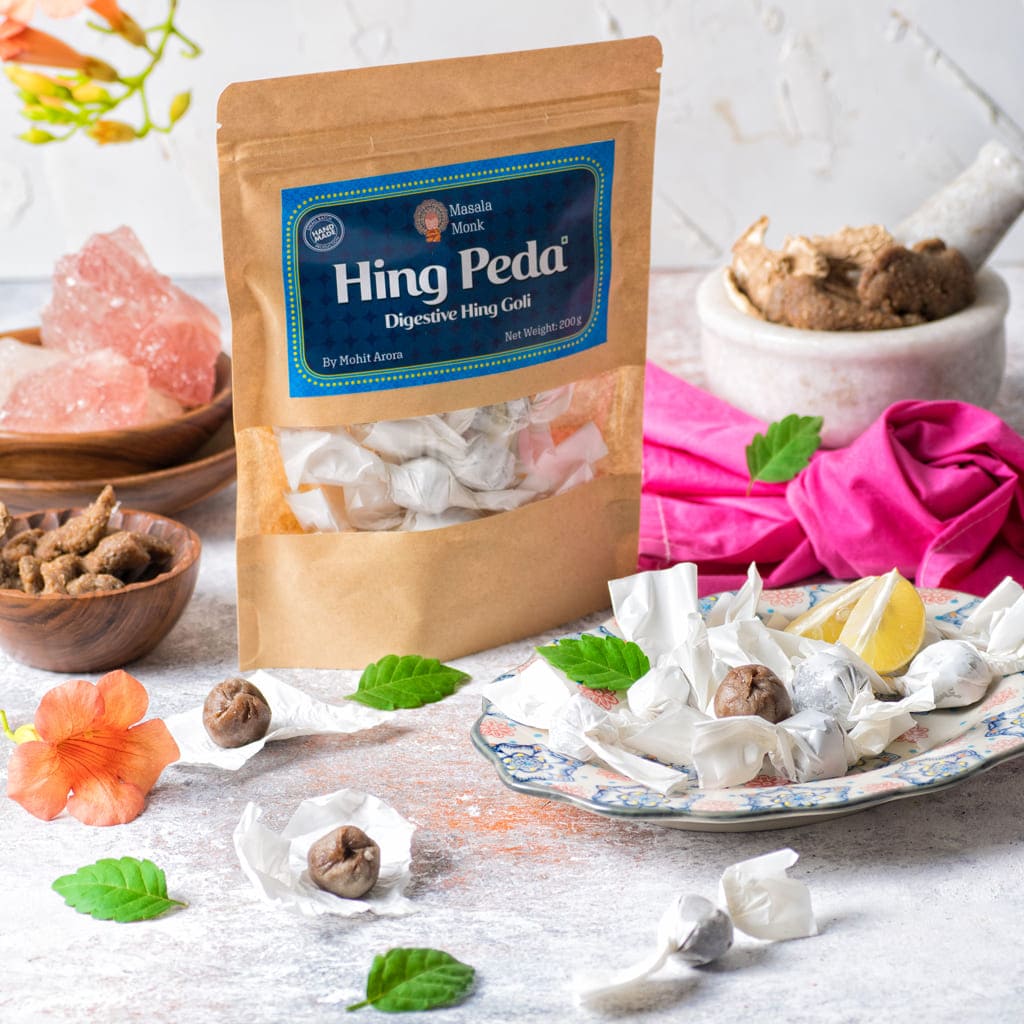
Hing Peda Goli Pack

Asafoetida, often known as Hing in India, is a highly treasured spice with a rich history dating back centuries. Derived from the Ferula species, a kind of giant fennel, this spice is well known for its pungent aroma and distinct flavor. It plays an irreplaceable role in Indian cuisine, offering not just taste but also a plethora of health benefits. 🌿🍽️

Extracted from the Ferula plant’s sap, Hing is dried into a resin-like substance which is then crushed into a potent spice. Its robust smell, akin to that of rotting onions or sulfur when raw, often takes people aback. Yet, this powerful aroma mellows down during cooking and infuses dishes with a delightful flavor reminiscent of leeks.

In the world of Ayurveda, asafoetida has been revered for its medicinal properties. From aiding digestion to relieving respiratory conditions, the benefits of Hing go beyond the kitchen, securing its status as a potent health-enhancing tool.

What is Asafoetida? 🤔

Asafoetida, also known as hing, is a dried latex (gum oleoresin) exuded from the rhizome or tap root of several species of Ferula, a perennial herb native to Iran. It’s a staple ingredient in Indian cuisine, known for its strong pungent smell that transforms into a savory, umami-like flavor when cooked.

The name asafoetida is derived from the Persian word aza, for resin, and the Latin foetidus, for stinking. It’s a fitting description for this spice, which has a strong sulfur-like smell when raw. However, don’t let the smell deter you! When added to hot oil or ghee, asafoetida imparts a flavor reminiscent of leeks.

Is Hing Hot or Cold? 🔥❄️

In the world of Ayurveda, foods are believed to have different qualities that can affect the body’s doshas (life forces): Vata, Pitta, and Kapha. Asafoetida, or hing, is considered to have a heating effect on the body. This means it can help balance the Vata and Kapha doshas, which are associated with air and earth/water elements respectively.

Hing is known to stimulate the digestive system, which can generate heat in the body. This makes it a popular remedy for digestive issues like bloating and gas. However, it’s important to note that while hing has a ‘heating’ effect in Ayurvedic terms, it’s not physically hot or cold to the touch.

Asafoetida in Different Languages 🌍

Asafoetida is known by many names around the world, reflecting its widespread use across different cultures. In Malayalam, it’s known as “Kaayam” and in Kannada, it’s called “Ingu”. In Hindi, it’s popularly known as “Hing”. Despite the different names, they all refer to the same pungent, flavor-enhancing spice that’s loved by many.

💫 What is the Indian Name for Asafetida?

In the vast and linguistically diverse landscape of the Indian subcontinent, Asafoetida is most commonly known as “Hing.” This title is widely used in northern parts of India. However, as we traverse the breadth and length of the country, the name morphs according to local dialects – it’s known as “Perungayam” in Tamil, “Kayam” in Malayalam, and “Hingu” in Kannada. Despite the difference in names, the importance of this culinary gem remains consistent, holding a special place in Indian kitchens for its ability to enrich various dishes with a depth of flavor.

💫 What is Asafetida Used For?

Asafetida, or Hing, is a culinary and medicinal powerhouse. Its uses are twofold, catering to both the taste buds and wellbeing. On the culinary front, Hing is a powerful flavor enhancer, used extensively in Indian cuisine. It’s especially favored for seasoning lentils and curries, imparting a pleasing aroma and robust, umami-like flavor. Just a pinch of Hing, when heated in oil or ghee, transforms dishes with its unique taste. 🍛🥘

Yet, the use of Hing isn’t just limited to the Indian kitchen. In the realms of Ayurveda and Unani systems of medicine, Hing is revered for its therapeutic benefits. It has been used traditionally for treating a host of ailments including digestive issues like bloating and indigestion, respiratory conditions like asthma, and menstrual issues. The spice’s potent anti-inflammatory, antioxidant, and antispasmodic properties make it a valuable addition to your health regimen.

Asafoetida Taste 😋

Asafoetida has a unique taste that’s hard to describe. It’s bitter and pungent when raw, but when cooked, it develops a flavor similar to onion and garlic. This transformation is why asafoetida is often used as a substitute for these ingredients in Indian and Middle Eastern cuisine.

Despite its strong flavor, asafoetida is usually used in small quantities. Just a pinch can add a depth of flavor to lentil dishes, curries, and pickles.

How to Use Asafoetida 🍽️

Asafoetida is typically used in powdered form and added to dishes during cooking. It’s often fried in hot oil or ghee at the beginning of the cooking process to mellow out its strong flavor. This process, known as tempering, helps to release the aromatic compounds in the spice and infuse the oil with its flavor.

In Indian cuisine, asafoetida is commonly used in lentil dishes (dals), curries, and pickles. It’s also a key ingredient in sambar, a South Indian lentil soup. Despite its strong flavor, asafoetida should be used sparingly due to its pungent taste.

Can We Drink Hing Water at Night? 🌙

Hing water, also known as hing ka paani, is a popular home remedy for various digestive issues in India. It’s made by dissolving a small amount of hing powder in warm water. Drinking hing water at night can help with indigestion and bloating, and promote a good night’s sleep.

However, it’s always best to consult with a healthcare provider before starting any new health regimen. While hing water is generally safe for most people, it may not be suitable for everyone, especially those with a sensitivity or allergy to asafoetida.

Is Asafoetida Good for Hair? 💇‍♀️

While asafoetida is primarily known for its culinary uses and health benefits, some people believe it can also benefit hair health. It’s thought to help with dandruff and promote hair growth, but more research is needed to confirm these effects.

In traditional medicine, asafoetida has been used to treat hair problems like split ends and hair loss. It’s believed to strengthen the hair, improve its texture, and promote growth. However, these claims are largely anecdotal and more scientific research is needed to validate them.

💫 Why is Asafoetida Called Devil’s Dung?

Despite its culinary and medicinal significance, asafoetida earned the peculiar nickname “Devil’s Dung” due to its intense and quite unfavorable smell in its raw form. The odor, often likened to the smell of sulfur or rotten eggs, can indeed be a sensory assault, especially for those unfamiliar with the spice. It’s this very strong, pungent smell that led to the naming of asafoetida as “Devil’s Dung.” However, don’t let this eccentric name or the initial whiff fool you! Once heated in oil or ghee, asafoetida’s aroma mellows down dramatically, revealing an intriguingly complex flavor profile that adds depth and uniqueness to any dish it graces.

💫 Why Not To Eat Asafoetida?

Asafoetida, despite its numerous health benefits, should be enjoyed responsibly and in moderation. The saying “too much of a good thing can be harmful” certainly holds true here. Overconsumption of asafoetida can potentially lead to unpleasant side effects such as gastrointestinal issues, including diarrhea and bloating. Some individuals may also experience an allergic reaction, manifesting as a skin rash or inflammation. Moreover, asafoetida may interfere with blood pressure control during and after surgery, and so, it’s often recommended to stop using asafoetida at least two weeks before a scheduled surgery.

It’s also worth mentioning that asafoetida’s distinctive aroma might not be everyone’s cup of tea. Some might find it overpowering, and when used excessively in cooking, it can dominate the other flavors in the dish.

💫 Can We Drink Hing Water Daily?

Yes, drinking Hing water daily can be beneficial for your health, particularly for your digestive system. This traditional remedy is often used to combat various digestive disorders such as bloating, gas, and indigestion. To prepare, you can add a pinch of asafoetida to a glass of warm water and drink it on an empty stomach in the morning. It’s important, however, to stick to small quantities (a pinch or two) as too much can lead to unwanted side effects. Always remember that individual health needs and responses can vary, so it’s best to consult with a healthcare provider or a nutritionist for personalized advice.

💫 Is Asafoetida Good for the Stomach?

Absolutely! Asafoetida is celebrated for its ability to boost digestive health. In Ayurvedic medicine, asafoetida is believed to stimulate the digestive fire, helping to break down food more efficiently and absorb nutrients more effectively. Its anti-inflammatory and antispasmodic properties may help reduce inflammation in the gut, relieving symptoms of conditions like Irritable Bowel Syndrome (IBS), bloating, and excessive gas. It’s also said to have a prebiotic effect, which can help nourish the beneficial gut bacteria and promote a healthier digestive environment.

That being said, asafoetida isn’t a miracle cure. If you’re experiencing severe digestive discomfort, it’s crucial to seek medical attention. Asafoetida can certainly play a supportive role in maintaining a healthy gut, but it should be used as part of a balanced diet and healthy lifestyle.

💫 Who Should Avoid Hing?

While asafoetida is a fantastic spice that has proven beneficial for many people, it might not be suitable for everyone. Certain individuals should exercise caution or avoid its use completely.

Individuals who are on medication for blood thinning or blood pressure should be cautious as asafoetida has been known to interact with these medications, potentially affecting their efficacy. Also, anyone who has a known allergy to asafoetida, or related plants, should avoid its use as it could trigger an allergic reaction. Symptoms of an allergic reaction could range from mild skin rashes to more severe manifestations like difficulty in breathing. If you experience any adverse reactions after consuming asafoetida, it’s crucial to seek medical attention promptly.

Pregnant and breastfeeding women are also advised to use asafoetida sparingly and under medical supervision. Though it has been traditionally used to ease symptoms of digestive discomfort during pregnancy, there is a lack of comprehensive research studying the potential impact on the baby, hence the need for caution.

In any case, it’s always recommended to consult with a healthcare provider if you have any doubts or pre-existing health conditions before incorporating asafoetida or any new food items into your diet regularly.

💫 Is Asafoetida Good for Health?

Yes, asafoetida is more than just a potent culinary spice – it also packs a powerful punch when it comes to health benefits. In traditional Ayurvedic medicine, asafoetida has been long revered for its healing properties.

From a dietary perspective, asafoetida’s strong anti-inflammatory and antioxidant properties play a significant role in combating various health issues. It helps neutralize harmful free radicals within the body, thereby reducing inflammation and potentially lowering the risk of chronic diseases like heart disease, cancer, and neurological disorders.

Asafoetida has also shown potential in respiratory health, offering relief from symptoms associated with asthma, bronchitis, and whooping cough. Its antispasmodic properties can help soothe the respiratory tract, making it a valuable natural remedy for those suffering from these conditions.

Furthermore, the presence of coumarins in asafoetida can help in thinning the blood and preventing blood clot formation, thus possibly contributing to heart health.

However, it’s important to remember that while asafoetida has a broad range of potential health benefits, it’s not a substitute for a balanced diet and regular medical check-ups.

💫 Is Asafoetida Good for Acidity?

Asafoetida’s strong reputation in traditional medicine includes its use as a remedy for acidity. It’s often recommended as an effective solution against hyperacidity and stomach upsets. The potent anti-inflammatory properties of asafoetida can help to soothe the stomach lining, providing relief from the discomfort of acidity.

The spice has anti-flatulent properties as well, making it an excellent remedy for gas problems. Consuming asafoetida-infused water or adding a pinch of it to your meals can help combat bloating and excessive gas, often associated with hyperacidity.

However, while asafoetida can certainly play a supportive role in managing acidity, it’s crucial to look at the overall diet and lifestyle factors that contribute to this condition. Consulting with a healthcare provider or a nutritionist can provide valuable insights into managing acidity effectively.

Please note that while asafoetida is generally considered safe and beneficial, everyone’s body responds differently. Always listen to your body and consult with healthcare professionals for tailored advice.

💫 Does Hing Remove Gas?

Indeed, asafoetida, fondly known as hing in India, has been celebrated for its gas-relieving properties for centuries. Traditional Ayurvedic practices regard asafoetida as a potent carminative, meaning it aids in the expulsion of gas from the gastrointestinal tract. Incorporating asafoetida into your meals can have a significant impact on improving digestion and preventing gas formation.

A typical use of asafoetida in Indian households involves adding it to lentil dishes, which are notorious for their gas-inducing tendencies. Just a pinch of this robust spice can assist in breaking down food particles more effectively in the stomach, reducing the chance of gas formation. It also has an antispasmodic effect, which means it can help alleviate abdominal pain that often accompanies gas and bloating.

In addition to incorporating hing into your meals, another common practice is to consume hing water. Dissolving a small quantity of asafoetida in warm water and consuming it can help relieve gas and other digestive discomforts. However, remember that while asafoetida can provide temporary relief from gas, a balanced diet and regular exercise are key to maintaining good digestive health in the long term.

💫 How to Use Hing for Gastric?

Asafoetida can be a potent ally against various gastric issues, including flatulence, bloating, and stomach ache. In fact, it has been a cornerstone of Ayurvedic medicine in treating such conditions for thousands of years. It’s the volatile oils present in hing that lend it its carminative, antispasmodic, and antiflatulent properties, all of which are beneficial for gut health.

There are several ways to use asafoetida for gastric problems. One of the most common methods is to add it to your food while cooking. As mentioned before, adding a pinch of asafoetida to your lentils or other gas-producing foods can help in alleviating bloating and gas.

Another method is to consume hing water, which can be made by dissolving a small amount of asafoetida in warm water. This can be taken after meals to aid in digestion and relieve gas.

Finally, a paste made of asafoetida and water can be applied around the navel to provide relief from gastric pain. This traditional remedy is said to provide quick relief by allowing the medicinal properties of hing to be absorbed directly through the skin.

Hing Peda Side Effects 😰

Hing peda is a traditional Indian digestive aid made from asafoetida. It’s often consumed after meals to promote digestion. However, like any food or supplement, it’s possible to have too much of a good thing.

Excessive consumption of hing peda may lead to side effects such as diarrhea, bloating, and stomach discomfort. In rare cases, it can cause headaches, dizziness, and other allergic reactions. As with any supplement, it’s always best to consume hing peda in moderation and consult with a healthcare provider if you have any concerns.

Asafoetida Allergy 🤧

While asafoetida is generally safe for most people, allergic reactions can occur in some individuals. Symptoms of an asafoetida allergy can include skin irritation, itching, swelling, and respiratory issues. If you experience any of these symptoms after consuming asafoetida, it’s best to seek medical attention immediately.

Asafoetida Medicinal Uses 🌿

Asafoetida has been used in traditional medicine for centuries. It’s known for its antimicrobial, anti-inflammatory, and digestive properties. It’s often used to treat stomach problems like indigestion, bloating, and gas. It’s also believed to help with respiratory conditions like asthma and bronchitis.

In Ayurveda, asafoetida is used to aid digestion, relieve menstrual issues, and treat respiratory conditions. It’s also used in traditional Chinese medicine to treat stomach pain, influenza, and respiratory issues. However, more scientific research is needed to fully understand and validate these medicinal uses.

💫 Is Hing Good for the Liver?

Asafoetida might be beneficial for liver health too! Its antioxidant properties could be instrumental in protecting the liver from oxidative stress and inflammation, two key factors in many liver conditions. Some animal studies have also indicated the potential hepatoprotective effects of asafoetida, but more research, particularly in humans, is needed to fully understand and confirm these effects.

However, it’s important to note that maintaining liver health goes beyond just incorporating beneficial spices into your diet. It also requires limiting alcohol consumption, maintaining a healthy weight, staying hydrated, and exercising regularly.

These, along with a balanced diet and regular check-ups, can ensure the health and longevity of your liver. As always, consult a healthcare provider for personalized advice and information.

💫 Is Hing Hot or Cold in Nature?

According to the principles of Ayurveda, hing or asafoetida is considered “hot” or “warming” in nature. Ayurveda classifies food items based on their thermal properties, and hing falls into the category of foods with a warming effect on the body. This means that consuming hing can help stimulate digestion, improve circulation, and promote warmth in the body. In Ayurvedic practices, it is believed that incorporating warming spices like hing into meals can aid in digestion and balance the body’s internal temperature. However, it’s important to note that the concept of food temperature in Ayurveda is not solely based on physical temperature, but also takes into account the impact of the food on the body after digestion.

💫 Is Asafoetida Good for Kidneys?

Asafoetida, when consumed in moderate amounts as a spice in cooking, is generally considered safe for kidney health. It is not known to have any specific detrimental effects on the kidneys when used in culinary preparations. However, if you have pre-existing kidney conditions or are undergoing treatment for kidney-related issues, it is important to consult with your healthcare provider before incorporating any new food items or spices into your diet. They can provide personalized guidance based on your specific health needs and any medications you may be taking.

💫 Does Asafoetida Prevent Gas?

Yes, asafoetida is known for its ability to prevent the formation of gas in the digestive system. It contains compounds that exhibit carminative properties, which help in reducing flatulence and bloating. The active compounds in asafoetida aid in the digestion of food, prevent the accumulation of gas in the intestines, and promote the expulsion of gas from the body. Adding a pinch of asafoetida to your meals, especially those known to cause gas such as lentils and beans, can help prevent the formation of gas and alleviate discomfort associated with excessive gas.

💫 Which State is Famous for Hing?

The state of Punjab, located in northern India, is renowned for its production of high-quality asafoetida. The region’s favorable climatic conditions and fertile soil make it an ideal location for cultivating the Ferula species, the plant from which asafoetida is derived. Punjab’s asafoetida, often referred to as “Punjab Hing,” is highly regarded for its distinct flavor and superior quality. The state’s expertise in producing and processing asafoetida has earned it a prominent position in the market, making it a hub for the production and distribution of this valuable spice.

💫 Can We Drink Hing Water at Night?

Drinking hing water at night is not a common practice. While hing water is often consumed after meals to aid in digestion and relieve gas, there is no specific tradition or recommendation to drink it specifically at night. However, if you find hing water to be beneficial for your digestion and overall well-being, there is no harm in drinking it at night if it suits your personal preferences and digestion patterns. As always, it’s important to listen to your body and make choices that align with your individual needs and comfort.

💫 Which Indian Spice is Best for Digestion?

Among the various spices used in Indian cuisine, ginger is often regarded as one of the best spices for digestion. Ginger contains compounds called gingerols, which possess anti-inflammatory and carminative properties. These properties can help soothe the digestive system, alleviate indigestion, reduce bloating, and promote overall digestive health. Ginger can be consumed in various forms, including fresh ginger, ginger tea, or adding it as a spice in cooking. Its pleasant and distinct flavor makes it a popular choice in many culinary traditions and home remedies for digestive issues.

💫 What Spices Reduce Gas?

Several spices are known for their ability to reduce gas and alleviate bloating. Some of these spices include:

  • Cumin: Cumin seeds contain compounds that aid in digestion and reduce gas formation. They can be roasted and added to dishes or consumed in the form of cumin tea.
  • Fennel: Fennel seeds have carminative properties that help in relieving gas and bloating. Chewing on a few fennel seeds after meals or drinking fennel tea can provide relief.
  • Cardamom: Cardamom has been traditionally used to aid digestion and relieve gas. It can be added to dishes or consumed in the form of cardamom tea.
  • Peppermint: Peppermint has soothing properties that can help relax the muscles of the gastrointestinal tract, reducing gas and bloating. Peppermint tea or chewing on fresh peppermint leaves can provide relief.

Incorporating these spices into your meals or consuming them in the form of herbal teas can help promote healthy digestion and reduce gas-related discomfort.

💫 Which Spice Reduces Acidity?

When it comes to reducing acidity, one spice that stands out is coriander. Coriander seeds and leaves contain compounds that have been found to possess anti-inflammatory properties and can help balance the pH levels in the stomach. Incorporating coriander seeds into your cooking or consuming coriander tea can aid in reducing acidity and providing relief from heartburn and acid reflux. Additionally, cinnamon and cardamom are spices that can also help in reducing acidity by promoting healthy digestion and soothing the stomach lining.

💫 What Spices are OK for Gastritis?

When dealing with gastritis, it’s important to choose spices that are gentle on the stomach and do not aggravate the condition. Some spices that are generally well-tolerated and considered suitable for gastritis include:

  • Turmeric: Turmeric has anti-inflammatory properties and can help soothe inflammation in the stomach lining. However, it’s important to use it in moderation as excessive amounts may irritate the stomach.
  • Ginger: Ginger has been traditionally used to alleviate stomach-related issues, including gastritis. Its anti-inflammatory properties can help reduce inflammation in the stomach and provide relief.
  • Cumin: Cumin seeds have carminative properties and can aid in digestion. They are often used in moderate amounts in cooking and are generally well-tolerated by individuals with gastritis.
  • Coriander: Coriander seeds and leaves can help in soothing the stomach lining and reducing inflammation. They can be used in cooking or consumed as part of herbal teas.

It’s essential to listen to your body and monitor how you respond to different spices. If any spice exacerbates your gastritis symptoms, it’s best to avoid it and consult with a healthcare professional for personalized guidance.


Posted on Leave a comment

Pudding Palooza: 5 Indian-Inspired Dessert Ideas

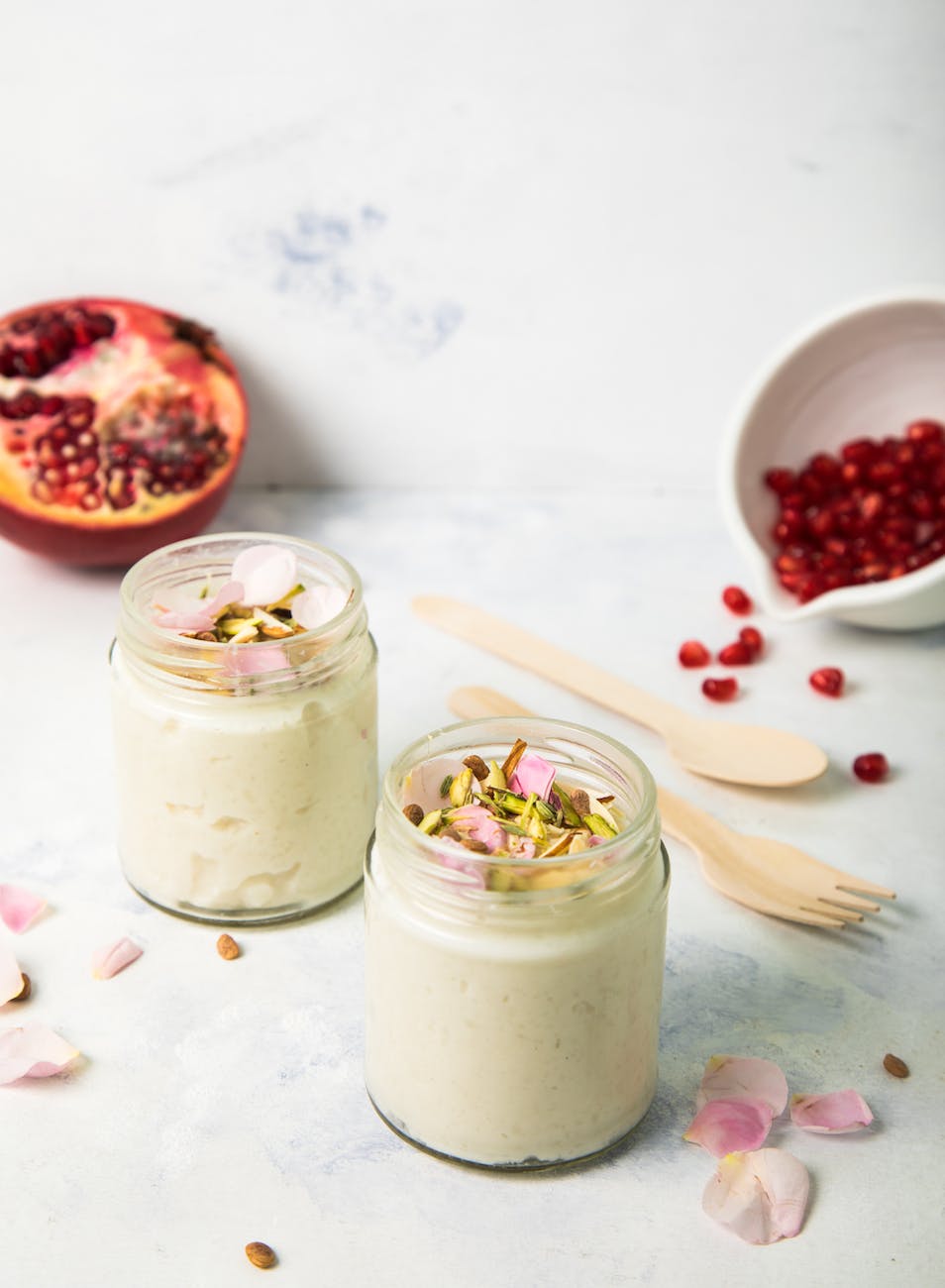
two jars fruit shake

Hello, Dessert Enthusiasts! 👋

Get ready for a delightful treat for your taste buds as we delve into the world of pudding! Puddings have been a beloved dessert for centuries, offering a luscious and creamy texture that satisfies any sweet tooth. But today, we’re taking puddings to new heights by infusing them with the aromatic spices and ingredients that define Indian cuisine. Brace yourself for a pudding palooza that will leave you craving for more! 🌍🍮

Pudding: A Brief Introduction 🍮🌶️

Puddings come in various forms, from classic custard-based puddings to creamy rice and tapioca variations. These desserts have long been enjoyed around the world for their comforting and indulgent qualities. However, today, we’re going to give our puddings an Indian-inspired twist by infusing them with the vibrant flavors and fragrant spices of India. Prepare to savor a fusion of flavors that will elevate your pudding experience to new heights! 🌶️🍮

So, let’s explore five Indian-inspired variations of the classic pudding:

1. Cardamom Rice Pudding 🌱🍚

Take traditional rice pudding and infuse it with the aromatic flavors of cardamom. Begin by cooking rice with milk until it becomes soft and creamy. Add a touch of ground cardamom for its unique citrusy and herbal notes. Sweeten the pudding with sugar or jaggery and garnish with chopped pistachios or almonds. This cardamom rice pudding is a comforting dessert that will transport you to the streets of India, where the fragrance of cardamom permeates the air.

2. Mango Saffron Pudding 🌼🥭

Celebrate the king of fruits by incorporating mango into a creamy saffron-infused pudding. Begin by blending ripe mangoes into a smooth puree. In a separate saucepan, heat milk with saffron strands until the milk turns a vibrant golden color. Combine the saffron-infused milk with sugar and cornstarch to thicken the pudding. Once the mixture has thickened, stir in the mango puree and let it cool. The result is a luscious and tropical mango saffron pudding that captures the essence of Indian summers.

3. Pistachio and Rosewater Pudding 🥜🌹

Indulge in the delicate flavors of pistachio and rosewater in a creamy pudding. Begin by blending pistachios into a fine powder. In a saucepan, heat milk and sugar until it starts to simmer. Whisk in cornstarch and continue cooking until the mixture thickens. Stir in the ground pistachios and a splash of rosewater for a floral touch. Pour the mixture into individual serving dishes and let it set in the refrigerator. The result is a pistachio and rosewater pudding that offers a delightful blend of flavors and a hint of elegance.

4. Chai-Spiced Chocolate Pudding ☕🍫

Infuse your chocolate pudding with the cozy flavors of chai for a delightful fusion dessert. Begin by melting dark chocolate and stirring in a mixture of cocoa powder, sugar, and a blend of chai spices like cinnamon, cardamom, cloves, and ginger. In a separate saucepan, heat milk until steaming and whisk it into the chocolate mixture. Continue cooking until the pudding thickens. Pour the pudding into serving dishes and let it chill in the refrigerator until set. This chai-spiced chocolate pudding is a decadent treat that combines the richness of chocolate with the comforting flavors of Indian chai.

5. Gulkand Custard Pudding 🌹🥛

Discover the sweet and floral flavors of gulkand in a creamy custard pudding. Gulkand, a sweet preserve made from rose petals, adds a unique and fragrant element to this dessert. Begin by preparing a classic custard base by heating milk, sugar, and vanilla extract. Once the mixture is warm, whisk in egg yolks and cornstarch to thicken the custard. Stir in gulkand for its sweet and rosy flavors. Let the pudding cool and set in the refrigerator. This gulkand custard pudding is a delightful fusion of textures and tastes, offering a unique twist on the traditional custard.

As you indulge in these Indian-inspired puddings, don’t forget to share your culinary creations with us and our community of food lovers at EatLo. Let’s celebrate the joy of fusion cooking and inspire each other with our sweet delights!

Experience the fusion of flavors and textures with each spoonful of these Indian-inspired pudding variations. It’s a pudding palooza that marries the best of both worlds and will leave you with a satisfied and happy sweet tooth! 😜👊

Posted on 1 Comment

Churros with a Twist: 5 Indian-Inspired Variations to Sweeten Your Day

appetizer bake bakery baking

Hello, Sweet Tooths! 👋

Get ready to embark on a delectable journey of crispy, sugary goodness as we dive into the world of churros! These delightful fried pastries have captured hearts around the globe with their irresistible texture and heavenly taste. But today, we’re taking churros to new heights by infusing them with the vibrant and aromatic flavors of Indian cuisine. Get ready for a churro fiesta like never before! 🌍🍩

Churros: A Brief Introduction 🍩🌶️

Originating from Spain, churros are a beloved treat often enjoyed with a cup of hot chocolate or dipped in various sauces. Traditionally, they are made from a simple dough, deep-fried until golden and crispy, and coated in cinnamon sugar. However, today, we’re going to infuse these delectable treats with the bold and aromatic spices that characterize Indian cooking. Brace yourself for a churro experience that will tantalize your taste buds and leave you craving for more! 🇪🇸🍩

So, let’s explore five Indian-inspired variations of the classic churro:

1. Cardamom Sugar Churros 🌱🍩

Give your churros an Indian twist by adding a touch of cardamom to the traditional cinnamon sugar coating. Cardamom, with its warm and citrusy flavor, adds a delightful aromatic note to the churros. Begin by preparing the churro dough using a combination of flour, water, butter, and a pinch of salt. Once fried to perfection, roll the churros in a mixture of sugar, cinnamon, and a pinch of ground cardamom. The result is a fusion of flavors that will transport you to the bustling streets of India, where the fragrance of cardamom permeates the air.

2. Saffron Churros with Pistachio Dust 🌼🥜

Infuse your churros with the golden hue and delicate flavor of saffron. Begin by dissolving a pinch of saffron threads in warm water and adding it to the churro dough. The saffron will lend a beautiful color and a subtle floral note to the churros. Fry them until golden and crispy, and dust them with a mixture of ground pistachios and powdered sugar for a nutty and vibrant twist. These saffron churros with pistachio dust are a celebration of flavors and colors inspired by Indian sweets.

3. Coconut Curry Churros with Mango Dipping Sauce 🌴🍛

Experience a fusion of flavors with coconut curry churros paired with a tangy mango dipping sauce. Begin by adding shredded coconut and a hint of curry powder to the churro dough, infusing it with a tropical twist. Fry the churros until golden and crispy, and serve them with a luscious mango dipping sauce. To make the sauce, puree ripe mangoes with a touch of lime juice and a pinch of red chili powder for a delightful balance of sweetness and tanginess. The combination of the savory coconut curry churros and the sweet-tangy mango sauce will transport you straight to the sunny beaches of India.

4. Jaggery and Cardamom Churros with Ghee Drizzle 🍯🌱

Indulge in the rich and caramel-like flavor of jaggery in your churros. Begin by replacing the traditional sugar in the dough with jaggery, a traditional Indian sweetener made from sugarcane or palm sap. Add a pinch of ground cardamom for an aromatic touch. Fry the churros until golden and coat them in a mixture of jaggery and cinnamon. To elevate the experience, drizzle them with ghee (clarified butter) for a rich and decadent finish. These jaggery and cardamom churros with ghee drizzle are a celebration of Indian flavors and comforting sweetness.

5. Chai-Spiced Churros with Chocolate Chai Dipping Sauce ☕🍫

Immerse yourself in the cozy flavors of chai with chai-spiced churros and a chocolate chai dipping sauce. Begin by adding warm and aromatic spices like cinnamon, cloves, ginger, and cardamom to the churro dough. Fry them until golden and coat them in a mixture of sugar and chai spices. For the dipping sauce, prepare a velvety chocolate ganache infused with chai spices, such as cinnamon and cardamom. The combination of the chai-spiced churros and the indulgent chocolate chai sauce is a match made in dessert heaven!

As you embark on your churro adventure, don’t forget to share your culinary triumphs with us and our community of food lovers at EatLo. Let’s celebrate the joy of fusion cooking and inspire each other with our churro creations!

Indulge in the fusion of flavors and textures with each delectable bite of these Indian-inspired churros. It’s a churro fiesta that brings together the best of both worlds and will leave you wanting more! 😜👊

Posted on Leave a comment

Tapas Recipe With a Twist: 5 Indian-Inspired Small Plates

food wood restaurant bar

Tapas nights are secretly one of the easiest ways to host—because you don’t have to commit to one “main dish” that has to be perfect. Instead, you build a table of small plates, bright sauces, hot bites, cold nibbles, and little crunchy things that keep everyone circling back for “just one more.”

What makes tapas style appetizers feel so fun is the rhythm: something crispy, something creamy, something briny, something spicy, something lemony—and a couple of warm dishes arriving in waves. Once you see it that way, Indian flavors slide in naturally. Indian cooking already understands contrast and layering. It knows what a squeeze of lime can do. It knows how a chutney can rescue a plain bite. It knows that heat should be balanced, not shouted.

So this is a full tapas at home menu built around that idea: classic Spanish tapas energy, but with Indian-inspired twists that feel intentional, not random. You’ll still get staples like patatas bravas, a Spanish tortilla vibe, garlic prawns, padrón peppers, and croquettes—yet every plate gets a nudge from India: a spice bloom, a chutney, a yogurt-cool contrast, a chaat-like finish, or a smarter dip.

Along the way, you’ll also get plenty of make ahead tapas strategy, gluten free tapas ideas, vegetarian tapas ideas, and vegan tapas recipes—because a great tapas party works when everyone at the table can eat.


Why tapas-style dinner works so well with Indian flavors

Tapas food is built on a few simple wins:

  • Small portions that invite variety
  • Strong seasoning so every bite counts
  • Simple cooking that rewards good ingredients
  • Sauces and condiments that tie the whole table together
  • A mix of hot tapas dishes and cold tapas dishes so the host isn’t trapped in the kitchen

Indian-inspired small plates share the same DNA. Think about it: chaat, kebab shop snacks, tikkis, pakoras, stuffed breads, chutney plates—these are already “best small plate recipes” in spirit. Even the way we eat at gatherings (a bite here, a sip there, a pinch of something tangy) matches the tapas dinner flow.

That’s why you don’t need to force the fusion. You just choose a few Spanish classics that are already crowd-friendly, then swap or add one Indian element that improves the contrast:

  • smoked paprika + Kashmiri chilli
  • garlic + curry leaves
  • aioli + green chutney
  • bravas sauce + tamarind tang
  • croquettes + paneer or spiced potato
  • tortilla + cumin-onion base

Suddenly, you’ve got “fun tapas ideas” that still feel like Spanish cuisine appetizers—just with a fresh accent.


Tapas at home: how to build a tapas dinner party menu that flows

A tapas party is less about a huge number of dishes and more about smart variety. If you try to cook ten hot things at once, the timing gets messy. If you lean on too many cold items, it can feel like snacks rather than a meal. The sweet spot is usually:

  • 2 cold tapas ideas (dips, marinated bites, cheeses, olives, pickles)
  • 2 hot tapas dishes (oven-friendly or pan-friendly)
  • 1 “hero hot” dish that feels special (seafood tapas, a sizzling skillet, or a showy platter)

That gives you the tapas party food energy without chaos.

A simple build-your-own structure (works for lunch or dinner)

For a tapas for lunch table (lighter):

  • 1 dip + veg/bread
  • 1 potato dish (bravas)
  • 1 veg hot bite (peppers)
  • 1 protein bite (croquettes or prawns)

For a tapas dinner party menu (more filling):

  • 1 cold dip or spread
  • 1 potato dish
  • 1 veg hot dish
  • 1 seafood tapas dish
  • 1 egg-based dish (tortilla-style)
  • optional: 1 extra crunchy bite (cheese balls, toasted ravioli, or a breaded snack)

Either way, people feel like they ate a full meal—because they ate a full experience.

Tapas dishes to buy (so serving looks effortless)

You don’t need a fancy setup, but the right serving pieces make tapas plates ideas feel instantly “restaurant.” If you’re shopping for small tapas dishes, look for:

  • small terracotta dishes (perfect for tapas oven dishes)
  • shallow ceramic bowls for sauces
  • a couple of long platters for potatoes and croquettes
  • tiny ramekins for aioli, chutney, and bravas sauce
  • cocktail picks or bamboo skewers for pintxo tapas vibes

Terracotta matters because it holds heat and looks traditional, especially for hot tapas dishes. Meanwhile, bigger platters are useful when you’re serving “tapas meals” style—where the table is a full spread.


Spanish cooking ingredients that matter (plus Indian-friendly swaps)

A tapas night doesn’t require a giant pantry, yet a few Spanish cooking ingredients show up repeatedly:

  • olive oil (the backbone)
  • garlic (non-negotiable)
  • smoked paprika (pimentón-style flavor)
  • sherry vinegar (or a good vinegar substitute)
  • good tomatoes (for sauces and brightness)
  • parsley and lemon (freshness)
  • potatoes (bravas, tortilla, and more)

Now, the Indian twist toolkit:

  • Kashmiri chilli powder (color + gentle warmth)
  • cumin seeds (toasty depth)
  • chaat masala (tang + salt + intrigue)
  • amchur (dry mango tang when you don’t want extra liquid)
  • curry leaves (aromatic snap)
  • green chutney (instant lift)
  • tamarind (sweet-sour depth that behaves like a bolder vinegar)

The goal isn’t to cover tapas in garam masala until it tastes like something else. Instead, use Indian flavors like you’d use smoked paprika or sherry vinegar: as a targeted move.


The 5 Indian-inspired tapas recipes (small plates that actually work together)

Each dish below is designed to fit a tapas party: snackable, shareable, and easy to time. You’ll also see optional swaps for tapas gluten free, vegan tapas ideas, and vegetarian tapas recipes.


1) Masala Patatas Bravas with Tamarind–Smoked Bravas Sauce

Patatas bravas is one of the most popular tapas dishes for a reason: crisp potatoes + spicy sauce is a guaranteed win. This version keeps the classic structure, then adds an Indian-inspired layer: tamarind for tang and Kashmiri chilli for warmth and color.

If you want a deeper potato-crisp guide (and plenty of variations that also work for tapas party food ideas), you’ll love this base: Crispy Homemade French Fries (With 10+ Easy Variations).

What you’re aiming for

  • Potatoes that are crisp outside, fluffy inside
  • Sauce that’s smoky, tangy, and lightly sweet
  • A final dusting that makes it feel like Spanish finger food with chaat energy

Ingredients (serves 4 as a small plate)

Potatoes

  • 4 medium potatoes (waxy-starchy balance works best)
  • salt
  • oil for roasting or frying

Tamarind–Smoked Bravas Sauce

  • 2 tbsp olive oil
  • 4–5 garlic cloves, minced
  • 1 tsp smoked paprika (or a mix: smoked paprika + Kashmiri chilli)
  • ½ tsp Kashmiri chilli powder
  • 1 tbsp tomato paste (or ½ cup crushed tomatoes reduced down)
  • 1–2 tbsp tamarind (to taste; start small)
  • 1 tsp sugar or jaggery (optional, just to round it)
  • 1 tbsp vinegar (sherry vinegar if you have it; otherwise a mild vinegar)
  • salt + black pepper

Finish

  • chopped parsley or coriander
  • optional: a pinch of chaat masala (light touch—this is the “twist”)

Method (oven-friendly and party-proof)

  1. Parboil the potatoes (10 minutes). Drain, shake them in the pot to rough up edges, then let steam-dry.
  2. Roast hot (220°C / 425°F) until crisp and golden, flipping once.
  3. Make the sauce: olive oil + garlic until fragrant, then paprika/chilli, then tomato paste, then tamarind + vinegar. Simmer until thick. Taste: it should be bold, not flat.
  4. Serve immediately: potatoes on a platter, sauce spooned over, herbs sprinkled on top.

Make-ahead tip: roast potatoes until 80% done, then finish at high heat right before serving.

Dips that make this plate even better

A bravas plate gets even more “tapas appetizer recipes” energy when it comes with a creamy dip. For a classic aioli base you can twist in many directions, use: Mayo Recipe: Homemade Mayonnaise with 15+ Easy Variations.
For vegan tapas recipes, this is gold: Vegan Mayo Recipe: 10 Easy Eggless & Dairy-Free Variations.


2) Tortilla Española-Style Masala Omelette (Spanish Tortilla Meets Cumin-Onion)

A traditional Spanish tortilla (often called tortilla española) is a slow, patient dish: potatoes + eggs + onion, cooked gently until set. It’s one of those classic Spanish tapas recipes that feels simple until you try to nail the texture.

This version keeps the idea—soft potatoes in a thick egg base—then adds a cumin-onion foundation and an optional green chutney accent. It’s still recognizably “authentic Spanish omelette” in spirit, but the aroma leans warmer and more savory.

What makes it work as tapas

  • You can serve it warm, room temp, or chilled
  • It slices cleanly into squares (perfect finger food tapas)
  • It’s naturally gluten free tapas
  • It feels filling without being heavy

Ingredients (serves 6–8 as tapas portions)

  • 5 eggs
  • 2 large potatoes, thinly sliced
  • 1 onion, thinly sliced
  • ½ tsp cumin seeds
  • 1 green chilli, finely chopped (optional)
  • salt
  • olive oil

Optional Indian twist finishes

  • a thin swirl of Green Chutney
  • chopped coriander
  • a pinch of Kashmiri chilli for color

Method (keep it calm; this is not a rushed omelette)

  1. Cook potatoes and onions gently in olive oil until soft, not crisp. Add cumin seeds early so they bloom in the oil.
  2. Drain excess oil, then fold potato-onion mix into beaten eggs with salt. Let it rest 5 minutes.
  3. Cook in a nonstick skillet on low-medium heat until the bottom sets.
  4. Flip carefully (plate method works best), then finish until just set in the center.

Here’s the key: a good tortilla should be tender, not dry. If you overcook it, it loses the charm that makes it one of the most popular tapas dishes.

Make-ahead tip: this is one of the best tapas ideas for dinner party prep. Make it earlier in the day, chill it, then slice and bring to room temp before serving.


3) Padrón Peppers, Chaat-Style (Quick Hot Tapas in 8 Minutes)

Padrón peppers are already a tapas icon: blistered in oil, finished with salt, eaten with your fingers. This version keeps the classic approach, then adds a chaat-style finish—lemon, black salt (optional), and a whisper of chaat masala.

If you’ve ever wondered how to cook padrón peppers so they blister properly, the secret is heat and restraint: don’t crowd the pan, don’t fuss, and don’t stir constantly.

Ingredients (easy tapas to make at home)

  • padrón peppers
  • olive oil
  • flaky salt
  • lemon wedges

Chaat finish

  • a pinch of chaat masala
  • optional: black salt
  • optional: crushed roasted cumin

Method

  1. Heat a skillet until properly hot.
  2. Add oil, then peppers in a single layer.
  3. Let them blister and char in spots, turning occasionally.
  4. Finish with salt, lemon, and a light dusting of chaat masala.

This is the kind of dish that earns “quick and easy tapas” status because it’s fast, dramatic, and addictive.

Make-ahead tip: you don’t really want to make this early. Instead, make it your “live” dish—something you cook while guests are already snacking on cold tapas ideas.


4) Croquettes with a Paneer–Potato Masala Center (Spanish Croquettes, Indian Heart)

Croquettes Spanish-style are crisp on the outside, soft and rich inside. Traditionally, you’ll see ham croquettes, seafood versions, or cheesy centers. Here, we go paneer + potato with Indian spice—still creamy, still snackable, still exactly what “croquettes Spanish” cravings want, just in a new direction.

For a full master method (including baked or fried options), use this as your backbone: Croquettes Recipe: Master Method + 10 Variations.

Ingredients (makes 16–20 small croquettes)

Filling

  • 2 cups mashed potato (dry, not watery)
  • 1 cup crumbled paneer
  • 1 tsp ginger-garlic paste
  • ½ tsp garam masala
  • ½ tsp Kashmiri chilli
  • ½ tsp roasted cumin powder
  • salt
  • chopped coriander
  • optional: finely chopped green chilli

Coating

  • flour (or gluten-free flour blend)
  • beaten egg (or aquafaba for vegan)
  • breadcrumbs (or crushed gluten-free cornflakes)

Method

  1. Make a firm, well-seasoned filling. Chill it so shaping is easy.
  2. Shape into small logs or balls—smaller reads more tapas style.
  3. Bread them: flour → egg → crumbs.
  4. Fry until golden (or bake/air fry using the master method).

Serving (this is where it becomes tapas)

Serve croquettes with two dips so people can choose:

That dip pairing turns one croquette plate into a full tapas appetizer idea.

Optional nod to classic ham croquettes: if you eat meat and want that “serrano ham tapas” vibe, you can fold in finely chopped cured ham. Keep it small—this should still taste like paneer-potato first.


5) Gambas al Ajillo with Curry Leaves (Garlic Prawns, Spanish-Inspired, Indian-Finished)

Garlic prawns—gambas al ajillo—are one of the most loved seafood tapas dishes because they’re quick, sizzling, and intensely flavorful. This version keeps the garlic-and-oil drama, then adds curry leaves and a tiny mustard-seed crackle for an Indian finish that still feels natural.

This dish also hits a bunch of classic cravings people associate with Spanish tapas recipes: “garlic prawns Spanish,” “shrimp al ajillo recipe,” “gambas pil pil recipe,” and that whole warm, garlicky, spicy vibe.

Ingredients (serves 4 as a small plate)

  • 300–400 g prawns/shrimp, peeled and deveined
  • 6–8 garlic cloves, thinly sliced
  • olive oil (generous)
  • dried chilli flakes or fresh red chilli
  • a handful of curry leaves
  • optional: ½ tsp mustard seeds
  • salt
  • lemon
  • chopped parsley or coriander

Method (fast, so prep first)

  1. Warm olive oil in a pan. Add garlic slices and chilli.
  2. When garlic is fragrant (not browned), add mustard seeds (optional) and curry leaves.
  3. Add prawns and cook until just done—don’t overcook.
  4. Finish with lemon and herbs. Serve immediately with bread.

Important rule: prawns go rubbery when they’re cooked too long. Keep the heat confident and the timing short.

Make it a full “tapas dinner” moment

Put the pan on the table if it’s safe to do so, or spoon the prawns and oil into warm terracotta dishes. That’s how you get “tapas dishes terracotta” energy at home—hot, glossy, and meant to be shared.


Tapas menu ideas: 3 complete lineups (so you don’t overthink it)

These are “tapas menu recipes” you can actually run without stress. Each one includes a mix of hot and cold, plus enough variety to feel like a proper tapas dinner party menu.

Menu A: Vegetarian tapas ideas (crowd-friendly)

Menu B: Seafood tapas night (feels special)

  • Gambas al ajillo with curry leaves
  • Masala patatas bravas
  • Padrón peppers
  • Tortilla-style omelette squares
  • optional crunchy add-on: a snacky side inspired by Fish and Chips Reimagined: 5 Indian Twists—even just masala-seasoned chips with chutney mayo can echo the idea without turning into a big project

Menu C: Make-ahead tapas party (holiday-ready)

  • Tortilla squares (made earlier)
  • Croquettes (breaded ahead, fried last minute)
  • Bravas sauce (made earlier) + potatoes finished hot
  • A cold dip plate (spinach dip, chutney, or mayo-based dips)

If you want an easy cold dip that’s built for parties (and can be adapted in a dozen directions), this is a helpful anchor: 10 Spinach Dip Recipes: Cold, Baked, Artichoke & More.


Make ahead tapas: the prep timeline that saves you

The difference between a relaxed host and a stressed host is usually one thing: whether the table is staged before guests arrive.

Here’s a clean plan for easy tapas recipes for dinner party flow:

The day before

  • Make bravas sauce (it gets better overnight)
  • Make green chutney
  • Make mayo/vegan mayo (if doing homemade)
  • Cook tortilla-style omelette and chill
  • Make croquette filling and chill

The morning of

  • Shape croquettes and bread them
  • Parboil potatoes, rough them up, refrigerate (they crisp better)
  • Set up serving dishes, ramekins, skewers, napkins

30–45 minutes before serving

  • Roast/fry potatoes and keep warm
  • Fry/bake croquettes
  • Blister padrón peppers (last minute is best)
  • Cook prawns at the end so they hit the table sizzling

This is the secret to “easy tapas dinner party” energy: hot dishes arrive in a steady wave, not all at once.


Gluten free tapas ideas, vegan tapas ideas, and easy swaps

A tapas table is naturally flexible. With a few simple swaps, you can keep nearly everything friendly for different diets.

Gluten-free tapas

  • bravas + sauce are naturally gluten free
  • tortilla squares are naturally gluten free
  • padrón peppers are naturally gluten free
  • prawns are naturally gluten free
  • croquettes can be gluten free with a GF flour + GF crumb coating

Serve with:

  • corn tortillas warmed and cut into wedges
  • rice crackers
  • roasted potato “chips” instead of bread

Vegan tapas recipes

  • bravas + bravas sauce (check sweetener and vinegar)
  • padrón peppers
  • vegan mayo dips using Vegan Mayo
  • croquettes can be vegan if you use a veg filling and aquafaba for coating

If you want extra vegan snack inspiration that still feels “small plates,” a fun crossover is falafel. This one is already built around Indian twists: Falafel with 5 Exotic Indian Twists.


Tapas plate ideas: how to serve so the table looks abundant

People eat with their eyes first, especially with tapas. You don’t need fancy garnishes—just a few smart choices:

  • Put sauces in small bowls and place them inside the platter (it feels generous)
  • Use lemon wedges everywhere (it signals freshness)
  • Mix shapes: long platter for bravas, round bowl for peppers, small terracotta for prawns
  • Add one “green” element: herbs, chutney, or a leafy salad bite
  • Keep one bite-sized crunchy option available at all times (croquettes, chips, toasted bread)

If you want an extra snack plate that feels tapas-y without being Spanish, deviled eggs work beautifully on a small-plates table and are extremely make-ahead friendly: Classic Deviled Eggs + 8 Variations.


A few extra tapas suggestions (when you want to expand the spread)

If you want a longer tapas dishes list for future parties, here are directions that fit this theme:

Those additions can take a simple “tapas dinner” into a full holiday tapas ideas spread—perfect for winter tapas ideas, Christmas dinner tapas, or any party where people want variety more than formality.


The one thing that makes tapas feel balanced (not heavy)

It’s easy for tapas to turn into a parade of fried bites and creamy dips. Delicious, yes—yet after a while, everything blurs.

So keep one rule in mind:

Every rich bite needs a bright bite nearby.

That “bright bite” can be:

  • lemon on peppers
  • tamarind tang in bravas sauce
  • green chutney with croquettes
  • herbs on prawns
  • a vinegar note in a dip

When you build the table that way, the whole meal stays exciting—and each plate tastes more like itself.


Closing: your tapas-with-a-twist table, ready to run

If you make all five dishes, you’ll have a tapas party menu that feels both familiar and fresh: bravas, tortilla vibes, padrón peppers, croquettes, and garlic prawns—yet every plate carries a subtle Indian signature.

Start with the lineup that fits your night:

  • keep it light for tapas for lunch
  • go bigger for a tapas dinner party menu
  • lean make-ahead for holiday hosting

Either way, the magic is the same: small plates, big contrast, and a table that invites people to stay a little longer.