Posted on Leave a comment

Grapes and Weight Loss: A Comprehensive Guide

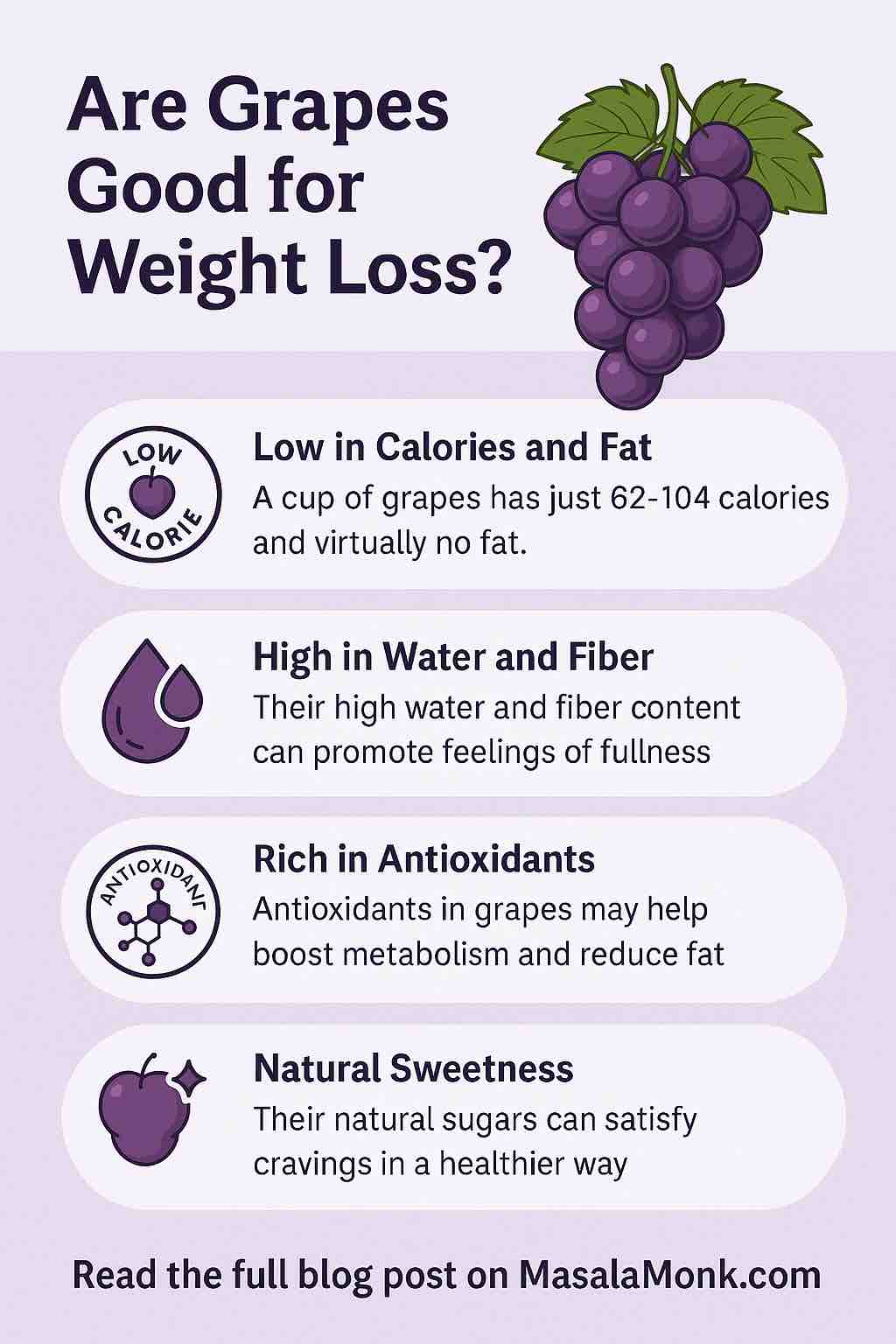
Are Grapes Good for Weight Loss?

Weight loss can often feel like a battle between cravings and calories, and choosing the right foods plays a crucial role in the journey. Among fruits, grapes are one of the most popular—sweet, hydrating, and conveniently bite-sized. But are grapes good for weight loss? Let’s dive deep into the science, nutrition facts, benefits, and smart strategies to include grapes in your diet without sabotaging your goals.


Why Grapes Are a Weight Loss-Friendly Fruit

1. Low in Calories, High in Satisfaction
A cup of grapes contains only about 62 to 104 calories, depending on the variety. They’re naturally fat-free and cholesterol-free, making them a guilt-free snack. Their juicy texture and natural sweetness satisfy sugar cravings without turning to processed junk foods.

2. High Water and Fiber Content
Grapes are composed of over 80% water, helping you stay hydrated while keeping you full. They also contain dietary fiber, which slows digestion and increases satiety. The fiber-water combo helps reduce overall calorie intake by curbing overeating.

3. Natural Sugars That Don’t Spike Your Blood Sugar
Despite their sweet taste, grapes have a low to medium glycemic index. Their sugar is balanced by fiber and water, helping to prevent spikes in blood sugar when eaten in moderation. This makes them a safer fruit for people managing insulin sensitivity or type 2 diabetes.

4. Antioxidant Powerhouse
Grapes—especially red and black varieties—are rich in antioxidants like resveratrol, flavonoids, and ellagic acid. Studies suggest that resveratrol may play a role in reducing fat storage, improving insulin sensitivity, and increasing metabolism. While more human research is needed, these compounds could indirectly support weight loss.


How Grapes Can Help You Beat Cravings and Emotional Eating

Frozen Grapes: Nature’s Candy
Freezing grapes creates a texture and flavor experience that’s incredibly satisfying. Many dietitians recommend frozen grapes as a low-calorie, high-satiety alternative to ice cream or candy. The slow eating process helps you feel satisfied with less.

Mindful Snacking Made Easy
Their small size makes grapes ideal for portion-controlled snacking. Eating them one by one encourages mindfulness and reduces the chances of mindless eating that often accompanies other snack foods.


Potential Drawbacks to Keep in Mind

Portion Control is Key
Because grapes are easy to eat in large quantities, it’s important to stick to reasonable servings. Overeating them can lead to consuming excess calories, and some people may experience digestive discomfort like gas or bloating if they eat too many.

Sugar Content in Context
While grapes contain natural sugars, they still count toward your daily sugar intake. If you’re following a low-sugar diet, be sure to account for them accordingly.


Smart Ways to Add Grapes to a Weight Loss Diet

  • Snack Smart: Keep pre-portioned containers of grapes in the fridge for easy grab-and-go snacking.
  • Salad Boost: Add halved grapes to green salads for a pop of sweetness that balances savory flavors.
  • Breakfast Add-On: Mix grapes with Greek yogurt, oats, or cottage cheese for a balanced and satisfying breakfast.
  • Smoothie Ingredient: Throw in a handful of grapes to add natural sweetness to your post-workout smoothie.

Bottom Line: Are Grapes Good for Weight Loss? Absolutely — When Eaten Right

Grapes are not just a delicious treat; they’re a powerhouse of hydration, fiber, and antioxidants. When consumed in moderation and integrated into a balanced diet, grapes can support weight loss by satisfying cravings, promoting fullness, and adding nutritional value to meals.

So next time you’re looking for a sweet, juicy snack that won’t derail your goals, reach for a bunch of grapes. Your waistline (and your taste buds) will thank you.

FAQs: Grapes and Weight Loss

1. Can I eat grapes every day and still lose weight?
Yes, you can enjoy grapes daily as part of a calorie-controlled diet. Just be mindful of portion sizes—about 1 cup per day is a good starting point.

2. How many grapes should I eat for weight loss?
A serving of 15–20 grapes (about 1 cup or 150g) is typically enough to satisfy cravings without adding too many calories.

3. Are green grapes better than red grapes for weight loss?
Both are low in calories and high in nutrients, but red grapes contain more antioxidants like resveratrol, which may offer additional metabolism-boosting benefits.

4. Do grapes cause belly fat?
Not inherently. Grapes are low in fat and calories. Belly fat is caused by excess calorie intake from any source—grapes only contribute if overconsumed.

5. Can grapes be part of a low-carb or keto diet?
Grapes are relatively high in natural sugars and not ideal for strict keto diets. However, they can fit into a moderate or flexible low-carb eating plan.

6. Are grapes good for post-workout recovery?
Yes! Grapes offer quick-digesting natural sugars and antioxidants that help replenish glycogen stores and reduce inflammation after exercise.

7. Do grapes help burn fat?
While grapes don’t directly burn fat, compounds like resveratrol may support metabolic health and fat regulation over time.

8. Can grapes help reduce sugar cravings?
Absolutely. Their natural sweetness makes them an excellent alternative to candy or desserts, helping you manage sugar cravings healthfully.

9. Are dried grapes (raisins) as good for weight loss as fresh grapes?
Raisins are more calorie-dense and contain less water and fiber, so portion control is even more important when consuming them.

10. Is it better to eat grapes in the morning or at night for weight loss?
There’s no perfect time, but eating them earlier in the day or as a pre-workout snack may help fuel activity and prevent late-night sugar binges.

Posted on Leave a comment

5 Ways to Use Sunflower Seeds for Weight Loss

5 SMART WAYS TO USE SUNFLOWER SEEDS FOR WEIGHT LOSS

When you think of sunflower seeds, you probably imagine a light snack or a topping for your salad. But did you know these tiny seeds can also be a powerful ally in your weight loss journey? Packed with fiber, healthy fats, protein, and essential nutrients, sunflower seeds offer much more than a satisfying crunch — they can help regulate appetite, stabilize blood sugar, and even reduce inflammation.

Let’s explore five effective and sustainable ways to incorporate sunflower seeds into your daily routine for lasting weight loss success.


1. Use as a High-Protein, High-Fiber Snack to Curb Cravings

One of the biggest hurdles in weight loss is managing hunger between meals. Sunflower seeds — especially the shelled, unsalted kind — are naturally high in both protein and dietary fiber, two critical nutrients for promoting satiety.

  • 1 oz (28g) of shelled sunflower seeds contains:
    • 5.5g of protein
    • 3g of fiber
    • 14g of healthy fats
    • Only 164 calories

How to Use It:

  • Pack 2–3 tablespoons in a small container and keep them handy at work or in your bag.
  • Eat them slowly, chewing thoroughly. The act of cracking shells (if using in-shell seeds) also helps you eat more mindfully.
  • Pair with a piece of fruit or a few veggie sticks for a balanced mini-meal.

Why It Works:

The protein helps preserve lean muscle mass during calorie deficits, while the fiber slows digestion — making you feel full longer and less likely to reach for processed snacks.


2. Blend Into Smoothies for a Hidden Nutrient Boost

Smoothies can be a double-edged sword in weight loss — nutrient-dense when done right, or sugar bombs when not. Adding a tablespoon of sunflower seeds (or sunflower seed butter) can significantly enhance the nutritional profile of your smoothie without spiking blood sugar.

Benefits in Smoothies:

  • Healthy fats reduce glycemic load, preventing energy crashes.
  • Magnesium, Vitamin E, and Selenium contribute to better metabolism and reduced oxidative stress.
  • Mild flavor that doesn’t overpower fruits or greens.

Try This:

Weight Loss Smoothie with Sunflower Seeds

  • 1 cup unsweetened almond milk
  • 1 cup spinach or kale
  • ½ banana
  • 1 tablespoon sunflower seeds
  • 1 tablespoon chia seeds
  • ½ cup frozen berries
  • Blend until smooth

This combination keeps blood sugar stable and provides long-lasting energy.


3. Use as a Crunchy Topping on Salads or Roasted Veggies

Replacing croutons, fried toppings, or high-calorie dressings with sunflower seeds is a smart swap. They provide texture, flavor, and nutrition — minus the refined carbs and unhealthy fats.

How to Do It:

  • Lightly toast raw, unsalted seeds in a dry pan until golden (3–4 minutes).
  • Sprinkle 1–2 tablespoons over:
    • Mixed green salads
    • Quinoa bowls
    • Roasted vegetables like broccoli, sweet potatoes, or Brussels sprouts

Weight Loss Edge:

The seeds’ combination of fats and fiber enhances absorption of fat-soluble vitamins (like A, D, E, and K) from vegetables, making your healthy meals even more efficient and satisfying.


4. Incorporate Into Homemade Energy Balls or Bars

When you’re on the go, it’s easy to reach for convenience foods that derail your calorie goals. Making your own energy balls with sunflower seeds gives you full control over ingredients and nutrient density.

DIY Energy Balls Recipe:

  • ½ cup oats
  • ¼ cup sunflower seed butter or ground seeds
  • 2 tablespoons flax or chia seeds
  • 2 tablespoons honey or date paste
  • Dash of cinnamon
  • Optional: cocoa powder, dried fruit, or vanilla

Mix and form into balls. Refrigerate and enjoy as a pre- or post-workout snack.

Why It Helps:

Keeps you full and energized with clean-burning fuel, rather than crashing after high-sugar snacks.


5. Replace Less Healthy Ingredients with Sunflower Seed Butter

Sunflower seed butter can be a game-changer if you’re allergic to nuts or trying to avoid highly processed spreads. It can be used in everything from dressings to breakfast bowls and baking.

Use It:

  • As a spread on whole grain toast instead of butter
  • In overnight oats or yogurt for added creaminess
  • Mixed with lemon juice and water to make a healthy salad dressing

What You Avoid:

  • Hydrogenated oils
  • Added sugars (if you opt for natural varieties)
  • Highly processed nut-based alternatives

Bonus Tip:

Be mindful of portion sizes — 1 tablespoon of sunflower seed butter has about 100 calories. Use measuring spoons to stay on track.


Nutritional Highlights of Sunflower Seeds (Per 1 oz, shelled):

  • Calories: ~164
  • Protein: 5.5g
  • Fiber: 3g
  • Fats: 14g (mostly polyunsaturated and monounsaturated)
  • Magnesium: ~37% of RDI
  • Vitamin E: ~37% of RDI
  • Selenium & Phytosterols: Support metabolic health

Final Thoughts

Sunflower seeds aren’t just a tasty snack — they’re a functional food that supports a healthy metabolism, curbs appetite, and provides essential nutrients that many weight-loss diets miss. By integrating them thoughtfully into your meals, you can make your weight loss journey more nourishing, satisfying, and sustainable.

Whether you’re sprinkling them on a salad, blending them into a smoothie, or using their creamy butter as a swap — sunflower seeds might just become your secret weapon in achieving your health goals.

📌 FAQs:

1. Are sunflower seeds good for weight loss?

Yes, sunflower seeds are rich in protein, fiber, and healthy fats — all of which help you feel full longer, stabilize blood sugar, and reduce overeating. When eaten in moderation, they can support weight loss as part of a balanced diet.


2. How many sunflower seeds should I eat per day for weight loss?

A recommended portion is 1 to 2 tablespoons (about 15–30g) per day. This gives you the benefits without consuming excess calories. Always account for them in your daily calorie intake.


3. Are roasted sunflower seeds healthy?

Yes — if they’re dry-roasted and unsalted. Avoid heavily salted or oil-roasted seeds, which can contain added sodium and unhealthy fats. Light toasting at home is ideal.


4. Is sunflower seed butter a good alternative to peanut butter for weight loss?

Yes, unsweetened sunflower seed butter can be a healthy, allergy-friendly alternative. It offers similar protein and fat content, and it’s often free from added sugars and oils if you choose clean brands.


5. Can I eat sunflower seeds at night while trying to lose weight?

Yes, in moderation. A small handful of sunflower seeds at night can prevent late-night cravings thanks to their protein and fat content. Just be mindful of portion size and total daily calories.


6. Do sunflower seeds help burn belly fat specifically?

While no food burns belly fat directly, sunflower seeds support overall fat loss by helping regulate hunger and blood sugar. They’re part of a weight-loss-friendly eating pattern, not a miracle food.


7. Are sunflower seeds high in calories?

Yes, they’re calorie-dense. One ounce (28g) contains about 160–170 calories, but they’re nutrient-dense calories that contribute to satiety and better metabolism when consumed wisely.


8. Can I add sunflower seeds to my weight loss meal plan every day?

Absolutely — as long as you keep your portion sizes in check and use them to replace, not just add to, higher-calorie or less nutritious foods.


9. What’s better for weight loss: sunflower seeds or chia seeds?

Both are excellent in different ways. Sunflower seeds provide more protein and essential fats, while chia seeds offer more fiber and omega-3s. Use them together for the best benefits.


10. Should I buy raw or roasted sunflower seeds?

Raw, unsalted sunflower seeds are best for full control over how they’re prepared. You can lightly toast them at home to enhance flavor without sacrificing nutrition or adding harmful ingredients.

Posted on Leave a comment

Unleashing the Potential of Pumpkin Seeds for Weight Loss

Unleashing the Power of Pumpkin Seeds for Weight Loss

Introduction: The Humble Seed with Big Potential

Weight loss trends come and go — some extreme, others unsustainable. But what if one of the most effective tools in your health journey was small, crunchy, and already sitting in your pantry?

Pumpkin seeds, or pepitas, are more than just a seasonal snack or a salad topping. These nutrient-packed powerhouses are gaining attention in nutritional science and wellness communities for their role in promoting satiety, metabolic balance, and long-term fat reduction. In this post, we dive deep into why pumpkin seeds might just be your weight loss ally — naturally and effectively.


Section 1: What Are Pumpkin Seeds?

Pumpkin seeds are flat, oval seeds harvested from pumpkins. They can be eaten raw, roasted, salted, or unsalted, and are often green when shelled.

But these seeds are far from ordinary — they’re loaded with:

  • Protein
  • Fiber
  • Healthy fats
  • Key minerals like magnesium, zinc, and iron

Let’s break down how each of these nutrients contributes to weight management and metabolic health.


Section 2: Nutritional Composition That Supports Fat Loss

1. High-Quality Plant Protein

Pumpkin seeds contain around 19g of protein per 100g — that’s more than many grains and almost rivaling lean meat. Why is this important?

  • Protein reduces ghrelin, the hunger hormone.
  • It increases satiety hormones like GLP-1 and peptide YY.
  • Helps preserve muscle mass during weight loss, preventing metabolic slowdown.

💡 Pro tip: Replace sugary snacks with a handful of pumpkin seeds to curb cravings and maintain energy.

2. Fiber That Keeps You Full

Just a half-cup serving (72g) provides around 5g of dietary fiber.

  • Fiber slows down digestion, prolonging feelings of fullness.
  • It reduces blood sugar spikes, helping prevent insulin-related fat storage.
  • Fiber-rich diets are directly associated with better adherence to calorie-restricted diets.

3. Healthy Fats for Metabolic Balance

Pumpkin seeds are rich in monounsaturated and polyunsaturated fats, which:

  • Boost your metabolism
  • Improve insulin sensitivity
  • Support hormonal balance
  • Stabilize blood sugar, curbing sugar cravings

These fats are essential — not only for weight loss, but also for heart and brain health.

4. Metabolism-Supporting Micronutrients

  • Magnesium: Crucial for over 300 biochemical processes, including glucose control and fat oxidation.
  • Zinc: Influences appetite regulation and supports thyroid function — key for a healthy metabolism.
  • Iron: Prevents fatigue by improving oxygen transport, making exercise more sustainable.

5. Low in Net Carbs

With only 13.6g of net carbs per 100g, they’re ideal for low-carb and ketogenic diets.


Section 3: How Pumpkin Seeds Can Fit Into Your Weight Loss Strategy

Here are easy, creative ways to use pumpkin seeds in your daily routine:

  • Morning Kickstart: Blend into smoothies for a creamy texture and added protein.
  • Topping Magic: Sprinkle on oatmeal, yogurt, or salads.
  • Homemade Energy Bars: Combine with oats, dates, and nut butter.
  • Snacking Smart: Roast with chili, turmeric, or garlic for a savory treat.
  • Baking Boost: Use in bread or muffin recipes for extra nutrition.

Serving Size Tip: Stick to a 1-ounce (28g) portion, which delivers benefits without excess calories (~150-160 kcal).


Section 4: Science-Backed Benefits for Weight Management

Recent studies and articles highlight how pumpkin seeds impact weight:

  • A 2023 review suggests that magnesium-rich diets improve insulin sensitivity and fat oxidation rates.
  • Dietary zinc has been linked to reduced appetite and improved BMI scores.
  • High-fiber seed-based snacks have shown better satiety outcomes compared to processed bars.

The combination of satiety + metabolism regulation + nutrient density makes pumpkin seeds stand out.


Section 5: Are There Any Downsides?

Pumpkin seeds are generally safe for most people, but consider the following:

  • Calorie-Dense: Overeating them can lead to excess calorie intake.
  • Phytic Acid: Present in raw seeds; can impair mineral absorption. Soaking or roasting helps reduce it.
  • Allergies: Though rare, check for seed allergies before introducing them regularly.

Conclusion: Tiny Seeds, Big Impact

Pumpkin seeds are more than a seasonal garnish — they are a metabolic powerhouse. When included in a balanced diet, they offer real, tangible benefits for those aiming for sustainable weight loss.

Their rich nutrient profile supports satiety, hormonal balance, and metabolic health, making them an ideal snack or ingredient for weight-conscious eaters. In a world filled with extreme diets and gimmicks, pumpkin seeds offer something rare: natural simplicity backed by science.

So, next time you’re reaching for a snack, think small — and mighty.

🔍 FAQs: Pumpkin Seeds and Weight Loss

1. How many pumpkin seeds should I eat per day for weight loss?

A good portion size is about 1 ounce (28 grams) per day — roughly 2 tablespoons of shelled seeds. This provides enough protein, fiber, and healthy fats without excess calories (about 150–160 kcal).


2. Are pumpkin seeds better raw or roasted for weight loss?

Both are beneficial, but lightly roasted or soaked seeds are easier to digest and have reduced phytic acid, which improves nutrient absorption. Avoid seeds roasted in oil or heavily salted.


3. Can pumpkin seeds really help with fat loss or just overall weight management?

They support fat loss indirectly by improving satiety, stabilizing blood sugar, and boosting metabolism — all of which can help reduce body fat when combined with a healthy diet and exercise.


4. Are pumpkin seeds suitable for keto or low-carb diets?

Yes. With only ~13.6g of net carbs per 100g, they fit well into low-carb and ketogenic diets, especially when consumed in moderation.


5. What is the best time to eat pumpkin seeds for weight loss?

You can eat them between meals as a hunger-curbing snack or before bed for added magnesium, which may support sleep and metabolic function.


6. Can I lose weight by eating pumpkin seeds alone?

No. Pumpkin seeds should be part of a balanced diet. While they aid in appetite control and nutrient balance, sustainable weight loss requires a calorie deficit through proper nutrition and activity.


7. Do pumpkin seeds cause weight gain if eaten in excess?

Yes, like any calorie-dense food, overconsumption can lead to weight gain. Portion control is key — even healthy foods can contribute to excess calories if not moderated.


8. Are pumpkin seeds safe for people with food allergies?

Pumpkin seed allergies are rare but possible. Those with seed, nut, or specific plant allergies should consult a healthcare provider before regular consumption.


9. What nutrients in pumpkin seeds help the most with weight loss?

Key nutrients include protein, fiber, magnesium, zinc, and healthy fats — all of which play roles in appetite regulation, metabolic support, and fat oxidation.


10. Can I eat pumpkin seeds if I’m trying to build muscle while losing fat?

Absolutely. Their high protein content (19g/100g) supports muscle repair and retention, which is crucial for preserving lean body mass during fat loss.

Posted on 4 Comments

Almonds for Brain, Memory, and Concentration

Five Key Benefits of Almonds for Cognitive Function

Almonds are among the most nutrient-dense nuts, loaded with essential vitamins, minerals, protein, and healthy fats. Beyond their role in supporting overall health, almonds have been increasingly recognized for their remarkable effects on brain function, memory, and concentration. This essay explores how almonds benefit cognitive health and how to consume them for optimal results.


Nutritional Powerhouse for Brain Health

Almonds are rich in several nutrients that are vital for brain health:

  • Vitamin E: A potent antioxidant that protects brain cells from oxidative stress, potentially reducing the risk of cognitive decline, including Alzheimer’s disease and dementia.
  • Magnesium: Critical for nervous system regulation, it helps lower stress and anxiety levels, thereby supporting mental clarity and cognitive performance.
  • Monounsaturated Fats: These healthy fats support brain cell structure and enhance communication between neurons, leading to better memory and focus.
  • Protein and Amino Acids: Essential for the repair of brain tissues and the production of neurotransmitters, which are chemical messengers involved in learning and memory.
  • Trace Minerals (Zinc, Iron, Copper): These play important roles in maintaining optimal brain function and neurotransmitter activity.

⚠️ Note: Unlike walnuts or flaxseeds, almonds are not a significant source of omega-3 fatty acids, though their monounsaturated fats still provide brain-boosting benefits.


Five Key Benefits of Almonds for Cognitive Function

  1. Protects Brain Cells
    The vitamin E in almonds combats free radical damage, helping to slow cognitive aging and reduce the risk of degenerative diseases.
  2. Improves Memory and Focus
    The combination of healthy fats and magnesium promotes sustained concentration and better retention of information.
  3. Enhances Neurotransmitter Function
    Protein and amino acids support the production of neurotransmitters like dopamine and serotonin, essential for learning and emotional regulation.
  4. Reduces Stress-Induced Cognitive Decline
    Magnesium helps regulate stress responses, which in turn can improve decision-making and short-term memory under pressure.
  5. Boosts Overall Cognitive Performance
    Research suggests that consistent almond consumption is linked to improvements in reasoning, memory, and problem-solving skills.

How to Eat Almonds for Maximum Brain Benefits

To unlock the full potential of almonds, consider the following practices:

  • Eat Them Raw
    Raw almonds retain their full nutritional profile. Avoid heavily roasted or salted varieties that may contain excess sodium or lose nutrients.
  • Soak Them Overnight
    Soaking helps remove enzyme inhibitors from the skin, improving nutrient absorption and digestion. Peel them in the morning for better taste and digestibility.
  • Add Them to Your Diet Creatively
    Incorporate almonds into oatmeal, salads, yogurt, smoothies, or use them to make almond milk or almond butter.
  • Pair with Other Brain Foods
    Combine almonds with berries, oats, or yogurt to enhance synergistic effects on brain function.
  • Mind the Portion
    Almonds are calorie-dense. About 8–10 soaked almonds or 1 ounce (~23 almonds) per day is a healthy serving.

Types of Almonds Available in India

India offers a variety of almonds, each with unique taste, texture, and nutritional nuances:

TypeOriginCharacteristicsNutritional Note
CaliforniaUSALarge, mild flavor, widely availableGood all-round option, consistent quality
GurbandiIndia (J&K)Small, dark skin, intense flavorHigher in antioxidants and vitamin E
MamraIran, AfghanistanWrinkled, sweet taste, premium varietyVery nutrient-dense, rich in healthy fats
KashmiriKashmir Valley, IndiaSmall, reddish skin, slightly bitter tasteOften used in sweets, moderate nutrition
Types of Almonds Available in India

🧠 Gurbandi and Mamra almonds are considered the most nutrient-dense due to their higher antioxidant content and natural growth without chemical processing.


Conclusion

Almonds are a smart, delicious, and natural way to support brain health, memory, and cognitive function. Packed with brain-nourishing nutrients like vitamin E, magnesium, healthy fats, and protein, they are easy to incorporate into a balanced diet. Whether you choose California for convenience, Gurbandi or Mamra for superior nutrition, or Kashmiri for traditional flavor, almonds make a powerful ally in promoting mental clarity and long-term brain vitality.

So the next time you’re looking for a brain-boosting snack, reach for a handful of almonds—your brain will thank you.

FAQs

  1. How many almonds should I eat daily for brain benefits?
    A daily intake of 8–10 soaked almonds or around 1 ounce (approximately 23 almonds) is ideal for promoting brain health without excess calories.
  2. Should I eat almonds raw or roasted?
    Raw or soaked almonds are best, as they retain their full nutrient profile. Avoid roasted or salted varieties due to added sodium and potential nutrient loss.
  3. Why soak almonds before eating?
    Soaking almonds overnight removes enzyme inhibitors, making nutrients easier to absorb and improving digestion.
  4. Do almonds really help with memory and concentration?
    Yes, almonds are rich in vitamin E, magnesium, and healthy fats, which support memory, focus, and overall cognitive performance.
  5. Are almonds a source of omega-3 fatty acids?
    No, almonds are rich in monounsaturated fats, not omega-3s. For omega-3s, consider walnuts, flaxseeds, or chia seeds.
  6. What is the best time to eat almonds for brain health?
    Eating almonds in the morning on an empty stomach is ideal to maximize nutrient absorption and sustained energy throughout the day.
  7. Which almond variety is most nutritious?
    Gurbandi and Mamra almonds are considered more nutrient-dense than California or Kashmiri almonds due to higher antioxidant and fat content.
  8. Can children eat almonds for brain development?
    Yes, almonds are excellent for children’s cognitive development. Just ensure they are soaked and peeled for easier digestion and safety.
  9. Do almonds help reduce stress and anxiety?
    Yes, almonds are rich in magnesium, which helps regulate the nervous system and reduce stress levels.
  10. Can I eat almonds if I’m watching my weight?
    Absolutely. Almonds are filling and nutrient-dense. Stick to recommended portions to enjoy the benefits without excess calories.
Posted on 1 Comment

Almonds – 5 Benefits During Pregnancy

Pregnancy is a journey filled with joy, anticipation, and a fair share of nutritional puzzles. One nut that stands out as a miniature powerhouse for expectant mothers is the almond. Let’s crack open the shell and discover the top five benefits of almonds during pregnancy!

  1. A Nutritional Power Punch: Think of almonds as tiny nutritional superheroes. Each almond is packed with a blend of essential nutrients like monounsaturated fats, protein, fiber, vitamins (especially vitamin E), and minerals such as calcium, iron, and zinc. It’s like having a miniature army fighting to ensure you and your baby get a wide array of nutrients, crucial for both of your health. Swap out those less nutritious snacks for almonds and feel the difference!
  2. Energy and Protein – The Dynamic Duo: Pregnancy can feel like running a marathon, and you need the right fuel. Almonds are here to save the day! They provide that much-needed energy boost without the bulk. Plus, they bring a decent punch of protein to the table. This dynamic duo of energy and protein aids in the development and growth of your baby, and keeps you feeling empowered and capable to tackle the day. A handful of almonds can be your secret weapon against pregnancy fatigue.
  3. The Shield Against Developmental Problems: Almonds are rich in folic acid, a superhero nutrient for your developing baby. Folic acid is key in preventing neural tube defects and ensuring the proper development of your baby’s brain and spinal cord. It’s like giving your baby an invisible shield, guarding them right from the start.
  4. Building Baby’s Bony Fortress: Here’s a fun fact – almonds are teeming with calcium. This mineral is a building block for your baby’s bones. Including almonds in your diet is like laying the foundation for a strong bony fortress for your baby. This not only helps in the development of strong bones but also reduces the risk of fractures. It’s like ensuring your baby has a sturdy frame to grow on.
  5. Iron Woman to the Rescue: Iron deficiency is a common concern during pregnancy, but almonds are here to help. Rich in iron, they help in combating anemia and keeping your blood healthy. This means better oxygen supply for you and the baby, keeping you both vibrant and thriving. Consider almonds as your personal Iron Woman suit, keeping you strong and resilient.

Incorporating almonds into your diet can be both fun and creative. Whether it’s tossing them into your morning cereal, blending them into a smoothie, or simply snacking on them, almonds are versatile and delicious. Remember, while almonds are beneficial, moderation is key. So, go ahead, add that crunchy, nutty goodness to your pregnancy diet and enjoy the multitude of benefits it brings to you and your little one! 🌟🤰🥜

10 FAQs for “Almonds – 5 Benefits During Pregnancy”

  1. Can I eat almonds every day during pregnancy? Yes, you can eat almonds daily during pregnancy, but in moderation. A small handful (about 4-6 almonds) is typically a good amount.
  2. Are there any risks associated with eating almonds while pregnant? For most people, almonds are safe during pregnancy. However, if you have a nut allergy or are advised otherwise by your healthcare provider, you should avoid them.
  3. Do almonds help with pregnancy nausea? While almonds aren’t a cure for pregnancy nausea, their high protein and fiber content can help stabilize blood sugar levels, which may alleviate nausea for some women.
  4. Can eating almonds affect my baby’s health? Eating almonds can positively impact your baby’s health by providing essential nutrients for growth and development, but always consult with your healthcare provider for personalized advice.
  5. How do almonds contribute to fetal development? Almonds are rich in nutrients like folic acid, calcium, and iron, which are crucial for fetal brain development, bone growth, and preventing anemia.
  6. Is it better to eat raw or roasted almonds during pregnancy? Both raw and roasted almonds are beneficial. However, raw almonds may retain more nutrients, while roasted almonds can be easier to digest.
  7. Can almonds help with my energy levels during pregnancy? Yes, the protein and healthy fats in almonds can provide a sustained energy boost, which is helpful during pregnancy.
  8. How can almonds assist in managing pregnancy weight? Almonds can help manage pregnancy weight by providing a feeling of fullness and reducing the likelihood of overeating due to their fiber and protein content.
  9. Are almonds beneficial for all trimesters of pregnancy? Yes, almonds are beneficial throughout all trimesters, but your nutritional needs may vary, so it’s a good idea to discuss your diet with a healthcare provider.
  10. Can I replace my calcium supplements with almonds? While almonds are a good source of calcium, they may not provide enough to meet the increased demands of pregnancy on their own. Always consult with your healthcare provider regarding supplements.

Blog Tags:

Pregnancy Nutrition, Almonds Benefits, Healthy Snacks, Maternal Health, Fetal Development, Energy Boost, Iron-Rich Foods, Bone Health, Prenatal Care, Healthy Diet