Posted on 1 Comment

Innovate Your Vegan Keto Breakfast: 5 Pistachio and Sunflower Seed Smoothie Recipes for Meal Replacement

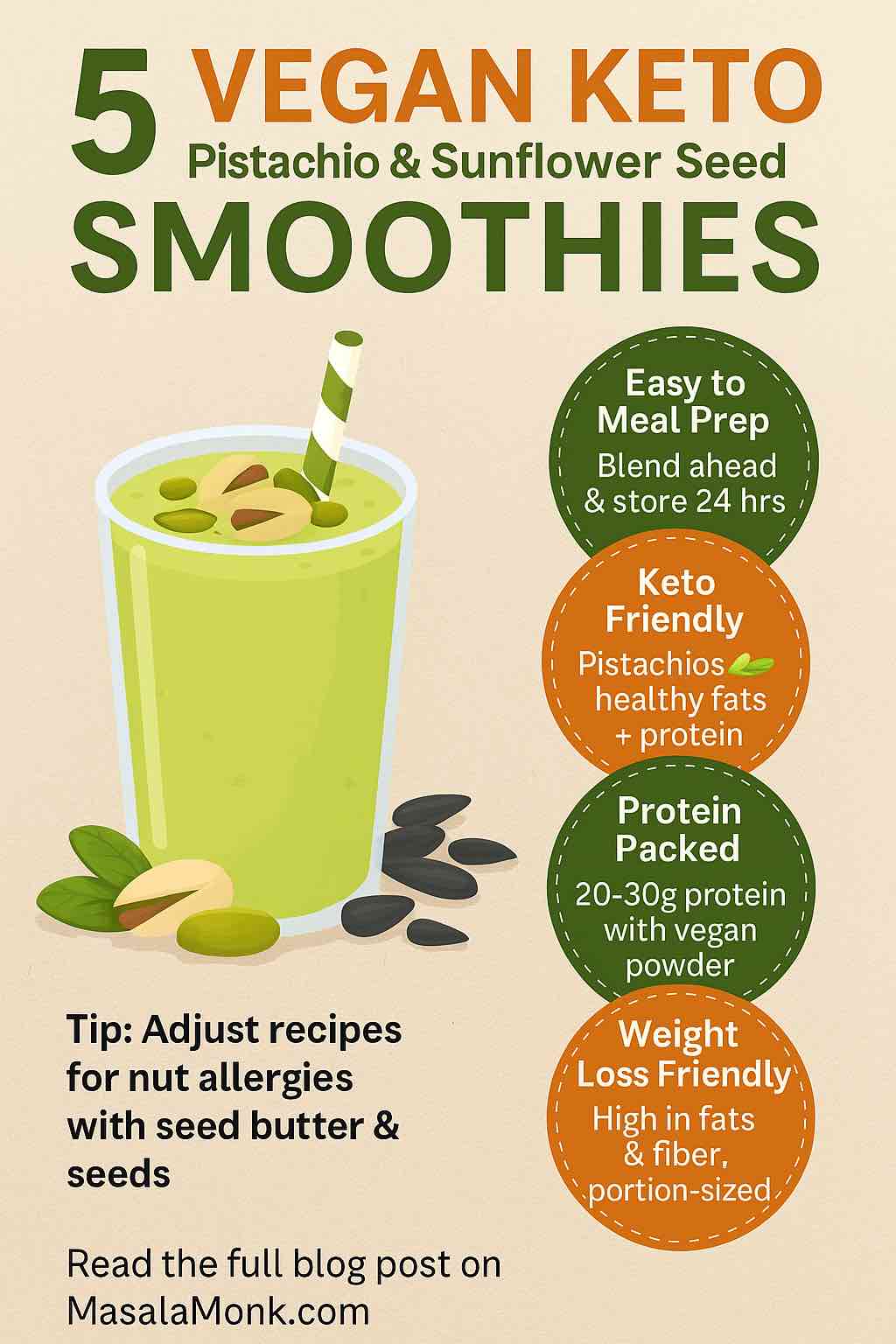
VEGAN KETO Pistachio & Sunflower Seed SMOOTHIES

When you’re navigating a vegan keto lifestyle, breakfast can feel like a tricky puzzle: you want something quick, nutrient-dense, low in carbs, but still satisfying. Enter the ultimate solution: pistachio and sunflower seed smoothies. These nutrient-packed ingredients deliver a powerhouse of healthy fats, protein, and fiber without tipping the carb scale. Let’s explore five creative and practical smoothie recipes designed specifically for meal replacement on a vegan keto diet.


Why Pistachios and Sunflower Seeds?

Both ingredients are often underestimated in the smoothie world but shine on a vegan keto plan:

  • Pistachios are rich in monounsaturated fats, magnesium, vitamin B6, and even provide a complete source of protein.
  • Sunflower seeds offer vitamin E, selenium, and a solid profile of healthy fats and fiber.

Together, they form the perfect base for creamy, satiating, and nutrient-balanced smoothies.


Smoothie 1: Green Pistachio Crunch

Ingredients:

  • 1/4 cup raw pistachios (soaked for 10 minutes)
  • 2 tbsp raw sunflower seeds
  • 1 cup unsweetened almond or coconut milk
  • 1 handful spinach
  • 1 tbsp chia seeds
  • Ice cubes

Directions: Blend all ingredients until smooth. For a little texture, pulse in a few extra sunflower seeds at the end.

Why it Works: This recipe delivers a perfect trio of fats, fiber, and protein, and the spinach adds micronutrients without altering the taste.


Smoothie 2: Pistachio-Matcha Mint Refresh

Ingredients:

  • 1/4 cup pistachio butter
  • 1 tsp ceremonial matcha
  • A few fresh mint leaves
  • 1 scoop vegan vanilla protein powder
  • 1 tbsp hemp seeds
  • 1 cup unsweetened oat or almond milk
  • Ice cubes

Directions: Blend until creamy and bright. Garnish with a mint sprig for a refreshing morning kick.

Why it Works: Matcha boosts metabolism and focus, while mint aids digestion. Hemp seeds add extra protein and omega-3s.


Smoothie 3: Chocolate Sunflower Power

Ingredients:

  • 2 tbsp sunflower seed butter
  • 1 tbsp unsweetened cocoa powder
  • 1 cup coconut milk + 1/2 cup water
  • 1 scoop vegan chocolate protein powder (optional)
  • 1/2 tsp vanilla extract
  • Ice cubes

Directions: Blend until rich and smooth. For a mocha version, add a shot of espresso.

Why it Works: This dessert-like smoothie satisfies chocolate cravings while keeping carbs in check.


Smoothie 4: Banana-Free Pistachio Protein Shake

Ingredients:

  • 1 cup unsweetened almond or pistachio milk
  • 1 tbsp pistachio butter
  • 1 scoop vegan protein powder
  • 1/2 avocado (for texture)
  • Ice cubes

Directions: Blend until smooth and creamy. Top with crushed pistachios for a crunchy finish.

Why it Works: No banana means minimal carbs. Avocado enhances the texture and adds healthy fats.


Smoothie 5: Pistachio Meal Replacement Shake

Ingredients:

  • 40g soaked pistachios
  • 2 tbsp raw sunflower seeds
  • 1 tbsp ground flaxseed
  • 1 scoop hemp or soy protein
  • 250ml unsweetened almond or oat milk
  • 1/2 tsp cinnamon
  • 1 tsp vanilla extract
  • Ice cubes

Directions: Blend thoroughly until creamy. Optionally add a pinch of salt for balance.

Why it Works: This one is tailored for full meal replacement: high in fats, protein, and fiber to keep you full for hours.


Pro Tips for Smoothie Success

  1. Keep it Cold: Use frozen avocado or cauliflower for added creaminess without diluting flavor.
  2. Batch It: Prep 2-3 servings in advance and store in sealed jars for grab-and-go nutrition.
  3. Customize the Boosters: Add MCT oil for brain fuel, or swap in different greens for variety.
  4. Watch the Carbs: Skip high-sugar fruits and keep total net carbs under 10g per shake.

Final Thoughts

Innovating your vegan keto breakfast doesn’t require exotic ingredients or hours in the kitchen. With pistachios and sunflower seeds as your foundation, you can craft creamy, satisfying smoothies that not only meet your macros but genuinely excite your taste buds. Try rotating these recipes throughout your week to stay energized and in ketosis, without ever getting bored.

FAQs

  1. Are pistachios and sunflower seeds keto-friendly?
    Yes, in moderation. Pistachios and sunflower seeds are high in healthy fats and protein with moderate carbs. Keeping portions controlled (e.g., ¼ cup pistachios) makes them keto-compliant.
  2. Can I prepare these smoothies in advance?
    Absolutely. You can prep and store smoothies in airtight containers in the fridge for up to 24–36 hours. Shake well before consuming.
  3. How much protein is in each smoothie?
    With the inclusion of vegan protein powder, most recipes deliver 20–30g of protein per serving. Without powder, expect 8–15g, depending on the seed/nut base.
  4. What milk alternatives work best for these recipes?
    Unsweetened almond, coconut, and pea milk are best for keto. They’re low in carbs, rich in flavor, and blend smoothly.
  5. Can I skip protein powder and still get enough protein?
    Yes, but you’ll need to rely more on hemp seeds, chia, pistachios, and sunflower seed butter. Protein will be lower but still decent for a meal.
  6. Are these smoothies suitable for weight loss?
    Yes—when portioned appropriately. They’re high in satiety-promoting fats, fiber, and protein, helping manage hunger and blood sugar.
  7. What can I use instead of avocado in the banana-free shake?
    Frozen cauliflower, coconut cream, or extra nut butter can replicate the creamy texture without adding sugar.
  8. Do these smoothies break a fast?
    Yes. Because they contain calories, fats, and protein, they break a fast—but they make a great first meal post-fasting.
  9. Can I freeze these smoothies?
    Technically yes, but texture may degrade slightly after thawing. For best results, freeze ingredients in portions and blend fresh.
  10. How can I adjust the recipes for nut allergies?
    Use seed-based alternatives like sunflower or pumpkin seed butter, and opt for oat or coconut milk instead of nut milks.
Posted on Leave a comment

Avocado for Weight Loss: Unlocking the Health Benefits and Optimal Serving Sizes

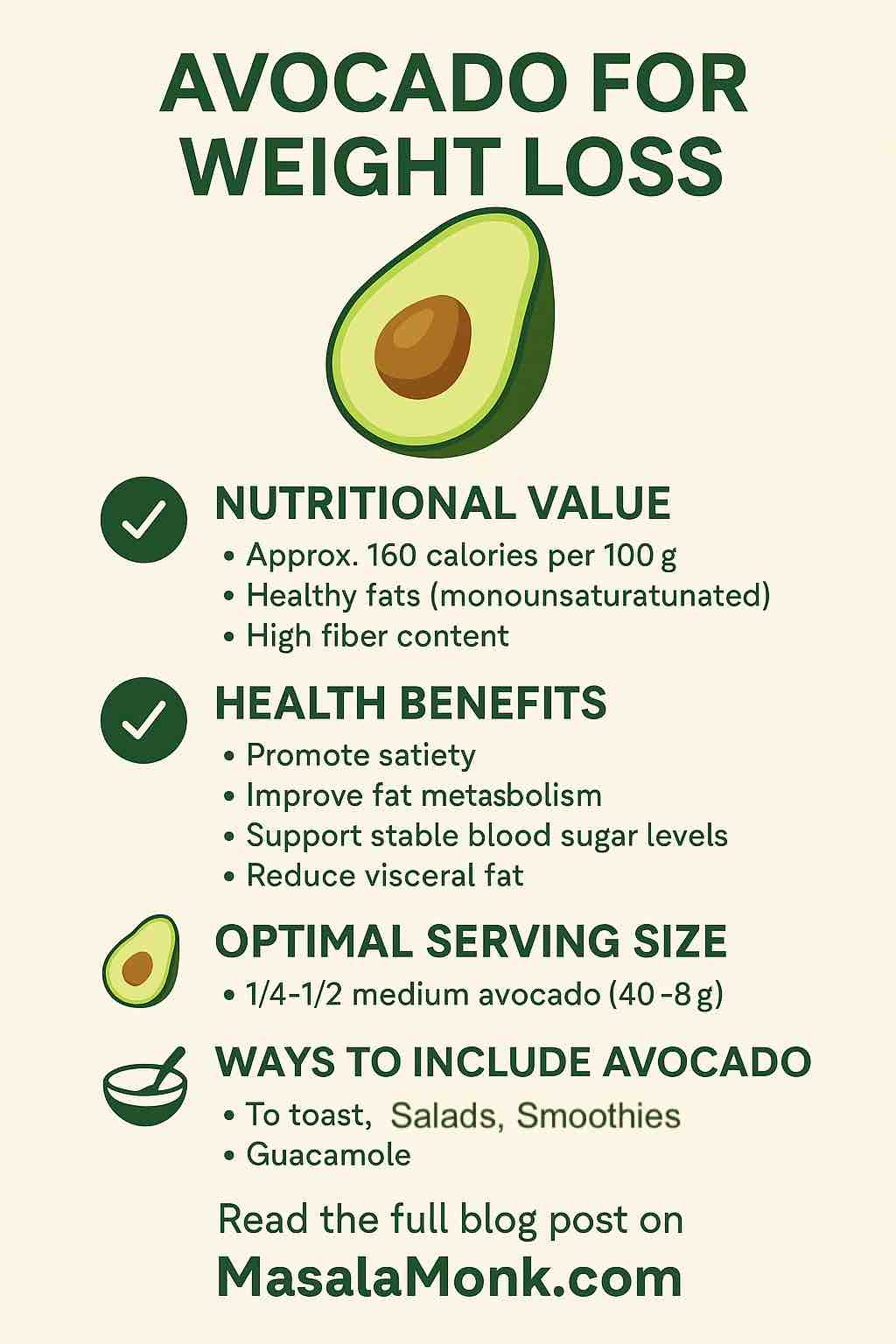
AVOCADO FOR WEIGHT LOSS

Avocados have long been celebrated as a superfood, gracing the tables of the health-conscious with their creamy texture and rich flavor. But beyond their taste, do avocados truly support weight loss? The short answer: yes, when used wisely. This blog dives into the latest research (up to mid-2025), offering practical insights into how avocados can help you shed fat, improve your health, and even sleep better.


Why Avocados Deserve a Place in Your Weight Loss Journey

Avocados are nutrient powerhouses packed with healthy monounsaturated fats, dietary fiber, and a broad spectrum of vitamins and minerals. Here’s why they stand out:

  • High Satiety Factor: The combination of fiber and fat promotes feelings of fullness, curbing hunger and helping reduce overall calorie intake.
  • Fat Quality Over Quantity: Avocados contain oleic acid, a monounsaturated fat linked to improved fat metabolism and reduced belly fat.
  • Low Glycemic Index: Unlike high-carb foods, avocados won’t spike blood sugar, making them ideal for insulin-sensitive individuals.

The Science: Latest Research Findings (2024–2025)

1. Visceral Fat Reduction (Especially in Women)

A randomized controlled trial in 2021 involving 105 overweight adults found that consuming one avocado daily for 12 weeks significantly reduced visceral belly fat in women. While the same effect wasn’t observed in men, this highlights the potential gender-specific benefits of avocados for fat distribution.

2. Improved Gut Microbiome

A 26-week study as part of the Habitual Diet and Avocado Trial (HAT) showed that daily avocado intake significantly improved gut microbiota diversity, especially in those with initially poor diets. A healthy gut is increasingly linked to effective weight management.

3. Better Sleep Quality

In a trial with nearly 1,000 participants, consuming a medium Hass avocado daily increased average sleep duration by 30 minutes. Nutrients like magnesium, tryptophan, and fiber may be responsible for this boost in rest, which is crucial for weight control.

4. Diet Quality and Inflammation

Participants in the HAT trial also improved their Healthy Eating Index scores by 3.5 points and saw reductions in LDL cholesterol and CRP, a marker of inflammation. Even without weight loss, these changes support long-term health and easier fat loss.


Practical Tips: How Much Avocado Should You Eat?

While avocados are healthy, they’re also calorie-dense. Portion control is key.

Serving SizeAmountCaloriesFatFiber
1/3 avocado~50g~80 kcal~7g~3g
1/2 avocado~75g~120 kcal~11g~5g
1 avocado~150g~240 kcal~22g~10g

Optimal daily intake for weight loss: 1/4 to 1/2 medium avocado (40g–80g).


How to Incorporate Avocado into a Weight-Loss-Friendly Diet

Here are some simple and tasty ways to make avocado part of your routine:

  • Morning Fuel: Spread mashed avocado on whole-grain toast, top with a poached egg.
  • Smoothies: Blend 1/4 avocado into a protein shake for creaminess and satiety.
  • Salad Boost: Add cubes or slices to salads instead of high-fat dressings.
  • Smart Snacks: Dip veggie sticks in homemade guacamole for a nutrient-rich snack.
  • Swap Ingredients: Use avocado instead of mayonnaise or butter in sandwiches and wraps.

Common Pitfalls to Avoid

  • Overeating: It’s easy to exceed your calorie target. Measure your portions.
  • Pairing with Junk Food: Guacamole with chips defeats the purpose. Try veggies instead.
  • Thinking It’s “Free”: Nutrient-rich doesn’t mean you can eat unlimited quantities.

Final Thoughts

Avocados are more than just a trendy toast topping. When used mindfully, they offer serious advantages in your weight loss journey. From shrinking belly fat and enhancing gut health to improving sleep and reducing inflammation, they pack a powerful punch.

To get the best results, eat avocados regularly but in moderation, and focus on replacing less healthy fats with them. Over time, your body — and waistline — will thank you.


Ready to Try It? Start with 1/3 avocado per day for two weeks. Track how you feel, how you sleep, and whether your cravings decrease. You might be surprised how far one fruit can go.

🧾 Summary Table

OutcomeEvidence SourceResult
Visceral fat ↓ (women)RCT (12 wk, n=105)✅ Significant reduction
Gut microbiome diversity ↑HAT subset (26 wk, n=230)✅ Sustained alpha diversity ↑
Sleep duration +30 minRCT (26 wk, 969 adults)✅ Mean sleep ↑ 6.4→7.0h
Diet quality & LDL ↓HAT (26 wk, >1,000 adults)✅ HEI +3.5; LDL ↓; CRP ↓
Overall cardiac score ~no changeAncillary HAT study⚠️ No net LE8 score improvement

📝 Key Takeaways

  • Strong evidence supports avocado’s role in reducing visceral fat (especially in women), enhancing satiety, improving sleep, boosting gut microbiome, and raising diet quality.
  • Total weight/BMI remains stable, but body composition improves.
  • Optimal intake: ~100–150 g/day (~one medium avocado) as part of a calorie-balanced diet.
  • Gut and sleep benefits typically emerge after 4–12 weeks; diet/lipid effects within 26 weeks.

🥑 Frequently Asked Questions (FAQs)

1. Can I eat avocado every day while trying to lose weight?
Yes, you can eat avocado daily—ideally 1/4 to 1/2 of a medium fruit—to support satiety and metabolic health without overloading on calories.

2. Are avocados fattening because they’re high in fat?
No. While avocados are high in fat, it’s primarily monounsaturated fat, which is beneficial for fat metabolism and does not promote weight gain when eaten in moderation.

3. Is it better to eat avocado in the morning or at night?
Either works, but morning consumption may help curb cravings during the day. Evening intake could support better sleep due to avocado’s magnesium and tryptophan content.

4. Can I eat avocado on a low-carb or keto diet?
Absolutely. Avocados are low in net carbs and high in healthy fats, making them ideal for both keto and low-carb diets.

5. How should I store leftover avocado to prevent browning?
Sprinkle lemon juice on the cut surface, wrap tightly in plastic wrap, and refrigerate. Or store with a slice of onion in an airtight container.

6. Is guacamole a healthy snack for weight loss?
Yes—if paired with vegetables or whole-grain options. Avoid high-calorie chips or excessive sodium-loaded versions.

7. Can avocado help reduce belly fat specifically?
Some studies show daily avocado intake may reduce visceral fat, especially in women. While not a magic bullet, it’s supportive when combined with a balanced diet.

8. What’s healthier: eating avocado raw or in cooked dishes?
Raw preserves more nutrients, but light cooking or blending into warm dishes (like soups) is fine. Just avoid frying it.

9. How does avocado help with sleep?
It contains magnesium, potassium, and tryptophan—all known to support restful sleep, which is linked to better weight control.

10. Can I replace butter or mayo with avocado?
Yes. Swapping in avocado for spreads like butter or mayo reduces saturated fat and adds fiber and micronutrients—great for heart and metabolic health.

Posted on Leave a comment

The Power of Sprouts: Unleashing the Nutritional Potential for Weight Loss and Optimal Health

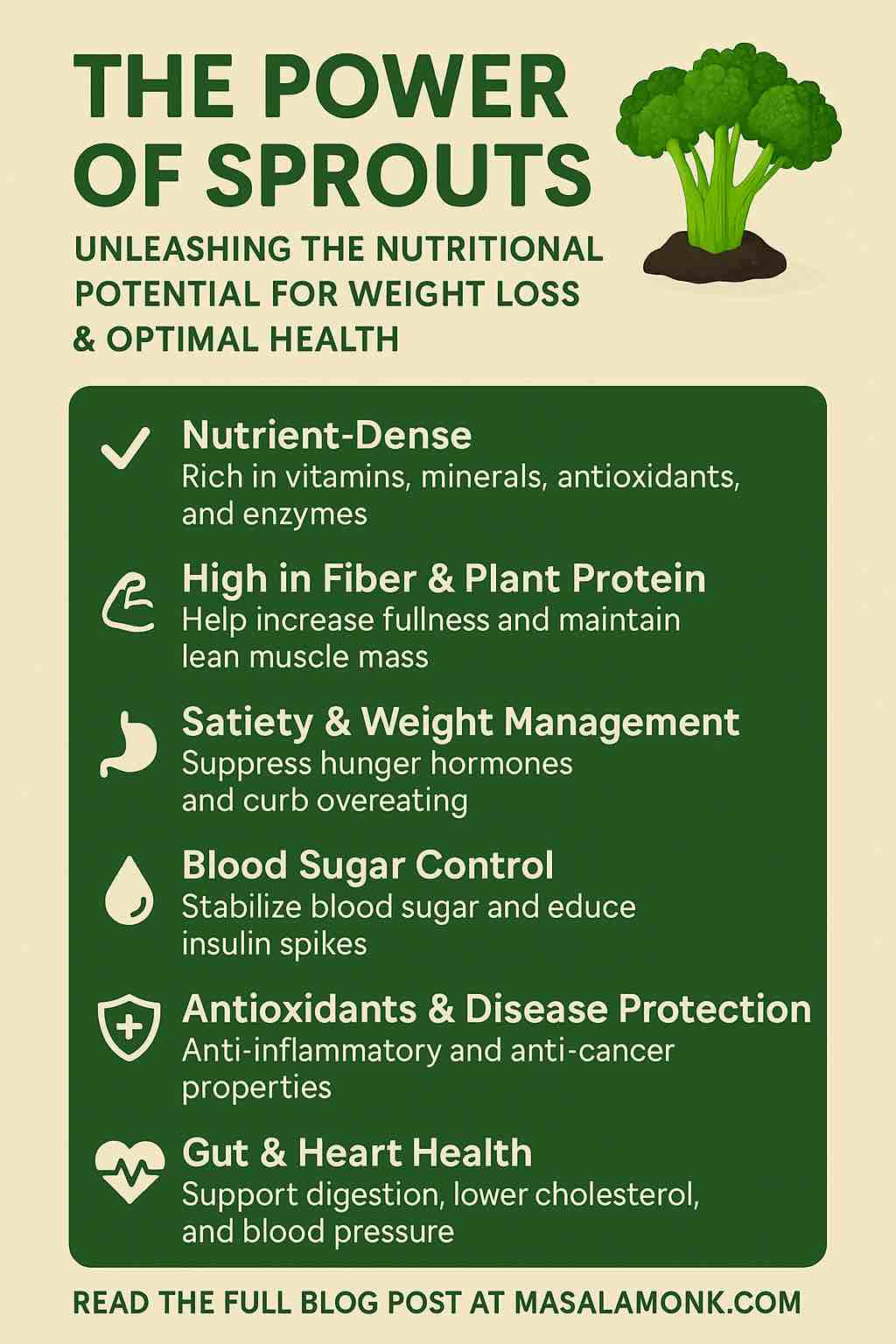
POWER OF SPROUTS

In the world of nutrition, few foods punch above their weight like sprouts. These tiny, humble powerhouses are often overlooked, yet they offer one of the most concentrated sources of vital nutrients, enzymes, and antioxidants nature has to offer. Whether you’re looking to shed pounds, support metabolic health, or simply boost your nutrient intake, incorporating sprouts into your diet is a practical, affordable, and highly effective strategy. Let’s dive into why sprouts deserve a prime spot on your plate.


What Are Sprouts?

Sprouts are seeds that have germinated and become young plants. Commonly sprouted seeds include broccoli, alfalfa, mung bean, lentil, radish, and chickpeas. The sprouting process typically takes 2–7 days and involves soaking, rinsing, and nurturing seeds until they develop tiny shoots. This simple transformation dramatically enhances their nutritional profile.


Nutritional Brilliance: Why Sprouts Are a Superfood

1. Enhanced Nutrient Profile

Sprouting increases the bioavailability of vitamins and minerals, particularly vitamin C, vitamin K, folate, magnesium, and B-vitamins. Some studies show that sprouting can boost antioxidant levels by 2 to 3 times compared to the original seed.

2. Rich in Digestive Enzymes

Sprouts are naturally rich in enzymes like amylase and protease, which aid digestion and reduce bloating. These enzymes break down complex carbs and proteins, making nutrients more absorbable.

3. High in Fiber and Plant-Based Protein

With their low calorie and high fiber content, sprouts promote satiety and digestive regularity. Lentil and mung bean sprouts, for example, offer up to 7 grams of protein per cup, making them a valuable plant protein source.

4. Blood Sugar Regulation

Sprouts have a low glycemic index and are rich in fiber, both of which help stabilize blood sugar. Recent clinical trials on broccoli sprouts reveal their sulforaphane content can reduce fasting blood glucose levels, especially in people with prediabetes.

5. Weight Loss Support

Thanks to their combination of fiber, protein, and micronutrients, sprouts help curb hunger hormones (like ghrelin) and increase satiety hormones (such as GLP-1 and PYY). They’re an ideal food for anyone aiming to reduce calorie intake without compromising nutrition.

6. Gut and Heart Health

Sprouts foster healthy gut bacteria and regular digestion. Additionally, their fiber and phytonutrients help lower LDL cholesterol and blood pressure, protecting cardiovascular health.


Top Sprouts to Include in Your Diet

  • Broccoli Sprouts: Packed with sulforaphane, a potent antioxidant and metabolism booster.
  • Mung Bean Sprouts: Great for blood sugar control and digestive health.
  • Lentil Sprouts: High in protein and fiber, excellent for weight management.
  • Alfalfa Sprouts: Rich in vitamins A, C, and K, with a mild taste perfect for salads.
  • Radish Sprouts: Spicy and full of antioxidants that support liver function and detox.
  • Chickpea Sprouts: Dense in protein and iron, great for plant-based diets.

How to Grow Sprouts at Home (Safely)

  1. Choose Organic Seeds: Make sure they are labeled for sprouting.
  2. Soak Seeds: 6–12 hours in clean water.
  3. Rinse and Drain: Twice daily in a mason jar or sprouting tray.
  4. Sprout in Indirect Light: Maintain room temperature (65–75°F).
  5. Harvest: Usually in 3–7 days when sprouts are 1–2 inches long.
  6. Refrigerate Immediately: Store in a breathable container and consume within 3–5 days.

Food Safety Tips:

  • Always wash hands, jars, and equipment thoroughly.
  • Avoid eating sprouts if you have a compromised immune system unless they are cooked.

Easy & Delicious Ways to Add Sprouts to Your Diet

  • Toss into Salads: Adds crunch and a burst of nutrients.
  • Layer in Sandwiches and Wraps: A flavorful alternative to lettuce.
  • Blend into Smoothies: Especially broccoli sprouts for a detoxifying boost.
  • Top Soups and Stir-Fries: Add just before serving to preserve nutrients.
  • Bake into Breads or Savory Muffins: For an earthy, nutty twist.

Final Thoughts: The Sprouting Edge

Sprouts are not a trend—they’re a timeless nutritional gem that deserves more attention. They offer a perfect storm of benefits: low-calorie density, high nutrient load, metabolic support, digestive aid, and unmatched versatility.

Whether you’re managing weight, enhancing athletic performance, or just eating cleaner, sprouts are an easy win. With just a few minutes of effort and a handful of seeds, you can unlock a world of health benefits right from your kitchen countertop.

Start sprouting. Start thriving.

FAQs: The Power of Sprouts

1. What are the health benefits of eating sprouts daily?
Sprouts are rich in vitamins, minerals, antioxidants, and enzymes. Daily consumption can aid digestion, support immune function, regulate blood sugar, and improve heart health, while also helping with satiety and weight control.

2. Can sprouts really help with weight loss?
Yes. Sprouts are low in calories but high in fiber and protein, which help you feel fuller for longer. They regulate appetite hormones and stabilize blood sugar, reducing cravings and overeating.

3. What is the best time to eat sprouts for maximum benefit?
Sprouts can be eaten any time, but consuming them during breakfast or lunch may offer better digestion and energy regulation throughout the day. Avoid eating large amounts late at night due to their fiber content.

4. Are raw sprouts safe to eat?
Raw sprouts can carry bacteria like E. coli or Salmonella if improperly handled. To reduce risk: buy seeds meant for sprouting, wash thoroughly, store in the fridge, and rinse twice daily. Immunocompromised individuals should lightly cook them.

5. How long do homegrown sprouts last in the refrigerator?
Typically, 3–5 days. Store them in a breathable container lined with paper towels to absorb moisture, which prevents spoilage.

6. Can I sprout any seeds at home?
Only use organic, untreated seeds labeled for sprouting. Some seeds, like kidney beans, can be toxic when raw and should not be sprouted.

7. Which sprouts are best for beginners?
Mung beans, lentils, and alfalfa sprouts are easy to grow, quick to sprout, and forgiving if you’re new to the process.

8. How often should I rinse sprouts during the growing process?
Rinse and drain sprouts twice a day—morning and evening—to prevent mold growth and promote healthy sprouting.

9. Are sprouted grains better than regular grains?
Yes. Sprouting grains like wheat, barley, or quinoa increases nutrient availability, reduces antinutrients (like phytic acid), and improves digestibility.

10. Can I eat sprouts during pregnancy?
Caution is advised. Due to the risk of bacterial contamination, pregnant individuals should eat only cooked sprouts. Consult your doctor before including them.

✅ What This Means for You in 2025

AreaWhat We Know
Broccoli Sprout SupplementsClinical evidence supports their use for reducing fasting glucose in prediabetes.
Weight Loss & MetabolismAnimal studies are compelling, but human trials on weight loss are still needed.
Brain & Cognitive HealthAnimal evidence points to neuroprotective benefits—promising, yet preliminary.
Safety & EffectivenessGenerally safe as food; personalized effects linked to gut microbiome diversity.
Sprout Types & ActionsMung, lentil, radish sprouts add fiber and nutrients, complementing broccoli sprout effects.
Posted on 2 Comments

Raw Honey: The Sweet Superfood that Nourishes Your Body and Enhances Your Well-Being

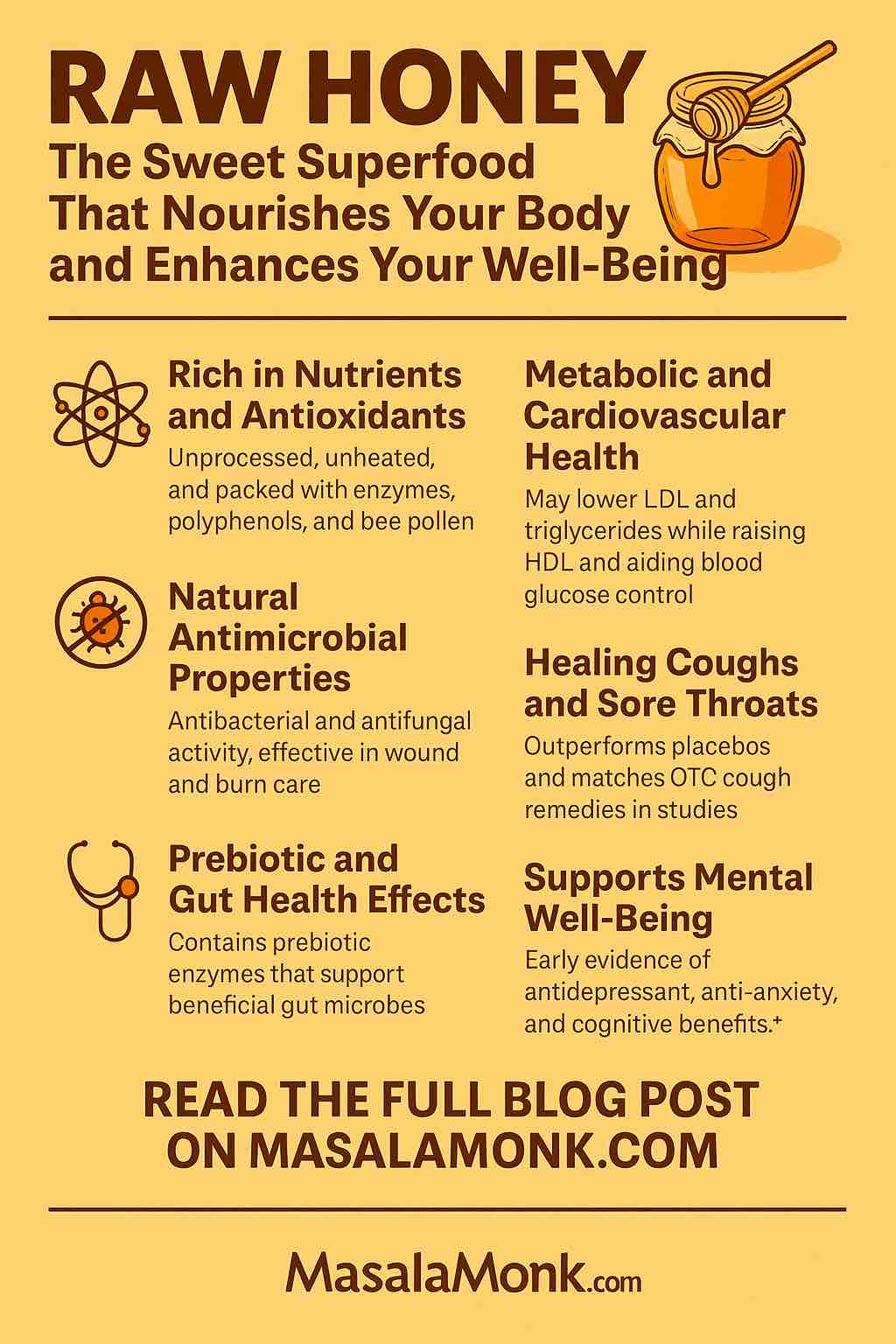
RAW HONEY The Sweet Superfood

In a world where superfoods are all the rage, raw honey stands out as a golden elixir of nature—sweet, nutrient-dense, and brimming with health benefits. Whether drizzled over yogurt, stirred into tea, or applied to wounds, this ancient remedy has earned modern scientific validation. But not all honey is created equal. To reap its full benefits, you must understand what makes raw honey unique, how to use it effectively, and how to ensure you’re getting the real deal.


What is Raw Honey?

Raw honey is honey that has not been heated or pasteurized. It retains all of its natural enzymes, antioxidants, vitamins, and phytonutrients—compounds that are often lost during commercial processing. Unlike the clear, syrupy versions you find in most supermarkets, raw honey is typically cloudy due to pollen, propolis, and bee enzymes suspended in the mixture.


Nutritional Profile and Unique Compounds

Raw honey is far more than a natural sweetener. It contains:

  • Antioxidants: Flavonoids and phenolic acids that help combat oxidative stress.
  • Enzymes: Like glucose oxidase, which contributes to honey’s antibacterial properties.
  • Amino Acids & Vitamins: Including small amounts of B vitamins and vitamin C.
  • Prebiotics: Compounds that support beneficial gut bacteria.
  • Bee Pollen & Propolis: Known for their anti-inflammatory and antimicrobial effects.

This synergistic composition makes raw honey a potent functional food.


Proven Health Benefits of Raw Honey

1. Antioxidant and Anti-Inflammatory Powerhouse

Multiple studies have confirmed that raw honey lowers markers of inflammation like CRP and IL-6, contributing to reduced risks of chronic diseases like heart disease and diabetes.

2. Supports Digestive Health

Raw honey has been shown to soothe the gastrointestinal tract, aid in the treatment of ulcers, and promote the growth of good gut bacteria thanks to its prebiotic content.

3. Cough and Sore Throat Remedy

Backed by both tradition and science, raw honey often performs as well or better than over-the-counter cough suppressants. A spoonful at bedtime can reduce nighttime coughing and improve sleep quality.

4. Wound Healing and Antimicrobial Effects

Raw honey’s low pH and hydrogen peroxide content make it an effective topical antimicrobial. It has been used successfully to treat burns, diabetic ulcers, and surgical wounds.

5. Blood Sugar and Lipid Regulation

Despite its sweetness, studies suggest raw honey may lower fasting blood glucose and improve cholesterol profiles when used in moderation compared to table sugar.

6. Potential Mental Health and Neuroprotective Effects

Preclinical research hints that raw honey may reduce anxiety and improve memory, although more human trials are needed.


How to Choose Genuine Raw Honey

The term “raw” isn’t strictly regulated in many regions, so follow these guidelines:

  • Look for Cloudiness: Raw honey is often opaque due to natural particles.
  • Check the Source: Single-origin and local beekeeper products are more reliable.
  • Verify with Lab Reports: Some premium brands offer third-party testing for purity and authenticity.
  • Avoid Ultra-Clear Honey: If it looks like syrup, it’s probably been heated.

Advanced technologies like spectroscopy, AI, and thermal imaging are now being used to authenticate raw honey, especially at the industrial level.


Practical Ways to Use Raw Honey Daily

GoalHow to Use
Immunity Boost1 tsp daily in warm water with lemon
Gut HealthAdd to yogurt or kefir as a prebiotic booster
Wound CareApply medical-grade honey topically under sterile dressing
Cough Relief1 tsp at bedtime, optionally with warm tea
Workout Fuel1 tbsp before exercise for a natural energy lift

Note: Always avoid giving honey to infants under one year due to botulism risk.


The Bottom Line

Raw honey isn’t just another health trend; it’s a time-honored superfood that bridges the gap between nutrition and medicine. Its natural compounds offer powerful support for the immune system, digestion, skin, and even mood. But authenticity matters. Choose your honey wisely, use it purposefully, and enjoy the sweet rewards of one of nature’s most versatile gifts.


Author’s Tip: For best results, pair raw honey with a whole-food lifestyle. It works best not in isolation, but as part of a broader commitment to health and well-being.

Choosing & Using High‑Quality Raw Honey

CriteriaWhy It Matters
Single-origin/localMore likely genuine—not a blend diluted with cheaper honey
Certified rawMinimally processed, retains enzymes and volatile compounds
Lab-verified purityFT-IR/ML or gas-sensor validated—reduces adulteration risk
Medical-grade sealFor clinical use (dressings, wound care)

Posted on Leave a comment

Chia Seed Delights: 5 Energizing Breakfast Meal Replacement Ideas for a Keto Start

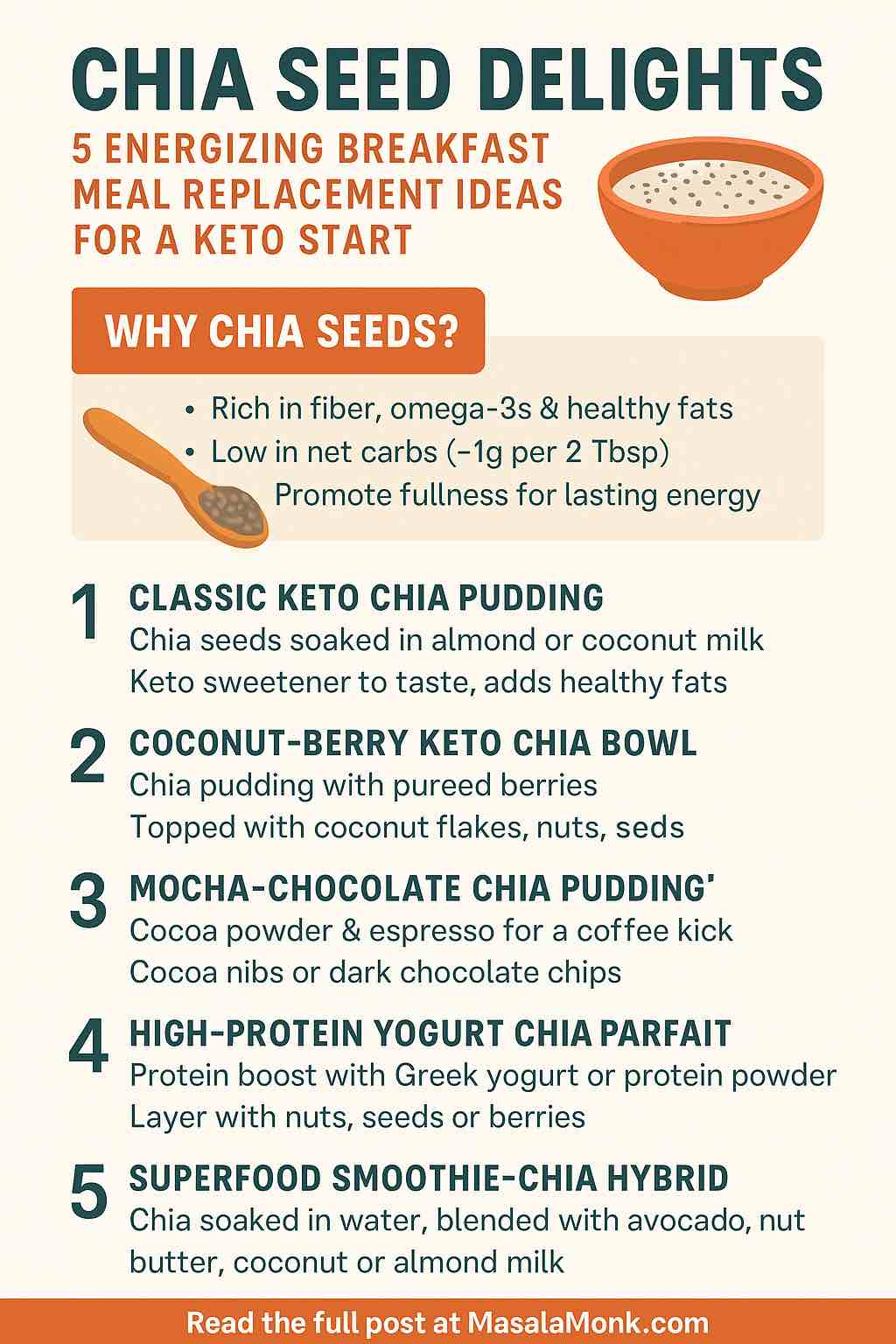
CHIA SEED Keto Breakfasts

The ketogenic diet, celebrated for its focus on high-fat, low-carb foods, demands creativity when it comes to breakfast—especially if you’re seeking a quick, energizing start to your day. Enter chia seeds: tiny, nutrient-dense superstars that make the perfect base for a range of satisfying and keto-friendly meal replacements. Packed with fiber, healthy fats, and plant-based protein, chia seeds help maintain energy levels, support digestion, and keep you full for hours.

In this blog post, we explore five deeply satisfying chia-based breakfast ideas, optimized for a ketogenic lifestyle. Whether you’re a meal prepper, smoothie lover, or someone needing variety in texture and flavor, these recipes offer both nutritional balance and practical prep.


1. Classic Keto Chia Pudding

Why it works: It’s simple, customizable, and requires minimal prep time. This base recipe is the foundation for many other variations.

Ingredients:

  • 2 tbsp chia seeds
  • 1/2 cup unsweetened almond milk or coconut milk
  • 1 tbsp MCT oil or coconut oil
  • Low-carb sweetener to taste (erythritol, stevia, monk fruit)
  • Pinch of cinnamon or vanilla extract (optional)

Instructions:

  1. Mix all ingredients in a jar or bowl.
  2. Let sit for 5 minutes, stir again to prevent clumping.
  3. Cover and refrigerate for at least 1 hour or overnight.

Macros (approx):

  • Net Carbs: ~1g
  • Fat: ~21g
  • Protein: ~6g

Tip: Make a batch of 4-5 servings and store them in individual jars for an entire workweek of grab-and-go breakfasts.


2. Coconut-Berry Keto Chia Bowl

Why it works: This variation incorporates antioxidant-rich berries and the creamy richness of full-fat coconut milk, providing a more indulgent experience while staying within keto macro limits.

Ingredients:

  • 2 tbsp chia seeds
  • 1/2 cup full-fat coconut milk
  • 1/4 cup mashed raspberries or blackberries (lower in carbs)
  • 1 tbsp unsweetened shredded coconut
  • Optional: a few sliced almonds for crunch

Instructions:

  1. Mix chia seeds and coconut milk.
  2. Stir in mashed berries and refrigerate for 1 hour.
  3. Top with shredded coconut and almonds before serving.

Macros (approx):

  • Net Carbs: 3-5g (depending on berries)
  • Fat: High (~24g+)
  • Protein: Moderate (~6g)

Tip: If berries are frozen, thaw and mash them before mixing for better texture.


3. Mocha-Chocolate Chia Pudding

Why it works: For coffee lovers, this energizing blend of caffeine and healthy fats delivers a delicious and functional start to your day.

Ingredients:

  • 2 tbsp chia seeds
  • 1/2 cup unsweetened almond milk
  • 1 shot espresso or 1/4 cup strong brewed coffee (cooled)
  • 1 tsp cocoa powder (unsweetened)
  • Low-carb sweetener to taste
  • Optional toppings: cacao nibs or a few shavings of dark chocolate (90%+ cacao)

Instructions:

  1. Combine all ingredients in a jar.
  2. Stir, let sit for 5 minutes, then stir again.
  3. Refrigerate overnight.

Macros (approx):

  • Net Carbs: ~1.5g
  • Fat: ~18g
  • Protein: ~5g

Tip: Add a dash of pink salt to enhance the mocha flavor and help with electrolyte balance.


4. High-Protein Yogurt Chia Parfait

Why it works: For those needing a more substantial protein hit in the morning, combining chia with Greek yogurt or a quality protein powder enhances satiety and supports muscle maintenance.

Ingredients:

  • 2 tbsp chia seeds
  • 1/2 cup unsweetened almond milk
  • 1/2 cup full-fat Greek yogurt or 1 scoop keto-friendly protein powder
  • Optional: 1 tbsp chopped nuts or seeds for topping

Instructions:

  1. Mix chia seeds and almond milk, let sit for 10 minutes.
  2. Layer or stir in the yogurt/protein blend.
  3. Top with chopped nuts or hemp seeds.

Macros (approx):

  • Net Carbs: 2-4g
  • Protein: 20-30g (depending on yogurt/powder)
  • Fat: Moderate (~15-20g)

Tip: Use unflavored or vanilla whey isolate or a plant-based blend with no added sugars.


5. Superfood Smoothie-Chia Hybrid

Why it works: This hybrid gives you the portability and nutrient diversity of a smoothie, paired with the staying power of chia.

Ingredients:

  • 1 tbsp chia seeds (pre-soaked in 2 tbsp water for 10 mins)
  • 1/2 avocado
  • 1 tbsp almond or peanut butter
  • 3/4 cup unsweetened almond or coconut milk
  • 1 scoop protein powder (optional)
  • Dash of cinnamon or turmeric
  • Ice cubes to blend

Instructions:

  1. Blend all ingredients (except chia) until smooth.
  2. Stir in pre-soaked chia seeds.
  3. Let sit 5 minutes, then drink or refrigerate.

Macros (approx):

  • Net Carbs: 2-4g
  • Fat: High (~25g+)
  • Protein: 10-25g (with protein powder)

Tip: You can pour this into a jar the night before and let it thicken in the fridge for a pudding-like texture.


Final Thoughts

Chia seeds are a keto breakfast game-changer—versatile, shelf-stable, and endlessly adaptable. From sweet to savory, creamy to crunchy, these five meal replacement ideas ensure you’re never bored and always fueled. Use these recipes as a base and modify with seasonal ingredients, new spices, or different textures to keep things fresh.

Looking for savory chia breakfast options, batch prep strategies, or a printable recipe card? Drop a comment below or get in touch—I’d love to help you personalize your keto journey.

FAQs


1. Are chia seeds really keto-friendly?
Yes. Chia seeds are low in net carbs (~1–2g per 2 tbsp), rich in fiber (~10g), and contain healthy fats and protein—making them ideal for the ketogenic diet.


2. How long should I soak chia seeds before eating?
At least 15–20 minutes, though overnight soaking is best for optimal texture and nutrient absorption. Stir once after 5 minutes to prevent clumping.


3. Can I eat chia seeds raw or do they have to be soaked?
You can eat them raw, but it’s best to soak them to avoid digestive discomfort and to get the full hydration and gel-forming benefits that improve satiety.


4. How long does chia pudding last in the fridge?
Chia pudding keeps for up to 5–7 days in an airtight container in the refrigerator. Pre-portioning it into jars makes for easy meal prep.


5. What type of milk is best for keto chia pudding?
Use unsweetened almond milk, coconut milk (carton or canned), or even macadamia milk. Avoid sweetened versions—they add unwanted carbs.


6. Can I add fruits to my chia breakfast on keto?
Yes—opt for low-glycemic berries like raspberries, blackberries, or strawberries in small amounts. Limit to 1–2 tbsp to stay under 5g net carbs.


7. How do I make the pudding thicker or thinner?
For a thicker pudding, use less liquid or add more chia. For a thinner texture, add extra liquid and stir well. The typical ratio is 1:4 (chia:liquid).


8. Can I use protein powder in chia pudding?
Absolutely. Adding keto-friendly protein powder (whey isolate or plant-based) boosts the protein content and makes the pudding more filling.


9. Are there savory chia seed options for breakfast?
Yes! Try mixing chia with spices (turmeric, cumin), herbs, and pairing it with avocado, eggs, or cheese for a savory meal replacement.


10. What’s the best way to avoid gritty or slimy textures?
Mix chia seeds thoroughly at the start, stir after 5–10 minutes, and use cold or room-temp liquid. Refrigerating helps the texture improve overnight.