Posted on — 1 Comment

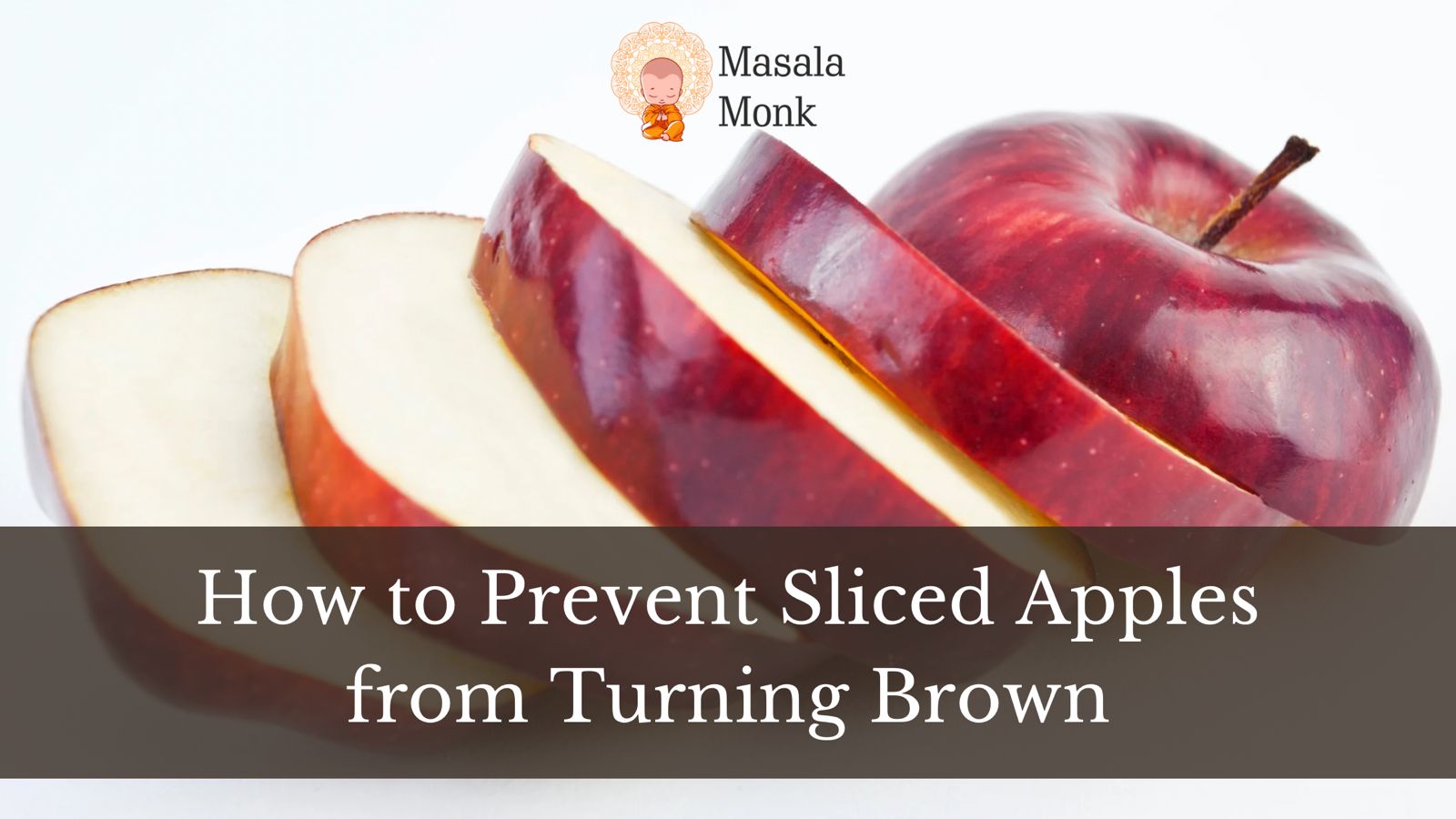
How to Prevent Sliced Apples from Turning Brown

Apples are a favorite snack crunchy, sweet, and full of nutrition. But as soon as you slice them, they start turning brown, which makes them look less appealing. Ever wondered why this happens and how to stop it?

Let’s break it down and learn simple tricks to keep those slices fresh and appetizing!

Why Do Apples Turn Brown?

When you slice or bite an apple, the oxygen in the air reacts with enzymes in the fruit, causing a chemical process called oxidation. This turns the exposed surface brown. While browning doesn’t make the apple unsafe to eat, it can be unappealing, especially in kids’ lunchboxes, party platters, or fruit salads

7 Easy Ways to Keep Apples From Browning

1. Lemon Juice (or Any Citrus Juice)

Citrus juices are rich in vitamin C (ascorbic acid), which slows oxidation.

  • Squeeze fresh lemon, lime, or orange juice over your apple slices.
  • Alternatively, toss slices in a bowl with diluted lemon juice (1 tbsp juice + 1 cup water).

2. Saltwater Soak

A quick soak in lightly salted water can do wonders.

  • Mix 1/2 tsp salt with 1 cup cold water.
  • Soak slices for 3–5 minutes, then rinse and store.

3. Honey Water Solution

Honey contains natural compounds that inhibit oxidation.

  • Mix 2 tbsp honey with 1 cup water.
  • Soak slices for 30 seconds to 1 minute.

4. Use an Airtight Container

Limiting exposure to air helps delay browning.

  • Store sliced apples in an airtight container or zip-lock bag.
  • Add a paper towel to absorb excess moisture.

5. Refrigeration

Cold slows the oxidation process.

  • Store prepared slices in the fridge right away for best results.

6. Pineapple Juice or Apple Juice

Sweet juices like pineapple or apple juice can also help by coating the surface with antioxidants.

  • Dip or drizzle slices with juice and refrigerate.

7. Ascorbic Acid Powder or Vitamin C Tablets

Found in the canning section, these are excellent for bulk prep.

  • Dissolve in water per packaging instructions and dip slices.

Pro Tip: If you’re prepping apples for a lunchbox or platter, combine two methods—like lemon juice and refrigeration—for best results!

10 Frequently Asked Questions

1. Is it safe to eat brown apples?
Yes, the browning is only visual. The apple is still safe unless it smells sour or is mushy.

2. How long can sliced apples last in the fridge?
With proper treatment (like lemon juice), they can stay fresh for up to 2–3 days.

3. Can I use vinegar to stop browning?
Yes, but use mild vinegar (like apple cider vinegar) and dilute well to avoid affecting taste.

4. Do all apples brown the same way?
No, some varieties like Honeycrisp and Fuji brown slower than others like Red Delicious.

5. Will saltwater make apples salty?
Not if you rinse them after soaking. A short soak in mild saltwater won’t affect the taste.

6. Can I freeze sliced apples to prevent browning?
Yes, blanch or dip them in ascorbic acid solution before freezing.

7. What’s the best method for kids’ lunchboxes?
Lemon juice and then airtight container or honey water soak. Tastes kid-friendly!

8. Do peeled apples brown faster than sliced ones?
Both brown at similar rates once the inner flesh is exposed.

9. How do restaurants keep fruit platters fresh?
They often use citrus juice, cold temperatures, and airtight wraps.

10. Can I mix apple slices with other fruits in a fruit salad?
Yes, but coat them first to avoid browning and sogginess.

Posted on — 1 Comment

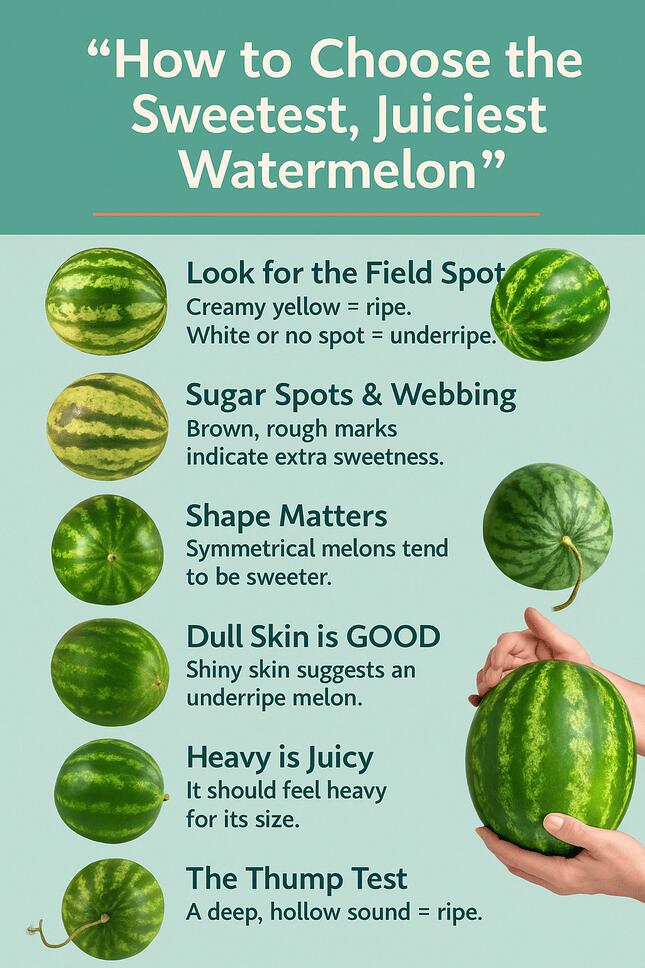
How to Choose the Sweetest, Juiciest Watermelon

Is there anything more satisfying than biting into a chilled, juicy, and sweet slice of watermelon on a hot day? But if you’ve ever picked a watermelon that turned out bland, watery, or just not ripe enough, you know how disappointing it can be.

The good news? Choosing the perfect watermelon is not just luck it’s a skill. Here’s a detailed guide to help you pick the sweetest, juiciest watermelon every single time.

1. Look for the Field Spot (The Yellow Patch)

The field spot is the area where the watermelon rested on the ground. A creamy yellow or golden field spot means it was left to ripen on the vine for a longer period, leading to more natural sugars and more sweetness!
👉 Avoid: White or no field spot it likely means the fruit was picked too early

2. Check for Sugar Spots & Webbing

Those rough brown web like markings or tiny sugar spots are a good thing!
They indicate where sugar has been seeping out of the fruit, meaning it’s extra sweet and ripe.
👉 Myth buster: Some people think they’re blemishes, but they’re actually a sign of ripeness and pollination.

3. Uniform Shape Consistent Taste

Whether round or oval, a symmetrical watermelon is more likely to be evenly ripened and juicy.
👉 Avoid: Irregular lumps or shapes, which can be a sign of poor growing conditions or inconsistent ripening

4. Dull Skin, Not Shiny

A watermelon with dull, matte skin is usually more mature and sweet.
👉 Shiny underripe. Don’t be fooled by the glossy glow it might look pretty, but the inside could be bland.

5. Pick it Up Heaviness Matters!

A good watermelon should feel heavy for its size.
This means it’s loaded with water and juice exactly what you want in a summer fruit!

6. Tap and Listen (The Thump Test)

Give it a tap with your knuckles. A deep, hollow sound usually means the fruit is ripe and full of juice.
👉 Flat or dull sound? It might be mushy or overripe inside.

7. Look at the Tail

If the watermelon still has its curly tail (or tendril), that can tell you a lot!

  • A brown and dry tail it ripened fully on the vine.
  • A green tail picked too early

Common Mistakes to Avoid

  • Choosing based on color alone.
  • Going for the biggest size thinking bigger is better.
  • Ignoring the field spot or webbing

Quick Summary: What to Look For

  • Golden/yellow field spot
  • Webbing or sugar spots
  • Uniform shape
  • Dull, matte skin
  • Feels heavy
  • Hollow sound when tapped
  • Dry, brown tail

Watermelons don’t ripen once they’re picked, so getting it right at the store or market is crucial. With these tips in your back pocket, you’ll never bring home a disappointing melon again.

So next time you’re at the fruit stall or supermarket, take a few extra moments to inspect and test your watermelon and get rewarded with that perfectly sweet, hydrating bite.

Posted on — Leave a comment

7 Surprising Benefits and Uses of Castor Oil

7 Surprising Benefits and Uses of Castor Oil

Castor oil—a time-honored natural remedy that’s been prized for centuries—has quietly made a powerful comeback in modern health and wellness circles. Derived from the seeds of the Ricinus communis plant, castor oil is much more than just a kitchen staple or an old-school laxative. This golden oil packs a punch with a wide range of surprising benefits that extend from skin care to digestive health and even mental well-being.

In this post, we’ll dive deep into the latest science-backed uses of castor oil and explain why this humble oil deserves a spot in your self-care arsenal.


1. The Skin Savior: Moisturizing, Healing, and Acne-Fighting

You may already know that castor oil is great for dry skin, but the science behind why it works is fascinating. Rich in ricinoleic acid, a monounsaturated fatty acid, castor oil penetrates deeply to moisturize and nourish the skin without leaving it greasy.

How does it help your skin?

  • Moisturization: Castor oil acts as an emollient, softening and hydrating even the driest skin.
  • Anti-inflammatory and antimicrobial: It can help calm inflamed skin and reduce acne-causing bacteria.
  • Antioxidant properties: These may protect skin cells from free radical damage, potentially slowing signs of aging like wrinkles and fine lines.

Studies suggest applying castor oil regularly can improve skin texture and reduce dryness and acne symptoms. Just be sure to patch-test first to avoid any irritation.


2. A Natural Boost for Hair and Scalp Health

Hair care enthusiasts rave about castor oil, but is there scientific proof? While formal research on hair growth stimulation is still catching up, castor oil’s moisturizing properties are undisputed.

Benefits for your hair:

  • Scalp hydration: It nourishes dry, flaky scalps, reducing dandruff and irritation.
  • Hair shaft conditioning: Coats hair strands, increasing flexibility and minimizing breakage.
  • Potential for thicker hair: Anecdotal reports abound of improved hair density, though more clinical trials are needed to confirm.

If you suffer from brittle hair or scalp dryness, castor oil massages might be worth a try.


3. Wound Healing and Inflammation Control

The traditional use of castor oil in wound care is gaining scientific traction. Creating a moist environment at the wound site, castor oil supports tissue repair and prevents dryness that can hinder healing.

Why it works:

  • Anti-inflammatory effects: Reduce swelling and redness around wounds.
  • Antimicrobial activity: May protect against certain bacterial infections.
  • Pain relief: Topical application can soothe discomfort.

Though castor oil is not a replacement for medical treatment of serious wounds, it can be a helpful adjunct in minor cuts and abrasions.


4. Digestive Health: A Potent Laxative

One of castor oil’s most well-known uses is as a stimulant laxative, approved by regulatory bodies like the FDA for occasional constipation relief.

The science:

  • Ricinoleic acid stimulates intestinal muscles, promoting bowel movements.
  • Effective for short-term constipation but should be used sparingly due to risks of cramping, dehydration, and dependency.

Use castor oil only under medical supervision for digestive issues, as improper use can cause unpleasant side effects.


5. Emerging Potential: Mental Health and Anxiety

While still early-stage, intriguing animal studies suggest that castor oil’s components might exhibit anxiolytic (anxiety-reducing) effects.

What this means:

  • Ricinoleic acid may interact with the nervous system to calm anxiety-like behaviors.
  • This promising avenue needs extensive human trials before we can draw solid conclusions.

Still, it highlights castor oil’s vast untapped potential beyond physical health.


6. The Controversial Castor Oil Pack

Castor oil packs—cloths soaked in castor oil and applied topically, often over the abdomen—have gained popularity for claims of improving digestion, reducing inflammation, and enhancing lymphatic circulation.

What’s the evidence?

  • Mostly anecdotal, with users reporting benefits in digestion and inflammation relief.
  • Limited scientific research exists to validate these claims, but the practice is generally considered safe.

If you want to try castor oil packs, consult your healthcare provider, especially if you have underlying health conditions.


7. Oral Hygiene: Denture Cleaning Aid

Less commonly known is castor oil’s antimicrobial effect in oral care. It may help clean dentures and reduce denture stomatitis, an inflammation often caused by Candida infections.

Benefits include:

  • Reducing microbial load on denture surfaces.
  • Helping maintain a healthier oral environment for denture wearers.

This is an interesting alternative or complement to traditional denture cleaning methods.


Important Precautions and Tips

  • Pregnancy: Avoid castor oil internally during pregnancy as it can induce labor.
  • Allergic reactions: Always perform a patch test before topical use.
  • Internal use caution: Do not use castor oil laxatives frequently or for prolonged periods to avoid digestive distress.

Final Thoughts: Is Castor Oil Right for You?

Castor oil is a remarkable natural substance with a broad spectrum of uses supported by both tradition and emerging science. From moisturizing your skin to potentially calming anxiety, it offers versatile benefits worth exploring.

If you’re considering adding castor oil to your routine, start slowly, test for sensitivity, and when in doubt, seek guidance from a healthcare professional.

Nature has given us a potent elixir—castor oil—that may well become your next go-to wellness ally.

FAQs about Castor Oil and Its Benefits

1. Is castor oil safe to use on the skin?
Yes, castor oil is generally safe for topical use. However, it’s best to do a patch test first to check for any allergic reactions or irritation.

2. Can castor oil help with hair growth?
While castor oil moisturizes and nourishes the scalp and hair, scientific evidence confirming it directly stimulates hair growth is limited. Many users report improved hair thickness and scalp health, but more research is needed.

3. How does castor oil work as a laxative?
Castor oil contains ricinoleic acid, which stimulates the muscles in the intestines, promoting bowel movements. It is effective for short-term constipation relief but should be used sparingly.

4. Can I use castor oil during pregnancy?
No, castor oil can induce labor, so it should be avoided during pregnancy unless specifically recommended and supervised by a healthcare provider.

5. What is a castor oil pack and how is it used?
A castor oil pack involves soaking a cloth in castor oil and applying it to the skin, usually over the abdomen. It is believed to aid digestion and reduce inflammation, although scientific evidence is limited.

6. Are there any side effects of using castor oil?
Possible side effects include skin irritation or allergic reactions when applied topically, and cramping or diarrhea if taken internally as a laxative. Use cautiously and consult a healthcare professional if unsure.

7. Can castor oil help with wound healing?
Yes, castor oil’s antimicrobial and anti-inflammatory properties may support wound healing by keeping the area moist and reducing infection risk.

8. Is castor oil effective for treating acne?
Castor oil’s antimicrobial and anti-inflammatory effects can help reduce acne symptoms for some people, but individual results vary.

9. How often can I use castor oil on my hair or scalp?
You can use castor oil 1-2 times a week as a moisturizing treatment. Overuse may cause buildup or greasiness.

10. Can castor oil be used for oral hygiene?
Yes, castor oil’s antimicrobial properties may help clean dentures and reduce the risk of infections like denture stomatitis.

Posted on — Leave a comment

Chia Pudding For Lunch: 5 Ways to Add More Mango to It

CHIA PUDDING FOR LUNCH: 5 IRRESISTIBLE WAYS TO ADD MORE MANGO TO IT

Who says chia pudding is only for breakfast or dessert?

With its creamy texture, rich fiber content, and ability to play well with virtually any flavor, chia pudding makes a smart, satisfying, and surprisingly sophisticated lunch option—especially when paired with the king of tropical fruits: mango.

Mango brings not just natural sweetness and a sunny golden hue to the table, but also adds a depth of flavor that can range from floral and honeyed to citrusy and tangy, depending on how it’s used. So if you’re ready to elevate your chia pudding game and make lunch more vibrant, here are five creative, indulgent-yet-healthy ways to pack in more mango.

Let’s dive spoon-first into the mango madness.


🍨 1. Mango-Coconut Swirl Chia Parfait (Layered & Lush)

Imagine scooping into layers of cool chia pudding, silky mango purée, and creamy coconut yogurt. Each bite is a perfect contrast: the soft pudding gives way to mango’s juicy brightness, balanced by a rich coconut swirl.

How to Make It:

  • Start by soaking your chia seeds overnight in coconut milk with a dash of vanilla and a touch of maple syrup.
  • In the morning, blend ripe mangoes into a smooth purée. (For tang, squeeze in a bit of lime juice.)
  • Alternate layers in a glass jar: chia pudding → mango purée → coconut yogurt → diced mango chunks.
  • Finish with toasted coconut flakes, lime zest, and maybe a sprig of mint.

Why it works: This is essentially a tropical parfait that satisfies your eyes, your tastebuds, and your hunger. Each spoonful is a little different—a layered flavor journey.


🥭 2. Spiced Mango Chia “Sticky Rice” Bowl (Inspired by Southeast Asia)

This one takes inspiration from Thai mango sticky rice, but reimagines it with chia seeds for a high-fiber, low-glycemic twist.

Key Flavors: Coconut, ripe mango, a hint of salt, and a dash of toasted sesame.

Build It Like This:

  • Prepare chia pudding with full-fat coconut milk, a pinch of salt, and a spoonful of honey.
  • Add a dash of ground cardamom or cinnamon for depth.
  • Serve in a bowl, topped with:
    • Sliced mango
    • A drizzle of coconut cream (use the thick top layer of a can)
    • Toasted sesame seeds or mung beans for crunch

Optional: Sprinkle with puffed quinoa or chopped roasted cashews for extra texture.

Why it works: It’s a lunchtime treat that tastes like dessert—but it’s packed with healthy fats, fiber, and fruit. Comforting and energizing.


🍹 3. Mango Lassi Chia Fusion (Yogurt-Infused Power Bowl)

Channel the creamy deliciousness of a mango lassi in this refreshing chia pudding twist that’s ideal for warmer days or post-workout lunches.

Blend These Elements:

  • Chia seeds soaked in a blend of almond milk and plain Greek yogurt (or a plant-based alternative).
  • Mango blended with a pinch of turmeric, cardamom, and a drizzle of honey.
  • Stir some mango purée directly into the chia base; leave some for topping.

Top It Off:

  • Chopped pistachios
  • A swirl of yogurt and a drizzle of purée
  • A few strands of saffron for luxury (optional)

Why it works: The yogurt makes it tangy and protein-rich, while the mango + spice combo feels both exotic and familiar. Balanced and satisfying.


🍊 4. Mango Citrus Chia Salad Bowl (Zesty & Fresh)

Looking for something bright and palate-cleansing? This chia bowl brings together sweet mango with tart citrus for a refreshing twist.

Assembly Guide:

  • Soak chia seeds in orange juice + a splash of lime for a citrusy base.
  • Toss together:
    • Diced mango
    • Orange or grapefruit segments (pomelo if you can find it!)
    • Chopped mint
  • Add a spoonful of citrus-chia pudding at the base of your bowl.
  • Top with the fruit mix and a small handful of granola or crushed macadamia nuts.

Pro Tip: Add a tiny bit of chili powder or Tajín on the mango for a surprising kick.

Why it works: Sweet, sour, and spicy all in one bite. A flavor explosion that’s as energizing as it is light.


🍯 5. Warm Mango-Ginger Chia Porridge (Cozy & Unique)

Not all chia puddings need to be eaten cold! For a comforting lunch on a rainy day, try this cozy, gently warmed version infused with mango and ginger.

Here’s How:

  • Gently warm pre-soaked chia pudding on the stove with a bit more plant milk.
  • Stir in mango purée, grated fresh ginger, and a touch of cinnamon.
  • Let it thicken slightly over low heat, then remove and let cool for a minute.

Top with:

  • Caramelized mango slices (sauté in coconut oil with a bit of brown sugar)
  • Crushed walnuts or almonds
  • A drizzle of maple syrup

Why it works: This is like a rice pudding-meets-fruit compote moment, but with all the nutritional benefits of chia. Deep, spicy-sweet, and comforting.


🥄 Final Tips for Chia Pudding Perfection with Mango

  • Ripe mangoes are key. Ataulfo or Alphonso varieties are especially sweet and smooth.
  • Consistency is everything. Aim for 3 tablespoons of chia seeds per 1 cup of liquid for a pudding that’s neither too runny nor too thick.
  • Soak it overnight for best texture, but 2–3 hours minimum is enough.
  • Add a crunch element: toasted coconut, granola, roasted nuts, or even cacao nibs elevate the experience.

📝 Wrapping It Up

Lunch doesn’t have to be boring or rushed. With these five creative ways to add more mango to your chia pudding, you can enjoy a midday meal that’s nutritious, indulgent, colorful, and endlessly customizable.

Whether you’re layering it like a parfait, infusing it with spices, or warming it up for a cozy twist, mango-chia pudding is a canvas—and your lunch break is the perfect time to create.

10 FAQs About Mango Chia Pudding for Lunch

1. Can I use frozen mango instead of fresh mango in chia pudding?

Absolutely! Frozen mango works well—just thaw it first. For purée, you can blend it while still slightly frozen for a chilled texture. Frozen mango is often more affordable and just as nutritious as fresh.


2. How long does mango chia pudding last in the fridge?

It lasts about 4–5 days when stored in an airtight container. Add fresh toppings (like diced mango or nuts) just before serving to maintain texture and freshness.


3. What’s the best type of mango to use for chia pudding?

Varieties like Ataulfo (Honey mango), Alphonso, or Kent mangoes are ideal. They’re smooth, sweet, and low in fiber strings—perfect for blending or slicing.


4. Can I make chia pudding without any added sweeteners?

Yes. Ripe mango is naturally sweet and often enough on its own. But if your mango isn’t sweet enough, try a touch of maple syrup, agave, or dates.


5. How do I fix runny or too-thick chia pudding?

If it’s too runny, stir in more chia seeds and let it sit longer. If it’s too thick, add a splash of plant milk or mango purée to loosen it up.


6. Is mango chia pudding good for meal prep?

Definitely! You can prepare several jars in advance. Just leave space for toppings and stir well before eating. It’s ideal for grab-and-go lunches.


7. What plant-based milk works best with mango chia pudding?

Coconut milk is great for a tropical flavor. Almond, oat, or cashew milk also work well. Use unsweetened varieties so the mango can shine through.


8. Can I warm up chia pudding for lunch?

Yes. Gently heat it on the stove or microwave, especially for recipes like the Warm Mango-Ginger Chia Porridge. Just stir often to avoid clumping.


9. Can I blend chia pudding instead of leaving the seeds whole?

Yes, for a smooth pudding, blend the soaked chia mixture. It creates a texture similar to mousse—especially nice when combined with mango purée.


10. Is chia pudding with mango filling enough for lunch?

It can be! Mango provides carbs and vitamins, chia offers protein and fiber, and if you add nuts, seeds, or yogurt, it becomes a balanced, filling meal.

Posted on — Leave a comment

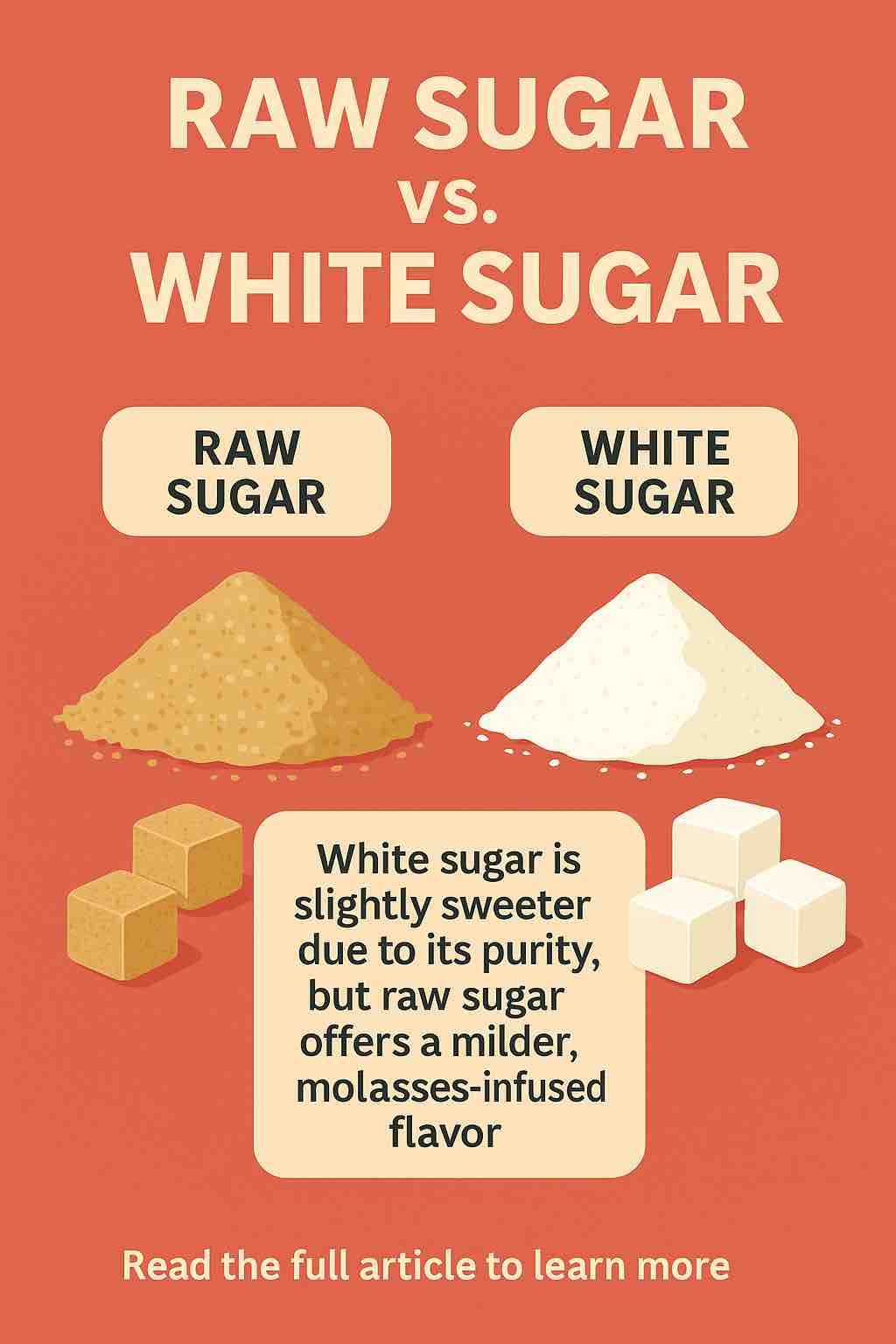
Raw Sugar vs. White Sugar: Which Is the Sweeter Choice?

RAW SUGAR VS. WHITE SUGAR

Sugar is one of the most common ingredients in kitchens worldwide, sweetening everything from your morning coffee to decadent desserts. But not all sugars are created equal. If you’ve ever stood in the baking aisle wondering whether to grab raw sugar or white sugar, you’re not alone. Each has its loyal fans and claims about flavor, health benefits, and sweetness.

In this blog post, we’ll unravel the mysteries behind raw sugar and white sugar, comparing their production, sweetness, nutrition, culinary uses, and health impacts — so you can make the sweetest choice for your needs.


What Exactly Is Raw Sugar?

Raw sugar, also known as turbinado or demerara sugar (depending on the brand and processing), is sugar that has undergone minimal refining. It’s derived from sugarcane juice, which is boiled and crystallized but not fully stripped of molasses, the dark syrupy component naturally found in sugarcane.

Key features of raw sugar:

  • Light golden to amber color.
  • Coarser, larger crystals.
  • Slightly sticky texture due to residual molasses.
  • Subtle caramel or toffee-like flavor notes.

Because raw sugar retains some molasses, it offers more complex flavors than white sugar — which might explain why it’s popular for sprinkling on baked goods or in specialty coffee drinks.


What About White Sugar?

White sugar, or granulated sugar, undergoes a rigorous refining process that removes molasses entirely. The sugar crystals you find in white sugar are nearly pure sucrose, typically over 99.9%, resulting in a bright white, fine, and uniform texture.

Key features of white sugar:

  • Pure white color.
  • Fine, uniform crystals.
  • Clean, neutral sweetness without additional flavors.
  • Dissolves quickly and evenly.

White sugar’s neutral flavor and smooth texture make it extremely versatile in cooking and baking, where uniform sweetness and texture are critical.


The Sweetness Showdown: Raw Sugar vs. White Sugar

When it comes to sweetness, what matters most chemically is the sucrose content—the sugar compound responsible for sweetness perception. Here’s what science tells us:

  • White sugar is about 99.9% sucrose.
  • Raw sugar is roughly 96-99% sucrose.

This slight difference means white sugar is purer, but does it make it sweeter? Not necessarily.

Why? The molasses in raw sugar adds flavor complexity but can slightly mask the pure sweet taste of sucrose. So while chemically white sugar might edge out raw sugar in pure sucrose content, raw sugar offers a richer flavor profile that some might perceive as less sweet but more nuanced.

Bottom line: In terms of pure sweetness intensity, white sugar is often perceived as sweeter, but raw sugar offers a pleasant, rounded sweetness due to molasses.


Nutritional Face-Off: Is Raw Sugar Healthier?

A popular myth is that raw sugar is a healthier alternative to white sugar because it contains “natural minerals” from molasses. While this is partly true, the reality is a bit underwhelming.

Nutritional facts per teaspoon:

NutrientWhite SugarRaw Sugar
Calories~16 kcal~18 kcal
Sucrose99.9%96–99%
Trace MineralsNoneTiny amounts of calcium, iron, potassium

The trace minerals in raw sugar come from molasses, but they are so minimal that they don’t provide meaningful nutritional benefits. The caloric content is almost the same. Both sugars will have similar effects on blood sugar, as their glycemic index hovers around 65, classified as a medium GI food.

So, if you’re choosing raw sugar thinking it’s a “healthier” option, it’s not a significant upgrade over white sugar.


How Do They Perform in Cooking and Baking?

If you’re a baker or home chef, this section is especially important.

  • White sugar:
    • Dissolves quickly.
    • Provides consistent sweetness.
    • Contributes to the texture and color of baked goods without altering flavor.
    • Ideal for delicate recipes where precise sweetness is essential.
  • Raw sugar:
    • Larger, coarser crystals.
    • Adds crunch and a mild caramel flavor.
    • Often used as a topping on muffins, cookies, and crumbles.
    • Works well in recipes where a slight molasses flavor is desirable.

Pro tip: If you substitute raw sugar in recipes designed for white sugar, expect changes in texture and flavor. Raw sugar crystals don’t dissolve as quickly and can result in grainier textures if not adjusted properly.


The Health Perspective: What Should You Know?

Neither raw sugar nor white sugar is a health food. Excessive sugar intake is linked to weight gain, increased risk of type 2 diabetes, heart disease, and dental problems.

  • The trace minerals in raw sugar don’t offset the negative effects of sugar consumption.
  • Both sugars should be consumed in moderation.
  • For better health, focus on reducing total added sugar intake regardless of the type.

If you want to reduce sugar impact, exploring natural sweeteners like stevia, monk fruit, or erythritol could be a smarter choice.


Glycemic Index (GI)

Both raw and white sugars have a medium glycemic index of approximately 65, indicating a moderate impact on blood glucose levels. This is comparable to the GI of sucrose, which is also around 65 .


So, Which Sugar Should You Choose?

If sweetness is your only concern: White sugar offers a slightly more intense sweet taste due to its purity.

If you want flavor complexity: Raw sugar’s molasses content delivers subtle caramel notes that enhance certain recipes and beverages.

If you’re thinking health: Neither sugar offers significant benefits. Moderation is key.

If you bake: Consider texture and dissolution—white sugar is more versatile, but raw sugar adds a lovely crunch and flavor boost when used appropriately.


Final Thoughts

Choosing between raw sugar and white sugar often comes down to personal preference and specific culinary needs rather than sweetness or health superiority. Both provide the same core ingredient—sucrose—and behave similarly in your body.

The next time you reach for sugar, think about what you want to achieve:

  • Pure sweetness? White sugar.
  • A hint of caramel flavor? Raw sugar.
  • Health benefits? Neither—cut back on sugar overall.

Sweetness is subjective, but with the facts in hand, your choice can be a more informed one.


If you found this post helpful, share it with your friends who love baking or enjoy a good cup of coffee! Got questions or want to dive deeper into sugar science? Drop a comment below — I’m here to help.