Posted on 3 Comments

Is Turmeric Good for Your Liver? What the Latest Research Really Says

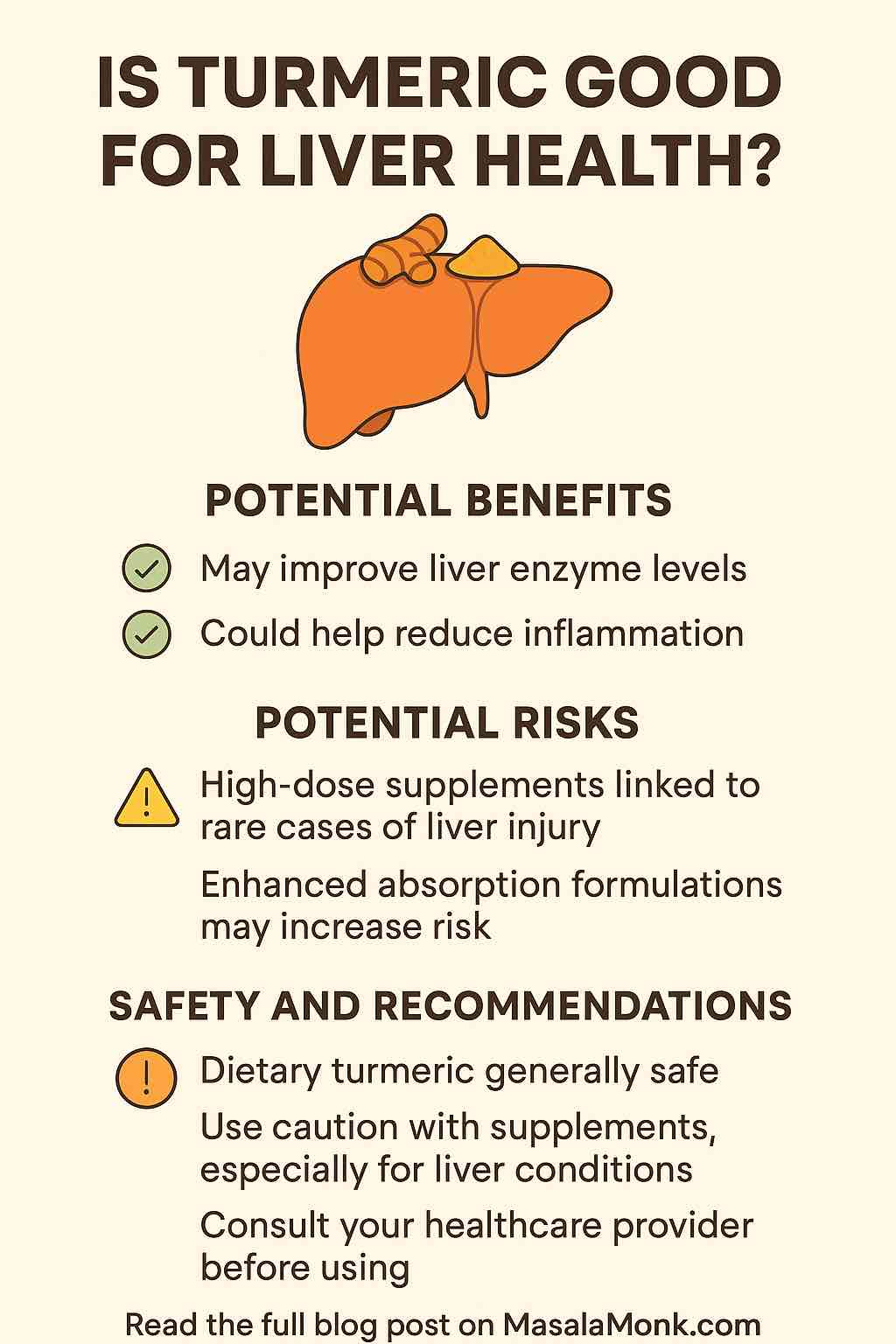
IS TURMERIC GOOD FOR LIVER HEALTH?

Turmeric, the vibrant golden spice that gives curry its signature hue, has long been hailed as a superfood with a wide range of health benefits. From fighting inflammation to boosting brain function, its active compound curcumin has earned a place in both traditional and modern medicine. But in recent years, one particular question has been on the rise: Is turmeric good for your liver?

With the liver being your body’s primary detox organ, maintaining its health is essential. As liver diseases like nonalcoholic fatty liver disease (NAFLD) become more prevalent, many are turning to natural remedies like turmeric for support. But what does the latest science actually say?

In this deep dive, we explore the research-backed benefits, the potential risks, and what you need to know before adding turmeric to your wellness routine.


The Liver and Its Role in Health

Your liver is a powerhouse. It processes everything you consume, filters toxins, produces bile for digestion, regulates blood sugar, stores essential nutrients, breaks down fats, and plays a key role in metabolism and immune system function. With such a vital role, it’s no wonder that even minor liver dysfunction can impact your overall health—causing symptoms ranging from fatigue and digestive issues to hormonal imbalances and cognitive problems.

Liver issues are on the rise globally due to poor diets, sedentary lifestyles, alcohol use, and environmental toxins. Conditions like NAFLD, alcoholic liver disease, hepatitis, and cirrhosis are becoming increasingly common, making proactive liver care more important than ever.


Turmeric’s Active Ingredient: Curcumin

The primary bioactive compound in turmeric is curcumin, which comprises about 2–8% of most turmeric preparations. Curcumin is known for its strong anti-inflammatory, antioxidant, antimicrobial, and even anticancer properties. However, curcumin’s poor natural bioavailability means it is rapidly metabolized and eliminated from the body. To address this, many supplements are combined with piperine (an extract from black pepper), phospholipids (like in Meriva formulations), or nanoparticles to improve absorption.

Curcumin modulates several cellular signaling pathways, including those involved in inflammation (e.g., NF-κB), oxidative stress (e.g., Nrf2), and apoptosis (programmed cell death). These mechanisms are especially relevant in the context of liver diseases, where inflammation and oxidative damage are key drivers.


What the Science Says: Turmeric and Liver Health

1. Promising Benefits

Nonalcoholic Fatty Liver Disease (NAFLD):
One of the most compelling areas of study is turmeric’s potential to help those with NAFLD—a condition affecting an estimated 25% of the global population. In a 2021 double-blind, placebo-controlled clinical trial, participants taking 2 grams of turmeric extract daily for 8 weeks experienced notable improvements in liver enzyme levels (AST, ALT), lipid profiles (triglycerides, LDL), and markers of inflammation. This suggests turmeric could play a role in reducing liver fat accumulation and improving overall liver function.

Liver Fibrosis and Cirrhosis:
Chronic liver inflammation often leads to fibrosis—the buildup of scar tissue—which, if unchecked, progresses to cirrhosis. Preclinical studies in rodents show that curcumin inhibits hepatic stellate cell activation and reduces the expression of fibrotic markers like TGF-β and collagen. These findings hint at curcumin’s potential to slow or reverse the progression of liver scarring.

Detoxification Support:
Curcumin may enhance the activity of detoxifying enzymes such as glutathione-S-transferase (GST) and superoxide dismutase (SOD). By supporting these detoxification pathways, turmeric helps the liver neutralize and eliminate harmful substances, including heavy metals and environmental pollutants.

Reduction of Oxidative Stress:
Oxidative stress is a major factor in liver damage. Curcumin’s antioxidant properties help counteract oxidative damage by neutralizing free radicals and upregulating the expression of antioxidant enzymes. This not only supports liver health but also protects against cellular aging and DNA damage.

Anti-inflammatory Effects:
Chronic inflammation is central to the progression of nearly all liver diseases. Curcumin reduces the expression of pro-inflammatory cytokines like IL-6, TNF-α, and CRP, which are elevated in conditions like hepatitis and fatty liver. It also inhibits the activation of the NF-κB pathway, a major driver of chronic inflammation.


2. The Cautionary Side

Despite these compelling benefits, turmeric is not without risks—especially in supplement form.

Reports of Liver Injury:
Recent years have seen an increase in reports linking turmeric supplements to acute liver injury. Although these cases are rare, some have been severe, resulting in hospitalization, liver failure, and even death. Most incidents involved high-dose curcumin supplements, often combined with bioavailability enhancers like piperine or formulated using advanced technologies such as liposomal encapsulation.

Why the Risk Exists:
When turmeric is taken in food amounts, it is well-tolerated by most people. However, concentrated extracts can pose problems for certain individuals—particularly those with pre-existing liver conditions or genetic predispositions. Supplements that enhance curcumin absorption may increase the compound’s systemic levels far beyond what the body is used to handling, potentially triggering adverse reactions.

Regulatory Warnings:
The Australian Therapeutic Goods Administration (TGA) and other health bodies have issued formal warnings about the risk of liver injury from curcumin-containing products. They recommend that anyone with liver disease or on liver-metabolized medications exercise caution and consult a healthcare provider before use.


How to Safely Use Turmeric for Liver Support

  • Stick to dietary sources: Using turmeric in cooking is not only safe but beneficial. It can be added to curries, soups, rice dishes, smoothies, and teas for everyday wellness.
  • Choose supplements wisely: If opting for a supplement, select reputable brands that use third-party testing and provide transparent labeling.
  • Avoid megadoses: More isn’t always better. Stay within recommended dosages and avoid combining with other potent liver-impacting herbs or medications without guidance.
  • Monitor for side effects: Watch for symptoms like fatigue, yellowing of the skin, or dark urine—potential signs of liver stress—and discontinue use if they occur.
  • Consult a professional: Especially important for those with chronic health conditions, existing liver concerns, or who are on multiple medications.

Turmeric in Context: A Holistic Liver Health Strategy

Turmeric can play a supportive role, but it should be part of a broader approach to liver care. Key strategies include:

  • Eating a nutrient-rich, anti-inflammatory diet featuring fruits, vegetables, whole grains, and healthy fats.
  • Limiting alcohol intake and avoiding processed foods high in sugar and trans fats.
  • Staying hydrated to assist the liver’s filtration process.
  • Regular physical activity, which has been shown to improve liver enzyme levels and reduce liver fat.
  • Getting regular checkups to monitor liver health through blood tests like AST, ALT, and GGT.

Conclusion: Is Turmeric Good for Your Liver?

Yes—with conditions.

Turmeric is a powerful spice with legitimate potential to support liver health. It can reduce inflammation, fight oxidative stress, and help improve liver function markers—especially in individuals with early-stage liver concerns like NAFLD. However, it’s not a one-size-fits-all remedy. The risk of liver injury from high-dose supplements—though rare—is real and should not be ignored.

As with any supplement, balance is key. Incorporate turmeric mindfully into a healthy lifestyle, and consult with a healthcare provider before starting any new regimen—especially if you’re dealing with liver disease or taking liver-metabolized medications.

Click-worthy Tip: Want to try turmeric for liver health? Start with golden milk or turmeric tea—delicious, soothing, and easy on the liver!


Call to Action:
Found this helpful? Share this post and help someone else take charge of their liver health. Got questions or personal experiences with turmeric? Drop a comment below—we’d love to hear your story!

FAQs: Turmeric for Liver Health

1. Can turmeric actually detox the liver?
Turmeric doesn’t “detox” the liver in the way some marketing suggests, but its active compound, curcumin, can support the liver’s natural detoxification pathways by enhancing antioxidant enzymes like glutathione and reducing oxidative stress.

2. How much turmeric should I take for liver health?
For general wellness, 500–2,000 mg of curcumin extract per day is commonly used in studies. However, it’s best to start with dietary turmeric and consult your healthcare provider before starting supplements—especially for liver-specific concerns.

3. Is turmeric safe for people with existing liver disease?
Turmeric in food amounts is generally safe. However, curcumin supplements can pose risks for people with liver disease, especially in high doses or combined with piperine. Always consult a healthcare professional before using supplements.

4. Are turmeric supplements better than turmeric in food?
Supplements contain concentrated curcumin and may offer stronger anti-inflammatory effects. However, they also carry a higher risk of side effects. Dietary turmeric is safer and still beneficial when consumed consistently.

5. Can turmeric cause liver damage?
Yes, in rare cases. High-dose turmeric supplements, particularly those with enhanced absorption formulas (like with piperine), have been linked to acute liver injury in some individuals.

6. How long does it take to see liver health benefits from turmeric?
Clinical trials suggest improvements can appear in as little as 8 weeks when turmeric is taken consistently, particularly in people with NAFLD or elevated liver enzymes.

7. What are signs of turmeric-related liver stress?
Watch for jaundice (yellowing skin or eyes), dark urine, abdominal pain, fatigue, or nausea. If these symptoms appear, stop use immediately and seek medical help.

8. Is turmeric better than milk thistle for liver health?
Both offer unique benefits. Milk thistle (silymarin) has a longer history in liver support, while turmeric (curcumin) offers broader anti-inflammatory and antioxidant effects. Some formulations combine both for synergistic benefits.

9. Should turmeric be taken with food or on an empty stomach?
Turmeric is best taken with food, especially fats, to enhance absorption and reduce gastrointestinal discomfort. Many supplements also include black pepper extract (piperine) to improve bioavailability.

10. Can I drink turmeric tea daily for liver support?
Yes! Turmeric tea or “golden milk” is a gentle, daily way to support liver health without the risks associated with high-dose supplements. Just avoid adding too much sugar or dairy if you’re managing liver conditions.
Posted on Leave a comment

The Truth About Sweet Potatoes on the Keto Diet: Can You Indulge and Stay in Ketosis?

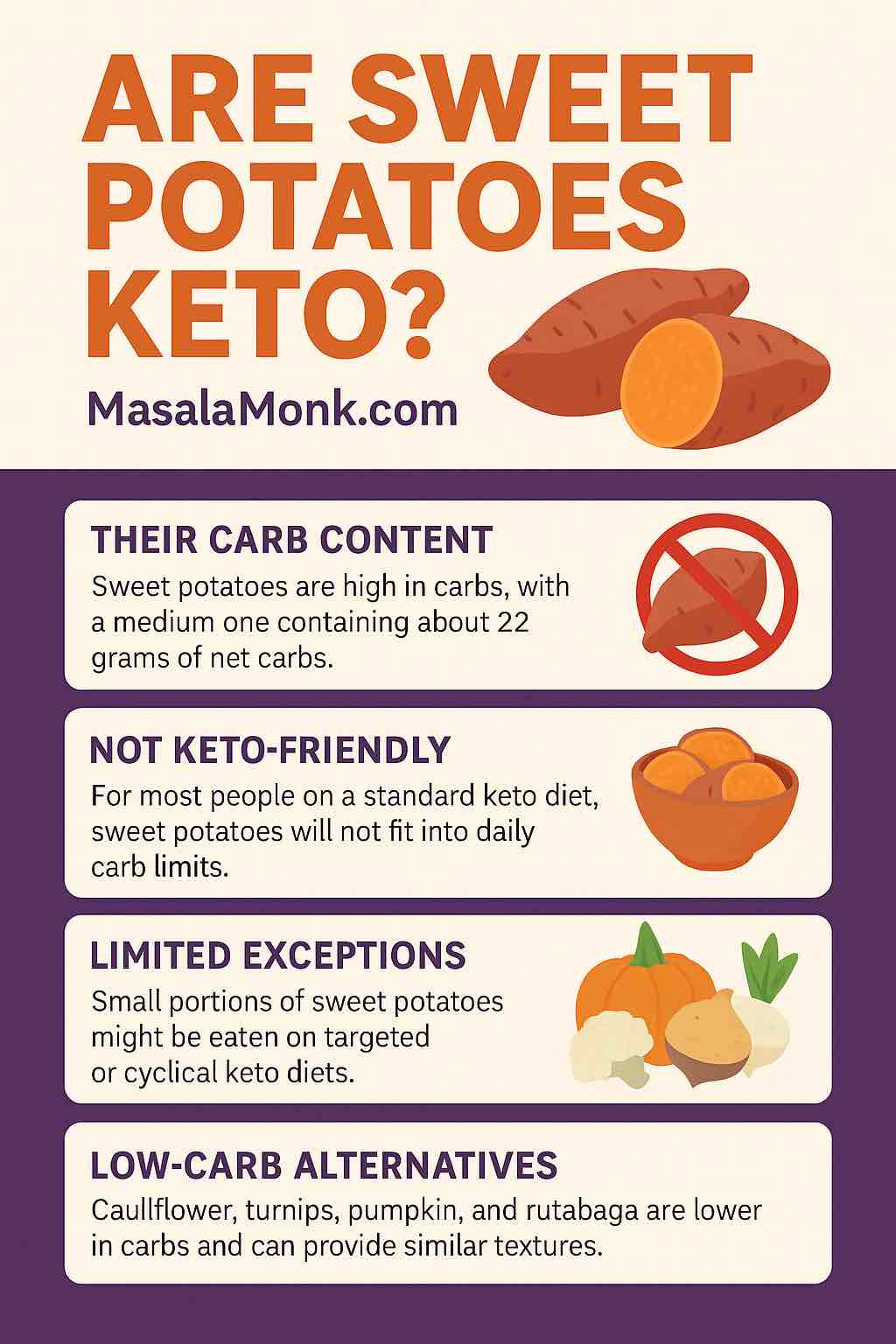
ARE SWEET POTATOES КЕТО?

Sweet potatoes are often hailed as a “superfood” — nutrient-rich, delicious, and versatile. But if you’re on a keto diet, you might be wondering: Are sweet potatoes keto-friendly? Can you eat sweet potatoes on keto? The short answer is no — but there’s nuance worth exploring.

In this post, we’ll unpack the sweet potato’s carb profile, discuss its compatibility with various types of keto diets, suggest low-carb alternatives, and offer practical tips for managing cravings without compromising ketosis.


🧠 What Is the Keto Diet, and Why Does It Limit Carbs?

The ketogenic diet is a high-fat, very low-carb, moderate-protein eating plan that aims to shift your body’s metabolism from relying on glucose (carbs) to burning fat for fuel, a metabolic state known as ketosis.

To reach and maintain ketosis, most people aim for 20–50 grams of net carbs per day. That’s where the conflict begins with sweet potatoes.


🥔 How Many Carbs Are in a Sweet Potato?

Sweet potatoes may seem healthy—and they are, in many diets—but they pack a lot of carbohydrates, which is problematic for keto.

Here’s the breakdown for 1 medium sweet potato (~150g):

  • Total Carbohydrates: ~26g
  • Fiber: ~4g
  • Net Carbs: ~22g

That’s nearly an entire day’s worth of carbs in one serving — and that’s assuming you’re on the higher end of the keto carb limit.


❌ Are Sweet Potatoes Keto-Friendly?

For most keto dieters, sweet potatoes are not keto-friendly. The high net carb count means that even a small portion could kick you out of ketosis.

That said, there are scenarios where sweet potatoes might be integrated into a broader keto strategy — but only for experienced dieters using specific keto variations.


🔁 When Can You Eat Sweet Potatoes on Keto?

Sweet potatoes don’t fit well into standard ketogenic diets, but they may work in the context of:

1. Targeted Ketogenic Diet (TKD)

This approach is used by athletes or active individuals who consume extra carbs around their workouts. In this case, a small portion of sweet potato pre- or post-workout can provide energy without long-term disruption to ketosis.

2. Cyclical Ketogenic Diet (CKD)

This strategy includes higher-carb “refeed” days, often once or twice a week. Sweet potatoes are an excellent option during these phases, offering complex carbs and nutrients to replenish glycogen stores.

3. Carb Cycling or Relaxed Keto

If you’re doing a lazy or low-carb diet that’s not strictly keto, sweet potatoes may be workable in small, carefully measured portions.

However, if you’re following a traditional or therapeutic keto plan (e.g., for epilepsy or insulin resistance), sweet potatoes are likely off-limits.


🥦 Low-Carb Substitutes for Sweet Potatoes on Keto

Craving the hearty, sweet, starchy flavor of a sweet potato without the carb overload? Here are some keto-approved alternatives that scratch the same itch:

1. Cauliflower

Low in carbs (2g net carbs per 100g), cauliflower is a keto MVP. You can mash it, roast it, rice it — and when seasoned right, it’s a fantastic base for savory dishes.

2. Turnips

With ~4.6g net carbs per 100g, turnips have a mildly sweet flavor and potato-like texture when roasted or mashed.

3. Rutabaga

A slightly sweet and dense root vegetable, rutabaga has about 7g net carbs per 100g and works great roasted or spiralized.

4. Pumpkin

With ~5g net carbs per 100g, pumpkin can be used in both sweet and savory recipes. It’s especially useful for soups, mash, or pies.

5. Jicama

Crunchy, slightly sweet, and only ~4.5g net carbs per 100g, jicama is great raw, sautéed, or air-fried.

These alternatives give you the mouthfeel and flavors you may miss without sabotaging your ketosis.


🥦 Best Low-Carb Substitutes for Sweet Potatoes

Craving that sweet, starchy texture? Try these keto-friendly swaps:

SubstituteNet Carbs (per 100g)Why It Works
Cauliflower2gVersatile, great mashed or riced
Turnips4.6gSlightly sweet and roastable
Pumpkin5gSubtle sweetness, great in soups
Rutabaga7gExcellent roasted or mashed
Jicama4.5gCrunchy, low-carb fry option

🔥 The Nutritional Case for Sweet Potatoes (When Not on Keto)

Although they’re not keto-friendly, sweet potatoes are far from unhealthy. They’re a rich source of:

  • Beta-carotene (a precursor to Vitamin A)
  • Potassium
  • Manganese
  • Vitamin C and B6
  • Dietary fiber

They support gut health, stabilize blood sugar in moderate diets, and provide slow-digesting carbs ideal for non-keto lifestyles or post-workout meals. If you ever transition off keto, sweet potatoes are one of the best complex carbs to reintroduce.


🍽️ Tips for Handling Sweet Potato Cravings on Keto

If you’ve been keto for a while, you may still miss the taste and texture of sweet potatoes. Here are a few tricks to keep your cravings in check:

  • Recreate the flavor profile using spices like cinnamon, nutmeg, and smoked paprika with low-carb veggies like pumpkin or rutabaga.
  • Make a mock sweet potato mash using cauliflower or pumpkin with butter, cream cheese, and seasonings.
  • Use keto-friendly sweeteners like erythritol or allulose in casseroles or sides to get that sweet-savory balance.

Remember, the psychological side of keto is just as important as the metabolic one. Finding satisfying swaps can make a big difference in long-term success.


🧾 Final Word: Sweet Potato and Keto Diet—Are They Compatible?

While sweet potatoes are a whole, nutrient-rich food, they don’t align with the macronutrient structure of a ketogenic diet. They’re simply too high in carbs for regular consumption on strict keto. However, context matters.

  • On TKD or CKD, you may fit in small servings occasionally.
  • If you’re on low-carb but not ketogenic, you have more flexibility.
  • For strict keto dieters, opt for the many delicious and creative substitutes available.

Sweet potatoes are off the keto menu — but the flavors and textures you love don’t have to be.

10 Highly Relevant FAQs for the Blog Post

These FAQs are crafted to capture featured snippets and directly answer high-intent keyword questions from your list.


1. Are sweet potatoes keto-friendly?
No, sweet potatoes are not keto-friendly due to their high carbohydrate content. A medium sweet potato contains about 22 grams of net carbs, which can exceed the daily limit on a standard ketogenic diet.


2. Can you eat sweet potatoes on a keto diet?
Only in very limited circumstances. Sweet potatoes may be consumed in small portions on targeted or cyclical ketogenic diets, but they are not suitable for strict keto.


3. Is sweet potato keto approved?
Sweet potatoes are not typically approved on keto diets. Their carb content is too high to maintain ketosis unless you’re on a modified version of keto.


4. Are sweet potatoes considered low carb?
No. While healthier than white potatoes, sweet potatoes are not considered low-carb. A single serving can easily exceed daily carb limits for low-carb or keto diets.


5. How many carbs are in a sweet potato?
A medium sweet potato (~150g) contains approximately 26g of total carbs, 4g of fiber, and about 22g of net carbs.


6. What happens if you eat sweet potatoes on keto?
Eating sweet potatoes on a strict keto diet may raise blood sugar and insulin levels, kicking you out of ketosis and halting fat-burning.


7. Can sweet potatoes be eaten in a targeted keto diet?
Yes, small amounts of sweet potato can be used around workouts in a targeted ketogenic diet (TKD) to provide short-term energy without fully disrupting ketosis.


8. What are keto-friendly alternatives to sweet potatoes?
Great low-carb substitutes include cauliflower, turnips, rutabaga, pumpkin, and jicama—all offering fewer net carbs and similar textures.


9. Are there keto recipes that mimic sweet potato dishes?
Yes. You can recreate sweet potato casseroles or mashed sweet potatoes using ingredients like pumpkin, cauliflower, or rutabaga, combined with spices and low-carb sweeteners.


10. Why do people think sweet potatoes are healthy if they’re not keto?
Sweet potatoes are healthy in general—they’re rich in fiber, vitamins, and antioxidants—but their high carb content makes them unsuitable for ketogenic diets.

Posted on Leave a comment

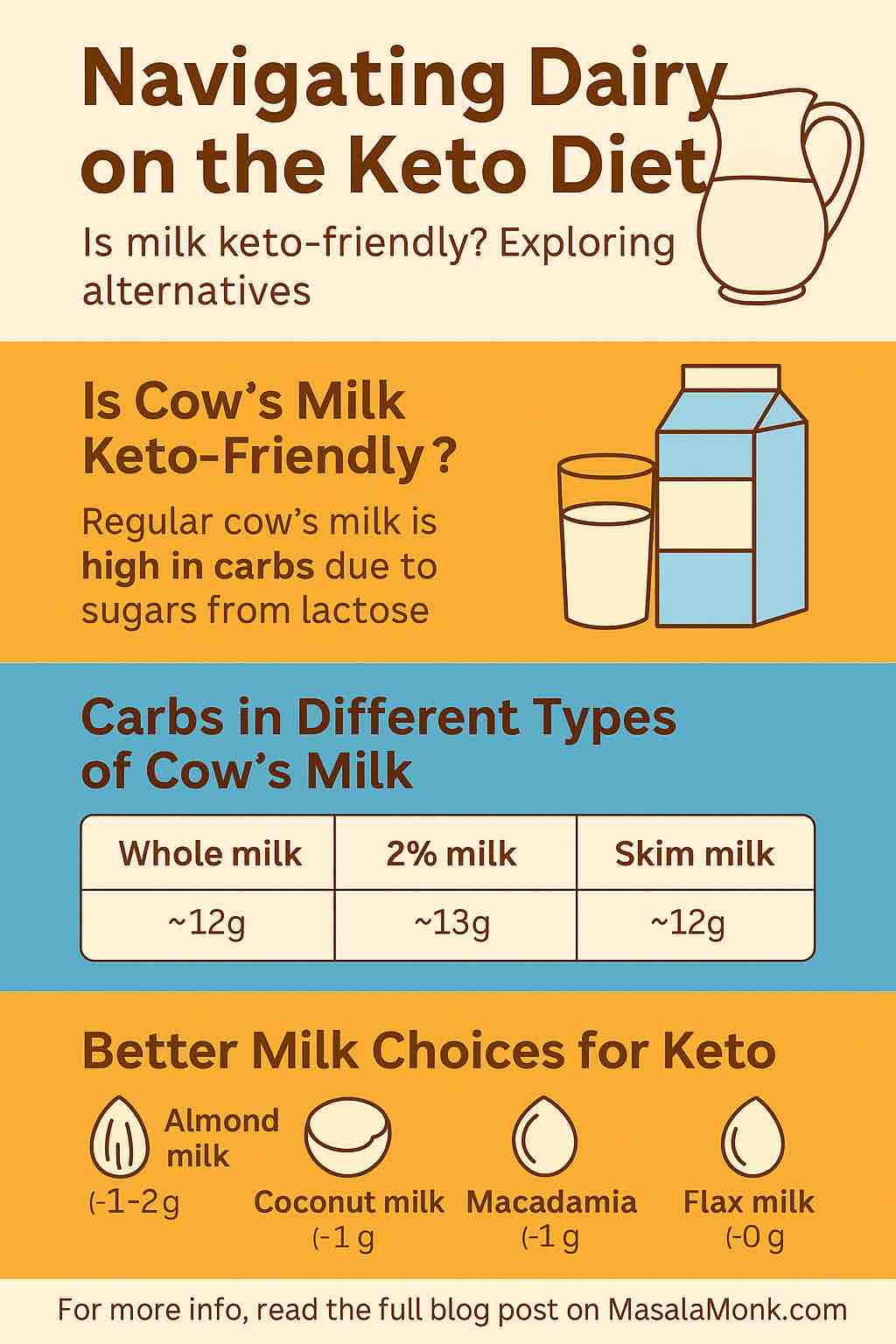
Navigating Dairy on the Keto Diet: Is Cow’s Milk Keto-Friendly? Exploring Alternatives

Dairy on the Keto Diet Is milk keto-friendly?

The ketogenic (keto) diet is a low-carb, high-fat, and moderate-protein dietary approach designed to shift your body into a state of ketosis — a metabolic state where fat becomes the primary fuel source instead of glucose. For most people, achieving ketosis requires limiting net carbohydrates to about 20–50 grams per day.

This limitation means that every gram of carbohydrate counts, and even healthy-sounding foods like milk can interfere with ketosis if not accounted for carefully.

As interest in keto grows, questions like:

  • “Is milk keto?”
  • “Can I have milk on a keto diet?”
  • “What’s the best milk for keto?”

…are increasingly common — and completely valid. Let’s address them head-on.


Is Cow’s Milk Keto-Friendly?

Not Exactly — And Here’s Why

Cow’s milk — whether it’s whole, 2%, or skim — contains a sugar called lactose, which contributes significantly to its carbohydrate content. While it’s a great source of calcium, vitamin D, and protein, it’s not ideal for those on a ketogenic diet due to its carb profile.

Here’s a breakdown of the net carbs per 1 cup (240ml) of various types of cow’s milk:

Type of MilkNet Carbs (approx.)
Whole milk11–12g
2% milk12–13g
Skim milk12g
Lactose-free milk~11g

This is more than half of the daily carb allowance for a strict keto dieter — and that’s just from one glass of milk.

So, if you’re wondering, “Is milk low carb?” or “Can I drink milk on a keto diet?”, the answer is: not really — unless it’s in very small quantities.


Why Milk Is Problematic on Keto

Even though milk is a natural product, it’s not low-carb by keto standards. Most of the carbohydrates in milk come from lactose, a disaccharide composed of glucose and galactose, which rapidly affects blood sugar levels — something you want to avoid on keto.

Compare Milk with Other Dairy:

  • Cheese: Low in lactose, higher in fat, minimal carbs
  • Heavy cream: Low carb, high fat — keto staple
  • Greek yogurt: Can be keto-friendly if unsweetened and full-fat
  • Milk: Higher carbs, low fat (especially skim), spikes insulin

Hence, while “keto and milk” or “milk on keto” may seem compatible at a glance, the lactose content makes regular milk a poor fit.


So, Can You Ever Have Milk on Keto?

The short answer is: Yes, but sparingly.

Using a tablespoon or two of milk in coffee likely won’t throw you out of ketosis, especially if you’re following a more flexible “lazy keto” or cyclical keto approach. However, drinking a full cup of milk daily or using it in smoothies or cereal replacements can quickly eat up your carb allowance.

Many keto practitioners opt to eliminate regular milk entirely or switch to low-carb alternatives to avoid even small risks of breaking ketosis.


Keto-Friendly Milk Alternatives: What Can You Drink Instead?

There’s good news — you don’t have to give up “milk” entirely. Many plant-based and specialty milks are not only keto-friendly but also widely available.

Top Low-Carb Milk Options for Keto:

Milk SubstituteNet Carbs (1 cup)Notes
Unsweetened almond milk1–2gNeutral flavor, great in coffee, smoothies
Unsweetened coconut milk (carton)1gCreamy, tropical, good for baking
Macadamia nut milk1gButtery taste, very low carb
Flax milk0–1gOften enriched with omega-3s
Hemp milk1gEarthy taste, good omega profile
Pea milk (unsweetened)2gHigher protein, creamy texture
Heavy cream + water (50/50)~1gDIY “milk”, high fat, low carb

Make sure to always choose unsweetened versions. Many “original” or flavored nut milks contain added sugars that spike the carb count significantly, often to 6–10g per cup.

If you’re doing a lot of baking or cooking and asking “what milk is keto?”, coconut and almond milk are among the most versatile choices.


How to Use Keto Milk Substitutes

Here’s how low-carb milk alternatives can easily replace cow’s milk in your daily routine:

  • In Coffee or Tea: Almond milk or heavy cream are top choices
  • Smoothies: Coconut or macadamia milk blends well with keto fruits (like berries) and protein powders
  • Baking: Flax milk or almond milk can replace regular milk 1:1 in many recipes
  • Cereal Replacements: Pour over unsweetened keto granola or chia seed bowls

Some users even ask about “low carb cow milk” — which technically doesn’t exist yet, though brands are experimenting with ultrafiltered milks like Fairlife. These are lower in sugar but still not as low-carb as plant-based alternatives.


Navigating Dairy on Keto: Practical Tips

If you’re still attached to cow’s milk, here are a few practical ways to keep it (somewhat) keto-friendly:

  1. Use smaller portions – A tablespoon of milk in coffee = ~1g carbs
  2. Choose full-fat dairy – Whole milk is slightly lower in carbs per gram of fat than skim
  3. Try ultrafiltered milk – Fairlife has ~6g carbs per cup, but still not ideal
  4. Mix heavy cream with water – A keto hack to mimic milk texture with fewer carbs

That said, for most dedicated keto followers, switching to almond, coconut, or macadamia milk is the easiest way to stay in ketosis while still enjoying milk-like drinks.


Conclusion: Is Milk Keto?

Regular cow’s milk is not keto-friendly due to its high lactose (sugar) content. While it can be consumed in very limited quantities, it’s rarely worth the carb cost.

Instead, choose low-carb milk substitutes that provide the same creamy texture with minimal impact on your daily carb intake. Whether you’re whipping up a keto coffee, baking a dessert, or blending a post-workout smoothie, there’s a keto milk option that fits your goals.

The key is to check labels, stick to unsweetened varieties, and treat even “healthy” dairy with awareness. Once you make the switch, you likely won’t miss cow’s milk at all — and your macros will thank you.

Frequently Asked Questions

1. Is milk allowed on a keto diet?

Milk is not ideal on a keto diet due to its lactose content, which results in around 12g of carbs per cup. Small amounts may be okay, but regular consumption can quickly exceed your daily carb limit.


2. What kind of milk is best for keto?

Unsweetened almond milk, coconut milk, macadamia milk, flax milk, and hemp milk are among the best low-carb milk options for keto. Always choose unsweetened varieties to keep carbs under 2g per cup.


3. How many carbs are in a cup of regular milk?

One cup (240ml) of regular cow’s milk contains about 11–13g of net carbs, depending on whether it’s whole, 2%, or skim. This is often too high for keto diets.


4. Can you drink milk in coffee on keto?

Yes, but use very small amounts — a tablespoon of milk has roughly 1g of carbs. A better option is to use heavy cream, unsweetened almond milk, or coconut milk, which are much lower in carbs.


5. Is lactose-free milk better for keto?

Not necessarily. While lactose-free milk removes or breaks down lactose, the carbohydrate content remains about the same, so it’s still not keto-friendly.


6. Is almond milk keto-friendly?

Yes, especially unsweetened almond milk, which typically contains only 1–2g of net carbs per cup. It’s one of the most popular and accessible keto milk alternatives.


7. What is the lowest carb milk substitute?

Flax milk and unsweetened macadamia milk are among the lowest, with 0–1g net carbs per cup. These are ideal for strict keto diets.


8. Can I drink skim milk on keto?

No, skim milk is not recommended for keto. Despite being lower in fat, it still contains 12g of carbs per cup, just like whole milk — but without the benefit of dietary fat.


9. What milk can I use for baking on keto?

Use unsweetened almond milk, coconut milk (from the carton), or a half-and-half mix of heavy cream and water. These provide moisture with minimal carbs.


10. Does milk kick you out of ketosis?

If consumed in moderate to large amounts, yes — milk can easily provide enough carbs to disrupt ketosis, especially if your total daily carb target is under 20g.

Posted on 3 Comments

Decaf Coffee and GERD: Is Decaf Coffee Better for Acid Reflux?

For many, coffee is more than just a beverage — it’s a daily ritual, a source of comfort, and a moment of pause. But for those dealing with acid reflux or GERD (Gastroesophageal Reflux Disease), even the thought of coffee can bring discomfort. While regular coffee is a well-known trigger, decaf coffee often gets pitched as a safer alternative. Yet, the relationship between decaffeinated coffee and acid reflux isn’t as straightforward as it seems.

This article explores the nuanced science and practical realities behind decaf coffee’s impact on acid reflux, GERD, and heartburn. We’ll also uncover what makes some decaf coffees more reflux-friendly than others — and how you can enjoy your cup without compromising your health.


The Hidden Complexity of Coffee and Digestive Health

Coffee — whether decaffeinated or not — contains a complex matrix of compounds: acids, oils, caffeine (to some extent in decaf), and other biologically active molecules. While caffeine is often blamed for triggering reflux, it’s not the only compound that can disturb the digestive system.

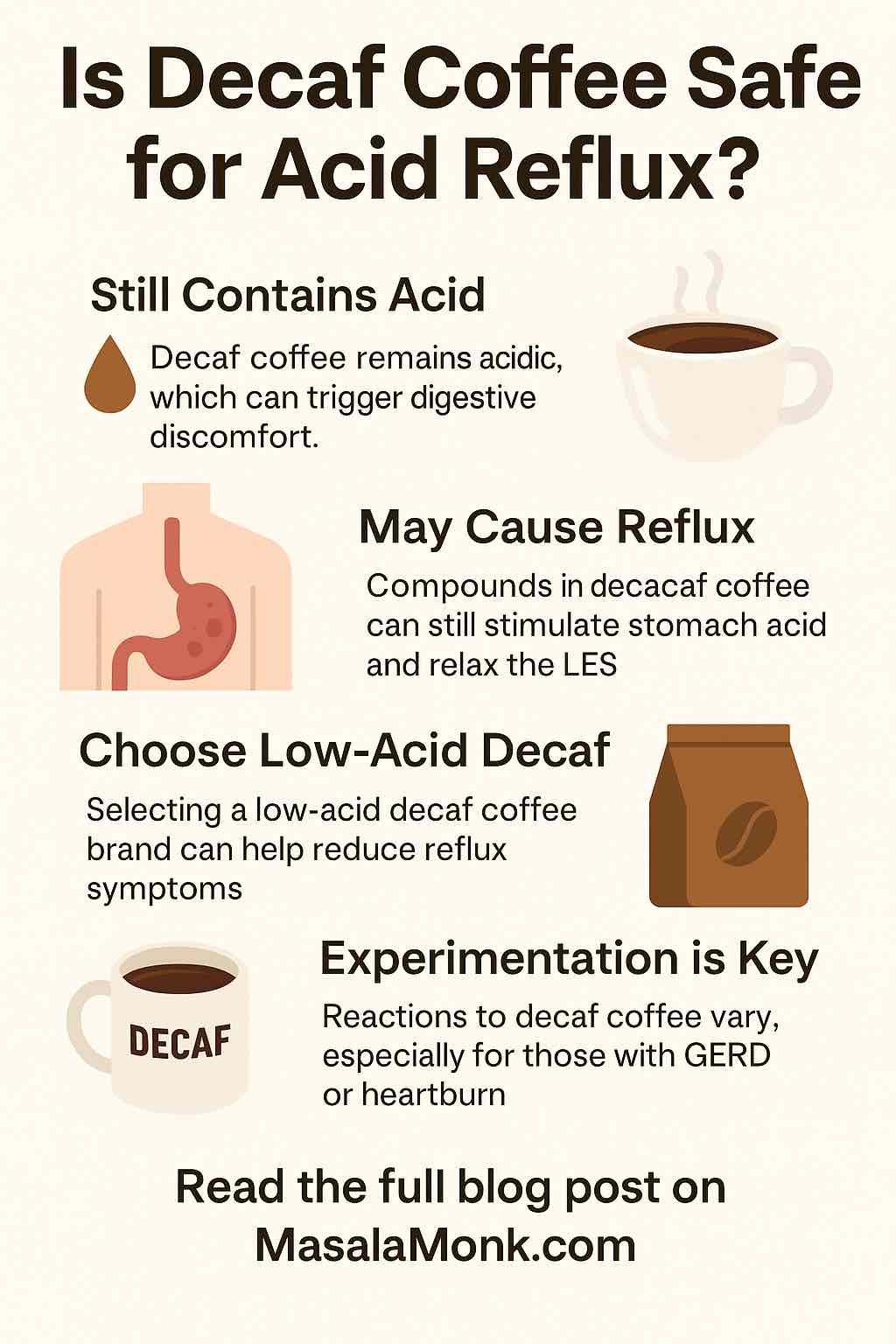
Coffee stimulates gastric acid secretion, even in its decaffeinated form. It can also relax the lower esophageal sphincter (LES) — the muscular valve between your esophagus and stomach. When the LES weakens or relaxes at the wrong time, stomach acid can travel upwards, leading to symptoms like heartburn, a sour taste, or chest discomfort — the hallmarks of acid reflux and GERD.


Why Decaf Coffee Is Still Acidic — and Why That Matters

One of the most persistent myths is that decaffeinated coffee is low in acid. In reality, most decaf coffees remain acidic. The acidity in coffee comes from organic compounds such as chlorogenic acid, quinic acid, and citric acid — all of which remain present even after caffeine is removed.

That said, not all acids are equal. Some contribute to flavor complexity, while others, especially chlorogenic acid, are more likely to irritate the stomach lining or stimulate acid production. These acids can trigger digestive discomfort in sensitive individuals, regardless of caffeine content.


How Decaf Coffee Can Still Trigger Reflux

While removing caffeine does eliminate one major irritant, several mechanisms by which decaf coffee can still aggravate reflux include:

  • Stimulation of Gastric Acid: Compounds in coffee increase stomach acid levels, which can exacerbate reflux.
  • LES Relaxation: Certain substances in decaf coffee may still cause the LES to relax inappropriately.
  • Gastric Emptying Delay: Coffee can slow digestion in some people, creating pressure in the stomach that contributes to reflux.
  • Bean and Roast Type: The origin and roast of the bean greatly affect the final acidity level of the brew.

The Role of Bean Type, Roast, and Brewing in Reflux Sensitivity

The kind of coffee bean used and how it’s processed can make a significant difference in how your body responds:

🟤 Roast Level

Contrary to what many believe, darker roasts are less acidic than lighter ones. The longer roasting process breaks down some of the acids responsible for sharpness and tang — making dark-roasted decaf a better option for reflux-prone individuals.

🌍 Bean Origin

Beans grown at lower altitudes (like in Brazil or Sumatra) tend to be lower in acid. These beans are naturally smoother and gentler on the stomach compared to those from high-altitude regions like Ethiopia or Colombia.

💧 Decaffeination Method

The method used to remove caffeine can also affect acid content. The Swiss Water Process, for example, is chemical-free and tends to preserve more of the coffee’s original integrity without increasing acidity. It’s often preferred for people with digestive sensitivities.

🧊 Brewing Method

Cold brew is another excellent way to reduce acidity. When coffee grounds are steeped in cold water over a long period, the resulting brew contains significantly less acid — even when using decaf beans.


Low-Acid Decaf Coffee: A Practical Path for Reflux Sufferers

If you’re not ready to give up coffee altogether, there’s good news: you don’t have to. Instead of eliminating coffee, focus on making smarter choices:

  • Opt for low-acid labeled decaf coffee. Brands like Lifeboost, Volcanica, and Puroast specialize in low-acid, stomach-friendly blends.
  • Choose darker roasts over light ones.
  • Go for cold brew when possible — the slower extraction process naturally minimizes acid.
  • Avoid drinking on an empty stomach, as this can intensify the acidic impact.
  • Limit additives like cream and sugar, which can compound reflux issues.

For many individuals, these small adjustments can lead to noticeable improvements without having to quit coffee entirely.


Decaf Coffee: A Matter of Individual Sensitivity

It’s important to recognize that responses to decaf coffee vary significantly between individuals. Some people with GERD or acid reflux find that switching to a low-acid decaf brew almost completely alleviates symptoms. Others, however, may continue to experience discomfort even with the most gentle varieties.

Your personal threshold for acid, the overall health of your digestive tract, and your diet as a whole will all play a role in how your body responds. What works for one person might not work for another — which is why it’s essential to approach this process with both experimentation and mindfulness.


Final Thoughts: Mindful Enjoyment Over Elimination

Coffee doesn’t have to be your digestive enemy — even if you’re battling reflux or GERD. By understanding the role of acidity, the complexities of decaf, and how to choose the right type of brew, you can reclaim your coffee ritual without discomfort.

Rather than giving up coffee altogether, the smarter approach is customization: find a low-acid, dark-roasted, Swiss-water processed decaf that suits your system, and enjoy it with balance.

The goal isn’t just comfort — it’s preserving your pleasure in the little rituals that make life enjoyable. And for many of us, that includes a warm, aromatic cup of coffee.

FAQs: Decaf Coffee and Acid Reflux

1. Does decaf coffee cause acid reflux?
Decaf coffee can cause acid reflux in some people because it still contains acids that stimulate stomach acid production and can relax the lower esophageal sphincter. However, it usually causes fewer symptoms than regular coffee due to the absence of caffeine.

2. Is decaf coffee acidic?
Yes, decaf coffee remains acidic, though typically less so than regular coffee. The decaffeination process removes caffeine but doesn’t eliminate organic acids like chlorogenic acid, which contribute to acidity.

3. Is decaf coffee better for GERD than regular coffee?
For many GERD sufferers, decaf coffee is a better choice because it lacks caffeine, which is a common reflux trigger. However, the acidity in decaf coffee can still provoke symptoms in sensitive individuals.

4. How can I reduce acid reflux when drinking decaf coffee?
Choose low-acid decaf coffee brands, prefer dark roasts, try cold brew methods, avoid drinking on an empty stomach, and consider adding alkaline additives like a pinch of baking soda to neutralize acidity.

5. What are the best low-acid decaf coffee brands?
Some popular low-acid decaf brands include Lifeboost, Volcanica, Puroast, Mommee Coffee, and Clean Coffee Co. These brands use specific beans and processing methods to minimize acidity.

6. Can drinking decaf coffee cause heartburn?
Yes, decaf coffee can cause heartburn if it triggers acid reflux or relaxes the lower esophageal sphincter. Individual sensitivity varies, so monitoring your symptoms is key.

7. Is cold brew decaf coffee less acidic?
Yes, cold brew coffee, including decaf versions, is typically lower in acid because the cold extraction process produces a smoother, less acidic brew that’s gentler on the stomach.

8. Does the roast level affect decaf coffee’s acidity?
Yes, darker roasts tend to have lower acidity compared to light roasts. Choosing a dark roast decaf can help reduce acid reflux symptoms.

9. What is the Swiss Water Process in decaf coffee?
The Swiss Water Process is a chemical-free method to remove caffeine from coffee beans, preserving flavor and generally resulting in a smoother, less acidic cup ideal for sensitive stomachs.

10. Should people with acid reflux avoid decaf coffee altogether?
Not necessarily. Many people with acid reflux tolerate low-acid, dark roast decaf coffee well. It’s best to experiment with different types and brewing methods while observing how your body reacts.


Posted on 1 Comment

Vitamin C Rich Foods

Vitamin C Rich Foods

Discover over 30 foods rich in Vitamin C (ascorbic acid), including fruits, vegetables, and fortified options. Learn how they benefit immunity, skin, and energy—plus tips for easy daily intake.


🧬 Why Your Body Loves Vitamin C

Vitamin C, also known as ascorbic acid, is a water-soluble vitamin that’s essential for numerous physiological processes:

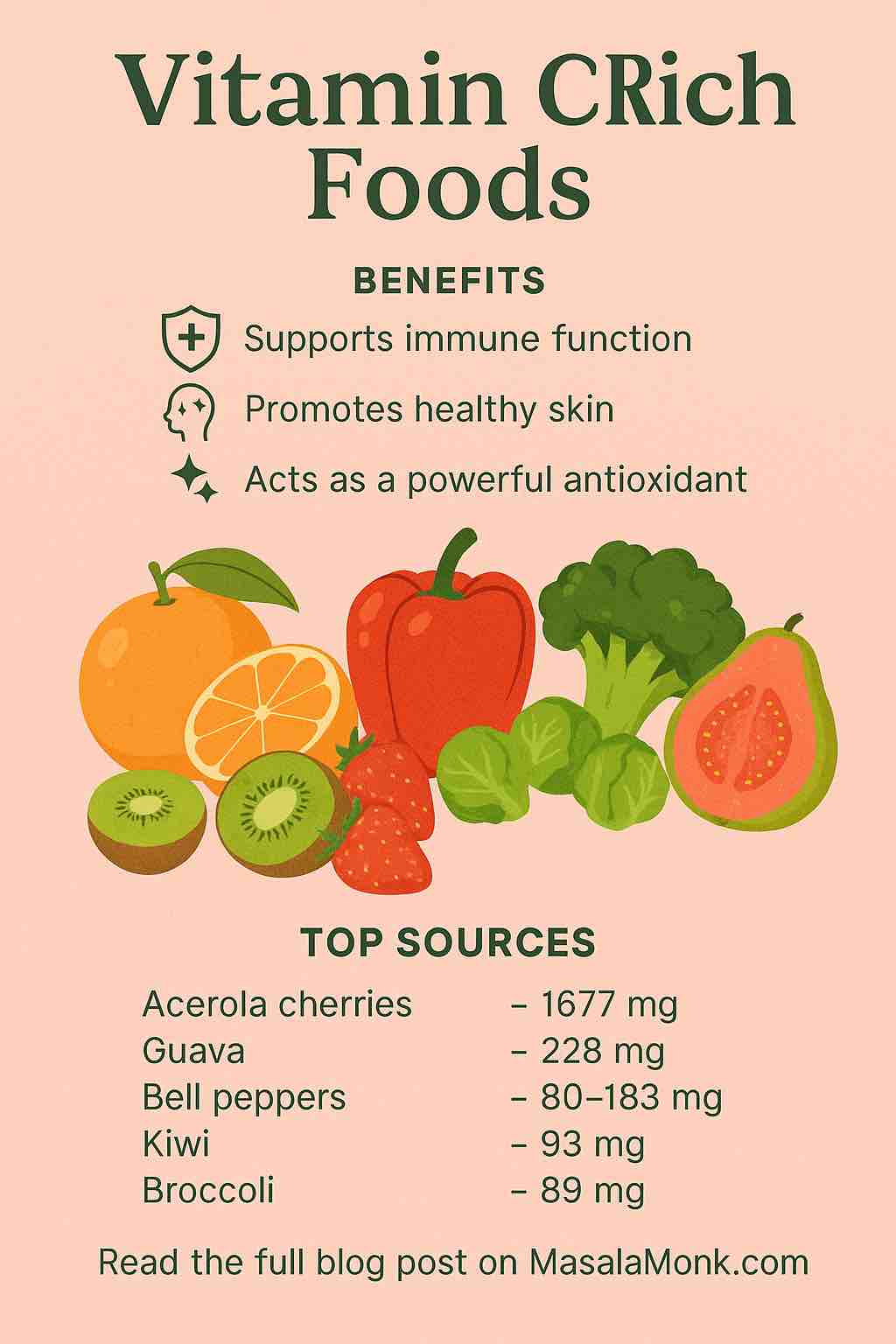
  • Supports immune function by stimulating white blood cells
  • Promotes collagen production for healthy skin, joints, and blood vessels
  • Aids iron absorption from plant-based foods, helping to prevent anemia
  • Acts as a powerful antioxidant, neutralizing harmful free radicals
  • Helps regenerate other antioxidants, like Vitamin E

What makes Vitamin C unique? Your body can’t produce it on its own—and since it’s water-soluble, excess amounts aren’t stored. That means you need to replenish it every single day.


🥇 Top 15 Vitamin C Rich Foods (per 100g)

FoodVitamin C (mg)Key Benefits
Acerola Cherries1677Extreme C concentration, supports immune health
Camu Camu~2800 (fresh)Amazonian fruit, powerful antioxidant
Guava228Excellent daily source, supports skin
Blackcurrants181Boosts immunity, rich in anthocyanins
Red Bell Peppers127High in C, versatile and low-calorie
Kiwi93Skin health, digestion support
Strawberries59Skin-friendly, anti-inflammatory
Oranges53Classic C source, easy to consume
Papaya61Skin glow, digestion aid
Pineapple48Combats inflammation (bromelain)
Mango36Tasty and nutrient-dense
Brussels Sprouts85Great for detox, rich in fiber
Broccoli89Cruciferous, great cooked or raw
Kale (raw)120Dense greens for iron + C combo
Yellow Bell Peppers183Highest among peppers, immunity hero

🥬 Vegetables High in Vitamin C: Not Just Citrus!

While most people think of fruits when they hear “Vitamin C,” many vegetables are equally powerful.

🌿 Cruciferous Vegetables

These are anti-inflammatory, cancer-fighting, and rich in ascorbic acid:

  • Kale – 120 mg
  • Broccoli – 89 mg
  • Cauliflower – 48 mg
  • Brussels Sprouts – 85 mg
  • Cabbage – 36 mg

🫑 Bell Peppers

Bright, crunchy, and sweet—bell peppers are incredibly Vitamin C-rich:

  • Yellow Bell Peppers – 183 mg
  • Red Bell Peppers – 127 mg
  • Green Bell Peppers – 80 mg

🥗 Leafy Greens & Others

  • Spinach (raw) – 28 mg
  • Mustard Greens – 70 mg
  • Swiss Chard – 30 mg
  • Turnip Greens – 60 mg

Tip: Raw or lightly steamed veggies retain more Vitamin C than boiling or overcooking.


🍊 Fruits Rich in Vitamin C

From tropical fruits to everyday options, here are some of the top Vitamin C sources in the fruit family:

  • Acerola Cherry
  • Camu Camu
  • Guava
  • Kiwi
  • Strawberries
  • Oranges
  • Lemons & Limes
  • Papaya
  • Pineapple
  • Mango
  • Cantaloupe
  • Raspberries
  • Blackcurrants
  • Grapefruit

These fruits are not just sweet and refreshing—they’re also powerful allies in your wellness routine.


🍇 Fruits Rich in Vitamin C and Zinc

Vitamin C and zinc together are a dynamic immune-supporting duo. Here are some fruits that naturally offer both or help enhance zinc absorption:

  • Guava – Top for C and contains trace zinc
  • Blackberries – Offers zinc, Vitamin C, and antioxidants
  • Pomegranate – Packed with polyphenols and C
  • Avocado – Contains zinc, Vitamin E, and some Vitamin C
  • Kiwi – Enhances zinc absorption and supports collagen

💡 Zinc requires Vitamin C for better absorption and synergy in immune defense.


🧾 Complete Vitamin C Foods List

Here’s a handy categorized list of foods rich in Vitamin C:

🍉 Fruits:

  • Guava
  • Papaya
  • Kiwi
  • Oranges
  • Strawberries
  • Blackcurrants
  • Cantaloupe
  • Pineapple
  • Mango
  • Lychee
  • Camu Camu
  • Acerola Cherry

🥦 Vegetables:

  • Red, Yellow, and Green Bell Peppers
  • Broccoli
  • Brussels Sprouts
  • Cauliflower
  • Kale
  • Spinach
  • Swiss Chard
  • Mustard Greens
  • Tomatoes
  • Cabbage

🧂 Herbs & Others:

  • Parsley (fresh)
  • Thyme (fresh)
  • Chili Peppers
  • Rose Hips (dried, in tea)
  • Sea Buckthorn Berries

🥗 Creative Ways to Add Vitamin C to Your Meals

Getting more Vitamin C doesn’t mean popping supplements—it can be both fun and flavorful.

🍹 Morning

  • Green Smoothie: Spinach, kiwi, orange juice, mango
  • Fruit Bowl: Strawberries, pineapple, papaya
  • Infused Water: Lemon, mint, cucumber slices

🥗 Lunch

  • Salad with Bell Peppers & Citrus Dressing
  • Broccoli stir-fry with garlic and sesame

🍽️ Dinner

  • Grilled chicken with roasted Brussels sprouts
  • Stuffed bell peppers with quinoa and tomatoes

🥤 Snacks

  • Guava slices
  • Red pepper strips with hummus
  • Fresh fruit smoothies

🌟 Remember: Fresh and raw beats processed when it comes to Vitamin C retention.


🛒 Fortified & Enriched Vitamin C Foods

Not all Vitamin C comes from whole produce. Many packaged or enriched foods can provide an added boost:

  • Fortified breakfast cereals
  • Vitamin C-enriched fruit juices
  • Plant-based milks (almond, oat, soy)
  • Multivitamin gummies
  • Vitamin C water or electrolyte drinks

While whole foods are ideal, fortified options can help bridge nutritional gaps—especially for picky eaters, seniors, or those with dietary restrictions.


🧠 Final Thoughts: Build Immunity from the Inside Out

In a world full of supplements and health gimmicks, Vitamin C remains one of the most trusted, science-backed nutrients you can add to your day. From strengthening your immune system to keeping your skin youthful, the benefits are undeniable.

Whether you’re sipping a smoothie, crunching on a red pepper, or juicing oranges, remember: small daily choices lead to long-term health gains.

Eating a rainbow of Vitamin C rich foods ensures you’re not only covering your basic needs—but actively thriving.

❓ Frequently Asked Questions About Vitamin C Rich Foods


1. What is the best natural source of Vitamin C?
The best natural source of Vitamin C is acerola cherries, which contain up to 1677 mg per 100g—over 20 times more than oranges.


2. Can I get enough Vitamin C from food alone?
Yes, most people can get sufficient Vitamin C through a varied diet rich in fruits and vegetables. Guava, kiwi, bell peppers, and strawberries are excellent daily options.


3. How much Vitamin C do I need daily?
The recommended daily intake is:

  • 90 mg for adult men
  • 75 mg for adult women
    Higher needs may apply during illness, pregnancy, or smoking.

4. What are signs of Vitamin C deficiency?
Common symptoms include:

  • Fatigue
  • Weak immune response
  • Slow wound healing
  • Bleeding gums
  • Dry, rough skin
    In severe cases, it can lead to scurvy.

5. Does cooking reduce Vitamin C content in foods?
Yes, Vitamin C is heat-sensitive. Boiling or overcooking can reduce content significantly. To preserve it, use steaming, stir-frying, or eating raw.


6. What’s the difference between Vitamin C and ascorbic acid?
They are essentially the same. Ascorbic acid is the chemical name for Vitamin C, whether it’s found in natural foods or synthetic supplements.


7. Can you take too much Vitamin C?
While it’s water-soluble and excess is usually excreted, very high doses (above 2000 mg/day) may cause:

  • Stomach cramps
  • Diarrhea
  • Nausea

8. Are supplements as effective as food sources of Vitamin C?
Supplements can help, but whole foods also provide fiber, enzymes, and phytonutrients that aid absorption and overall health.


9. Which fruits contain both Vitamin C and Zinc?
Fruits like guava, kiwi, blackberries, and pomegranate offer Vitamin C and trace amounts of zinc, supporting immune and skin health.


10. Is it safe to take Vitamin C daily?
Yes, daily intake from food is safe and recommended. Consistency matters more than quantity—regular small doses are more effective than occasional megadoses.