Posted on 3 Comments

Baking Soda for Heartburn, Acid Reflux, & GERD

Baking soda for heartburn

Heartburn can strike when you least expect it—after a hearty meal, a late-night snack, or even just bending over. That familiar burning sensation behind the breastbone is not only uncomfortable but often disrupts daily life. If you’re looking for a simple, natural remedy, look no further than your kitchen cabinet. Baking soda, a humble household staple, has been used for generations to relieve heartburn and acid reflux.

But how exactly does it work? Is it safe? How do you use it effectively without risking side effects?

In this quick guide, we’ll dive deep into how baking soda relieves acid reflux, the science behind it, best practices for safe use, risks to watch for, and how it compares to other remedies—so you can make informed, confident choices for your digestive health.


Reading of this post- Baking Soda for Heartburn, Acid Reflux, & GERD – on YouTube

🔍 Understanding Heartburn and Acid Reflux

Before reaching for a remedy, it’s essential to understand what’s happening in your body.

Heartburn is a symptom of acid reflux, a condition where stomach acid backs up into the esophagus. This happens when the lower esophageal sphincter (LES)—a ring of muscle that acts as a valve between the esophagus and stomach—doesn’t close properly or relaxes at the wrong time.

When acid escapes the stomach, it irritates the sensitive lining of the esophagus, causing that signature burning sensation, often accompanied by a sour taste in the mouth, bloating, or even coughing.

For many, acid reflux is occasional and triggered by certain foods, large meals, stress, or lying down too soon after eating. But for others, it’s more frequent and becomes GERD (gastroesophageal reflux disease)—a chronic, potentially damaging condition.


🧪 How Baking Soda Works to Relieve Heartburn

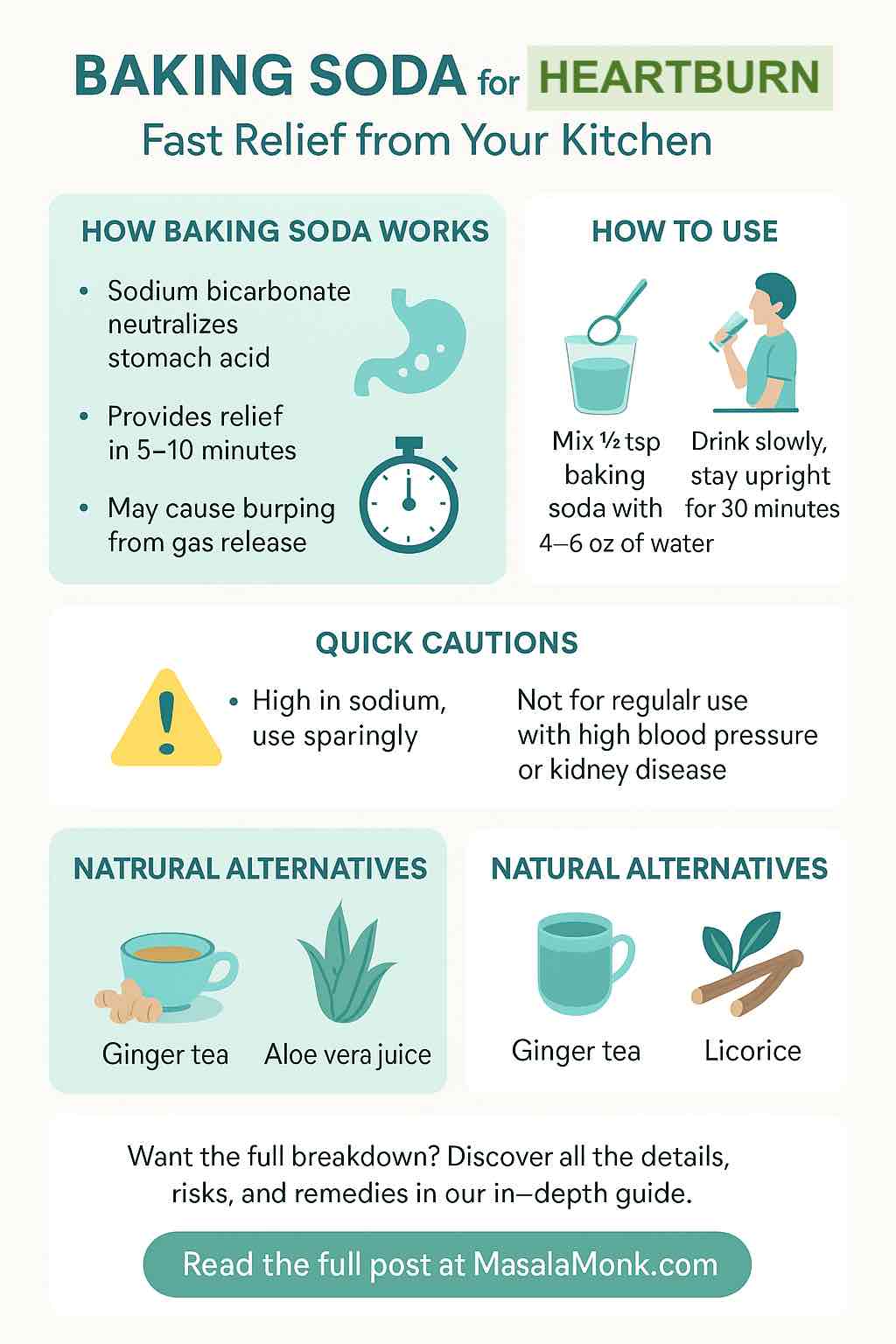
Baking soda, or sodium bicarbonate, is an alkaline compound that counteracts acid. When ingested, it neutralizes hydrochloric acid (HCl) in the stomach, helping to quickly reduce acidity and relieve discomfort.

Here’s what happens when baking soda hits stomach acid:

NaHCO₃ (baking soda) + HCl (stomach acid) → NaCl (salt) + H₂O (water) + CO₂ (carbon dioxide gas)

This reaction not only decreases stomach acidity but produces carbon dioxide gas, which may cause burping—often a sign the mixture is doing its job.

⚡ Rapid Relief

One of the biggest advantages of baking soda is speed. Unlike medications that may take 30–60 minutes to work, baking soda typically relieves heartburn within minutes. That’s why it remains a go-to home remedy, especially in urgent situations.


🥄 How to Use Baking Soda for Heartburn Relief

✅ Basic Heartburn Remedy Recipe

Ingredients:

  • ½ teaspoon of baking soda
  • 4 to 6 ounces of cool water

Instructions:

  1. Dissolve the baking soda completely in the water.
  2. Drink slowly. Sip, don’t gulp.
  3. Wait 15–30 minutes to feel relief.

💡 Tips for Effective Use

  • Take it at least 1–2 hours after meals to avoid disrupting digestion.
  • Stay upright for at least 30 minutes after taking the solution.
  • Use only as an occasional remedy, not a daily treatment.

⏱️ Dosing Guidelines

  • Adults can take ½ teaspoon every two hours, but do not exceed 7 doses (3½ teaspoons) in 24 hours.
  • If over 60 years old, limit to 3 doses per day.

Excessive use can cause serious health risks (more on that below).


⚖️ Baking Soda vs Baking Powder: Know the Difference

Though their names are similar, baking soda and baking powder are not interchangeable when it comes to treating heartburn.

🧂 Baking Soda

  • Contains only sodium bicarbonate
  • Neutralizes stomach acid effectively
  • Safe for short-term internal use

🍰 Baking Powder

  • A mix of sodium bicarbonate and acidic compounds
  • Intended for baking, not consumption on its own
  • Can worsen heartburn due to added acids

Many people mistakenly reach for baking powder, only to find their symptoms worsen. Always verify the label before using any white powder from the pantry.


💊 Sodium Bicarbonate in Over-the-Counter Antacids

Baking soda isn’t just a home remedy—it’s the active ingredient in several commercial antacids.

Products like:

  • Alka-Seltzer
  • Zegerid (omeprazole + sodium bicarbonate)
  • Some effervescent tablets

…use sodium bicarbonate to quickly lower stomach acid. However, commercial antacids are formulated for safety, taste, and consistency, and may include other agents to buffer the stomach lining or extend relief.

Still, baking soda’s pure form can be just as effective if used properly.


🧪 The Baking Soda Burp Test for Low Stomach Acid

A growing number of people believe they suffer from low stomach acid rather than too much. One popular DIY diagnostic tool is the baking soda burp test:

How to do it:

  1. Mix 1/4 teaspoon of baking soda in 4 ounces of cold water.
  2. Drink it on an empty stomach first thing in the morning.
  3. Time how long it takes to burp.

Theory: If you don’t burp within 3–5 minutes, it might indicate low acid levels.

However, this test is not medically validated. Many factors (like carbonation tolerance, digestion speed, or the presence of food) can skew results. If you suspect chronic digestive issues, consult a doctor for proper testing, such as a Heidelberg pH test.


⚠️ Risks, Side Effects, and When to Avoid Baking Soda

Though baking soda offers fast relief, it’s not without risks—especially with frequent use or high doses.

🚨 Possible Side Effects:

  • Bloating and gas (due to carbon dioxide buildup)
  • Nausea or stomach cramps
  • Increased thirst
  • Elevated blood pressure from high sodium content
  • Kidney strain

⚠️ Serious Risks of Overuse:

  • Metabolic alkalosis: a dangerous condition where the body becomes too alkaline
  • Electrolyte imbalances
  • Water retention and swelling
  • Heart rhythm disturbances

🚫 Who Should Avoid Baking Soda for Heartburn?

  • People with high blood pressure
  • Those with kidney disease or heart failure
  • Anyone on a low-sodium diet
  • Pregnant women, unless approved by a doctor
  • Children under 6 years old

Even occasional users should watch for recurring symptoms. Chronic acid reflux should never be self-managed with baking soda alone.


🌿 Natural Alternatives and Lifestyle Remedies

If you’re looking for gentler, more sustainable ways to manage acid reflux, consider these alternatives:

✅ Diet and Lifestyle Tips

  • Eat smaller meals, more frequently
  • Avoid trigger foods: spicy dishes, citrus, tomatoes, garlic, onions, chocolate, caffeine
  • Stay upright for 2–3 hours after meals
  • Maintain a healthy weight
  • Elevate the head of your bed by 6–8 inches
  • Chew gum to stimulate saliva and neutralize acid

🌱 Herbal and Natural Remedies

  • Ginger tea – Soothes the digestive tract
  • Aloe vera juice – Calms esophageal inflammation
  • Licorice root (DGL) – Supports mucosal lining
  • Slippery elm – Forms a protective coating in the esophagus
  • Bicarbonate-rich mineral water – Backed by recent studies for gentle relief

🩺 When to Seek Medical Advice

If you’re experiencing heartburn more than twice a week, or symptoms like:

  • Chronic cough
  • Hoarseness
  • Difficulty swallowing
  • Sensation of a lump in the throat
  • Chest pain (especially if severe or radiating)

…then you may be dealing with GERD, ulcers, or another condition that requires medical evaluation. Untreated GERD can lead to complications such as esophagitis, Barrett’s esophagus, or even esophageal cancer.

Don’t let convenience replace care. Baking soda can help—but it’s not a cure.


📝 Final Thoughts: Is Baking Soda a Good Remedy for Heartburn?

Baking soda is one of the most accessible and effective short-term solutions for occasional heartburn. It acts quickly, is inexpensive, and—when used properly—is generally safe for healthy adults.

But like any remedy, it comes with caveats. Its high sodium content and potential side effects mean it should be used sparingly and responsibly. Most importantly, if you’re experiencing frequent or severe symptoms, the underlying issue must be addressed.

✔️ Use it for occasional relief
❌ Avoid frequent or high doses
🩺 Always consult a doctor if symptoms persist

FAQs

1. How fast does baking soda work for heartburn relief?

Answer: Baking soda usually begins to relieve heartburn within 5 to 10 minutes. It neutralizes stomach acid quickly, making it a go-to remedy for fast-acting relief.


2. How much baking soda should I take for heartburn?

Answer: The recommended dose is ½ teaspoon dissolved in 4–6 ounces of water. Do not exceed 3½ teaspoons (7 doses) in 24 hours, and if you’re over 60, limit it to 3 doses daily.


3. Is it safe to use baking soda for heartburn every day?

Answer: No. Baking soda should only be used for occasional relief. Regular use can lead to alkalosis, high sodium levels, or kidney strain. Chronic heartburn requires medical evaluation.


4. Can baking soda make acid reflux worse?

Answer: If used in excess, baking soda can cause rebound acidity or bloating from gas buildup. Always use the proper dosage and avoid lying down immediately after taking it.


5. Is baking powder the same as baking soda for treating heartburn?

Answer: No. Baking powder contains acids and is not safe or effective for treating heartburn. Only pure baking soda (sodium bicarbonate) should be used for acid neutralization.


6. What are the side effects of using baking soda for heartburn?

Answer: Side effects may include gas, bloating, nausea, thirst, high blood pressure, and electrolyte imbalance, especially when overused. Serious issues like alkalosis can occur in rare cases.


7. Can pregnant women use baking soda for heartburn?

Answer: Consult your doctor first. While baking soda may provide quick relief, the high sodium content could affect blood pressure and fluid balance during pregnancy.


8. Does baking soda help with indigestion as well?

Answer: Yes, baking soda can relieve indigestion, especially when caused by excess stomach acid. It works by neutralizing acid and reducing gas that causes bloating or discomfort.


9. How often can I safely use baking soda for reflux?

Answer: Baking soda should be used no more than a few times per week, and only when truly needed. Frequent heartburn should be addressed with long-term dietary or medical solutions.


10. Are there safer long-term alternatives to baking soda for heartburn?

Answer: Yes. Options include lifestyle changes, avoiding trigger foods, losing weight, and using low-risk natural remedies like ginger, aloe vera, slippery elm, or chewable antacids formulated for regular use.

Posted on 3 Comments

Is Popcorn Safe for Acid Reflux, Heartburn, and GERD?

Is Popcorn Safe for Acid Reflux & GERD?

If you’ve ever reached for a bowl of popcorn during a movie night only to find yourself later battling acid reflux or heartburn, you’re not alone. Popcorn is a beloved snack worldwide, but for people living with acid reflux, heartburn, or GERD (gastroesophageal reflux disease), choosing safe foods can feel like navigating a minefield.

So, is popcorn safe for acid reflux and GERD sufferers? The answer isn’t as simple as yes or no. Let’s explore the science, expert advice, and even real user experiences to help you decide if popcorn can fit into your reflux-friendly diet.


Reading of ‘Is Popcorn Safe for Acid Reflux, Heartburn, and GERD?’ on YouTube

Understanding Acid Reflux, Heartburn, and GERD

Before we dive into popcorn specifics, a quick refresher:

  • Acid reflux occurs when stomach acid flows back up into the esophagus, causing irritation and that familiar burning sensation known as heartburn.
  • GERD is the chronic and more severe form of acid reflux, often requiring lifestyle adjustments and sometimes medication.

Managing these conditions often means avoiding foods that trigger or worsen symptoms. These typically include spicy foods, high-fat meals, caffeine, and acidic foods like citrus and tomatoes.


The Good News: Popcorn’s Nutritional Profile

Popcorn is a whole grain and high in fiber, which is a big plus for digestion. Fiber helps keep your digestive system running smoothly, can reduce overeating, and may even help prevent reflux episodes by improving stomach emptying.

Plain, air-popped popcorn is naturally:

  • Low in fat
  • Low in acid
  • Free from common reflux triggers like spicy ingredients or heavy oils

These characteristics make popcorn a potentially good snack choice for acid reflux and GERD sufferers — if prepared right.


The Catch: Preparation Is Everything

Here’s where many popcorn lovers unknowingly sabotage their gut health:

Avoid These:

  • Butter and heavy oils: These add fat, which can relax the lower esophageal sphincter (LES) — the valve that keeps stomach acid where it belongs — making reflux more likely.
  • Microwave popcorn: Often loaded with unhealthy fats, artificial flavorings, and preservatives that can irritate the esophagus.
  • Spicy or acidic seasonings: Chili powder, vinegar-based toppings, and other acidic flavors can inflame sensitive tissue.

Go For These:

  • Air-popped popcorn: Using an air popper or a light spray of healthy oil like olive oil.
  • Mild seasoning: A pinch of sea salt, nutritional yeast (for a cheesy flavor), or herbs like rosemary.
  • Portion control: Eating popcorn in small amounts rather than a huge bowl helps avoid stomach overfilling, which can trigger reflux.

What Does Science Say?

While there’s limited direct scientific research specifically on popcorn and GERD, nutritional experts generally agree:

  • Fiber-rich foods help digestion and reflux: Popcorn, as a whole grain, fits this profile.
  • High-fat and highly processed snacks worsen reflux: So avoid buttery, oily, or flavored popcorn.

A key takeaway: The lower the fat and the fewer additives, the safer popcorn is for acid reflux.


Real User Experiences: The Mixed Bag

Browsing forums like Reddit and health communities reveals diverse experiences:

  • Some users swear by plain popcorn as a go-to snack that doesn’t flare their symptoms.
  • Others report discomfort, describing popcorn as irritating or causing a feeling of food stuck in the throat.

This variability highlights the importance of personal tolerance — what works for one person might not work for another.


Tips for Enjoying Popcorn Without the Burn

  1. Make it yourself: Air-popped popcorn made fresh at home lets you control ingredients.
  2. Skip the butter: Try a small drizzle of heartburn-friendly oils or just a dash of salt.
  3. Eat mindfully: Don’t binge on popcorn — eat slowly and in moderation.
  4. Avoid late-night snacking: Give your stomach time to digest before lying down.
  5. Keep a food journal: Track what you eat and how it affects your symptoms to identify your personal triggers.

Conclusion: Is Popcorn Safe for You?

Popcorn isn’t inherently bad for acid reflux or GERD — it’s how you prepare and consume it that matters most. For many, plain air-popped popcorn is a crunchy, satisfying snack that fits well within a reflux-friendly diet. For others, it might cause irritation or discomfort, especially if eaten with heavy fats or seasonings.

If you love popcorn but struggle with reflux, try making it plain at home and see how your body reacts. Remember, managing acid reflux is highly individual, and finding safe, enjoyable snacks can take a bit of trial and error.


Do you have a popcorn and reflux story? Whether it’s a hit or a miss, I’d love to hear your experience. Drop a comment below!

FAQs

1. Is plain popcorn safe for acid reflux and GERD?
Yes, plain air-popped popcorn is generally safe for acid reflux and GERD sufferers because it is low in fat and acid, and high in fiber, which can aid digestion and reduce reflux symptoms.

2. Can buttered or microwave popcorn trigger heartburn?
Yes, buttered or microwave popcorn often contains high fat, oils, and artificial additives that can relax the lower esophageal sphincter and worsen reflux or heartburn symptoms.

3. How should popcorn be prepared to be reflux-friendly?
Use an air popper or stovetop with minimal healthy oil, avoid heavy butter or spicy seasonings, and keep portions moderate to prevent reflux.

4. Does popcorn cause reflux for everyone?
No, individual tolerance varies. Some people with GERD find popcorn completely safe, while others may experience irritation or discomfort after eating it.

5. Is the fiber in popcorn beneficial for acid reflux?
Yes, fiber helps digestion and promotes stomach emptying, which can reduce the likelihood of acid reflux episodes.

6. Can popcorn be eaten at night by someone with GERD?
It’s best to avoid eating popcorn or any food close to bedtime since lying down soon after eating increases reflux risk.

7. What are good seasoning options for popcorn if I have acid reflux?
Mild options like sea salt, nutritional yeast, or gentle herbs such as rosemary are preferable over spicy or acidic seasonings.

8. How much popcorn is safe to eat for someone with acid reflux?
Portion control is key; eating small servings helps prevent stomach overfilling and reduces reflux risk.

9. Can flavored popcorn like caramel popcorn cause reflux?
Sweet popcorn might be tolerated in small amounts, but sugary or highly processed varieties can sometimes trigger symptoms for sensitive individuals.

10. Should I keep a food journal to monitor popcorn’s effect on my reflux?
Yes, tracking your diet and symptoms helps identify personal triggers, making it easier to enjoy popcorn safely or avoid it if necessary.

Posted on Leave a comment

Celery: The Keto Superfood You Didn’t Know About! Boosting Nutrition, Flavor, and Versatility

Celery: The Keto Superfood You Didn't Know About

When it comes to the ketogenic lifestyle, we often celebrate the same all-stars—avocados, eggs, cheese, and fatty cuts of meat. But in the shadow of these keto staples sits a quiet powerhouse that deserves your attention: celery. While it might seem like little more than crunchy garnish at first glance, celery is actually a low-carb, nutrient-dense vegetable that checks every box for keto success.

Whether you’re looking to boost your micronutrient intake, stay in ketosis, or add texture and flavor without carbs, celery is one of the most versatile, underutilized ingredients in your arsenal. And yes—celery is keto, and far more beneficial than its bland reputation suggests.


What Makes Celery a Keto Superfood?

Let’s start with the most common concern: can you eat celery on a keto diet? Absolutely. In fact, it’s one of the most keto-compatible vegetables available.

Celery contains very few net carbohydrates—which are the carbs that actually impact blood sugar and insulin. A standard 100g serving (roughly 2–3 medium stalks) contains:

  • 3g total carbohydrates
  • 1.6g dietary fiber
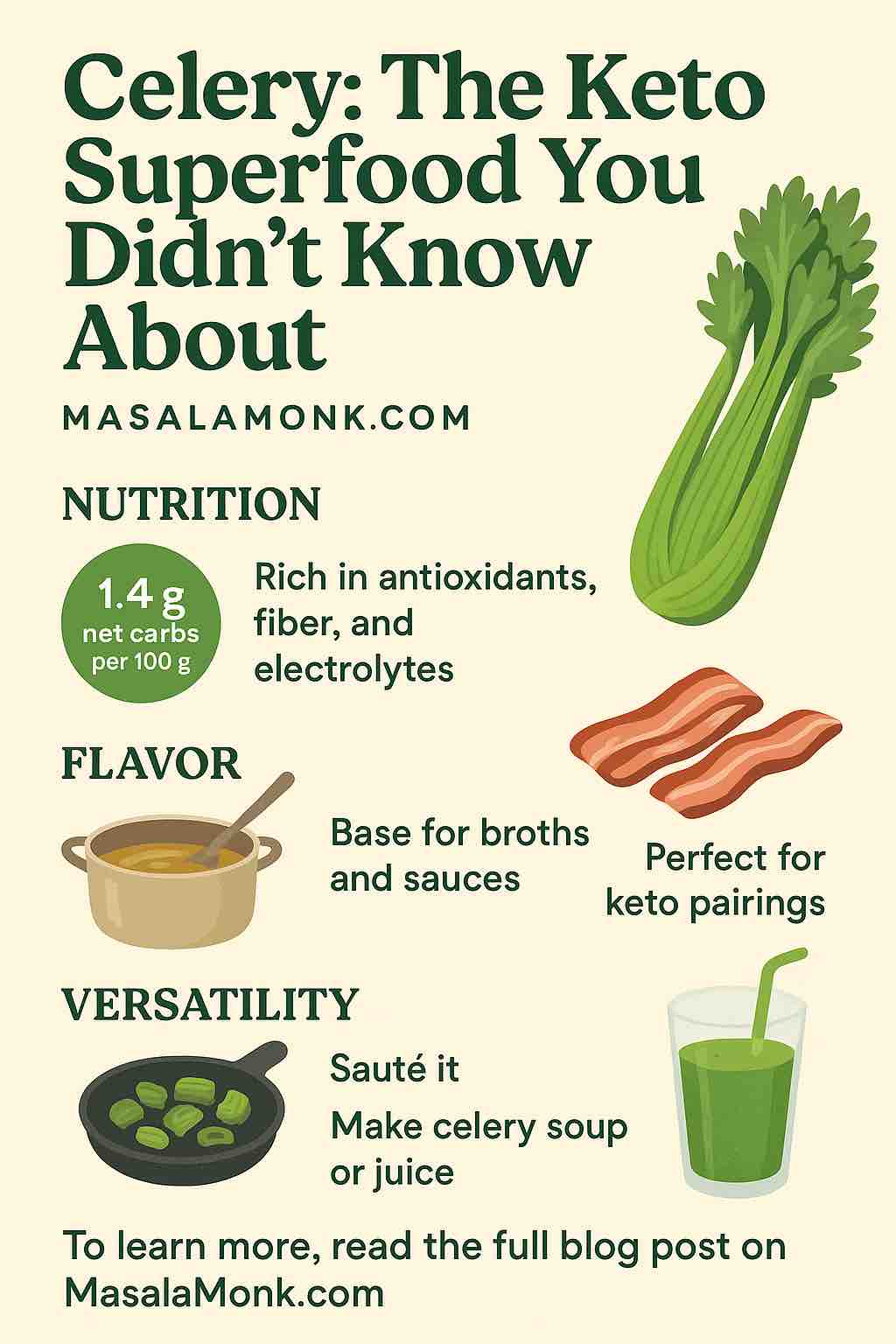
  • 1.4g net carbs

This makes celery an extremely low-glycemic food, ideal for those following strict ketogenic macros. Unlike starchy vegetables like carrots or potatoes, celery won’t nudge you out of ketosis, even when eaten in larger portions. So if you’ve been unsure about whether celery fits into your keto lifestyle, rest assured—it not only fits, it excels.


Celery’s Nutritional Edge: Not Just Low-Carb, But Nutrient-Dense

Celery’s superpower isn’t just in its carb count. It also delivers a surprising dose of nutritional benefits, all while being extremely low in calories. Here’s what you’re getting in every crisp bite:

🌱 Electrolyte-Rich Hydration

One of the earliest challenges of a ketogenic diet is maintaining electrolyte balance. As insulin levels drop and glycogen stores are depleted, the body flushes out water and electrolytes—especially sodium, potassium, and magnesium. This can lead to symptoms like fatigue, headaches, and muscle cramps (a.k.a. the “keto flu”).

Celery naturally contains both sodium and potassium, which are crucial for hydration and nerve function. Unlike processed sodium sources, celery’s sodium is paired with water and fiber, making it a clean, natural source of electrolytes that supports your energy and fluid balance.

🛡️ Antioxidants and Anti-Inflammatory Compounds

Celery is packed with flavonoids, vitamin C, and phytonutrients like luteolin and apigenin. These compounds have been studied for their ability to reduce inflammation, protect cells from oxidative stress, and potentially lower the risk of chronic diseases such as diabetes, cardiovascular disease, and even certain cancers.

For those using keto as a tool to manage inflammation or insulin resistance, this makes celery a particularly strategic choice.

💪 Digestive Support Without Spiking Blood Sugar

While celery isn’t a major fiber powerhouse like flax or chia, it does offer a balance of soluble and insoluble fiber. The insoluble fiber helps with regularity and gut motility, while the soluble component can support healthy gut bacteria.

Better yet, this fiber doesn’t raise your blood glucose—something that’s vital when trying to maintain stable ketone levels. Celery is low glycemic, with a near-zero glycemic load, meaning it won’t interfere with ketosis or insulin sensitivity.


Culinary Versatility: Celery as a Keto Cooking Ally

Celery’s greatest strength might just be its chameleon-like adaptability in the kitchen. It’s not just a raw snack—celery is a legitimate building block for layered, flavorful meals in a ketogenic diet.

🍳 A Flavor-Builder in Keto Foundations

In traditional cooking, celery often forms part of the aromatic base known as mirepoix (celery, onion, and carrot). On keto, carrots might be reduced or omitted, but celery remains a cornerstone of flavor in stocks, sauces, braises, and soups.

Sauté chopped celery in ghee, butter, or bacon drippings alongside garlic and herbs, and you’ve got a rich, savory start to dozens of keto meals—from creamy cauliflower soup to low-carb shepherd’s pie.

🧀 The Perfect Fat-Pairing Snack

Thanks to its crunch and boat-like shape, celery is also a perfect delivery mechanism for healthy fats:

  • Fill celery sticks with cream cheese and smoked salmon
  • Spread almond or sugar-free peanut butter into the groove and sprinkle with hemp seeds or crushed walnuts
  • Try celery topped with blue cheese dip, avocado mash, or egg salad

In each case, you’re creating a high-fat, low-carb, highly satiating snack that won’t disrupt ketosis. And yes—celery with peanut butter is absolutely keto-approved, provided the nut butter is unsweetened and fits within your macros.

🔥 Roast It, Braise It, Blend It

Celery transforms when cooked. Roasted or braised, it becomes tender and sweet. When blended, it forms the backbone of creamy soups, broths, and green smoothies.

Try:

  • Braised celery with thyme, garlic, and bone broth
  • A celery-leek soup with coconut milk and nutmeg
  • Roasted celery stalks with olive oil and sea salt, served beside grilled salmon
  • A keto green smoothie with celery, avocado, lemon, and cucumber

These aren’t just delicious—they’re smart ways to hydrate, nourish, and fuel your metabolism on a low-carb framework.


Beyond the Stalks: Seeds and Seasoning

Celery’s utility doesn’t stop at the stalk. Celery seeds are highly concentrated in volatile oils and are known for their digestive and anti-inflammatory properties. Sprinkle ground celery seed into dressings, dry rubs, or over grilled meat for a flavor boost with benefits.

Celery salt, made from ground seeds and salt, is another keto-friendly flavor enhancer. Use it in deviled eggs, tuna salad, or sprinkled on avocado for a subtle, savory punch.


A Quick Recap

Celery isn’t just allowed on a ketogenic diet—it’s a standout. It’s low in net carbs (just 1.4g per 100g), contains virtually no sugar or starch, and provides hydration, fiber, antioxidants, and electrolytes in one clean, crunchy package. It’s not high in carbohydrates, it doesn’t kick you out of ketosis, and it pairs perfectly with high-fat foods. Simply put, celery is keto-friendly, low-carb, and nutritionally strategic.

You can confidently enjoy celery in all forms: raw, cooked, blended, or even juiced. It works as a snack, a flavor enhancer, or the star of its own dish. And it offers more than just texture—it supports digestion, electrolyte balance, and metabolic health.


Final Thoughts: Celery’s Time to Shine on Keto

For too long, celery has been relegated to the edge of the veggie tray or treated as filler in recipes. But if you’re living keto, it’s time to see celery for what it truly is: a superfood that supports your goals. It’s cheap, available year-round, easy to prepare, and incredibly functional. It may not be flashy, but it’s one of the most practical, health-boosting vegetables for anyone serious about living low carb.

Whether you’re snacking on it with nut butter, blending it into soup, sautéing it in ghee, or seasoning your food with its seeds, celery is keto gold. Don’t overlook it—embrace it.

Frequently Asked Questions (FAQs)

1. Is celery keto-friendly?
Yes, celery is absolutely keto-friendly. It’s very low in net carbs (only 1.4g per 100g) and contains almost no sugar, making it a perfect addition to a ketogenic or low-carb diet.

2. How many net carbs are in celery?
Celery has about 1.4 grams of net carbs per 100 grams (roughly 2–3 medium stalks). Net carbs are calculated by subtracting fiber from total carbs, which makes celery a smart low-carb food.

3. Can I eat celery every day on keto?
You can safely eat celery daily on keto. Its low carbohydrate content won’t disrupt ketosis, and its nutritional benefits—including hydration, fiber, and electrolytes—make it ideal for regular consumption.

4. Does celery have carbohydrates?
Yes, but very few. Celery contains about 3g of total carbohydrates per 100g, with nearly half coming from fiber. The digestible (net) carbs are minimal.

5. Is celery low-carb or high-carb?
Celery is considered a very low-carb vegetable. It’s suitable for strict keto diets and works well in both snacks and meals.

6. Is celery good for the keto flu?
Yes. Celery is rich in natural sodium and potassium, two key electrolytes often lost when starting keto. Including celery can help reduce symptoms of the “keto flu.”

7. Can I eat celery with peanut butter on keto?
Yes, as long as the peanut butter is unsweetened and low in net carbs. Celery with natural peanut butter makes for a satisfying, high-fat, low-carb keto snack.

8. Is celery considered a superfood?
While often underrated, celery is increasingly seen as a nutrient-dense, low-calorie superfood. It’s rich in antioxidants, fiber, hydration, and compounds that support digestion and reduce inflammation.

9. Does celery juice fit into a keto diet?
Celery juice can be keto-friendly in small servings. It has slightly more concentrated carbs than whole celery but is still low-carb compared to fruit juices. Limit to ½ cup if you’re tracking closely.

10. What are some keto meals that use celery?
Celery is great in keto soups, stews, stir-fries, and egg salads. You can also sauté it in butter, blend it into smoothies, or stuff it with high-fat spreads for snacks.

Posted on 3 Comments

Benefits of Cucumber, Lemon, and Ginger Water

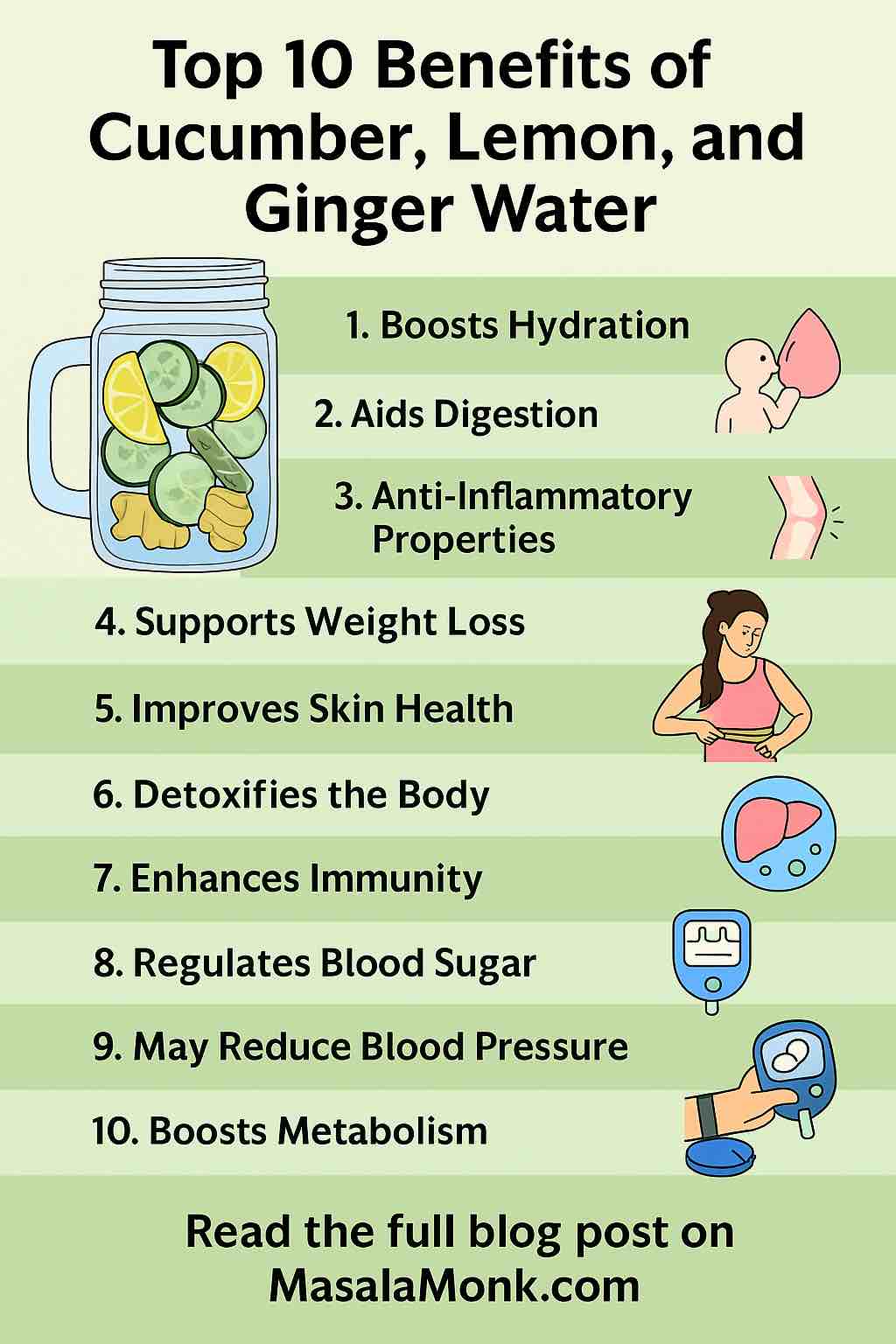
Top 10 Benefits of Cucumber, Lemon, and Ginger Water

In the world of health and wellness, simple yet effective solutions are often the most powerful. One such remedy that has gained immense popularity is cucumber, lemon, and ginger water. This hydrating and refreshing detox drink isn’t just trendy—it’s rooted in both traditional healing practices and supported by modern nutritional science. Whether you’re trying to start your day on a healthier note, replace sugary drinks, or simply boost your overall wellness, this three-ingredient infusion might be exactly what your body needs.

Packed with essential vitamins, antioxidants, and anti-inflammatory compounds, cucumber, lemon, and ginger together form a synergy that can benefit your body in remarkable ways. In this blog post, we dive deep into the top 10 science-backed benefits of this powerful combination. We’ll also explore how to make it, when to drink it, its potential side effects, and why adding this simple tonic to your daily routine could be a game-changer.


What is Cucumber, Lemon, and Ginger Water?

Cucumber, lemon, and ginger water is an infused beverage made by soaking fresh cucumber slices, lemon wedges, and ginger root in water. Optionally, mint leaves or a dash of honey may be added for extra flavor and enhanced health benefits. The drink is low in calories but rich in hydration and micronutrients. Unlike juice or smoothies, this water infusion doesn’t contain added sugars or heavy caloric loads, making it an excellent option for daily consumption.

This drink is often referred to as a “detox water,” but its benefits go far beyond detoxification. Let’s explore how each ingredient contributes:

  • Cucumber: High in water content, rich in silica and antioxidants.
  • Lemon: Loaded with vitamin C, potassium, and citric acid.
  • Ginger: Contains bioactive compounds like gingerol, which has powerful medicinal properties.

Top 10 Benefits of Cucumber, Lemon, and Ginger Water

  1. Boosts Hydration
    Staying hydrated is crucial for every bodily function—from brain function to digestion to skin health. The refreshing taste of cucumber, lemon, and ginger water makes it easier to consume more water throughout the day. Cucumbers themselves are over 95% water and contribute directly to hydration. Lemons add a citrusy zing that excites the palate, while ginger gives it a warming depth. Combined, they transform plain water into a delicious, health-boosting beverage you’ll actually want to sip on all day long.
  2. Aids Digestion and Relieves Bloating
    Ginger is renowned for its digestive benefits. It stimulates saliva and digestive enzymes, which help break down food efficiently. Lemon juice encourages bile production, assisting in the emulsification and digestion of fats. Cucumber has natural cooling properties and soothes the gastrointestinal tract. Together, these ingredients can help alleviate bloating, indigestion, and even symptoms of acid reflux for some people. Drinking this water before meals can prime your digestive system and enhance nutrient absorption.
  3. Supports Natural Weight Loss
    If you’re trying to shed a few pounds, cucumber, lemon, and ginger water can be your ally. It acts as a natural appetite suppressant, especially when consumed before meals. Ginger increases feelings of satiety and can stimulate metabolism through thermogenesis (heat production). Lemon helps regulate insulin and blood sugar levels, reducing fat storage. Replacing high-calorie beverages with this drink also cuts your daily caloric intake significantly—an often overlooked but effective weight-loss strategy.
  4. Flushes Out Toxins and Cleanses the Body
    Detoxification is a key promise of this drink, and for good reason. Lemon acts as a gentle diuretic, helping the kidneys filter out waste more efficiently. Ginger supports liver function, the primary detox organ in the body. Cucumber’s high water content aids in flushing out accumulated toxins and waste, helping maintain a clean and efficient lymphatic system. The antioxidants in these ingredients also help neutralize harmful free radicals, reducing oxidative stress.
  5. Reduces Inflammation and Joint Pain
    Chronic inflammation is at the root of many health conditions, from arthritis to heart disease. Gingerol, the active component in ginger, is a potent anti-inflammatory agent. It works at the cellular level to suppress pro-inflammatory signals. Cucumber contains flavonoids and tannins that inhibit the release of pro-inflammatory compounds. Drinking this infusion regularly may help reduce joint pain, muscle soreness, and even inflammation associated with conditions like osteoarthritis.
  6. Enhances Skin Clarity and Glow
    Want radiant, glowing skin without expensive creams? Start from within. Hydration is essential for skin elasticity and clarity. Lemon provides vitamin C, crucial for collagen production and skin repair. Cucumber contains silica and antioxidants that help reduce puffiness and irritation. Ginger combats skin-aging oxidative stress. The result? Clearer, more youthful-looking skin that feels as good as it looks.
  7. Strengthens Immunity
    With its high vitamin C content, lemon plays a vital role in strengthening the immune system. Ginger has natural antimicrobial and antiviral properties that can help your body fend off colds, flu, and other infections. Cucumber’s anti-inflammatory properties also support overall immune resilience. Drinking this infusion regularly gives your immune system a gentle but effective daily boost.
  8. Balances pH and Alkalizes the Body
    While lemons are acidic in taste, they have an alkalizing effect on the body once metabolized. A balanced pH helps maintain energy levels, reduce acid reflux, and improve overall vitality. Ginger and cucumber also support internal balance. An alkaline internal environment is associated with better bone health, reduced inflammation, and improved cellular function.
  9. Naturally Freshens Breath
    Bad breath often results from poor digestion and bacterial growth in the mouth. Lemon and ginger have antibacterial properties that reduce oral bacteria. Cucumber adds hydration, helping maintain saliva flow, which is essential for washing away food particles and bacteria. Drinking this water between meals can naturally keep your breath fresh without chewing gum or mints.
  10. Stabilizes Blood Sugar Levels
    Ginger has been shown in studies to enhance insulin sensitivity and lower fasting blood glucose levels. Lemon’s soluble fiber (especially when you include some pulp) slows the absorption of sugar into the bloodstream. Hydration from cucumber helps cells use glucose more effectively. Altogether, this drink can be a great addition to a diabetic or prediabetic diet when used alongside medical guidance.

How to Make Cucumber, Lemon, and Ginger Water

Ingredients:

  • 1/2 cucumber, thinly sliced
  • 1 lemon, thinly sliced
  • 1-inch piece of fresh ginger root, peeled and thinly sliced
  • 4 cups filtered water
  • Optional: a few fresh mint leaves, 1 tsp honey, or a pinch of turmeric

Instructions:

  1. Add all ingredients to a large glass pitcher or jar.
  2. Lightly muddle the cucumber and ginger with a spoon to release their juices.
  3. Pour in the water and stir gently.
  4. Cover and refrigerate for at least 4 hours or overnight.
  5. Strain before drinking if desired. Refill with water once or twice before replacing ingredients.

Pro Tip: Use organic produce and slice ingredients thinly to maximize nutrient infusion.


When is the Best Time to Drink It?

  • Morning (empty stomach): Kickstarts digestion, flushes out toxins, and energizes your body.
  • Before Meals: Controls appetite and improves digestion.
  • Post-Workout: Rehydrates and replenishes electrolytes naturally.
  • Midday Slump: Refreshes and re-energizes without caffeine.
  • Evening: Helps with digestion and detox while you sleep (note: avoid late intake if prone to nighttime bathroom trips).

Potential Side Effects and Precautions

While cucumber, lemon, and ginger water is generally safe, it’s good to be aware of a few considerations:

  • Acid Reflux or GERD: Lemon and ginger can aggravate symptoms in some individuals.
  • Blood Thinners: Ginger may interact with medications like warfarin. Consult your doctor if you’re on medication.
  • Allergic Reactions: Rare but possible, especially with ginger or citrus.
  • Tooth Enamel: Lemon is acidic and may erode tooth enamel over time. Use a straw or rinse your mouth afterward.
  • Overconsumption: Excessive intake might cause mild gastrointestinal issues or mineral imbalances—moderation is key.

Conclusion

Cucumber, lemon, and ginger water is more than just a refreshing drink—it’s a vibrant wellness tonic that brings together hydration, healing, and flavor. From improving digestion and immunity to enhancing skin health and supporting weight loss, the benefits of this simple infusion are broad and impactful.

What makes this drink especially appealing is its versatility and ease. No fancy ingredients, no complicated prep. Just pure, nourishing elements working together to boost your health.

So why not try it for a week? Replace your usual beverages, stay consistent, and observe how your body responds. Better hydration, clearer skin, less bloating—you might just discover your new favorite ritual.

Cheers to your health—one sip at a time!

Share this article with a friend or family member who could use a simple health boost, and let us know your favorite ingredient combo in the comments below!

FAQs

1. Can I drink cucumber, lemon, and ginger water every day?
Yes, you can drink it daily as part of a healthy routine. It’s low in calories, hydrating, and offers a wide range of benefits. Just be mindful of portion sizes and any personal sensitivities (like acid reflux or allergies).

2. How long should I infuse the ingredients before drinking?
For best results, infuse for at least 4 hours in the refrigerator, or overnight. This allows the flavors and nutrients to properly steep into the water.

3. Can I reuse the same ingredients for a second batch of water?
Yes, you can typically refill the pitcher 1–2 more times within 24 hours. However, the flavor and potency will decrease with each refill.

4. Is it safe to drink this water on an empty stomach?
Yes, drinking it in the morning on an empty stomach can help stimulate digestion, flush out toxins, and hydrate your system for the day ahead.

5. Can I make a large batch and store it for the week?
It’s best to prepare fresh batches every 1–2 days. After 48 hours, the ingredients may lose potency, and the water may start to ferment slightly, especially if left at room temperature.

6. Are there any risks associated with drinking this water?
While generally safe, people with acid reflux, citrus allergies, or those on blood thinners should consult a doctor. Also, overconsumption could cause mild digestive discomfort.

7. Will this drink help me lose belly fat?
It can support weight loss when combined with a balanced diet and regular exercise, mainly by improving digestion, reducing bloating, and curbing appetite. It’s not a miracle fat burner but can contribute positively.

8. Can I add other ingredients like mint or honey?
Absolutely. Mint adds a cooling element, and a small amount of honey can enhance taste and offer antimicrobial benefits. Just avoid over-sweetening it if weight loss is a goal.

9. Is this drink suitable for kids?
Yes, in moderation. Make sure it’s not too strong (especially the ginger), and avoid honey for children under one year old. Always check for food sensitivities first.

10. Can I drink it hot instead of cold?
Yes, you can steep the ingredients in hot (not boiling) water to make a warm infusion, especially during colder months. Just note that prolonged heat may reduce the vitamin C content from lemon.

Posted on 2 Comments

Keto Beans: 5 Varieties That Won’t Ruin Your Diet

CAN YOU EAT BEANS ON KETO?

Let’s face it: one of the toughest parts of sticking to a keto diet is giving up your favorite comfort foods — and for many, beans are high on that list. Whether it’s a hearty chili, a spoonful of hummus, or a cozy lentil soup, beans seem to pop up in every cuisine.

But here’s the problem: most beans are high in carbohydrates — which makes them a challenge for anyone trying to stay in ketosis.

Still, the story isn’t all bad. While the classic beans you’re used to might be off-limits, there are a handful of bean options — and bean-like alternatives — that can work within a ketogenic lifestyle. In fact, some are surprisingly low in net carbs and rich in fiber, protein, and flavor.

In this guide, we’ll break down 5 keto-friendly beans (and a few honorary mentions) that won’t ruin your diet — plus what to avoid, how to prepare them, and smart alternatives when you just want that hearty texture without the carb hit.


🧠 Why Most Beans Don’t Fit in a Keto Diet

Let’s start with the basics.

The ketogenic diet is a low-carb, high-fat eating approach designed to shift your body into ketosis — a metabolic state where fat becomes your primary fuel source instead of carbs. To stay in ketosis, most people need to limit net carbs to about 20–50 grams per day.

That’s where the trouble with beans begins.

Beans are technically legumes, and legumes are notoriously high in carbohydrates — especially net carbs (total carbs minus fiber). Even small portions of common beans can use up your entire day’s carb limit in one sitting.

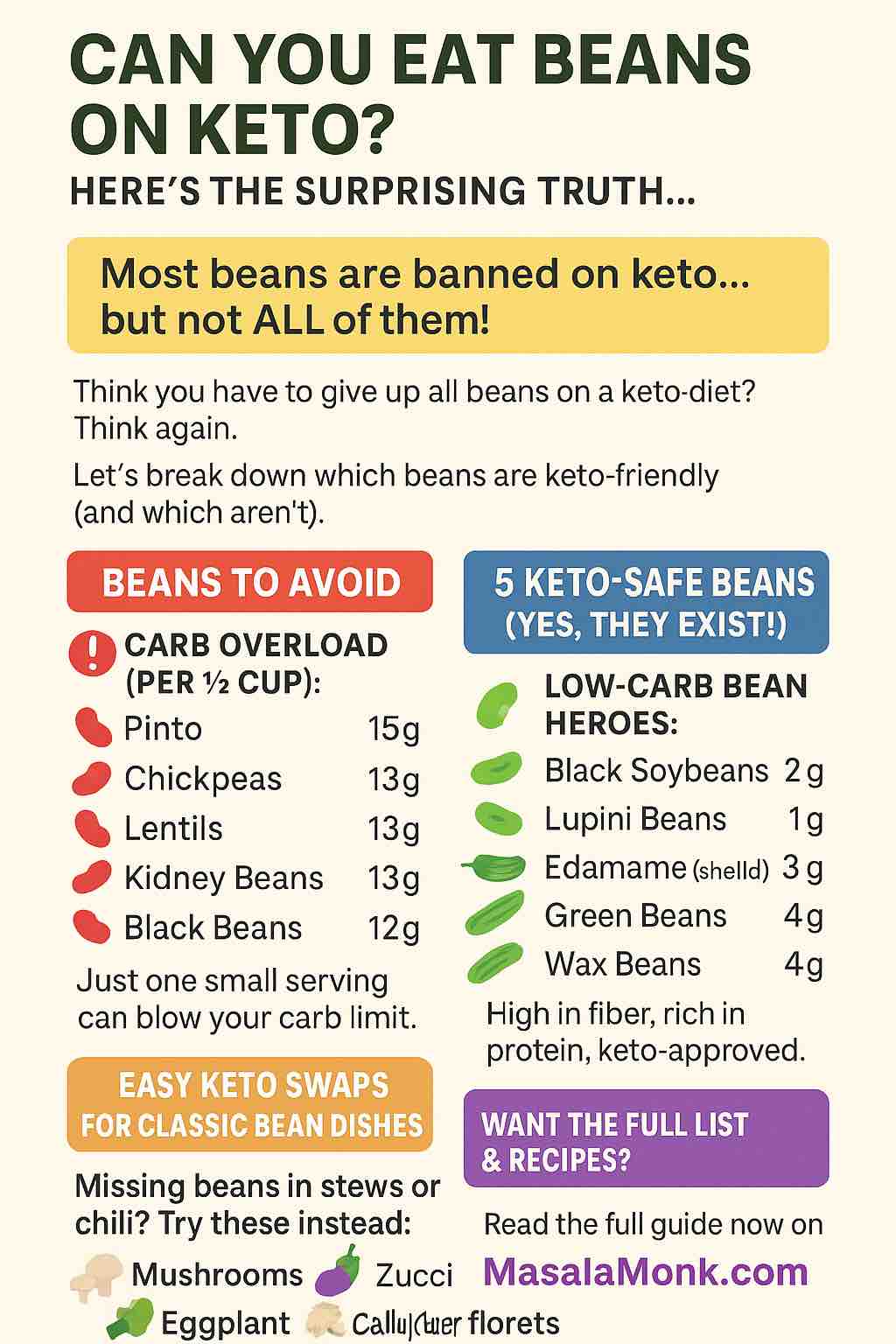
Here’s a snapshot of net carbs in standard beans (½ cup, cooked):

Bean TypeNet Carbs
Black beans~12g
Kidney beans~13g
Chickpeas~13g
Pinto beans~15g
Lentils~13g

As you can see, just half a cup can take you over the edge — and that’s not accounting for anything else you eat that day.

But here’s the twist: not all beans are created equal. A few unique varieties — along with some legume-like vegetables — are low enough in net carbs to fit into a keto or low-carb eating plan. Let’s dive into those now.


5 Keto-Friendly Beans (and Bean-Like Substitutes)

1. Green Beans: The Keto-Safe Legume That Acts Like a Veggie

  • Net carbs: ~4g per 1 cup (cooked)
  • Total carbs: ~7g
  • Fiber: ~3g

Green beans are technically legumes, but nutritionally they behave more like non-starchy vegetables — which is why they’re embraced by most keto eaters.

They’re rich in fiber, vitamin C, and antioxidants, and they offer a satisfying crunch when steamed or sautéed.

How to enjoy them on keto:

  • Sauté in olive oil with garlic and almonds.
  • Toss into a creamy, cheesy keto casserole.
  • Roast with parmesan for a crispy side.

💡 Pro tip: They pair beautifully with high-fat sauces — think buttery lemon or creamy mushroom gravy.


2. Black Soybeans: The Best “True Bean” for Keto Dieters

  • Net carbs: ~2g per ½ cup
  • Total carbs: ~8g
  • Fiber: ~6g
  • Protein: ~11g

If you’re missing the texture of real beans in your chili, black soybeans are your secret weapon. Unlike regular black beans, these contain more fiber than digestible carbs, making them an outlier in the legume world.

They taste mildly earthy and are versatile enough for soups, stews, and dips.

How to enjoy them:

  • Use in keto chili with ground beef and tomato paste.
  • Add to keto-friendly burrito bowls or taco salads.
  • Make a low-carb bean dip with avocado and lime.

💡 Watch out: Always choose unsweetened, organic canned versions, and rinse them well to reduce sodium.


3. Lupini Beans: The Low-Carb Snack with a Cult Following

  • Net carbs: ~1g per ½ cup (varies)
  • Total carbs: ~12g
  • Fiber: ~11g
  • Protein: ~15g

These yellow, oval-shaped beans have been a Mediterranean staple for centuries. They’re firm, chewy, and slightly bitter — usually pickled and sold in jars or vacuum packs.

Because they’re so high in fiber, almost all their carbs are non-digestible — making them practically zero-net-carb in some preparations.

How to enjoy them:

  • Snack on them like olives or pickles.
  • Toss into salads for added texture.
  • Pulse in a food processor with lemon and garlic for a chunky dip.

💡 Tip: Always read labels — some brands add sugar or preservatives. Look for “plain brined” or “unsweetened.”


4. Edamame: Young Soybeans with a Nutrient Punch

  • Net carbs: ~3.5g per ½ cup (shelled)
  • Protein: ~9g
  • Fiber: ~4g
  • Fat: ~4g (mostly unsaturated)

Edamame is young, green soybeans harvested before they mature. These little pods are rich in plant protein, magnesium, and antioxidants — and they come with a satisfying bite that makes them feel more indulgent than they are.

How to enjoy them on keto:

  • Lightly steam and top with sea salt or chili flakes.
  • Add shelled edamame to stir-fries or fried “rice” made with cauliflower.
  • Mix with sesame oil, garlic, and soy sauce for a savory snack.

💡 Bonus: Edamame is low on the glycemic index, meaning it won’t spike blood sugar — a win for insulin control.


5. Wax Beans (Yellow String Beans): A Forgotten Keto Ally

  • Net carbs: ~4g per 1 cup (cooked)
  • Total carbs: ~7g
  • Fiber: ~3g

Often mistaken for just a yellow version of green beans, wax beans have a slightly smoother texture and a milder flavor. They carry the same low-carb profile and are just as keto-safe.

How to enjoy them:

  • Steam and toss with browned butter and fresh dill.
  • Add color and crunch to keto-friendly salads.
  • Serve chilled with vinaigrette for a summer side dish.

💡 Why they’re underrated: They’re rich in flavonoids and easy to digest — perfect for those with sensitive guts.


🚫 Beans to Avoid on a Keto Diet

Even small servings of the following beans will likely throw you out of ketosis:

BeanNet Carbs (½ cup)
Black beans12g
Kidney beans13g
Chickpeas13g
Pinto beans15g
Navy beans14g
Lentils (red/brown)13g

These are too high in net carbs, even in modest servings. Save them for reintroduction after keto or during targeted carb-up days if you’re following a cyclical approach.


🥦 Best Keto Bean Substitutes (When You Need That Hearty Texture)

When your recipe calls for beans but your macros say “no,” try one of these keto-friendly stand-ins:

  • Mushrooms – earthy, meaty texture in chili or stews
  • Cauliflower florets or rice – bulks up soups or makes great mash
  • Zucchini – spiralize or cube for tacos, stir-fries, or skillet meals
  • Eggplant – soft, absorbent, and perfect in keto-friendly dips

💡 Texture hack: For stews and chili, combine chopped mushrooms and diced eggplant with extra olive oil — it mimics the mouthfeel of beans beautifully.


🔚 Final Thoughts: Yes, You Can Eat Beans on Keto — Just Be Selective

While traditional beans are mostly a no-go on keto, that doesn’t mean you have to live without their comfort or versatility. By choosing the right varieties — like black soybeans, lupini beans, green beans, wax beans, and edamame — you can enjoy the taste and texture of beans without crashing your carb count.

Remember:

  • Always track net carbs (total carbs minus fiber)
  • Stick to measured portions
  • Watch for added sugars in canned or prepared versions

Beans on keto can work, if you’re strategic — and your tastebuds don’t have to suffer.


📌 Quick Reference: Keto-Friendly Beans Cheat Sheet

Bean TypeNet Carbs (½–1 cup)Keto-Friendly?
Green Beans~4g✅ Yes
Black Soybeans~2g✅ Yes
Lupini Beans~1g✅ Yes
Edamame~3–4g✅ Yes
Wax Beans~4g✅ Yes
Chickpeas~13g❌ No
Pinto Beans~15g❌ No

10 FAQs About Beans on the Keto Diet

1. Can I eat beans on a keto diet?

Yes — but only specific types of beans that are low in net carbs. Most traditional beans (like kidney, pinto, or black beans) are too high in carbs for strict keto. However, green beans, lupini beans, black soybeans, edamame, and wax beans can be enjoyed in moderation.


2. Why are most beans not keto-friendly?

Most beans are high in starch, which breaks down into glucose (sugar) in your body. This can spike your blood sugar and knock you out of ketosis. Since keto limits you to 20–50g of net carbs per day, just half a cup of traditional beans can exceed that limit.


3. What is the best bean for a keto diet?

Black soybeans are widely considered the best bean for keto. They contain only ~2g net carbs per ½ cup, are high in protein and fiber, and mimic the texture of regular black beans in recipes.


4. Are green beans OK on keto?

Absolutely. Green beans are technically legumes, but they behave nutritionally like a low-carb vegetable. With only ~4g net carbs per cup, they’re one of the most keto-friendly options available.


5. How many beans can I eat on keto?

It depends on your daily carb limit and the type of bean. For example:

  • You can enjoy ½ cup of black soybeans or 1 cup of green beans without breaking ketosis.
  • Always calculate net carbs (total carbs minus fiber) and keep your portions controlled.

6. Are chickpeas or lentils keto-friendly?

No. Both chickpeas and lentils are too high in net carbs to be part of a strict keto diet. Even ½ cup of either contains around 13–15g net carbs, which can use up most of your daily allowance.


7. What are lupini beans, and why are they popular on keto?

Lupini beans are Mediterranean legumes known for their incredibly low net carb count (as low as 1g per ½ cup) and very high fiber and protein. They’re usually sold in brine and need to be rinsed before eating. They’re great as snacks or salad toppers.


8. Can I eat bean-based products like hummus or refried beans on keto?

Traditional hummus (chickpeas) and refried beans (pinto or black beans) are too high in carbs for keto. Instead, look for low-carb versions made from cauliflower, zucchini, or black soybeans, or make your own at home with keto-safe ingredients.


9. Are there keto substitutes for beans in recipes like chili or stew?

Yes. To mimic the hearty texture of beans in chili or stews, use:

  • Chopped mushrooms
  • Diced eggplant
  • Cauliflower florets
  • Zucchini chunks

These are low in carbs and absorb flavor well, making them excellent stand-ins.


10. Can I reintroduce regular beans after keto?

If you transition to a low-carb or cyclical keto plan, you can gradually reintroduce small portions of higher-carb beans. Just be sure to track your carbs and test your body’s response if you want to stay metabolically flexible.