Posted on Leave a comment

Brussels Sprouts – Nutrition, Benefits, and 5 Practical Ways for Weight Loss

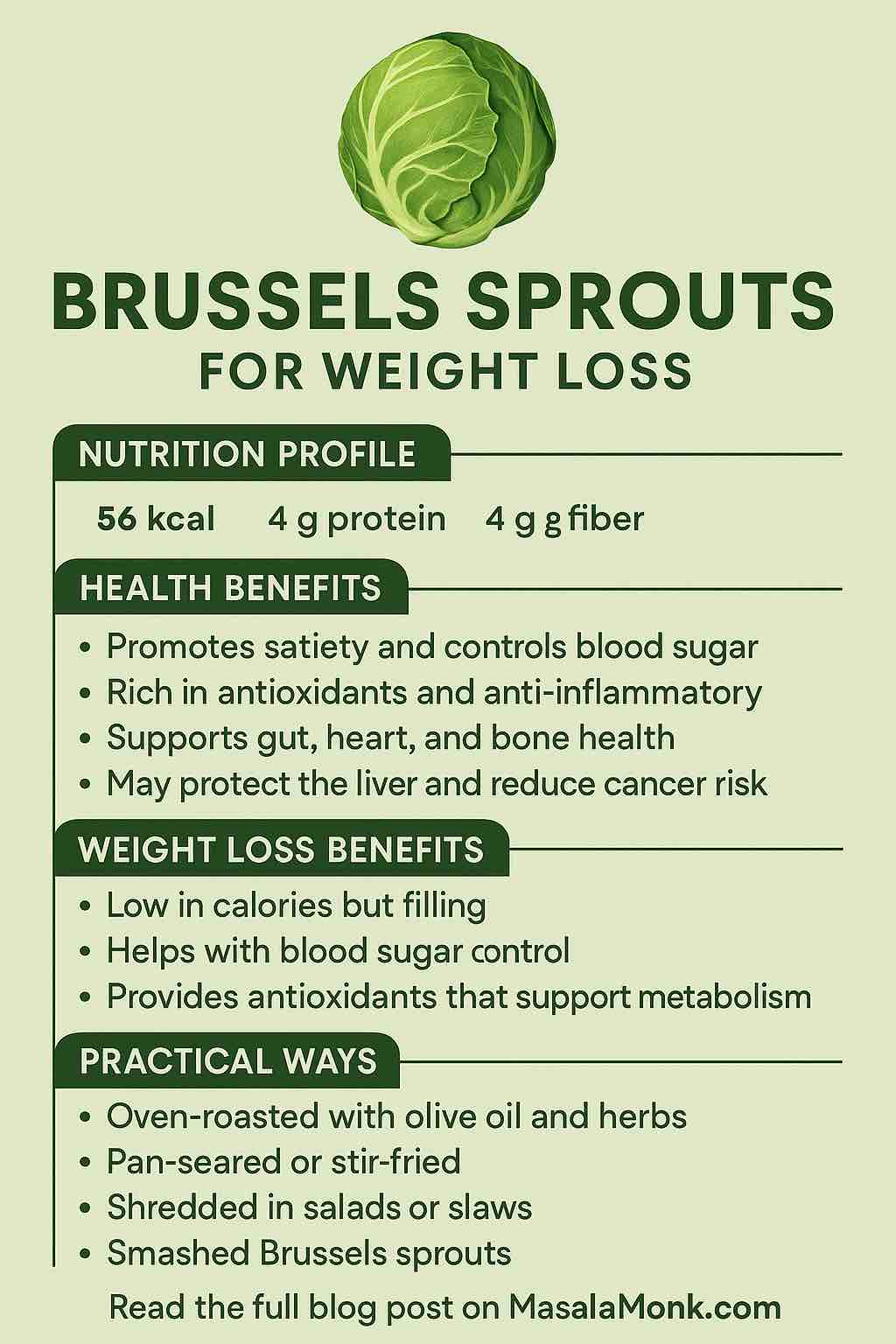
BRUSSELS SPROUTS FOR WEIGHT LOSS

Brussels sprouts have long been misunderstood—often cast aside as the soggy, bitter vegetable of childhood dinners. But in recent years, they’ve staged a full-on comeback—and for good reason. These tiny cabbages are nutrition-packed, versatile, and surprisingly effective when it comes to weight loss.

If you’re trying to eat healthier, shed a few pounds, or simply diversify your plate with superfoods, Brussels sprouts deserve a top spot on your grocery list.

Let’s explore the science-backed benefits, nutritional value, and five realistic, flavorful ways to add Brussels sprouts to your weight-loss routine.


🧬 The Nutritional Profile: Tiny Cabbages, Big Power

Brussels sprouts are a member of the cruciferous vegetable family—cousins to broccoli, kale, and cauliflower. Don’t let their size fool you; they are nutrient-dense with minimal calories.

✅ Per 1 cup cooked (~156 g):

  • Calories: 56 kcal
  • Protein: 4 g
  • Fiber: 4 g
  • Carbohydrates: 11 g (complex)
  • Fat: 0.8 g
  • Vitamin C: 97 mg (over 100% DV)
  • Vitamin K: 219 µg (over 180% DV)
  • Folate: 94 µg
  • Antioxidants: Sulforaphane, kaempferol
  • Minerals: Iron, potassium, manganese

TL;DR: Brussels sprouts offer the rare combination of low calories, high fiber, and dense micronutrients—ideal for any weight loss or wellness plan.


💪 Health Benefits (Backed by Science)

1. Promotes Satiety and Reduces Cravings

High fiber means slower digestion, which keeps you full longer. This satiety reduces snacking and overeating—two key drivers of unwanted weight gain.

A recent review (The Lancet, 2025) found diets rich in fiber helped individuals lose an average of 1.9 kg over 6 months—even without aggressive calorie restriction.

2. Stabilizes Blood Sugar

The fiber and antioxidant sulforaphane in Brussels sprouts help slow glucose absorption and improve insulin sensitivity, reducing cravings and promoting fat metabolism.

3. Supports Gut Health

The prebiotic fiber in Brussels sprouts feeds good gut bacteria, which are now linked to better metabolic health, inflammation control, and even mood regulation.

4. Detox & Inflammation Reduction

Compounds like glucosinolates and kaempferol help neutralize toxins and reduce inflammation—a hidden contributor to weight gain and chronic disease.

5. Liver & Bone Support

Vitamin K enhances calcium utilization, promoting bone strength. Sulforaphane may protect against non-alcoholic fatty liver disease, common in overweight individuals.


⚖️ Brussels Sprouts & Weight Loss: The Perfect Match

Weight loss is about creating a sustainable calorie deficit—without feeling deprived. Brussels sprouts hit the sweet spot:

  • High-volume, low-calorie: A large portion fills you up for <60 calories.
  • Gut & blood sugar friendly: Helps curb cravings.
  • Supports long-term health: Keeps you healthy while you lose fat—not just skinny.

🍽️ 5 Practical, Tasty Ways to Use Brussels Sprouts for Weight Loss

1. Crispy Roasted Brussels Sprouts (The Crowd-Pleaser)

Why it works: Roasting enhances flavor and creates a satisfying crunch—perfect for clean eating and low-calorie snacking.

How to make:

  • Halve sprouts and toss with olive oil, garlic, sea salt, and pepper.
  • Roast at 425°F (220°C) for 25 minutes until edges are crispy.
  • Optional: Add balsamic drizzle or a squeeze of lemon post-roast.

2. Brussels Sprouts Slaw (Crunch Without the Guilt)

Why it works: Eating them raw preserves nutrients and adds texture. This can be a base or side for almost any meal.

How to make:

  • Shred raw sprouts in a food processor or with a knife.
  • Mix with Greek yogurt, mustard, a dash of honey, and apple cider vinegar.
  • Add sunflower seeds or a few chopped almonds for healthy fat.

3. Sautéed Sprouts with Garlic and Chili (Quick & Spicy Side)

Why it works: Fast, flavorful, and oil-controlled—great for weeknight meals.

How to make:

  • Slice thinly or halve sprouts.
  • Sauté with olive oil, garlic, chili flakes, and a splash of lemon.
  • Serve alongside grilled chicken, salmon, or lentils.

4. Smashed Brussels Sprouts (Crispy and Fun!)

Why it works: Combines boiling and roasting for an ultra-crispy finish with minimal oil.

How to make:

  • Boil sprouts for 10 minutes. Drain and flatten with a spoon.
  • Brush with olive oil, sprinkle with smoked paprika or cumin.
  • Roast at 425°F for 20 minutes until golden.

5. Brussels Sprouts & Quinoa Bowl (Power Lunch)

Why it works: Combines plant protein, fiber, and good fats in a balanced meal.

How to make:

  • Roast Brussels sprouts. Combine with cooked quinoa, chickpeas, spinach.
  • Dress with tahini-lemon sauce or a vinaigrette.
  • Add pumpkin seeds or avocado for richness.

🔁 Keep It Sustainable

Here’s how to keep Brussels sprouts in your weekly rotation without getting bored:

  • Mix cooking styles: roasted, raw, stir-fried, or steamed.
  • Pair with different proteins (tofu, turkey, legumes).
  • Add seasonal ingredients (apple, pomegranate, citrus).
  • Use them in meal prep: they reheat well!

⚠️ A Few Cautions

  • Gas & bloating: Some may experience mild bloating due to raffinose. Introduce slowly.
  • Vitamin K interaction: Those on blood thinners should monitor intake (consult your doctor).
  • Overcooking ruins everything: Keep them vibrant, not mushy.

🧾 Final Thoughts

Brussels sprouts aren’t just another green vegetable—they’re a true nutritional powerhouse. Packed with fiber, antioxidants, and micronutrients, they’re a secret weapon in healthy weight management.

More importantly, they’re delicious when cooked right. Whether roasted to golden perfection, shaved raw into a zesty slaw, or tossed into a protein bowl, they can upgrade your meals while supporting your weight goals.

Start simple: Add Brussels sprouts 2–3 times a week, mix up cooking styles, and enjoy the satisfying fullness they bring.

FAQs

1. Are Brussels sprouts good for weight loss?

✅ Yes. They’re low in calories and high in fiber, which promotes fullness, stabilizes blood sugar, and supports fat metabolism—all essential for sustainable weight loss.


2. How often should I eat Brussels sprouts to see benefits?

👉 Aim for 2–4 times per week, with 1 cup cooked per serving. Consistent inclusion in a varied diet amplifies benefits like satiety, gut health, and inflammation reduction.


3. Can I eat Brussels sprouts raw?

Yes, you can! Shaved or shredded raw Brussels sprouts work great in slaws and salads. They’re crisp, fresh, and retain more vitamin C than cooked versions.


4. What is the best way to cook Brussels sprouts for weight loss?

Roasting or sautéing with minimal oil is ideal. These methods enhance flavor without adding excess calories. Steaming works too, but can be bland without seasoning.


5. Do Brussels sprouts cause gas or bloating?

They can, due to their fiber and raffinose content. Start with small portions and increase gradually. Cooking them thoroughly also helps reduce digestive discomfort.


6. Are frozen Brussels sprouts as healthy as fresh ones?

Generally, yes. Frozen sprouts are picked at peak ripeness and retain most nutrients. Just avoid pre-seasoned versions with added salt or fat.


7. How many calories are in 1 cup of cooked Brussels sprouts?

About 56 calories per cup. This makes them an ideal high-volume, low-calorie food for weight loss.


8. Can Brussels sprouts help reduce belly fat?

Not directly—but by reducing overall calorie intake, improving insulin sensitivity, and supporting metabolism, they can contribute to total fat loss, including belly fat.


9. Are Brussels sprouts keto-friendly?

Yes. They’re low in net carbs (~5 g per 100 g cooked), making them suitable for most low-carb and ketogenic diets.


10. What other vegetables pair well with Brussels sprouts?

Great pairings include sweet potatoes, carrots, kale, spinach, cauliflower, and onions. They complement both flavor and nutrient profiles in mixed dishes.

Posted on 1 Comment

Kale – Nutrition, Benefits, and 5 Practical Ways for Weight Loss

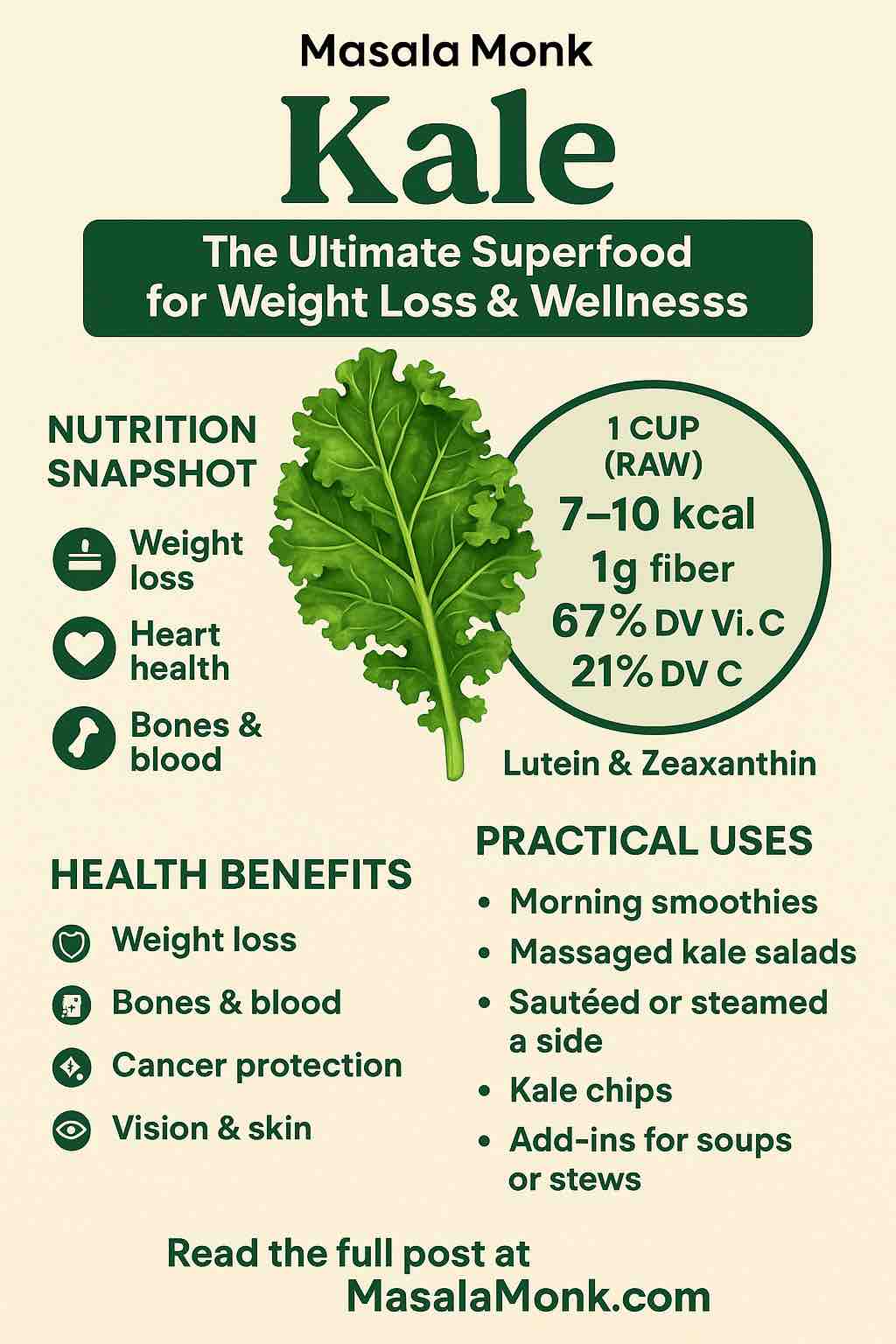
Kale The Ultimate Superfood for Weight Loss & Wellnesss

Kale — the dark, leafy green once reserved for garnish — has become a full-blown nutritional powerhouse. Whether you’re aiming to shed a few pounds, eat clean, or boost your micronutrient intake, kale deserves a front-row seat on your plate. But what exactly makes kale such a smart addition to your diet, and how can you use it effectively to support weight loss?

In this post, we explore the latest science, core health benefits, and five easy, delicious ways to make kale work for your weight loss goals — based on 2024–2025 clinical findings and real-world dietary advice.


🧪 Kale’s Nutritional Breakdown (Per 1 Cup Raw – ~20 g)

NutrientAmount% Daily Value (DV)
Calories7–10 kcal
Protein0.6–0.9 g
Fiber~1 g~4%
Vitamin K~67%💪 Bone & clotting
Vitamin A6–200%👁️ Eye & immune
Vitamin C21–134%🛡️ Antioxidant
Calcium~50–90 mg🔩 Bone health
Potassium~79 mg💓 Blood pressure
Manganese~0.2 mg🔧 Enzyme support
Lutein/Zeaxanthin~39 mg👁️ Retinal health

Kale is low in calories and rich in fiber, antioxidants, and micronutrients — all of which play a vital role in appetite control, detoxification, and energy metabolism.


🧠 The Science-Backed Health Benefits of Kale

1. 🌿 Weight Loss & Metabolic Health

In a 2024 clinical trial, participants who took 3 g of freeze-dried kale three times daily experienced measurable reductions in:

  • Weight
  • Waist circumference
  • Triglyceride levels
  • Fasting glucose

This makes kale not just a healthy side dish, but a therapeutic food for weight management.

Pro Tip: Even without supplements, adding 2–3 cups of kale daily to meals can promote fullness and curb cravings naturally.


2. ❤️ Heart Health

Kale’s potassium, fiber, and antioxidants can help:

  • Lower LDL cholesterol (bad cholesterol)
  • Regulate blood pressure
  • Protect against arterial plaque via glucosinolates and polyphenols

A regular intake of kale is associated with better lipid profiles and reduced heart disease risk.


3. 🔍 Vision, Skin, and Immunity

Thanks to compounds like lutein and zeaxanthin, kale helps filter blue light and prevent age-related macular degeneration. Plus:

  • Vitamin C boosts collagen for glowing skin.
  • Vitamin A supports immune resilience.

4. 🦴 Bone Density

With its low oxalate profile and high bioavailable calcium, kale supports:

  • Bone remineralization
  • Joint and cartilage health
  • Improved vitamin K-dependent bone metabolism

5. 🧬 Cancer-Fighting Potential

Kale contains sulforaphane precursors and glucosinolates, shown in early studies to detoxify carcinogens and reduce inflammation. While clinical evidence is still evolving, its role in preventive nutrition is promising.


⚠️ What to Watch Out For

While kale is a superfood, moderation and preparation matter:

  • Thyroid concerns: Raw kale contains goitrogens, which can affect thyroid hormones if overconsumed (especially in people with iodine deficiency). Cooking helps.
  • Oxalates & kidneys: Those prone to kidney stones may want to limit extremely high kale intake or rotate with lower-oxalate greens.
  • Vitamin K & medications: High vitamin K can interfere with blood thinners like warfarin.

Pro Tip: Steaming or sautéing kale reduces oxalates and goitrogens while enhancing nutrient absorption.


🥗 5 Practical & Delicious Ways to Use Kale for Weight Loss

1. 🌅 Morning Green Smoothie

Blend kale with banana, Greek yogurt, chia seeds, and unsweetened almond milk. It’s fiber-rich and keeps you full until lunch.

✔ Recipe Tip: Use 1 cup kale, ½ banana, 1 tbsp chia, ½ cup yogurt.

2. 🥗 Massaged Kale Salad

Tear kale leaves, discard stems, and massage with olive oil, lemon juice, and salt to soften. Add avocado, berries, and pumpkin seeds.

✔ Why it works: Massaging makes kale more digestible and less bitter.

3. 🍽️ Sautéed Kale Side

Quickly sauté chopped kale with garlic, a splash of veggie broth, and chili flakes. Serve warm next to lean protein or grains.

✔ Bonus: Light cooking boosts calcium and iron availability.

4. 🍿 Kale Chips (Guilt-Free Snack)

Toss with olive oil, nutritional yeast, sea salt, and bake until crisp at 300°F (15–20 min).

✔ Crunch factor without the carbs or oils of regular chips.

5. 🍲 Add to Soups & Stews

Stir chopped kale into lentil soup, chicken stew, or chili during the last 5 minutes of cooking. Adds fiber and micronutrients.

✔ Kale holds its texture better than spinach in hot dishes.

🧭 How to Make Kale a Long-Term Habit

Rotate types: Try curly, Lacinato (dino kale), and red Russian for variety.
Meal prep: Pre-wash and chop kale for quick grab-and-go additions.
Combine with healthy fats: Olive oil, nuts, or avocado boost absorption of fat-soluble vitamins (A, K).
Track your response: If using powdered kale supplements, monitor glucose and digestion.


🔚 Final Thoughts

Kale is more than a trend — it’s a nutritional cornerstone that supports sustainable weight loss, vibrant health, and disease prevention. Whether you’re blending it into smoothies, baking it into chips, or simply tossing it in a salad, it’s one of the most practical and proven additions to your wellness routine.

🌱 Start with small steps:

  • Add 1 cup of kale to one meal per day.
  • Try a kale smoothie 3x a week.
  • Mix kale with other greens to keep things interesting.

Your body — and your waistline — will thank you.

🧠 10 FAQs About Kale and Weight Loss

1. Can eating kale every day help me lose weight?

Yes, kale is low in calories and high in fiber, which promotes satiety and reduces cravings. Including 1–3 cups of kale in meals can naturally support calorie control. Clinical studies (2024) even show that freeze-dried kale can lead to weight and fat loss in obese individuals when used regularly.


2. What’s the best time of day to eat kale for weight loss?

There’s no strict “best” time, but many benefit from eating kale at breakfast or lunch — in smoothies or salads — because it helps regulate appetite and blood sugar throughout the day.


3. Is raw or cooked kale better for weight loss?

Both are excellent. Raw kale preserves vitamin C and fiber, while light cooking (steaming, sautéing) reduces anti-nutrients (like oxalates) and enhances mineral absorption, making cooked kale more digestible for some.


4. How much kale should I eat daily for noticeable results?

Aim for 1.5 to 3 cups daily (fresh), or up to 9 g/day of powdered kale as used in recent studies. Spread across meals, this amount is generally well-tolerated and effective for nutritional impact.


5. Can kale upset my stomach or cause bloating?

Yes, in some people. Kale is high in fiber and sulfur compounds. If you’re not used to a high-fiber diet, start slowly and cook kale to reduce gas. Massaging raw kale also helps break down tough fibers.


6. Can people with thyroid issues eat kale?

Yes, but in moderation. Raw kale contains goitrogens which can interfere with thyroid function if eaten in excess. Cooking deactivates most goitrogens. People with hypothyroidism should consult their doctor before consuming large amounts regularly.


7. Is kale better than spinach for weight loss?

They’re both excellent, but kale has less oxalate, more vitamin C, and is lower in calories per cup than spinach. However, rotating greens gives the best nutritional variety and avoids overexposure to any single compound.


8. Can I drink kale juice instead of eating it?

You can, but juicing removes most fiber, which is key for weight loss. Smoothies are better than juices because they retain all the fiber. If you juice, pair kale with high-fiber veggies like cucumber or celery.


9. What kind of kale is best?

All types are beneficial. Curly kale is the most common, Lacinato (dino) kale is less bitter and easier to cook, and Red Russian kale offers a slightly sweeter taste. Choose what suits your recipes and palate best.


10. Can I take kale supplements instead of eating it?

You can use freeze-dried kale powder or capsules, especially if you’re on the go. Research shows they can support metabolic improvements. Still, real food gives you fiber, water content, and satiety — so supplements should complement, not replace, whole kale.

Posted on Leave a comment

Ginseng and ADHD: Exploring Nature’s Potential Support for Focus, Attention, and Cognitive Well-being

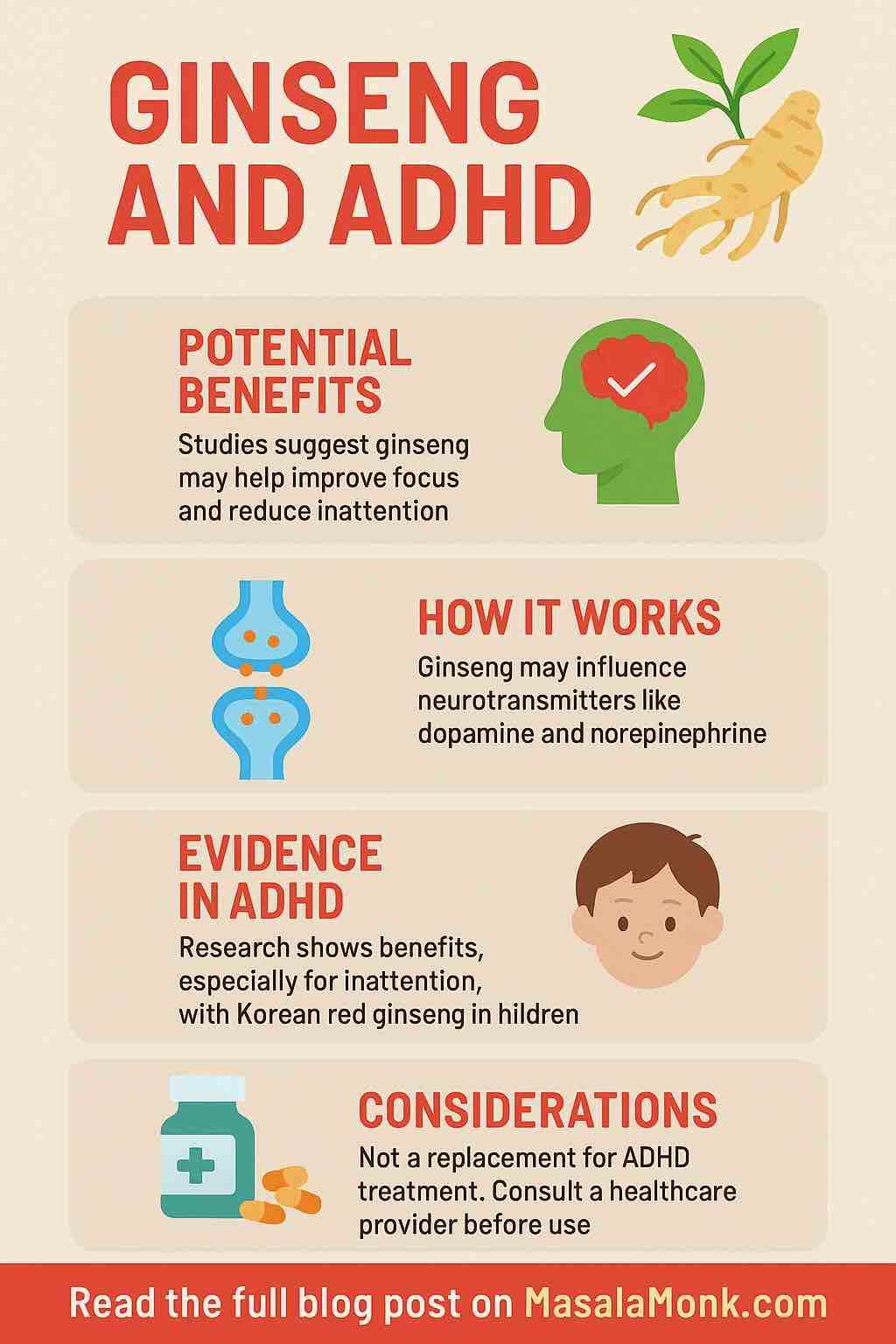
GINSENG AND ADHD

In the ever-evolving landscape of ADHD treatment, a growing number of people are turning to nature for complementary solutions. One such herbal remedy gaining traction is ginseng. Revered for centuries in traditional Asian medicine, ginseng is now under scientific scrutiny for its potential to support individuals with Attention Deficit Hyperactivity Disorder (ADHD). But does the science support the hype? Let’s explore the evidence, the mechanisms, and how this ancient root might fit into a modern ADHD management plan.


What Is Ginseng?

Ginseng refers to the roots of plants in the Panax genus, particularly Panax ginseng (Korean or Asian ginseng) and Panax quinquefolius (American ginseng). These roots contain active compounds called ginsenosides, which are believed to have neuroprotective, anti-inflammatory, and cognition-enhancing effects.


ADHD and the Brain: Where Ginseng Might Help

ADHD is linked to dysregulation in brain pathways involving dopamine and norepinephrine — neurotransmitters critical for attention, motivation, and impulse control. Emerging studies suggest that ginseng may help regulate these same neurotransmitters, offering a possible mechanism for symptom relief. Additionally, ginseng may enhance the activity of brain-derived neurotrophic factor (BDNF), which supports brain plasticity and learning.


What Does the Research Say?

1. Systematic Review (2024)

A comprehensive 2024 review analyzed six human and three animal studies and concluded that ginseng shows promise for improving inattention symptoms in children with ADHD. The review emphasized the need for more rigorous, larger-scale trials but found consistent positive effects on focus and cognitive function.

2. Randomized Controlled Trials (RCTs)

  • Korean Red Ginseng (KRG): An RCT involving children with ADHD found that 8 weeks of KRG led to improvements in omission errors and ADHD rating scores.
  • KRG + Omega-3 Combo: A more recent study explored the combined use of Korean red ginseng and omega-3 fatty acids. The result? Marked improvement in attention, memory, and executive function in children with subthreshold ADHD.

3. Adult Populations and Healthy Individuals

Though most studies focus on children, some evidence suggests American ginseng may improve working memory and attention in healthy adults. However, dedicated ADHD studies in adult populations are lacking and urgently needed.


Practical Use: Dosage, Safety, and Integration

How Much?

Typical dosages used in studies:

  • Korean Red Ginseng: 1000 mg/day (split into two doses)
  • American Ginseng: 200-400 mg/day
  • Combination with Omega-3: Often includes ~1g KRG + 500-1000 mg omega-3

Always start with a lower dose and titrate slowly under supervision.

Is It Safe?

Short-term use of ginseng is generally well-tolerated. Reported side effects include:

  • Insomnia
  • Headaches
  • Gastrointestinal upset

However, caution is advised:

  • Medication interactions: Especially with blood thinners, diabetes meds, and CNS stimulants
  • Long-term safety: Still not fully known, especially in children

What to Look for in a Supplement

  • Standardized extract (e.g., 10% ginsenosides)
  • Third-party testing (e.g., NSF, USP, ConsumerLab)
  • Transparent labeling and manufacturer reputation

How to Integrate Ginseng into an ADHD Support Plan

  1. Consult Your Healthcare Provider: Never self-prescribe. A knowledgeable practitioner can help monitor interactions and outcomes.
  2. Track Progress: Use rating scales like the ADHD-RS or Conners Scale to objectively assess changes.
  3. Combine with Lifestyle Strategies: Ginseng should complement, not replace, behavioral therapy, proper nutrition, sleep hygiene, and (if needed) prescription meds.
  4. Be Patient and Consistent: Herbal effects are subtle and cumulative. Give any trial at least 8-12 weeks.

Final Thoughts

Ginseng holds promise as a natural aid for managing ADHD, particularly for improving attention and cognitive function. While it’s no silver bullet, its mechanistic potential and clinical support make it a worthy candidate for further research and cautious integration into holistic ADHD care plans.

As with all natural supplements, the key is informed, personalized use. By partnering with qualified healthcare providers, individuals and families may find in ginseng a valuable tool in the ADHD toolbox.


Disclaimer: This article is for informational purposes only and is not a substitute for medical advice. Always consult with a qualified healthcare professional before starting any new supplement or treatment.

📘 Frequently Asked Questions (FAQs)

1. Can ginseng replace ADHD medication?
No. Ginseng may help support attention and focus, but it should not replace prescribed ADHD treatments like stimulant medications or behavioral therapy unless advised by a healthcare provider.

2. What type of ginseng is best for ADHD?
Studies most commonly use Korean red ginseng (Panax ginseng) for children and American ginseng (Panax quinquefolius) for adults or cognitive support. Korean red ginseng has the strongest ADHD-specific evidence.

3. How long does it take to see results from ginseng?
Most clinical trials show effects over 8 to 12 weeks. Herbal treatments like ginseng work gradually and require consistent use.

4. Is ginseng safe for children?
Short-term studies suggest it is generally well-tolerated in children, but medical supervision is essential, especially when combining with other medications.

5. Can adults with ADHD benefit from ginseng?
There’s promising evidence for ginseng improving attention and working memory in healthy adults, but more direct ADHD-focused studies in adults are needed.

6. Are there any side effects of taking ginseng?
Yes. Potential side effects include insomnia, headaches, digestive upset, and nervousness. It may also interact with medications like blood thinners or diabetes drugs.

7. Should I take ginseng with food?
Yes, it’s typically recommended to take ginseng with food to minimize stomach upset and enhance absorption.

8. What should I look for in a ginseng supplement?
Choose products with standardized ginsenoside content (around 10%), third-party testing (e.g., NSF, USP), and clear labeling of source and dosage.

9. Can I combine ginseng with omega-3 supplements?
Yes. Some studies show enhanced benefits when combining Korean red ginseng with omega-3 fatty acids, especially for cognitive performance and attention.

10. Is long-term use of ginseng safe?
Long-term safety data is limited. Most studies span 2–3 months. It’s best to use ginseng in cycles and consult a healthcare provider for extended use.

Posted on Leave a comment

Fenugreek Water for Belly Fat: Exploring the Benefits, Preparation, Usage, and Frequently Asked Questions

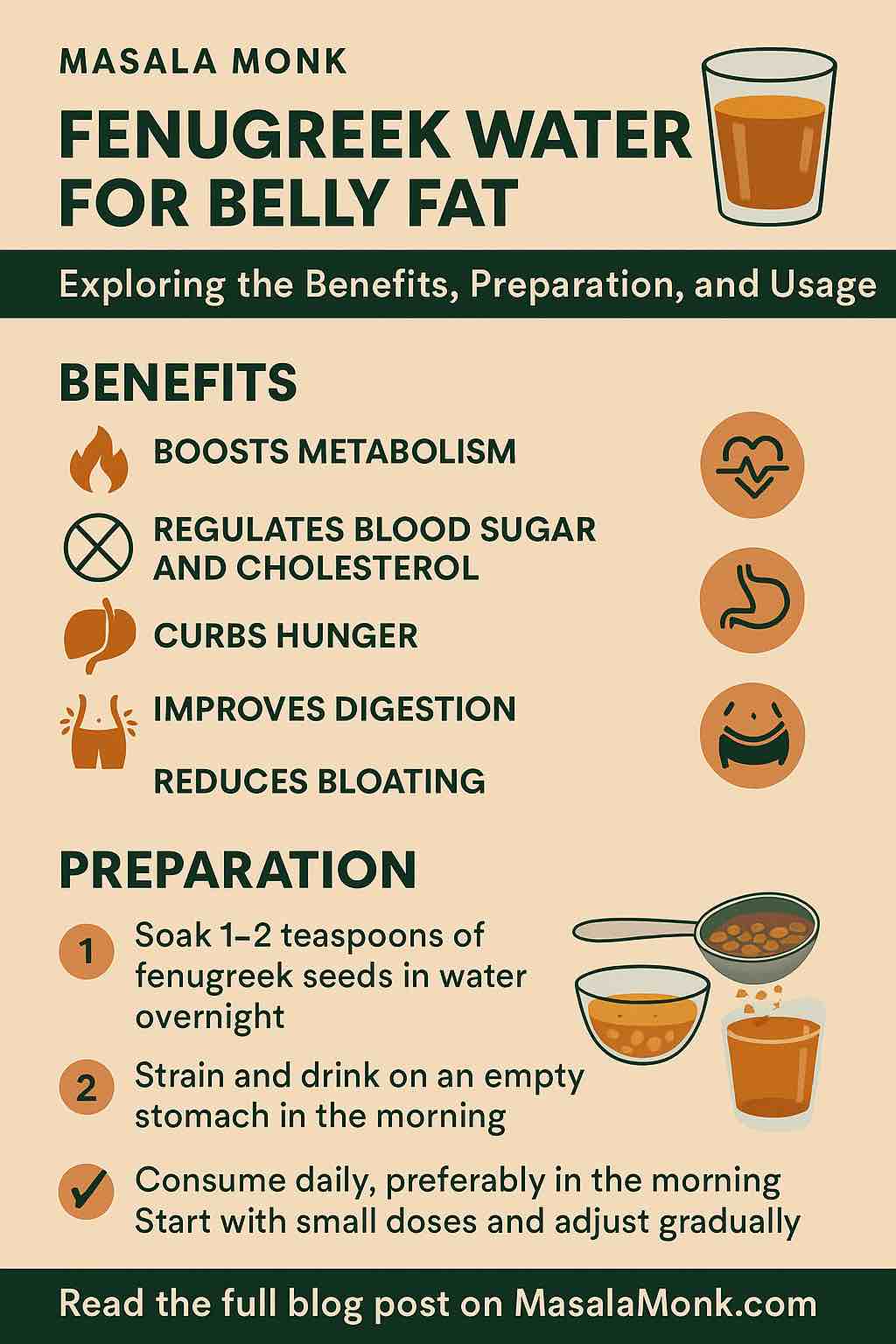
FENUGREEK WATER FOR BELLY FAT

In the ever-evolving world of wellness, natural remedies continue to capture attention for their holistic and low-risk benefits. Among these, fenugreek water (or methi water) has emerged as a popular option for those seeking to support weight loss, especially targeting stubborn belly fat. Backed by both tradition and growing scientific interest, this humble seed may offer more than just flavor to your curries.

This blog post dives deep into what fenugreek water is, why it’s beneficial, how to prepare and use it effectively, and offers extended insights for practical daily integration.


What Is Fenugreek Water?

Fenugreek is a small, golden-brown seed with a slightly bitter taste and a long history in Ayurvedic medicine. Soaking the seeds overnight in water creates a nutrient-rich infusion known as fenugreek water. This drink, when consumed regularly, is believed to enhance digestion, regulate metabolism, and support fat loss goals.


Why Belly Fat Matters

Excess fat around the abdomen isn’t just about aesthetics—it’s closely linked to metabolic dysfunctions such as:

  • Type 2 diabetes
  • Cardiovascular disease
  • Hormonal imbalances
  • Insulin resistance

Belly fat is particularly harmful because it includes visceral fat, which surrounds internal organs and triggers systemic inflammation. Thus, reducing belly fat can lead to a significantly healthier metabolic profile.


Benefits of Fenugreek Water for Belly Fat

1. Appetite Suppression and Satiety

Fenugreek contains a unique soluble fiber—galactomannan—that absorbs water and expands in the stomach. This effect creates a feeling of fullness, which naturally curbs overeating and unhealthy snacking.

Scientific trials suggest that fenugreek fiber supplementation significantly reduces hunger levels and total daily caloric intake, especially in overweight individuals.

2. Improved Digestion and Bloating Reduction

Digestive issues like gas, constipation, and bloating can make the belly appear larger and heavier. Fenugreek’s fiber content supports regular bowel movements and reduces gastrointestinal discomfort, leading to a flatter, healthier midsection over time.

Additionally, better digestion means more efficient nutrient absorption, which supports overall metabolic health.

3. Blood Sugar and Insulin Control

Stable blood sugar levels are crucial for fat metabolism. Fenugreek contains trigonelline and 4-hydroxyisoleucine, compounds known to improve insulin sensitivity and slow carbohydrate absorption.

By preventing sudden blood sugar spikes and crashes, fenugreek water reduces cravings and lowers the risk of excess glucose being stored as abdominal fat.

4. Cholesterol and Fat Metabolism Support

Fenugreek seeds have a natural ability to reduce LDL (bad cholesterol) and increase HDL (good cholesterol). Their saponin and flavonoid content helps break down triglycerides and promotes the use of fat for energy.

This leads to a more efficient metabolism, which over time contributes to decreased fat storage—especially in the belly region.

5. Anti-Inflammatory and Antioxidant Effects

Chronic inflammation plays a silent but significant role in weight gain and fat retention. Fenugreek is packed with antioxidants and anti-inflammatory compounds that help neutralize oxidative stress and support hormonal balance.

Lowering inflammation improves everything from gut health to energy levels and supports a more active lifestyle that’s essential for fat loss.


How to Prepare Fenugreek Water (3 Easy Methods)

Method 1: Overnight Soak (Most Common)

Ingredients:

  • 1 to 2 teaspoons of fenugreek seeds
  • 1 cup (250 ml) of water

Instructions:

  1. Soak the seeds in water overnight (6-8 hours).
  2. In the morning, strain and drink the water.
  3. Optional: Chew the soaked seeds for added fiber and nutrients.

This method is convenient and gentle on the digestive system. It’s best for those just starting their fenugreek routine.

Method 2: Warm Fenugreek Tea

Instructions:

  1. Soak seeds for a few hours to soften.
  2. Boil the mixture for 5-10 minutes.
  3. Strain and sip warm.

Adding lemon juice or a dash of cinnamon can amplify metabolic benefits while balancing the bitterness.

Method 3: Fenugreek and Ajwain Combo

This method enhances digestion and reduces water retention.

Instructions:

  1. Soak 1 tsp each of fenugreek and ajwain seeds in water overnight.
  2. Boil the mixture, strain, and consume on an empty stomach.

Ajwain complements fenugreek by promoting deeper digestive detox and reducing bloating.


When and How to Take Fenugreek Water

  • Timing: Drink on an empty stomach in the morning to maximize absorption and support appetite control throughout the day.
  • Dosage: Start with 1 teaspoon of seeds soaked in 1 cup of water. Gradually increase to 2 teaspoons if tolerated well.
  • Frequency: Once daily is sufficient. If your body responds well, it can be consumed again before dinner or bedtime for added benefit.

Combining Fenugreek Water with Lifestyle Practices

To truly tackle belly fat, fenugreek water must be part of a comprehensive wellness plan. Here’s how to integrate it effectively:

1. Smart Nutrition

Adopt a diet rich in whole foods—especially lean protein, healthy fats, and fiber. Avoid processed sugars and refined carbs that cause insulin spikes and abdominal fat storage.

2. Strength and Cardio Workouts

Combine weight training with high-intensity interval training (HIIT) to enhance fat burn and preserve muscle mass. A strong core workout 3–4 times a week will help tighten abdominal muscles.

3. Hydration and Sleep

Drink plenty of water throughout the day. Lack of hydration slows metabolism and increases cravings. Prioritize 7–9 hours of sleep to regulate cortisol and growth hormone, both of which influence fat storage.

4. Mindful Eating and Stress Reduction

Stress-related eating is a leading cause of belly fat. Use mindfulness techniques like deep breathing or journaling to build awareness around hunger and emotions.


Potential Side Effects & Precautions

While fenugreek water is generally safe, keep these considerations in mind:

  • Digestive Issues: Overconsumption can lead to bloating or diarrhea. Start with small quantities and monitor.
  • Hypoglycemia Risk: Individuals on blood sugar-lowering medications should consult their doctor as fenugreek may enhance insulin effects.
  • Hormonal Interactions: Due to its phytoestrogen content, pregnant women or those with hormone-sensitive conditions should avoid or seek medical guidance.
  • Medication Interactions: Fenugreek may potentiate the effects of certain drugs for diabetes, blood pressure, or cholesterol.

Final Thoughts

Fenugreek water stands out as a simple yet potent natural remedy that supports belly fat reduction through multiple mechanisms: satiety, digestion, blood sugar regulation, and inflammation control. While it won’t replace exercise or a healthy diet, it can amplify the results of those efforts.

By making fenugreek water a consistent part of your morning ritual—and aligning it with conscious lifestyle choices—you empower your body to shed visceral fat, boost metabolism, and move closer to your health goals.

So go ahead—soak those seeds tonight and begin each day with this powerful infusion of ancient wisdom and modern science.


Disclaimer: This post is for informational purposes only and does not constitute medical advice. Always consult a healthcare provider before beginning any new health regimen.

🔍 Frequently Asked Questions

1. Can fenugreek water specifically reduce belly fat?
While fenugreek water doesn’t target belly fat alone, it helps reduce overall body fat by regulating blood sugar, curbing appetite, and improving digestion—all of which indirectly support belly fat loss.

2. How long should I drink fenugreek water before seeing results?
Most users notice reduced bloating within a few days. For fat loss and visible changes, give it 3–4 weeks of consistent use along with proper diet and exercise.

3. Should I drink fenugreek water hot or cold?
You can drink it either way. Warm water may aid digestion more effectively, while cold or room temperature versions are more palatable in warmer climates.

4. Can I consume fenugreek water twice a day?
Yes, but begin with once daily. If well-tolerated, a second dose before dinner or bed can enhance its effects, especially for blood sugar regulation.

5. Is it necessary to chew the soaked seeds?
Not mandatory, but chewing the soaked seeds provides additional fiber and nutrients. If the taste is too strong, feel free to discard them after straining.

6. Can fenugreek water be used during intermittent fasting?
Yes. Since it contains minimal calories, fenugreek water typically doesn’t break a fast and may actually improve fasting benefits like appetite control.

7. Are there any people who should avoid fenugreek water?
Yes. Pregnant women, individuals on blood sugar medication, or those with hormone-sensitive conditions should consult a doctor before starting.

8. Can fenugreek water cause side effects?
In some, it may cause bloating, gas, or diarrhea—especially if consumed in large quantities. Start with small amounts and adjust based on tolerance.

9. Can I add lemon or other herbs to my fenugreek water?
Absolutely. Lemon, ginger, ajwain, and cinnamon are popular additions that can boost digestive and metabolic benefits.

10. How is fenugreek water different from fenugreek supplements?
Fenugreek water is more natural and gentle, ideal for daily use. Supplements offer concentrated doses but may pose greater risk for side effects and interactions.

Posted on 1 Comment

Egg Whites for Weight Loss: A Nutrient-Dense and Versatile Addition to Support Your Healthy Eating Plan

Egg whites for weight loss

When it comes to losing weight and eating healthily, one of the most debated yet often misunderstood foods is the humble egg. More specifically, the egg white. While egg yolks bring their own powerful nutrition profile, egg whites offer a uniquely potent combination of high-quality protein, minimal calories, and culinary flexibility that makes them an excellent staple in weight loss diets. In this post, we’ll explore why egg whites deserve a central spot in your meal planning, what the latest research says, how to use them practically, and when it makes sense to pair them with whole eggs.


Why Egg Whites Work for Weight Loss

1. Low-Calorie, High-Protein Powerhouse

One large egg white contains about 17 calories and 3.6 grams of complete protein. This makes egg whites one of the most efficient sources of protein per calorie. For those trying to maintain a calorie deficit while preserving muscle mass, egg whites offer the perfect solution.

2. Boosts Satiety and Reduces Overall Intake

Studies show that protein-rich breakfasts, especially those including egg whites, increase satiety hormones like GLP-1 and PYY. This hormonal response can lead to reduced calorie intake for the rest of the day. Unlike carbs or fats, proteins take longer to digest, which keeps you feeling full for longer.

3. Supports Lean Muscle Retention

During weight loss, preserving muscle is crucial to maintaining metabolic rate. Egg whites are rich in branched-chain amino acids, especially leucine, which plays a direct role in stimulating muscle protein synthesis. Whether you’re doing resistance training or simply walking more, egg whites help fuel your muscle recovery and retention.


What the Latest Research Says

Clinical Innovations: Encapsulated Egg-White Noodles

Recent clinical trials from 2024 explored the use of encapsulated egg-white noodles (EWN) as a meat substitute. Over six weeks, overweight individuals who substituted part of their meat intake with EWN saw a greater reduction in body weight, waist-to-hip ratio, and LDL cholesterol than those on a standard high-protein diet.

Fermented Egg-White Protein

Another innovation gaining attention is fermented egg-white protein, shown to reduce visceral fat and improve antioxidant levels over a 12-week period in overweight individuals. This suggests that egg whites may offer metabolic benefits beyond protein content alone.

Whole Eggs vs. Whites

While whole eggs do offer essential nutrients like choline, vitamin D, and healthy fats, new findings suggest that combining egg whites with a smaller number of whole eggs may provide a balance between nutrient density and calorie control. In fact, some studies show whole eggs may better support muscle synthesis, making the combo approach ideal.


Nutritional Trade-Off: The Yolk Dilemma

Egg yolks are rich in:

  • Choline (important for brain function)
  • Vitamins A, D, E, and K
  • Lutein and zeaxanthin (antioxidants for eye health)
  • Healthy fats

Egg whites, on the other hand, are cholesterol-free, fat-free, and packed with pure protein. If you’re managing cholesterol or sticking to a low-fat plan, whites offer a safe and effective option. But omitting yolks completely may lead to micronutrient gaps over time.


Practical Ways to Use Egg Whites

1. Breakfast Options

  • Egg White Omelet: Mix with spinach, mushrooms, onions, and a sprinkle of feta for a high-protein, low-calorie start.
  • Scramble Add-On: Use 2 whole eggs + 2 egg whites for a nutrient-dense yet lower-calorie version of classic scrambled eggs.

2. Snacks and Smoothies

  • Protein Smoothie: Pasteurized liquid egg whites can be blended into shakes for a flavorless protein boost.
  • Mini Egg White Muffins: Bake with chopped veggies and herbs in muffin tins for portable, portion-controlled snacks.

3. Baking and Cooking

  • Meatloaf Binder: Use egg whites in place of whole eggs to bind meats or veggie patties.
  • Low-Fat Desserts: Use whipped egg whites to lighten up pancakes, waffles, and even soufflés.

Safety Notes and Considerations

  • Always cook egg whites thoroughly to eliminate salmonella risk.
  • Avoid raw consumption unless using pasteurized versions.
  • Watch for allergies, especially in children under five.
  • Biotin concerns from raw whites are irrelevant once cooked, as avidin becomes inactive.

Final Thoughts: Combine Strategy Is Best

Egg whites are a powerful ally for weight loss, offering lean protein that supports satiety, muscle maintenance, and overall health with minimal calories. However, they should be part of a broader, nutrient-dense diet. A common and effective strategy is to mix 1 whole egg with 2-3 egg whites. This way, you benefit from the yolk’s nutrients while keeping your meal light and protein-rich.

Whether you’re aiming to drop pounds, build lean mass, or just eat cleaner, egg whites are a practical, affordable, and versatile tool to help you stay on track.

🧠 FAQs: Egg Whites for Weight Loss

1. Are egg whites better than whole eggs for weight loss?
Answer: Egg whites are lower in calories and fat while being high in protein, making them excellent for reducing overall calorie intake. However, whole eggs provide essential nutrients like choline and vitamin D. A mix of egg whites and whole eggs offers the best of both worlds.


2. How many egg whites should I eat per day for weight loss?
Answer: Depending on your protein needs, 3–6 egg whites per day is common. That provides roughly 11–22 grams of high-quality protein with only 50–100 calories. Always consider your total daily intake and balance with other foods.


3. Can egg whites help build or maintain muscle during a diet?
Answer: Yes. Egg whites contain all essential amino acids and are particularly high in leucine, which supports muscle protein synthesis—key during calorie-restricted phases to avoid muscle loss.


4. Do egg whites have any vitamins or minerals?
Answer: Egg whites contain small amounts of potassium, riboflavin, and selenium. However, they lack many of the micronutrients found in the yolk, so it’s important not to rely on whites alone for overall nutrition.


5. Are there any downsides to eating egg whites only?
Answer: The main concern is missing out on nutrients found in the yolk, like choline and fat-soluble vitamins. Also, excessive raw egg white consumption can lead to biotin deficiency, though this is resolved with cooking.


6. Can I drink egg whites raw for protein?
Answer: It’s not recommended to consume raw egg whites due to the risk of salmonella and reduced protein absorption. If you do, use pasteurized liquid egg whites, which are heat-treated to eliminate pathogens.


7. Are egg whites good for people with high cholesterol?
Answer: Yes. Egg whites contain no cholesterol or saturated fat, making them heart-friendly and suitable for individuals managing cholesterol levels, unlike whole eggs which contain dietary cholesterol.


8. What’s the best way to prepare egg whites for weight loss meals?
Answer: Omelets, scrambles with vegetables, and baked egg white muffins are great options. These methods keep meals satisfying without added fats or excess calories.


9. Is there a limit to how many egg whites I can eat per week?
Answer: There’s no strict upper limit for healthy individuals, but moderation is wise. Eating 1–2 servings (3–6 whites) daily is generally safe and effective. Prioritize variety in your protein sources.


10. Can I substitute egg whites for whole eggs in baking or cooking?
Answer: Yes, though results may vary. Use 2 egg whites to replace 1 whole egg in most recipes. Be mindful that this may alter texture or flavor slightly, especially in baked goods.