Posted on 4 Comments

Tabs Chocolate: Potential Side Effects

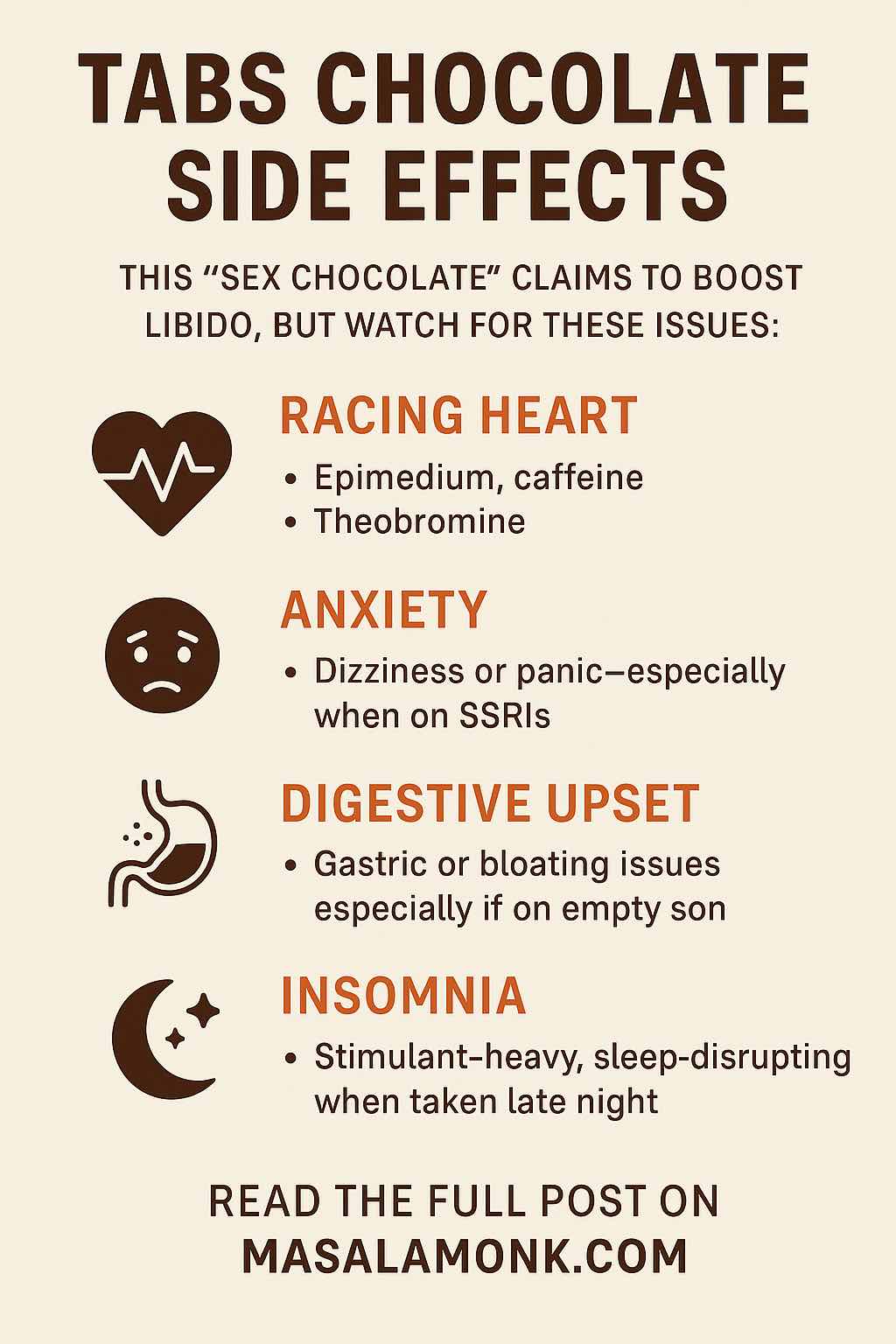
TABS CHOCOLATE Side Effects

Tabs Chocolate Side Effects have quickly become a hot topic in 2025. From influencer reels to Reddit threads and even casual café conversations, this so-called sex chocolate is everywhere. Marketed as an indulgence-meets-intimacy treat, it combines premium dark cocoa with herbs that claim to lift mood, boost libido, and make connection feel effortless.

However, the reality is mixed. While some users report a gentle warmth and enhanced intimacy, others experience unwanted reactions such as a racing heartbeat, sweaty palms, or restless nights. As a result, many are asking the same question: is this functional chocolate a sweet idea or a risky experiment?

This updated guide brings you everything you need to know about Tabs Chocolate safety, ingredients, real experiences, and possible side effects — so you can make an informed choice before trying it.


Tabs Chocolate Ingredients and Side Effects Explained

One important thing about functional aphrodisiac chocolates: formulas can shift, and online ingredient lists aren’t always accurate. As of 2025, here’s what’s typically inside Tabs Chocolate — and why each matters for your safety.


Epimedium (Horny Goat Weed) in Tabs Chocolate

Why it’s included: Epimedium, commonly known as horny goat weed, is a traditional Chinese medicine herb often used as a natural libido booster. Today, it’s a popular addition in many so-called aphrodisiac chocolates to enhance intimacy and circulation.

Possible benefits:

  • May improve blood flow and circulation
  • Can support sexual arousal and energy
  • Sometimes used to reduce fatigue

However, the side effects cannot be ignored. Consuming horny goat weed chocolate has been linked to:

  • Heart palpitations or rapid heartbeat
  • Dizziness or lightheadedness
  • Blood pressure fluctuations
  • Increased bleeding risk when combined with anticoagulants

Bottom line: While some users enjoy a mild boost in energy and intimacy, horny goat weed in Tabs Chocolate carries clear risks. Therefore, if you are on blood thinners, have unstable blood pressure, or deal with heart-related conditions, this ingredient can be especially unsafe.

📖 Read more: What Is Horny Goat Weed and Does It Work?


Maca in Tabs Chocolate: Benefits & Side Effects

Why it’s included: Maca root has a long history in traditional medicine for boosting energy, mood, and libido. This makes it a common addition to functional or aphrodisiac chocolates that promise stamina and better connection.

Potential benefits:

  • May increase stamina and physical energy
  • Can lift mood and support emotional balance
  • Sometimes linked to improved sexual desire

However, side effects are possible. Some people report:

  • Gas, bloating, or digestive upset
  • Hormonal effects — caution for those with hormone-sensitive conditions
  • Mild insomnia if consumed too late in the evening

Bottom line: For most healthy adults, Maca chocolate side effects are mild. Nevertheless, if you are prone to bloating, have hormonal imbalances, or struggle with sleep, it’s best to start with a very small portion and see how your body reacts.

📖 Learn more: Maca Root Benefits and Side Effects


Cocoa in Tabs Chocolate: The Stimulant You Might Forget About

The caffeine factor: Each serving of Tabs Chocolate contains about 50–60 mg of caffeine — roughly the same as a small cup of coffee. Although this may seem mild, it can still have noticeable effects on sensitive individuals.

Why it matters: Cocoa’s natural stimulants (caffeine and theobromine) can trigger:

  • Jitteriness or nervous energy
  • Anxiety or restlessness
  • Heart palpitations in caffeine-sensitive people

Tip for timing: If you struggle to drink coffee after 4 pm without losing sleep, then it’s best to avoid Tabs Chocolate late at night. Early evening is usually a safer window.


Possible Add-Ons in Some Batches

  • Kanna – May lift mood, but dangerously interacts with antidepressants, increasing the risk of serotonin syndrome.
  • DHEA – A hormone precursor that can influence mood, skin health, and cholesterol levels.

Note: Not every batch of Tabs Chocolate contains these extras. Therefore, always check the label carefully, since their presence can add extra safety considerations.


Real Experiences: Tabs Chocolate Side Effects vs Benefits

Through Reddit threads, personal blogs, and direct consumer feedback, a few consistent patterns have emerged:


The Positive Camp

  • Descriptions include a “gentle warmth”, “a light, happy buzz”, and “feeling more present and connected”.
  • Couples say it can turn an ordinary evening into something more playful, with effects that are subtle rather than overpowering.
  • Some users find the mood lift helpful even outside of intimacy contexts — more relaxed socializing, for example.

The Negative Camp

  • Cardiovascular spikes: Rapid heartbeat, a pounding chest, sweaty palms, flushed skin.
  • Anxiety reactions: Heightened restlessness or panic-like sensations, especially in those already prone to anxiety or on mood medication.
  • Digestive upset: Bloating, stomach cramps, occasional nausea — more common on an empty stomach.
  • Sleep disruption: Effects lingering into the night if consumed late.
  • One memorable Reddit account described being unknowingly given Tabs while on anxiety meds: “Within 20 minutes my heart was racing, my hands were shaky, I was sweaty, and I couldn’t control my breathing. I ended up in a cold shower just trying to calm down.”

Why the Difference?

Your personal reaction depends on:

  • Baseline sensitivity to caffeine or herbal actives.
  • Current medications — especially anything affecting serotonin, blood pressure, or heart rhythm.
  • Underlying health conditions — cardiovascular, hormonal, or psychiatric.
  • Dose and timing — full square vs. half, early evening vs. late night.

2025 Safety Landscape

  • No FDA recalls specific to Tabs Chocolate.
  • The functional chocolate category has seen other recalls — mostly for undeclared allergens or unlisted active substances (a reminder to trust but verify).
  • Scientific evidence for chocolate as a libido enhancer remains weak — most benefit likely comes from the botanicals, not the cocoa itself.
  • Maca and ginseng show some promise in controlled trials, but horny goat weed and kanna have more variable effects and clearer interaction risks.

Common Tabs Chocolate Side Effects and Causes

Side EffectLikely IngredientHigher Risk In…
Heart palpitations / racing heartCocoa, epimediumCaffeine-sensitive, stimulant use, arrhythmia
Anxiety, sweatingCocoa, kannaOn SSRIs/SNRIs, anxiety-prone
Dizziness / faintnessEpimediumOn BP meds, low baseline BP
Bloating, stomach upsetMaca, cocoaEmpty stomach, high dose
Hormonal changesMaca, DHEAHormone-sensitive medical history
Increased bleedingEpimediumOn anticoagulants/antiplatelets
Side Effects of Tabs Chocolate

Is Tabs Chocolate Safe for You?

The short answer is: it can be safe, but only for the right person. If you are a healthy adult, not on interacting medications, and you stick to a small dose, you may enjoy Tabs Chocolate without major issues.

However, safety depends on your health and lifestyle. You should avoid it or consult a doctor first if you:

  • Take antidepressants, tramadol, or MAOIs
    These medications affect serotonin. As a result, combining them with certain herbs in functional chocolates may raise the risk of serotonin syndrome.
  • Have heart rhythm disorders or unstable blood pressure
    The caffeine and epimedium (horny goat weed) in Tabs Chocolate can trigger palpitations or pressure swings. Therefore, those with heart conditions must be cautious.
  • Use blood thinners or have bleeding disorders
    Epimedium may increase bleeding risk. Because of this, Tabs Chocolate can be unsafe if you’re already on anticoagulant medication.
  • Manage hormone-sensitive conditions
    Ingredients like maca and DHEA may interfere with hormone balance. Consequently, people with hormone-sensitive cancers or endometriosis should avoid it.

In conclusion, Tabs Chocolate safety is highly personal. If you fall into any of these categories, it’s better to consult a healthcare professional before experimenting.


Practical Tips for Enjoying Tabs Chocolate Without Side Effects

If you want to try Tabs Chocolate but reduce the risk of unwanted reactions, these practical steps can help. By following them, you can enjoy the experience while staying safe.

  1. Start Small
    Instead of eating a full piece, begin with just half a square. This way, you can test how your body reacts before deciding if more is right for you.
  2. Eat It With Food
    Taking Tabs Chocolate on an empty stomach may trigger caffeine jitters or digestive upset. Therefore, it’s best to pair it with a light meal or snack.
  3. Avoid Mixing Stimulants
    Combining aphrodisiac chocolate with coffee, energy drinks, or pre-workout supplements can amplify side effects like a racing heartbeat. For this reason, skip other stimulants on the same day.
  4. Choose the Right Timing
    Caffeine and herbal actives may interfere with sleep if taken too late. That’s why early evening is the safest time to enjoy Tabs Chocolate without restlessness at night.
  5. Listen to Your Body
    If you notice unusual symptoms such as heart palpitations, dizziness, or anxiety, stop immediately. Your body gives clear signals, and respecting them helps avoid unnecessary risks.

When to Skip Tabs Chocolate Entirely

Although some people can enjoy it safely, there are situations where the risks of Tabs Chocolate side effects outweigh the benefits. In these cases, it’s best to avoid it completely:

  • If you’re taking antidepressants, tramadol, or MAOIs
    These medications already affect serotonin levels. As a result, combining them with herbs like kanna in aphrodisiac chocolates can raise the risk of serotonin syndrome.
  • If you have unstable heart conditions or are recovering from cardiac events
    The caffeine and horny goat weed may cause racing heartbeat or blood pressure spikes. Therefore, anyone with arrhythmia, chest pain, or recent heart problems should avoid it.
  • If you have bleeding disorders or use blood thinners
    Epimedium (horny goat weed) can increase bleeding risk. Because of this, Tabs Chocolate may interact dangerously with anticoagulants or antiplatelet medications.
  • If you are managing hormone-sensitive conditions
    Ingredients like maca or DHEA can affect hormone balance. Consequently, individuals with hormone-sensitive cancers, endometriosis, or similar conditions should skip aphrodisiac chocolates entirely.

Safer Alternatives to Aphrodisiac Chocolate

If you’re intrigued by the idea but wary of aphrodisiac chocolate side effects:


Final Take

Tabs Chocolate may feel fun and indulgent, but it is more than “just chocolate.” It falls into the category of functional foods — and like many functional products, it comes with certain risks and side effects.

To reduce the chances of unwanted reactions, the best approach is to know your body, start with a small portion, and avoid mixing it with other stimulants or medications. In fact, simple changes like eating it with food or choosing the right timing can make a big difference.

If you are generally healthy and mindful, you may experience the gentle warmth and mood lift that many users describe. However, if you have heart conditions, hormone-sensitive issues, or take antidepressants or blood thinners, the potential side effects of aphrodisiac chocolates like Tabs should not be ignored.

Ultimately, the decision comes down to balance. When enjoyed responsibly, Tabs Chocolate can add playfulness and connection. On the other hand, if you are sensitive to stimulants or on certain medications, exploring safer natural alternatives might be the wiser choice.


Further Reading on MasalaMonk:

FAQs about Tabs Chocolate side effects

1. What are the most common Tabs Chocolate side effects?

The most frequently reported Tabs Chocolate side effects include increased heart rate, anxiety, sweating, dizziness, digestive upset, and even insomnia. These reactions are usually linked to the caffeine in cocoa, the circulation effects of horny goat weed, or the hormonal activity of maca root. Therefore, if you are caffeine-sensitive or on heart medication, the risks are higher.


2. How long do the effects of Tabs Chocolate last?

Most people begin to notice the impact within 30–45 minutes. In general, the effects may last up to 3 hours, although this varies depending on your metabolism, whether you ate beforehand, and the amount consumed. As a result, smaller portions and earlier timing reduce the chance of lingering restlessness.


3. Can Tabs Chocolate cause heart palpitations?

Yes, it can. The caffeine, theobromine, and horny goat weed inside Tabs are stimulants that may increase heart rate. Consequently, those with arrhythmia, high blood pressure, or existing cardiovascular issues should be especially cautious.


4. Is Tabs Chocolate safe with antidepressants?

Not always. If the batch contains kanna or similar herbs, combining Tabs Chocolate with SSRIs, SNRIs, MAOIs, or tramadol may increase the risk of serotonin syndrome. Because of this, anyone on antidepressants should consult a healthcare professional before trying functional or aphrodisiac chocolates.


5. Can I take Tabs Chocolate with alcohol?

It is best to avoid this combination. Alcohol can mask the early warning signs of side effects and, in some cases, intensify dizziness or blood pressure changes. Therefore, if you choose to experiment, skip alcohol altogether.


6. Is Tabs Chocolate safe for people with high blood pressure?

Not necessarily. Horny goat weed can lower or fluctuate blood pressure, while cocoa’s caffeine may raise it temporarily. For this reason, people with hypertension or those on blood pressure medication should seek medical advice before consuming Tabs Chocolate.


7. Does Tabs Chocolate help everyone’s libido?

No, it doesn’t. While some users report a gentle mood lift and improved connection, others feel little to no change. Ultimately, the response depends on your sensitivity to ingredients, overall health, and current stress levels.


8. Can I take Tabs Chocolate every day?

Daily use is not recommended. The herbs and stimulants inside functional chocolates can build tolerance or interact with other daily supplements. Instead, occasional use is considered safer and helps avoid long-term side effects.


9. Will Tabs Chocolate keep me awake at night?

Yes, it might. The caffeine and theobromine in cocoa can trigger restlessness if consumed too close to bedtime. Therefore, it is better to enjoy it in the early evening rather than late at night.


10. Is aphrodisiac chocolate safe in pregnancy or breastfeeding?

No. Due to its caffeine, herbal actives, and possible hormonal effects, Tabs Chocolate is not considered safe during pregnancy or while breastfeeding. In fact, most healthcare experts recommend avoiding all functional or aphrodisiac chocolates in these stages.

📖 Further Reading & References

Posted on 1 Comment

5 Benefits of Lemon During Pregnancy

BENEFITS OF LEMON DURING PREGNANCY

Pregnancy is a beautiful journey—but let’s face it, it comes with its fair share of discomforts too. From morning sickness and fatigue to digestion issues and nutritional gaps, moms-to-be are constantly looking for natural ways to feel better and nourish their growing baby. Pregnancy is exciting—but it also comes with nausea, fatigue, and digestion issues. Many moms ask the same question: 👉 Is lemon safe during pregnancy?

Yes—when consumed in moderation, lemon and lemon water are generally safe in all trimesters. Beyond safety, lemon offers powerful health benefits that can make pregnancy a little easier.

One unsung hero that’s been cherished for generations (and is now backed by research)? Lemon. Yes, that humble yellow fruit sitting in your kitchen could be your new best friend during pregnancy.

Let’s peel back the layers and dive into 5 scientifically-supported benefits of lemon during pregnancy, how to incorporate it safely, and what precautions to take.


🍋 1. Lemon for Morning Sickness in the First Trimester

One of the most common (and dreaded) symptoms in early pregnancy is nausea, often most intense in the first trimester. The refreshing citrus scent and flavor of lemon can be surprisingly effective in alleviating this queasiness.

🧪 What Science Says:

A 2024 clinical study published in the Iranian Red Crescent Medical Journal found that lemon aromatherapy significantly reduced nausea and vomiting in pregnant women during their first trimester. The group that inhaled lemon oil experienced quicker and more noticeable relief compared to those who didn’t.

✅ How to Use:

  • Add a few drops of lemon essential oil to a diffuser
  • Keep lemon slices nearby and sniff when you feel nausea rising
  • Sip warm lemon water with a touch of honey in the morning

This simple, natural remedy can offer quick comfort—no pills or side effects involved.

Also Read: Morning Sickness in Pregnancy: 10 Foods that can Help


🍋 2. Lemon Boosts Immunity During Pregnancy

During pregnancy, your immune system naturally lowers its defenses to prevent rejecting the fetus. While this is crucial biologically, it also means you’re more susceptible to infections.

Lemon, packed with vitamin C, is a powerful immune booster that helps your body ward off colds, sore throats, and other infections.

💡 Did You Know?

One fresh lemon provides 30–50 mg of vitamin C, contributing significantly to the daily recommended intake of 85 mg for pregnant women.

🍵 Best Way to Take:

A cup of warm lemon water in the morning not only soothes your stomach but also gives your immune system a gentle kickstart.

Do Read: Embracing Vitamin C: Boost Your Immunity Naturally with Citrus Delights 🍊🍋


🍋 3. Lemon Improves Digestion & Relieves Constipation

Let’s talk about something no one loves to bring up: constipation during pregnancy. Thanks to hormonal changes (specially, progesterone!), your digestive system slows down, making constipation an unfortunately common issue.

Lemon comes to the rescue again.

🌿 Why It Works:

The citric acid in lemons stimulates digestive juices, helping the liver produce bile. This can improve digestion and ease bowel movements.

🧘‍♀️ Pro Tip:

Start your day with warm lemon water on an empty stomach. It acts as a gentle natural laxative and encourages regular bowel movements.

Do Read: Optimize Digestion with These 5 Fruit Juice Recipes


🍋 4. Helps Prevent Anemia by Boosting Iron Absorption

Iron is one of the most vital nutrients during pregnancy, but it’s also one of the hardest to absorb—especially from plant-based foods. That’s where lemon’s vitamin C steps in again, enhancing the absorption of non-heme iron from sources like spinach, lentils, and beans.

🧪 Research Insight:

The Cleveland Clinic emphasizes pairing iron-rich meals with vitamin C-rich foods like lemon to optimize absorption and prevent pregnancy anemia, which can lead to fatigue, shortness of breath, and low birth weight.

🍽️ Practical Tip:

Squeeze fresh lemon over spinach, chickpeas, or dal to improve both taste and nutrient absorption.

Also Read: 5 Iron-Enriched Smoothies for Pregnancy with Spinach and Apple


🍋 5. Lemon Keeps You Hydrated (and Energized)

Hydration during pregnancy isn’t just important—it’s critical. Your body needs more fluids to support increased blood volume, maintain amniotic fluid levels, and aid in nutrient transport to the baby.

But let’s be honest: plain water can get boring.

🍋 Enter: Lemon Water during Pregnancy

Adding lemon to your water makes it more flavorful and refreshing, encouraging you to drink more throughout the day. Plus, the small amounts of potassium in lemon also support electrolyte balance, helping to reduce muscle cramps.

🍼 Hydration Hack:

Keep a bottle of lemon-infused water with cucumber or mint on hand. It’s tasty, hydrating, and full of subtle benefits.

Do Read: Summer Pregnancy: Hydration and Comfort


⚠️ A Note of Caution: Lemon Is Powerful—but Use It Wisely

While lemon is generally safe for pregnant women, there are a few things to keep in mind:

🚫 Potential Concerns:

  • Tooth enamel erosion: The acid in lemon can wear down your teeth. Always rinse your mouth with plain water after drinking lemon water, or use a straw.
  • Heartburn alert: If you’re prone to acid reflux or heartburn, lemon might exacerbate it.
  • Moderation is key: Too much of anything—even lemon—can be harmful. Use it as part of a balanced approach to nutrition.

📊 Trimester-Specific Benefits of Lemon Water

TrimesterKey BenefitsCautions
1st TrimesterReduces nausea & vomitingMonitor for heartburn
2nd TrimesterBoosts immunity & hydrationAvoid excessive intake
3rd TrimesterSupports digestion, iron absorption, reduces crampsDilute more if reflux worsens
Lemon Water during different Trimesters of Pregnancy

👶 Final Thoughts: Small Fruit, Big Benefits

Pregnancy is all about making small, intentional choices that support your body and your baby. Adding lemon to your daily routine is one of those small changes that can make a big difference—naturally.

Whether it’s in your water, over your salad, or simply inhaled from a slice on your desk, lemon is a pregnancy-friendly powerhouse that deserves a place in your prenatal wellness toolkit. Used wisely, lemon water can be a simple, natural way to support your health (and your baby’s) throughout all three trimesters.


💬 We’d Love to Hear from You!

Have you tried lemon during your pregnancy? Did it help with nausea, digestion, or anything else? Share your experience in the comments below—we’re building a supportive community one mama at a time. 💛

📝 10 FAQs: Lemon During Pregnancy

1. Can I eat raw lemon during pregnancy?

Yes, eating raw lemon is generally safe during pregnancy. It’s a great source of vitamin C and antioxidants. However, due to its high acidity, it’s best to consume it in moderation and rinse your mouth afterward to protect tooth enamel.


2. Is lemon water safe throughout all trimesters?

Yes, lemon water is safe in all trimesters, but it’s especially helpful in the first trimester for managing nausea. If you experience heartburn or acid reflux in later trimesters, monitor how your body reacts, and reduce intake if needed.


3. How much lemon is safe to consume daily during pregnancy?

There’s no official limit, but moderate consumption (1–2 lemons a day, either as juice or water additive) is considered safe for most pregnant women. Always consult your OB-GYN if unsure or if you have a sensitive digestive system.


4. Can lemon trigger heartburn during pregnancy?

Yes, in some women, the acidity of lemon may trigger or worsen heartburn, especially in the third trimester. If you’re prone to acid reflux, it’s best to limit lemon intake or dilute it more when added to water.


5. Is lemon tea safe during pregnancy?

Yes, homemade lemon tea (without caffeine) is safe and soothing. Add lemon to warm water with honey or ginger for a gentle, natural remedy for nausea, sore throat, or cold symptoms.


6. Does lemon help with constipation in pregnancy?

Yes. Lemon stimulates digestion and increases bile production, which can help relieve constipation when consumed with warm water, especially in the morning on an empty stomach.


7. Can lemon affect the baby’s health?

Lemon provides essential nutrients like vitamin C and folate, which support the baby’s immune system, bone development, and neural tube formation. There’s no known harm to the baby from moderate lemon intake.


8. Can lemon be used as a remedy for pregnancy-related bloating or gas?

Yes, lemon water may help reduce bloating by aiding digestion and flushing excess sodium and toxins from the body. Pairing lemon with warm water or mint can offer added relief.


9. Should I avoid lemon if I have gestational diabetes?

Lemon is low in sugar and has a low glycemic index, so it’s generally safe for women with gestational diabetes. Still, avoid sweetened lemon beverages and always consult your doctor for personalized dietary advice.


10. Can I use lemon essential oil during pregnancy?

Lemon essential oil can be used aromatically (diffuser, inhalation) to help with nausea or lift mood. However, avoid ingesting it or applying it undiluted to the skin. Always use pregnancy-safe essential oils and consult a healthcare provider.

📚 References

  1. Iranian Red Crescent Medical Journal (2020). Effect of Lemon Inhalation on Nausea and Vomiting During Pregnancy: A Randomized Clinical Trial. PubMed
  2. Cleveland Clinic. How Vitamin C Helps You Absorb Iron. Cleveland Clinic Health Essentials
  3. Eureka Health (2023). Vitamin C and Iron Absorption for Women. Eureka Health
  4. Baby360 Degrees. Managing Constipation During Pregnancy: A Guide. Baby360
  5. Mayo Clinic Health System. Boost Your Senses with Citrus Fruits. Mayo Clinic
  6. Real Simple (2025). What Are the Health Benefits of Lemon Water? Real Simple
  7. Health.com (2024). Lemon: Nutrition, Benefits, Risks, and More. Health.com
Posted on 4 Comments

Benefits of Lemon and Lime Water: Refreshing Hydration with a Citrus Twist

BENEFITS OF LEMON AND LIME WATER

Lemon Water vs Lime Water — More Than Just a Trend

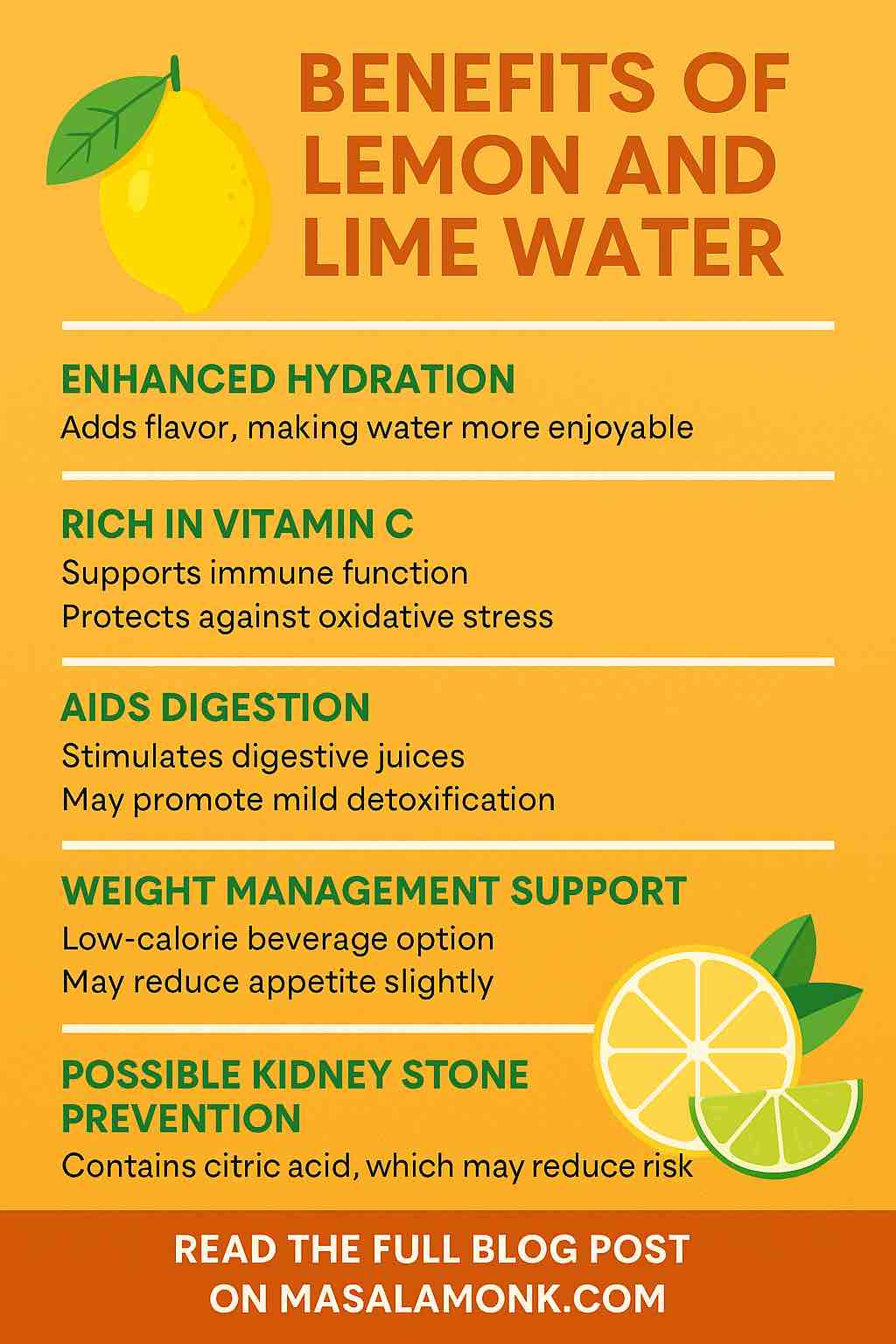
Lemon vs lime water is a common wellness debate. Both drinks look refreshing, taste crisp, and are packed with nutrients, but which one actually gives you more health benefits? From boosting hydration and digestion to supporting skin health and preventing kidney stones, lemon and lime water each bring unique advantages to the table. By comparing them side by side, you’ll discover not only their similarities but also their subtle differences—and which one might be the better choice for your daily routine.


🍋🍈 Lemon and Lime: What They Are, and How They Compare

Before comparing lemon vs lime water benefits, it helps to understand the fruits themselves.

  • Lemons (Citrus limon): Bright yellow, slightly larger, and mildly tangy with a hint of sweetness. Commonly used in cooking, detox drinks, and as a natural preservative.
  • Limes (Citrus aurantiifolia or Citrus latifolia): Small, green, and more tart or bitter in flavor. Often used in cocktails, chutneys, and cooling beverages.

✅ Similarities:

  • Both belong to the citrus family.
  • Rich in vitamin C, antioxidants, and citric acid.
  • Low in calories and hydrating.
  • Support digestion, immunity, and skin health.

⚖️ Differences:

  • Taste: Lemons are less acidic, slightly sweeter; limes are more tart and sharp.
  • Nutrients: Lemons tend to have a bit more vitamin C; limes have more unique flavonoids.
  • Uses: Lemons are more common in Indian home remedies and morning detox drinks, while limes are more often used in tropical drinks and savory dishes.

👉 In short, lemon and lime are nutritional cousins—different in flavor, slightly different in composition, but both excellent for hydration and overall wellness.


Hydration Benefits: Lemon vs Lime Water for Daily Wellness

Most people struggle to drink enough plain water, mainly because it feels boring. Adding lemon or lime instantly transforms hydration into something flavorful and refreshing. Studies show that flavoring water increases voluntary intake, meaning you’re more likely to drink enough throughout the day when you add citrus.

  • Lemon water: Slightly sweeter and tangier, which may encourage higher water intake for those who dislike bitterness.
  • Lime water: More tart and refreshing, often preferred in hot weather as a thirst quencher.

In both cases, you’re getting zero-calorie hydration that supports energy, focus, and overall wellness.


Vitamin C and Antioxidants: Which Citrus Wins?

One of the most talked-about benefits of lemon vs lime water is vitamin C. Both fruits are rich in this essential antioxidant, which strengthens your immune system, supports collagen production, and helps protect skin from environmental stress.

  • Lemon water: Contains slightly higher vitamin C on average, making it a bit more effective for daily immune support.
  • Lime water: Provides similar antioxidant power but with a sharper flavor that some people find more refreshing.

Beyond vitamin C, both lemons and limes contain flavonoids and polyphenols, compounds that reduce oxidative stress, fight inflammation, and may lower the risk of chronic diseases.


Digestive Support: Lemon vs Lime Water for Gut Health

Citrus-infused water has long been used as a gentle digestive aid, especially when consumed in the morning. The natural acids in both lemon and lime water stimulate saliva and gastric juices, priming the digestive system to process food more efficiently.

  • Lemon water: Traditionally favored for morning routines, as warm lemon water can ease bloating and help “wake up” the gut.
  • Lime water: Works just as well, with some people preferring its tangy profile before meals to reduce heaviness and discomfort.

In short, both versions can act as a natural, mild digestive reset.

Also Read: Optimize Digestion with These 5 Fruit Juice Recipes


Blood Sugar and Metabolism: Lemon vs Lime Water in Glucose Control

Here’s where lemon vs lime water gets especially interesting. Research shows that the acidity of citrus juices can help slow the breakdown of starches and sugars during digestion, leading to smaller blood sugar spikes after meals. This makes both lemon and lime water excellent companions for people watching their glucose levels.

  • Lemon water: May slightly improve post-meal insulin sensitivity, according to emerging studies.
  • Lime water: Offers similar benefits due to its comparable acidity and citric acid content (likely but less studied).

Although neither drink replaces medical treatment for blood sugar management, they can be a helpful addition to a balanced diet.

Also Read: How to Avoid Blood Sugar Spikes Without Reducing Carb Intake


Kidney Stone Prevention: The Citrate Effect

One of the most clinically proven benefits of lemon vs lime water is kidney stone prevention. Citrus fruits are rich in citrate, a compound that binds with calcium and prevents the formation of crystals in the urinary tract.

  • Lemon water: Shown in clinical trials to raise urinary citrate levels and reduce kidney stone recurrence.
  • Lime water: Provides citrate as well, though some evidence suggests lemon may have a slight edge in potency.

If you have a history of kidney stones, incorporating either lemon or lime water into your hydration routine can be a practical preventive measure.

Do Read: Apple Cider Vinegar (ACV) and Kidney Stones


Weight Management: Subtle but Supportive

When comparing lemon vs lime water for weight management, both can play a role in supporting healthy habits, though indirectly. Neither drink burns fat directly, but they may help reduce calorie intake.

  • Appetite control: Drinking citrus water before meals can promote satiety.
  • Replacing sugary drinks: Swapping soda or juice for lemon or lime water drastically cuts sugar and calories.
  • Polyphenols: Some animal studies suggest citrus compounds may influence fat metabolism, though human evidence is still developing.

Ultimately, both options are smart substitutes that support sustainable weight management.

Do Read: 6 ways to use Lemon to Reduce Belly Fat


Heart Health: Lemon vs Lime Water for Circulation and Pressure

Both lemons and limes contain small amounts of potassium, magnesium, and plant flavonoids. These nutrients support vascular health, reduce oxidative stress, and may help regulate blood pressure.

  • Lemon water: May be slightly more effective due to higher vitamin C levels, which are linked with lower cardiovascular risk.
  • Lime water: Provides similar heart-friendly compounds but in a more tart package.

While evidence is promising, more human studies are needed to directly connect citrus water with measurable blood pressure improvements.

Do Read: How to Lower Blood Pressure (BP) at Home? Remedies that Work


Skin Health and Aging: Antioxidant Boost from Both

When it comes to skin, lemon vs lime water are nearly equal. Both deliver vitamin C and antioxidants that help reduce wrinkles, protect against sun damage, and support collagen production.

  • Lemon water: Often marketed as a “glow drink” because of its slightly higher vitamin C content.
  • Lime water: Equally valuable, with antioxidants that combat free radicals and support skin elasticity.

Consistent hydration with either option keeps skin looking healthier and more youthful.

Do Read: Lemon: The Citrus Star for Your Skin – Benefits, Myths, and 5 Energizing Recipes for a Clear Complexion


The Final Verdict: Lemon vs Lime Water

So, which one is better—lemon or lime water? The truth is, both are excellent choices.

  • Choose lemon water if you want a slightly sweeter, vitamin C–rich option that has been more widely studied for kidney stone prevention and immune support.
  • Choose lime water if you prefer a more tart, refreshing taste and want similar digestive, hydration, and antioxidant benefits.

At the end of the day, the best choice is whichever you’ll drink more consistently. Whether you pick lemon, lime, or a mix of both, adding citrus water to your daily routine is an easy, affordable way to enhance hydration, support digestion, and nourish your body.

📚 References

  1. Ferraro, P.M., Curhan, G.C., Gambaro, G. (2021). Effect of lemon juice supplementation in calcium oxalate stone formers: A randomized clinical trial. BMC Urology. Read here
  2. Kang, D.E., Sur, R.L., Haleblian, G.E., Fitzsimons, N.J., Borawski, K.M., Preminger, G.M. (2007). Long-term lemonade based dietary manipulation in patients with hypocitraturic nephrolithiasis. Journal of Urology. Read here
  3. Caudarella, R., Vescini, F., Buffa, A., Stefoni, S. (2021). Role of Citrate and Alkali in the Prevention of Kidney Stones. Nutrients 13(11):4117. Read here
  4. Östman, E., Liljeberg Elmståhl, H., Björck, I. (2020). Lemon juice reduces postprandial glycemia: A randomized crossover trial in healthy adults. Nutrients. PubMed
  5. Liljeberg Elmståhl, H., Östman, E., Björck, I. (2022). Effect of lemon juice on gastric emptying and glycemic response to bread: An MRI study. European Journal of Nutrition. PubMed
  6. Park, S., Lee, S.Y., Lee, K.S. (2014). The effect of flavoring water on voluntary fluid intake. Investigative and Clinical Urology. Read PDF
  7. Health.com (2023). Lemon Nutrition Facts and Health Benefits. Read here

❓ Frequently Asked Questions

1. What are the benefits of lemon and lime water?

Lemon and lime water both support hydration, boost vitamin C intake, improve digestion, and provide antioxidants. They may also help with skin health, blood sugar control, and kidney stone prevention.

2. Is lime water as good as lemon water?

Yes, lime water offers nearly the same benefits as lemon water. While lemons contain slightly more vitamin C and have stronger evidence for kidney stone prevention, limes provide a sharper flavor and unique flavonoids.

3. What are the differences between lemon water and lime water?

Lemon water is mildly tangy and a bit sweeter, with more vitamin C. Lime water is sharper and more tart, with different antioxidant compounds. Both are hydrating and nutrient-rich, but taste preference often decides which one people drink more.

4. Is lemon and lime water good for you every day?

Yes, daily consumption is safe for most people and helps improve hydration, digestion, and immunity. Just avoid overconsumption, as the acidity can erode tooth enamel—drinking with a straw or rinsing afterward is recommended.

5. Does drinking lemon or lime water help with weight loss?

Neither directly burns fat, but both support weight management by replacing sugary drinks, reducing calorie intake, and helping control appetite when consumed before meals.

6. Can lemon or lime water help prevent kidney stones?

Yes. Both contain citrate, which prevents calcium crystals from forming. Research shows lemon water has stronger clinical evidence, but lime water also contributes protective benefits.

7. Does lemon or lime water improve skin health?

Yes, both provide vitamin C and antioxidants that support collagen production, protect against sun damage, and reduce oxidative stress. Consistent hydration further enhances skin elasticity and glow.

8. Which is better for blood sugar: lemon water or lime water?

Both help regulate blood sugar by slowing carbohydrate breakdown, which reduces post-meal spikes. Lemon water may have slightly more research support, but lime water works similarly thanks to its citric acid.

9. Can I drink lemon and lime water together?

Absolutely. Combining lemon and lime enhances the flavor, provides a wider mix of antioxidants, and encourages higher water intake—making hydration more enjoyable and consistent.

10. What are the advantages of drinking water with lime specifically?

Lime water is refreshing, especially in hot weather, and supports hydration, digestion, and immunity. It is also a good source of vitamin C and plant flavonoids, which fight oxidative stress and inflammation.

Posted on 7 Comments

Fish Oil and Cortisol: Can Omega-3 Help You Manage Stress Hormones?

Fish Oil and Cortisol

In today’s fast-paced world, stress is unavoidable; however, chronic stress can wreak havoc on health. One of the main reasons is cortisol, the body’s primary stress hormone. Elevated cortisol levels are linked to anxiety, poor sleep, weight gain, and even burnout. Recent research shows a strong connection between fish oil and cortisol balance, with omega-3 fatty acids helping the body regulate stress hormones naturally.

Lifestyle changes such as better sleep, regular exercise, and mindfulness remain important. However, omega-3s from fish oil may offer additional support, acting as a nutritional ally in reducing cortisol and calming stress.

Therefore, in this article, we’ll dive into the science-backed connection between Fish Oil’s omega-3 and cortisol and explore whether fish oil could help calm the storm within.

In case you want to know how to pick a good fish oil supplement, this post has information to help: Best Fish Oil Supplements on Amazon India


🧠 What is Cortisol—and Why Should You Care?

Cortisol is a steroid hormone produced by your adrenal glands. It helps your body respond to stress, regulate metabolism, reduce inflammation, and control blood pressure. But when cortisol levels stay high for too long—due to chronic stress, poor sleep, or underlying health conditions—it can lead to serious problems like:

  • Fatigue and brain fog
  • Anxiety or irritability
  • Weight gain, especially belly fat
  • Poor immune function
  • Sleep disturbances
  • High blood pressure and sugar levels

In short, keeping your cortisol levels balanced is essential for your mental and physical well-being.


How to Lower, Reduce, and Manage Cortisol Levels Naturally

High cortisol doesn’t have to control your life. With the right lifestyle changes and nutrition, you can gradually lower cortisol levels, reduce stress responses, and manage this hormone more effectively. Below are science-backed strategies — plus links to deeper MasalaMonk guides.


🛏️ How to Lower Cortisol with Better Sleep

Quality sleep is the most powerful way to reduce cortisol naturally. Going to bed at the same time, avoiding late-night screens, and building a calming routine help decrease stress hormone levels overnight.


🧘 How to Reduce Cortisol Through Stress-Relief Practices

Simple daily techniques like meditation, yoga, and deep breathing lower high cortisol levels by calming your nervous system. Even 10 minutes a day can help manage stress more effectively.


🥗 Foods That Lower Cortisol Levels Naturally

Nutrition is key in cortisol management. Whole foods, healthy fats, and fiber-rich meals can reduce stress hormones. For a full guide, see Diet Strategies to Lower Cortisol Levels Naturally.


🍫 What Foods Help Reduce Cortisol Quickly?

Certain foods directly support cortisol reduction. Avocados, salmon, chia seeds, dark chocolate, and berries are proven to help decrease cortisol levels. Discover more in 5 Foods That Naturally Decrease Cortisol.


🍵 Teas That Help Lower Cortisol Hormone

Herbal teas like chamomile, tulsi, and lemon balm, along with green tea, naturally reduce cortisol spikes while promoting relaxation. Learn more in Tea and Cortisol: How Your Favorite Brew Can Help Manage Stress.


🐟 Does Fish Oil Help Lower Cortisol?

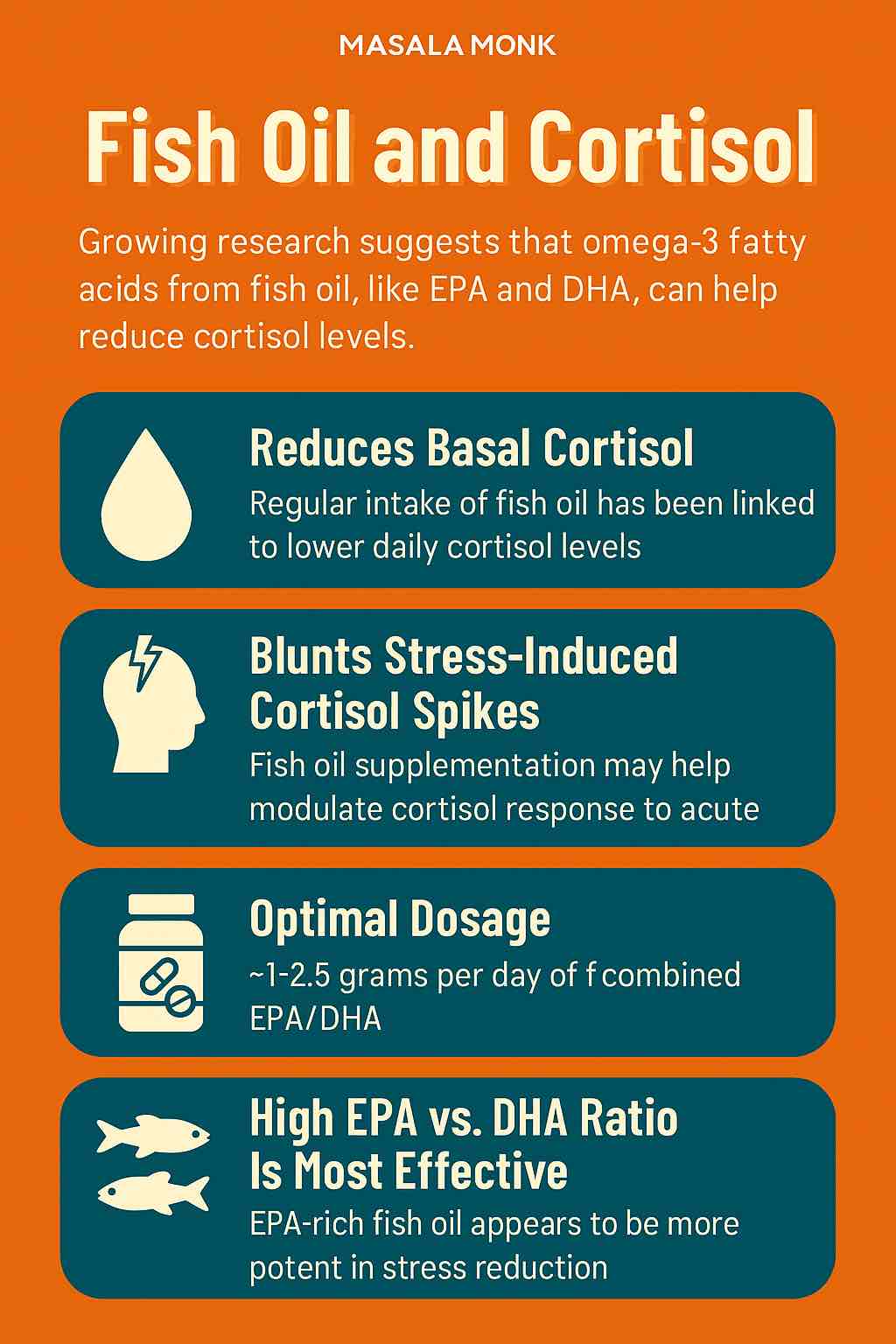
Yes — omega-3 fatty acids (EPA + DHA) from fish oil have been shown to reduce cortisol levels and blunt stress-induced surges. This makes fish oil supplements one of the best nutritional tools for stress resilience.


💧 How to Manage Cortisol with Daily Habits

Staying hydrated, practicing deep breathing, and spending time outdoors all support cortisol management. These small habits add up to significant long-term benefits.


👉 By combining these steps — sleep, stress management, diet, teas, and omega-3s — you create a sustainable way to lower cortisol levels and restore balance naturally.


🐟 Fish Oil: What Makes It Special?

Cortisol is a steroid hormone released by your adrenal glands, and it plays a crucial role in how your body responds to stress. In fact, it is often called the “stress hormone” because it helps regulate metabolism, reduce inflammation, and control blood pressure when your body is under pressure.

However, when cortisol levels remain high for too long—due to chronic stress, lack of sleep, or underlying health conditions—the effects can be harmful. Elevated cortisol can gradually disrupt your body’s balance and lead to:

  • Fatigue and brain fog, which affect focus and productivity.
  • Anxiety or irritability, making stress feel even worse.
  • Weight gain, especially stubborn belly fat.
  • Poor immune function, leaving you more vulnerable to illness.
  • Sleep disturbances that create a vicious cycle of stress.
  • Higher blood pressure and blood sugar levels over time.

Therefore, while cortisol is essential for survival, keeping it balanced is the key to long-term physical and mental well-being. In short, understanding cortisol—and knowing how to lower or manage it—can be life-changing.

Do not miss Best Fish Oil Supplements on Amazon India


🧪 Scientific Evidence: Fish Oil and Cortisol in Human Studies

When it comes to stress and hormones, research matters. Fortunately, several human clinical trials and randomized controlled studies show that fish oil can indeed influence cortisol—the body’s main stress hormone. Let’s look at the findings step by step.


1. Fish Oil Lowers Basal (Resting) Cortisol

Multiple studies demonstrate that consistent omega-3 supplementation may decrease baseline cortisol levels, which are often elevated due to chronic stress:

  • Alcohol Recovery Patients: In a 3-week study, men recovering from alcohol addiction who took fish oil (60 mg EPA + 252 mg DHA daily) experienced significantly lower daily cortisol compared to the placebo group.
  • Adolescents with Depression: A 12-week trial found that depressed teenagers taking omega-3 supplements showed a clear reduction in morning cortisol levels—indicating better emotional and hormonal balance.
  • Healthy Adults: A 6-week trial using 4g/day of high-EPA fish oil showed a trend toward lower cortisol, though not statistically significant. Still, it points toward potential benefits.
  • Burned-Out Nurses: Healthcare workers under severe stress saw a marked reduction in the cortisol awakening response (the morning spike) after 8 weeks of fish oil supplementation.

👉 In summary, evidence suggests that fish oil can help regulate daily cortisol rhythms, particularly in stressed or vulnerable populations.


2. Fish Oil Blunts Stress-Induced Cortisol Surges

Even more compelling is research showing that omega-3s blunt cortisol spikes during acute stress—moments when your body overreacts to pressure:

  • Social Stress Test (TSST): In a 4-month trial, people taking 2.5 g/day of EPA-rich fish oil had 19% lower cortisol levels during a public-speaking stress test than the placebo group. Even a lower dose (1.25 g/day) showed measurable benefits.
  • Pregnant Women: Supplementing with 450 mg/day DHA led to significantly calmer hormonal responses, reducing cortisol reactivity during stressful situations.

👉 These studies highlight how fish oil doesn’t just lower cortisol at rest—it also protects you during stressful moments, keeping your response more balanced and less overwhelming.


Takeaway: Scientific evidence strongly supports that fish oil and omega-3 fatty acids can help lower cortisol, regulate daily rhythms, and reduce stress-related hormonal spikes.


💊 What’s the Ideal Fish Oil Dosage for Cortisol?

Different studies used different doses, but here’s what we know works:

GoalSuggested DoseEPA:DHA Ratio
Lower daily cortisol300–1000 mg EPA+DHA/dayAny ratio
Reduce stress reactivity1.25g to 2.5g/day EPA+DHAHigh EPA (5:1 to 6:1)
Improve mood + stress in teens or pregnancy400–900 mg/day DHABalanced or DHA-rich

👉 Tip: Look for high-quality fish oil supplements with at least 1 gram of total omega-3s (EPA + DHA). EPA-rich formulas seem especially effective for stress reduction. Read More: Best Fish Oil Supplements on Amazon India


👩‍⚕️ Who May Benefit the Most?

Fish oil supplements can be useful for almost everyone. However, certain groups may experience even greater benefits due to the role of omega-3s in stress and hormone regulation. For example, fish oil may help if you:

  • Struggle with chronic stress or burnout → Omega-3s can support a calmer stress response and reduce cortisol spikes.
  • Have anxiety or mood issues → Regular intake may improve emotional resilience and reduce irritability.
  • Experience high morning cortisol or poor sleep → Balanced cortisol levels often improve sleep quality and energy during the day.
  • Are recovering from addiction or emotional trauma → Fish oil may aid in stabilizing mood and supporting brain health during recovery.
  • Want to support hormonal balance during pregnancy → Omega-3s play a vital role in both maternal well-being and fetal brain development.

In short, while anyone can take fish oil for general wellness, it is particularly valuable for people managing stress, mood, and hormone-related concerns.


⚠️ Who Should Be Cautious with Fish Oil Supplements?

Although fish oil offers powerful benefits for heart, brain, and stress management, it is not suitable for everyone. Therefore, it’s important to know when caution is needed:

  • People on blood-thinning medication → Omega-3s can enhance blood-thinning effects. If you are on anticoagulants (like warfarin or aspirin), always consult your doctor first.
  • Individuals with upcoming surgery → High-dose fish oil may increase bleeding risk, so it’s best to pause supplementation before medical procedures (with your doctor’s guidance).
  • Those with fish or shellfish allergies → Since these capsules are derived from fish oil, allergic individuals should avoid them and consider algae-based omega-3 alternatives instead.
  • Pregnant or breastfeeding women → Omega-3s are important, but dosage and source matter. Always seek medical advice for safe intake.
  • Children and seniors with health conditions → Dosage and safety may vary, so professional guidance is recommended.

⚖️ What About Side Effects of Fish Oil?

In general, fish oil is safe and well-tolerated. Nevertheless, some people may notice mild side effects, especially at higher doses or with low-quality supplements:

  • Fishy burps or aftertaste → This can be reduced by choosing enteric-coated capsules.
  • Upset stomach or bloating → Taking fish oil with meals often minimizes digestive discomfort.
  • Blood thinning at very high doses → Excess intake may increase bleeding risk, especially if combined with medication.

👉 For most healthy adults, side effects are rare and mild. However, it’s always wise to start with a moderate dose and check with a healthcare professional, particularly if you take medications or have chronic health issues


🔬 Scientific References: Fish Oil, Omega-3, and Cortisol Regulation

When we talk about lowering cortisol naturally, it’s important to back claims with real science. Fortunately, multiple clinical studies and trials show that omega-3 fatty acids from fish oil can play a measurable role in balancing stress hormones.

First, a randomized controlled trial on alcohol recovery patients found that daily fish oil supplementation reduced basal (resting) cortisol levels and improved overall emotional stability (PubMed). Similarly, a 12-week study on adolescents with depression revealed that omega-3 supplementation significantly lowered morning cortisol, supporting its role in hormonal and mood regulation (MDPI).

Moreover, research has shown that fish oil does more than just lower resting cortisol—it also helps blunt stress-induced cortisol surges. In the well-known Trier Social Stress Test (TSST), participants taking EPA-rich omega-3 supplements showed nearly 19% lower cortisol spikes compared to placebo, making them more resilient under pressure (PubMed).

Finally, beyond human trials, lab studies confirm that both EPA and DHA protect neurons from cortisol-induced damage, suggesting that omega-3s may help safeguard long-term brain health as well (Nature).

Taken together, these findings strongly suggest that omega-3 fatty acids—particularly from high-quality fish oil capsules—may help lower cortisol levels, reduce stress reactivity, and promote better mental and physical resilience.

🔗 Related Reads on Cortisol, Stress Management, and Hormonal Health

Explore more in-depth insights on how cortisol impacts your stress levels, metabolism, mood, and overall well-being:


🧘 Final Thoughts: Omega-3 as Nature’s Stress Shield

In today’s high-pressure world, stress is impossible to avoid. However, the way your body responds to stress can be improved with the right nutrients. Fish oil, rich in omega-3 fatty acids, does not eliminate stress instantly; yet, it helps the body manage stress more effectively over time.

Clinical studies suggest that omega-3s may lower elevated cortisol levels, improve resilience to daily challenges, and reduce the intensity of stress-related symptoms such as anxiety, fatigue, and poor sleep. In other words, consistent supplementation can gradually create a calmer, more balanced response to life’s pressures.

Moreover, unlike quick fixes such as caffeine or sugar, omega-3 fatty acids support long-term brain, heart, and hormonal health—making them a reliable addition to any holistic wellness plan.

👉 If you’re feeling overwhelmed, burned out, or anxious, it may be the right moment to support your nervous system naturally. Adding a high-quality fish oil supplement could be one of the simplest, evidence-based ways to protect your mind and body from the hidden toll of stress.


🧠 10 FAQs About Fish Oil and Cortisol

1. Can fish oil really help lower cortisol levels?

Yes, several human studies have shown that regular intake of fish oil—especially EPA and DHA—can help reduce both basal cortisol and stress-induced cortisol spikes.


2. How much fish oil should I take to lower cortisol?

For general cortisol regulation, a dose between 1–2.5 grams of combined EPA and DHA daily is typically effective. Higher EPA concentrations seem to work best for stress.


3. Which is better for cortisol—EPA or DHA?

While both are beneficial, EPA-rich fish oil appears to be more effective in blunting cortisol spikes in response to stress, based on current studies.


4. How long does it take for fish oil to affect cortisol?

Improvements have been observed in as little as 3 to 8 weeks. Long-term use may offer more stable hormonal support.


5. Can fish oil help with anxiety and mood along with cortisol?

Yes. Lowering cortisol can help reduce symptoms of anxiety, and omega-3s also support mood regulation independently through anti-inflammatory pathways in the brain.


6. Is it safe to take fish oil every day?

Yes. Fish oil is generally safe for daily use, especially when taken within recommended dosages (1–3 grams per day). Consult your doctor if you’re on medication or pregnant.


7. What are the best fish oil supplements for cortisol reduction?

Look for high-quality, third-party tested fish oil supplements with at least 1000 mg of EPA+DHA per serving, preferably with a higher EPA ratio for stress support.


8. Can I get the same benefits from eating fish?

Yes, fatty fish like salmon, sardines, and mackerel are excellent sources of omega-3s. Aim for 2-3 servings per week for general hormonal and cardiovascular health.


9. Can fish oil interact with medications?

Yes, particularly blood thinners and blood pressure medications. Always consult your healthcare provider before starting supplements.


10. What other lifestyle changes should I combine with fish oil for cortisol management?

For best results, combine fish oil with adequate sleep, regular exercise, stress management (like meditation), and a balanced diet to naturally reduce cortisol levels.

Posted on 1 Comment

Tata 1mg Triple Strength Omega 3 Fish Oil Review (560 mg EPA + 400 mg DHA)

TATA 1mg TRIPLE STRENGTH OMEGA 3 FISH OIL

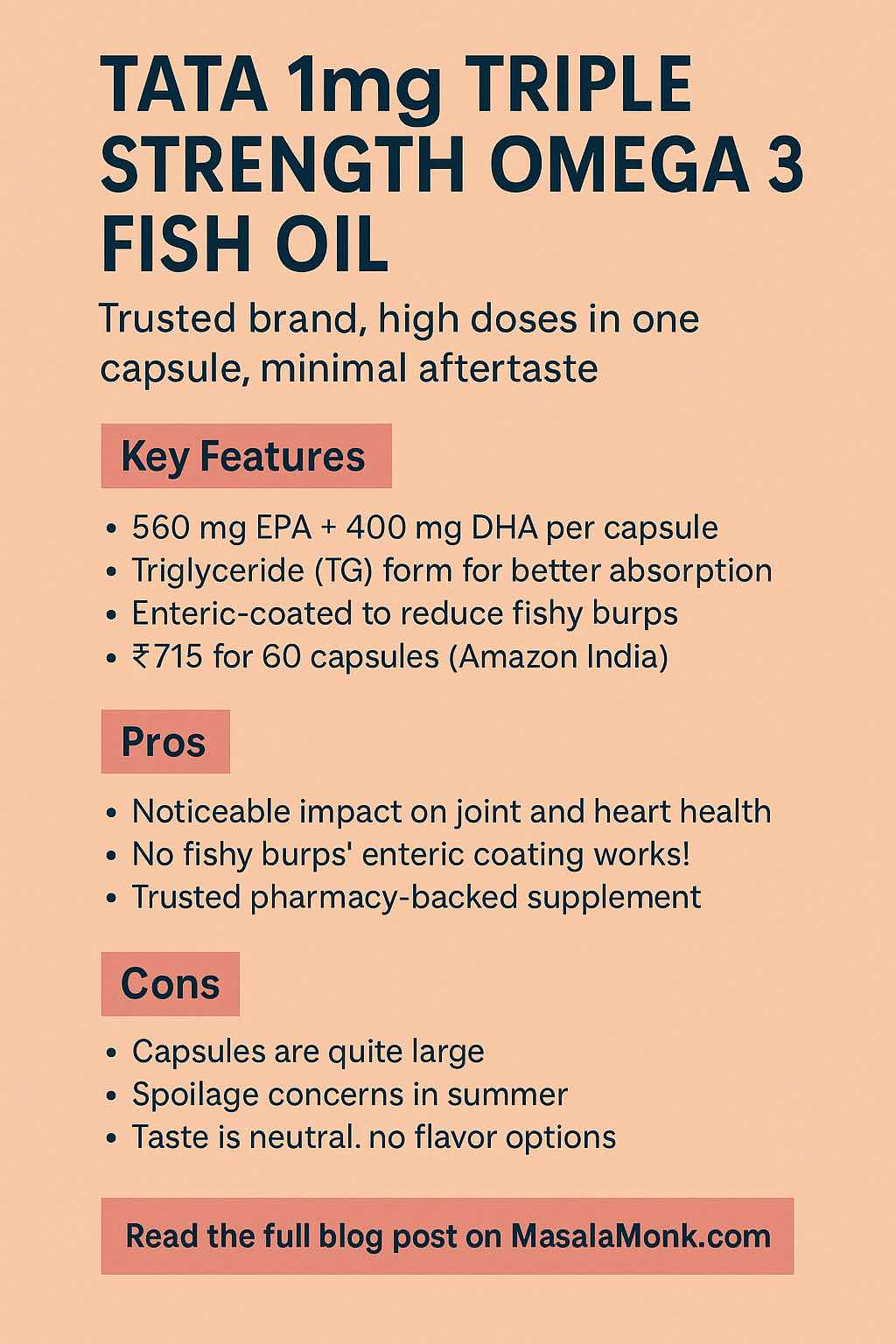
The Indian omega-3 supplement market is overflowing with options, and most brands promise big numbers without delivering real results. Tata 1mg Fish Oil Capsules stand out in this crowded space. Backed by the trusted Tata 1mg pharmacy network, these Triple Strength Omega 3 capsules (check on Amazon) provide a potent dose of 560 mg EPA and 400 mg DHA in just one softgel. Thanks to the enteric coating, they are designed for smooth digestion and no fishy burps.

Moreover, Tata Fish Oil Capsules combine clinical-strength omega-3 levels with the credibility of a pharmacy-backed brand. This makes them an attractive choice for anyone focused on heart, joint, brain, or recovery benefits.

So, are Tata 1mg Triple Strength Omega 3 Fish Oil Fish Oil Capsules really the best option among India’s omega-3 supplements? In this review, we’ll explore their ingredients, absorption science, pros and cons, real user feedback, and comparisons with other top fish oils in India.

Want to see all top omega-3 picks compared? Check this in-depth guide.


Product Snapshot: Tata 1mg Triple Strength Omega 3

  • Per Capsule: 560 mg EPA + 400 mg DHA (total omega-3: 960 mg)
  • Serving Size: 1 capsule/day (convenience for most Indian users)
  • Capsule Type: Enteric-coated softgel (less aftertaste, smoother digestion)
  • Capsule Size: Standard “high-strength” size; firmer/harder than some brands
  • Pack Sizes: 60 or 90 softgels (price: ₹715 for 60, ~₹986 for 90; check latest Amazon price)
  • Source: Deep sea fish (anchovy, sardine, mackerel blend), triglyceride (TG) form
  • Form: Predominantly triglyceride (TG)—the most absorbable natural form
  • Who is it for? Anyone seeking potent, one-pill-per-day omega-3 for overall health, joints, or sports recovery

Why Tata 1mg? Pharmacy-Backed Trust

Tata 1mg is a household name for verified medicines, diagnostics, and health info. Their omega-3 is:

  • Pharmacy grade: Distributed by Tata’s healthcare arm, available on 1mg, Amazon, Flipkart, and major chemists.
  • Ingredient transparency: Clearly labeled as TG-form omega-3—rare among Indian brands.
  • Enteric coating: Designed to resist stomach acid, dissolve in the intestine, and avoid fishy burps/aftertaste (real feedback says it actually works).

Curious about forms of fish oil and why they matter? See our science-backed omega-3 guide.


Ingredient Deep-Dive: What’s In Each Capsule?

ComponentPer Capsule
EPA560 mg
DHA400 mg
Other Omega-3s50–100 mg (trace)
Capsule BaseGelatin, enteric coating (not vegetarian/vegan)
PurificationMolecular distillation (removes heavy metals, PCBs, toxins)
  • Source: Wild-caught deep sea fish oil (anchovy, sardine, mackerel).
  • Certification: No “Labdoor/Trustified” badge yet, but processed to pharma standards.
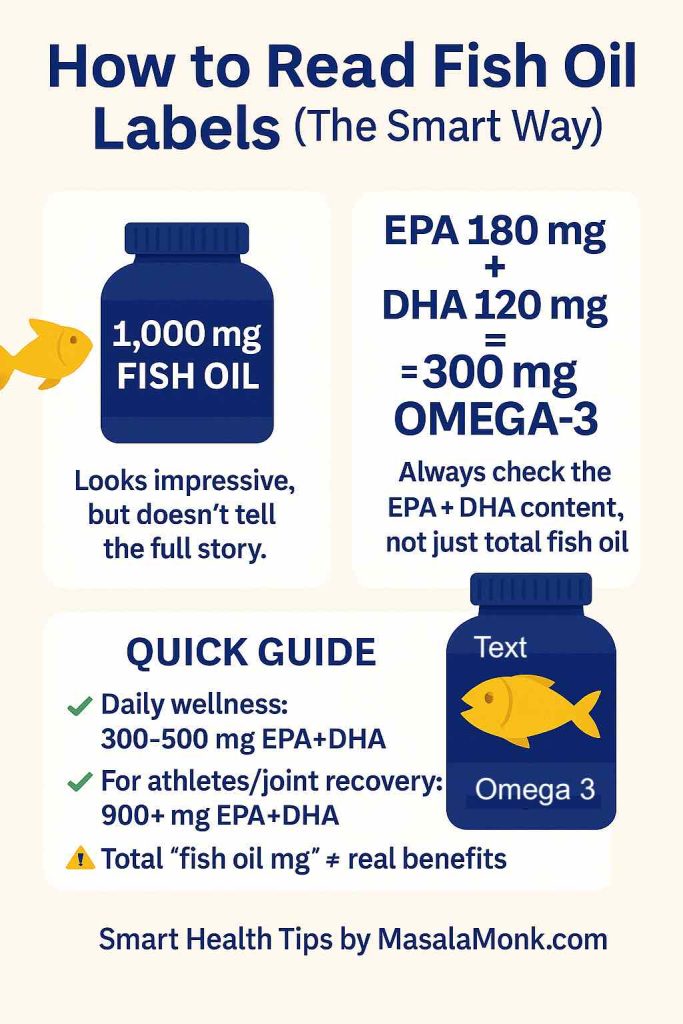
How to Read Fish Oil Labels

What Makes Tata 1mg Triple Strength Stand Out?

When compared with many other fish oil supplements in India, Tata 1mg Triple Strength Omega 3 Capsules offers several unique advantages:

  1. High-dose EPA and DHA in a single capsule
    Unlike standard fish oil softgels where you may need two or three pills, here you get 560 mg EPA + 400 mg DHA in just one serving. Therefore, it is highly convenient for anyone aiming for clinical-strength anti-inflammatory or joint support.
  2. Superior triglyceride (TG) form
    Moreover, Tata 1mg uses the TG form of omega-3, which is easier to absorb than the cheaper ethyl ester (EE) form. This is especially beneficial if your goal is long-term heart, brain, and cognitive health.
  3. Enteric-coated softgels for comfort
    Many high-strength fish oils cause reflux or “fish burps.” In contrast, the enteric coating of these capsules minimizes aftertaste, making it far more user-friendly.
  4. Pharmacy-backed credibility
    Another major advantage is Tata 1mg’s pharmacy reputation. While generic fish oil brands often raise concerns about counterfeits or poor storage, Tata 1mg ensures quality control and reliable sourcing.
  5. Strong value for money
    Finally, despite being premium, the cost typically ranges between ₹11–₹16 per capsule. Per mg of EPA/DHA, it often works out cheaper than imported omega-3s marketed as “clinical grade.”

Real-World User Experience: Pros, Cons & Unique Feedback

⭐ What Users Love about Fish Oil Capsules from Tata 1mg

  • “No fishy burps—really works!”
    Enteric coating gets frequent praise. “No aftertaste, even if I take it without breakfast.”
  • “Trusted brand—prefer it over unknown supplements.”
    Users who buy allopathy or prescription items say they trust 1mg and Tata more than new fitness brands.
  • “Noticeable difference in joint pain and energy.”
    Users with arthritis or heavy gym routines cite less morning stiffness, quicker recovery, and improved skin glow within weeks.
  • “Easy once-a-day solution.”
    Many users switched from lower-strength fish oils that needed 2–3 capsules for the same EPA/DHA.

❗ What Some Dislike about Tata Fish Oil Capsules

Although Tata 1mg Triple Strength Omega 3 Fish Oil Capsules are highly effective, a few drawbacks have been noted by real users:

  1. Capsule firmness
    The enteric coating, while excellent for reducing fishy burps, also makes the capsule slightly harder than standard softgels. As a result, some users find it tough to swallow unless taken with plenty of water.
  2. Occasional freshness issues
    In some cases—especially during hot Indian summers—customers have reported a mild rancid smell or capsule hardening. This is likely due to heat exposure or old stock. Therefore, it is always advisable to check packaging dates and store the supplement properly.
  3. Not suitable for vegetarians or flavor-seekers
    Since these capsules use fish oil and gelatin, they are not vegetarian or vegan-friendly. Furthermore, unlike brands such as Neuherbs or MuscleBlaze Gold, Tata Fish Oil does not include lemon or vanilla flavoring. Instead, it sticks to a classic, pharma-grade formula.

Comparison Table: How Tata 1mg Stacks Up

Product & Review LinkEPA/DHA per CapPrice (60 caps)Unique FeatureBuy Now
Tata 1mg Triple Strength560/400 mg₹715TG-form, enteric-coated, trustedAmazon
MuscleBlaze Gold Triple Strength500/400 mg~₹875Max EPA in vanilla-flavored pillAmazon
Neuherbs Deep Sea Omega 3446/297 mg~₹699Lemon flavor, D3 & E addedAmazon
Carbamide Forte Triple Strength~495/330 mg~₹699Bestseller, good valueAmazon
TrueBasics Omega 3525/375 mg~₹649TG-form, balanced doseAmazon
Wellbeing Nutrition Omega 3612/408 mg~₹948Curcumin-infused, slow releaseAmazon
MuscleBlaze Standard180/120 mg~₹475–₹599Budget, easy to swallow, starterAmazon
Comparing Tata 1mg Fish Oil Capsules (560 mg EPA + 400 mg DHA) with others.

See our full comparison of all 7 best Indian fish oils here.


How to Take Tata 1mg Omega 3 Fish Oil Capsules?

To get the best results from Tata 1mg Triple Strength Omega 3 (560 mg EPA + 400 mg DHA)find on amazon, follow these simple steps:

  1. Take one capsule daily with a fat-containing meal (such as milk, nuts, ghee, or paneer). This helps improve absorption of omega-3 fatty acids.
  2. Swallow with plenty of water and do not chew or crush the capsule. Because of its enteric coating, it feels slightly firmer than regular softgels.
  3. Store in a cool, dry place, away from direct sunlight or excessive heat. During summer months, refrigeration can help maintain freshness.
  4. Stay consistent, since the benefits of omega-3 build gradually. Most people notice improvements in joint comfort, recovery, or skin health within 4–6 weeks.

Who Should Choose Tata 1mg Fish Oil Capsules?

If you are looking for a reliable and high-potency omega-3 supplement, Tata 1mg Triple Strength Fish Oil Capsules are a smart choice.

  1. Adults aiming for specific health goals
    In particular, these capsules are suitable for people focusing on heart health, joint comfort, muscle recovery, or even skin wellness. Each softgel delivers a clinical-strength dose of 560 mg EPA and 400 mg DHA in just one pill, which means you don’t need multiple capsules to meet your daily needs.
  2. Health-conscious individuals who value trust
    Moreover, the supplement comes from a pharmacy-backed brand, so you get the reassurance of transparent labeling and quality standards—something not all fish oil brands in India provide.
  3. Those sensitive to aftertaste
    Finally, if you’ve struggled with fishy burps or reflux from other omega-3 brands, the enteric coating in Tata 1mg capsules provides noticeable comfort and taste control.

When to look elsewhere:

  • If you prefer lemon/vanilla flavor or a softer capsule (try Neuherbs or MB Gold).
  • If you need a vegetarian or vegan product (this is fish-based with gelatin).
  • If you struggle with swallowing harder capsules.

Expert Tip: Why Triglyceride (TG) Form Matters

Most cheap fish oils in India use ethyl ester (EE) form—harder to absorb, requiring more dietary fat for effect.
Tata 1mg uses natural TG-form, which research shows is absorbed up to 50% better in the body—making every mg of EPA/DHA go further.


Final Verdict: Are Tata 1mg Fish Oil Capsules Worth It?

If you are looking for an honest, pharmacy-grade omega-3 supplement, then Tata 1mg Triple Strength Omega 3 Fish Oil is one of the most trustworthy choices in India. In fact, it delivers high EPA and DHA in just one enteric-coated capsule, which makes it convenient and reliable.

Moreover, it works well for everyday heart, brain, and joint support, especially if you have struggled with unpleasant “fishy burps” from other brands. Because of the enteric coating, most users find it easier on the stomach and free from aftertaste.

Of course, it is not the cheapest per capsule; however, when you consider the cost per mg of EPA+DHA, it offers strong value for a premium and well-absorbed formula.

Finally, for best results, always shop from trusted sellers, check the expiry date, and be careful during peak summer since heat can affect capsule freshness.

Check reviews, price, and buy on Amazon:
👉 https://amzn.to/4lSQEE3


Must-Read Resources for Deeper Insight


This review is for educational purposes. Consult your physician before starting any new supplement, especially if you have a medical condition or are on medication.

FAQs for Tata 1mg Triple Strength Omega 3 Fish Oil Capsules

1. What is the EPA and DHA content in Tata 1mg Triple Strength Omega 3?

Each capsule provides 560 mg EPA and 400 mg DHA, delivering a clinical-strength dose in just one pill. This high potency sets it apart from standard omega-3 supplements in India.

2. Is this Tata Omega 3 fish oil Capsule in triglyceride (TG) or ethyl ester (EE) form?

Importantly, Tata uses the triglyceride (TG) form, which is absorbed better than the cheaper ethyl ester (EE) form. As a result, your body makes better use of every milligram of EPA and DHA.

3. What is the recommended dosage for Tata Fish Oil Triple Strength?

The usual dosage is 1 capsule daily, ideally with a meal containing fat such as milk, ghee, paneer, or nuts. Taking it this way maximizes absorption of omega-3s.

4. Does the enteric coating prevent fishy burps?

Yes. Thanks to its enteric-coated softgel, this omega-3 supplement dissolves in the intestine, not the stomach. Therefore, most users report no burps or aftertaste when using Tata 1mg Triple Strength Fish Oil.

5. Is Tata 1mg Omega 3 vegetarian or vegan?

No. These softgels are derived from deep-sea fish oil and use gelatin. Vegetarians and vegans should instead consider algal oil DHA supplements.

6. Does this Tata Omega-3 contain preservatives or artificial flavors?

No artificial colors or flavors are added. It is purified using molecular distillation. Nevertheless, you should always check the label for the latest formulation updates.

7. How should Tata 1mg Fish Oil be stored?

Keep the capsules in a cool, dry place, away from sunlight. During hot Indian summers, refrigeration may help maintain freshness and prevent capsule hardening.

8. When will I start noticing results from Tata Omega 3?

Benefits such as improved joint flexibility, faster muscle recovery, or better skin glow are usually seen in 3–6 weeks. On the other hand, cardiovascular and cognitive benefits build gradually over long-term use.

9. Can seniors or children use Tata Fish Oil (Triple Strength)?

This supplement is formulated for adults. Seniors or children should only take it after consulting a healthcare professional, especially if they are on regular medication.

10. Can Tata 1mg Triple Strength Omega 3 be taken with other supplements?

Yes, it usually pairs well with multivitamins, protein, or vitamin D. However, if you are on blood thinners or have a medical condition, consult your doctor before combining it with other supplements.