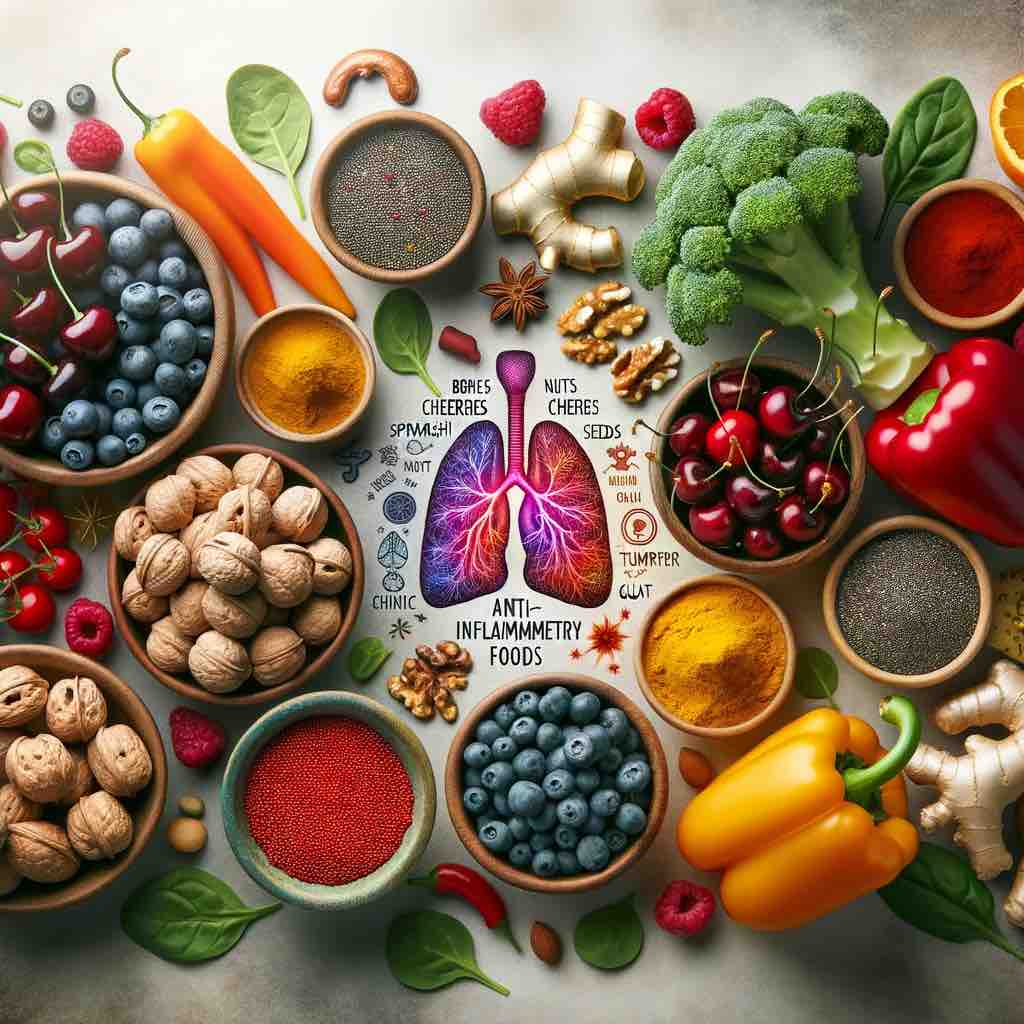
Posted on Leave a comment

Neuro-Nourishing with Chia, Hemp, Flax, and Pumpkin Seeds

In an enlightening exposition, The Nerve Doctors – Neuropathy Pain Treatment unveils the remarkable neuro-nourishing potentials hidden within four extraordinary seeds. This insightful video explores the profound benefits of Chia, Hemp, Flax, and Pumpkin seeds, each a powerhouse of nutrients essential for nerve health and overall vitality.

Video: The Hidden Power of these 4 seeds can repair nerves – The Nerve Doctors
Credits: The Nerve Doctors – Neuropathy Pain Treatment

Caption: Dive deep into the world of seeds with The Nerve Doctors, exploring the incredible neuro-nourishing potentials of Chia, Hemp, Flax, and Pumpkin seeds.

Chia Seeds: Ancient Seeds of Wisdom

Chia seeds, a revered ancient superfood, are a bountiful source of omega-3 fatty acids, antioxidants, and soluble fiber. Their unique composition makes them a formidable ally in promoting gut health, reducing inflammation, and supporting the nourishment and repair of nerves.

Hemp Seeds: Nature’s Protein Jewel

Hemp seeds dazzle with their complete protein profile, offering all nine essential amino acids necessary for optimal health. Rich in magnesium and zinc, these seeds play a pivotal role in enhancing nerve function, immune health, and overall vitality.

Flax Seeds: The Heart’s Guardian

Flax seeds, laden with lignans and omega-3 fatty acids, emerge as guardians of heart health. Their potent anti-inflammatory properties, coupled with a rich fiber content, make them a valuable asset in supporting nerve health and combating oxidative stress.

Pumpkin Seeds: The Mineral-Rich Maestro

Pumpkin seeds, a mineral-rich maestro, bring a concert of magnesium, zinc, and anti-inflammatory benefits. Their nutritional symphony plays a vital role in supporting nerve health, prostate wellness, and overall immune function.

Conclusion: A Harmonious Ensemble of Seeds

In the harmonious ensemble presented by The Nerve Doctors – Neuropathy Pain Treatment, each seed plays a vital role in orchestrating a melody of health, vitality, and neuro-nourishment. Their video serves as a gateway to exploring the remarkable potentials of these seeds in nurturing and revitalizing our nervous system.

FAQs

  1. What makes these seeds essential for nerve health and overall vitality?
    Chia, Hemp, Flax, and Pumpkin seeds are nutritional powerhouses, each packed with unique compounds such as omega-3 fatty acids, proteins, and essential minerals that collectively support nerve function, reduce inflammation, and promote overall vitality.
  2. How do Chia seeds contribute to gut health and nerve nourishment?
    Chia seeds are rich in soluble fiber and antioxidants, which foster a healthy gut environment and reduce oxidative stress. Their omega-3 fatty acid content further supports nerve health, making them a multifaceted contributor to neurological well-being.
  3. What unique benefits do Hemp seeds offer in supporting nerve function?
    Hemp seeds are celebrated for their complete protein profile and rich magnesium content. These attributes make Hemp seeds instrumental in enhancing nerve function, supporting immune health, and promoting overall body wellness.
  4. How do Flax seeds act as guardians of heart health?
    Flax seeds, laden with omega-3 fatty acids and lignans, play a protective role in heart health by reducing inflammation and combating oxidative stress. Their rich fiber content also contributes to a healthy cardiovascular system.
  5. What role do Pumpkin seeds play in supporting prostate and immune health?
    Pumpkin seeds are a rich source of essential minerals and anti-inflammatory compounds that support prostate health and bolster the immune system. Their nutritional composition makes them a valuable asset in promoting overall body health and function.

Blog Tags

Nerve Health, Nutritional Seeds, Chia Seeds, Hemp Seeds, Flax Seeds, Pumpkin Seeds, Neuro-Nourishment, Dietary Wellness, The Nerve Doctors, Neuropathy Pain Treatment, Holistic Health, Seed Nutrition

Posted on Leave a comment

Mental Health and IBD: Guide to Managing Anxiety and Depression

Inflammatory bowel diseases (IBD), including Crohn’s disease and ulcerative colitis, wield a powerful impact not only on the body but also on the mind. Navigating through the unpredictable and tumultuous paths of these conditions often unveils shadows of anxiety and depression, casting a nuanced challenge that demands acknowledgment and care.

The Intertwined Paths of IBD and Mental Health

Living with IBD invariably intertwines with aspects of mental health, creating a landscape marked by various emotional territories. Understanding the depths of this relationship is foundational to carving a path towards holistic healing and well-being.

The Seedbed of Anxiety in IBD

The unpredictable nature of IBD, marked by sudden flare-ups and persistent symptoms, nurtures a fertile ground for anxiety to flourish. From the subtleties of daily adjustments to the overarching uncertainties about the future, anxiety often finds a companion in the journey through IBD.

Depression’s Echo in the Halls of Chronic Illness

Depression, a silent but potent shadow, often walks alongside individuals grappling with IBD. It carries a weight that blankets the spirit, influenced by the chronicity, pain, and fatigue that characterize these inflammatory conditions.

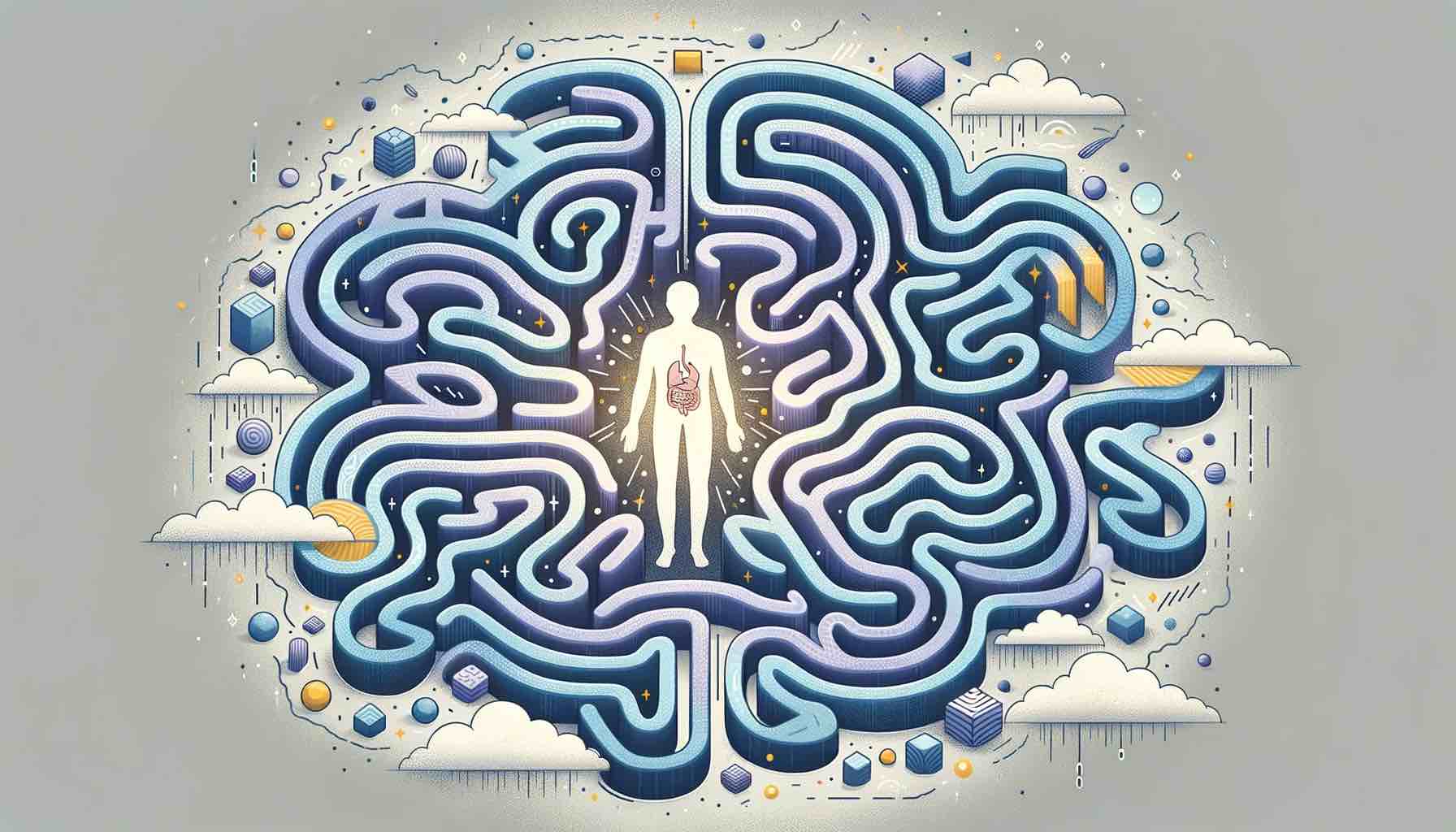
Strategies for Navigating the Mental Labyrinth

Navigating this intricate labyrinth demands strategies that resonate with both the physical and mental realms of IBD.

Exploring Therapeutic Anchors

Various therapeutic modalities, such as Cognitive Behavioral Therapy (CBT) and mindfulness, stand as pillars that offer solace and guidance. These therapies offer a sanctuary of techniques to navigate the turbulent waters of anxiety and depression.

Medications: Allies in Disguise

Medications, including antidepressants and anxiolytics, can serve as valuable allies. Tailored to the individual’s unique journey, medications like SSRIs, including Lexapro, often become integral components of a multi-faceted approach to managing mental health in IBD.

The Nutritional Bridge

Nutrition holds a pivotal role, acting as a bridge between physical health and mental well-being. Aligning dietary practices with the body’s needs and the mind’s well-being can illuminate paths towards improved mood and reduced anxiety.

Cultivating Daily Practices for Mental Resilience

Establishing daily practices imbued with self-care and mindfulness becomes an essential step.

Movement and Mindfulness

Engaging in physical activities and mindfulness practices, such as yoga and meditation, sow seeds of resilience. They foster a space where the mind can find solace, nurturing a sense of balance and calm.

Social Connections: Weaving Webs of Support

Cultivating connections that resonate with understanding and support creates a nurturing environment. Such connections weave a web of shared experiences and empathetic echoes, offering solace in the shared shadows of the journey.

Conclusion: Unveiling Shadows, Illuminating Paths

Walking through the shadows of IBD’s impact on mental health unveils a journey marked by varied terrains. Recognizing and addressing the intertwined paths of anxiety and depression within this journey is crucial. It opens doors to strategies that illuminate paths of resilience, support, and holistic well-being, guiding each step with empathy and understanding. Remember, in the labyrinth of IBD, each step taken is a beacon of resilience, and you’re not alone in this journey.

FAQs

1. What factors contribute to the prevalence of anxiety and depression in individuals with IBD?

Various factors interplay to shape the mental health landscape in individuals with IBD. The unpredictability of symptoms, chronic nature of the disease, and the impact on daily life collectively cultivate a ground where anxiety and depression flourish. Understanding these facets is essential in crafting a holistic approach to managing both the physical and mental aspects of IBD.

2. How can therapeutic interventions be tailored to support mental health in people living with IBD?

Therapeutic interventions, such as Cognitive Behavioral Therapy (CBT) and mindfulness, can be customized to resonate with the unique experiences and challenges faced by individuals with IBD. These therapies offer tools and strategies to navigate the mental terrains of anxiety and depression, fostering resilience and emotional balance.

3. What role do medications play in managing the intertwined paths of IBD and mental health?

Medications play a pivotal role in the crossroads of IBD and mental health. Antidepressants and anxiolytics, such as SSRIs, can be integrated into treatment plans, providing a supportive foundation to manage anxiety and depression symptoms effectively, always considering the personalized needs and health profiles of individuals.

4. How can lifestyle adaptations bolster mental resilience in individuals dealing with IBD?

Lifestyle adaptations hold powerful potential in nurturing mental resilience. Strategies such as engaging in physical activities, cultivating mindfulness practices, and aligning nutritional habits with individual needs and preferences, can significantly influence the mental well-being of those traversing the paths of IBD.

5. What strategies can be employed to cultivate supportive and understanding social environments for individuals with IBD?

Creating social environments imbued with support and understanding involves cultivating open communication, empathy, and shared experiences. Connecting with supportive communities, whether online or offline, and engaging in conversations that resonate with understanding, fosters a nurturing atmosphere conducive to mental and emotional well-being.

Blog Tags

IBD, mental health, anxiety, depression, therapeutic interventions, medications, lifestyle adaptations, social support, resilience, holistic approach

Posted on Leave a comment

Understanding Inflammatory Bowel Disease (IBD) Symptoms in Female

photo of women sitting on orange sofa

Navigating through the maze of inflammatory bowel disease (IBD), which primarily includes Crohn’s disease and ulcerative colitis, can be a daunting task. These conditions present a unique set of challenges for women, accompanied by a wide array of symptoms that may affect one’s quality of life profoundly. This blog aims to unravel the mystery surrounding these conditions, allowing you to grasp a better understanding of the symptoms, particularly in women, and discuss potential treatment avenues.

Unveiling the Symptoms

1. Ulcerative Colitis (UC) Symptoms in Women

  • Gastrointestinal Symptoms: Frequent diarrhea, bloody stools, and abdominal pain are common.
  • Menstrual Changes: UC can impact menstrual cycles, leading to irregular periods or increased discomfort during menstruation.
  • Fertility Impact: While fertility is generally not affected, active disease flares can make it difficult to conceive.

2. Crohn’s Disease Symptoms in Women

  • Gastrointestinal Disturbances: Symptoms range from diarrhea, abdominal pain, and cramping to nausea and vomiting.
  • Nutritional Deficiencies: Due to malabsorption, there might be weight loss and deficiencies in vitamins and minerals.
  • Genitourinary Impact: Conditions such as fistulas can affect the reproductive organs, possibly leading to complications in pregnancy and sexual health.

3. General IBD Symptoms in Women

  • Fatigue: A common complaint, often a result of anemia or the body’s ongoing fight against inflammation.
  • Skin and Joint Issues: Extraintestinal manifestations may include skin rashes and joint pain.
  • Psychological Impact: The chronic nature of IBD may lead to anxiety and depression.

Tailoring the Treatment

Treatment approaches are multifaceted, aiming to manage symptoms, maintain nutritional balance, and improve the quality of life. Here’s a brief overview:

Medication Management

  • Anti-inflammatory Drugs: Such as aminosalicylates and corticosteroids, are commonly used to control inflammation.
  • Immunosuppressants: Medications that modulate the immune response, like biologics, can be effective.

Nutritional Support

  • Diet Modification: Certain dietary changes can help manage symptoms, like limiting dairy or following a low-residue diet.
  • Supplementation: Vitamin and mineral supplements might be necessary to combat deficiencies.

Surgery

  • Resection or Repair: In cases of severe complications like fistulas or obstructions, surgical intervention may be necessary.

Holistic Approaches

  • Stress Management: Incorporating practices like yoga and meditation may prove beneficial.
  • Physical Activity: Regular exercise can enhance overall well-being and manage some IBD symptoms.

In Conclusion

Recognizing and understanding the spectrum of symptoms in women battling IBD conditions like ulcerative colitis and Crohn’s disease is crucial. A tailored approach, considering the unique physiological and psychological aspects of female health, is essential for effective management and improving the quality of life. Always consult a healthcare professional to craft a personalized treatment plan that aligns with your health needs and goals. Remember, you’re not alone in this journey, and a supportive network of healthcare professionals and communities awaits to guide you through.

FAQs

What are the common symptoms of Ulcerative Colitis (UC) in women?

Women with ulcerative colitis often experience gastrointestinal disturbances, including frequent diarrhea, bloody stools, and abdominal pain. Additionally, the disease might influence menstrual cycles, leading to irregular periods or heightened discomfort during menstruation.

How does Crohn’s disease uniquely affect women?

Crohn’s disease in women manifests as various gastrointestinal symptoms, including diarrhea, abdominal pain, and cramping. Women may also encounter complications such as vaginal fistulas, which can impact reproductive health and sexual well-being.

Can Inflammatory Bowel Disease (IBD) impact a woman’s fertility?

Generally, IBD does not directly impact a woman’s fertility. However, active flares of the disease, certain medications, and surgical histories can potentially influence a woman’s ability to conceive.

What treatment options are available for women suffering from IBD?

Treatment for IBD in women encompasses a spectrum of approaches, such as medication management involving anti-inflammatory drugs and immunosuppressants, nutritional support through diet modifications and supplements, and in severe cases, surgical interventions.

How can diet and nutrition be optimized to manage IBD symptoms in women?

Optimizing diet often involves making specific modifications, such as limiting dairy or following a low-residue diet, to manage symptoms. Additionally, vitamin and mineral supplements might be necessary to address any deficiencies due to malabsorption.

What role does stress management play in managing IBD symptoms in women?

Stress management plays a pivotal role in managing IBD symptoms. Techniques such as meditation and yoga, coupled with regular exercise, can contribute to better stress management, potentially alleviating some of the burdens of the disease.

How can one tailor IBD treatments to suit women’s unique physiological needs?

Tailoring treatments involves considering a woman’s unique physiological and psychological needs, including hormonal fluctuations, fertility concerns, and menstrual health. A healthcare professional can craft a personalized plan encompassing medications, dietary adjustments, and supportive therapies to navigate these complexities effectively.

Blog Tags

IBD in women, ulcerative colitis symptoms, Crohn’s disease in women, IBD treatment, gastrointestinal health, women’s health, inflammatory bowel disease, diet and nutrition, stress management, fertility and IBD

Posted on Leave a comment

Guide to Managing Mouth Ulcers in Crohn’s Disease and IBD

sick elderly man spraying throat

Mouth ulcers, known medically as aphthous ulcers or canker sores, can be a recurring and painful issue for individuals living with Crohn’s disease and other inflammatory bowel diseases (IBD). These oral sores can significantly impact an individual’s quality of life by causing discomfort while eating, talking, and even during regular oral hygiene routines. In this comprehensive guide, we will delve into the causes, symptoms, treatment options, and practical tips for managing mouth ulcers in the context of Crohn’s disease and IBD.

Unraveling the Origins of Mouth Ulcers in Crohn’s Disease and IBD

1. Causes and Mechanisms: Understanding why mouth ulcers develop in individuals with Crohn’s disease and IBD is complex. Several factors come into play:

  • Immune Dysregulation: In both Crohn’s disease and IBD, the immune system is compromised and can mistakenly target healthy cells, including those in the oral cavity, leading to ulcer formation.
  • Nutritional Deficiencies: Malabsorption of essential nutrients, such as vitamin B12, iron, and folate, is common in individuals with Crohn’s disease and IBD. These deficiencies can contribute to the development of mouth ulcers.
  • Inflammatory Processes: The chronic inflammation that characterizes Crohn’s disease and IBD can extend to the oral mucosa, causing ulcers to form.

2. Symptom Profile: Mouth ulcers present with distinct characteristics:

  • Painful Sores: These ulcers typically manifest as painful, round or oval sores that can appear on the lips, gums, tongue, or inside the cheeks.
  • Discomfort During Eating: Because of their location, mouth ulcers can make chewing, swallowing, and even speaking uncomfortable.
  • Variable Duration: The duration of mouth ulcers can vary, with some healing within a week and others persisting for several weeks.

Exploring Treatment Options

Effective management of mouth ulcers in Crohn’s disease and IBD involves a combination of medical interventions, dietary considerations, and lifestyle adjustments. Here are the key strategies:

1. Topical Ointments and Mouth Rinses: Over-the-counter or prescription topical treatments, such as ointments, gels, or mouth rinses, can be applied directly to the ulcers to reduce pain and promote healing. These products often contain ingredients like benzocaine or steroids.

2. Nutritional Supplements: Addressing nutrient deficiencies is vital. Your healthcare provider may recommend supplements like vitamin B12, iron, or folate to correct deficiencies that could be contributing to ulcer development.

3. Immune Modulators: Medications used to manage Crohn’s disease or IBD may also help alleviate mouth ulcers by controlling the underlying inflammation. Biologics, corticosteroids, and immunomodulators are among the options.

4. Avoidance of Triggers: Identifying and avoiding potential triggers can be beneficial. These may include certain foods (e.g., spicy or acidic items), stress, hormonal changes, or smoking.

5. Oral Hygiene: Maintaining excellent oral hygiene is crucial. Regular brushing and flossing help prevent secondary infections and support the healing process.

6. Pain Management: Over-the-counter pain relievers like acetaminophen or prescription medications can help manage the pain associated with mouth ulcers.

7. Consultation with a Dentist: Seek the expertise of a dentist experienced in managing oral complications of Crohn’s disease and IBD. They can provide specialized care and tailored recommendations.

Effective Coping Strategies

Managing mouth ulcers requires a holistic approach that extends beyond medication and treatment. Here are practical coping strategies:

1. Dietary Modifications: During ulcer outbreaks, opt for softer, less abrasive foods that are easier to chew and swallow. This can minimize irritation and discomfort.

2. Stress Reduction: Stress is a known trigger for mouth ulcers. Stress management techniques like meditation, yoga, and deep breathing exercises can help reduce the frequency and severity of ulcers.

3. Regular Follow-Ups: Maintain regular follow-up appointments with your gastroenterologist to monitor your IBD and the effectiveness of your mouth ulcer management plan.

4. Support Networks: Joining support groups or seeking counseling can provide emotional support and valuable strategies for coping with the challenges of chronic conditions like Crohn’s disease and IBD.

When to Seek Medical Attention

While many individuals can manage their mouth ulcers effectively, there are situations where seeking prompt medical attention is crucial:

  • Severe Ulcers: If mouth ulcers are severe, long-lasting (lasting more than a few weeks), or recurrent (frequent outbreaks), or if they interfere significantly with eating and drinking, consult your healthcare provider. These could be signs of underlying complications or other health issues that require further evaluation.

In conclusion, managing mouth ulcers in the context of Crohn’s disease and IBD necessitates a multifaceted approach. By addressing the underlying causes, seeking appropriate medical treatment, implementing coping strategies, and maintaining a proactive approach to oral health, individuals can significantly alleviate the discomfort of mouth ulcers while successfully managing their chronic gastrointestinal conditions.

FAQs:

  1. What factors contribute to the development of mouth ulcers in individuals with Crohn’s disease and IBD?
    • Mouth ulcers in Crohn’s disease and IBD often result from a combination of factors. Immune system dysfunction, nutritional deficiencies (such as vitamin B12 and iron), and the chronic inflammatory processes characteristic of these conditions play a role.
  2. How can mouth ulcers in Crohn’s disease and IBD be effectively managed, and are there treatment options available?
    • Managing mouth ulcers involves a multifaceted approach. Treatment options include topical ointments, mouth rinses, nutritional supplements, immune-modulating medications, and pain management. Consultation with a healthcare provider is essential to determine the most suitable approach.
  3. Are there specific dietary factors or triggers that can worsen mouth ulcers in these conditions, and should they be avoided?
    • Certain dietary factors, such as spicy or acidic foods, can exacerbate mouth ulcers. Avoiding these triggers during ulcer outbreaks may help reduce irritation and discomfort.
  4. Is there a potential link between mouth ulcers and the severity of inflammatory bowel disease (IBD) flare-ups?
    • While not directly correlated, mouth ulcers can coincide with IBD flare-ups, possibly due to shared inflammatory processes. Monitoring both oral and gastrointestinal symptoms is important during these times.
  5. What is the role of stress in the development and exacerbation of mouth ulcers in Crohn’s disease and IBD?
    • Stress can act as a trigger for mouth ulcers in individuals with Crohn’s disease and IBD. Managing stress through techniques like meditation and yoga can be beneficial in reducing the frequency and severity of ulcers.
  6. Are there recommended lifestyle changes that can help prevent mouth ulcers in individuals living with Crohn’s disease and IBD?
    • Lifestyle changes can be effective. During ulcer outbreaks, opting for softer, less abrasive foods, practicing stress reduction techniques, and maintaining excellent oral hygiene are valuable strategies.
  7. How can nutritional deficiencies that contribute to mouth ulcers be effectively addressed and managed?
    • Nutritional deficiencies should be addressed through supplementation of key nutrients, such as vitamin B12 and iron, under the guidance of a healthcare provider. Correcting these deficiencies can help reduce the frequency of mouth ulcers.
  8. What is the relationship between mouth ulcers and medications commonly used to treat Crohn’s disease and IBD?
    • Some medications used to manage Crohn’s disease and IBD can contribute to the development of mouth ulcers as a side effect. It’s important to communicate any oral symptoms to your healthcare provider.
  9. Could mouth ulcers serve as a warning sign of coexisting conditions or complications in Crohn’s disease and IBD patients?
    • In some cases, mouth ulcers may indicate coexisting conditions or complications, especially if they are severe, recurrent, or long-lasting. Consulting a healthcare provider is advised to rule out underlying issues.
  10. Are there alternative or complementary therapies available to help manage and alleviate mouth ulcers in the context of these conditions?
    • Some individuals find relief through alternative therapies like acupuncture or herbal remedies. However, their effectiveness can vary, and it’s crucial to consult with a healthcare provider before trying them.

Blog Tags:

Crohn’s disease, Inflammatory bowel disease, IBD, Mouth ulcers, Aphthous ulcers, Canker sores, Oral health, Nutritional deficiencies, Immune system, Inflammation, Medications, Stress management, Dietary triggers, Lifestyle changes, Gastrointestinal complications, Coping strategies, Support networks, Alternative therapies, Coexisting conditions.

Posted on Leave a comment

Understanding Crohn’s Disease, Celiac Disease, and Irritable Bowel Syndrome (IBS)

Crohn’s disease, celiac disease, and irritable bowel syndrome (IBS) are gastrointestinal conditions that share some similarities but have distinct characteristics. It’s essential to differentiate between them for proper diagnosis and management. In this guide, we’ll delve into the nuances, symptoms, and potential relationships among these conditions.

Crohn’s Disease: Unveiling the Complexity

Crohn’s disease is a chronic inflammatory bowel disease (IBD) that can affect any part of the digestive tract. Here are key points to consider:

  • Inflammation: Crohn’s is characterized by inflammation, which can lead to a range of symptoms, including abdominal pain, diarrhea, weight loss, and fatigue.
  • Involvement: It can affect any part of the digestive tract, from the mouth to the anus, often in a patchy or skip pattern.
  • Extraintestinal Manifestations: Crohn’s can impact other organs and systems, causing skin issues, joint pain, and eye problems.
  • Treatment: Management involves medications to control inflammation, dietary changes, and, in some cases, surgery to remove damaged portions of the digestive tract.

Celiac Disease: A Gluten-Related Autoimmune Disorder

Celiac disease is an autoimmune condition triggered by the consumption of gluten, a protein found in wheat, barley, and rye. Key aspects of celiac disease include:

  • Autoimmune Reaction: In celiac disease, the immune system mistakenly targets and damages the small intestine when gluten is ingested.
  • Digestive Symptoms: Symptoms often include diarrhea, abdominal pain, bloating, and malabsorption of nutrients.
  • Extraintestinal Symptoms: Like Crohn’s, celiac disease can have extraintestinal manifestations, affecting the skin, joints, and other systems.
  • Treatment: The primary treatment is a strict gluten-free diet, which typically leads to symptom relief and intestinal healing.

Irritable Bowel Syndrome (IBS): A Functional GI Disorder

Irritable bowel syndrome (IBS) is a functional gastrointestinal disorder characterized by symptoms such as:

  • Abdominal Pain: Cramping or discomfort in the abdomen is a common feature.
  • Altered Bowel Habits: IBS can cause diarrhea, constipation, or a combination of both.
  • Triggers: Symptoms often worsen in response to stress, certain foods, or hormonal changes.
  • No Structural Damage: Unlike Crohn’s and celiac disease, IBS does not cause structural damage to the digestive tract.
  • Management: Management focuses on symptom relief through dietary changes, stress management, and medications.

Relationships and Overlapping Symptoms

While these conditions have distinct features, it’s essential to recognize that symptoms can sometimes overlap, leading to diagnostic challenges. Additionally, some individuals may have coexisting conditions. For example:

  • Celiac and Crohn’s: It’s possible for someone to have both celiac disease and Crohn’s disease, although these conditions affect different parts of the digestive tract. Managing both requires careful dietary planning and medical guidance.
  • IBS and Crohn’s or Celiac: Some patients with Crohn’s or celiac disease may also experience IBS-like symptoms due to ongoing inflammation or dietary sensitivities.

Seek Professional Evaluation

If you suspect any of these conditions or experience persistent gastrointestinal symptoms, consult a healthcare professional for a proper diagnosis. Diagnostic tests, such as blood tests, endoscopy, or imaging, are often necessary to differentiate between these conditions.

In conclusion, understanding the differences and potential relationships among Crohn’s disease, celiac disease, and IBS is crucial for effective diagnosis and management. Each condition requires tailored approaches to address its specific underlying causes and symptoms, aiming for improved quality of life for individuals affected by these gastrointestinal disorders.

FAQs:

  1. Are there any dietary triggers common to Crohn’s disease, celiac disease, and IBS? Dietary triggers commonly associated with these conditions include gluten-containing foods (wheat, barley, rye) in celiac disease, high-fiber foods, dairy products, and certain FODMAPs (fermentable carbohydrates) in IBS. Crohn’s disease triggers can vary among individuals.
  2. Can stress play a role in exacerbating symptoms of these gastrointestinal conditions? Yes, stress can exacerbate symptoms in all three conditions. The gut-brain connection is well-established, and stress management through relaxation techniques and mindfulness can be beneficial.
  3. Is there a genetic component to Crohn’s disease, celiac disease, or IBS? Yes, there is a genetic predisposition to all three conditions, although the specific genes involved vary. Family history can be a factor in their development.
  4. What are some lesser-known extraintestinal symptoms associated with Crohn’s disease, celiac disease, and IBS? Extraintestinal symptoms can include joint pain, skin rashes, eye issues, and fatigue. These manifestations underscore the systemic nature of these conditions.
  5. How can one differentiate between these conditions when they share similar digestive symptoms? Accurate differentiation often requires a combination of clinical evaluation, blood tests (for celiac disease), imaging, and sometimes endoscopy or biopsy. A gastroenterologist’s expertise is valuable in making the correct diagnosis.
  6. Are there any complementary or alternative therapies that can help manage symptoms of these conditions? Some individuals find relief through complementary therapies like acupuncture, herbal supplements, probiotics, and relaxation techniques. However, their effectiveness can vary, and it’s essential to consult with a healthcare provider before trying them.
  7. What is the role of a gastroenterologist in diagnosing and treating Crohn’s disease, celiac disease, and IBS? Gastroenterologists are specialists in diagnosing and managing gastrointestinal conditions. They play a crucial role in performing diagnostic tests, interpreting results, and developing tailored treatment plans.
  8. Is it possible for someone to have more than one of these gastrointestinal conditions simultaneously? Yes, it is possible for individuals to have coexisting gastrointestinal conditions, which can complicate diagnosis and management. A thorough evaluation is essential in such cases.
  9. What lifestyle changes can individuals with these conditions implement to improve their quality of life? Lifestyle changes may include adopting specific dietary modifications (e.g., gluten-free diet for celiac disease), stress management techniques, regular exercise, and adhering to prescribed treatments. Individualized approaches are key.
  10. How important is patient education and advocacy in managing chronic gastrointestinal conditions like Crohn’s disease, celiac disease, and IBS?
    Patient education and advocacy are crucial. Understanding one’s condition, and treatment options, and advocating for personalized care can lead to better outcomes and an improved quality of life. Staying informed empowers individuals to actively participate in their healthcare decisions.