Posted on 1 Comment

Calories in a Pork Chop: Understanding the Nutrition

Pork chops are a staple in many diets around the world, known for their versatility and rich flavor. However, when it comes to nutrition, especially calories, there can be a lot of variation depending on how the pork chop is prepared and served. In this post, we will explore the calorie content and nutritional profile of pork chops, considering various cooking methods and serving sizes. This information will help you make informed choices about including pork chops in your diet, whether you’re watching your calorie intake, tracking macros, or just trying to eat healthier.

Caloric Content of Pork Chops

Standard Serving Sizes

  • Raw Pork Chop: The calories in a raw pork chop can vary significantly based on the cut and size. On average, a raw 3-ounce (85 grams) serving has about 170-200 calories.
  • Cooked Pork Chop: Cooking methods can alter the caloric content. For example, a grilled 3-ounce pork chop might contain slightly fewer calories than a fried one due to less added fat.

Variations by Preparation

  • Fried Pork Chop: Adding breading and frying increases the calorie count. A breaded, fried pork chop can have upwards of 300 calories or more for a 3-ounce serving.
  • Baked or Grilled Pork Chop: These methods typically result in fewer calories compared to frying, especially if minimal oil or butter is used.

Macronutrient Breakdown

Protein Content

  • High in Protein: Pork chops are an excellent source of protein, with a 3-ounce serving providing about 22-25 grams of protein.

Fat Content

  • Varies with Cut: Leaner cuts like loin chops have less fat, whereas rib chops have more. The fat content can range from 5 to 20 grams per 3-ounce serving.

Carbohydrates

  • Carb-Free: Pork chops contain no carbohydrates unless they are breaded or glazed with sugary sauces.

Additional Nutritional Information

Vitamins and Minerals

Pork chops are a good source of B vitamins, particularly vitamin B12, niacin, and thiamine. They also provide important minerals like zinc and selenium.

Cholesterol and Sodium

  • Cholesterol: Pork chops contain cholesterol, with amounts varying based on the cut and preparation.
  • Sodium: The sodium content can be high, especially in processed or marinated pork chops.

Considerations for Dietary Needs

Weight Management

  • Calorie-Dense: While pork chops are protein-rich, they can also be calorie-dense, especially when fried or served with rich sauces.

Low-Carb and Keto Diets

  • Suitable for Low-Carb Diets: Pork chops can fit into low-carb and ketogenic diets when prepared without breading or sugary glazes.

Heart Health

  • Lean Cuts: Opting for lean cuts and avoiding excessive salt can make pork chops a healthier choice for those concerned about heart health.

Cooking Tips for Healthier Pork Chops

Healthier Cooking Methods

  • Grilling and Baking: These methods can reduce the calorie content compared to frying.
  • Trimming Fat: Trimming visible fat can lower the calorie and fat content.

Portion Control

  • Moderation is Key: Be mindful of serving sizes, especially if you’re watching your calorie intake.

Conclusion

Pork chops can be a nutritious part of your diet, offering high-quality protein and essential nutrients. By being aware of the calorie content and choosing healthier cooking methods, you can enjoy pork chops in a way that aligns with your dietary goals and preferences.


10 FAQs for “Calories in a Pork Chop”

  1. How many calories are in a typical pork chop? The calorie count in a pork chop varies based on its size and cooking method. A standard 3-ounce cooked pork chop has approximately 170-200 calories.
  2. Does the cooking method affect the calorie count in pork chops? Yes, cooking methods can significantly impact the calorie content. For example, grilled or baked pork chops usually contain fewer calories than fried ones due to less added fat.
  3. What is the protein content in a pork chop? Pork chops are rich in protein. A 3-ounce serving typically contains about 22-25 grams of protein, making them an excellent source for muscle building and repair.
  4. Are pork chops suitable for a low-carb diet? Absolutely! Pork chops are carb-free unless they are breaded or glazed with a carbohydrate-rich sauce, making them suitable for low-carb diets like keto.
  5. What amount of fat is in a pork chop? The fat content in pork chops can range from 5 to 20 grams per 3-ounce serving, depending on the cut and how it’s prepared.
  6. Can eating pork chops help with weight loss? Pork chops can be part of a weight loss diet if prepared healthily (like grilling or baking) and consumed in moderation due to their high protein and moderate calorie content.
  7. What are some healthy ways to cook pork chops? Grilling, baking, and sautéing with minimal oil are healthier cooking methods for pork chops. Trimming visible fat before cooking can also reduce calorie intake.
  8. Do pork chops contain any vitamins or minerals? Yes, pork chops are a good source of B vitamins, particularly B12, niacin, and thiamine, as well as minerals like zinc and selenium.
  9. How do bone-in and boneless pork chops differ nutritionally? Bone-in pork chops tend to have slightly more fat and calories compared to boneless ones, but the difference is not significant. The main variation comes from the cooking method used.
  10. What portion size of pork chop is recommended for a balanced diet? A balanced portion size is typically around 3 to 4 ounces of cooked pork chop, which provides a good balance of protein and calories.

Blog Tags

pork chops, calorie content, protein-rich food, low-carb diet, healthy cooking, nutritional facts, weight loss, balanced diet, cooking methods, dietary choices

Posted on 1 Comment

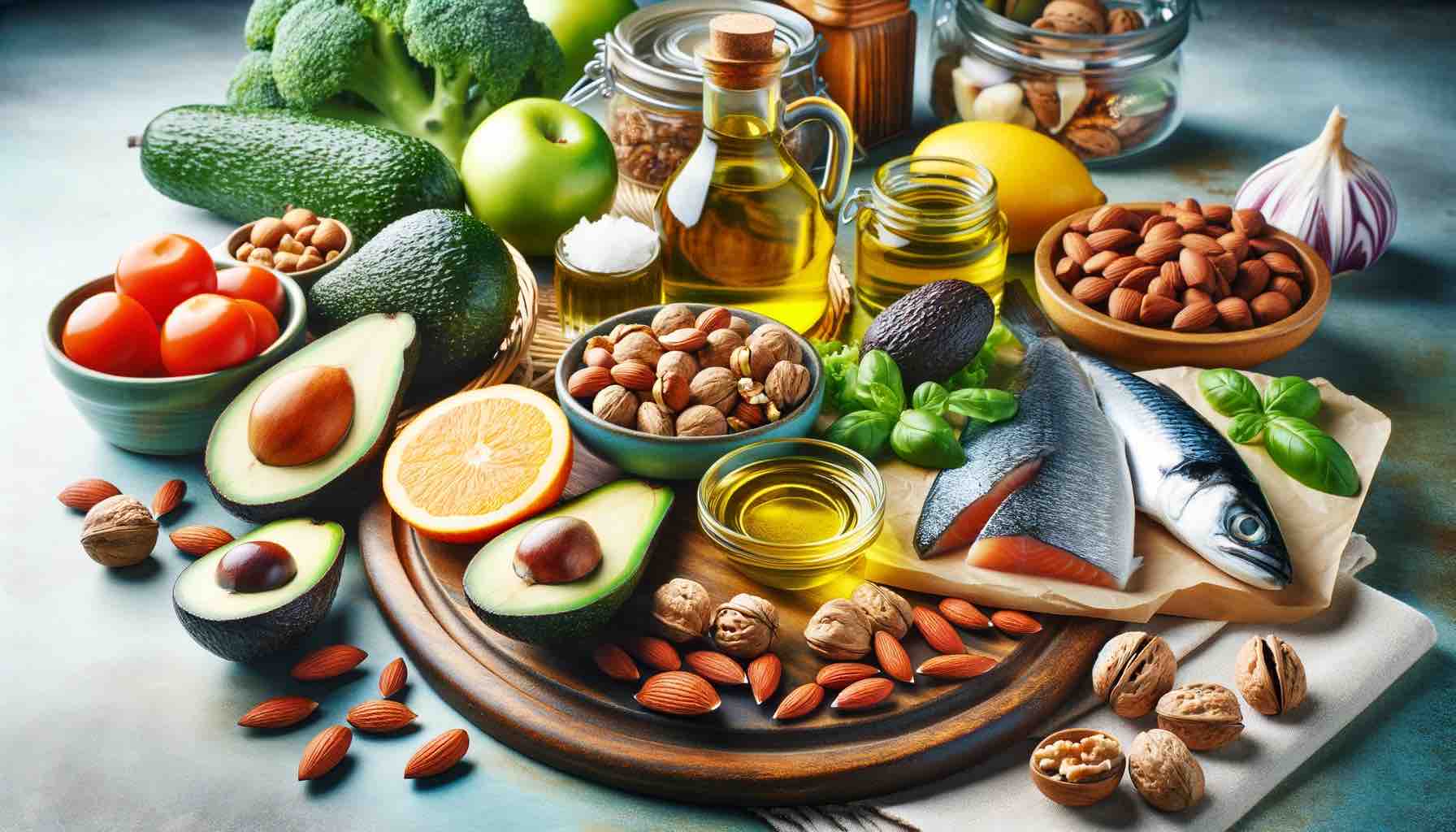
What is the Mediterranean Diet? Free PDF Meal Plan Inside


Introduction:

Are you looking to transform your eating habits and embrace a lifestyle that’s not only healthy but also delicious and satisfying? Look no further than the Mediterranean Diet – a time-tested eating pattern celebrated for its numerous health benefits and culinary delights. In this post, we dive into the heart of the Mediterranean Diet and offer you a comprehensive Beginner’s Guide to the Mediterranean Diet, complete with a Printable Meal Plan, available for free download!


Discovering the Mediterranean Diet: A World of Flavor and Health

The Mediterranean Diet is more than just a list of foods; it’s a journey into a world where food is about freshness, flavor, balance, and enjoyment. Rooted in the eating habits of countries bordering the Mediterranean Sea, this diet is renowned for its ability to improve overall health, boost longevity, and provide a diverse palette of tasty options.

Key Highlights of the Mediterranean Diet:

  • Rich in Nutrients: Emphasizes fruits, vegetables, whole grains, and healthy fats, particularly olive oil.
  • Heart-Healthy: Linked to reduced risks of heart disease, high blood pressure, and unhealthy cholesterol levels.
  • Weight Management: Promotes a balanced approach to eating that naturally aligns with weight management goals.
  • Diverse and Delicious: Offers a variety of flavors and ingredients, making meals enjoyable and satisfying.

Your Guide to Starting the Mediterranean Diet – Free PDF Download

We understand that beginning a new diet can be daunting, which is why we’ve created the Beginner’s Guide to the Mediterranean Diet. This guide is your roadmap to understanding and implementing the diet, featuring:

  • A Detailed 7-Day Meal Plan: Enjoy a week of delicious and easy-to-prepare meals.
  • Tasty and Simple Recipes: Discover new favorites with our collection of Mediterranean recipes.
  • Shopping List: Make grocery shopping a breeze with our organized shopping list.
  • Practical Meal Prep Tips: Save time and maintain the freshness of your meals throughout the week.

Download the Free Mediterranean Diet Meal Plan PDF


Embracing the Mediterranean Lifestyle

Adopting the Mediterranean Diet goes beyond what you eat. It’s about embracing a lifestyle that prioritizes health, enjoyment, and balance. Here are some tips to fully embrace this lifestyle:

  1. Enjoy Meals with Others: Make mealtime a social activity – eat with family or friends to enhance the experience.
  2. Cook and Experiment: Have fun in the kitchen experimenting with new ingredients and recipes.
  3. Stay Active: Combine the diet with regular physical activity for maximum health benefits.
  4. Listen to Your Body: Pay attention to hunger cues and enjoy foods in moderation.

Conclusion: A Journey to Better Health

Embarking on the Mediterranean Diet is a journey to better health and more enjoyable meals. It’s about discovering a world of foods that are as good for your body as they are for your taste buds. With our free downloadable PDF, you’re well on your way to embracing a lifestyle that is both nourishing and delightful.

Don’t forget to download your Free Mediterranean Diet Meal Plan and start your journey today! And if you find this guide helpful, please feel free to share it with friends and family.

Get Your Free Mediterranean Diet Meal Plan Here

10 FAQs on the Mediterranean Diet

  1. What Makes the Mediterranean Diet Different from Other Diets? The Mediterranean Diet stands out for its focus on whole foods, healthy fats, and balanced meals, emphasizing enjoyment of a variety of flavors and social dining experiences. Unlike restrictive diets, it encourages a sustainable and pleasurable approach to eating.
  2. Can the Mediterranean Diet Help with Weight Loss? Yes, the Mediterranean Diet can support weight loss. It’s rich in fiber and healthy fats, which can help you feel full and satisfied, reducing the likelihood of overeating.
  3. Is the Mediterranean Diet Suitable for Vegetarians? Absolutely! The diet is naturally plant-forward, making it easily adaptable for vegetarians. It includes a variety of plant-based proteins, like legumes and nuts, that can replace meat.
  4. How Does the Mediterranean Diet Impact Heart Health? The diet’s emphasis on heart-healthy fats, like olive oil and fatty fish, along with its low intake of processed foods and red meat, contributes to improved heart health, lower cholesterol, and reduced risk of heart disease.
  5. Are Dairy Products Included in the Mediterranean Diet? Dairy is included, but typically in moderate amounts. Options like Greek yogurt and cheese are common, focusing on quality rather than quantity.
  6. What Are Some Essential Foods in the Mediterranean Diet? Key foods include olive oil, fresh fruits and vegetables, whole grains, seafood, nuts, and legumes. Herbs and spices for flavoring are also essential, reducing the need for salt.
  7. Can the Mediterranean Diet be Adopted on a Budget? Yes, it can be budget-friendly. Focus on seasonal produce, buy grains in bulk, and choose local products. Incorporating more plant-based proteins can also be cost-effective compared to meat.
  8. How Does the Mediterranean Diet Benefit Long-Term Health? Long-term benefits include a lower risk of chronic diseases like type 2 diabetes, Alzheimer’s, and certain cancers. It also promotes overall well-being and longevity.
  9. What Kind of Fats Are Emphasized in the Mediterranean Diet? The diet emphasizes unsaturated fats, particularly monounsaturated fats from olive oil, nuts, and seeds, as well as omega-3 fatty acids from fish.
  10. Is Wine Allowed in the Mediterranean Diet? Moderate consumption of wine, particularly red wine, is part of the diet. However, it’s not mandatory and should be consumed responsibly, considering individual health conditions.

Blog Tags for the Post:

mediterranean diet, healthy eating, heart health, weight loss, plant-based nutrition, olive oil benefits, seafood recipes, whole grains, dietary fiber, balanced diet, sustainable eating, social dining, long-term health, unsaturated fats, red wine, culinary diversity, vegetarian-friendly, budget-friendly meals, chronic disease prevention, lifestyle choices

Posted on Leave a comment

Eosinophilic Esophagitis (EoE) Elimination Diet FREE PDF

Introduction:

Eosinophilic Esophagitis (EoE) is more than just a medical term; it’s a reality for many individuals, presenting unique challenges in daily life. This condition, characterized by an influx of eosinophils in the esophagus, can significantly impact your ability to enjoy meals and maintain a healthy lifestyle. Understanding EoE is the first step toward effective management. To assist in this journey, we are thrilled to offer a comprehensive and free PDF guide focused on EoE elimination diets. This resource is designed to provide valuable insights and practical tools for those navigating the complexities of EoE.


Understanding Eosinophilic Esophagitis (EoE)

What is EoE?

EoE might sound complex, but it’s a condition that’s increasingly understood. At its core, EoE is a chronic immune/antigen-mediated condition where eosinophils, a type of white blood cell, accumulate in the esophagus. This accumulation leads to inflammation and a range of symptoms that can disrupt your normal eating habits and comfort.

Why Does Diet Matter?

One of the most effective ways to manage EoE is through dietary changes. Food can often be a trigger for EoE symptoms, and identifying which foods exacerbate your condition is a critical step in controlling it. However, navigating what to eat and what to avoid can be daunting.


The Critical Role of Dietary Management in EoE

Managing EoE effectively often involves a meticulous look at your diet. The relationship between what you eat and EoE symptoms is significant. For many, certain foods can trigger inflammation in the esophagus, leading to discomfort, pain, and difficulty swallowing.

Symptoms and Diagnosis

The symptoms of EoE can vary but often include difficulty swallowing (dysphagia), food impaction, and even chest pain. Diagnosing EoE typically involves endoscopy and biopsy, where a specialist looks for signs of eosinophilic activity in the esophagus.


Introducing the EoE Elimination Diet PDF

We understand the challenges that come with managing EoE, especially when it comes to diet. That’s why we’ve created a comprehensive EoE Elimination Diet PDF, available for free download. This guide is packed with information, from understanding EoE and its dietary implications to step-by-step instructions on managing your diet.

What’s Inside the Guide?

  • Detailed Overview of EoE: A deeper look into what EoE is and how it affects your body.
  • Step-by-Step Elimination Diet Instructions: Clear guidelines on how to implement and maintain an elimination diet.
  • EoE-Friendly Recipes: Delicious and safe recipe ideas that cater to your dietary needs.
  • Tips for Long-Term Management: Strategies to make dietary management a sustainable part of your lifestyle.

Stay tuned as we delve deeper into the specifics of various elimination diets and share practical advice for incorporating these changes into your daily life. And don’t forget to download your free copy of the EoE Elimination Diet PDF for a comprehensive guide to managing EoE through diet.

The Importance of Elimination Diets in EoE Management

Navigating Dietary Changes for EoE

For those grappling with Eosinophilic Esophagitis, the path to relief often lies in the kitchen. An elimination diet is not just a dietary change; it’s a therapeutic tool, crucial in pinpointing which foods trigger your EoE symptoms.

What is an Elimination Diet?

An elimination diet involves removing certain foods or food groups from your diet that are known to commonly trigger EoE symptoms. The goal is to eliminate these potential triggers, observe any changes in symptoms, and then gradually reintroduce these foods one at a time to identify specific triggers.

Types of Elimination Diets

  1. Six-Food Elimination Diet (SFED): This is the most comprehensive approach, removing the six most common allergens: dairy, wheat, eggs, soy, nuts, and seafood.
  2. Modified Elimination Diets: These include the two-food or four-food elimination diets, which are less restrictive and tailored based on individual sensitivities and medical advice.

Practical Steps in Implementing an Elimination Diet

Starting the Diet

  1. Consult a Specialist: Before embarking on this diet, consult with a healthcare professional. They can provide guidance and ensure the diet suits your specific health needs.
  2. Plan Your Meals: Prepare a meal plan that excludes the identified allergens. Ensure you include a variety of other foods to maintain a balanced diet.

During the Diet

  • Keep a Food Diary: Document everything you eat and any symptoms you experience. This diary will be crucial when you start reintroducing foods.
  • Stay Informed: Educate yourself about food labels and hidden ingredients to avoid accidental consumption of trigger foods.

Reintroducing Foods

  • Slow and Steady: After the elimination phase, reintroduce one food group at a time, allowing a few weeks before introducing another. This helps in clearly identifying which foods cause your symptoms.
  • Monitor and Record: Keep track of any changes in symptoms as you reintroduce each food.

Download Our Basic EoE Diet Guide

Your Roadmap to Managing EoE Through Diet

We’ve packed our EoE Elimination Diet PDF with all the information you need to navigate your EoE dietary journey. From detailed explanations of different elimination diets to practical tips on implementing and maintaining these diets, our guide is designed to empower you with knowledge and confidence.

What You’ll Find Inside:

  • Detailed Diet Plans: Step-by-step guides on following different elimination diets.
  • Recipe Ideas: Delicious, EoE-friendly recipes that don’t trigger symptoms.
  • Lifestyle Tips: Advice on managing your diet in social settings and maintaining a balanced nutritional intake.

Empower Yourself Today

Embark on your journey to better managing EoE by downloading the free guide now. Equip yourself with the knowledge and tools to take control of your EoE through diet, and share this valuable resource with others who might benefit from it.


Explore More About Eosinophilic Esophagitis (EoE)

For a comprehensive exploration of EoE, consider reading our series of articles, each offering unique insights and practical advice:

  1. EoE Elimination Diet – Free PDF: Discover the essentials of an elimination diet tailored for EoE management, complete with a downloadable PDF guide for easy reference.
  2. EoE Diet and Treatment Strategies: Learn about effective dietary strategies and treatment options that can help manage EoE symptoms.
  3. EoE Symptoms, Treatment, and Diet: Gain a thorough understanding of the symptoms of EoE and how diet plays a crucial role in treatment.
  4. Symptoms of Eosinophilic Esophagitis (EoE): Delve into a detailed analysis of the symptoms of EoE, helping you to identify and understand the condition better.
  5. EoE and Elimination Diets: Explore the connection between EoE and elimination diets, offering insights into how dietary adjustments can alleviate symptoms.

Each article in our series offers unique perspectives and practical tips, ensuring you have a well-rounded understanding of Eosinophilic Esophagitis. Whether you’re looking for detailed dietary advice, symptom identification, or treatment strategies, our resources are here to guide you.


10 FAQs for the Blog Post

  1. What exactly is Eosinophilic Esophagitis (EoE) and how does it affect eating habits?
    • EoE is a chronic condition where the esophagus becomes inflamed due to an allergic reaction, often to certain foods. This inflammation can lead to symptoms like difficulty swallowing, food impaction, and chest pain, directly impacting eating habits and overall comfort.
  2. How effective are elimination diets in managing EoE?
    • Elimination diets are highly effective in managing EoE for many individuals. By removing potential food allergens and then gradually reintroducing them, it becomes possible to identify specific triggers and adjust the diet to alleviate symptoms.
  3. What foods are commonly eliminated in an EoE diet?
    • The most commonly eliminated foods in an EoE diet include dairy, wheat, eggs, soy, nuts, and seafood, as these are typical allergens that can trigger EoE symptoms.
  4. Can children and adults follow the same dietary guidelines for EoE?
    • Yes, both children and adults can follow similar dietary guidelines for EoE, but the dietary plans may need to be adjusted for age-specific nutritional needs, especially for children.
  5. Is it possible to reintroduce foods back into the diet after elimination?
    • Yes, foods can be reintroduced after the elimination phase. Each food group should be reintroduced separately while monitoring for any return of symptoms, to identify specific triggers.
  6. How long does the elimination phase of the diet typically last?
    • The elimination phase of the diet typically lasts 6-8 weeks, after which foods are gradually reintroduced one at a time to observe the body’s reaction.
  7. What are some EoE-friendly meal ideas?
    • EoE-friendly meal ideas include smoothie bowls with safe fruits and dairy-free milk, quinoa salads with grilled chicken and vegetables, and stir-fried tofu or chicken with gluten-free grains and vegetables.
  8. Are there any risks associated with following an elimination diet for EoE?
    • The primary risk associated with an elimination diet is the potential for nutritional deficiencies if the diet is not well-balanced. It’s important to work with a healthcare provider to ensure all nutritional needs are met.
  9. How can someone with EoE manage eating out or attending social events?
    • Managing eating out with EoE involves researching restaurants in advance, communicating dietary needs to staff, and choosing dishes that align with dietary restrictions. Bringing safe dishes to social events can also help.
  10. Where can I find more detailed information on managing EoE with diet?
  • For comprehensive information on managing EoE with diet, you can download our free EoE Elimination Diet PDF. It offers detailed guidance on elimination diets, meal planning, and recipes suited for EoE management.

Blog Tags for the Post

eosinophilic esophagitis, EoE diet, elimination diet, managing EoE, EoE-friendly recipes, EoE symptoms, dietary management of EoE, EoE meal planning, EoE triggers, allergy-friendly diet, EoE dietary guide, EoE nutrition, EoE elimination diet PDF, EoE in adults, EoE in children

Posted on Leave a comment

Eosinophilic Esophagitis (EoE) and Elimination Diets

Introduction

Eosinophilic Esophagitis (EoE) is a chronic, allergen-driven condition affecting the esophagus, where dietary management plays a pivotal role. This condition, characterized by an influx of eosinophils in the esophageal lining, leads to inflammation and a variety of uncomfortable symptoms. Understanding the role of diet in managing EoE is crucial, as certain foods can trigger or exacerbate symptoms. This comprehensive guide delves into various elimination diets and dietary strategies, offering practical advice for individuals looking to manage EoE effectively through their diet.


Section 1: Understanding the EoE Diet

The Impact of Diet on EoE

Diet is not just about nourishment in the context of EoE; it’s a central part of the treatment strategy. Foods can act as triggers, causing the immune system to respond with inflammation in the esophagus. Identifying and avoiding these trigger foods is key to managing EoE symptoms and preventing flare-ups.

What is an Elimination Diet?

An elimination diet is a methodical approach used to identify foods that cause allergic reactions or symptoms like those seen in EoE. It involves removing certain foods from the diet for a period, then gradually reintroducing them while monitoring for symptoms. This process helps pinpoint specific foods that trigger EoE symptoms.

Role of Elimination Diets in EoE

  • Symptom Management: By identifying and eliminating trigger foods, patients can significantly reduce EoE symptoms.
  • Personalized Treatment: Since EoE triggers vary from person to person, elimination diets offer a personalized approach to treatment.
  • Long-term Relief: Understanding individual triggers allows for better long-term management of the condition.

Challenges and Considerations

Implementing an elimination diet requires careful planning:

  • Nutritional Balance: Removing multiple food groups can lead to nutritional deficiencies. It’s important to find alternative sources of essential nutrients.
  • Lifestyle Adjustments: Adhering to an elimination diet can be challenging, particularly in social settings or when eating out.
  • Medical Supervision: It’s advisable to undertake an elimination diet under the guidance of a healthcare professional, such as a dietitian or allergist, to ensure safety and effectiveness.

In the next section, we will explore the different types of elimination diets used for EoE, including the Six-Food, Two-Food, and Four-Food Elimination Diets, and discuss how to choose the right approach.

Section 2: Types of Elimination Diets for EoE

Exploring Various Elimination Diets

The goal of an elimination diet in EoE management is to identify food triggers and reduce inflammation in the esophagus. There are several types of elimination diets, each varying in complexity and approach.

Six-Food Elimination Diet (SFED)

  • Overview: The SFED is the most commonly used elimination diet for EoE. It involves removing the top six allergenic foods: dairy, wheat, eggs, soy, nuts, and seafood.
  • Implementation: These foods are completely eliminated for about six to eight weeks, followed by gradual reintroduction, one food group at a time, while monitoring for symptoms.
  • Effectiveness: SFED has a high success rate in identifying food triggers and reducing EoE symptoms.

Two-Food and Four-Food Elimination Diets

  • Simpler Approach: For some, starting with a two-food (usually dairy and wheat) or four-food elimination diet can be less overwhelming and still effective.
  • Customization: These diets can be tailored based on individual allergy profiles or previous food reactions.

The Top 8 Elimination Diet

  • Broader Elimination: This diet expands the elimination to the top eight allergens, which includes the six in SFED plus corn and legumes.
  • Consideration: It’s generally considered in more complex cases or when the SFED doesn’t yield significant improvement.

Choosing the Right Diet

  • Individual Allergy History: The choice of diet often depends on the individual’s history of allergies and previous reactions to foods.
  • Medical Advice: Consulting with a healthcare professional helps in choosing the most suitable diet and ensures that nutritional needs are met.

Section 3: Implementing an Elimination Diet

Practical Steps for Starting an Elimination Diet

  1. Consultation with a Specialist: Before starting, consult with a dietitian or allergist for guidance and to ensure the diet meets nutritional needs.
  2. Elimination Phase: Remove the selected food groups from your diet completely for the specified period.
  3. Symptom Monitoring: Keep a detailed food and symptom diary during the elimination phase.
  4. Reintroduction Phase: Gradually reintroduce foods, one group at a time, while monitoring for any return of symptoms.

Monitoring and Reintroduction

  • Structured Approach: Reintroduce foods methodically, typically one group every few weeks, to clearly identify which foods cause symptoms.
  • Medical Supervision: Regular check-ups can help assess the progress and make necessary adjustments to the diet plan.

Next, we will delve into EoE-friendly recipes and meal planning, providing practical advice for maintaining a balanced and enjoyable diet while managing EoE.

Section 4: EoE Diet Recipes and Meal Planning

Creating an EoE-Friendly Diet

Managing EoE with dietary changes doesn’t mean meals have to be bland or repetitive. With some creativity and planning, you can enjoy a variety of delicious and nutritious meals.

Simple and Allergen-Free Recipes

  1. Breakfast: Try a dairy-free smoothie bowl with bananas, spinach, and a rice or almond milk base, topped with safe fruits and seeds.
  2. Lunch: Prepare a quinoa salad with grilled chicken, mixed greens, and a dressing made from olive oil and lemon.
  3. Dinner: Bake a fillet of fish like salmon or tilapia with herbs, served alongside steamed vegetables like carrots and zucchini.

Meal Planning Tips

  • Plan Ahead: Create a weekly meal plan to ensure variety and balance. This also helps when shopping for groceries.
  • Safe Ingredient Swaps: Find alternatives for common allergens. For example, use gluten-free flour instead of wheat flour and almond milk instead of dairy.
  • Batch Cooking: Prepare meals in batches to save time and ensure you have EoE-friendly meals readily available.

Ensuring Nutritional Balance

  • Diverse Foods: Incorporate a wide range of safe fruits, vegetables, grains, and proteins to ensure you’re getting essential nutrients.
  • Supplements: Discuss with your healthcare provider if you need supplements, especially if multiple food groups are eliminated.

Section 5: Beyond Elimination: Long-Term Dietary Management

Maintaining a Balanced Diet Post-Elimination

After identifying your food triggers, it’s important to maintain a balanced diet:

  • Incorporate Safe Foods: Regularly include foods that you have safely reintroduced into your diet.
  • Diversify Your Plate: Explore new recipes and foods within your safe list to keep meals interesting.

Managing Accidental Exposures and Flare-Ups

  • Be Prepared: Understand how to manage accidental exposure to allergens, which may include medications prescribed by your doctor.
  • Stay Informed: Keep up with the latest EoE research and dietary recommendations.

Conclusion

Adopting an effective dietary strategy is a cornerstone in managing Eosinophilic Esophagitis. Whether it’s through an elimination diet or long-term dietary adjustments, understanding and tailoring your food choices can significantly improve your quality of life with EoE. Remember, collaboration with healthcare professionals, including dietitians and allergists, is crucial in developing a personalized and nutritionally balanced dietary plan.

Explore More About Eosinophilic Esophagitis (EoE)

For a comprehensive exploration of EoE, consider reading our series of articles, each offering unique insights and practical advice:

  1. EoE Elimination Diet – Free PDF: Discover the essentials of an elimination diet tailored for EoE management, complete with a downloadable PDF guide for easy reference.
  2. EoE Diet and Treatment Strategies: Learn about effective dietary strategies and treatment options that can help manage EoE symptoms.
  3. EoE Symptoms, Treatment, and Diet: Gain a thorough understanding of the symptoms of EoE and how diet plays a crucial role in treatment.
  4. Symptoms of Eosinophilic Esophagitis (EoE): Delve into a detailed analysis of the symptoms of EoE, helping you to identify and understand the condition better.
  5. EoE and Elimination Diets: Explore the connection between EoE and elimination diets, offering insights into how dietary adjustments can alleviate symptoms.

Each article in our series offers unique perspectives and practical tips, ensuring you have a well-rounded understanding of Eosinophilic Esophagitis. Whether you’re looking for detailed dietary advice, symptom identification, or treatment strategies, our resources are here to guide you.

10 FAQs for the Blog Post

  1. What is an elimination diet and how does it help in managing EoE?
    • An elimination diet involves removing certain foods known to trigger EoE symptoms. It helps identify individual food triggers by systematically eliminating and then reintroducing foods while monitoring for symptoms.
  2. Which foods are most commonly eliminated in an EoE diet?
    • The most common foods eliminated include dairy, wheat, eggs, soy, nuts, and seafood. These are known to be major allergens that can trigger EoE symptoms.
  3. How long does one typically stay on an elimination diet for EoE?
    • The initial elimination phase usually lasts about 6-8 weeks, followed by a gradual reintroduction phase where each food group is reintroduced one at a time over several weeks to monitor for symptoms.
  4. Can children and adults follow the same EoE elimination diet?
    • Yes, both children and adults can follow the same elimination diet principles. However, dietary plans may need to be adjusted based on individual nutritional needs, especially for children to ensure proper growth and development.
  5. Are there any risks associated with elimination diets for EoE?
    • If not properly planned, elimination diets can lead to nutritional deficiencies. It’s important to work with a healthcare provider or dietitian to ensure the diet is nutritionally balanced.
  6. How do I know if the elimination diet is working for my EoE?
    • Improvement in EoE symptoms, such as reduced difficulty in swallowing and fewer episodes of food impaction, can indicate the effectiveness of the diet. Regular follow-ups with a healthcare professional are also essential for monitoring progress.
  7. What are some easy and safe recipes for someone with EoE?
    • Simple recipes include smoothie bowls with safe fruits, grilled chicken with quinoa salad, and baked fish with steamed vegetables. These can be adapted based on individual dietary restrictions.
  8. Is it possible to cure EoE with diet alone?
    • While diet plays a crucial role in managing EoE, it is typically not considered a cure. Many individuals require ongoing dietary management, and some may need additional medical treatments.
  9. How do I reintroduce foods after the elimination phase?
    • Foods should be reintroduced one at a time, with a gap of a few weeks between each to monitor for any return of symptoms. This should be done under the guidance of a healthcare professional.
  10. What should I do if I accidentally consume a food that triggers my EoE?
  • Accidental consumption of a trigger food may cause a flare-up of symptoms. It’s important to consult with your healthcare provider to understand how to manage such situations, which may include medication for symptom relief.

Blog Tags for the Post

eosinophilic esophagitis diet, EoE elimination diet, six food elimination diet, EoE diet plan, EoE food triggers, dietary management of EoE, EoE recipes, elimination diet for EoE, managing EoE with diet, eosinophilic gastroenteritis diet, EoE meal planning, allergen-free recipes for EoE, EoE nutritional management, EoE dietary guidelines, EoE long-term diet

Posted on Leave a comment

Symptoms of Eosinophilic Esophagitis (EoE)

Introduction

Eosinophilic Esophagitis (EoE) is a chronic, allergen-driven esophageal condition that is increasingly recognized and diagnosed in both adults and children. Characterized by a high number of eosinophils, a type of white blood cell, in the esophagus, this condition can lead to various symptoms and complications if not properly managed. This comprehensive guide aims to shed light on the intricate symptoms of EoE, offering insights into early recognition, differentiation from other conditions, and the importance of seeking timely medical intervention.


Section 1: Understanding EoE

What is Eosinophilic Esophagitis?

EoE is a condition wherein the esophagus becomes inflamed due to an overabundance of eosinophils. These cells, typically involved in the body’s immune response to allergens and parasites, accumulate in the esophagus in reaction to food or environmental allergens, leading to tissue damage, inflammation, and a range of symptoms that can significantly impact one’s quality of life.

Eosinophils: Role and Impact in EoE

In the context of EoE, eosinophils are the primary culprits behind the inflammation and subsequent symptoms. When triggered by allergens, these cells release various substances that cause inflammation, leading to the characteristic symptoms of EoE. Over time, this ongoing inflammation can cause scarring, fibrosis, and narrowing of the esophagus.

Progression and Impact on the Esophagus

The chronic inflammation associated with EoE can lead to several changes in the esophagus:

  • Structural Changes: These include narrowing (stricture) and stiffening of the esophagus, making it difficult for food to pass through.
  • Functional Changes: The esophagus may lose its ability to effectively transport food to the stomach, resulting in dysphagia and food impaction.
  • Scarring and Fibrosis: Repeated inflammation over time can lead to scarring and the formation of fibrous tissue, which further exacerbates swallowing difficulties.

Section 2: Common Symptoms of EoE

Symptoms in Adults

Adults with EoE often experience a range of symptoms that can vary in severity:

  • Dysphagia: Difficulty swallowing is the hallmark symptom, ranging from a sensation of food sticking in the throat to severe impaction requiring medical intervention.
  • Food Impaction: A serious complication where food becomes lodged in the esophagus, often requiring endoscopic removal.
  • Chest Pain and Heartburn: EoE can mimic symptoms of heart disease or GERD, including chest pain and acid reflux-like symptoms.
  • Regurgitation: In some cases, food or liquids may be regurgitated, particularly if there is significant narrowing of the esophagus.

Symptoms in Children

Children may exhibit different or less specific symptoms:

  • Vomiting and Regurgitation: Frequent vomiting or spitting up food, especially in younger children.
  • Abdominal Pain: Persistent stomach pain which might be mistaken for other gastrointestinal issues.
  • Failure to Thrive: In severe cases, children might experience poor growth or weight loss due to feeding difficulties or food avoidance.
  • Feeding Difficulties: Reluctance to eat, preference for soft or liquid foods, and long meal times are common signs.

Section 3: Differentiating EoE from Other Conditions

EoE vs. GERD

While EoE and GERD share some common symptoms like heartburn and regurgitation, there are key differences:

  • Response to Medication: Symptoms of GERD typically respond well to acid-reducing medications, which is often not the case with EoE.
  • Eosinophil Presence: The defining feature of EoE, an elevated eosinophil count in the esophagus, is not seen in GERD.

Challenges in Diagnosis

Diagnosing EoE can be challenging due to its symptom overlap with other esophageal disorders. A detailed patient history, especially regarding response to GERD medications and any known allergies, is crucial in guiding the diagnostic process.


In the following sections, we’ll explore the symptoms of EoE in children in more detail, discuss when to seek medical attention, and delve into the diagnostic process for EoE.

Section 4: Recognizing EoE in Children

Identifying Symptoms in Younger Patients

Children with EoE may not always be able to articulate their discomfort, making diagnosis more challenging. Common symptoms in children include:

  • Refusal to Eat or Difficulty Eating: Children may avoid eating due to discomfort or pain, leading to prolonged meal times.
  • Developmental Delays: In severe cases, inadequate nutrition due to feeding difficulties can result in developmental delays or failure to thrive.
  • Behavioral Changes: Young children might exhibit irritability, particularly around meal times, due to discomfort associated with eating.
  • Respiratory Symptoms: Some children may develop coughing or wheezing, which can be misinterpreted as respiratory issues rather than EoE.

Challenges in Diagnosing Children

  • Symptom Overlap with Other Conditions: Symptoms like vomiting or abdominal pain can overlap with various pediatric conditions, often leading to misdiagnosis.
  • Importance of Growth and Development Monitoring: Regular monitoring of growth and development can provide crucial clues for EoE in the absence of clear symptoms.

Section 5: When to Seek Medical Attention

Recognizing the Need for Professional Help

Understanding when to consult a healthcare provider is key in managing EoE effectively:

  • Persistent Swallowing Difficulties: If you or your child consistently experiences difficulty swallowing or food impaction, it’s important to seek medical evaluation.
  • Unexplained Gastrointestinal Symptoms: Chronic abdominal pain, vomiting, or symptoms mimicking acid reflux that do not respond to standard treatments should be evaluated.
  • Failure to Thrive in Children: Any signs of poor growth, weight loss, or developmental delays in children should prompt a medical consultation.

Preparing for the Medical Consultation

  • Symptom Journal: Keeping a detailed record of symptoms, dietary habits, and any known allergies can be incredibly helpful during the consultation.
  • Family History: Be prepared to discuss any family history of allergic diseases, as this can be relevant in diagnosing EoE.

Section 6: The Diagnostic Process for EoE

Steps in Diagnosing EoE

The diagnosis of EoE typically involves several steps:

  1. Clinical Evaluation: A thorough evaluation of symptoms and medical history.
  2. Endoscopic Examination: Visualization of the esophagus to identify characteristic signs of EoE such as rings, furrows, or white plaques.
  3. Esophageal Biopsies: Taken during endoscopy, these are crucial for identifying eosinophilic infiltration in the esophagus tissue.

Importance of Accurate Diagnosis

  • Avoiding Misdiagnosis: Accurate diagnosis is crucial to differentiate EoE from conditions like GERD, achalasia, or esophageal spasms.
  • Guiding Effective Treatment: A proper diagnosis ensures that the right treatment plan, including dietary management and medication, can be implemented.

Conclusion

Recognizing the symptoms of Eosinophilic Esophagitis is crucial for early intervention and effective management. Whether in adults or children, understanding these signs and seeking timely medical attention can lead to better outcomes and improved quality of life. Working closely with healthcare professionals is key to navigating this condition, from diagnosis through to treatment and ongoing management.

Explore More About Eosinophilic Esophagitis (EoE)

For a comprehensive exploration of EoE, consider reading our series of articles, each offering unique insights and practical advice:

  1. EoE Elimination Diet – Free PDF: Discover the essentials of an elimination diet tailored for EoE management, complete with a downloadable PDF guide for easy reference.
  2. EoE Diet and Treatment Strategies: Learn about effective dietary strategies and treatment options that can help manage EoE symptoms.
  3. EoE Symptoms, Treatment, and Diet: Gain a thorough understanding of the symptoms of EoE and how diet plays a crucial role in treatment.
  4. Symptoms of Eosinophilic Esophagitis (EoE): Delve into a detailed analysis of the symptoms of EoE, helping you to identify and understand the condition better.
  5. EoE and Elimination Diets: Explore the connection between EoE and elimination diets, offering insights into how dietary adjustments can alleviate symptoms.

Each article in our series offers unique perspectives and practical tips, ensuring you have a well-rounded understanding of Eosinophilic Esophagitis. Whether you’re looking for detailed dietary advice, symptom identification, or treatment strategies, our resources are here to guide you.

10 FAQs for the Blog Post

  1. What are the early signs of Eosinophilic Esophagitis (EoE) in adults?
    • Early signs in adults include difficulty swallowing (dysphagia), food getting stuck in the esophagus, chest pain unrelated to the heart, and reflux-like symptoms that don’t respond to standard reflux medication.
  2. How do EoE symptoms in children differ from those in adults?
    • In children, EoE symptoms can be more varied and include vomiting, refusal to eat, abdominal pain, and failure to thrive, which refers to not gaining weight or growing as expected.
  3. Can EoE symptoms be mistaken for other conditions?
    • Yes, EoE symptoms, especially in adults, often mimic gastroesophageal reflux disease (GERD), leading to misdiagnosis. Accurate diagnosis through endoscopy and biopsy is essential for effective treatment.
  4. What triggers EoE symptoms?
    • EoE symptoms are typically triggered by certain foods or environmental allergens, which vary from person to person. Common triggers include dairy, wheat, eggs, soy, nuts, and seafood.
  5. Is it possible to have EoE without experiencing any symptoms?
    • Yes, some individuals with EoE might not exhibit noticeable symptoms, or symptoms may be mild and overlooked. Regular monitoring and medical check-ups are important, especially for those with known risk factors.
  6. How is EoE diagnosed?
    • EoE is diagnosed through a combination of patient symptom evaluation, endoscopy (to look for characteristic signs in the esophagus), and esophageal biopsies (to confirm high eosinophil counts).
  7. Can EoE lead to complications if left untreated?
    • If untreated, EoE can lead to complications like esophageal strictures (narrowing), food impaction, and in severe cases, it can cause long-term damage to the esophagus.
  8. Are there specific dietary changes that help with EoE?
    • Yes, dietary management is a key part of treating EoE. This often involves an elimination diet to identify and remove food triggers, and in some cases, an elemental diet may be recommended.
  9. Can EoE symptoms change over time?
    • Yes, the symptoms of EoE can evolve over time, especially without treatment. In children, for instance, symptoms can shift from feeding difficulties to more pronounced swallowing issues as they age.
  10. Is EoE a lifelong condition?
  • EoE is generally considered a chronic condition that requires ongoing management. Symptoms can often be well controlled with the right dietary and medical treatments.

Blog Tags for the Post

eosinophilic esophagitis, EoE symptoms, dysphagia, food impaction, pediatric EoE, adult EoE, EoE diagnosis, eosinophilic disorders, GERD vs EoE, eosinophilic gastroenteritis, esophagitis treatment, EoE in children, EoE triggers, EoE dietary management, EoE complications