Posted on 1 Comment

7 Medical Health Benefits of Turmeric

Introduction

Golden and earthy, turmeric isn’t just a staple in your spice rack – it’s a powerhouse of health benefits. Let’s uncover the seven surprising ways turmeric can boost your health.

1. A Warrior Against Inflammation

Turmeric’s active ingredient, curcumin, is a natural anti-inflammatory. It’s a game-changer for managing conditions like arthritis and ulcerative colitis, keeping inflammation in check.

2. Memory Booster

Forget the forgetfulness! Studies suggest that turmeric improves memory in adults and might even ward off Alzheimer’s. Who knew a spice could sharpen your brain?

3. Natural Pain Reliever

Bid farewell to aches and pains. Turmeric has been used for centuries in traditional medicine to soothe osteoarthritis pain. Science backs its pain-relieving prowess.

4. Antioxidant Powerhouse

Turmeric neutralizes harmful free radicals, thanks to its antioxidant properties. It’s like an internal detox for your cells.

5. Heart Health Hero

Lower your risk of heart disease with a sprinkle of turmeric. It helps reverse heart disease processes and may reduce the risk of heart attacks, especially post-surgery.

6. Mood Enhancer

Feeling blue? Turmeric could be your natural antidepressant. It boosts brain chemicals like serotonin and dopamine, lifting your mood.

7. Cancer Fighter

Emerging research suggests that turmeric can slow down cancer cell growth, especially in colorectal cancer. It’s a spice with a potentially life-saving twist.

Conclusion

Turmeric is more than just a culinary delight; it’s a treasure trove of health benefits. From soothing pain to protecting your heart, this golden spice is a natural wonder. Time to spice up your health game with turmeric!

Join the Conversation

Have you experienced turmeric’s health benefits firsthand? Share your stories in the comments below!

Frequently Asked Questions About Turmeric

Here are some commonly asked questions about turmeric and its benefits:

1. Can turmeric help with inflammation and pain?

Turmeric is known for its potent anti-inflammatory properties, thanks to its active ingredient, curcumin. It can help reduce inflammation in the body, providing relief from conditions like arthritis and inflammatory bowel disease. Some studies have even shown that curcumin can be as effective as some anti-inflammatory drugs, without the side effects.

2. How does turmeric benefit brain health?

Curcumin, the active ingredient in turmeric, may boost levels of the brain hormone BDNF, which can stimulate the growth of new neurons and fight various degenerative processes in the brain. This makes turmeric a potential ally in preventing and treating neurodegenerative conditions, including Alzheimer’s disease and depression.

3. Can turmeric improve heart health?

Yes, curcumin has been shown to benefit heart health in several ways. It can improve the function of the endothelium (the lining of the blood vessels), which is crucial for heart health. It also has anti-inflammatory and antioxidant benefits, which can protect the heart from disease.

4. Is turmeric beneficial for skin health?

Turmeric isn’t just beneficial when consumed. It can also be used topically to improve skin health. Thanks to its anti-inflammatory and antibacterial properties, it can help soothe skin irritation, reduce acne, and even out skin tone.

5. Can turmeric help with anxiety?

Curcumin’s impact on brain health extends to its potential to reduce symptoms of anxiety. Studies suggest that it may help reduce anxiety by boosting DHA in the brain and lowering inflammation and oxidative stress.

6. Can turmeric prevent or treat cancer?

While more research is needed, some studies suggest that curcumin may help prevent and even treat cancer. It can reduce angiogenesis (growth of new blood vessels in tumors), metastasis (spread of cancer), and contribute to the death of cancerous cells.

7. Is it safe to take turmeric supplements?

While turmeric is generally safe for most people, it’s always a good idea to talk to your healthcare provider before starting any new supplement regimen, especially if you have a pre-existing condition or are taking other medications. Some studies suggest that more curcumin is not necessarily better, and too much can be risky.

8. Can turmeric be used in cooking?

Absolutely! Turmeric is a common ingredient in many dishes, especially in Indian cuisine. It adds a distinctive flavor and color to dishes. Plus, when you cook with turmeric, you get to enjoy all its health benefits.

9. Are there any side effects of consuming turmeric?

Turmeric is generally safe for most people when consumed in moderation. However, high doses or long-term use of turmeric may cause gastrointestinal problems. It’s always a good idea to talk to your healthcare provider before starting any new supplement regimen.

10. Can turmeric interact with medications?

Turmeric can interact with certain medications, such as blood thinners and diabetes drugs. If you’re taking any medication, it’s important to discuss with your healthcare provider before starting any supplement regimen with turmeric.

Conclusion

Turmeric, with its active ingredient curcumin, offers a range of health benefits, from reducing inflammation to potentially preventing cancer. Incorporating this golden spice into your diet or skincare routine could be a step towards better health.

Remember, while turmeric is generally safe for most people, it’s always a good idea to talk to your healthcare provider before starting any new supplement regimen, especially if you have a pre-existing condition or are taking other medications.

Blog Tags: Turmeric, Curcumin, Health Benefits, Anti-Inflammatory, Antioxidant, Brain Health, Heart Health, Cancer Prevention, Skin Health, Anxiety.


For 8 Benefits of Black Pepper for Weight Loss, click here

Read 7 Benefits of Mustard Oil, click here

7 Secrets Benefits of Eating Cardamom, click here


For videos related to Health and Wellness, Subscribe to our YouTube Channel:
Masala Monk – The Gourmet Store


Also, please do have a look at our collection products prepared using Turmeric:

Galgal-Gur Pickle (Khatte ka achaar)
Rhododendron Chutney (Buransh)

Gur Mirch Pickle-Sweetness for the Bravehearts
Aam Gunde ka Achar/Marwari Kairi Lehsua Pickle
StreetStyle Lemon Pickle – Neembu ka Khatta Achar

Teet/Kair Pickle
Athana Mirchi Pickle
Lesua or Gunda Pickle Marwari Style Homemade Gum Berry pickle
Khajur Or Dates Pickle – Sweet & Sour

Amla Pickle-Homemade Indian Gooseberry Pickle
Idli Podi/ Milagai Podi – Homemade Spices and Sesame Podi
Adrak ka Achar
Pachranga Pickle
Hardback Mango Pickle

Street
style Bareback Mango Pickle
Himalayan Garlic Pickle

Amla ki Khatti Meethi Launji
Chicken Pickle – 100% Himalayan
Kadaknath Pickle (Wild Black Chicken Pickle)
Chicken Pickle – Bone Variant

Posted on 1 Comment

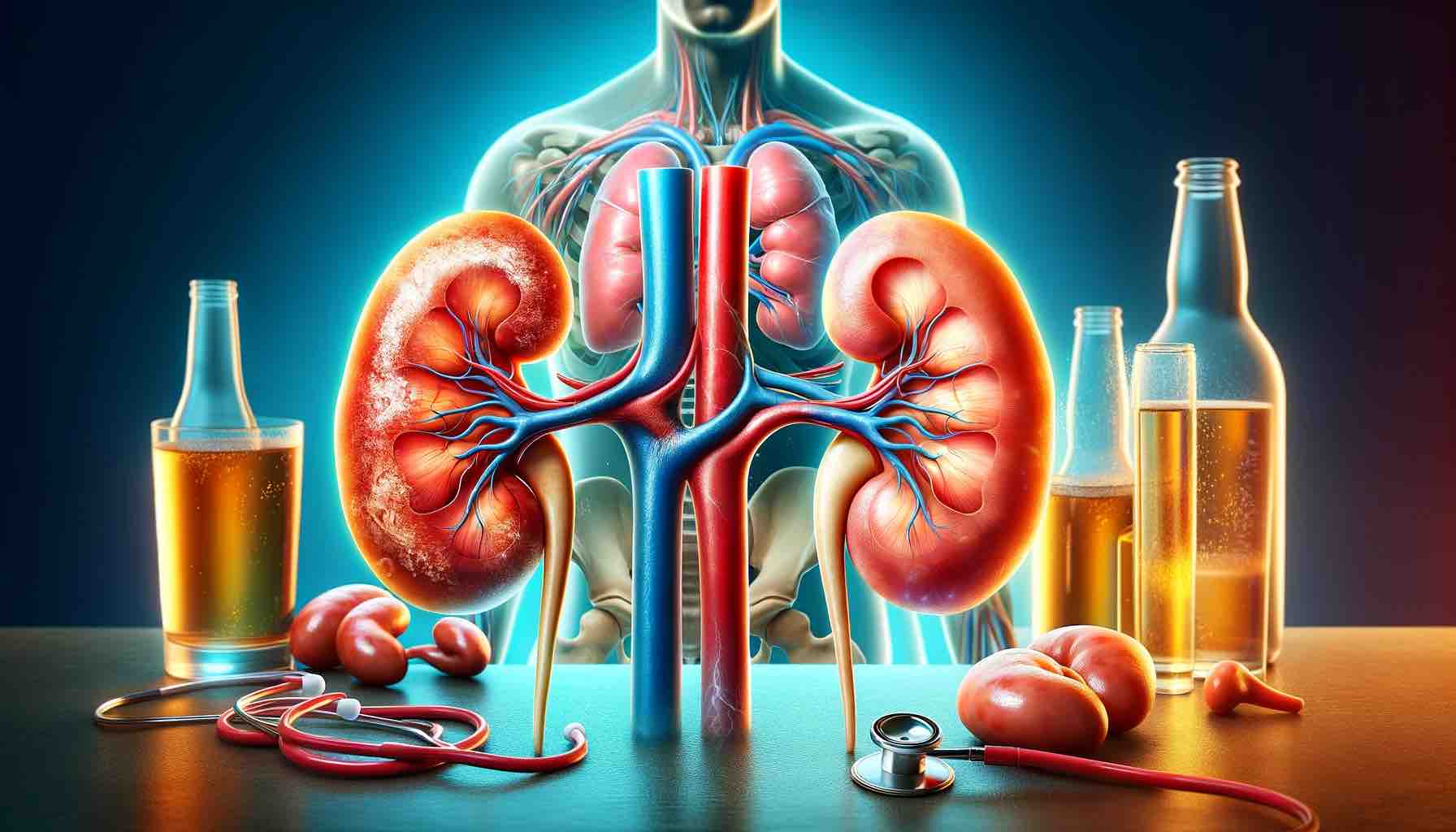
Alcohol & Kidney Health: The Hard Truth

The Invisible Burden on Your Kidneys

You might enjoy a drink now and then, but did you know that too much alcohol can be a silent threat to your kidneys? Let’s unravel this.

Kidneys at Work

Your kidneys are your body’s natural filtration system, removing waste and balancing fluids. When alcohol enters the picture, it’s like throwing a wrench into a well-oiled machine.

Heavy Drinking: A Kidney’s Nemesis

Occasional drinks? Mostly harmless. But regular heavy drinking? That’s a whole different story. It can double the risk of chronic kidney disease – a fact often overshadowed by alcohol’s more famous impacts on the liver and heart.

Acute Kidney Injury: A Binge-Drinking Gift

Binge drinking isn’t just a bad hangover. It can lead to acute kidney injury, where your kidneys suddenly can’t keep up, potentially causing lasting damage.

The Dehydration Factor

Alcohol is a diuretic. It dehydrates you, leaving your kidneys struggling to maintain the balance of fluids in your body. Think of it as running a marathon in the desert – without water.

High Blood Pressure: An Unwanted Sidekick

Consistent heavy drinking can boost your blood pressure, a leading cause of kidney disease. It’s like putting extra weight on your kidneys’ shoulders.

The Liver-Kidney Connection

Heavy drinking hurts your liver, and a damaged liver affects kidney function. It’s a domino effect you don’t want to start.

Drinking Safely with Kidney Concerns

Moderation is key. If you have kidney disease, talk to your doctor. A safe limit could be one standard drink per day, but individual conditions vary.

Conclusion: Your Health, Your Choice

Alcohol doesn’t always equal kidney damage, but the risks are real. Be mindful of your consumption and listen to your body – and your doctor.

Your Thoughts?

Concerned about alcohol and kidney health? Share your thoughts or experiences in the comments below!

10 FAQs for the Blog Post

  1. How does alcohol consumption impact kidney function? Alcohol can disrupt normal kidney function by causing dehydration, affecting the balance of water in the body, and making the kidneys work harder to filter harmful substances, including alcohol itself.
  2. Can drinking alcohol lead to kidney disease? Yes, regular and heavy alcohol use can increase the risk of developing chronic kidney disease, especially when combined with other risk factors like smoking or high blood pressure.
  3. What is acute kidney injury and how is it related to alcohol? Acute kidney injury is a sudden drop in kidney function, often caused by binge drinking. This condition can be reversible but may lead to chronic kidney disease if not properly managed.
  4. Is it safe to drink alcohol if I have kidney disease? This depends on the individual and the stage of kidney disease. It’s essential to consult with a healthcare provider to understand the risks and safe limits, if any.
  5. Does the type of alcohol matter for kidney health? While the type of alcohol might not directly impact kidney health, the quantity and frequency of consumption are crucial factors. All types of alcohol can potentially harm the kidneys if consumed in excess.
  6. How much alcohol is considered safe for healthy kidneys? Moderate drinking, defined as up to one drink per day for women and two drinks per day for men, is generally considered safe for healthy individuals. However, personal health factors should be considered.
  7. Can alcohol-induced kidney damage be reversed? If caught early, some kidney damage caused by alcohol can be reversed through lifestyle changes, including reducing alcohol consumption. However, prolonged heavy drinking can lead to irreversible damage.
  8. What are the signs of kidney damage from alcohol? Signs can include fatigue, changes in urine output, swelling in the legs or ankles, and elevated blood pressure. Chronic symptoms may develop slowly and can be subtle at first.
  9. Does alcohol affect medications for kidney disease? Yes, alcohol can interact with medications, including those for kidney disease, affecting their effectiveness and potentially leading to adverse effects.
  10. Are there specific risks of kidney damage from binge drinking? Binge drinking can cause a rapid increase in blood alcohol levels, leading to acute kidney injury and potentially causing permanent kidney damage if repeated frequently.

Blog Tags

alcohol consumption, kidney health, chronic kidney disease, acute kidney injury, binge drinking, kidney function, alcohol and kidneys, kidney disease risks, healthy drinking habits, alcohol effects

Posted on Leave a comment

Duration of Alcohol Detox and Withdrawal

Introduction: The Journey Through Alcohol Detox

Navigating the process of alcohol detoxification and withdrawal is a significant and often challenging part of overcoming alcohol dependence. This post aims to shed light on how long this journey typically lasts, providing insights into both detox and rehabilitation timelines.

Alcohol Withdrawal: The Early Stages

Withdrawal symptoms can start as early as 6 hours after your last drink and can last up to a few days. The severity and duration depend on various factors like drinking history, physical health, and the presence of co-occurring mental health issues.

The Detox Process: A Crucial Phase

Alcohol detox typically spans several days to a week. This phase involves the body metabolizing and eliminating alcohol, and it can be accompanied by withdrawal symptoms. The process should ideally be overseen by medical professionals to manage any complications safely.

Factors Influencing Detox Duration

  • Severity of Dependence: Heavier drinking habits can lead to a more prolonged detox process.
  • Individual Health Factors: Personal health and metabolism rates significantly affect how long detox takes.
  • Medical Supervision and Assistance: Medically assisted detox can manage withdrawal symptoms more effectively, impacting the overall timeline.

The Timeline of Alcohol Withdrawal Symptoms

  • Early Symptoms: These include anxiety, insomnia, and nausea, typically peaking within the first 24 to 72 hours.
  • Peak Symptoms: Severe symptoms can include tremors, hallucinations, and seizures, usually occurring within the first few days.
  • Subsiding Symptoms: After the peak, most symptoms start to decrease in intensity but some, like mood swings and sleep disturbances, may persist for weeks.

Alcohol Rehab: The Road to Recovery

The length of alcohol rehabilitation programs varies:

  • Short-term Programs: These can last from a few days to a few weeks.
  • Long-term Programs: More intensive programs may extend for several months to a year, depending on individual needs.

Is Rapid Detox Possible?

While some may seek ways to expedite detox, it’s important to understand that safely detoxing from alcohol cannot be rushed. Attempts to detox rapidly or ‘clean your system’ within 24 hours are not only ineffective but potentially dangerous.

Conclusion: A Personalized Journey

Every individual’s experience with alcohol detox and withdrawal is unique. It’s a process that requires time, medical support, and often, a comprehensive rehabilitation program. Patience and the right support system are key to navigating this journey successfully.

Stay tuned for more in-depth content on alcohol recovery, detoxification, and rehabilitation. Remember, taking the first step towards recovery is a brave and life-changing decision.

FAQs on Alcohol Detox and Withdrawal

  1. How long does alcohol withdrawal typically last? Alcohol withdrawal can last from a few days to over a week, with symptoms starting as early as 6 hours after the last drink and peaking within 24 to 72 hours.
  2. What is the average duration for detoxing from alcohol? The detox process usually takes about 7 to 10 days, but it can vary based on individual factors like drinking history and overall health.
  3. How long does it take for withdrawal symptoms to start? Withdrawal symptoms can begin as soon as 6 hours after the last drink and tend to peak within the first few days.
  4. Are alcohol detox and withdrawal durations the same for everyone? No, the duration varies greatly among individuals depending on factors like the severity of alcohol dependence, personal health, and the presence of any co-occurring mental health conditions.
  5. How long does it take for an alcoholic to detox? For chronic alcoholics, detox can take longer, often up to two weeks, due to the severity of dependence and potential complications.
  6. What factors affect the duration of alcohol detox? Factors include the level of alcohol dependence, individual health conditions, the method of detoxification, and whether medical assistance is used.
  7. How long do inpatient alcohol rehab programs typically last? Inpatient rehab programs can vary, ranging from short-term programs of 30 days to long-term programs that last several months or even up to a year.
  8. Can alcohol detox be completed in a few days? While the most intense symptoms often subside within a few days to a week, complete detoxification and recovery from long-term effects can take longer.
  9. What is the timeline for severe alcohol withdrawal symptoms? Severe withdrawal symptoms like Delirium Tremens can occur 48 to 72 hours after the last drink and may last 2 to 3 days.
  10. Is it possible to clean your system of alcohol in 24 hours? It’s not possible to fully detox from alcohol in 24 hours. The body needs time to metabolize and eliminate alcohol, and this process can’t be rushed safely.

Blog Tags

alcohol withdrawal, detox process, recovery timeline, detox duration, withdrawal symptoms, alcohol detoxification, rehabilitation, chronic alcoholism, inpatient rehab, detox methods

Posted on Leave a comment

Nurturing Your Kidneys and Liver After Alcohol Use

Introduction

When it comes to recovering from alcohol consumption, attention to kidney and liver health is crucial. These organs play a pivotal role in filtering and detoxifying your body, making their care essential. This post delves into how you can support these vital organs following alcohol intake.

The Impact of Alcohol on Kidneys and Liver

Alcohol places a significant burden on both the liver and kidneys. The liver, which processes the majority of the alcohol you drink, works to convert it into less harmful substances. Alcohol can also disrupt kidney function, impacting their ability to filter blood.

Tips for Supporting Kidney and Liver Health

  1. Hydration is Key Drinking enough water is essential. It helps to eliminate toxins and counters the diuretic effect of alcohol. Balancing electrolytes is also vital for maintaining kidney function.
  2. Nutrition Matters Eating foods that support liver and kidney health can aid in recovery. This includes antioxidant-rich foods, leafy greens, berries, nuts for the liver, and potassium-rich, low-salt foods for the kidneys.
  3. Limit Alcohol and Toxins Give your liver and kidneys a break by avoiding additional alcohol intake. Also, reduce exposure to toxins found in processed foods and some medications.
  4. Herbal Support Supplements like milk thistle may benefit the liver, while dandelion and green tea could support kidney health. Always consult a healthcare provider before starting any supplements.
  5. Rest and Gentle Exercise Sufficient rest allows your body to repair, and light exercise like walking or yoga improves circulation, aiding detoxification.

Consult Healthcare Professionals

If you have health conditions or experience symptoms of liver or kidney distress, it’s important to seek professional medical advice. A healthcare provider can offer guidance tailored to your health needs.

Conclusion

Caring for your liver and kidneys is a vital part of overall health, especially after alcohol consumption. Through hydration, a balanced diet, and a healthy lifestyle, you can support these organs. Moderation in alcohol use is key for long-term health.

Stay tuned for more insights on healthy living and responsible alcohol management. Your health journey is a priority, and we’re here to guide and support you.

FAQs on Kidney and Liver Health After Drinking

  1. How does alcohol consumption affect the kidneys and liver? Alcohol can cause stress on the kidneys and liver, potentially leading to dehydration and affecting their ability to filter toxins effectively.
  2. What are the best ways to support my kidneys after drinking alcohol? Staying well-hydrated, maintaining a balanced diet rich in antioxidants, and avoiding further alcohol consumption are key ways to support kidney health.
  3. Can certain foods help detoxify my liver after alcohol intake? Yes, foods rich in antioxidants, such as leafy greens, berries, and nuts, can support liver function and aid in detoxification.
  4. How much water should I drink to help my kidneys and liver after drinking? Aim to drink at least 8-10 glasses of water a day to help flush out toxins and support kidney and liver function.
  5. Are there any herbal supplements beneficial for liver and kidney health post-alcohol? Milk thistle is known for its liver-protective properties, and supplements like dandelion or green tea may support kidney health, but always consult a healthcare professional before starting any supplements.
  6. How important is sleep in the recovery of kidneys and liver after alcohol use? Adequate sleep is crucial as it allows the body to repair and regenerate, supporting the healing process of both kidneys and liver.
  7. Can exercise aid in the recovery of these organs after drinking? Light exercise, such as walking or yoga, can improve circulation and overall body function, aiding in the recovery of the kidneys and liver.
  8. Is it safe to drink alcohol again while my kidneys and liver are recovering? It’s advisable to avoid alcohol to give your kidneys and liver time to recover fully and prevent additional strain.
  9. What signs should I look for indicating my kidneys or liver are struggling after alcohol consumption? Symptoms like fatigue, abdominal pain, or changes in urine output could indicate stress on these organs, and it’s important to seek medical advice in such cases.
  10. Can a high-protein diet benefit my liver and kidneys post-alcohol? A balanced diet is key. While protein is important, excessive amounts can put additional strain on your kidneys, so moderation is essential.

Blog Tags

kidney health, liver detox, post-alcohol recovery, hydration, nutritious diet, herbal supplements, liver-friendly foods, kidney support, sleep and recovery, exercise for detox

Posted on 1 Comment

How to get Alcohol out of your System Fast?

Introduction: The Importance of Clearing Alcohol from Your System

Understanding how to efficiently clear alcohol from your system is vital for health, safety, and well-being. Whether it’s for recovering from a night out or as part of a long-term commitment to sobriety, knowing how your body processes and eliminates alcohol is key. This in-depth guide provides strategies and insights into accelerating the elimination of alcohol from your body.

The Science of Alcohol Metabolism

Your body treats alcohol as a toxin. The liver, being the frontline in detoxification, metabolizes alcohol at a steady rate. On average, it can process about one standard drink per hour. This rate can vary based on factors like age, weight, gender, and overall health.

Effective Strategies for Accelerating Alcohol Elimination

  1. Hydration: The Foundation of Detox
    • Water: Drinking water helps dilute alcohol in your bloodstream and supports the liver and kidneys in flushing out toxins.
    • Electrolytes: Replenishing electrolytes can balance the diuretic effect of alcohol, aiding in faster recovery.
  2. Nutrition: Supporting Your Body
    • Balanced Meals: Foods high in vitamins (especially B vitamins) and minerals aid liver function and overall metabolism.
    • Avoid Certain Foods: Heavy, greasy, or sugary foods can slow down your body’s metabolic processes.
  3. Rest: Giving Your Body Time to Recover
    • Sleep: Adequate sleep allows your body to heal and process alcohol more effectively.
    • Relaxation Techniques: Stress management through meditation or breathing exercises can support your body’s detoxification processes.
  4. Physical Activity: Boosting Your Metabolism
    • Light Exercise: Gentle physical activity, like walking or yoga, can increase your metabolic rate, helping your body process and eliminate alcohol faster.
  5. Abstaining from More Alcohol:
    • Avoiding Reintoxication: Letting your liver focus solely on the alcohol already in your system is crucial for efficient detoxification.

Understanding Limits and Medical Help

Notably, while these strategies can support the body’s natural processes, they cannot drastically speed up the elimination of alcohol. In cases of heavy drinking or alcohol dependence, medical assistance might be necessary, especially if withdrawal symptoms occur. Detox programs and medical interventions provide structured and safe environments for alcohol detoxification.

Long-Term Health Considerations

Beyond immediate recovery, consider the long-term impact of alcohol on your health. Engaging in regular physical activity, maintaining a balanced diet, and moderating alcohol intake are essential for overall well-being.

Conclusion: A Holistic Approach to Alcohol Clearance

There’s no quick fix to sobering up or clearing alcohol from your system. However, a combination of hydration, nutrition, rest, and physical activity can support and optimize your body’s natural detoxification processes. Remember, moderation and understanding your body’s limits are key. Your health and safety are paramount, and taking care of your body after alcohol consumption is an important aspect of responsible drinking.

Stay tuned for more comprehensive guides and tips on responsible alcohol use and maintaining a healthy lifestyle. Your journey to health and well-being is important, and we’re here to provide the information and support you need.

FAQs on Clearing Alcohol from Your System

  1. How long does alcohol stay in your system? Alcohol typically stays in the system for up to 24 hours, but this can vary based on factors like metabolism, body weight, and the amount consumed.
  2. Can drinking water help remove alcohol from my body faster? While water doesn’t speed up the metabolism of alcohol, it does help in hydrating the body and easing hangover symptoms, supporting overall recovery.
  3. Does exercise help in eliminating alcohol from my body? Exercise can’t increase the rate at which your body metabolizes alcohol, but it can boost your overall metabolism and improve your well-being.
  4. Are there any foods that help metabolize alcohol faster? No food can accelerate the metabolism of alcohol. However, eating healthy foods can support liver function and overall body health.
  5. Can coffee or caffeine help sober me up? Caffeine may make you feel more alert but it doesn’t reduce the amount of alcohol in your blood or speed up the elimination process.
  6. How effective is sleep in dealing with alcohol in the system? Sleep doesn’t speed up alcohol metabolism, but it’s crucial for recovery, allowing your body to heal and process the alcohol more effectively.
  7. Are there any supplements that help in alcohol detoxification? While no supplement can remove alcohol from your system, some can support liver health and your body’s natural detoxification processes.
  8. Can medications help eliminate alcohol from my system? There are no medications that can accelerate the elimination of alcohol. Medications should only be used under medical advice for managing withdrawal symptoms.
  9. How does alcohol affect different parts of the body during detox? Alcohol impacts various organs, including the liver, brain, and heart. Detox involves the liver processing and breaking down alcohol, while the body manages withdrawal symptoms.
  10. What are the risks of trying to rapidly detox from alcohol? Rapid detox can be dangerous, especially for heavy drinkers, due to the risk of severe withdrawal symptoms. It’s important to detox under medical supervision for safety.

Blog Tags

alcohol metabolism, hydration and detox, exercise and recovery, nutrition for detox, sleep and alcohol recovery, liver health, managing alcohol withdrawal, effects of alcohol on the body, safe detox practices, health and wellness