
Posted on Leave a comment

Unveiling the Health Benefits of Tamarind: Nature’s Tangy Treasure

HEALTH BENEFITS OF TAMARIND Discover nature's tangy treasure!

f you’ve ever tasted that unmistakable sweet-sour kick in dishes like Pad Thai, Indian chutneys, or Mexican candies, chances are you’ve encountered tamarind. This sticky, dark brown pulp found inside the pod of the Tamarindus indica tree has been a staple in global cuisines for centuries. But beyond its flavor profile, tamarind hides a treasure trove of health benefits that are just as rich and complex as its taste.

In this blog, we peel back the layers of tamarind’s tangy appeal and explore how this tropical fruit contributes to wellness—from heart health to skincare.


🌿 What is Tamarind?

Tamarind is a leguminous tree native to tropical Africa but widely cultivated in South Asia, Central America, and the Caribbean. Its fruit is a pod-like legume, which contains a sticky pulp surrounding hard seeds. This pulp is what we commonly refer to as “tamarind.”

Used fresh or as a concentrate, paste, or powder, tamarind brings a distinctive tartness that enhances both sweet and savory dishes. But the real story begins when we look at what’s inside that tangy pulp.


🧪 Nutritional Profile: Small Fruit, Big Impact

Tamarind is not just a flavor enhancer—it’s a nutrient-dense food. Here’s what 100g of tamarind pulp delivers:

  • Calories: ~265 kcal
  • Carbohydrates: ~60g (mainly natural sugars)
  • Dietary Fiber: ~28g (excellent for digestive health)
  • Protein: ~4g
  • Vitamins: B1 (thiamine), B3 (niacin), B6 (pyridoxine), C, and A
  • Minerals: High in magnesium, potassium, calcium, phosphorus, and iron
  • Plant Compounds: Flavonoids, tannins, and other antioxidants

These nutrients work synergistically to support multiple bodily functions—from cellular repair to metabolic balance.


💪 Health Benefits of Tamarind

1. 🧠 Packed with Antioxidants

Tamarind is rich in polyphenols such as flavonoids and tannins—compounds known for their antioxidant properties. These help neutralize free radicals in the body, reducing oxidative stress and lowering the risk of chronic diseases like cancer, diabetes, and heart disease.

2. ❤️ Promotes Heart Health

Tamarind has shown the potential to lower LDL cholesterol while boosting HDL levels. In animal studies, tamarind extract reduced total cholesterol and triglycerides, while human studies suggest its potassium content helps regulate blood pressure. The result: better cardiovascular health and lower risk of hypertension and stroke.

3. 🌿 Anti-inflammatory and Antibacterial Effects

The fruit contains several bioactive compounds that reduce inflammation and may help manage arthritis, muscle pain, and even conditions like IBD. Additionally, extracts of tamarind pulp and seed have demonstrated antimicrobial properties, effective against certain bacteria and fungi.

4. 🩺 Helps Control Blood Sugar

Preliminary studies show that tamarind pulp may have hypoglycemic effects, helping to regulate insulin levels and glucose metabolism. This makes it a promising natural aid for people managing type 2 diabetes.

5. 🌱 Improves Digestive Health

Thanks to its high fiber content and mild natural laxative effect, tamarind can relieve constipation and promote regular bowel movements. Traditional medicine systems like Ayurveda and Traditional Chinese Medicine have long used tamarind as a digestive tonic.

6. ✨ Boosts Skin and Hair Health

Tamarind contains alpha-hydroxy acids (AHAs)—popular ingredients in skincare. These acids help exfoliate the skin, remove dead cells, and improve overall complexion. Tamarind’s antibacterial nature also helps fight acne, and its vitamin C content contributes to collagen production and anti-aging effects.


🥣 How to Use Tamarind

Tamarind’s versatility means it fits easily into your diet and lifestyle. Here’s how you can incorporate it:

In the Kitchen

  • Tamarind paste or concentrate is a great base for soups, stews, curries, and sauces.
  • Raw pulp can be soaked and blended to make chutneys or beverages.
  • Tamarind candy is a sweet-and-sour treat loved across Latin America and Asia.
  • Use it in marinades for meats and seafood to add a tangy, caramelized flavor.

In Natural Remedies

  • Tamarind teas are used in traditional medicine for fever relief and digestion.
  • Topical tamarind face masks help treat hyperpigmentation and dull skin.

⚠️ Precautions to Consider

While tamarind is generally safe and well-tolerated, there are a few things to be aware of:

  • Allergic reactions are rare but possible, particularly in people sensitive to legumes.
  • Interactions with medication: Tamarind may enhance the absorption of some drugs like aspirin or interact with blood sugar-lowering medications.
  • Sugar content: Tamarind is high in natural sugars, so moderation is key, especially for those watching blood glucose levels.

🌍 A Cultural Superfood

Tamarind isn’t just a health food—it’s a cultural icon. It’s deeply embedded in the cuisines and medicinal traditions of India, Thailand, Mexico, Africa, and the Middle East. In some cultures, it symbolizes healing and cleansing, while in others, it’s a symbol of hospitality and abundance.


🌟 Final Thoughts

Tamarind earns its title as “Nature’s Tangy Treasure” not just because of its unique taste, but because of its impressive health-promoting potential. From fighting inflammation and improving heart health to aiding digestion and rejuvenating the skin, this humble pod packs a serious punch.

Whether you’re sprinkling tamarind powder into a dish or sipping tamarind tea, you’re doing your body a favor—deliciously and naturally.


Have a favorite tamarind recipe or wellness tip? Share it in the comments below! And don’t forget to subscribe for more nature-powered health insights.

Frequently Asked Questions (FAQs)

1. Is tamarind good for weight loss?

Yes, tamarind may support weight loss efforts due to its high fiber content, which promotes satiety and reduces hunger. Additionally, it contains hydroxycitric acid (HCA), which may help suppress fat storage—though more human studies are needed.

2. Can diabetics consume tamarind?

In moderation, yes. Tamarind has a low glycemic index and contains compounds that may help regulate blood sugar. However, due to its natural sugar content, it’s important for diabetics to monitor portion sizes and consult a healthcare provider.

3. Does tamarind have any side effects?

Tamarind is safe for most people, but overconsumption can lead to issues such as acid reflux, increased tooth sensitivity, or interactions with medications like aspirin or diabetes drugs. Allergies, though rare, are possible.

4. How should I store tamarind?

Store raw tamarind pods in a cool, dry place. Tamarind paste or concentrate should be refrigerated after opening and can last several weeks. Freeze it for longer storage.

5. Can I eat tamarind seeds?

Yes, tamarind seeds are edible but require roasting or boiling. They are used in traditional medicine and are being studied for antioxidant, anti-inflammatory, and antimicrobial properties.

6. Is tamarind acidic?

Yes, tamarind is naturally acidic due to tartaric acid, which gives it its sour taste. This acidity is beneficial for digestion but can irritate the stomach lining if consumed in excess on an empty stomach.

7. Is tamarind safe during pregnancy?

Tamarind is generally safe in small culinary amounts and is often used to manage nausea during pregnancy. However, excessive consumption is not recommended without medical advice due to its potential laxative and sugar effects.

8. Can tamarind improve skin health?

Yes, tamarind is rich in AHAs and antioxidants, which help exfoliate dead skin cells, brighten the complexion, and fight acne. It’s often used in homemade and natural skincare routines.

9. How much tamarind should I eat daily?

A small serving (about 10–15 grams of pulp) is sufficient for flavor and health benefits. If using tamarind extract or supplements, follow label directions or consult a nutritionist or doctor.

10. Is tamarind vegan and gluten-free?

Absolutely. Tamarind is a plant-based, gluten-free food suitable for vegan, vegetarian, and gluten-sensitive diets.

Posted on Leave a comment

Flax Seeds for Weight Loss: Harnessing the Nutritional Power of Nature’s Superfood

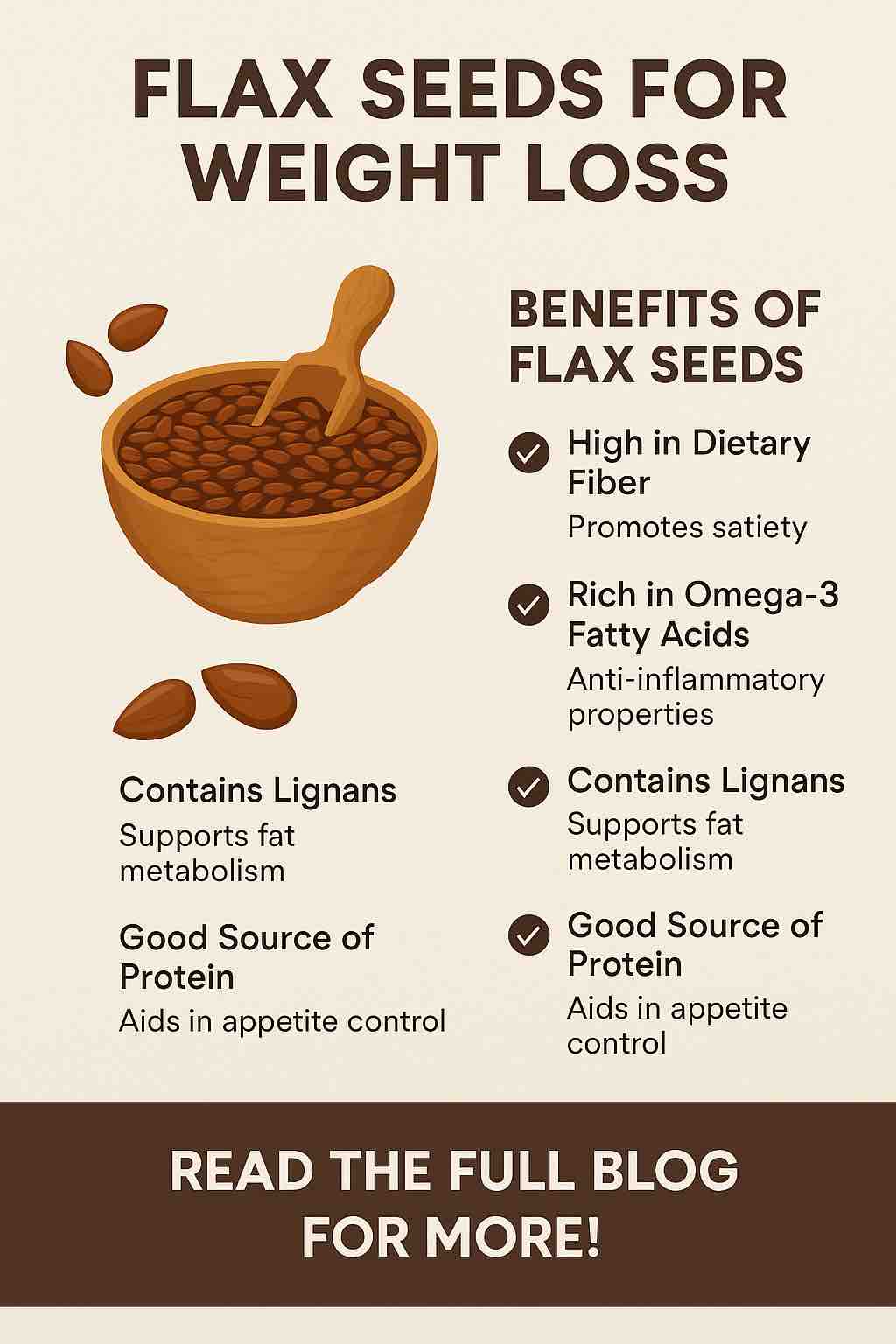
FLAX SEEDS FOR WEIGHT LOSS

In the ever-evolving world of wellness and nutrition, flax seeds have carved a niche for themselves as a timeless superfood. From ancient civilizations to modern dietary trends, these tiny, nutty-flavored seeds have remained a staple for those seeking better health. But beyond their impressive resume of nutrients, a growing body of research is highlighting their promising role in weight loss—making them a go-to ingredient for anyone looking to shed extra pounds naturally and sustainably.

In this post, we dive deep into the science, nutritional makeup, benefits, usage tips, and precautions around flax seeds—giving you everything you need to make them a meaningful part of your weight management journey.


🌱 What Are Flax Seeds? A Brief Overview

Flax seeds come from the flax plant (Linum usitatissimum) and have been cultivated for over 5,000 years. Historically used for their fibers and oil, it’s the nutritional profile of the seeds that has attracted scientific and consumer interest in recent decades.

Flax seeds are available in whole, ground (milled), or oil forms, and each form has unique health benefits. For weight loss, ground flax seeds are particularly effective due to their fiber content and digestibility.


🔬 The Science Behind Flax Seeds and Weight Loss

1. High in Dietary Fiber

One tablespoon of ground flaxseed contains around 2 grams of soluble and insoluble fiber. Fiber helps:

  • Increase satiety (the feeling of fullness), reducing overall calorie intake.
  • Stabilize blood sugar levels by slowing the absorption of glucose.
  • Support gut health, which is increasingly linked to healthy weight management.

📌 Clinical Evidence: A meta-analysis published in Obesity Reviews concluded that flaxseed supplementation led to a significant reduction in body weight, waist circumference, and BMI—especially in people with a BMI over 27.

2. Rich in Omega-3 Fatty Acids

Flax seeds are the richest plant-based source of alpha-linolenic acid (ALA), a type of omega-3 fatty acid.

  • Omega-3s are known for their anti-inflammatory effects, which can improve metabolic efficiency and reduce fat storage.
  • They may also help regulate hormones that influence appetite and fat metabolism.

3. Packed with Plant-Based Protein

With about 1.3 grams of protein per tablespoon, flax seeds add a protein boost to meals—important for:

  • Preserving lean muscle mass during weight loss.
  • Reducing hunger hormones like ghrelin.

4. Lignans: Antioxidants with Hormonal Balance

Flax seeds are a top source of lignans, a class of polyphenols with antioxidant properties.

  • Lignans may influence fat metabolism and insulin sensitivity.
  • They also support hormonal balance, which is crucial for fat storage regulation, particularly in women.

🥣 How to Incorporate Flax Seeds into Your Diet

🌄 1. Flaxseed Tea for Metabolic Boost

Boil a teaspoon of ground flaxseed in water, strain, and add cinnamon, lemon, or honey. This soothing tea can help control appetite and improve digestion.

🥛 2. Add to Smoothies

Toss a tablespoon of ground flaxseed into your morning smoothie for added fiber and omega-3s. It blends well with berries, bananas, and plant-based milk.

🍶 3. Mix into Yogurt or Oats

Flaxseed adds a nutty texture and fiber boost to your breakfast bowl. Mix into Greek yogurt or overnight oats for a satisfying meal.

🍞 4. Baking and Cooking

Use flaxseed meal in muffins, pancakes, or breads. It can also serve as a vegan egg substitute:

Flax Egg: 1 tbsp ground flaxseed + 3 tbsp water = 1 egg

🍲 5. Sprinkle Over Salads and Soups

Ground flaxseed can be added just before serving to enhance the nutritional value of salads, soups, or stir-fries.


When to Eat Flax Seeds for Weight Loss

There’s no strict rule, but morning and midday are excellent times, as they:

  • Help stabilize blood sugar early in the day.
  • Keep you feeling fuller longer between meals.
  • Support digestion and bowel regularity.

💡 Tip: Avoid consuming large amounts right before bed, as high fiber can cause bloating for some people.


⚠️ Precautions and Things to Keep in Mind

1. Hydration Is Key

Flax seeds absorb a lot of water. To prevent constipation or digestive discomfort, increase your fluid intake when consuming them.

2. Start Small

Begin with 1 teaspoon a day, then gradually increase to 1–2 tablespoons. Too much fiber too soon can cause bloating or gas.

3. Whole vs. Ground Flaxseed

  • Whole seeds pass through the digestive tract largely undigested.
  • Ground flaxseed offers maximum absorption of nutrients—especially omega-3s and lignans.

4. Medical Conditions

If you’re pregnant, breastfeeding, diabetic, or on blood-thinning medications, consult a healthcare professional before adding flax seeds to your routine.


🧊 Storage Tips

  • Ground flaxseed should be stored in an airtight container in the refrigerator to maintain freshness and prevent oxidation.
  • Flaxseed oil should be kept in a dark, cool place, ideally refrigerated.

Final Thoughts: Is Flaxseed Right for Your Weight Loss Plan?

Flax seeds are more than just a trendy health food—they’re a scientifically-backed, nutrient-dense powerhouse that can support sustainable weight loss when combined with a balanced diet and regular exercise. Their high fiber, healthy fat, and antioxidant content make them a smart addition for those seeking natural ways to manage appetite, improve digestion, and support metabolism.

🌟 Small Seed. Big Impact.

Whether stirred into your morning smoothie or baked into your favorite muffin, flax seeds offer a simple yet potent way to align your nutrition with your weight loss goals.


Have you tried flax seeds in your diet? Share your favorite recipes or experiences in the comments below!

🧐 10 FAQs About Flax Seeds for Weight Loss

1. How much flaxseed should I eat daily for weight loss?

Start with 1 teaspoon per day and gradually increase to 1–2 tablespoons. This provides enough fiber and nutrients without overwhelming your digestive system.


2. Is ground flaxseed better than whole flaxseed for weight loss?

Yes. Ground flaxseed is easier to digest and allows your body to absorb key nutrients like omega-3s and lignans. Whole seeds may pass through undigested.


3. Can I eat flax seeds on an empty stomach?

Yes, consuming flax seeds in the morning on an empty stomach can aid digestion and help control appetite throughout the day.


4. Are flax seeds safe to consume every day?

For most people, yes. Daily consumption of 1–2 tablespoons is safe and beneficial. However, consult your doctor if you’re on medication or have a medical condition.


5. Do flax seeds have any side effects?

Excessive intake may cause bloating, gas, or constipation, especially without adequate water. Start slow and hydrate well.


6. Do flax seeds help burn belly fat?

While flax seeds won’t target fat in a specific area, their fiber and omega-3 content can reduce inflammation, improve metabolism, and promote overall fat loss—including around the abdomen.


7. Can I use flaxseed oil for weight loss?

Flaxseed oil contains omega-3s but lacks fiber. It’s beneficial, but for weight loss, ground flaxseed is more effective due to its high fiber content.


8. What’s the best time to eat flax seeds?

Morning or midday is ideal. These times support satiety and stable energy levels. Avoid late-night consumption if you’re prone to digestive issues.


9. Are flax seeds keto- or vegan-friendly?

Yes, flax seeds are both keto- and vegan-friendly. They’re low in carbs and rich in healthy fats and plant-based protein.


10. Can I cook or bake with flax seeds without losing nutrients?

Baking at moderate temperatures is safe. While some omega-3s degrade with heat, the fiber and lignans remain intact, so baked goods still offer benefits.

Posted on Leave a comment

Unwind and Drift Away: 5 Lemon Verbena & Spearmint Herbal Tea Recipes for Tranquil Sleep

Can Lemon Verbena & Spearmint Tea Help You Sleep Better?

Do you find yourself tossing and turning at night, struggling to calm your racing mind or relax your body? You’re not alone. In our hyperconnected world, restful sleep often eludes even the most disciplined among us. But what if the key to a deeper, more peaceful slumber lies in something as simple as a cup of herbal tea?

Today, we’re exploring two aromatic powerhouses—lemon verbena and spearmint—that, when combined, offer a soothing, natural path to better sleep. Backed by both tradition and science, these herbs bring more than just great flavor to your evening ritual—they bring restoration.

🌿 Why Herbal Teas for Sleep?

Herbal teas have long been used as gentle remedies for calming the mind and easing the body into rest. Unlike pharmaceutical sleep aids, which can be habit-forming or leave you groggy, herbal infusions tend to work in harmony with the body’s natural rhythms. They can support sleep onset, quality, and duration—without side effects.

Two herbs in particular—lemon verbena and spearmint—stand out not just for their delightful flavor profiles, but for their science-backed benefits in promoting relaxation and restful sleep.


🍋 Lemon Verbena: The Sleep-Supporting Citrus Wonder

Lemon verbena (Aloysia citrodora) is a lemon-scented herb native to South America. Revered for its uplifting aroma and calming effects, it has been used in traditional medicine to ease anxiety, digestive discomfort, and insomnia.

🌿 What the Science Says:

In 2024, a double-blind, placebo-controlled clinical trial studied 71 adults with mild sleep disturbances. The participants took 400 mg of RelaxPLX, a lemon verbena extract, daily for 90 days.

Key findings:

  • Sleep quality significantly improved as measured by the Pittsburgh Sleep Quality Index (PSQI).
  • Melatonin levels increased by 14% in participants taking lemon verbena, helping regulate the sleep-wake cycle.
  • Participants reported falling asleep faster and waking up less during the night.

This effect is believed to stem from lemon verbena’s rich polyphenol content, especially verbascoside, which appears to interact with GABA receptors in the brain—similar to how anti-anxiety medications work, but gently and naturally.

Other benefits: Lemon verbena is also a mild digestive aid and anti-inflammatory, which can further enhance sleep by reducing physical discomfort.


🌱 Spearmint: A Cooling Calm for the Nervous System

Spearmint (Mentha spicata) is another soothing herb often used in bedtime teas. With its sweet, minty taste and refreshing aroma, spearmint is more than just a flavor enhancer—it plays a role in mental and physical relaxation.

🌿 Traditional Use and Current Understanding:

While scientific studies specifically linking spearmint to improved sleep are still limited, spearmint is widely used for its:

  • Mild sedative effects: Menthol, a key compound in spearmint, can produce a cooling sensation that helps calm nerves and muscles.
  • Digestive support: Spearmint helps relieve bloating and indigestion, which can otherwise disrupt sleep.
  • Stress reduction: The scent of spearmint has been shown to lower perceived stress and promote a relaxed state, ideal for transitioning into rest.

Spearmint also blends beautifully with lemon verbena, creating a tea that is not just functional but delicious.


☕ 5 Soothing Lemon Verbena and Spearmint Recipes for Better Sleep

Ready to put these powerful herbs to work? Here are five creative and calming ways to incorporate lemon verbena and spearmint into your nighttime ritual:

1. Classic Lemon Verbena-Spearmint Tea

  • 1 tsp dried lemon verbena
  • 1 tsp dried spearmint
  • 1 cup boiling water

Steep for 5–7 minutes, strain, and enjoy warm before bed. Simple, fragrant, and effective.


2. Serene Sleep Herbal Elixir

  • 1 tbsp lemon verbena
  • 1 tbsp spearmint
  • 1 tbsp chamomile flowers
  • 1 tsp lavender buds

Mix and store in an airtight container. Steep 1–2 tsp of the blend in hot water for 10 minutes. This floral, calming blend is ideal for nights when anxiety is keeping you awake.


3. Lemon Verbena-Spearmint Iced Tea Cooler

  • 2 tsp each of lemon verbena and spearmint
  • 1 cup hot water
  • Fresh lemon juice (optional)
  • Ice cubes

Steep, cool, and serve over ice with a splash of lemon. A relaxing way to wind down after a hot day, especially in summer.


4. DIY Sleep Balm (Aromatic Topical Aid)

  • 1 tbsp beeswax pellets
  • 2 tbsp coconut oil
  • 10 drops lemon verbena essential oil
  • 10 drops spearmint essential oil

Melt beeswax in a double boiler, stir in coconut oil, and then add the essential oils. Let cool and solidify. Rub a small amount on your wrists, temples, or neck before bed for an aromatic, grounding experience.


5. Lemon Verbena-Spearmint Sleep Potpourri

Combine:

  • 1 tbsp dried lemon verbena
  • 1 tbsp dried spearmint
  • 2–3 drops of each essential oil

Place in a sachet near your pillow or on your nightstand. As you breathe in the calming scents, your body will naturally begin to unwind.


🌙 Building a Bedtime Ritual with Herbs

Creating a sleep-friendly environment is about more than just drinking a cup of tea—it’s about building a consistent ritual that signals to your body it’s time to slow down. A warm cup of lemon verbena and spearmint tea can become the anchor of that ritual, supported by low lighting, relaxing music, and quiet reflection.

Consistency is key. Herbal remedies typically work best over time, so try to incorporate these teas or balms into your routine nightly for several weeks.


💬 Final Thoughts: Let Nature Guide You to Sleep

As the latest research continues to affirm what herbalists have known for centuries, it’s clear that the path to peaceful sleep doesn’t have to be paved with prescriptions. With lemon verbena and spearmint, you have nature’s gentle remedy at your fingertips—fragrant, flavorful, and effective.

So tonight, steep yourself a cup. Inhale deeply. Sip slowly. Let the herbs work their quiet magic as you ease into rest.

Sweet dreams. 🌿💤

💤 FAQs: Lemon Verbena & Spearmint for Better Sleep

1. Can lemon verbena really help me sleep better?

Yes. A 2024 clinical study confirmed that lemon verbena extract (400 mg/day) improved sleep quality, reduced sleep latency (time to fall asleep), and increased melatonin levels. It works by calming the nervous system, partly through GABA receptor modulation.


2. Is spearmint effective for sleep or just flavor?

While spearmint hasn’t been studied as directly for sleep as lemon verbena, it has traditional use in reducing stress and tension. Its cooling menthol content can promote relaxation, relieve digestive discomfort, and complement other calming herbs in sleep blends.


3. Can I drink lemon verbena and spearmint tea every night?

Absolutely. Both herbs are gentle and non-habit forming. A nightly cup can become part of a healthy, consistent bedtime routine. If you’re pregnant or on medication, check with your healthcare provider first.


4. When should I drink herbal tea for best sleep results?

For optimal effect, drink your lemon verbena-spearmint tea 30 to 60 minutes before bed. This gives your body time to absorb the herbs and ease into relaxation.


5. Can I mix these herbs with other ingredients like chamomile or lavender?

Yes. Lemon verbena and spearmint pair well with other calming herbs like chamomile, lavender, passionflower, or lemon balm, creating synergistic blends that enhance relaxation and promote better sleep.


6. Are there any side effects or precautions?

Both herbs are generally safe in moderate amounts. However:

  • Lemon verbena may cause irritation in very high doses for some people.
  • Spearmint should be used cautiously by those with acid reflux, as it may relax the esophageal sphincter.
    Always consult a doctor if you’re pregnant, nursing, or on medications.

7. Can I use fresh herbs instead of dried?

Yes. Fresh herbs can be even more aromatic. Use 2–3 times more fresh herb than dried when making tea (e.g., 2–3 tsp fresh instead of 1 tsp dried).


8. Where can I buy lemon verbena and spearmint?

You can find both dried and fresh versions at health food stores, herbal apothecaries, online retailers (like Mountain Rose Herbs, Starwest Botanicals), or even grow them in your garden or on a windowsill.


9. What’s the difference between lemon verbena and lemon balm?

Though they share a lemony aroma and are both calming herbs, lemon verbena is more citrusy and uplifting, while lemon balm (Melissa officinalis) has a milder, more sedative effect. They can be used together or interchangeably depending on flavor and effect preference.


10. How long until I notice the benefits?

Some people feel calmer after just one cup. However, the most noticeable sleep improvements tend to come with consistent use over 2–4 weeks, especially with lemon verbena, which has been shown to work best over time.

Posted on Leave a comment

Unlocking the Power of Apple Skin: Exploring the Hidden Benefits for Health and Beauty

Benefits of Eating Apple Skin

When it comes to apples, we often hear the phrase: “An apple a day keeps the doctor away.” But what if we told you that the real power of the apple lies in something most people throw away — the skin?

In a world where superfoods and miracle beauty treatments abound, apple skin stands out as a humble yet potent source of nutrients, antioxidants, and bioactive compounds that can transform both your health and appearance. Backed by emerging scientific research and traditional wisdom, this often-discarded peel deserves a spotlight in your wellness routine.

Let’s peel back the layers (pun intended) and explore why eating apples with the skin is one of the simplest yet most effective health decisions you can make.


🍎 1. The Nutritional Powerhouse You’re Ignoring

Apple skin is a concentrated source of nutrients, containing a rich blend of:

  • Antioxidants: Especially quercetin, catechin, chlorogenic acid, and phloridzin
  • Dietary Fiber: Nearly half of an apple’s total fiber content is in the skin
  • Vitamins and Minerals: Including vitamin C, potassium, and small amounts of vitamin A and K
  • Phytochemicals and Polyphenols: Essential for protecting against inflammation and disease

These compounds are significantly more concentrated in the skin than the flesh — in some cases up to 4 to 6 times more!


🧬 2. Antioxidants: Nature’s Anti-Aging Arsenal

According to a 2024 study published in Frontiers in Nutrition, the antioxidants in apple skin, especially quercetin, play a major role in fighting oxidative stress — a key driver of aging, cellular damage, and chronic diseases. These antioxidants:

  • Neutralize free radicals that accelerate skin aging
  • Reduce inflammation, a root cause of many diseases
  • Support the body’s natural detoxification processes

For your skin, this means fewer wrinkles, improved elasticity, and a more radiant complexion.


💪 3. Ursolic Acid: The Muscle-Boosting, Fat-Burning Miracle

Among the most exciting discoveries is ursolic acid, a compound found in high concentrations in apple peel. Recent research from 2025, featured in iScience, showed that when ursolic acid was combined with mistletoe extract, it significantly improved:

  • Muscle strength
  • Endurance
  • Fat metabolism

In animal studies, this combination enhanced running time and reduced muscle fatigue, showing promise for both fitness enthusiasts and older adults seeking to maintain muscle mass.

Ursolic acid also increases brown fat, a type of fat that burns calories — making it a potential ally in the fight against obesity and metabolic diseases.


❤️ 4. Cardiovascular Health: An Apple Skin a Day Keeps the Cardiologist Away

Flavonoids and polyphenols in apple skin support heart health by:

  • Lowering bad cholesterol (LDL)
  • Reducing blood pressure
  • Improving arterial elasticity
  • Decreasing C-reactive protein (CRP) — a key marker of inflammation

A meta-analysis cited by NutritionFacts.org found that flavonoid intake from apple skins is associated with a lower risk of heart disease and stroke. Apple skin isn’t just good for your heart — it’s protective.


🌱 5. Glowing Skin from the Inside Out

Beauty truly starts from within, and apple skin is proof. Its rich blend of nutrients enhances:

  • Skin hydration
  • Collagen formation
  • UV protection, thanks to photoprotective compounds like quercetin

A 2024 feature in Verywell Health noted that regular apple consumption improved skin elasticity and reduced signs of aging among participants in a 12-week study. Apple peel essentially acts as a natural beauty supplement — but without the pills.


🦠 6. Gut Health & Immunity: A Prebiotic in Disguise

Apple skin contains pectin, a type of soluble fiber that nourishes good gut bacteria. Combined with polyphenols, it helps:

  • Balance gut microbiota
  • Improve digestion
  • Support the immune system
  • Reduce the risk of colorectal cancer

A healthy gut is linked to everything from mood regulation to skin clarity — another reason to keep the peel on.


⚖️ 7. Weight Management Made Easy

With its ability to:

  • Stabilize blood sugar
  • Promote satiety (feeling full longer)
  • Increase calorie-burning brown fat

Apple skin may help with weight management without restrictive dieting. It’s a small change — but with cumulative impact.


⚠️ A Word on Pesticides: Should You Worry?

One valid concern is pesticide residue on apple skin. Studies show that washing fruit does not always remove all chemicals, especially those absorbed into the peel. Here’s how to protect yourself without missing out:

  • Choose organic apples when possible
  • Wash thoroughly with a baking soda soak or vinegar rinse
  • Use a soft brush to scrub the surface

The benefits of apple skin far outweigh the risks when proper cleaning methods are used.


🥗 How to Incorporate Apple Skin into Your Routine

Want to get started? Try these:

  • Eat raw apples with the peel intact
  • Blend whole apples into smoothies
  • Bake chips using apple peels with cinnamon
  • Add to salads, oatmeal, or muffins
  • Simmer peels into detox teas or flavored water

The key is consistency — one apple a day, skin on, can create visible changes over time.


🧠 Final Thoughts: A Simple Habit with Profound Impact

The next time you bite into an apple, don’t strip away its most potent part. Apple skin is not waste — it’s medicine, skincare, fitness fuel, and preventive health rolled into one.

It’s time to rethink how we consume this everyday fruit and give its peel the credit it deserves.


Your Wellness Challenge

For the next 7 days, try eating at least one apple with the skin on. Track how you feel — your digestion, energy, skin, and mood. You might just unlock a surprising transformation.

FAQs: Unlocking the Power of Apple Skin

1. Is apple skin really healthier than the apple flesh?
Yes. Apple skin contains significantly higher concentrations of antioxidants, fiber, and bioactive compounds like quercetin and ursolic acid compared to the flesh. These nutrients provide extra health benefits, including improved heart health, better digestion, and enhanced skin vitality.

2. Can eating apple skin help with weight loss?
Apple skin’s fiber content helps you feel full longer and slows sugar absorption, which supports weight management. Ursolic acid in the skin may also boost metabolism by increasing muscle mass and calorie-burning brown fat, making it helpful for fat loss.

3. Are there any risks of pesticide residues on apple skin?
Yes, apple skin can carry pesticide residues. To reduce this risk, choose organic apples when possible and wash conventionally grown apples thoroughly using a baking soda or vinegar soak and a brush. Peeling reduces nutrients, so cleaning well is the best option.

4. How does apple skin benefit skin health?
Apple skin is rich in antioxidants like quercetin that protect skin cells from UV damage and oxidative stress, helping reduce wrinkles, improve elasticity, and promote hydration, giving a youthful glow from the inside out.

5. Can apple skin help with heart health?
Absolutely. The flavonoids and polyphenols in apple skin help lower LDL cholesterol, reduce inflammation, improve blood vessel function, and reduce blood pressure, all of which support cardiovascular health.

6. Is it okay to eat apple skin if I have digestive issues?
Generally yes, since apple skin contains fiber that supports gut health and promotes beneficial bacteria. However, for people with certain digestive conditions like diverticulitis or irritable bowel syndrome, it’s best to consult a healthcare professional first.

7. What is ursolic acid, and why is it important?
Ursolic acid is a natural compound in apple peel linked to increased muscle strength, endurance, and fat metabolism. It also has anti-inflammatory and anti-cancer properties, making apple skin a valuable addition for overall metabolic health.

8. Can children eat apple skin safely?
Yes, apple skin is safe for children as long as the apples are washed properly. It’s a great source of fiber and antioxidants that support their growing bodies and immune systems.

9. What is the best way to clean apples before eating the skin?
Use a solution of water with baking soda (about 1 teaspoon baking soda per 2 cups water) to soak apples for 12-15 minutes, then scrub gently with a brush and rinse thoroughly. Vinegar solutions can also be effective.

10. Can I use apple skin in cooking or beauty treatments?
Yes! Apple skins can be baked into chips, added to smoothies, or used in baked goods. They also can be simmered to create toners or infused waters with antioxidant properties for skin benefits.

Posted on Leave a comment

Orange Juice for Cold and Flu: 5 Reasons to Keep It Handy

Orange Juice for Cold and Flu: 5 Reasons to Keep It Handy

When the sniffles start, your throat goes scratchy, and you’re buried under a pile of tissues, chances are you’ve reached for a glass of orange juice—maybe even before the thermometer confirmed your suspicion. It’s more than just comfort in a cup; orange juice has long been a cold and flu season staple. But the real power lies not in the store-bought cartons, but in the fresh, homemade version squeezed straight from the fruit.

Why? Because fresh orange juice isn’t just nostalgic—it’s a nutrient-rich elixir that supports your immune system, hydrates your body, and soothes in all the right ways (when taken with care). Let’s explore the top 5 compelling reasons to keep homemade orange juice handy when cold and flu strike.


🛡️ 1. Immune Defense Starts with Vitamin C—And Fresh Juice Has It All

Homemade orange juice is one of the richest natural sources of vitamin C, a powerful antioxidant known to support your immune system at multiple levels. This essential nutrient helps:

  • Boost the function and activity of white blood cells
  • Shorten the duration and intensity of colds
  • Protect against oxidative stress caused by infection

And while vitamin C might not prevent colds outright, regular intake is strongly associated with less severe symptoms and quicker recovery.

🧠 Science Backs It Up: Studies have shown that vitamin C supplementation can reduce cold duration by up to 14% in children and 8% in adults. Fresh juice delivers this vitamin in its most natural and bioavailable form.

Fresh-squeezed juice retains far more vitamin C than pasteurized, packaged versions. In fact, vitamin C begins to degrade soon after juicing, so drinking it immediately after squeezing gives you maximum benefit.


💧 2. Natural Hydration with Electrolyte Support

One of the most overlooked but critical elements of flu and cold recovery is hydration. Fevers, sweating, and nasal congestion can all dehydrate your body, making symptoms feel worse and slowing recovery.

Homemade orange juice doesn’t just taste refreshing—it helps replenish lost fluids and includes electrolytes like:

  • Potassium, which helps maintain fluid balance
  • Magnesium, for muscle function and overall immune support

Unlike sugary sodas or flavored waters, fresh juice hydrates while nourishing, giving your immune system a better environment to do its job.


🍊 3. A Powerful Dose of Natural Antioxidants and Anti-Inflammatories

Oranges are packed with bioactive compounds that have shown immune-modulating and anti-inflammatory effects:

  • Hesperidin and naringenin: Flavonoids found in oranges that may inhibit viral replication and reduce inflammation.
  • Carotenoids: These plant pigments act as antioxidants and help reduce oxidative stress caused by infection.
  • Ascorbic acid (Vitamin C): Not just a vitamin, it’s a frontline antioxidant.

These phytonutrients are most potent in fresh oranges and degrade significantly in commercial juice due to pasteurization and storage. With homemade juice, you get these benefits in their raw, unaltered form.


😌 4. Soothing and Easy on the Body When Appetite Is Low

Let’s be honest: when you’re sick, food becomes unappealing. Between a sore throat, congestion, fatigue, and possible nausea, eating solid meals might feel like a challenge. That’s where orange juice shines.

  • It’s light on the stomach
  • Delivers calories, natural sugars, and micronutrients
  • Provides a sense of comfort and refreshment without effort

Fresh orange juice is a great way to get energy and nutrients when eating is difficult, especially in the early days of a cold or flu when your body is focused on fighting the infection.

⚠️ Gentle Reminder: If your throat is severely sore or sensitive to acidity, consider diluting the juice slightly with warm (not hot) water or sipping in small amounts to avoid irritation.


🧃 5. Homemade Means Full Control and No Hidden Ingredients

Here’s a simple truth: when it comes to orange juice, not all glasses are created equal. Commercial juices—even those labeled “100%”—may contain:

  • Pasteurized contents with lower vitamin levels
  • Flavor packs or essences to mimic “fresh” taste
  • No dietary fiber
  • High sugar concentrations (even natural sugar can spike blood glucose)

By making your own juice at home, you:

  • Control the source (use ripe, high-quality oranges)
  • Consume it fresh, when nutrients are most potent
  • Avoid hidden additives and excessive sugars

It’s a cleaner, more honest product that your body can trust—especially when it’s vulnerable.


📝 Pro Tips for Using Orange Juice During Cold & Flu

  • Use ripe oranges with thin skins for maximum juice and flavor.
  • Drink immediately after squeezing to preserve vitamin C.
  • Avoid adding sugar or salt—the fruit has all the flavor and sweetness you need.
  • If concerned about acidity, try mixing with a bit of carrot juice or warm water to soften the taste.
  • Always pair with plenty of water, warm soups, and rest for best results.

✨ Final Thoughts: The Classic Remedy Reinvented—Naturally

Homemade orange juice isn’t a magic bullet—but it is a valuable ally in your recovery toolkit. It hydrates, nourishes, soothes, and supports your immune system—all in one bright, citrusy glass.

When cold or flu hits, skip the prepackaged stuff and grab a few fresh oranges. Your body will thank you with better resilience, faster recovery, and a bit of citrus-powered comfort that tastes like hope.


💡 Quick Recap: Why Homemade Orange Juice Belongs in Your Cold & Flu Toolkit

  1. High in Vitamin C – Boosts immune response
  2. Hydrating + Electrolytes – Replenishes fluids naturally
  3. Loaded with Natural Antioxidants – Anti-inflammatory & immune-supportive
  4. Gentle & Nutritive – Great when you’re not eating much
  5. Pure and Customizable – No additives, full control

10 FAQs About Orange Juice for Cold and Flu


1. Can orange juice cure a cold or the flu?
No, orange juice cannot cure a cold or flu. However, its high vitamin C and antioxidant content can support the immune system, potentially helping to reduce symptom severity and recovery time when consumed regularly as part of a balanced diet.


2. Is it better to drink orange juice when you’re sick or before you get sick?
Both. Regular intake of vitamin C before falling ill can help boost immunity. During illness, orange juice helps replenish fluids and nutrients when appetite is low and the body is fighting infection.


3. How much orange juice should I drink when I have a cold or flu?
A moderate amount—1 small glass (about 6–8 ounces) once or twice a day—is generally sufficient. Drinking too much may lead to sugar overload or stomach irritation due to the acidity.


4. What type of orange juice is best: fresh, bottled, or from concentrate?
Freshly squeezed (homemade) is best. It retains the highest levels of vitamin C and antioxidants and has no added sugars, preservatives, or flavor packs. Bottled or reconstituted juices are often pasteurized, which reduces nutrient levels.


5. Is orange juice too acidic if I have a sore throat or stomach upset?
It can be. If the acidity causes irritation, dilute it with warm water or drink in small sips. You can also pair it with non-acidic juices like carrot or cucumber for a gentler blend.


6. Does orange juice help with fever symptoms?
Indirectly, yes. Orange juice helps rehydrate the body, and the potassium it contains can support electrolyte balance, which is helpful when experiencing fever-related fluid loss.


7. Can I give orange juice to children with a cold or flu?
Yes, in moderation and depending on their age. For children over 1 year, small amounts of fresh juice can help with hydration and nutrient intake. Avoid giving large quantities due to the natural sugars and acidity.


8. What are signs that orange juice may be irritating my system?
Watch for:

  • Increased throat soreness
  • Stomach bloating or acid reflux
  • Loose stools, especially in children

If these occur, it’s best to reduce or stop intake and opt for less acidic fluids.


9. What’s the best time of day to drink orange juice when sick?
Morning or early afternoon is ideal. It provides an early immune boost and energy for the day. Avoid late-night intake as the natural sugars and acidity may disrupt sleep or digestion.


10. Can I mix orange juice with other ingredients to enhance its effects?
Yes. You can blend it with:

  • Carrot juice (for beta-carotene)
  • Ginger or turmeric (anti-inflammatory)
  • Warm water and honey (for sore throat)
    These combinations add immune benefits while balancing the acidity.