
Posted on Leave a comment

Sprouted Fenugreek: Unlocking the Nutritional Power

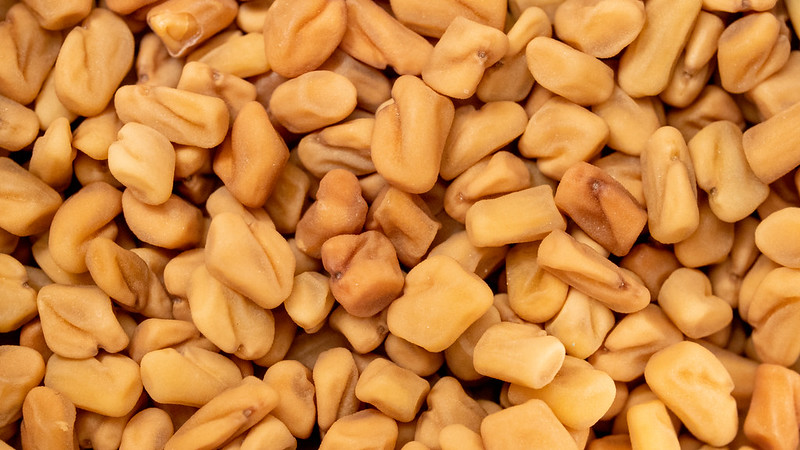
Sprouted fenugreek, also known as methi sprouts, is a powerhouse of nutrients that offers numerous health benefits. In this detailed blog post, we’ll dive deeper into the nutritional profile of sprouted fenugreek, explore its potential health advantages, discuss the sprouting process in more detail, and provide additional tips on incorporating these sprouts into your diet. Get ready to discover the remarkable potential of sprouted fenugreek for your overall health and well-being! 🌿💪

💪 Exploring the Nutritional Power of Sprouted Fenugreek: Sprouted fenugreek seeds undergo a transformative process that significantly enhances their nutritional content. Here’s a closer look at the key nutrients found in sprouted fenugreek:

🌿 Vitamins: Sprouted fenugreek is a rich source of vitamins, including vitamin C, vitamin K, vitamin A, and various B vitamins such as folate, thiamine, and riboflavin. These vitamins play vital roles in immune function, energy metabolism, bone health, and cellular processes.

💪 Minerals: Sprouted fenugreek contains essential minerals like iron, magnesium, manganese, phosphorus, and potassium. These minerals are involved in various physiological functions, such as red blood cell production, muscle function, bone health, and electrolyte balance.

🌿 Antioxidants: Sprouted fenugreek boasts high levels of antioxidants, including flavonoids, polyphenols, and other potent compounds. Antioxidants help protect the body against harmful free radicals, reduce oxidative stress, and combat inflammation, thus supporting overall health and reducing the risk of chronic diseases.

💪 Dietary Fiber: Sprouted fenugreek is a good source of dietary fiber, which aids digestion, promotes satiety, and helps maintain healthy blood sugar levels. Fiber also supports gut health by nourishing beneficial gut bacteria.

🌿 Protein: Sprouted fenugreek is a plant-based protein source, containing essential amino acids necessary for muscle growth, repair, and overall tissue health. Protein is also important for maintaining healthy skin, hair, and nails.

💪 Enzymes: During the sprouting process, enzymes are activated in fenugreek seeds, increasing their bioavailability and aiding in digestion. Enzymes play a crucial role in breaking down macronutrients and facilitating nutrient absorption.

🌿 Promoting Digestive Health: The fiber content in sprouted fenugreek promotes regular bowel movements, alleviates constipation, and supports a healthy digestive system. It also contributes to a feeling of fullness, aiding in weight management.

💪 Boosting Immune Function: The combination of vitamins, minerals, and antioxidants in sprouted fenugreek helps strengthen the immune system, supporting the body’s defense against infections and diseases.

🌿 Reducing Inflammation: The potent antioxidant and anti-inflammatory properties of sprouted fenugreek may help reduce inflammation in the body, which is associated with various chronic conditions, including cardiovascular disease, diabetes, and certain cancers.

💪 How to Sprout Fenugreek Seeds: To sprout fenugreek seeds at home, follow these step-by-step instructions:

  1. Soaking: Rinse fenugreek seeds thoroughly and soak them in a bowl of water overnight or for at least 8-12 hours.
  2. Draining and Rinsing: After soaking, drain the water and rinse the seeds well under running water to remove any residue.
  3. Sprouting: Transfer the seeds to a sprouting jar or a container lined with a mesh or cheesecloth. Spread them out evenly, ensuring there is enough space for air circulation.
  4. Rinsing and Draining: Rinse the seeds twice a day, ideally in the morning and evening, by adding water to the container, swirling it around, and draining it thoroughly.
  5. Sprouting Time: Continue the rinsing and draining process for approximately 3-4 days or until the sprouts reach the desired length. Ensure that the sprouts are kept moist but not soaked.
  6. Harvesting and Storing: Once the sprouts have reached the desired length, rinse them one final time and gently pat them dry. Store the sprouts in a clean, airtight container in the refrigerator for up to a week.

🌿💡 Tips for Incorporating Sprouted Fenugreek into Your Diet: Now that you have your fresh sprouted fenugreek ready, here are some creative ways to include them in your meals:

  1. Salads: Add a handful of sprouted fenugreek to your favorite salads for an added crunch and a mild, nutty flavor.
  2. Smoothies: Blend sprouted fenugreek into your smoothies along with other fruits, vegetables, and plant-based milk for a nutritious and energizing boost.
  3. Stir-fries and Curries: Toss sprouted fenugreek into stir-fries, curries, or sauté them with vegetables to add a unique texture and taste.
  4. Sandwiches and Wraps: Sprouted fenugreek can be used as a filling or topping for sandwiches and wraps, providing a nutritious punch.
  5. Soups and Stews: Add sprouted fenugreek during the final stages of cooking soups and stews to retain their crunchiness and introduce an extra layer of flavor.

Remember to wash the sprouts thoroughly before consumption and enjoy them as part of a balanced diet.

🌿💪 While sprouted fenugreek offers a range of potential health benefits, individual responses may vary. It’s always best to consult with a healthcare professional or registered dietitian before making significant changes to your diet, especially if you have underlying health conditions or are on medication.

Blog tags: Sprouted Fenugreek, Methi Sprouts, Nutritional Power, Vitamins, Minerals, Antioxidants, Dietary Fiber, Protein, Enzymes, Digestive Health, Boosting Immune Function, Reducing Inflammation, Sprouting Process, Salads, Smoothies, Stir-fries, Curries, Sandwiches, Wraps, Soups, Stews.


Posted on Leave a comment

The Rise of Plant-Based Sandwiches: A Delicious and Sustainable Alternative

crop woman with sandwich in hands

In recent years, there has been a remarkable surge in the popularity of plant-based diets, driven by the desire for healthier, more sustainable, and ethically conscious food choices. This dietary shift has also had a profound impact on the sandwich industry, as more and more individuals are embracing plant-based alternatives. Let’s explore the benefits of choosing plant-based ingredients for sandwiches, discover some delicious and creative plant-based sandwich recipes, and learn practical tips for incorporating more plant-based options into your sandwich routine.

Benefits of choosing plant-based ingredients for sandwiches

Opting for plant-based ingredients in your sandwiches brings a host of advantages that extend beyond personal health benefits. Firstly, it is a sustainable choice. Plant-based ingredients have a lower environmental footprint compared to animal-based products, contributing to reduced greenhouse gas emissions, land use, and water consumption. By choosing plant-based sandwiches, you actively participate in creating a greener future.

Plant-based diets are also associated with various health benefits

Research suggests that a plant-based approach can reduce the risk of heart disease, lower cholesterol levels, and promote healthy weight management. Moreover, plant-based sandwiches often contain an abundance of vitamins, minerals, and fiber, providing essential nutrients for overall well-being.

Additionally, plant-based sandwiches align with ethical considerations. Many individuals choose this dietary path to support animal welfare, recognizing the importance of transitioning to cruelty-free options that prioritize the well-being of animals.

Examples of delicious and creative plant-based sandwich recipes

Now, let’s tantalize your taste buds with some mouthwatering plant-based sandwich ideas. These recipes showcase the incredible flavors and versatility that plant-based ingredients offer.

  1. Grilled Portobello Mushroom and Smashed Avocado Sandwich:
    • Grilled portobello mushroom caps marinated in balsamic glaze.
    • Smashed avocado with a squeeze of lemon juice, seasoned with salt and pepper.
    • Topped with fresh spinach, sliced tomatoes, and red onion rings on whole grain bread.
  2. BBQ Pulled Jackfruit Sandwich:
    • Young jackfruit simmered in smoky BBQ sauce until tender and “pulled” into strands.
    • Served on a toasted bun with tangy coleslaw and pickles for added crunch and flavor.
  3. Mediterranean Veggie Wrap:
    • Whole wheat tortilla filled with hummus, roasted red peppers, cucumber slices, kalamata olives, and mixed greens.
    • Sprinkle with crumbled feta cheese (optional) and a drizzle of olive oil for a burst of Mediterranean flavor.

Tips for incorporating more plant-based options into your sandwich routine

If you’re looking to embrace plant-based sandwiches more regularly, here are some practical tips to help you on your journey:

  1. Start gradually: Begin by incorporating one or two plant-based sandwiches into your weekly meal plan and gradually increase from there. It allows your palate to adjust and helps you discover new flavors and ingredients at a comfortable pace.
  2. Explore plant-based protein sources: Experiment with legumes like beans, lentils, and chickpeas, or try soy-based products such as tofu or tempeh. These protein-packed alternatives provide satiety and diverse texture options for your sandwiches.
  3. Emphasize variety: Get creative with your vegetable choices by including roasted or grilled options, leafy greens, sprouts, and fresh herbs. This diversity adds vibrant colors, flavors, and essential nutrients to your sandwiches.
  4. Utilize spreads and dressings: Elevate your plant-based sandwiches with delicious spreads and dressings. Try pesto, tahini, vegan mayo, or tangy vinaigrettes to add flavor and moisture.
  5. Be adventurous: Don’t be afraid to think outside the box! Experiment with unique ingredient combinations, textures, and flavors to create your own signature plant-based sandwiches. Consider adding elements like grilled eggplant, caramelized onions, pickled vegetables, or even fruit slices to add a surprising twist.
  1. Get inspired by global cuisines: Explore plant-based sandwiches inspired by various culinary traditions. For example, you can try a falafel pita with tahini sauce for a Middle Eastern flair, or a Vietnamese Banh Mi with marinated tofu, pickled carrots, and fresh herbs for an Asian fusion delight.
  2. Make use of plant-based cheese alternatives: If you enjoy the creaminess of the cheese, experiment with plant-based cheese alternatives made from nuts, soy, or nutritional yeast. These can add a delightful touch to your sandwiches while keeping them dairy-free.
  3. Pack them with nutritious extras: Boost the nutritional content of your plant-based sandwiches by adding fiber-rich ingredients like sprouted grains, seeds (such as chia or flax seeds), or a handful of nutrient-packed leafy greens.

By incorporating these tips, you can embrace the world of plant-based sandwiches with ease and creativity, expanding your culinary horizons while enjoying the benefits of a sustainable, health-conscious diet.

Conclusion

The rise of plant-based sandwiches presents a delicious and sustainable alternative to traditional options. By choosing plant-based ingredients, you contribute to a more environmentally friendly and compassionate food system, while reaping the benefits of improved health and nutrition. Experiment with the exciting range of plant-based sandwich recipes, explore new flavors and enjoy the culinary journey that awaits. Whether you’re a dedicated plant-based enthusiast or simply curious about trying something new, the world of plant-based sandwiches invites you to savor its vibrant, delicious, and conscious creations.







