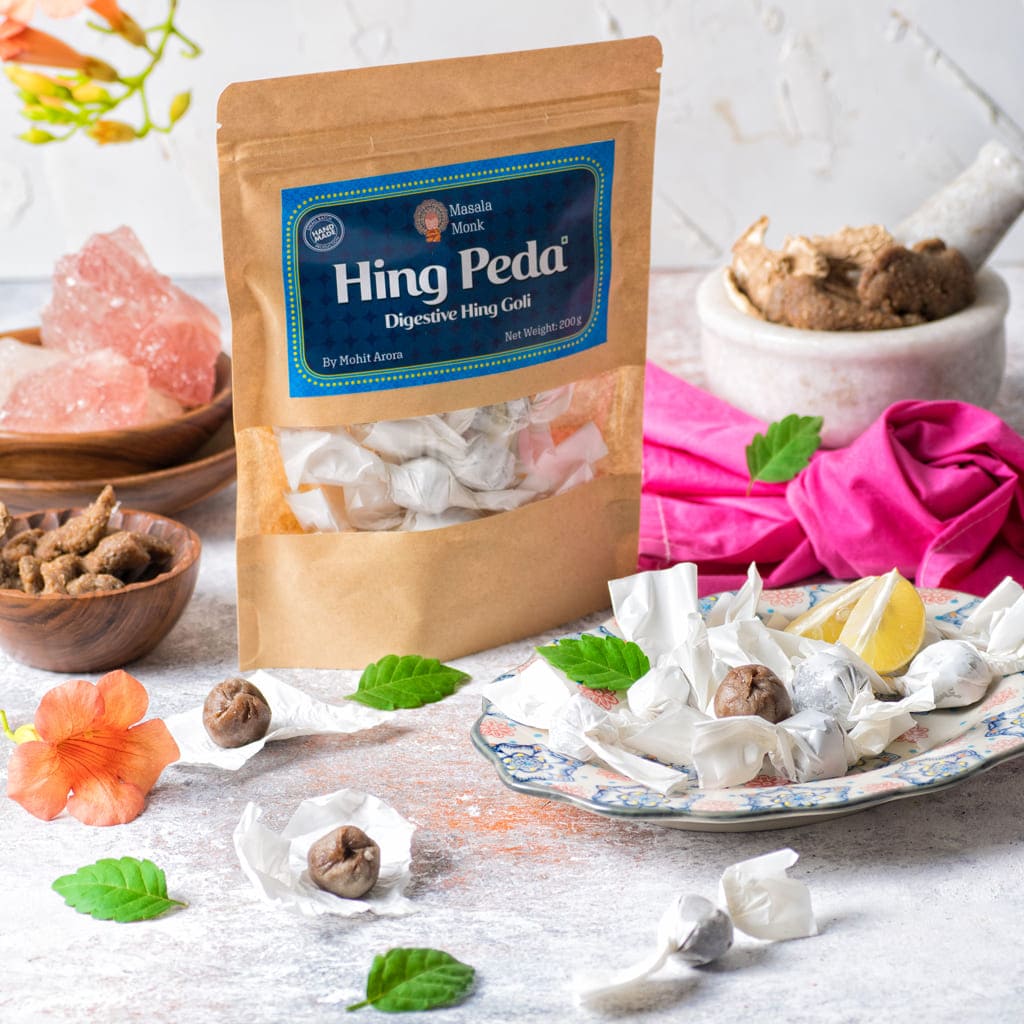
Asafoetida, often known as Hing in India, is a highly treasured spice with a rich history dating back centuries. Derived from the Ferula species, a kind of giant fennel, this spice is well known for its pungent aroma and distinct flavor. It plays an irreplaceable role in Indian cuisine, offering not just taste but also a plethora of health benefits. 🌿🍽️
Extracted from the Ferula plant’s sap, Hing is dried into a resin-like substance which is then crushed into a potent spice. Its robust smell, akin to that of rotting onions or sulfur when raw, often takes people aback. Yet, this powerful aroma mellows down during cooking and infuses dishes with a delightful flavor reminiscent of leeks.
In the world of Ayurveda, asafoetida has been revered for its medicinal properties. From aiding digestion to relieving respiratory conditions, the benefits of Hing go beyond the kitchen, securing its status as a potent health-enhancing tool.
What is Asafoetida? 🤔
Asafoetida, also known as hing, is a dried latex (gum oleoresin) exuded from the rhizome or tap root of several species of Ferula, a perennial herb native to Iran. It’s a staple ingredient in Indian cuisine, known for its strong pungent smell that transforms into a savory, umami-like flavor when cooked.
The name asafoetida is derived from the Persian word aza, for resin, and the Latin foetidus, for stinking. It’s a fitting description for this spice, which has a strong sulfur-like smell when raw. However, don’t let the smell deter you! When added to hot oil or ghee, asafoetida imparts a flavor reminiscent of leeks.
Is Hing Hot or Cold? 🔥❄️
In the world of Ayurveda, foods are believed to have different qualities that can affect the body’s doshas (life forces): Vata, Pitta, and Kapha. Asafoetida, or hing, is considered to have a heating effect on the body. This means it can help balance the Vata and Kapha doshas, which are associated with air and earth/water elements respectively.
Hing is known to stimulate the digestive system, which can generate heat in the body. This makes it a popular remedy for digestive issues like bloating and gas. However, it’s important to note that while hing has a ‘heating’ effect in Ayurvedic terms, it’s not physically hot or cold to the touch.
Asafoetida in Different Languages 🌍
Asafoetida is known by many names around the world, reflecting its widespread use across different cultures. In Malayalam, it’s known as “Kaayam” and in Kannada, it’s called “Ingu”. In Hindi, it’s popularly known as “Hing”. Despite the different names, they all refer to the same pungent, flavor-enhancing spice that’s loved by many.
💫 What is the Indian Name for Asafetida?
In the vast and linguistically diverse landscape of the Indian subcontinent, Asafoetida is most commonly known as “Hing.” This title is widely used in northern parts of India. However, as we traverse the breadth and length of the country, the name morphs according to local dialects – it’s known as “Perungayam” in Tamil, “Kayam” in Malayalam, and “Hingu” in Kannada. Despite the difference in names, the importance of this culinary gem remains consistent, holding a special place in Indian kitchens for its ability to enrich various dishes with a depth of flavor.
💫 What is Asafetida Used For?
Asafetida, or Hing, is a culinary and medicinal powerhouse. Its uses are twofold, catering to both the taste buds and wellbeing. On the culinary front, Hing is a powerful flavor enhancer, used extensively in Indian cuisine. It’s especially favored for seasoning lentils and curries, imparting a pleasing aroma and robust, umami-like flavor. Just a pinch of Hing, when heated in oil or ghee, transforms dishes with its unique taste. 🍛🥘
Yet, the use of Hing isn’t just limited to the Indian kitchen. In the realms of Ayurveda and Unani systems of medicine, Hing is revered for its therapeutic benefits. It has been used traditionally for treating a host of ailments including digestive issues like bloating and indigestion, respiratory conditions like asthma, and menstrual issues. The spice’s potent anti-inflammatory, antioxidant, and antispasmodic properties make it a valuable addition to your health regimen.
Asafoetida Taste 😋
Asafoetida has a unique taste that’s hard to describe. It’s bitter and pungent when raw, but when cooked, it develops a flavor similar to onion and garlic. This transformation is why asafoetida is often used as a substitute for these ingredients in Indian and Middle Eastern cuisine.
Despite its strong flavor, asafoetida is usually used in small quantities. Just a pinch can add a depth of flavor to lentil dishes, curries, and pickles.
How to Use Asafoetida 🍽️
Asafoetida is typically used in powdered form and added to dishes during cooking. It’s often fried in hot oil or ghee at the beginning of the cooking process to mellow out its strong flavor. This process, known as tempering, helps to release the aromatic compounds in the spice and infuse the oil with its flavor.
In Indian cuisine, asafoetida is commonly used in lentil dishes (dals), curries, and pickles. It’s also a key ingredient in sambar, a South Indian lentil soup. Despite its strong flavor, asafoetida should be used sparingly due to its pungent taste.
Can We Drink Hing Water at Night? 🌙
Hing water, also known as hing ka paani, is a popular home remedy for various digestive issues in India. It’s made by dissolving a small amount of hing powder in warm water. Drinking hing water at night can help with indigestion and bloating, and promote a good night’s sleep.
However, it’s always best to consult with a healthcare provider before starting any new health regimen. While hing water is generally safe for most people, it may not be suitable for everyone, especially those with a sensitivity or allergy to asafoetida.
Is Asafoetida Good for Hair? 💇♀️
While asafoetida is primarily known for its culinary uses and health benefits, some people believe it can also benefit hair health. It’s thought to help with dandruff and promote hair growth, but more research is needed to confirm these effects.
In traditional medicine, asafoetida has been used to treat hair problems like split ends and hair loss. It’s believed to strengthen the hair, improve its texture, and promote growth. However, these claims are largely anecdotal and more scientific research is needed to validate them.
💫 Why is Asafoetida Called Devil’s Dung?
Despite its culinary and medicinal significance, asafoetida earned the peculiar nickname “Devil’s Dung” due to its intense and quite unfavorable smell in its raw form. The odor, often likened to the smell of sulfur or rotten eggs, can indeed be a sensory assault, especially for those unfamiliar with the spice. It’s this very strong, pungent smell that led to the naming of asafoetida as “Devil’s Dung.” However, don’t let this eccentric name or the initial whiff fool you! Once heated in oil or ghee, asafoetida’s aroma mellows down dramatically, revealing an intriguingly complex flavor profile that adds depth and uniqueness to any dish it graces.
💫 Why Not To Eat Asafoetida?
Asafoetida, despite its numerous health benefits, should be enjoyed responsibly and in moderation. The saying “too much of a good thing can be harmful” certainly holds true here. Overconsumption of asafoetida can potentially lead to unpleasant side effects such as gastrointestinal issues, including diarrhea and bloating. Some individuals may also experience an allergic reaction, manifesting as a skin rash or inflammation. Moreover, asafoetida may interfere with blood pressure control during and after surgery, and so, it’s often recommended to stop using asafoetida at least two weeks before a scheduled surgery.
It’s also worth mentioning that asafoetida’s distinctive aroma might not be everyone’s cup of tea. Some might find it overpowering, and when used excessively in cooking, it can dominate the other flavors in the dish.
💫 Can We Drink Hing Water Daily?
Yes, drinking Hing water daily can be beneficial for your health, particularly for your digestive system. This traditional remedy is often used to combat various digestive disorders such as bloating, gas, and indigestion. To prepare, you can add a pinch of asafoetida to a glass of warm water and drink it on an empty stomach in the morning. It’s important, however, to stick to small quantities (a pinch or two) as too much can lead to unwanted side effects. Always remember that individual health needs and responses can vary, so it’s best to consult with a healthcare provider or a nutritionist for personalized advice.
💫 Is Asafoetida Good for the Stomach?
Absolutely! Asafoetida is celebrated for its ability to boost digestive health. In Ayurvedic medicine, asafoetida is believed to stimulate the digestive fire, helping to break down food more efficiently and absorb nutrients more effectively. Its anti-inflammatory and antispasmodic properties may help reduce inflammation in the gut, relieving symptoms of conditions like Irritable Bowel Syndrome (IBS), bloating, and excessive gas. It’s also said to have a prebiotic effect, which can help nourish the beneficial gut bacteria and promote a healthier digestive environment.
That being said, asafoetida isn’t a miracle cure. If you’re experiencing severe digestive discomfort, it’s crucial to seek medical attention. Asafoetida can certainly play a supportive role in maintaining a healthy gut, but it should be used as part of a balanced diet and healthy lifestyle.
💫 Who Should Avoid Hing?
While asafoetida is a fantastic spice that has proven beneficial for many people, it might not be suitable for everyone. Certain individuals should exercise caution or avoid its use completely.
Individuals who are on medication for blood thinning or blood pressure should be cautious as asafoetida has been known to interact with these medications, potentially affecting their efficacy. Also, anyone who has a known allergy to asafoetida, or related plants, should avoid its use as it could trigger an allergic reaction. Symptoms of an allergic reaction could range from mild skin rashes to more severe manifestations like difficulty in breathing. If you experience any adverse reactions after consuming asafoetida, it’s crucial to seek medical attention promptly.
Pregnant and breastfeeding women are also advised to use asafoetida sparingly and under medical supervision. Though it has been traditionally used to ease symptoms of digestive discomfort during pregnancy, there is a lack of comprehensive research studying the potential impact on the baby, hence the need for caution.
In any case, it’s always recommended to consult with a healthcare provider if you have any doubts or pre-existing health conditions before incorporating asafoetida or any new food items into your diet regularly.
💫 Is Asafoetida Good for Health?
Yes, asafoetida is more than just a potent culinary spice – it also packs a powerful punch when it comes to health benefits. In traditional Ayurvedic medicine, asafoetida has been long revered for its healing properties.
From a dietary perspective, asafoetida’s strong anti-inflammatory and antioxidant properties play a significant role in combating various health issues. It helps neutralize harmful free radicals within the body, thereby reducing inflammation and potentially lowering the risk of chronic diseases like heart disease, cancer, and neurological disorders.
Asafoetida has also shown potential in respiratory health, offering relief from symptoms associated with asthma, bronchitis, and whooping cough. Its antispasmodic properties can help soothe the respiratory tract, making it a valuable natural remedy for those suffering from these conditions.
Furthermore, the presence of coumarins in asafoetida can help in thinning the blood and preventing blood clot formation, thus possibly contributing to heart health.
However, it’s important to remember that while asafoetida has a broad range of potential health benefits, it’s not a substitute for a balanced diet and regular medical check-ups.
💫 Is Asafoetida Good for Acidity?
Asafoetida’s strong reputation in traditional medicine includes its use as a remedy for acidity. It’s often recommended as an effective solution against hyperacidity and stomach upsets. The potent anti-inflammatory properties of asafoetida can help to soothe the stomach lining, providing relief from the discomfort of acidity.
The spice has anti-flatulent properties as well, making it an excellent remedy for gas problems. Consuming asafoetida-infused water or adding a pinch of it to your meals can help combat bloating and excessive gas, often associated with hyperacidity.
However, while asafoetida can certainly play a supportive role in managing acidity, it’s crucial to look at the overall diet and lifestyle factors that contribute to this condition. Consulting with a healthcare provider or a nutritionist can provide valuable insights into managing acidity effectively.
Please note that while asafoetida is generally considered safe and beneficial, everyone’s body responds differently. Always listen to your body and consult with healthcare professionals for tailored advice.
💫 Does Hing Remove Gas?
Indeed, asafoetida, fondly known as hing in India, has been celebrated for its gas-relieving properties for centuries. Traditional Ayurvedic practices regard asafoetida as a potent carminative, meaning it aids in the expulsion of gas from the gastrointestinal tract. Incorporating asafoetida into your meals can have a significant impact on improving digestion and preventing gas formation.
A typical use of asafoetida in Indian households involves adding it to lentil dishes, which are notorious for their gas-inducing tendencies. Just a pinch of this robust spice can assist in breaking down food particles more effectively in the stomach, reducing the chance of gas formation. It also has an antispasmodic effect, which means it can help alleviate abdominal pain that often accompanies gas and bloating.
In addition to incorporating hing into your meals, another common practice is to consume hing water. Dissolving a small quantity of asafoetida in warm water and consuming it can help relieve gas and other digestive discomforts. However, remember that while asafoetida can provide temporary relief from gas, a balanced diet and regular exercise are key to maintaining good digestive health in the long term.
💫 How to Use Hing for Gastric?
Asafoetida can be a potent ally against various gastric issues, including flatulence, bloating, and stomach ache. In fact, it has been a cornerstone of Ayurvedic medicine in treating such conditions for thousands of years. It’s the volatile oils present in hing that lend it its carminative, antispasmodic, and antiflatulent properties, all of which are beneficial for gut health.
There are several ways to use asafoetida for gastric problems. One of the most common methods is to add it to your food while cooking. As mentioned before, adding a pinch of asafoetida to your lentils or other gas-producing foods can help in alleviating bloating and gas.
Another method is to consume hing water, which can be made by dissolving a small amount of asafoetida in warm water. This can be taken after meals to aid in digestion and relieve gas.
Finally, a paste made of asafoetida and water can be applied around the navel to provide relief from gastric pain. This traditional remedy is said to provide quick relief by allowing the medicinal properties of hing to be absorbed directly through the skin.
Hing Peda Side Effects 😰
Hing peda is a traditional Indian digestive aid made from asafoetida. It’s often consumed after meals to promote digestion. However, like any food or supplement, it’s possible to have too much of a good thing.
Excessive consumption of hing peda may lead to side effects such as diarrhea, bloating, and stomach discomfort. In rare cases, it can cause headaches, dizziness, and other allergic reactions. As with any supplement, it’s always best to consume hing peda in moderation and consult with a healthcare provider if you have any concerns.
Asafoetida Allergy 🤧
While asafoetida is generally safe for most people, allergic reactions can occur in some individuals. Symptoms of an asafoetida allergy can include skin irritation, itching, swelling, and respiratory issues. If you experience any of these symptoms after consuming asafoetida, it’s best to seek medical attention immediately.
Asafoetida Medicinal Uses 🌿
Asafoetida has been used in traditional medicine for centuries. It’s known for its antimicrobial, anti-inflammatory, and digestive properties. It’s often used to treat stomach problems like indigestion, bloating, and gas. It’s also believed to help with respiratory conditions like asthma and bronchitis.
In Ayurveda, asafoetida is used to aid digestion, relieve menstrual issues, and treat respiratory conditions. It’s also used in traditional Chinese medicine to treat stomach pain, influenza, and respiratory issues. However, more scientific research is needed to fully understand and validate these medicinal uses.
💫 Is Hing Good for the Liver?
Asafoetida might be beneficial for liver health too! Its antioxidant properties could be instrumental in protecting the liver from oxidative stress and inflammation, two key factors in many liver conditions. Some animal studies have also indicated the potential hepatoprotective effects of asafoetida, but more research, particularly in humans, is needed to fully understand and confirm these effects.
However, it’s important to note that maintaining liver health goes beyond just incorporating beneficial spices into your diet. It also requires limiting alcohol consumption, maintaining a healthy weight, staying hydrated, and exercising regularly.
These, along with a balanced diet and regular check-ups, can ensure the health and longevity of your liver. As always, consult a healthcare provider for personalized advice and information.
💫 Is Hing Hot or Cold in Nature?
According to the principles of Ayurveda, hing or asafoetida is considered “hot” or “warming” in nature. Ayurveda classifies food items based on their thermal properties, and hing falls into the category of foods with a warming effect on the body. This means that consuming hing can help stimulate digestion, improve circulation, and promote warmth in the body. In Ayurvedic practices, it is believed that incorporating warming spices like hing into meals can aid in digestion and balance the body’s internal temperature. However, it’s important to note that the concept of food temperature in Ayurveda is not solely based on physical temperature, but also takes into account the impact of the food on the body after digestion.
💫 Is Asafoetida Good for Kidneys?
Asafoetida, when consumed in moderate amounts as a spice in cooking, is generally considered safe for kidney health. It is not known to have any specific detrimental effects on the kidneys when used in culinary preparations. However, if you have pre-existing kidney conditions or are undergoing treatment for kidney-related issues, it is important to consult with your healthcare provider before incorporating any new food items or spices into your diet. They can provide personalized guidance based on your specific health needs and any medications you may be taking.
💫 Does Asafoetida Prevent Gas?
Yes, asafoetida is known for its ability to prevent the formation of gas in the digestive system. It contains compounds that exhibit carminative properties, which help in reducing flatulence and bloating. The active compounds in asafoetida aid in the digestion of food, prevent the accumulation of gas in the intestines, and promote the expulsion of gas from the body. Adding a pinch of asafoetida to your meals, especially those known to cause gas such as lentils and beans, can help prevent the formation of gas and alleviate discomfort associated with excessive gas.
💫 Which State is Famous for Hing?
The state of Punjab, located in northern India, is renowned for its production of high-quality asafoetida. The region’s favorable climatic conditions and fertile soil make it an ideal location for cultivating the Ferula species, the plant from which asafoetida is derived. Punjab’s asafoetida, often referred to as “Punjab Hing,” is highly regarded for its distinct flavor and superior quality. The state’s expertise in producing and processing asafoetida has earned it a prominent position in the market, making it a hub for the production and distribution of this valuable spice.
💫 Can We Drink Hing Water at Night?
Drinking hing water at night is not a common practice. While hing water is often consumed after meals to aid in digestion and relieve gas, there is no specific tradition or recommendation to drink it specifically at night. However, if you find hing water to be beneficial for your digestion and overall well-being, there is no harm in drinking it at night if it suits your personal preferences and digestion patterns. As always, it’s important to listen to your body and make choices that align with your individual needs and comfort.
💫 Which Indian Spice is Best for Digestion?
Among the various spices used in Indian cuisine, ginger is often regarded as one of the best spices for digestion. Ginger contains compounds called gingerols, which possess anti-inflammatory and carminative properties. These properties can help soothe the digestive system, alleviate indigestion, reduce bloating, and promote overall digestive health. Ginger can be consumed in various forms, including fresh ginger, ginger tea, or adding it as a spice in cooking. Its pleasant and distinct flavor makes it a popular choice in many culinary traditions and home remedies for digestive issues.
💫 What Spices Reduce Gas?
Several spices are known for their ability to reduce gas and alleviate bloating. Some of these spices include:
- Cumin: Cumin seeds contain compounds that aid in digestion and reduce gas formation. They can be roasted and added to dishes or consumed in the form of cumin tea.
- Fennel: Fennel seeds have carminative properties that help in relieving gas and bloating. Chewing on a few fennel seeds after meals or drinking fennel tea can provide relief.
- Cardamom: Cardamom has been traditionally used to aid digestion and relieve gas. It can be added to dishes or consumed in the form of cardamom tea.
- Peppermint: Peppermint has soothing properties that can help relax the muscles of the gastrointestinal tract, reducing gas and bloating. Peppermint tea or chewing on fresh peppermint leaves can provide relief.
Incorporating these spices into your meals or consuming them in the form of herbal teas can help promote healthy digestion and reduce gas-related discomfort.
💫 Which Spice Reduces Acidity?
When it comes to reducing acidity, one spice that stands out is coriander. Coriander seeds and leaves contain compounds that have been found to possess anti-inflammatory properties and can help balance the pH levels in the stomach. Incorporating coriander seeds into your cooking or consuming coriander tea can aid in reducing acidity and providing relief from heartburn and acid reflux. Additionally, cinnamon and cardamom are spices that can also help in reducing acidity by promoting healthy digestion and soothing the stomach lining.
💫 What Spices are OK for Gastritis?
When dealing with gastritis, it’s important to choose spices that are gentle on the stomach and do not aggravate the condition. Some spices that are generally well-tolerated and considered suitable for gastritis include:
- Turmeric: Turmeric has anti-inflammatory properties and can help soothe inflammation in the stomach lining. However, it’s important to use it in moderation as excessive amounts may irritate the stomach.
- Ginger: Ginger has been traditionally used to alleviate stomach-related issues, including gastritis. Its anti-inflammatory properties can help reduce inflammation in the stomach and provide relief.
- Cumin: Cumin seeds have carminative properties and can aid in digestion. They are often used in moderate amounts in cooking and are generally well-tolerated by individuals with gastritis.
- Coriander: Coriander seeds and leaves can help in soothing the stomach lining and reducing inflammation. They can be used in cooking or consumed as part of herbal teas.
It’s essential to listen to your body and monitor how you respond to different spices. If any spice exacerbates your gastritis symptoms, it’s best to avoid it and consult with a healthcare professional for personalized guidance.