Posted on Leave a comment

Better Lungs Tea: Herbal Teas & Remedies for Cleanse & Detox

Better Lungs Tea – Herbal teas and remedies for lung cleanse, detox, cough relief, immunity, and respiratory health – MasalaMonk.com blog post hero image

Breathing easy feels natural — until it doesn’t. In today’s world, air pollution, allergens, smoke, and stress put our lungs under constant strain. While our respiratory system has its own incredible “self-cleaning” mechanisms, there’s growing interest in how herbal teas and natural remedies can support lung health.

This isn’t about miracle “detox” claims. Instead, it’s about using nature’s herbs to soothe, comfort, and gently assist the body’s natural functions.

Let’s explore the best herbal teas, blends, and lifestyle tips for better breathing. And do not miss the 🌿 7-Day Better Lungs Tea Plan, available as a FREE PDF download in this post. Something to help you not only with easier breathing, but also better digestion, calmer sleep, and improved daily energy.

You might also like to know about 5 Herbal Teas & Brews That Help Lower Cortisol Naturally


🌬️ Do Lungs Really Need a Detox?

Our lungs naturally filter, cleanse, and repair themselves through:

  • Cilia (tiny hairs) sweeping away particles.
  • Mucus trapping dust, bacteria, and toxins.
  • Immune cells fighting infections.

👉 What we can do is support these processes: stay active, hydrate, avoid smoke/pollutants, eat antioxidant-rich foods, and enjoy lung-friendly herbal teas.

Looking for sleep assist, Unwind and Drift Away: 5 Lemon Verbena & Spearmint Herbal Tea Recipes for Tranquil Sleep


🍵 Top Evidence-Based Herbal Teas for Lung Health

1. Green Tea (Catechin Rich)

  • Science: Studies link regular green tea consumption with better lung function and reduced COPD risk. Rich in catechins and antioxidants, it helps fight oxidative stress and inflammation.
  • Flavor profile: Light, grassy, slightly bitter.

👉 Blend Idea: Green Tea + Ginger + Lemon Zest for an antioxidant and warming daily brew.

Read: Discover the 5 Most Exquisite Green Teas in the World


2. Ginger Tea (Anti-Inflammatory Hero)

  • Science: A 2024 trial found ginger supplements improved asthma symptoms and airway inflammation markers.
  • Why it helps: Clears congestion, calms sore throats, and supports circulation.
  • Flavor profile: Spicy, warming.

👉 Blend Idea: Ginger + Tulsi + Honey – immune-boosting and soothing in cold weather.

Read: Ginger for Sore Throat


3. Peppermint Tea (Menthol Freshness)

  • Science: Menthol reduces the perception of breathlessness in COPD patients.
  • Why it helps: Relaxes airway muscles, eases congestion.
  • ⚠️ Note: Avoid if prone to acid reflux.
  • Flavor profile: Cooling, refreshing.

👉 Blend Idea: Peppermint + Licorice Root + Fennel – a cooling yet smooth tea for congestion relief.

Read: Benefits of Mint and Peppermint Tea


4. Thyme Tea (Traditional Lung Tonic)

  • Science: Thyme and ivy extracts are proven effective against acute cough and bronchitis in clinical studies.
  • Why it helps: Antispasmodic, antimicrobial, expectorant.
  • Flavor profile: Herbal, earthy.

👉 Blend Idea: Thyme + Lemon Balm + Honey – calming for cough and throat irritation.

Read: Harnessing Nature’s Power: 5 Herbs for Optimal Lung Health


5. Mullein Tea (Old-World Expectorant)

  • Tradition: Used for centuries in Europe and Ayurveda for coughs, asthma, and chest tightness.
  • Why it helps: Soothes irritation, may loosen mucus.
  • Caution: Needs fine straining (tiny leaf hairs can irritate).
  • Flavor profile: Mild, slightly sweet.

👉 Blend Idea: Mullein + Chamomile + Lavender – gentle, calming bedtime tea that supports easier breathing.

Read: Journey to Tranquil Nights: 5 Lavender & Chamomile Herbal Tea Blends for Serene Sleep


6. Tulsi / Holy Basil Tea (Sacred Herb)

  • Science: Supports immunity and reduces stress hormones, indirectly helping the lungs.
  • Why it helps: Adaptogen + antimicrobial qualities.
  • Flavor profile: Peppery, sweet, clove-like.

👉 Blend Idea: Tulsi + Ginger + Black Pepper – a spicy, Ayurvedic “kadha”-style brew for monsoons and winters.

Read: 8 Anti-Inflammatory Drinks for Health & Wellness


7. Licorice Root Tea (Sweet Lung Soother)

  • Tradition: Ancient Chinese and Ayurvedic remedy for coughs and sore throats.
  • Why it helps: Coats the throat, eases spasms, and may reduce airway inflammation.
  • ⚠️ Note: Overuse may raise blood pressure and affect potassium.
  • Flavor profile: Naturally sweet.

👉 Blend Idea: Licorice + Peppermint + Marshmallow Root – smooth, cooling tea for coughs and sore throats.

Read: Teas for Digestion, Bloating, and Gut Health


8. Turmeric Tea (Golden Spice)

  • Science: Curcumin is a strong anti-inflammatory, studied for lung fibrosis and chronic inflammation.
  • Why it helps: Calms irritation, supports immunity.
  • Flavor profile: Earthy, bitter, warming.

👉 Blend Idea: Turmeric + Ginger + Cinnamon + Black Pepper – a golden “Better Lungs Latte.”

Read: The Skinny on Turmeric: Can This Golden Spice Help You Shed Pounds and Improve Overall Health?


🫖 MasalaMonk Signature Tea Blends

At MasalaMonk, we believe tea isn’t just a drink — it’s an experience. Each cup can be crafted with intention, whether it’s to warm you up on a cold day, calm your nerves at night, or support your lungs when they feel heavy. These blends are designed with both traditional wisdom and modern evidence in mind.

Here are our four signature “Better Lungs” tea blends — practical, easy to prepare, and full of flavor and comfort.

🌿 1. Daily Detox Lung Support Blend

For everyday wellness & gentle lung support

If you want one reliable, go-to tea for daily sipping, this is it. Green tea forms the base, bringing in powerful antioxidants (catechins) that support lung function. Tulsi (Holy Basil) helps with immunity and stress balance. Ginger and turmeric work together as natural anti-inflammatories, while honey smooths everything out.

Daily Detox Lung Support Blend – herbal tea with ginger, turmeric, tulsi, and lemon for lung cleanse, detox, and respiratory health – MasalaMonk.com
A soothing herbal detox tea with ginger, turmeric, tulsi, and lemon — a daily ritual for better lung health and gentle cleansing.

Ingredients (1 serving):

  • 1 tsp green tea leaves
  • 1 tsp tulsi leaves (dried or fresh)
  • 2–3 thin slices of fresh ginger
  • ½ tsp turmeric powder (or grated fresh turmeric root)
  • Honey (optional, to taste)

Method:

  1. Bring 1½ cups water to a gentle boil.
  2. Add ginger and turmeric, simmer for 2–3 minutes.
  3. Remove from heat, add green tea and tulsi, cover, and steep for 5 minutes.
  4. Strain into a cup, add honey if desired.

👉 Curious to dive deeper into this golden root? Check out our detailed post on Ginger for Your Lungs: 5 Benefits and Practical Uses, where we unpack how ginger can support respiratory wellness beyond just tea.

Best time to drink: Morning or mid-afternoon, for a natural energy lift.

Tip: Add a squeeze of lemon for extra vitamin C (but only after the tea cools slightly, to preserve antioxidants).


🌼 2. Soothing Cough & Cold Relief Blend

For sore throats, congestion & seasonal sniffles

This blend is your cozy companion when your chest feels tight or you’re battling a cough. Thyme is a time-tested expectorant that helps loosen mucus. Mullein is gentle yet effective in soothing irritation, while licorice root coats the throat and reduces spasms. Peppermint clears nasal passages and adds a refreshing lift.

Cough & Cold Relief Tea – mullein, thyme, peppermint, and honey herbal tea for soothing throat, easing cough, and boosting lung health – MasalaMonk.com
Warm and comforting, this clay-mug tea combines mullein, thyme, peppermint, and honey to ease coughs and support natural healing.

Ingredients (1 serving):

  • 1 tsp thyme (dried)
  • 1 tsp mullein leaves (strain well)
  • ½ tsp licorice root (Mulethi)
  • 1 tsp peppermint leaves

Method:

  1. Boil 1½ cups of water.
  2. Add thyme, mullein, and licorice root. Simmer for 5 minutes.
  3. Add peppermint, cover, and steep another 5 minutes.
  4. Strain carefully (especially the mullein).

👉 For more tried-and-tested home remedies, explore our guide on 14 Effective Home Remedies for Cough. From thyme teas to honey elixirs, you’ll find plenty of inspiration to keep coughs at bay.

Best time to drink: Twice a day when you’re coughing, especially before bed to ease nighttime irritation.

Tip: Add a teaspoon of raw honey if your throat is sore — honey itself is clinically proven to ease coughs.


🌙 3. Nighttime Lung Comfort Blend

For relaxation, sleep & gentle breathing support

Sometimes the hardest part of being congested is trying to sleep. This calming blend uses mullein for the lungs, chamomile for relaxation, lavender for its soothing aroma, and lemon balm for its gentle anxiolytic effect. Together, they make a cup that feels like a warm hug before bed.

Nighttime Lung Comfort Blend – chamomile, lavender, and lemon balm tea for relaxation, lung support, and better sleep – MasalaMonk.com
A calming bedtime blend with chamomile, lavender, and lemon balm — crafted to relax the body, clear the lungs, and promote restful sleep.

Ingredients (1 serving):

  • 1 tsp mullein leaves
  • 1 tsp chamomile flowers
  • ½ tsp lavender buds
  • 1 tsp lemon balm leaves

Method:

  1. Boil 1½ cups water.
  2. Add all herbs to a teapot or infuser.
  3. Pour hot water over the herbs, cover, and steep for 7–8 minutes.
  4. Strain well, sip slowly, and breathe in the calming steam.

Best time to drink: 30–45 minutes before bedtime.

Tip: Make this tea part of a bedtime ritual — dim the lights, put your phone away, sip slowly, and let your body wind down.


🔥 4. Ayurvedic Immunity Kadha

For seasonal transitions, immunity & clearing congestion

Inspired by Ayurveda, this kadha is warming, spicy, and deeply restorative. Tulsi, black pepper, ginger, and cinnamon all stimulate circulation, boost immunity, and support respiratory function. Turmeric ties it all together with its anti-inflammatory punch.

Ayurvedic Immunity Kadha – herbal kadha with turmeric, cinnamon, tulsi, and black pepper for immunity, detox, and lung health – MasalaMonk.com
A golden Ayurvedic kadha brewed with turmeric, cinnamon, tulsi, and black pepper — a traditional immunity booster for respiratory strength.

Ingredients (2 servings):

  • 1 tsp tulsi leaves
  • ½ tsp black peppercorns (lightly crushed)
  • ½ tsp grated fresh ginger
  • ¼ tsp cinnamon
  • ¼ tsp turmeric powder
  • 2 cups water

Method:

  1. Add all ingredients to boiling water.
  2. Simmer for 10 minutes until fragrant.
  3. Strain into cups and sip warm.

👉 If you love tulsi, you’ll enjoy our article on Tulsi Sweet Rose Tea and its Health Benefits. It’s a beautiful floral blend that shows how versatile tulsi can be in supporting both the body and mind.

Best time to drink: In the evening, especially during winter or when you feel the first signs of a cold.

Tip: Add a pinch of jaggery or honey if you prefer it slightly sweet.

👉 Want to explore Ayurveda further? Don’t miss our feature on Amla, Tulsi, Ashwagandha, Ginger & Turmeric: The Herbal Combo That Strengthens Immunity. It connects the dots between ancient herbal wisdom and modern immune support.


🌿 7-Day Better Lungs Tea Plan

This plan is designed for everyday support. Each day includes 3 cups of tea:

  • Morning → Light & energizing, antioxidant-rich
  • Afternoon → Digestive & congestion-soothing
  • Evening/Night → Relaxing & lung-calming

⚠️ Note: Adjust portions to your comfort (especially with strong herbs like licorice). Always consult your doctor if you have chronic conditions.


Day 1: Gentle Start

  • Morning: Green Tea + Ginger + Lemon → kickstart metabolism, antioxidant boost.
  • Afternoon: Thyme Tea with Honey → supports clearing mucus, soothing coughs.
  • Evening: Mullein + Chamomile → relax airways, prep for restful sleep.

Day 2: Immunity Boost

  • Morning: Tulsi + Ginger + Black Pepper (Ayurvedic kadha style) → strengthens immunity, supports lungs.
  • Afternoon: Peppermint + Licorice Root → cooling, helps throat irritation (skip if reflux-prone).
  • Evening: Mullein + Lemon Balm + Lavender → calming, eases breathing before bed.

Day 3: Anti-Inflammatory Focus

  • Morning: Green Tea + Turmeric + Cinnamon → reduces inflammation, energizes.
  • Afternoon: Ginger + Thyme → spicy and expectorant, good if congested.
  • Evening: Chamomile + Tulsi → soothing, balances stress hormones, lung-friendly.

Day 4: Soothing & Restorative

  • Morning: Lemon Green Tea + Tulsi → light, refreshing, detoxifying start.
  • Afternoon: Mullein + Peppermint → clears congestion, freshens breath.
  • Evening: Chamomile + Lavender → sleep-promoting, relaxes muscles.

Day 5: Spicy Defense

  • Morning: Ginger + Tulsi + Black Pepper → warming, ideal for rainy or cold mornings.
  • Afternoon: Thyme + Licorice + Honey → cough-soothing, throat-protective.
  • Evening: Mullein + Chamomile + Lemon Balm → gentle lung relief and calm nerves.

Day 6: Refresh & Cleanse

  • Morning: Green Tea + Mint → light, cooling, refreshing for the lungs.
  • Afternoon: Turmeric + Ginger → golden combo, reduces inflammation.
  • Evening: Tulsi + Chamomile → calming blend, aids digestion and sleep.

Day 7: Weekend Wellness Ritual

  • Morning: Ayurvedic Immunity Kadha (Tulsi, Ginger, Black Pepper, Cinnamon, Turmeric) → deep immune support.
  • Afternoon: Mullein + Thyme + Honey → clears airways, reduces coughing.
  • Evening: Mullein + Chamomile + Lavender → perfect wind-down ritual for restful breathing at night.

Download this 7 Day Better Lungs Tea plan as FREE PDF for Easy reference here.

☕ Tips to Get the Best Out of the 7-Day Plan

  • Hydration counts: Herbal teas add to your daily fluid intake, but still drink plain water too.
  • Cover while steeping: To trap volatile oils like menthol and thymol.
  • Consistency is key: Benefits build up over time — don’t expect overnight “detox.”
  • Cycle herbs: After 7 days, repeat or adjust blends to your taste and needs.

✨ By the end of this week, you’ll notice not just easier breathing, but also better digestion, calmer sleep, and improved daily energy.


💡 Brewing Tips for Maximum Benefit

  • Always cover your tea while steeping to trap volatile oils.
  • Avoid overboiling delicate herbs like green tea or peppermint.
  • Use a fine mesh strainer for mullein to prevent irritation.
  • Sip tea warm, not boiling hot, to avoid throat irritation.

These blends are not meant as “quick fixes,” but as daily rituals that nurture both body and mind. The warmth of a cup, the aroma of herbs, and the mindful pause while sipping all contribute to the healing experience.


⚠️ Safety & Precautions

  • Licorice root: Avoid excess if you have high BP or kidney issues.
  • Peppermint: Avoid if prone to GERD/acid reflux.
  • Pregnancy: Stick to culinary amounts of ginger and turmeric.
  • Medical conditions: Always consult your doctor for chronic lung conditions (asthma, COPD, fibrosis).

✨ Final Word

Herbal teas won’t “detox” your lungs overnight, but they can support natural lung function, reduce irritation, and bring daily comfort.

Pairing science-backed herbs like green tea, ginger, thyme, and mullein with traditional blends gives you the best of both worlds: ancient wisdom plus modern validation.

So brew a cup, inhale deeply, and let nature’s herbs help you breathe a little easier. 🌸


📖 Related Reads from MasalaMonk

Looking to explore more ways to support your lungs, immunity, and overall wellness? Here are some of our most-loved guides:


❓ Frequently Asked Questions (FAQs) About Better Lungs Tea

1. Do herbal teas really detox the lungs?

Not exactly. Your lungs are self-cleaning organs — they clear out mucus, dust, and irritants naturally. Herbal teas don’t “detox” in the medical sense, but they can support lung comfort by easing inflammation, loosening mucus, and soothing the throat.


2. Which tea is best for lung health?

The most researched teas include:

  • Green tea (antioxidants for lung function and COPD risk reduction)
  • Ginger tea (anti-inflammatory, asthma symptom relief)
  • Thyme and mullein teas (traditional expectorants for coughs)
    Your choice depends on your needs — for daily use, green tea blends are great; for coughs, mullein or thyme are better.

3. Can drinking tea cure asthma, COPD, or lung disease?

No. Herbal teas cannot cure chronic conditions like asthma, COPD, or fibrosis. They may help ease symptoms (like cough or irritation), but they should always be used alongside medical treatment, not as a replacement.


4. Is it safe to drink lung-friendly herbal teas every day?

Most herbs like tulsi, ginger, thyme, and green tea are safe in culinary amounts. But:

  • Licorice root can raise blood pressure if consumed in excess.
  • Peppermint may worsen acid reflux.
  • Pregnant women should moderate ginger and turmeric intake.
    Always check with your doctor if you have chronic conditions or take medications.

5. What’s the best time to drink lung support teas?

  • Morning: Green tea or tulsi-ginger blend for energy & immunity.
  • Afternoon: Ginger or thyme tea to clear congestion.
  • Evening/Night: Mullein + chamomile blends for relaxation & easier breathing.

6. Can kids drink these teas?

Mild teas like tulsi, chamomile, or mullein can be safe for older kids (over 6–7 years) in small amounts. Avoid strong herbs like licorice or peppermint for children, and never give honey to kids under 1 year. Always consult a pediatrician first.


7. Are there side effects of herbal teas for lungs?

Possible side effects include:

  • Licorice: High blood pressure, low potassium (if overused).
  • Peppermint: Acid reflux symptoms.
  • Chamomile: Allergies in those sensitive to daisies/ragweed.
    Most side effects occur with excessive or concentrated use, not occasional cups.

8. How do I make the teas more effective?

  • Cover while steeping to trap essential oils.
  • Sip warm (not boiling hot) to soothe the throat.
  • Combine with good habits like deep breathing, staying hydrated, and avoiding smoke.

9. Can I buy ready-made lung detox teas?

Yes, many brands sell herbal tea blends marketed for lung health (often with mullein, licorice, or peppermint). But always read the label, check ingredients, and avoid those with added sugars or artificial flavors. Making tea at home with fresh/dried herbs is often fresher and more reliable.


10. What else helps keep lungs healthy besides tea?

Herbal teas are supportive, but the most effective lung care comes from:

  • Quitting smoking & vaping
  • Avoiding pollution when possible
  • Exercising regularly to improve lung capacity
  • Eating antioxidant-rich foods (garlic, turmeric, leafy greens)
  • Practicing deep breathing exercises or yoga pranayama
Posted on Leave a comment

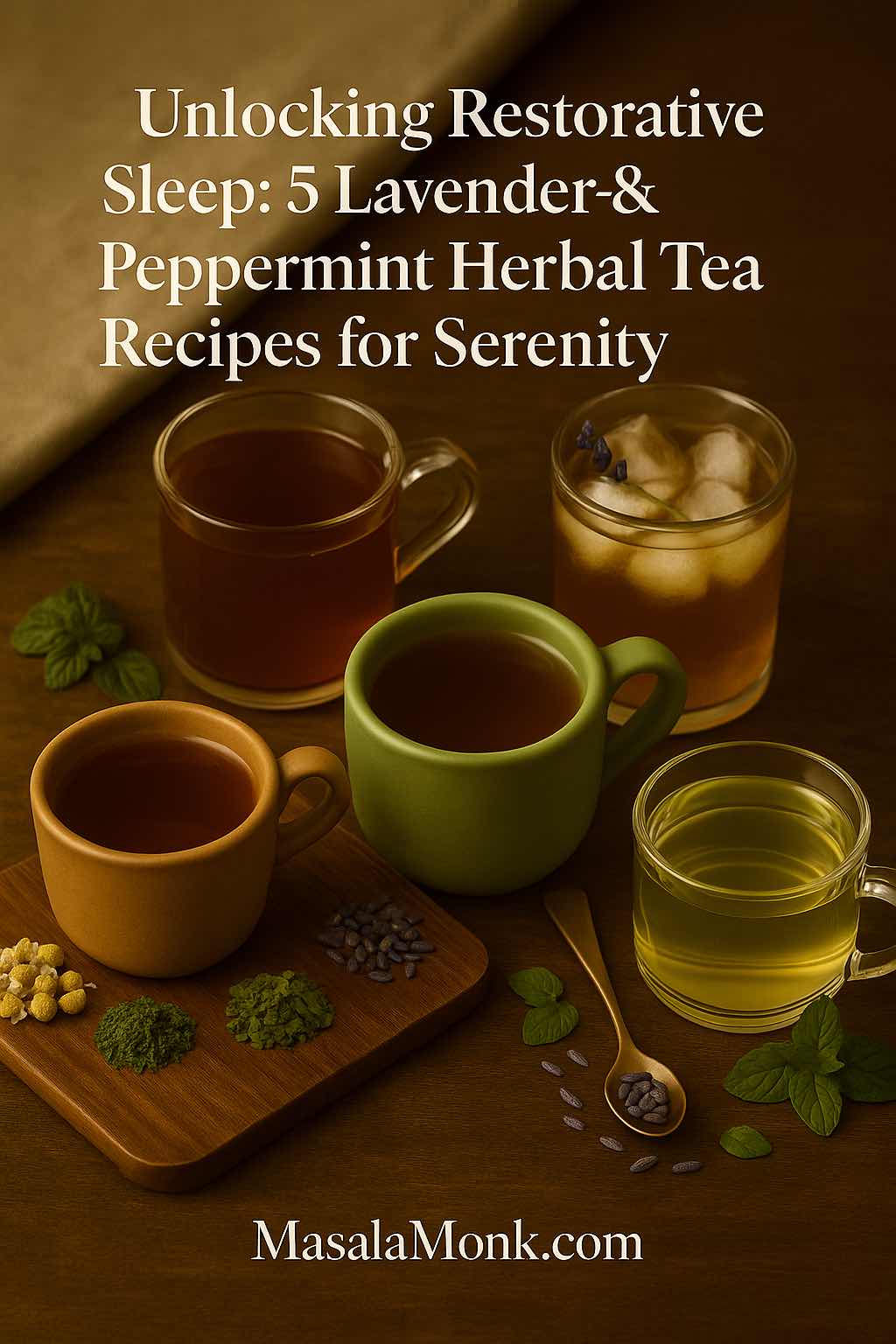
Unlocking Restorative Sleep: 5 Lavender & Peppermint Herbal Tea Recipes for Serenity

Restorative Sleep: 5 Lavender-& Peppermint Herbal Tea Recipes for Serenity

Why Sleep Feels So Elusive Today

If you’ve ever lain in bed, staring at the ceiling, wondering why your body won’t shut down even though you’re exhausted — you’re far from alone. Modern life has made sleep one of the most sought-after luxuries. Stress from work, endless notifications, evening caffeine habits, heavy meals, and blue light from screens all conspire to keep us awake.

Insomnia isn’t just about not feeling tired. It’s about a restless mind and body that refuse to let go. And while medical solutions exist, many of us are rediscovering the quiet power of ancient herbal remedies — not as a cure-all, but as gentle nudges toward the restorative rest our bodies crave.


The Power of Ritual: More Than Just Tea

One of the most underrated sleep aids isn’t a plant or pill — it’s ritual. The body responds to signals. Dimming the lights, turning off screens, washing your face, or slipping into soft pajamas are all cues to your nervous system: it’s time to rest.

Herbal teas amplify this effect beautifully:

  • Taste & Warmth: A soothing, caffeine-free infusion slows you down and signals comfort.
  • Aroma: Steam carries calming essential oils straight to the brain’s limbic system — the seat of emotions and relaxation.
  • Touch: Cradling a warm mug in your hands is grounding and reassuring.

Tea, then, is not just a drink. It’s a ritual in a cup, one that gently prepares both body and mind for rest.

👉 If you love the ritual of brewing, you might also enjoy our masterclass in masala chai — a spiced, invigorating daytime cousin to bedtime teas.


Lavender: Nature’s Gentle Sleep Aid

Lavender (Lavandula angustifolia) is one of the most researched herbs for sleep. And the science is compelling.

  • In clinical trials, lavender aroma has consistently improved sleep quality in students, heart patients, and midlife women with insomnia.
  • As tea, lavender shows promise too. In one study with older adults, those who drank 2 grams of lavender daily reported better sleep than those given half the dose.
  • How it works: Compounds like linalool and linalyl acetate interact with neurotransmitters such as GABA — helping quiet the nervous system and reduce anxiety.

Lavender doesn’t just help you fall asleep — it can reduce the stress and mental chatter that often make sleep so hard in the first place.

👉 For another gentle combination, try our lavender & chamomile blends.


Peppermint: Comfort for Digestion and Calm

Peppermint (Mentha × piperita) may be better known for refreshing breath than inducing sleep, but it brings its own quiet strengths to the evening table.

  • Digestive ease: Peppermint relaxes the smooth muscles of the gut, easing bloating and discomfort that can keep you awake.
  • Muscle relaxation: Menthol, its main active compound, has a cooling, tension-releasing effect.
  • Stress soothing: Though not directly sedative, peppermint helps the body unwind, especially when part of a nightly ritual.

⚠️ A note of caution: peppermint can sometimes worsen reflux (GERD) by relaxing the lower esophageal sphincter. If you’re prone to heartburn, try substituting lemon balm, another calming herb, instead.

👉 Want to dive deeper into peppermint’s digestive powers? See our post on peppermint tea for IBS & bloating.


Lavender + Peppermint: Better Together

Together, lavender and peppermint make a dream team for bedtime. Lavender calms the mind; peppermint soothes the body. One helps with mental restlessness, the other with physical tension.

A fascinating clinical study in cardiac patients found that both lavender and peppermint aromas improved sleep quality. When sipped as tea, the combination doesn’t just relax you — it comforts digestion, lifts tension, and turns into a ritual that engages all your senses.

This is why lavender–peppermint blends are so popular in bedtime teas: floral serenity meets refreshing ease.


Other Herbs in the Bedtime Circle

While lavender and peppermint shine, they’re not alone. Other herbs often find their way into nighttime blends:

  • Chamomile: The world’s most famous bedtime herb, often used to reduce mild anxiety. (Caution: avoid if allergic to ragweed.)
  • Lemon balm: A citrusy herb with promising evidence for calming anxiety and improving sleep.
  • Passionflower: Small studies suggest it may improve subjective sleep quality.
  • Holy basil (Tulsi): A staple of Ayurveda, known for balancing stress and supporting calm.

👉 Want to explore more? Browse our complete guide to teas for sleeping.


Till now in this post we have explored the why — the science of how lavender calms the mind, how peppermint soothes the body, and why nightly rituals matter for better sleep.

Now, let’s move from theory to your teacup. Here are five research-backed, easy-to-make recipes you can brew tonight to invite relaxation and restorative rest.


🌿 1. Classic Lavender–Peppermint Sleep Tea

Ingredients (for 1 cup)

  • 2 g dried lavender buds (≈ 1½–2 tsp)
  • 0.5–1 g dried peppermint leaves (≈ ¾–1 tsp)
  • 250 mL boiling water (95–100 °C)
Glass cup of Classic Lavender–Peppermint Sleep Tea on a wooden table with dried lavender buds and fresh peppermint leaves.
Unwind at night with our Classic Lavender–Peppermint Sleep Tea — a soothing herbal infusion that calms the mind and promotes restful sleep.

Method

  1. Place lavender and peppermint in a cup or teapot.
  2. Pour boiling water over the herbs.
  3. Cover and steep for 7 minutes.
  4. Strain and sip slowly.

💡 Why it works: Lavender has the strongest evidence for improving sleep quality at around 2 g per cup. Peppermint adds digestive comfort and a cooling freshness — perfect after dinner.

👉 Curious about other minty blends? Try our lemon verbena & spearmint recipes for tranquil sleep.


🌼 2. Lavender–Chamomile–Peppermint Calm Trio

Ingredients

  • 1.5 g dried lavender
  • 1.5 g dried chamomile flowers
  • 0.5 g dried peppermint
  • 250 mL boiling water
Brown ceramic cup of Chamomile Calm Trio tea with chamomile flowers, lavender buds, and peppermint leaves on a wooden board.
Soothe your senses with Chamomile Calm Trio — a comforting blend of chamomile, lavender, and peppermint for natural relaxation.

Method

  1. Combine herbs in a cup.
  2. Steep covered for 5–8 minutes.
  3. Strain, inhale the aroma, and enjoy warm.

⚠️ Note: Chamomile is gentle but avoid it if you have ragweed allergies.

👉 Want to explore this combo more deeply? See our lavender & chamomile sleep blends.


🍋 3. Lavender–Lemon Balm–Peppermint Digestif (GERD-Friendly option: omit peppermint)

Ingredients

  • 1.5 g dried lavender
  • 1.5 g dried lemon balm
  • 0.5 g dried peppermint (optional if reflux-prone)
  • 250 mL boiling water
Green ceramic cup of Lavender–Lemon Balm–Peppermint Digestif tea with fresh mint leaves and lavender buds beside a spoon.
Support digestion and relaxation with Lavender–Lemon Balm–Peppermint Digestif — a gentle herbal tea to ease the stomach and calm the spirit.

Method

  1. Add lavender, lemon balm, and peppermint to a cup.
  2. Steep covered for 7–10 minutes.
  3. Strain and sip slowly.

💡 Why it works: Lavender calms, lemon balm reduces anxiety, and peppermint soothes digestion — unless you’re reflux-prone, in which case you can leave it out.

👉 For more on lemon balm’s calming powers, explore our passionflower & lemon balm sleep recipes.


🍵 4. Decaf Green Lavender–Peppermint Nightcap

Ingredients

  • 2 g decaf green tea
  • 1 g dried lavender
  • 0.5 g dried peppermint
  • 250 mL water at 75–80 °C
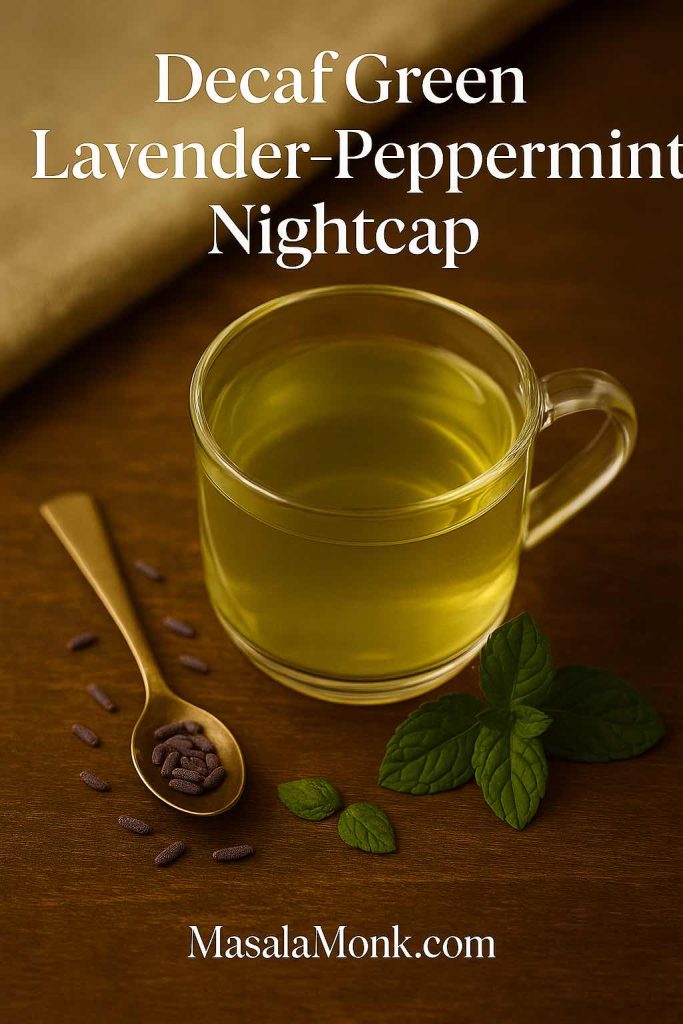
Clear glass cup of Decaf Green Lavender–Peppermint Nightcap tea with fresh mint leaves and lavender buds on the side.
Enjoy a relaxing evening ritual with Decaf Green Lavender–Peppermint Nightcap — a caffeine-free blend crafted for peaceful nights.

Method

  1. Brew green tea with lavender and peppermint.
  2. Steep 2–3 minutes only.
  3. Strain and enjoy.

Tip: Choose decaf green tea at night — regular green tea still has enough caffeine to delay sleep. Peppermint balances the grassy green tea notes with a cooling calm.

👉 For energizing daytime options, see our turmeric & moringa teas.


❄️ 5. Iced Lavender–Peppermint Wind-Down

Ingredients

  • 3 g dried lavender
  • 1 g dried peppermint
  • 250 mL boiling water
  • Ice + 100–150 mL cool water
Glass of iced Lavender–Peppermint tea with ice cubes, lavender garnish, and herbal sprigs on a wooden coaster.
Cool off and relax with Iced Lavender–Peppermint Wind-Down — a refreshing herbal iced tea perfect for calming the body after a long day.

Method

  1. Brew lavender and peppermint in hot water for 8–10 minutes, covered.
  2. Let cool to room temperature.
  3. Pour over ice and top up with cool water.

💡 Why it works: Perfect for warm nights — hot steeping extracts the benefits, then chilling gives you a refreshing evening tonic.

👉 For more cool twists, check out our vanilla-cinnamon iced tea indulgence.

Brewing Tips: How to Get the Best from Your Herbs

Even the best herbs won’t work if they’re not brewed properly. Here’s how to get the most out of every cup:

  • Use enough herb: Aim for 2 grams per cup — that’s about 1½–2 tsp of dried lavender buds.
  • Steep long enough: 7–10 minutes allows aromatic oils and polyphenols to fully infuse.
  • Cover your cup: Traps steam — and the calming essential oils that travel with it.
  • Watch the water temp: Herbal infusions love boiling water (95–100 °C). If using green tea as a base, stick to 75–80 °C.
  • Make it mindful: Don’t just gulp. Hold the cup. Inhale the steam. Sip slowly. Let it be a signal to your body: the day is done.

For contrast, you might enjoy starting your day with energy-boosting blends like our turmeric & moringa teas.


Safety First

Herbal teas are gentle, but not one-size-fits-all:

  • Lavender: Avoid ingesting essential oils; stick to tea or dried herbs. Limited safety data in pregnancy — consult your doctor.
  • Peppermint: May worsen reflux; swap for lemon balm if needed.
  • Chamomile: Avoid if you have ragweed/daisy-family allergies.
  • General: If you’re on sedatives or under medical care, check with your healthcare provider before daily use.

📖 Research Spotlight

Modern science is slowly catching up with what ancient traditions have always known — that herbs can gently shift the body into a calmer state.

  • In a clinical trial with older adults, participants who drank 2 g of lavender tea daily for two weeks reported significantly better sleep quality compared to those given half the amount.
  • Peppermint aromatherapy has also shown benefits for sleep in patients recovering from heart surgery — suggesting its calming properties extend beyond digestion.
  • Lemon balm and chamomile both have emerging evidence in reducing anxiety and restlessness, making them perfect allies in evening blends.

These studies don’t promise miracles, but they reinforce what many tea drinkers experience: a gentle, steady nudge toward peace and rest.

👉 Curious about how herbs are being studied for other health benefits? You may enjoy our deep dive on turmeric & moringa teas for energy or our refreshing vanilla–cinnamon iced teas.


🌙 Conclusion: A Cup That Signals Rest

Sleep will never come from force — it arrives when the body feels safe to let go. What lavender and peppermint (and their herbal companions) offer is not a knockout punch, but a whisper: “It’s okay to rest now.”

By pairing their aromas and flavors with nightly ritual — dimming the lights, closing the laptop, cradling a warm mug — you create a personal sanctuary. Over time, the body learns: this moment, this tea, this stillness means the day is done.

So tonight, brew one of these blends. Breathe in the steam. Sip slowly. Let it be more than tea — let it be your invitation to deeper, more restorative sleep.

👉 Explore more of our curated herbal tea collections for better sleep or discover calming blends for overall well-being, like our Better Lungs tea.

🌿 FAQs on Lavender & Peppermint Herbal Teas for Sleep

1. Can lavender tea really help me sleep better?

Yes. Clinical studies show that lavender can improve sleep quality by calming the nervous system and reducing anxiety. Drinking 2 g of lavender tea daily has been shown to help with insomnia and restlessness.


2. Does peppermint tea make you sleepy?

Peppermint isn’t sedative, but it relaxes muscles and soothes digestion, which helps you feel more comfortable and relaxed at bedtime. When combined with lavender, it enhances the overall calming effect.


3. Is it safe to drink lavender and peppermint tea every night?

For most healthy adults, yes. Herbal teas are generally safe in moderate amounts. Stick to 1–2 cups nightly. If you are pregnant, breastfeeding, or on medication, consult your doctor first.


4. Can peppermint tea cause acid reflux (GERD)?

Yes, in some people. Peppermint relaxes the lower esophageal sphincter, which may worsen reflux. If you experience heartburn, swap peppermint with lemon balm for similar calming benefits.


5. What’s the best time to drink lavender–peppermint tea for sleep?

Drink your tea 30–60 minutes before bedtime. This gives your body enough time to relax and your mind to associate the ritual with winding down.


6. How much lavender should I use per cup?

Research suggests around 2 g of dried lavender buds (≈ 1½–2 teaspoons) per cup is effective. Always steep for at least 7 minutes to release the beneficial compounds.


7. Can kids drink lavender and peppermint tea?

Small amounts (half strength) are usually safe for older children, but avoid giving herbal teas to infants and toddlers. Always check with a pediatrician before making it a habit.


8. Are there any side effects of lavender or peppermint tea?

  • Lavender: Limited data in pregnancy; avoid concentrated essential oils.
  • Peppermint: May worsen GERD.
  • Chamomile (if blended in): Avoid if allergic to ragweed/daisy family.

9. Can I use fresh herbs instead of dried?

Yes, fresh lavender and peppermint can be used, though you’ll need larger amounts (2–3x more) since fresh herbs have higher water content and lighter flavor.


10. What other herbs pair well with lavender and peppermint for sleep?

  • Chamomile: Reduces anxiety and promotes calm.
  • Lemon balm: Eases restlessness and digestive upset.
  • Passionflower: Supports better sleep cycles.
  • Tulsi (Holy Basil): Balances stress and enhances relaxation.
Posted on 3 Comments

5 Iron-Enriched Smoothies for Pregnancy with Spinach and Apple

5 IRON-ENRICHED SMOOTHIES FOR PREGNANCY with Spinach and Apple

Delicious, nutrient-dense blends to nourish you and your baby


The Pregnancy Iron Story: Why It’s More Than Just a Mineral

Pregnancy is often described as a journey, but your body might think of it as a construction project — and building a brand-new human takes a lot of materials. One of the most important? Iron.

By the time you reach the second trimester, your blood volume has increased by up to 50%. This means your body is producing more hemoglobin (the protein in red blood cells that carries oxygen), and that process depends on iron. Without enough of it, your energy dips, your immune system weakens, and you may find yourself dealing with iron-deficiency anemia — a common challenge in pregnancy.

The good news? You don’t have to choke down dry spinach leaves or chew on plain beets to meet your needs. Smoothies are a fast, flavorful, and very pregnancy-friendly way to boost your daily intake.

Also Read: Anemia in Pregnancy: Impact and Solutions


The Science of Iron Absorption — and How to Hack It in a Smoothie

Iron comes in two forms:

  • Heme iron — from animal sources, easily absorbed.
  • Non-heme iron — from plant sources (like spinach), a little trickier for your body to use.

Since these recipes focus on plant-based sources, the key is to pair your iron with vitamin C. Vitamin C acts like a VIP pass for iron, helping your body absorb more of it. Think oranges, strawberries, kiwi, mango, pineapple — all smoothie-friendly ingredients.

Smart smoothie hacks for better iron uptake:

  • Add citrus juice, berries, or tropical fruit to every green smoothie.
  • Skip tea, coffee, and large doses of dairy for at least an hour before and after your smoothie (tannins and calcium block absorption).
  • Don’t be afraid of flavor — sweet fruits, nut butters, cocoa powder, and spices can transform greens into crave-worthy blends.

Also Read: Folate-Fortified Drinks for Pregnancy: 5 Non-Alcoholic Mocktails


Why Spinach and Apple Make the Perfect Iron-Boosting Duo

  • Spinach — rich in non-heme iron, folate (critical for early brain development), vitamin K, and antioxidants. Baby spinach is especially mild and blends into smoothies without a strong “green” taste.
  • Apple — a natural source of vitamin C, fiber for digestion, and gentle sweetness. Apples also pair well with almost any fruit or spice, making them a versatile smoothie base.

Together, they create a nutritional foundation that’s easy to build on with pregnancy-friendly boosters like chia seeds, tofu, beets, or oats.

Also Read: Apples During Pregnancy: A Crunchy Bundle of Joy and Health


Beyond Nutrition: The Real-Life Benefits

From real moms’ stories and nutrition experts’ tips, we’ve learned that these smoothies aren’t just about hitting nutrient goals — they can feel like little moments of relief in your day.

  • Morning sickness helper: Cold, fruity blends can be easier to handle when warm meals feel overwhelming.
  • Energy lifter: Iron + complex carbs + healthy fats = more steady energy for long workdays or active toddlers.
  • Digestive support: The fiber and hydration in smoothies help keep things moving — a big deal during pregnancy.
  • Mood boost: There’s something satisfying about sipping a colorful, delicious drink you know is nourishing your baby.

What We Learned from Real Pregnant Women

In pregnancy forums, women rave about certain smoothie combos that made a difference for them:

“The chocolate peanut one got me through my first trimester.”
“Frozen mango and pineapple make spinach disappear — tastes like vacation.”
“Adding a squeeze of lemon made my green smoothies taste brighter and boosted my iron.”

These aren’t just tasty — they’re practical. Real experiences show that when a smoothie tastes good, you’ll actually want to drink it every day, which is the secret to making nutrition a habit.

Also Read: Kale During Pregnancy: Superfood for Supermoms


5 Iron-Enriched Smoothies for Pregnancy with Spinach & Apple

Flavor-packed recipes to nourish you and your baby every day

These smoothies aren’t just iron-rich — they’re designed for real life in pregnancy. That means easy prep, no weird aftertastes, and ingredients you can find in a regular grocery store. Each one pairs spinach’s plant-based iron with vitamin C boosters for maximum absorption, while balancing flavor, energy, and digestion needs.


1. Classic Spinach & Apple Glow

Bright, crisp, and easy to drink — even if you’re feeling queasy.

Ingredients

  • 1 cup fresh baby spinach (washed)
  • 1 green apple, cored and chopped (keep the peel for extra fiber)
  • ½ banana (for creaminess and vitamin B6, which may help with morning sickness)
  • ½ cup fresh orange juice (vitamin C for iron absorption)
  • ½ cup water or unsweetened almond milk
  • Ice, as needed
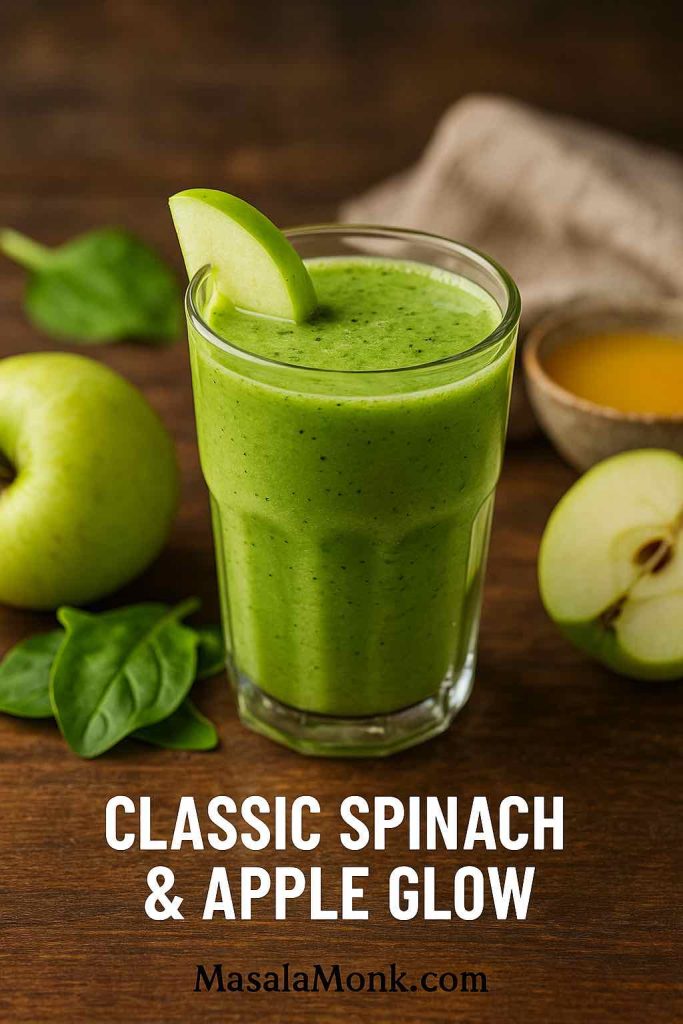
"Glass of Classic Spinach & Apple Glow smoothie topped with a green apple slice, with whole green apples, spinach leaves, and a bowl of juice in the background."
“Glow from within with the Classic Spinach & Apple Glow — a crisp, refreshing green smoothie packed with fiber, antioxidants, and detox-friendly goodness.”

Method

  1. Add the spinach and liquid to your blender first — this helps break down the greens completely.
  2. Toss in the apple, banana, and orange juice.
  3. Blend until smooth, adding ice if you prefer it chilled and slightly thicker.

Pregnancy pro tips:

  • If citrus is too strong for your stomach early in pregnancy, swap orange juice for pineapple juice — still high in vitamin C but a bit gentler.
  • Make freezer packs of spinach + chopped apple + banana so you can just pour in juice and blend.

Why it works: This is the “starter” green smoothie — mild flavor, gentle on the stomach, and a good balance of iron, folate, and fiber. The vitamin C from the orange juice helps your body use the iron from spinach more effectively.

Also Read: Boosting Folate in Pregnancy: Top 5 Lentil and Bean Dishes


2. Pineapple-Mango Spinach Sunshine

A tropical energy boost that hides every trace of spinach.

Ingredients

  • 1 cup baby spinach
  • 1 cup frozen mango chunks (vitamin C powerhouse)
  • ½ cup pineapple chunks (extra vitamin C + bromelain for digestion)
  • Juice of ½ lime
  • ½ cup coconut water (hydrating electrolytes)
"A vibrant green Pineapple-Mango Spinach Sunshine smoothie garnished with a pineapple wedge, placed alongside fresh mango, pineapple, lime, and spinach leaves."
“Brighten your morning with a tropical Pineapple-Mango Spinach Sunshine smoothie — bursting with vitamin C, leafy greens, and natural sweetness.”

Method

  1. Blend spinach and coconut water first for a smoother texture.
  2. Add mango, pineapple, and lime juice.
  3. Blend until thick, creamy, and sunshine-yellow.

Pregnancy pro tips:

  • Frozen fruit keeps the smoothie icy without watering it down.
  • Add 1–2 tbsp chia seeds if you want extra omega-3s and fiber to help with pregnancy constipation.

Why it works: This is the “I can’t taste the greens” smoothie. It’s ideal for days when your taste buds are picky but you still want an iron-rich, vitamin-packed drink. The tropical sweetness also feels refreshing during hot afternoons or post-walk cooldowns.

Also Read: Vitamin D and Pregnancy


3. Peanut Butter-Chocolate Spinach Shake

Indulgent, comforting, and loved by real moms for first-trimester survival.

Ingredients

  • 1 cup fresh spinach
  • 1 frozen banana (creaminess + natural sweetness)
  • 1 tbsp natural peanut butter (protein + healthy fats)
  • 1 tsp unsweetened cocoa powder (iron-rich and antioxidant-packed)
  • ¾ cup oat milk or almond milk
"A tall glass of Peanut Butter-Chocolate Spinach Shake topped with a banana slice, surrounded by fresh spinach leaves, banana, peanut butter, and a piece of chocolate."
“Fuel your day with a creamy Peanut Butter-Chocolate Spinach Shake — packed with protein, greens, and rich chocolate flavor for a deliciously healthy energy boost.”

Method

  1. Add spinach and milk to blender, blitz until smooth.
  2. Add banana, peanut butter, and cocoa powder.
  3. Blend until thick and milkshake-like.

Pregnancy pro tips:

  • If you need more calories in the second or third trimester, add 1–2 dates for sweetness and extra iron.
  • A sprinkle of cinnamon on top can help balance blood sugar.

Why it works: The cocoa and peanut butter completely hide the spinach flavor. You get iron from the spinach and cocoa, plus sustained energy from protein and healthy fats — perfect as a mid-morning or post-nap pick-me-up.

Also Read: Garlic Supplements and Pregnancy: Warnings & Safety Considerations,


4. Strawberry-Banana Iron Boost (with Tofu)

Smooth, protein-rich, and gentle for sensitive tummies.

Ingredients

  • 1 cup strawberries (fresh or frozen — both are high in vitamin C)
  • 1 banana
  • ½ cup silken tofu (plant-based protein + iron)
  • Juice of ½ lemon
  • ½ cup almond milk
"Glass of pink Strawberry-Banana Iron Boost smoothie garnished with a banana slice, placed next to fresh strawberries, banana, lemon wedge, and a bowl of butter."
“Refresh and recharge with this Strawberry-Banana Iron Boost — a naturally sweet, vitamin-rich smoothie that supports energy and healthy iron levels.”

Method

  1. Blend all ingredients until silky smooth.
  2. Adjust sweetness with a drizzle of honey or a date if needed.

Pregnancy pro tips:

  • Silken tofu blends invisibly, adding creaminess without altering taste.
  • Keep frozen strawberries on hand for easy prep and a frostier texture.

Why it works: This is a perfect breakfast smoothie — it’s filling, rich in iron and protein, and the lemon juice keeps flavors fresh while improving iron absorption. Great for days when you want something mild but nutrient-dense.

Also Read: Dates during Pregnancy


5. Apple-Cinnamon Spinach Comfort Blend

Cozy, spiced, and perfect for cooler mornings or post-dinner cravings.

Ingredients

  • 1 cup spinach
  • 1 apple, chopped (leave the peel for more fiber)
  • ½ tsp cinnamon (balances blood sugar and adds warmth)
  • ½ cup unsweetened applesauce (natural sweetness + extra apple flavor)
  • ½ cup water or oat milk
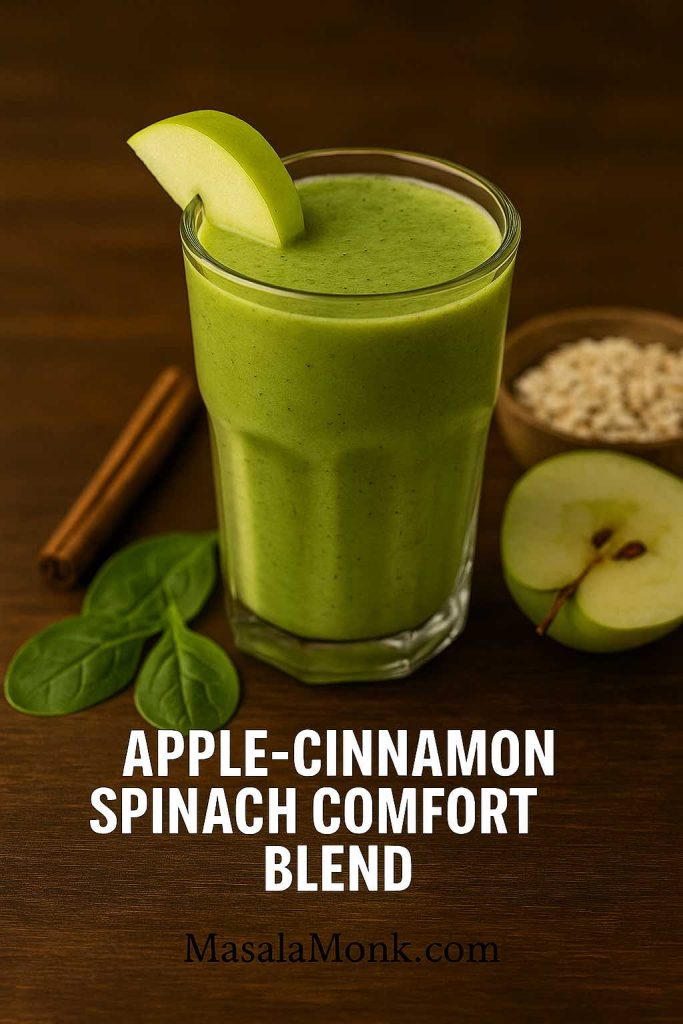
"Glass of green Apple-Cinnamon Spinach Comfort Blend smoothie garnished with an apple slice, surrounded by fresh apples, spinach, and cinnamon."
“Cozy up with the Apple-Cinnamon Spinach Comfort Blend — a warm, spiced green smoothie rich in fiber, iron, and antioxidants, perfect for cooler days.”

Method

  1. Blend spinach with your liquid until smooth.
  2. Add apple, applesauce, and cinnamon.
  3. Blend again until creamy; warm slightly on the stove if you want a “warm smoothie” for winter mornings.

Pregnancy pro tips:

  • For extra iron, toss in 1–2 tsp blackstrap molasses — a natural, pregnancy-safe source of iron with a rich flavor.
  • Add oats if you want a thicker, more filling version.

Why it works: Sometimes you just want something that tastes like comfort food. This smoothie delivers cozy flavors while sneaking in greens and iron.

Also Read: 6 Benefits of Eating Mango During Pregnancy

Nutritional Highlights per Smoothie

Note: These are estimates for educational purposes. Actual values may vary depending on exact ingredients, brand, and portion sizes.


1. Classic Spinach & Apple Glow

NutrientApprox. AmountWhy It Matters in Pregnancy
Iron~3.1 mgSupports hemoglobin production and oxygen delivery
Vitamin C~70 mgEnhances non-heme iron absorption
Folate~75 mcgCrucial for neural tube development
Fiber~5 gSupports digestion and helps prevent constipation
Calories~130 kcalLight yet energizing for mornings

2. Pineapple-Mango Spinach Sunshine

NutrientApprox. AmountWhy It Matters in Pregnancy
Iron~2.8 mgMaintains healthy red blood cells
Vitamin C~85 mgBoosts iron absorption significantly
Folate~70 mcgSupports baby’s brain and spinal cord development
Fiber~4 gHelps keep digestion regular
Calories~140 kcalRefreshing, hydrating, and energizing

3. Peanut Butter-Chocolate Spinach Shake

NutrientApprox. AmountWhy It Matters in Pregnancy
Iron~3.6 mgFrom spinach + cocoa powder
Protein~8 gSupports baby’s growth and maternal muscle health
Healthy Fats~7 gNourishes brain development and keeps you fuller longer
Fiber~5 gAids digestion
Calories~210 kcalSatisfying snack or mini-meal

4. Strawberry-Banana Iron Boost (with Tofu)

NutrientApprox. AmountWhy It Matters in Pregnancy
Iron~4.0 mgTofu + spinach offer plant-based iron
Protein~9 gPlant protein supports tissue repair and growth
Vitamin C~65 mgHelps absorb the iron in tofu and spinach
Folate~80 mcgSupports early pregnancy development
Calories~180 kcalBalanced breakfast or midday fuel

5. Apple-Cinnamon Spinach Comfort Blend

NutrientApprox. AmountWhy It Matters in Pregnancy
Iron~3.2 mgSpinach + optional molasses enrich iron intake
Fiber~6 gHelps with pregnancy-related constipation
Vitamin C~35 mgFrom apple, boosts iron absorption
AntioxidantsHighCinnamon + apple support immune health
Calories~150 kcalComforting yet nutrient-dense

💡 Iron Boosting Tips for Pregnancy Smoothies

Make every sip count for you and your baby.

Pregnancy nutrition isn’t just about what you eat — it’s also about how your body uses it. These simple, pregnancy-safe hacks will help you get the most iron from your daily smoothie habit:


1. Pair Iron with Vitamin C Every Time

Plant-based (non-heme) iron from spinach, tofu, or cocoa gets absorbed more efficiently when you team it up with vitamin C-rich ingredients like oranges, pineapple, strawberries, kiwi, or lemon juice.

Think of vitamin C as your iron’s “best friend” — it makes sure more of it actually gets into your system.


2. Skip Iron Blockers Before & After

Tea, coffee, and large amounts of calcium (from milk, yogurt, or supplements) can interfere with iron absorption. Try to wait at least an hour before or after your smoothie to enjoy them.


3. Sneak in Plant-Based Protein

Smoothies with tofu, hemp seeds, chia seeds, or nut butters not only add protein and healthy fats, but also contribute a little extra iron. This combination helps with steady energy levels and supports your baby’s growth.


4. Frozen Fruit = Better Texture & Tolerance

Frozen mango, berries, or bananas give smoothies a creamier, thicker texture — and can make them more refreshing during pregnancy, especially if you’re battling morning sickness.


5. Add “Hidden Iron” Boosters

Blackstrap molasses, pumpkin seeds, and unsweetened cocoa powder are surprisingly iron-rich and blend in without overpowering flavor.


6. Make It a Habit, Not a Chore

Iron levels improve over time with consistency. A daily smoothie is an easy, tasty way to keep up with increased pregnancy iron needs — and to support your energy, mood, and digestion along the way.

Make It a Habit, Not a Hassle

Smoothies should make your life easier, not add to your to-do list. Here’s how to make these blends part of your daily rhythm:

  • Batch prep: Freeze fruit and greens in single-serve bags. In the morning, just add liquid and blend.
  • Mix and match: Swap spinach for kale, apple for pear, or almond milk for coconut water depending on your mood.
  • Double up: Make extra and store in a mason jar for an afternoon snack — just shake before sipping.

If You Love This Post, You’ll Also Love…


Closing Note

Pregnancy can make even the simplest health goals feel complicated. But an iron-enriched smoothie — cool, flavorful, and ready in minutes — can be one of the easiest ways to nourish yourself and your growing baby. With the right flavors and a few smart tweaks for absorption, you’ll have a daily ritual that’s as delicious as it is beneficial.

Frequently Asked Questions

1. Can I drink spinach smoothies every day during pregnancy?
Yes — baby spinach and similar greens are safe in moderate amounts during pregnancy, and they’re a great source of iron, folate, and vitamin K. Just wash greens thoroughly to remove any dirt or bacteria.


2. How much iron do I need while pregnant?
Most pregnant women need about 27 mg of iron per day (according to WHO and ACOG guidelines). Smoothies can help you meet part of this goal, but you may still need iron-rich meals and/or supplements if your doctor advises.


3. What is the best time of day to drink an iron-rich smoothie?
Mid-morning or mid-afternoon is ideal — it keeps your energy steady and avoids competing with high-calcium meals (like dairy-rich breakfasts) that can block iron absorption.


4. Can I use frozen spinach instead of fresh?
Absolutely. Frozen spinach is usually flash-frozen at peak freshness, which helps lock in nutrients. It’s convenient, lasts longer, and blends well in smoothies.


5. Which fruits boost iron absorption the most?
Fruits highest in vitamin C — such as oranges, strawberries, kiwi, mango, and pineapple — are the best partners for spinach in smoothies.


6. Are dairy-based smoothies less effective for iron absorption?
Calcium can interfere with plant-based iron absorption, so if you’re focusing on iron, consider non-dairy options like almond milk, oat milk, or coconut water. You can still enjoy dairy, but try to have it at a different time.


7. How can I make my smoothies more filling?
Add protein and healthy fats: nut butters, chia seeds, hemp seeds, oats, or silken tofu all make smoothies more satisfying and help stabilize blood sugar.


8. Can these smoothies help with pregnancy fatigue?
Yes. Low iron is a common cause of pregnancy fatigue. Combining iron-rich greens with vitamin C, plus some protein and complex carbs, can support better energy levels over time.


9. Is it safe to add supplements or protein powders to these smoothies?
Only if approved by your healthcare provider. Some protein powders contain herbs or additives not recommended during pregnancy. Look for clean, pregnancy-safe options.


10. What if I have pregnancy-related anemia?
If you’ve been diagnosed with anemia, these smoothies can be a helpful part of your nutrition plan, but they should complement — not replace — any supplements or treatments prescribed by your doctor.

Posted on Leave a comment

Cardamom Delights: Exploring the Benefits for Women’s Health and Well-being

CARDAMOM BENEFITS FOR WOMEN'S HEALTH

From the aromatic steam of a chai kettle to the delicate scent of Middle Eastern sweets, cardamom has a way of turning simple moments into sensory experiences. But behind its alluring flavor and ancient mystique lies something even more remarkable—its profound impact on women’s health and well-being.

Often dubbed the “Queen of Spices,” cardamom is more than a kitchen staple. It’s a quiet healer, offering a bouquet of benefits tailored to the intricate rhythms of the female body. Let’s dive into how this tiny green pod supports women through cycles, stages, and everyday stressors.


A Brief Introduction: Cardamom’s Roots and Legacy

Native to the lush forests of India and Sri Lanka, cardamom has graced spice routes and royal courts for over 4,000 years. Revered in Ayurveda, Unani, and Traditional Chinese Medicine, it has been used to balance doshas, freshen breath, aid digestion, and even uplift the spirit.

Fast forward to today, and modern science is catching up, highlighting cardamom’s antioxidant, anti-inflammatory, antimicrobial, and mood-regulating properties.


1. Hormonal Harmony: Supporting Menstrual and Menopausal Health

Hormones are at the heart of many aspects of a woman’s well-being—from energy levels and mood to skin clarity and fertility. Cardamom contains phytoestrogens, plant-based compounds that gently mimic estrogen in the body. These natural allies can be beneficial during both menstruation and menopause.

🌿 How Cardamom Helps:

  • Eases menstrual cramps with its natural antispasmodic effects.
  • Soothes mood swings and irritability, thanks to its warm aroma and nervine properties.
  • During perimenopause and menopause, it may help ease hot flashes and mood instability.

💡 Try this: Brew a cardamom-ginger tea during your cycle to soothe cramps and bloating.

Also Read: The Revitalizing Brew: Unveiling the Benefits of Cardamom Tea


2. Gut Guardian: Aiding Digestion and Reducing Bloat

Women are more prone to digestive discomfort, especially during hormonal changes. Cardamom is a time-honored carminative, helping ease gas, indigestion, and sluggish digestion.

🌿 How Cardamom Helps:

  • Stimulates the production of digestive enzymes.
  • Relieves nausea, including morning sickness during early pregnancy.
  • Reduces bloating and gas, particularly useful during menstruation or post-meal heaviness.

🍵 Digestive Tip: After meals, chew on a pod or sip cardamom-infused warm water to support digestion.

Also Read: Teas for Digestion, Bloating, and Gut Health


3. Skin Deep: Detox, Glow, and Antioxidant Armor

Thanks to its high content of flavonoids and essential oils, cardamom is a natural detoxifier that helps flush out toxins and supports radiant skin from within.

🌿 How Cardamom Helps:

  • Neutralizes free radicals, reducing signs of aging.
  • Aids liver function, supporting hormonal clearance.
  • Helps maintain clearer skin, especially when hormones are fluctuating.

🌸 Beauty Ritual: Add a pinch of cardamom powder to your herbal tea to support your natural glow.

Might Want to read: Collagen-Rich Foods: Top Choices for Glowing Skin


4. Weight Balance & Metabolism Boost

Balancing weight can be more complex for women, especially with conditions like PCOS or thyroid imbalance. Emerging research suggests cardamom may support healthy metabolism and insulin regulation.

🌿 How Cardamom Helps:

  • Gently enhances fat metabolism.
  • Improves insulin sensitivity, useful for women with PCOS.
  • May reduce inflammation-linked weight gain.

🍯 Wellness Tip: Mix cardamom powder with cinnamon and honey in warm water—an age-old tonic for metabolic support.

Do Read: Morning Metabolism Boost: 5 Green Tea & Spice Infusions for Weight Loss


5. Feminine Vitality: Oral Health and Reproductive Wellness

Good health starts in the mouth, and cardamom has long been used to freshen breath and support oral hygiene. But its benefits reach deeper—into the realms of libido and reproductive vitality.

🌿 How Cardamom Helps:

  • Acts as a natural antiseptic in the mouth.
  • Promotes healthy circulation, enhancing libido.
  • Traditionally used as an aphrodisiac and uterine tonic.

💋 Quick Fix: Keep cardamom pods in your bag to freshen breath naturally and boost alertness.

Might enjoy: Spice It Up in Bedroom – 5 Natural Spices that work as Aphrodisiacs as per Ayurveda


6. Mindful Moments: Uplifting Mood and Easing Stress

Women often carry multiple emotional roles—caregiver, professional, friend, mother—which can lead to mental fatigue. Cardamom’s essential oil has been shown to have mood-enhancing and calming effects, making it an ideal support for mental wellness.

🌿 How Cardamom Helps:

  • Balances nervous system activity.
  • Helps reduce anxiety and mental fatigue.
  • Enhances clarity and focus when used in aromatherapy.

🧘 Self-care idea: Diffuse cardamom essential oil during meditation or mix a drop with a carrier oil for a neck massage.


How to Enjoy Cardamom Daily

Cardamom isn’t just medicinal—it’s delicious. Here are a few gentle ways to weave its magic into your routine:

  • Morning tea blend: Combine with ginger, cinnamon, and fennel.
  • Golden milk: Add to turmeric lattes for added warmth and digestion support.
  • Smoothies and oatmeal: A pinch of powder adds depth and digestive aid.
  • Sweets and baked goods: Works wonderfully in date balls, banana bread, and rice pudding.

Also Read: Spice Up Your Electrolyte Game: 5 Refreshing Recipes with Cardamom, Cloves, and Coconut Water


Cautionary Notes

Though cardamom is generally safe, women who are pregnant or on medications should consult their doctor before using large quantities or essential oils. Moderation is key, especially in supplement form.


Final Thoughts: A Tiny Spice with Immense Power

In a world that often demands more than it gives, cardamom is a gentle, grounding ally. Whether you’re nurturing hormonal balance, navigating stress, or seeking radiant health, this ancient spice brings both comfort and strength. Rooted in tradition and now supported by science, it offers a fragrant path to wellness, tailored beautifully to the unique needs of women.

So the next time you savor a cup of chai or take a bite of cardamom-laced dessert, remember—you’re not just indulging your taste buds. You’re inviting centuries of healing wisdom into your life.

FAQs: Cardamom Delights – Women’s Health and Well-being

1. Can I consume cardamom every day?
Yes, moderate daily consumption of cardamom is generally safe and beneficial. Using it in tea, cooking, or as a breath freshener is a gentle way to enjoy its benefits regularly.

2. How much cardamom should I take for health benefits?
About 1–2 grams (roughly 2–3 pods or ¼ to ½ teaspoon of powder) per day is enough to support digestion, metabolism, and mood. For therapeutic use, consult a healthcare provider.

3. Is cardamom safe during pregnancy?
In small culinary amounts, yes. It can help reduce nausea and bloating. However, avoid high doses or concentrated essential oils unless approved by your doctor.

4. Can cardamom help with PMS symptoms?
Yes. Cardamom’s anti-inflammatory and mood-lifting properties may ease cramps, irritability, and bloating associated with premenstrual syndrome.

5. Does cardamom help with PCOS?
It may support PCOS management by improving insulin sensitivity and reducing inflammation, especially when combined with a healthy lifestyle. It’s not a cure but a helpful natural aid.

6. How does cardamom affect digestion?
Cardamom stimulates digestive enzymes, reduces gas and bloating, and helps ease nausea, making it an excellent post-meal remedy or addition to herbal teas.

7. What’s the best way to use cardamom for mental clarity or stress relief?
Try inhaling cardamom essential oil via a diffuser, or drinking cardamom tea during moments of stress. Its scent and warming qualities help calm the nervous system.

8. Can cardamom improve skin health?
Yes. Its antioxidants help detox the body, reduce oxidative stress, and support hormonal balance—factors that contribute to clearer, healthier skin.

9. Is it safe to take cardamom supplements?
Cardamom supplements are available, but it’s best to use whole pods or powder in food and drinks unless advised otherwise by a healthcare provider. Always check for quality and dosage.

10. How do I know if I’m consuming too much cardamom?
Excessive intake may cause mild side effects like nausea or diarrhea. Stick to small, regular amounts unless advised by a professional for specific conditions.

Posted on 1 Comment

Cloves for Menstrual Pain Relief

CLOVES FOR MENSTRUAL PAIN RELIEF

Periods are a natural part of life — but for many of us, they can also bring cramps, bloating, mood swings, fatigue, and the feeling that your uterus has decided to audition for a martial arts movie.
While over-the-counter painkillers can help, more and more women are turning to natural remedies that are gentle on the body and come with extra health benefits.

One such humble hero from the spice rack? Cloves — those tiny, aromatic flower buds that pack a surprisingly powerful punch.


🌿 Why Cloves?

Cloves (Syzygium aromaticum) have been used for centuries in Ayurvedic, Chinese, and Middle Eastern medicine. Known for their warm, sweet-spicy aroma, they are loaded with beneficial plant compounds — especially eugenol, which gives cloves their anti-inflammatory, analgesic (pain-relieving), and antioxidant properties.

Modern science backs up much of what traditional medicine has known all along:

  • Eugenol helps relax smooth muscles (like the uterus during cramps).
  • Cloves have natural anti-inflammatory effects, reducing the intensity of uterine contractions.
  • They may help regulate hormone balance by supporting the endocrine system.

Also Read: Cloves: Uses, Benefits, and Side Effects for Women’s Health and Wellness


💡 How Cloves May Help During Your Period

Here’s how this little spice can be your cycle’s secret ally:

1. Relieves Menstrual Cramps

The primary magic lies in reducing muscle spasms in the uterus and soothing inflammation.
Women in wellness forums often compare the relief to a “slower but gentler painkiller.”

2. Reduces Bloating & Nausea

Many find clove tea settles the stomach and eases digestive discomfort — perfect for the bloating and queasiness some of us get around our periods.

3. Supports Hormonal Balance

The antioxidants and eugenol in cloves may help regulate hormone activity, making cycles a bit more predictable and reducing PMS symptoms.

4. Mood-Boosting Aroma

The spicy-sweet scent of cloves has mild calming and uplifting effects, helping with the emotional dips during PMS.

Also Read: PMS Alleviation: Turmeric and Magnesium-Rich Smoothies for Women


🗣 Real Women, Real Voices

Here’s what women are actually saying about using cloves for period relief:

“Cloves all the way! They work a little bit slower than pain killers but are as effective as chemicals. I just crush a few of them into my drink or chew them directly.” — Reddit user

“I use them for period pains and they work — but I’ve noticed I must take them days prior for them to work.” — Facebook group member

“Clove tea has anti-inflammatory and analgesic properties… it also helps alleviate nausea and bloating.” — Clinikally wellness blog

These voices show that cloves may work best when used consistently and started before cramps hit their peak.


🍵 How to Use Cloves for Menstrual Relief

1. Clove Tea

  • Crush 4–5 whole cloves.
  • Add to 1 cup of boiling water.
  • Steep for 5–10 minutes, strain, and sip.
  • Sweeten with honey if desired.

2. Clove & Cinnamon Comfort Blend

Mix cloves with cinnamon for extra warmth and circulation support — a favorite combo in many cultures.

3. Topical Clove Oil Massage

  • Dilute 2–3 drops of clove essential oil in 1 tablespoon of carrier oil (coconut, almond, or olive oil).
  • Gently massage over the lower abdomen for 5–10 minutes.

Note: Essential oil is potent — never apply undiluted clove oil to the skin.

More Clove Creations:


⚠ Things to Keep in Mind

  • Avoid high doses of cloves, especially clove oil — it can irritate the stomach or skin.
  • Not recommended during pregnancy without a doctor’s approval.
  • If you’re on blood-thinning medication, consult your physician before using cloves regularly.
  • Everyone’s body is different — start small and see how you respond.

🌸 Other Natural Allies for Period Comfort

If you love the idea of healing from your spice rack, you might also enjoy:


❤️ Final Word

Cloves aren’t just for mulled wine or biryani — they can be a gentle, warming, natural remedy for menstrual cramps and PMS symptoms.
Whether you sip it as tea, massage diluted oil onto your abdomen, or combine it with other herbal allies, cloves invite you to turn your cycle into a time of care, comfort, and connection with your body.

As one woman put it:

“It’s like a warm hug from the inside — slow, steady, and natural.”


❓ 10 FAQs on Cloves for Menstrual Pain Relief

1. How do cloves help with menstrual cramps?
Cloves contain eugenol, a natural compound with anti-inflammatory and muscle-relaxing properties. It can help ease uterine contractions, reducing the severity of cramps.

2. Can clove tea really reduce period pain?
Yes, many women report that warm clove tea soothes cramps, reduces bloating, and even helps with nausea during menstruation. The heat plus clove’s properties make it a gentle, effective remedy.

3. How soon before my period should I start taking cloves?
Some women find better results when they start drinking clove tea or using cloves 2–3 days before their period begins. This helps reduce inflammation early and may prevent severe cramps.

4. How do I make clove tea for menstrual relief?
Crush 4–5 whole cloves, steep in a cup of boiling water for 5–10 minutes, strain, and sip. Adding honey or cinnamon can enhance both flavor and benefits.

5. Is clove oil safe to apply directly to the skin?
No. Clove essential oil is very potent and can irritate the skin. Always dilute it with a carrier oil (like coconut or almond oil) before massaging onto the lower abdomen.

6. Can cloves help with PMS symptoms too?
Yes. Cloves’ antioxidant and hormone-supporting effects may help with mood swings, headaches, and bloating — common PMS complaints.

7. Are there any side effects of using cloves for period pain?
High doses of cloves or undiluted clove oil can cause skin irritation, digestive discomfort, or interfere with certain medications like blood thinners.

8. Can pregnant women use cloves for cramps?
Pregnant women should avoid medicinal doses of cloves without medical guidance, as it may affect uterine activity.

9. Are there other spices that work well with cloves for period relief?
Yes. Cinnamon, fennel seeds, and nutmeg pair well with cloves for added antispasmodic and calming benefits.

10. Can men use cloves for health benefits too?
Absolutely. While this post focuses on menstrual relief, cloves also support digestion, oral health, and immunity for everyone.