Introduction:
Are you a carb-lover or a carb-phobe? In today’s diet-savvy world, carbohydrates have been both glorified and villainized, often leaving us in a whirlpool of confusion. Do they pack on pounds or power our days? Are we to embrace the bread basket or shun the spaghetti plate? It’s time to slice through the myths and serve up the real story of carbohydrates.
Carbohydrates – these simple compounds, often mistaken as the ‘bad guys’ of our diet, are more than just a guilty pleasure or a diet no-no. From the humble potato to the celebratory birthday cake, carbs are a staple in our daily lives. But what do we really know about them? Are they a friend, a foe, or a misunderstood ally in our quest for health and wellness?
Join us on a tantalizing journey through the world of carbohydrates. We’ll explore the good, the bad, and the deliciously complex nature of these essential nutrients. So, before you pass on the pasta or indulge in another slice of pizza, let’s unravel the carb conundrum and discover how these everyday ingredients fit into your healthful life.
Unraveling the Carb Mystery: What Are Carbohydrates Really?
Carbohydrates, often simply called ‘carbs’, have become buzzwords in diet conversations, but what exactly are they? In scientific terms, carbohydrates are organic compounds made up of carbon, hydrogen, and oxygen – a basic structure that belies their complex role in our lives. They are one of the three macronutrients (alongside fats and proteins) that provide energy to our bodies. But there’s more to carbs than just being energy givers.
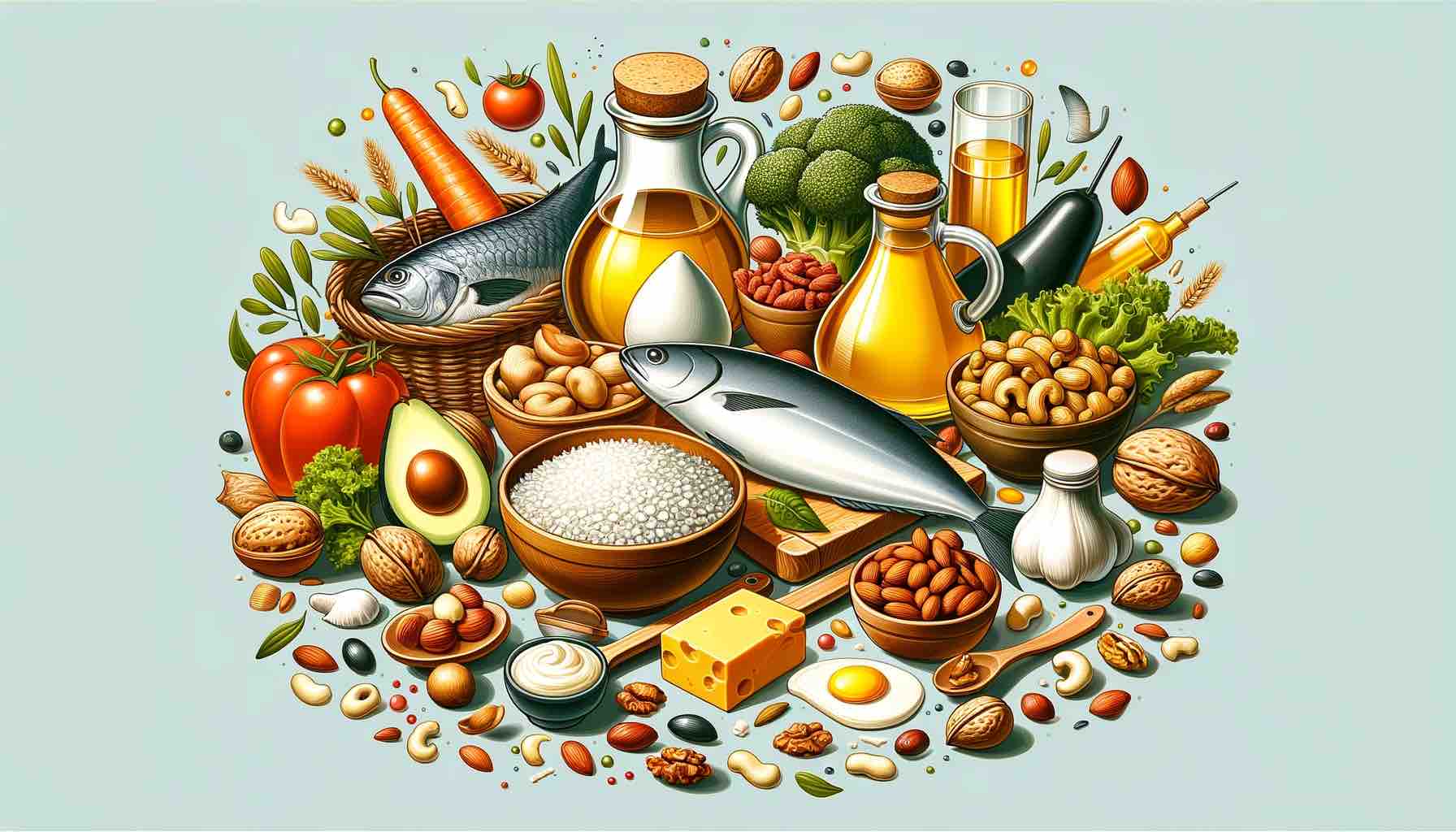
Carbs are found in a wide variety of foods, from the grains in our morning cereal to the sugar in our favorite desserts. They come in different forms, namely sugars, starches, and fibers, each with its own unique impact on our health and well-being.
Think of carbohydrates as the fuel for your body’s engine. Just as a car needs gas to run, your body needs carbohydrates to function. They power everything from intense physical activity to basic bodily functions like breathing and thinking.
But not all carbs are created equal. The key to understanding their impact on our health lies in the distinction between simple and complex carbohydrates. This distinction affects everything from how we digest them to how they influence our blood sugar levels.
So, before you label all carbs as ‘bad’ or decide to banish them from your diet, let’s take a closer look at their types and sources. As we peel back the layers of carbohydrate complexity, you’ll discover that they are more than just a number on a nutritional label – they’re a crucial part of your balanced diet.
Understanding Carbohydrates in Indian Cuisine: A Balanced Approach
Indian cuisine, renowned for its aromatic spices and diverse flavors, also presents a rich array of carbohydrate sources. Understanding how these fit into a balanced diet is key to enjoying India’s culinary heritage while maintaining health and wellness. Here’s a closer look at the common carbohydrate-rich foods in Indian cuisine and how to enjoy them healthily:
1. Staple Grains: Rice and Wheat
- Rice: A central component in Indian meals, especially in South and East India, rice is the foundation of dishes like Biryani and Pulao. Opting for whole grains like brown or red rice can increase fiber intake, which is beneficial for digestion and blood sugar control.
- Wheat: In North India, wheat-based bread like Rotis, Chapatis, and Naans are dietary staples. Incorporating whole wheat or multigrain flour can enhance the nutritional value of these breads, offering more fiber and nutrients.
2. Millets: The Ancient Grains
- Millets, such as Jowar (Sorghum), Bajra (Pearl Millet), and Ragi (Finger Millet), are traditional grains known for their high fiber and micronutrient content. Dishes like Ragi Roti or Bajra Khichdi are not only flavorful but also offer a healthy carbohydrate choice.
3. Lentils and Legumes: More than Just Protein
- Lentils (Dal) are a crucial part of Indian cuisine, serving as an important source of both protein and carbohydrates. Dishes like Dal Tadka, Chana Masala, or Rajma provide essential nutrients, and pairing them with whole grains can make for a balanced meal.
4. Vegetables: The Nutrient-Dense Carbs
- Indian cuisine features a variety of vegetables, which are excellent sources of complex carbohydrates. From leafy greens in Saag to mixed vegetables in Subzis, these dishes are rich in fiber, vitamins, and minerals.
5. Sweets and Desserts: The Mindful Indulgence
- Indian sweets, though delicious, are often high in sugar and fats. Enjoying these in moderation is key. Opting for sweets made with natural sweeteners like jaggery or incorporating fruits and nuts can offer a healthier alternative for festive occasions.
6. Snacking Smartly
- Indian snacks, ranging from Samosas to Bhel Puri, are often carb-centric. Choosing baked or steamed versions over fried ones can reduce calorie intake. Snacks like Dhokla or Roasted Makhanas can be healthier alternatives that satisfy the craving without compromising on taste.
Carbohydrates are an integral part of meals, reflecting our rich culinary diversity. By making mindful choices, such as opting for whole grains, moderating sweet intake, and choosing healthier cooking methods, one can enjoy the flavors of Indian cuisine while maintaining a balanced diet. This approach allows for a harmonious blend of tradition and health, making every meal both nourishing and delightful.
Carb Types Demystified: Simple vs. Complex
Embarking on our carb expedition, we encounter two main characters: simple and complex carbohydrates. Their names might hint at their complexity, but there’s more to the story. Simple carbohydrates, often found in sugary snacks and processed foods, are like quick sparks. They break down rapidly in your body, leading to swift spikes in blood sugar levels. Imagine the sudden burst of energy you feel after sipping a soda – that’s simple carbs at work. They’re the speedy, yet fleeting, energy providers, often found in:
- Sugary treats like candies and pastries.
- Sweetened beverages, including sodas and energy drinks.
- Processed foods with added sugars.
Now, meet the complex carbohydrates. These are the slow burners, the endurance athletes of the carb world. Found in foods like whole grains, fruits, and vegetables, complex carbs have a more elaborate structure. This complexity means your body takes longer to break them down, resulting in more sustained energy release and stable blood sugar levels. They’re the ‘long haul’ energy sources, present in:
- Whole grains like oats, quinoa, and brown rice.
- Legumes, including beans, lentils, and chickpeas.
- Fiber-rich vegetables and fruits.
But why does this matter? The rate at which carbs are broken down and absorbed affects not just your energy levels, but also your overall health. Rapid spikes and drops in blood sugar can lead to fluctuations in energy and mood, and over time, may increase the risk of health issues like diabetes and obesity.
Understanding the type of carbs you consume can transform your approach to diet and health. It’s not just about counting carbs; it’s about making each carb count. In the following sections, we’ll dive into how choosing the right type of carbs can empower your health, rather than hinder it.
The Good, The Bad, and The Nutritious: Carbs in Your Diet
As we’ve seen, not all carbs are created equal. But how do you distinguish the nourishing from the notorious? It’s about going beyond the label and understanding the nature of the carb. Let’s break it down:
The Good: These are your complex carbohydrates. They’re like the unsung heroes of your diet, often overlooked but vitally important. They’re packed with fiber, vitamins, minerals, and other nutrients that are essential for good health. Think of whole grains, vegetables, fruits, and legumes. They not only provide sustained energy but also help in digestion, weight management, and reducing the risk of various diseases.
The Bad: Enter simple carbohydrates, particularly those with added sugars. They’re often found in ultra-processed foods and can lead to quick energy spikes followed by crashes. Excessive intake of these carbs is linked to various health issues, including weight gain, diabetes, and heart disease. They’re the empty calories – high in energy but low in nutritional value.
The Nutritious Twist: It’s not just about avoiding ‘bad’ carbs but also about balancing them with ‘good’ carbs. For instance, enjoying a piece of cake is fine, but balance it with nutrient-rich foods throughout your day. It’s about moderation and understanding that while all carbs provide energy, the quality of that energy can vastly differ.
In this part of our journey, the message is clear: Carbs are not your enemy. Like friends, some are better for you than others. It’s about choosing those that support your health and indulging in others mindfully. Remember, the best diet is the one that you can maintain healthily and happily in the long run. Up next, we’ll explore how these carbohydrates make their way through your body, providing energy and keeping you going.
Carbs at Work: Digestion, Energy, and Health
Once you’ve enjoyed your meal, the carbohydrates embark on their journey inside your body, playing a pivotal role in your health and energy levels. This journey, from plate to power, is a fascinating process:
1. Digestion Begins: Carbohydrates start their journey in your mouth. Enzymes in saliva begin breaking down complex carbs into simpler sugars. As they travel through the digestive system, these carbs are further broken down until they’re simple sugars like glucose.
2. Into the Bloodstream: The simple sugars are then absorbed into your bloodstream. This is where the body’s energy management kicks in. Your blood sugar levels rise, signaling the pancreas to release insulin, a hormone that helps glucose enter your body’s cells.
3. Fueling the Body: Once inside the cells, glucose is either used immediately for energy or stored for future use. This energy fuels everything from your brain’s thought processes to your muscles’ movements. It’s the reason you can think, run, dance, and dream.
4. The Balancing Act: Not all carbs are equal in this process. Remember the simple vs. complex carbs? Simple carbs lead to rapid spikes and falls in blood sugar, sometimes resulting in that all-too-familiar ‘crash.’ Complex carbs, with their fiber and structure, provide a more gradual release of energy, keeping blood sugar levels more stable.
5. Long-Term Health Impacts: This isn’t just about short-term energy. The type of carbs you eat regularly can have long-term health effects. A diet high in refined and simple carbs may increase the risk of health issues like type 2 diabetes and heart disease. Conversely, a diet rich in complex carbs can support long-term health, aiding in weight management, digestive health, and reducing disease risk.
As you can see, the journey of a carbohydrate is a tale of transformation and impact. It’s a process that highlights the importance of choosing the right types of carbs for sustained health and well-being. Next, we’ll look at how carbs fit into various diets and lifestyle choices, helping you make informed decisions for your health.
Carbohydrates and Diet Trends: Navigating the Maze
In the realm of diets and health trends, carbohydrates often take center stage, but the spotlight isn’t always flattering. From low-carb diets to carb-loading, the advice seems as varied as the foods themselves. Let’s navigate this maze and see how carbs fit into different dietary philosophies:
Low-Carb and Keto Diets: These diets drastically reduce carb intake, favoring fats and proteins instead. Think Keto or Atkins – they’re all about limiting carbs to induce a state called ketosis, where the body burns fat for fuel instead of carbs. While some swear by the weight loss and energy levels on these diets, they’re not without controversy. Critics point out potential long-term health risks and the challenge of maintaining such restrictive eating patterns.
High-Carb, Low-Fat Diets: On the other end are diets like the Ornish or Pritikin plans, which advocate for high carbohydrate intake from fruits, vegetables, and whole grains, while minimizing fat. These diets are often recommended for heart health and longevity.
Balanced Approach: Then there’s the middle ground – a balanced diet that includes carbs, fats, and proteins in moderation. This approach doesn’t demonize any food group but emphasizes the quality of carbs – opting for whole grains and fiber-rich foods over processed and sugary options.
The key takeaway? There’s no one-size-fits-all when it comes to carbohydrates in diets. Your lifestyle, health goals, and personal preferences should guide your choice. Remember, the best diet is the one that’s sustainable, enjoyable, and meets your individual nutritional needs. In the upcoming section, we’ll provide practical tips on how to incorporate healthy carbs into your everyday meals.
Incorporating Healthy Carbs: Practical Tips for Everyday Eating
Understanding the importance of carbohydrates is one thing, but putting that knowledge into practice is where the real magic happens. Here’s how you can incorporate healthy carbs into your diet in a way that’s both enjoyable and beneficial:
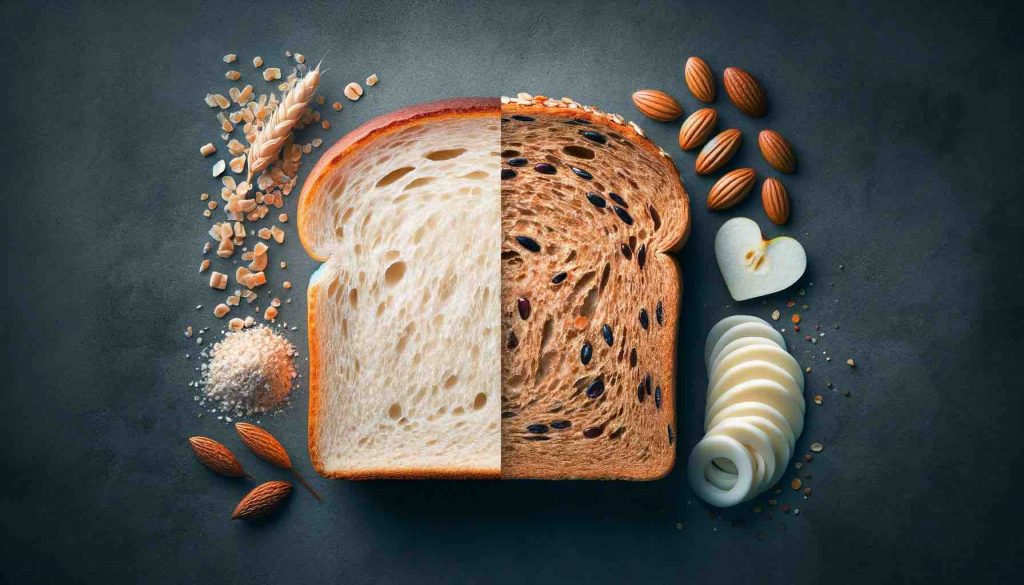
1. Choose Whole Over Refined: Swap out white bread, pasta, and rice for their whole-grain counterparts. Whole grains like brown rice, quinoa, and whole wheat contain more fiber and nutrients than their refined versions.
2. Embrace Variety: Carbohydrates aren’t just about bread and pasta. Broaden your carb horizons with a variety of fruits, vegetables, legumes, and grains. Each brings its unique flavors and health benefits.
3. Balance Your Plate: Follow the ‘MyPlate’ approach – fill half your plate with fruits and vegetables, a quarter with whole grains, and a quarter with protein. This balance ensures you’re getting a healthy mix of carbs, along with other essential nutrients.
4. Be Snack-Smart: Choose snacks that are rich in fiber and low in added sugars. Think apple slices with peanut butter, carrot sticks with hummus, or a handful of nuts and berries. These snacks provide energy without the sugar crash.
5. Don’t Fear the Fruit: While fruits contain sugar, they’re also packed with vitamins, minerals, and fiber. Enjoy fruits in their whole form rather than juices, which often lack fiber and contain concentrated sugars.
6. Read the Labels: When buying packaged foods, check the labels for added sugars and opt for products with whole food ingredients.
7. Experiment in the Kitchen: Cooking at home gives you control over what goes into your meals. Try out recipes that use whole grains and legumes, and experiment with herbs and spices for flavor without the extra sugar.
Remember, incorporating healthy carbs into your diet isn’t about strict rules or total deprivation. It’s about making informed choices that contribute to a balanced, healthful eating pattern. Up next, we’ll wrap up with some final thoughts on how to embrace carbs as part of a healthy lifestyle.
Conclusion: Embracing Carbs for a Healthier You
As we come to the end of our carbohydrate journey, it’s clear that these essential nutrients are far more than just numbers on a nutrition label. They’re the fuel for our daily lives, powering everything from our physical activities to our brain functions. The key is not to fear carbs but to understand and embrace them wisely.
Carbohydrates, in their healthiest forms, are not the enemy of a balanced diet; they are a vital part. By choosing whole grains, fiber-rich fruits and vegetables, and minimizing processed sugars, you can harness the power of carbs for your health and well-being.
Remember, the most effective diet is not about extreme restrictions or labeling foods as ‘good’ or ‘bad.’ It’s about creating a sustainable, enjoyable eating pattern that nourishes your body and fits your lifestyle. Whether you’re an athlete, a busy professional, or anyone in between, carbohydrates have a place in your diet.
So next time you sit down for a meal, think about how the carbs on your plate can support your health goals. And when you reach for that occasional sweet treat, enjoy it without guilt, knowing that balance is the key.
We hope this journey through the world of carbohydrates has been enlightening and empowering. Carbs are a delicious and essential part of our diets, and with the right knowledge, you can make them work for you, not against you. Here’s to enjoying the full spectrum of food, carbs included, in your pursuit of a happy, healthy life.
Join the Conversation and Share Your Thoughts!
As you embark on your own journey with carbohydrates, we’d love to hear your experiences and insights. What are your favorite carb-rich foods? How do you balance carbs in your diet? Share your tips and stories in the comments below – let’s create a community of shared knowledge and support.
Don’t Forget to Share!
If you found this post enlightening, please feel free to share it with your friends, family, or anyone who might benefit from a deeper understanding of carbohydrates. Sharing knowledge is a powerful way to inspire healthier eating habits and demystify the often-confusing world of nutrition.
Stay Tuned for More!
Interested in learning more about nutrition and healthy eating? Be sure to follow our blog for more informative posts. We cover a range of topics to help you on your journey to a healthier, happier life. Your path to wellness is unique, and we’re here to support you every step of the way.
10 FAQs with answers for your blog post on carbohydrates:
- What are the main types of carbohydrates?
- Carbohydrates are primarily classified into two types: simple and complex. Simple carbohydrates include sugars like glucose and fructose, found in fruits and processed foods. Complex carbohydrates include starches and fibers, found in whole grains, vegetables, and legumes.
- Are all carbohydrates bad for weight loss?
- Not all carbohydrates are detrimental to weight loss. Complex carbohydrates, found in whole grains and fiber-rich foods, can actually aid in weight management. They provide sustained energy and help keep you full longer, preventing overeating.
- Can I eat carbohydrates if I have diabetes?
- Yes, people with diabetes can eat carbohydrates, but it’s important to choose the right types. Complex carbohydrates with low glycemic indexes, like whole grains and vegetables, are preferable as they cause a slower rise in blood sugar levels.
- How do carbohydrates impact energy levels?
- Carbohydrates are the body’s primary energy source. Simple carbs provide quick energy, while complex carbs offer longer-lasting energy due to their slower digestion and absorption.
- Do carbohydrates affect mood and brain function?
- Yes, carbohydrates can influence mood and brain function. They are essential for brain health as glucose, derived from carbs, is the primary energy source for the brain. Fluctuations in blood sugar levels can impact mood and cognitive function.
- What’s the difference between added sugars and natural sugars?
- Added sugars are those introduced during processing, like in candy or soda. Natural sugars are found naturally in foods, such as fruits and milk. Foods with natural sugars often also contain fiber, vitamins, and minerals.
- How can I incorporate healthy carbohydrates into my diet?
- Incorporate healthy carbs by choosing whole grains, eating a variety of fruits and vegetables, and opting for fiber-rich foods. Also, be mindful of portion sizes and balance carb intake with protein and healthy fats.
- What role do carbohydrates play in athletic performance?
- Carbohydrates are crucial for athletic performance as they provide the energy needed for muscle contractions. Before exercise, carbs fuel the muscles, and post-exercise, they aid in recovery and glycogen replenishment.
- Are low-carb diets like Keto safe and effective?
- Low-carb diets, such as Keto, can be effective for short-term weight loss and certain medical conditions. However, their long-term safety and efficacy are still debated. It’s important to consult with a healthcare provider before starting any restrictive diet.
- Can eating carbs at night lead to weight gain?
- Eating carbs at night does not necessarily lead to weight gain. Weight gain is more about total calorie intake versus expenditure. It’s crucial to focus on the type and quantity of carbs rather than the timing.
Blog Tags: Carbohydrates, Healthy Eating, Nutrition, Weight Management, Diet Trends, Whole Grains, Diabetes Care, Energy Foods, Brain Health, Athletic Performance