
Posted on 1 Comment

For Women: The Rainbow Diet for PMS Relief

Introduction:

Hello again to all the wonderful women on their wellness journey! As we continue our exploration into natural remedies for PMS, this post invites you to step into the vibrant and nourishing world of fruits and vegetables. Often, we underestimate the power of what Mother Nature offers on our plates. But today, let’s change that perspective. Imagine a palette of colorful foods, each rich in specific nutrients, ready to ease your PMS woes. From the lush greens of leafy vegetables to the bright bursts of citrus fruits, every color in our diet plays a crucial role in balancing our bodies and minds. So, grab your favorite fruit, get comfy, and let’s dive into the rainbow diet – a natural, delicious way to combat the symptoms of PMS.


The Symphony of Colors: Unpacking the Nutritional Spectrum

As we embark on this colorful journey, let’s unfold the nutritional tapestry that these varied hues represent. Each color in our produce aisle is not just for show; it’s a signal of the diverse nutrients packed within. Here’s a glimpse into this rainbow of wellness:

  • Greens: The Foundation of Vitality
    Think of leafy greens like spinach, kale, and Swiss chard as your personal energy boosters. Rich in iron, they’re perfect for combating the fatigue that often accompanies PMS. Plus, their high levels of B vitamins are essential in regulating mood and energy levels.
  • Reds and Purples: Antioxidant Powerhouses
    Red and purple fruits and vegetables, such as berries and beets, are teeming with antioxidants. These compounds fight inflammation, a common villain in the PMS narrative. They also contribute to overall health and vitality, helping your body to rejuvenate and recover.
  • Oranges and Yellows: Nature’s Mood Lifters
    Carrots, sweet potatoes, and citrus fruits are more than just a feast for the eyes. Their rich content of beta-carotene and vitamin C supports immune function and uplifts your mood. The natural sugars in these foods offer a healthy energy boost, perfect for those sluggish days.
  • Whites and Browns: The Unsung Heroes
    Don’t overlook the subtler shades of cauliflower, mushrooms, and garlic. These might not be as flashy, but they are packed with essential nutrients like allicin and selenium that support hormonal balance and overall health.

This cornucopia of colors is not just about creating a pretty plate; it’s a strategic arsenal against the symptoms of PMS. Each bite is a step towards a more balanced, energized, and harmonious cycle.

In the next section, we’ll explore specific fruits and vegetables, highlighting their unique benefits and offering tasty tips on how to incorporate them into your diet.


Spotlight on Superfoods: Specific Fruits and Vegetables for PMS

Now that we understand the importance of color variety, let’s zoom in on some specific fruits and vegetables that are particularly effective for easing PMS symptoms. Here are some superstars of the produce world:

  • Kale and Spinach: The Iron Maidens
    These leafy greens are not just trendy; they’re packed with iron, an essential mineral often depleted during menstruation. Including kale and spinach in your diet can help replenish iron levels, combating fatigue and weakness.
  • Berries: Nature’s Sweet Antidotes
    Strawberries, blueberries, raspberries – these little gems are full of antioxidants and vitamins. They can help reduce inflammation and oxidative stress, which are often high during PMS. Plus, their natural sweetness is a healthy alternative to processed sugar cravings.
  • Citrus Fruits: The Zesty Mood Enhancers
    Oranges, lemons, and limes are rich in vitamin C and flavonoids. They not only boost your immune system but also improve iron absorption from other foods. Their refreshing taste can be a real mood lifter on gloomy PMS days.
  • Sweet Potatoes: The Comforting Carb
    High in fiber and beta-carotene, sweet potatoes are an excellent source of sustained energy. They can help stabilize blood sugar levels, keeping those PMS mood swings at bay.
  • Avocado: The Fatty Acid Hero
    Avocados are loaded with healthy fats and fiber. They help in maintaining hormonal balance and are also incredibly satiating, making them a great snack to curb those PMS hunger pangs.

Creative Ways to Incorporate These Foods:

  • Green Smoothies: Start your day with a smoothie made of spinach, kale, and a handful of berries. It’s a quick, nutritious way to kickstart your morning.
  • Citrus Salad: Create a refreshing salad with mixed citrus fruits, a drizzle of honey, and a sprinkle of mint. It’s a delightful way to hydrate and nourish your body.
  • Baked Sweet Potato Fries: Swap out regular fries for baked sweet potato fries seasoned with your favorite herbs. It’s a healthy and tasty way to satisfy your carb cravings.
  • Avocado Toast: Mash up some avocado on whole-grain toast, topped with a sprinkle of salt, pepper, and lemon juice. A simple yet fulfilling snack or breakfast option.

Conclusion:

Embracing a diet rich in a variety of fruits and vegetables can be a game-changer in managing PMS symptoms. These foods are not only packed with essential nutrients but also offer natural ways to boost your mood and energy. Remember, the key is variety and creativity in your diet.


FAQs for “Women’s Wellness: The Rainbow Diet – Fruits and Vegetables for PMS Relief”

  1. How can fruits and vegetables help with PMS symptoms?
    Fruits and vegetables are packed with vitamins, minerals, and antioxidants that can help balance hormones, reduce inflammation, and boost mood and energy levels, all of which are beneficial in managing PMS symptoms.
  2. Are there specific fruits and vegetables that are particularly good for PMS?
    Yes, leafy greens like kale and spinach are great for their iron content, berries for their antioxidants, citrus fruits for vitamin C, sweet potatoes for their fiber and beta-carotene, and avocados for healthy fats.
  3. Can changing my diet really make a difference in my PMS?
    Definitely. Diet plays a crucial role in overall health, and specific changes in what you eat can significantly impact hormonal balance and PMS symptoms.
  4. What’s the best way to incorporate these foods into my diet?
    Smoothies, salads, and snacks are great ways. For example, green smoothies for breakfast, citrus salads for a refreshing lunch, and avocado toast or baked sweet potato fries as snacks.
  5. Are there any fruits or vegetables I should avoid during PMS?
    It’s not so much about avoidance but focusing on balance and nutrient-rich options. However, reducing processed and sugary foods can help manage PMS symptoms better.
  6. How do leafy greens help with PMS fatigue?
    Leafy greens are rich in iron, which is essential for replenishing the iron lost during menstruation, thus helping to combat fatigue and weakness associated with PMS.
  7. Can diet help with mood swings during PMS?
    Yes, a balanced diet with a variety of fruits and vegetables can help stabilize blood sugar levels, which in turn can help regulate mood swings.
  8. Are there any quick and easy recipes for incorporating these superfoods?
    Absolutely! Try simple dishes like berry smoothies, citrus fruit salads, or roasted sweet potatoes. These are not only easy to make but also pack a punch in terms of nutrition.
  9. How can I ensure I’m getting a good variety of these foods?
    Aim to “eat the rainbow” – include a variety of colors in your meals. This ensures a wide range of nutrients and maximizes the benefits for PMS relief.
  10. Is it okay to take supplements for these nutrients instead of eating the foods?
    While supplements can be beneficial, it’s best to get nutrients from whole foods for additional benefits like fiber and natural sugars. Supplements can be used in consultation with a healthcare provider, especially if there are dietary restrictions.

Blog Tags:

women’s health, PMS relief, healthy eating, fruits and vegetables, nutritional wellness, dietary management of PMS, hormone balance, natural remedies for PMS, superfoods for women, combating PMS naturally

Posted on Leave a comment

Women’s Wellness: PMS and Healthy Fats


Introduction:

Hello and welcome to our Women’s Wellness series, where we delve into the transformative power of natural remedies for managing PMS. In this exciting journey, we’re shining the spotlight on an often-overlooked ally – healthy fats. Gone are the days when fats were the foes; today, they’re our friends, especially when it comes to combating the myriad symptoms of PMS.

For too long, the narrative around fats has been shrouded in misunderstanding. However, as we peel back the layers, we uncover their true potential in balancing hormones and soothing inflammation – two key culprits in the PMS saga. This post is more than just a guide; it’s a celebration of how simple dietary changes can bring about profound shifts in our wellbeing.

So, grab your favorite cup of tea, and let’s embark on this enlightening path towards understanding how integrating healthy fats into our diet can be a game-changer for women battling PMS.


The Essential Role of Healthy Fats in Hormonal Balance

When it comes to PMS, understanding our body’s hormonal landscape is key. It’s like navigating a complex maze where every turn can significantly affect our well-being. This is where healthy fats step in as invaluable guides, helping us find a path to hormonal harmony.

Why Healthy Fats Matter:

  • Building Blocks of Hormones: Fats are not mere energy sources; they’re fundamental in creating and balancing hormones. Think of them as the architects of your hormonal health.
  • Inflammation Reduction: Many PMS symptoms, like cramps and mood swings, are fueled by inflammation. Healthy fats, with their anti-inflammatory properties, act like a soothing balm, calming this internal turmoil.

Transforming PMS with Healthy Fats:

  • Mood Stabilization: Fluctuations in hormones can send our moods on a rollercoaster. Fats like Omega-3s, found in flaxseeds and fatty fish, help smooth out these highs and lows.
  • Cramp Relief: Instead of reaching for painkillers, try incorporating more Omega-3-rich foods into your diet. They’re natural pain relievers, reducing cramp intensity.

Empowering Our Bodies Through Diet:

It’s empowering to know that we can influence our hormonal balance through what we eat. By choosing the right fats, we’re not just feeding our bodies; we’re nurturing our hormonal health. It’s a form of self-care that goes beyond the plate, impacting how we feel every day of the month.

In the next section, we’ll dive into the specifics of these mighty fats and explore how to seamlessly incorporate them into our daily routines. From the tropical vibes of coconut oil to the nutty goodness of almonds and walnuts, get ready to discover a world of flavorful and beneficial options that cater to both your palate and your wellness.


Spotlight on Super Fats: Your Allies Against PMS

Let’s meet the superstars in the world of healthy fats. These aren’t just any fats; they’re the champions that can make a real difference in your battle against PMS.

Coconut Oil: The Tropical Hormone Helper

  • Hormonal Conductor: Rich in medium-chain fatty acids, coconut oil is a key player in hormone production. It’s like a maestro, orchestrating the hormonal balance in your body.
  • Inflammation Soother: Beyond hormone regulation, coconut oil has anti-inflammatory properties that can alleviate PMS-related pains and aches.

Omega-3 Rich Foods: The Mood Stabilizers

  • Sources of Serenity: Flaxseeds, chia seeds, and fatty fish like salmon are packed with Omega-3 fatty acids, known for their mood-stabilizing effects. They’re like a calming sea breeze for your hormonal tempest.
  • Pain Relief: These Omega-3 powerhouses are also natural pain relievers, offering respite from cramps and discomfort.

Avocado: The Creamy Comforter

  • Monounsaturated Marvel: Avocados are loaded with monounsaturated fats, which are excellent for maintaining hormonal balance and overall health.
  • Versatile and Delicious: Whether in a smoothie, on toast, or as a guacamole, avocados are a tasty way to boost your intake of good fats.

Nuts and Seeds: The Crunchy Crusaders

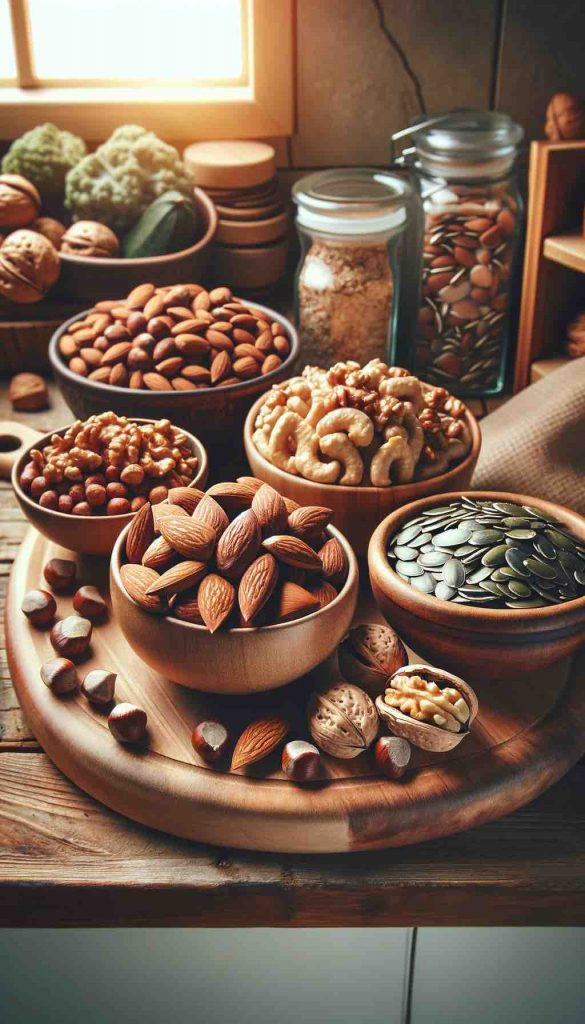
  • Almonds, Walnuts, and More: A handful of these nuts not only satiates hunger but also provides Omega-3s and other beneficial fats.
  • Snack Smart: They’re perfect as a snack or sprinkled on salads, making it easy to add a crunch of health to your day.

Olive Oil: The Mediterranean Secret

  • Liquid Gold: Extra virgin olive oil is a staple in healthy diets, famed for its heart health and hormonal balance benefits.
  • Salad’s Best Friend: Drizzle it over salads or use it in low-heat cooking for a dose of good fat.

Each of these fats brings something unique to the table, offering a symphony of benefits that can help alleviate PMS symptoms. The key is to incorporate a variety of these fats into your diet. This doesn’t mean overhauling your eating habits overnight; it’s about making small, sustainable changes that add up to a big impact on your hormonal health.

In the following sections, we’ll explore practical and delicious ways to include these super fats in your daily meals, turning each bite into an opportunity for well-being.


Crafting a Fat-Friendly Diet: Delicious Ways to Incorporate Healthy Fats

Now that we’ve met our fat heroes, let’s get creative in the kitchen! Incorporating these healthy fats into your daily diet can be both delicious and effortless. Here are some ideas to get you started:

Breakfast: Start Your Day Right

  • Smoothie with a Twist: Blend some spinach, a small avocado, a tablespoon of coconut oil, and your favorite berries for a nutritious smoothie. It’s a creamy delight that packs a hormonal health punch.
  • Nutty Oatmeal: Stir some chia seeds and sliced almonds into your morning oatmeal. Top with a drizzle of honey for a cozy, comforting start to your day.

Lunch: Light and Satisfying

  • Avocado Salad: Toss together mixed greens, cherry tomatoes, cucumber, and slices of avocado. Add grilled chicken or salmon for protein, and dress with olive oil and lemon juice for a refreshing and filling lunch.
  • Wrap it Up: Whole grain wraps filled with leafy greens, shredded carrots, slices of avocado, and your choice of protein (like grilled tofu or chicken) make for a satisfying, portable lunch.

Dinner: End the Day with a Nutrient Boost

  • Salmon Delight: Grill or bake a salmon fillet with a sprinkle of herbs. Serve with quinoa and steamed broccoli or asparagus for a meal rich in Omega-3s and overall goodness.
  • Stir-Fry with a Healthy Twist: Use olive oil for a vegetable stir-fry. Include a variety of colorful veggies and toss in some cashews or walnuts for an extra dose of healthy fats.

Snacks: Smart and Simple

  • Nut Butter Celery Sticks: Spread almond or peanut butter on celery sticks for a crunchy, satisfying snack.
  • Fruit and Nut Medley: Mix together a handful of walnuts, almonds, and your favorite dried fruits for a quick, energy-boosting snack.

Conclusion: A Journey of Flavor and Health

Incorporating healthy fats into your diet isn’t just about managing PMS; it’s a journey towards overall wellness. It’s about enjoying the flavors of natural, wholesome foods while nurturing your body. Remember, the key is balance and variety. Experiment with these ideas, and feel free to get creative with your recipes!

Your Turn: Share and Explore

We’d love to hear how you incorporate healthy fats into your diet. Do you have a favorite recipe or a special way of preparing these fat-rich foods? Share in the comments below! And stay tuned for our next post, where we’ll dive into the world of fruits and vegetables and their role in easing PMS symptoms.


FAQs for “Embracing Healthy Fats to Alleviate PMS Symptoms”

  1. How do healthy fats affect hormonal balance in women? Healthy fats play a crucial role in producing and regulating hormones. They provide essential building blocks that help maintain hormonal equilibrium, which can alleviate PMS symptoms.
  2. Can incorporating coconut oil into my diet help with PMS? Absolutely! Coconut oil is rich in medium-chain fatty acids, vital for hormone production. Its anti-inflammatory properties also help reduce PMS-related discomfort.
  3. Are Omega-3 fatty acids beneficial for managing PMS? Yes, Omega-3s, found in flaxseeds, chia seeds, and fatty fish, are excellent for stabilizing mood swings and reducing inflammation, making them highly beneficial for PMS management.
  4. What are some easy ways to include healthy fats in my diet? Simple ways include using olive oil as a salad dressing, snacking on nuts like almonds and walnuts, adding avocado to your meals, and incorporating coconut oil into your smoothies.
  5. Can changing my diet really make a difference in my PMS symptoms? Diet plays a significant role in managing PMS symptoms. Incorporating healthy fats can lead to noticeable improvements in hormonal balance and reduction in symptoms.
  6. Is it possible to get enough healthy fats from a vegetarian diet? Yes, vegetarian sources like avocados, nuts, seeds, and plant-based oils are excellent sources of healthy fats.
  7. Are there any healthy fats that also help with menstrual cramps? Omega-3 fatty acids are known for their natural pain-relieving properties, which can be effective in easing menstrual cramps.
  8. How much healthy fat should I include in my daily diet for PMS relief? The amount varies per individual, but including a portion with each meal, like a handful of nuts or a tablespoon of olive oil, is a good start. It’s best to consult with a nutritionist for personalized advice.
  9. Can healthy fats aid in mood stabilization during PMS? Yes, fats like Omega-3s help in mood regulation, which can be particularly beneficial during the mood swings often experienced in PMS.
  10. Are there any risks associated with consuming too many healthy fats? While healthy fats are beneficial, moderation is key. Excessive intake can lead to caloric surplus and weight gain. Balance them with other food groups for optimal health.

Blog Tags:

Women’s Wellness, Healthy Fats, PMS Relief, Hormonal Balance, Nutrition, Omega-3 Fatty Acids, Coconut Oil Benefits, Mood Stabilization, Anti-inflammatory Foods, Diet and Health, Natural PMS Management

Posted on Leave a comment

Women’s Wellness: Cloves for Health and Harmony

Introduction:

In the ancient spice bazaars of Zanzibar, a spice as tiny as a nail but as potent as a potion was traded more than gold – the clove. This aromatic gem has journeyed through centuries, not just as a culinary staple but as a cornerstone in women’s wellness rituals. Today, we retrace the steps of cloves from the exotic islands of Indonesia to our modern kitchens and medicine cabinets, unveiling their remarkable benefits for women’s health.

Cloves, with their sweet yet piquant flavor, are more than just a spice. They are a testament to nature’s power in nurturing and healing, especially attuned to the needs of women. Let’s delve into the world of cloves, exploring how this small but mighty spice can bring health and harmony to the lives of women.

Section 1: Cloves – A Brief History

Native to the Maluku Islands in Indonesia, cloves have been a prized possession in the spice world for thousands of years. Their journey from the remote islands to the kitchens and pharmacies around the world is a tale of intrigue and desire. In ancient times, cloves were used not only to flavor food but also as a currency in trade and a treasure in dowries.

Historically, cloves have held a special place in women’s health. In traditional Chinese medicine and Ayurveda, they were used for their warming properties and were believed to bring balance to the female body. Whether it was to alleviate menstrual pain or to aid in postpartum recovery, cloves were a trusted ally for women.

Section 2: Health Benefits of Cloves for Women

The true power of cloves lies in their impressive array of health benefits, particularly beneficial for women:

  • Hormonal Balance: Cloves are known for their eugenol content, which can help in regulating hormones, especially beneficial during menstrual cycles and menopause.
  • Antioxidant Properties: Packed with antioxidants, cloves combat oxidative stress, keeping cells healthy and delaying signs of aging.
  • Dental Health: Often found in dental products, cloves can alleviate toothaches and gum pain, common issues many women face due to hormonal fluctuations.
  • Immune Support: Their antiviral and antibacterial properties bolster the immune system, a crucial factor in today’s fast-paced lifestyle.

Section 3: Incorporating Cloves into a Wellness Routine

Embracing cloves in your daily wellness routine can be both delightful and beneficial. Here are some ways to harness the power of cloves:

  • In Your Diet: Add ground cloves to your morning oatmeal or yogurt for a flavor boost. Cloves also make a great addition to spice rubs for meats or in marinades.
  • Soothing Teas: A clove-infused tea is excellent for digestive health and can be particularly comforting during menstrual cramps. Steep a few cloves in boiling water, add honey, and enjoy the warm, soothing effects.
  • Aromatic Baths: For a relaxing and aromatic bath, add a few drops of clove essential oil to your bathwater. It’s a perfect way to unwind and benefit from the antiseptic properties of cloves.
  • Homemade Remedies: Cloves can be used in homemade remedies for minor pains and aches. A warm compress with clove oil can help alleviate muscle soreness or joint pain.

Section 4: Precautions and Best Practices

While cloves are generally safe and beneficial, it’s important to consider some precautions:

  • Pregnancy and Breastfeeding: Pregnant and breastfeeding women should use cloves cautiously and preferably under medical guidance.
  • Allergies and Reactions: If you’re allergic to other spices, it’s advisable to introduce cloves gradually into your diet and be aware of any adverse reactions.
  • Quantity Matters: As with any spice, moderation is key. Excessive consumption of cloves can lead to digestive issues or irritation.

When selecting cloves, opt for whole cloves over ground ones as they retain their potency longer. Store them in a cool, dry place to preserve their flavor and health benefits.


Conclusion:

The journey of cloves from ancient times to our modern wellness practices is a testament to their enduring health benefits, especially for women. As we rediscover these tiny yet powerful buds, let us embrace them not just for their flavor but for their ability to harmonize and heal. In every clove lies a promise of wellness, a blend of tradition and health, waiting to be unlocked and enjoyed.


Call to Action:

Have you experienced the benefits of cloves in your wellness journey? Share your favorite clove-based recipes or remedies in the comments below, and let’s spread the word about this amazing spice!

FAQs

  1. How do cloves contribute to women’s wellness? Cloves offer multiple health benefits for women, including hormonal balance, improved digestion, antioxidant properties, and support for immune health, all essential for holistic wellness.
  2. Can cloves help with menstrual pain? Yes, cloves can be effective in alleviating menstrual pain due to their analgesic and anti-inflammatory properties. Consuming clove tea or using clove oil can provide relief.
  3. What are some ways to include cloves in a daily diet? You can add ground cloves to your dishes for flavor, make clove-infused tea, or use whole cloves for aromatic purposes in cooking, like in stews or baked goods.
  4. Are there any skin benefits associated with cloves? Yes, cloves contain antioxidants and antibacterial properties that can benefit the skin. They can be used in homemade face masks to treat acne and improve skin health.
  5. Is it safe to consume cloves every day? Consuming cloves in moderation as part of your daily diet is generally safe. However, it’s important not to overconsume, as excessive intake can lead to discomfort or irritation.
  6. Can cloves aid in weight loss? While cloves alone don’t directly cause weight loss, their metabolism-boosting and digestive properties can support weight management as part of a balanced diet.
  7. Do cloves have any stress-relieving properties? Yes, the aroma of cloves can have a calming effect, making them beneficial in stress relief. Clove oil is often used in aromatherapy for relaxation.
  8. How should cloves be stored for maximum potency? Cloves should be stored in a cool, dry place, away from direct sunlight. Whole cloves retain their potency longer than ground cloves.
  9. Are there any risks or side effects of using cloves? Cloves are generally safe when used in culinary amounts. High doses or undiluted clove oil can be irritating and should be avoided, especially in sensitive individuals.
  10. Can pregnant or breastfeeding women use cloves? Pregnant or breastfeeding women should use cloves cautiously and preferably consult with a healthcare provider before making them a significant part of their diet.

Blog Tags: Cloves, Women’s Wellness, Hormonal Balance, Natural Remedies, Menstrual Relief, Healthy Cooking, Antioxidant Benefits, Skin Health, Aromatherapy, Holistic Health

Posted on Leave a comment

Metabolism Boost for Women: Black Pepper’s Power

Introduction:

Often relegated to the sidelines as just another seasoning, black pepper holds a secret power that goes unnoticed in our daily culinary routines. Imagine a world where this humble spice is not just an afterthought but a key player in enhancing wellness, particularly for women. Black pepper, with its sharp and distinctive flavor, is more than just a table condiment – it’s a metabolic booster in disguise.

This post is dedicated to uncovering the hidden potential of black pepper, a spice that’s been in our kitchens for ages but perhaps not in our wellness radar. Let’s delve into how this common spice can become an uncommon ally in a woman’s quest for health and vitality.

Section 1: The Mighty Black Pepper

The story of black pepper begins in the lush rainforests of Southern India, where it has been grown for thousands of years. Known as the ‘King of Spices’, it was once so valuable that it was used as currency. The ancient Ayurvedic texts lauded its health benefits, and it was a coveted commodity on the spice routes.

But black pepper is more than its historical richness. It contains piperine, the compound that gives it its pungency, and also its power to stimulate metabolism. As we rediscover black pepper through the lens of health and wellness, its role in our kitchens takes on a new significance.

Section 2: Black Pepper and Women’s Metabolism

For women, maintaining a healthy metabolism is often a balancing act, influenced by factors like diet, lifestyle, and hormonal changes. Black pepper emerges as a natural booster in this aspect. Piperine in black pepper enhances metabolic performance and encourages the body to break down fat cells.

Scientific studies have shed light on how piperine aids in the absorption of nutrients and increases thermogenesis – the process by which the body burns calories to produce heat. This property makes black pepper an invaluable spice for women looking to manage their weight and boost their metabolism naturally.

Section 3: Health Benefits Beyond Metabolism

Black pepper’s benefits extend far beyond just boosting metabolism. Its potent properties make it a versatile ally in various aspects of health, especially for women:

  • Digestive Health: Black pepper stimulates the digestive juices and enzymes, enhancing the digestive process without irritating the gut.
  • Nutrient Absorption: It increases the bioavailability of essential nutrients like vitamins A and C, selenium, and beta-carotene, ensuring that women get the most out of the foods they eat.
  • Antioxidant Properties: Rich in antioxidants, black pepper combats free radical damage, which is crucial for maintaining youthful skin and overall cellular health.
  • Immune System and Hormonal Balance: The spice’s anti-inflammatory and antibacterial properties support the immune system. Additionally, its positive impact on the endocrine system aids in hormonal balance.

Section 4: Incorporating Black Pepper into Everyday Diet

Incorporating black pepper into your daily diet is easier than you might think, and it can significantly impact your health:

  • Morning Routine: Start your day with a pinch of black pepper in your morning lemon water or smoothie to kickstart your metabolism.
  • Seasoning: Use freshly ground black pepper to season salads, soups, and main dishes. Its flavor enhances virtually any meal.
  • Healthy Snacking: Sprinkle black pepper on fruits like pineapple or mango for a spicy twist.
  • In Beverages: Add a dash of black pepper to your tea or turmeric milk to enhance absorption and add a warming effect.

Conclusion:

Black pepper, a spice that’s often taken for granted, is indeed a powerhouse of health benefits, particularly for women. Understanding and utilizing its metabolic-boosting and health-enhancing properties can make a significant difference in your wellness journey. As we reconsider the role of this powerful spice, it becomes clear that black pepper is not just a seasoning but a key to unlocking a healthier, more vibrant life.


Call to Action:

We’d love to hear how you use black pepper in your wellness routine. Share your favorite recipes or tips in the comments below, and let’s continue to discover the amazing benefits of everyday spices together!

  1. What makes black pepper a metabolism booster for women? Black pepper contains piperine, a compound that enhances metabolic performance and stimulates the breakdown of fat cells, making it particularly beneficial for women’s metabolism.
  2. Can black pepper aid in weight loss? Yes, by boosting metabolism and improving digestion, black pepper can be a useful addition to a weight loss diet. However, it should be combined with a healthy diet and regular exercise for best results.
  3. How does black pepper benefit women’s hormonal health? Black pepper can positively impact hormonal balance due to its anti-inflammatory properties, which are beneficial in managing symptoms associated with hormonal fluctuations.
  4. Are there any particular ways to include black pepper in a diet? Black pepper is versatile and can be added to various dishes. It can be sprinkled on salads, used in marinades, or even added to drinks like smoothies for an extra kick.
  5. What are the other health benefits of black pepper? Beyond boosting metabolism, black pepper is known for its antioxidant properties, aiding digestion, enhancing nutrient absorption, and supporting the immune system.
  6. Is there a recommended daily amount of black pepper for health benefits? While there’s no specific recommended daily amount, using black pepper moderately in your regular meals is generally sufficient to reap its benefits.
  7. Can black pepper be harmful in any way? When consumed in culinary amounts, black pepper is generally safe. However, excessive consumption may lead to digestive discomfort for some individuals.
  8. How does black pepper enhance the absorption of nutrients? Piperine in black pepper enhances the bioavailability of various nutrients, such as vitamins A and C, selenium, and beta-carotene, aiding in more effective absorption by the body.
  9. Can black pepper improve skin health? Yes, the antioxidant properties of black pepper may contribute to better skin health by combating free radical damage.
  10. Is black pepper suitable for all dietary needs? Black pepper is widely suitable for various dietary preferences, including vegan and gluten-free diets. However, individuals with specific allergies or digestive issues should consult a healthcare professional.

Blog Tags: Black Pepper, Women’s Metabolism, Weight Loss, Hormonal Health, Nutritional Absorption, Healthy Cooking, Natural Remedies, Wellness, Antioxidants, Dietary Tips

Posted on Leave a comment

Asafoetida for Women and Their Vitality

Introduction:

Every woman carries within her a world of strength and nurturing, a delicate balance that’s often challenged in the hustle of everyday life. In the midst of juggling careers, families, and personal ambitions, it’s easy to overlook one’s health and well-being. Enter Asafoetida – an ancient spice, often hidden in the shadows of more prominent flavors, yet holding secrets that resonate deeply with the essence of feminine vitality.

This post is more than just an exploration of a spice; it’s a tribute to every woman who strives for wellness amidst chaos. We’re about to unravel the mysteries of Asafoetida – how this unsung hero of the spice world can be a beacon of health for women. From digestive wellness to hormonal balance, let’s discover how incorporating this potent spice can transform your health narrative, adding not just flavor but vitality to your life.


Section 1: The History and Origin of Asafoetida

A pungent aroma fills the air whenever Asafoetida, also known as ‘Hing’, is added to a hot pan. This resinous gum, derived from the roots of Ferula plants, has been a staple in traditional medicine and cooking for centuries. Its use dates back to the ancient civilizations of Persia and India, where it was not only a culinary delight but also a revered remedy. Particularly in Ayurveda, Asafoetida was a cornerstone for treatments, especially for ailments affecting women, such as menstrual cramps and hormonal imbalances.

Legend has it that in some parts of ancient India, Asafoetida was considered a sacred herb, used by midwives to aid in childbirth and to cleanse the aura of newborns. Its strong odor, often compared to that of cooked onions and garlic, was believed to ward off evil spirits and is still a popular belief in some cultures.

Section 2: Understanding Asafoetida’s Nutritional Profile

While its smell might be overwhelming for some, Asafoetida’s nutritional profile is nothing short of impressive. It contains compounds like ferulic acid, which are known for their anti-inflammatory properties. For women, these properties are particularly beneficial. Inflammation is often a silent culprit behind many health issues women face, from hormonal fluctuations to skin conditions.

Moreover, Asafoetida is a rich source of antioxidants, vital in fighting oxidative stress, which can lead to premature aging and chronic diseases. Integrating Asafoetida into your diet can contribute to overall cellular health, keeping you feeling and looking youthful.

Section 3: Asafoetida and Digestive Health

One of the most celebrated benefits of Asafoetida is its impact on digestive health. It’s a natural antispasmodic, meaning it can help reduce bloating, gas, and other uncomfortable digestive issues. This is especially beneficial for women who often experience these symptoms due to hormonal changes throughout their menstrual cycle.

Adding a pinch of Asafoetida to lentil dishes or vegetable stir-fries can make a significant difference. Not only does it add a layer of flavor, but it also aids in the digestion of these sometimes heavy foods, ensuring that you feel lighter and more energetic.

Section 4: Hormonal Balance and Menstrual Health

In the intricate dance of hormones that occurs in a woman’s body, Asafoetida plays a subtle yet impactful role. It’s particularly beneficial for those who experience discomfort and mood swings during their menstrual cycle. Asafoetida’s natural compounds help in regulating hormonal activity, providing a sense of balance during those often turbulent days.

Women who have incorporated Asafoetida into their diet often report a noticeable decrease in menstrual cramps. The spice’s antispasmodic properties not only aid digestion but also help in relaxing the muscles, thereby alleviating cramps. A simple home remedy is to add a pinch of Asafoetida to a glass of warm water or to your evening tea during menstruation for some relief.

Section 5: Asafoetida in Modern Cooking

Bringing Asafoetida into the modern kitchen can be a delightful adventure. While it’s a staple in many traditional Indian recipes, its versatility makes it a perfect fit for contemporary fusion dishes. For example, a dash of Asafoetida can transform a simple pasta dish into a gut-friendly, aromatic delight. It pairs well with creamy sauces, lending them a subtle depth without being overpowering.

For those new to Asafoetida, the key is to start small. Just a pinch is enough to release its flavor and health benefits. It works beautifully in marinades or as a seasoning for roasted vegetables, adding an umami-like depth to plant-based dishes.

Section 6: Beyond the Kitchen – Other Uses of Asafoetida

Asafoetida’s benefits extend beyond culinary uses. It has been a part of traditional skincare and home remedies for centuries. A lesser-known use of Asafoetida is in the treatment of acne and skin blemishes. Its anti-inflammatory properties make it an excellent ingredient for homemade face masks, especially for oily skin.

Moreover, Asafoetida can be used in homemade hair masks to promote scalp health and prevent dandruff. Mixing a small amount of Asafoetida powder with your regular hair oil can enhance its effectiveness, leaving you with healthier, shinier hair.


Conclusion:

In weaving the rich tapestry of Asafoetida into the fabric of our daily lives, we don’t just add a spice to our pantry; we embrace a legacy of health and vitality. For the woman who balances the world on her shoulders, this humble spice is a whisper of nature’s care, a subtle yet powerful ally in her journey of wellness. As we close this chapter, remember that every sprinkle of Asafoetida is a nod to your health, a small yet significant step towards embracing a life of vitality and wellness.


Call to Action:

Have you tried incorporating Asafoetida into your lifestyle? We would love to hear your stories and experiences. Share your thoughts in the comments below, and let us know if there are other hidden gems in the spice world you’d like us to explore!


FAQs

  1. What exactly is Asafoetida and where does it come from? Asafoetida, also known as Hing, is a resinous gum derived from the roots of Ferula plants, primarily found in Iran and Afghanistan. It’s a staple in many Indian and Middle Eastern cuisines due to its unique flavor and aroma.
  2. How can Asafoetida benefit women’s health? Asafoetida is known for its anti-inflammatory properties and is particularly beneficial in regulating hormonal activity and menstrual health in women. It also aids in digestion and can help alleviate symptoms like bloating and cramps.
  3. Can Asafoetida help in weight loss? Yes, Asafoetida can aid in weight loss. It boosts metabolism and aids digestion, which are key factors in maintaining a healthy weight. However, it should be used as part of a balanced diet and lifestyle.
  4. Is Asafoetida safe during pregnancy? While Asafoetida is generally safe, it’s advised to use it in moderation during pregnancy. Due to its potent properties, pregnant women should consult with a healthcare provider before adding it to their diet.
  5. Are there any side effects of using Asafoetida? Asafoetida is safe for most people when consumed in culinary amounts. However, in rare cases, it might cause certain digestive side effects or allergies. It’s recommended to start with small amounts to test tolerance.
  6. How can I incorporate Asafoetida into my diet? Asafoetida can be easily added to soups, stews, curries, and lentil dishes. It pairs well with vegetables and is often used in tempering or seasoning dishes.
  7. Does Asafoetida have any uses beyond cooking? Yes, Asafoetida is also used in traditional remedies for issues like toothache, bronchitis, and even as a component in skincare treatments, thanks to its anti-inflammatory properties.
  8. What does Asafoetida taste like? Asafoetida has a unique taste, described as a blend between leek, garlic, and onion. It’s pungent when raw but delivers a smooth, savory flavor when cooked.
  9. Can Asafoetida be a substitute for onion and garlic? Yes, in Indian cuisine, Asafoetida is often used as a substitute for onion and garlic, making it a great option for those who avoid these ingredients for dietary or religious reasons.
  10. How should Asafoetida be stored for maximum potency? Asafoetida should be stored in an airtight container, away from moisture and light. This preserves its aroma and potency for a longer duration.

Blog Tags: Asafoetida, Women’s Health, Hormonal Balance, Natural Remedies, Indian Spices, Healthy Cooking, Digestive Wellness, Menstrual Health, Ayurvedic Medicine, Nutritional Benefits