Introduction
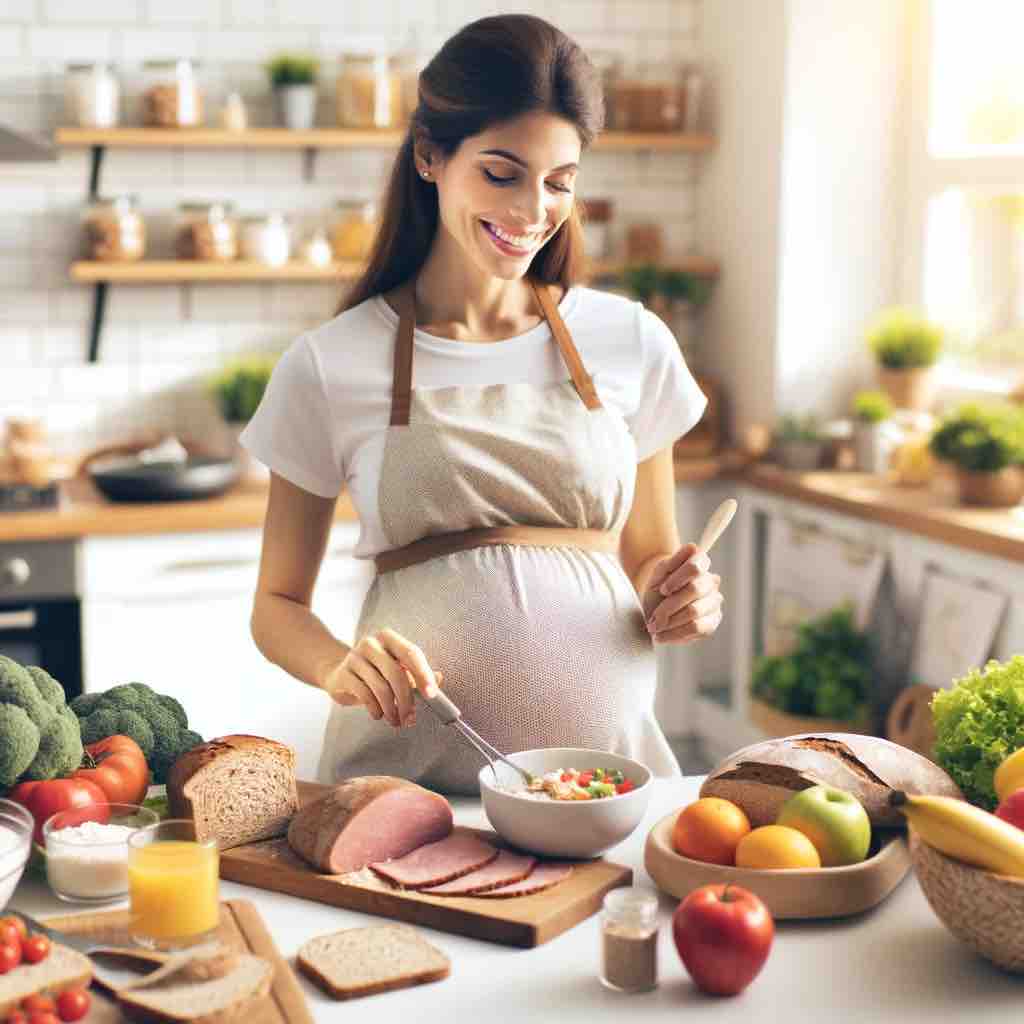
Welcoming a new life into the world is an extraordinary journey, filled with hope, anticipation, and a deep sense of responsibility. For expectant mothers, this journey is not just about the physical changes they experience, but also about the choices they make every day to ensure the health and well-being of their little one. One such vital choice revolves around nutrition – particularly, the crucial role of B vitamins during pregnancy.
B vitamins, the unsung heroes of prenatal health, are like a symphony orchestra, each playing a unique yet harmonious role in supporting both the mother and the developing baby. From the brain-boosting powers of B12 to the spinal cord development supported by B9 (folate), these nutrients are pivotal in writing the first chapters of a new life with health and vitality. But why are they so important, and how can expectant mothers ensure they’re getting enough of these essential nutrients?
Enter the world of whole grains and lean meats – nature’s bounty packed with these life-sustaining vitamins. These aren’t just foods; they’re vessels of health, carrying within them the key to robust prenatal development and maternal well-being. Whole grains, with their rich fiber content and complex carbohydrates, offer more than just sustenance; they are a treasure trove of B vitamins. Lean meats, on the other hand, are not only high in protein but also in vital nutrients like B12 and iron, crucial for the formation of red blood cells and the prevention of anemia, a common concern in pregnancy.
But how can these ingredients be transformed into delicious, nourishing meals that satisfy those pregnancy cravings while also catering to the nutritional needs of a mom-to-be? This is where the culinary adventure begins. In this post, we’re going to explore 5 delectable meal ideas that beautifully blend the wholesomeness of whole grains with the nourishing power of lean meats. These recipes are designed to be not just palatable but also easy to prepare, ensuring that even the busiest expectant mothers can enjoy a diet rich in B vitamins.
So, whether you are a mom-to-be, a partner looking to support a healthy pregnancy, or simply someone interested in understanding the wonders of prenatal nutrition, this guide is your companion in making informed, delicious, and healthful dietary choices. Let’s embark on this flavorful journey to boost B vitamins with whole grain and lean meat meals, ensuring a healthier start for the little ones and a stronger, more vibrant pregnancy for the mothers.
The Importance of B Vitamins During Pregnancy
As we embark on this nutritional odyssey, it’s essential to understand the pivotal role that B vitamins play in the tapestry of prenatal health. These vitamins are not just nutrients; they are the building blocks for a healthy pregnancy, supporting everything from fetal development to the mother’s well-being. Each member of this vitamin family contributes uniquely and significantly.
- Folate (Vitamin B9): The Star of Prenatal Health
- Folate, or Vitamin B9, is the cornerstone of prenatal nutrition. It’s famed for its role in preventing neural tube defects (NTDs) such as spina bifida and anencephaly, conditions where the spinal cord or brain do not develop properly. The neural tube forms and closes in the earliest stages of pregnancy, often before many women even realize they’re pregnant. This is why adequate folate intake is crucial even before conception and during the first trimester.
- Beyond NTD prevention, folate is a master weaver of DNA and RNA, playing a critical role in cell division and growth. This makes it not just essential for the growing fetus but also for the mother, whose body is rapidly producing new cells to support the pregnancy.
- Vitamin B6 (Pyridoxine): The Versatile Nutrient
- B6 is a multitasker, involved in over 100 enzyme reactions in the body’s cells. During pregnancy, B6 takes on the critical task of brain and nervous system development for the fetus. It’s also a warrior against morning sickness, providing relief from nausea and vomiting, common symptoms in early pregnancy.
- This vitamin also aids in the formation of neurotransmitters – chemicals that transmit signals in the brain. This is vital not only for the baby’s developing brain but also for the mother’s mental health, helping to regulate mood and sleep patterns.
- Vitamin B12 (Cobalamin): Essential for Nervous System and Blood
- Vitamin B12 is a key player in the formation of red blood cells and the maintenance of the nervous system. A deficiency in B12 during pregnancy can lead to anemia, posing risks to both mother and child. For the fetus, adequate B12 is critical for proper brain development and functioning.
- Interestingly, B12 works in concert with folate in the body. It assists in the activation of folate and helps in homocysteine metabolism, which, if unregulated, can lead to cardiovascular issues.
- Other B Vitamins: Supporting Roles in Pregnancy
- Other members of the B vitamin family, such as thiamin (B1), riboflavin (B2), niacin (B3), pantothenic acid (B5), and biotin (B7), play supporting but vital roles. They are involved in energy production, skin health, and the breakdown of fats and carbohydrates. For a pregnant woman, this means better energy management, healthier skin, and an optimized metabolism to support the demands of growing a new life.
Given the significant roles these vitamins play, it’s evident that ensuring an adequate intake is paramount for a healthy pregnancy. But it’s not just about popping pills; nature has provided us with a cornucopia of B vitamin-rich foods, with whole grains and lean meats standing at the forefront. These foods offer a symphony of nutrients in a form that the body can readily absorb and use, making them superior to supplements alone.
In the following sections, we’ll dive into the world of whole grains and lean meats, unveiling how these everyday ingredients can be transformed into extraordinary meals that pack a nutritional punch for moms-to-be. As we journey through these culinary creations, remember that each dish is more than just food; it’s a mosaic of nutrients, each playing its part in nurturing a new life.
Why Focus on Whole Grains and Lean Meats?
Understanding why whole grains and lean meats are paramount in a prenatal diet is key to appreciating the recipes that follow. These aren’t just ingredients; they’re powerhouses of nutrition, especially when it comes to the all-important B vitamins.
Whole Grains: The Nutritional Powerhouses
Whole grains are the seeds of grass-like plants called cereals. Unlike refined grains, they retain all parts of the seed — the bran, germ, and endosperm — each contributing its own nutritional benefits.
- Rich in B Vitamins: Whole grains are an excellent source of B vitamins, including thiamin (B1), riboflavin (B2), niacin (B3), and particularly folate (B9). These vitamins play crucial roles in energy production and the development of new cells, which is vital during pregnancy.
- High in Fiber: The fiber in whole grains aids in digestion and helps prevent constipation, a common issue during pregnancy. It also contributes to a feeling of fullness, helping to control weight gain and manage blood sugar levels.
- Essential Minerals and Antioxidants: Whole grains are also rich in essential minerals like iron, magnesium, and selenium, along with antioxidants that support overall health.
Lean Meats: The Building Blocks of Growth
Lean meats, including poultry, fish, and cuts of red meat with low fat content, are another cornerstone of prenatal nutrition.
- High-Quality Protein: Protein is essential for the growth and repair of cells, making it a crucial nutrient for both the mother and the developing baby. Lean meats provide high-quality protein that’s easily utilized by the body.
- Rich in Vitamin B12 and Iron: Lean meats are among the best sources of Vitamin B12, essential for the formation of red blood cells and neurological health. They also provide heme iron, the form of iron most easily absorbed by the body, which is essential for preventing anemia in pregnancy.
- Contains Other Vital Nutrients: Apart from B vitamins and iron, lean meats offer other nutrients like zinc and omega-3 fatty acids (especially in fish), which are important for the baby’s brain development.
The Synergy of Whole Grains and Lean Meats
When combined, whole grains and lean meats create a balanced diet that addresses the key nutritional needs of pregnant women. They provide a harmonious blend of macronutrients (carbohydrates, proteins, and fats) and micronutrients (vitamins and minerals), ensuring that both mother and baby receive all the essential elements for healthy development.
Moreover, the versatility of whole grains and lean meats allows for an endless variety of tasty, nutritious meals. This versatility is crucial because it keeps the diet interesting and appealing, an important aspect considering the changing taste preferences and possible food aversions during pregnancy.
In the following sections, we will delve into five delectable meal ideas that harness the nutritional power of these ingredients. Each recipe is crafted to provide a balance of flavors and nutrients, ensuring that each meal is a delight to the palate and a boon to prenatal health. As we explore these meals, bear in mind that each ingredient has been chosen not just for its taste but for its role in supporting a healthy pregnancy.
5 Whole Grain and Lean Meat Meal Ideas
Creating a menu that’s both delicious and nutritionally tailored for expectant mothers can be a delightful culinary adventure. The following five meal ideas incorporate whole grains and lean meats, focusing on their rich B vitamin content. These recipes are designed to be simple, adaptable, and appealing, catering to the diverse palates and nutritional needs of moms-to-be.
1. Quinoa & Grilled Chicken Salad
Ingredients:
- Quinoa: A gluten-free whole grain, packed with protein and fiber.
- Grilled Chicken: A lean protein source, high in B vitamins, especially B6 and B12.
- Mixed Greens: Spinach, arugula, and kale for additional folate and fiber.
- Cherry Tomatoes, Cucumbers, and Avocado: For added vitamins, minerals, and healthy fats.
- Dressing: Olive oil and lemon juice for a light, refreshing taste.
Preparation:
- Cook quinoa as per package instructions.
- Grill chicken breast until well-cooked, then slice.
- Toss cooked quinoa with mixed greens, cherry tomatoes, cucumber, and avocado.
- Top with grilled chicken and drizzle with olive oil and lemon juice dressing.
2. Whole Wheat Turkey Wraps
Ingredients:
- Whole Wheat Tortillas: Full of B vitamins and fiber.
- Lean Turkey Slices: A great source of protein and B vitamins, particularly B6 and B12.
- Lettuce, Tomato, and Cucumber: For crunch and additional nutrients.
- Low-Fat Cheese: Adds calcium and protein.
- Mustard or Hummus: For flavor without added calories.
Preparation:
- Layer turkey slices, lettuce, tomato, cucumber, and cheese on a whole wheat tortilla.
- Add a spread of mustard or hummus.
- Roll the tortilla tightly and slice in half.
3. Baked Salmon with Brown Rice
Ingredients:
- Salmon: Rich in omega-3 fatty acids and vitamin B12.
- Brown Rice: A whole grain that provides B vitamins and fiber.
- Steamed Broccoli: High in vitamins C and K, and fiber.
- Lemon and Dill: For flavoring the salmon.
Preparation:
- Season the salmon with lemon and dill, then bake until cooked through.
- Cook brown rice as per package instructions.
- Serve baked salmon over a bed of brown rice, accompanied by steamed broccoli.
4. Beef Stir-Fry with Whole Grain Noodles
Ingredients:
- Lean Beef Strips: High in iron and B12.
- Whole Grain Noodles: More nutritious than regular pasta, offering B vitamins and fiber.
- Mixed Vegetables: Bell peppers, carrots, and snap peas for vitamins and fiber.
- Soy Sauce, Ginger, and Garlic: For a flavorful stir-fry sauce.
Preparation:
- Cook whole grain noodles as per package instructions.
- Stir-fry beef strips and vegetables with soy sauce, ginger, and garlic.
- Combine with cooked noodles and serve hot.
5. Lentil Soup with Barley and Lean Pork
Ingredients:
- Lentils: High in protein, fiber, and folate.
- Barley: A whole grain that adds texture and nutrients.
- Lean Pork: A good source of B6 and B12.
- Carrots, Celery, and Onions: For added flavor and nutrients.
- Herbs and Spices: To enhance the taste without adding salt.
Preparation:
- Cook lentils, barley, and diced lean pork in a pot with water or broth.
- Add diced carrots, celery, and onions.
- Season with herbs and spices, then simmer until everything is cooked through.
Nutritional Notes and Variations
Each of these meals can be adapted to suit dietary preferences and restrictions. For vegetarian options, substitute meat with plant-based proteins like tofu or tempeh, which are also good sources of B vitamins. Always ensure meats are cooked thoroughly to avoid any risk of foodborne illnesses, which are particularly concerning during pregnancy.
These meal ideas are more than just recipes; they are a testament to the joy and creativity of pregnancy nutrition. They show how a diet rich in whole grains and lean meats can provide the essential nutrients needed for both mother and baby, all while delivering a culinary experience that is both satisfying and healthful. As you explore these meals, remember that each ingredient has been chosen for its nutritional profile, ensuring that you are nurturing your body and your growing baby with every bite.
Understanding Different Forms of B Vitamins
In our journey through the world of prenatal nutrition, it’s essential to delve deeper into the fascinating world of B vitamins. Understanding their different forms, sources, and how the body utilizes them can empower expectant mothers to make informed dietary choices. This knowledge becomes particularly crucial when considering supplements and dietary sources of these vital nutrients.
Folate vs. Folic Acid: Not All B9 is Created Equal
- Natural Folate: Found in foods like leafy greens, legumes, and some fruits, natural folate is directly utilized by the body. It plays a crucial role in DNA synthesis and repair, making it vital for both maternal health and fetal development.
- Folic Acid: This is the synthetic form of folate, often found in fortified foods and supplements. While it’s designed to be bioequivalent to natural folate, its utilization depends on individual genetic factors. Some people have variations in the MTHFR gene, affecting their ability to convert folic acid into its active form in the body. This makes natural dietary sources of folate particularly important.
Vitamin B12: Absorption and Bioavailability
- Dietary B12: Primarily found in animal products, vitamin B12 is crucial for nerve function and the formation of red blood cells. It’s also involved in DNA synthesis. The absorption of B12 from food requires a protein called intrinsic factor, produced in the stomach.
- Supplemental B12: In cases of dietary restrictions or specific health conditions, B12 supplements might be necessary. They can come in the form of cyanocobalamin or methylcobalamin. The choice and dosage should be determined in consultation with a healthcare provider, especially during pregnancy.
The Role of B6 (Pyridoxine) in Pregnancy
- Dietary Sources: Vitamin B6 is found in a wide array of foods, including whole grains, lean meats, fish, and some fruits and vegetables. It plays a role in cognitive development and immune function.
- Supplementation Concerns: While supplementation can help in cases of deficiency, excessive intake of B6, particularly from supplements, can lead to adverse effects. Therefore, getting B6 from dietary sources is usually preferable and safer during pregnancy.
The Lesser-Known B Vitamins
- Thiamine (B1), Riboflavin (B2), Niacin (B3), Pantothenic Acid (B5), and Biotin (B7): These vitamins are crucial for energy metabolism, skin health, and the breakdown of fats and carbohydrates. They are abundantly available in a balanced diet that includes whole grains, lean meats, eggs, and dairy.
Considerations for Supplementation
- Prenatal Vitamins: These typically contain a balanced spectrum of B vitamins. However, the composition can vary, and not all prenatal vitamins are created equal. It’s vital to choose a supplement that meets individual health needs and dietary gaps.
- Collaboration with Healthcare Providers: Consulting with a healthcare provider is essential to determine the need for supplements, their type, and dosage. This ensures that both the mother’s and the baby’s nutritional needs are met without exceeding safe intake levels.
Through understanding the nuances of B vitamins — their sources, forms, and how the body processes them — expectant mothers can optimize their prenatal diet. This knowledge serves as a guide to not only choosing the right foods but also understanding the role of supplements and how to use them effectively. This comprehensive approach ensures a well-rounded intake of these essential nutrients, paving the way for a healthy pregnancy and optimal fetal development.
Tips for Maximizing B Vitamin Absorption
Navigating the complexities of prenatal nutrition, particularly in terms of maximizing the absorption of B vitamins, is an essential aspect of a healthy pregnancy. It’s not just about what you eat, but also how you eat and what you pair your foods with. This section provides practical tips for expectant mothers to enhance the absorption of B vitamins from their diets, ensuring they are getting the most out of the nutrients they consume.
1. Balance Your Meals
- Combining Nutrients: Pairing certain foods can enhance the absorption of B vitamins. For instance, vitamin C found in citrus fruits can increase the absorption of B12 from foods. Including a variety of foods in each meal ensures a broad spectrum of nutrients, aiding overall absorption.
- Regular, Balanced Eating: Eating small, frequent meals can help maintain steady levels of B vitamins throughout the day, especially important for water-soluble vitamins like B complex which are not stored in the body.
2. Mindful Cooking Methods
- Preserving Nutrients: Cooking methods can impact the nutrient content of food. For instance, overcooking or boiling can lead to significant losses of water-soluble vitamins like B1 and B6. Opting for steaming, grilling, or stir-frying can help preserve these vitamins.
- Soaking and Sprouting Grains and Legumes: These processes can enhance the bioavailability of B vitamins by breaking down phytate, a compound that inhibits nutrient absorption.
3. Addressing Digestive Health
- Promote Gut Health: A healthy gut is crucial for absorbing nutrients efficiently. Including probiotic-rich foods like yogurt or fermented foods can support gut health, thereby improving nutrient absorption.
- Stay Hydrated: Adequate water intake is essential for optimal nutrient absorption and overall health. It also aids in digestion and the prevention of constipation, a common issue in pregnancy.
4. Consider Food Sensitivities
- Impact on Absorption: Food intolerances or sensitivities can affect the gut’s ability to absorb nutrients. Identifying and avoiding trigger foods can help improve B vitamin absorption.
- Consult a Dietitian: If there are concerns about food sensitivities, allergies, or specific dietary needs, consulting a dietitian can provide personalized guidance.
5. Lifestyle Factors
- Moderate Caffeine and Alcohol: Excessive intake of caffeine and alcohol can interfere with the absorption of B vitamins. Moderating these can help ensure better nutrient uptake.
- Manage Stress: Chronic stress can impact digestion and nutrient absorption. Engaging in stress-reduction activities like yoga, meditation, or gentle exercise can be beneficial.
6. Supplement Wisely
- When Necessary: Supplements should complement the diet, not replace it. If dietary intake is insufficient, or in cases of specific health conditions, supplementation might be necessary.
- Quality Matters: Choose high-quality, well-researched supplements. Look for brands that have undergone third-party testing for purity and potency.
7. Regular Health Check-Ups
- Monitoring Levels: Regular check-ups with a healthcare provider can help monitor nutrient levels, ensuring that any deficiencies are addressed promptly.
- Tailored Advice: Healthcare providers can offer tailored advice based on individual health needs, dietary habits, and pregnancy progress.
Implementing these strategies can significantly impact the effectiveness of prenatal nutrition. By focusing on balanced meals, mindful cooking, digestive health, and appropriate supplementation, expectant mothers can optimize the absorption of B vitamins, contributing to their well-being and that of their developing baby. This holistic approach to nutrition not only supports a healthy pregnancy but also sets the stage for lifelong health and nutrition habits.
Consulting Healthcare Providers for Prenatal Nutrition
Navigating prenatal nutrition, especially when it comes to optimizing B vitamin intake, requires a collaborative approach with healthcare providers. This section highlights the importance of professional guidance in creating a tailored nutritional plan that supports both the mother’s and the baby’s health throughout the pregnancy journey.
The Role of Healthcare Providers in Prenatal Nutrition
- Individualized Nutritional Assessment: Healthcare providers can assess individual dietary needs based on medical history, lifestyle, and specific health conditions. This personalized approach ensures that nutritional advice is tailored to meet the unique requirements of each expectant mother.
- Monitoring Nutrient Levels: Regular check-ups and blood tests can help monitor levels of crucial nutrients, including B vitamins, and address any deficiencies or excesses. This is particularly important for nutrients like folate and B12, which play critical roles in fetal development.
Importance of Prenatal Vitamins and Supplements
- Supplementing Wisely: While a balanced diet is the best way to obtain necessary nutrients, prenatal vitamins can help fill any nutritional gaps. Healthcare providers can recommend high-quality prenatal vitamins that are appropriate for the mother’s specific needs.
- Navigating Supplement Choices: With a plethora of supplement options available, healthcare providers can offer guidance on the best choices, considering factors like bioavailability, potential allergens, and compatibility with the mother’s health status.
Addressing Dietary Restrictions and Special Needs
- Managing Dietary Restrictions: For those with dietary restrictions (e.g., vegetarians, vegans, or those with food intolerances), healthcare providers can suggest alternative sources of B vitamins and other essential nutrients.
- Special Nutritional Needs: In cases of multiple pregnancies, history of nutritional deficiencies, or pre-existing health conditions, healthcare providers can offer specialized nutritional plans to ensure both maternal and fetal health.
Lifestyle and Dietary Modifications
- Balancing Diet and Lifestyle: Healthcare providers can provide advice on balancing diet with lifestyle changes that can impact nutritional status, such as physical activity, stress management, and sleep patterns.
- Safe Weight Management: Guidance on healthy weight gain during pregnancy, considering individual factors like pre-pregnancy weight and overall health, is crucial for preventing complications.
Continuous Guidance and Support
- Regular Consultations: Ongoing consultations throughout pregnancy help in adjusting nutritional plans as the pregnancy progresses and the mother’s needs change.
- Postnatal Nutrition: Healthcare providers can also guide on postnatal nutrition, which is important for recovery after childbirth and for breastfeeding mothers.
Collaborating with Other Specialists
- Working with Dietitians: In some cases, healthcare providers may collaborate with dietitians or nutritionists for more specialized dietary advice.
- Coordinating with Obstetricians and Midwives: Coordination with obstetricians and midwives ensures a holistic approach to prenatal care, encompassing both nutritional and medical aspects of pregnancy.
In summary, consulting with healthcare providers is a vital step in ensuring optimal prenatal nutrition. They play a critical role in providing individualized advice, monitoring health and nutrient levels, addressing specific dietary needs, and offering continuous support throughout the pregnancy. This collaborative approach helps in creating a balanced and effective nutritional plan that supports a healthy pregnancy and fosters the well-being of both the mother and the developing baby.
Conclusion: Embracing a Nutrient-Rich Journey for Mother and Child
As we draw this comprehensive exploration of prenatal nutrition, particularly the vital role of B vitamins and the benefits of whole grains and lean meats, to a close, it’s important to reflect on the key takeaways and the broader implications for expectant mothers and their babies. This journey is not just about individual meals or nutrients; it’s about embracing a holistic lifestyle that fosters optimal health and wellbeing during one of life’s most transformative stages.
Summarizing the Nutritional Adventure
- The Power of B Vitamins: We’ve delved into the critical roles of various B vitamins — from folate’s essential function in preventing neural tube defects to the significance of B12 in neural and cognitive development. Understanding these roles underscores the importance of a diet rich in these nutrients.
- Whole Grains and Lean Meats as Nutritional Pillars: Through our exploration of meal ideas, we’ve seen how whole grains and lean meats can form the backbone of a nutritionally balanced prenatal diet, providing not just B vitamins but a symphony of other essential nutrients.
- Culinary Creativity and Variety: The diverse array of meal options highlights that a nutrient-rich diet can also be a journey of culinary discovery and enjoyment, offering a plethora of flavors and textures to satisfy the palate.
Broader Implications for Maternal and Fetal Health
- Beyond Nutrition: This journey extends beyond mere dietary choices. It’s about nurturing, caring for, and making conscious decisions that benefit both the mother and the developing child.
- A Foundation for Lifelong Health: The habits and choices made during pregnancy can lay the groundwork for lifelong health and nutrition habits, not just for the child but also for the mother.
- The Ripple Effect of Prenatal Nutrition: Healthy prenatal practices have far-reaching implications, potentially impacting the child’s health and predispositions well into adulthood.
Final Thoughts and Encouragement
- Empowerment Through Knowledge: Armed with knowledge about prenatal nutrition, expectant mothers can feel empowered to make informed choices, positively influencing their pregnancy journey and the health of their baby.
- Support and Community: It’s important to seek support, whether from healthcare providers, nutritionists, or a community of fellow expectant mothers. Sharing experiences, recipes, and tips can enrich this journey.
- Personalization and Flexibility: Each pregnancy is unique, and nutritional needs can vary. Adapting and personalizing dietary choices to fit individual health requirements and preferences is key.
A Call to Action for Continued Learning and Growth
- Stay Informed and Curious: As research in prenatal nutrition evolves, staying informed and open to new information can further enhance maternal and fetal health.
- Share Your Journey: Encourage readers to share their experiences, favorite recipes, or insights gained, fostering a community of learning and support.
- Embrace the Journey: Finally, encourage expectant mothers to embrace this special time with positivity and mindfulness, making choices that nourish both body and soul.
In conclusion, this exploration of prenatal nutrition, focused on B vitamins and the invaluable role of whole grains and lean meats, is more than just a guide. It’s an invitation to embark on a nutrient-rich journey, embracing each step with knowledge, joy, and a deep sense of responsibility towards the upcoming new life. This journey, replete with its challenges and rewards, is not just a path to a healthy pregnancy but a foundational step towards a future of wellbeing and vitality for both mother and child.
10 FAQs for “Boosting B Vitamins for Moms-to-Be: 5 Whole Grain and Lean Meat Meals”
1. Why are B vitamins crucial during pregnancy? B vitamins, especially folate (B9), B6, and B12, are essential for fetal brain and spinal development, red blood cell formation, and supporting the mother’s health.
2. Can I get enough B vitamins from my diet during pregnancy? Yes, a balanced diet including whole grains, lean meats, fruits, and vegetables can provide sufficient B vitamins. However, consult with a healthcare provider to ensure your diet meets your specific needs.
3. What are some good whole grain choices for pregnant women? Quinoa, brown rice, whole wheat, barley, and oats are excellent whole grain choices, rich in B vitamins and fiber.
4. Why should I choose lean meats during pregnancy? Lean meats like chicken, turkey, and lean cuts of beef are high in protein and B vitamins, particularly B12, and are lower in unhealthy fats.
5. Are there vegetarian options rich in B vitamins for pregnant women? Yes, legumes, nuts, seeds, dairy products, eggs, and fortified whole grain products are great vegetarian sources of B vitamins.
6. How can I ensure I’m getting enough folate during pregnancy? Eat folate-rich foods like leafy greens, legumes, and citrus fruits. Additionally, most healthcare providers recommend a prenatal vitamin with folic acid.
7. Is it safe to take B vitamin supplements during pregnancy? Generally, yes, but it’s important to take prenatal vitamins or supplements as advised by your healthcare provider to avoid excessive intake.
8. Can cooking methods affect the B vitamin content in foods? Yes, gentle cooking methods like steaming or grilling are better at preserving B vitamins than high-heat methods like deep-frying or boiling.
9. What are some quick and healthy B vitamin-rich meal ideas for pregnant women? Meals like quinoa salad with grilled chicken, whole wheat turkey wraps, and baked salmon with brown rice are quick, nutritious, and rich in B vitamins.
10. What should I do if I have dietary restrictions or food allergies? Consult with a dietitian or healthcare provider to find alternative B vitamin-rich foods that fit your dietary needs and ensure a balanced intake.
Blog Tags for the Post
pregnancy nutrition, prenatal vitamins, B vitamins, whole grains, lean meats, healthy pregnancy diet, folate, vitamin B12, vitamin B6, cooking for pregnancy, maternal health, dietary planning, balanced diet during pregnancy