Posted on Leave a comment

Chia Pudding For Lunch: 5 Ways to Add More Mango to It

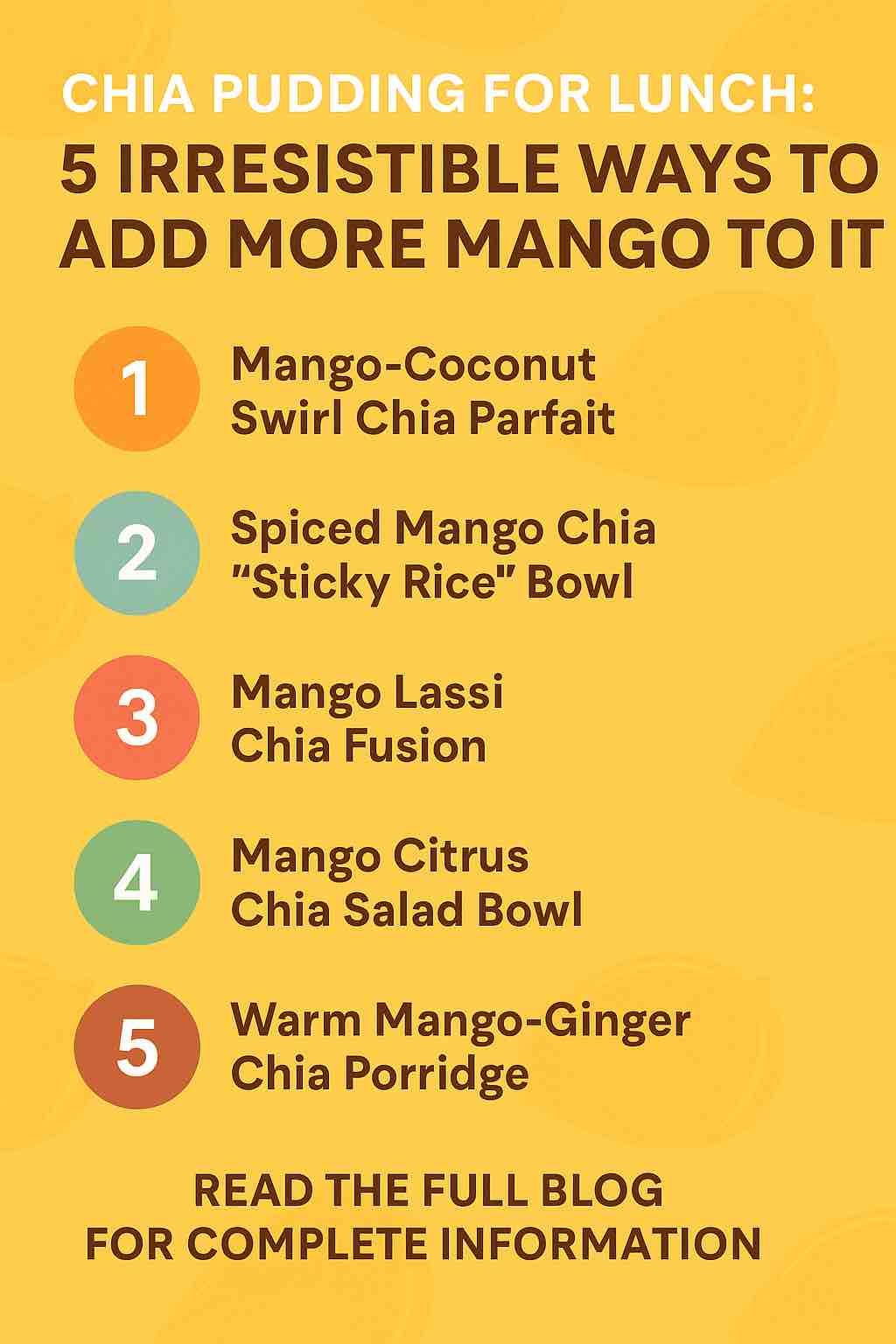
CHIA PUDDING FOR LUNCH: 5 IRRESISTIBLE WAYS TO ADD MORE MANGO TO IT

Who says chia pudding is only for breakfast or dessert?

With its creamy texture, rich fiber content, and ability to play well with virtually any flavor, chia pudding makes a smart, satisfying, and surprisingly sophisticated lunch option—especially when paired with the king of tropical fruits: mango.

Mango brings not just natural sweetness and a sunny golden hue to the table, but also adds a depth of flavor that can range from floral and honeyed to citrusy and tangy, depending on how it’s used. So if you’re ready to elevate your chia pudding game and make lunch more vibrant, here are five creative, indulgent-yet-healthy ways to pack in more mango.

Let’s dive spoon-first into the mango madness.


🍨 1. Mango-Coconut Swirl Chia Parfait (Layered & Lush)

Imagine scooping into layers of cool chia pudding, silky mango purée, and creamy coconut yogurt. Each bite is a perfect contrast: the soft pudding gives way to mango’s juicy brightness, balanced by a rich coconut swirl.

How to Make It:

  • Start by soaking your chia seeds overnight in coconut milk with a dash of vanilla and a touch of maple syrup.
  • In the morning, blend ripe mangoes into a smooth purĂŠe. (For tang, squeeze in a bit of lime juice.)
  • Alternate layers in a glass jar: chia pudding → mango purĂŠe → coconut yogurt → diced mango chunks.
  • Finish with toasted coconut flakes, lime zest, and maybe a sprig of mint.

Why it works: This is essentially a tropical parfait that satisfies your eyes, your tastebuds, and your hunger. Each spoonful is a little different—a layered flavor journey.


🥭 2. Spiced Mango Chia “Sticky Rice” Bowl (Inspired by Southeast Asia)

This one takes inspiration from Thai mango sticky rice, but reimagines it with chia seeds for a high-fiber, low-glycemic twist.

Key Flavors: Coconut, ripe mango, a hint of salt, and a dash of toasted sesame.

Build It Like This:

  • Prepare chia pudding with full-fat coconut milk, a pinch of salt, and a spoonful of honey.
  • Add a dash of ground cardamom or cinnamon for depth.
  • Serve in a bowl, topped with:
    • Sliced mango
    • A drizzle of coconut cream (use the thick top layer of a can)
    • Toasted sesame seeds or mung beans for crunch

Optional: Sprinkle with puffed quinoa or chopped roasted cashews for extra texture.

Why it works: It’s a lunchtime treat that tastes like dessert—but it’s packed with healthy fats, fiber, and fruit. Comforting and energizing.


🍹 3. Mango Lassi Chia Fusion (Yogurt-Infused Power Bowl)

Channel the creamy deliciousness of a mango lassi in this refreshing chia pudding twist that’s ideal for warmer days or post-workout lunches.

Blend These Elements:

  • Chia seeds soaked in a blend of almond milk and plain Greek yogurt (or a plant-based alternative).
  • Mango blended with a pinch of turmeric, cardamom, and a drizzle of honey.
  • Stir some mango purĂŠe directly into the chia base; leave some for topping.

Top It Off:

  • Chopped pistachios
  • A swirl of yogurt and a drizzle of purĂŠe
  • A few strands of saffron for luxury (optional)

Why it works: The yogurt makes it tangy and protein-rich, while the mango + spice combo feels both exotic and familiar. Balanced and satisfying.


🍊 4. Mango Citrus Chia Salad Bowl (Zesty & Fresh)

Looking for something bright and palate-cleansing? This chia bowl brings together sweet mango with tart citrus for a refreshing twist.

Assembly Guide:

  • Soak chia seeds in orange juice + a splash of lime for a citrusy base.
  • Toss together:
    • Diced mango
    • Orange or grapefruit segments (pomelo if you can find it!)
    • Chopped mint
  • Add a spoonful of citrus-chia pudding at the base of your bowl.
  • Top with the fruit mix and a small handful of granola or crushed macadamia nuts.

Pro Tip: Add a tiny bit of chili powder or TajĂ­n on the mango for a surprising kick.

Why it works: Sweet, sour, and spicy all in one bite. A flavor explosion that’s as energizing as it is light.


🍯 5. Warm Mango-Ginger Chia Porridge (Cozy & Unique)

Not all chia puddings need to be eaten cold! For a comforting lunch on a rainy day, try this cozy, gently warmed version infused with mango and ginger.

Here’s How:

  • Gently warm pre-soaked chia pudding on the stove with a bit more plant milk.
  • Stir in mango purĂŠe, grated fresh ginger, and a touch of cinnamon.
  • Let it thicken slightly over low heat, then remove and let cool for a minute.

Top with:

  • Caramelized mango slices (sautĂŠ in coconut oil with a bit of brown sugar)
  • Crushed walnuts or almonds
  • A drizzle of maple syrup

Why it works: This is like a rice pudding-meets-fruit compote moment, but with all the nutritional benefits of chia. Deep, spicy-sweet, and comforting.


🥄 Final Tips for Chia Pudding Perfection with Mango

  • Ripe mangoes are key. Ataulfo or Alphonso varieties are especially sweet and smooth.
  • Consistency is everything. Aim for 3 tablespoons of chia seeds per 1 cup of liquid for a pudding that’s neither too runny nor too thick.
  • Soak it overnight for best texture, but 2–3 hours minimum is enough.
  • Add a crunch element: toasted coconut, granola, roasted nuts, or even cacao nibs elevate the experience.

📝 Wrapping It Up

Lunch doesn’t have to be boring or rushed. With these five creative ways to add more mango to your chia pudding, you can enjoy a midday meal that’s nutritious, indulgent, colorful, and endlessly customizable.

Whether you’re layering it like a parfait, infusing it with spices, or warming it up for a cozy twist, mango-chia pudding is a canvas—and your lunch break is the perfect time to create.

10 FAQs About Mango Chia Pudding for Lunch

1. Can I use frozen mango instead of fresh mango in chia pudding?

Absolutely! Frozen mango works well—just thaw it first. For purée, you can blend it while still slightly frozen for a chilled texture. Frozen mango is often more affordable and just as nutritious as fresh.


2. How long does mango chia pudding last in the fridge?

It lasts about 4–5 days when stored in an airtight container. Add fresh toppings (like diced mango or nuts) just before serving to maintain texture and freshness.


3. What’s the best type of mango to use for chia pudding?

Varieties like Ataulfo (Honey mango), Alphonso, or Kent mangoes are ideal. They’re smooth, sweet, and low in fiber strings—perfect for blending or slicing.


4. Can I make chia pudding without any added sweeteners?

Yes. Ripe mango is naturally sweet and often enough on its own. But if your mango isn’t sweet enough, try a touch of maple syrup, agave, or dates.


5. How do I fix runny or too-thick chia pudding?

If it’s too runny, stir in more chia seeds and let it sit longer. If it’s too thick, add a splash of plant milk or mango purée to loosen it up.


6. Is mango chia pudding good for meal prep?

Definitely! You can prepare several jars in advance. Just leave space for toppings and stir well before eating. It’s ideal for grab-and-go lunches.


7. What plant-based milk works best with mango chia pudding?

Coconut milk is great for a tropical flavor. Almond, oat, or cashew milk also work well. Use unsweetened varieties so the mango can shine through.


8. Can I warm up chia pudding for lunch?

Yes. Gently heat it on the stove or microwave, especially for recipes like the Warm Mango-Ginger Chia Porridge. Just stir often to avoid clumping.


9. Can I blend chia pudding instead of leaving the seeds whole?

Yes, for a smooth pudding, blend the soaked chia mixture. It creates a texture similar to mousse—especially nice when combined with mango purée.


10. Is chia pudding with mango filling enough for lunch?

It can be! Mango provides carbs and vitamins, chia offers protein and fiber, and if you add nuts, seeds, or yogurt, it becomes a balanced, filling meal.
Posted on Leave a comment

Raw Sugar vs. White Sugar: Which Is the Sweeter Choice?

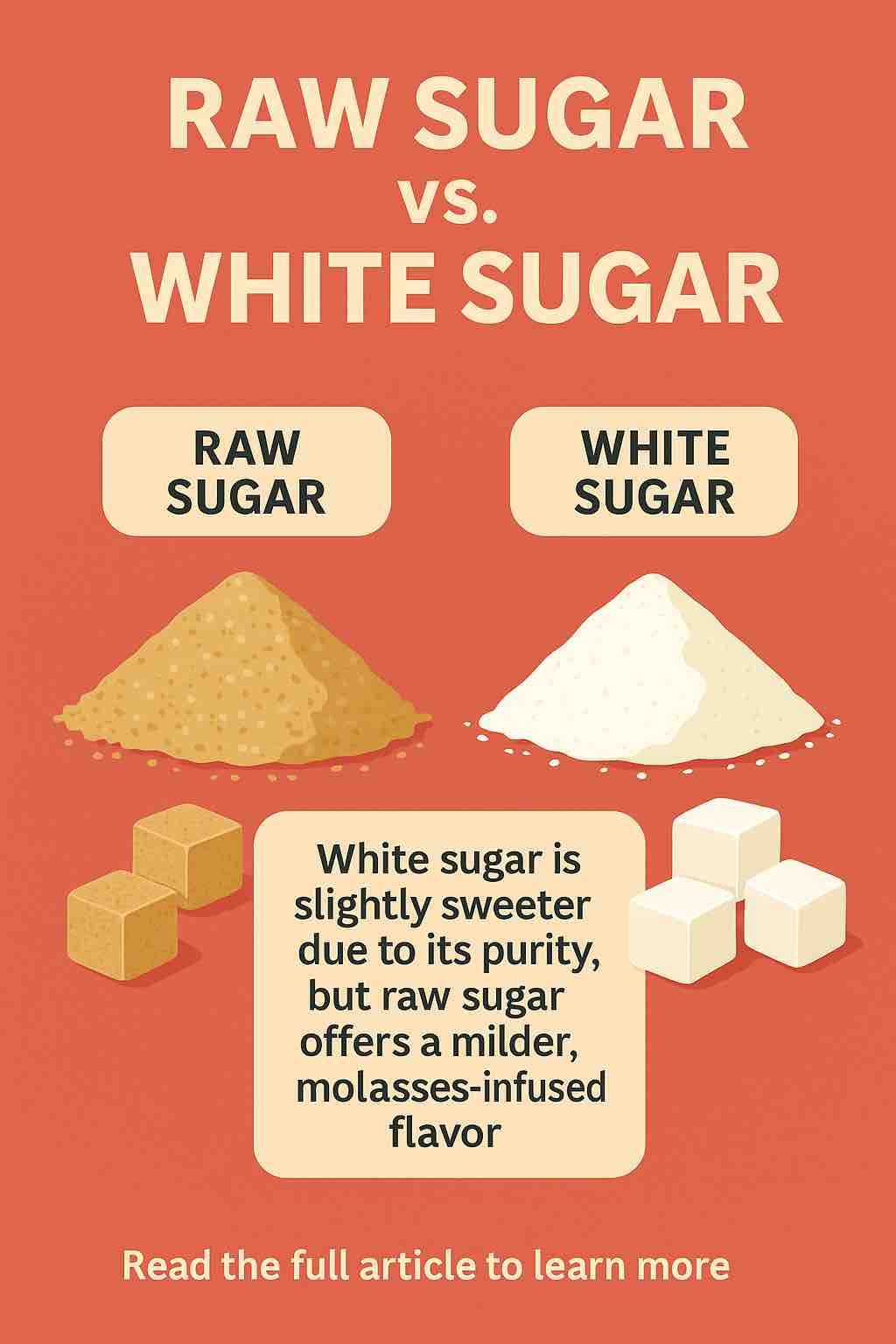
RAW SUGAR VS. WHITE SUGAR

Sugar is one of the most common ingredients in kitchens worldwide, sweetening everything from your morning coffee to decadent desserts. But not all sugars are created equal. If you’ve ever stood in the baking aisle wondering whether to grab raw sugar or white sugar, you’re not alone. Each has its loyal fans and claims about flavor, health benefits, and sweetness.

In this blog post, we’ll unravel the mysteries behind raw sugar and white sugar, comparing their production, sweetness, nutrition, culinary uses, and health impacts — so you can make the sweetest choice for your needs.


What Exactly Is Raw Sugar?

Raw sugar, also known as turbinado or demerara sugar (depending on the brand and processing), is sugar that has undergone minimal refining. It’s derived from sugarcane juice, which is boiled and crystallized but not fully stripped of molasses, the dark syrupy component naturally found in sugarcane.

Key features of raw sugar:

  • Light golden to amber color.
  • Coarser, larger crystals.
  • Slightly sticky texture due to residual molasses.
  • Subtle caramel or toffee-like flavor notes.

Because raw sugar retains some molasses, it offers more complex flavors than white sugar — which might explain why it’s popular for sprinkling on baked goods or in specialty coffee drinks.


What About White Sugar?

White sugar, or granulated sugar, undergoes a rigorous refining process that removes molasses entirely. The sugar crystals you find in white sugar are nearly pure sucrose, typically over 99.9%, resulting in a bright white, fine, and uniform texture.

Key features of white sugar:

  • Pure white color.
  • Fine, uniform crystals.
  • Clean, neutral sweetness without additional flavors.
  • Dissolves quickly and evenly.

White sugar’s neutral flavor and smooth texture make it extremely versatile in cooking and baking, where uniform sweetness and texture are critical.


The Sweetness Showdown: Raw Sugar vs. White Sugar

When it comes to sweetness, what matters most chemically is the sucrose content—the sugar compound responsible for sweetness perception. Here’s what science tells us:

  • White sugar is about 99.9% sucrose.
  • Raw sugar is roughly 96-99% sucrose.

This slight difference means white sugar is purer, but does it make it sweeter? Not necessarily.

Why? The molasses in raw sugar adds flavor complexity but can slightly mask the pure sweet taste of sucrose. So while chemically white sugar might edge out raw sugar in pure sucrose content, raw sugar offers a richer flavor profile that some might perceive as less sweet but more nuanced.

Bottom line: In terms of pure sweetness intensity, white sugar is often perceived as sweeter, but raw sugar offers a pleasant, rounded sweetness due to molasses.


Nutritional Face-Off: Is Raw Sugar Healthier?

A popular myth is that raw sugar is a healthier alternative to white sugar because it contains “natural minerals” from molasses. While this is partly true, the reality is a bit underwhelming.

Nutritional facts per teaspoon:

NutrientWhite SugarRaw Sugar
Calories~16 kcal~18 kcal
Sucrose99.9%96–99%
Trace MineralsNoneTiny amounts of calcium, iron, potassium

The trace minerals in raw sugar come from molasses, but they are so minimal that they don’t provide meaningful nutritional benefits. The caloric content is almost the same. Both sugars will have similar effects on blood sugar, as their glycemic index hovers around 65, classified as a medium GI food.

So, if you’re choosing raw sugar thinking it’s a “healthier” option, it’s not a significant upgrade over white sugar.


How Do They Perform in Cooking and Baking?

If you’re a baker or home chef, this section is especially important.

  • White sugar:
    • Dissolves quickly.
    • Provides consistent sweetness.
    • Contributes to the texture and color of baked goods without altering flavor.
    • Ideal for delicate recipes where precise sweetness is essential.
  • Raw sugar:
    • Larger, coarser crystals.
    • Adds crunch and a mild caramel flavor.
    • Often used as a topping on muffins, cookies, and crumbles.
    • Works well in recipes where a slight molasses flavor is desirable.

Pro tip: If you substitute raw sugar in recipes designed for white sugar, expect changes in texture and flavor. Raw sugar crystals don’t dissolve as quickly and can result in grainier textures if not adjusted properly.


The Health Perspective: What Should You Know?

Neither raw sugar nor white sugar is a health food. Excessive sugar intake is linked to weight gain, increased risk of type 2 diabetes, heart disease, and dental problems.

  • The trace minerals in raw sugar don’t offset the negative effects of sugar consumption.
  • Both sugars should be consumed in moderation.
  • For better health, focus on reducing total added sugar intake regardless of the type.

If you want to reduce sugar impact, exploring natural sweeteners like stevia, monk fruit, or erythritol could be a smarter choice.


Glycemic Index (GI)

Both raw and white sugars have a medium glycemic index of approximately 65, indicating a moderate impact on blood glucose levels. This is comparable to the GI of sucrose, which is also around 65 .


So, Which Sugar Should You Choose?

If sweetness is your only concern: White sugar offers a slightly more intense sweet taste due to its purity.

If you want flavor complexity: Raw sugar’s molasses content delivers subtle caramel notes that enhance certain recipes and beverages.

If you’re thinking health: Neither sugar offers significant benefits. Moderation is key.

If you bake: Consider texture and dissolution—white sugar is more versatile, but raw sugar adds a lovely crunch and flavor boost when used appropriately.


Final Thoughts

Choosing between raw sugar and white sugar often comes down to personal preference and specific culinary needs rather than sweetness or health superiority. Both provide the same core ingredient—sucrose—and behave similarly in your body.

The next time you reach for sugar, think about what you want to achieve:

  • Pure sweetness? White sugar.
  • A hint of caramel flavor? Raw sugar.
  • Health benefits? Neither—cut back on sugar overall.

Sweetness is subjective, but with the facts in hand, your choice can be a more informed one.


If you found this post helpful, share it with your friends who love baking or enjoy a good cup of coffee! Got questions or want to dive deeper into sugar science? Drop a comment below — I’m here to help.

Posted on Leave a comment

Durian vs. Jackfruit: Understanding the Differences

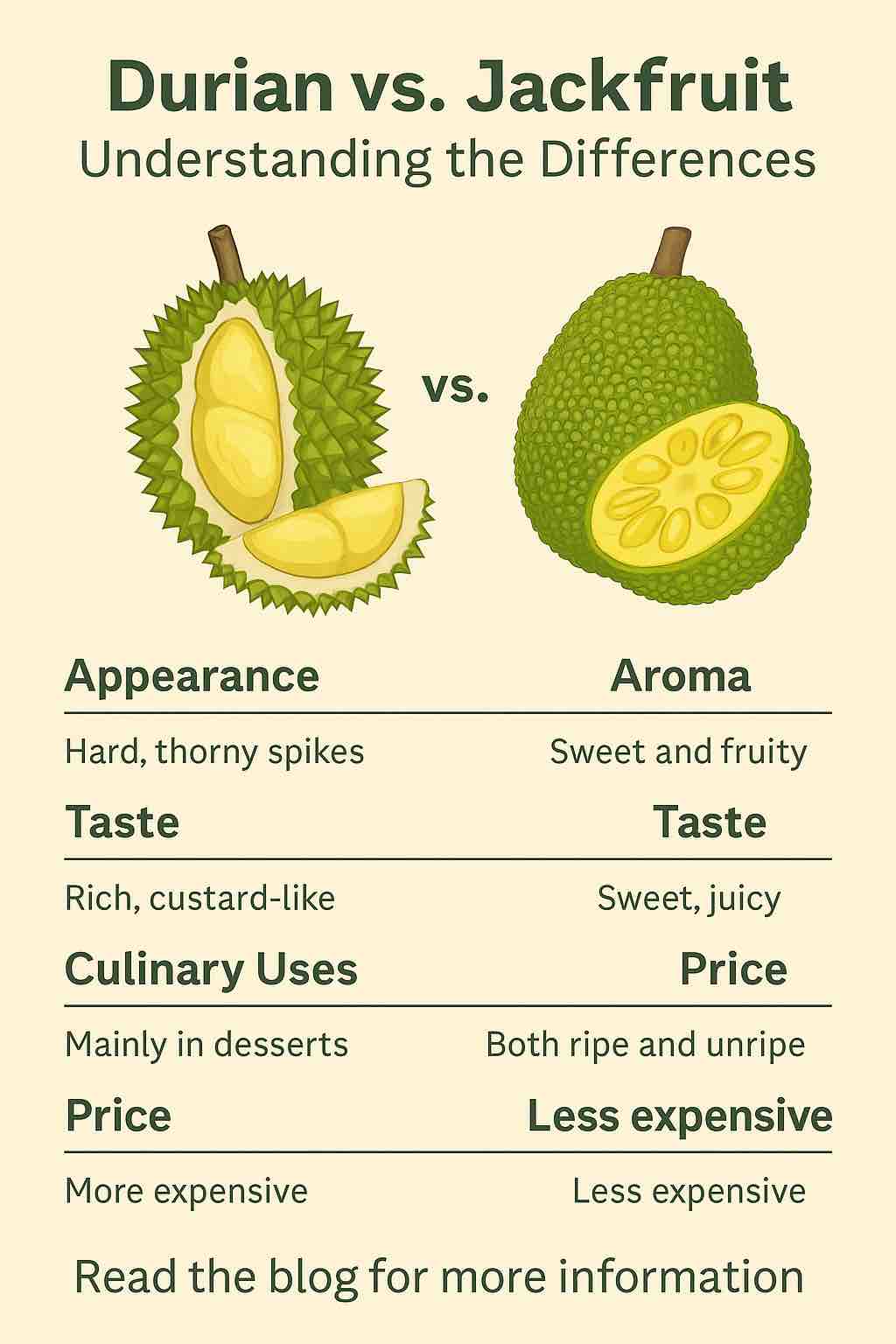
Durian vs. Jackfruit Understanding the Differences

When wandering through tropical markets in Southeast Asia, two spiky, enormous fruits often catch the eye—and sometimes the nose. These are durian and jackfruit, both exotic, both intriguing, and often confused for one another by newcomers. However, beyond their rough exterior, durian and jackfruit are worlds apart in taste, texture, aroma, botanical classification, and cultural significance.

In this blog post, we’ll take a deep dive into the key differences (and surprising similarities) between these two tropical giants, equipping you with the knowledge to distinguish and appreciate them on your next culinary or travel adventure.


1. Botanical Background

Durian (Durio spp.)

  • Family: Malvaceae (previously Bombacaceae)
  • Origin: Southeast Asia (particularly Malaysia, Indonesia, and Thailand)
  • Species Count: Over 30 recognized species, with Durio zibethinus being the most commonly consumed.
  • Tree Characteristics: Large evergreen trees that can grow over 25 meters tall.

Jackfruit (Artocarpus heterophyllus)

  • Family: Moraceae (same family as figs and mulberries)
  • Origin: South and Southeast Asia (likely the Western Ghats of India)
  • Tree Characteristics: Medium-sized trees, usually 10–15 meters tall.
  • Related to: Breadfruit and fig trees.

2. Appearance and Size

At a glance, both fruits are large and covered in spiny greenish skin, but their forms and interior tell a different story.

FeatureDurianJackfruit
Size1–3 kg (though some can be larger)10–25 kg on average, up to 50 kg
ExteriorHard, thorny spikes; can cause injuryKnobby, bumpy, but not as sharp
ColorGreen to brown skin, yellowish fleshGreenish skin, bright yellow pods
SeedsLarge, oval seeds in each podAlso large seeds, boiled or roasted

Durian has more angular, sharp spikes that protrude aggressively, making it harder to handle without gloves or thick skin. Jackfruit, although textured and tough, is relatively safer to handle barehanded.


3. Aroma and Taste

This is where the most dramatic differences lie—and where durian earns both infamy and devotion.

Durian: The “King of Fruits”

  • Aroma: Pungent, often described as a mix of overripe cheese, garlic, onions, and sweet custard. Banned in many hotels and public transport due to its strong smell.
  • Taste: Rich, custard-like texture with a combination of sweet, savory, and umami notes. Tastes range from almond-vanilla to caramelized onion depending on ripeness and variety.

Jackfruit: The Gentle Giant

  • Aroma: Sweet and fruity, similar to a mix of banana, pineapple, and mango.
  • Taste: Sweet, juicy, and fibrous. Ripe jackfruit tastes like a cross between banana and melon; unripe jackfruit has a neutral flavor and is used as a meat substitute in vegan dishes.

In short: Durian assaults your senses, while jackfruit entices them.


4. Culinary Uses

Durian

Durian is usually eaten raw, straight from the husk. However, it is also used in:

  • Desserts: Ice cream, cakes, pastries, pancakes (e.g., durian crepe)
  • Savory dishes: Especially in Malaysia and Indonesia (e.g., tempoyak – fermented durian)
  • Drinks: Smoothies, shakes, or as part of coconut milk beverages

Due to its polarizing flavor and strong aroma, it’s mostly consumed by enthusiasts or in small amounts in dishes.

Jackfruit

Jackfruit is incredibly versatile:

  • Ripe jackfruit: Eaten raw, or used in desserts, candies, and juices.
  • Unripe jackfruit: Used in savory cooking, especially in vegetarian or vegan cuisine as a meat substitute. Examples include:
    • Jackfruit tacos
    • Jackfruit curry (popular in Indian, Sri Lankan, and Filipino cuisine)
    • Pulled jackfruit sandwiches

Additionally, the seeds of both fruits can be roasted or boiled and eaten like chestnuts or beans.


5. Nutritional Profile

While both fruits are rich in nutrients, their composition varies significantly:

Nutrient (per 100g)DurianJackfruit
Calories~150–160 kcal~95–100 kcal
CarbsHigh, mostly sugarsHigh, mostly sugars and fiber
FatsHigher than most fruits (~5g)Low (<1g)
ProteinModerate (~1.5–2.5g)Moderate (~1.5–2g)
FiberGood sourceGood source
VitaminsRich in B-complex, vitamin CHigh in vitamin C, vitamin A
MineralsPotassium, copper, manganesePotassium, magnesium, iron

Durian is denser and more energy-rich, while jackfruit is lighter and more hydrating.


6. Cultural Significance

Durian

  • Called the “King of Fruits” in many Southeast Asian countries.
  • Revered and reviled: Some cultures view it as a delicacy, while others are put off by its smell.
  • Major festivals are centered around durian in Thailand, Malaysia, and Indonesia.
  • Symbol of abundance and status in certain traditional beliefs.

Jackfruit

  • National fruit of Bangladesh and the state fruit of Kerala and Tamil Nadu in India.
  • Seen as a “tree of sustenance” due to its high yield and nutritional value.
  • Used in both Hindu and Buddhist rituals, and widely respected for its utility and affordability.

7. Availability and Seasonality

  • Durian is seasonal, typically harvested between May and August in most growing regions.
  • Jackfruit has a longer season, often fruiting twice a year, and is more widely available.

In Western countries, both fruits are often sold frozen or canned due to perishability, though fresh imports are becoming more common in specialty Asian grocery stores.


8. Price and Market Value

Durian is often more expensive due to:

  • Its short growing season
  • Labor-intensive harvesting (the fruits fall when ripe and can be dangerous)
  • Strong demand among aficionados

Jackfruit, due to its size, ease of cultivation, and yield, is more affordable and often found in local markets and exported in bulk.


9. Environmental and Agricultural Considerations

  • Durian trees are slow to mature (can take 5–10 years), and require specific climatic conditions and soil.
  • Jackfruit trees are hardy, drought-resistant, and require minimal maintenance, making them ideal for agroforestry and sustainable agriculture initiatives.

Jackfruit has even been proposed as a solution to food security in tropical regions due to its resilience and productivity.


Conclusion: Which One is For You?

PreferenceChoose Durian if…Choose Jackfruit if…
Flavor adventureYou enjoy bold, unique, and rich tastesYou like sweet, tropical, and mild flavors
Texture preferenceYou like soft, custard-like texturesYou prefer chewy, fibrous bites
Smell sensitivityYou don’t mind strong, lingering aromasYou prefer a light, fruity fragrance
Culinary versatilityYou’re exploring regional desserts or fermentationYou want a vegan meat substitute or snack
Cultural explorationYou want to experience Southeast Asian culinary loreYou’re interested in Indian or plant-based cooking

Both durian and jackfruit are treasures of the tropics, offering distinctive experiences for adventurous palates. While one is a controversial king, the other is a humble, hardworking hero. Whether you love them or hate them, these fruits are worth exploring for anyone curious about global cuisine.


Have You Tried Durian or Jackfruit?

Share your thoughts or stories below! Are you team Durian or team Jackfruit?

FAQs: Durian vs. Jackfruit

1. Are durian and jackfruit related?

No, durian and jackfruit are not closely related botanically. Durian belongs to the Malvaceae family, while jackfruit is a member of the Moraceae family, which includes figs and mulberries. Despite their similar size and spiky appearance, they evolved differently.


2. Why does durian smell so bad?

Durian’s odor comes from a complex mix of over 50 volatile compounds, including sulfur-based chemicals. These compounds produce a strong, often off-putting smell reminiscent of onions, rotten cheese, or gasoline, depending on the variety and ripeness.


3. Can I eat jackfruit raw like I can with durian?

Yes, ripe jackfruit is commonly eaten raw, and it has a sweet, tropical flavor. Unlike durian, jackfruit doesn’t have a strong smell, making it more approachable. Unripe jackfruit, however, needs to be cooked before consumption.


4. Is durian banned in public places?

In many countries, especially in Southeast Asia, durian is banned in hotels, airports, and public transport due to its strong odor, which can linger and cause discomfort to others.


5. Which fruit is better for vegetarians or vegans?

Jackfruit is a popular choice for vegans and vegetarians, especially when unripe, because its fibrous texture mimics pulled meat. Durian, on the other hand, is used more for desserts and does not serve as a meat alternative.


6. Can I cook both durian and jackfruit?

Yes, but in different ways:

  • Durian is mostly used in desserts, sauces, or eaten raw. Some dishes also ferment it (e.g., tempoyak).
  • Jackfruit is used both ripe and unripe. Ripe is great for sweets, while unripe is cooked into savory dishes.

7. Which one is more nutritious?

Both fruits offer different nutrients:

  • Durian is calorie-dense and rich in healthy fats, fiber, and B vitamins.
  • Jackfruit is lower in calories and fat, but high in vitamin C, potassium, and fiber.
    Your choice depends on dietary needs—durian for energy, jackfruit for hydration and bulk nutrition.

8. Are durian and jackfruit seeds edible?

Yes, both have edible seeds. Boiled or roasted, they are nutty and starchy, similar to chestnuts or potatoes. However, they must be cooked, as raw seeds can be toxic.


9. Which fruit is more sustainable to grow?

Jackfruit is more sustainable due to its hardiness, drought tolerance, and high yield. It can grow in marginal soil with low input, making it ideal for food security. Durian requires more care, specific soil, and time to mature.


10. Where can I buy durian or jackfruit outside Asia?

In Western countries, both are increasingly available at:

  • Asian grocery stores
  • Specialty produce markets
  • Online retailers
    Durian is often sold frozen or in vacuum packs, while jackfruit can be found fresh, frozen, canned (ripe or young), or dried.
Posted on Leave a comment

Power of Brazil Nuts in Acne Management

POWER OF BRAZIL NUTS IN ACNE MANAGEMENT

Acne is more than just a teenage rite of passage — it’s a complex skin condition that can persist well into adulthood, affecting self-esteem, emotional wellbeing, and quality of life. While countless creams, cleansers, and treatments flood the skincare market, more people are beginning to explore the role of nutrition in maintaining clear, healthy skin.

One superfood that has quietly gained attention in skin health discussions is the humble Brazil nut. At first glance, it may seem unassuming, but this Amazonian seed holds a powerful nutrient that could play a pivotal role in acne management: selenium.

In this post, we’ll explore the nutritional science behind Brazil nuts, their role in acne treatment, and how to integrate them safely into your diet.


The Link Between Nutrition and Acne: Why It Matters

Before diving into the specifics of Brazil nuts, it’s important to understand the growing consensus in scientific and dermatological communities that diet impacts acne. While acne is multifactorial — influenced by hormones, genetics, inflammation, and bacteria — diet can play a crucial role in exacerbating or alleviating its severity.

Emerging research indicates that inflammation, oxidative stress, and insulin spikes from high-glycemic foods contribute significantly to acne development. Nutrients that regulate inflammation, support immune function, and stabilize hormones have become the focal point of dietary acne interventions.

This brings us to selenium — and more specifically, to one of its most concentrated food sources: Brazil nuts.


Brazil Nuts: A Nutritional Powerhouse

Brazil nuts, native to the Amazon rainforest, are rich in several nutrients, but they are exceptionally high in selenium, a trace mineral known for its antioxidant and anti-inflammatory properties.

Nutritional Highlights (per 1 nut):

  • Selenium: ~90 mcg (163% of the recommended daily intake)
  • Vitamin E: Supports skin hydration and barrier function
  • Zinc: A known anti-acne mineral
  • Magnesium, Copper, and Healthy Fats: Contribute to overall skin health

Selenium and Skin Health: What the Science Says

Selenium is vital to the body’s antioxidant defense system. It forms part of key enzymes like glutathione peroxidase, which helps neutralize free radicals and reduces oxidative stress. Why is this important for acne?

1. Fights Inflammation

Acne is, at its core, an inflammatory condition. From clogged pores to pus-filled cysts, inflammation is behind much of the redness, swelling, and pain. Selenium’s ability to reduce inflammatory markers can calm the skin from within.

2. Supports Immune Regulation

An overactive or underperforming immune response can worsen acne. Selenium helps regulate immune function, aiding in the appropriate response to skin bacteria like P. acnes.

3. Balances Hormones

Hormonal imbalances, particularly androgens like testosterone, are closely linked to acne flares. While selenium doesn’t directly alter hormones, it supports thyroid function, which in turn influences hormone balance and metabolism.

4. Reduces Scarring and Supports Healing

By accelerating tissue repair and reducing oxidative damage, selenium may also contribute to faster healing of acne lesions and less post-acne scarring.


What Does the Research Say?

Several studies and reviews have linked low selenium levels to acne severity:

  • A 2012 study published in Advances in Dermatology and Allergology found that individuals with acne had lower serum selenium levels compared to those with clear skin. Supplementation improved acne in combination with other antioxidants like vitamin E.
  • Another review in the Journal of Clinical and Aesthetic Dermatology emphasized the role of antioxidant therapy, including selenium, in improving treatment outcomes for inflammatory acne.

While more controlled clinical trials are needed to isolate selenium’s specific impact, the current body of evidence suggests a promising supportive role.


How to Use Brazil Nuts Safely

Here’s where caution is important: Brazil nuts are extremely high in selenium, and more is not always better. Excessive intake can lead to selenium toxicity, which causes symptoms like:

  • Nausea
  • Fatigue
  • Hair loss
  • Nerve issues
  • A characteristic garlic-like breath odor

How Many Brazil Nuts Should You Eat?

Just 1 to 2 nuts per day are sufficient — and likely optimal — to support skin health without crossing into dangerous territory. For most people, this provides more than the daily requirement of selenium while leaving a buffer below the tolerable upper limit (400 mcg/day).


Tips for Including Brazil Nuts in Your Diet

Brazil nuts are versatile and can be enjoyed in many ways:

  • Eat 1–2 raw nuts as a snack
  • Chop and sprinkle over oatmeal or yogurt
  • Add to smoothies for a creamy texture
  • Blend into homemade granola or trail mix

Avoid roasting at high temperatures, as this can degrade some of the healthy fats and nutrients. Raw or lightly toasted is best.


Final Thoughts: A Small Nut With a Big Impact

The journey to clearer skin isn’t always found in a bottle. Sometimes, it’s in the simple choices we make at the dining table.

Brazil nuts offer a compelling, evidence-backed case for being part of a nutritional strategy to combat acne. Their high selenium content, coupled with other skin-friendly nutrients, makes them a worthy ally in your skincare routine — from the inside out.

That said, acne is a complex condition, and no single food is a cure-all. Brazil nuts should complement a balanced, low-inflammatory diet, good skincare hygiene, and, when necessary, professional dermatological care.

So the next time you’re considering ways to support your skin health naturally, remember: sometimes, big changes can come in small (nut) packages.

FAQs

❓ 1. How do Brazil nuts help with acne?

Brazil nuts help manage acne primarily due to their high selenium content, which reduces inflammation, supports immune function, and fights oxidative stress—all of which contribute to clearer skin.


❓ 2. How many Brazil nuts should I eat per day for skin benefits?

One to two Brazil nuts per day is sufficient to meet your daily selenium needs. Eating more can lead to selenium toxicity, so moderation is key.


❓ 3. Can selenium from Brazil nuts replace acne medication?

No. Brazil nuts can complement acne treatments but should not replace prescribed medication. Always consult a healthcare provider before changing your treatment plan.


❓ 4. Are Brazil nuts better than selenium supplements for acne?

Yes, in many cases. Brazil nuts offer a natural, food-based source of selenium along with other skin-beneficial nutrients like vitamin E and healthy fats. However, supplements may be recommended if you’re allergic to nuts or need precise dosing.


❓ 5. How quickly will I see results on my skin after eating Brazil nuts?

Visible changes can take several weeks to months. Skin cell turnover typically occurs every 28–40 days, so consistent dietary changes take time to show.


❓ 6. Can eating too many Brazil nuts make acne worse?

Yes. Too much selenium can trigger side effects such as hormonal imbalance or skin irritation in rare cases. Stick to the safe limit (1–2 nuts daily).


❓ 7. Are there other foods that support acne reduction like Brazil nuts?

Yes. Zinc-rich foods (like pumpkin seeds), vitamin A sources (like sweet potatoes), and omega-3s (like salmon or flaxseeds) are also beneficial for acne-prone skin.


❓ 8. Are Brazil nuts safe for everyone to eat?

Most people can eat them, but those with nut allergies or thyroid disorders should consult a doctor before adding them to their diet due to selenium’s effect on thyroid function.


❓ 9. What’s the best time to eat Brazil nuts for skin health?

There’s no specific time, but eating them with other foods may help nutrient absorption, especially fats and fat-soluble vitamins like E.


❓ 10. Do roasted Brazil nuts still have the same skin benefits?

Roasted nuts lose some nutrient potency, especially if overcooked. Opt for raw or lightly toasted Brazil nuts to retain the maximum selenium and antioxidant content.

Posted on Leave a comment

Ashwagandha: Benefits, Usage, and Considerations

BENEFITS OF ASHWAGANDHA

In a world that increasingly demands more of our time, energy, and mental clarity, people are turning to ancient remedies for modern solutions. At the forefront of this resurgence is Ashwagandha (Withania somnifera), a revered herb in Ayurvedic medicine. Once confined to traditional Indian households and herbal clinics, Ashwagandha is now a global phenomenon backed by science, embraced by wellness communities, and even showing up in your neighborhood grocery store.

But what exactly is Ashwagandha? Why is it gaining so much attention? And most importantly—how can you use it effectively and safely?

Let’s dive deep into the science, tradition, and practical considerations surrounding this remarkable herb.


🌱 What is Ashwagandha?

Ashwagandha, sometimes called “Indian Ginseng” (though unrelated to actual ginseng), is a small shrub native to India and North Africa. The name “Ashwagandha” comes from Sanskrit, roughly translating to “smell of a horse,” symbolizing the strength and vitality the herb is believed to impart.

In Ayurveda, Ashwagandha is classified as a Rasayana—a rejuvenating tonic that promotes longevity, vitality, and resilience against stress. Modern science categorizes it as an adaptogen, meaning it helps the body adapt to physical, emotional, and environmental stressors.

The primary active compounds in Ashwagandha are withanolides, a group of naturally occurring steroids with anti-inflammatory, anti-tumor, and antioxidant properties.


🧠 1. Mental Health and Cognitive Function

🌪️ Stress and Anxiety Relief

One of the most extensively researched benefits of Ashwagandha is its ability to reduce stress and anxiety. It works by lowering levels of cortisol, the body’s primary stress hormone.

In multiple clinical trials, participants taking 300–600 mg of standardized Ashwagandha extract experienced significant reductions in anxiety, stress levels, and symptoms of depression—often comparable to pharmaceutical anxiolytics but without the same side effects.

😴 Better Sleep Quality

Chronic stress often leads to poor sleep. Ashwagandha’s calming effects may enhance sleep onset latency and overall sleep quality. Unlike sedatives, it doesn’t induce drowsiness but supports the body’s natural sleep cycles.

🧠 Cognitive Clarity

Recent studies suggest Ashwagandha can improve working memory, attention span, and executive function. These cognitive benefits are particularly promising for people experiencing burnout, brain fog, or age-related cognitive decline.


💪 2. Physical Performance and Recovery

Whether you’re an athlete, a weekend warrior, or someone just trying to stay fit, Ashwagandha might offer an edge.

🏋️ Muscle Strength and Endurance

Randomized controlled trials show that Ashwagandha supplementation can improve VO2 max, muscle strength, and recovery time. In one study, participants taking Ashwagandha gained significantly more muscle mass and strength than the placebo group after eight weeks of resistance training.

⚡ Energy and Vitality

Traditionally, Ashwagandha has been used to combat fatigue and low energy. Its adaptogenic nature helps modulate adrenal response, potentially reducing burnout and supporting more stable energy levels throughout the day.


💉 3. Hormonal Balance and Metabolic Health

🧬 Thyroid Function

Emerging evidence indicates that Ashwagandha may support healthy thyroid hormone levels, particularly in individuals with subclinical hypothyroidism. However, this should always be monitored under medical supervision, as the herb can potentially overstimulate thyroid function in sensitive individuals.

🧪 Blood Sugar and Lipid Profiles

Ashwagandha shows potential in lowering fasting blood glucose, HbA1c, and LDL cholesterol. It may support metabolic function and help reduce insulin resistance, making it a valuable ally in the management of prediabetes or metabolic syndrome.


🛡️ 4. Immune Modulation and Inflammation

Ashwagandha has demonstrated immunomodulatory effects, helping regulate the immune response rather than merely stimulating or suppressing it. This makes it promising for:

  • Autoimmune conditions (with caution)
  • Low-grade chronic inflammation
  • Recovery from illness

Its antioxidant properties also contribute to cellular protection and reduced oxidative stress, which plays a role in aging and chronic disease.


🧪 How to Use Ashwagandha

📏 Typical Dosage

  • General wellness: 250–500 mg/day
  • Stress and anxiety: 300–600 mg/day
  • Physical performance: 500–1,250 mg/day

Always choose standardized extracts with clear withanolide content (typically 2.5%–5%). The root extract is most commonly studied, but some formulations also use the leaves.

🕒 Timing

  • For stress and anxiety, divide doses between morning and evening.
  • For sleep, take it 30–60 minutes before bedtime.
  • For physical performance, use it about an hour before workouts.

⚠️ Safety, Side Effects, and Considerations

Despite its ancient roots and natural origins, Ashwagandha is not without its precautions:

✅ Generally Safe When Used Responsibly

Clinical studies show that Ashwagandha is well tolerated in most people, especially when used for up to 12 weeks.

🚫 Not Recommended For:

  • Pregnant or breastfeeding women
  • People with autoimmune diseases (unless advised by a physician)
  • Those on sedatives, thyroid medications, or immunosuppressants

⚠️ Side Effects (Uncommon but Possible)

  • Gastrointestinal upset
  • Headaches
  • Drowsiness
  • Rare reports of liver injury (usually at very high doses or with contaminated supplements)

As always, consult a qualified healthcare provider before starting Ashwagandha, especially if you are on medication or managing a chronic condition.


🧘 The Bigger Picture: Ashwagandha as a Lifestyle Tool

Ashwagandha isn’t a magic bullet—and it shouldn’t be treated like one. It is most effective when used in conjunction with a healthy lifestyle: balanced diet, exercise, mindfulness practices, and sufficient sleep.

What sets Ashwagandha apart is its multifaceted effect—a single plant supporting multiple systems in the body, gently nudging it toward homeostasis rather than forcing specific outcomes.

In that sense, Ashwagandha doesn’t just treat symptoms; it helps build resilience—physically, mentally, and emotionally.


📚 Final Thoughts

Ashwagandha stands at the intersection of ancient wisdom and modern science. It’s not hype—it’s history meeting evidence. Whether you’re seeking calm in chaos, energy without stimulants, or clarity without burnout, Ashwagandha may be worth considering.

But as with all supplements, the goal should not be dependency—it should be empowerment. Used wisely, Ashwagandha can be a powerful ally in your journey to well-being.

🙋 Frequently Asked Questions (FAQs)

1. What is the best time to take Ashwagandha?

Ashwagandha can be taken either in the morning to support stress resilience and energy, or at night to promote relaxation and better sleep. If your focus is sleep or anxiety relief, evening is ideal.


2. How long does it take for Ashwagandha to work?

Most users notice benefits within 2–4 weeks of daily use. However, effects on physical performance and hormone regulation may take 6–8 weeks of consistent use.


3. Can I take Ashwagandha every day?

Yes, Ashwagandha is generally safe for daily use when taken within recommended doses (typically 300–600 mg/day). Long-term use beyond 12 weeks should be discussed with a healthcare provider.


4. Does Ashwagandha help with anxiety and stress?

Yes, multiple clinical trials support Ashwagandha’s ability to reduce cortisol levels, calm the nervous system, and ease symptoms of generalized anxiety and stress.


5. Is Ashwagandha safe for women?

Ashwagandha is safe for most women, but not recommended during pregnancy or breastfeeding due to its hormonal effects and potential uterine stimulation.


6. Can Ashwagandha help with sleep issues?

Yes, Ashwagandha may improve sleep quality and duration by promoting relaxation and reducing overactive stress responses, particularly in those with insomnia or high stress.


7. Are there any side effects?

Side effects are rare but can include digestive upset, drowsiness, or headache. Extremely high doses or poor-quality supplements may pose a risk to liver health.


8. Can Ashwagandha be taken with other supplements or medications?

Ashwagandha can interact with medications for thyroid, diabetes, sedatives, and immunosuppressants. Consult your doctor before combining it with prescription drugs or other herbs.


9. Is Ashwagandha suitable for athletes?

Yes, Ashwagandha may enhance muscle strength, endurance, and recovery, making it a natural performance enhancer when combined with training.


10. What’s the difference between Ashwagandha powder and capsules?

Powder is more traditional and versatile but may have a strong taste. Capsules or tablets are more convenient, offer standardized dosing, and are often more palatable.