Posted on Leave a comment

Himalayan Nettle & Lemongrass – A Herbal Infusion for Modern Wellness

Himalayan Nettle & Lemongrass

Introduction In today’s fast-paced world, where stress, pollution, and unhealthy lifestyle choices are taking a toll on our health, ancient wisdom is making a powerful comeback. Herbal infusions, rooted in centuries-old traditions, are gaining attention for their gentle yet effective healing properties. Among the many herbal teas gaining traction among wellness enthusiasts, the Himalayan Nettle & Lemongrass Infusion, available on Masala Monk, stands out as a unique and powerful blend. This all-natural, caffeine-free herbal tea combines the nutrient-rich leaves of stinging nettle with the aromatic, soothing lemongrass, creating a potent wellness formula in every sip.


Understanding the Ingredients: A Deep Dive

🌿 Himalayan Nettle (Urtica dioica)

Harvested from the pristine altitudes of the Himalayas, stinging nettle has been used for thousands of years in Ayurvedic and European folk medicine.

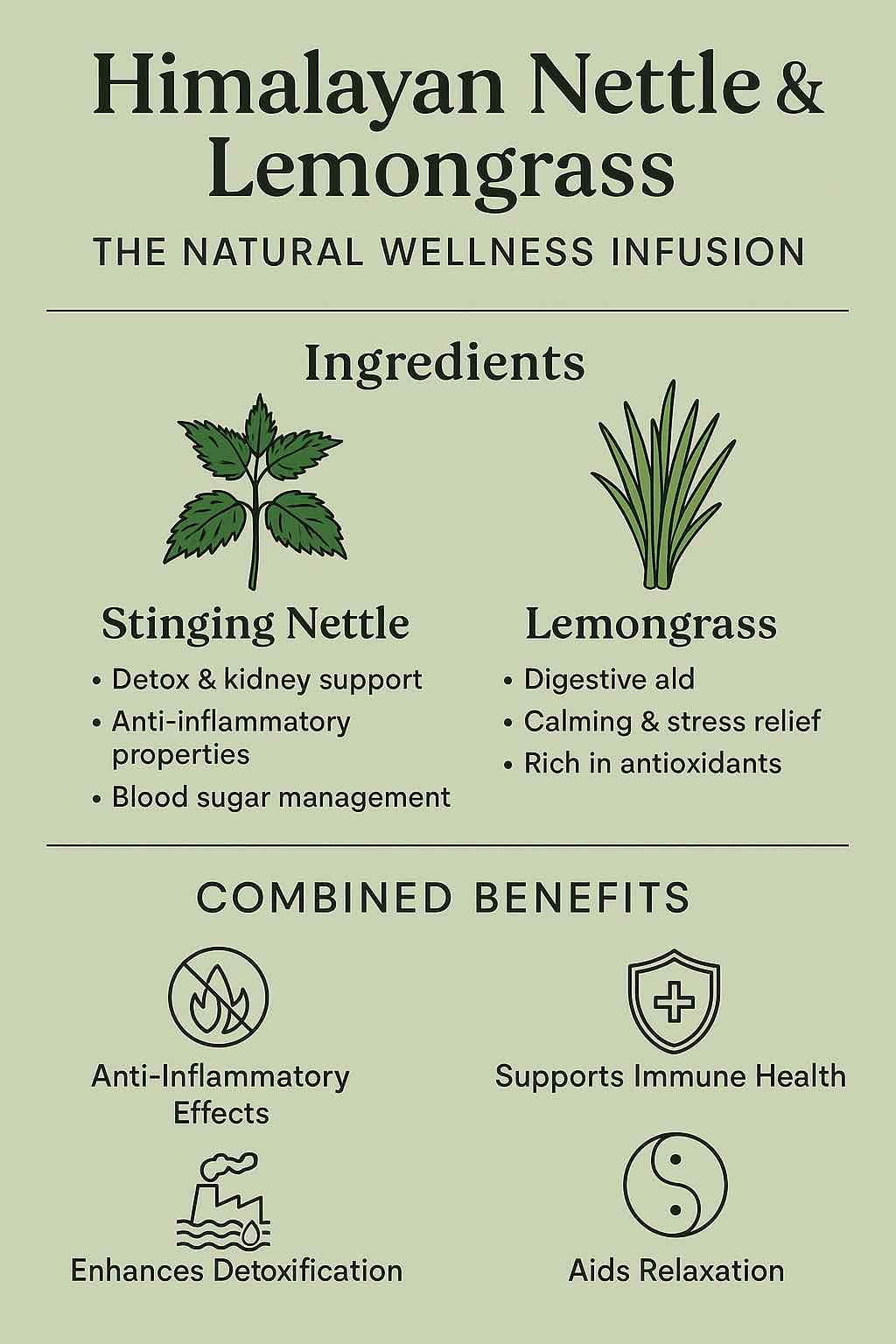
  • Nutritional Powerhouse: Packed with essential nutrients, stinging nettle offers high levels of Vitamin A, C, K, and a spectrum of B vitamins. It is also rich in iron, magnesium, calcium, potassium, and amino acids — vital for energy, muscle function, and overall vitality.
  • Anti-Inflammatory Action: Nettle contains polyphenols, flavonoids, and carotenoids, which help suppress inflammation pathways. This makes it useful for people suffering from joint pain, arthritis, or chronic inflammatory conditions.
  • Blood Sugar Regulation: Multiple studies suggest nettle improves insulin sensitivity and helps lower fasting blood glucose levels. This makes it a good complementary therapy for those managing prediabetes or type 2 diabetes.
  • Kidney & Urinary Health: Traditionally known as a diuretic, nettle stimulates kidney function, promoting the excretion of toxins and excess fluids.
  • Hormonal & Prostate Support: Particularly useful for men over 40, nettle has been shown to support prostate health by reducing symptoms of benign prostatic hyperplasia (BPH).
  • Immune Support: The rich antioxidant profile boosts the body’s natural defenses and helps fight oxidative stress.

🍋 Lemongrass (Cymbopogon citratus)

Lemongrass is more than a fragrant herb — it’s a medicinal marvel widely used across Asia for its multifaceted health benefits.

  • Digestive Aid: Lemongrass soothes the stomach lining, alleviates indigestion, and reduces bloating, gas, and nausea. It is known to improve digestion by increasing the secretion of digestive juices.
  • Anxiolytic & Sedative Effects: Citral, the key compound in lemongrass, has been found to calm the nervous system. Regular consumption can help manage stress, anxiety, and sleep disorders.
  • Antimicrobial & Antifungal Properties: Lemongrass contains several essential oils that inhibit microbial and fungal growth, contributing to improved gut health and immunity.
  • Cardiovascular Benefits: Lemongrass may help reduce cholesterol and triglyceride levels while improving blood pressure through vasodilation and mild diuretic action.
  • Cancer Research Potential: Emerging studies show lemongrass extracts can inhibit the growth of certain cancer cells due to its high antioxidant activity, particularly citral and luteolin.

When Nature Meets Science: The Synergy of Nettle and Lemongrass While each ingredient is powerful on its own, their combination is where true synergy emerges:

  • Comprehensive Detoxification: Nettle supports renal detox and fluid elimination, while lemongrass aids hepatic detox and fat metabolism. The combination offers a full-body cleansing experience.
  • Amplified Anti-inflammatory Action: Together, they target inflammation through different pathways — nettle via cytokine inhibition and lemongrass via enzyme modulation (COX-2 inhibition). This makes the blend highly effective for chronic inflammation and joint pain.
  • Balanced Nervous System: Lemongrass calms the mind, while nettle’s magnesium and B-vitamins support nerve function. The result? Improved sleep quality, reduced stress, and better emotional regulation.
  • Blood Pressure & Metabolic Support: Both herbs help reduce blood pressure through different mechanisms. Lemongrass acts as a natural vasodilator, while nettle supports circulation and blood vessel integrity.
  • Gut-Immune Axis Support: Lemongrass supports microbial balance in the gut. Combined with nettle’s immune-boosting nutrients, this creates a robust defense system against common infections and autoimmune flare-ups.

How to Incorporate It Into Your Daily Routine

This blend is highly versatile and easy to include in your wellness lifestyle:

1. Morning Ritual for Detox & Energy

Brew a warm cup in the morning on an empty stomach. It stimulates digestion, supports detoxification, and sets a calm tone for the day.

2. Afternoon Pick-Me-Up

Replace your caffeinated beverage with this infusion. It provides clarity and focus without the jittery effects of coffee or black tea.

3. Evening Relaxation

After dinner, sip a warm cup to aid digestion, ease bloating, and unwind for better sleep.

4. Iced Wellness Elixir

Steep and chill for a refreshing iced tea. Add a few mint leaves and a splash of lemon for added zest.

5. Smoothie Base or Soup Stock

Use the brewed tea as a nutrient-dense base for green smoothies or incorporate into broths and soups for an herbal twist.


Who Will Benefit Most from This Herbal Infusion? This blend is ideal for:

  • Wellness seekers wanting to reduce reliance on synthetic supplements.
  • Individuals with digestive issues like bloating, IBS, or indigestion.
  • People dealing with chronic inflammation, fatigue, or hormonal imbalances.
  • Anyone looking for a natural way to support heart, kidney, and liver function.
  • Busy professionals or students seeking a healthy caffeine-free alternative.

Caution: If you are pregnant, nursing, on blood pressure or diabetic medications, consult your healthcare provider before regular use.


Why Source Matters: Himalayan Origins Unlike generic herbal blends, the Himalayan origin of the nettle and lemongrass used in this infusion guarantees higher potency. The herbs are wild-harvested in unpolluted mountain regions, preserving their nutrient density and purity. Ethically sourced and hand-blended, this infusion is a labor of love crafted for your well-being.


Where to Buy Ready to begin your journey into natural wellness? The Himalayan Nettle & Lemongrass Herbal Infusion is available now at Masala Monk. Experience the purity of Himalayan herbs in every cup and make wellness an everyday habit.


Final Thoughts The Himalayan Nettle & Lemongrass blend is not just a tea – it’s a reflection of nature’s profound healing intelligence. In a world overflowing with synthetic solutions and temporary fixes, this herbal infusion offers something rare: sustainable, holistic wellness grounded in nature and supported by modern science. Whether you seek better digestion, calm energy, immune resilience, or a detoxified body, this herbal blend is your perfect companion.

Make this blend a part of your wellness journey and sip your way to health – one natural, mindful cup at a time.

✅ Summary Table

BenefitStinging NettleLemongrassCombined Synergy
Detox & Kidney supportDiuretic, flushing toxinsSupports liver/kidney detoxAmplified cleansing effect
Anti-inflammatoryHelps arthritis, allergiesContains citral, geraniolStronger inflammation control
Immune & AntioxidantVitamin C-rich, circulation supportAntioxidants, lowers BPEnhanced immune and heart health
Digestive & MetabolismAids blood sugar, purificationRelieves bloating, supports digestionBetter metabolic and digestive harmony
Relaxation & Well-beingNutrient supportCalming aroma, stress reliefHolistic wellness experience

🧠 Frequently Asked Questions (FAQs)

1. What are the main health benefits of Himalayan Nettle & Lemongrass Tea?

This herbal infusion supports detoxification, digestion, immune health, blood sugar regulation, and stress reduction. It’s particularly effective for inflammation, kidney function, and metabolic balance.

2. Is this tea safe for daily consumption?

Yes, for most people it is safe to drink daily. However, if you are pregnant, nursing, or on medication for blood pressure, diabetes, or hormonal therapy, consult your healthcare provider before regular use.

3. Does it contain caffeine?

No. This is a 100% caffeine-free herbal infusion, making it suitable for any time of the day or night.

4. Can I drink this tea if I have high blood pressure or diabetes?

Many components in nettle and lemongrass support healthy blood pressure and blood sugar. However, if you’re taking related medications, monitor your levels closely and seek medical advice.

5. What does it taste like?

It has a mild, grassy taste from the nettle with a citrusy, refreshing aroma from the lemongrass. It’s light, smooth, and easy to sip.

6. Where is the nettle and lemongrass in this tea sourced from?

Both herbs are wild-harvested from the Himalayan region, ensuring high potency, nutrient density, and minimal environmental contamination.

7. Can I add honey or lemon to enhance the flavor?

Absolutely! A dash of honey, lemon juice, or even mint can elevate both the taste and health benefits of the infusion.

8. Is this product organic or tested for quality?

While wild-harvested, the herbs are ethically sourced and hand-blended. Masala Monk maintains high-quality standards for purity and potency.

9. Can this tea be consumed cold or in smoothies?

Yes. You can brew and chill it as an iced tea, or use it as a liquid base in smoothies and soups for added nutrients and flavor.

10. How soon can I expect to see benefits?

Some people report digestive or calming effects within a few days. More systemic benefits, like reduced inflammation or improved energy, often show after consistent use for 2–3 weeks.
Posted on Leave a comment

Mango Seeds: Forgotten Digestive Superfood

MANGO SEEDS Digestion

We all love mangoes — juicy, sweet, and brimming with tropical flavor. But what if the hard seed you throw away could be the most valuable part of the fruit?

Yes, the mango seed kernel, hidden inside that fibrous pit, has long been used in traditional practices for everything from digestive relief to immune support. And now, as more people turn toward natural, gut-friendly solutions, this overlooked powerhouse is making a quiet comeback — especially as a key ingredient in Digestive Mukhwas, a classic Indian post-meal seed mix.

Here’s everything you need to know about mango seeds, how to use them, and why they’re the missing piece in your wellness routine.


🌿 What’s in a Mango Seed?

Inside every mango pit is a flat, almond-like kernel that, when dried, roasted, or ground, becomes a nutrient-dense ingredient.

Here’s what it brings to the table:

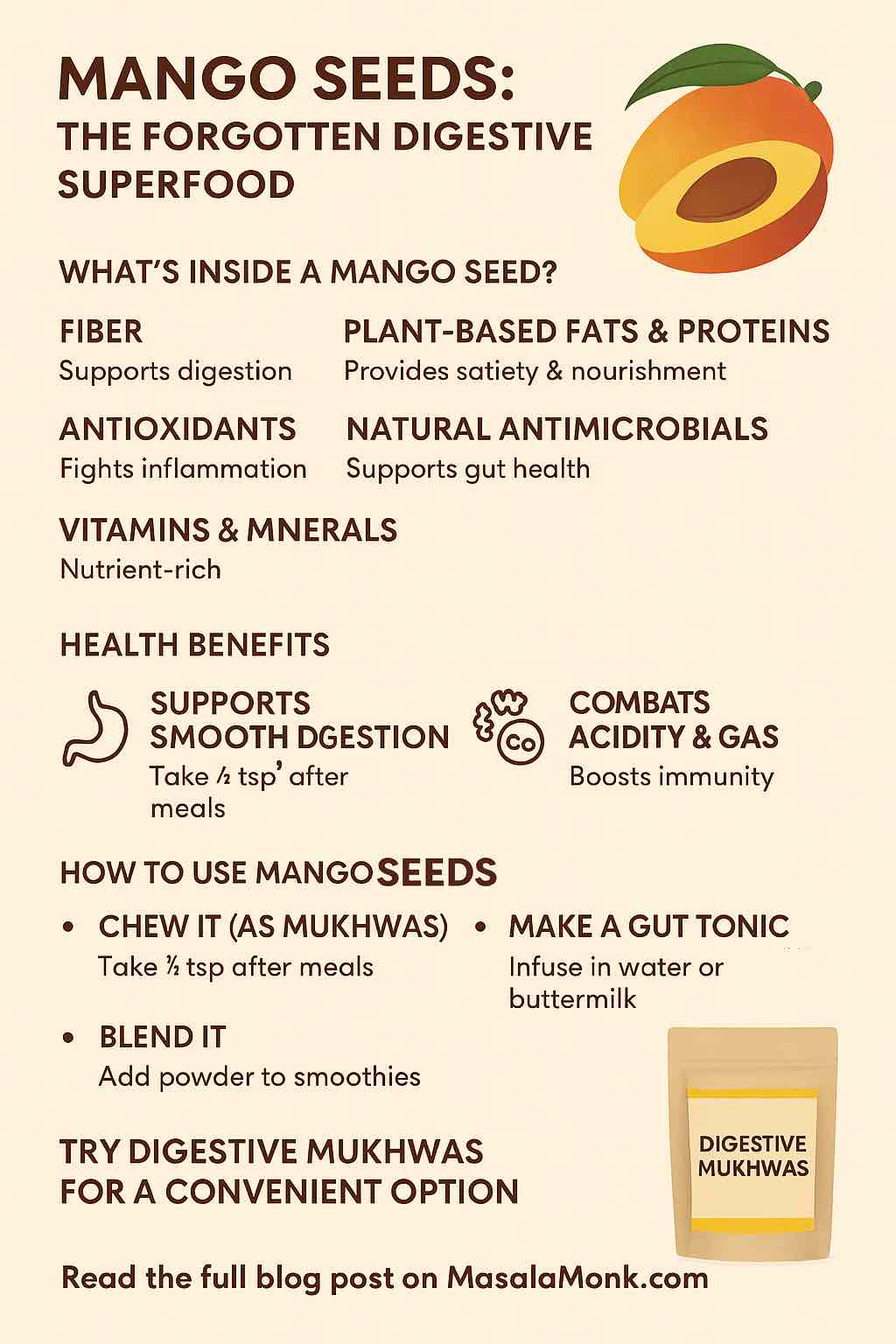
  • Fiber – Promotes regular bowel movements and supports microbial balance
  • Plant-based fats & proteins – Offers healthy satiety and tissue repair
  • Antioxidants – Helps combat inflammation and oxidative stress
  • Natural antimicrobials – Supports gut and oral health
  • Vitamins & minerals – A natural source of calcium, magnesium, and vitamins A, E, and C

Despite its humble appearance, this little kernel is dense with benefits.


🔥 Health Benefits of Mango Seed

1. Supports Smooth Digestion

Traditionally used for treating indigestion, bloating, and diarrhea, mango seed helps normalize bowel function. Its fiber helps move things along, while its natural oils soothe the digestive lining.

2. Aids Gut Flora & Microbial Balance

The polyphenols in mango seeds act as natural prebiotics — they help feed and support beneficial gut bacteria. This can lead to better immunity, improved nutrient absorption, and reduced inflammation.

3. Combats Acidity & Gas

Thanks to its slightly alkaline nature and tannin content, mango seed helps neutralize excess acidity. When taken post-meal, it helps prevent the heaviness or discomfort that follows rich or spicy meals.

4. Boosts Immunity

Mango seed is a natural source of bioactive compounds that help the body fight off infections, regulate inflammation, and improve resilience. Think of it as quiet nourishment working behind the scenes.

5. Helps with Metabolic Wellness

Its combination of fiber, antioxidants, and healthy fats supports healthy cholesterol, regulates sugar absorption, and can even support weight management when used consistently.


🧺 Traditional Wisdom Meets Modern Use

In India, mango seed has long been used:

  • As a digestive tonic in powdered form
  • In mukhwas blends, roasted and spiced for flavor and relief
  • As a dry chutney powder in some regions
  • As an infusion brewed in water or buttermilk

These weren’t trends — they were practical, everyday hacks for people who relied on nature, not pharmaceuticals, to stay well.


🍽️ How to Use Mango Seed at Home

Here are a few practical ways to integrate it into your lifestyle:

Chew It (As Mukhwas)

Roast chopped mango seed with flax, fennel, and sesame. Add salt or turmeric for flavor. Store in a jar and take ½ tsp after meals.

Make a Gut Tonic

Boil a few mango seed pieces in water, strain, and drink it warm. This simple infusion helps reduce acidity and supports digestion.

Blend It

Dry and powder the seed. Add ½ tsp to smoothies, oats, or yogurt. It thickens naturally and provides slow-release energy and fiber.


🧂 The Easier Option: Digestive Mukhwas

If cracking, drying, roasting, and mixing mango seed sounds like a lot of work, there’s a beautifully balanced alternative: the Digestive Mukhwas (Pack of 2) available at MasalaMonk.

This mukhwas includes:

  • Mango seed as a core ingredient
  • Flax, fennel, coriander, sesame
  • Natural salts, turmeric, and mild spices
  • No added sugar, preservatives, or synthetic flavors

It’s crafted by small-batch Indian makers and curated by MasalaMonk, a marketplace that connects conscious buyers with artisanal wellness products.

✅ Just eat a spoonful after meals.
✅ Keeps well in your kitchen or office drawer.
✅ Tastes great while quietly doing your gut a favor.

👉 Try Digestive Mukhwas here:
🔗 https://masalamonk.com/product/digestive-mukhwas-pack-of-2/


⚠️ Things to Know

  • Use in moderation — Start with ½ tsp and see how your body responds
  • Pregnancy or medication? — Best to check with a doctor first
  • Storage — Keep dry and sealed in an airtight container for maximum freshness

🌟 Final Thoughts

The mango seed isn’t waste — it’s wellness. It’s time we reintroduce this humble kernel into our lives not just for the science behind it, but for the common sense it brings to modern living.

So whether you DIY it into your own after-meal mix or grab a thoughtfully prepared Digestive Mukhwas from a trusted artisan on MasalaMonk, you’re saying yes to better digestion, lighter meals, and more natural living.

🔗 Buy now, chew later: https://masalamonk.com/product/digestive-mukhwas-pack-of-2/

✅ 10 FAQs – Mango Seeds for Digestion & Wellness

  1. What are mango seeds and can they really be eaten?
    Yes! The large pit inside a mango contains a kernel (the seed) that can be dried, roasted, or powdered for consumption. It’s traditionally used in Ayurveda for digestion and overall health.
  2. How do mango seeds support digestion?
    Mango seeds are rich in fiber, healthy fats, and antioxidants. They help regulate bowel movements, reduce bloating, combat acidity, and support the gut microbiome.
  3. Can I use mango seeds if I have IBS or acid reflux?
    In small quantities, yes. The seed’s natural oils and fiber help calm the digestive lining and balance acid levels. Always start small and observe how your body reacts.
  4. What is the best way to consume mango seeds?
    You can chew roasted bits after meals, infuse them into water or buttermilk, or use powdered form in smoothies and homemade mukhwas.
  5. Is mango seed safe for daily use?
    Yes, in moderation. About ½ to 1 tsp of roasted or powdered mango seed per day is typically safe for most people.
  6. Is mango seed included in the Digestive Mukhwas by MasalaMonk?
    Yes! The Digestive Mukhwas (Pack of 2) includes mango seed along with flax, fennel, coriander, sesame, and spices—all carefully blended by small-batch producers.
  7. Does mango seed help with immunity too?
    Mango seed contains polyphenols and antioxidants that support immune resilience and reduce inflammation naturally.
  8. Can I use mango seed powder in cooking or baking?
    While it’s not common in baking, powdered mango seed can be added to smoothies, soups, or post-meal blends for fiber and nutrient enrichment.
  9. Where can I buy mango seed-based digestive blends?
    You can purchase the Digestive Mukhwas from MasalaMonk, a curated marketplace that offers natural, artisanal blends.
    🔗 https://masalamonk.com/product/digestive-mukhwas-pack-of-2/
  10. Are there any side effects of consuming mango seed?
    Generally safe in moderation, but consuming in excess may cause constipation or digestive discomfort. Avoid during pregnancy or if allergic to seeds.
Posted on Leave a comment

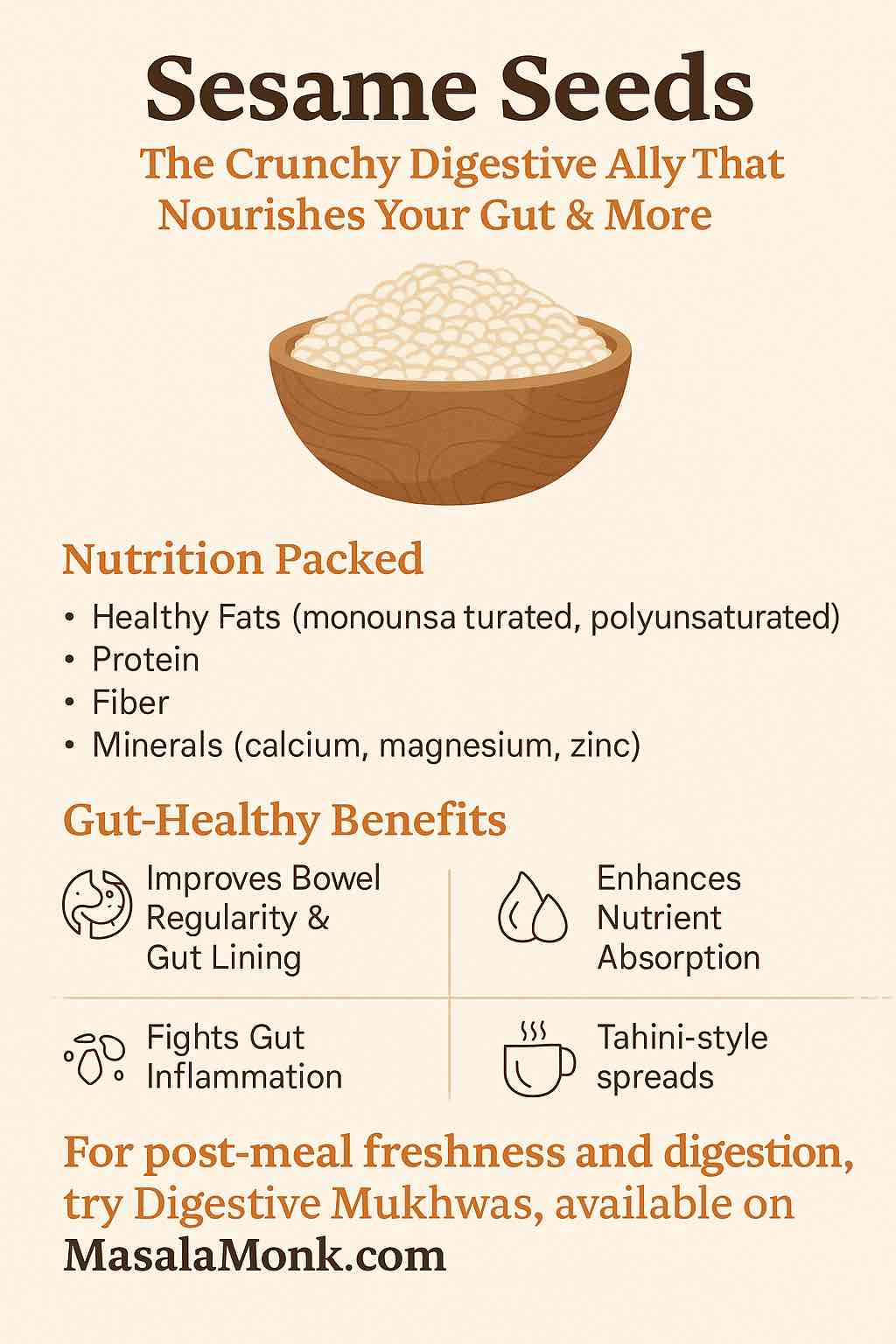
Sesame Seeds: Digestive Ally That Nourishes Your Gut & More

You might sprinkle them on your salad or roll a roll in halwa, but sesame seeds deserve a deeper place in your wellness routine.

Often overshadowed by trendier superfoods, sesame seeds are nutrition-packed gems that benefit not just digestion, but heart health, skin, hormones, and more. When added to a thoughtfully crafted Digestive Mukhwas, they offer both flavor and function—supporting gut comfort, breath freshness, and nutrient absorption.

Let’s uncover the science and wisdom behind these tiny, nutrient-dense seeds—and show you how easy it is to include them in your daily rituals.


🌱 What Are Sesame Seeds?

Sesamum indicum, commonly known as sesame, produces small, flat, oval seeds in shades of white, black, or brown. Often used as a topping or ingredient in cooking, they offer:

  • Healthy fats: primarily monounsaturated and polyunsaturated
  • Protein (about 5 g per tbsp)
  • Dietary fiber
  • Minerals: calcium, magnesium, phosphorus, zinc.
  • Lignans like sesamin, offering antioxidant and anti-inflammatory actions

These nutrients work together to support a well-rounded, daily wellness habit—not just digestion.


🛡️ Sesame Seeds for Digestive Health

1. Improves Bowel Regularity & Gut Lining

George Mateljan Foundation notes that sesame seeds’ mix of fiber and healthy fats supports smooth bowel movements and intestinal lining health.

2. Fights Gut Inflammation

Sesamin has been shown in animal models to reduce inflammation in colitis and other digestive disorders, helping ease irritation.

3. Enhances Nutrient Absorption

The fats in sesame help dissolve fat-soluble nutrients (vitamins A, D, E, K), improving their uptake.
Toasting seeds also breaks down phytic acid, making minerals more bioavailable.


🧠 Beyond Digestion: Other Research-Backed Benefits

  • Heart health: Helps lower LDL cholesterol and reduce blood pressure (American Heart Association studies).
  • Bone support: Packed with calcium, magnesium, and phosphorus—critical for bone strength.
  • Hormonal balance: Phytosterols in sesame may help modulate estrogen—useful for menopausal support.
  • Skin & anti-aging: Antioxidants and nutrients support skin integrity and collagen production.

🥣 How to Use Sesame Seeds Daily

  • After meals in mukhwas: Provides crunch and digestive support
  • Sprinkle on foods: Add to bread, salads, yogurt, smoothies
  • Sesame tea or milk: Blend ground seeds with warm water or milk for a nourishing drink
  • Tahini-style spreads: Use in moderation to dress veggies or spreads

🧂 Sesame in Digestive Mukhwas — Why It Works

The Digestive Mukhwas blend, available in a Pack of 2 on MasalaMonk, includes 9% roasted white sesame seeds. In a formula alongside flax, fennel, coriander, mango seed, turmeric, and salt, sesame provides:

  • Gut lubrication and smoother digestion
  • Trace minerals and essential fats
  • Natural aromatic depth—no added sugar, color, or preservatives

Remember: MasalaMonk is a curated marketplace that connects you to small-batch producers who create these blends—they’re not the manufacturer.

👉 Discover the richly textured Digestive Mukhwas here:
🔗 https://masalamonk.com/product/digestive-mukhwas-pack-of-2/


⚠️ Safety & Use Tips

  • Enjoy in moderation: Sesame is high in healthy fats—stick to about 1 tsp per serving
  • Allergy alert: Sesame allergy is common—avoid if sensitive
  • Phytic acid: Toast or lightly soak seeds to enhance nutrient availability

🧭 Final Thought

Sesame seeds bring more than crunch—they offer a balanced blend of digestion, minerals, heart support, and taste. In a well-crafted Digestive Mukhwas blend, they enrich both texture and efficacy—making gut-health rituals easy, nutritious, and delicious.

👉 Ready to add this nourishing bite to your daily routine?
Grab the Digestive Mukhwas on MasalaMonk:
🔗 https://masalamonk.com/product/digestive-mukhwas-pack-of-2/

✅ 10 FAQs – Sesame Seeds for Digestion & Wellness

  1. How do sesame seeds help with digestion?
    Sesame seeds are rich in dietary fiber and healthy fats, which help lubricate the digestive tract, support regular bowel movements, and reduce gut inflammation—especially when roasted and consumed post-meal.
  2. Can sesame seeds help reduce bloating or acidity?
    Yes. When paired with gut-soothing ingredients like fennel and coriander, sesame can support smoother digestion and minimize post-meal discomfort like bloating and gas.
  3. What’s the best time to consume sesame seeds for gut benefits?
    After meals is ideal, especially when included in a digestive seed mix like mukhwas. You can also include them in salads, rice, or even as tea infusions for general wellness.
  4. Are sesame seeds better raw or roasted for digestion?
    Roasted seeds are more easily digested and have enhanced flavor. Light roasting also helps reduce phytic acid, improving mineral absorption.
  5. Can I eat sesame seeds every day?
    Yes, in small amounts (about 1 tsp per day), sesame seeds are safe and beneficial for most people. They support digestion, immunity, and skin health.
  6. Do sesame seeds cause any allergies?
    Yes, sesame is one of the more common food allergens globally. If you’re allergic or unsure, avoid sesame or consult a healthcare professional before including them.
  7. Are sesame seeds suitable for people with IBS or sensitive digestion?
    Yes, in moderate, roasted form. Their fiber and fat support gentle digestion without being too harsh. Always start small and monitor your response.
  8. Is there a convenient way to eat sesame seeds daily without cooking or prepping?
    Yes! The Digestive Mukhwas available on MasalaMonk includes sesame seeds in a perfectly roasted and balanced format—just eat a spoonful after meals.
  9. Are sesame seeds safe for children and older adults?
    Yes, they’re safe in small amounts when chewed well or ground. Always ensure seeds aren’t swallowed whole by younger kids.
  10. Where can I buy a high-quality sesame-rich digestive blend?
    You can purchase the Digestive Mukhwas (Pack of 2)—which contains sesame along with fennel, flax, coriander, and more—on the MasalaMonk marketplace.
    👉 https://masalamonk.com/product/digestive-mukhwas-pack-of-2/
Posted on Leave a comment

Coriander Seeds: Ancient Digestive Ally for Gut

CORIANDER SEEDS Digestion

When it comes to simple, everyday foods that can quietly transform your digestion, coriander seeds are often overlooked — but shouldn’t be.

Mild, citrusy, and aromatic, these golden-brown seeds have been part of Ayurveda, traditional Chinese medicine, and Mediterranean diets for centuries. Now, backed by modern science, coriander seeds are proving to be more than a humble kitchen spice — they’re a legitimate digestive, anti-inflammatory, and metabolic aid.

Whether you chew them post-meal, brew them into tea, or enjoy them in a curated Digestive Mukhwas, coriander seeds offer gentle and lasting benefits for your gut, breath, and beyond.


🌱 What Are Coriander Seeds?

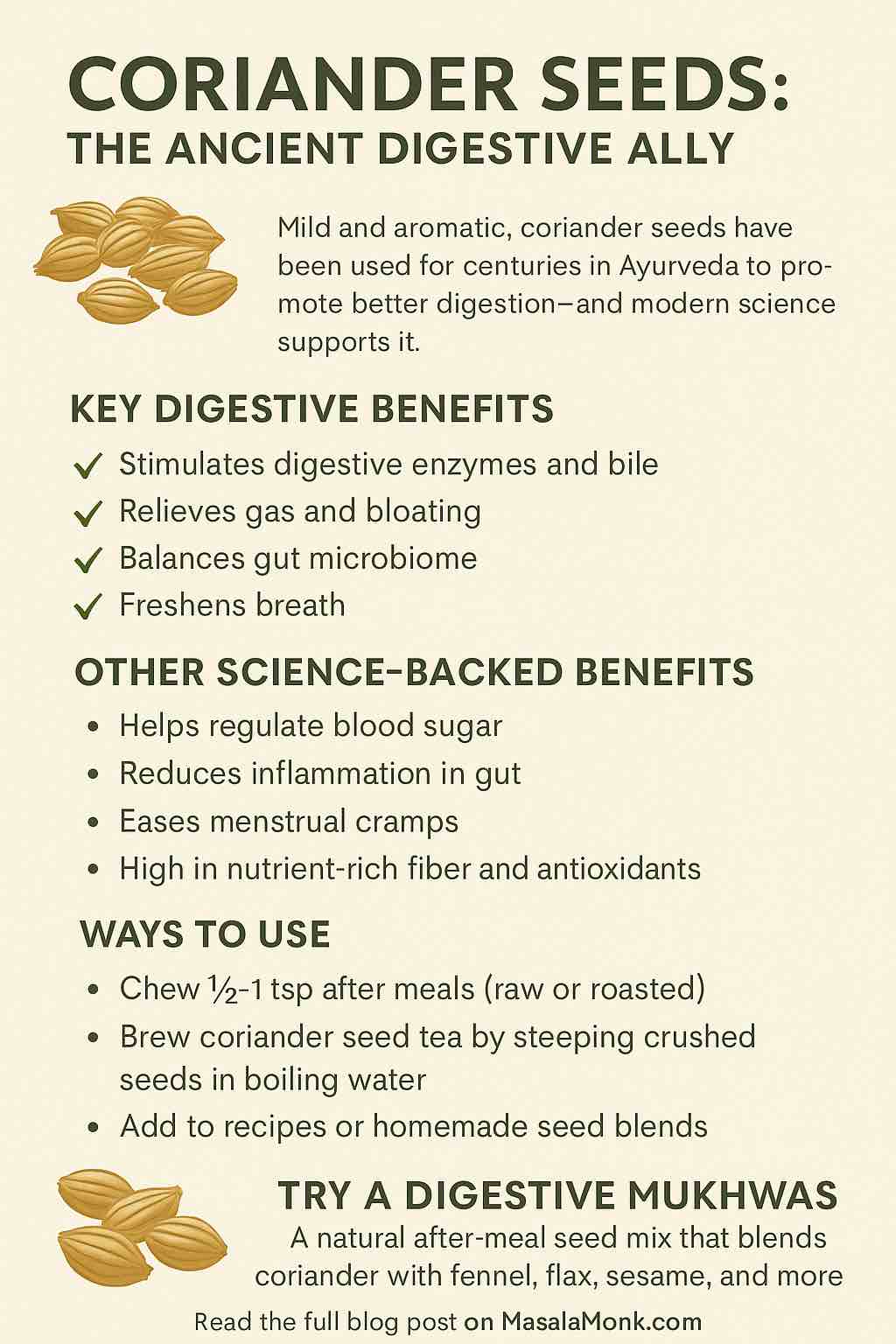
Coriander (Coriandrum sativum) is the dried fruit of the cilantro plant. While the leaves are often used fresh in cooking, the seeds are used in whole or ground form — for flavor and function.

They contain:

  • Dietary fiber to support digestion
  • Linalool, an essential oil known for digestive stimulation
  • Flavonoids and antioxidants to reduce inflammation
  • Minerals like iron, magnesium, and calcium
  • Natural oils that balance gut motility and fight pathogens

🌿 In Ayurveda, coriander seeds are tridoshic — balancing Vata, Pitta, and Kapha — making them ideal for all body types.


🔬 Latest Scientific Backing for Coriander Seeds

1. Enhances Digestive Function

Coriander seeds stimulate the secretion of bile and digestive enzymes, making food easier to digest. They also help relieve gas and bloating through their carminative (gas-expelling) properties.

📚 A 2024 review by Oncquest Labs and Healthline confirmed coriander’s role in managing flatulence, sluggish digestion, and even post-meal heaviness.

2. Balances Gut Microbiome

Animal studies have shown that coriander:

  • Improves gut morphology (structure and lining)
  • Reduces harmful bacteria like E. coli
  • Supports healthy microbial diversity

This has implications for people with IBS, indigestion, or chronic gut imbalance.

3. Helps Regulate Blood Sugar

Multiple studies confirm coriander seeds’ antidiabetic effects, improving insulin sensitivity and lowering fasting glucose levels in lab and clinical studies. This is especially helpful for managing post-meal blood sugar spikes.

4. Reduces Inflammation & Oxidative Stress

Rich in flavonoids like quercetin and tocopherols, coriander seeds offer antioxidant and anti-inflammatory effects — benefiting the gut lining, liver, and heart health.

5. Eases Menstrual Discomfort

Used in folk and Ayurvedic medicine for centuries, coriander seed tea is known to reduce menstrual cramps and bloating due to its muscle-relaxant and hormone-modulating effects.


🧘 Why It’s Great for Everyday Use

  • Mild flavor that doesn’t overpower
  • Cooling effect on the body
  • Safe for regular use, even in sensitive digestive systems
  • No sugar, caffeine, or artificial ingredients needed

🥣 How to Use Coriander Seeds at Home

Chew them raw or roasted post-meal – Helps with digestion and freshens breath
Make coriander seed tea – Boil 1 tsp crushed seeds in water for 5–10 min, strain, and sip
Add to food – Toast lightly and add to lentils, chutneys, soups, or rice
Blend into seed mixes – Pair with fennel, flax, and sesame for a classic after-meal mix


🧂 Want a Ready Blend? Try Digestive Mukhwas

If you’d rather skip the prep work and still reap the benefits of coriander, try a natural, small-batch Digestive Mukhwas — a traditional Indian post-meal seed mix that includes:

  • Coriander seeds
  • Flax seeds
  • Fennel seeds
  • Sesame, mango seed, turmeric, black salt, and more

💡 This formulation supports digestion, relieves bloating, and freshens the breath — without sugar or additives.

📌 Available now on MasalaMonk — a curated marketplace for high-quality, artisan wellness products.

MasalaMonk doesn’t manufacture this mukhwas but features it from trusted, small-batch producers who specialize in digestive-friendly formulations.

👉 Try the Digestive Mukhwas (Pack of 2) here:
🔗 https://masalamonk.com/product/digestive-mukhwas-pack-of-2/


⚠️ Precautions & Who Should Be Careful

  • Generally safe for adults in culinary quantities (½–1 tsp per use)
  • Those on diabetic medication should monitor blood sugar closely
  • Avoid large medicinal doses during pregnancy without medical advice
  • Rare allergies may occur — test small amounts if unsure

🧭 Final Thoughts

Coriander seeds are proof that you don’t need expensive supplements to support gut health and well-being. A small, consistent habit — like chewing seeds post-meal or adding them to your diet — can go a long way in keeping your digestive system calm, regular, and efficient.

Want to simplify the habit? Let a curated Digestive Mukhwas do the work.

👉 Shop the product here:
🔗 https://masalamonk.com/product/digestive-mukhwas-pack-of-2/

Your gut (and your tastebuds) will thank you.

✅ 10 FAQs – Coriander Seeds for Digestion & Wellness

  1. How do coriander seeds support digestion?
    Coriander seeds stimulate bile and digestive enzyme production, helping break down food more efficiently and relieving gas, bloating, and heaviness.
  2. Can I eat coriander seeds directly after meals?
    Yes. Lightly roasted coriander seeds can be chewed post-meal for digestion and natural breath freshening.
  3. What’s the best way to use coriander seeds for digestion?
    Chew them raw or roasted, steep them in hot water for tea, or use them in a post-meal seed mix like Digestive Mukhwas.
  4. Are coriander seeds the same as cilantro?
    They come from the same plant. Coriander refers to the dried seeds, while cilantro is the fresh green leaf.
  5. Can coriander seeds help with IBS?
    Yes. Their antispasmodic and carminative properties can help reduce cramping and gas in IBS patients, though individual tolerance varies.
  6. Is coriander safe for daily use?
    Yes, when consumed in typical culinary amounts (½–1 tsp/day), coriander seeds are safe and beneficial for most people.
  7. Do coriander seeds lower blood sugar?
    Yes. Studies show coriander can support insulin activity and reduce fasting blood sugar, making it useful for those with mild imbalances. Consult a doctor if you’re diabetic.
  8. Can I use coriander seed tea for bloating?
    Absolutely. Coriander tea is a traditional and effective remedy for bloating, especially when combined with fennel or ginger.
  9. What does coriander taste like?
    Warm, nutty, and citrusy. It pairs well with other digestive seeds like fennel, flax, and sesame.
  10. Where can I find a good blend that includes coriander seeds?
    You can try the Digestive Mukhwas (Pack of 2), available via MasalaMonk – a curated marketplace offering small-batch, functional food products:
    https://masalamonk.com/product/digestive-mukhwas-pack-of-2/
Posted on 2 Comments

Fennel Seeds for Digestion, Freshness, and Calm

FENNEL SEEDS Digestion

It’s time we gave fennel seeds the spotlight they deserve.

Found in kitchens across India and the Mediterranean, fennel seeds (saunf) are more than just a sweet finish to a meal — they’re a time-tested digestive, breath freshener, and mood-calmer, now validated by modern research.

From Ayurveda to science journals, fennel has earned its place as a go-to for easing bloating, gas, stomach spasms, and even post-surgery discomfort. And in today’s world of fast meals, gut issues, and stress-induced bloating, it may be one of the most relevant natural remedies we can turn to.

Let’s break down the latest on what fennel seeds can do — and how you can start using them today.


🌱 What Exactly Are Fennel Seeds?

Fennel (Foeniculum vulgare) belongs to the carrot family. Its dried seeds are oval, greenish, and taste subtly sweet with a hint of licorice. While commonly chewed after meals in Indian households, their medicinal value is what truly sets them apart.

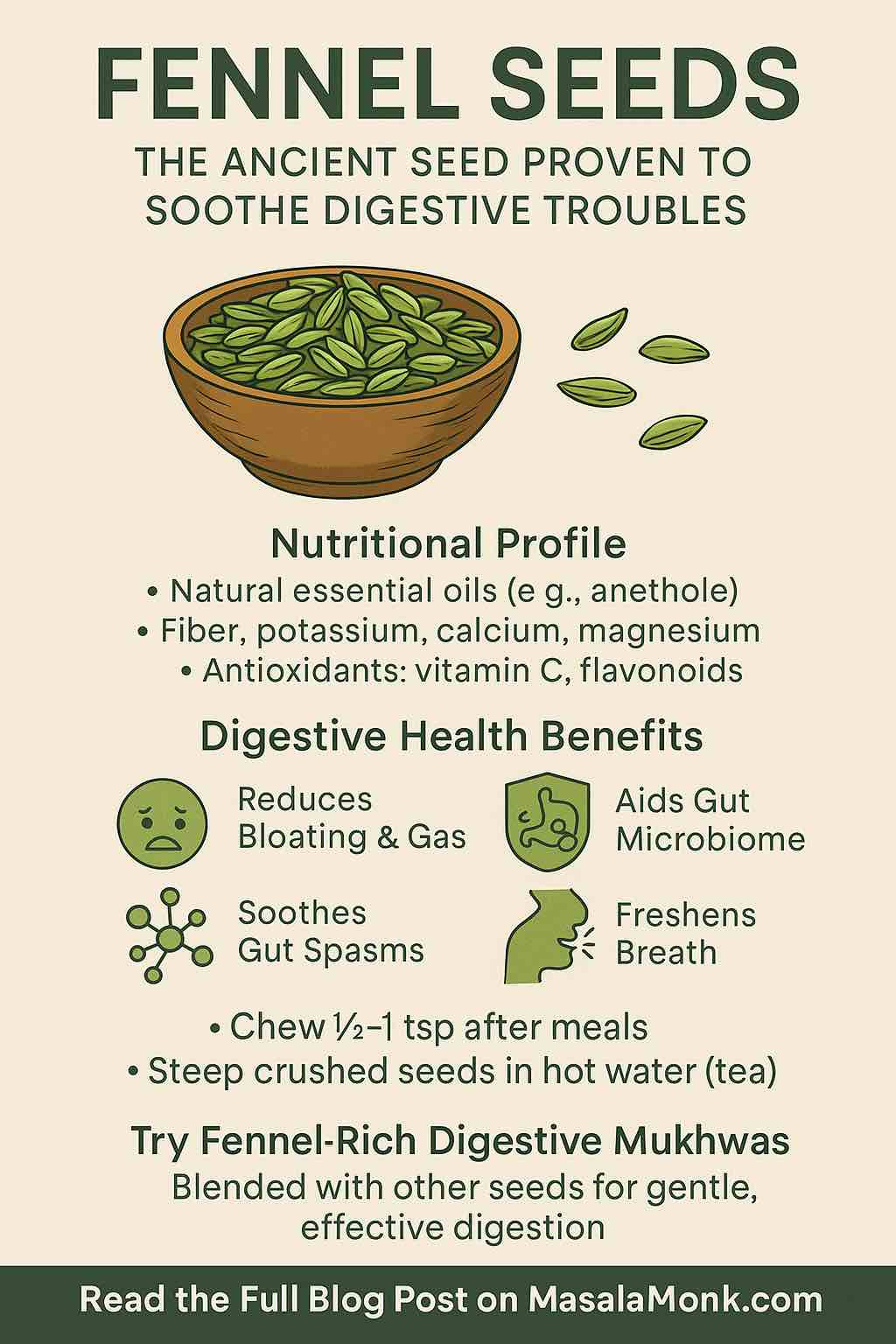
Nutritional Power Per 1 Tbsp of Fennel Seeds:

  • ~2.3g dietary fiber
  • Rich in essential oils: anethole, fenchone, estragole
  • Packed with potassium, calcium, iron, magnesium
  • Natural antioxidants: flavonoids, phenolic acids, and vitamin C
    (Healthline)

🧬 Backed by Research: Fennel’s Digestive Superpowers

1. Reduces Bloating & Gas

One of fennel’s most studied uses is its ability to relax the smooth muscles of the digestive tract, allowing trapped gas to release and bloating to subside. This is attributed to anethole, its primary active compound.

🔬 Medical News Today confirms fennel’s carminative effect (gas-reducing) and cites it as a useful tool in managing indigestion and IBS.

2. Soothes Cramping & Gut Spasms

Fennel is a known antispasmodic, meaning it helps reduce cramping in the intestines — ideal for people with Irritable Bowel Syndrome (IBS), menstrual cramps, or post-surgical recovery.

📚 A 2024 study showed that fennel, when combined with turmeric, significantly improved IBS symptoms including pain and bloating.

3. Supports Gut Microbiome

Fennel’s fiber and essential oils have prebiotic effects, helping nourish beneficial bacteria in the gut and reducing inflammation.

🧪 Clinical trials using fennel extract showed an improvement in gut microbial diversity and digestive comfort within 14 days.

4. Freshens Breath Naturally

The antimicrobial properties of fennel essential oils help reduce oral bacteria, making it an ideal after-meal refresher — no need for sugar-loaded mints.


🌟 Other Lesser-Known Benefits

  • Hormonal & Menstrual Support: Traditional and clinical evidence supports fennel’s ability to ease menstrual cramps and act as a mild galactagogue (milk production enhancer).
  • Anxiety & Calm: Used for centuries in traditional medicine to calm nerves, fennel has mild mood-balancing effects — especially when chewed slowly or consumed as a tea.
  • Metabolic Boost: Supports weight balance and insulin regulation in some studies, especially when combined with other fiber-rich herbs.

🥣 How to Use Fennel Seeds Daily

✅ Chew Post-Meal

  • Chew ½ to 1 tsp of lightly roasted fennel seeds after lunch or dinner.
  • Helps reduce bloating and freshens breath.

✅ Brew as a Tea

  • Steep crushed seeds in hot water for 5–10 minutes.
  • Add lemon or ginger for added digestive kick.

✅ Cook or Roast

  • Use in tempering, spice blends, or dry roast with other seeds for your own post-meal mix.

🧂 Fennel in Digestive Mukhwas — A Smart Blend for Everyday Use

If you want the easiest and tastiest way to add fennel into your daily routine, consider a natural Digestive Mukhwas — a seed-based blend rooted in Ayurveda that includes fennel alongside flax, coriander, sesame, and other gut-friendly herbs.

The version listed on MasalaMonk is:

  • Sugar-free
  • Preservative-free
  • Made by independent small-batch producers
  • And available in a Pack of 2 for consistent use

📦 This isn’t a mass-produced mix from MasalaMonk — the platform is a marketplace curating unique, high-quality, small-batch creations. You’re supporting real artisans while getting real digestive support.

👉 You can find the fennel-rich Digestive Mukhwas here:
🔗 https://masalamonk.com/product/digestive-mukhwas-pack-of-2/


⚠️ Precautions & Notes

  • Safe in culinary doses — 1–2 tsp daily is well-tolerated by most.
  • Avoid excessive use during pregnancy or if you have estrogen-sensitive conditions, as fennel contains mild phytoestrogens.
  • Allergies are rare but possible — stop use if you experience discomfort.

🧭 Final Thought: Tiny Seed, Tangible Relief

Fennel seeds are living proof that simple things can be powerful.
Whether you’re feeling bloated, gassy, stressed, or just craving something fresh after a meal — fennel is your go-to companion.

Chew it. Brew it. Or simply spoon it through a thoughtfully made mukhwas blend.

Because in a world full of quick fixes, this one’s stood the test of time — and science.

👉 Ready to make it part of your daily ritual?
Discover the Digestive Mukhwas at:
🔗 https://masalamonk.com/product/digestive-mukhwas-pack-of-2/

✅ 10 FAQs – Fennel Seeds for Digestion & Wellness

  1. How do fennel seeds help with digestion?
    Fennel seeds relax the muscles in your gastrointestinal tract, helping release trapped gas, reduce bloating, and relieve cramping — making them effective post-meal.
  2. Can I chew fennel seeds raw?
    Yes, raw or lightly roasted fennel seeds can be chewed after meals. Roasting enhances flavor and makes them more palatable.
  3. How much fennel should I consume daily?
    Around ½ to 1 teaspoon post-meal is ideal. Avoid overconsumption if pregnant or if you have hormone-sensitive conditions.
  4. Do fennel seeds help with bad breath?
    Yes. Their essential oils have antimicrobial effects that reduce bacteria in the mouth and freshen breath naturally.
  5. Can fennel seeds help with bloating or IBS?
    Yes. Multiple studies support fennel’s antispasmodic and carminative properties, particularly for IBS-related discomfort and post-meal bloating.
  6. Is fennel safe for children or the elderly?
    In small food amounts, yes. Fennel tea is commonly given to infants in many cultures (under medical guidance) to relieve colic and gas.
  7. Are fennel seeds suitable during pregnancy?
    In small food amounts, fennel is generally safe, but consult your doctor due to its mild estrogenic effects.
  8. Can I make tea with fennel seeds?
    Absolutely. Crush 1 tsp of seeds and steep in hot water for 5–10 minutes. Add ginger or honey for extra soothing power.
  9. Do fennel seeds aid weight loss?
    They may support satiety, reduce cravings, and improve digestion — all of which contribute to better weight management over time.
  10. Is there a convenient way to consume fennel daily?
    Yes, blends like Digestive Mukhwas offer fennel seeds combined with other digestion-friendly seeds in a ready-to-eat, post-meal mix.