

Choosing the best vermouth for a Negroni is the fastest way to turn this drink from “sometimes great, sometimes weird” into something you can make on autopilot and still be proud of. A Negroni is simple on paper—gin, Campari, vermouth, ice, orange—yet it’s unforgiving in the glass. Because there’s nowhere to hide, the vermouth you use doesn’t just add sweetness; it decides the drink’s whole personality.
If you want a reliable baseline to build from as you read, keep MasalaMonk’s Negroni recipe handy. It’s an easy reference for method and the classic feel of the drink before you start tuning it.
Negroni vermouth type: what vermouth is used in a Negroni?
The classic vermouth for a Negroni is sweet red vermouth—often labeled sweet vermouth, rosso, or rouge. The official IBA Negroni recipe lays it out cleanly: equal parts gin, Campari, and sweet red vermouth, stirred gently over ice and finished with orange. Campari itself echoes the same idea in its own Negroni guide: London Dry gin, sweet red vermouth, Campari, built in the glass over ice with orange.

So the default answer to “what type of vermouth is used in a Negroni?” is straightforward: sweet red vermouth.
However, “sweet red vermouth” is a wide lane, not a single flavor. Two bottles can both be sweet and red yet make noticeably different Negronis. One might feel light and winey. Another might be rich and vanilla-forward. A third can lean bitter, pushing the drink drier and sharper even at the same 1:1:1 ratio. That’s why the better question isn’t only “what vermouth is used in a Negroni?” but “which sweet vermouth for a Negroni matches the kind of bitterness and balance I like?”
Also Read: Green Chutney Recipe (Coriander–Mint / Cilantro Chutney)
Why sweet vermouth for a Negroni matters more than gin debates
People love arguing about gin in a Negroni, and sure—gin choice matters. Still, vermouth is the quiet lever that changes everything: body, sweetness perception, spice, herbal depth, and how the bitterness lands.
Think of a Negroni as a three-way negotiation:
- Gin brings structure and aromatic lift.
- Campari brings bitterness and bitter-orange punch.
- Sweet vermouth brings roundness, a wine-like core, and a botanical echo that ties the other two together.

When the vermouth is too light for your build, Campari takes over and the drink turns into bitterness plus alcohol heat. Go the other direction—too heavy for your preferences—and the Negroni can feel thick and sweet, still bitter but oddly syrupy. Then there’s the most common spoiler: stale vermouth. Once it’s tired, the whole drink collapses into flat sweetness and blunt bitterness, which is why so many people conclude they “don’t like vermouth” when they’ve really just been using a bottle past its best.
That’s the first truth: “best sweet vermouth for Negroni” is less about prestige and more about fit.
The second truth is even more practical: vermouth is wine-based, and once opened it evolves quickly. If you’re chasing the best vermouth for a Negroni while storing it like a spirit, you’re handicapping yourself from the start. We’ll cover storage properly later, because it’s the easiest quality upgrade you can make.
Also Read: Sandwich for Breakfast: Breakfast Sandwich Recipe + 10 Variations
Sweet vermouth for a Negroni: rosso, sweet, rouge, di Torino—what you’re really choosing
Labels help, but taste decides.
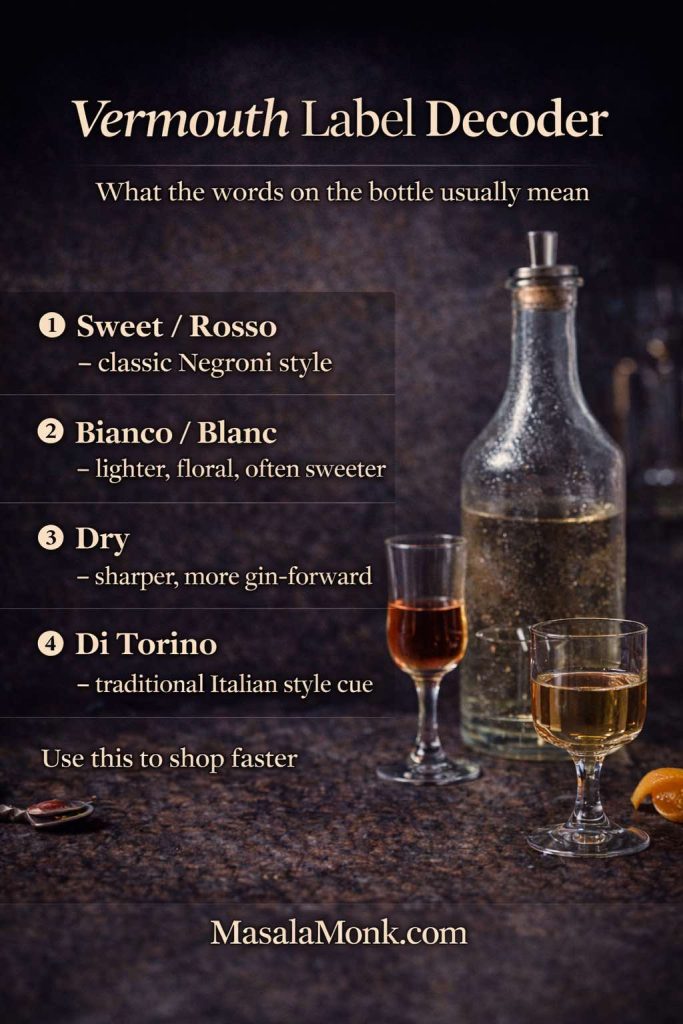
- “Sweet vermouth” usually signals the classic Negroni lane.
- “Rosso/rouge/red” points to the darker style most people associate with the drink.
- “Bianco/blanc” is a different direction entirely (more on that later).
- “Vermouth di Torino” often signals a classic Italian style with a reputation for quality, but it’s still not one flavor.
What matters in the bottle is how it behaves with Campari and gin. In practice, the most useful approach is to choose by taste lane, not by label lore.

To keep this genuinely helpful, let’s break the Negroni vermouth question into four lanes that cover almost every preference.
Also Read: Strawberry Smoothie Recipes (12 Easy Blends + Bowls & Protein Shakes)
Best sweet vermouth for Negroni: pick by taste (the four lanes)
Instead of hunting a single winner, decide what you want your Negroni to feel like. Then choose the vermouth accordingly.
- Classic & balanced
- Bitter & snappy
- Rich & round
- Light & less sweet
You can absolutely enjoy more than one. In fact, many people do: a crisp, bitter Negroni before dinner and a richer, spiced one later in the evening are both valid, just different moods.

Best vermouth for a Negroni if you want it classic and balanced
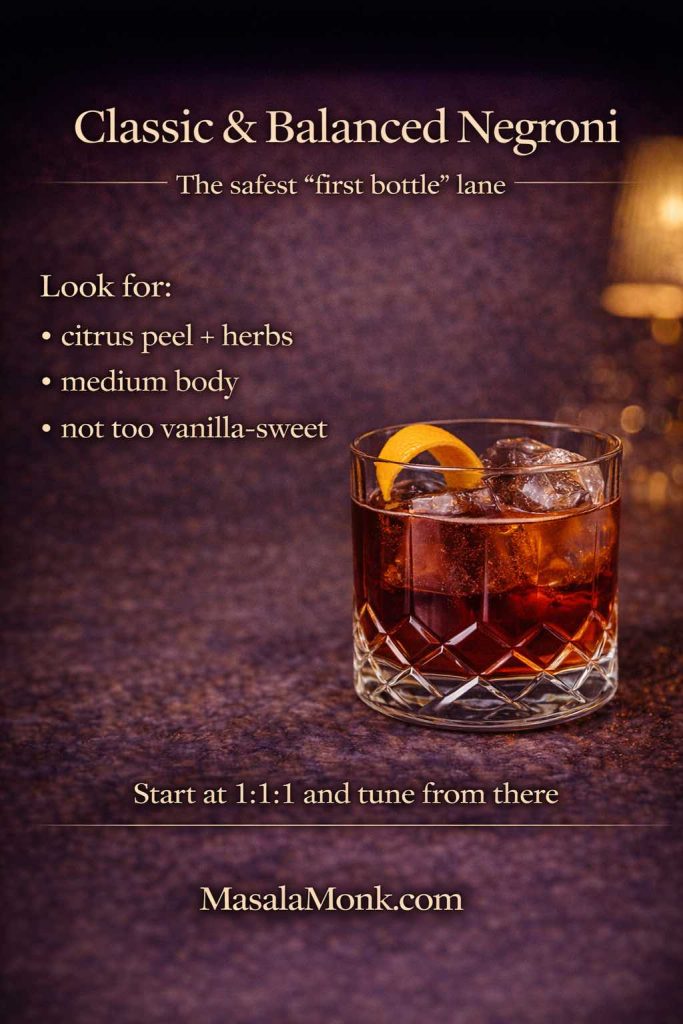
This is the “textbook” Negroni: bitter orange, gentle spice, herbal depth, and a finish that feels firm without being punishing. The sweetness is present, yet integrated. Nothing tastes like it’s shouting over anything else.
What to look for
A classic vermouth rosso for a Negroni tends to be:
- medium-bodied
- aromatic (citrus peel, herbs, subtle spice)
- sweet enough to round Campari, but not so sweet it turns jammy
- bold enough to stay visible in the glass
Why it works
Campari has a strong, distinct profile. A balanced sweet vermouth acts like a hinge: it smooths the bitterness while keeping the drink lively. When people say “Negroni sweet vermouth,” this is usually the vibe they mean.
Brand examples that fit naturally
If you want known, reliable starting points, bartender roundups are a decent shortcut:
- Food & Wine’s best vermouths for Negronis includes classic picks like Cocchi Vermouth di Torino.
- Liquor.com’s best vermouths for a Negroni also highlights “classic” options and why pros like them.
These aren’t the only good bottles; they’re just common reference points that behave predictably in a 1:1:1 build.
How to build it so it tastes clean
Start with the official equal-parts structure from the IBA Negroni page, then pay attention to two details:
- Ice quality: large, cold cubes make the drink taste more integrated and less watery over time.
- Orange oils: express a twist over the drink even if you also use a slice. Aroma makes the Negroni feel rounder without changing the ratio.

If you want easy upgrades without overcomplicating your life, MasalaMonk’s cocktail ice ideas are surprisingly practical.
Also Read: Classic Rum Punch + 9 Recipes (Pitcher & Party-Friendly)
Best vermouth for Negroni if you want it bitter and snappy
Some people love the bite. They want the Negroni to feel bracing, crisp, and sharp—more aperitivo, less plush. In this lane, the drink finishes drier and feels more “tonic-like” in its bitterness.
What to look for
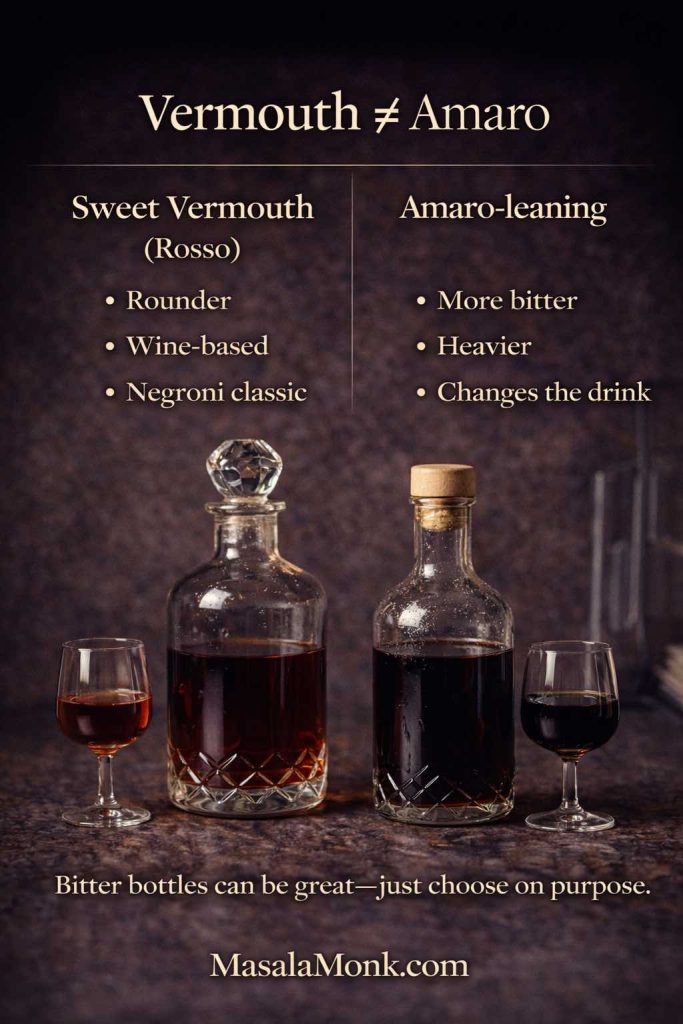
A bitter-leaning sweet vermouth for a Negroni tends to have:
- a firmer herbal bitterness
- less vanilla sweetness
- a cleaner, drier finish even if it’s technically sweet
- enough backbone to stand up to Campari
Why it works
Campari is already bitter. A vermouth with bitter edges doesn’t “double the bitterness” so much as it tightens the profile, reducing the sense of syrupy sweetness that some people dislike.
Brand examples that fit naturally
Punt e Mes is the classic name that comes up in this lane, often described as vermouth with an amaro-like edge. You’ll see it in bartender lists like Food & Wine’s Negroni vermouth roundup and referenced all over cocktail resources.
If you want to explore how bitter-leaning bottles behave across cocktails (and not just Negronis), Difford’s Guide is a useful rabbit hole—start with a general search like Difford’s vermouth references and then follow the trails that interest you.
How to build it so it doesn’t get harsh
Because this lane can turn sharp quickly, a few small moves keep it elegant:
- Use a bold, structured gin so the drink has three clear voices. Food & Wine’s Negroni tips explicitly notes that Campari is strong and a bold gin (often London Dry) helps keep balance.
- Favor an orange twist over a thick wedge if you want a cleaner finish.
- Stir until the drink feels integrated; under-stirring makes bitterness feel jagged.
Also Read: 7 Pizza Sauce Recipes | Marinara, White Garlic, Alfredo, Buffalo, BBQ, Vodka & Ranch
Best sweet vermouth for Negroni if you want it rich and round
This lane is for people who want the Negroni to feel lush: deeper sweetness, richer spice, sometimes a vanilla-and-cocoa impression, with bitterness cushioned rather than sharpened. It’s still a Negroni, yet it feels like evening instead of pre-dinner.

What to look for
A rich vermouth rosso for a Negroni often has:
- vanilla and baking spice
- dried fruit depth
- a thicker mouthfeel
- a longer aromatic finish
Why it works
Campari’s bitterness becomes more velvety when the vermouth’s mid-palate is fuller. The drink feels rounder and more luxurious, especially when served very cold.
Brand examples that fit naturally
Carpano Antica Formula is the famous example. It’s often recommended in bartender roundups, including Food & Wine’s Negroni vermouth list.
At the same time, it’s not for everyone. A thoughtful comparison is helpful because it explains why people disagree so loudly. Drinks and Drinking’s Negroni tasting write-up notes that Carpano Antica can read too sweet and vanilla-forward compared with peers, calling it almost a “vanilla Negroni.” You can read that perspective in their Negroni vermouth comparison.

That’s a feature if you like it; it’s a bug if you don’t.
How to build it so richness stays balanced
Equal parts can work, but many people prefer small adjustments:
- If it feels too sweet or heavy, increase gin slightly.
- If it feels too thick, stir a little longer for a touch more dilution, which can brighten the profile without changing ingredients.
- Keep garnish simple—orange twist often works better than a thick slice if you want the drink to stay clean.
Also Read: Moscow Mule Recipe (Vodka Mule): The Master Formula + 9 Variations
Vermouth for a Negroni if you want it light and less sweet
“Less sweet” is often shorthand for “less heavy.” In this lane, you keep the Negroni’s identity while making the drink feel lighter, more wine-like, and less plush. It’s a great direction when you want something refreshing without going fully dry.

What to look for
A lighter sweet vermouth for Negroni tends to have:
- more floral and botanical lift
- less vanilla richness
- a cleaner finish
- a more obvious wine character
Brand examples that fit naturally
Dolin Rouge is a common reference point for this lane and appears in bartender lists like Food & Wine’s best vermouths for Negronis.
If you want a broad, approachable overview of sweet vermouth bottles and how they behave in cocktails, The Spruce Eats has a guide (written as a “best sweet vermouth” list) that includes Negroni-oriented recommendations too: The Spruce Eats sweet vermouth guide.

How to build it so Campari doesn’t steamroll the drink
Because lighter vermouths can get overshadowed:
- Choose a gin with clear structure (juniper/citrus) rather than very delicate florals.
- Keep the vermouth fresh and refrigerated—stale vermouth shows up faster in this lane.
- Express orange oils generously; aroma provides perceived roundness without adding sweetness.
Also Read: Vodka Pasta (Penne alla Vodka) + Spicy Rigatoni, Chicken, and Gigi Recipes
Best vermouth for a Negroni: the simplest “home bar” setup
If you want a practical answer that works in real life, you don’t need ten bottles. You need a small set that covers moods.
A genuinely useful setup is:
- one classic/balanced sweet vermouth
- one bitter/snappy option
- one rich/round option

That gives you range without clutter. Meanwhile, if you discover you always reach for one lane, you can stop buying the others. The goal is repeatable drinks, not a collection.
Dry vermouth Negroni: can you use dry vermouth in a Negroni?
You can use dry vermouth in a Negroni. It just changes the drink into a sharper, more gin-driven variation.
Dry vermouth tends to reduce the rounding sweetness that balances Campari, so the drink becomes more austere. Sometimes that’s exactly what you want. Other times it’s why people decide “Negronis are too bitter,” when the real issue was the substitution.
If you’re curious about vermouth styles broadly (from dry and white through sweet and red), Difford’s is a good general explainer starting point: Difford’s vermouth overview.

How to make a dry vermouth Negroni taste intentional (not accidental)
A dry vermouth Negroni works best when you change one more thing so the drink stays balanced.
Approach 1: keep structure by leaning gin-forward
Food & Wine highlights the core formula and discusses how bold gin matters against Campari in its Negroni tips article. The principle you can borrow is simple: when sweetness drops, structure and aroma become more important. More gin (or a bolder gin) can keep the drink vivid.
Approach 2: use aroma as “softness”
With dry vermouth, orange peel becomes even more important. Express a twist over the drink and rub the rim. The aroma helps the drink feel rounder even as the palate stays crisp.
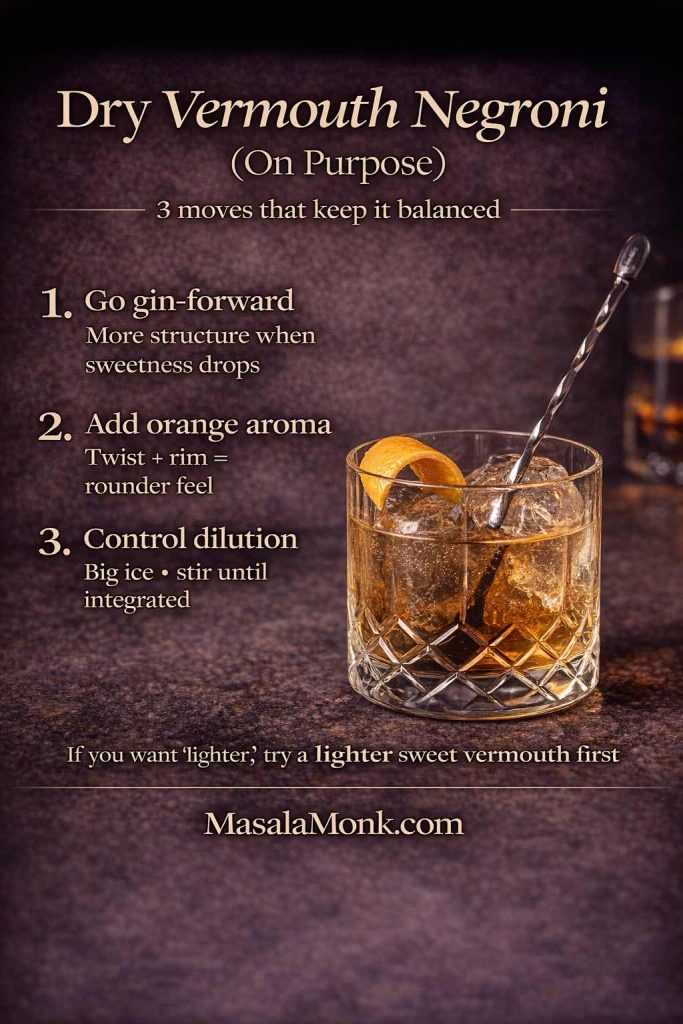
Approach 3: don’t let dilution drift
Dry-leaning builds can taste thin if you over-dilute. Use solid ice and stir until integrated, then stop. Consistency matters more here.
If what you actually want is a cleaner, less heavy Negroni without changing the drink’s identity, a lighter sweet vermouth lane is often a happier solution than fully switching to dry.
Also Read: Marinara Sauce Recipe: Classic Homemade Marinara
Vermouth rosso for a Negroni vs bianco: what changes when you swap the style?
Rosso is the classic answer, but bianco deserves attention because it changes the drink in a different way than “dry” does. Bianco is typically sweeter than dry and can even be sweeter than some rossos, depending on brand. In practice, it tends to feel more floral and lifted, sometimes with a softer sweetness.

The result:
- lighter color
- brighter, more perfumed aroma
- bitterness that reads “brighter” rather than deep
- sometimes a softer overall feel
If you like the Negroni template but want a lighter mood, bianco is an interesting path. Just know you’re making a variation, not the canonical drink.
Also Read: Oat Pancakes Recipe (Healthy Oatmeal Pancakes)
Ratios: how much vermouth should you use in a Negroni?
The classic starting point is equal parts. That’s the method on the IBA Negroni recipe page and echoed by Campari’s own build on its Negroni guide.
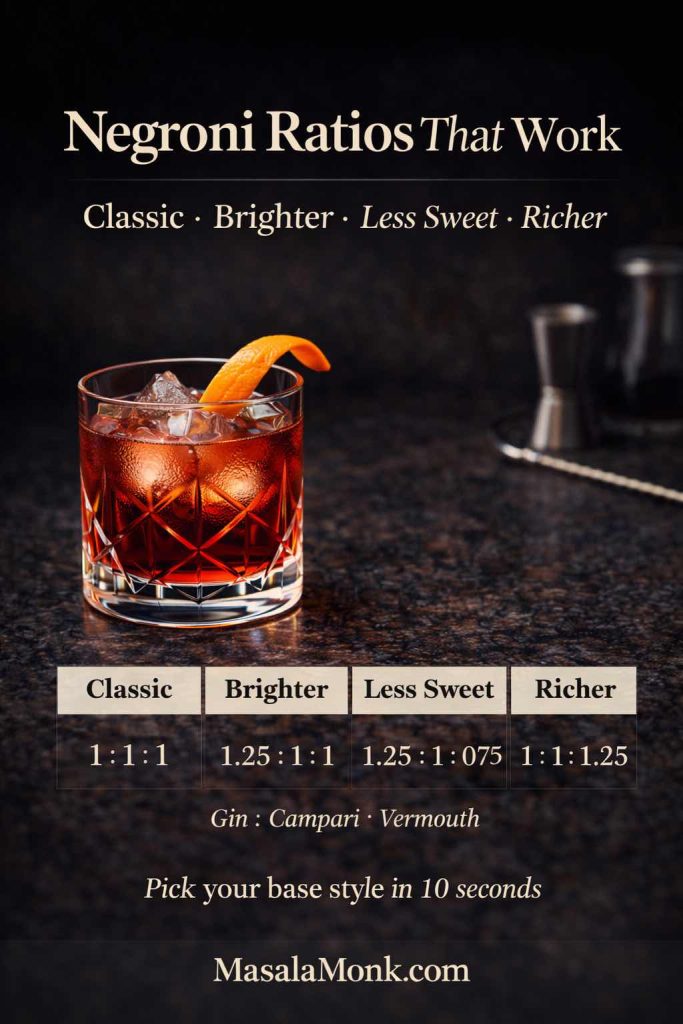
Yet vermouth bottles vary enough that tiny adjustments can turn a “good” drink into a “perfect for you” drink.
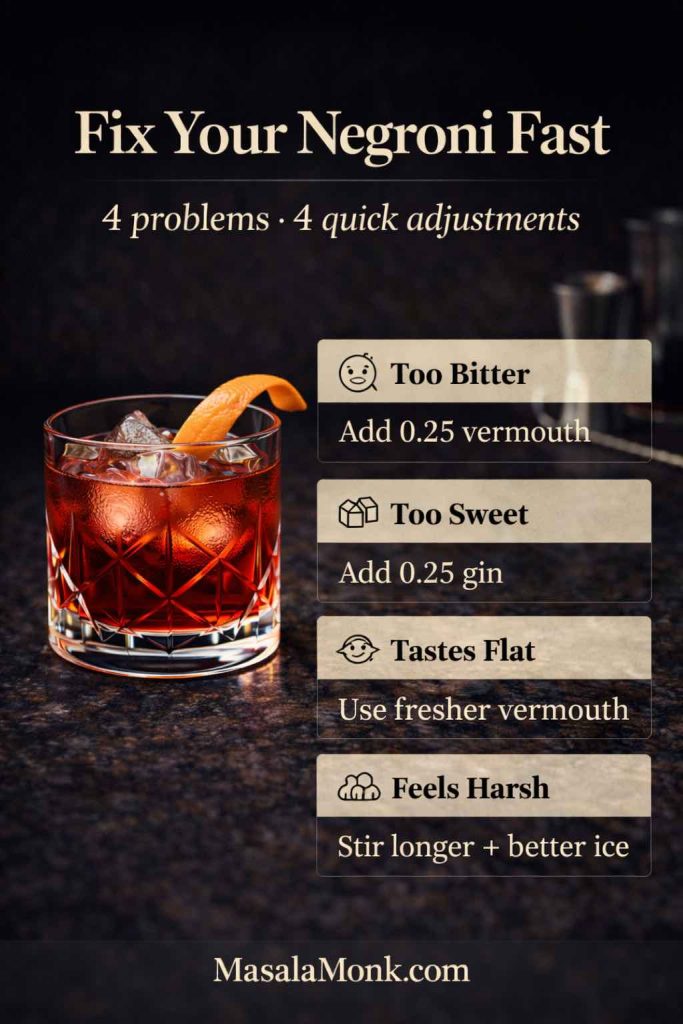
A practical way to adjust is to follow what you taste:
- If it’s too bitter, increase sweet vermouth slightly.
- If it’s too sweet or heavy, increase gin slightly.
- If it tastes flat, check vermouth freshness before changing ratios.
- If it tastes disjointed, stir longer for better integration.
Because the Negroni is minimal, small changes are obvious. That’s a blessing: you don’t need complicated math; you need deliberate tasting.
If you want the method side of things laid out clearly (glass, ice, stirring), MasalaMonk’s Negroni recipe is a steady reference.
Also Read: Mayo Recipe: 15+ Homemade Mayonnaise Variations
Stirring, ice, and dilution: the hidden difference between “fine” and “wow”
Two people can use the same vermouth for a Negroni and still end up with different drinks. The difference is nearly always dilution and temperature.
- Under-stirred Negronis taste sharp and separated.
- Over-diluted Negronis taste muted and thin.
- Poor ice makes both problems worse.

If you want to improve consistency without turning this into a hobby project, start with ice. Large, cold cubes slow dilution and keep aromatics alive longer. If you want easy DIY upgrades, MasalaMonk’s cocktail ice ideas can take you from “whatever the freezer gave me” to “this tastes like a bar drink” quickly.
Then focus on stirring: stir until the drink feels silky and integrated, not watery. That’s the moment when the vermouth stops tasting like a separate sweet thing and starts behaving like the drink’s connective tissue.
Also Read: Homemade & DIY Coffee Creamer: 16 Flavor Recipes (French Vanilla, Pumpkin Spice & More)
Store vermouth properly: how to store vermouth after opening (and why your Negroni depends on it)
This is the most unglamorous advice in the Negroni world, and it might be the most important.
Vermouth is wine-based. Once opened, oxygen slowly dulls it. Warm storage accelerates that change. The result is a bottle that loses brightness and herbal definition, turning “complex and aromatic” into “flat and vaguely sweet.”
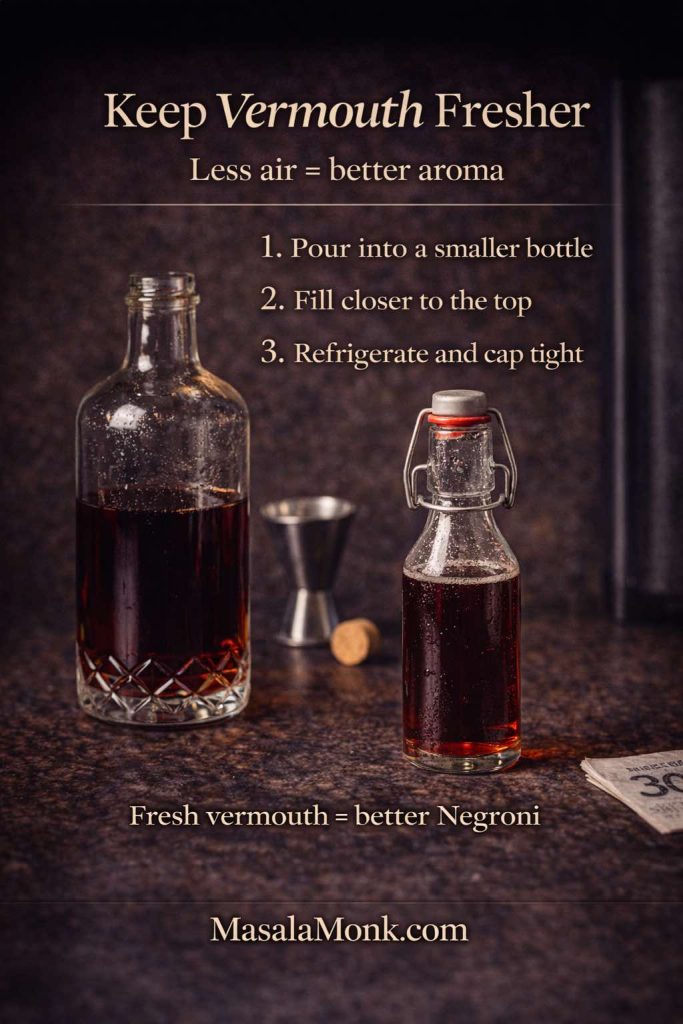
If you want a clear, practical breakdown of what works, Serious Eats tested storage methods and concluded that refrigeration is plenty effective for vermouth storage for up to about a month. You can read it in The Best Way to Store Vermouth.
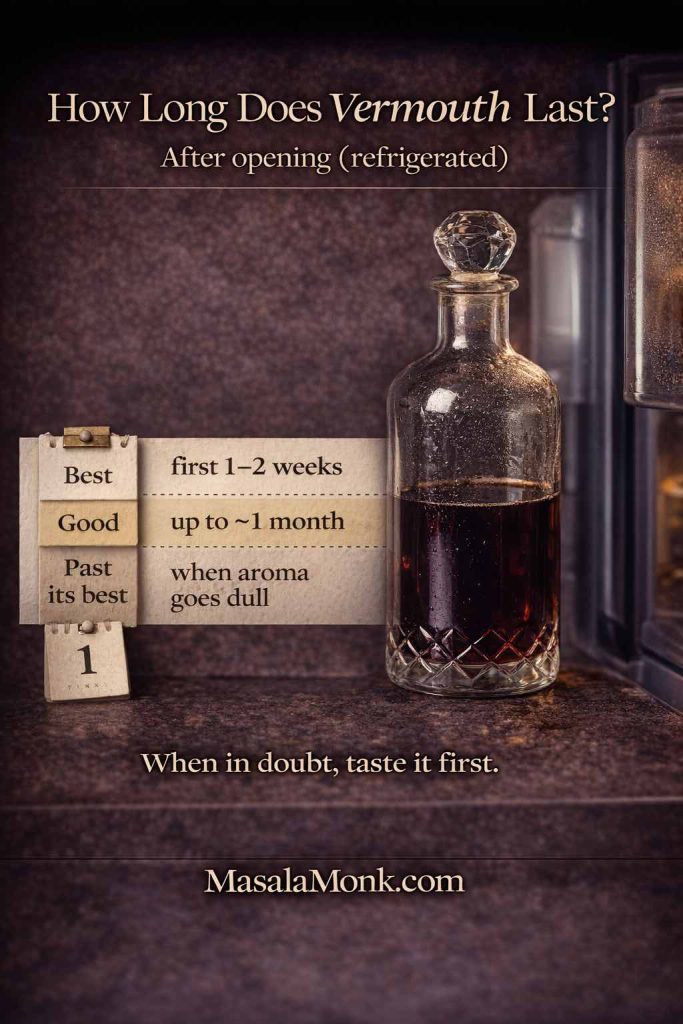
So the simplest rule is:
- refrigerate vermouth after opening
- aim to use it within roughly a month for best flavor
If you’re curious about broader bottle longevity (spirits vs liqueurs vs vermouth), Serious Eats also covers that here: How long bottles last, including vermouth.

How to tell your vermouth is past its best
A tired vermouth usually shows up as:
- muted aroma
- sweetness that tastes flat rather than fragrant
- herbal notes that feel dull
- a Negroni that tastes like bitterness and alcohol without a graceful middle
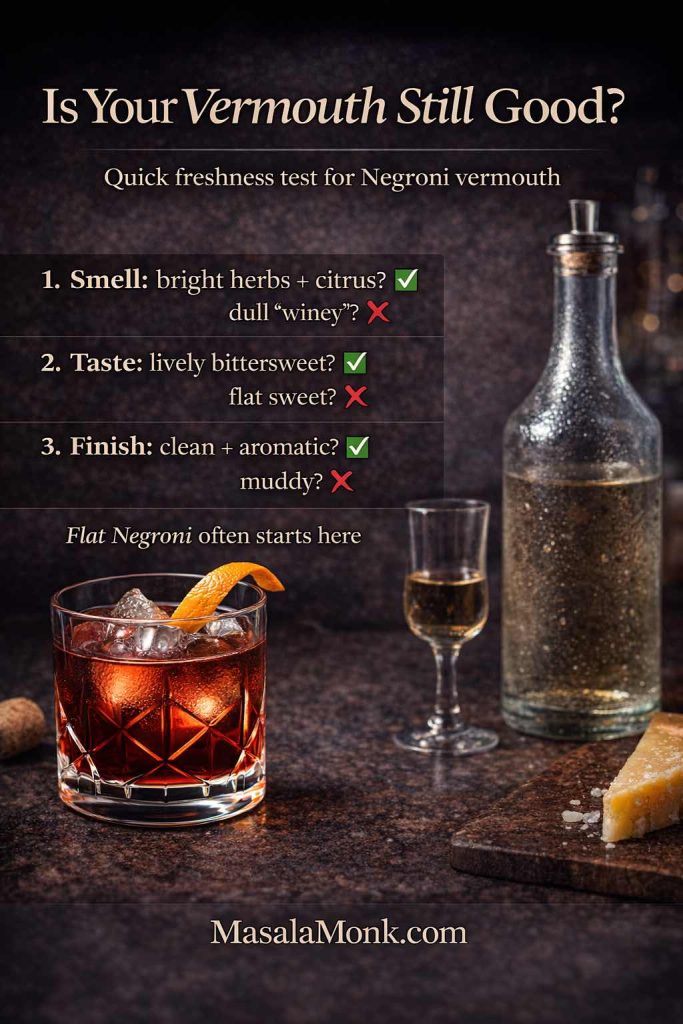
If your Negroni suddenly tastes worse and nothing else changed, suspect the vermouth before you suspect your skills.
Also Read: Pumpkin Spice, Your Way: Master Blend, Variations & Real-World Recipes
Buy vermouth online and vermouth cost: spend like a person who wants great Negronis, not shelf trophies
Vermouth cost is easy to overthink because it’s tempting to treat price as the proxy for quality. In reality, a modest bottle used while fresh can make better Negronis than a premium bottle that sits open and warm for months.
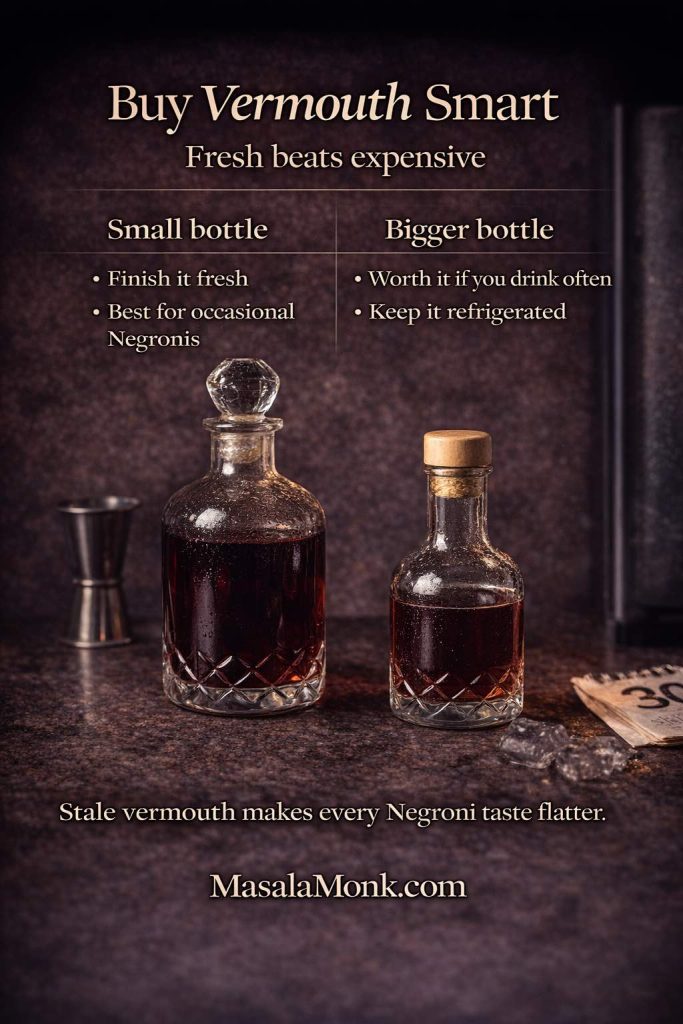
So instead of asking “which vermouth is expensive,” ask:
- Which bottle will I actually finish while it’s tasting good?
If you drink Negronis regularly, it makes sense to buy the bottle you love and keep it refrigerated. If you drink them occasionally, smaller formats are often the smarter buy because freshness is the real upgrade.
Buying vermouth online can be convenient, especially if you’re looking for a specific style lane (classic, bitter, rich, light). Just keep the same logic: buy what you will actually use.
Also Read: Double Chocolate Chip Cookies – Easy Recipe with 7 Variations

What to serve with a Negroni: snacks that make bitterness feel effortless
A Negroni becomes dramatically more enjoyable with the right food. Bitter drinks love salty, fatty, crunchy, briny things—because those textures and flavors make the bitterness feel refreshing rather than aggressive.
If you’re hosting, a board is the easiest win. MasalaMonk’s charcuterie board guide uses the 3-3-3-3 structure, which makes building a balanced spread feel simple.
If you want warm bites instead, these pair beautifully:
- Baked jalapeño poppers for creamy heat and crunch
- Potato appetizer ideas for salty, crowd-friendly variety
- Deviled eggs for rich bites that the Negroni cuts through cleanly
You don’t need to chase a “perfect pairing.” You just need something that makes the whole experience feel balanced.
Also Read: Whole Chicken in Crock Pot Recipe (Slow Cooker “Roast” Chicken with Veggies)
More drinks to explore (so your vermouth doesn’t sit untouched)
Once you have sweet vermouth in the fridge, the simplest way to keep it tasting bright is to put it to work in more than one drink. Fortunately, it’s not a one-cocktail ingredient—sweet vermouth slips easily into both classics and modern favorites.
Staying in the gin lane is effortless with MasalaMonk’s gin cocktail recipes, which give you plenty of directions without drifting too far from that crisp, botanical vibe. For another balanced modern classic that delivers the same “this just works” satisfaction, the Paper Plane cocktail guide is a smart next pour. When the mood shifts toward something brighter and more celebratory, the French 75 keeps things lively with citrus and bubbles. And when you want structure with a completely different flavor arc—more tart, more silky, less bitter—the Whiskey Sour is a reliable companion.
Using vermouth regularly isn’t just about avoiding waste; it’s how you ensure the bottle you chose for your Negroni stays fresh, expressive, and worth reaching for every time.
Bringing it together: a simple way to find your best vermouth for a Negroni
If you want a method that works every time, keep it this simple:
- Start with the classic reference build from the IBA Negroni recipe.
- Choose your lane: classic/balanced, bitter/snappy, rich/round, or light/less sweet.
- Pick a sweet vermouth (rosso) that naturally delivers that lane—bartender lists like Food & Wine’s Negroni vermouth picks or Liquor.com’s guide are useful shortcuts for bottle examples.
- Refrigerate vermouth after opening so it stays bright—Serious Eats’ tested guidance is clear in The Best Way to Store Vermouth.
- Make tiny ratio tweaks based on taste: more gin if it feels heavy, more sweet vermouth if it feels too bitter.
Do that and the question “what vermouth for a Negroni?” stops being a debate. It becomes a repeatable answer: the bottle that matches your lane, stored properly, used fresh, and tuned to your palate.
Also Read: How to Cook Bacon in the Oven (Crispy, No-Mess, Crowd-Ready Recipe)
FAQs
1) What is the best vermouth for a Negroni?
The best vermouth for a Negroni is usually a sweet vermouth (rosso) that matches your taste. For a classic balance, choose a medium-bodied sweet red vermouth; for a sharper finish, go more bitter and structured; for a plusher drink, pick a richer, spice-forward rosso.
2) What vermouth is used in a Negroni?
Traditionally, a Negroni uses sweet red vermouth (often labeled sweet vermouth, rosso, or rouge). In other words, the standard Negroni vermouth type is sweet/rosso rather than dry.
3) Is sweet vermouth used in a Negroni?
Yes. A classic Negroni is built with sweet vermouth—specifically sweet red vermouth—because it rounds Campari’s bitterness and ties it to the gin’s botanicals.
4) Is vermouth rosso the same as sweet vermouth?
Most of the time, vermouth rosso and sweet vermouth refer to the same general style family for cocktails: sweeter, darker vermouth meant to be sipped in bitter classics. That said, sweetness level and flavor intensity can vary by producer, so “rosso” is a helpful cue, not a guarantee of a specific taste.
5) What type of vermouth is used in a Negroni: rosso or bianco?
For the classic drink, rosso is the default. Bianco can work too, yet it changes the character—often making the drink lighter, more floral, and sometimes unexpectedly sweeter.
6) Can you use dry vermouth in a Negroni?
You can, although it becomes a different style of drink. Dry vermouth tends to make a Negroni drier, sharper, and more gin-forward; consequently, many people prefer a lighter sweet vermouth if the goal is simply “less sweet.”
7) What happens if you use dry vermouth instead of sweet vermouth in a Negroni?
The bitterness usually feels more pointed, while the mid-palate becomes leaner. As a result, the drink can taste more austere unless you adjust the ratio slightly or boost orange aroma with a twist.
8) What’s the best sweet vermouth for a Negroni?
The best sweet vermouth for Negroni depends on the profile you want: classic and balanced (citrus peel + herbs), bitter and snappy (more backbone), or rich and round (vanilla/spice/dried fruit). Choosing by taste is the most reliable way to land on “best” for you.
9) What vermouth for a Negroni if I don’t like sweet drinks?
Start with a lighter-bodied sweet vermouth rather than jumping straight to dry. That approach keeps the Negroni recognizable, while still feeling cleaner and less heavy. If you still want it sharper, then dry vermouth can be a deliberate variation.
10) How much vermouth should you use in a Negroni?
The classic ratio is equal parts gin, Campari, and sweet vermouth. However, small tweaks help: add a touch more gin if the drink feels too sweet or rich; add a touch more sweet vermouth if it feels too bitter or harsh.
11) Should vermouth be refrigerated after opening?
Yes—vermouth is wine-based, so refrigeration helps preserve its flavor after opening. Otherwise, it can flatten quickly, and that dullness shows up immediately in a Negroni.
12) Why does my Negroni taste flat even with good ingredients?
Most often, the vermouth is past its best, or the drink is over-diluted. Refreshing the vermouth, tightening technique, and using firmer ice typically brings the brightness back fast.









[…] you want a handy palate trainer for vermouth styles, our best vermouth for a Negroni guide helps you notice sweetness, bitterness, and herbal intensity—exactly the same levers […]
[…] Also Read: Best Vermouth for a Negroni Cocktail Drink Recipe […]
[…] Also Read: Best Vermouth for a Negroni Cocktail Drink Recipe […]