Posted on Leave a comment

Love Momos? Some Disadvantages You Need to Know

Love Momos? Some Disadvantages You Need to Know

Steamed, juicy, spicy, and addictive — momos have taken Indian street food culture by storm. Whether you’re grabbing a quick plate outside a metro station, enjoying a cozy snack during monsoons, or craving something spicy in the evening, momos have become the go-to comfort food for millions.

But as delicious and irresistible as they are, have you ever stopped to think about what goes into your favorite dumplings? What if your love for momos is coming at a hidden cost to your health?

In this blog, we’re diving deep into the dark side of momos — from the ingredients that make them to the hygiene risks they pose, and how you can enjoy them more safely.


🧾 The Momo Phenomenon in India

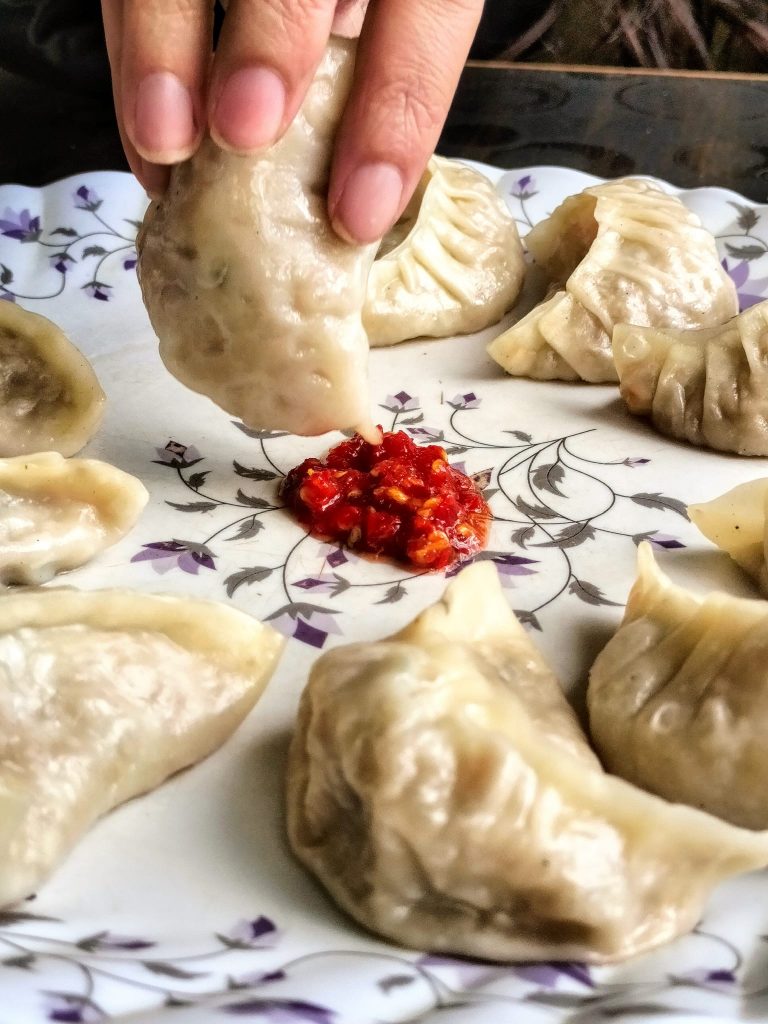
Originating from Tibet and Nepal, momos are essentially dumplings filled with meat, vegetables, or cheese, typically steamed or fried and served with spicy red chutney. Their simplicity, affordability, and adaptability to Indian palates made them an instant hit across Indian cities.

Today, from Delhi’s Lajpat Nagar to Mumbai’s Lokhandwala and Kolkata’s College Street — momos are everywhere. But as their popularity has soared, so have concerns about their nutritional value and hygiene standards.


⚠️ The Hidden Health Hazards of Momos

1. The Refined Flour Dilemma (Maida Overload)

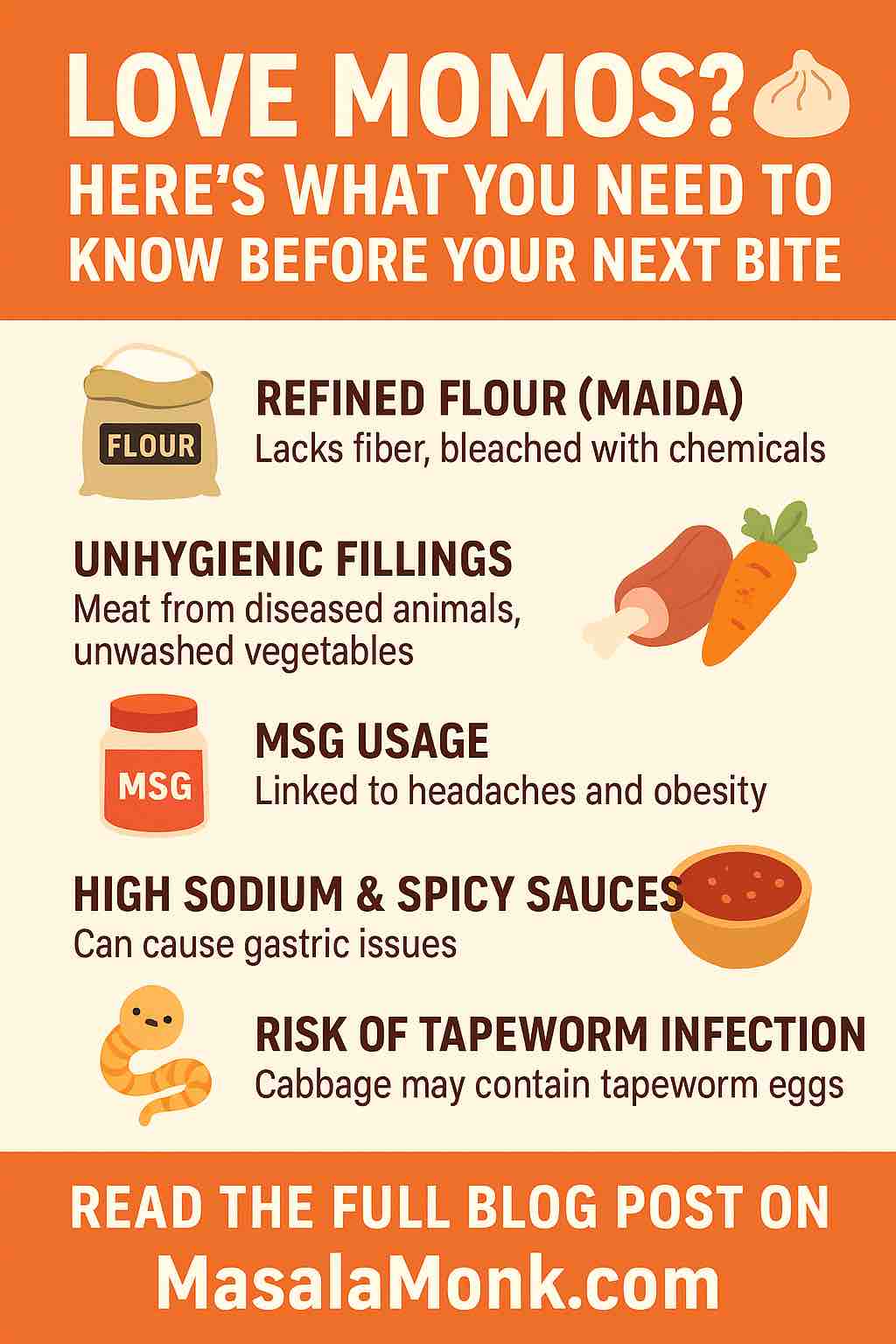
Most momos are made using refined white flour (maida) — which undergoes chemical processing to give it a bright white appearance and fine texture. The issue? It’s:

  • Low in fiber — making digestion sluggish.
  • High glycemic index — can spike blood sugar quickly.
  • Often bleached — with chemicals like benzoyl peroxide and azodicarbonamide, which may harm the pancreas and disrupt insulin sensitivity.

📌 Long-term consumption of maida-based foods has been linked to obesity, insulin resistance, and digestive issues.


2. Mystery Fillings and Quality Concerns

Here’s the brutal truth: not all street vendors use fresh or quality ingredients. In some cases:

  • Meat used is stale or sourced unethically.
  • Cabbage and other veggies may be unwashed or infested with bacteria.
  • Spices and oils are reused or of extremely low grade.

🥬 Did you know improperly washed cabbage can carry tapeworm eggs? If undercooked, these can enter your body and, in rare cases, reach the brain, causing neurocysticercosis — a potentially life-threatening condition.


3. MSG – The Silent Enhancer

To make their momos tastier, many vendors add monosodium glutamate (MSG) — a flavor enhancer that:

  • Can trigger “Chinese Restaurant Syndrome” in sensitive individuals — headaches, dizziness, and chest pain.
  • Is associated with obesity, fatigue, and neurotoxicity when consumed in large quantities.
  • Often hidden under names like “Ajinomoto” or “flavor enhancer” in ingredient lists.

💡 There are no legal mandates in India requiring vendors to disclose MSG use.


4. High Sodium & Spicy Chutneys

The red momo chutney — arguably the soul of the dish — often contains:

  • Massive amounts of salt, vinegar, and chili.
  • Spoiled tomatoes or fermented ingredients to cut costs.
  • Artificial colors that can irritate your gut lining.

📌 Regular intake can lead to:

  • Gastric ulcers
  • Acid reflux
  • Elevated blood pressure

5. Hygiene? Often an Afterthought

In the hustle of Indian streets, hygiene standards can be shaky at best:

  • Raw and cooked foods stored together.
  • Lack of gloves or hairnets.
  • Momo steamers and oil reused for days without cleaning.
  • Exposed to flies and polluted air.

During monsoons, when contamination risks are highest, consuming unhygienic momos can lead to food poisoning, E. coli infections, or dysentery.

🧬 Real Stories, Real Consequences

Here’s a sobering case: In 2017, AIIMS doctors in Delhi highlighted an alarming number of cases involving tapeworm larvae in the brain linked to consuming street-side momos with improperly cooked cabbage. The cases triggered a regional health advisory — and yet, many people remain unaware of these dangers.

Another report by The Times of India stated that excessive momo consumption, especially among school and college students, led to rising instances of gastritis, obesity, and lethargy.


✅ Enjoy Momos the Right Way: Tips for Safe Indulgence

You don’t have to give up on momos entirely. Here’s how you can savor them safely:

  1. Choose Clean, Reputable Outlets
    Avoid roadside stalls with poor hygiene. Opt for restaurants or cafes that maintain kitchen transparency and food safety standards.
  2. Go for Steamed, Not Fried
    Fried momos add trans fats and make digestion harder. Stick to steamed or tandoori varieties with minimal oil.
  3. Limit the Chutney
    Try squeezing lemon instead or use yogurt-based dips to avoid acidity.
  4. Make Them at Home
    Homemade momos let you choose whole-wheat flour, fresh fillings, and low-sodium sauces. Bonus: You can even bake them!
  5. Watch the Frequency
    Treat momos like a cheat snack — not a daily meal. Balance with fiber-rich fruits, vegetables, and hydration.

🌱 Healthier Alternatives to Traditional Momos

If you’re a momo lover but health-conscious, explore:

  • Whole Wheat or Millet Momos
  • Tofu, Paneer, or Soya Fillings
  • Grilled or Baked Momos
  • Low-sodium chutneys with herbs, mint, and lemon

❤️ Final Thoughts: Don’t Hate the Momo, Just Be Smart About It

Momos are more than food — they’re culture, comfort, and community. But indulging in them blindly, especially from questionable sources, can be dangerous to your health.

Let your love for momos be balanced by awareness. Ask questions, observe preparation methods, and most importantly — listen to your body. With just a few smart choices, you can keep enjoying momos without putting your health at risk.


Do you have a momo horror story or a healthy momo recipe? Share it in the comments below! Let’s make the momo movement safer and smarter. 🥢

❓ Frequently Asked Questions (FAQs)

1. Are momos unhealthy to eat?

Momos aren’t inherently unhealthy, but they become a problem when made with refined flour (maida), filled with low-quality or unhygienic ingredients, or deep-fried. The health risks increase significantly when consumed regularly from questionable sources.


2. What are the most common health risks of eating street momos?

Health risks include food poisoning, tapeworm infections, stomach ulcers, high sodium intake, MSG-related reactions, and long-term risks like obesity and digestive issues due to maida.


3. Can I get worms or parasites from eating momos?

Yes. If the cabbage or meat inside momos is not washed or cooked properly, it can carry tapeworm larvae, which may lead to neurocysticercosis, a serious brain infection.


4. Is it okay to eat momos every day?

No. Eating momos daily—especially from street vendors—can affect digestion, increase your sodium and MSG intake, and lead to chronic health conditions like high blood pressure or weight gain.


5. What’s the problem with using maida in momos?

Maida is a refined flour with almost no fiber or nutrition. It’s difficult to digest and may spike blood sugar levels. Over time, it can contribute to metabolic issues and sluggish digestion.


6. Are steamed momos healthier than fried ones?

Yes. Steamed momos are lower in fat and calories. Fried momos absorb oil, increasing trans fats and digestive strain. If you’re going to eat momos, steamed is the safer option.


7. What should I watch out for when buying momos outside?

Check for:

  • Cleanliness of the vendor’s stall
  • Whether ingredients are refrigerated or exposed
  • If the chutney is stored properly
  • Use of gloves or clean utensils
    Always avoid vendors with poor hygiene or reused oil.

8. How can I make healthier momos at home?

Use whole wheat or millet flour for the wrapper. Fillings can include fresh vegetables, tofu, or paneer. Avoid MSG and use herbs and spices for flavor. Steam or bake instead of frying.


9. Is momo chutney bad for health?

It can be. Street momo chutneys often contain excessive salt, chili, artificial color, and even spoiled tomatoes. Overconsumption may lead to acid reflux, ulcers, or stomach pain.


10. Can children eat momos safely?

Occasionally, yes — especially if made at home with healthy ingredients. Avoid feeding children street momos frequently due to hygiene concerns, MSG, and high spice levels.
Posted on 1 Comment

Litti Chokha: The Soulful Bihari Comfort Food You Need to Try

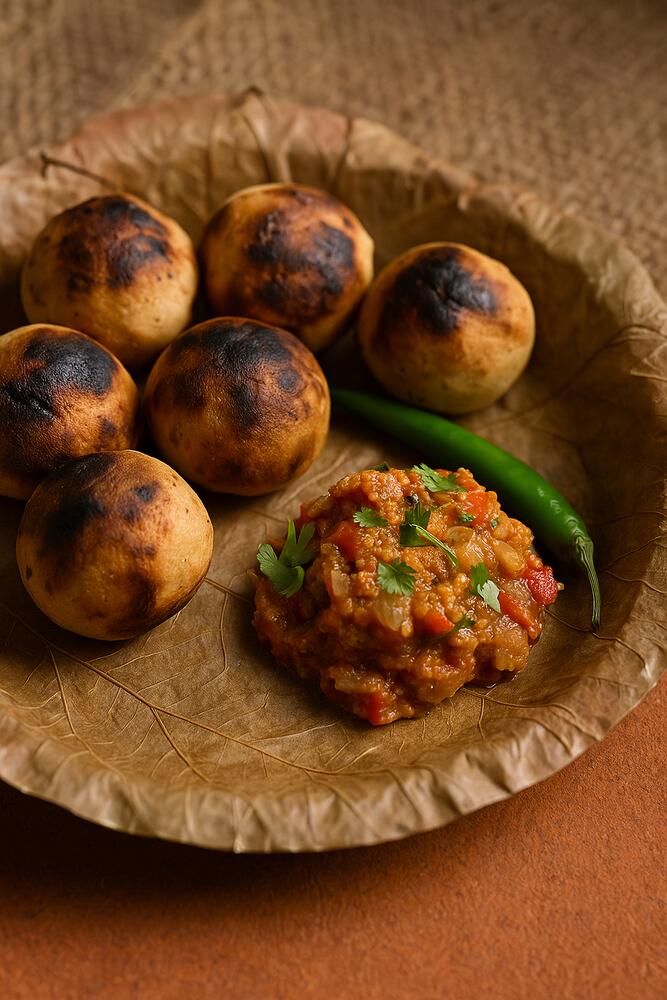
If there’s one dish that captures the heart and soul of Bihar, it’s Litti Chokha. Earthy, smoky, nourishing, and packed with bold flavors, this traditional meal is more than just food it’s a cultural experience. From roadside dhabas in Patna to home kitchens during festivals, litti chokha is an emotion served on a plate.

Litti (whole wheat balls stuffed with spiced sattu) and chokha (a mashed, smoky preparation of eggplant, tomato, and potato) are traditionally cooked over coal or cow dung fire, giving it a unique rustic flavor. But don’t worry you can recreate this magic in your home kitchen too. Let’s dive into this authentic Bihari recipe!

Ingredients:

  • For Litti Dough:
  • Whole wheat flour – 2 cups
  • Ajwain (carom seeds) – ½ tsp
  • Salt – to taste
  • Ghee or oil – 2 tbsp (plus extra for brushing)
  • Water – to knead
  • For Sattu Filling:
  • Roasted chana sattu – 1 cup
  • Mustard oil – 2 tbsp
  • Garlic – 5–6 cloves (finely chopped)
  • Ginger – 1 tsp (grated)
  • Green chilies – 2 (finely chopped)
  • Lemon juice – 1 tbsp or raw mango powder – 1 tsp
  • Coriander leaves – a handful (finely chopped)
  • Salt – to taste
  • Pickle masala – 1 tsp (optional for a tangy kick)
  • For Chokha:
  • Eggplant – 1 large (roasted)
  • Tomatoes – 2 medium (roasted)
  • Boiled potatoes – 2 medium (optional but traditional)
  • Garlic – 4–5 cloves (roasted and mashed)
  • Green chilies – 1–2 (finely chopped)
  • Mustard oil – 1–2 tbsp
  • Salt – to taste
  • Coriander leaves – for garnish

Method:

Prepare the Dough Mix whole wheat flour with ajwain, salt, and ghee. Gradually add water and knead into a soft dough. Cover and rest it for 20–30 minutes.

Make the Sattu Filling: In a bowl, mix sattu with chopped garlic, ginger, green chilies, mustard oil, lemon juice, coriander, salt, and pickle masala (if using). Add a splash of water if the mixture feels too dry it should hold shape when pressed.

Shape the Litti: Divide the dough into equal-sized balls. Flatten each one, place a spoonful of filling in the center, and seal tightly to form round balls.

Cook the Litti:

Option 1 – Traditional Way: Roast the littis over open flame or on a coal grill until golden and charred.

Option 2 – Oven Method: Preheat oven to 200°C. Bake littis for 25–30 minutes, flipping once, until evenly browned.

Option 3 – Pan Method: Cook covered in an appe pan or heavy tawa on low heat, turning frequently until crispy and cooked. Brush with ghee generously once cooked.

Prepare Chokha:

Roast brinjal and tomatoes directly on the flame until charred and soft. Peel off the skin. Mash roasted vegetables with boiled potatoes, garlic, green chilies, salt, and mustard oil. Garnish with chopped coriander leaves.

Serve piping hot littis drenched in ghee, alongside a generous scoop of chokha. Add a side of green chutney, raw onions, and tangy mango pickle for the complete Bihari experience.

Litti chokha is not just food—it’s a story of simplicity, resilience, and rich regional heritage. Whether you’re cooking it for the first time or reliving childhood memories, this dish brings unbeatable comfort and joy.

Have you ever tried making litti chokha at home? Let me know how it turned out in the comments below!

Posted on Leave a comment

Side Effects of Doxycycline

Doxycycline Side Effects What You Should Know

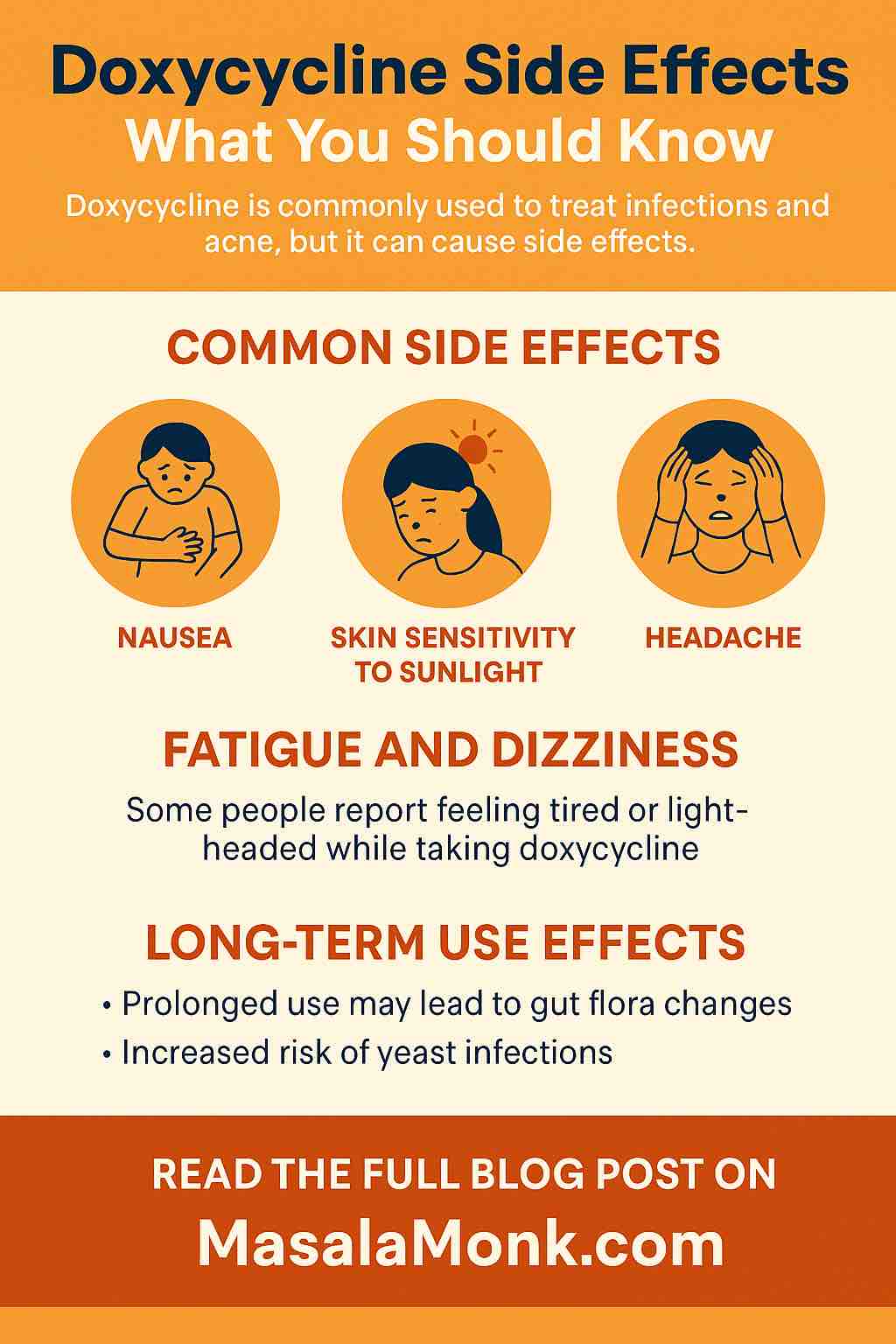
Doxycycline is a widely used antibiotic known for its effectiveness against a range of bacterial infections—from acne and urinary tract infections to more serious illnesses like Lyme disease and malaria. But like all medications, it doesn’t come without potential side effects.

In this comprehensive guide, we’ll break down everything you need to know about the side effects of doxycycline, including common, rare, and long-term effects, as well as how it can make you feel—particularly in terms of fatigue, dizziness, and stomach issues. We’ll also explore how the different forms of doxycycline (like hyclate and monohydrate) compare in terms of tolerability.


💊 What Is Doxycycline?

Doxycycline belongs to the tetracycline class of antibiotics. It works by inhibiting bacterial protein synthesis, stopping the growth and spread of bacteria in the body. It’s commonly prescribed for:

  • Respiratory infections
  • Acne and rosacea
  • Tick-borne diseases (e.g., Lyme disease, Rocky Mountain spotted fever)
  • Malaria prophylaxis
  • Sexually transmitted infections (STIs)

⚠️ Common Side Effects of Doxycycline

Let’s start with the side effects most users report during short-term use (7–14 days), which apply to both doxycycline hyclate and monohydrate.

Most Common Side Effects

  • Nausea and vomiting
  • Stomach upset
  • Diarrhea
  • Headache
  • Photosensitivity (sunburn risk) – this is one of the hallmark side effects
  • Skin rash or itching
  • Esophageal irritation – especially if the pill is taken without water or while lying down

Note: These usually appear within the first few days of treatment and resolve quickly after the medication is stopped.


🧠 Does Doxycycline Make You Tired?

A surprisingly common concern seen in online search queries is whether doxycycline can cause fatigue, tiredness, or even exhaustion.

🧾 What the Research Says:

Fatigue is not listed among the most common side effects in clinical trials. However, many users report feeling unusually tired while on doxycycline.

🚨 Possible Causes:

  • Infection itself: Your body might already be tired from fighting off an infection.
  • Gut microbiome disruption: Doxycycline may interfere with nutrient absorption, leading to fatigue.
  • Rare side effects: In rare cases, doxycycline can cause intracranial hypertension (increased pressure in the brain), leading to tiredness, headaches, and visual disturbances.

If you experience severe or prolonged fatigue, it’s essential to consult your doctor. It might not be the drug itself but a reaction worth investigating.


💡 Doxycycline Hyclate vs. Monohydrate: Is There a Difference?

Yes, especially when it comes to tolerability:

FeatureDoxycycline HyclateDoxycycline Monohydrate
AcidityMore acidicLess acidic
GI Side EffectsMore frequentFewer complaints
CostUsually cheaperOften more expensive
EffectivenessComparableComparable

People who suffer from stomach pain or esophageal irritation often tolerate monohydrate better.


⏳ How Long Do Doxycycline Side Effects Last?

  • Common effects (nausea, diarrhea, light sensitivity): usually resolve within 1–3 days after stopping the medication.
  • Severe effects (photosensitivity rashes or esophageal injury): may take up to a week to resolve.
  • Long-term effects (e.g., microbiome imbalance): can persist, especially if the antibiotic course was extended.

🔁 Long-Term Side Effects of Doxycycline

Though doxycycline is usually prescribed short-term, some people take it for weeks or even months (especially for acne or chronic infections). Here’s what long-term use may involve:

📉 Potential Risks:

  • Photosensitivity: May persist or worsen
  • Gut flora disruption: Increases the risk of yeast infections and oral thrush
  • Autoimmune-like responses: Very rare, but some studies suggest a link with systemic effects
  • Liver inflammation: Seen only with extended, high-dose use
  • Tooth discoloration or bone growth issues: Especially in children under 8 (why it’s contraindicated in pediatrics)

👅 Can Doxycycline Cause Yeast Infections or Thrush?

Yes. As a broad-spectrum antibiotic, doxycycline not only kills harmful bacteria—it also disrupts your natural microbiome, allowing fungi like Candida albicans to grow unchecked.

💡 Common Signs:

  • White patches in the mouth (oral thrush)
  • Vaginal itching, discharge (yeast infection)

Preventative tip: Taking probiotics during or after your course may help maintain healthy gut flora.


🌀 Dizziness and Doxycycline: What to Know

Dizziness is a less common but documented side effect. It may be related to:

  • Vestibular sensitivity
  • Intracranial hypertension (again, rare)
  • Low blood pressure or dehydration

This often coincides with fatigue and may feel like lightheadedness, particularly when standing up.


🤕 Doxycycline and Sore Throat or Stomach Pain

⚠️ Causes of Sore Throat:

  • Pill-induced esophagitis: A serious risk if the pill is taken without enough water or right before lying down
  • Acid reflux: Can irritate the throat

✅ Stomach Pain Tips:

  • Always take doxycycline with food
  • Drink a full glass of water
  • Avoid lying down for at least 30 minutes after taking it

Summary Table of Key Symptoms and Associations

SymptomCommon?Likely CauseNotes
Nausea, vomiting, stomach upsetYesGI mucosa irritationTake with food
Fatigue / TirednessRareInfection vs. drug side effectConsider stopping if persistent
DizzinessRareCNS or vestibular systemOften transient
Yeast infection / ThrushModerateMicrobiome disruptionProbiotics may help
Sore throatModeratePill esophagitisUpright posture post-dose
Long-term effectsRareImmune, liver, gut flora, photosensitivityWatch liver enzymes in chronic use

🧪 Summary: Is Doxycycline Safe?

For most people, yes—especially when taken as prescribed. But like all medications, it’s essential to watch for side effects, particularly if you’re prone to GI issues or have a sensitive system.


📌 Final Tips for Doxycycline Users

  • Take with food to minimize GI distress
  • Avoid sun exposure or use SPF 30+ sunscreen
  • Stay upright for 30 minutes after taking your dose
  • Don’t double up on missed doses
  • Talk to your doctor if you feel extreme fatigue, dizziness, or symptoms of a yeast infection

🗣️ Share Your Experience

Have you taken doxycycline? Did you experience fatigue or other unusual symptoms? Share your thoughts in the comments or join the conversation online using #DoxycyclineDiaries.

🧠 FAQs: Doxycycline Side Effects & Usage

1. Can doxycycline make you feel extremely tired?

Yes, although it’s not a common side effect. Fatigue or tiredness may result from the body fighting the infection itself or from rare side effects like intracranial hypertension. If tiredness is persistent or severe, consult your healthcare provider.


2. Is doxycycline hyclate worse for your stomach than doxycycline monohydrate?

Yes. Doxycycline hyclate is more acidic and is often associated with higher rates of gastrointestinal upset, such as nausea, acid reflux, and pill-induced esophagitis. Monohydrate is typically better tolerated in this regard.


3. What’s the best way to prevent stomach pain while taking doxycycline?

Take it with a full meal (not just a snack), and drink a full glass of water. Remain upright for at least 30 minutes after taking the medication to prevent esophageal irritation.


4. How long do doxycycline side effects last after stopping the medication?

Most side effects resolve within a few days (1–3) after discontinuation. More serious reactions like photosensitivity or esophageal irritation may take up to a week to subside.


5. Can doxycycline cause yeast infections or oral thrush?

Yes. Because it disrupts the natural balance of bacteria, it can lead to fungal overgrowth such as vaginal yeast infections or oral thrush. Taking probiotics may help reduce this risk.


6. Is it safe to take doxycycline long-term for acne or rosacea?

It can be, under medical supervision. Long-term use increases the risk of side effects like photosensitivity, microbiome disruption, and (rarely) liver or autoimmune issues. Regular monitoring is advised.


7. Does doxycycline cause dizziness or affect balance?

Some people report dizziness or lightheadedness, particularly when standing up. This can be related to vestibular effects or rarely, increased intracranial pressure. If the symptom is persistent, stop the medication and seek medical advice.


8. Can doxycycline give you a sore throat?

Yes. Doxycycline can cause pill-induced esophagitis, which can feel like a sore throat. This happens if the pill becomes lodged in the throat or esophagus. Taking it with plenty of water and staying upright after dosing helps prevent this.


9. Is there a difference in effectiveness between hyclate and monohydrate forms?

No. Both forms of doxycycline are equally effective in treating infections. The difference lies in tolerability—monohydrate tends to cause fewer gastrointestinal issues.


10. Should I stop taking doxycycline if I feel very tired or dizzy?

You should not stop antibiotics abruptly without consulting your doctor. However, if you’re experiencing severe fatigue or dizziness that interferes with daily functioning, contact your healthcare provider immediately to discuss alternatives or dose adjustment.

Posted on 1 Comment

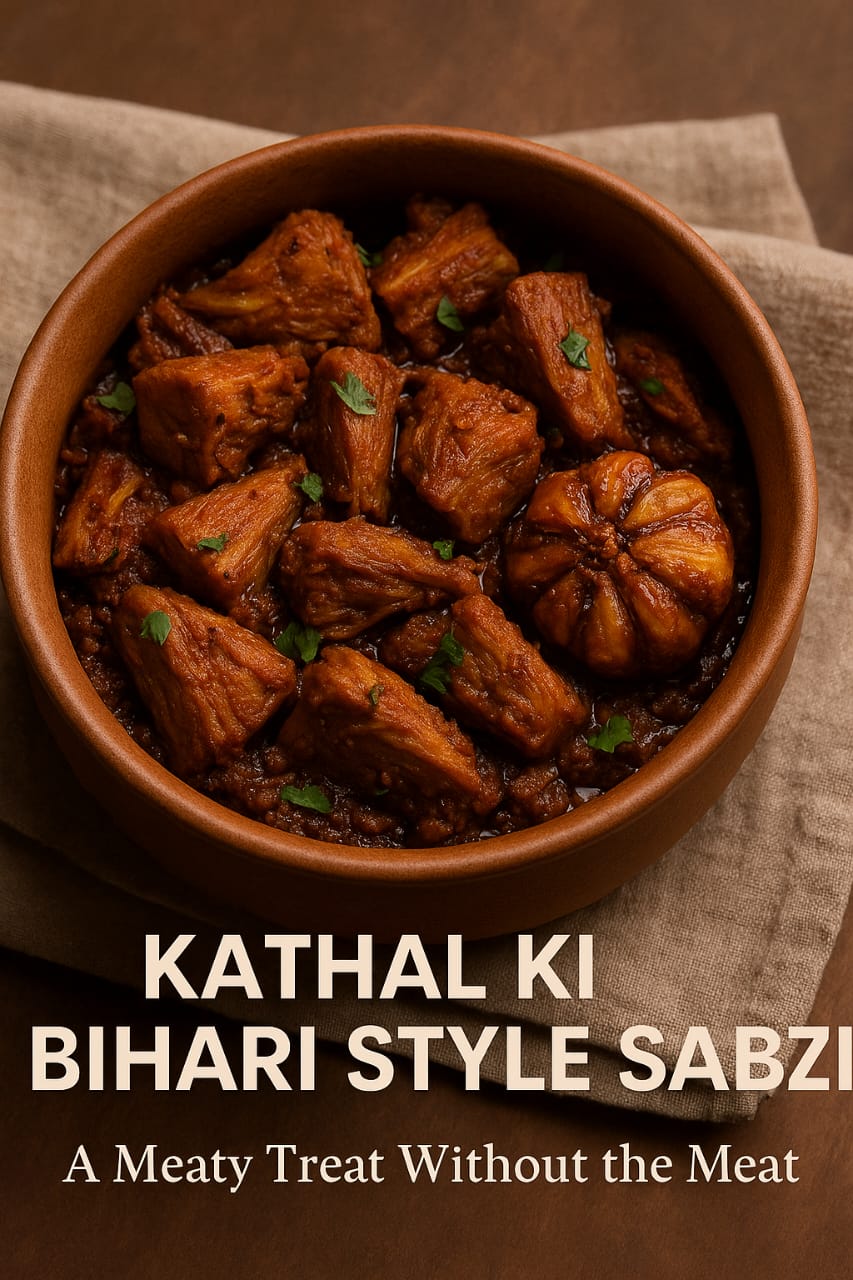
Kathal Ki Bihari Style Sabzi: A Meaty Treat Without the Meat

If you’ve grown up in a Bihari household or visited one during summer, chances are you’ve been blessed with a plate of spicy, rustic kathal ki sabzi and no, this isn’t your average jackfruit curry. In Bihari kitchens, kathal (raw jackfruit) is treated with the same love and drama reserved for meat. Cooked in mustard oil with loads of garlic, spices, and just the right amount of heat, this dish delivers a bold, masaledaar punch that’s deeply satisfying.

What makes it special? It’s the kind of recipe that doesn’t need a hundred ingredients or fancy methods it relies on robust flavors, traditional cooking, and pure nostalgia. Pair it with plain rice or parathas, and you’ve got a comforting, earthy meal that tastes like home.

Ready to turn this humble fruit into an unforgettable dish? Let’s dive into the recipe!

Ingredients:

  • Raw jackfruit (kathal) – 500g (peeled and cut into medium chunks)
  • Mustard oil – 3–4 tbsp
  • Whole Garlic – 1
  • Onions – 2 large (sliced)
  • Garlic – 6–8 cloves (crushed)
  • Ginger – 1-inch piece (grated)
  • Green chilies – 2 (slit)
  • Tomatoes – 1 large (chopped)
  • Bay leaf – 1
  • Dry red chili – 1–2
  • Cumin seeds – 1 tsp
  • Turmeric powder – 1 tsp
  • Red chili powder – 1 tsp
  • Coriander powder – 1 tbsp
  • Garam masala – ½ tsp
  • Salt – to taste
  • Fresh coriander – for garnish

Instructions:

Boil jackfruit chunks in salted water until 80% cooked. Drain and set aside.

In a heavy-bottom kadhai, heat mustard oil until it smokes. Cool slightly, then add cumin seeds, bay leaf, and dry red chilies.

Toss in garlic, ginger, and green chilies. Sauté for a minute. Add sliced onions and cook until golden brown. Add turmeric, red chili cumin, and coriander powder. Mix well. Add chopped tomatoes and cook until oil separates.

Add boiled kathal and 1 whole garlic. Mix to coat well with the masala. Add salt. Sprinkle a little water if needed. Cover and cook on low flame for 10–15 minutes, stirring occasionally. Add garam masala and mix. Cook uncovered for 2–3 minutes to let flavors deepen.

Sprinkle fresh coriander and serve hot. This kathal sabzi pairs beautifully with plain basmati rice, parathas, or even litti if you’re in the mood for a full Bihari feast. A side of cooling raita and pickled onions can round off the meal perfectly.

Kathal ki Bihari style sabzi is more than just a recipe it’s a celebration of tradition, simplicity, and bold flavor. Whether you’re trying jackfruit for the first time or reliving childhood memories, this dish brings pure, home-cooked joy to your table.

Have you tried Bihari-style kathal before? Tell me your version in the comments below!

Posted on 1 Comment

What is Saffron? And what is it used for?

WHAT IS SAFFRON?

Imagine a single flower so precious that it takes 150,000 of them to produce just one kilogram of spice. Now imagine that this spice, with threads of crimson and a scent that is both honeyed and earthy, has inspired emperors, poets, and chefs for millennia. That spice is saffron—often dubbed “red gold”—and it’s not just a culinary gem, but a botanical marvel wrapped in ancient lore, rigorous farming, and modern science.

In this post, we’re diving deep into saffron’s origins, uses, health benefits, and why it continues to hold its crown as the most expensive—and perhaps most fascinating—spice in the world.


What Exactly Is Saffron?

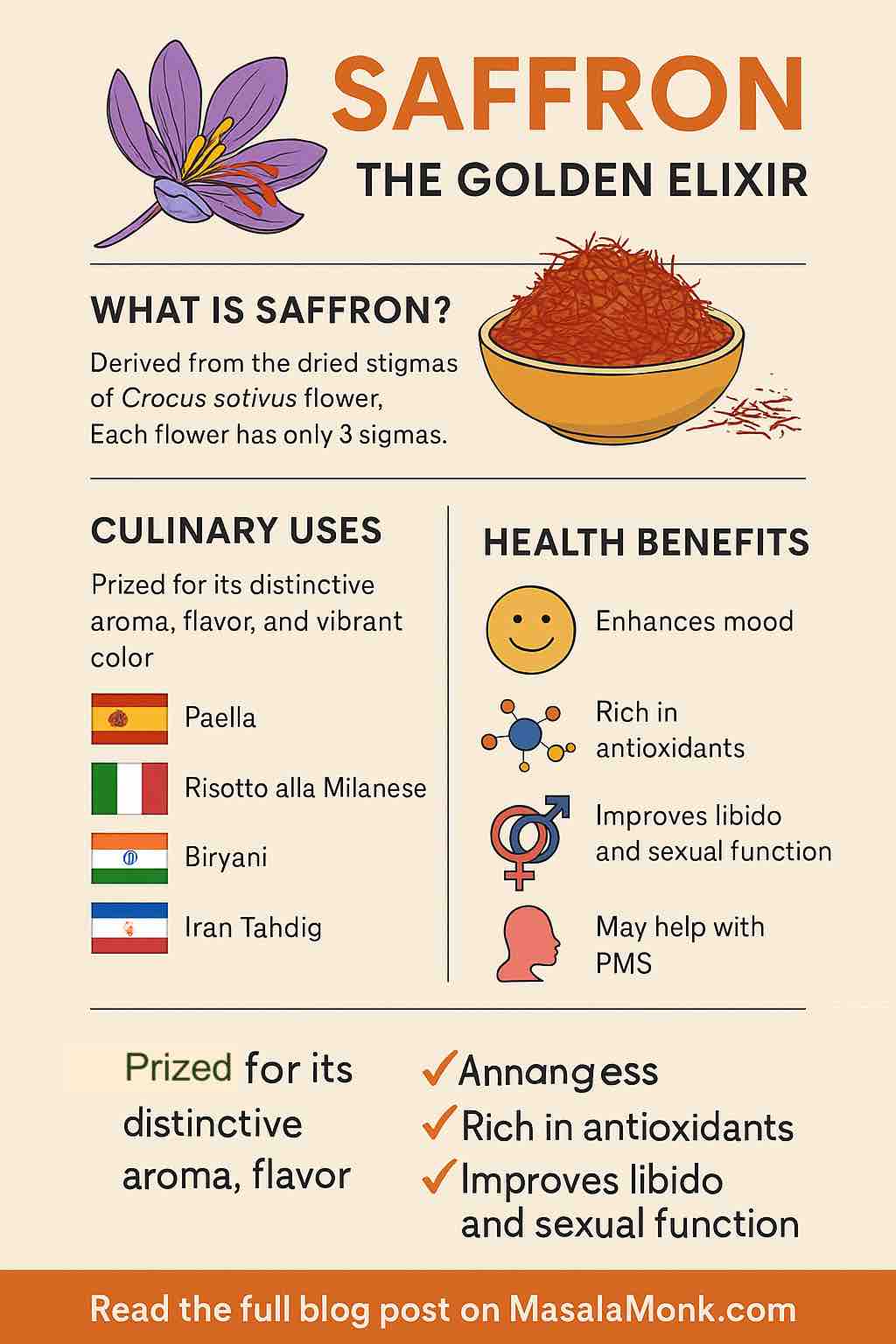
Saffron is derived from the dried stigmas (the thread-like parts) of the Crocus sativus flower. Each flower produces just three of these crimson stigmas, and they must be handpicked and delicately dried to preserve their flavor and aroma. The plant blooms for only a few weeks each fall, and the harvesting process is intensely laborious—one reason why saffron can cost more per gram than gold.

Its history stretches back over 3,000 years, from ancient Persian empires to Greco-Roman kitchens, Indian Ayurvedic scrolls, and the spice markets of Morocco. Today, it is primarily cultivated in Iran, India (notably Kashmir), Spain, and Afghanistan.


The Culinary Magic of Saffron

Saffron is a flavor powerhouse in a tiny package. A few threads infused in warm water or milk release crocin (color), picrocrocin (taste), and safranal (aroma)—compounds responsible for its golden hue, complex flavor, and intoxicating scent.

🌍 Global Delicacies Featuring Saffron

  • Spain: The star of traditional paella, where its golden color and floral aroma elevate the rice dish.
  • India: Central to biryani, kheer, and kehwa (a Kashmiri saffron tea) that warms the soul.
  • Italy: Featured in risotto alla Milanese, where it brings a delicate depth to the creamy dish.
  • Middle East & Persia: Used in stews, pilafs, and desserts like saffron ice cream and halwa.
  • France: In the classic bouillabaisse, a Provençal fish stew.

Cooking Tip: Always soak saffron in warm liquid (milk, water, or broth) for 15–20 minutes to release its full essence before adding to dishes.


Saffron and Health: What Science Is Saying Today

Beyond its gastronomic appeal, saffron is rich in medicinal properties—a fact known to traditional systems of medicine and now increasingly validated by modern science.

🧠 1. A Natural Antidepressant

Recent clinical trials have shown that saffron supplements can significantly reduce symptoms of depression and anxiety—comparable to pharmaceutical treatments, but with fewer side effects. It appears to enhance serotonin levels in the brain.

❤️ 2. Antioxidant Powerhouse

Saffron contains potent antioxidants like crocin, safranal, and kaempferol, which protect cells from oxidative stress. This makes it beneficial for:

  • Cardiovascular health
  • Reduced inflammation
  • Lower risk of neurodegenerative diseases

🩺 3. Sexual and Reproductive Health

Saffron is used traditionally as an aphrodisiac. Studies now support its use for:

  • Enhancing libido in men and women
  • Improving erectile function
  • Alleviating PMS and PMDD symptoms

👁️ 4. Eye and Cognitive Benefits

Emerging research suggests saffron may slow the progression of age-related macular degeneration (AMD) and support memory retention—particularly in Alzheimer’s patients.

🩸 5. Blood Sugar Control

In patients with diabetes or prediabetes, saffron supplementation has been shown to:

  • Reduce fasting blood sugar levels
  • Improve insulin sensitivity

More Than a Spice: Textile Dye, Perfume, and Cultural Symbol

Saffron’s vibrant hue has historically been used to dye robes for Buddhist monks and royalty. Its fragrance—delicate yet persistent—makes it a prized ingredient in niche perfumery. In many cultures, it is also a symbol of purity, celebration, and even divine energy.

In India, for instance, saffron tilak marks are applied during spiritual ceremonies. In Iran, saffron is sprinkled in wedding feasts and even infused into rosewater for skin applications.


The Market Today: Growth, Innovation, and Challenges

According to recent projections, the global saffron market is poised to reach $1.83 billion by 2030. This surge is driven by:

  • Increased demand for natural health supplements
  • Expansion in gourmet and functional food industries
  • Cosmetic brands incorporating saffron for its skin-brightening and anti-aging properties

However, the industry is also facing challenges:

  • Adulteration: Fake saffron mixed with dyed threads or turmeric can deceive buyers. (Pro tip: Genuine saffron has a subtle metallic sheen and smells like hay or honey, not overly floral.)
  • Climate Dependency: Saffron thrives in arid, cool climates. Climate change threatens traditional farming zones.
  • Geopolitical Impact: Countries like Iran dominate production, and sanctions or conflict can affect global supply.

How to Choose and Store Saffron

  • Buy whole threads, not powder (which is more likely to be adulterated).
  • Look for deep red strands with slightly lighter tips.
  • Smell it: Real saffron has a sweet, earthy fragrance—not perfumy or synthetic.
  • Store in an airtight container, away from light and moisture.

Final Thoughts: Is It Worth the Hype?

Absolutely. Saffron is not just a flavoring agent—it’s an experience, a medicine, and a slice of cultural heritage. Whether you’re infusing it into your morning tea or using it in a festive meal, saffron brings more than taste; it brings a story. And in today’s world of instant everything, maybe a little luxury that demands patience is exactly what we need.


Call to Action

Have you tried cooking with saffron? Or perhaps experienced its benefits in another way? Share your favorite saffron dish or wellness tip in the comments below!

FAQs

  1. What is saffron made from?
    Saffron is made from the dried stigmas of the Crocus sativus flower. Each flower produces only three stigmas, which are handpicked and dried to create saffron threads.
  2. Why is saffron so expensive?
    Its high price is due to labor-intensive harvesting, requiring around 150,000 flowers to produce one kilogram of saffron, along with its limited growing season and delicate processing.
  3. How should I use saffron in cooking?
    Soak saffron threads in warm water, milk, or broth for 15-20 minutes before adding them to dishes. This helps release its color, flavor, and aroma evenly.
  4. What dishes commonly use saffron?
    Popular dishes include Spanish paella, Italian risotto alla Milanese, Indian biryani and kheer, Persian tahdig, and Kashmiri kehwa.
  5. Does saffron have health benefits?
    Yes, saffron is known for mood enhancement, antioxidant properties, improving sexual health, relieving PMS symptoms, supporting eye health, and helping regulate blood sugar.
  6. Can saffron help with depression or anxiety?
    Studies suggest saffron supplements can reduce symptoms of depression and anxiety by influencing neurotransmitter activity, offering a natural alternative to some medications.
  7. How do I identify real saffron from fake?
    Genuine saffron has deep red threads with slightly lighter tips, a subtle metallic sheen, and smells earthy or honeyed. It should not smell overly floral or synthetic.
  8. How should saffron be stored?
    Store saffron in an airtight container away from light, heat, and moisture to preserve its potency and aroma.
  9. Is it possible to grow saffron at home?
    Yes, saffron crocus bulbs can be grown in suitable climates with well-drained soil and a dry, cool autumn. It requires patience due to its specific growing conditions.
  10. Are there any side effects of consuming saffron?
    When used in culinary amounts, saffron is generally safe. However, excessive intake (above recommended doses) can cause side effects such as dizziness or nausea, so moderation is key.