There’s something magical about a drink that sparkles in your glass, catches the light, and makes you feel like you’re celebrating — even when it’s just a Tuesday evening. That’s exactly what an apple juice mocktail brings to the table.
Apple juice might seem simple, but when you give it a little twist — a splash of soda, a squeeze of citrus, or a hint of spice — it transforms into a drink that feels both special and approachable. It’s naturally sweet, universally loved (kids and adults alike), and pairs beautifully with everything from herbs to ginger to exotic spices.
Whether you’re planning a family get-together, a classy dinner party, or just want to treat yourself to something refreshing without alcohol, these apple juice mocktails are your ticket to sip and sparkle.
So grab a glass, add some ice, and let’s dive in.
Refreshing Everyday Apple Mocktails
These are the drinks you make when the sun is out, the mood is light, and you want something easy but satisfying. Perfect for brunches, lazy afternoons, or when friends drop by.
🍏 Classic Apple Juice Mocktail Recipe
Sometimes, simple is perfect. This recipe is crisp, clean, and refreshing — a true ode to apple juice.
Why you’ll love it: It’s fast, foolproof, and needs only three main ingredients. Plus, it tastes like sunshine in a glass.
Ingredients:
1 cup chilled apple juice
½ cup sparkling water (or soda water if you want extra fizz)
1 tsp fresh lemon juice
Ice cubes
Apple slices and mint leaves for garnish
Instructions:
Fill your favorite glass with ice cubes — the clink alone sets the mood.
Pour in apple juice and lemon juice.
Top with sparkling water just before serving to lock in the bubbles.
Stir gently and garnish with apple slices and a sprig of mint.
✨ Pro Tip: For an autumn touch, rim the glass with sugar mixed with a pinch of cinnamon.
✨ Sparkling Apple Fizz
Imagine sitting on your porch on a warm afternoon, the air buzzing softly, and in your hand is a tall glass fizzing with life. That’s the Sparkling Apple Juice Fizz Mocktail.
Ingredients:
1 cup apple juice
½ cup ginger ale (or soda water if you prefer it lighter)
These mocktails are made for when you want to impress — a dinner party with friends, a celebration where cocktails would normally shine, or simply those evenings when you want to sip something grown-up.
🌿 Apple Mojito Mocktail
This is where crisp apple meets refreshing mint and zesty lime — a mocktail that feels like a holiday.
Ingredients:
1 cup apple juice
½ lime (cut into wedges)
5–6 fresh mint leaves
Sparkling water
Ice cubes
Instructions:
In a sturdy glass, muddle lime wedges and mint leaves to release their oils and juices.
Add a handful of ice.
Pour in apple juice.
Top with sparkling water.
Stir gently and garnish with more mint.
Why it works: The mint and lime balance the natural sweetness of apple juice, making it feel refreshing yet sophisticated.
🍸 Apple Martini Mocktail (Non-Alcoholic)
For when you want that martini glass moment — stylish, elegant, and Instagram-worthy.
Ingredients:
¾ cup apple juice
¼ cup white grape juice
1 tsp lemon juice
Ice cubes
Apple slice for garnish
Instructions:
Add apple juice, grape juice, and lemon juice to a cocktail shaker with ice.
This one’s bold, fragrant, and full of character. Inspired by Indian flavors, it’s a conversation starter at any gathering.
Ingredients:
1 cup apple juice
¼ tsp roasted cumin powder
Pinch of black salt
½ tsp lemon juice
Soda water
Ice cubes
Instructions:
Mix apple juice with cumin powder, black salt, and lemon juice in a shaker.
Pour into a glass filled with ice.
Top with soda water and stir.
Garnish with a lemon wedge or mint sprig.
Flavor note: The spices cut through the sweetness of apple juice, leaving you with a savory, layered experience.
Family-Friendly & Fun Apple Mocktails
Mocktails are at their best when everyone can enjoy them — kids included. These versions are playful, colorful, and perfect for brunch tables, birthday parties, or cozy nights with family.
🍹 Apple Spritzer
A bubbly, fruity Apple Juice Mocktail that kids and adults will both adore.
Ingredients:
1 cup apple juice
½ cup sparkling grape juice
Splash of soda water
Ice cubes
Instructions: Mix everything in a tall glass, stir lightly, and serve chilled. Garnish with apple wedges for a festive touch.
🌟 Apple Sparkle (with Ginger Ale)
This is the drink that makes kids feel fancy at a party and adults nostalgic. The cinnamon sprinkle gives it just the right amount of warmth.
Ingredients:
1 cup apple juice
½ cup ginger ale
Pinch of cinnamon powder
Apple slice garnish
Instructions: Combine all ingredients over ice, stir gently, and garnish with an apple slice dusted with cinnamon.
🍊 Apple & Orange Juice Fusion
Sunny, tangy, and cheerful — this one’s like bottled happiness.
Ingredients:
½ cup apple juice
½ cup orange juice
Splash of soda water
Ice cubes
Orange wedge for garnish
Instructions: Shake juices with ice, pour into a tall glass, and finish with soda water. Garnish with an orange wedge.
Apple Mocktail Names for Inspiration
Because drinks should be as fun to name as they are to sip. Here are some ideas you can use when serving:
Golden Glow – apple juice with ginger ale and lemon
Autumn Sparkle – apple with cinnamon and soda
Orchard Breeze – apple + mint + lime
Apple Sunset – apple + orange juice, layered for a sunset effect
Names add personality and make your mocktails feel special — perfect for party menus or even a kids’ mocktail bar.
Final Thoughts
Apple juice mocktails aren’t just drinks — they’re little experiences in a glass. They can be simple or sophisticated, fizzy or spiced, playful or party-ready. The best part? They’re non-alcoholic, so everyone gets to join in the fun.
So whether you’re raising a glass to celebrate something big or just making your Tuesday night a little more special, remember: it only takes a splash of apple juice and a few creative touches to make every sip sparkle.
Cheers to your next apple-inspired creation! 🍏✨
📌 10 FAQs for Sip and Sparkle: Apple Juice Mocktails for Every Occasion
1. What is a mocktail with apple juice? A mocktail with apple juice is a non-alcoholic drink made using apple juice as the base, often mixed with soda, sparkling water, citrus, herbs, or spices for added flavor.
2. Can I use fresh apple juice instead of packaged juice? Yes! Freshly pressed apple juice makes your mocktails taste more vibrant and less sweet compared to packaged varieties. Just strain it before mixing.
3. What are the best occasions for serving apple juice mocktails? Apple juice mocktails are versatile — serve them at brunches, family dinners, birthdays, kids’ parties, festive celebrations, or as a sophisticated alcohol-free option at gatherings.
4. How do I make my apple juice mocktail sparkling? Simply top apple juice with soda water, club soda, or ginger ale. The bubbles make it refreshing and party-worthy.
5. Can apple mocktails be made ahead of time? You can pre-mix apple juice with citrus or spices, but always add sparkling water or soda just before serving to keep the fizz alive.
6. What spices pair well with apple juice mocktails? Cinnamon, nutmeg, cardamom, clove, and cumin (for a savory twist) all complement apple juice beautifully.
7. How do I reduce the sweetness of apple mocktails? Balance sweetness by adding lemon or lime juice, herbs like mint, or soda water. You can also use unsweetened apple juice.
8. Are apple juice mocktails healthy? They can be! Apple juice contains antioxidants and vitamins. Choose fresh or low-sugar juice, add herbs or spices, and avoid too many sugary mixers for a healthier drink.
9. Can I serve apple mocktails to kids? Absolutely — they’re non-alcoholic and loved by kids. Sparkling apple mocktails with fun garnishes like apple slices or colorful straws make them extra kid-friendly.
10. How can I garnish apple juice mocktails? Great garnishes include apple slices, orange wedges, lime wheels, mint sprigs, cinnamon sticks, sugared rims, or even edible flowers for a sophisticated look.
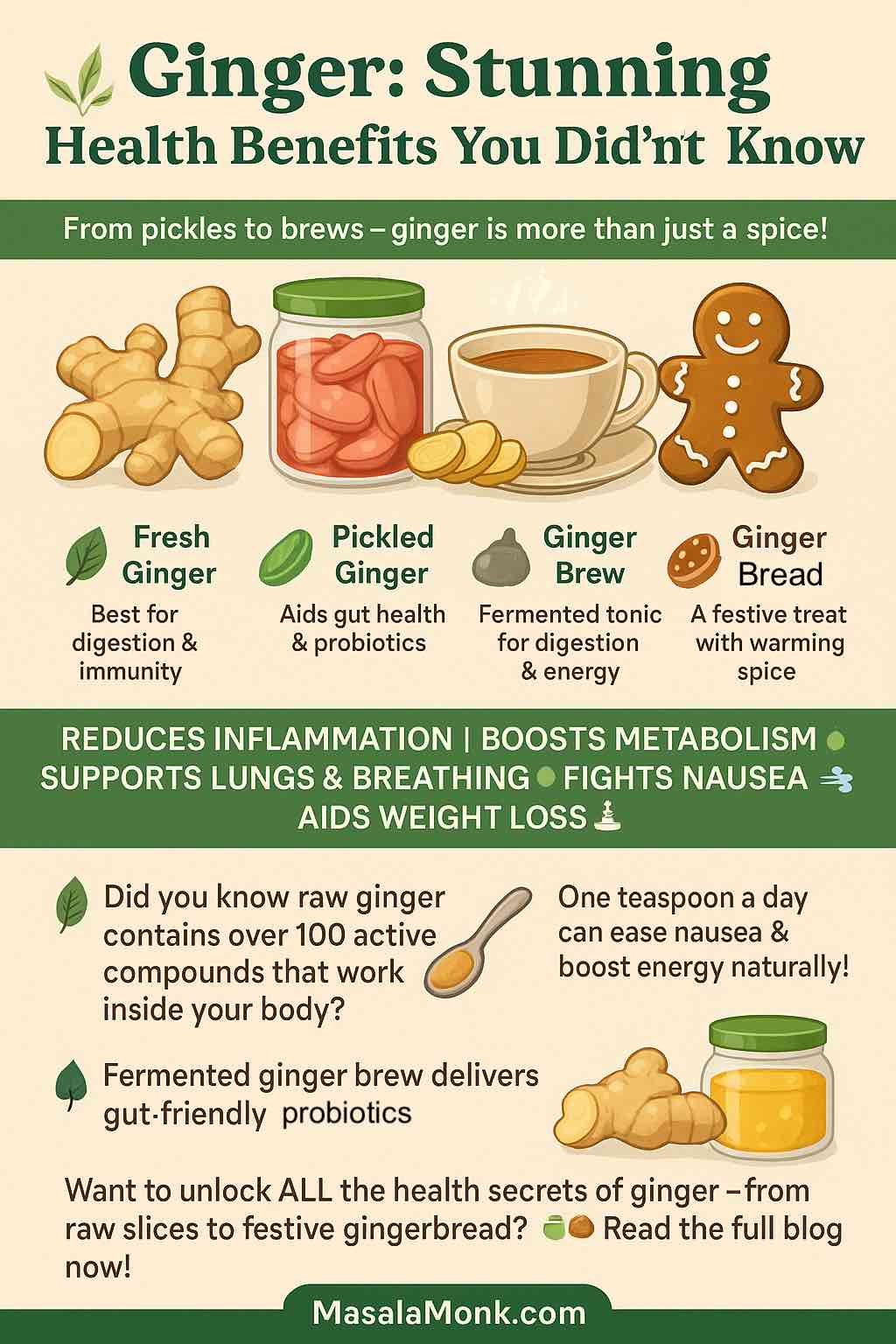
When we think of spices that shaped history, ginger always stands near the top. From ancient Ayurvedic texts in India to trade routes that connected Asia with Europe, ginger wasn’t just valued for its fiery kick in food—it was treasured as a healing root. Even today, you’ll find it everywhere: fresh ginger root in your kitchen, ginger tea at your grandma’s, pickled ginger with sushi, gingerbread during the holidays, or even craft ginger brews at the local market.
But beyond its flavor and cultural charm, ginger has an impressive body of research behind it. Science keeps confirming what our ancestors knew—ginger can truly transform your health when consumed regularly. Let’s dive into the stunning health benefits of ginger, backed by the latest studies and practical ways to include it in your life.
1. Ginger for Digestion and Gut Health
One of the most well-documented benefits of ginger is its ability to support digestion. The root contains natural compounds like gingerols and shogaols that stimulate saliva and bile production, helping your body break down food more efficiently.
If you suffer from bloating, indigestion, or a “heavy” feeling after meals, sipping on ginger tea or adding fresh grated ginger to warm water can make a noticeable difference.
A 2024 review in Nutrients showed that ginger can speed up gastric emptying, meaning food leaves the stomach faster, reducing discomfort and acid reflux.
Ginger has been called “nature’s ibuprofen” for a reason. Its bioactive compounds fight inflammation at the cellular level. Research published in The Journal of Pain Research (2023) found ginger supplements effective in reducing muscle soreness after exercise.
People with osteoarthritis reported reduced pain and stiffness when taking ginger regularly.
Athletes use ginger shots or ginger tea post-workout for faster recovery.
This isn’t just folk wisdom—it’s clinically significant. Daily ginger intake can lower inflammatory markers like CRP (C-reactive protein), which is linked to chronic diseases.
3. Immunity and Respiratory Benefits
From grandma’s “ginger kadha” to modern herbal syrups, ginger has always been a go-to for colds and coughs. And now science explains why:
Ginger relaxes airway muscles, which can ease breathing difficulties.
A 2022 study in Frontiers in Pharmacology showed that fresh ginger extract helped suppress viral activity in respiratory infections.
This makes ginger especially useful during seasonal flu outbreaks or when your immunity feels compromised.
Beyond the stomach and lungs, ginger has cardiovascular benefits too. Studies suggest it helps reduce LDL cholesterol and improve blood circulation. Its anti-inflammatory properties support arterial health, while its warming effect naturally stimulates blood flow.
A 2023 Clinical Nutrition study reported that people who consumed ginger daily had improved blood sugar regulation—key for preventing type 2 diabetes.
Combining ginger with turmeric, cinnamon, or lemon creates even more powerful effects on metabolism and weight management.
Now here’s where ginger shines: it’s versatile. Whether you like it raw, fresh, pickled, or brewed—there’s a way for everyone to bring it into daily life.
Raw ginger: Spicy and pungent, excellent for smoothies or chewing small slices to fight nausea.
Fresh ginger: Add to teas, curries, soups, or stir-fries for digestive comfort and flavor.
Ginger brews & drinks: From homemade lemon-ginger teas to trendy ginger kombuchas and craft sodas, they hydrate while delivering antioxidants. 7 Ginger Drinks for Weight Loss and Well-Being
Gingerbread & treats: While gingerbread cookies might not be a “superfood,” they still provide trace benefits from ginger—just balance them with healthier forms.
6. Skin, Topical, and Beauty Uses of Ginger
Ginger isn’t just for eating or drinking—it also has topical benefits. Traditional practices like the Pechoti method (applying oils to the belly button) have recently resurfaced in modern wellness trends. Ginger oil, when diluted properly, can be applied to the skin or used in massage blends for its warming and circulation-boosting properties.
Skin glow: Ginger’s antioxidants help fight oxidative stress, reducing dullness and protecting against skin damage.
Topical pain relief: Massaging ginger oil into sore muscles or stiff joints can reduce pain and stiffness, especially when paired with turmeric or black pepper oils.
Stress relief: Aromatherapy with ginger essential oil has shown calming effects on the nervous system.
Pickled ginger, or “gari,” isn’t just a sushi sidekick. Pickling ginger can actually enhance some of its digestive properties while adding probiotics (if fermented naturally).
Digestive aid: Pickled ginger helps cleanse the palate and aid digestion during meals.
Gut health: When prepared as a fermented pickle, ginger introduces beneficial bacteria to the gut.
Low-calorie snack: A tangy, healthy option compared to processed snacks.
While raw and fresh ginger are the healthiest, don’t dismiss its role in festive treats like gingerbread. Gingerbread may not be a “health tonic,” but it still carries microdoses of gingerols, and the warming aroma has a psychological comfort that boosts mood.
Pairing gingerbread with ginger tea or a ginger brew can make the experience both tasty and mildly beneficial.
Ginger beers and brews (including kombucha-based ones) are now backed by studies showing antioxidant and digestive perks.
This is a common question we see. “Fresh” and “raw” ginger are often used interchangeably—but there’s a nuance:
Raw ginger: Simply uncooked ginger root, often chewed directly or added to smoothies/juices.
Fresh ginger: Typically refers to the whole ginger root (as opposed to powdered/dried).
Both retain the maximum amount of antioxidants, enzymes, and vitamins. In contrast, powdered or dried ginger is convenient but slightly less potent.
11. Ginger for Whole-Body Wellness
Finally, ginger isn’t about one single benefit—it’s a holistic superfood. Regular use supports digestion, immunity, circulation, skin, weight management, and even mood. Whether you’re sipping on warm ginger tea in winter, crunching pickled ginger with sushi, or mixing up a summer ginger-cucumber detox water—this root adapts to every season and every lifestyle.
And science continues to uncover new angles: from cardiovascular health to anti-cancer potential. What’s exciting is that ginger remains one of the most accessible, affordable, and versatile natural remedies in the world.
Frequently Asked Questions About Ginger
1. Is raw ginger good for you?
Yes—raw ginger is the most potent form since it contains the highest amount of gingerols and enzymes. Chewing a small slice can relieve nausea, freshen breath, and support digestion. Just don’t overdo it, as raw ginger can be quite spicy on the stomach.
2. What are the benefits of fresh ginger vs dried?
Fresh ginger is best for digestion, immunity, and anti-inflammatory effects. Dried ginger is more warming in Ayurvedic use and often used for colds. Both have unique strengths, but fresh retains more antioxidants.
3. Does pickled ginger have health benefits?
Yes—pickled ginger aids digestion, especially when eaten with heavy or protein-rich meals. If fermented, it may also deliver probiotic benefits. Just watch for added sugar or excess salt in commercial versions.
4. What about ginger brew or ginger beer?
Homemade ginger brew (or naturally fermented versions) contains antioxidants and supports digestion. Commercial ginger beer often has added sugar, so it’s best enjoyed occasionally rather than daily.
5. Is gingerbread good for you?
Not exactly a superfood—but gingerbread does deliver a touch of real ginger’s warming properties. While the sugar content makes it a treat, pairing gingerbread with fresh ginger tea can balance indulgence with wellness.
Yes—ginger has thermogenic and appetite-suppressing effects, plus it supports fat metabolism. Combined with turmeric, cinnamon, or lemon, ginger drinks can naturally support weight goals.
8. How much ginger should you eat per day?
Most research suggests 2–4 grams per day (about a teaspoon of fresh grated ginger) is safe and effective for health benefits.
9. Does ginger really help your lungs?
Yes—gingerols help relax airway muscles, reduce inflammation, and improve circulation to the lungs. This is why ginger teas are often recommended for colds or respiratory discomfort. 👉 Read more: Ginger for Your Lungs: 5 Benefits and Practical Uses
10. Are there side effects of too much ginger?
Yes—excessive amounts (over 6–8 grams daily) may cause stomach upset, heartburn, or interact with blood-thinning medications. Always listen to your body.
Final Thoughts
Ginger is one of those rare foods that blends flavor, tradition, and modern science into one root. From calming an upset stomach to supporting heart health, from spicing up a pickle jar to lighting up holiday gingerbread, ginger finds a way to fit into every part of our lives.
What makes ginger so powerful is its versatility:
Digestive health with fresh, raw, or pickled ginger
Immunity and lung health with teas and brews
Weight management with detox waters and spice blends
Topical wellness with ginger oil massages
Festive joy with gingerbread and ginger drinks
So the next time you slice into fresh ginger or sip on a warm brew, remember—you’re not just enjoying a spice, you’re fueling your body with centuries of wisdom and modern science combined.
✨ Whether you choose raw slices, soothing teas, refreshing pickles, or even festive gingerbread, this humble root has something to offer everyone.
👉 Dive deeper into more spice wisdom and practical recipes at MasalaMonk.com
There’s something timeless about strawberries. They carry nostalgia in every bite—summer picnics, cream-filled cakes, even the humble bowl of strawberries and milk many of us grew up with. Sweet yet slightly tart, light yet decadent, strawberries are proof that nature knows how to make a perfect dessert ingredient.
But here’s the twist: while many fruits come loaded with sugars, strawberries are surprisingly low in carbs and high in nutrients. A single cup gives you more vitamin C than an orange, around 3 grams of fiber, and a gentle glycemic index that doesn’t spike blood sugar. In fact, recent studies show that regular strawberry consumption can help regulate insulin, reduce blood pressure, and even boost cognitive speed. That means every time you indulge in strawberries, you’re not just treating your taste buds—you’re doing your body a favor too.
Why Strawberries Are the Perfect Guilt-Free Treat
There’s something magical about biting into a perfectly ripe strawberry. Sweet, juicy, slightly tart—like nature’s candy, but with benefits that go far beyond taste.
Low in sugar, high in nutrition: Just 32 calories per half-cup and only ~7g carbs, while offering fiber and antioxidants.
Vitamin C powerhouse: A single cup provides more vitamin C than an orange, supporting immunity, skin health, and collagen production.
Blood sugar friendly: With a glycemic index of ~32, strawberries don’t cause sharp glucose spikes, making them ideal for people on low-carb or diabetic diets.
Heart and brain health: Packed with anthocyanins and polyphenols, they’ve been shown in studies to improve blood pressure, support cognitive function, and reduce inflammation.
Happiness boosters: Beyond nutrients, strawberries carry that emotional comfort of freshness and indulgence without regret.
💡 Fun fact: Research in 2025 found that eating just two cups of strawberries daily improved insulin response and cognitive speed while lowering blood pressure. Now that’s a dessert ingredient worth celebrating.
At Masala Monk, we believe that dessert should never feel like guilt. And with strawberries, it doesn’t have to. Today, we’re exploring five irresistible low-carb strawberry desserts that are big on flavor, light on sugar, and even carry a little desi flair.
1. Mini No-Bake Keto Strawberry Cheesecakes
Cheesecake has that way of making every bite feel like celebration. But if you’re watching carbs or don’t have the patience to bake, these mini no-bake cheesecakes are a game-changer.
Think creamy, velvety layers of saffron-scented cheesecake filling nestled in a buttery almond flour crust. Add a fresh strawberry slice on top, and suddenly you’ve got elegance in a cup. They’re portion-controlled, no oven required, and they chill to perfection in under an hour.
Cheesecake usually means hours of baking, but this no-bake mini version gives you all the indulgence without the wait—or the carbs.
These Mini No-Bake Keto Strawberry Cheesecakes are bite-sized, creamy, and perfect for low-carb dessert lovers.
Ingredients (makes 6 cups):
1 cup almond flour
2 tbsp melted butter (or ghee for nuttier flavor)
250 g cream cheese, softened
2 tbsp powdered erythritol (or monk fruit)
2 tbsp heavy cream
1 tsp vanilla extract
Pinch saffron strands, soaked in 1 tsp warm milk (optional)
6–8 fresh strawberries, sliced
2 tbsp pistachios, chopped, for garnish
Instructions:
Make the crust: Mix almond flour with melted butter. Press into the bottom of muffin liners or ramekins. Chill for 15 minutes.
Make the filling: Whip cream cheese, erythritol, cream, vanilla, and saffron milk until smooth.
Assemble: Spoon filling over the crust, smoothing the tops.
Garnish: Top each with strawberry slices and pistachios.
Chill: Refrigerate for 1–2 hours before serving.
💡 Masala Monk Twist: Use saffron and pistachios for a kulfi-inspired flavor.
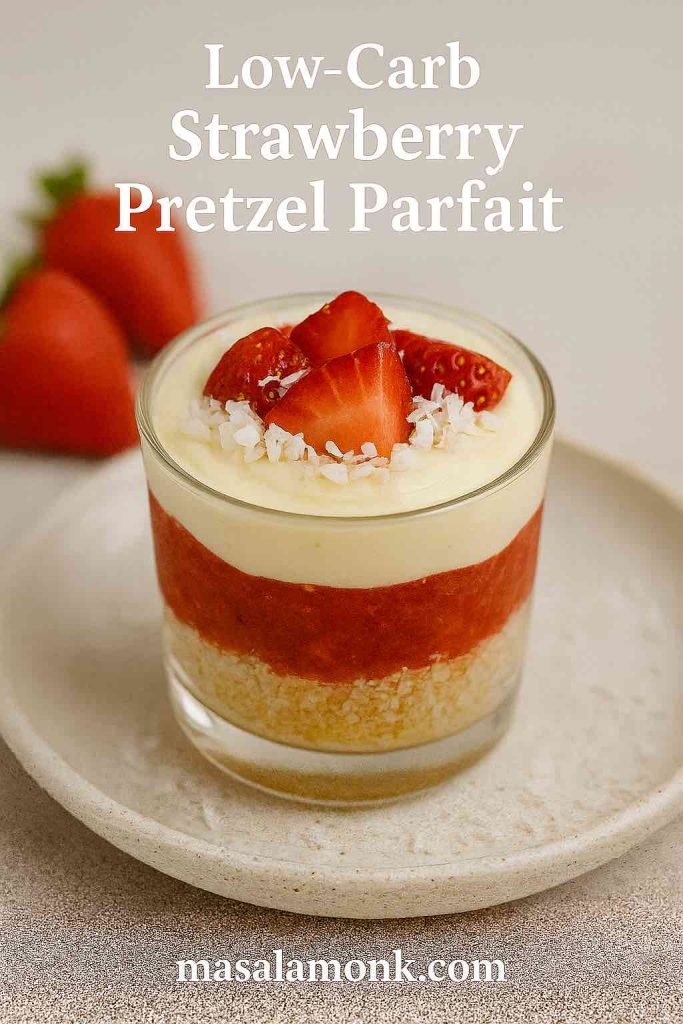
Parfaits are playful. They’re all about the layers: a little crunch, a little cream, a burst of freshness. Traditionally, a strawberry pretzel parfait combines salty pretzels with whipped cream and strawberries. For our low-carb version, we’re swapping pretzels with an almond flour crumble that still delivers that addictive crunch.
Spoon in a rose-water kissed cream cheese mousse, layer it with juicy macerated strawberries, and finish with toasted coconut flakes. It’s part nostalgia, part sophistication, and entirely guilt-free.
A refreshing layered dessert that swaps carb-heavy pretzels for a crunchy almond flour crumble.
Indulge in this Low-Carb Strawberry Pretzel Parfait – a healthy, layered dessert with crunchy, creamy, and fruity goodness.
Ingredients (serves 4):
¾ cup almond flour
2 tbsp melted ghee
200 g cream cheese
½ cup heavy cream
2 tbsp monk fruit or stevia
½ tsp rose water
1 cup fresh strawberries, chopped
1 tsp chia seeds (optional, to thicken strawberry compote)
2 tbsp unsweetened coconut flakes
Instructions:
Crumble base: Lightly toast almond flour in a pan, then mix with ghee. Let cool.
Cream layer: Whip cream cheese, cream, sweetener, and rose water until fluffy.
Strawberry layer: Mash half the strawberries with chia seeds into a compote. Slice the rest for layering.
Not every dessert has to be dainty. Sometimes you want rustic comfort—the kind of dish you spoon straight from the baking dish, warm and bubbling. That’s where this strawberry cobbler comes in.
Fresh strawberries are baked until soft and jammy, hidden under a golden almond flour topping enriched with ghee. The surprise? Little pockets of cream cheese that melt into the fruit, giving you creamy bursts with every bite. Add a sprinkle of cinnamon or chai spice to the topping, and suddenly, your kitchen smells like a monsoon evening paired with masala chai.
Rustic comfort with a gooey strawberry filling and golden almond flour topping.
Comfort in every bite – this Warm Strawberry Cream Cheese Cobbler combines juicy baked strawberries with a golden almond crumble.
Ingredients (serves 6):
3 cups fresh strawberries, halved
2 tbsp monk fruit sweetener
1 tsp lemon juice
100 g cream cheese, cubed
1 cup almond flour
¼ cup sliced almonds
2 tbsp ghee
½ tsp cinnamon or chai spice
Pinch of salt
Instructions:
Preheat oven: 180°C (350°F).
Prepare filling: Toss strawberries with lemon juice and sweetener. Spread in a baking dish.
Add cream cheese: Scatter cubes of cream cheese across the strawberries.
Make topping: Mix almond flour, almonds, ghee, cinnamon, and salt until crumbly.
Bake: Sprinkle topping over strawberries. Bake 25–30 minutes until golden.
Serve warm: Add a spoon of whipped cream or keto ice cream.
💡 Masala Monk Twist: Replace cinnamon with chai masala for a cozy Indian touch.
👉 Almond flour is a star here—read why it’s a low-carb, diabetes-friendly game-changer: Almond Flour and Diabetes.
4. Cheesecake-Stuffed Strawberries
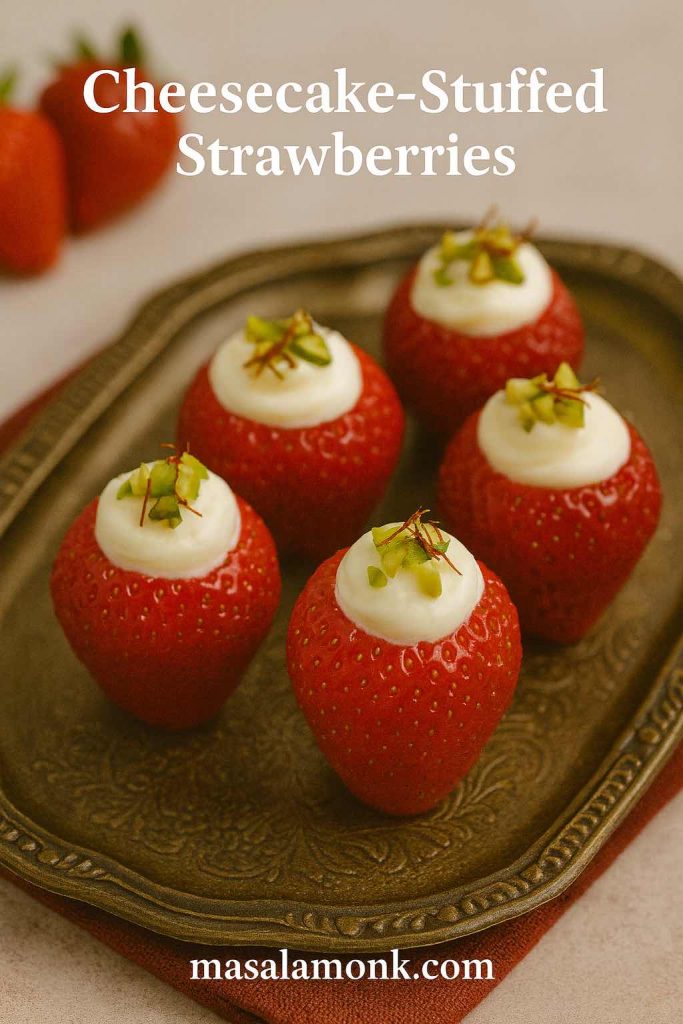
If you’ve ever hosted guests and panicked about dessert, this one’s your savior. Cheesecake-stuffed strawberries look like you spent hours on them, but take less than 20 minutes.
You simply hollow out large, ripe strawberries and pipe them full of a lightly sweetened cream cheese filling. To give them a Masala Monk spin, fold in a spoonful of rabri for richness, and garnish with pistachios and saffron strands. They’re fresh, creamy, decadent, and bite-sized perfection.
Elegant, quick, and crowd-pleasing. These bite-sized beauties are as fun to make as they are to eat.
A quick and elegant treat – Cheesecake-Stuffed Strawberries filled with creamy delight and topped with crunchy nuts.
Ingredients (serves 4):
12 large strawberries
150 g cream cheese, softened
2 tbsp powdered erythritol
½ tsp vanilla extract
2 tbsp rabri (optional, for richness)
Pistachios & saffron strands, for garnish
Instructions:
Prep strawberries: Cut off tops and hollow the center with a spoon.
Filling: Beat cream cheese, sweetener, vanilla, and rabri into a smooth mix.
Pipe: Spoon or pipe filling into each strawberry.
Garnish: Sprinkle pistachios and saffron on top.
Serve chilled: Best eaten the same day.
💡 Masala Monk Twist: The rabri infusion makes these taste like strawberry shrikhand bites.
👉 More ways to sneak strawberries into a balanced, diabetic-friendly diet? Check out: Berry Bliss and Diabetes.
5. Strawberry & Cream Popsicles
Sometimes the best dessert is also the simplest. These strawberry and cream popsicles are pure summer joy on a stick. Blend strawberries with Greek yogurt, a natural sweetener, and a splash of rose water. Pour into molds, freeze, and a few hours later you’ve got a creamy, refreshing treat that tastes indulgent but keeps carbs in check.
They’re a hit with kids and adults alike, and the floral note makes them feel just a little fancy.
A refreshing frozen dessert that kids and adults will both love.
Cool down with these creamy Strawberry & Cream Popsicles – a refreshing, guilt-free frozen treat made with real strawberries.
Ingredients (makes 6 pops):
2 cups fresh or frozen strawberries
1 cup Greek yogurt (unsweetened)
2–3 tbsp monk fruit or stevia
½ tsp vanilla extract
1 tsp rose water or kewra essence (optional)
Instructions:
Blend: Strawberries, yogurt, sweetener, vanilla, and rose water into a smooth mix.
Pour: Into popsicle molds. Tap to release air bubbles.
Freeze: 4–6 hours until solid.
Serve: Dip molds briefly in warm water to release.
💡 Masala Monk Twist: Add rose water for a falooda-inspired frozen treat.
🧑🍳 Tips for Low-Carb Dessert Success
Use powdered sweetener for smooth fillings.
Chill no-bake desserts overnight for the best texture.
Add a pinch of xanthan gum to frozen strawberry blends for extra creaminess.
One of the joys of cooking with strawberries is how well they adapt to Indian flavors. Try adding cardamom or saffron to cream fillings, kewra to chilled desserts, or swap butter for ghee in bakes. Garnish with pistachios or toasted coconut flakes, and suddenly your everyday dessert becomes something soulful and festive.
At Masala Monk, food is more than just nourishment—it’s connection, comfort, and joy. These strawberry desserts are a reminder that:
Healthy eating doesn’t mean skipping dessert.
Smart swaps (almond flour, monk fruit, ghee) can transform indulgence into balance.
Adding a little desi twist makes every recipe personal and soulful.
✨ The Sweetest Ending
Dessert is often treated as a guilty pleasure. But with strawberries, it can be pleasure without the guilt. These little red gems prove that you don’t need refined sugar to create joy on a plate—or in a bowl, or on a stick.
From elegant cheesecakes to rustic cobblers, from stuffed berries to creamy popsicles, these desserts show us that indulgence can be healthful and tradition can meet innovation. Add a pinch of saffron, a spoonful of rabri, or the richness of ghee, and you’ve got something even more special: a sweet that feels like home.
So next time strawberries are in season, don’t just eat them plain. Turn them into a dessert that loves you back. 🍓
❓ Frequently Asked Questions (FAQs)
1. Are strawberries really low in carbs?
Yes. A cup of strawberries (about 150 g) has only ~11 g of carbs and ~3 g of fiber, making them a keto-friendly fruit option when eaten in moderation.
2. Can I use frozen strawberries in these recipes?
Absolutely. Frozen strawberries work well for compotes, popsicles, and smoothies. Just thaw and drain excess liquid if using in no-bake recipes like cheesecakes.
3. What’s the best low-carb sweetener for strawberry desserts?
Powdered erythritol, monk fruit, or stevia are most popular. They blend well and don’t add carbs. Avoid honey or jaggery if you want to keep carbs minimal.
4. How do I make these desserts diabetic-friendly?
They already are! By swapping refined sugar for low-glycemic sweeteners and using almond flour or coconut flour instead of wheat, these desserts help manage blood sugar spikes.
5. What can I use instead of almond flour?
Coconut flour is a great substitute, but it absorbs more liquid. Use only ⅓ of the almond flour amount and adjust moisture accordingly.
6. How long can these low-carb desserts be stored?
Mini cheesecakes: 3–4 days in the fridge
Cobbler: 2–3 days chilled
Popsicles: up to 2 weeks in freezer
Stuffed strawberries: best eaten same day
7. Can I make these desserts vegan?
Yes! Swap cream cheese for vegan cream cheese or cashew cream, heavy cream for coconut cream, and use plant-based yogurt for popsicles.
8. What Indian flavors go well with strawberries?
Strawberries pair beautifully with saffron, rose water, kewra, cardamom, rabri, and pistachios—giving a desi twist to otherwise Western-style desserts.
9. Are these recipes suitable for kids?
Definitely. Kids love the natural sweetness of strawberries, and since these recipes skip refined sugar, they’re healthier than most packaged treats.
10. Can I meal-prep these desserts?
Yes. You can pre-make components:
Cheesecake crusts and filling separately
Strawberry compote for parfaits
Popsicle mix stored in the fridge before freezing This saves time and keeps everything fresh.
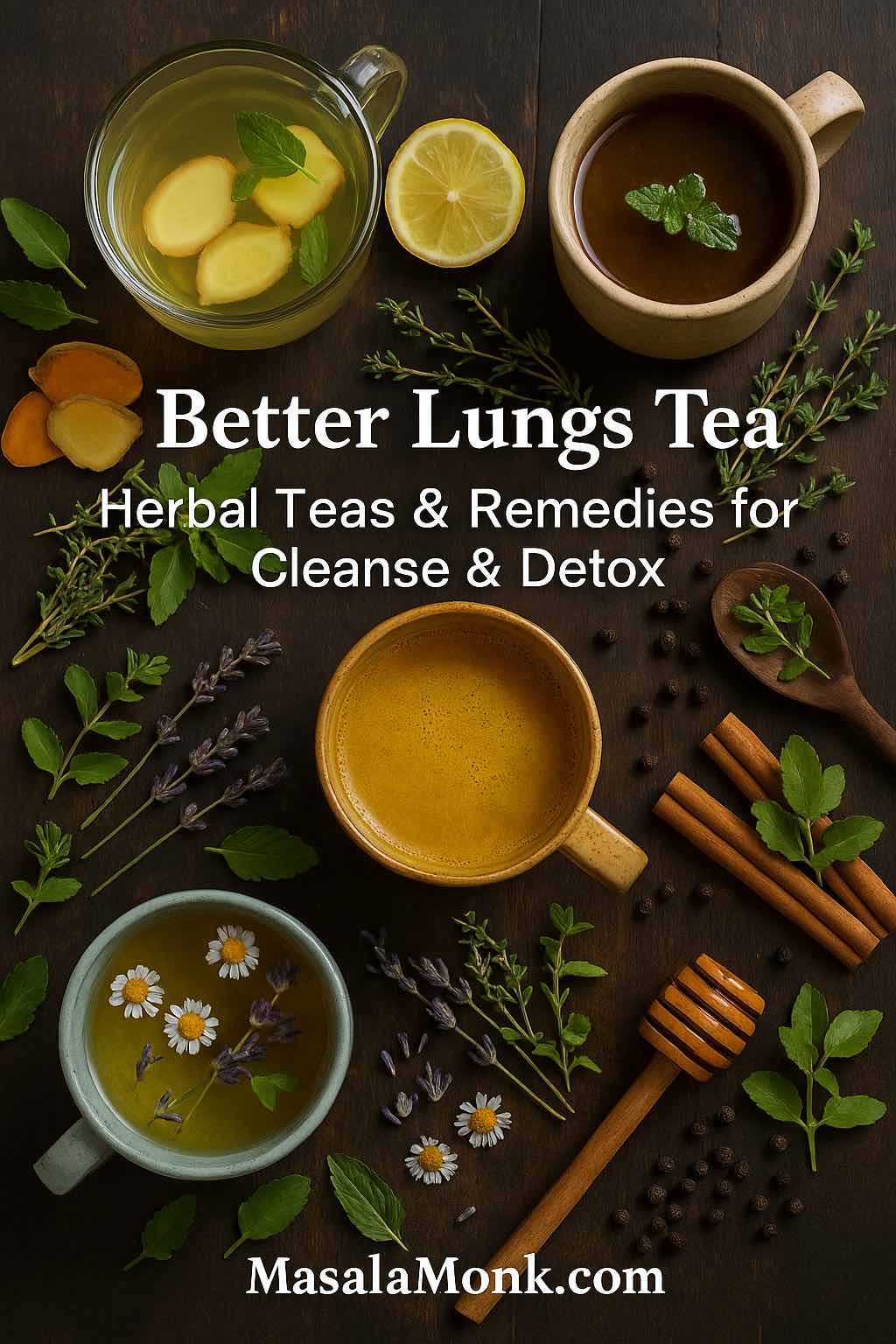
Breathing easy feels natural — until it doesn’t. In today’s world, air pollution, allergens, smoke, and stress put our lungs under constant strain. While our respiratory system has its own incredible “self-cleaning” mechanisms, there’s growing interest in how herbal teas and natural remedies can support lung health.
This isn’t about miracle “detox” claims. Instead, it’s about using nature’s herbs to soothe, comfort, and gently assist the body’s natural functions.
Let’s explore the best herbal teas, blends, and lifestyle tips for better breathing. And do not miss the 🌿 7-Day Better Lungs Tea Plan, available as a FREE PDF download in this post. Something to help you not only with easier breathing, but also better digestion, calmer sleep, and improved daily energy.
Our lungs naturally filter, cleanse, and repair themselves through:
Cilia (tiny hairs) sweeping away particles.
Mucus trapping dust, bacteria, and toxins.
Immune cells fighting infections.
👉 What we can do is support these processes: stay active, hydrate, avoid smoke/pollutants, eat antioxidant-rich foods, and enjoy lung-friendly herbal teas.
Science: Studies link regular green tea consumption with better lung function and reduced COPD risk. Rich in catechins and antioxidants, it helps fight oxidative stress and inflammation.
Flavor profile: Light, grassy, slightly bitter.
👉 Blend Idea:Green Tea + Ginger + Lemon Zest for an antioxidant and warming daily brew.
At MasalaMonk, we believe tea isn’t just a drink — it’s an experience. Each cup can be crafted with intention, whether it’s to warm you up on a cold day, calm your nerves at night, or support your lungs when they feel heavy. These blends are designed with both traditional wisdom and modern evidence in mind.
Here are our four signature “Better Lungs” tea blends — practical, easy to prepare, and full of flavor and comfort.
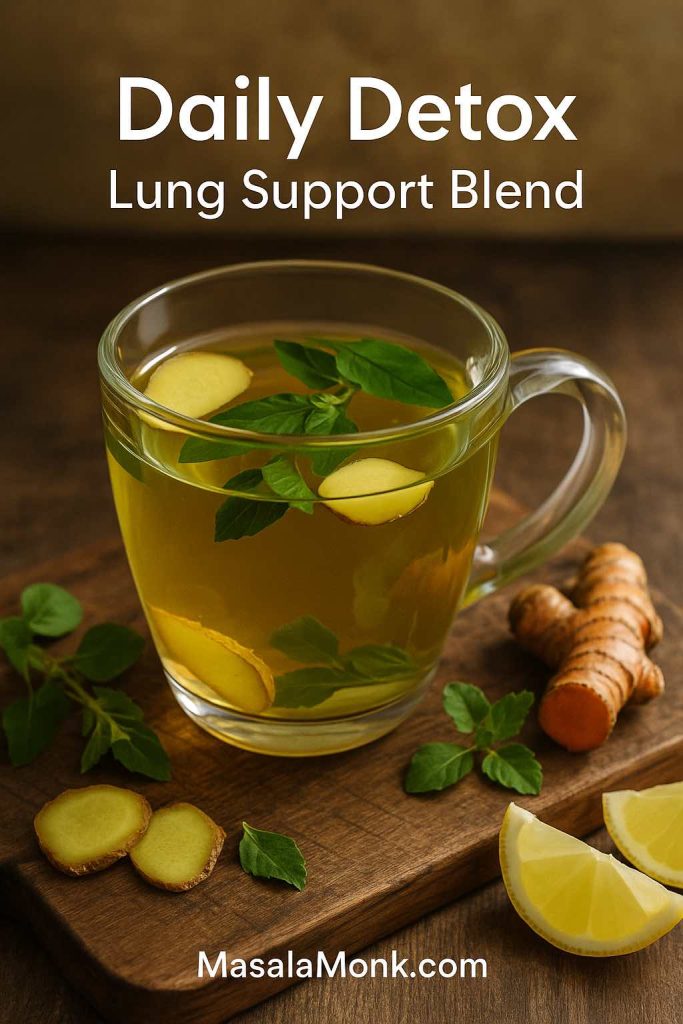
🌿 1. Daily Detox Lung Support Blend
For everyday wellness & gentle lung support
If you want one reliable, go-to tea for daily sipping, this is it. Green tea forms the base, bringing in powerful antioxidants (catechins) that support lung function. Tulsi (Holy Basil) helps with immunity and stress balance. Ginger and turmeric work together as natural anti-inflammatories, while honey smooths everything out.
A soothing herbal detox tea with ginger, turmeric, tulsi, and lemon — a daily ritual for better lung health and gentle cleansing.
Ingredients (1 serving):
1 tsp green tea leaves
1 tsp tulsi leaves (dried or fresh)
2–3 thin slices of fresh ginger
½ tsp turmeric powder (or grated fresh turmeric root)
Honey (optional, to taste)
Method:
Bring 1½ cups water to a gentle boil.
Add ginger and turmeric, simmer for 2–3 minutes.
Remove from heat, add green tea and tulsi, cover, and steep for 5 minutes.
Strain into a cup, add honey if desired.
👉 Curious to dive deeper into this golden root? Check out our detailed post on Ginger for Your Lungs: 5 Benefits and Practical Uses, where we unpack how ginger can support respiratory wellness beyond just tea.
Best time to drink: Morning or mid-afternoon, for a natural energy lift.
Tip: Add a squeeze of lemon for extra vitamin C (but only after the tea cools slightly, to preserve antioxidants).
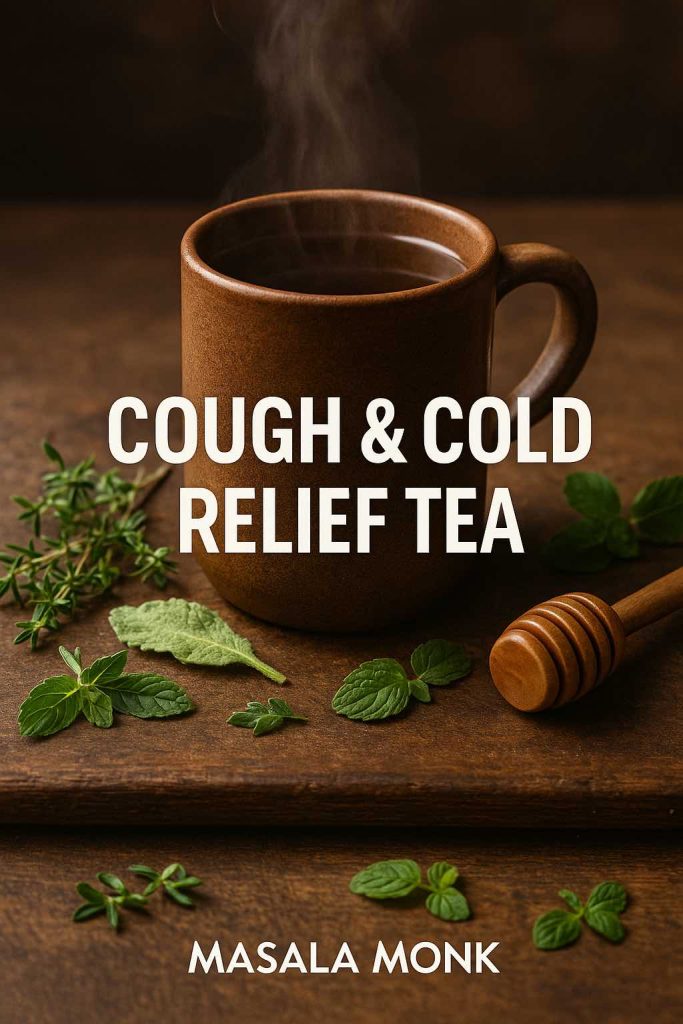
🌼 2. Soothing Cough & Cold Relief Blend
For sore throats, congestion & seasonal sniffles
This blend is your cozy companion when your chest feels tight or you’re battling a cough. Thyme is a time-tested expectorant that helps loosen mucus. Mullein is gentle yet effective in soothing irritation, while licorice root coats the throat and reduces spasms. Peppermint clears nasal passages and adds a refreshing lift.
Warm and comforting, this clay-mug tea combines mullein, thyme, peppermint, and honey to ease coughs and support natural healing.
Ingredients (1 serving):
1 tsp thyme (dried)
1 tsp mullein leaves (strain well)
½ tsp licorice root (Mulethi)
1 tsp peppermint leaves
Method:
Boil 1½ cups of water.
Add thyme, mullein, and licorice root. Simmer for 5 minutes.
Add peppermint, cover, and steep another 5 minutes.
Strain carefully (especially the mullein).
👉 For more tried-and-tested home remedies, explore our guide on 14 Effective Home Remedies for Cough. From thyme teas to honey elixirs, you’ll find plenty of inspiration to keep coughs at bay.
Best time to drink: Twice a day when you’re coughing, especially before bed to ease nighttime irritation.
Tip: Add a teaspoon of raw honey if your throat is sore — honey itself is clinically proven to ease coughs.
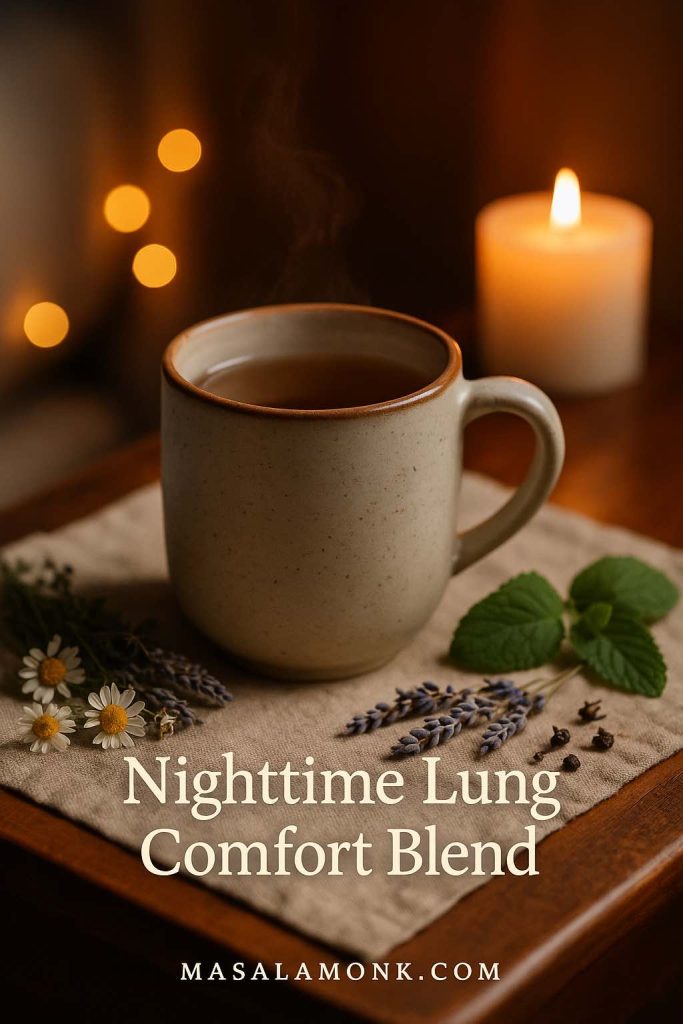
🌙 3. Nighttime Lung Comfort Blend
For relaxation, sleep & gentle breathing support
Sometimes the hardest part of being congested is trying to sleep. This calming blend uses mullein for the lungs, chamomile for relaxation, lavender for its soothing aroma, and lemon balm for its gentle anxiolytic effect. Together, they make a cup that feels like a warm hug before bed.
A calming bedtime blend with chamomile, lavender, and lemon balm — crafted to relax the body, clear the lungs, and promote restful sleep.
Ingredients (1 serving):
1 tsp mullein leaves
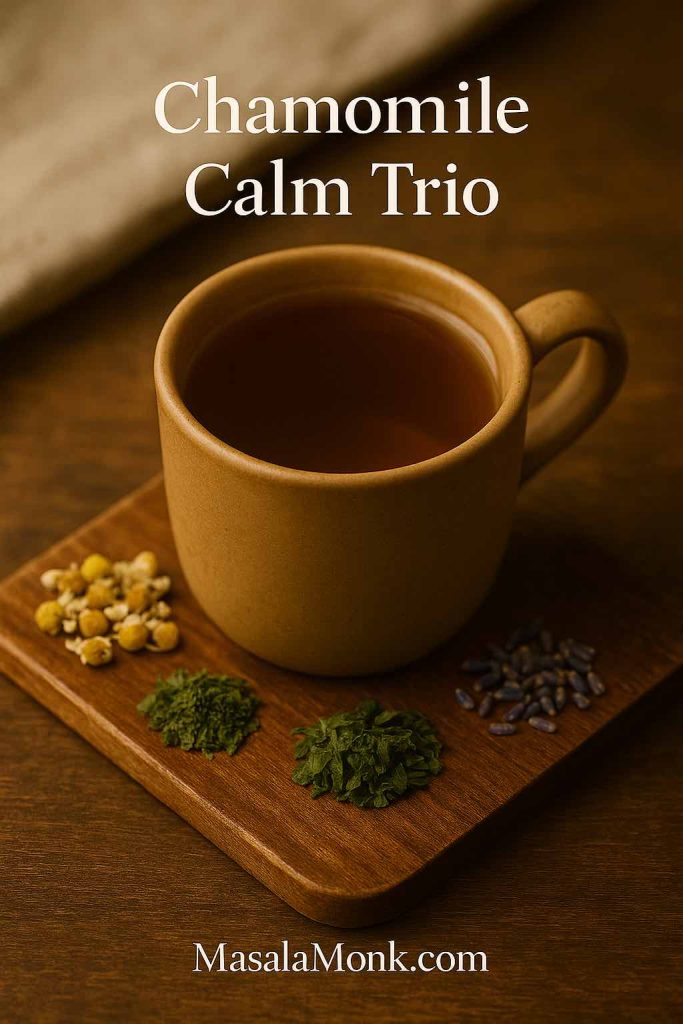
1 tsp chamomile flowers
½ tsp lavender buds
1 tsp lemon balm leaves
Method:
Boil 1½ cups water.
Add all herbs to a teapot or infuser.
Pour hot water over the herbs, cover, and steep for 7–8 minutes.
Strain well, sip slowly, and breathe in the calming steam.
Best time to drink: 30–45 minutes before bedtime.
Tip: Make this tea part of a bedtime ritual — dim the lights, put your phone away, sip slowly, and let your body wind down.
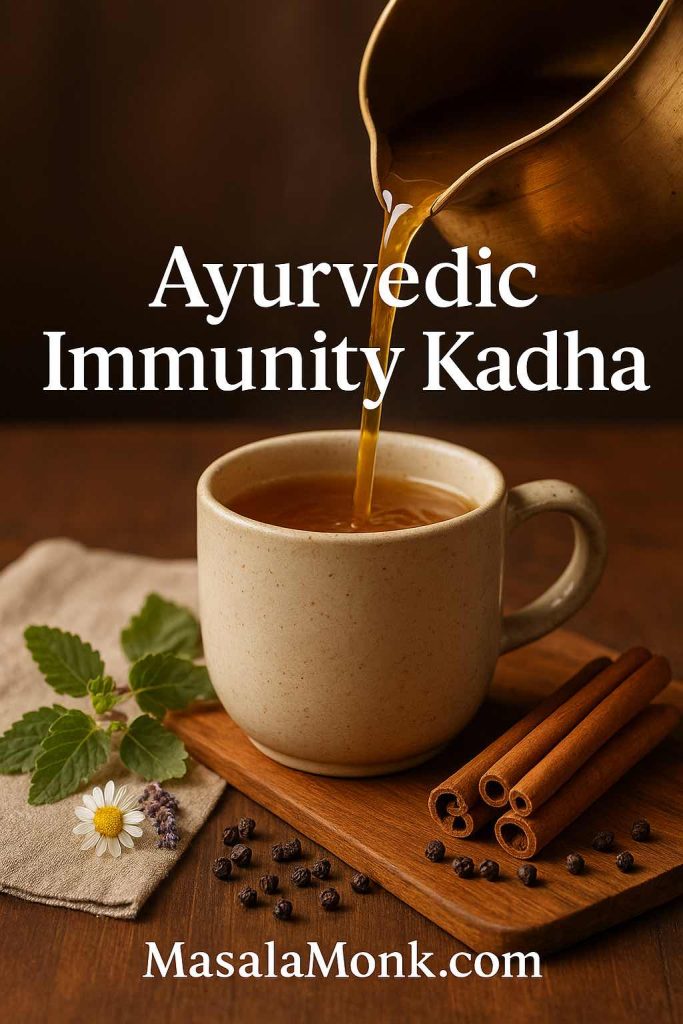
🔥 4. Ayurvedic Immunity Kadha
For seasonal transitions, immunity & clearing congestion
Inspired by Ayurveda, this kadha is warming, spicy, and deeply restorative. Tulsi, black pepper, ginger, and cinnamon all stimulate circulation, boost immunity, and support respiratory function. Turmeric ties it all together with its anti-inflammatory punch.
A golden Ayurvedic kadha brewed with turmeric, cinnamon, tulsi, and black pepper — a traditional immunity booster for respiratory strength.
Ingredients (2 servings):
1 tsp tulsi leaves
½ tsp black peppercorns (lightly crushed)
½ tsp grated fresh ginger
¼ tsp cinnamon
¼ tsp turmeric powder
2 cups water
Method:
Add all ingredients to boiling water.
Simmer for 10 minutes until fragrant.
Strain into cups and sip warm.
👉 If you love tulsi, you’ll enjoy our article on Tulsi Sweet Rose Tea and its Health Benefits. It’s a beautiful floral blend that shows how versatile tulsi can be in supporting both the body and mind.
Best time to drink: In the evening, especially during winter or when you feel the first signs of a cold.
Tip: Add a pinch of jaggery or honey if you prefer it slightly sweet.
Hydration counts: Herbal teas add to your daily fluid intake, but still drink plain water too.
Cover while steeping: To trap volatile oils like menthol and thymol.
Consistency is key: Benefits build up over time — don’t expect overnight “detox.”
Cycle herbs: After 7 days, repeat or adjust blends to your taste and needs.
✨ By the end of this week, you’ll notice not just easier breathing, but also better digestion, calmer sleep, and improved daily energy.
💡 Brewing Tips for Maximum Benefit
Always cover your tea while steeping to trap volatile oils.
Avoid overboiling delicate herbs like green tea or peppermint.
Use a fine mesh strainer for mullein to prevent irritation.
Sip tea warm, not boiling hot, to avoid throat irritation.
These blends are not meant as “quick fixes,” but as daily rituals that nurture both body and mind. The warmth of a cup, the aroma of herbs, and the mindful pause while sipping all contribute to the healing experience.
⚠️ Safety & Precautions
Licorice root: Avoid excess if you have high BP or kidney issues.
Peppermint: Avoid if prone to GERD/acid reflux.
Pregnancy: Stick to culinary amounts of ginger and turmeric.
Medical conditions: Always consult your doctor for chronic lung conditions (asthma, COPD, fibrosis).
✨ Final Word
Herbal teas won’t “detox” your lungs overnight, but they can support natural lung function, reduce irritation, and bring daily comfort.
Pairing science-backed herbs like green tea, ginger, thyme, and mullein with traditional blends gives you the best of both worlds: ancient wisdom plus modern validation.
So brew a cup, inhale deeply, and let nature’s herbs help you breathe a little easier. 🌸
📖 Related Reads from MasalaMonk
Looking to explore more ways to support your lungs, immunity, and overall wellness? Here are some of our most-loved guides:
❓ Frequently Asked Questions (FAQs) About Better Lungs Tea
1. Do herbal teas really detox the lungs?
Not exactly. Your lungs are self-cleaning organs — they clear out mucus, dust, and irritants naturally. Herbal teas don’t “detox” in the medical sense, but they can support lung comfort by easing inflammation, loosening mucus, and soothing the throat.
2. Which tea is best for lung health?
The most researched teas include:
Green tea (antioxidants for lung function and COPD risk reduction)
Thyme and mullein teas (traditional expectorants for coughs) Your choice depends on your needs — for daily use, green tea blends are great; for coughs, mullein or thyme are better.
3. Can drinking tea cure asthma, COPD, or lung disease?
No. Herbal teas cannot cure chronic conditions like asthma, COPD, or fibrosis. They may help ease symptoms (like cough or irritation), but they should always be used alongside medical treatment, not as a replacement.
4. Is it safe to drink lung-friendly herbal teas every day?
Most herbs like tulsi, ginger, thyme, and green tea are safe in culinary amounts. But:
Licorice root can raise blood pressure if consumed in excess.
Peppermint may worsen acid reflux.
Pregnant women should moderate ginger and turmeric intake. Always check with your doctor if you have chronic conditions or take medications.
5. What’s the best time to drink lung support teas?
Morning: Green tea or tulsi-ginger blend for energy & immunity.
Afternoon: Ginger or thyme tea to clear congestion.
Evening/Night: Mullein + chamomile blends for relaxation & easier breathing.
6. Can kids drink these teas?
Mild teas like tulsi, chamomile, or mullein can be safe for older kids (over 6–7 years) in small amounts. Avoid strong herbs like licorice or peppermint for children, and never give honey to kids under 1 year. Always consult a pediatrician first.
7. Are there side effects of herbal teas for lungs?
Possible side effects include:
Licorice: High blood pressure, low potassium (if overused).
Peppermint: Acid reflux symptoms.
Chamomile: Allergies in those sensitive to daisies/ragweed. Most side effects occur with excessive or concentrated use, not occasional cups.
8. How do I make the teas more effective?
Cover while steeping to trap essential oils.
Sip warm (not boiling hot) to soothe the throat.
Combine with good habits like deep breathing, staying hydrated, and avoiding smoke.
9. Can I buy ready-made lung detox teas?
Yes, many brands sell herbal tea blends marketed for lung health (often with mullein, licorice, or peppermint). But always read the label, check ingredients, and avoid those with added sugars or artificial flavors. Making tea at home with fresh/dried herbs is often fresher and more reliable.
10. What else helps keep lungs healthy besides tea?
Herbal teas are supportive, but the most effective lung care comes from:
If you’ve ever lain in bed, staring at the ceiling, wondering why your body won’t shut down even though you’re exhausted — you’re far from alone. Modern life has made sleep one of the most sought-after luxuries. Stress from work, endless notifications, evening caffeine habits, heavy meals, and blue light from screens all conspire to keep us awake.
Insomnia isn’t just about not feeling tired. It’s about a restless mind and body that refuse to let go. And while medical solutions exist, many of us are rediscovering the quiet power of ancient herbal remedies — not as a cure-all, but as gentle nudges toward the restorative rest our bodies crave.
The Power of Ritual: More Than Just Tea
One of the most underrated sleep aids isn’t a plant or pill — it’s ritual. The body responds to signals. Dimming the lights, turning off screens, washing your face, or slipping into soft pajamas are all cues to your nervous system: it’s time to rest.
Herbal teas amplify this effect beautifully:
Taste & Warmth: A soothing, caffeine-free infusion slows you down and signals comfort.
Aroma: Steam carries calming essential oils straight to the brain’s limbic system — the seat of emotions and relaxation.
Touch: Cradling a warm mug in your hands is grounding and reassuring.
Tea, then, is not just a drink. It’s a ritual in a cup, one that gently prepares both body and mind for rest.
👉 If you love the ritual of brewing, you might also enjoy our masterclass in masala chai — a spiced, invigorating daytime cousin to bedtime teas.
Lavender: Nature’s Gentle Sleep Aid
Lavender (Lavandula angustifolia) is one of the most researched herbs for sleep. And the science is compelling.
In clinical trials, lavender aroma has consistently improved sleep quality in students, heart patients, and midlife women with insomnia.
As tea, lavender shows promise too. In one study with older adults, those who drank 2 grams of lavender daily reported better sleep than those given half the dose.
How it works: Compounds like linalool and linalyl acetate interact with neurotransmitters such as GABA — helping quiet the nervous system and reduce anxiety.
Lavender doesn’t just help you fall asleep — it can reduce the stress and mental chatter that often make sleep so hard in the first place.
Peppermint (Mentha × piperita) may be better known for refreshing breath than inducing sleep, but it brings its own quiet strengths to the evening table.
Digestive ease: Peppermint relaxes the smooth muscles of the gut, easing bloating and discomfort that can keep you awake.
Muscle relaxation: Menthol, its main active compound, has a cooling, tension-releasing effect.
Stress soothing: Though not directly sedative, peppermint helps the body unwind, especially when part of a nightly ritual.
⚠️ A note of caution: peppermint can sometimes worsen reflux (GERD) by relaxing the lower esophageal sphincter. If you’re prone to heartburn, try substituting lemon balm, another calming herb, instead.
Together, lavender and peppermint make a dream team for bedtime. Lavender calms the mind; peppermint soothes the body. One helps with mental restlessness, the other with physical tension.
A fascinating clinical study in cardiac patients found that both lavender and peppermint aromas improved sleep quality. When sipped as tea, the combination doesn’t just relax you — it comforts digestion, lifts tension, and turns into a ritual that engages all your senses.
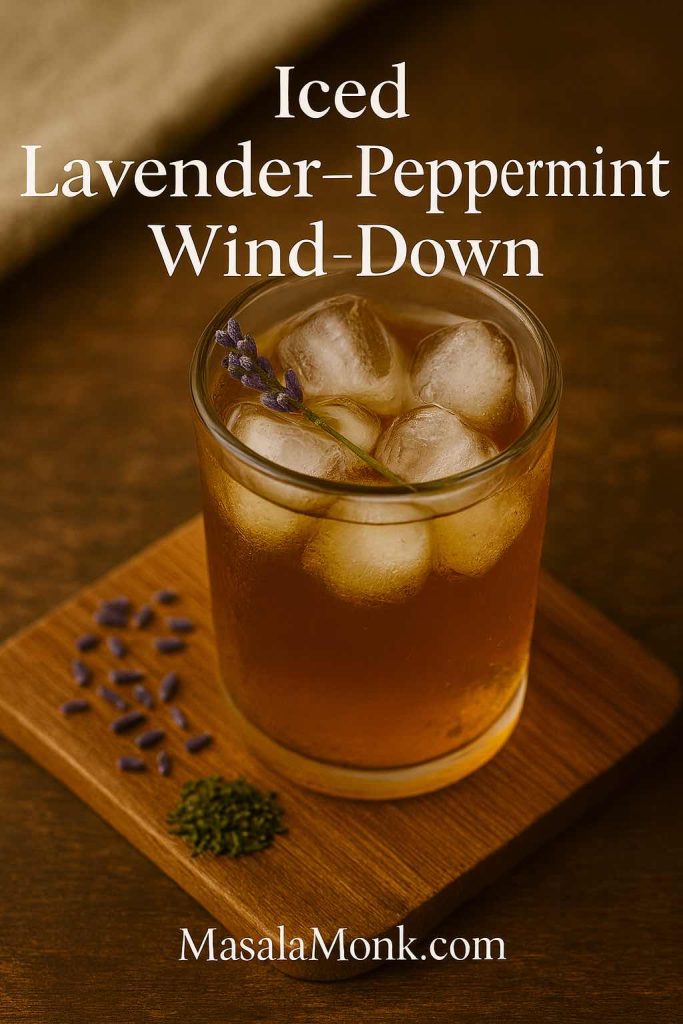
This is why lavender–peppermint blends are so popular in bedtime teas: floral serenity meets refreshing ease.
Other Herbs in the Bedtime Circle
While lavender and peppermint shine, they’re not alone. Other herbs often find their way into nighttime blends:
Chamomile: The world’s most famous bedtime herb, often used to reduce mild anxiety. (Caution: avoid if allergic to ragweed.)
Lemon balm: A citrusy herb with promising evidence for calming anxiety and improving sleep.
Passionflower: Small studies suggest it may improve subjective sleep quality.
Holy basil (Tulsi): A staple of Ayurveda, known for balancing stress and supporting calm.
👉 Want to explore more? Browse our complete guide to teas for sleeping.
Till now in this post we have explored the why — the science of how lavender calms the mind, how peppermint soothes the body, and why nightly rituals matter for better sleep.
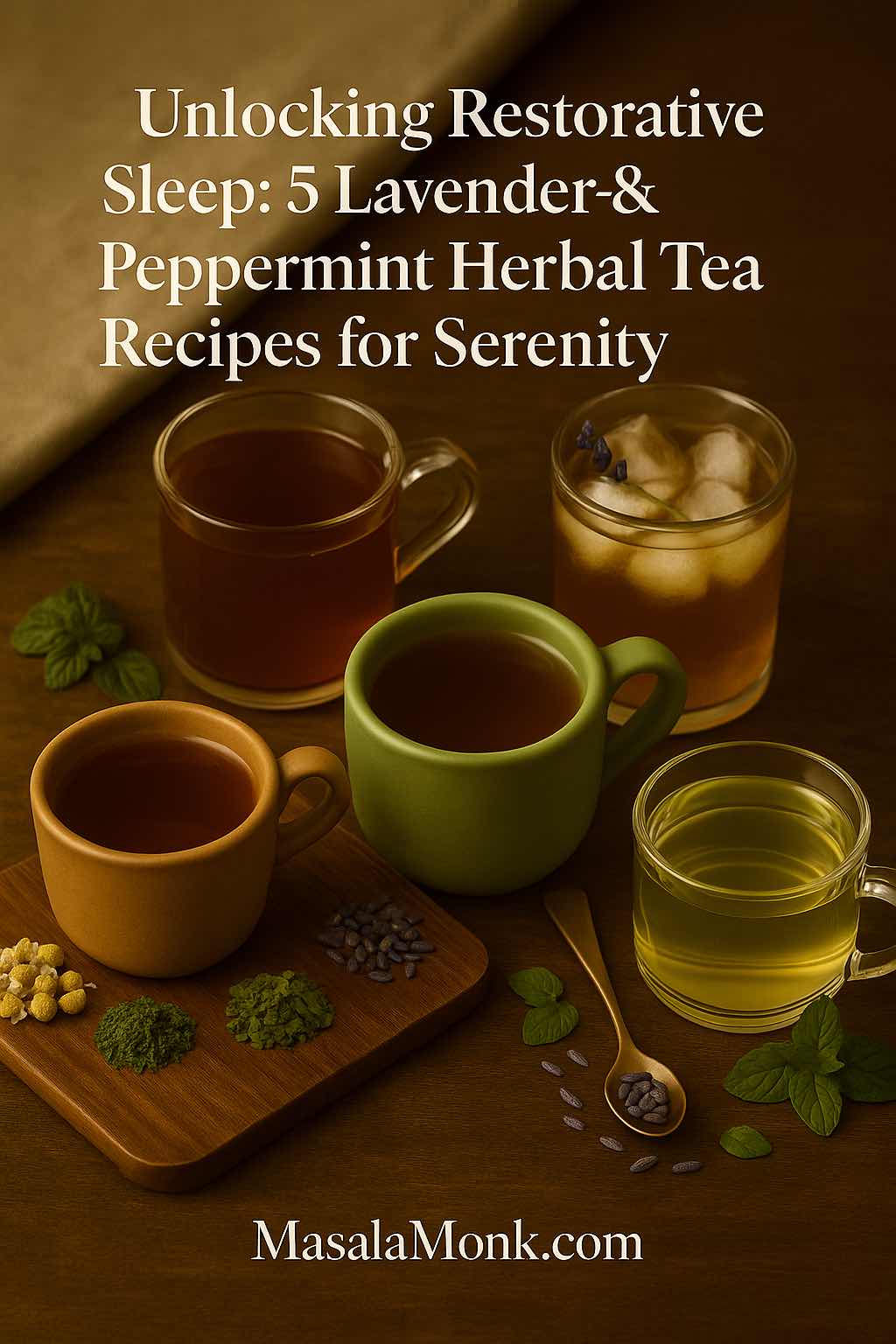
Now, let’s move from theory to your teacup. Here are five research-backed, easy-to-make recipes you can brew tonight to invite relaxation and restorative rest.
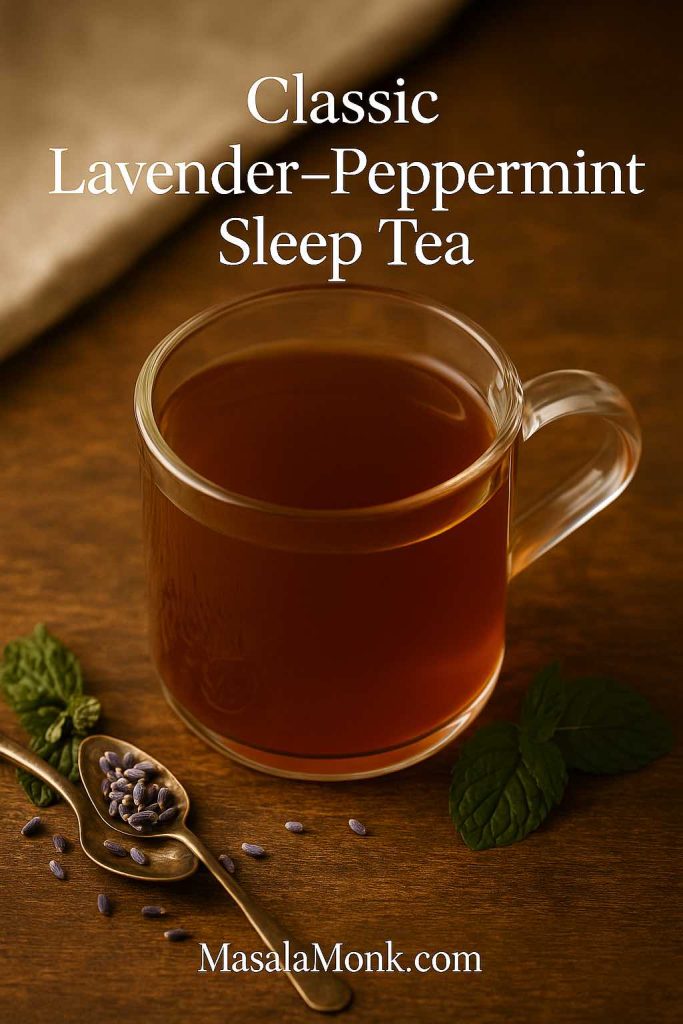
🌿 1. Classic Lavender–Peppermint Sleep Tea
Ingredients (for 1 cup)
2 g dried lavender buds (≈ 1½–2 tsp)
0.5–1 g dried peppermint leaves (≈ ¾–1 tsp)
250 mL boiling water (95–100 °C)
Unwind at night with our Classic Lavender–Peppermint Sleep Tea — a soothing herbal infusion that calms the mind and promotes restful sleep.
Method
Place lavender and peppermint in a cup or teapot.
Pour boiling water over the herbs.
Cover and steep for 7 minutes.
Strain and sip slowly.
💡 Why it works: Lavender has the strongest evidence for improving sleep quality at around 2 g per cup. Peppermint adds digestive comfort and a cooling freshness — perfect after dinner.
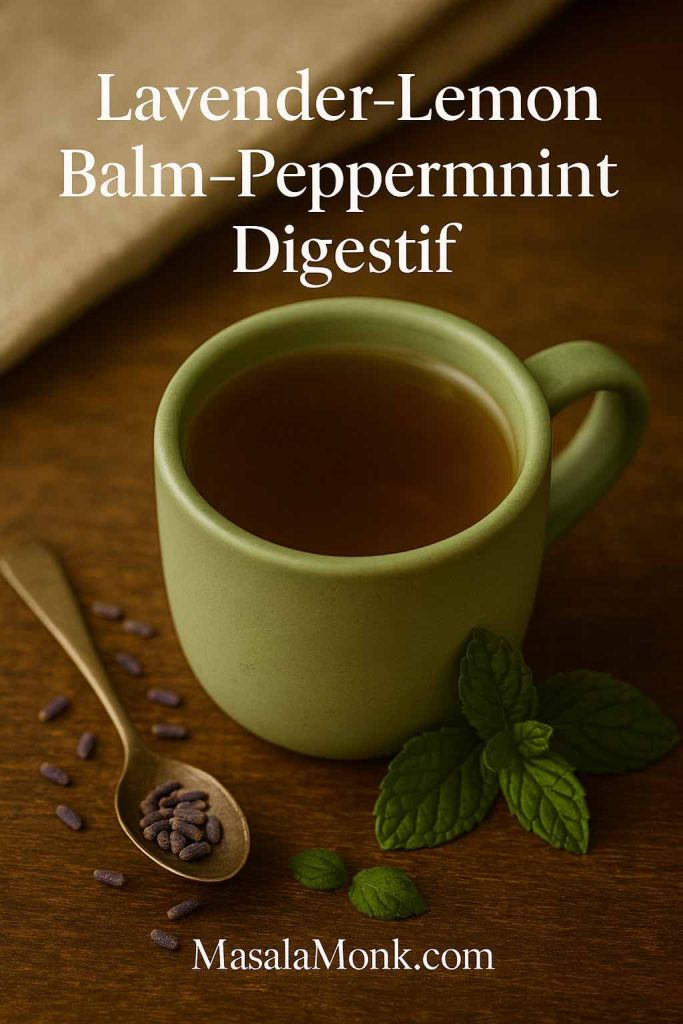
Support digestion and relaxation with Lavender–Lemon Balm–Peppermint Digestif — a gentle herbal tea to ease the stomach and calm the spirit.
Method
Add lavender, lemon balm, and peppermint to a cup.
Steep covered for 7–10 minutes.
Strain and sip slowly.
💡 Why it works: Lavender calms, lemon balm reduces anxiety, and peppermint soothes digestion — unless you’re reflux-prone, in which case you can leave it out.
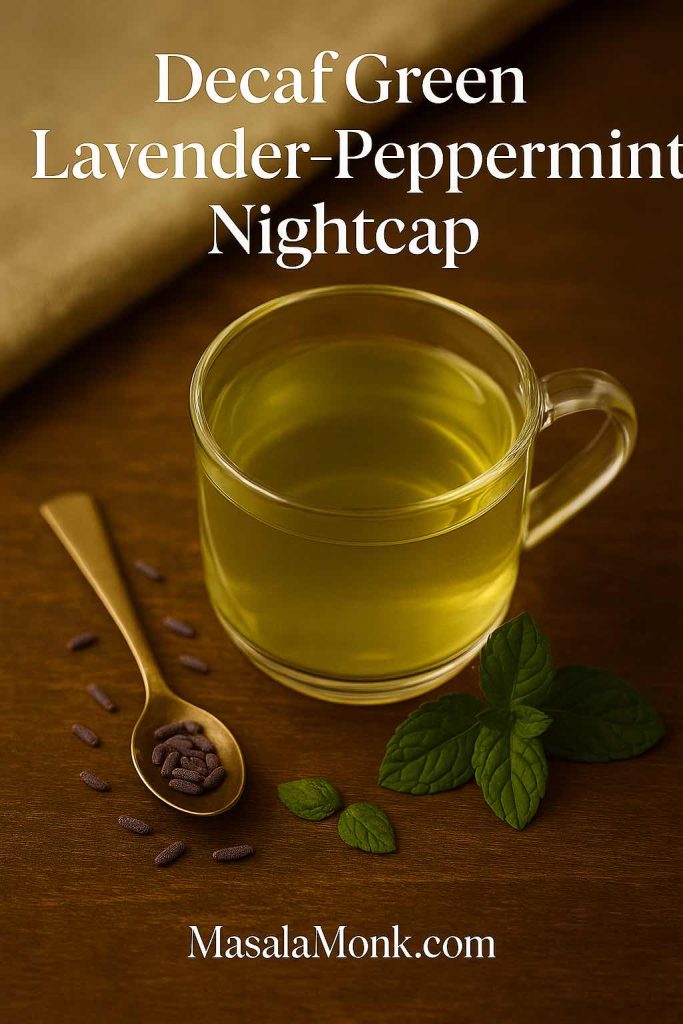
Enjoy a relaxing evening ritual with Decaf Green Lavender–Peppermint Nightcap — a caffeine-free blend crafted for peaceful nights.
Method
Brew green tea with lavender and peppermint.
Steep 2–3 minutes only.
Strain and enjoy.
⚡ Tip: Choose decaf green tea at night — regular green tea still has enough caffeine to delay sleep. Peppermint balances the grassy green tea notes with a cooling calm.
Even the best herbs won’t work if they’re not brewed properly. Here’s how to get the most out of every cup:
Use enough herb: Aim for 2 grams per cup — that’s about 1½–2 tsp of dried lavender buds.
Steep long enough: 7–10 minutes allows aromatic oils and polyphenols to fully infuse.
Cover your cup: Traps steam — and the calming essential oils that travel with it.
Watch the water temp: Herbal infusions love boiling water (95–100 °C). If using green tea as a base, stick to 75–80 °C.
Make it mindful: Don’t just gulp. Hold the cup. Inhale the steam. Sip slowly. Let it be a signal to your body: the day is done.
For contrast, you might enjoy starting your day with energy-boosting blends like our turmeric & moringa teas.
Safety First
Herbal teas are gentle, but not one-size-fits-all:
Lavender: Avoid ingesting essential oils; stick to tea or dried herbs. Limited safety data in pregnancy — consult your doctor.
Peppermint: May worsen reflux; swap for lemon balm if needed.
Chamomile: Avoid if you have ragweed/daisy-family allergies.
General: If you’re on sedatives or under medical care, check with your healthcare provider before daily use.
📖 Research Spotlight
Modern science is slowly catching up with what ancient traditions have always known — that herbs can gently shift the body into a calmer state.
In a clinical trial with older adults, participants who drank 2 g of lavender tea daily for two weeks reported significantly better sleep quality compared to those given half the amount.
Peppermint aromatherapy has also shown benefits for sleep in patients recovering from heart surgery — suggesting its calming properties extend beyond digestion.
Lemon balm and chamomile both have emerging evidence in reducing anxiety and restlessness, making them perfect allies in evening blends.
These studies don’t promise miracles, but they reinforce what many tea drinkers experience: a gentle, steady nudge toward peace and rest.
Sleep will never come from force — it arrives when the body feels safe to let go. What lavender and peppermint (and their herbal companions) offer is not a knockout punch, but a whisper: “It’s okay to rest now.”
By pairing their aromas and flavors with nightly ritual — dimming the lights, closing the laptop, cradling a warm mug — you create a personal sanctuary. Over time, the body learns: this moment, this tea, this stillness means the day is done.
So tonight, brew one of these blends. Breathe in the steam. Sip slowly. Let it be more than tea — let it be your invitation to deeper, more restorative sleep.
🌿 FAQs on Lavender & Peppermint Herbal Teas for Sleep
1. Can lavender tea really help me sleep better?
Yes. Clinical studies show that lavender can improve sleep quality by calming the nervous system and reducing anxiety. Drinking 2 g of lavender tea daily has been shown to help with insomnia and restlessness.
2. Does peppermint tea make you sleepy?
Peppermint isn’t sedative, but it relaxes muscles and soothes digestion, which helps you feel more comfortable and relaxed at bedtime. When combined with lavender, it enhances the overall calming effect.
3. Is it safe to drink lavender and peppermint tea every night?
For most healthy adults, yes. Herbal teas are generally safe in moderate amounts. Stick to 1–2 cups nightly. If you are pregnant, breastfeeding, or on medication, consult your doctor first.
4. Can peppermint tea cause acid reflux (GERD)?
Yes, in some people. Peppermint relaxes the lower esophageal sphincter, which may worsen reflux. If you experience heartburn, swap peppermint with lemon balm for similar calming benefits.
5. What’s the best time to drink lavender–peppermint tea for sleep?
Drink your tea 30–60 minutes before bedtime. This gives your body enough time to relax and your mind to associate the ritual with winding down.
6. How much lavender should I use per cup?
Research suggests around 2 g of dried lavender buds (≈ 1½–2 teaspoons) per cup is effective. Always steep for at least 7 minutes to release the beneficial compounds.
7. Can kids drink lavender and peppermint tea?
Small amounts (half strength) are usually safe for older children, but avoid giving herbal teas to infants and toddlers. Always check with a pediatrician before making it a habit.
8. Are there any side effects of lavender or peppermint tea?
Lavender: Limited data in pregnancy; avoid concentrated essential oils.
Peppermint: May worsen GERD.
Chamomile (if blended in): Avoid if allergic to ragweed/daisy family.
9. Can I use fresh herbs instead of dried?
Yes, fresh lavender and peppermint can be used, though you’ll need larger amounts (2–3x more) since fresh herbs have higher water content and lighter flavor.
10. What other herbs pair well with lavender and peppermint for sleep?
Chamomile: Reduces anxiety and promotes calm.
Lemon balm: Eases restlessness and digestive upset.
Passionflower: Supports better sleep cycles.
Tulsi (Holy Basil): Balances stress and enhances relaxation.