Introduction
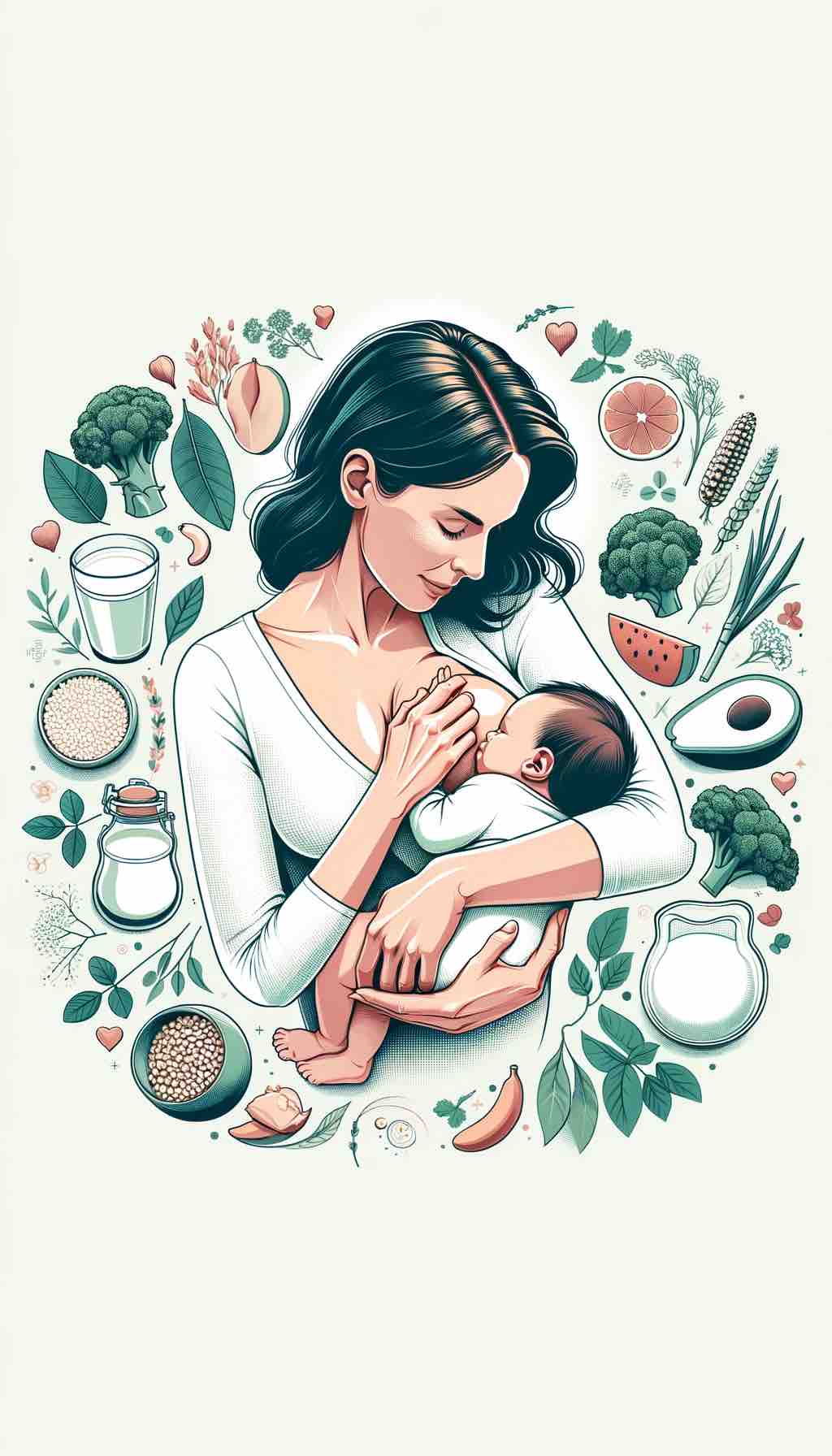
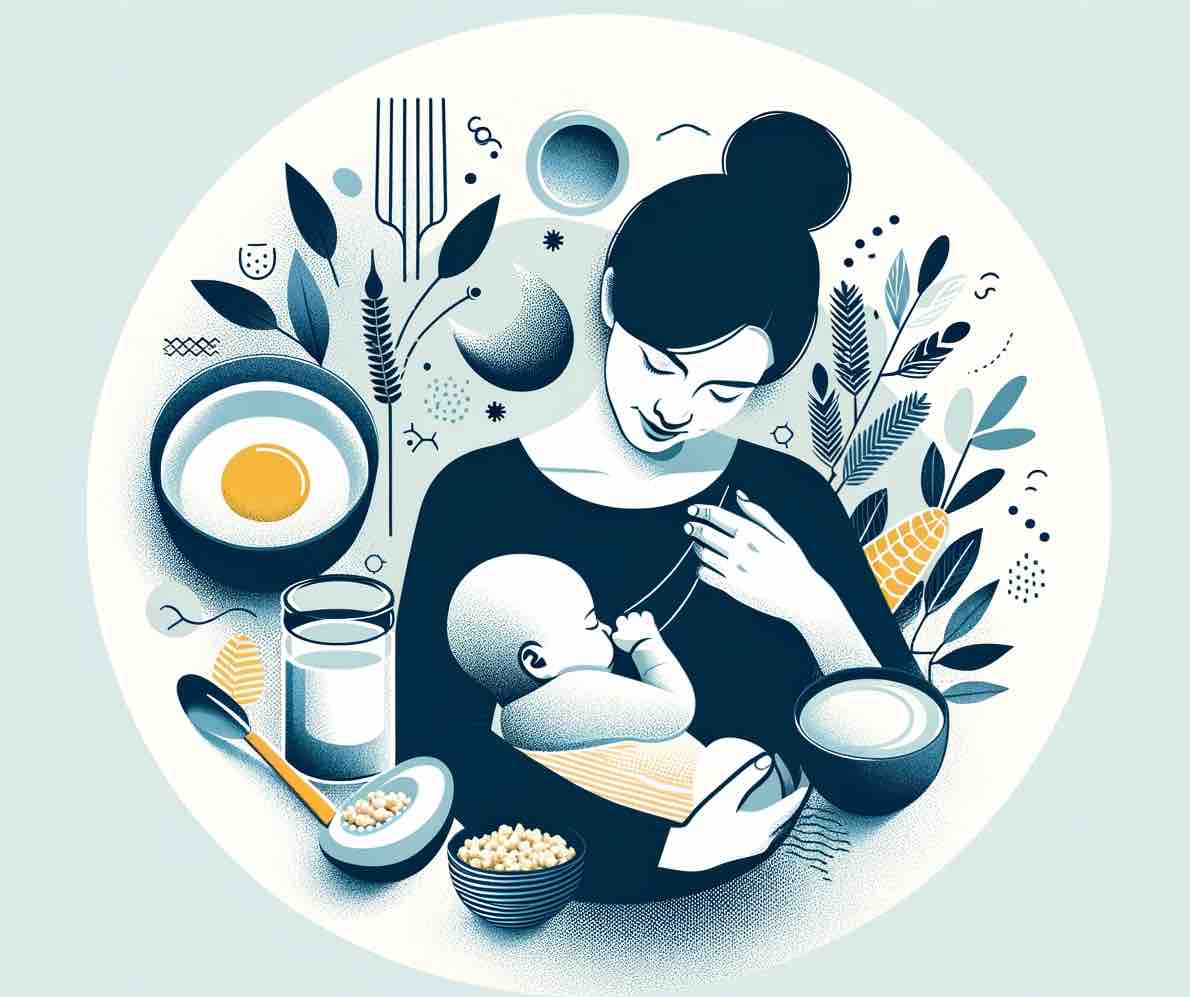
Embarking on the journey of motherhood brings with it a myriad of experiences, challenges, and triumphs. Among these, breastfeeding stands out as a unique and profoundly intimate aspect of the maternal journey. It’s a practice as ancient as humanity itself, yet it remains shrouded in a tapestry of myths, cultural practices, and ever-evolving scientific understanding. This blog post aims to unravel the complexities of breastfeeding, particularly focusing on how nutrition plays a pivotal role in supporting and enhancing lactation.
Breastfeeding, often perceived as the most natural and straightforward method of feeding a newborn, is anything but simple for many new mothers. It’s a journey that can be riddled with concerns about adequacy, supply, and the overall well-being of both mother and child. The heart of these concerns frequently circles back to one crucial element: nutrition. What a mother eats during this critical phase can have a profound impact on her milk production, the nutritional quality of her milk, and her overall health.
The significance of maternal nutrition in lactation has been a subject of research and discussion in both scientific circles and among traditional practitioners. While modern science has illuminated some aspects of this intricate relationship, traditional wisdom and practices still hold a valuable place, often passed down through generations. These practices, rich in cultural heritage, offer a cornucopia of dietary recommendations, herbal concoctions, and lifestyle modifications, all aimed at enhancing the breastfeeding experience.
In navigating this labyrinth of advice and information, it’s paramount for new mothers to be equipped with not just a list of foods or dietary guidelines, but a deeper understanding of how nutrition interplays with lactation. This understanding empowers mothers to make informed choices that resonate with their bodies, their babies, and their unique lifestyles.
Moreover, the act of breastfeeding extends beyond mere nutrition; it’s an intimate dance of bonding, love, and connection. It’s a period where the mother’s body is not just her own but a source of life and nourishment for her child. In this delicate balance, her dietary choices become more than just a matter of personal health; they become an act of nurturing and caring in the most fundamental way.
As we delve into the world of lactogenic foods, nutritional guidelines, and practical tips, this post aims to serve as a comprehensive guide. It’s designed to be a beacon of knowledge, shedding light on the path for breastfeeding mothers navigating the beautiful, sometimes turbulent waters of maternal nutrition. Let’s embark on this journey together, exploring the ways in which the right nutrition can support and enhance the incredible, life-giving act of breastfeeding.
Understanding Breastfeeding and Nutrition
The art and science of breastfeeding weave together a complex tale of biology, emotion, and, critically, nutrition. At the heart of this narrative is the understanding that lactation is not just a biological process but an intricate dance influenced by a multitude of factors, with nutrition playing a lead role.
The Biological Symphony of Lactation
Lactation is a remarkable biological process, orchestrated by a symphony of hormones, neural responses, and physical changes. Prolactin, known as the lactation hormone, plays a key role, but it’s not a solo performer. Oxytocin, often dubbed the ‘love hormone’, also steps in, facilitating the ‘let-down’ reflex, essential for milk ejection. But these hormones don’t act in a vacuum. Their effectiveness and the overall lactation process are significantly influenced by the mother’s nutritional status.
The Nutritional Pillars of Breastfeeding
A breastfeeding mother’s diet is not just about sustaining her own health; it’s about building the foundation of her baby’s growth and development. Breast milk, a dynamic and living fluid, is remarkably adept at meeting the infant’s nutritional needs. However, its composition can vary based on maternal diet. Key nutrients like fatty acids, particularly DHA, play a crucial role in the baby’s brain development. Vitamins and minerals consumed by the mother find their way into her milk, directly influencing its nutritive value.
The Balancing Act: Supply and Demand
One of the most fascinating aspects of breastfeeding is its supply-and-demand nature. Frequent nursing stimulates milk production, but adequate nutrition is the bedrock that supports this process. A well-nourished mother is more likely to have a steady milk supply, which adapts in quantity and composition to the growing needs of her baby.
The Role of Hydration
Hydration is another crucial factor. Breast milk is about 87% water, and thus, a mother’s hydration status can influence milk volume. Drinking sufficient fluids – water, soups, and other nutritious beverages – is essential, but there’s no need to force excessive amounts of fluid, as it doesn’t necessarily equate to increased milk production.
The Impact of Caloric Intake
Energy needs during breastfeeding are higher than during pregnancy. The body requires extra calories to synthesize breast milk – approximately 300-500 additional calories per day. These extra calories should come from nutrient-dense foods rather than empty calories, ensuring that both mother and baby receive the full spectrum of required nutrients.
Nutrients of Special Interest
Certain nutrients deserve special attention during lactation. These include:
- Calcium and Vitamin D: Essential for bone health for both mother and baby.
- Iron: To help replenish maternal stores and support cognitive development in infants.
- Omega-3 Fatty Acids: Especially DHA, crucial for the baby’s brain and eye development.
- Protein: Vital for the synthesis of breast milk and recovery post-delivery.
Dietary Diversity and Quality
The adage “eating for two” takes on a deeper meaning in breastfeeding. It’s not just about quantity but quality and diversity. A diet rich in fruits, vegetables, whole grains, lean proteins, and healthy fats ensures a broad spectrum of vitamins, minerals, and antioxidants, contributing to the overall quality of breast milk.
In summary, understanding the intersection of nutrition and lactation is key for new mothers. It’s about nurturing the body with a well-rounded, nutritious diet that supports the complex process of milk production and ensures the health and well-being of both mother and child. As we delve further into the specifics of lactogenic foods and dietary guidelines, remember: this journey is as unique as each mother and child pair, and nourishment comes in many forms, both physical and emotional.
Highlighting Lactogenic Foods
As we delve into the heart of lactation nutrition, it becomes essential to spotlight specific foods historically celebrated for their lactogenic properties. These are foods believed to naturally encourage milk production and enhance the overall quality of breast milk.
Galactagogues: Nature’s Gift to Nursing Mothers
Galactagogues are substances that promote lactation. They range from herbs to everyday foods. While scientific evidence on their efficacy varies, they have been used for centuries across various cultures and are deeply rooted in traditional lactation practices.
1. Oats: A Time-Tested Lactation Ally
- Nutritional Profile: Oats are a rich source of iron, fiber, and beta-glucan (a type of soluble fiber).
- Lactation Benefits: They’re believed to support milk supply, particularly in mothers experiencing low iron levels.
2. Barley: Hydration and Milk Production
- Nutritional Profile: High in beta-glucans, barley is a wholesome grain that aids hydration due to its water-absorbing properties.
- Lactation Benefits: It’s thought to boost prolactin (the lactation hormone) levels and hence, potentially enhance milk production.
3. Fenugreek: An Ancient Herb for Milk Supply
- Nutritional Profile: Rich in phytoestrogens, it’s a common ingredient in many lactation supplements.
- Lactation Benefits: Widely reported by mothers and some studies to increase milk volume, though more research is needed for conclusive evidence.
4. Brewer’s Yeast: A Nutritional Powerhouse
- Nutritional Profile: Contains iron, protein, B-vitamins, chromium, and selenium.
- Lactation Benefits: Often recommended for its potential to boost energy levels and milk supply.
5. Green Leafy Vegetables: Nutrient-Dense Lactation Support
- Nutritional Profile: Excellent sources of vitamins A, C, E, K, and minerals like calcium and iron.
- Lactation Benefits: Believed to contribute to overall health and, by extension, a healthier milk supply.
6. Fennel and Fennel Seeds: Traditional Lactation Enhancers
- Nutritional Profile: Contains phytoestrogens, similar to fenugreek.
- Lactation Benefits: Anecdotal evidence suggests it may help increase milk supply and alleviate colic symptoms in breastfed babies.
7. Almonds and Nuts: Healthy Fats for Quality Milk
- Nutritional Profile: Rich in healthy fats, protein, calcium, and magnesium.
- Lactation Benefits: Thought to improve the richness and quality of breast milk.
8. Garlic: A Flavorful Boost
- Nutritional Profile: Contains allicin, with potential antimicrobial properties.
- Lactation Benefits: Some studies indicate that garlic consumption may encourage babies to nurse longer, although the evidence is largely anecdotal.
9. Papaya: Tropical Galactagogue
- Nutritional Profile: Packed with vitamins, minerals, and digestive enzymes.
- Lactation Benefits: Traditionally used in Asia to enhance milk production, though scientific backing is limited.
10. Flaxseeds and Chia Seeds: Omega-3 Rich Seeds
- Nutritional Profile: Excellent sources of Omega-3 fatty acids, fiber, and antioxidants.
- Lactation Benefits: Omega-3s are crucial for infant brain development and may contribute to the fatty acid profile of breast milk.
Incorporating Lactogenic Foods into Your Diet
It’s not just about what you eat, but how you eat it. Incorporating these lactogenic foods into your diet can be simple, enjoyable, and immensely beneficial. From sprinkling flaxseeds on your morning yogurt to enjoying a warm bowl of oatmeal, the possibilities are diverse. Including a variety of these foods ensures not only a potential boost in milk supply but also a rich, balanced diet that nourishes both the mother and the baby.
A Note of Caution
While these foods are generally considered safe, it’s important to consume them in moderation and be mindful of any potential side effects. For instance, some mothers may find certain herbs like fenugreek to be too potent. As with any dietary change, it’s advisable to consult with a healthcare professional, especially when considering supplements or if you have specific health concerns.
In the next section, we’ll explore the broader nutritional guidelines for breastfeeding mothers, ensuring that the focus remains on a balanced, holistic approach to postpartum nutrition.
Nutritional Guidelines for Breastfeeding Mothers
Understanding the broader spectrum of nutrition during lactation is essential for both the well-being of the mother and the optimal development of the infant. This section delves into the nutritional guidelines that breastfeeding mothers can follow to ensure they are meeting both their own needs and those of their baby.
Emphasizing a Balanced Diet
- Variety is Key: A diet that includes a wide range of foods from all food groups ensures a comprehensive intake of essential nutrients. This includes fruits, vegetables, whole grains, protein sources, and dairy or dairy alternatives.
- Quality Over Quantity: It’s not just about eating more, but about choosing nutrient-dense foods that provide the necessary vitamins, minerals, and energy for lactation.
Caloric Intake and Quality
- Increased Caloric Needs: Breastfeeding mothers generally need about 300-500 extra calories per day, but this can vary based on the mother’s activity level, body weight, and metabolism.
- Focus on Nutrient-Dense Calories: Opt for calories that come packed with nutrients – whole foods, lean proteins, healthy fats, and complex carbohydrates.
Essential Nutrients in Focus
- Calcium and Vitamin D: Crucial for bone health, these can be sourced from dairy products, fortified plant-based milks, leafy greens, and fish.
- Iron: Vital for energy and recovery postpartum, iron can be found in lean meats, beans, tofu, and fortified cereals.
- Protein: A cornerstone for tissue repair and milk production, sources include lean meats, poultry, fish, eggs, dairy, legumes, and nuts.
- Omega-3 Fatty Acids: Essential for baby’s brain development, these are present in fatty fish, chia seeds, flaxseeds, and walnuts.
- Hydration: Sufficient fluid intake is crucial for milk production. Water, lactation teas, and nutrient-rich soups can help maintain hydration levels.
Dietary Diversity for Micronutrients
- Vitamins and Minerals: A varied diet ensures an adequate supply of essential vitamins and minerals. Fruits and vegetables of different colors provide a wide array of nutrients.
- Micronutrients: Small yet mighty, micronutrients like zinc, selenium, and various vitamins play significant roles in both maternal and infant health.
Handling Dietary Restrictions
- Vegetarian and Vegan Diets: It’s important to find alternative sources of essential nutrients like protein, calcium, iron, and vitamin B12.
- Food Intolerances and Allergies: Lactating mothers with food allergies or intolerances need to find safe and nutritious alternatives to ensure a balanced diet.
Listening to Your Body
- Hunger Cues: Pay attention to hunger and fullness cues. Breastfeeding can increase appetite, and it’s important to eat according to your body’s signals.
- Adaptable Eating Habits: Be flexible and willing to adjust your eating habits based on your energy needs and those of your growing baby.
Breastfeeding nutrition is about much more than just food; it’s about nurturing both the mother and the child in the most holistic way possible. A balanced, varied diet rich in essential nutrients not only supports lactation but also aids in the mother’s recovery and well-being. In the next section, we’ll address common myths surrounding breastfeeding and diet, providing evidence-based information to dispel these misconceptions.
Remember, while general guidelines are helpful, each mother’s needs are unique. It’s always advisable to consult with healthcare professionals for personalized nutritional advice.
Addressing Common Myths About Breastfeeding and Diet
The realm of breastfeeding is often clouded by myths and misconceptions, especially regarding the impact of diet on lactation. It’s crucial to dispel these myths with evidence-based information, ensuring that mothers receive reliable guidance. This section aims to clarify some common misunderstandings and provide factual insights.
Myth 1: Certain Foods Can Drastically Increase Milk Supply
- Fact Check: While certain foods (galactagogues) are believed to help with milk production, their effectiveness varies and is not universally guaranteed. The primary driver of milk supply is the demand created by the baby’s feeding.
- Evidence-Based Insight: Regular breastfeeding or pumping is the most effective way to increase milk supply. Nutritional support plays a supportive role, not a primary one.
Myth 2: Breastfeeding Mothers Need to Drink Milk to Produce Milk
- Fact Check: Dairy consumption is not a prerequisite for lactation. The ability to produce breast milk does not depend on drinking cow’s milk.
- Evidence-Based Insight: The key is to ensure an adequate intake of calcium, which can be obtained from various sources, including fortified plant-based beverages, leafy greens, and certain fish.
Myth 3: Spicy or Flavorful Foods Affect the Baby
- Fact Check: Most babies tolerate a variety of flavors in breast milk, which can change slightly based on the mother’s diet.
- Evidence-Based Insight: Exposing infants to different flavors through breast milk may even help in developing their taste preferences later in life.
Myth 4: Avoiding “Gassy” Foods Prevents Infant Colic
- Fact Check: Foods that cause gas in the mother, such as beans or broccoli, do not necessarily affect the baby.
- Evidence-Based Insight: Each baby’s sensitivity to different foods can vary. If you notice a pattern of fussiness linked to specific foods, discuss it with a healthcare provider.
Myth 5: Alcohol Enhances Lactation
- Fact Check: The consumption of alcohol is not advisable for enhancing milk production. While older beliefs suggested beer could stimulate milk, this is not supported by current research.
- Evidence-Based Insight: Alcohol can actually inhibit milk let-down and its presence in breast milk can affect the baby.
Myth 6: Strict Dieting is Safe During Breastfeeding
- Fact Check: Aggressive dieting or caloric restriction is not recommended while breastfeeding.
- Evidence-Based Insight: A moderate, balanced approach to weight loss, focusing on gradual changes and nutrient-rich foods, is safer and more sustainable.
Myth 7: Breastfeeding Mothers Need a Perfect Diet to Produce Quality Milk
- Fact Check: While nutrition impacts the quality of breast milk to some extent, human milk is remarkably resilient and consistently provides key nutrients.
- Evidence-Based Insight: A varied, balanced diet benefits both mother and baby, but perfection is not necessary for effective lactation.
Navigating the Truth
Understanding the difference between myths and facts is crucial for breastfeeding mothers. It empowers them to make informed decisions and avoid undue stress or guilt about their diet. Remember, lactation is a natural process, and the human body is adept at ensuring the baby’s nutritional needs are met. Always consult with healthcare professionals for advice tailored to your individual health and circumstances.
In the following section, we’ll provide practical tips and dietary advice, focusing on incorporating lactogenic foods and maintaining a balanced diet during the breastfeeding journey.
Practical Tips and Dietary Advice for Breastfeeding Mothers
Having explored the nutritional foundations and debunked common myths, let’s focus on practical dietary strategies and tips for breastfeeding mothers. These suggestions are designed to be easily integrated into daily routines, ensuring that lactation support through diet is both manageable and enjoyable.
Incorporating Lactogenic Foods into Daily Meals
- Oats for Breakfast: Start your day with a bowl of oatmeal. Rich in fiber and believed to support milk production, it’s a perfect breakfast option. Add fruits, nuts, or a spoonful of honey for extra flavor and nutrition.
- Snacking on Nuts and Seeds: Almonds, chia seeds, and flaxseeds are great for snacking. They’re convenient, nutritious, and can be added to smoothies, yogurts, or salads.
- Barley in Soups and Stews: Barley can be a delicious addition to soups and stews, providing a satisfying and lactogenic boost.
- Fenugreek in Cooking: Use fenugreek seeds in your cooking for an aromatic flavor. They can be used in curries, stews, or even as a seasoning for meats.
- Green Leafy Vegetables in Meals: Spinach, kale, and other leafy greens can be incorporated into a variety of dishes, from salads to sautéed side dishes.
Hydration: Drinking Smartly
- Water Is Essential: Keep yourself well-hydrated by drinking water throughout the day. Carry a water bottle with you as a reminder.
- Herbal Teas: Some herbal teas are believed to support lactation. Look for teas specifically formulated for breastfeeding mothers.
- Limiting Caffeine: It’s okay to have a cup of coffee or tea, but be mindful of your caffeine intake, as it can affect some babies.
Balanced and Diverse Diet
- Colorful Plates: Ensure your meals are colorful, incorporating a variety of fruits and vegetables. This not only makes meals more appealing but also ensures a range of nutrients.
- Quality Proteins: Include lean meats, poultry, fish, eggs, or plant-based protein sources like beans and lentils in your diet.
- Whole Grains: Opt for whole grain bread, pasta, and rice. These provide sustained energy and essential nutrients.
Snack Wisely
- Healthy Snacking: Keep healthy snacks handy for when hunger strikes. Yogurt, fruit, lactation cookies, or a handful of nuts can be great choices.
- Lactation Boosting Bites: Try homemade lactation cookies or energy bites made with ingredients like oats, brewer’s yeast, and flaxseeds.
Moderation and Mindfulness
- Listen to Your Body: Eat when you’re hungry and stop when you’re full. Breastfeeding can increase appetite, so it’s important to respond to your body’s cues.
- Avoiding Over-restriction: While it’s okay to be mindful of what you eat, avoid overly restrictive diets that may deprive you and your baby of essential nutrients.
Conclusion: Enjoy Your Food, Nurture Your Body
The key to a successful lactation diet lies in balance, diversity, and enjoyment of food. By incorporating these practical tips, breastfeeding mothers can ensure they’re not only nourishing their bodies but also enjoying their meals. In the next section, we’ll explore the role of lifestyle factors beyond diet that influence lactation, providing a comprehensive approach to breastfeeding support.
Remember, every mother’s journey is unique, and what works for one may not work for another. It’s always advisable to consult with a healthcare provider or a lactation consultant for personalized advice and support.
10 FAQs and Answers for Breastfeeding and Nutrition
- Q: How often should I eat when breastfeeding? A: Listen to your body’s hunger cues. Breastfeeding may increase your appetite, so it’s important to eat when you’re hungry. Focus on nutrient-dense foods and maintain regular meal times.
- Q: Are there specific foods that increase milk supply? A: While foods like oats, barley, and certain seeds and nuts are believed to support lactation, the best way to increase milk supply is through frequent breastfeeding or pumping.
- Q: Can I drink coffee while breastfeeding? A: Yes, in moderation. It’s generally safe to have a cup of coffee, but excessive caffeine can affect some babies. Limit your intake and observe your baby for any changes.
- Q: Do I need to avoid spicy foods during breastfeeding? A: Not necessarily. Most babies tolerate a variety of flavors in breast milk. However, if you notice any adverse reactions in your baby, you might reconsider certain foods.
- Q: How much extra water should I drink while breastfeeding? A: Stay hydrated by drinking to thirst. There’s no fixed amount, but carrying a water bottle and sipping throughout the day can help.
- Q: Is it necessary to take supplements while breastfeeding? A: It depends on your dietary intake and any specific nutritional needs. Consult a healthcare provider to determine if you need supplements like Vitamin D, iron, or Omega-3s.
- Q: Can breastfeeding help with post-pregnancy weight loss? A: Breastfeeding can contribute to post-pregnancy weight loss, as it burns extra calories. However, focus on a balanced diet and gradual weight loss rather than drastic calorie reduction.
- Q: Are lactation supplements and teas effective? A: Some women find lactation supplements and teas helpful, but their efficacy can vary. Always check with a healthcare provider before starting any supplements.
- Q: What are the best snacks for breastfeeding moms? A: Opt for snacks that are rich in protein and fiber, like nuts, yogurt, fruit, or lactation cookies. These help keep you full and provide essential nutrients.
- Q: How can I ensure my vegan diet is sufficient for breastfeeding? A: Focus on a variety of plant-based protein sources, fortified foods, and possibly supplements for nutrients like B12 and Omega-3. Consulting a dietitian can be helpful.
Blog Tags
Breastfeeding Nutrition, Lactation Diet, Postpartum Health, Maternal Wellness, Infant Development, Balanced Diet, Lactogenic Foods, Breastfeeding Tips, Healthy Snacking, Hydration for Nursing Moms