Posted on Leave a comment

7 Benefits of Cardamom for Skin (& 4 DIY Masks)

Unleashing the Wonders of Cardamom: A Luxurious Journey for Your Skin

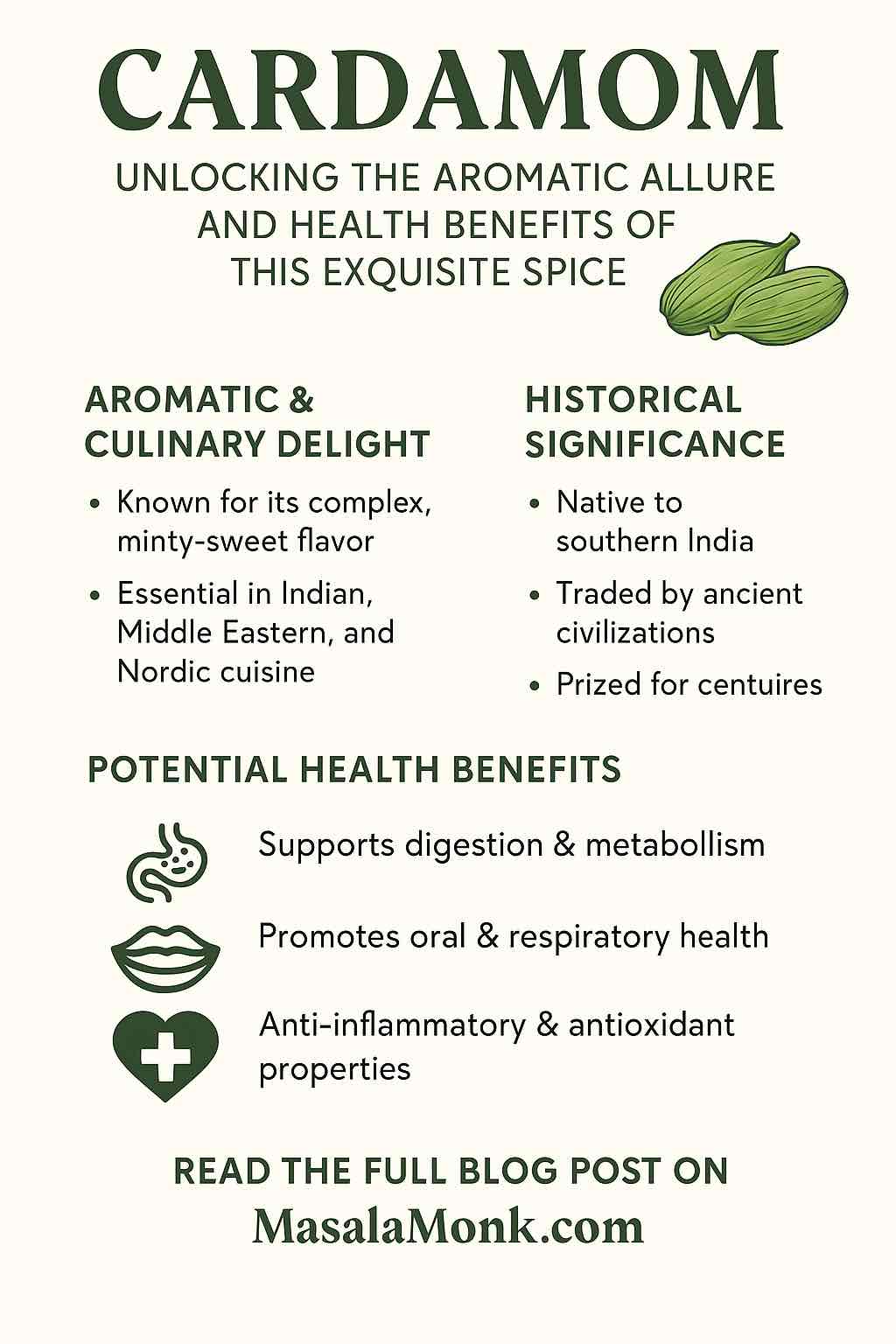
Welcome to a world where your kitchen spice rack holds the key to unlocking the secrets of radiant, youthful skin. Cardamom, an ancient spice, revered in culinary circles, is also a hidden gem in skincare. Its remarkable benefits range from battling signs of aging to soothing and rejuvenating tired skin. Let’s embark on this aromatic journey and explore how cardamom can transform your skincare regimen.

The Spectacular Skin Benefits of Cardamom

1. Antioxidant Haven: Cardamom is a treasure chest of antioxidants, providing your skin with a defense against premature aging. Envision a natural barrier shielding your skin from environmental stressors, leaving it youthful and vibrant.

2. Combat Skin Ailments with Antimicrobial Properties: Troubled by acne or skin infections? Cardamom’s natural antimicrobial abilities come to the rescue, ensuring your complexion remains clear and flawless.

3. Anti-inflammatory Wonder: Soothe and calm your irritated skin with cardamom’s anti-inflammatory magic. It reduces redness and brings relief to inflamed skin, restoring its natural tranquility.

4. Detoxifying Elixir: Revive your skin from the stresses of daily life. Cardamom’s detoxifying properties cleanse your skin, leaving it fresh and rejuvenated, as if it’s been pampered by a professional.

5. The Ultimate Hydrator: Combat dryness and achieve a supple, hydrated look. Cardamom, brimming with essential nutrients, ensures your skin is moisturized and glowing with health.

Incorporating Cardamom into Your Skincare Routine

  1. DIY Cardamom Face Masks: Whip up a quick face mask by mixing ground cardamom with honey for an antioxidant-rich, moisturizing treat.
  2. Cardamom Steam Facial: Add a few cardamom pods to your facial steam. It’s a perfect way to open up pores and imbue your skin with its benefits.
  3. Cardamom Infused Oils: Use cardamom-infused oils as part of your nightly skincare routine for a soothing and rejuvenating effect.

DIY Cardamom Masks: Your At-Home Spa Experience

  1. Cardamom & Honey Hydration Mask:
  • Mix 1 teaspoon of ground cardamom with 2 tablespoons of honey.
  • Apply to your face, leave for 15 minutes, then rinse with warm water.
  • Ideal for: Hydrating and imparting a natural glow.
  1. Cardamom, Oatmeal & Yogurt Soothing Mask:
  • Combine ½ teaspoon of ground cardamom, 2 tablespoons of oatmeal, and 2 tablespoons of yogurt.
  • Apply the mixture, leave for 20 minutes, and rinse.
  • Ideal for: Soothing sensitive skin and gentle exfoliation.
  1. Cardamom & Green Tea Antioxidant Mask:
  • Steep a green tea bag in hot water, then mix in ½ teaspoon of cardamom powder.
  • Apply the cool mixture to your face for 20 minutes before rinsing.
  • Ideal for: Fighting oxidative stress and rejuvenating tired skin.
  1. Cardamom, Turmeric & Lemon Brightening Mask:
  • Mix ½ teaspoon each of cardamom powder, turmeric, and a few drops of lemon juice.
  • Apply, leave for 15 minutes, and then rinse with cool water.
  • Ideal for: Brightening the complexion and reducing dark spots.

Cardamom: A Versatile Spice for Overall Wellness

Beyond its skin benefits, cardamom is a holistic health enhancer. From aiding digestion and respiratory health to its potential in managing blood pressure, cardamom is a spice that nurtures your overall wellbeing. Its aromatic properties also offer a calming effect, reducing stress and elevating your mood.

Embracing the Mystique of Cardamom in Skincare

Integrating cardamom into your skincare routine is not just about enhancing beauty; it’s a celebration of ancient wisdom and natural wellness. This spice’s multifaceted properties make it an invaluable addition to your beauty arsenal, promising a journey to radiant, healthy skin and beyond. Let the allure of cardamom transform your skincare into an indulgent, effective ritual.


10 FAQs for Cardamom Skin Care

1. Q: Can cardamom really improve skin health? A: Absolutely! Cardamom is rich in antioxidants and antimicrobial properties, making it great for fighting skin aging, acne, and promoting overall skin health.

2. Q: Is cardamom good for all skin types? A: Yes, cardamom is generally good for all skin types. However, if you have sensitive skin, it’s always best to do a patch test first.

3. Q: How often can I use cardamom masks? A: You can use cardamom masks 1-2 times a week. It’s important not to overdo it to maintain the natural balance of your skin.

4. Q: Can I use cardamom if I have acne-prone skin? A: Yes, cardamom can be beneficial for acne-prone skin due to its antimicrobial properties. It can help in reducing acne and improving skin clarity.

5. Q: Are there any side effects of using cardamom on the skin? A: Cardamom is generally safe for topical use, but some people may experience irritation. Always conduct a patch test before full application.

6. Q: Can cardamom help with skin aging? A: Yes, the antioxidants in cardamom can help in combating signs of aging such as wrinkles and fine lines.

7. Q: How can I incorporate cardamom into my skincare routine? A: You can incorporate cardamom by using DIY cardamom masks, cardamom-infused oils, or adding it to your regular skincare products.

8. Q: Can cardamom lighten the skin? A: Cardamom can help in brightening the skin and reducing dark spots, but it does not bleach the skin.

9. Q: Is cardamom effective in treating skin inflammation? A: Yes, cardamom has anti-inflammatory properties that can help in reducing skin inflammation and redness.

10. Q: Where can I find cardamom for skincare? A: You can find cardamom in grocery stores, spice markets, or online. Make sure to use pure, high-quality cardamom for the best results.

Blog Tags for the Post

Cardamom Skincare, Natural Beauty, DIY Masks, Antioxidant Skincare, Anti-Aging, Acne Solutions, Skin Hydration, Detoxifying Skincare, Glowing Skin, Holistic Health

Posted on Leave a comment

5 Reasons to eat Turmeric for PCOS

Polycystic Ovary Syndrome (PCOS) affects a significant number of women globally, leading to various symptoms and increasing the risk of several health issues. Nature provides a golden remedy in the form of turmeric. This post delves into the reasons why incorporating turmeric into your diet can be a boon for managing PCOS.

5 Golden Reasons to Embrace Turmeric for PCOS

  1. Combatting Inflammation: At the core of PCOS is chronic inflammation, and turmeric shines as a potent anti-inflammatory agent. Curcumin, its active compound, fights inflammation at a molecular level, addressing the root cause of PCOS symptoms and reducing them significantly.
  2. Reducing Oxidative Stress: Women with PCOS often face high levels of oxidative stress. Turmeric, being a rich source of antioxidants, not only combats this stress but also enhances the body’s natural antioxidative defenses, promoting overall cellular health.
  3. Aiding Liver Function: A healthy liver is crucial in PCOS for detoxification and hormone balance. Turmeric boosts bile production, aiding in the removal of toxins and excess hormones, thereby supporting liver health.
  4. Lowering Insulin Resistance: A large proportion of women with PCOS struggle with insulin resistance. Turmeric has been shown to improve cell response to insulin, thus aiding in managing this aspect of PCOS and reducing associated symptoms like weight gain.
  5. Elevating Moods: Hormonal imbalances in PCOS often lead to mood swings and depression. Curcumin helps in elevating mood by increasing the levels of brain-derived neurotrophic factor (BDNF) and boosting the production of ‘happy hormones’ like dopamine and serotonin.

Incorporating Turmeric in Your PCOS Diet

  • Turmeric Tea or Milk: Enjoy the goodness of turmeric in the form of warm, comforting tea or milk. Known as ‘Haldi Doodh,’ turmeric milk is not just soothing but also aids in weight management.
  • Cooking with Turmeric: Add turmeric to your curries, soups, and stews. Its distinct flavor and color can enhance any dish while providing health benefits.
  • Turmeric Supplements: For a more concentrated dose, consider turmeric supplements. However, consult with a healthcare provider for the appropriate dosage and potential interactions with medications.

Final Thoughts

Turmeric for PCOS goes beyond just symptom management; it works towards creating a healthier, more balanced body system. With its multitude of benefits, it’s a spice that deserves a place in your wellness journey against PCOS. As with any supplement or dietary change, especially for health conditions like PCOS, consultation with a healthcare provider is crucial.

10 FAQs About Turmeric for PCOS

  1. How does turmeric help in managing PCOS? Turmeric contains curcumin, which has anti-inflammatory and antioxidant properties, helping to reduce inflammation and oxidative stress associated with PCOS.
  2. Can turmeric cure PCOS completely? While turmeric cannot cure PCOS, it can significantly alleviate symptoms and improve overall health in individuals with PCOS.
  3. How much turmeric should I consume daily for PCOS? About 1 gram of turmeric per day is suggested, but it’s essential to consult with a healthcare provider for personalized advice.
  4. Is it safe to take turmeric supplements for PCOS? Turmeric supplements can be beneficial, but you should consult with a healthcare provider for proper dosage and to avoid potential side effects.
  5. Can turmeric help with weight management in PCOS? Yes, turmeric can aid in weight management by improving insulin sensitivity and reducing inflammation, which are often concerns in PCOS.
  6. Will turmeric help with menstrual irregularities in PCOS? Turmeric may help regulate hormonal imbalances, potentially aiding in menstrual regularity in PCOS patients.
  7. Can turmeric alleviate mood swings associated with PCOS? Yes, curcumin in turmeric can elevate mood by increasing BDNF levels and boosting dopamine and serotonin production.
  8. Are there any side effects of using turmeric for PCOS? In moderate amounts, turmeric is generally safe. However, high doses can cause indigestion, nausea, or diarrhea.
  9. How can I include turmeric in my diet for PCOS? Turmeric can be added to teas, smoothies, and culinary dishes. Turmeric milk, also known as ‘Haldi Doodh’, is another popular option.
  10. Does turmeric interact with any PCOS medications? Turmeric may interact with certain medications. It’s important to consult a healthcare provider before adding it to your regimen.

Blog Tags

turmeric, PCOS, women’s health, natural remedies, anti-inflammatory, antioxidant, hormonal balance, menstrual health, dietary management, curcumin

Posted on 5 Comments

6 Health Benefits of Fennel Seeds for Skin

Welcome to the world of fennel seeds – an unassuming yet powerful ingredient that holds the key to radiant, youthful skin and a host of other health benefits. This comprehensive guide delves into the myriad of ways fennel seeds can enhance your wellbeing, focusing primarily on skin health but also touching upon their overall nutritional value.

The Skin Care Powerhouse

  1. Antioxidant-Rich Natural Antiseptic: Fennel seeds are packed with antioxidants, acting as a natural antiseptic for your skin. They work wonders in fading dark spots, reducing wrinkles, and combating fine lines. Incorporate a fennel seed-infused product into your skincare routine and witness a visible improvement in your skin texture.
  2. Cellulite and Aging Combatant: The diuretic properties of fennel seeds help in flushing out toxins, thereby reducing cellulite. Anethole, a compound in fennel seeds, boosts collagen production, providing an anti-aging effect that rejuvenates your skin from within.
  3. Deep Cleansing Agent: Utilize fennel seed water as a deep cleanser to unclog pores and purge impurities like dirt and dead skin cells. Its antibacterial properties make it an excellent remedy for acne-prone skin.
  4. Puffy Eyes No More: The soothing properties of fennel seeds can effectively reduce puffiness around the eyes. Using fennel seed water ice cubes is a quick and refreshing way to soothe tired, puffy eyes.

Beyond Skin: Holistic Health Benefits

  1. Digestive Health: Fennel seeds are known for their ability to soothe the digestive system, reducing gas, bloating, and stomach cramps. Regular consumption can lead to improved digestion and gut health.
  2. Anti-inflammatory and Anticarcinogenic: These seeds have potent anti-inflammatory properties, making them beneficial in reducing chronic inflammation. Their anticarcinogenic qualities also suggest a potential role in cancer prevention.
  3. Respiratory Relief: Fennel seeds can be effective in alleviating respiratory ailments like asthma and congestion, thanks to their expectorant properties.
  4. Hormonal Balance: Particularly beneficial for women, fennel seeds help in regulating menstrual cycles and alleviating symptoms of menopause, promoting hormonal balance.

Incorporating Fennel Seeds into Your Life

  1. Fennel Tea: Start your day with a cup of fennel tea. It’s not only a skin elixir but also a health tonic that can improve your overall wellbeing.
  2. Topical Application: Create face masks using ground fennel seeds mixed with ingredients like yogurt and honey for a nourishing and natural skin treatment.
  3. Culinary Uses: Incorporate fennel seeds into your cooking. They add a sweet, licorice-like flavor to dishes and provide a nutritional boost.
  4. Direct Consumption: Chew on raw fennel seeds post-meals for fresh breath and digestive benefits.

Conclusion

Fennel seeds are not just a culinary delight but a versatile, potent ingredient for skin health and overall wellness. Their multifaceted benefits make them a must-have in your health and beauty arsenal. Embrace the power of fennel seeds and unlock a world of natural, effective health solutions!


10 FAQs About Fennel Seeds for Skin Health

  1. What are the main benefits of fennel seeds for skin? Fennel seeds offer a range of benefits including acting as a natural antiseptic, reducing cellulite, anti-aging effects, deep skin cleansing, treating acne, and soothing puffy eyes.
  2. Can fennel seeds help with acne? Yes, their antiseptic and anti-inflammatory properties make fennel seeds effective in treating acne.
  3. How do fennel seeds aid in anti-aging? The antioxidant properties of fennel seeds combat free radicals, thus reducing signs of aging like wrinkles and fine lines.
  4. Is it safe to use fennel seeds on all skin types? Generally, yes, but it’s always best to do a patch test first, especially if you have sensitive skin.
  5. Can I use fennel seeds to treat skin pigmentation? Yes, their antioxidants and vitamins can help in reducing dark spots and uneven skin tone.
  6. How can I use fennel seeds in my skincare routine? You can make a face mask with ground fennel seeds, use fennel seed water as a toner, or drink fennel tea for internal benefits.
  7. Do fennel seeds have benefits for hair as well? Yes, fennel seeds can promote hair growth, reduce scalp itchiness, and improve hair texture.
  8. Are there any dietary benefits of consuming fennel seeds? Fennel seeds aid digestion, provide anti-inflammatory benefits, and can improve overall health.
  9. How often can I use fennel seeds on my skin? For topical use, 2-3 times a week is usually safe. As a dietary supplement, follow the recommended daily intake.
  10. Can fennel seeds be used for sensitive skin? Yes, but it’s advisable to start with lower concentrations and monitor your skin’s response.

Blog Tags

fennel seeds, skin health, natural skincare, acne treatment, anti-aging, detoxification, digestive health, herbal remedy, wellness, nutrition

Posted on Leave a comment

Is it safe to eat Clove during Pregnancy?

Pregnancy is a time of heightened awareness, especially when it comes to diet. Cloves, a common spice, often come into focus for expecting mothers. Let’s explore whether it’s safe to incorporate this aromatic bud into your pregnancy diet.

Cloves: A Brief Overview

Cloves are the flower buds of the clove tree, used as a spice in cuisines worldwide. They’re known for their intense aroma and a pungent, sweet flavor. Apart from culinary uses, cloves are renowned for their medicinal properties, thanks to the presence of compounds like eugenol.

Nutritional Value of Cloves

Cloves are not just flavorful; they are also packed with nutrients. They contain vitamins such as Vitamin E and K, minerals like calcium, iron, and manganese, and are rich in antioxidants and dietary fiber. This nutritional profile makes them a potentially beneficial addition to any diet, including that of pregnant women.

The Safety Profile of Cloves During Pregnancy

In Moderation

The consensus among health experts is that cloves, when used in their spice form, are generally safe to consume during pregnancy in moderation. They can be used to add flavor to various dishes and can contribute to the nutritional diversity of your pregnancy diet.

Caution with Concentrated Forms

However, caution is advised regarding concentrated forms like clove oil or supplements. These forms contain higher concentrations of active compounds and may pose risks during pregnancy. It’s generally recommended to avoid clove oil and supplements.

Potential Health Benefits

  1. Immunity Boost: The antioxidants in cloves can help in boosting the immune system, which is crucial during pregnancy.
  2. Digestive Health: The dietary fiber in cloves can aid in improving digestion and managing constipation, a common issue during pregnancy.
  3. Fetal Development: The presence of essential nutrients supports overall fetal development.

Potential Risks and Side Effects

  1. Excessive Consumption: Consuming cloves in large quantities might lead to complications. It’s essential to use them as a flavor enhancer rather than a primary ingredient.
  2. Clove Oil and Supplements: As previously mentioned, clove oil and supplements are best avoided due to their higher potency and potential risks.

How to Incorporate Cloves into Your Pregnancy Diet

  1. Cooking: Use ground or whole cloves to season dishes.
  2. Clove Tea: A mild clove tea can be a soothing addition, but ensure it’s taken in moderation.
  3. Avoid Medicinal Use: Refrain from using cloves as a remedy for ailments during pregnancy without consulting a healthcare provider.

Precautions and Consultations

  • Consult Healthcare Providers: It’s always wise to consult with your healthcare provider before making any significant dietary changes during pregnancy.
  • Watch for Allergies: Be mindful of any allergic reactions to cloves and discontinue use if necessary.
  • Balance and Moderation: Remember, cloves should be a part of a balanced and varied pregnancy diet.

In summary, cloves can be a safe and beneficial addition to a pregnancy diet when used in moderation as a spice. However, concentrated forms like clove oil and supplements should be avoided. As with any dietary consideration during pregnancy, the key is balance, moderation, and consulting healthcare providers for personalized advice.

10 FAQs About Consuming Cloves During Pregnancy

1. Can I use cloves in my daily cooking during pregnancy? Yes, cloves can be safely used as a spice in your daily cooking during pregnancy. They add flavor and provide nutritional benefits. However, remember to use them in moderation.

2. Are there any risks associated with consuming cloves while pregnant? Consuming cloves in moderation is generally safe during pregnancy. However, excessive use, especially in forms like clove oil or supplements, may pose risks. Always consult with your healthcare provider for personalized advice.

3. Can cloves help with pregnancy-related digestive issues? Yes, cloves contain dietary fiber which can aid in digestion and help alleviate common issues like constipation during pregnancy.

4. Is it safe to drink clove tea while pregnant? Drinking clove tea in moderation is generally safe during pregnancy. However, it’s best to consult with your healthcare provider before including it regularly in your diet.

5. Can eating cloves boost my immune system during pregnancy? Cloves are rich in antioxidants which can help boost your immune system. This is beneficial during pregnancy when your body needs extra protection.

6. How can I incorporate cloves into my pregnancy diet? You can incorporate cloves by adding them to dishes while cooking, or by making a mild clove tea. Ensure you use them in small, flavor-enhancing amounts.

7. Should I avoid clove oil during pregnancy? Yes, it’s advisable to avoid clove oil and clove-based supplements during pregnancy due to their concentrated nature and potential risks.

8. What are the nutritional benefits of cloves for pregnant women? Cloves are rich in nutrients like vitamins E and K, and minerals such as iron, calcium, and manganese. They also offer dietary fiber and antioxidants.

9. Can cloves help in managing stress during pregnancy? The natural compounds in cloves may have stress-relieving properties. However, they should not be solely relied upon for managing stress. It’s always best to follow a comprehensive approach to stress management during pregnancy.

10. Are there any allergic reactions to be aware of when consuming cloves during pregnancy? While rare, some individuals may have allergic reactions to cloves. If you experience any adverse effects, it’s best to discontinue use and consult your healthcare provider.

Blog Tags for the Post

pregnancy nutrition, cloves benefits, safe spices during pregnancy, digestive health, immune system boost, culinary tips for pregnancy, natural remedies, antioxidant-rich foods, dietary fiber in pregnancy, stress management during pregnancy

Posted on Leave a comment

Is it Safe to eat Cumin during Pregnancy?

Introduction

As the aroma of freshly ground cumin seeds wafts through the kitchen, it not only tantalizes the taste buds but also brings to mind a crucial question for expectant mothers: “Is this beloved spice safe for me during pregnancy?” Cumin, with its distinctive earthy flavor and a hint of citrus, has graced culinary traditions across the globe, from the fragrant biryanis of India to the hearty chilis of Mexico. Yet, in the journey of pregnancy, where every dietary choice is meticulously pondered, the safety of even the most common ingredients like cumin comes under scrutiny.

Pregnancy is a time of immense joy and anticipation, but also one of caution and care, especially when it comes to nutrition. The foods and spices that once were selected for flavor and tradition now bear the additional responsibility of nourishing and protecting both mother and child. In this intricate dance of nourishment, cumin emerges not just as a spice, but as a subject of maternal health and well-being.

For centuries, cumin has been more than just a culinary staple. In various cultures, it has held a place of honor in traditional medicine cabinets, touted for its digestive, anti-inflammatory, and antioxidant properties. But how does this translate into the context of pregnancy? Can the same spice that adds a kick to your favorite dish also support a healthy pregnancy, or does it carry risks that need careful consideration?

This blog post aims to unravel the mysteries surrounding cumin’s use during pregnancy. Through a blend of scientific research, nutritional expertise, and culinary know-how, we will explore whether cumin is a friend or foe in the maternal diet. Whether you’re an expectant mother navigating the maze of pregnancy nutrition, a supportive partner, or simply a health enthusiast, this journey into the world of cumin promises to enlighten and guide you.

Join us as we sift through facts and folklore to uncover the truth about cumin during pregnancy, ensuring that your journey to motherhood is as informed as it is flavorful.


Overview of Cumin: A Spice with Global Footprints

Before delving into the specifics of cumin’s role in pregnancy, let’s take a moment to appreciate the rich tapestry of this ancient spice. Cumin, known scientifically as Cuminum cyminum, has a storied history that spans continents and cultures, carving its niche in both culinary and medicinal worlds.

Historical and Cultural Significance

Cumin’s journey begins in the Eastern Mediterranean and the Middle East, where it was not only valued as a flavor enhancer but also revered for its medicinal properties. Ancient texts and folklore are peppered with references to cumin, suggesting its use in everything from digestive aids to rituals of luck and prosperity. As trade routes expanded, cumin found its way into the heart of Indian, African, and Latin American cuisines, each culture embracing and transforming it into a cornerstone of their culinary practices.

Cumin in Culinary Arts

In the culinary realm, cumin’s distinct, warm, and earthy flavor, with a hint of bitterness, makes it a versatile spice. It is used in various forms – whole seeds, ground powder, and as an essential oil. Each form offers a different experience: the whole seeds add a textural element and a burst of flavor, while the ground form provides a more uniform and intense taste.

Global Culinary Applications

  • Middle Eastern Cuisine: Cumin seasons a plethora of dishes, from falafel to hummus, lending a depth that is both subtle and profound.
  • Indian Gastronomy: It’s a staple in Indian spice blends like garam masala and is essential in dishes like tandoori chicken, dal (lentil soup), and various curry preparations.
  • Latin American Cooking: Cumin plays a pivotal role in Mexican and South American cuisines, flavoring dishes like tacos, enchiladas, and sofritos.

Varieties of Cumin

There are primarily two types of cumin commonly used in cooking:

  • Regular Cumin (Cuminum cyminum): This is the most widely used variety, known for its brownish-yellow color and sharp, pungent flavor.
  • Black Cumin (Bunium bulbocastanum): Also known as Nigella seeds or black caraway, it differs in appearance, taste, and cost, offering a more complex flavor profile.

Nutritional Profile

Cumin is not just a flavor enhancer; it’s a storehouse of nutrients. Rich in iron, manganese, and other essential minerals, it also boasts a variety of beneficial phytochemicals known for their antioxidant properties.

Cumin’s Medicinal Use

Traditionally, cumin has been used for its digestive properties, helping to alleviate bloating and improve gut health. Its anti-inflammatory and antimicrobial qualities have also been leveraged in various traditional medicine systems.

As we transition from the general attributes of cumin to its specific implications during pregnancy, it becomes evident that this is not just a spice. It’s a link to our past, a staple in our present, and, as we will see, a topic of importance for expectant mothers looking towards a healthy future.


The Importance of Diet in Pregnancy: Navigating Nutritional Choices

Embarking on the journey of pregnancy brings a heightened sense of awareness about the foods and spices consumed, as diet plays a critical role in the health and well-being of both the mother and the developing fetus. In this landscape of nutritional vigilance, understanding the role of spices like cumin becomes essential. This section explores the profound importance of dietary choices during pregnancy and how cumin, with its unique properties, fits into this delicate equation.

Navigating Nutritional Needs During Pregnancy

The nutritional demands of pregnancy are unique and dynamic, encompassing a wide spectrum of needs. The body requires additional vitamins, minerals, and macronutrients to support the growing fetus and maintain maternal health. Crucial nutrients such as iron, calcium, folic acid, and omega-3 fatty acids take on a heightened importance, making a balanced and thoughtfully planned diet crucial.

Dietary Concerns and Precautions

Pregnancy often alters taste preferences and can introduce new sensitivities or aversions. Some women may experience a heightened sensitivity to strong flavors and smells, including those of spices like cumin. Navigating these changes requires a careful balance between fulfilling nutritional needs and respecting the body’s altered responses.

The Role of Spices in Pregnancy Nutrition

Spices, including cumin, can play a multifaceted role in a pregnancy diet. While they add flavor and can make food more appealing, especially when nausea and altered taste perceptions are at play, they also bring potential health benefits. However, the question of safety and moderation is paramount.

The Case for Cumin in Pregnancy

Cumin’s Nutritional Profile

Cumin, known for its iron content, can be particularly beneficial in addressing the increased iron needs during pregnancy. Iron is vital for the formation of hemoglobin, which is crucial for both the mother and the fetus.

Digestive Aid

Cumin’s reputation as a digestive aid can also be beneficial during pregnancy, a time when digestive discomfort is common. Its potential to alleviate bloating and improve gut health can contribute to maternal comfort.

Adapting Diet Across Different Trimesters

Each trimester of pregnancy comes with its own set of dietary considerations. The first trimester, often marked by nausea and morning sickness, may require a diet that is gentle on the stomach, where cumin’s digestive properties could be beneficial. As the pregnancy progresses, the nutritional focus shifts, and the way cumin is used in the diet may also evolve.

Cumin: A Spice for Consideration

As we delve deeper into the nuances of cumin’s use during pregnancy, we find ourselves at the intersection of culinary delight and maternal health. The following sections will explore the safety profile of cumin during pregnancy, its potential benefits, and the best ways to incorporate it into a pregnancy-friendly diet.


Cumin During Pregnancy: Assessing Safety and Potential Benefits

As we delve deeper into the exploration of cumin’s role in pregnancy, it’s crucial to carefully assess its safety and potential health benefits. This section aims to provide a nuanced understanding of how cumin, a spice revered in many cultures, interacts with the unique physiological demands of pregnancy.

Safety Profile of Cumin in Pregnancy

The primary concern for any food or spice during pregnancy is its safety. Can it potentially harm the mother or the developing baby? For cumin, the consensus among health experts is generally reassuring but comes with caveats.

Moderation is Key

The mantra for consuming cumin during pregnancy is moderation. While cumin is safe when used as a culinary spice in normal food quantities, excessive consumption can lead to undesirable side effects. Overindulgence in cumin may cause issues such as heartburn or increased body heat, which can be uncomfortable during pregnancy​​.

Trimester-Specific Considerations

Each trimester of pregnancy presents unique challenges and nutritional requirements. During the first trimester, when the foundation for fetal development is laid, it’s advisable to be more cautious with dietary choices, including the use of spices like cumin. As the pregnancy progresses, the body generally adapts better, and cumin can be used more comfortably within culinary limits.

Potential Health Benefits of Cumin for Pregnant Women

Beyond its safety profile, cumin is celebrated for its potential health benefits, which may be particularly advantageous during pregnancy.

Digestive Comfort

Cumin is renowned for aiding digestion, a benefit that can be crucial during pregnancy when digestive discomforts like bloating and indigestion are common. Its carminative properties can provide much-needed relief.

Nutritional Contribution

Rich in iron, cumin can be beneficial in managing the increased iron needs of pregnancy. Adequate iron intake is vital for preventing anemia and ensuring proper fetal development.

Anti-inflammatory and Antibacterial Effects

The anti-inflammatory and antibacterial properties of cumin may also be beneficial during pregnancy, potentially aiding in overall health and well-being.

Considering Cumin in Different Forms

Cumin is available in various forms – seeds, ground powder, and even as an oil. While seeds and ground cumin are generally safe when used in cooking, cumin oil is more concentrated and should be used with caution. Pregnant women are advised to avoid using cumin oil unless under the guidance of a healthcare professional​​.

Consulting Healthcare Professionals

Despite the general safety and potential benefits of cumin, it’s crucial for pregnant women to consult with their healthcare providers before making any significant changes to their diet, including the use of spices like cumin. This is particularly important for those with pre-existing health conditions or specific dietary restrictions.

In conclusion, cumin can be a safe and beneficial addition to a pregnancy diet, but its use must be balanced with awareness and caution. The subsequent sections will further explore how to incorporate cumin into a pregnancy-friendly diet, ensuring that its use is both safe and enjoyable.


Incorporating Cumin into a Pregnancy Diet: Practical Tips and Recipes

With the understanding that cumin can be safely enjoyed during pregnancy when used in moderation, let’s explore practical ways to incorporate this versatile spice into a pregnancy-friendly diet. This section provides expectant mothers with creative, nutritious, and delicious ideas for including cumin in their meals, ensuring both safety and enjoyment.

Understanding Cumin’s Culinary Versatility

Cumin’s unique earthy, slightly bitter flavor with hints of citrus makes it a favorite in many cuisines. Its versatility allows it to be incorporated into a wide array of dishes, enhancing flavors without overwhelming them.

Creative Culinary Uses of Cumin

  • Incorporation in Daily Meals: Cumin can be used to season vegetables, meats, and legumes. Its earthy tone pairs well with a variety of ingredients, adding depth and complexity to dishes.
  • Cumin in Soups and Stews: A pinch of cumin can elevate the flavor profile of soups and stews, making them more appealing, especially during pregnancy when taste preferences may change.

Cumin in Beverages

  • Cumin Tea and Water: Cumin tea, made by boiling cumin seeds in water, is a soothing drink that can help with digestion and morning sickness. Cumin water is a milder version that can be easily made at home and consumed for its digestive benefits.

Cooking with Cumin: Tips for Expectant Mothers

  • Start Small: If you’re new to cumin or have developed heightened sensitivity during pregnancy, start with a small amount and see how your body reacts.
  • Whole vs. Ground Cumin: Whole cumin seeds offer a milder flavor and can be removed easily from dishes if needed. Ground cumin provides a more intense flavor but should be used sparingly.

Cumin Recipes for Pregnancy

Let’s look at a few simple, nutritious, and delicious recipes that incorporate cumin, catering to the diverse taste preferences and dietary needs of pregnant women:

  • Cumin-Flavored Rice or Quinoa: A simple and nutritious dish where cumin seeds can be lightly toasted and then cooked with rice or quinoa, providing a subtle yet delightful flavor.
  • Cumin-Spiced Vegetable Stir-Fry: A healthy and easy-to-prepare dish that combines fresh vegetables with a hint of cumin for a flavorful meal.

Mindful Use of Cumin in Pregnancy

Incorporating cumin into a pregnancy diet offers the opportunity to enjoy its unique flavor while tapping into its potential health benefits. However, as with any dietary choice during pregnancy, it’s important to prioritize safety and moderation. If you have any specific dietary restrictions or health concerns, consulting with a healthcare provider is advisable.

Embracing cumin in your pregnancy diet can add both flavor and nutritional value to your meals. The key is to use it judiciously, respecting its potency and your body’s needs during this special time.

In the next section, we will answer some frequently asked questions about cumin during pregnancy, addressing common concerns and providing further clarity on this aromatic spice’s role in prenatal nutrition.


Frequently Asked Questions: Cumin and Pregnancy

In this section, we address some of the most common questions and concerns about consuming cumin during pregnancy. These FAQs are designed to provide expectant mothers with comprehensive and clear information, helping them make informed decisions about including cumin in their diets.

1. Can Consuming Cumin Lead to Complications During Pregnancy?

While cumin is generally safe when consumed in culinary quantities, excessive intake can lead to side effects like heartburn or increased body heat. It’s important to consume cumin in moderation and be aware of your body’s responses​​.

2. Is It Safe to Drink Cumin Tea During Pregnancy?

Cumin tea, typically made by boiling cumin seeds in water, is considered safe for pregnant women if consumed in moderation. It’s a soothing beverage that can aid digestion and alleviate morning sickness. However, always monitor your body’s reaction and consult your healthcare provider if you have any concerns​​.

3. How Much Cumin Is Safe to Consume During Pregnancy?

While there’s no set dosage for cumin during pregnancy, moderation is key. An average person can safely consume up to 3 grams of cumin daily, but pregnant women should aim for less, sticking to the amounts typically used in food​​.

4. Can Cumin Help with Digestive Issues During Pregnancy?

Cumin is known for its digestive properties and can help relieve common pregnancy-related digestive issues like bloating and indigestion. Its carminative properties can provide much-needed comfort​​.

5. Are There Any Risks of Allergic Reactions to Cumin During Pregnancy?

As with any food, there’s a potential for allergic reactions to cumin. If you’ve never had cumin before, start with a small amount and be mindful of any adverse reactions. If you experience symptoms like itching or swelling, consult a healthcare professional.

6. What Are the Nutritional Benefits of Cumin for Pregnant Women?

Cumin is rich in iron, which is essential during pregnancy for the formation of hemoglobin. It also contains fiber, which can help alleviate constipation, a common issue during pregnancy​​.

7. Are There Any Specific Ways to Include Cumin in a Pregnancy Diet?

Cumin can be included in various ways, such as sprinkled over dishes, added to soups, or used in teas. The key is to use it in moderation as part of a balanced diet.

8. Can Cumin Be Used in All Trimesters of Pregnancy?

Yes, cumin can be used in all trimesters, but caution is advised during the first trimester due to the increased risk of miscarriage. As with any dietary choice during pregnancy, moderation and consultation with a healthcare provider are recommended.

Conclusion

Cumin, with its unique flavor and health benefits, can be a safe and beneficial addition to a pregnancy diet when used judiciously. It’s important to balance the enjoyment of this spice with an awareness of its potency and your body’s needs during pregnancy. Always prioritize safety and moderation, and consult your healthcare provider for personalized advice.

In the next section, we’ll provide a summary and concluding thoughts on the safe and beneficial use of cumin during pregnancy.

Summary and Concluding Thoughts: Embracing Cumin During Pregnancy

As we conclude our exploration into the use of cumin during pregnancy, let’s summarize the key insights and offer some final thoughts for expectant mothers considering incorporating this spice into their diets.

Revisiting the Key Points

  • Safety and Moderation: Cumin is generally safe for consumption during pregnancy when used in moderation. Its use as a culinary spice adds flavor and can contribute positively to prenatal nutrition without posing significant risks to maternal or fetal health.
  • Health Benefits: Cumin’s potential health benefits, including aiding digestion, providing iron, and its anti-inflammatory properties, make it an appealing addition to a pregnancy diet.
  • Cultural and Emotional Significance: Beyond its physical benefits, cumin’s rich cultural history and presence in various cuisines add an emotional wellness aspect to its consumption.

Practical Considerations for Expectant Mothers

  • Incorporating Cumin in Diet: Cumin can be included in a variety of dishes, from simple soups to complex curries. It can also be enjoyed as cumin tea or water, offering digestive and soothing benefits.
  • Listening to the Body: Every pregnancy is unique, and individual responses to different foods, including spices like cumin, can vary. It’s crucial for expectant mothers to listen to their bodies and adjust their diets accordingly.
  • Consultation with Healthcare Providers: Given the unique nature of each pregnancy, consulting healthcare providers before making significant dietary changes, such as introducing or increasing the use of cumin, is essential.

Final Thoughts

Cumin, with its distinct flavor and potential health benefits, can be a delightful addition to the diet during pregnancy when used judiciously. It represents more than just a culinary spice; it’s a part of a holistic approach to maternal nutrition, contributing both flavor and health benefits.

As we conclude, we encourage expectant mothers to explore the joys of pregnancy nutrition with an open mind and a cautious approach. Remember, the journey through pregnancy is as much about nourishing the body as it is about savoring each moment and flavor along the way.