Posted on Leave a comment

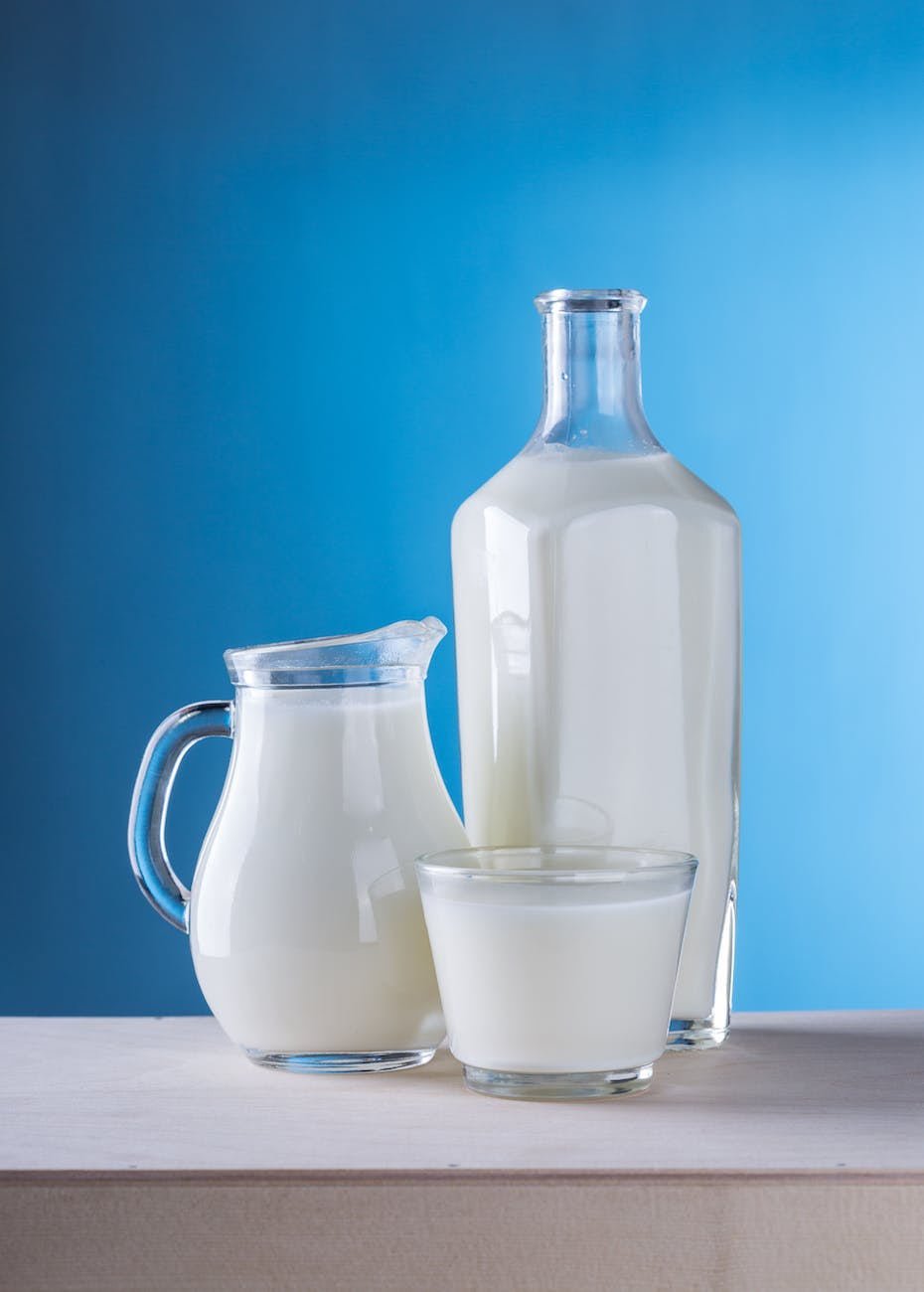
Unveiling the Potential Side Effects of Soda: Understanding the Impact on Health

Introduction: 🥤 Soda, a carbonated beverage enjoyed by many, is known for its refreshing taste. However, it’s essential to be aware of the potential side effects associated with regular soda consumption. In this comprehensive blog post, we will delve into the various side effects of soda on health, exploring its impact on weight gain, dental health, chronic conditions, hydration, nutritional deficiencies, and bone health. By understanding these potential risks in detail, you can make informed choices about your beverage consumption and prioritize your well-being.

1. Weight Gain and Obesity: 🥤 Regular soda consumption has been strongly linked to weight gain and an increased risk of obesity. Soda is high in added sugars, typically in the form of high-fructose corn syrup or other sweeteners, which contribute to excessive calorie intake. These empty calories provide little to no nutritional value but can lead to weight gain over time. Additionally, consuming sugary beverages does not provide the same level of satiety as whole foods, potentially leading to increased overall calorie consumption throughout the day.

2. Dental Health Problems: 🥤 Soda, particularly those that are high in sugar and acidic content, can have detrimental effects on dental health. The combination of sugars and acids in soda can erode tooth enamel, leading to tooth decay, cavities, and dental sensitivity. The acidic nature of soda can also promote the growth of harmful bacteria in the mouth, increasing the risk of gum disease and oral health problems. It is important to note that diet sodas, although sugar-free, are still acidic and can contribute to enamel erosion.

3. Increased Risk of Chronic Conditions: 🥤 Regular soda consumption has been associated with an increased risk of various chronic conditions, including:

  • Type 2 Diabetes: The high sugar content in soda can contribute to insulin resistance and an increased risk of developing type 2 diabetes. Regular consumption of sugary beverages has been linked to an elevated risk of developing this metabolic disorder.
  • Cardiovascular Disease: Excessive soda consumption, especially sugar-sweetened varieties, has been linked to an increased risk of cardiovascular disease. The consumption of high amounts of added sugars can contribute to high blood pressure, unhealthy cholesterol levels, and an increased risk of heart disease and stroke.
  • Liver Disease: The consumption of high-fructose corn syrup, a common sweetener in soda, can contribute to the development of non-alcoholic fatty liver disease (NAFLD). Excessive intake of added sugars, particularly fructose, can lead to fat accumulation in the liver, inflammation, and potential long-term liver damage.
  • Kidney Problems: Some studies suggest a potential link between soda consumption and an increased risk of kidney stones and impaired kidney function. The high levels of phosphoric acid in colas, in particular, may contribute to these issues.

4. Dehydration and Nutritional Deficiencies: 🥤 Soda can have a dehydrating effect on the body due to its high sugar and caffeine content. The diuretic properties of caffeine can increase urine production, leading to fluid loss and potentially contributing to dehydration if soda consumption is not balanced with adequate hydration. Moreover, regular soda consumption may displace healthier beverage options such as water, herbal teas, or natural fruit juices, which provide essential hydration and valuable nutrients. This displacement can lead to nutritional deficiencies, as soda typically offers little to no nutritional value.

5. Impact on Bone Health: 🥤 Soda consumption, particularly colas, has been associated with a negative impact on bone health. The high phosphoric acid content in cola drinks may interfere with calcium absorption and contribute to reduced bone mineral density. Over time, this may increase the risk of osteoporosis and fractures, especially in individuals who do not consume sufficient dietary calcium or engage in weight-bearing exercises to support bone health.

Conclusion: 🥤 While soda may be enjoyed as an occasional treat, it’s important to be mindful of its potential side effects on health. Regular consumption of soda has been strongly linked to weight gain, dental health problems, an increased risk of chronic conditions such as type 2 diabetes and cardiovascular disease, dehydration, and potential negative impacts on bone health. To prioritize your well-being, consider reducing soda consumption and opting for healthier alternatives such as water, herbal teas, natural fruit juices, or homemade flavored water. By making conscious choices about your beverage intake, you can support your overall health and well-being. 🥤🌿💧

Posted on 1 Comment

Understanding the Potential Side Effects of Cloves: Precautions and Considerations

Introduction: 🌿 Cloves, aromatic flower buds derived from the Syzygium aromaticum tree, have been used for centuries in culinary and medicinal practices. While cloves offer numerous health benefits, it’s important to be aware of potential side effects and precautions. In this blog post, we will explore the possible side effects of cloves, discuss precautions to take when consuming them, and provide recommendations for safe and responsible usage. By understanding the potential risks, you can make informed decisions and ensure your well-being when incorporating cloves into your lifestyle.

1. Allergic Reactions: 🌿 Allergies to cloves are rare but possible. Some individuals may develop allergic reactions, such as skin rashes, itching, swelling, or difficulty breathing, upon exposure to cloves. If you experience any of these symptoms after consuming or coming into contact with cloves, seek medical attention immediately.

2. Gastrointestinal Discomfort: 🌿 In some cases, cloves may cause gastrointestinal discomfort. Consuming large amounts of cloves or using highly concentrated forms, such as clove oil or supplements, may lead to symptoms such as stomach pain, nausea, vomiting, or diarrhea. To minimize the risk of gastrointestinal issues, it’s advisable to use cloves in moderation and within culinary or recommended dosage limits.

3. Interaction with Medications: 🌿 Cloves contain compounds that may interact with certain medications. For instance, eugenol, the active compound in cloves, can potentially enhance the effects of blood-thinning medications like warfarin, leading to an increased risk of bleeding. If you are taking any medications, including anticoagulants, consult your healthcare provider before incorporating cloves into your diet or using them in concentrated forms.

4. Skin Sensitivity: 🌿 Direct contact with clove oil or applying it in high concentrations to the skin may cause skin sensitivity or irritation in some individuals. It’s advisable to dilute clove oil with a carrier oil before applying it topically and to perform a patch test on a small area of skin to check for any adverse reactions. If you experience skin redness, itching, or irritation, discontinue use and seek medical advice.

5. Interaction with Pregnancy and Breastfeeding: 🌿 While cloves are generally considered safe in culinary amounts, pregnant and breastfeeding women should exercise caution when using concentrated forms of cloves or supplements. Limited research is available on the effects of cloves during pregnancy or breastfeeding, and it’s best to consult a healthcare professional before using cloves in any concentrated form or supplement.

Precautions and Recommendations: 🌿 To ensure safe and responsible usage of cloves, consider the following precautions:

  • Moderation is Key: Use cloves in moderation, especially if you are new to consuming them or using concentrated forms like clove oil or supplements.
  • Consult a Healthcare Provider: If you have any pre-existing medical conditions, are taking medications, are pregnant, or breastfeeding, consult a healthcare provider before incorporating cloves into your routine.
  • Use Culinary Amounts: Enjoy cloves in culinary amounts as part of your regular diet. Culinary usage is generally safe and provides the aromatic and flavorful benefits without excessive exposure to the active compounds.
  • Patch Test for Topical Use: If using clove oil topically, dilute it with a carrier oil and perform a patch test on a small area of skin to check for any adverse reactions before applying it to larger areas.

Conclusion: 🌿 While cloves offer a range of health benefits, it’s important to be aware of potential side effects and take necessary precautions. Allergies, gastrointestinal discomfort, medication interactions, skin sensitivity, and considerations during pregnancy and breastfeeding are important factors to consider when using cloves. By exercising moderation, consulting healthcare professionals when needed, and following safe usage practices, you can enjoy the benefits of cloves while minimizing potential risks. Stay informed, be mindful of your body’s response, and make informed decisions to ensure a safe and enjoyable experience with cloves. 🌿🌸💚

Posted on Leave a comment

5 Delicious Beef Recipes for Your Weight Loss Keto Plan

flat lay photography of slice of meat on top of chopping board sprinkled with ground peppercorns

Hello, keto enthusiasts! If you’re a fan of beef and looking for delicious recipes to add to your weight loss keto plan, you’re in for a treat. Beef is a rich source of protein and essential nutrients, making it an excellent choice for those following a ketogenic diet. Join us as we explore five mouthwatering beef recipes that not only promote weight loss but also satisfy your taste buds. Get ready to enjoy the flavors of succulent beef while staying on track with your keto goals. Let’s dive in! 🥩🍽️

1. Steak and Vegetable Skewers: Fire up the grill and indulge in a flavorful and satisfying meal with steak and vegetable skewers. Cut beef steak into cubes and marinate them with your favorite keto-friendly herbs and spices. Alternate the steak cubes with a colorful array of low-carb vegetables like bell peppers, zucchini, and mushrooms on skewers. Grill until the steak is cooked to your desired level of doneness and the vegetables are tender and slightly charred. These skewers are not only visually appealing but also packed with protein and essential nutrients from both the beef and vegetables.

2. Beef and Broccoli Stir-Fry: Whip up a quick and delicious beef and broccoli stir-fry that will satisfy your Chinese food cravings without derailing your keto plan. Slice beef into thin strips and stir-fry with garlic, ginger, and a splash of low-sodium soy sauce or coconut aminos. Add broccoli florets and cook until the beef is cooked through and the broccoli is crisp-tender. This dish is not only low in carbs but also loaded with protein and fiber, thanks to the beef and broccoli combination. Serve it over cauliflower rice for a complete keto-friendly meal.

3. Beef Taco Lettuce Wraps: Enjoy the flavors of a classic Mexican dish without the carbs by creating beef taco lettuce wraps. Brown ground beef in a skillet and season it with keto-friendly taco seasoning, such as chili powder, cumin, and paprika. Fill large lettuce leaves with the seasoned beef and top with your favorite low-carb toppings, such as diced tomatoes, shredded cheese, and a dollop of sour cream. These lettuce wraps offer a satisfying crunch and all the deliciousness of a traditional taco while keeping your carb intake in check.

4. Beef and Cauliflower Shepherd’s Pie: Indulge in a comforting and hearty meal with a keto twist by making a beef and cauliflower shepherd’s pie. Brown ground beef with onions, garlic, and herbs, then top it with a creamy layer of mashed cauliflower instead of the traditional mashed potatoes. Bake until the cauliflower is golden and bubbling. This keto-friendly version of shepherd’s pie provides all the flavors and textures you love, with the added bonus of being low in carbs and high in fiber from the cauliflower.

5. Korean-Style Beef Bulgogi: Experience the bold and vibrant flavors of Korean cuisine with a keto-friendly twist by preparing beef bulgogi. Thinly slice beef and marinate it in a mixture of soy sauce or coconut aminos, sesame oil, garlic, and ginger. Cook the marinated beef in a hot skillet until caramelized and tender. Serve it with a side of sautéed low-carb vegetables like bok choy or cabbage for a complete meal. This dish offers a perfect balance of savory, sweet, and umami flavors that will keep your taste buds delighted.

Tips for Cooking Beef on Your Keto Journey 🥩🍽️

To make the most of your beef recipes while following a ketogenic diet, consider the following tips:

  1. Choose Quality Beef: Opt for grass-fed or pasture-raised beef whenever possible. These cuts of beef tend to be leaner and contain higher levels of omega-3 fatty acids, conjugated linoleic acid (CLA), and vitamins. Quality beef not only offers better nutritional value but also contributes to the overall flavor and tenderness of your dishes.
  2. Mindful Portion Control: While beef is a great source of protein and healthy fats, it’s important to practice portion control to manage your calorie intake. Be aware of the recommended serving sizes and adjust accordingly. Pair your beef dishes with a generous serving of low-carb vegetables to add volume and fiber to your meal while keeping your portions in check.
  3. Experiment with Cuts: Explore different cuts of beef to add variety to your keto meals. From tenderloin to ribeye to brisket, each cut offers a unique flavor profile and texture. Experiment with different cuts to find your favorites and explore new recipes that showcase the best qualities of each cut.
  4. Lean vs. Fatty Cuts: While fatty cuts like ribeye or chuck offer a rich flavor, opting for leaner cuts like sirloin or tenderloin can help control your fat intake if you’re looking to manage your calorie balance. Incorporate a mix of lean and fatty cuts to strike a balance and enjoy a range of flavors and textures.
  5. Meal Prep: Consider incorporating beef recipes into your meal prep routine. Cook large batches of beef dishes and portion them out for convenient meals throughout the week. This saves time and ensures you always have a keto-friendly option on hand when hunger strikes.

In Conclusion: Savor the Flavors of Beef on Your Keto Journey 🥩🍽️

Beef can be a delicious and satisfying addition to your weight loss keto plan. From succulent steak skewers to flavorful stir-fries and comforting shepherd’s pie, there are numerous ways to incorporate beef into your keto-friendly meals. By choosing quality cuts, practicing portion control, and experimenting with different recipes, you can enjoy the flavors and benefits of beef while staying on track with your keto goals. So, fire up the grill, grab your skillet, and savor the goodness of beef on your keto journey. Bon appĂ©tit! 🥩🍽️

Posted on Leave a comment

5 Ways Apple Cider Vinegar Boosts Your Keto Weight Loss

apple cider vinegar in a clear glass jar

Hello, keto enthusiasts! Today, we’re exploring the incredible benefits of apple cider vinegar (ACV) and how it can support your weight loss journey on the ketogenic diet. ACV has been praised for its numerous health benefits and has gained popularity in the wellness community. Join us as we delve into the science-backed advantages of incorporating apple cider vinegar into your keto lifestyle and discover five effective ways it can boost your weight loss efforts. Get ready to unlock the potential of this natural elixir! 🍎🍽️

1. Enhanced Fat Burning: Apple cider vinegar has been shown to have a positive impact on fat metabolism, making it a valuable tool for keto weight loss. The acetic acid in ACV helps stimulate the genes responsible for breaking down fats, potentially increasing the rate at which your body burns stored fat for energy. Incorporating ACV into your diet can support your body’s natural fat-burning mechanisms and aid in reaching your weight loss goals.

2. Improved Insulin Sensitivity: Insulin resistance can hinder weight loss progress on a ketogenic diet. However, studies have suggested that apple cider vinegar may help improve insulin sensitivity, which is beneficial for individuals with insulin resistance or type 2 diabetes. By improving insulin sensitivity, ACV can support stable blood sugar levels, reduce cravings, and promote weight loss on a keto diet.

3. Increased Satiety: One of the challenges of weight loss is managing hunger and staying satisfied while adhering to a calorie deficit. Apple cider vinegar has been shown to increase feelings of fullness and promote satiety, thanks to its acetic acid content. By adding ACV to your meals or drinking it diluted in water before a meal, you can potentially reduce your calorie intake by feeling more satisfied and less likely to overeat.

4. Regulated Blood Sugar Levels: Keeping blood sugar levels stable is crucial for maintaining ketosis and preventing energy crashes or cravings. Apple cider vinegar has been found to help regulate blood sugar levels by improving insulin sensitivity and slowing down the digestion of carbohydrates. This can be especially beneficial for individuals following a keto diet, as it supports stable ketone production and helps prevent blood sugar spikes that could disrupt ketosis.

5. Improved Digestion: Proper digestion is essential for weight loss and overall health. Apple cider vinegar is known to have probiotic properties that promote a healthy gut microbiome. A balanced gut flora contributes to efficient digestion and nutrient absorption. By incorporating ACV into your diet, you can support a healthy digestive system, minimize bloating, and optimize nutrient utilization.

Incorporating Apple Cider Vinegar into Your Keto Routine 🍎🍽️

Now that we understand the benefits, let’s explore some practical ways to incorporate apple cider vinegar into your keto routine:

  1. Salad Dressings: Create a tangy and refreshing salad dressing by combining apple cider vinegar, olive oil, Dijon mustard, and your favorite herbs and spices. Drizzle it over a bed of leafy greens and keto-friendly vegetables for a nutritious and flavorful meal.
  2. Morning Boost: Start your day with a glass of water mixed with a tablespoon of apple cider vinegar and a squeeze of lemon juice. This simple concoction can help kickstart your metabolism, promote digestion, and provide a refreshing burst of flavor.
  3. Marinades and Sauces: Use apple cider vinegar as a base for keto-friendly marinades and sauces. Its tangy taste and acidity can enhance the flavor of meat, poultry, or fish while tenderizing the protein.
  4. Keto-Friendly Pickles: Make your own low-carb pickles by soaking cucumbers or other keto-approved vegetables in a mixture of apple cider vinegar, water, and spices. Enjoy these crunchy and tangy treats as a refreshing snack or a tasty addition to your meals.
  5. Refreshing Beverages: Mix apple cider vinegar with sparkling water, a splash of lemon or lime juice, and a few drops of liquid stevia for a refreshing and hydrating keto-friendly beverage. It’s a great alternative to sugary drinks and can help quench your thirst while providing potential health benefits.

In Conclusion: Harnessing the Power of Apple Cider Vinegar on Keto 🍎🍽️

Incorporating apple cider vinegar into your keto routine can be a powerful tool for weight loss and overall well-being. From enhanced fat burning and improved insulin sensitivity to increased satiety and regulated blood sugar levels, ACV offers a range of benefits that align with the goals of a ketogenic diet. Experiment with different ways to include apple cider vinegar in your meals and beverages, and enjoy the potential advantages it brings to your weight loss journey. Cheers to your success on the keto path with the help of this natural elixir! 🥂🍎

Posted on Leave a comment

5 Warnings about Using Cornstarch on Your Keto Journey

scrabble tiles surrounded by white flowers on a marbled surface

Hey there, keto warriors! Today, we’re going to shed some light on the topic of cornstarch and its compatibility with the ketogenic diet. While cornstarch is a common ingredient used as a thickener in many recipes, its carbohydrate content raises concerns for those following a low-carb lifestyle. Join us as we discuss the potential pitfalls of using cornstarch on your keto journey, explore its nutritional impact, and provide you with alternative thickening options to keep you on track. Let’s dive in and uncover the truth about cornstarch on the keto diet! 🌽🚫

1. High Carbohydrate Content: One of the primary reasons to be cautious with cornstarch on a keto diet is its high carbohydrate content. Cornstarch is made from corn, which is a starchy vegetable rich in carbohydrates. Just one tablespoon of cornstarch contains around 7 grams of net carbs, which can quickly add up and hinder your ability to stay in ketosis. Here’s a breakdown of the macronutrient profile of cornstarch per 100 grams:

  • Carbohydrates: 91 grams
  • Protein: 0.3 grams
  • Fat: 0.1 grams
  • Fiber: 0.9 grams
  • Calories: 381

2. Blood Sugar Impact: Cornstarch is rapidly absorbed by the body, leading to a quick increase in blood sugar levels. This spike can disrupt ketosis and hinder your progress on the ketogenic diet. Maintaining stable blood sugar levels is essential for achieving and sustaining a state of ketosis. By opting for low-carb thickening alternatives, you can avoid the blood sugar rollercoaster and stay on track with your keto goals.

3. Lack of Nutritional Value: In addition to its high carbohydrate content, cornstarch offers little to no nutritional value. It lacks essential vitamins, minerals, and fiber, which are crucial for overall health and well-being. By choosing alternatives to cornstarch, you can opt for ingredients that provide more nutritional benefits while keeping your carb intake in check.

4. Alternative Thickening Agents: Fortunately, there are several keto-friendly alternatives to cornstarch that can be used as thickeners in your recipes. Here are some low-carb options and their macronutrient profile per 100 grams:

  • Xanthan Gum: Carbohydrates: 77 grams, Protein: 3.1 grams, Fat: 0 grams, Fiber: 77 grams, Calories: 300
  • Guar Gum: Carbohydrates: 84 grams, Protein: 5 grams, Fat: 0 grams, Fiber: 84 grams, Calories: 329
  • Psyllium Husk Powder: Carbohydrates: 0.4 grams, Protein: 0 grams, Fat: 0 grams, Fiber: 88 grams, Calories: 21

These alternatives provide similar thickening properties without the high carbohydrate content of cornstarch. However, it’s important to note that a little goes a long way with these thickeners, so use them sparingly and adjust the quantities based on your desired consistency.

5. Portion Control and Moderation: If you still choose to use cornstarch occasionally, it’s crucial to practice portion control and moderation. Be mindful of the amount you use and the overall carbohydrate content of your meal. This way, you can enjoy the benefits of cornstarch while minimizing its impact on your keto goals. Remember, every gram of carbs counts when it comes to maintaining ketosis.

In Conclusion: Choose Wisely on Your Keto Journey 🌽🚫

While cornstarch may not be the best choice for those following a ketogenic diet, there are plenty of alternatives available that can help you achieve the desired texture and consistency in your dishes. By opting for low-carb thickeners like xanthan gum, guar gum, or psyllium husk powder and being mindful of your carbohydrate intake, you can stay on track with your keto goals while still enjoying delicious, flavorful meals. So, be cautious with cornstarch, explore alternative options, and make informed choices to support your keto journey! 🌱🔥